Image: Amgueddfa Cymru – Museum Wales (CC0) · CC0 · via Wikimedia Commons
Waterlilies (1906, National Museum Cardiff)
Claude Monet, 1906
Waterlilies is a 1906 painting by Claude Monet of his Giverny pond in a pale, luminous key: drifting pads and pink flowers around a sheet of water reflecting white cloud. It is in National Museum Cardiff, from the Davies sisters' collection.
- Artist
- Claude Monet
- Date
- 1906
- Medium
- Oil on canvas
- Dimensions
- 81.6 × 92.7 cm
- Collection
- National Museum Cardiff (Amgueddfa Cymru), Cardiff, United Kingdom
- Movement
- Impressionism
- Catalogue
- Wildenstein 1688
- Nature & Landscape
- Water & Sea
Waterlilies is a 1906 canvas by Claude Monet of the surface of his lily pond at Giverny, in National Museum Cardiff (Amgueddfa Cymru), inventory NMW A 2487. Measuring 81.6 by 92.7 centimeters and signed and dated Claude Monet 1906 at the lower left, it is one of the Monets collected by the Welsh sisters Gwendoline and Margaret Davies, and it is the palest of the 1906 lily paintings.
What you're looking at
The canvas is almost all light. A broad sheet of water fills the center, reflecting a sky of white and pale cream cloud, with lilac, pale blue and touches of yellow worked through it. Only the lily pads give it structure. At the top and upper right, long islands of pads in blue-green and teal float with pale pink and white flowers; down the left side a large cluster of pads in deeper blue-green carries pink blossoms; and across the bottom a row of smaller, darker pads, almost slate blue, holds a few pink and red buds.
In the upper left and top center, yellow-green and olive passages suggest the reflected foliage of trees on the bank, but they are soft and blurred. There is no bank, no horizon and no real sky. The lily pads seem to float on light itself.
The palette is high in key and cool: whites, creams, lilacs and pale blues dominate, with the greens of the pads and the pinks of the flowers kept delicate. It is one of the lightest canvases of the whole 1903–08 campaign.
The pond in 1906
Monet had dug the pond in 1893 and enlarged it in 1901–02. From 1903 he concentrated on paintings of its surface, the paysages d'eau. By 1906 he had dropped the bank and was painting only water, pads and reflections. In May 1909 Durand-Ruel exhibited forty-eight of these canvases, dated 1903 to 1908, in Paris under the title Les Nymphéas, séries de paysages d'eau (Water Lilies, a series of water landscapes). He destroyed many canvases he judged unsuccessful.
How this version differs
Chicago's Water Lilies of the same year is the natural comparison. Both have pads framing a central open passage of reflected sky. But Chicago's water is deep, saturated blue with drifting white clouds; Cardiff's is almost white, as if the sky were overcast but bright, or the light reflected straight off the surface into the painter's eyes. The pads here are bluer and cooler, the flowers paler. Earlier pictures such as Le Havre's dark Water Lilies of 1904 show how far Monet had moved in two years, from contrast to pure luminosity.
How it was painted
The open water is laid in with a dense, dry weave of short strokes, white over lilac and cream, the colors mixed on the canvas rather than the palette. The pads are painted with flatter, smoother strokes, their edges defined by darker blue. The flowers are single small touches of pink. There is little real dark anywhere in the picture, and the effect depends on small shifts of temperature, warm cream against cool lilac.
Ownership and where to see it
The Davies sisters of Gregynog in mid-Wales bought Impressionist paintings from about 1908, and Monet was their favorite artist; their bequests to the National Museum, Gwendoline's in 1951 and Margaret's in 1963, included several of his water-lily canvases. Cardiff also holds three of Monet's Venice paintings, among them San Giorgio Maggiore and The Palazzo Dario. For the series see Monet's Water Lilies; for the garden, Giverny; for other places to see Monet, Where to See Monet's Paintings.
Questions & answers
Where is Monet's 1906 Waterlilies in Wales?
It is in National Museum Cardiff (Amgueddfa Cymru), inventory NMW A 2487. It came to the museum through the bequests of the Davies sisters of Gregynog, who collected Monet enthusiastically.
When was it painted?
In 1906, at Monet's lily pond in Giverny. It is signed and dated Claude Monet 1906 at the lower left and belongs to his 1903–08 series of water landscapes.
What does it show?
The surface of the lily pond with no bank or sky: islands of blue-green pads with pale pink flowers around a broad sheet of water reflecting white and cream clouds.
How is it different from Chicago's 1906 Water Lilies?
The compositions are similar, with pads framing a central passage of reflected sky. Chicago's water is deep blue with white clouds; Cardiff's is almost white and much paler overall.
More by the artist
Claude Monet
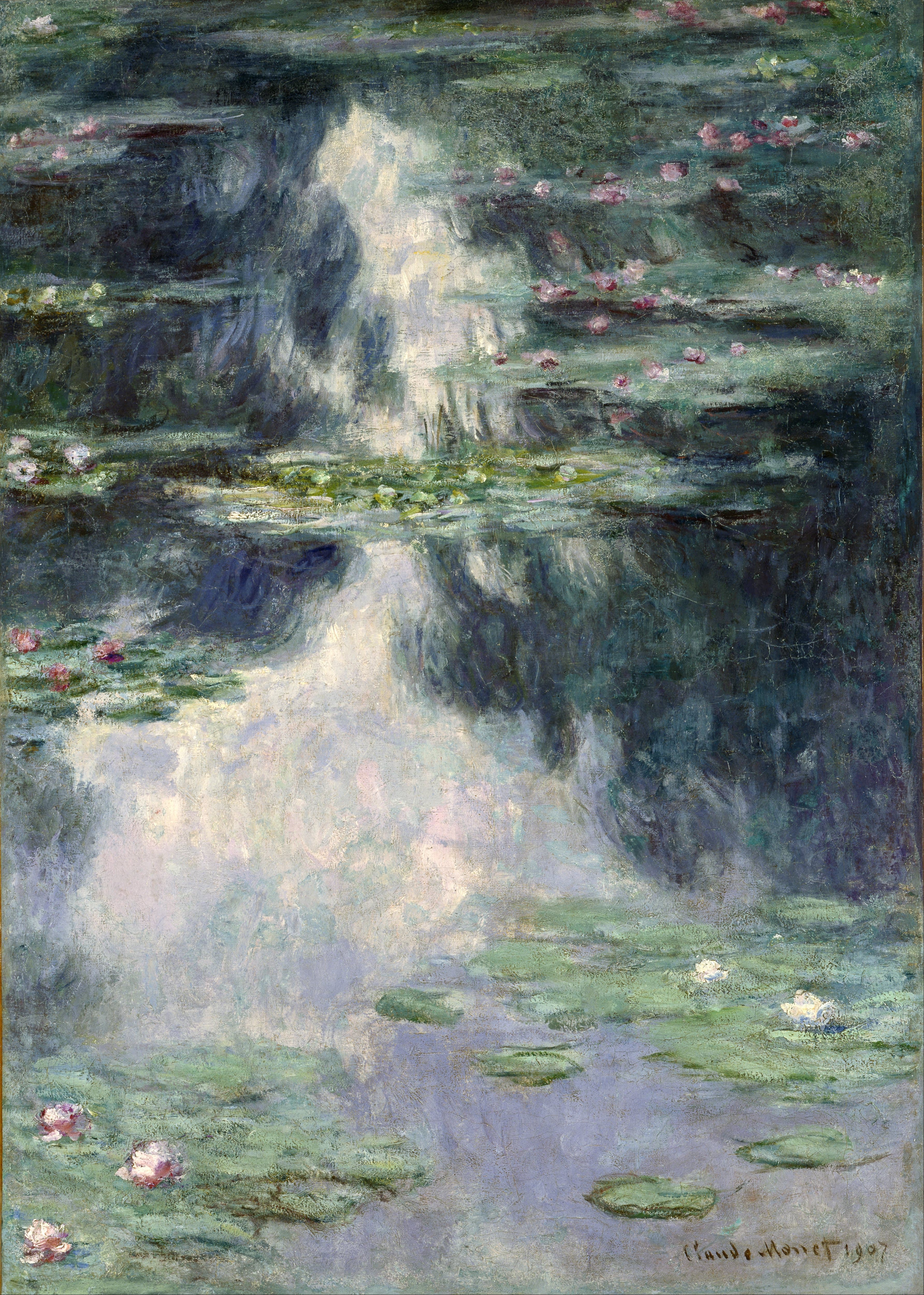
Pond with Water Lilies (Israel Museum)
Claude Monet · 1907
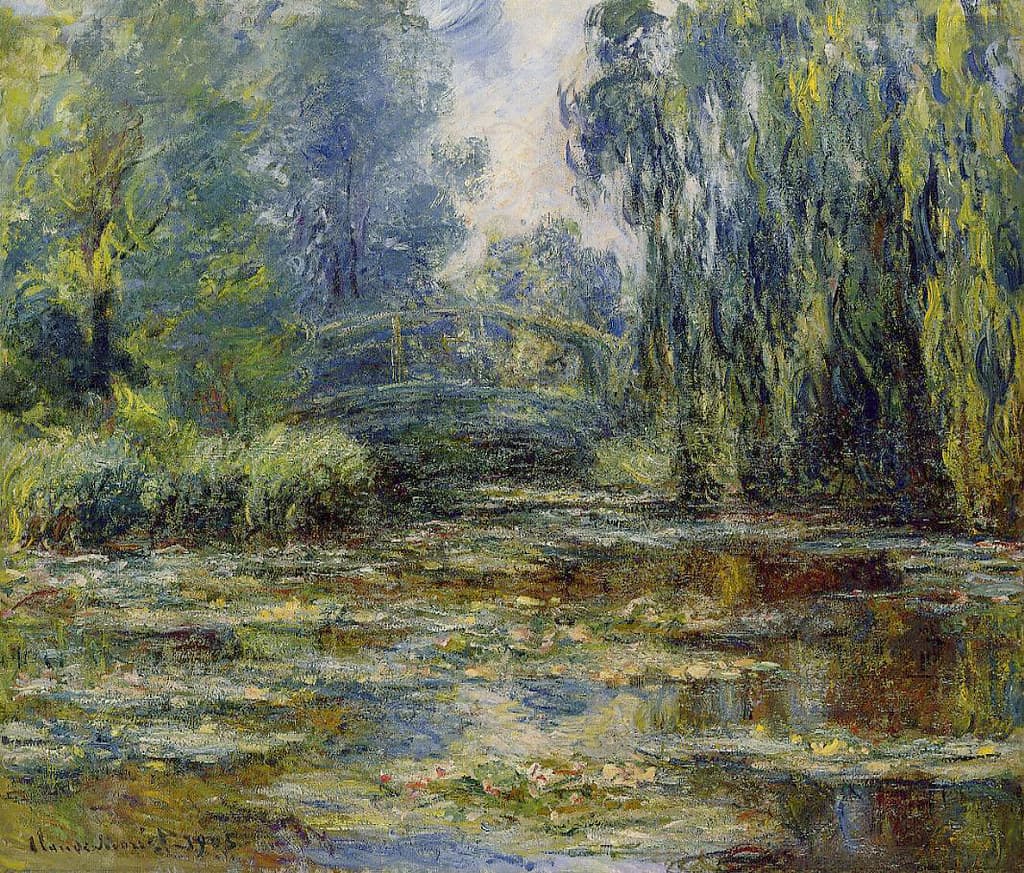
The Water-Lily Pond and Bridge
Claude Monet · 1905
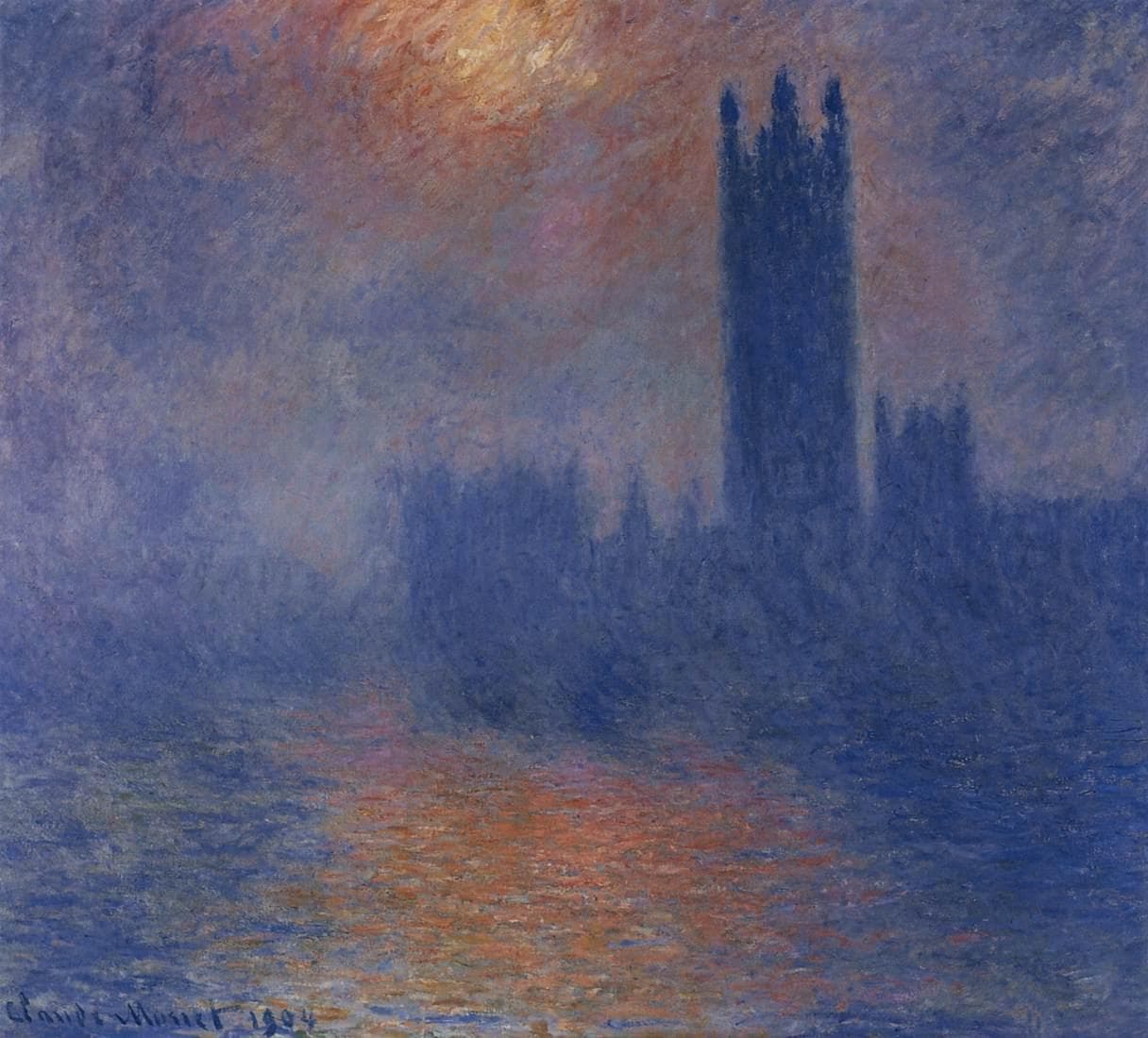
The Houses of Parliament in London
Claude Monet · 1904
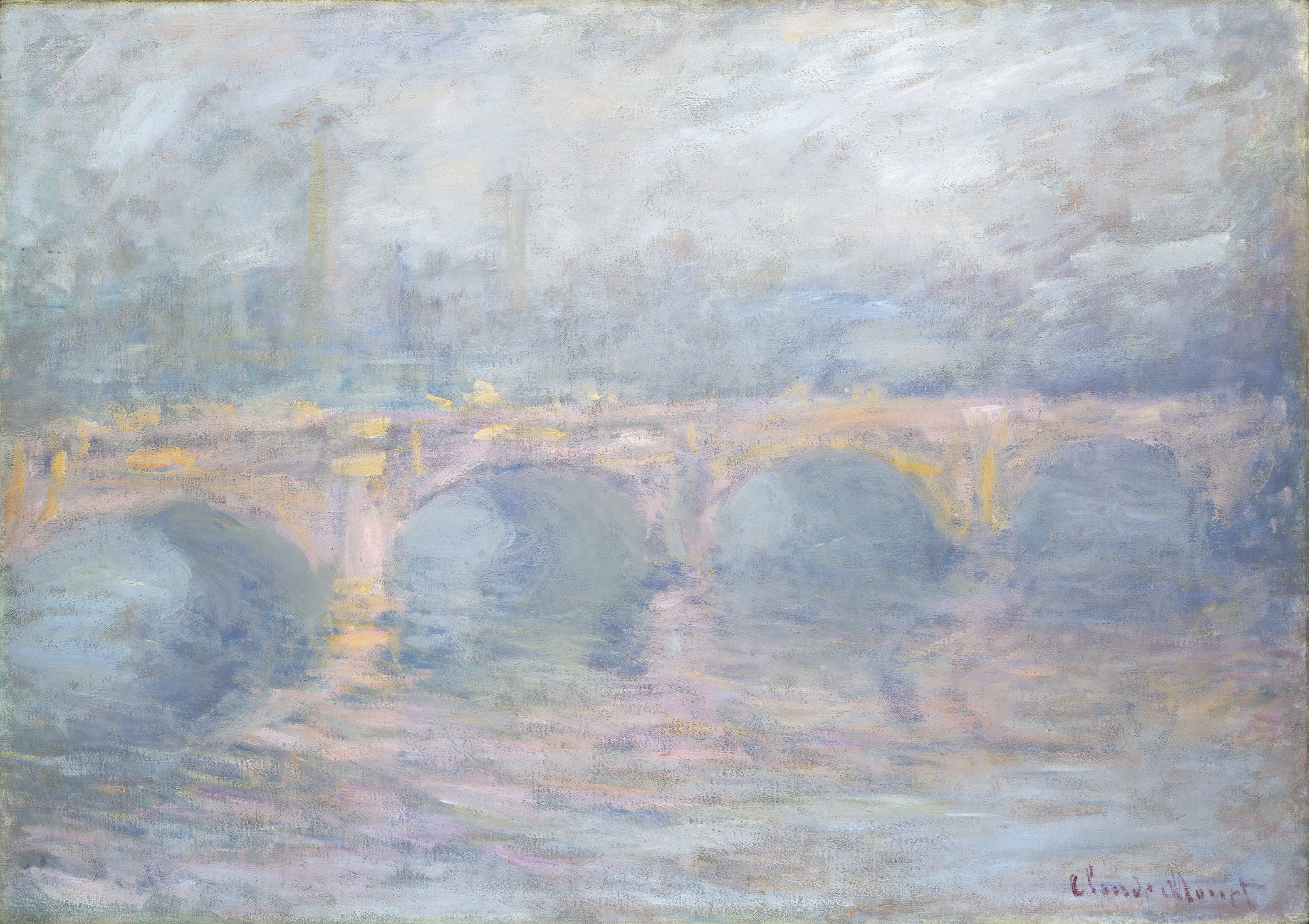
Waterloo Bridge, London, at Sunset
Claude Monet · 1904
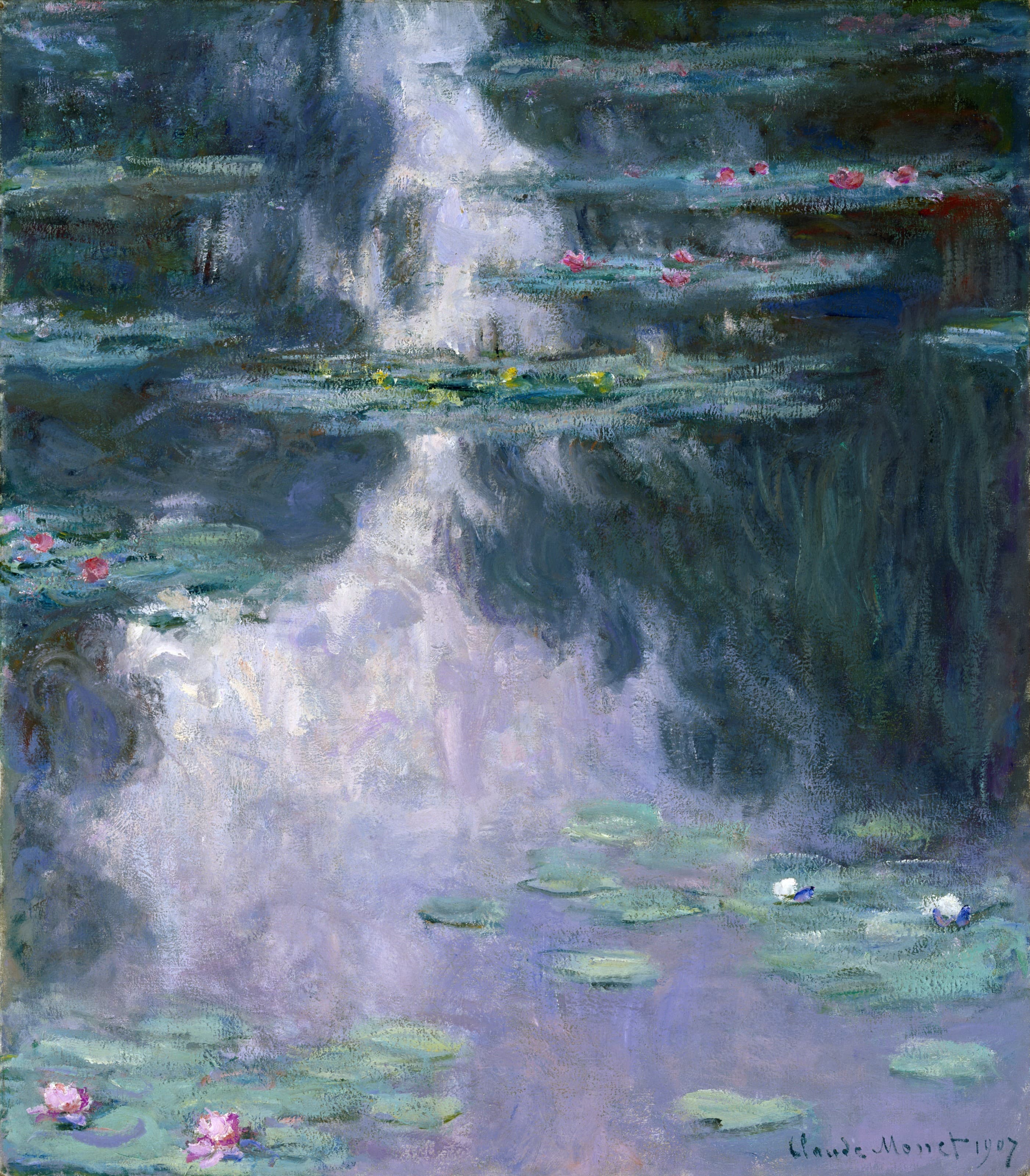
Water Lilies (Nymphéas), 1907 (Houston)
Claude Monet · 1907

Sunset in Venice
Claude Monet · 1908–12
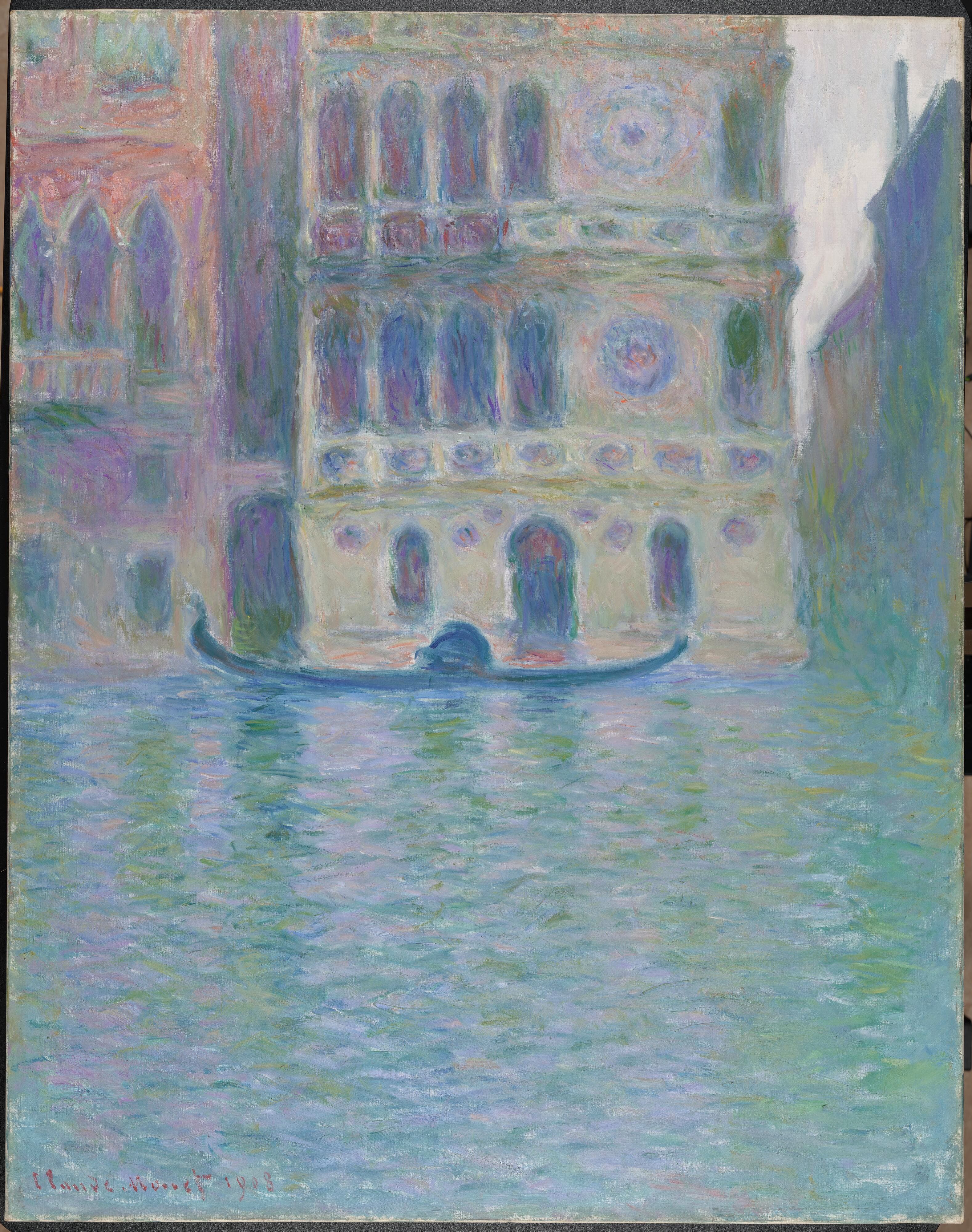
The Palazzo Dario
Claude Monet · 1908
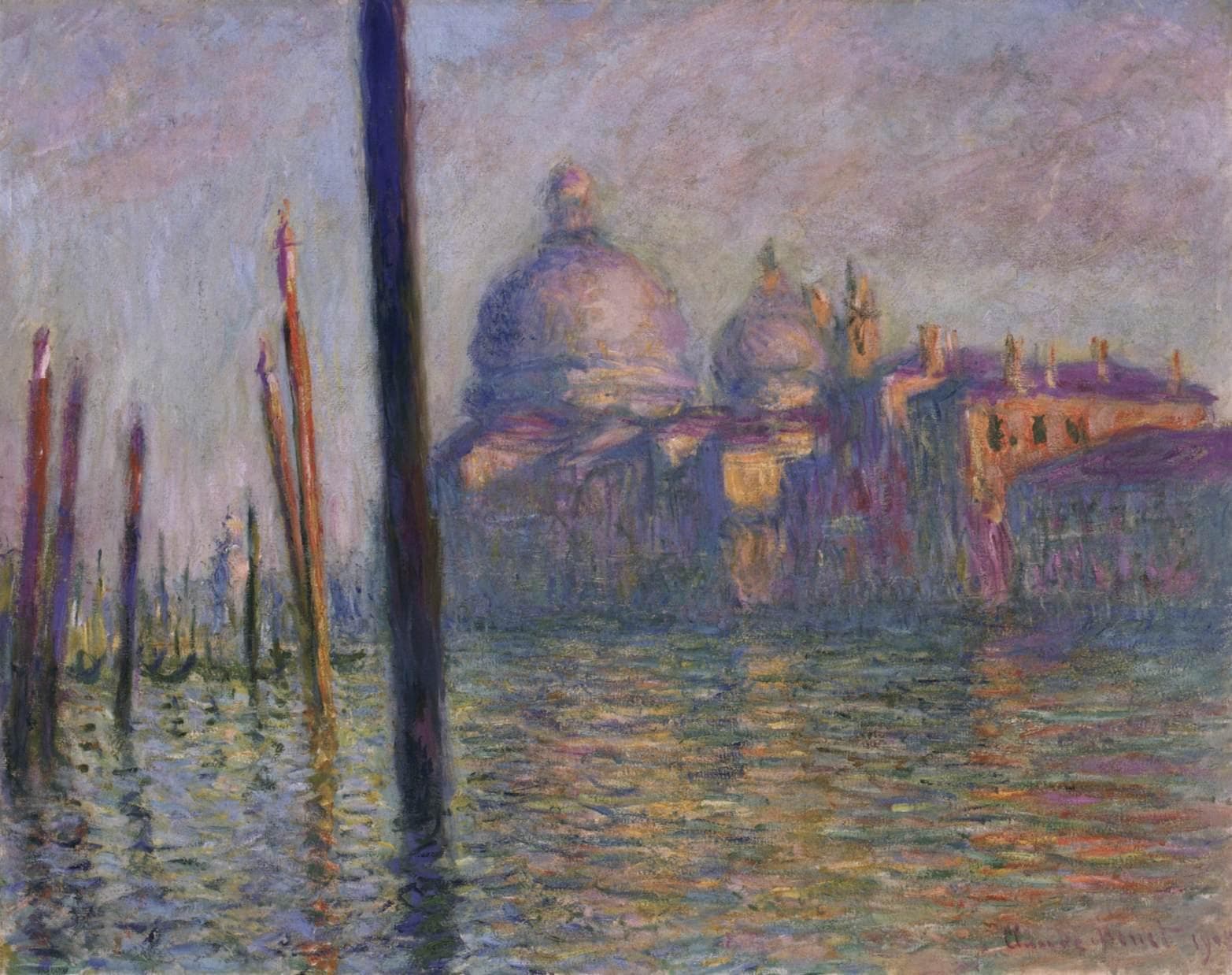
The Grand Canal in Venice
Claude Monet · 1908
Also painted in 1906
The same year
Kindred works
You may also study
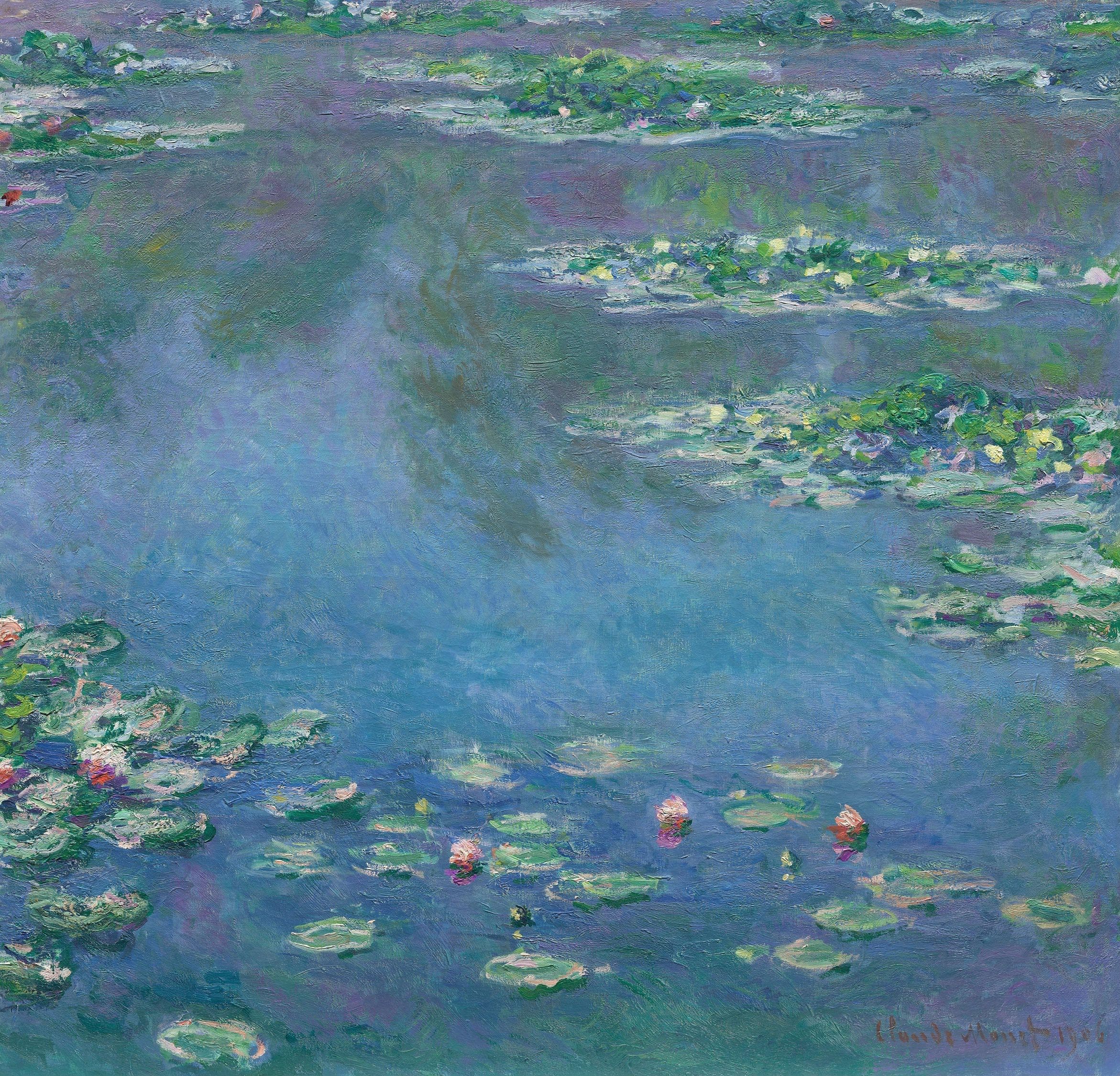
Water Lilies (1906, Art Institute of Chicago)
Claude Monet · 1906
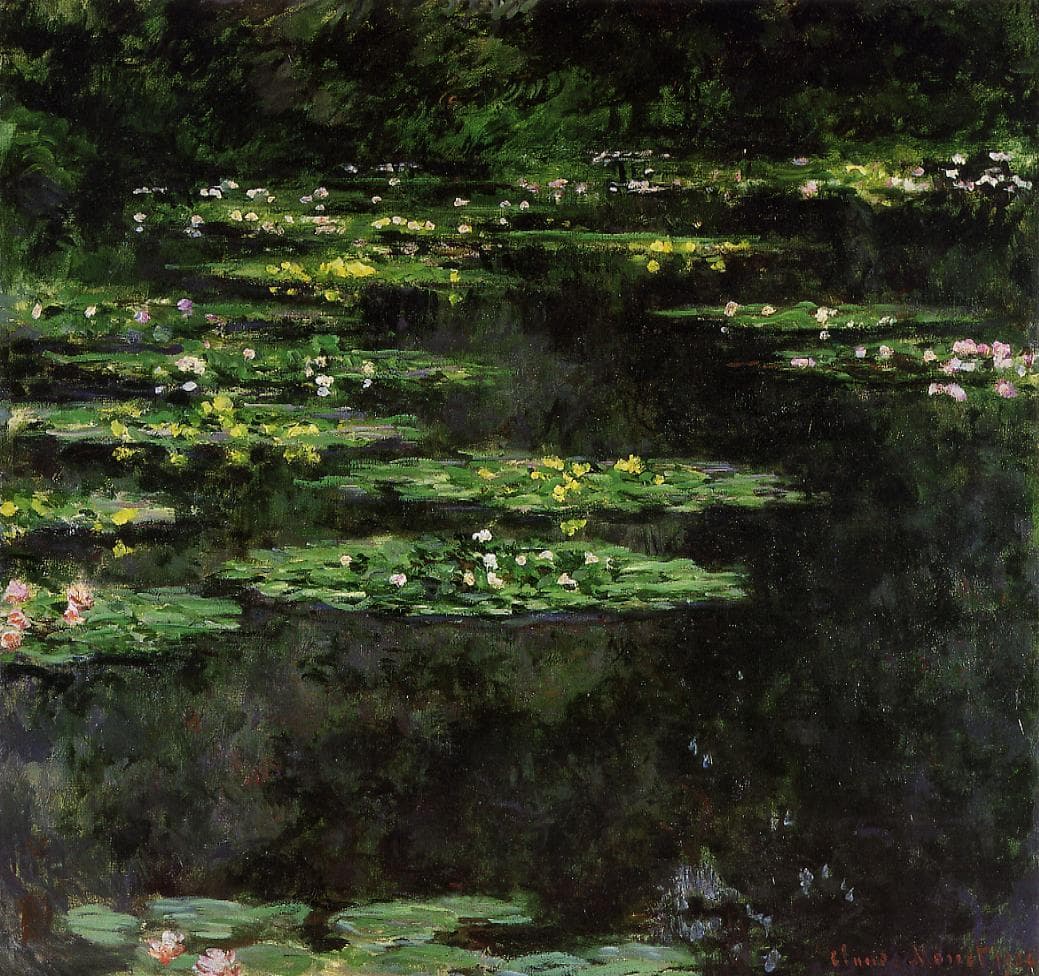
Water Lilies (1904, MuMa Le Havre)
Claude Monet · 1904
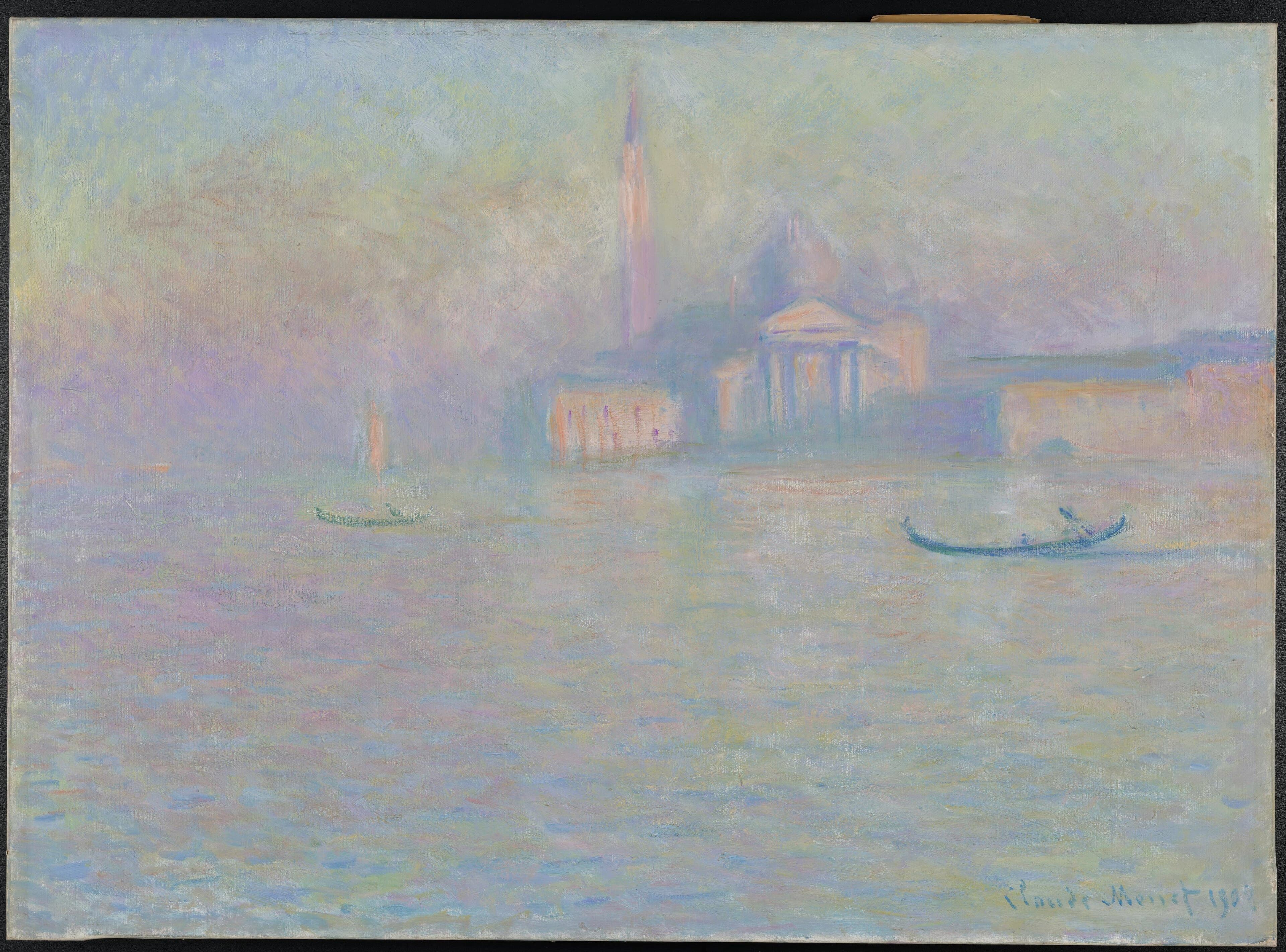
San Giorgio Maggiore
Claude Monet · 1908
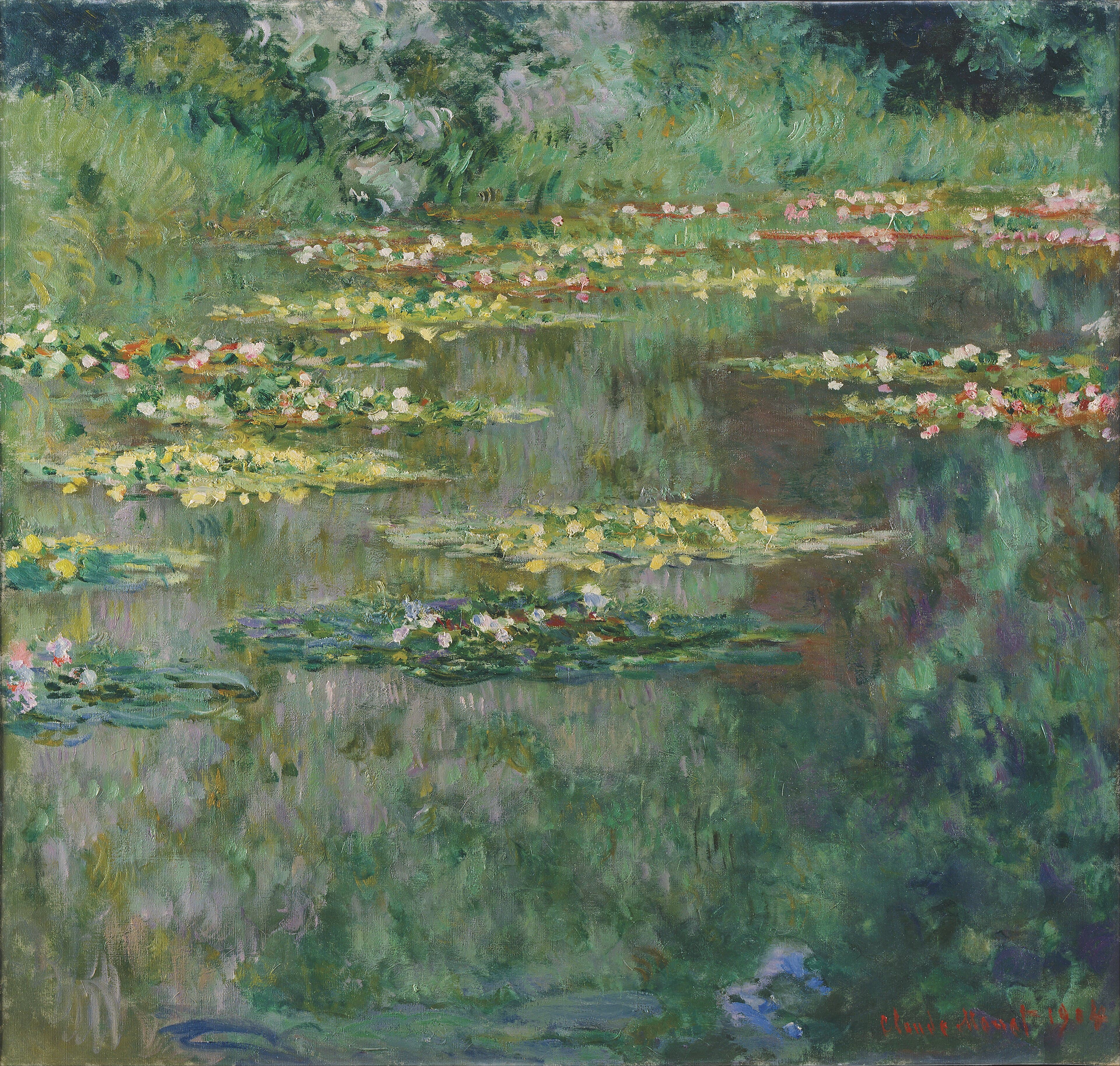
Le Bassin des Nymphéas (Denver)
Claude Monet · 1904
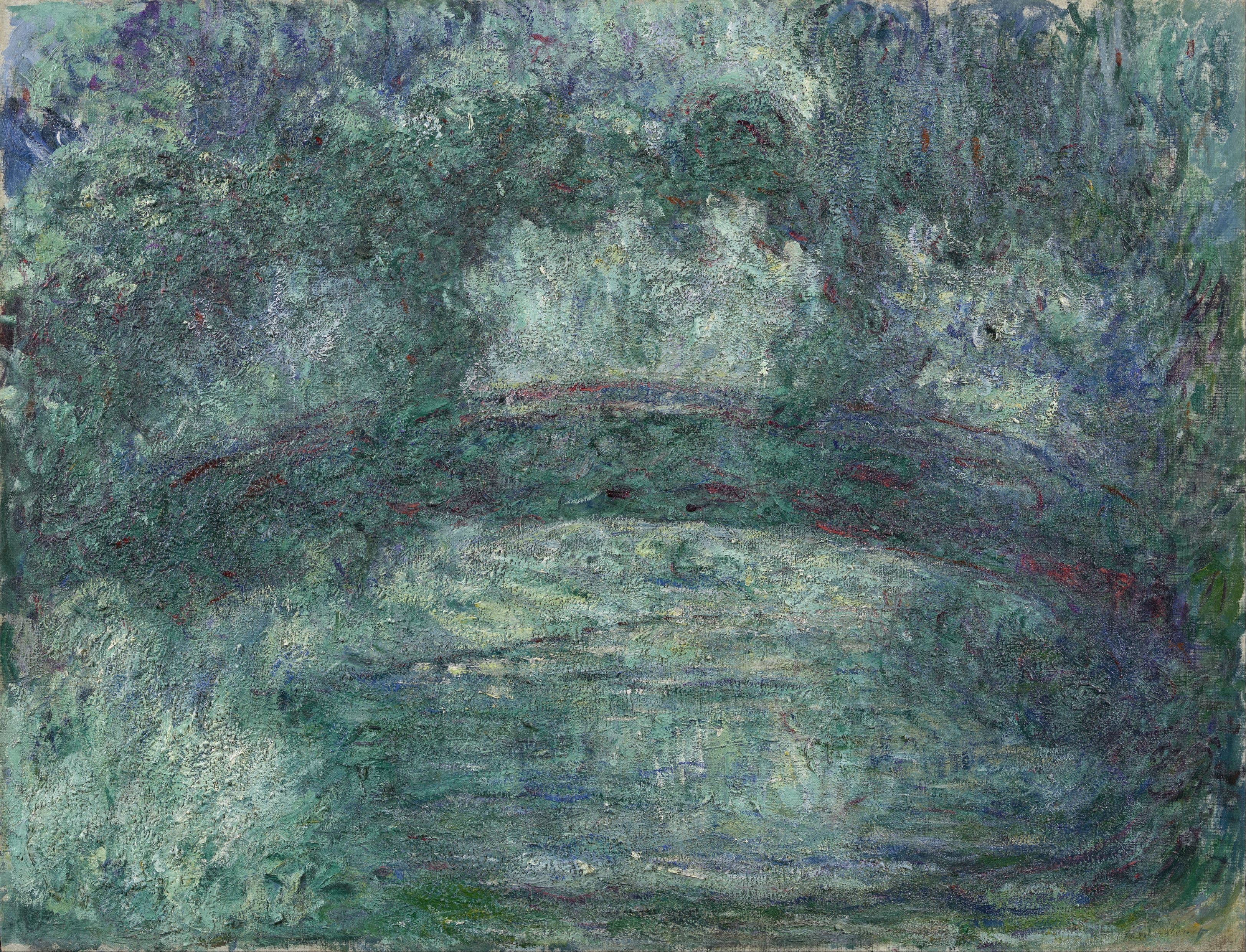
The Japanese Bridge
Claude Monet · 1919–24
Water Lilies with Willow Branches
Claude Monet · c. 1916–17
Water Lilies (1919, Metropolitan Museum)
Claude Monet · 1919
The Water Lily Pond, Harmony in Rose
Claude Monet · 1900