Image: Museum Barberini, Potsdam (Hasso Plattner Collection) · Public domain · via Wikimedia Commons
Meules (Grainstacks), 1890
Claude Monet, 1890
Meules (Grainstacks), 1890, is a Claude Monet Haystacks painting of two stacks backlit by a low sun. It sold at Sotheby's in May 2019 for $110.7 million, then a Monet record, and is in the Hasso Plattner Collection at the Museum Barberini, Potsdam.
- Artist
- Claude Monet
- Date
- 1890
- Medium
- Oil on canvas
- Dimensions
- 73 × 92.5 cm
- Collection
- Museum Barberini (Hasso Plattner Collection), Potsdam, Germany
- Movement
- Impressionism
- Catalogue
- Wildenstein 1273
- Nature & Landscape
Meules (Grainstacks) is one of the twenty-five canvases of Claude Monet's Haystacks series, painted at Giverny in 1890 and signed and dated Claude Monet 91 at lower left. It shows two great stacks seen against the light: the nearer one looms at left, cut by the edge of the canvas, its shadowed side glowing violet and red, while a low sun blazes yellow behind the second stack and floods the sky with orange and pink. On 14 May 2019 it sold at Sotheby's New York for $110.7 million, then the highest price ever paid for a Monet. The buyer, the software entrepreneur Hasso Plattner, placed it in the Museum Barberini in Potsdam, Germany.
What you are looking at
The canvas is 73 by 92.5 cm. The composition is daringly asymmetrical. The nearer stack fills the left half, so close that its peak rises almost to the top edge and its left side is cut off. It is seen in shadow, built from dense strokes of crimson, plum, violet and blue, with a thin rim of fiery orange where the sun catches its edge. A second, smaller stack stands just behind it to the right, also in silhouette, its outline burning gold.
To the right, the sky opens up: an intense glow of lemon yellow just above the horizon, shading into peach, pink and pale turquoise. A few rounded trees on the horizon at right are touched with pink and green. The field in the foreground is a vivid mix of green, violet, orange and blue strokes, crossed by the long shadow of the stacks, which reaches toward us. The signature and date, Claude Monet 91, are written in the lower left.
Where and when it was painted
Monet began the Haystacks series at the end of summer 1890, painting the stacks in a field next to his house at Giverny, and continued through the winter into spring 1891. In October 1890 he wrote to the critic Gustave Geffroy that he was "struggling with a series of different effects", searching above all for "instantaneity" and the enveloppe, "the same light spread over everything". He worked on many canvases at once, switching as the light changed, and refined them in the studio. In May 1891 he showed fifteen of them together at Durand-Ruel's gallery in Paris; the show was a critical and commercial triumph and sold out within days. See our Giverny hub for the place.
How it was painted
This is one of the most intensely colored canvases in the series. Monet painted directly against the light, a difficult position: the stacks become dark masses, but he refused to paint them dark. Instead they are full of saturated reds, violets and blues, with warm orange outlines where the light wraps around them. The brushwork is dense and layered, especially in the sky, where many coats of color produce a glow rather than a flat tone. The tight crop and the sweep of the shadow give the picture an energy unlike the calmer, centered compositions.
The 2019 sale and after
The canvas had last appeared at auction in 1986, when it sold at Christie's for about $2.5 million. Its 2019 sale was the first time an Impressionist painting passed $100 million at auction. Plattner, co-founder of the software company SAP, had founded the Museum Barberini in 2017 to show his collection of Impressionism, and the painting now hangs there alongside a large group of other Monets and works by his Impressionist contemporaries. In October 2022, climate activists threw mashed potatoes at it; it was behind glass and was not damaged.
How this version differs
Most of the series' sunset pictures center a single stack, like the Art Institute of Chicago's Stack of Wheat (Thaw, Sunset) or the MFA's Grainstack (Sunset). This canvas instead crowds two stacks into the left half and gives the right half to the sky. It is closest in composition to the Art Institute's Stacks of Wheat (End of Summer), but its light is far more dramatic. The Barberini also owns a snow canvas from the series, Grainstack in the Sunlight, Snow Effect.
Where to see it
The painting is in the Museum Barberini on the Alter Markt in Potsdam, near Berlin, as part of Impressionism: The Hasso Plattner Collection (inv. MB-Mon-26). See also where to see Monet's paintings.
Questions & answers
Which Monet sold for $110.7 million?
Meules (Grainstacks), a Haystacks painting of 1890 signed and dated '91'. It sold at Sotheby's New York on 14 May 2019 for $110.7 million with fees, then a record for Monet and the first Impressionist work to pass $100 million at auction.
Where is the $110 million Monet haystacks painting now?
In the Museum Barberini in Potsdam, Germany, part of Impressionism: The Hasso Plattner Collection. Hasso Plattner, co-founder of SAP, bought it in 2019 and placed it in the museum he founded in 2017.
What does the painting show?
Two grainstacks in a field at Giverny seen against a low, blazing sun. The near stack fills the left side in deep red and violet shadow, edged with orange light, while the sky at right glows yellow, peach and pink.
Was the Barberini Monet damaged by protesters?
No. In October 2022 climate activists threw mashed potatoes at the painting at the Museum Barberini, but it was protected by glass and was not harmed.
More by the artist
Claude Monet
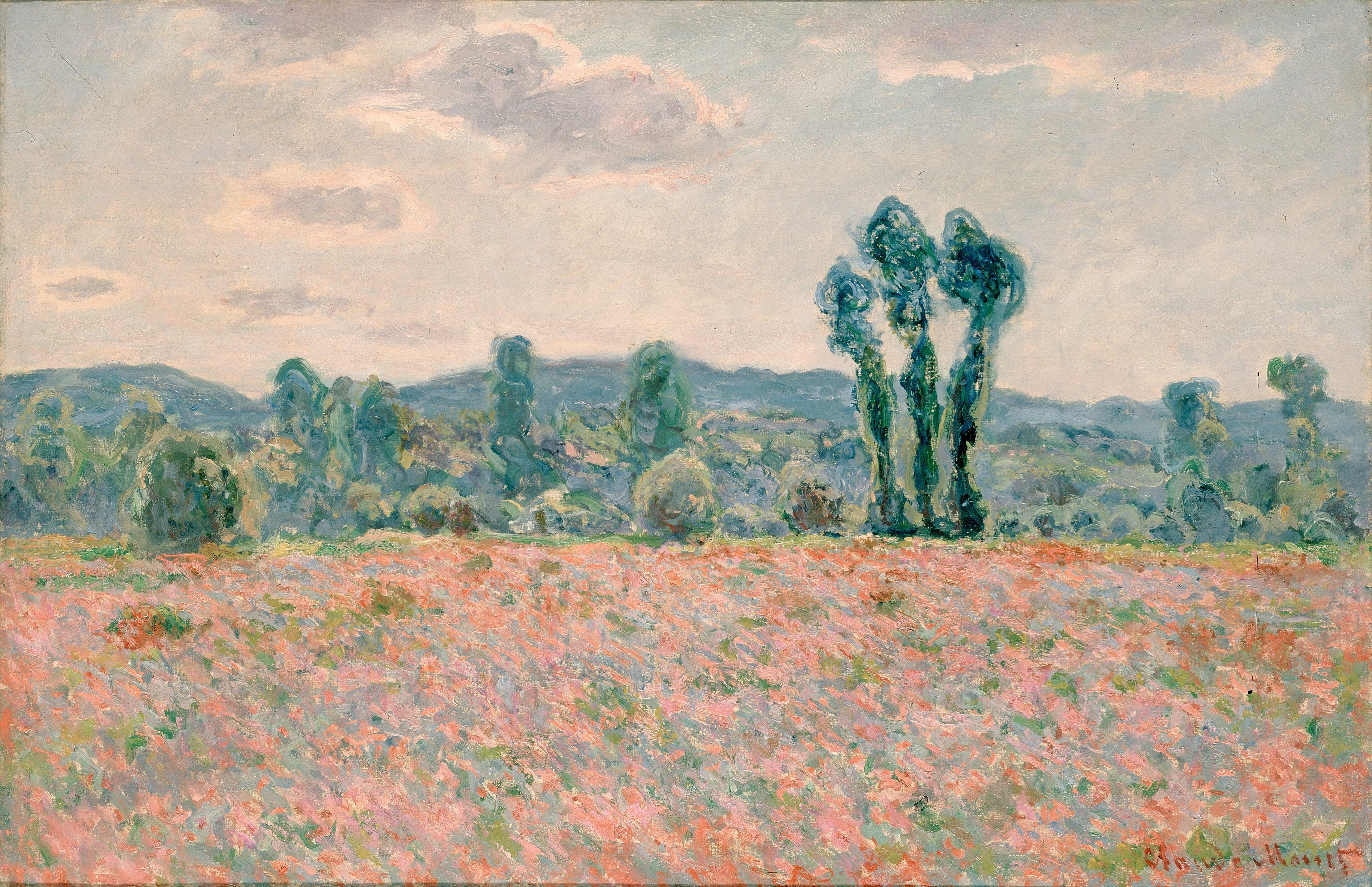
Poppy Field
Claude Monet · c. 1890
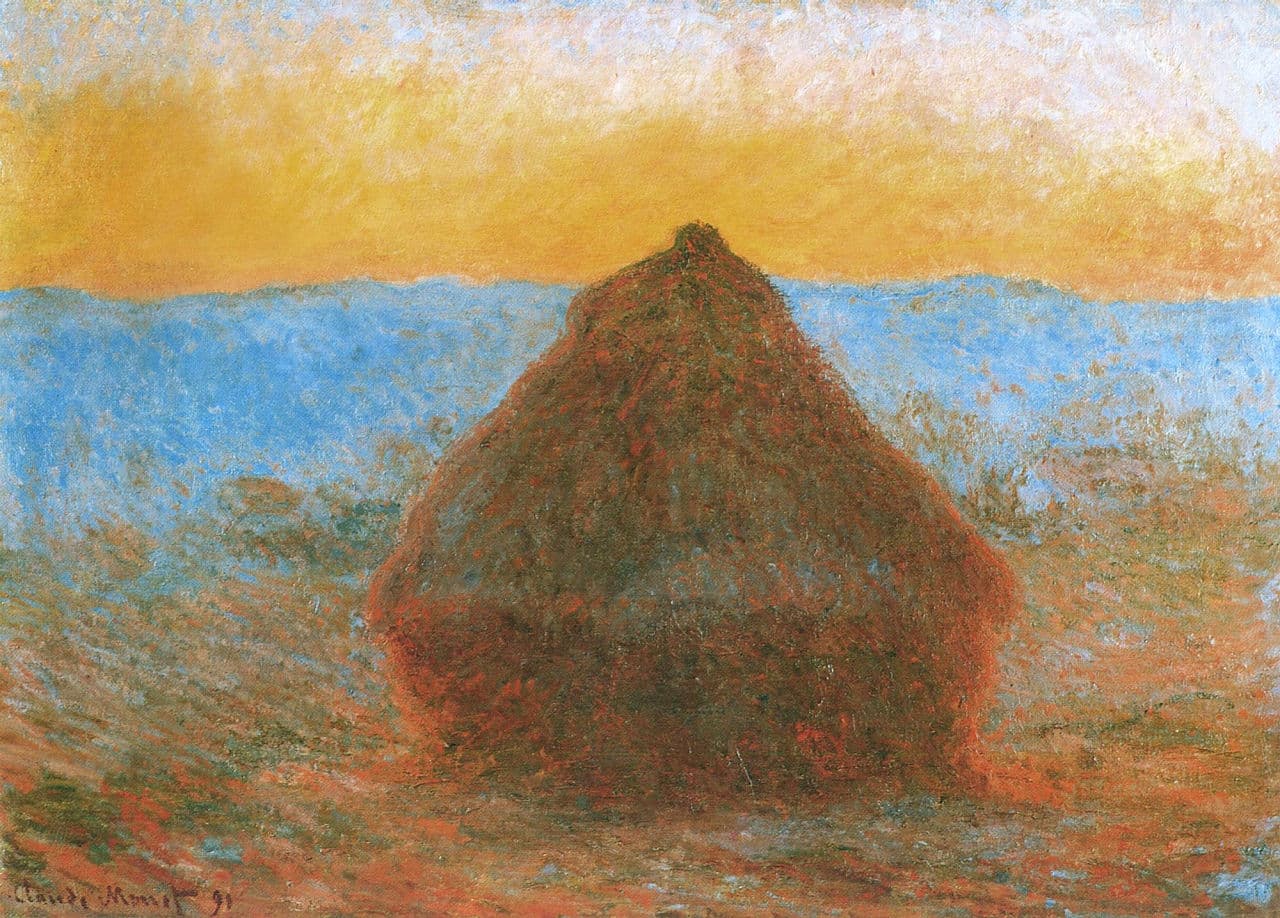
La Meule
Claude Monet · 1891
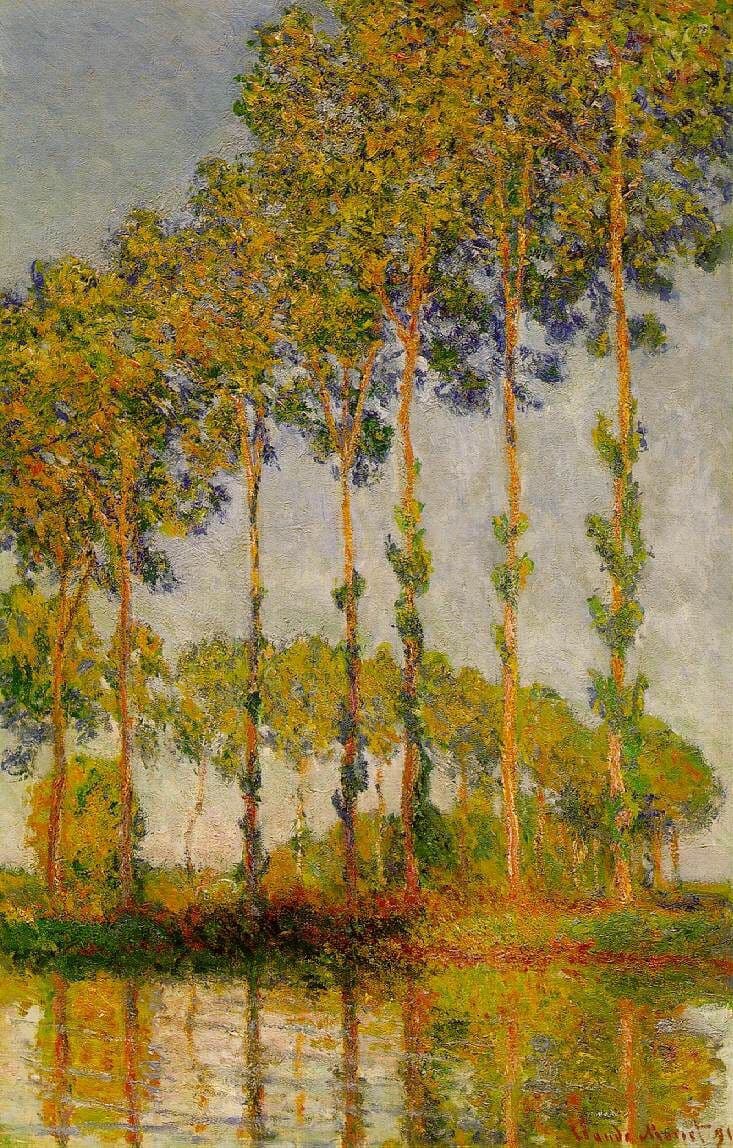
Row of Poplars in Autumn
Claude Monet · 1891
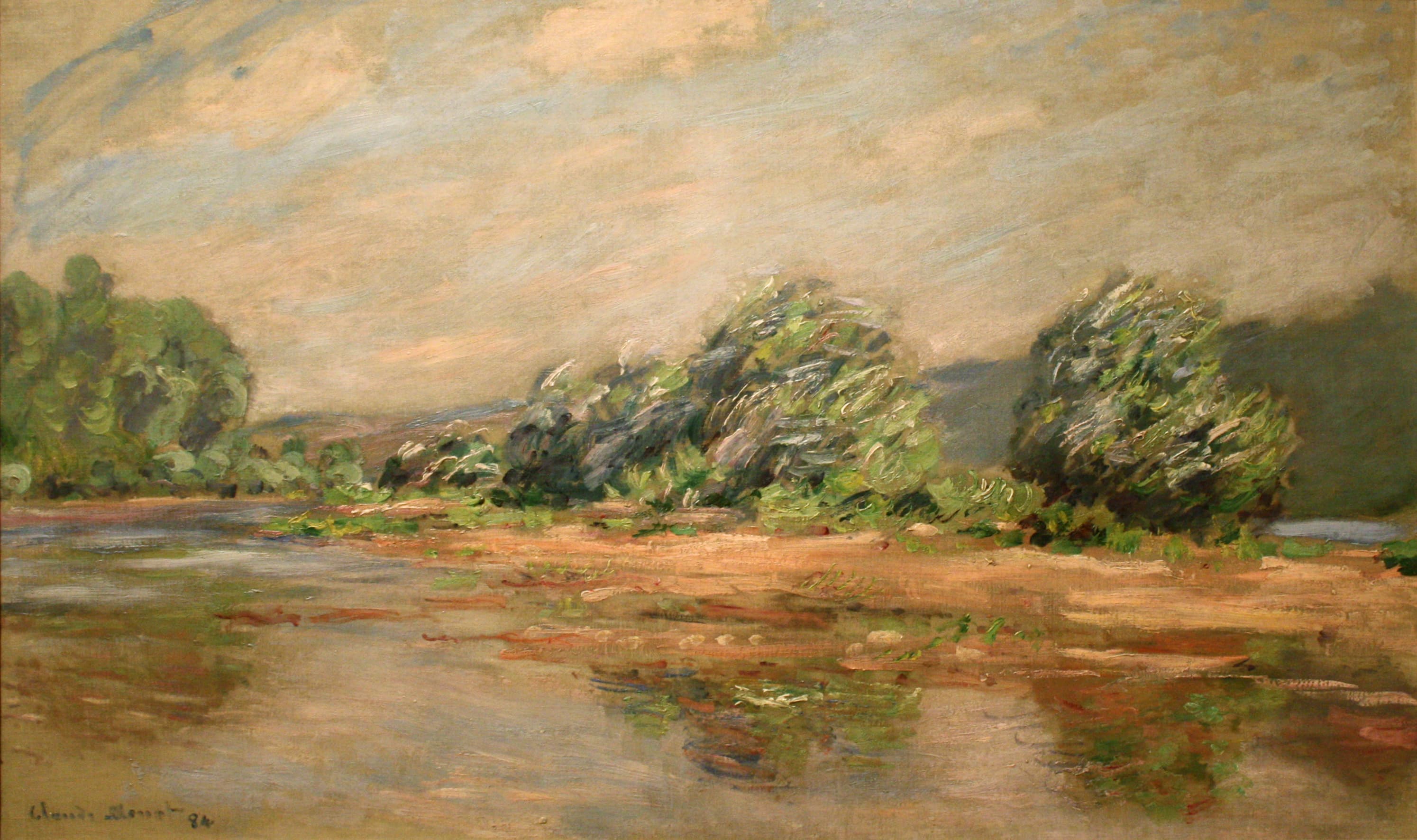
The Seine at Port-Villez (A Gust of Wind)
Claude Monet · c. 1883–90
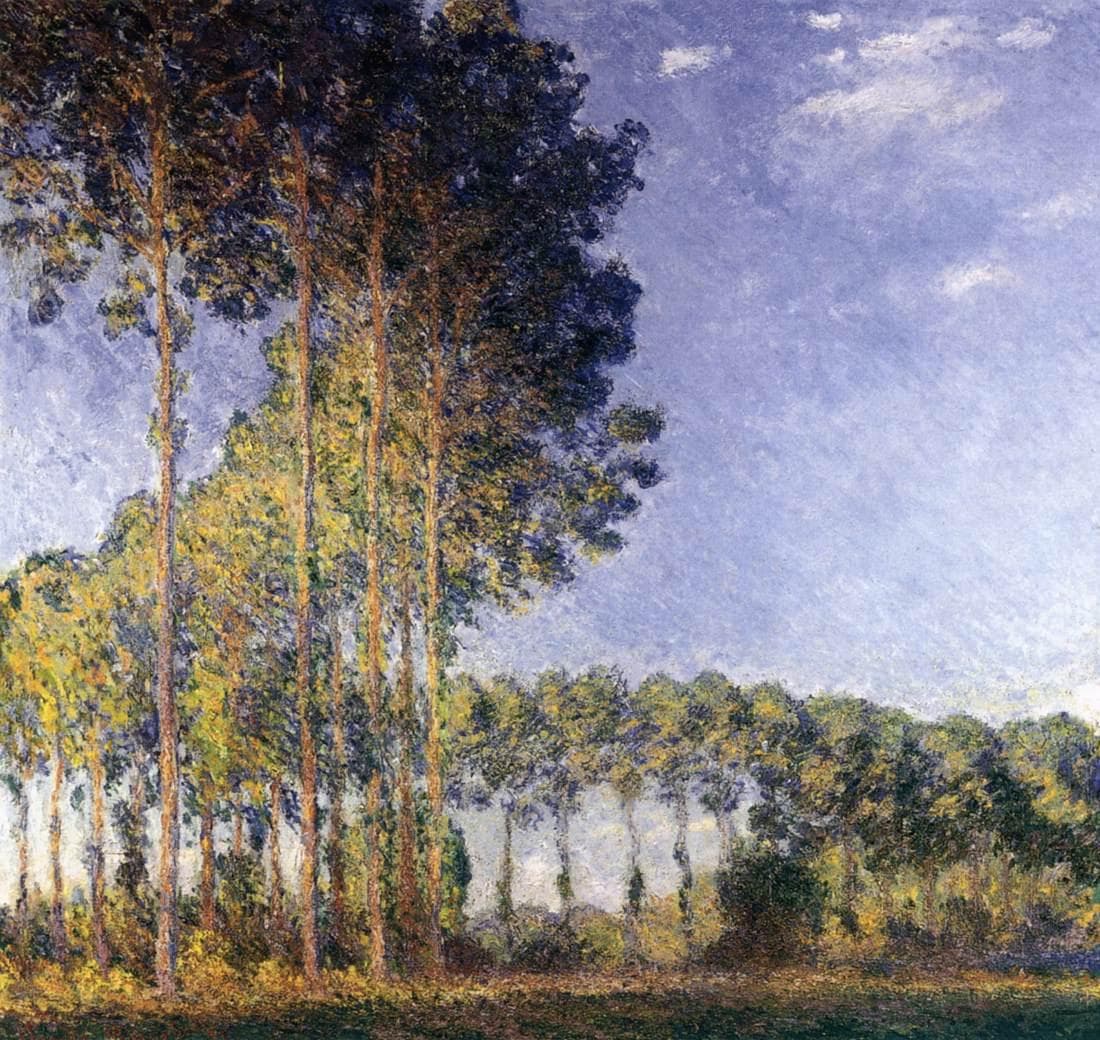
Poplars at the Banks of Epte
Claude Monet · 1891–92
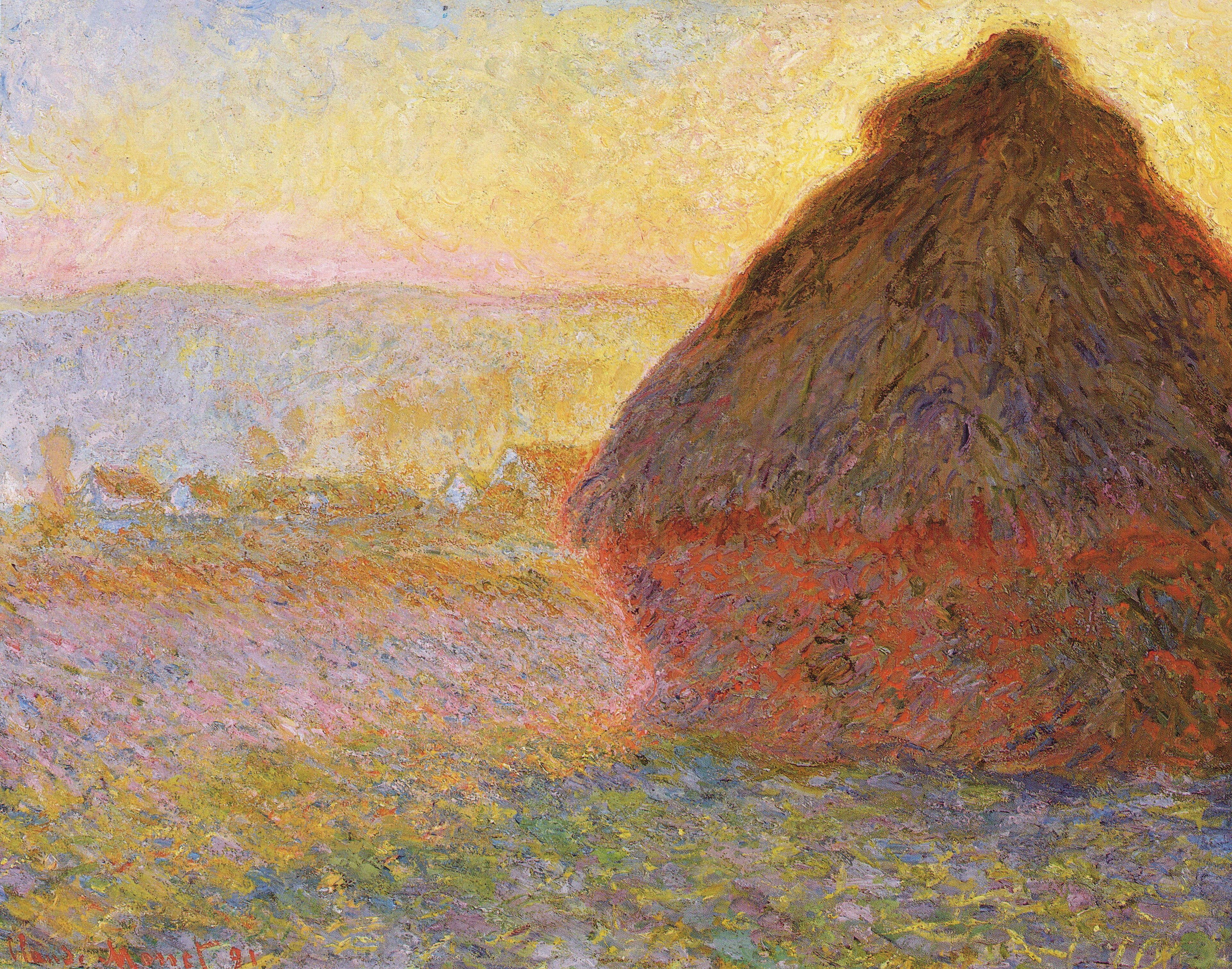
Grainstack (Sunset)
Claude Monet · 1891
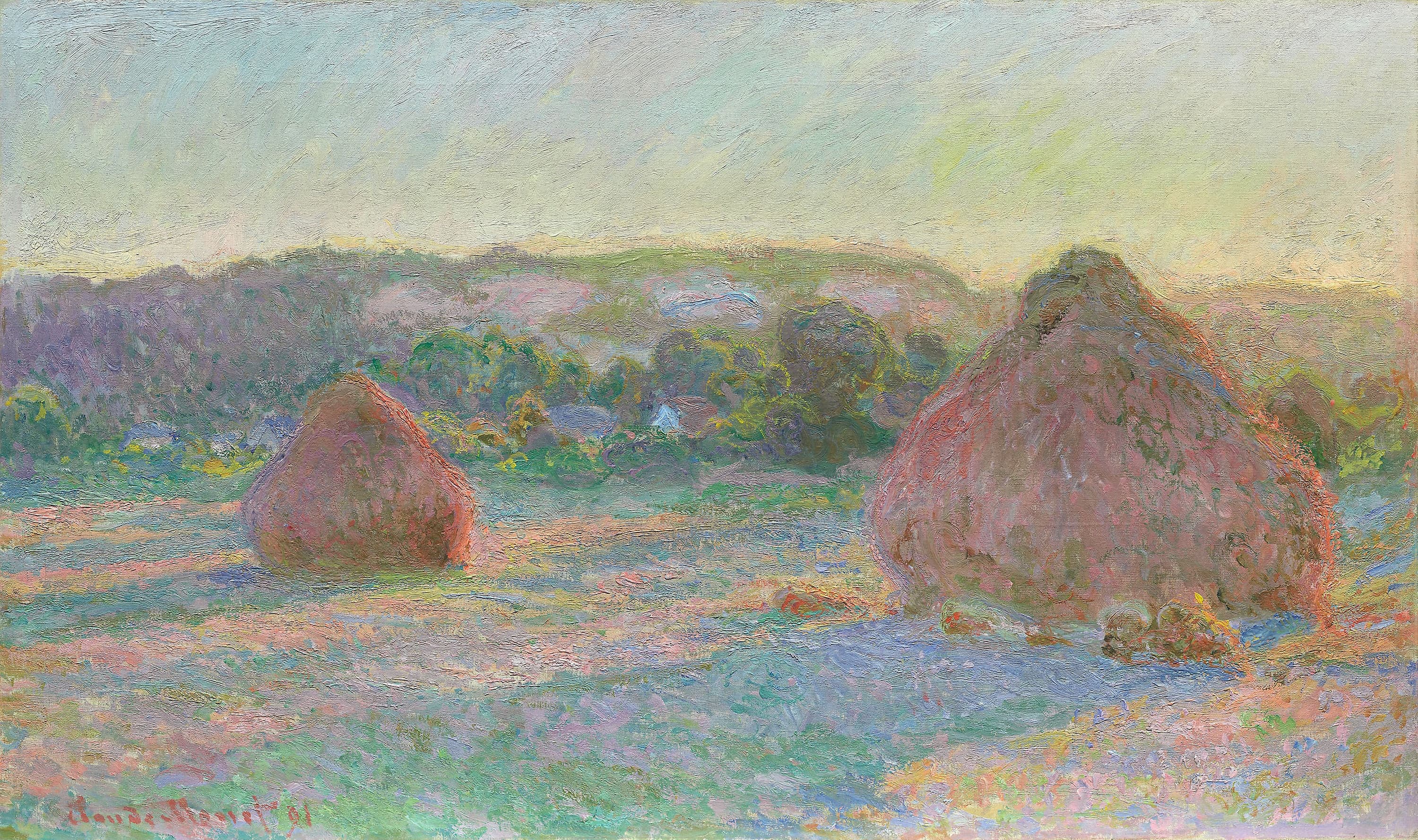
Stacks of Wheat (End of Summer)
Claude Monet · 1890–91
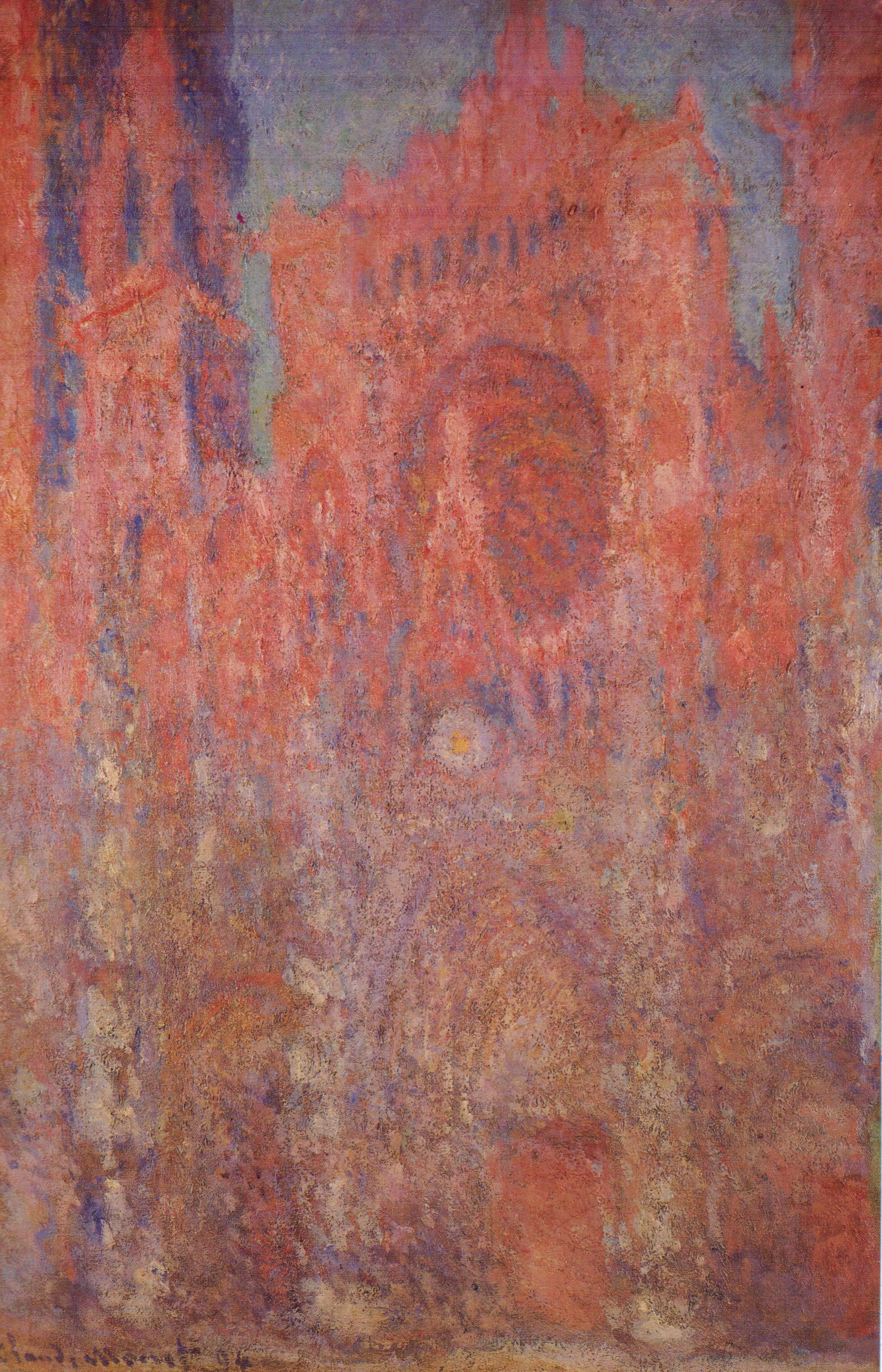
Rouen Cathedral, Portal
Claude Monet · 1892–94
Also painted in 1890
The same year

Boating on the River Epte
Claude Monet · 1890
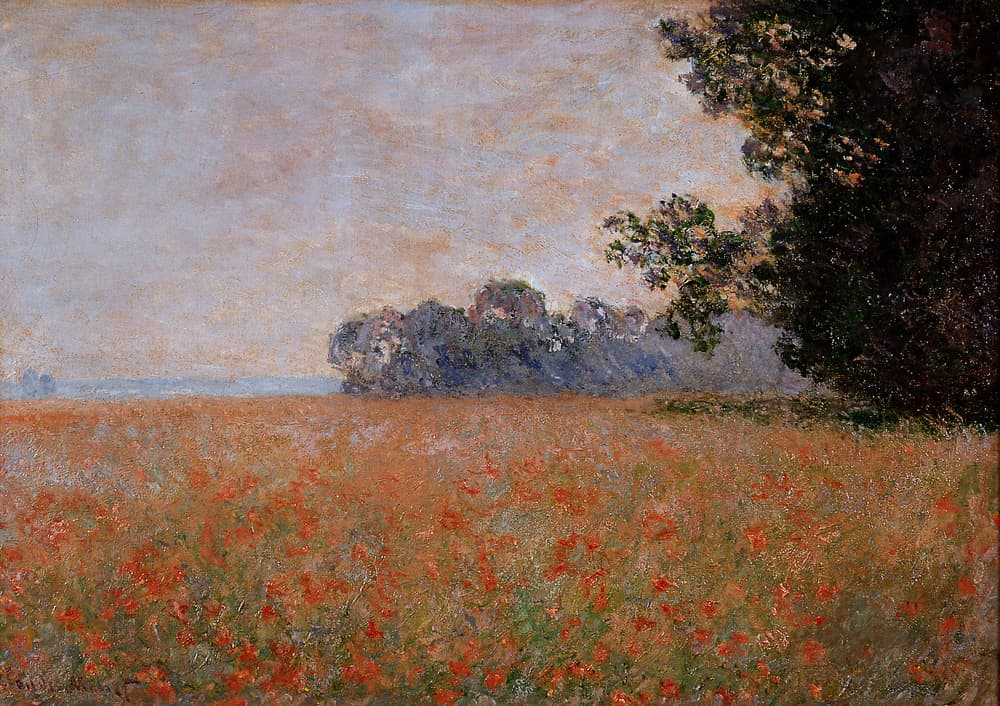
Oat Field with Poppies
Claude Monet · c. 1890
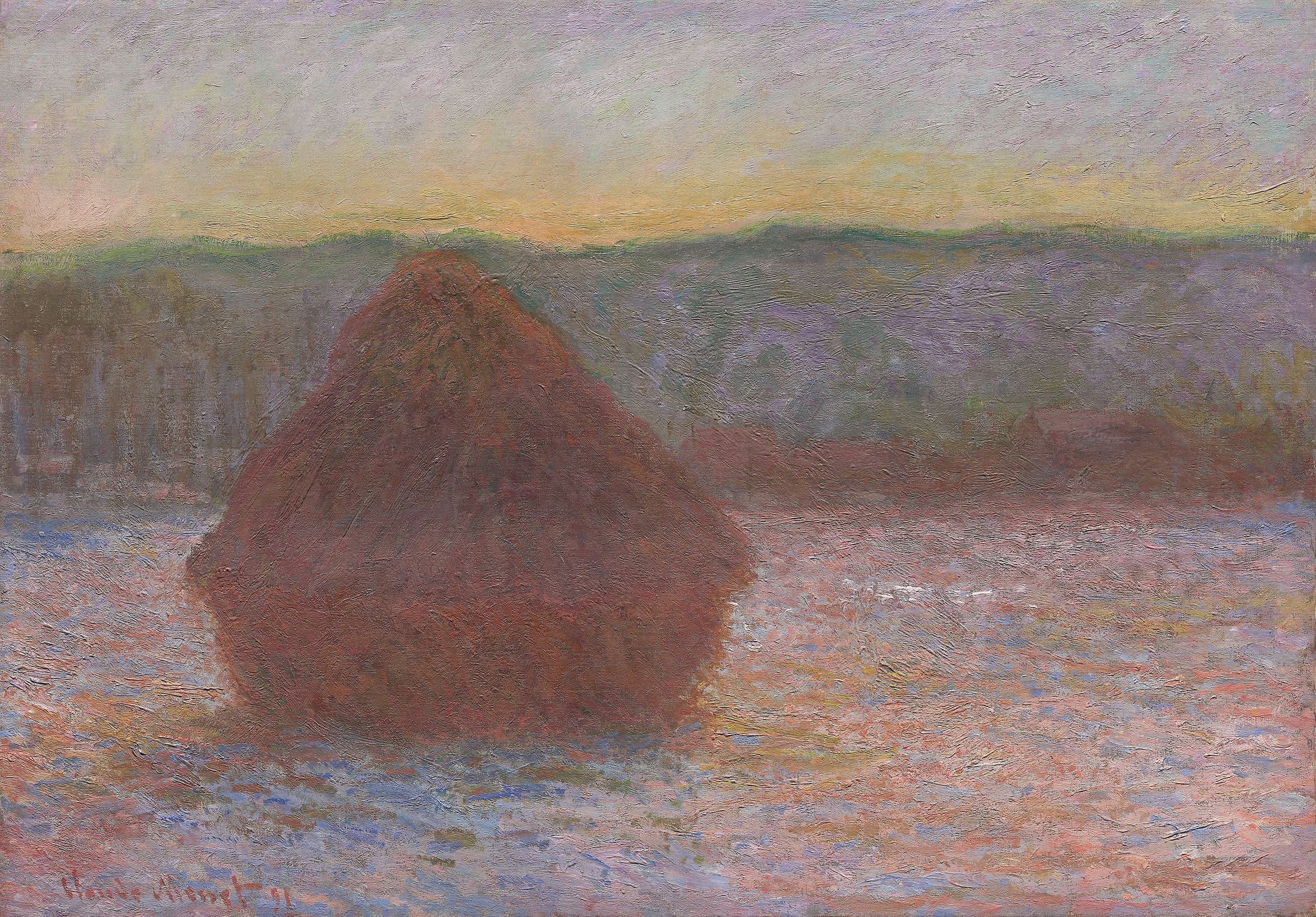
Stack of Wheat (Thaw, Sunset)
Claude Monet · 1890–91
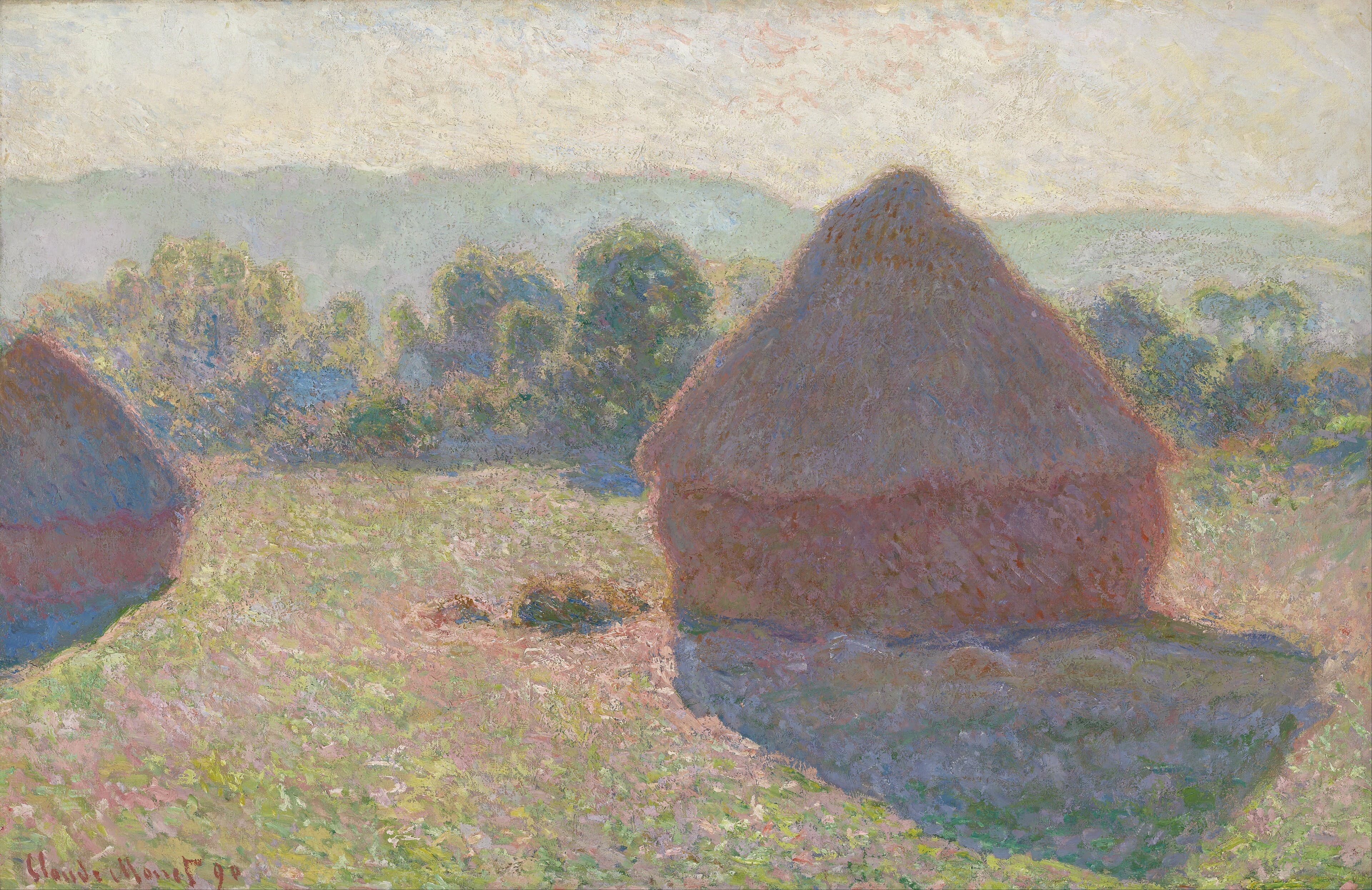
Haystacks, Midday
Claude Monet · 1890
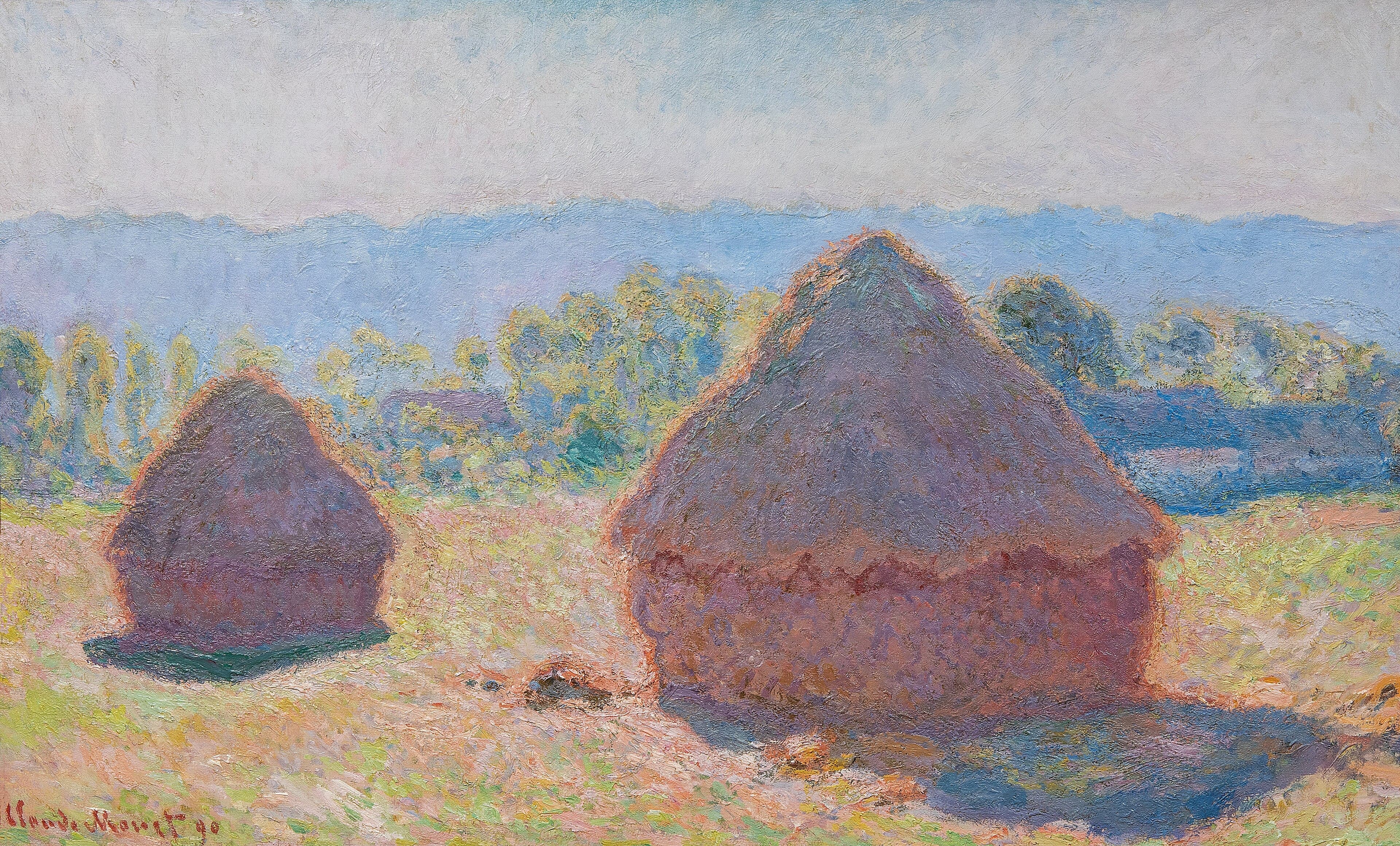
Grainstacks, in Bright Sunlight
Claude Monet · 1890
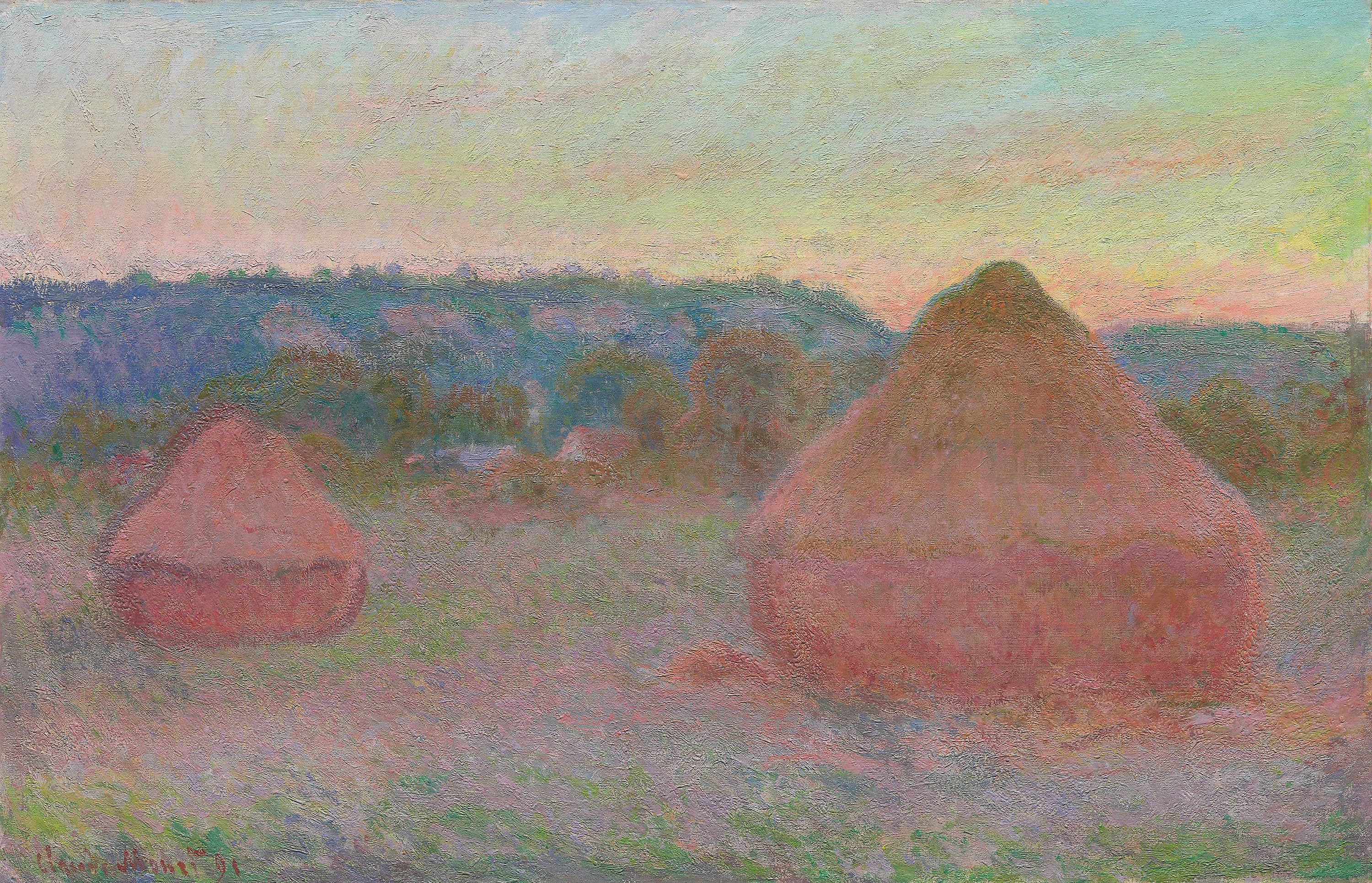
Stacks of Wheat (End of Day, Autumn)
Claude Monet · 1890–91
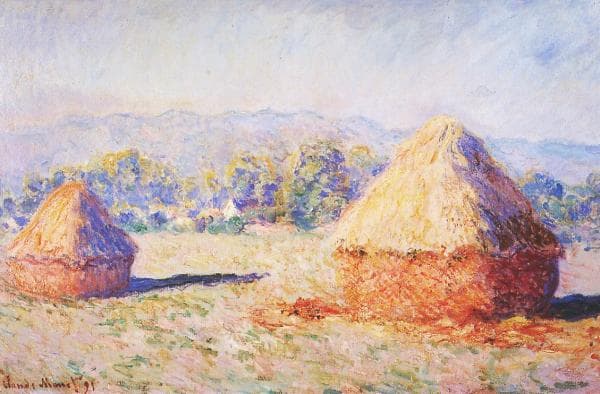
Grainstacks in the Sunlight, Morning Effect
Claude Monet · 1890
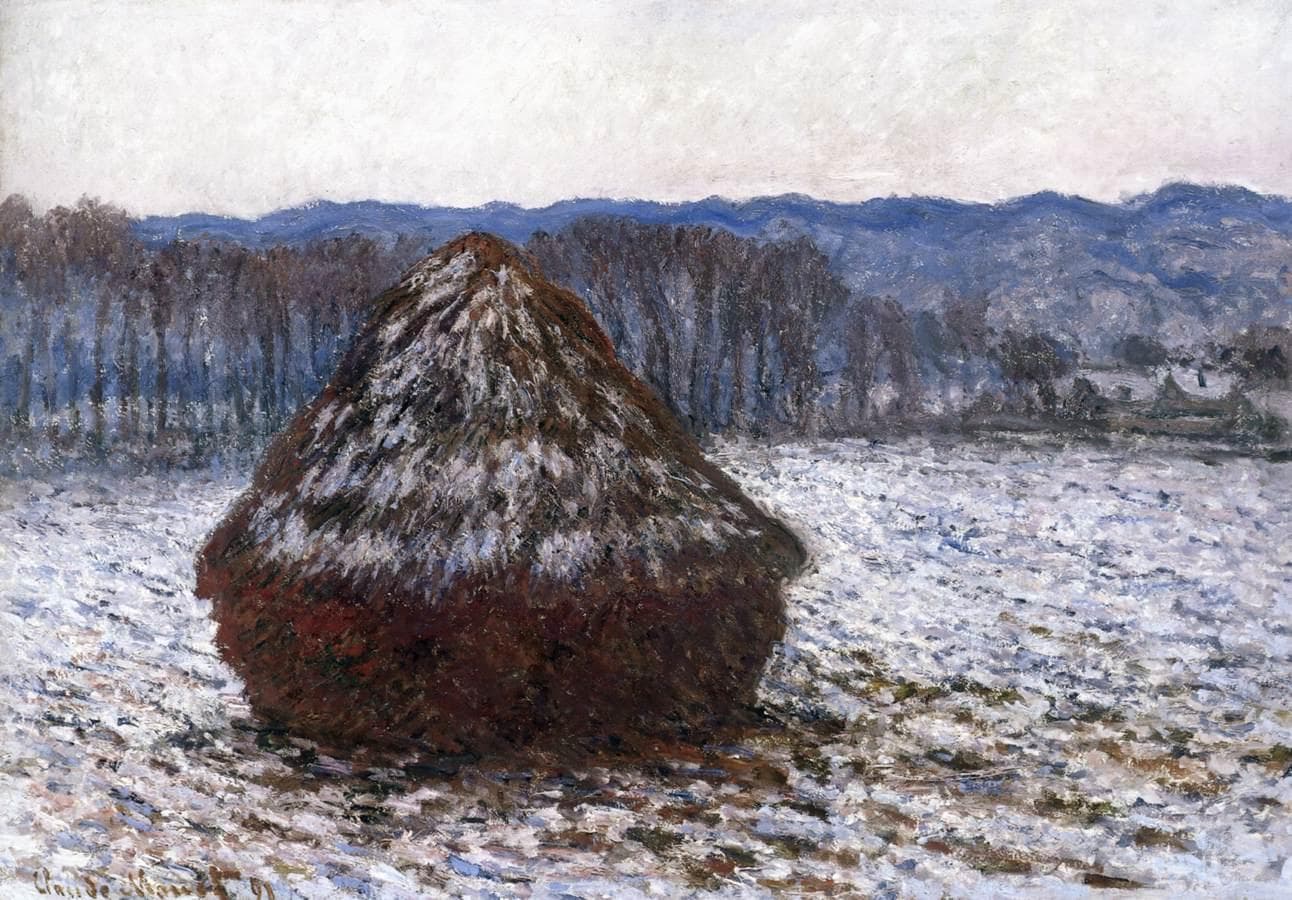
Stack of Wheat
Claude Monet · 1890–91
Kindred works
You may also study
Stack of Wheat (Thaw, Sunset)
Claude Monet · 1890–91
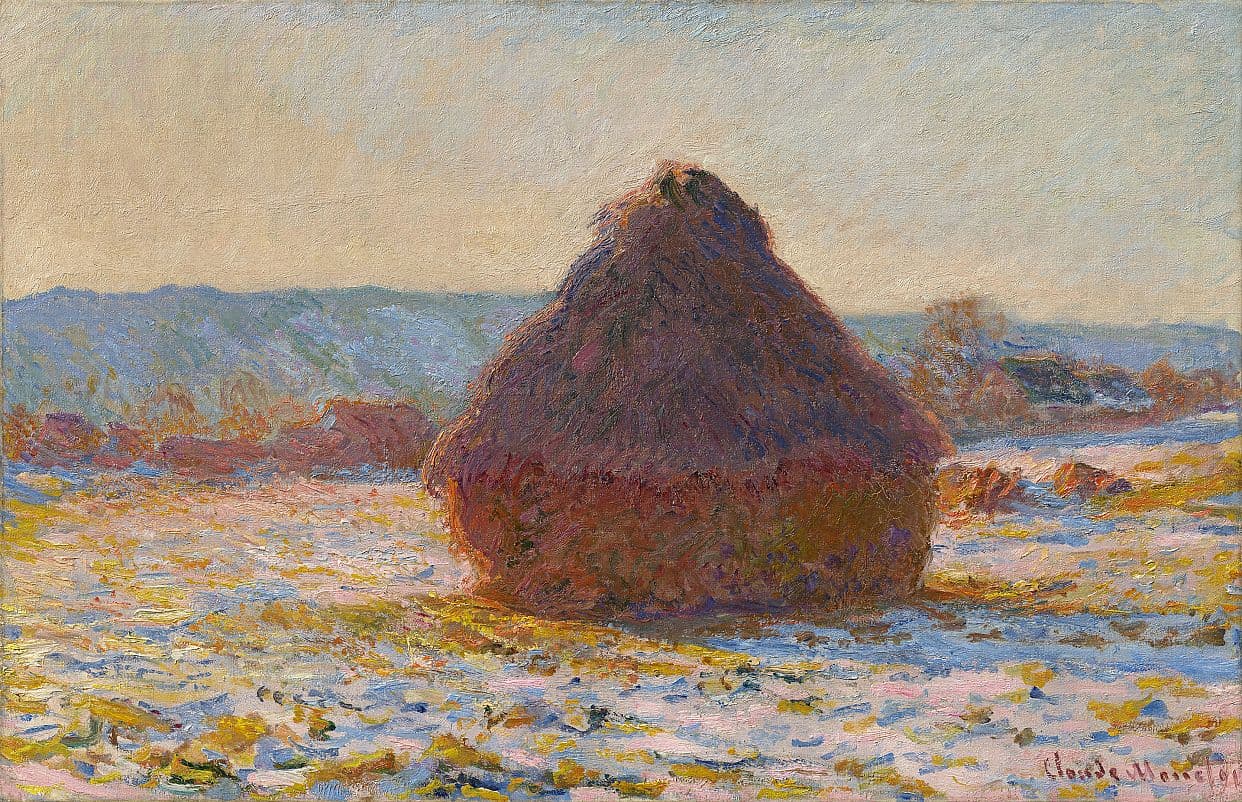
Grainstack in the Sunlight, Snow Effect
Claude Monet · 1891
Haystacks, Midday
Claude Monet · 1890
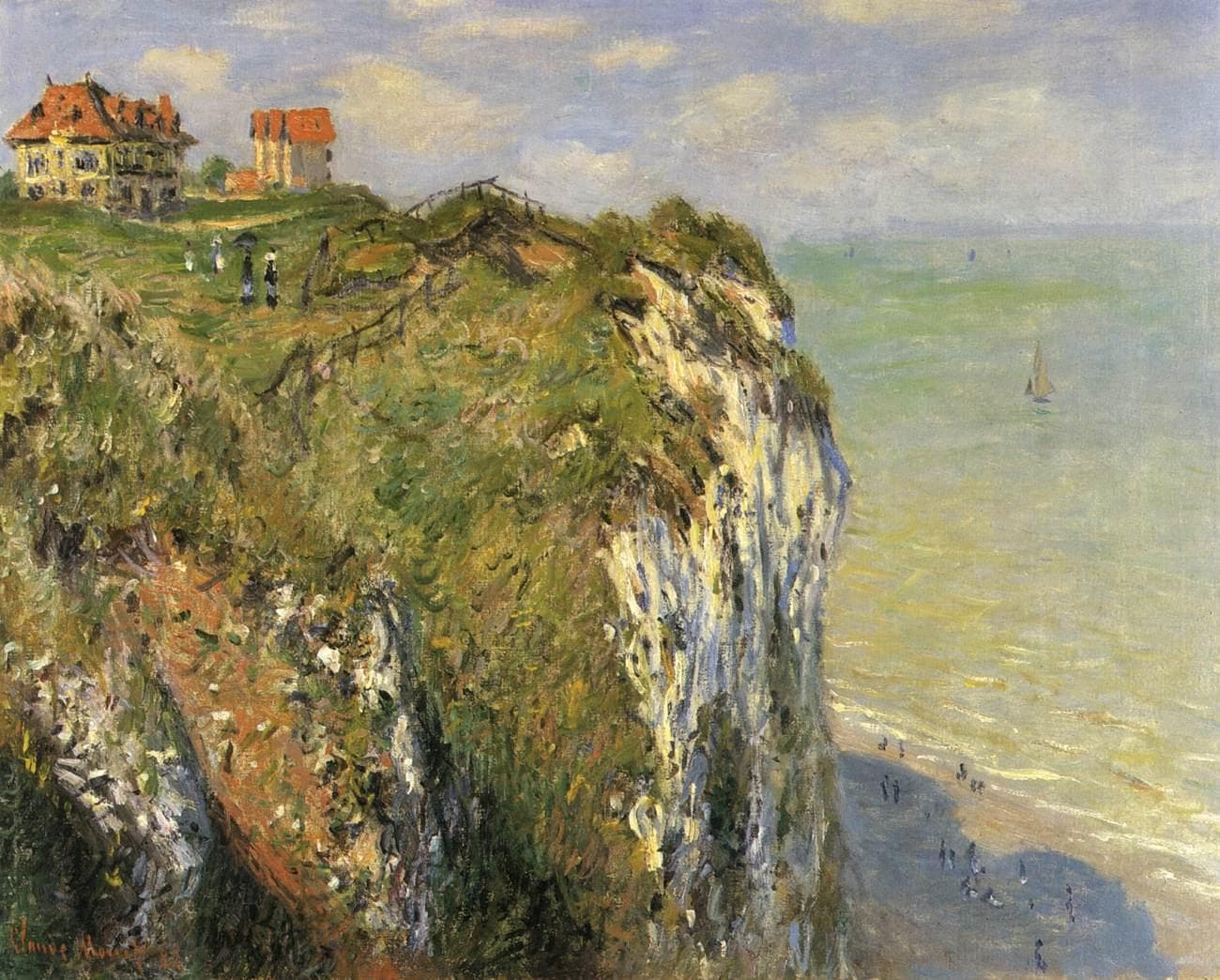
Cliffs near Dieppe
Claude Monet · 1882
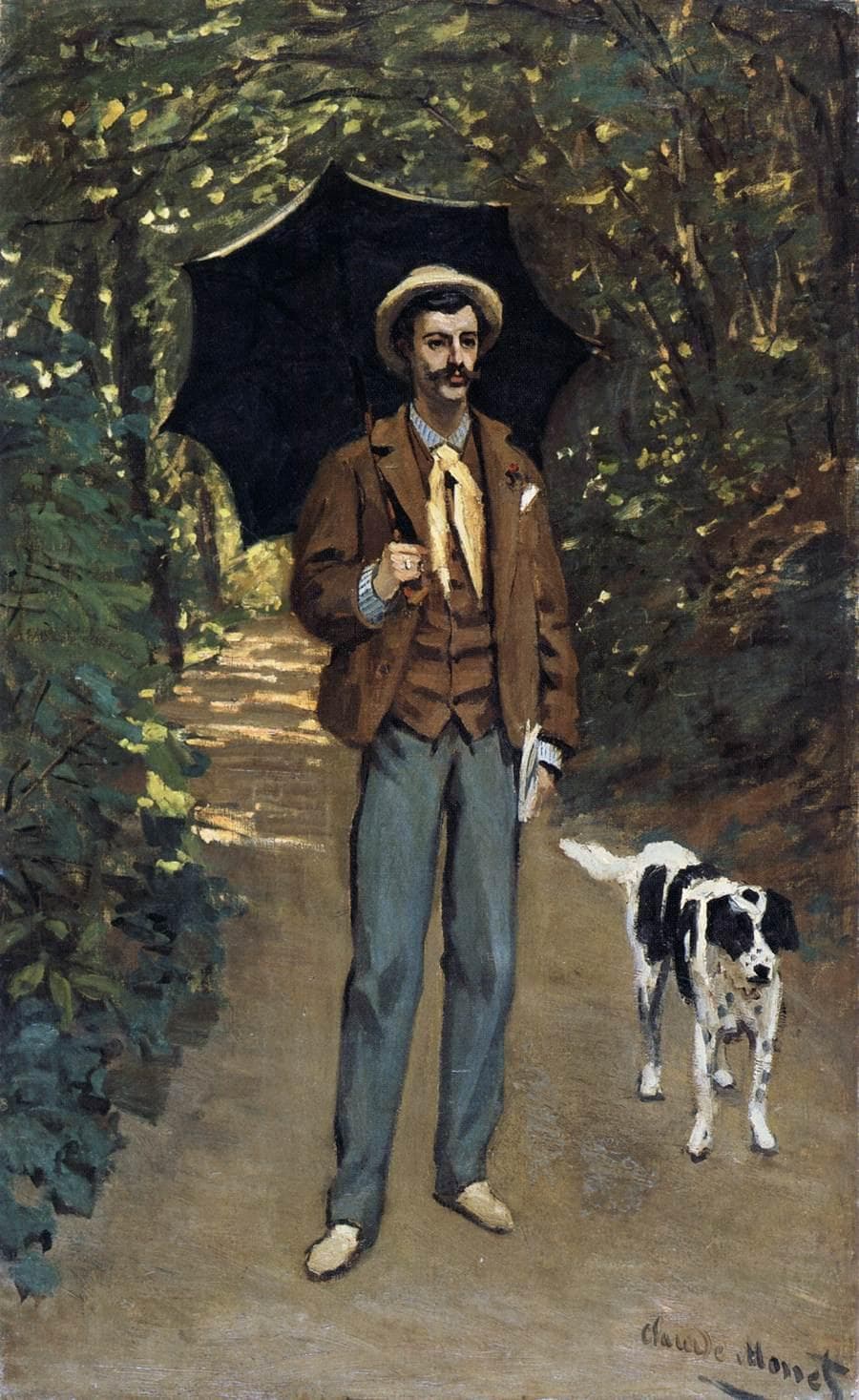
Man with a Parasol (Portrait of Victor Jacquemont)
Claude Monet · 1865–67

Beach in Pourville
Claude Monet · 1882
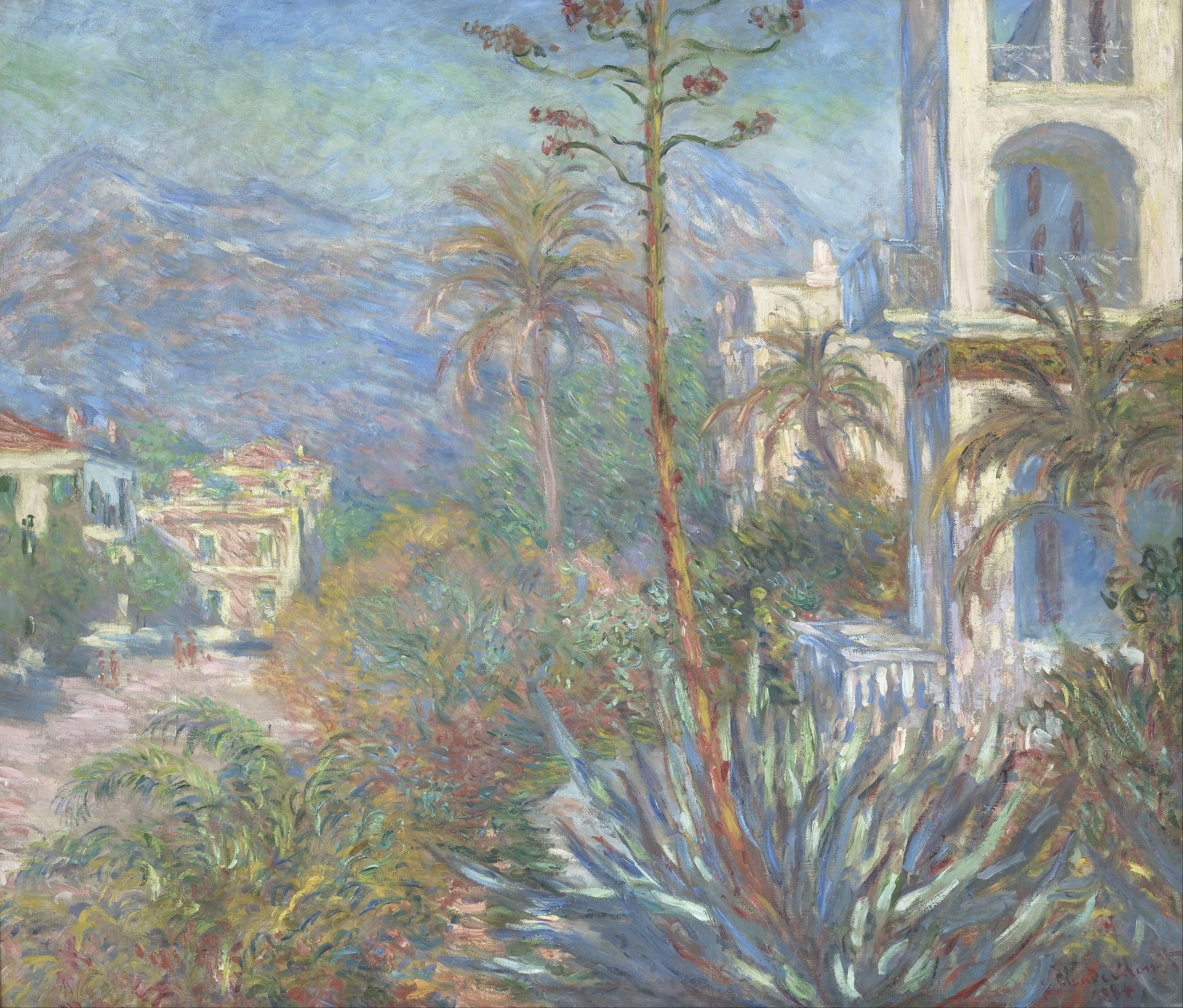
Villas at Bordighera
Claude Monet · 1884
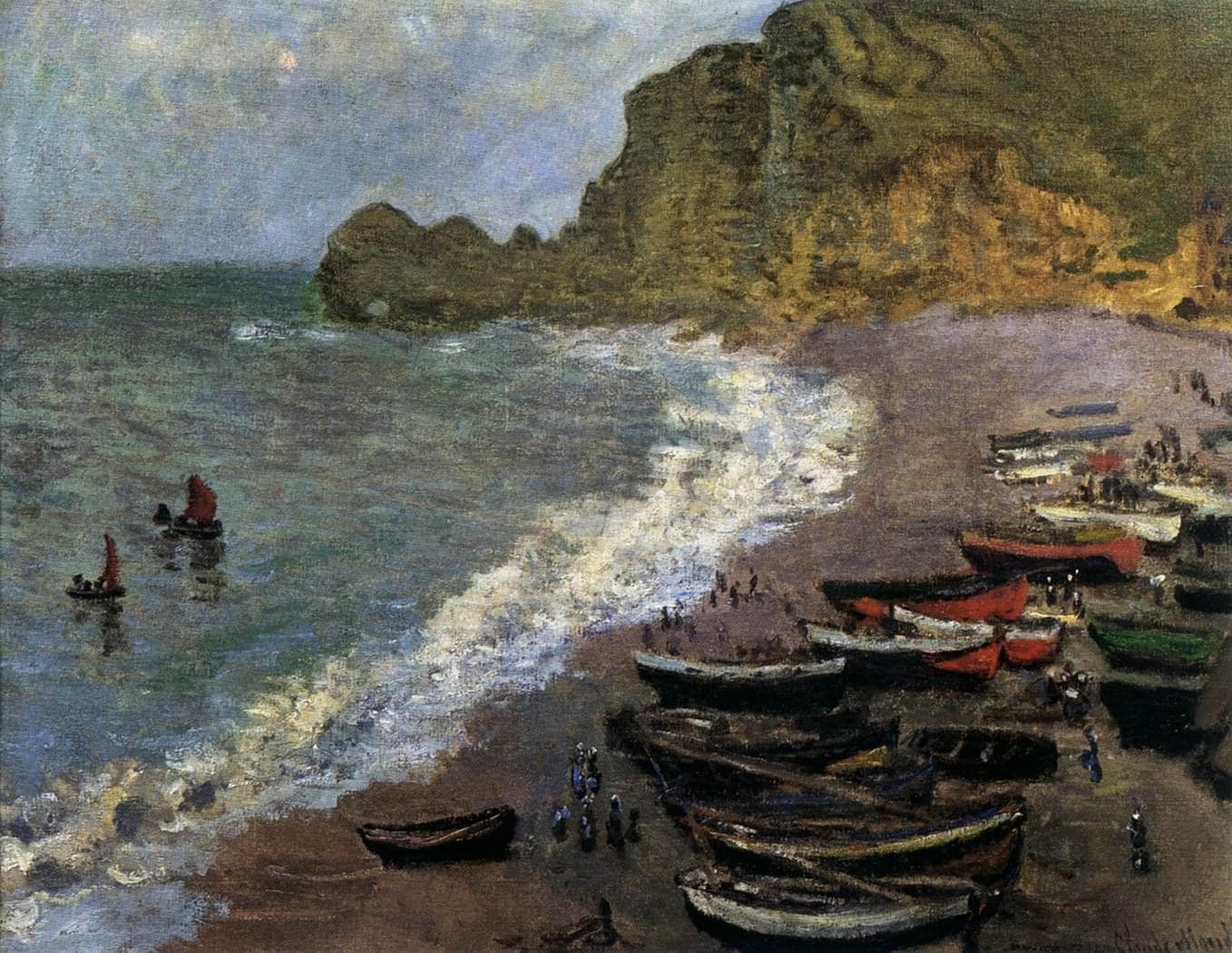
The Beach at Étretat
Claude Monet · 1883