Image: Art Institute of Chicago, Gift of Mr. and Mrs. Daniel C. Searle · Public domain · via Wikimedia Commons
Stack of Wheat (Thaw, Sunset)
Claude Monet, 1890–91
Stack of Wheat (Thaw, Sunset), 1890–91, is Claude Monet's view of a single grainstack glowing red at sunset over a field of melting snow. It is one of six Haystacks in the Art Institute of Chicago, the gift of Mr. and Mrs. Daniel C. Searle.
- Artist
- Claude Monet
- Date
- 1890–91
- Medium
- Oil on canvas
- Dimensions
- 64.4 × 92.5 cm
- Collection
- Art Institute of Chicago, Chicago, United States
- Movement
- Impressionism
- Catalogue
- Wildenstein 1284
- Nature & Landscape
Stack of Wheat (Thaw, Sunset) is one of the winter canvases of Claude Monet's Haystacks series, painted at Giverny in 1890–91 and signed and dated Claude Monet 91 at lower left. A single stack stands in a field where snow is melting, its body glowing deep red and plum in the last light, while the sun sets behind the hills in a thin band of gold and orange and the wet ground reflects pink, lilac and blue. Durand-Ruel's stock book recorded it as Meules, le dégel, soleil couchant (stacks, thaw, sunset). It is one of six Haystacks in the Art Institute of Chicago, the gift of Mr. and Mrs. Daniel C. Searle in 1983.
What you are looking at
The canvas is 64.4 by 92.5 cm. The stack sits just left of center, a rounded cone on a slightly wider base, painted in dense, layered strokes of crimson, rust, violet and brown. Its top barely touches the line of hills behind it, and its outline is softened by a faint halo of orange, where the low sun catches its edge from behind.
Behind, a long, low ridge of hills runs across the picture in plum, violet and dull green, with a darker strip of trees and houses at its foot on the right. Above it the sky is pale lilac and gray, except for a narrow, brilliant band of yellow and orange along the horizon, the last of the sun. The foreground is the thaw: patches of melting snow in white, blue and lavender, mixed with pink and orange reflections and bare earth, painted in broken horizontal touches. The stack's shadow, a violet smear, reaches toward the right.
Where and when it was painted
Monet began the Haystacks series near the end of summer 1890 in a field beside his house at Giverny and carried it on through the winter into the spring of 1891. As the Art Institute explains, he worked both in the field, at several easels at once, and in the studio, refining the color harmonies. In May 1891 he hung fifteen of the canvases side by side in one room at Durand-Ruel's gallery in Paris, an unprecedented success that changed his career. See our Giverny hub for the setting.
How it was painted
The picture is a study in close, warm harmonies. Monet painted the stack and hills with many thin layers, so that their color seems to glow from within rather than sit on the surface. In the foreground, he used the opposite technique: separate, crisp touches of blue, white and pink that read as wet, reflective snow. The thin gold horizon is the only hot, bright color, and it gives the whole canvas its sense of a sun just disappearing. As the museum notes, in most of the winter views the stacks seem wrapped by bands of hill and field, as if bedded down for the season, and this one is a clear example.
Ownership
According to the Art Institute, the painting was probably sold by Monet in September 1891 to the Paris branch of the New York dealer Knoedler, and was auctioned in New York in April 1893, when Durand-Ruel and Boussod, Valadon et Cie bought it in half shares. It later belonged to the dealer Stephen Hahn before Daniel and Dora Searle, Chicago collectors, gave it to the museum in 1983.
How this version differs
The Art Institute holds the largest group of Monet's stacks anywhere, and comparing them is the best way to understand the series. This sunset in thaw is colder and more muted than Stacks of Wheat (End of Day, Autumn), warmer than the snow-covered views, and simpler than the double-stack End of Summer. Outside Chicago, compare the MFA's Grainstack (Sunset) and the backlit Meules at the Museum Barberini.
Where to see it
The painting (1983.166) is on view in the Art Institute of Chicago's Impressionist galleries, usually with other stacks from the series. See our Monet at the Art Institute of Chicago guide and where to see Monet's paintings.
Questions & answers
Where is Monet's Stack of Wheat (Thaw, Sunset)?
In the Art Institute of Chicago (1983.166), the gift of Mr. and Mrs. Daniel C. Searle. It is usually shown with the museum's other Stacks of Wheat; the Art Institute has six from the series, the largest group anywhere.
When was it painted?
In winter 1890–91 in a field near Monet's house at Giverny, as part of his Haystacks series. It is signed and dated 'Claude Monet 91'.
What does the painting show?
A single grainstack glowing deep red at sunset in a field of melting snow, with violet hills behind and a thin band of gold and orange light along the horizon.
How many Haystacks paintings did Monet make?
The main series has 25 canvases, painted from late summer 1890 to spring 1891. Monet also painted a handful of earlier grainstack pictures in 1884–89. Fifteen of the series were exhibited at Durand-Ruel's gallery in Paris in May 1891.
More by the artist
Claude Monet

Boating on the River Epte
Claude Monet · 1890
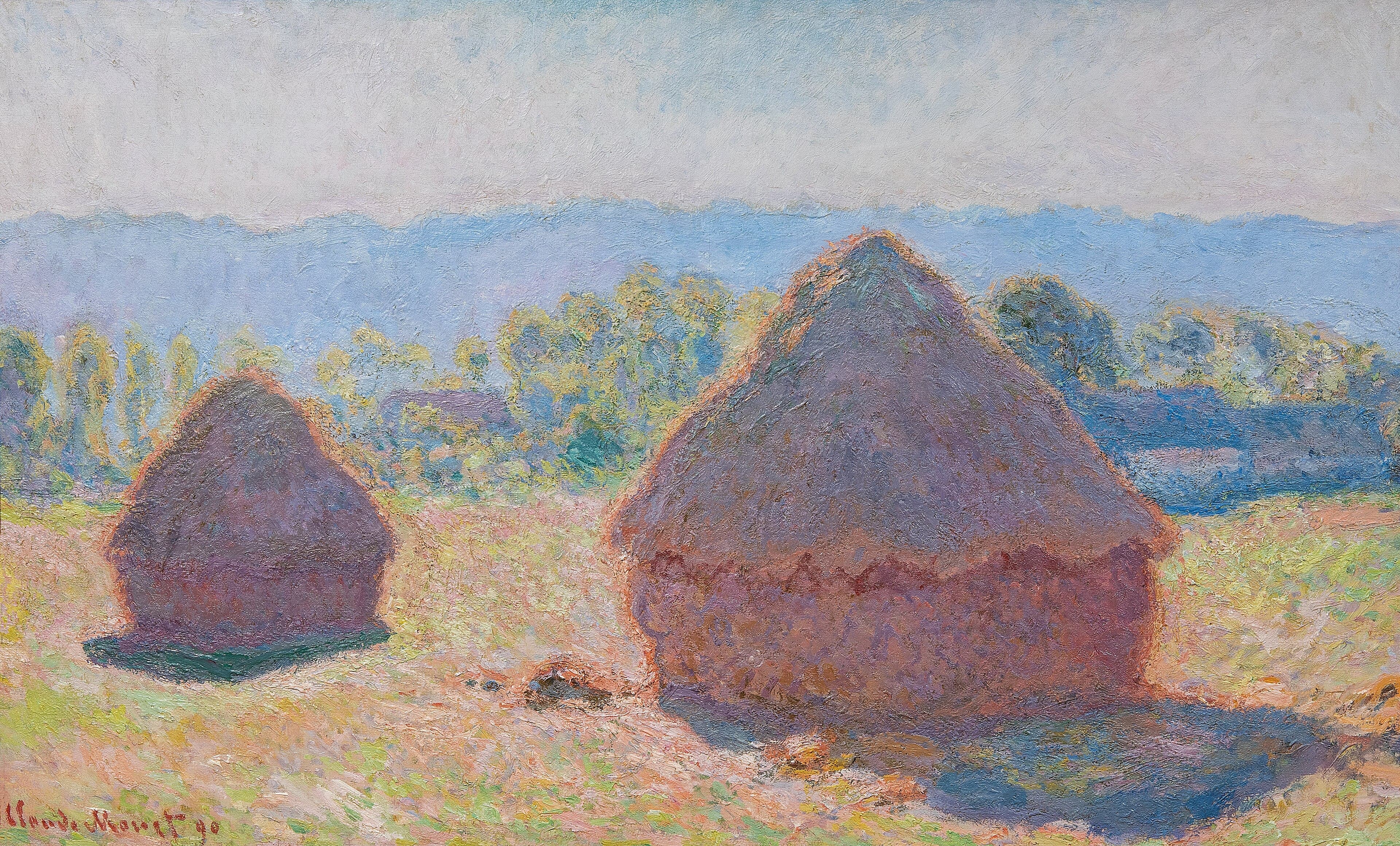
Grainstacks, in Bright Sunlight
Claude Monet · 1890
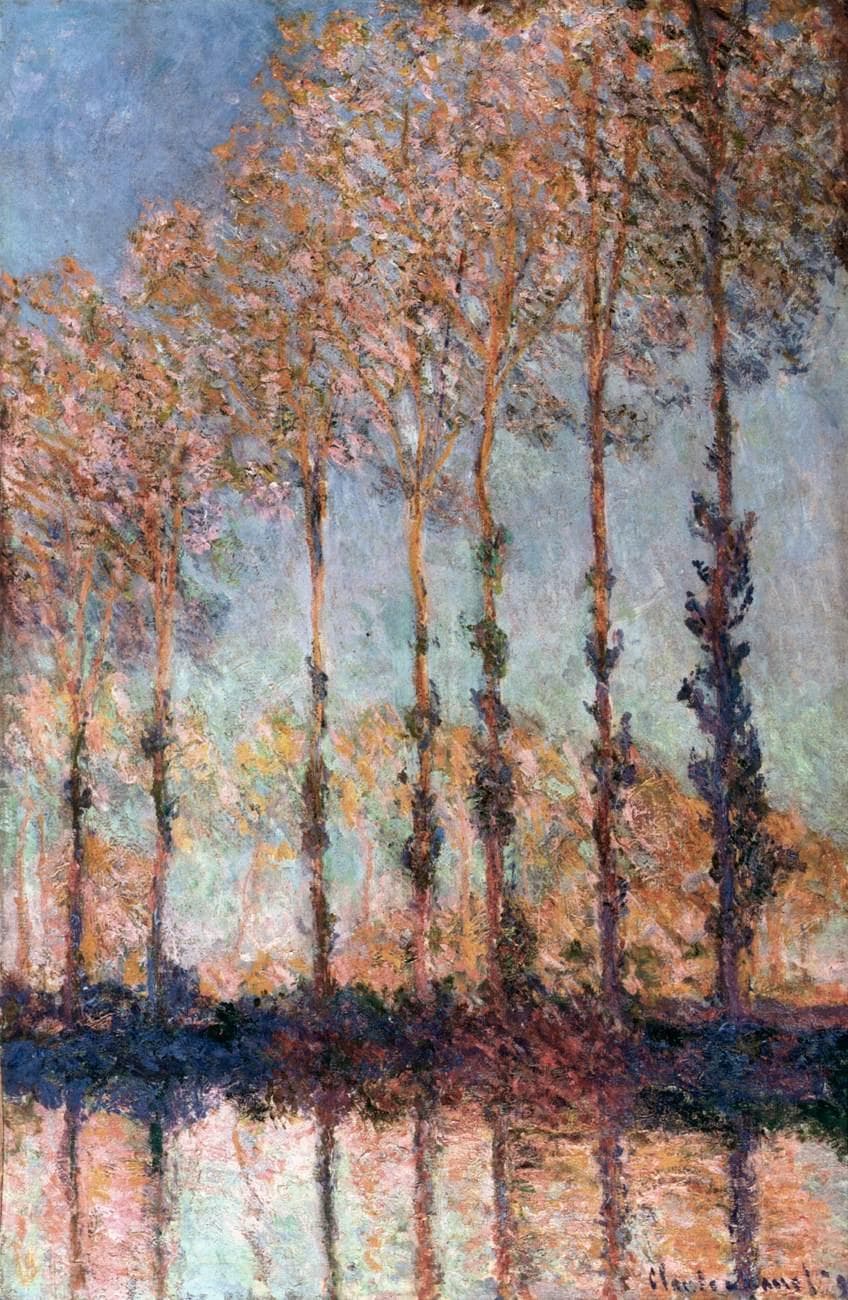
Poplars on the Banks of the River Epte
Claude Monet · 1891
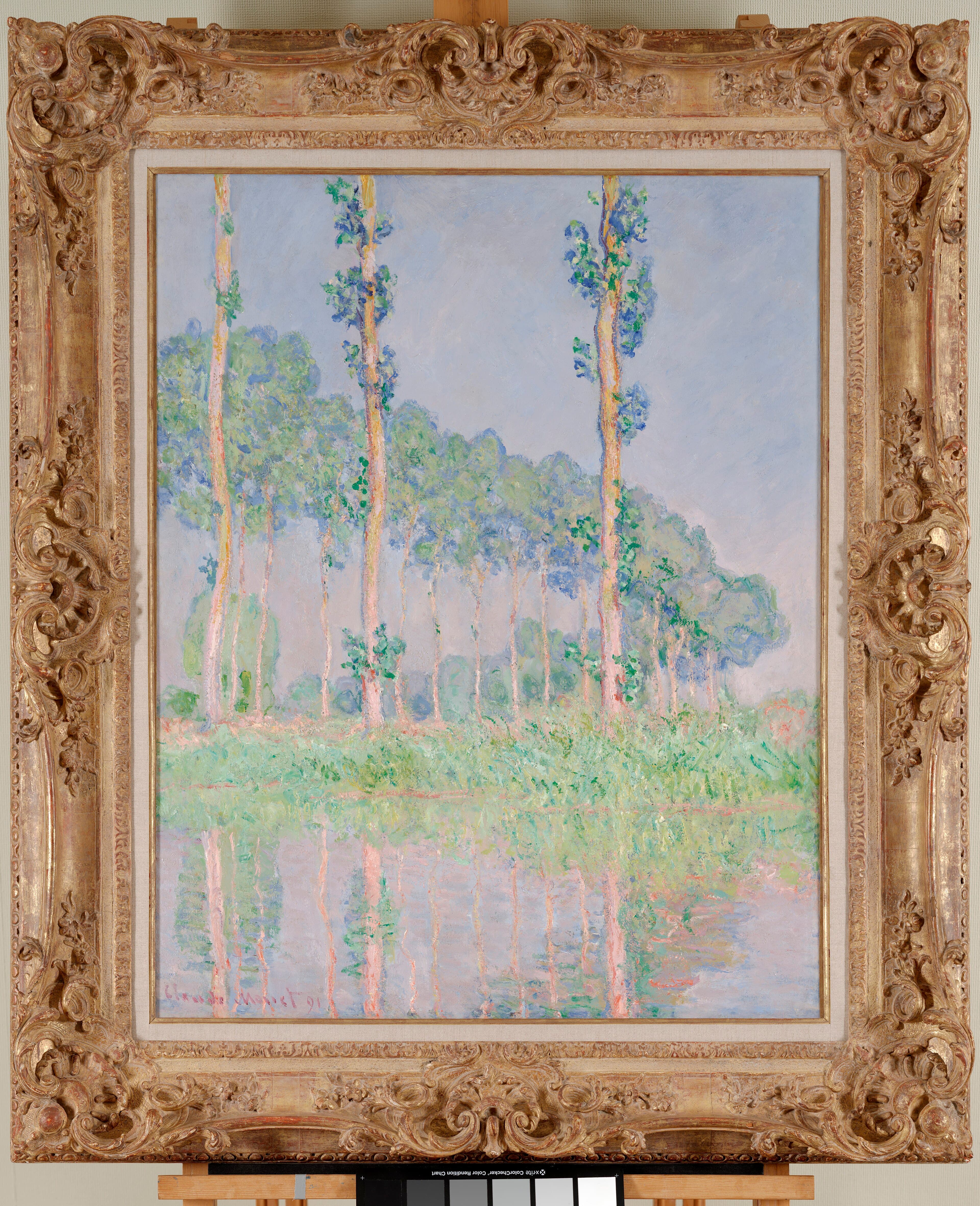
Poplars, Pink Effect
Claude Monet · 1891
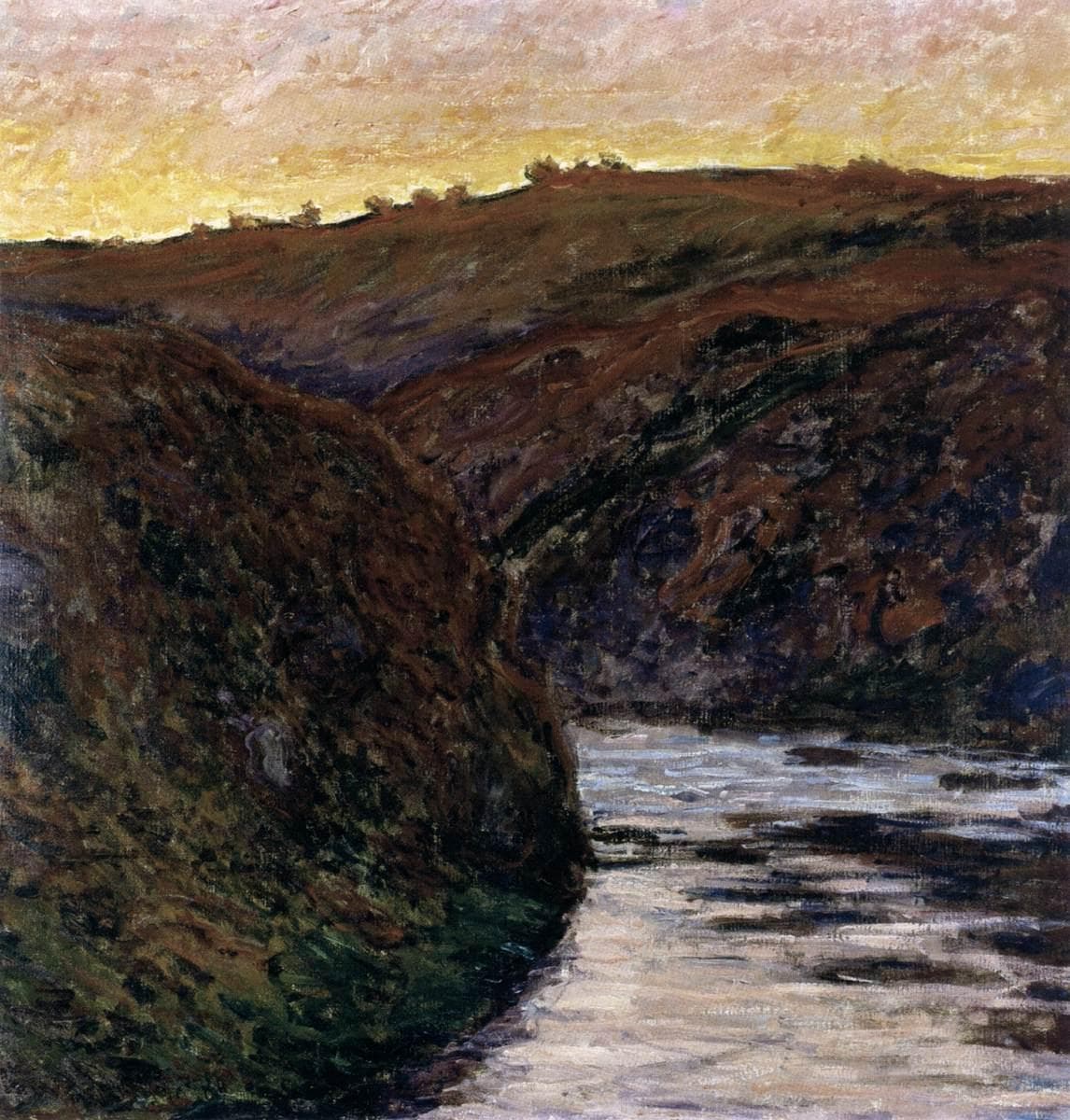
The Creuse, Sunset
Claude Monet · 1889
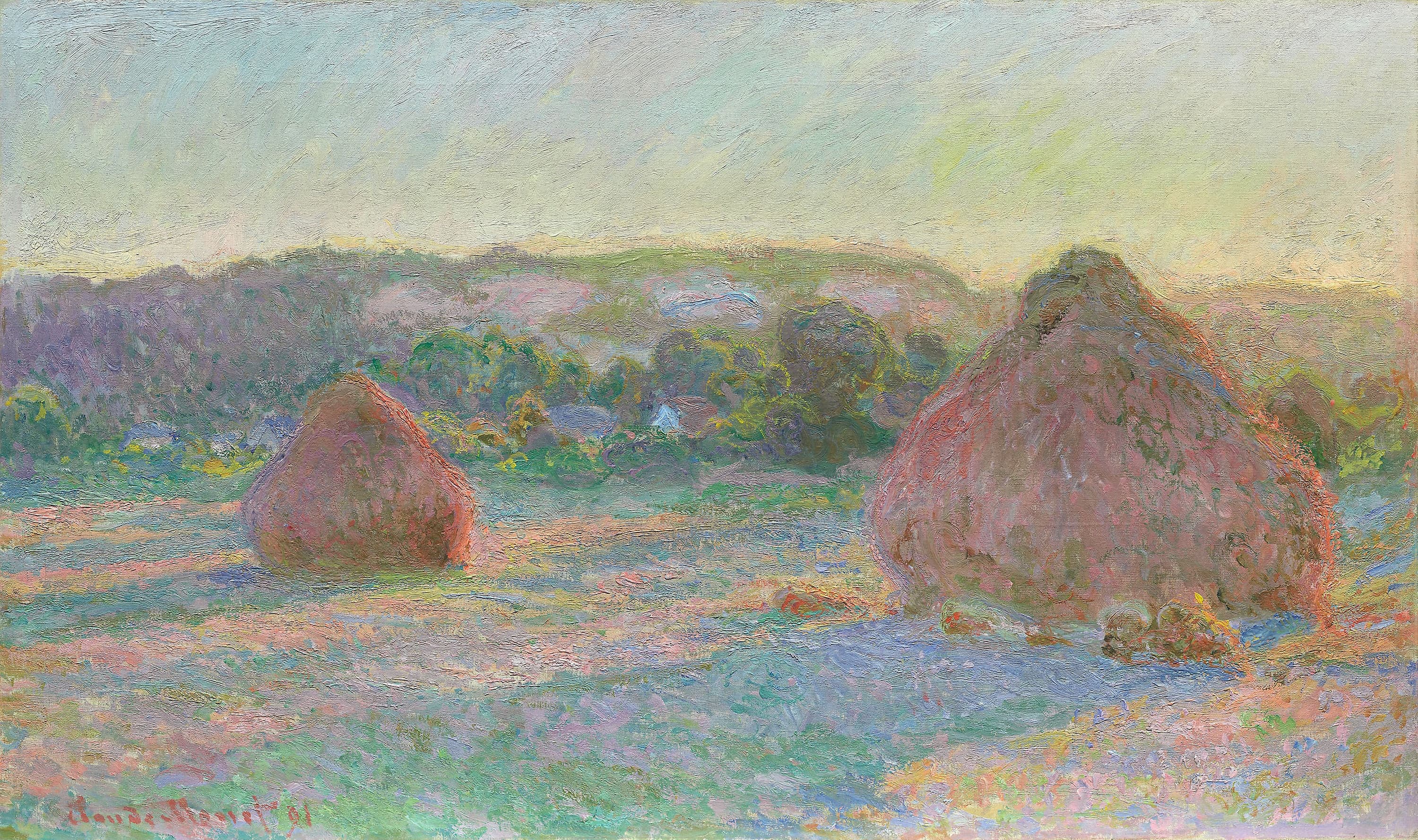
Stacks of Wheat (End of Summer)
Claude Monet · 1890–91
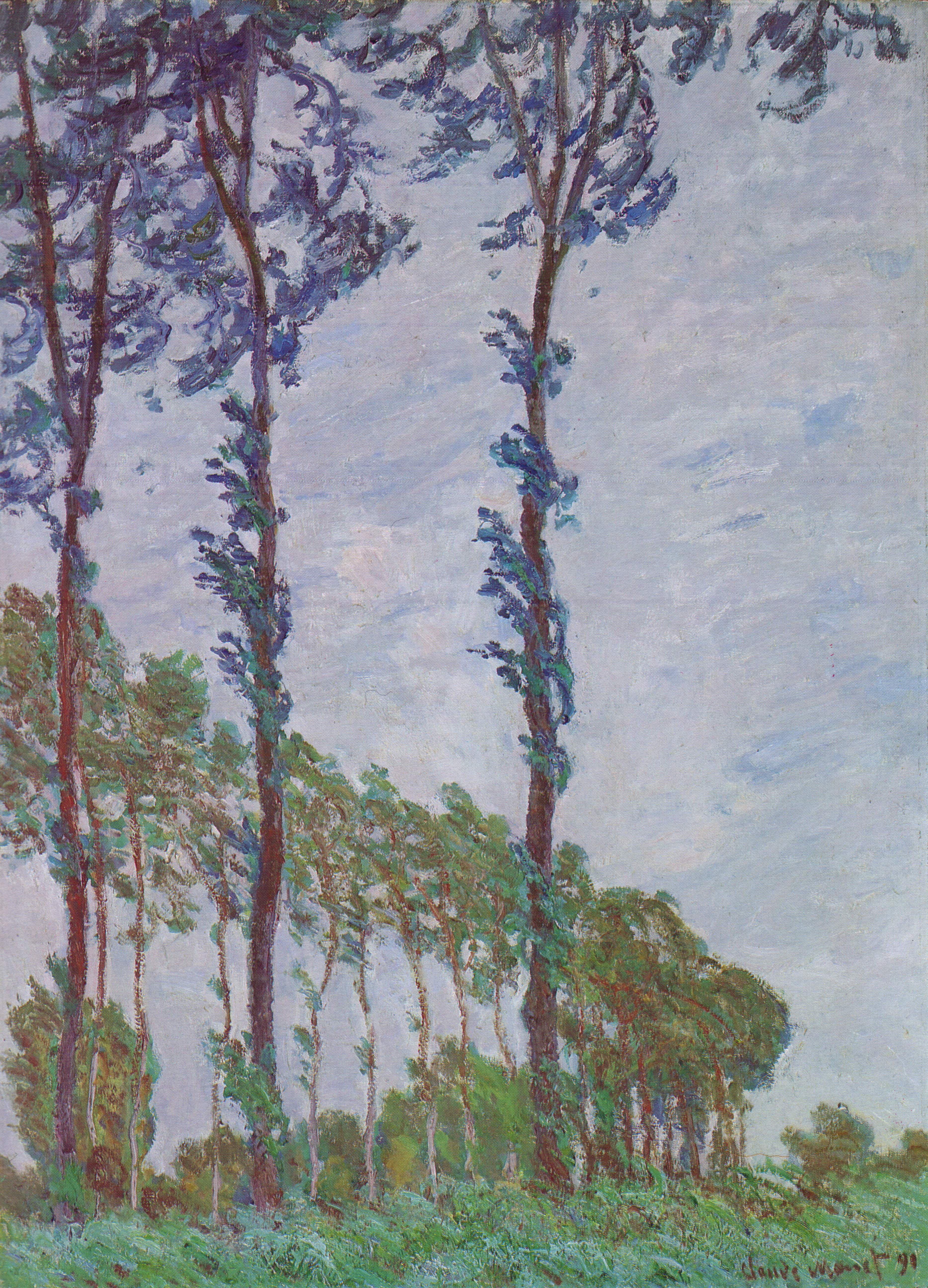
Wind Effect, Series of The Poplars
Claude Monet · 1891
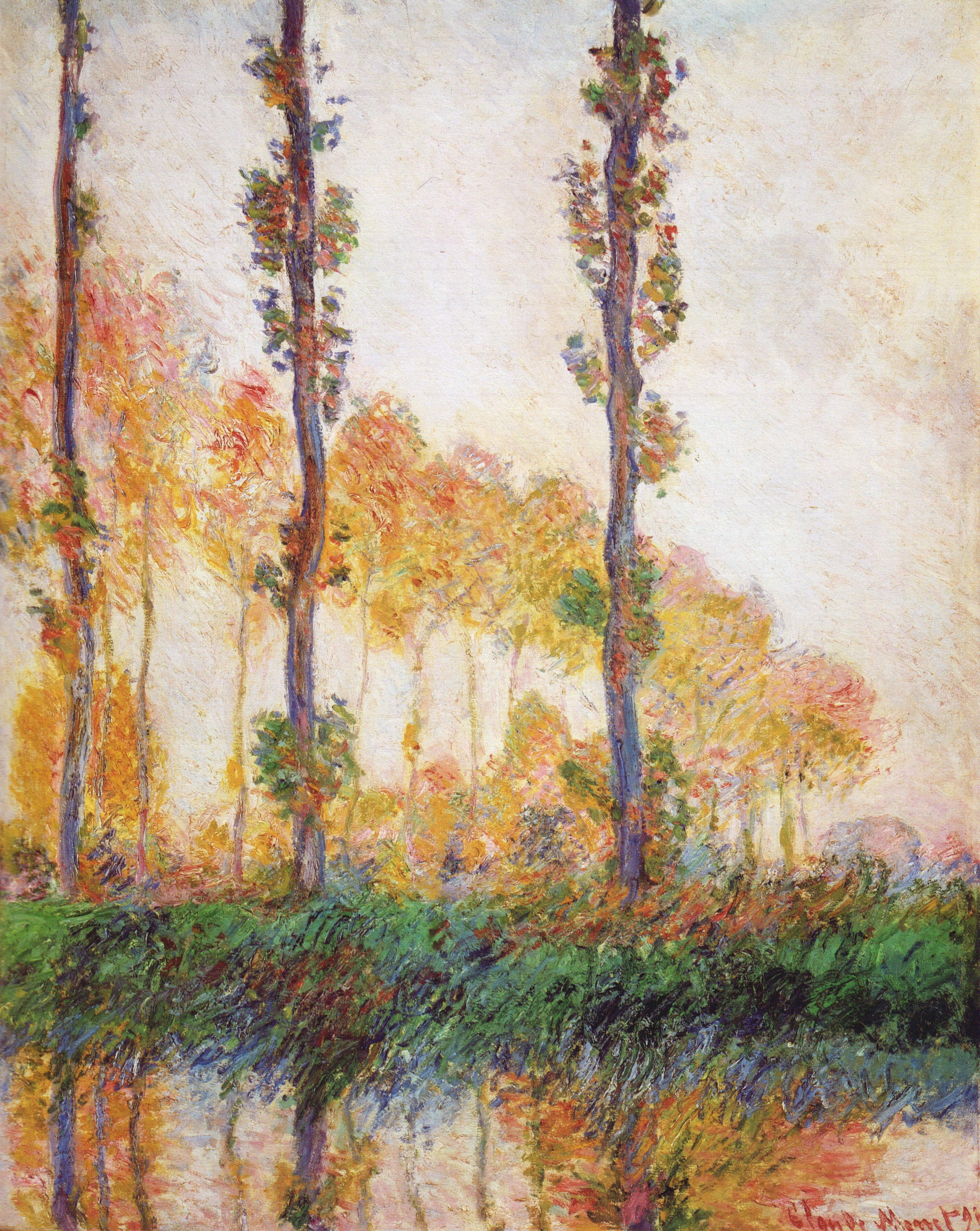
Poplars (Autumn)
Claude Monet · 1891
Also painted in 1890
The same year
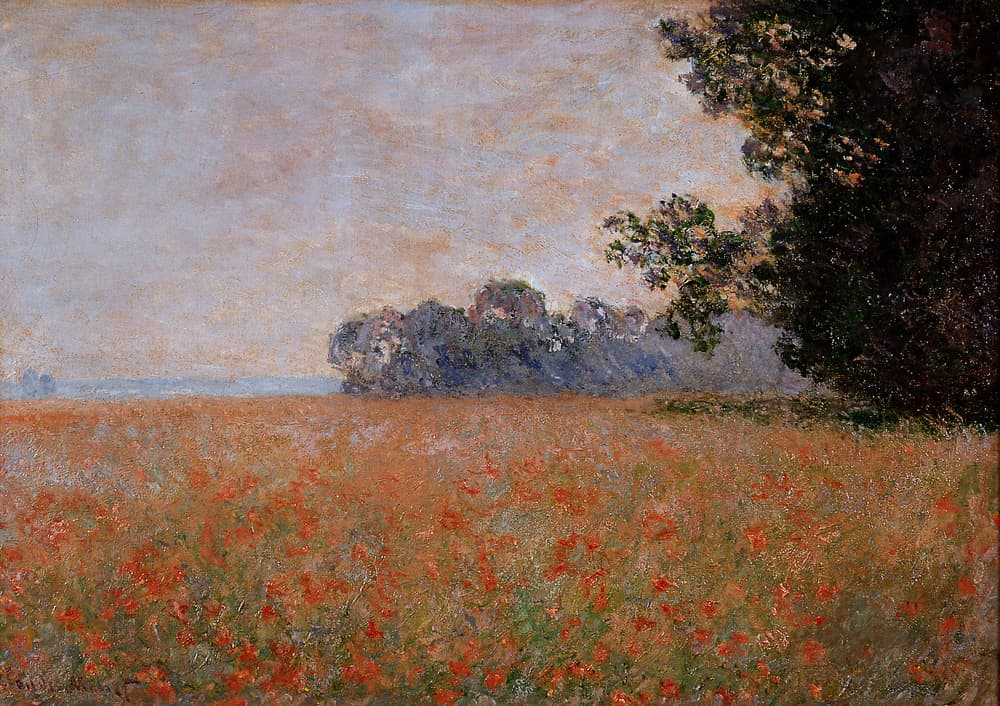
Oat Field with Poppies
Claude Monet · c. 1890
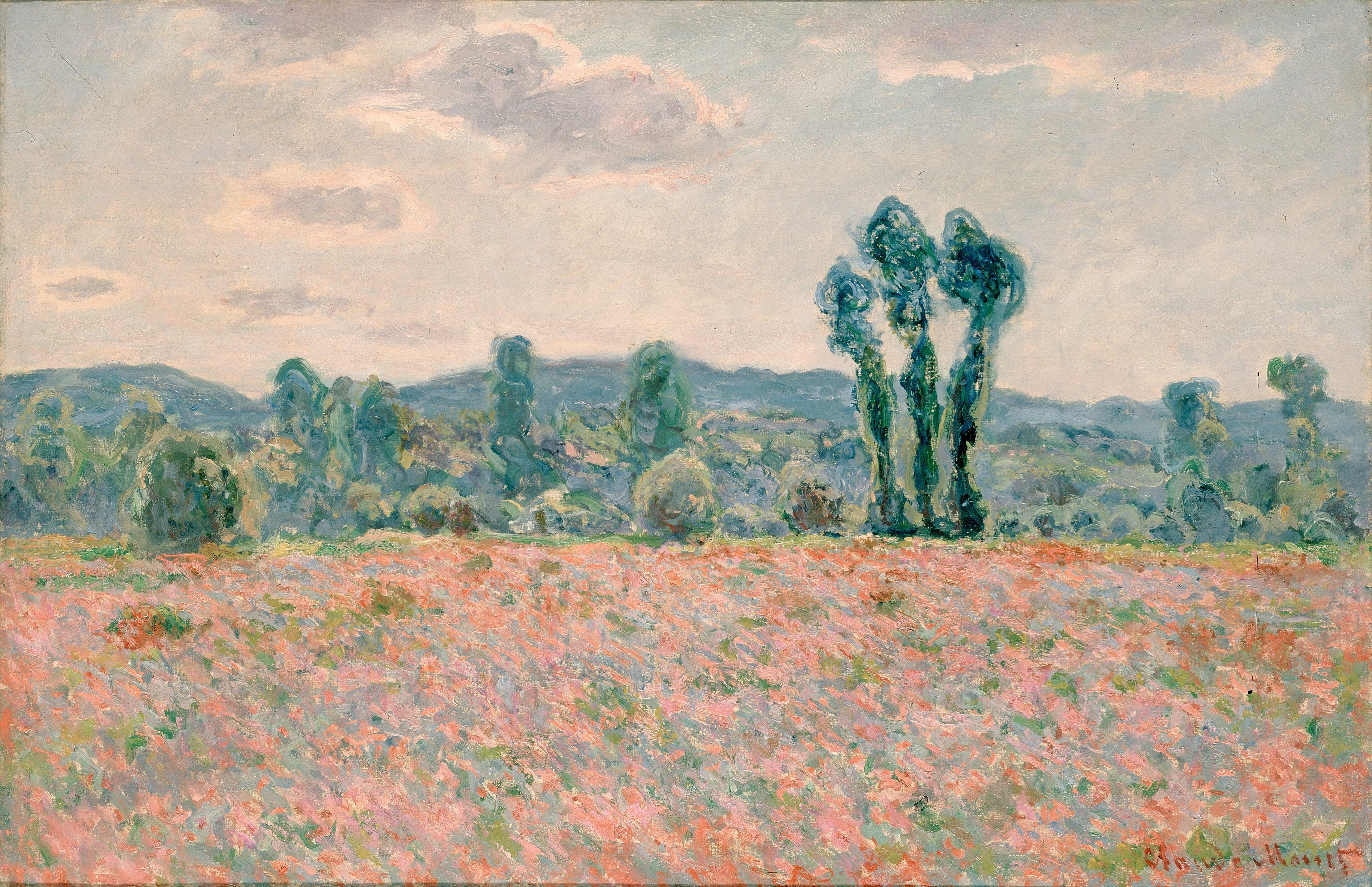
Poppy Field
Claude Monet · c. 1890
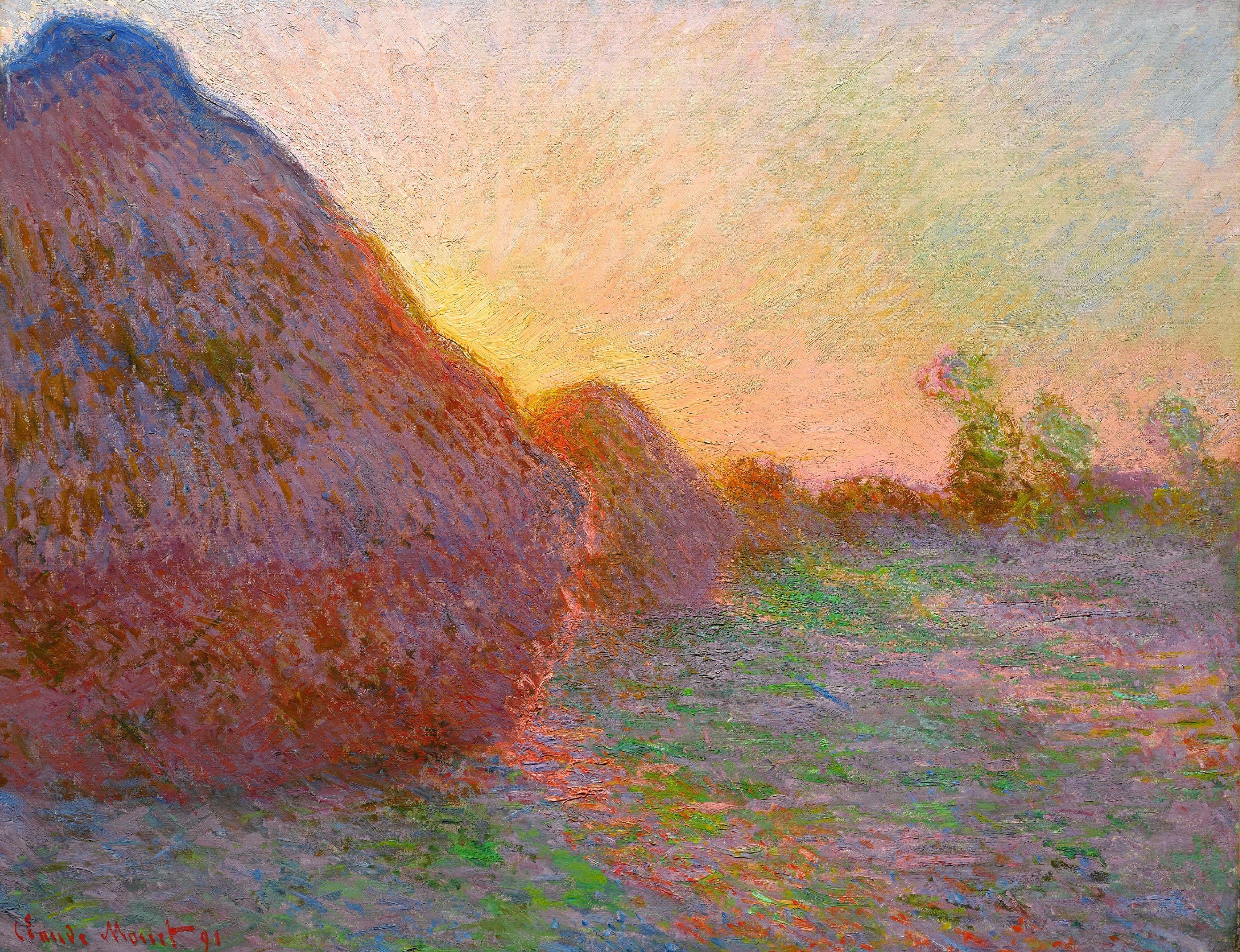
Meules (Grainstacks), 1890
Claude Monet · 1890
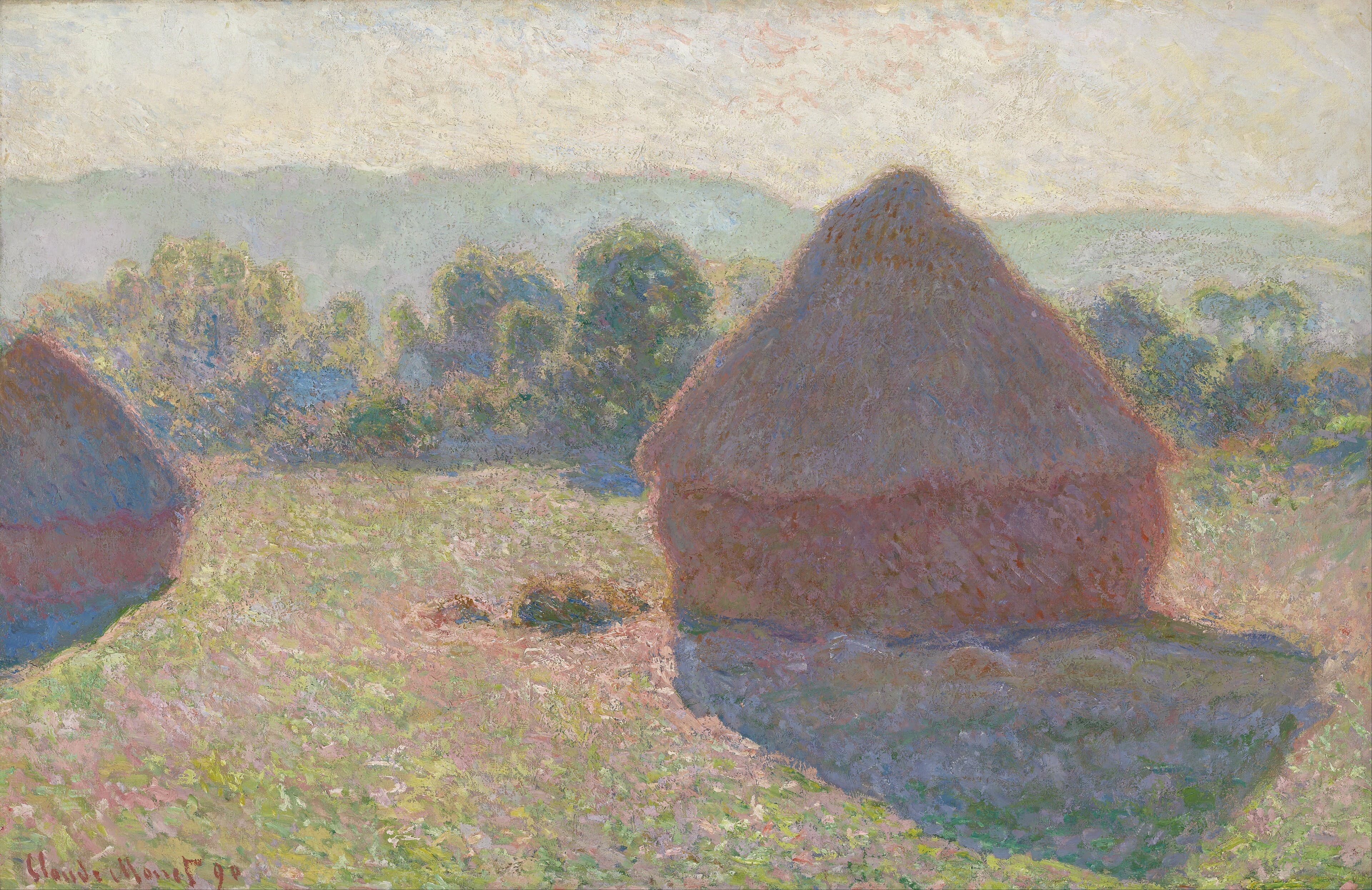
Haystacks, Midday
Claude Monet · 1890
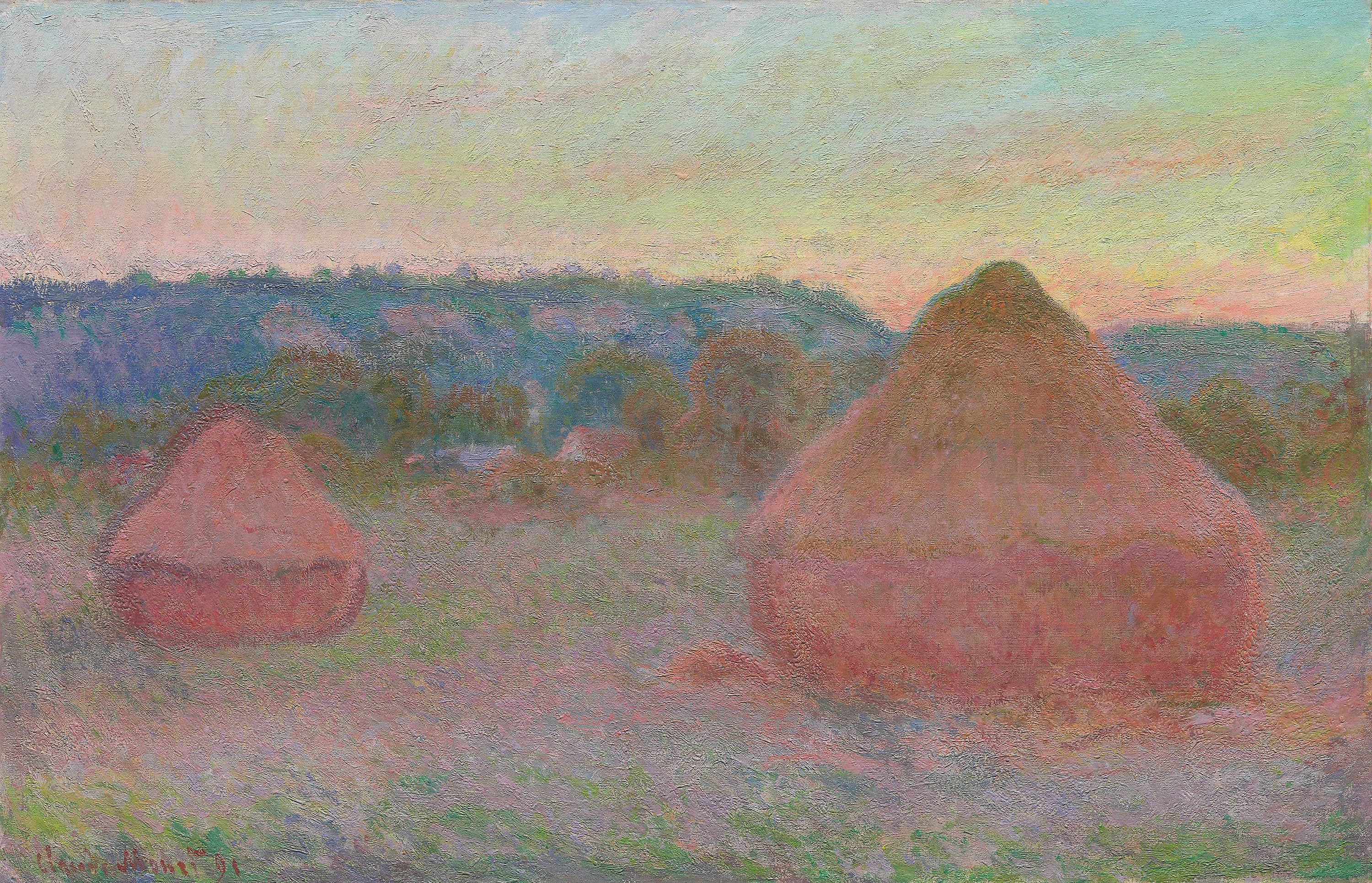
Stacks of Wheat (End of Day, Autumn)
Claude Monet · 1890–91
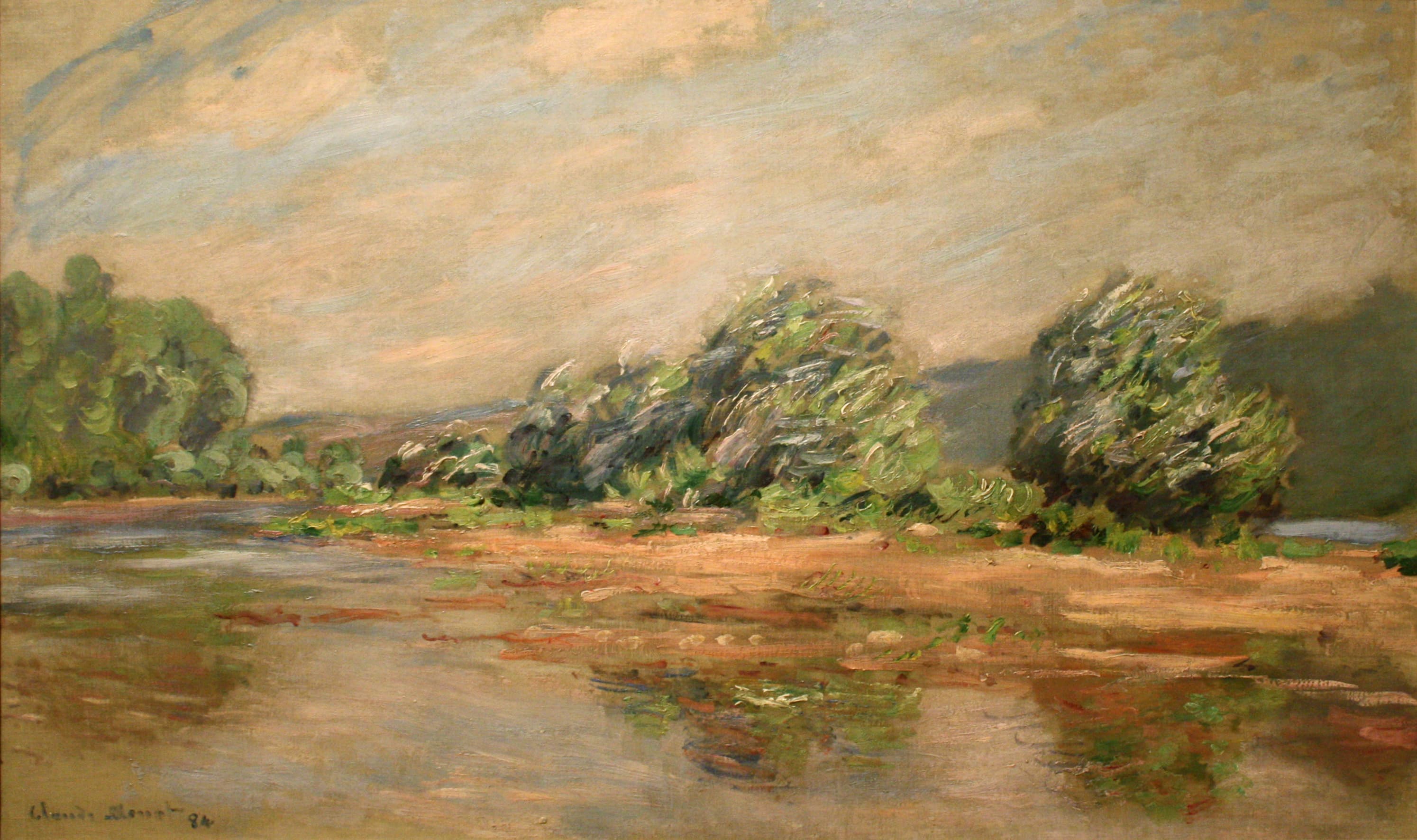
The Seine at Port-Villez (A Gust of Wind)
Claude Monet · c. 1883–90
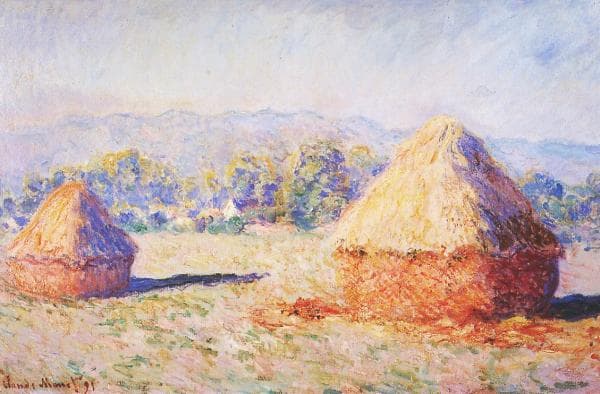
Grainstacks in the Sunlight, Morning Effect
Claude Monet · 1890
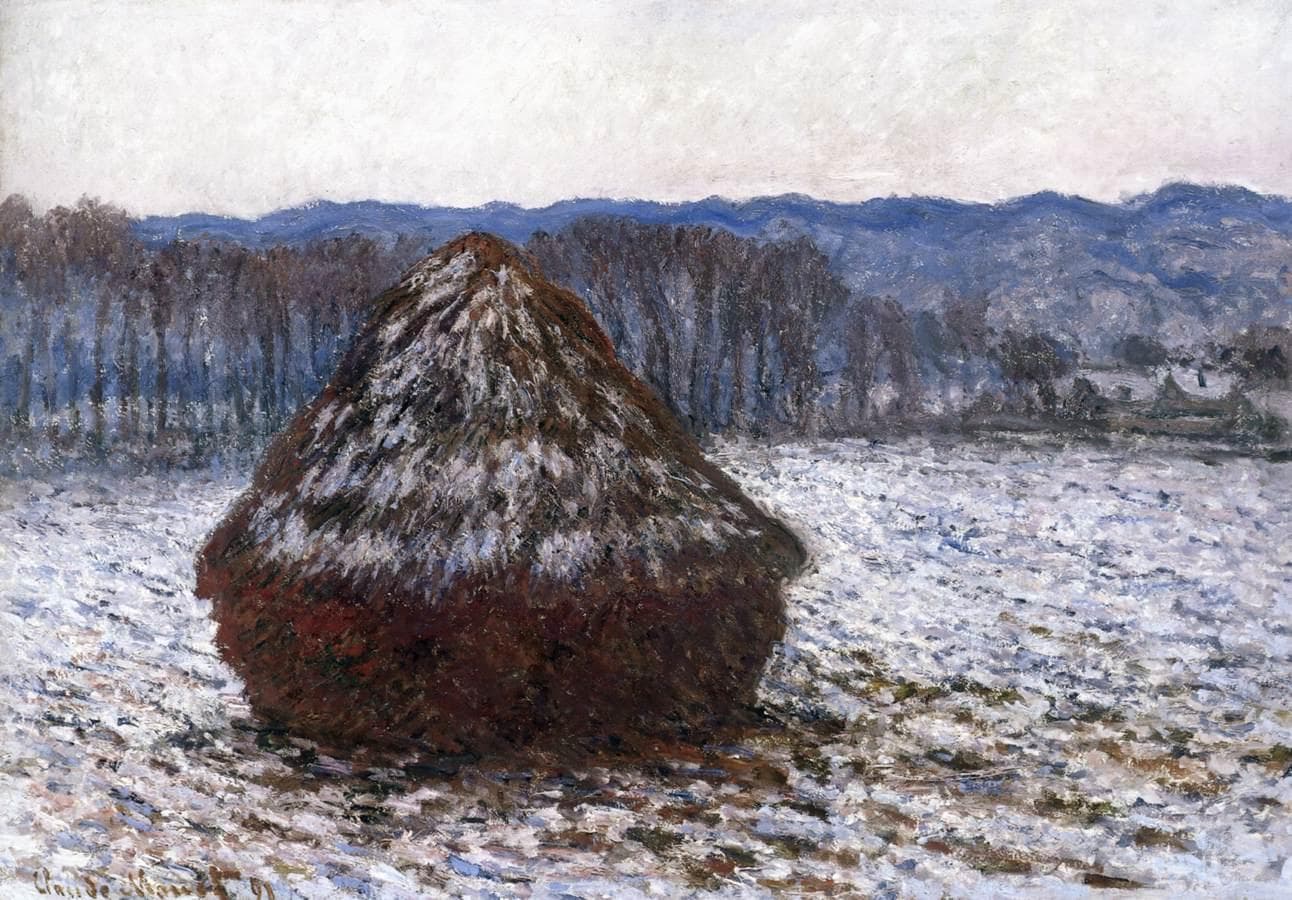
Stack of Wheat
Claude Monet · 1890–91
Kindred works
You may also study
Stacks of Wheat (End of Day, Autumn)
Claude Monet · 1890–91
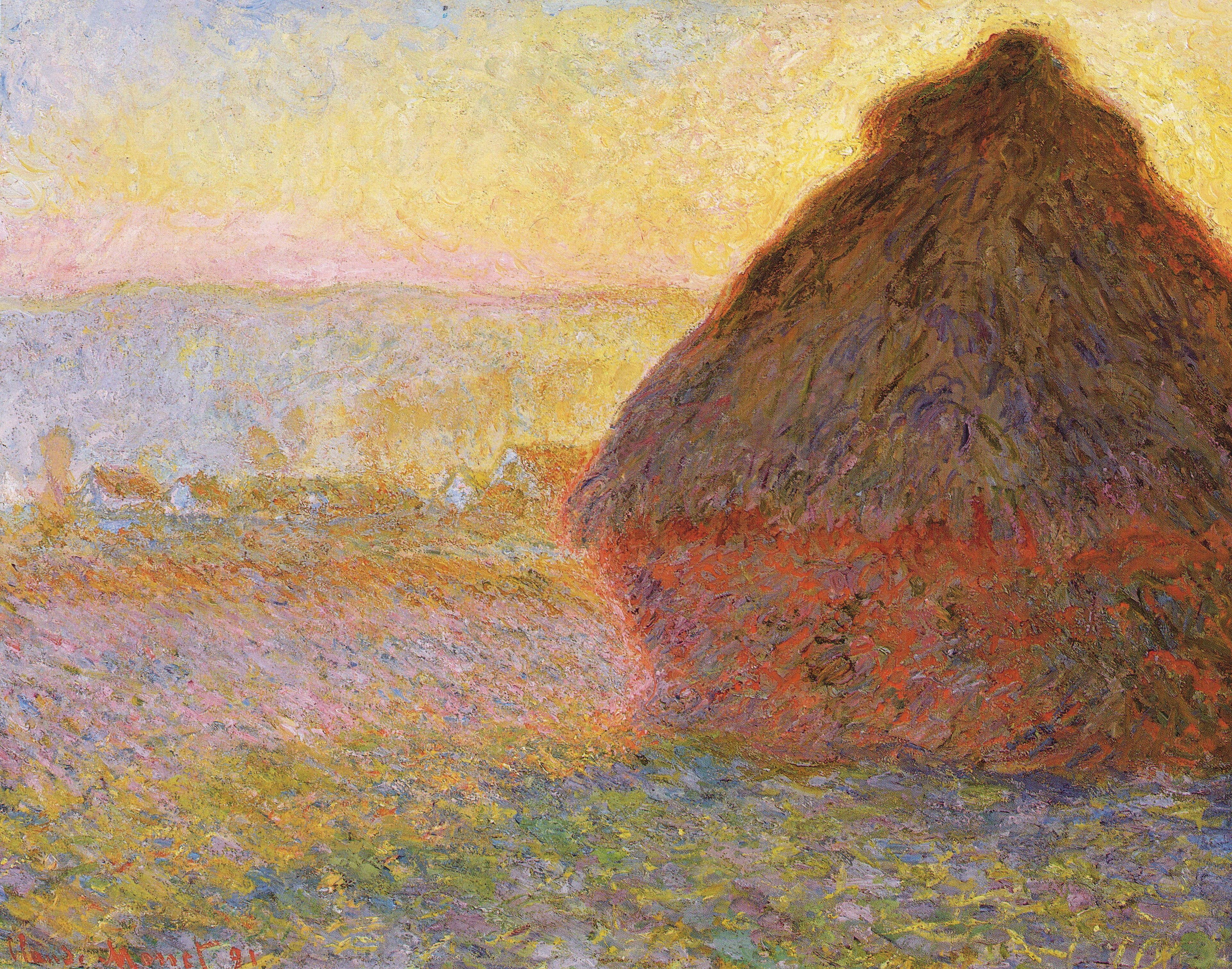
Grainstack (Sunset)
Claude Monet · 1891
Meules (Grainstacks), 1890
Claude Monet · 1890
Haystacks, Midday
Claude Monet · 1890
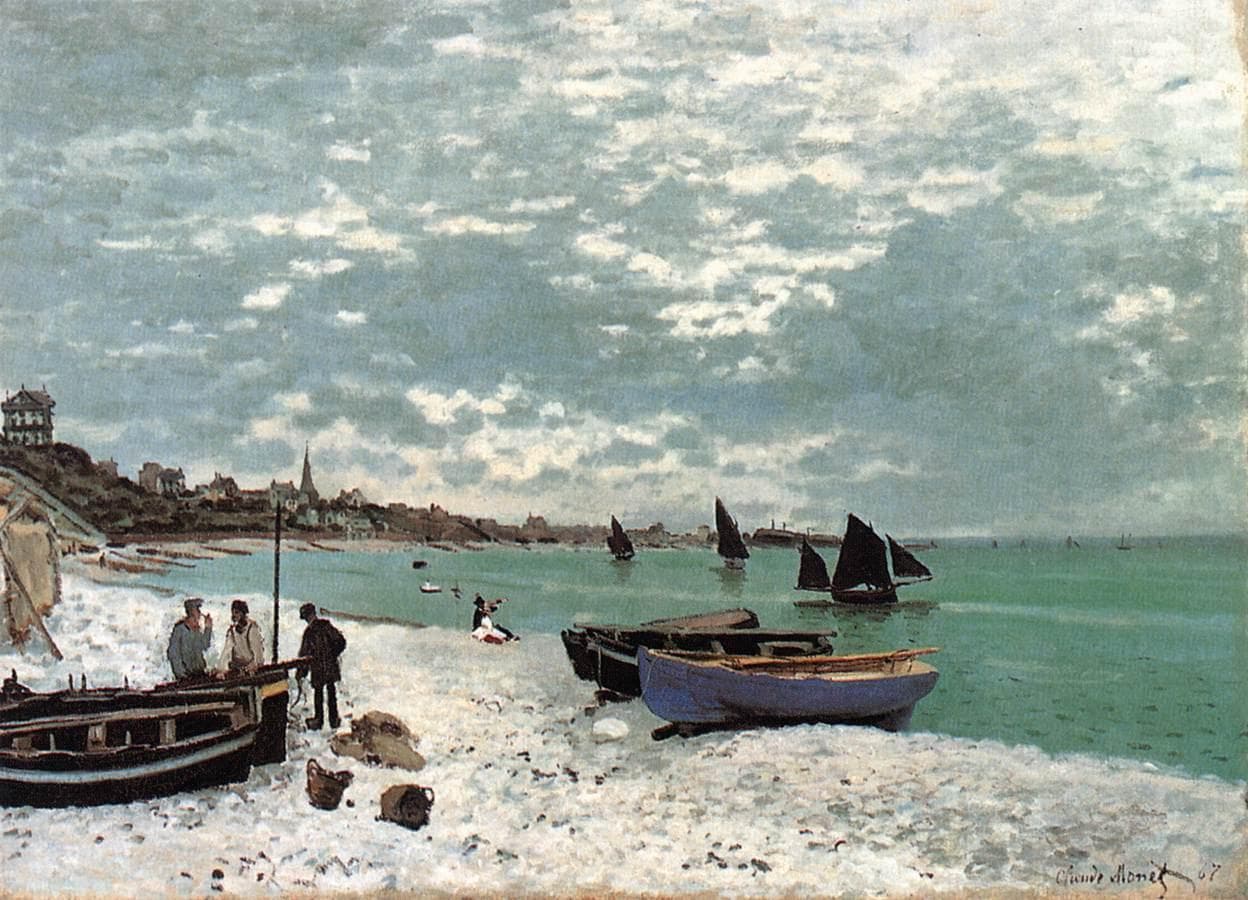
The Beach at Sainte-Adresse
Claude Monet · 1867
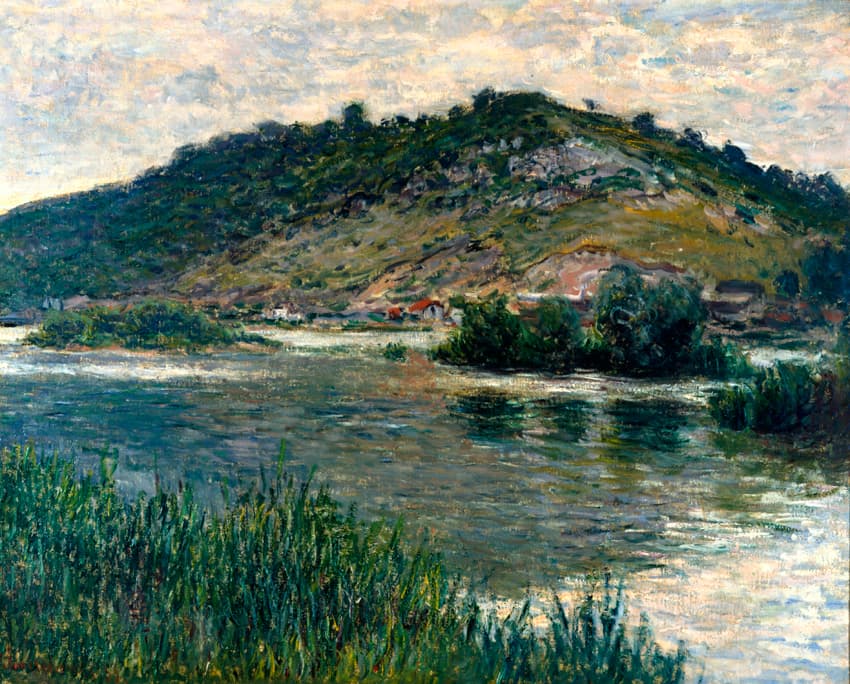
Landscape in Port-Villez
Claude Monet · 1883
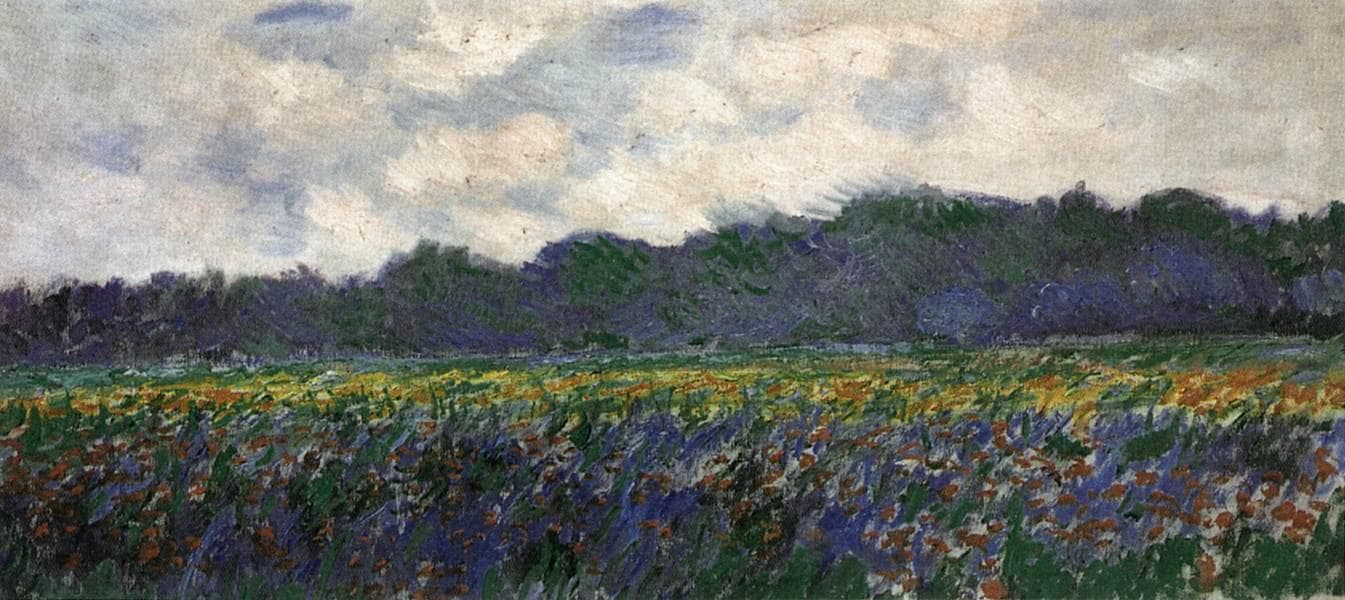
Field of Yellow Irises at Giverny
Claude Monet · 1887
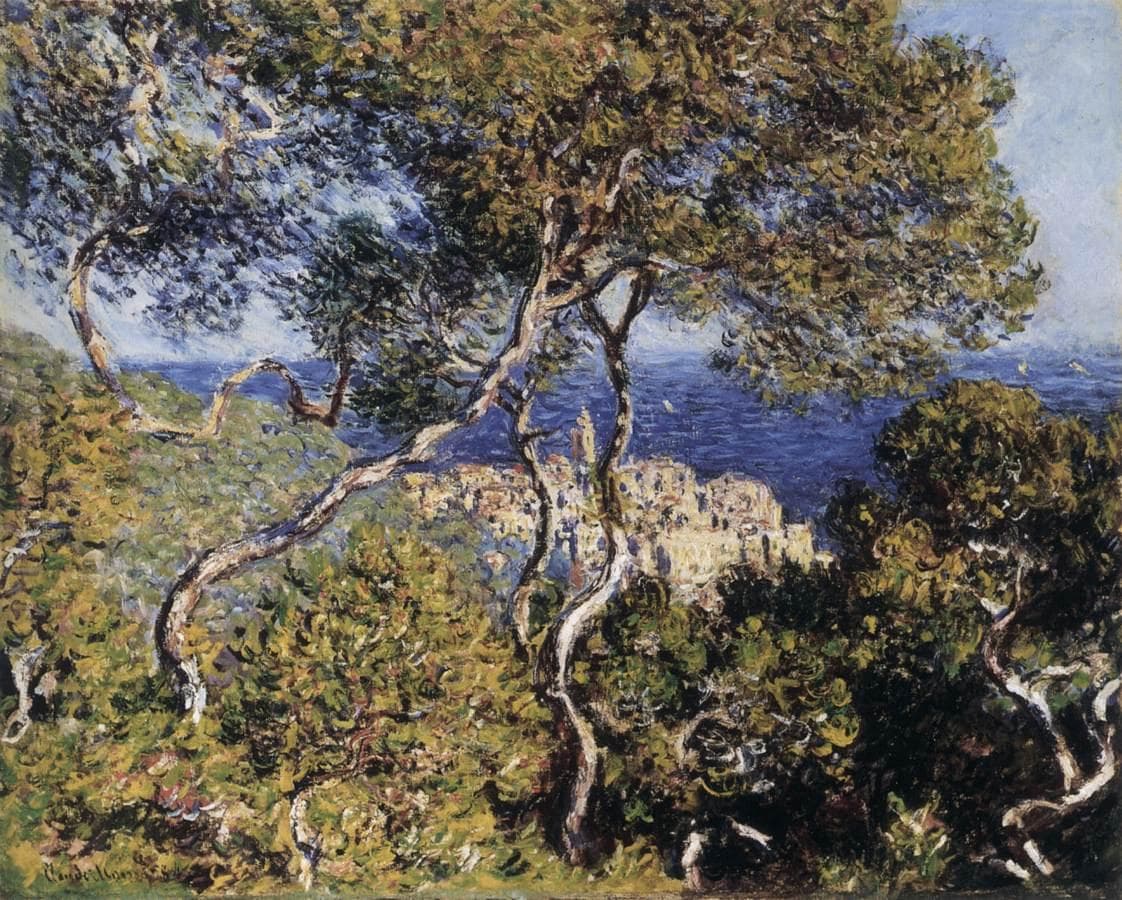
Bordighera
Claude Monet · 1884