Image: Musée des Beaux-Arts de Tours · Public domain · via Wikimedia Commons
Un bras de Seine près de Vétheuil
Claude Monet, 1878
Un bras de Seine près de Vétheuil (Arm of the Seine near Vétheuil) is an 1878 Claude Monet painting of a quiet backwater among wooded islands under a gray sky, in muted greens and silver. It is in the Musée des Beaux-Arts de Tours.
- Artist
- Claude Monet
- Date
- 1878
- Medium
- Oil on canvas
- Dimensions
- 57.5 × 72 cm
- Collection
- Musée des Beaux-Arts de Tours, Tours, France
- Movement
- Impressionism
- Catalogue
- Wildenstein 486
- Nature & Landscape
- Water & Sea
Un bras de Seine près de Vétheuil (Arm of the Seine near Vétheuil) is a painting Claude Monet made in 1878, soon after he moved to the village of Vétheuil on the Seine, northwest of Paris. It shows a narrow channel of the river between wooded islands on a gray day. The canvas, 57.5 by 72 centimeters, is in the Musée des Beaux-Arts in Tours, in the Loire Valley.
What you're looking at
The view looks straight down a side channel of the Seine. A clump of tall, dark trees stands at the center, slightly right, rising above lower bushes on both sides. On the left, the paler, feathery crowns of willows bend toward the water. The sky is a flat, heavy gray, with only a faint warm tinge at the upper left. There is no sun and no shadow.
The water fills the lower third of the picture, a calm, silvery surface reflecting the trees in soft, blurred vertical patches of green and gray. Monet breaks the reflections with short horizontal strokes of pale gray, lilac and white, and with a few darker dashes of green floating near the bottom, perhaps leaves or small water plants. Down the middle, the reflection of the central trees makes a dark vertical band that leads the eye to the gap in the islands, where a hint of the channel continues into the distance.
The palette is muted: gray-green, sage, bottle green, slate, with whites and a few touches of violet and rose. The brushwork in the foliage is quick and curling, in short hooked strokes that look almost windblown.
Vétheuil, 1878
Monet moved to Vétheuil in the late summer of 1878, after leaving Argenteuil and spending a difficult period in Paris. He was heavily in debt, his wife Camille was ill, and the family shared a house with Alice Hoschedé and her children, whose husband Ernest, Monet's former patron, had gone bankrupt. Camille died at Vétheuil in September 1879.
The river around Vétheuil is broken up by a string of wooded islands, and Monet painted its channels from his studio boat. The Tours museum's education notes describe a group of four Bras de Seine pictures from this time, and suggest this canvas may come from a rainy day on 23 September 1878, recorded in a letter from the household lamenting that Monet had gone out to work "in the islands" in a downpour. The somber, ashen palette of these months, unusual for Monet, has often been linked to the hardships the family faced.
How it was painted
The canvas is a standard landscape size, painted outdoors and probably quickly. The foliage is laid in with a loaded brush in rounded, overlapping touches; the sky in flatter, dragged strokes; the water in horizontal dabs of reflected color. Seen close up, the strokes are separate and lively, with bright greens and even blues among the grays; from a distance they merge into the dull, humid light of an overcast morning.
A forerunner of the Mornings on the Seine
Almost twenty years later, at Giverny, Monet would paint a very similar view, a backwater of the Seine framed by trees and doubled in still water, in his series Mornings on the Seine (1896–97), such as the Orsay's Arm of the Seine near Giverny and the Met's Morning on the Seine near Giverny. The Tours canvas shows the motif in embryo: the same symmetry of tree and reflection, but painted in gray daylight, with a firmer horizon and none of the later series' dissolving mist. Other Seine pictures from the same years include Sunset on the Seine at Lavacourt, in Winter and Floating Ice on the Seine. For the whole period, see Monet at Vétheuil.
Where to see it
The painting is in the Musée des Beaux-Arts de Tours, housed in the former archbishop's palace beside the cathedral. The museum's education service has listed it in the second-floor galleries devoted to the later nineteenth century. It is one of the few Monet paintings in a French regional museum outside Normandy and Paris. For other collections, see where to see Monet's paintings.
Questions & answers
Where is Monet's Un bras de Seine près de Vétheuil?
It is in the Musée des Beaux-Arts de Tours, in the former archbishop's palace in Tours, France (inventory 1975-1-1). It hangs among the museum's later nineteenth-century paintings.
When and where was it painted?
In 1878, on the Seine near Vétheuil, the village northwest of Paris where Monet moved that year. The Tours museum suggests it may date from a rainy day in late September 1878.
What does it show?
It shows a quiet side channel of the Seine between wooded islands under a heavy gray sky, with tall dark trees at the center reflected in calm, silvery water.
Is it part of a series?
It belongs to a small group of four 'arm of the Seine' views painted at Vétheuil. The same motif, a tree-lined backwater doubled in still water, returns in Monet's Mornings on the Seine series of 1896–97 at Giverny.
More by the artist
Claude Monet
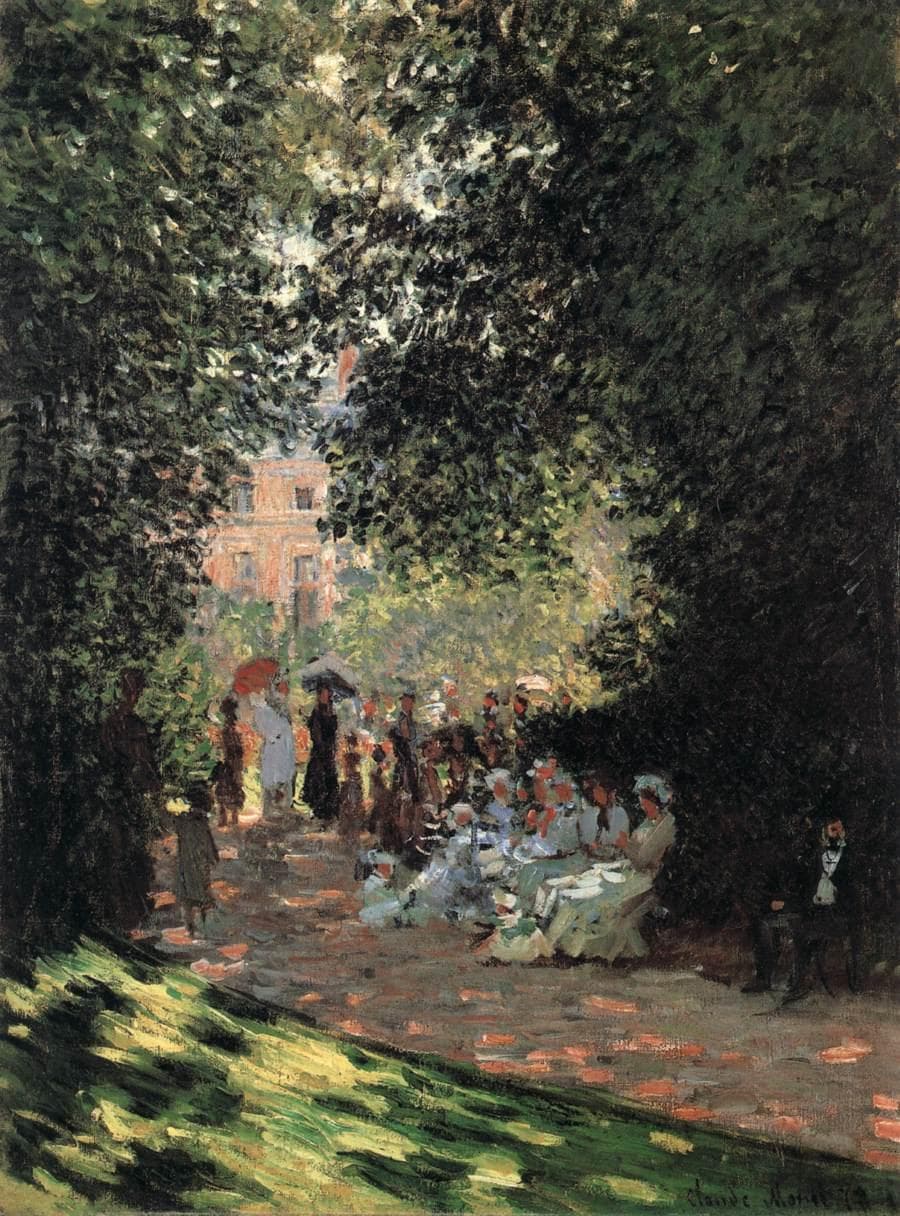
The Parc Monceau
Claude Monet · 1878
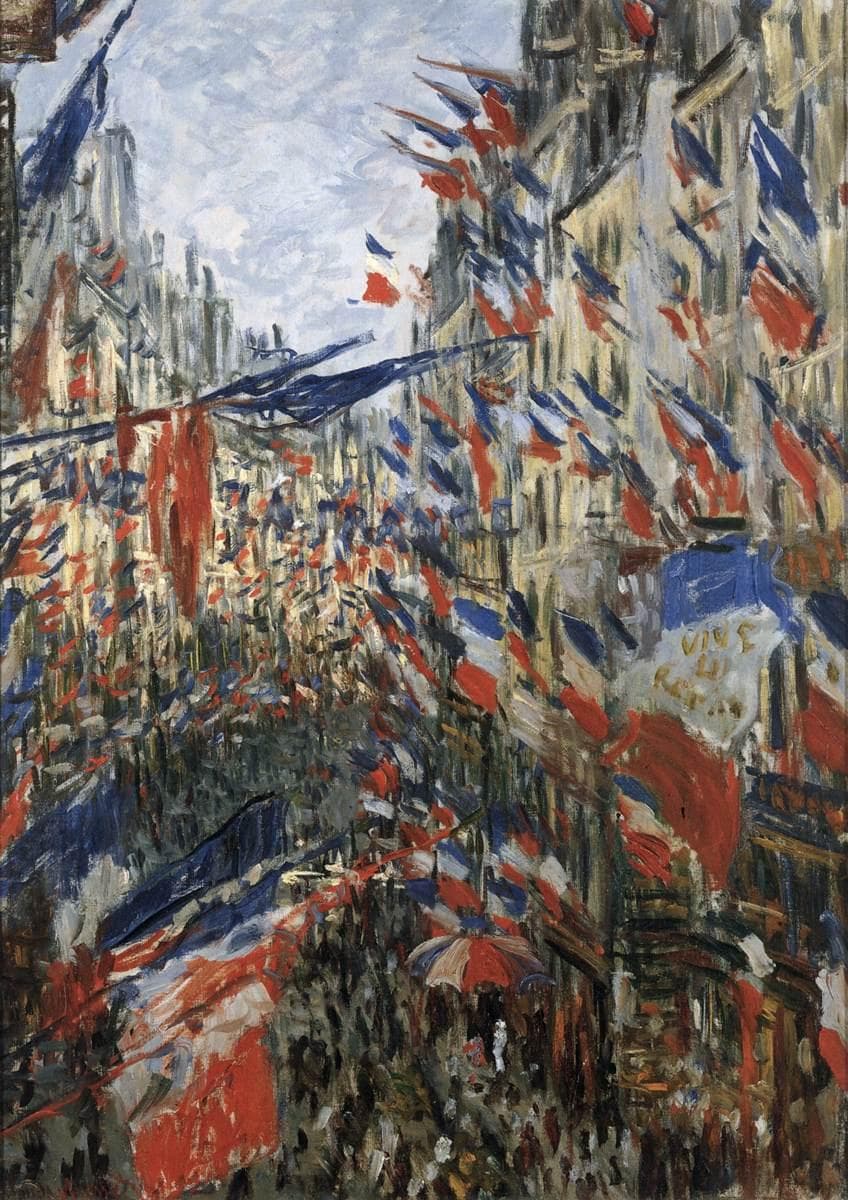
Rue Saint-Denis in Paris, Celebration of 30 June 1878
Claude Monet · 1878
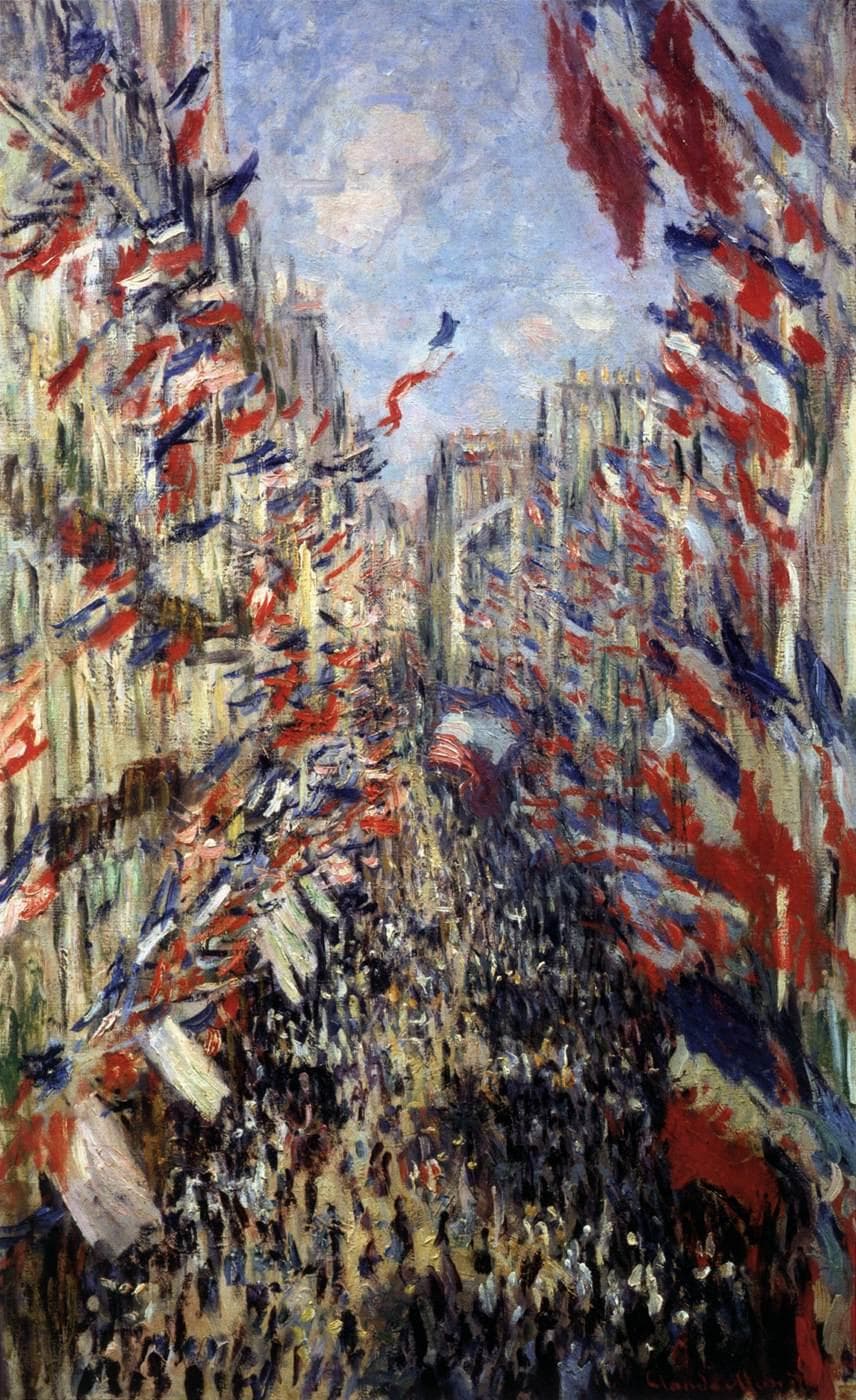
Rue Montorgueil in Paris, Celebration of 30 June 1878
Claude Monet · 1878
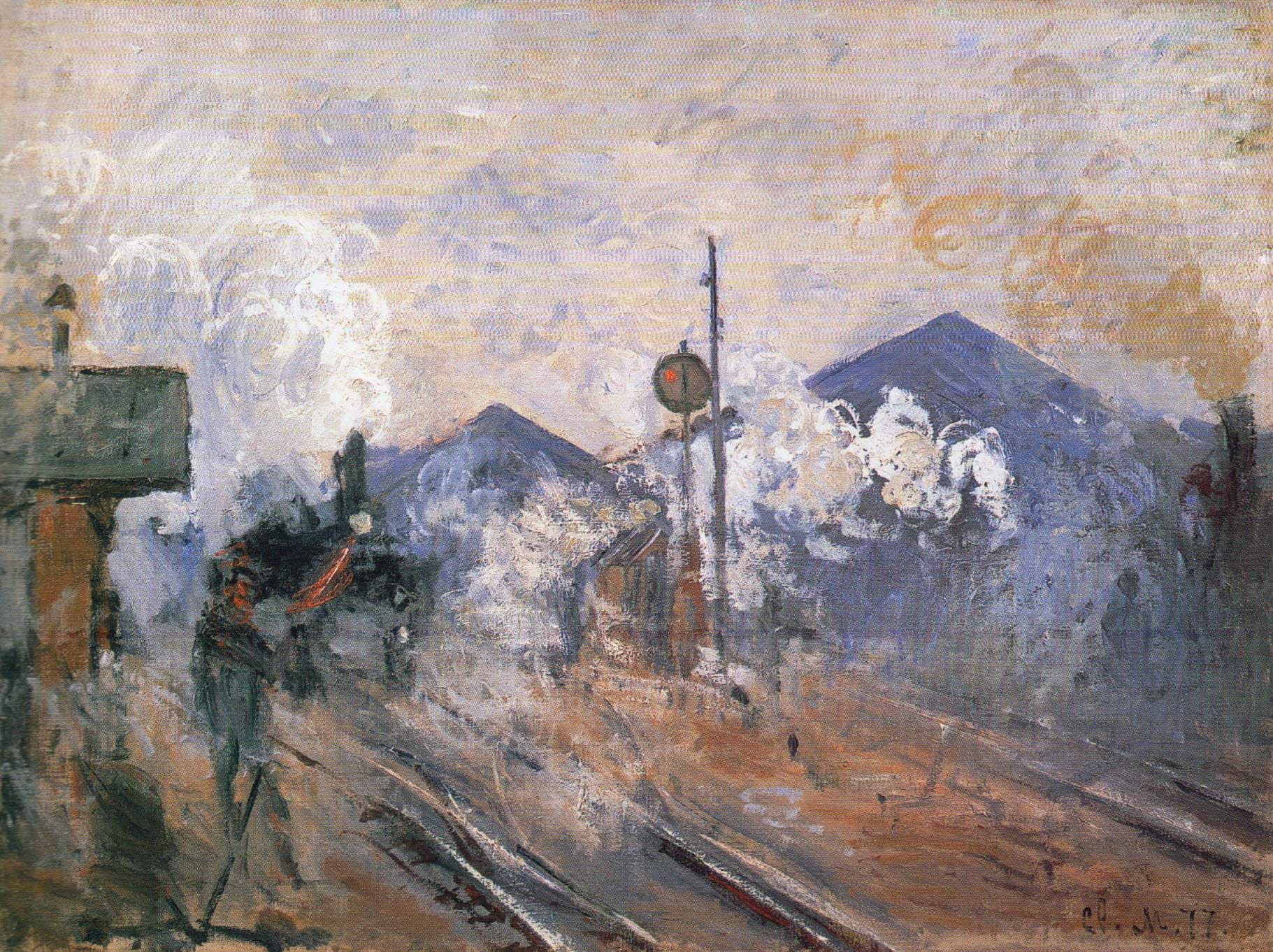
Train Tracks at the Saint-Lazare Station
Claude Monet · 1877
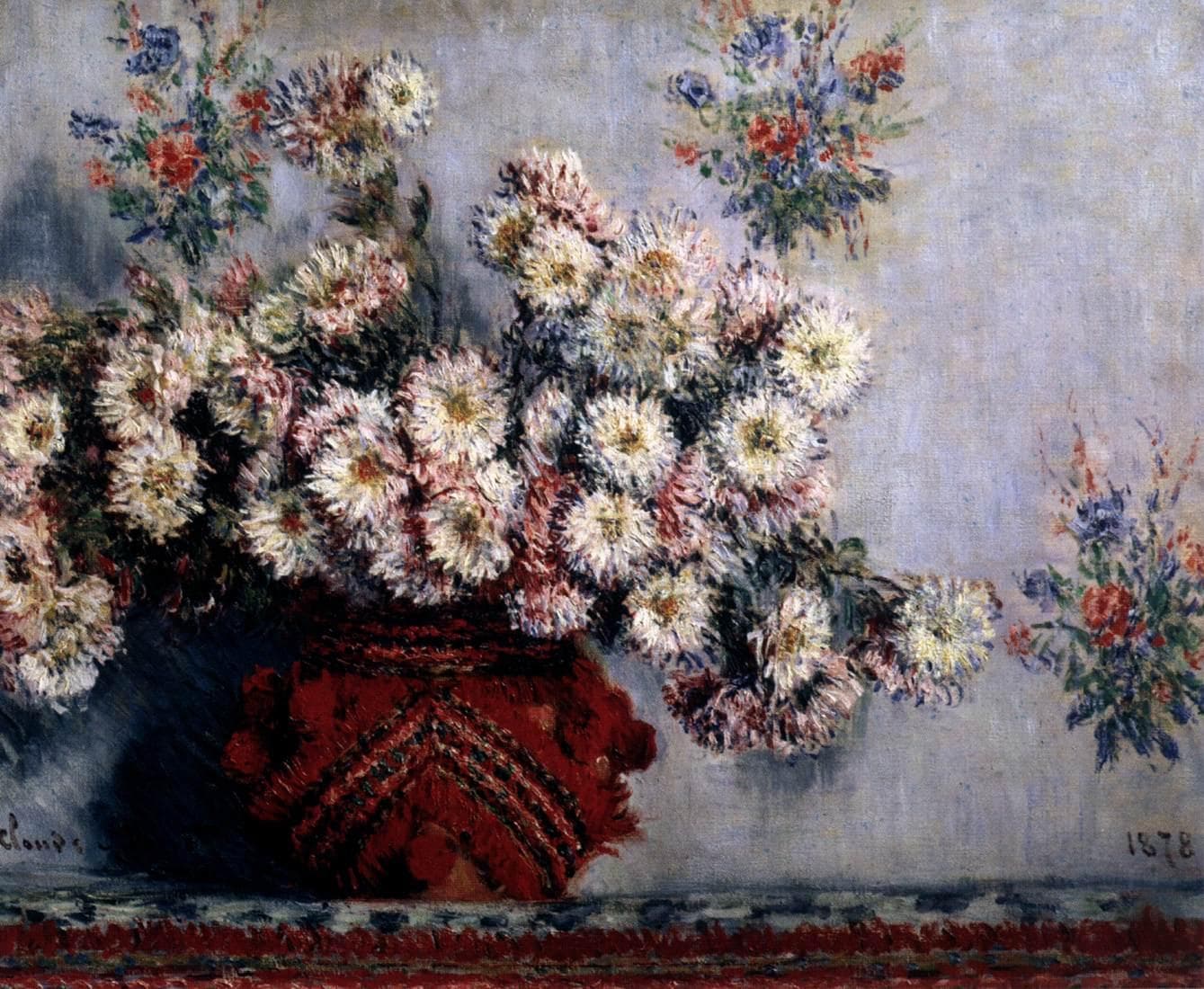
Chrysanthemums
Claude Monet · 1878
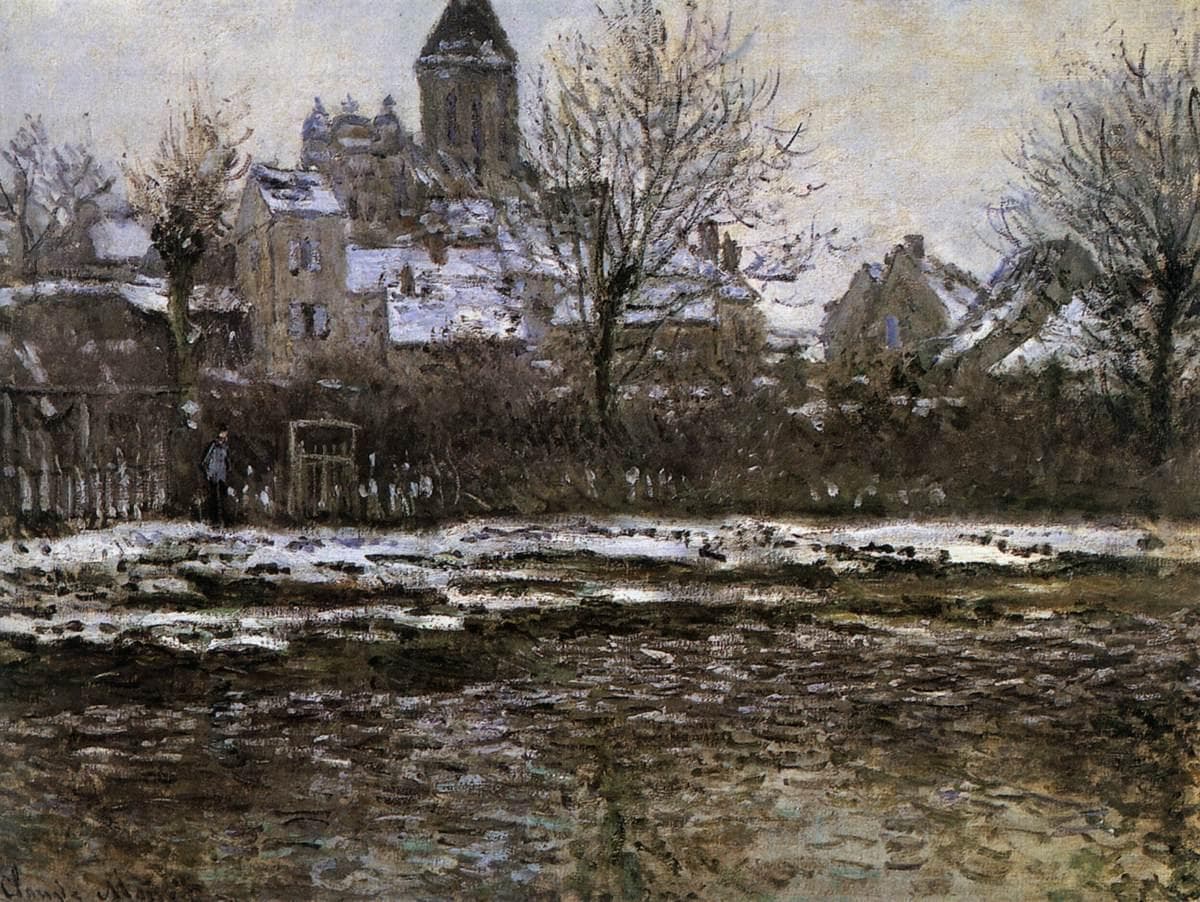
The Church in Vétheuil in Winter
Claude Monet · 1878–79
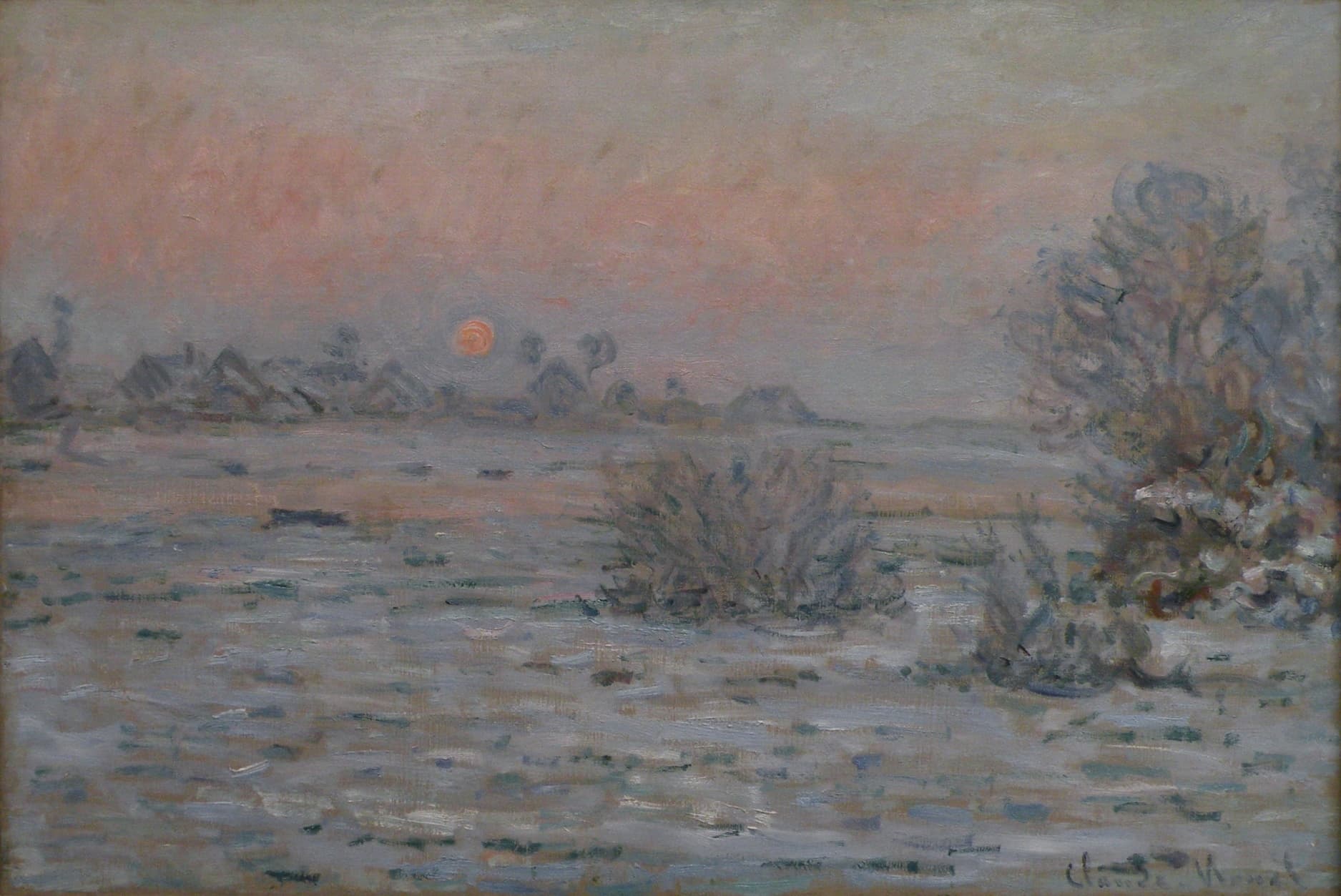
Winter Sun at Lavacourt
Claude Monet · 1879–80
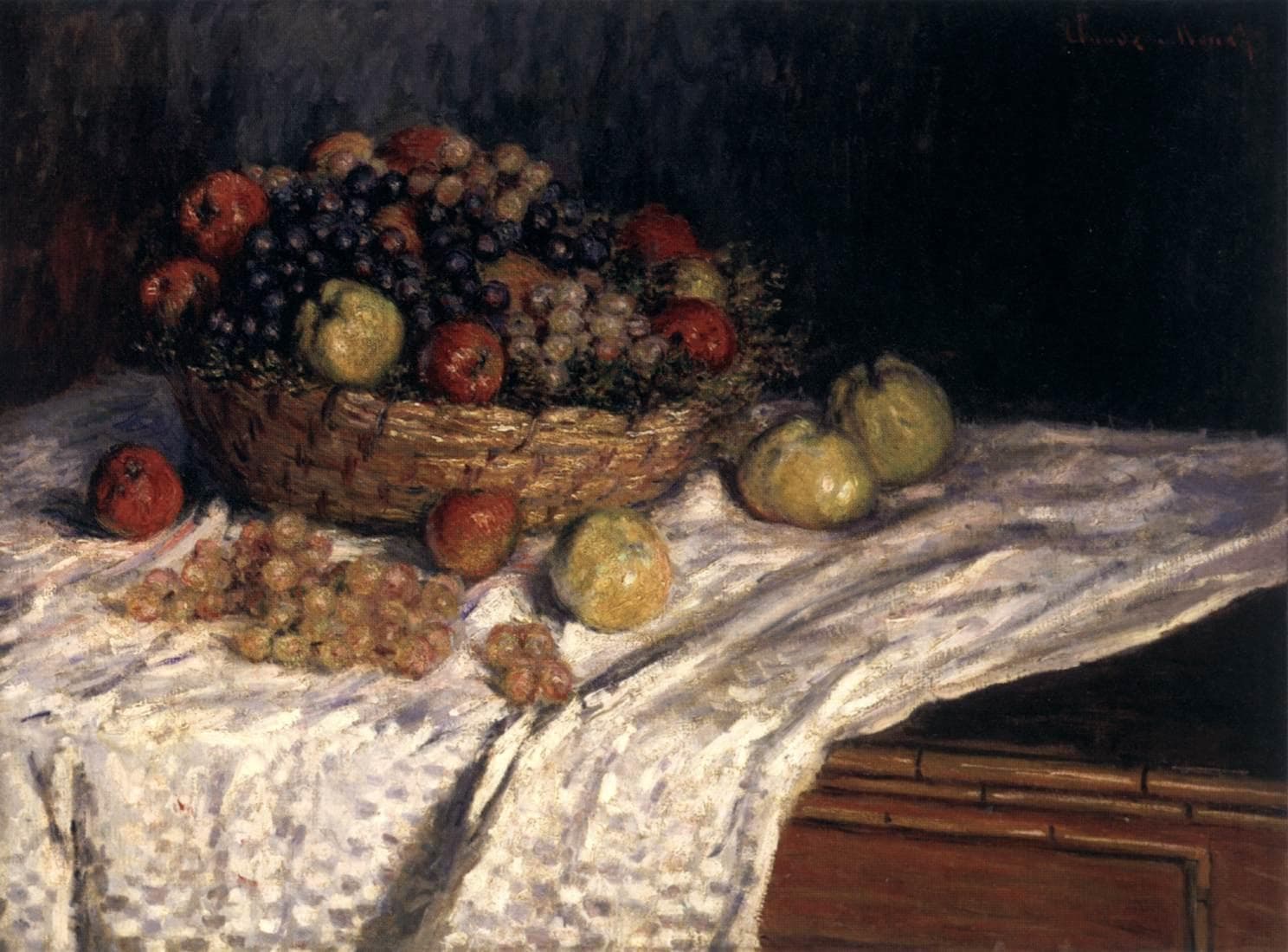
Still-Life with Apples and Grapes
Claude Monet · 1879–80
Kindred works
You may also study
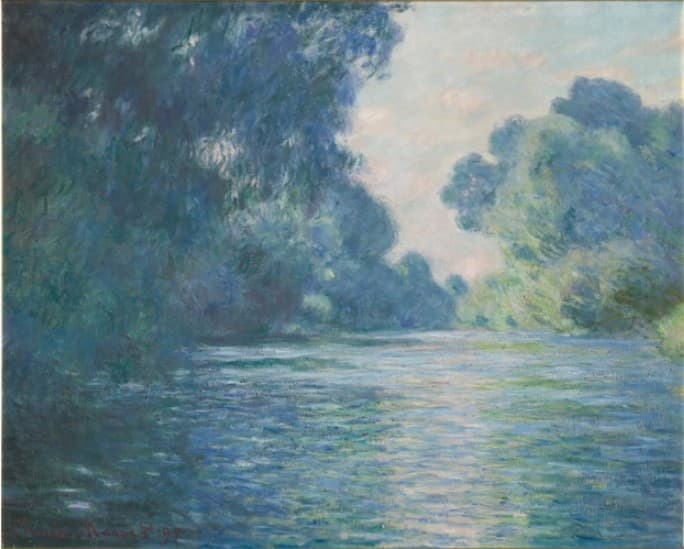
Arm of the Seine near Giverny
Claude Monet · 1897
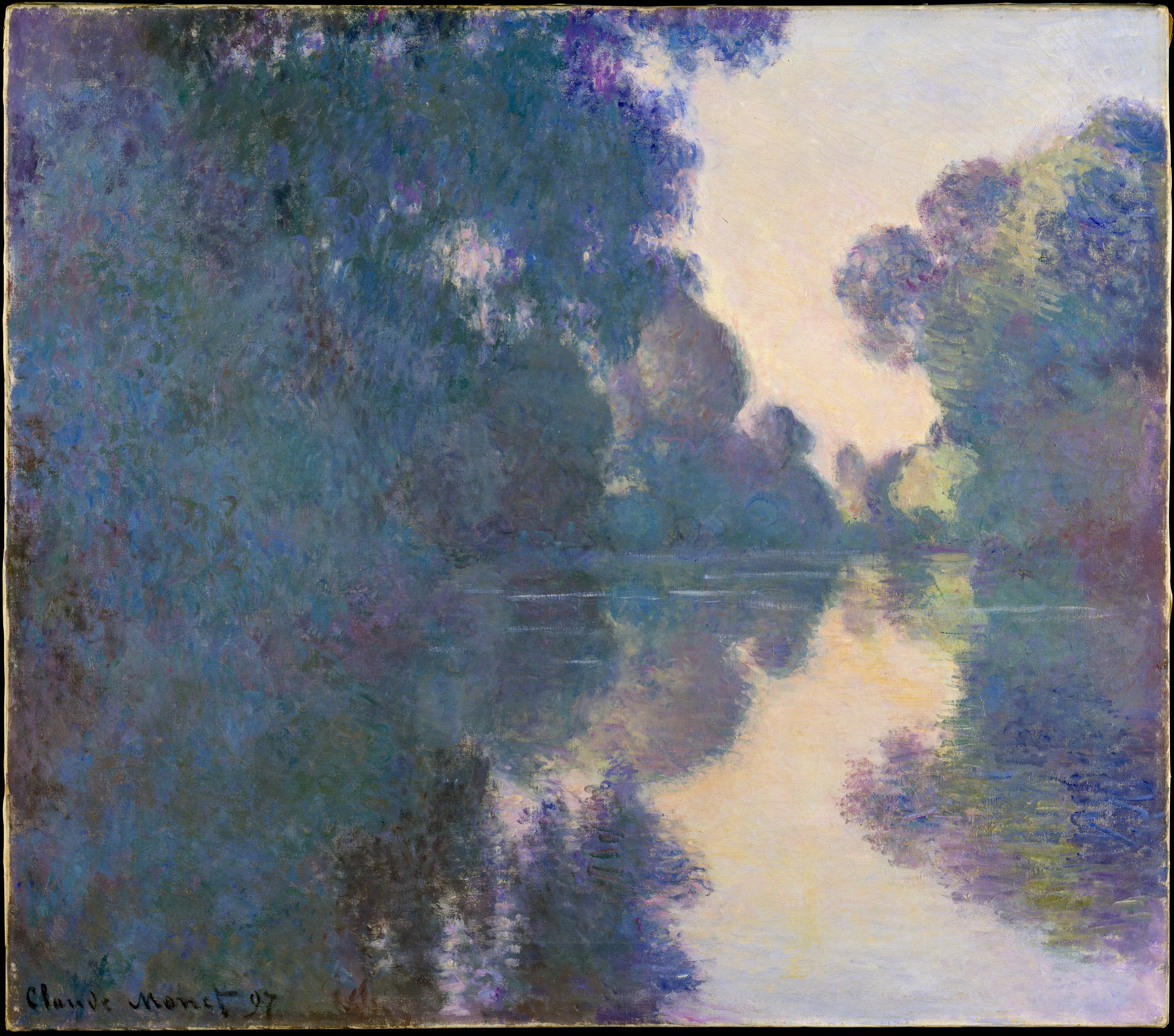
Morning on the Seine near Giverny
Claude Monet · 1897
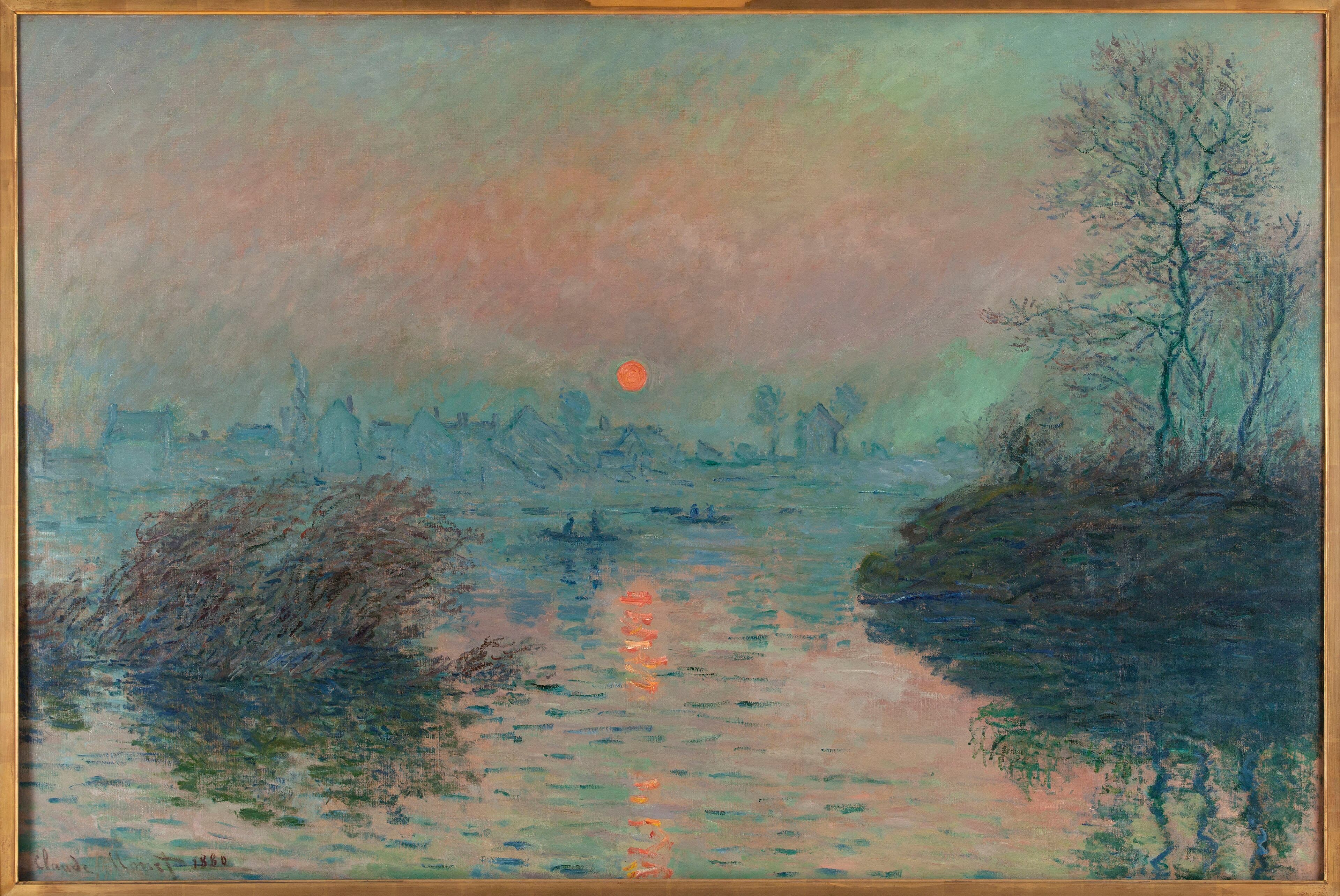
Sunset on the Seine at Lavacourt, Winter Effect
Claude Monet · 1880
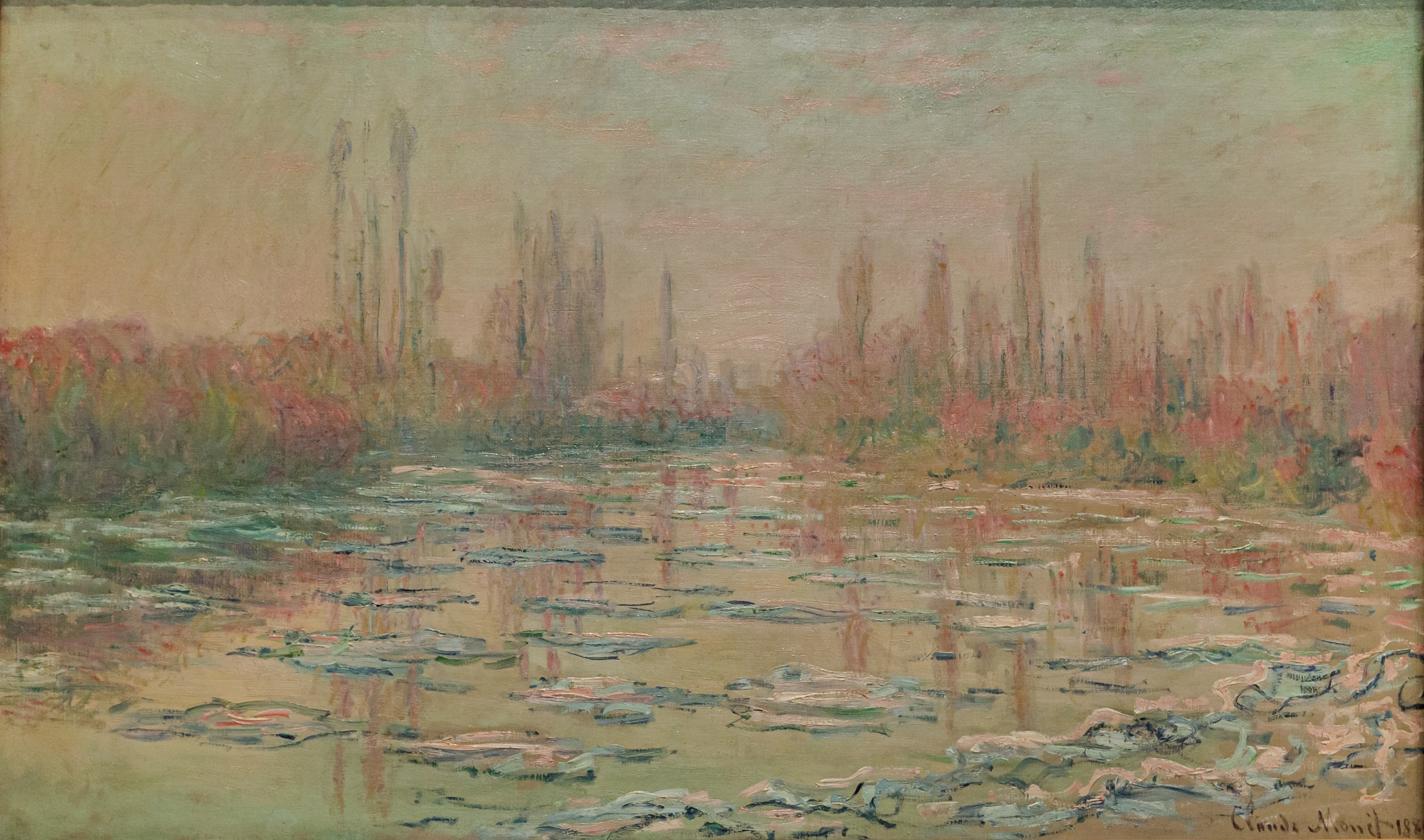
Floating Ice on the Seine (Les Glaçons)
Claude Monet · 1880
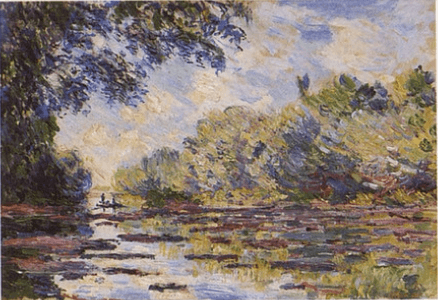
Bras de Seine à Giverny
Claude Monet · 1885
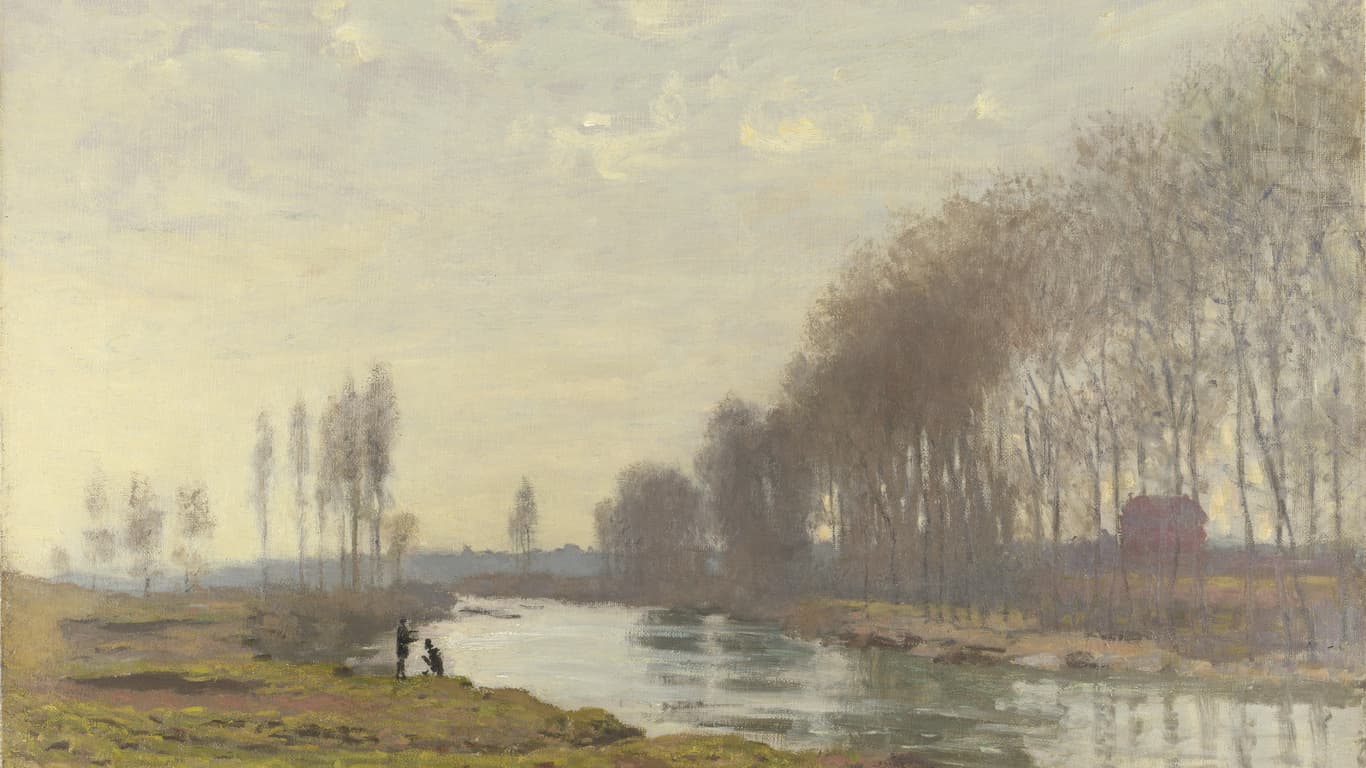
The Petit Bras of the Seine at Argenteuil
Claude Monet · 1872
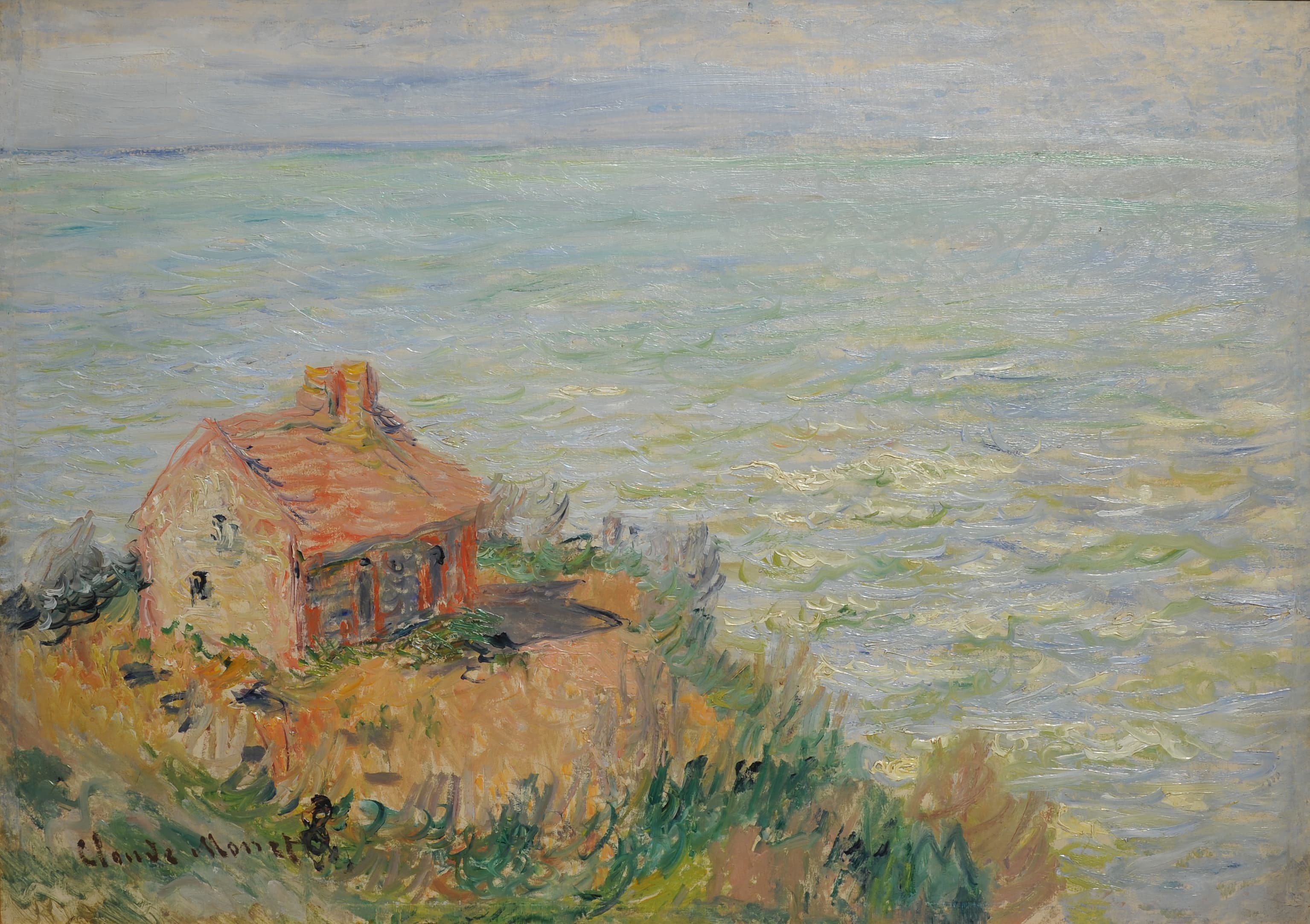
The Customs House, Afternoon Effect
Claude Monet · 1882
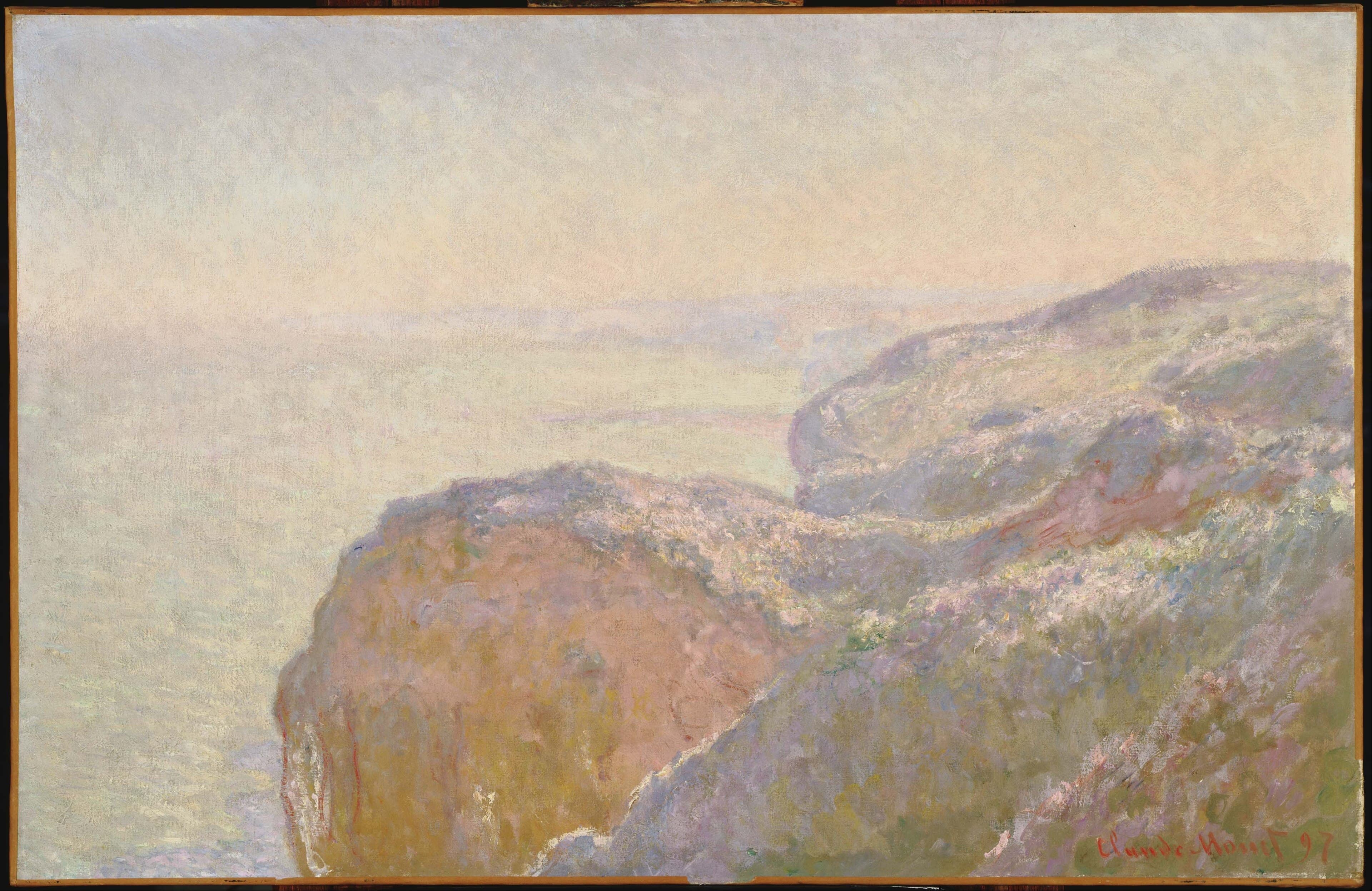
Val-Saint-Nicolas, near Dieppe (Morning)
Claude Monet · 1897