Movement
Baroque Art: Drama, Darkness and Divine Light
From Caravaggio's spotlight to Bernini's marble ecstasies and Rembrandt's shadows: the seventeenth-century art that set out to move you.
Baroque art is the dramatic, emotional style that dominated European painting, sculpture and architecture from about 1600 to 1750, born in Rome and spread from Madrid to Amsterdam. Where Renaissance art sought calm balance, the Baroque wanted motion and feeling: deep shadows split by shafts of light, bodies twisting mid-action, marble that seems to breathe, ceilings that open into heaven.
Its great names are Caravaggio, Artemisia Gentileschi, Gian Lorenzo Bernini, Peter Paul Rubens, Diego Velázquez, Rembrandt and Vermeer. This page explains where the Baroque came from, how it differed between Catholic Rome and the Protestant Dutch Republic, the features that let you recognize it at a glance, and where to see its masterpieces. The works collected below, from Bernini's Ecstasy of Saint Teresa to Rembrandt's Night Watch, are ordered from the most essential outward.
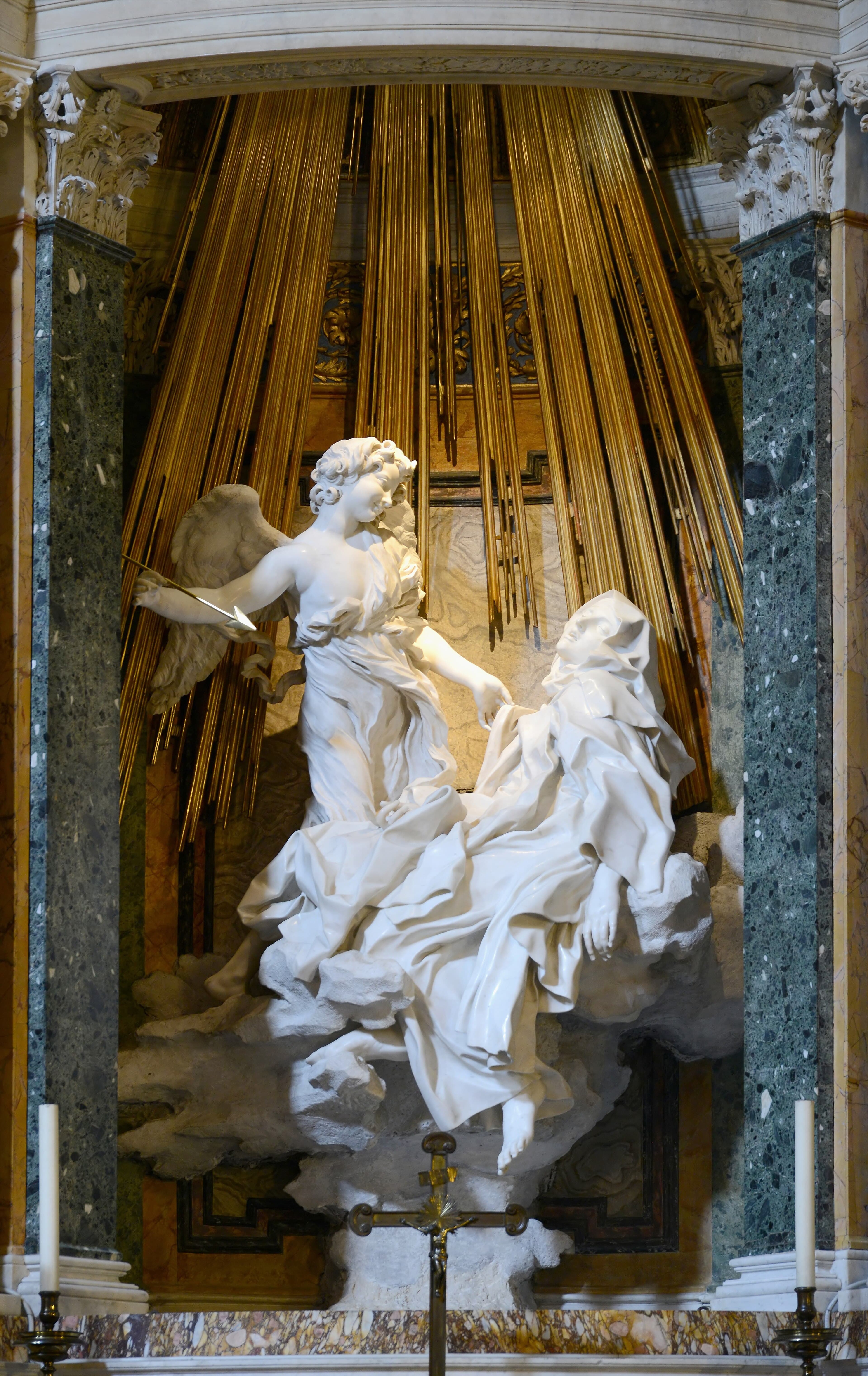
Ecstasy of Saint Teresa
Gian Lorenzo Bernini · 1647–1652
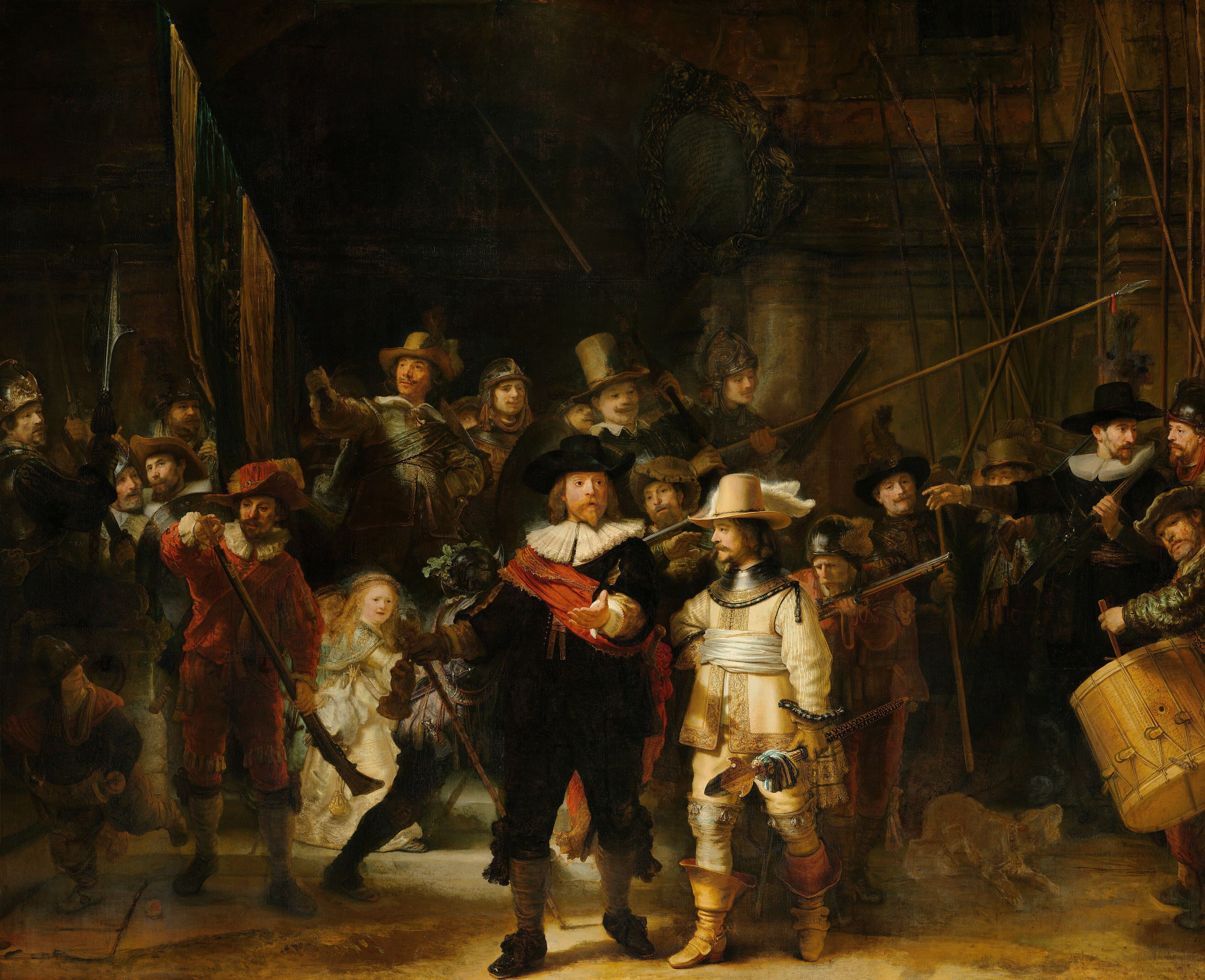
The Night Watch
Rembrandt · 1642
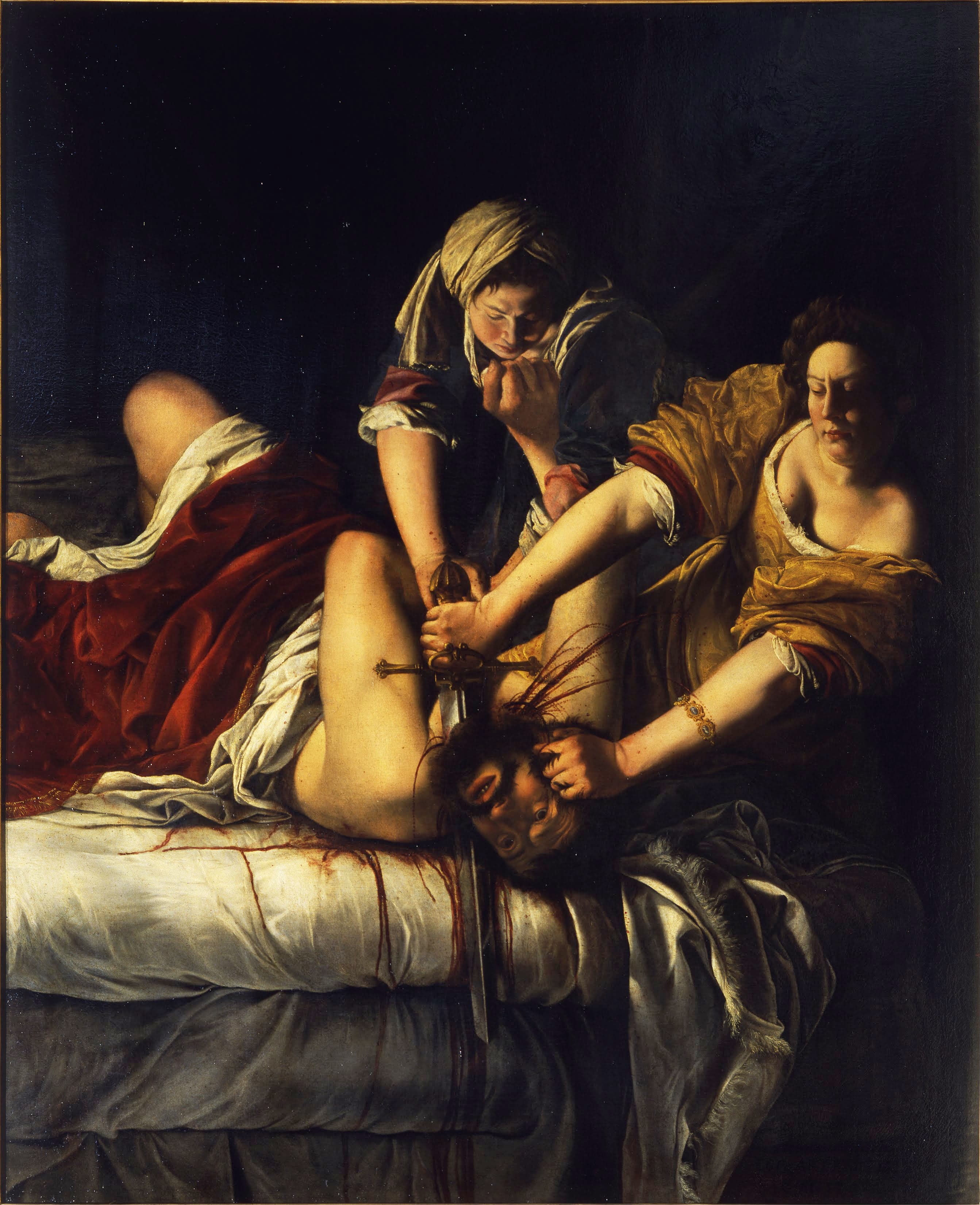
Judith Slaying Holofernes
Artemisia Gentileschi · c. 1620
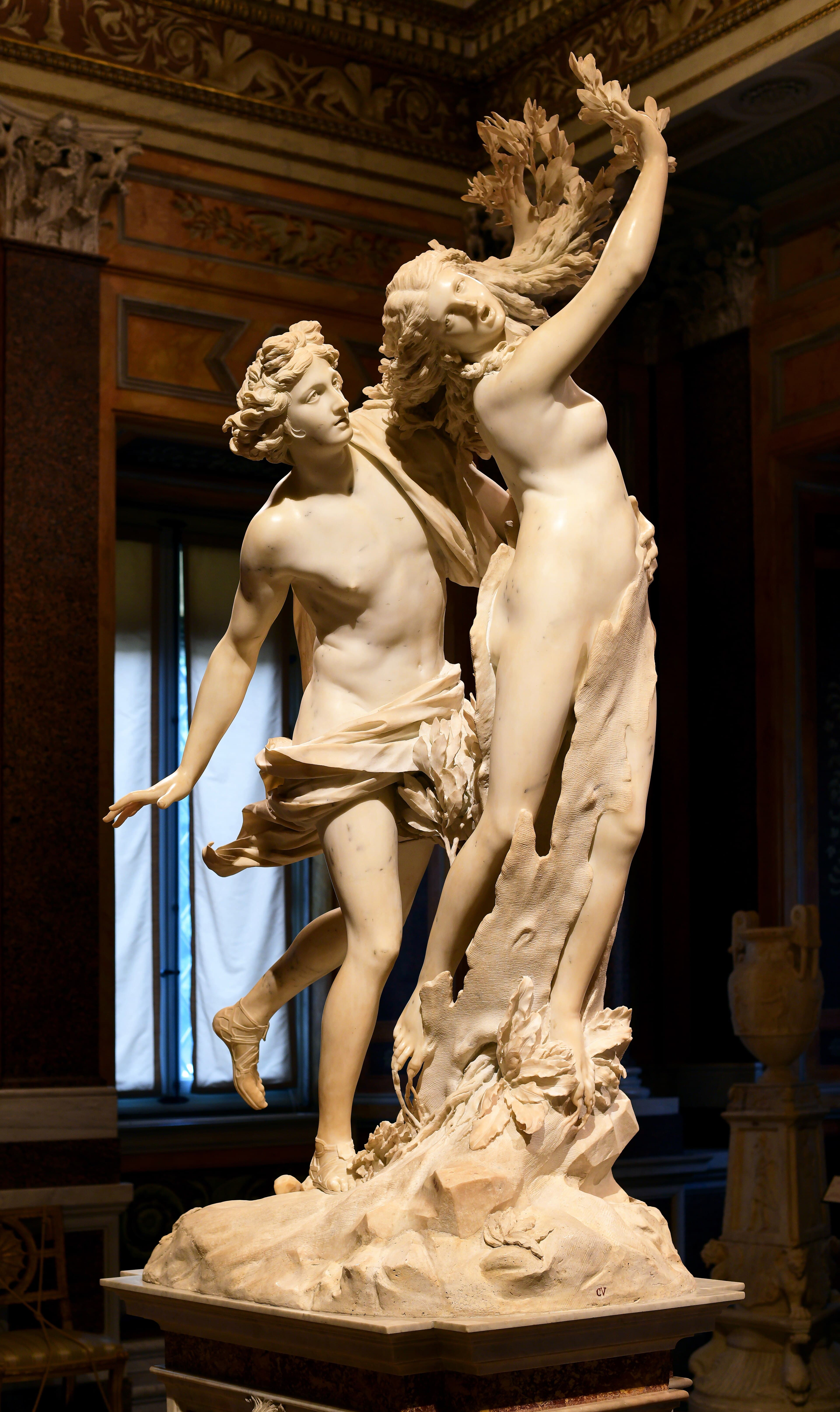
Apollo and Daphne
Gian Lorenzo Bernini · 1622–1625
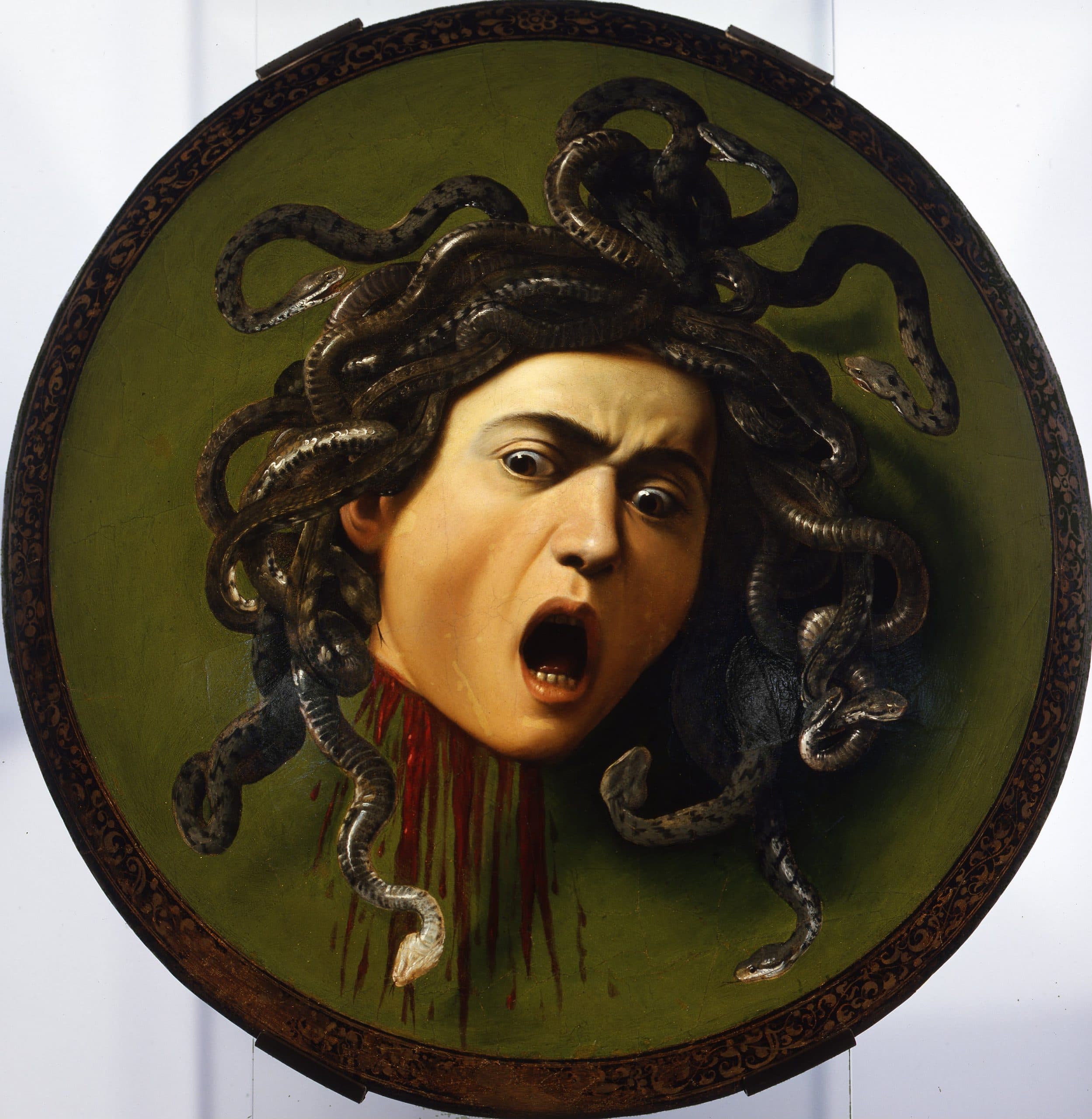
Medusa
Caravaggio · c. 1597–98
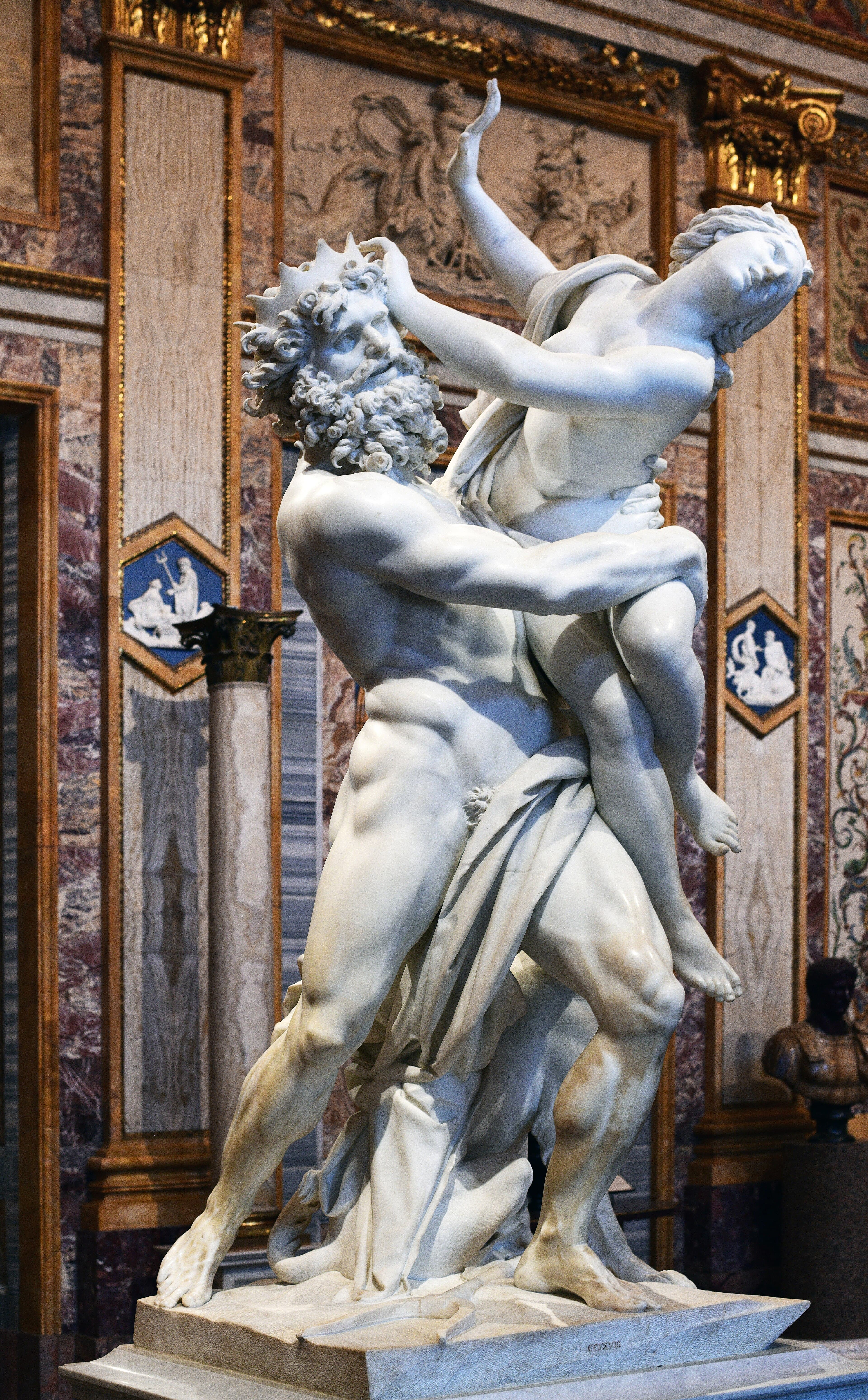
The Rape of Proserpina
Gian Lorenzo Bernini · 1621–1622
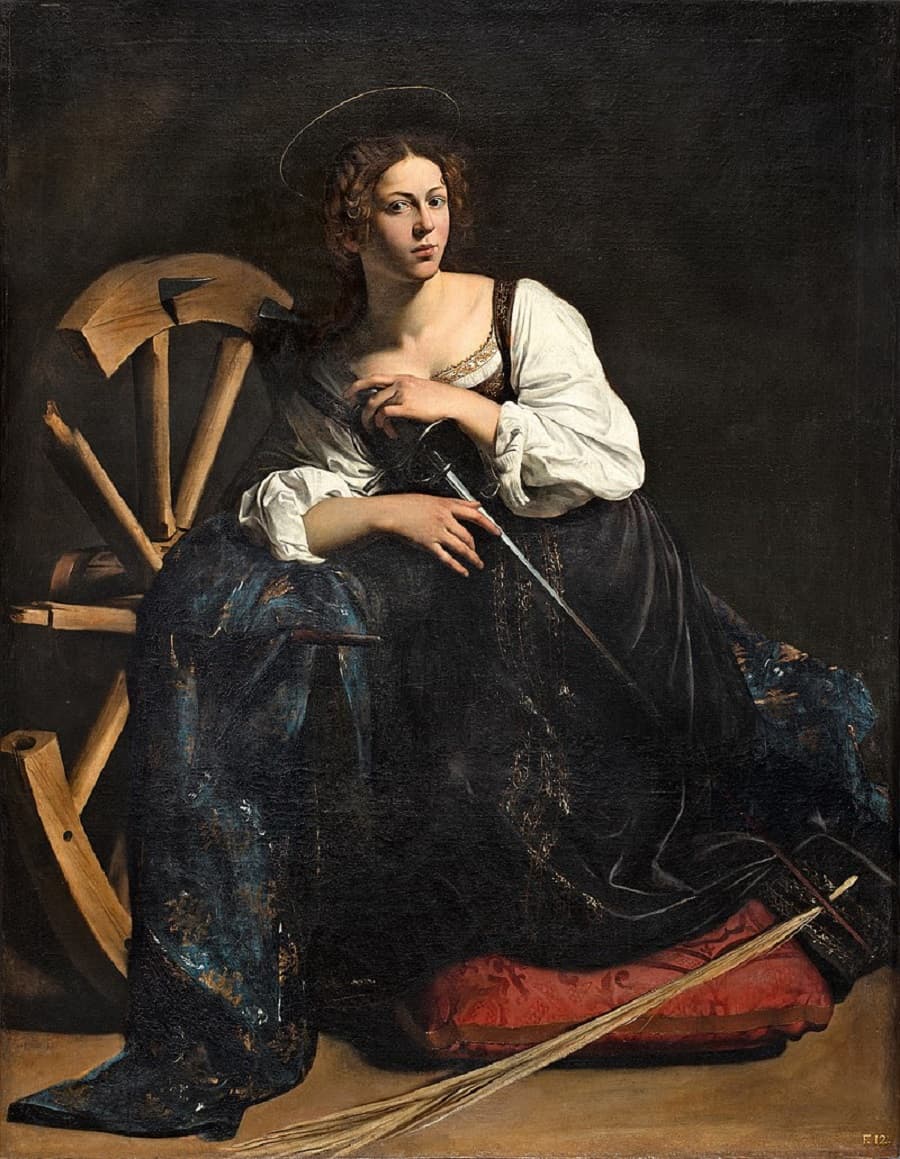
Saint Catherine of Alexandria
Caravaggio · c. 1598
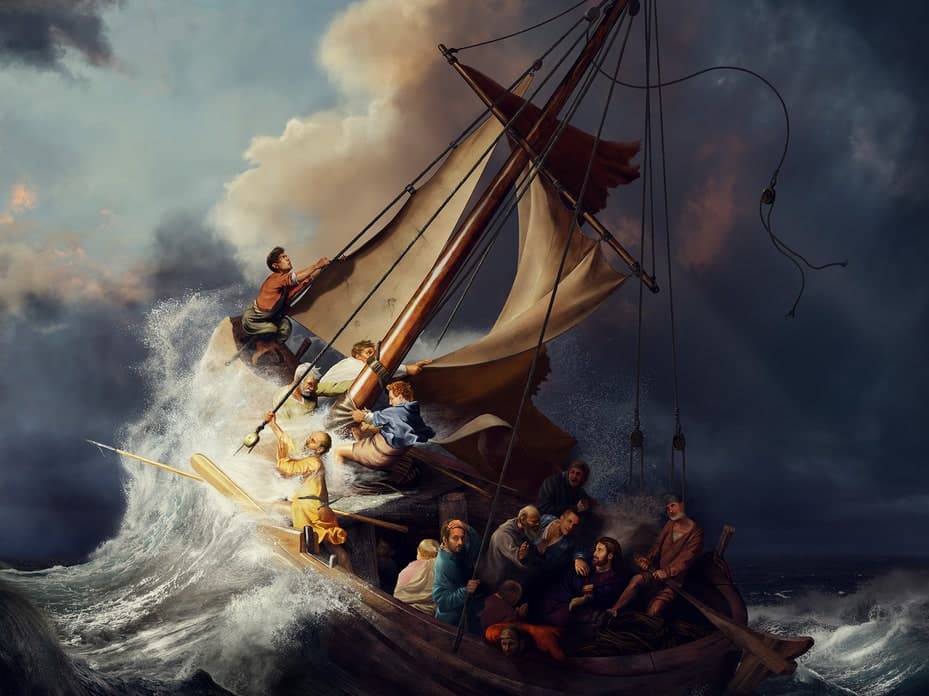
The Storm on the Sea of Galilee
Rembrandt · 1633
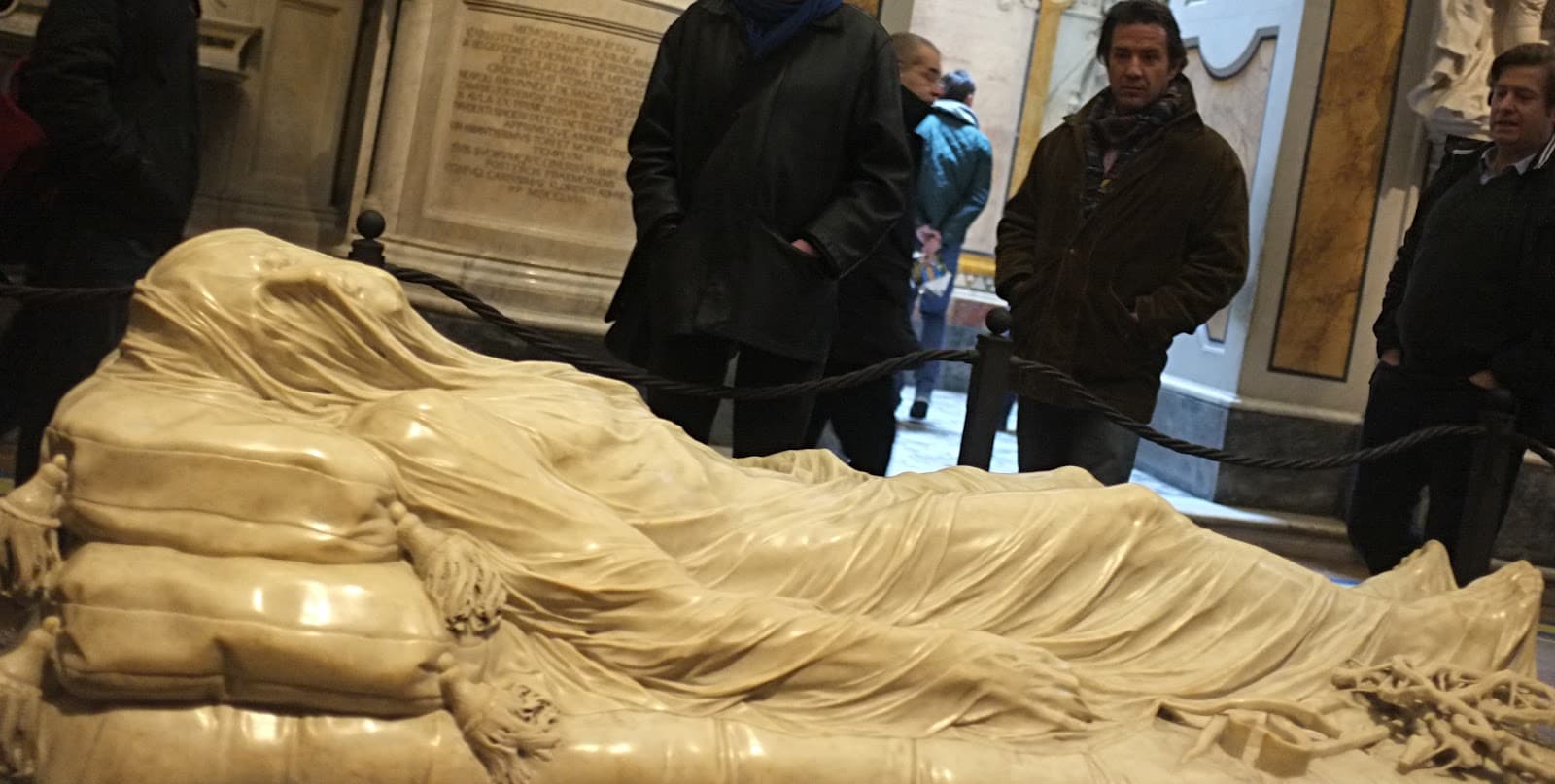
Veiled Christ
Giuseppe Sanmartino · 1753
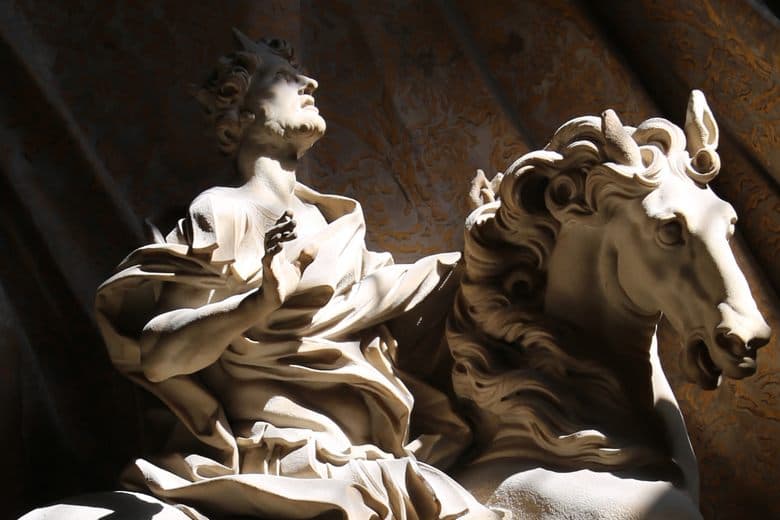
The Vision of Constantine
Gian Lorenzo Bernini · 1654–70
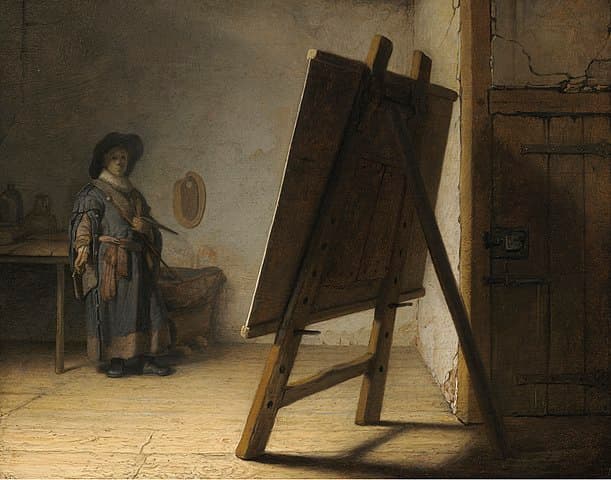
The Artist in His Studio
Rembrandt · c. 1628
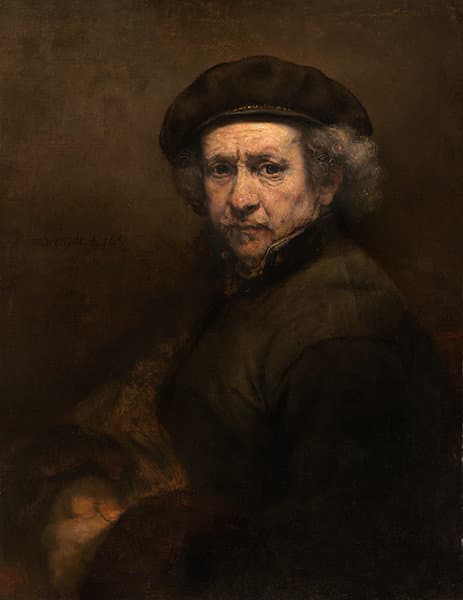
Self-portrait with Beret
Rembrandt · 1659
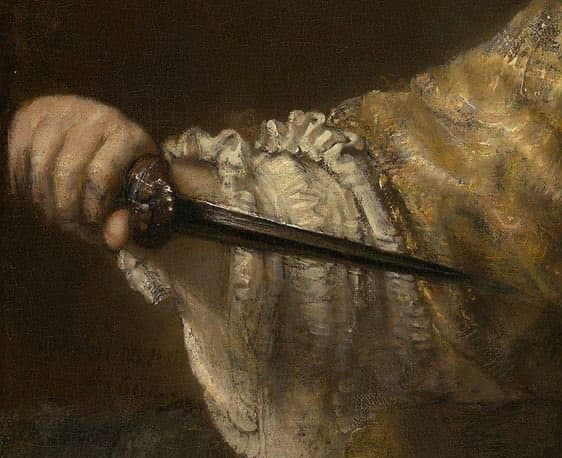
Lucretia
Rembrandt · 1664
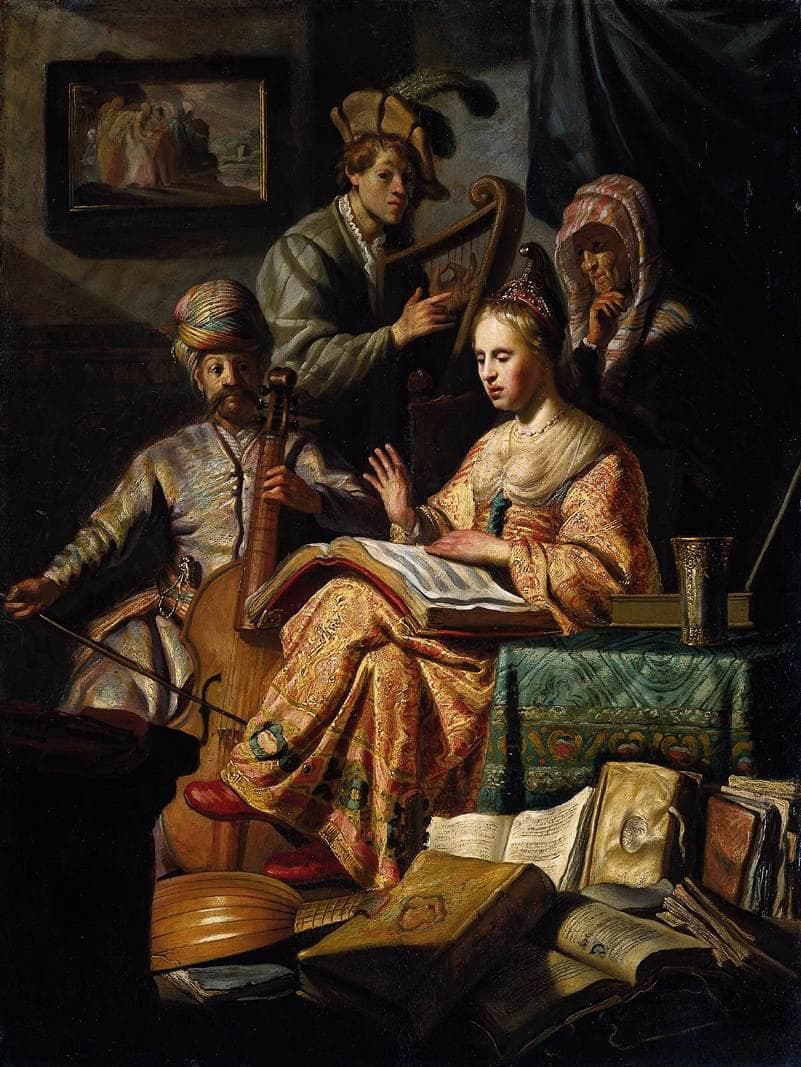
Musical Company
Rembrandt · 1626
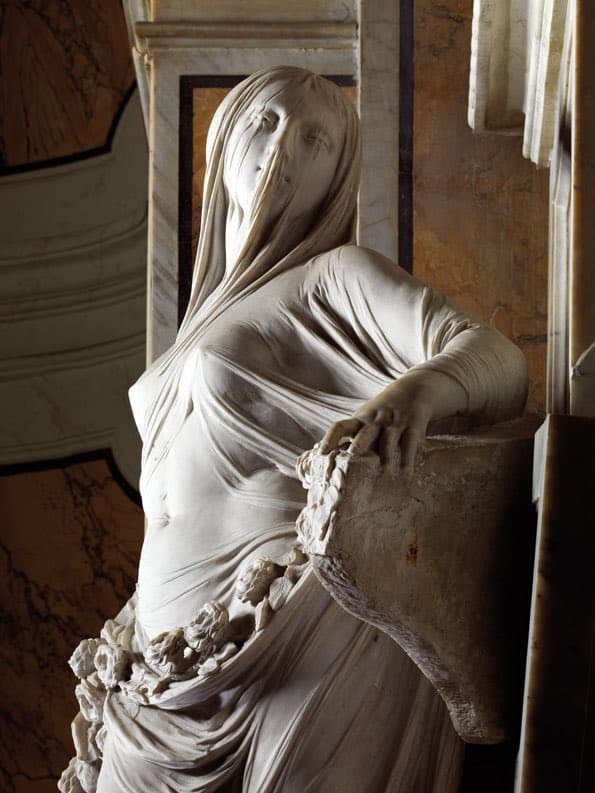
Modesty (La Pudicizia)
Antonio Corradini · 1752
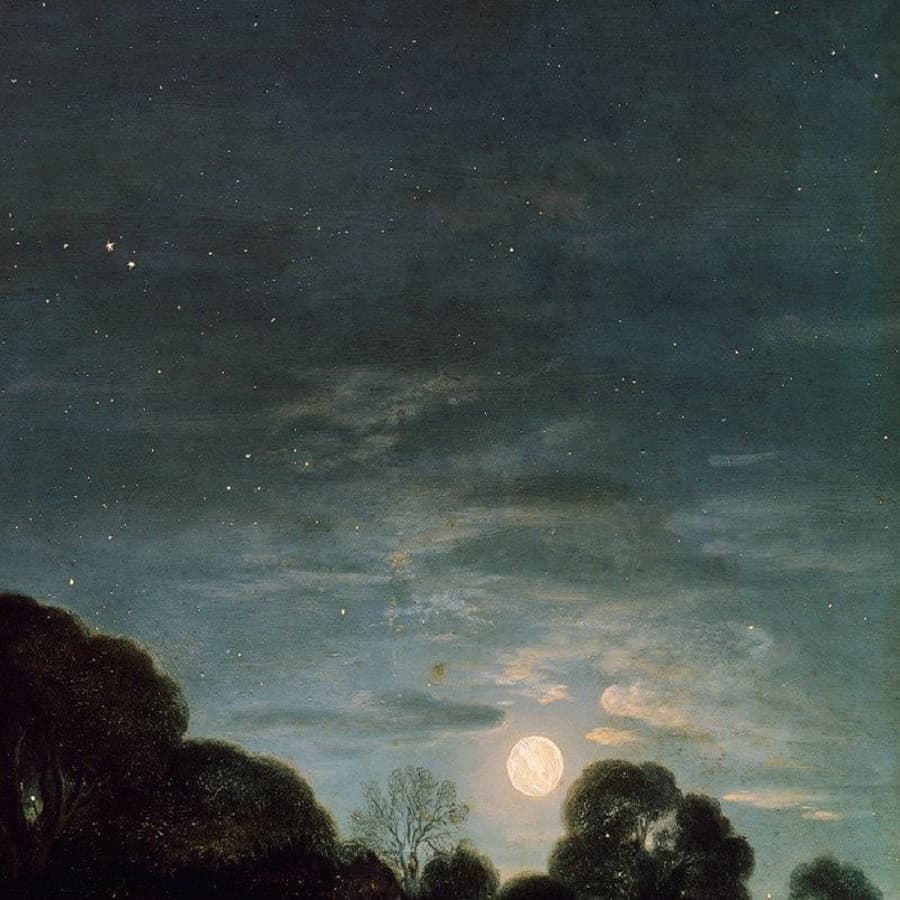
The Flight into Egypt
Adam Elsheimer · 1609
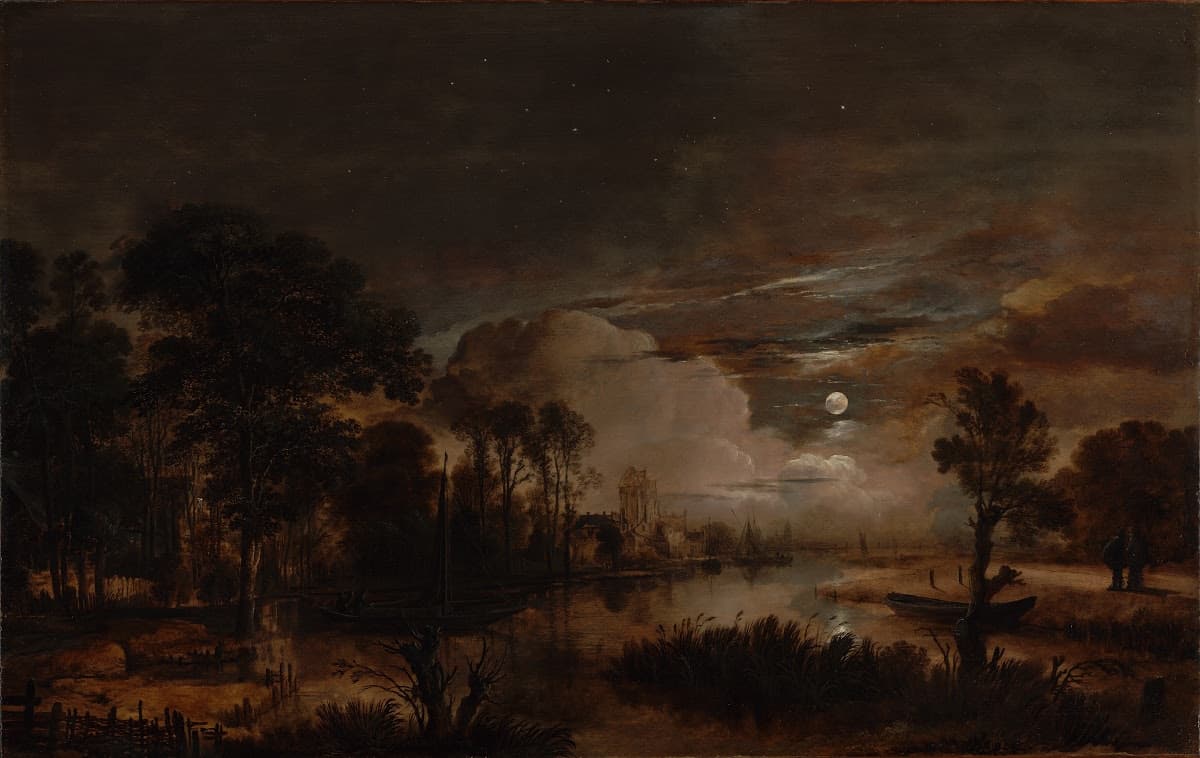
Moonlit Landscape with a View of the New Amstel River and Castle Kostverloren
Aert van der Neer · c. 1647
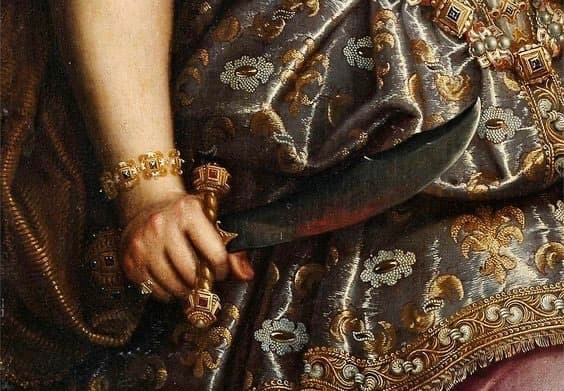
Judith with the Head of Holofernes
Fede Galizia · 1596
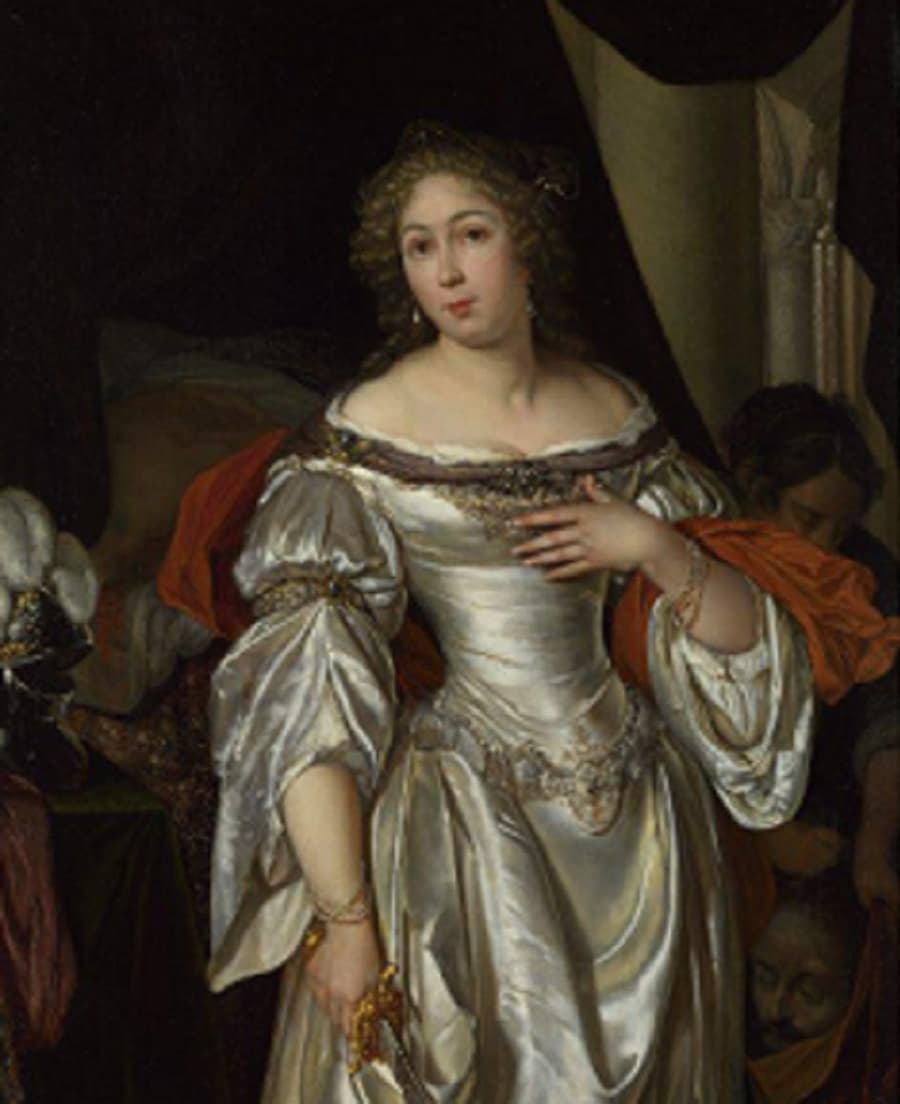
Judith
Eglon van der Neer · c. 1678
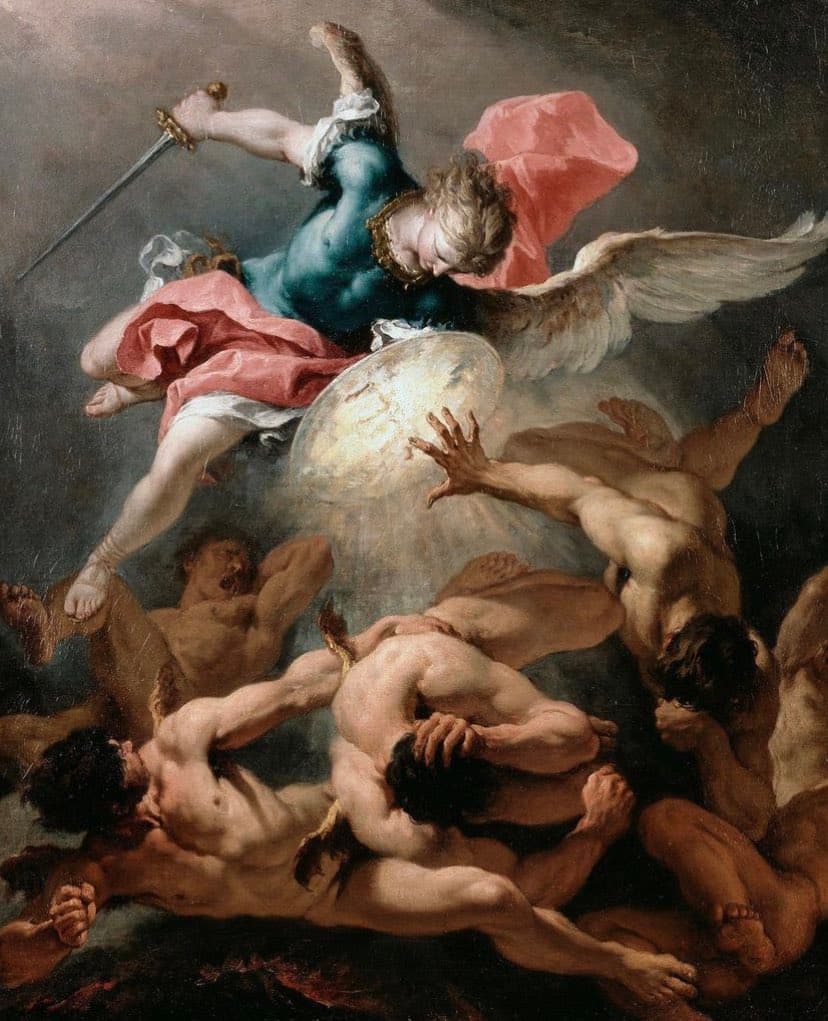
The Fall of the Rebel Angels
Sebastiano Ricci · c. 1720
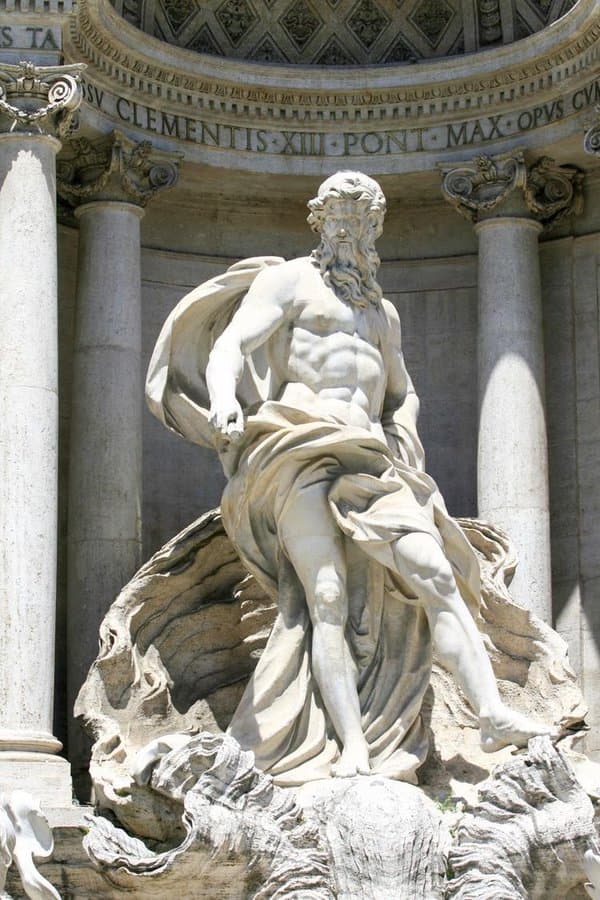
Oceanus, Trevi Fountain
Pietro Bracci & Nicola Salvi & Giuseppe Pannini · 1732–62
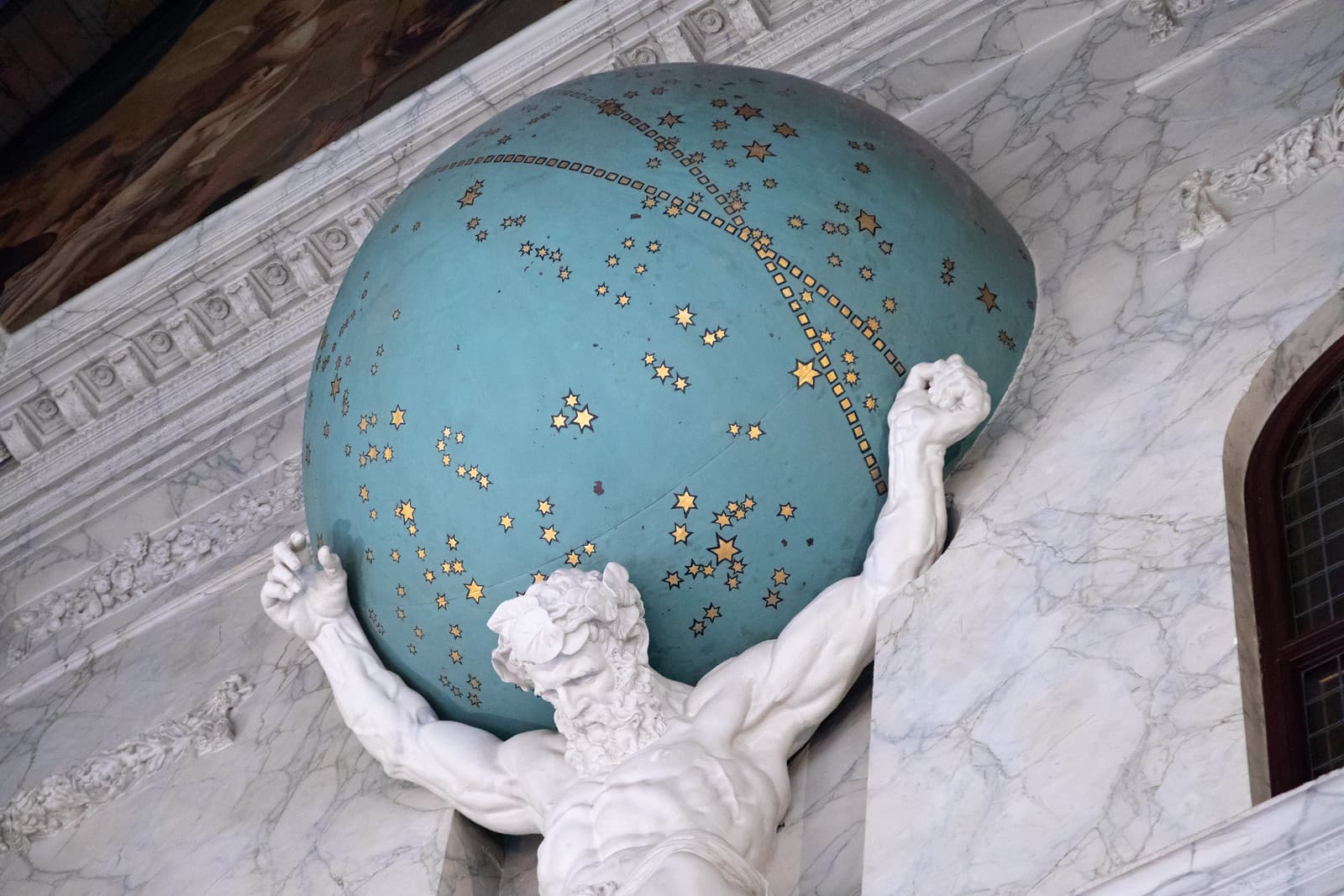
Atlas, Royal Palace Amsterdam
Artus Quellinus & Jacob van Campen & Daniël Stalpaert · c. 1662–63
Where Baroque art came from
The Baroque was born in Rome in the decades around 1600, and it had a mission. The Catholic Church, shaken by the Protestant Reformation, had spent the Council of Trent (1545–63) deciding how to win back the faithful. One answer was art: religious images that were clear, direct and overwhelming, that would make a worshiper feel the agony of a martyr or the joy of a saint as if it were happening in front of them. Popes, cardinals and the new religious orders, above all the Jesuits, poured money into churches, altarpieces and sculpture to that end.
The word itself came later and was not a compliment. "Baroque" probably derives from the Portuguese barroco, an irregularly shaped pearl, and eighteenth-century critics used it to mean bizarre or overwrought. Only in the late nineteenth century did historians such as Heinrich Wölfflin rehabilitate it as a style with its own logic.
The features of Baroque art
Dramatic light. Strong contrasts of light and dark, often from a single unseen source. In its most extreme form, where figures emerge from near-black backgrounds, the technique is called tenebrism.
The decisive moment. Rather than a calm before or after, Baroque artists choose the instant of greatest tension: the sword falling, the arrow entering, the hand about to close.
Movement and diagonals. Compositions are built on diagonals and spirals, figures twist and lean out of the frame, drapery flies.
Emotional intensity. Faces show ecstasy, terror, grief or rapture, and the viewer is meant to share it.
Realism of flesh and detail. Dirty feet, wrinkled skin, torn sleeves. Caravaggio painted saints with the faces of Roman street people.
The fusion of the arts. Painting, sculpture, architecture and light combine into a single theatrical experience, especially in churches and palaces.
Caravaggio and the revolution of light
Michelangelo Merisi da Caravaggio arrived in Rome around 1592 and within a decade had changed European painting. He painted straight onto the canvas from posed models, without the usual preparatory drawings, and lit them as if by a single high window in a dark room. His Calling of Saint Matthew (1599–1600) in San Luigi dei Francesi shows a beam of light falling across a tavern table as Christ points at a tax collector.
His early Medusa (c. 1597, Uffizi) is a shock of a different kind: painted on a convex wooden ceremonial shield, it catches the gorgon's severed head mid-scream, snakes writhing, blood spurting from the neck. In Saint Catherine of Alexandria (c. 1598, Thyssen-Bornemisza Museum, Madrid), the saint kneels beside the broken spiked wheel of her martyrdom, dressed in rich black and gold. His violent life, including a killing in 1606 that forced him to flee Rome, ended in 1610 at the age of 38. His followers, the Caravaggisti, carried his style across Europe. See more of his work in Caravaggio paintings.
Artemisia Gentileschi
The most powerful of those followers was Artemisia Gentileschi, daughter of the painter Orazio Gentileschi. Her Judith Slaying Holofernes exists in two versions, one in the Museo di Capodimonte in Naples (c. 1612–13) and a later one in the Uffizi (c. 1620). Judith and her maid hold the Assyrian general down on his bed like two women doing hard physical work, and the blood runs down the sheets in thin arcs.
Many writers connect the painting's ferocity to Artemisia's rape by the painter Agostino Tassi and the 1612 trial in which she was tortured to test her testimony. That reading is powerful, but historians caution against reducing a deliberate, ambitious artist to a single biographical event. She went on to become the first woman admitted to Florence's Accademia delle Arti del Disegno, in 1616.
Bernini: the Baroque in marble
Gian Lorenzo Bernini made stone do things it had never done. In Apollo and Daphne (1622–25, Galleria Borghese), the nymph turns into a laurel tree at the moment the god catches her: bark climbs her legs, her toes root into the ground, and leaves burst from her fingertips carved so thin they seem to tremble. In The Rape of Proserpina (1621–22), Pluto's fingers press into the marble of her thigh as if it were flesh.
His supreme work is the Ecstasy of Saint Teresa (1647–52) in the Cornaro Chapel of Santa Maria della Vittoria in Rome. Following Teresa of Ávila's own account of a vision, an angel holds a golden arrow above the swooning saint. A hidden window floods the scene with real light along gilded bronze rays, and on the side walls, carved members of the Cornaro family lean out of theater boxes to watch. It is sculpture, architecture and stagecraft at once. Bernini also designed the colonnade of St. Peter's Square and, for the Vatican's Scala Regia, The Vision of Constantine (1663–70), with the emperor rearing back on his horse as the cross appears in the sky.
Flanders and Spain
In Antwerp, Peter Paul Rubens brought Italian drama north, painting vast altarpieces and mythologies full of muscular bodies and swirling color for nearly every court in Europe. His Elevation of the Cross (1610–11) in Antwerp Cathedral is a tangle of men straining against the weight of Christ's cross.
In Spain, Diego Velázquez served Philip IV for nearly forty years and painted Las Meninas (1656, Prado), a picture of the young princess and her attendants in which the painter himself stands at his easel and the king and queen appear only as a reflection in a mirror. Francisco de Zurbarán painted monks and still lifes of stark, silent devotion.
The Dutch Golden Age
The Dutch Republic was Protestant, and its churches had no use for altarpieces. Instead, a prosperous merchant class bought portraits, landscapes, seascapes, still lifes and scenes of everyday life for their homes. The result was a different Baroque: quieter, intimate, but just as obsessed with light.
Rembrandt van Rijn is its master. The Night Watch (1642, Rijksmuseum) turns a militia group portrait into a burst of action as Captain Frans Banninck Cocq orders his company to march. The painting is not actually a night scene; it darkened under layers of old varnish, which gave it its nickname.
It was also trimmed on all four sides in 1715 to fit a wall in Amsterdam's town hall. The Storm on the Sea of Galilee (1633), Rembrandt's only seascape, shows the disciples' boat tipping up a wall of green water. It was stolen from the Isabella Stewart Gardner Museum in Boston in 1990 and has never been recovered; its empty frame still hangs in the gallery.
Around him worked Johannes Vermeer, Frans Hals, Jacob van Ruisdael and many specialists, among them Aert van der Neer, who painted almost nothing but moonlit rivers and winter nights.
Late Baroque and the road to Rococo
After 1700 the style softened and spread to the courts of France, Austria, Germany and Russia, where it decorated palaces and pilgrimage churches in white and gold. In Italy the late Baroque produced astonishing virtuoso sculpture. In the Cappella Sansevero in Naples, Antonio Corradini's Modesty (1752) and Giuseppe Sanmartino's Veiled Christ (1753) render veils of marble so transparent that faces and wounds show through. Rome's Trevi Fountain, designed by Nicola Salvi and completed in 1762, is the last great Baroque spectacle in the city. By then, lighter and more playful Rococo had taken hold in France, and the sober Neoclassicism of Jacques-Louis David was waiting in the wings.
How to recognize Baroque art
Ask yourself three questions. Is there a strong single light source and deep shadow? Is something happening right now, at its most intense moment?
Do the figures or forms burst out of their frame or space toward you? If the answer is yes to two of three, you are probably looking at the Baroque. For the period that came before, see our guide to Renaissance paintings.
Where to see Baroque masterpieces
Rome is the essential city: the Galleria Borghese for Bernini and Caravaggio, San Luigi dei Francesi and Santa Maria del Popolo for Caravaggio's chapels, Santa Maria della Vittoria for Saint Teresa. Naples has Capodimonte and the Cappella Sansevero. Madrid's Prado holds Velázquez and Rubens, Amsterdam's Rijksmuseum the Dutch Golden Age, and Antwerp the Rubens altarpieces.
Questions & answers
What is Baroque art?
Baroque art is the European style of roughly 1600 to 1750, marked by dramatic light and shadow, movement, emotional intensity and grand theatrical effects. It began in Rome, partly as a tool of the Catholic Counter-Reformation, and spread across Europe, from Bernini's sculpture to Rembrandt's paintings.
What are the main characteristics of Baroque art?
The key features are strong contrasts of light and dark (chiaroscuro and tenebrism), dynamic diagonal compositions, figures caught at the most dramatic moment, intense emotion, realistic detail, rich color and the combination of painting, sculpture and architecture into one immersive experience.
Who are the most famous Baroque artists?
The leading Baroque artists are Caravaggio, Artemisia Gentileschi, Annibale Carracci and Gian Lorenzo Bernini in Italy; Peter Paul Rubens and Anthony van Dyck in Flanders; Diego Velázquez and Francisco de Zurbarán in Spain; and Rembrandt, Johannes Vermeer and Frans Hals in the Dutch Republic.
What is the difference between Renaissance and Baroque art?
Renaissance art favors balance, symmetry, calm and idealized figures in a clearly measured space. Baroque art favors movement, asymmetry, drama and emotional realism, with dramatic light and figures that seem to burst out of the frame. The Renaissance shows a scene; the Baroque pulls you into it.
Why is it called Baroque?
The word most likely comes from the Portuguese barroco, an irregularly shaped pearl. Eighteenth-century critics used baroque as an insult meaning strange or excessive. Art historians, notably Heinrich Wölfflin in the 1880s, later adopted it as a neutral name for the style.