Baroque
Saint Catherine of Alexandria
Caravaggio, c. 1598
Saint Catherine of Alexandria is a painting by Caravaggio, c. 1598, showing the virgin martyr kneeling beside the broken spiked wheel and the sword of her execution. Painted for Cardinal Francesco Maria del Monte, it is in the Museo Nacional Thyssen-Bornemisza, Madrid.
- Artist
- Caravaggio
- Date
- c. 1598
- Medium
- Oil on canvas
- Dimensions
- 173 × 133 cm
- Collection
- Museo Nacional Thyssen-Bornemisza, Madrid, Spain
- Movement
- Baroque
What you are looking at
A young woman kneels on a red damask cushion against a nearly black background, turning to look straight out at us. She wears a white chemise with full sleeves under a dark bodice and a heavy skirt of blue-black brocade patterned in gold, spread over the floor around her. Her hands rest on the blade of a long, thin sword, which she holds point down across her lap. Behind her at left is a broken wooden wheel, its rim studded with iron spikes, and on the floor in front of her lies a palm frond. A barely visible gold ring floats above her head.
These are her attributes, the objects by which a saint is recognized. The wheel was the instrument of torture that, according to legend, shattered when she was tied to it; the sword is the weapon of her beheading; the palm is the sign of martyrdom. Caravaggio paints them as solid props in a studio, lit by a single strong light from the left that models her face, sleeves and hands and leaves the rest in darkness.
How it was painted
Caravaggio made the picture in Rome around 1598, while he was living in the household of Cardinal Francesco Maria del Monte, his first important patron. The model was probably Fillide Melandroni, a courtesan who also appears in his Portrait of a Courtesan and his Judith Beheading Holofernes. The contrast of light and shadow is sharper here than in his earlier, brighter pictures, and the work is often seen as a turning point toward the dramatic tenebrism of his maturity.
Look closely at the brocade skirt. Caravaggio renders its heavy weave, its folds and the glint of gold thread with the same attention he gives the face, a reminder that he began his career painting still life.
Who was Saint Catherine?
According to tradition, Catherine was a learned noblewoman of Alexandria in the early 4th century who declared herself a Christian, out-argued the pagan philosophers sent to refute her, and refused marriage to the emperor Maxentius. Condemned to be broken on a spiked wheel, she was saved when the wheel burst apart, and was then beheaded. Her historical existence is doubted by scholars, but she was one of the most popular saints of the Middle Ages and a patron of philosophers and students.
Where to see it
The painting passed to the Barberini family in Rome and was acquired by Baron Heinrich Thyssen-Bornemisza in 1934; it is now in the Museo Nacional Thyssen-Bornemisza in Madrid. For more by the painter, see Caravaggio, his Medusa and our Caravaggio paintings collection.
Questions & answers
Where is Caravaggio's Saint Catherine of Alexandria?
It is in the Museo Nacional Thyssen-Bornemisza in Madrid, Spain. Painted around 1598 for Cardinal Francesco Maria del Monte, it later belonged to the Barberini family in Rome and was bought by Baron Heinrich Thyssen-Bornemisza in 1934. It measures about 173 by 133 centimeters.
What do the wheel and sword mean in Saint Catherine of Alexandria?
They are the instruments of her martyrdom. Legend says she was sentenced to be broken on a spiked wheel, which shattered miraculously, and was then beheaded with a sword. The palm frond lying on the floor is the general symbol of a martyr's victory over death.
Who was the model for Caravaggio's Saint Catherine?
She is generally identified as Fillide Melandroni, a well-known Roman courtesan who posed for Caravaggio several times around 1598–99, including for his Judith Beheading Holofernes and a portrait of her, formerly in Berlin, that was destroyed at the end of the Second World War in 1945.
More by the artist
Caravaggio
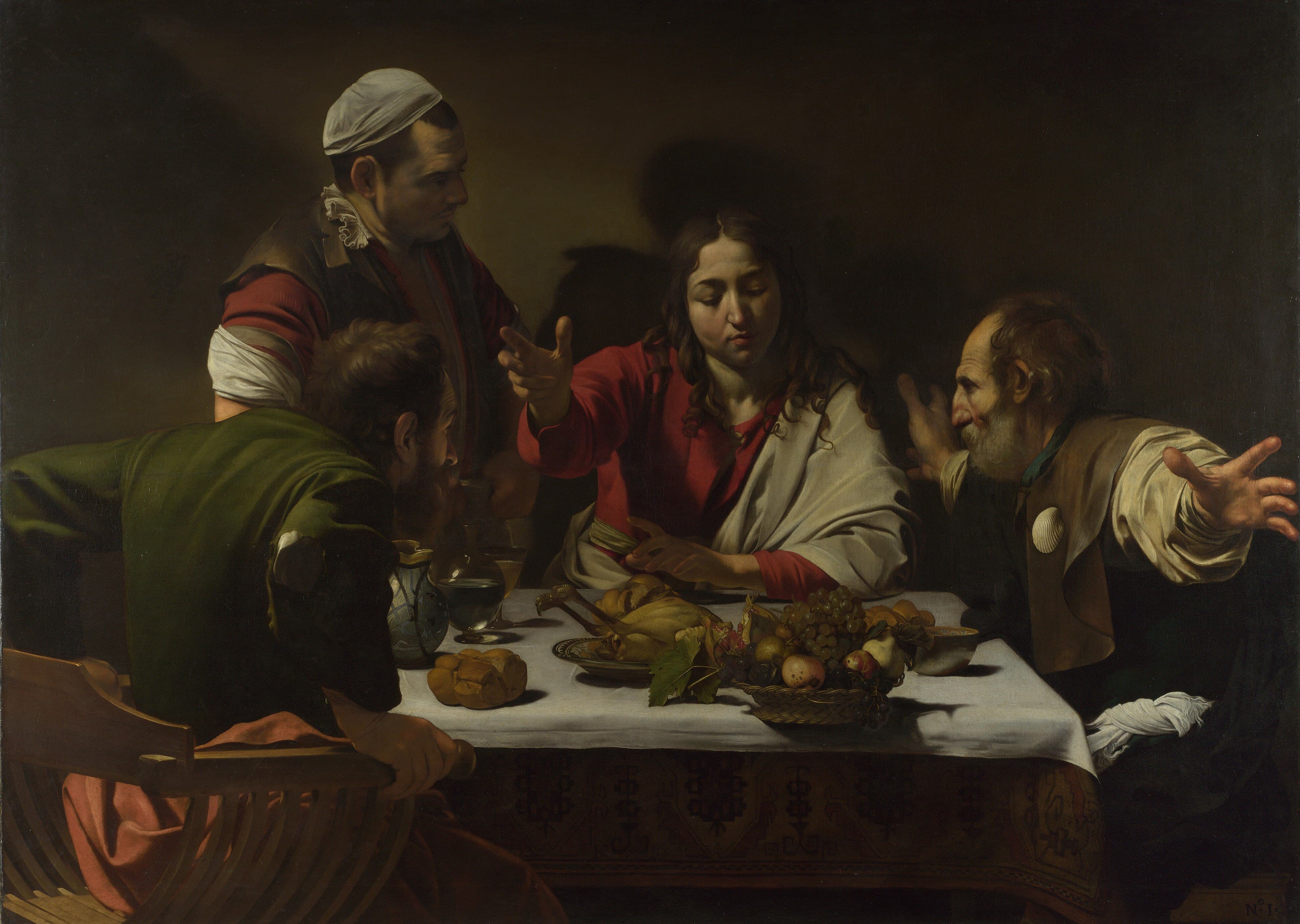
Supper at Emmaus
Caravaggio · 1601
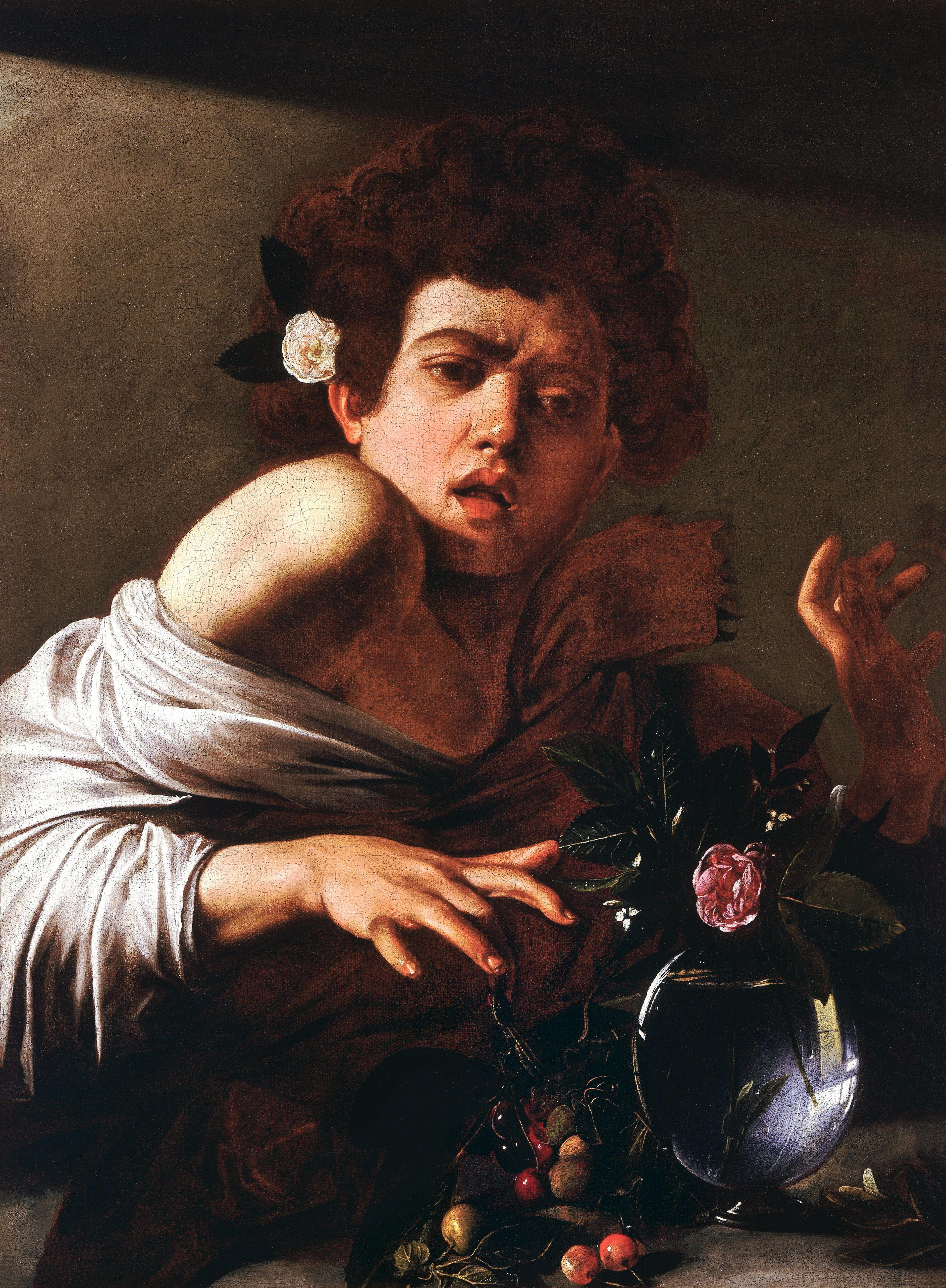
Boy Bitten by a Lizard
Caravaggio · c. 1594–95
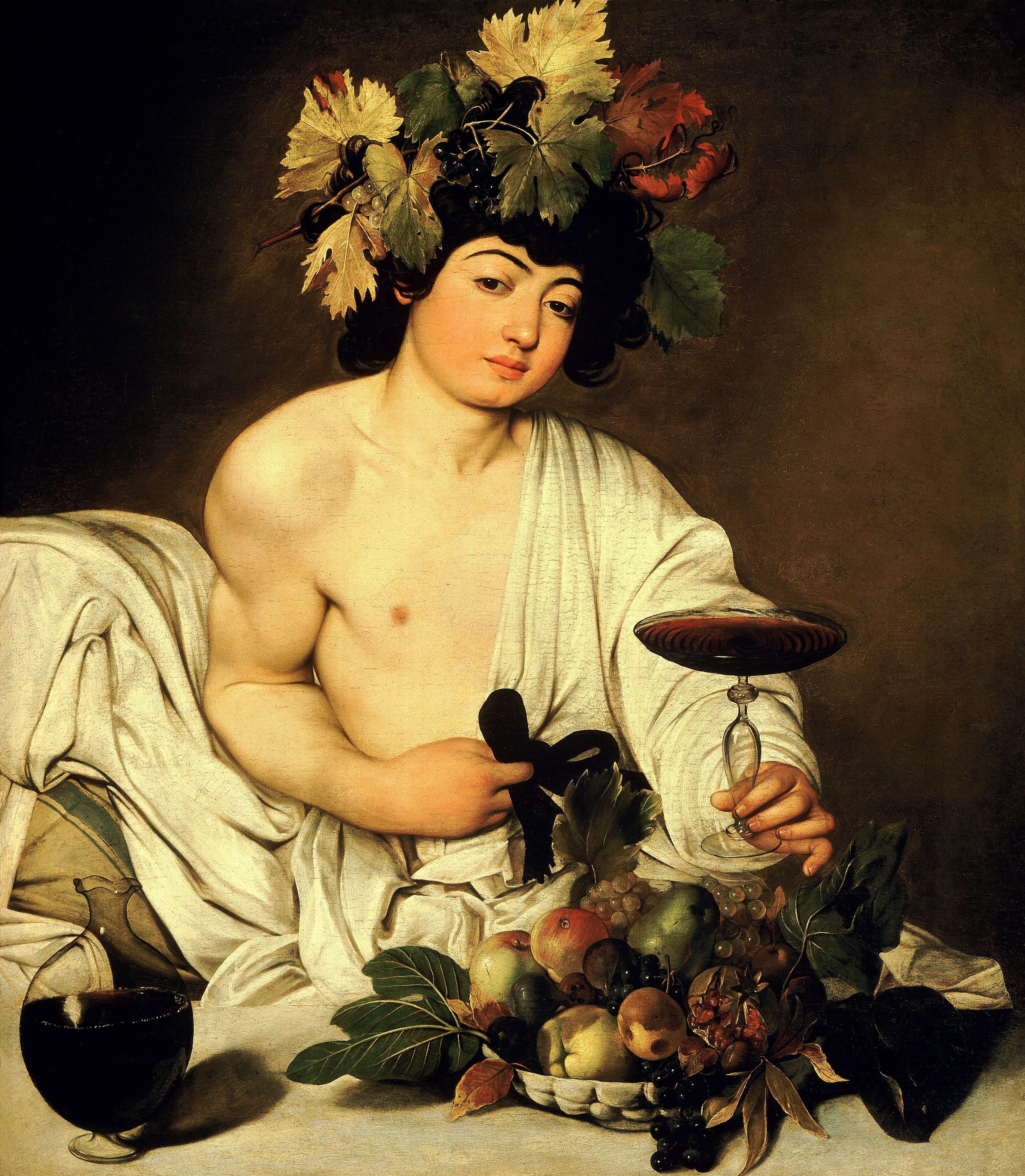
Bacchus
Caravaggio · c. 1596–98
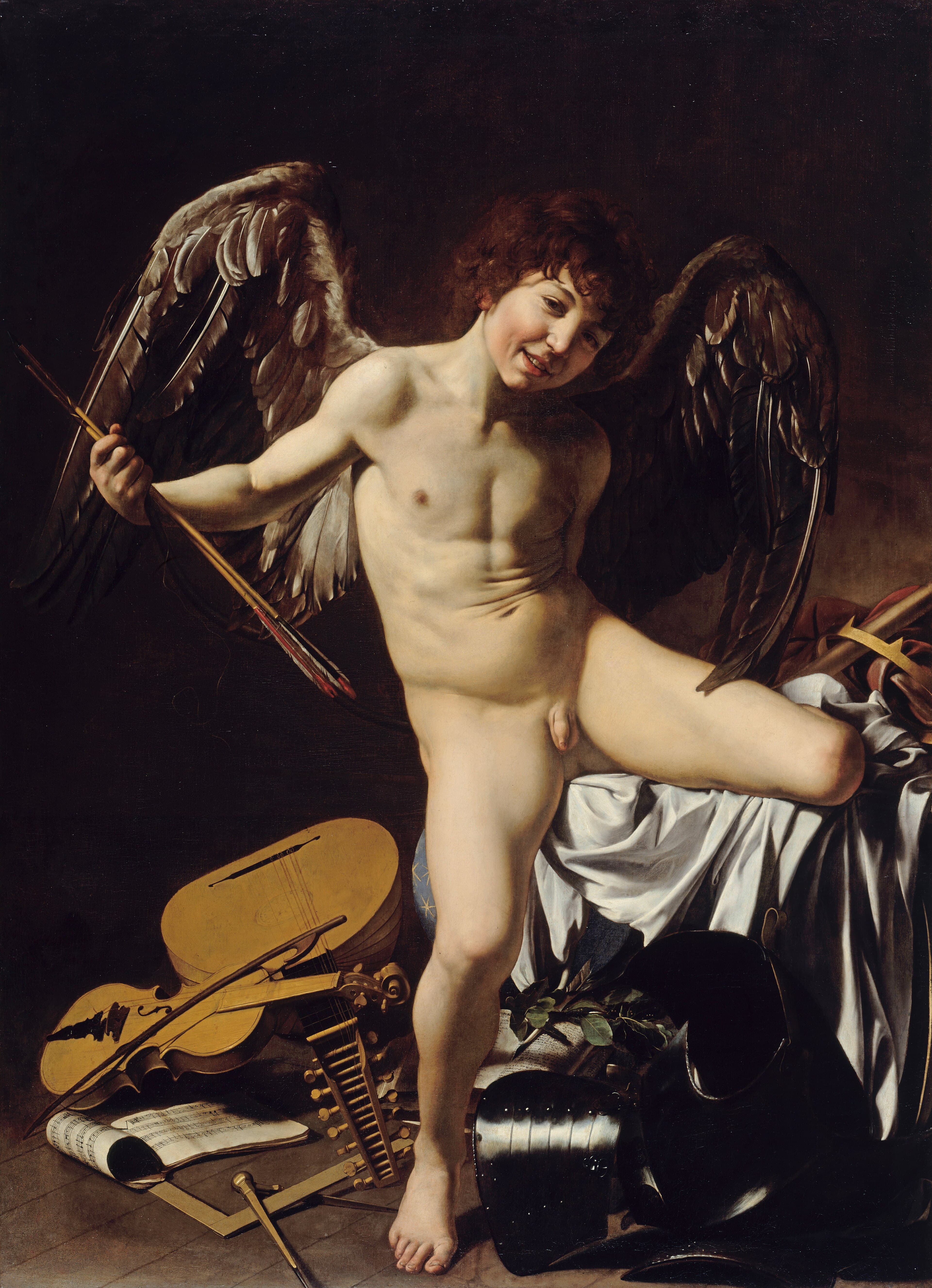
Amor Vincit Omnia
Caravaggio · 1601–02
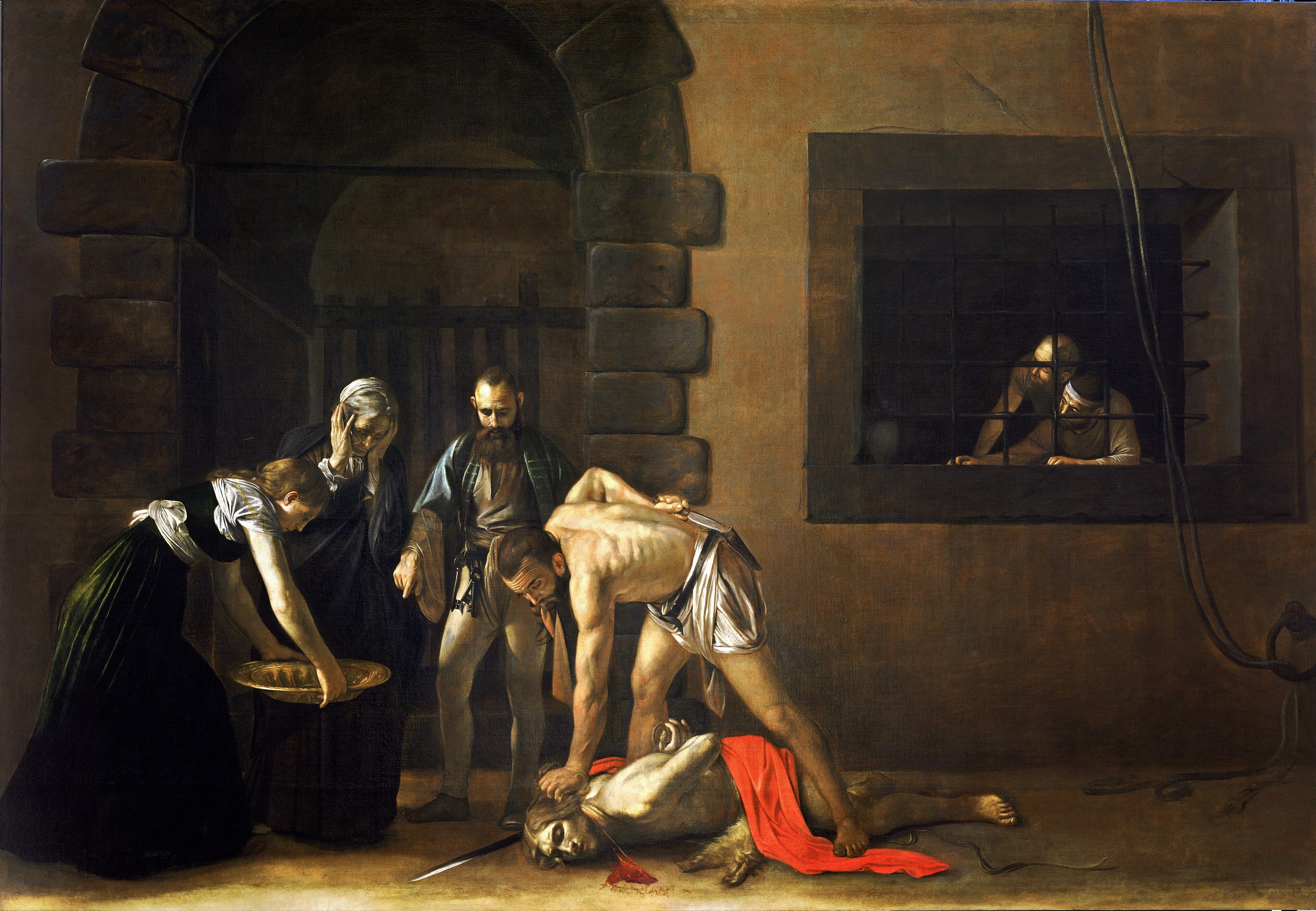
The Beheading of Saint John the Baptist
Caravaggio · 1608
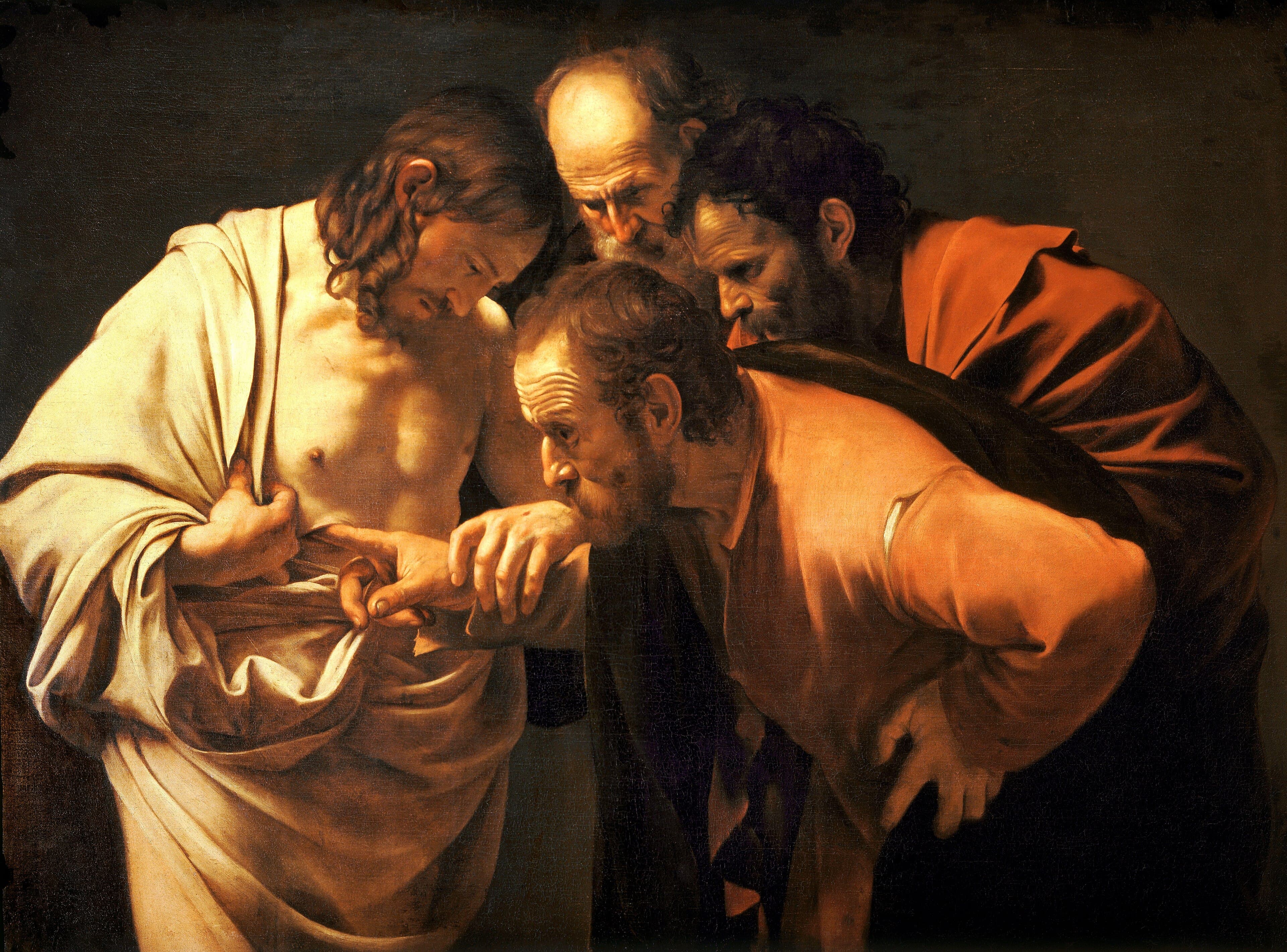
The Incredulity of Saint Thomas
Caravaggio · c. 1601–02
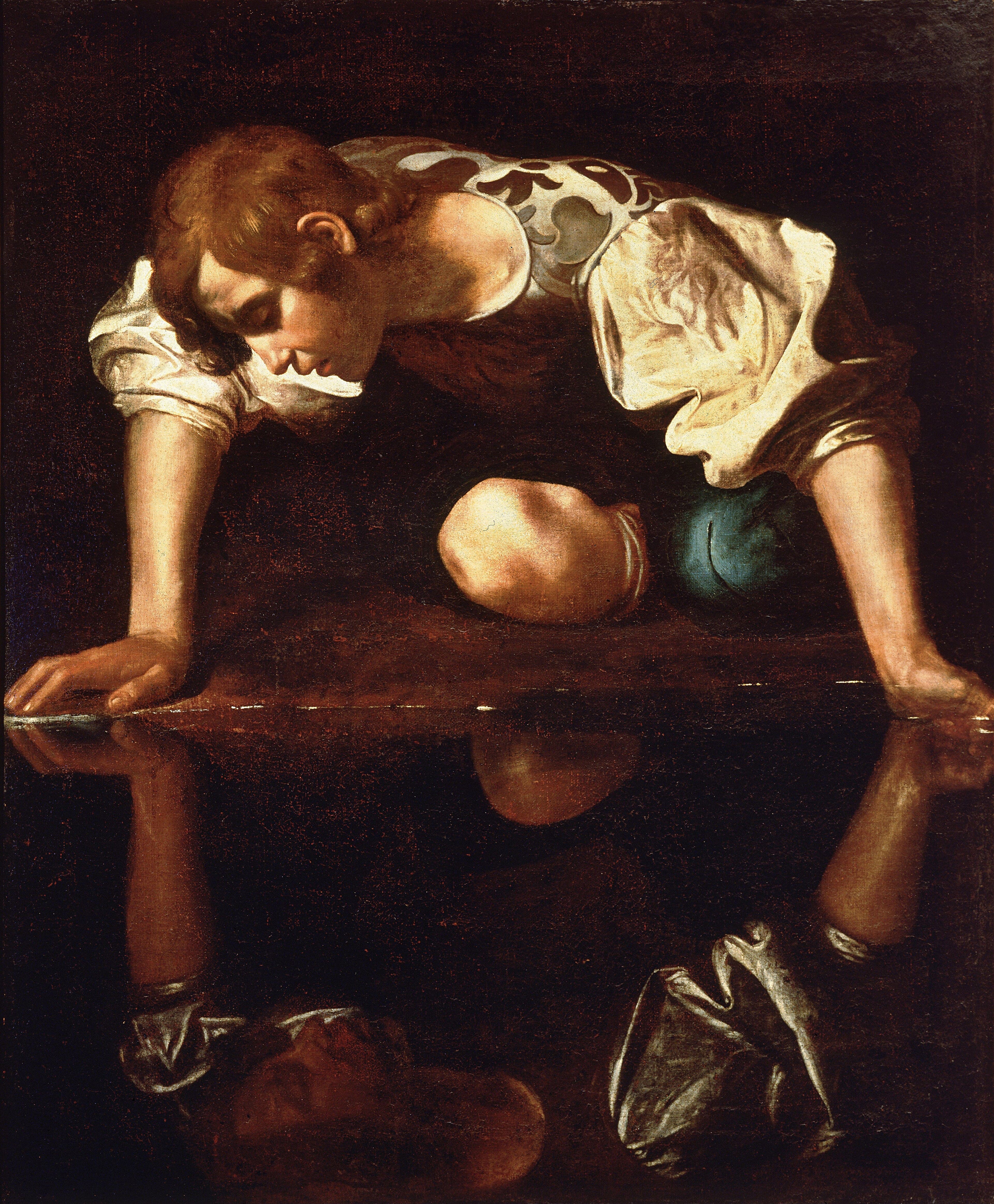
Narcissus
Caravaggio · c. 1597–99
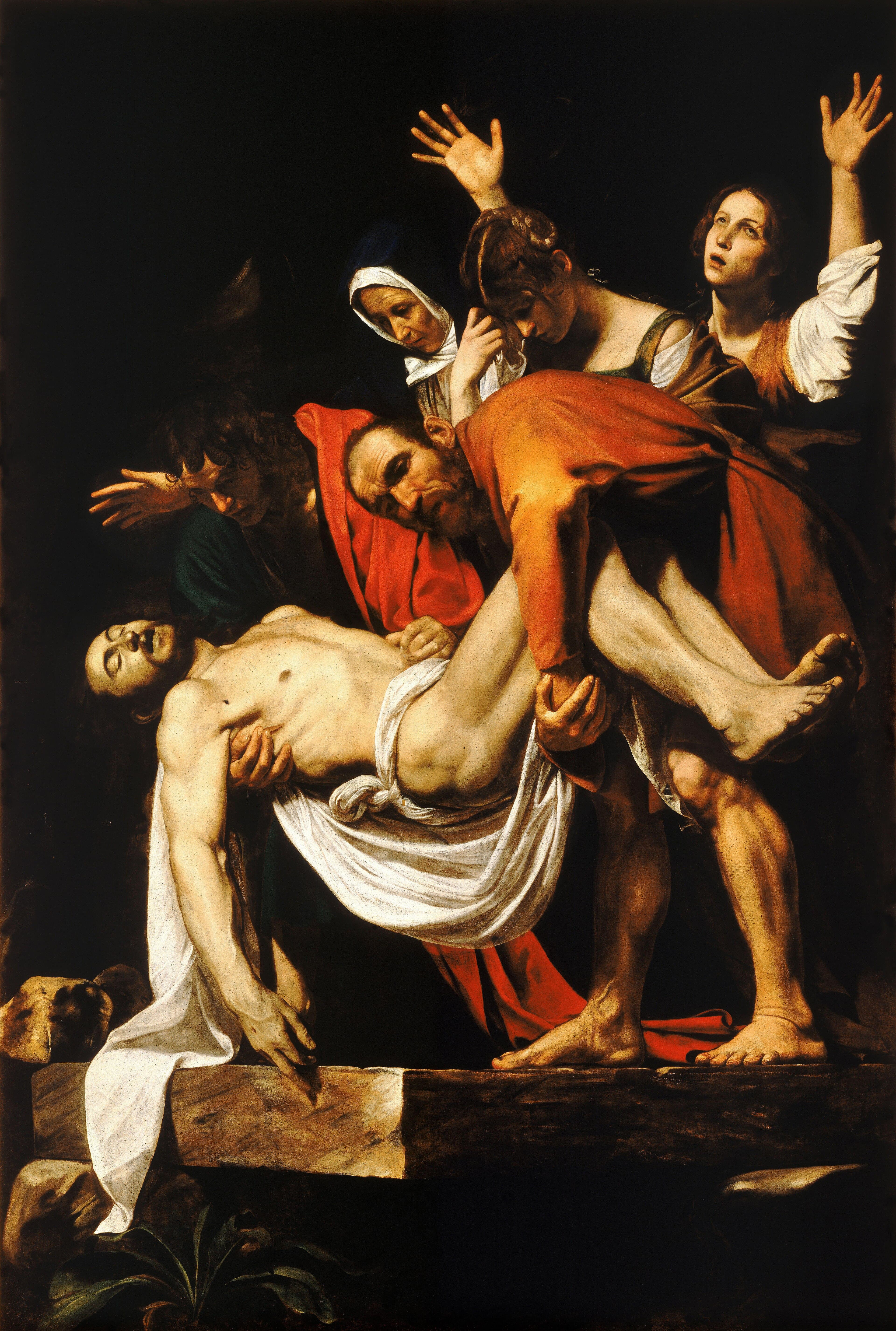
The Entombment of Christ
Caravaggio · 1603–04
Kindred works
You may also study
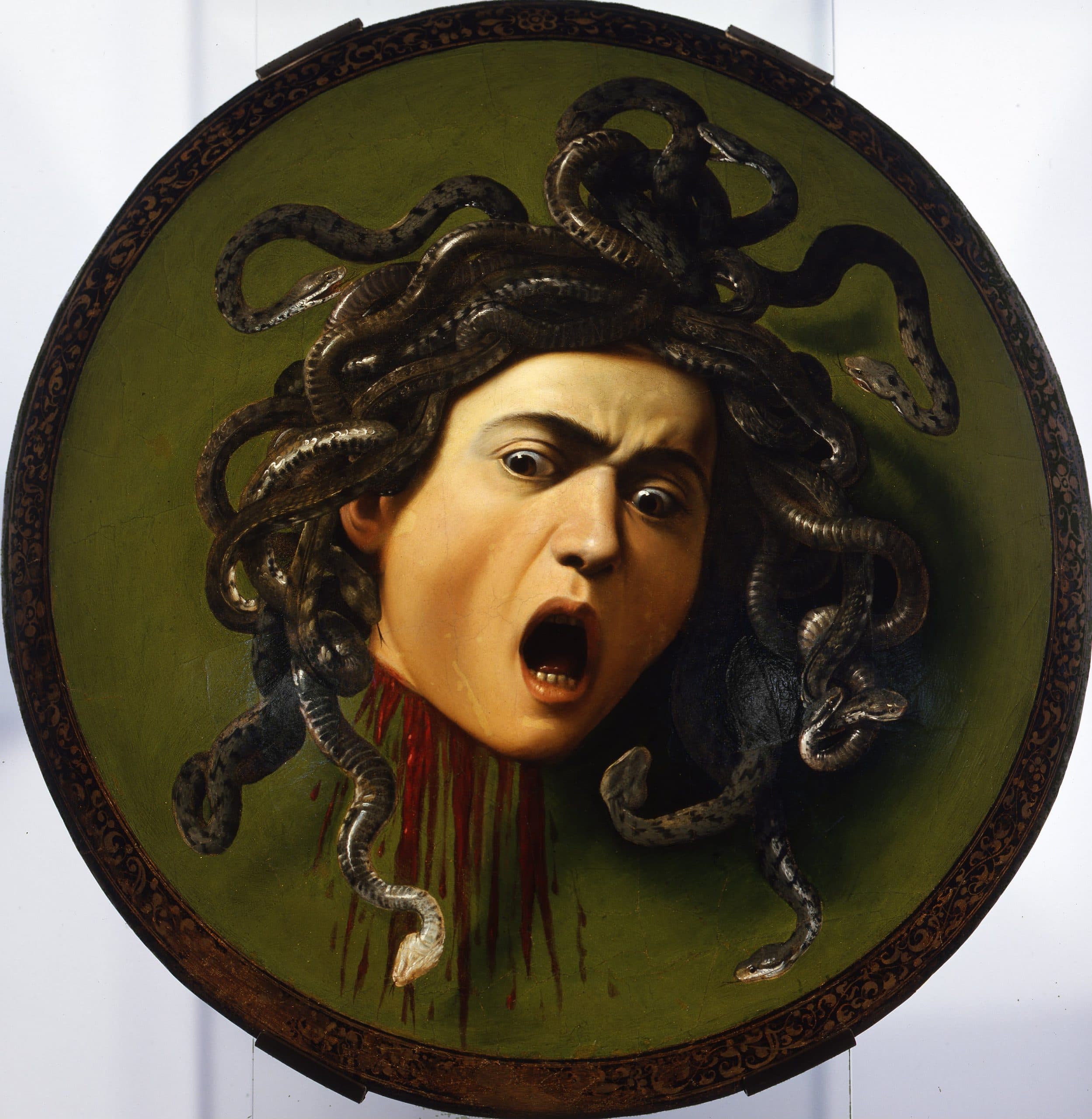
Medusa
Caravaggio · c. 1597–98
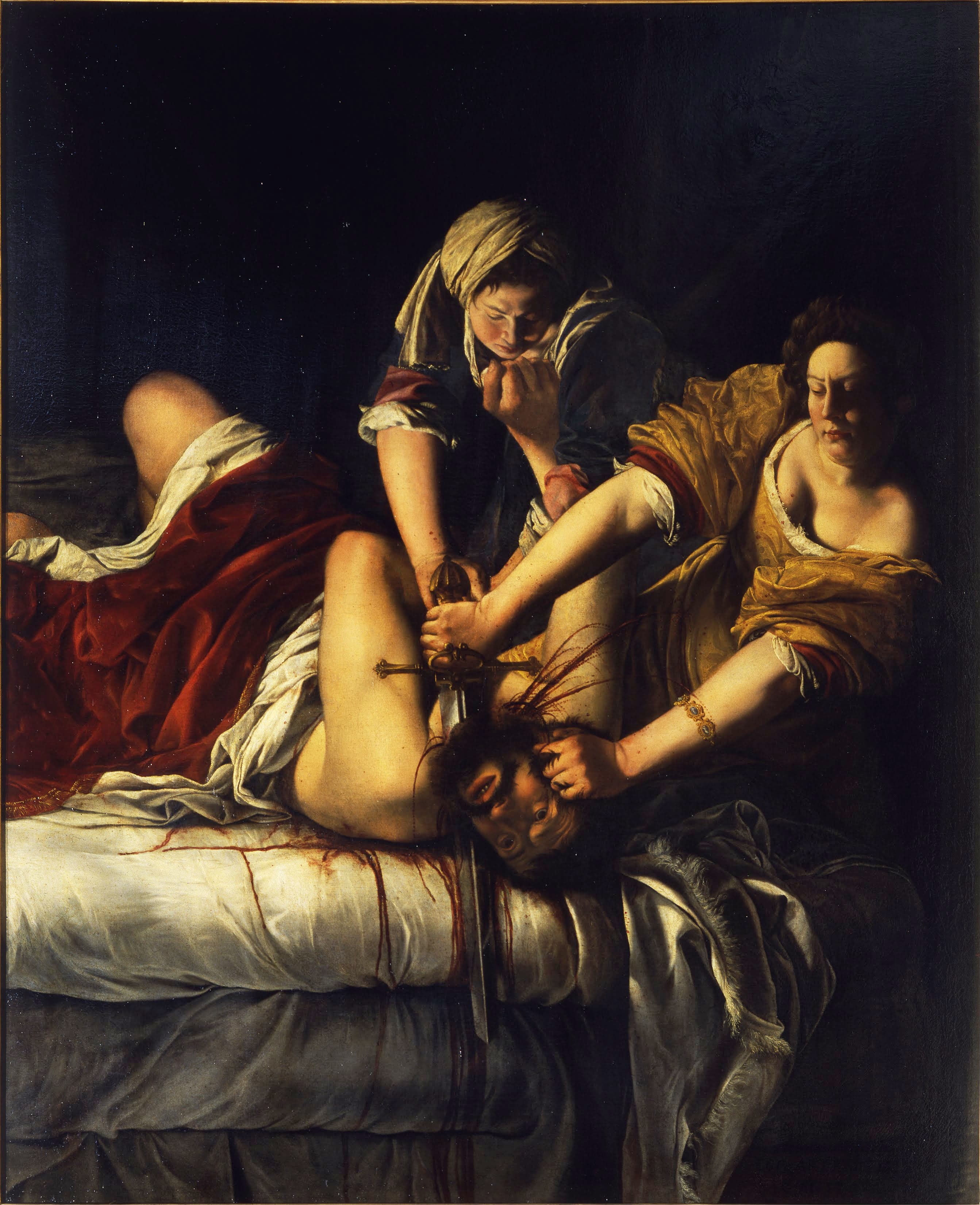
Judith Slaying Holofernes
Artemisia Gentileschi · c. 1620
Judith with the Head of Holofernes
Fede Galizia · 1596

Venus de Milo
Alexandros of Antioch · c. 150–125 BC

The Scream
Edvard Munch · 1893

Saturn Devouring His Son
Francisco Goya · c. 1819–1823
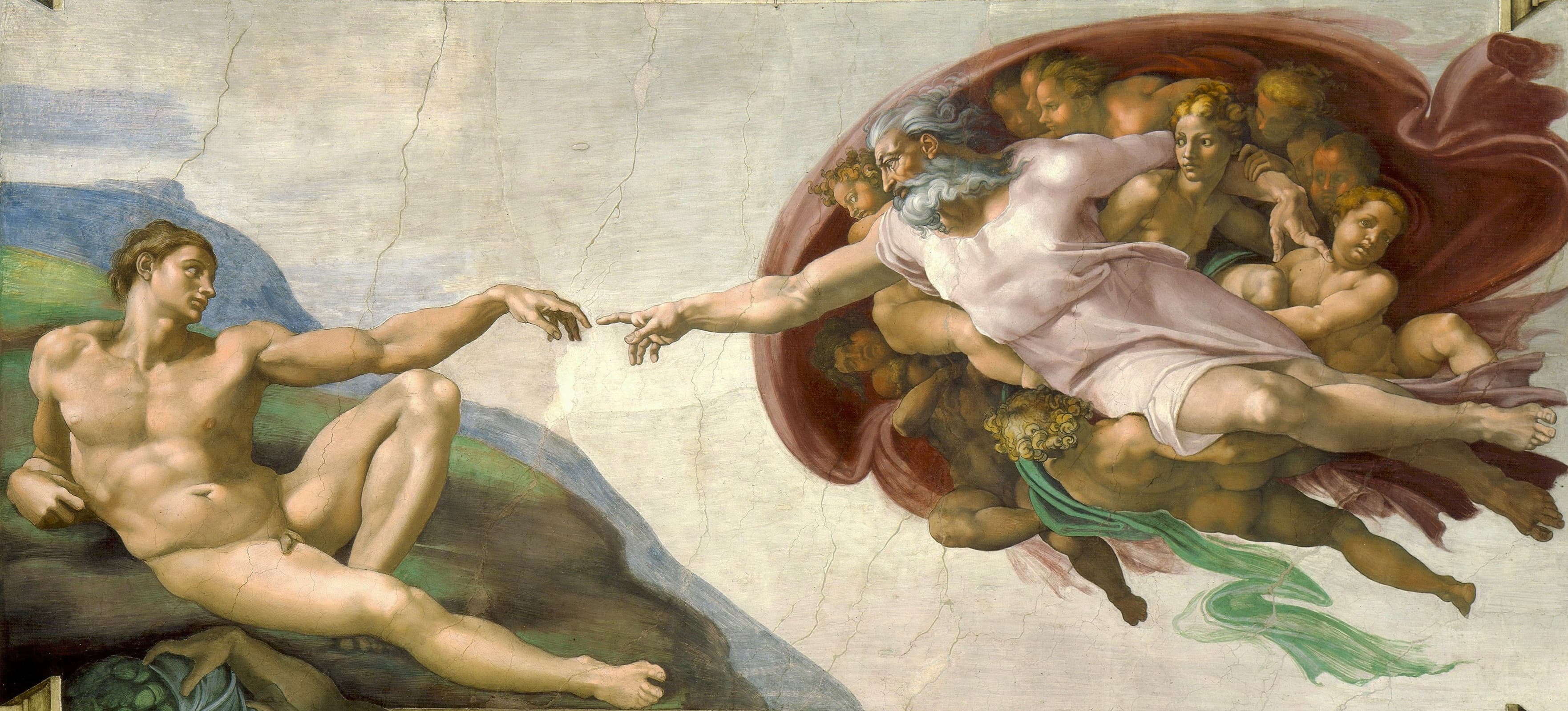
The Creation of Adam
Michelangelo · c. 1511–12

Ophelia
John Everett Millais · 1851–52