Movement
Renaissance Paintings: The Masterpieces and How to Read Them
Perspective, oil paint, anatomy and the rediscovery of antiquity: how painters in Florence, Rome, Venice and the North reinvented the picture between 1400 and 1600.
Renaissance paintings are the works made in Europe between roughly 1400 and 1600, when artists in Italy and the Low Countries rediscovered classical antiquity and learned to paint the world with convincing space, light and human bodies. The most famous of them, Leonardo's Mona Lisa, Michelangelo's Sistine Chapel ceiling, Raphael's School of Athens and Botticelli's Birth of Venus, are among the best-known images on earth.
"Renaissance" means rebirth. The word reflects how Italians of the period saw themselves: as reviving the arts of Greece and Rome after what they called a dark middle age. This page explains what changed, who changed it, how to recognize a Renaissance painting when you see one, and where the masterpieces hang today. The works below are ordered by fame and importance, with a few drawings and sculptures that show how the period's painters thought.
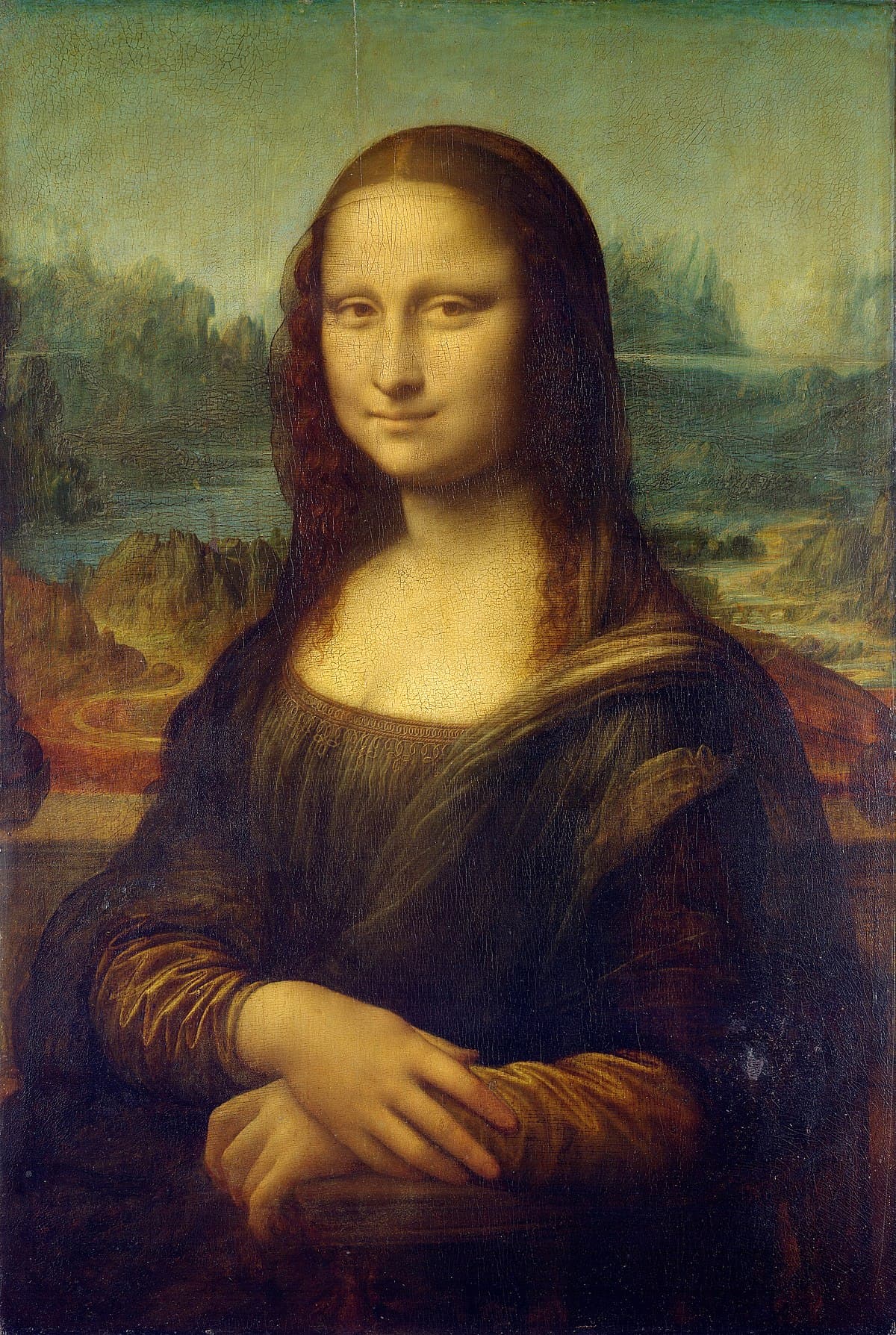
Mona Lisa
Leonardo da Vinci · c. 1503–1519
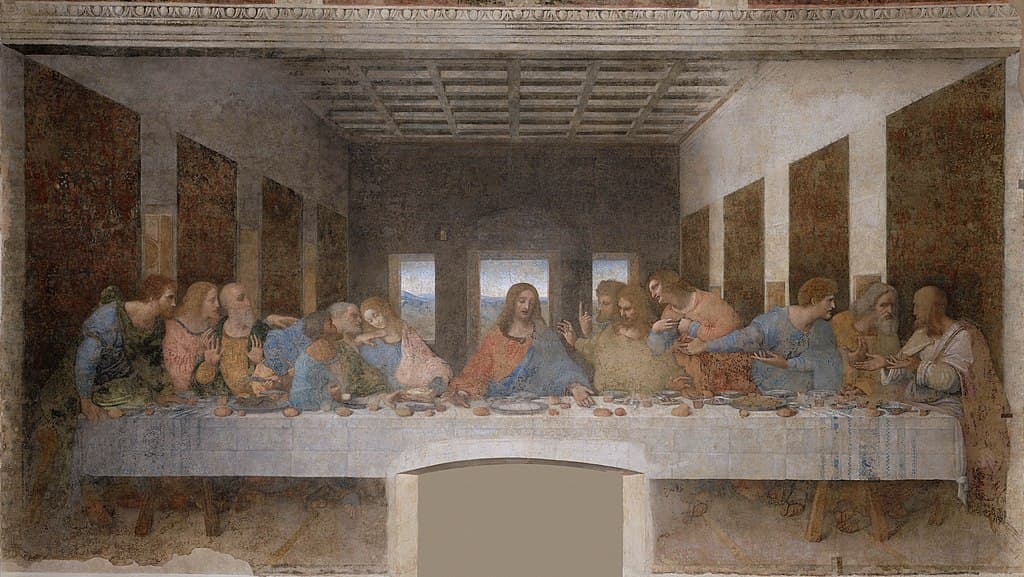
The Last Supper
Leonardo da Vinci · c. 1495–98
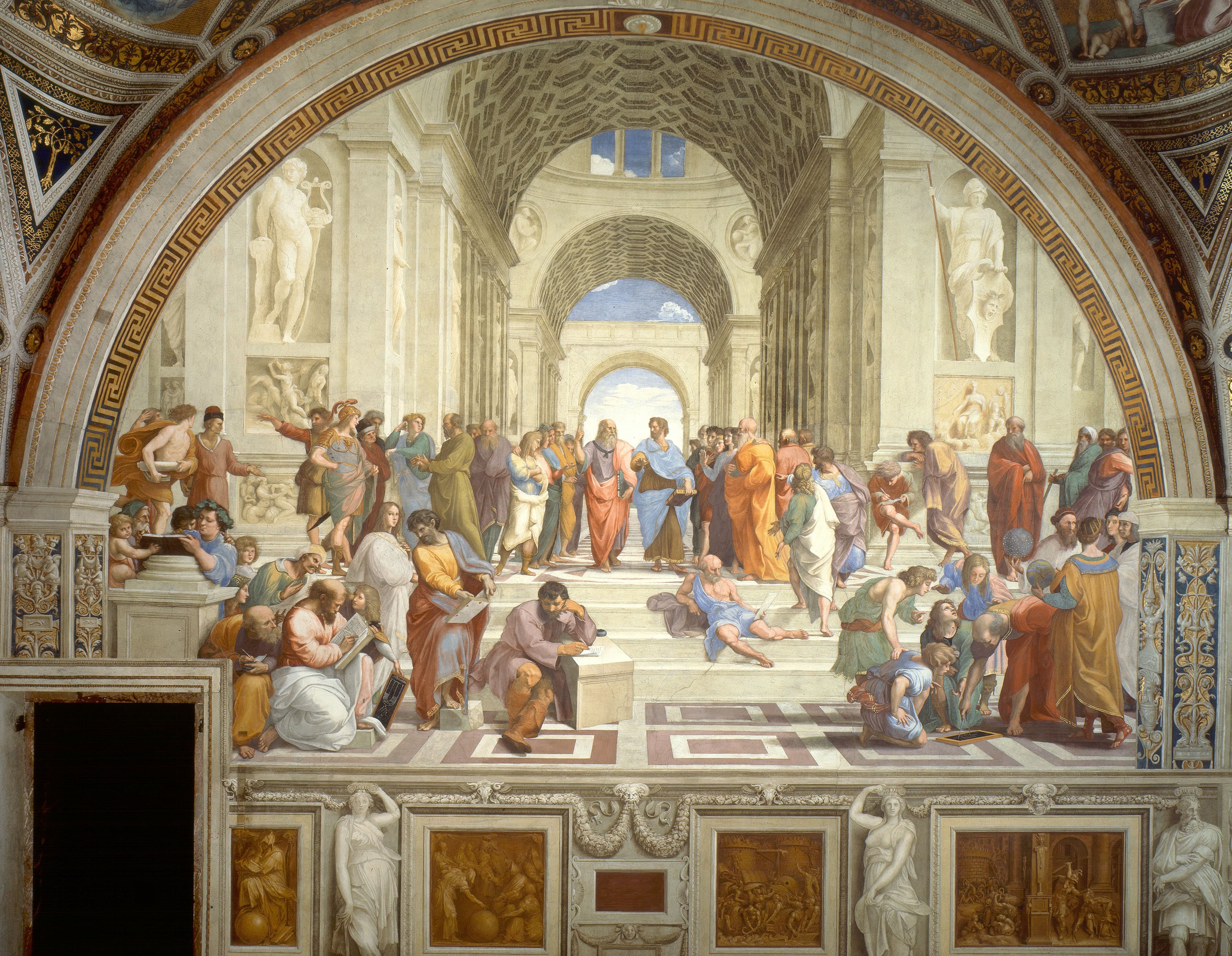
The School of Athens
Raphael · 1509–1511
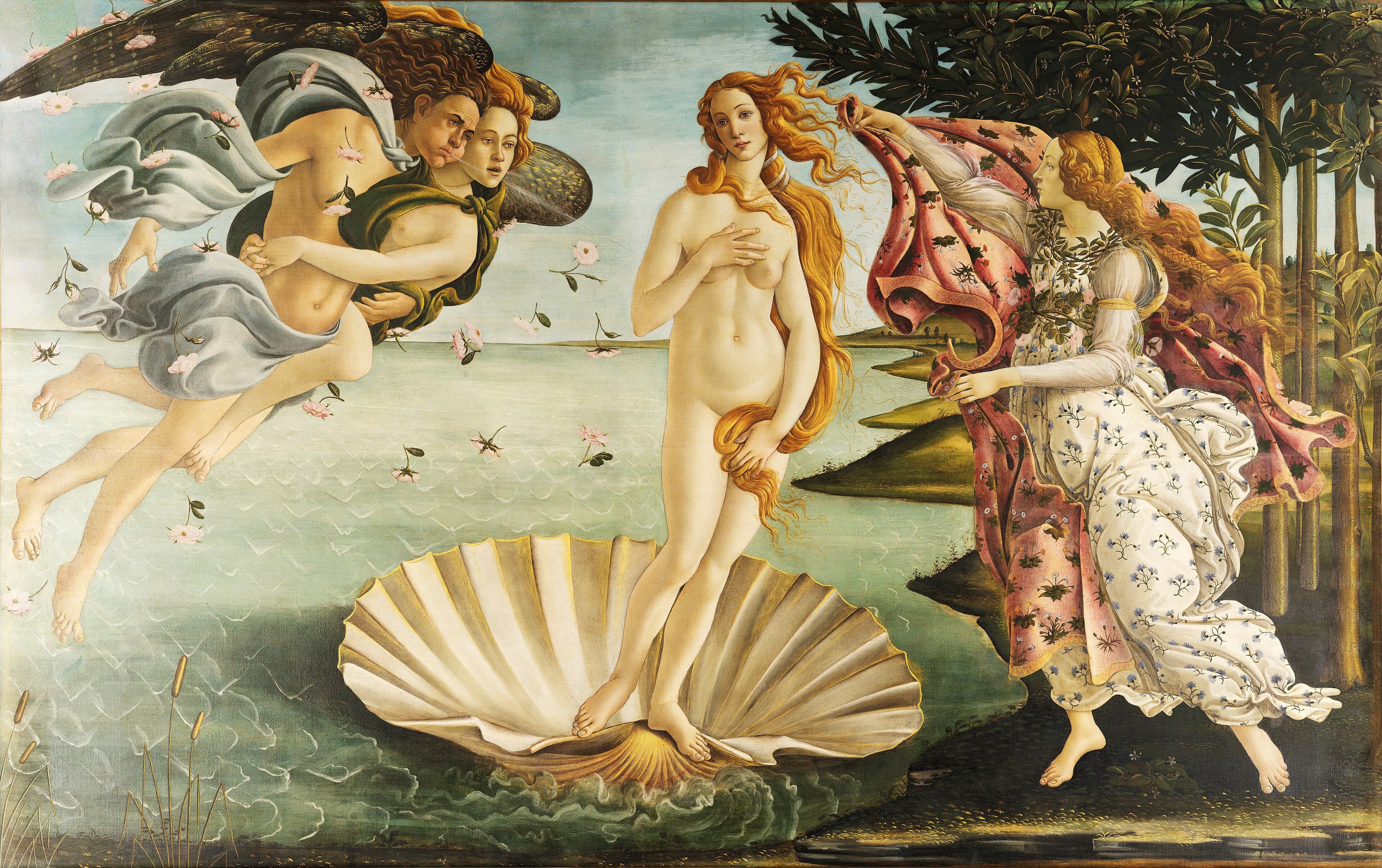
The Birth of Venus
Sandro Botticelli · c. 1484–1486
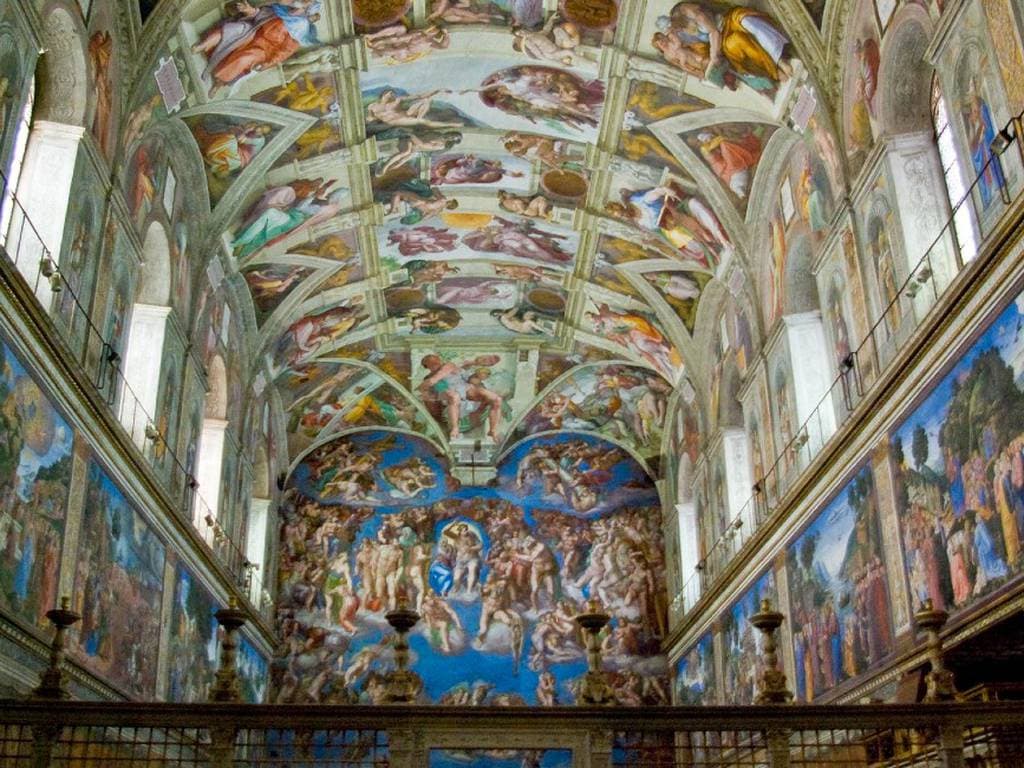
Sistine Chapel ceiling
Michelangelo · 1508–12
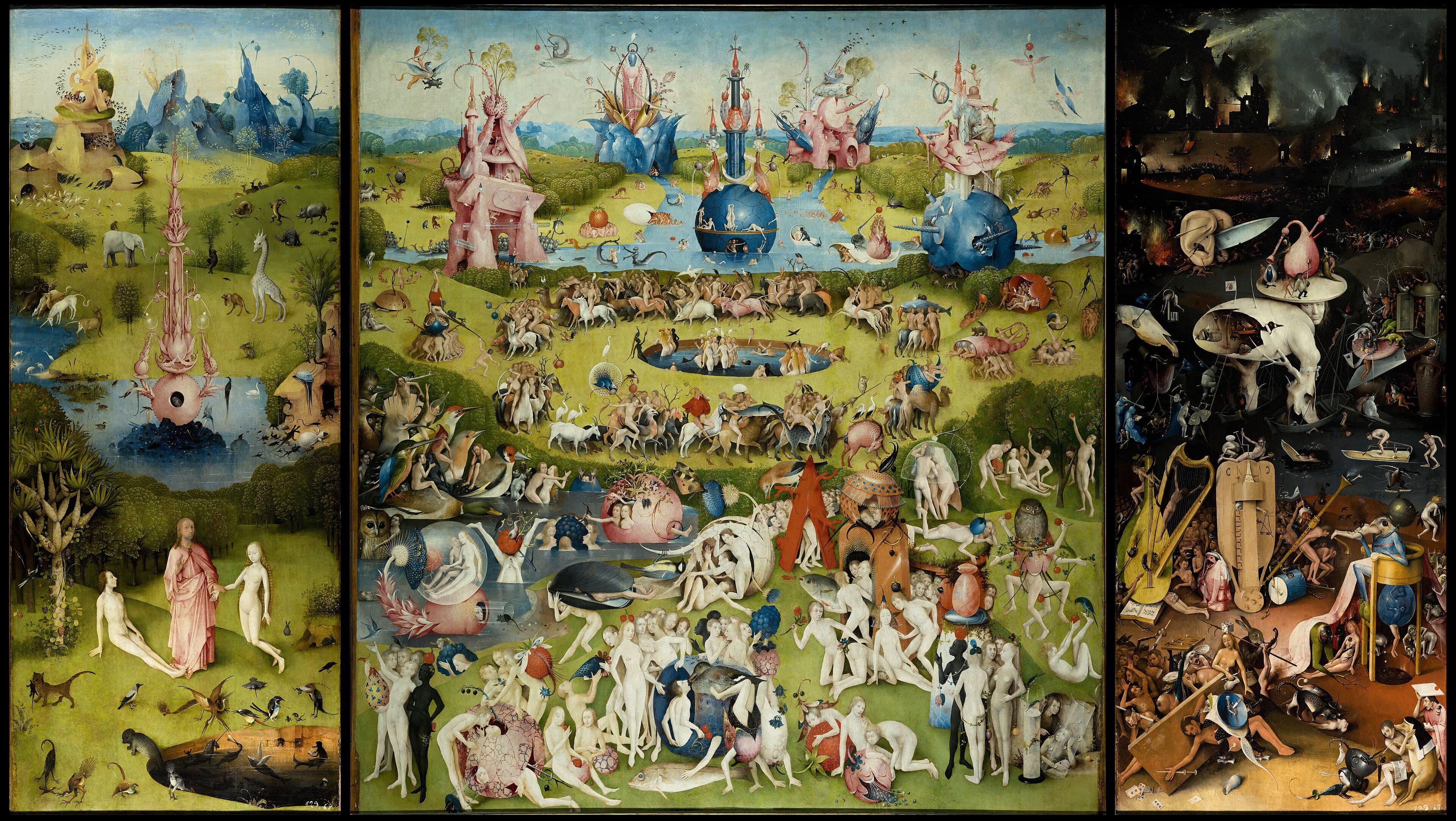
The Garden of Earthly Delights
Hieronymus Bosch · c. 1490–1510
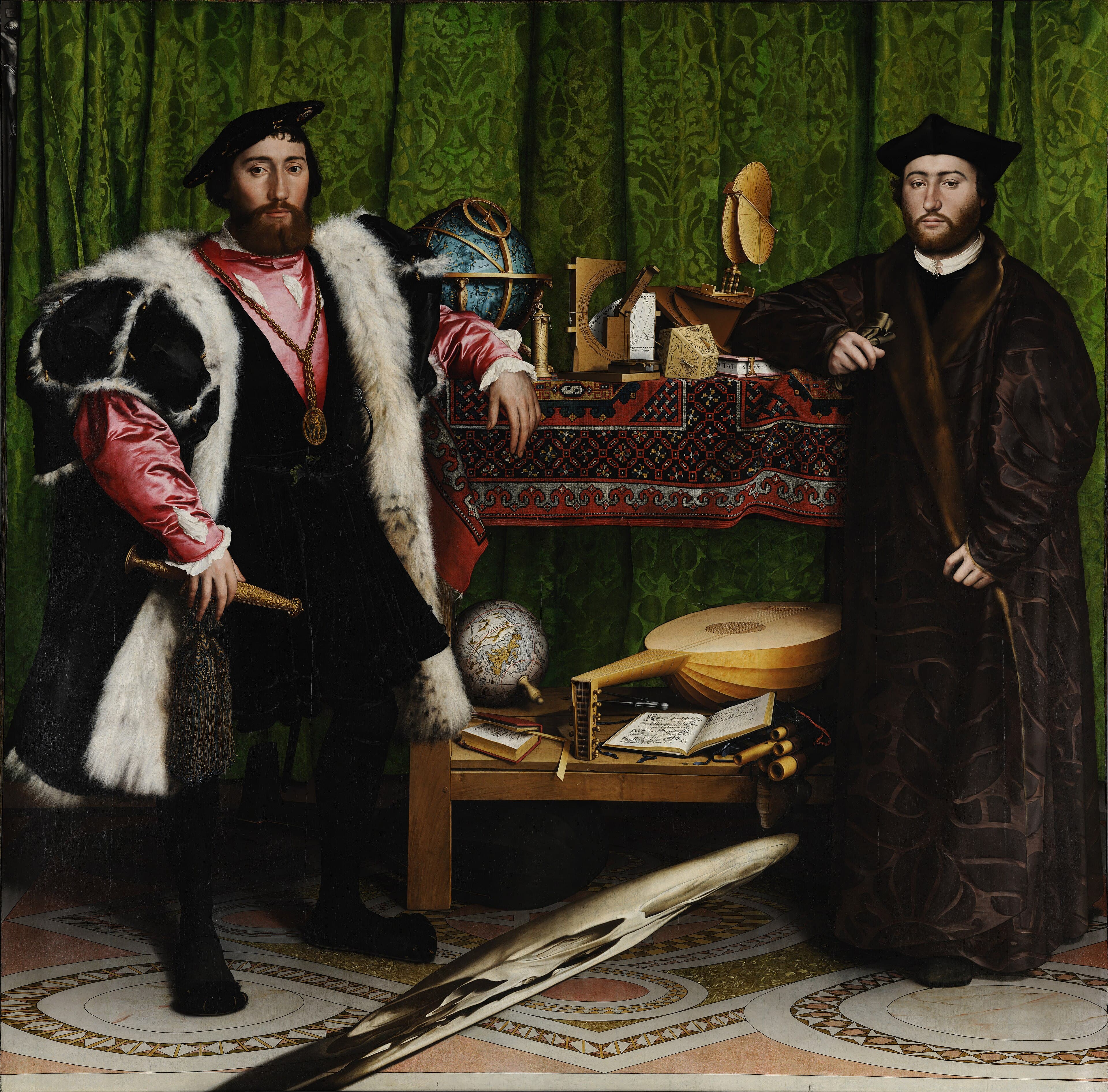
The Ambassadors
Hans Holbein the Younger · 1533
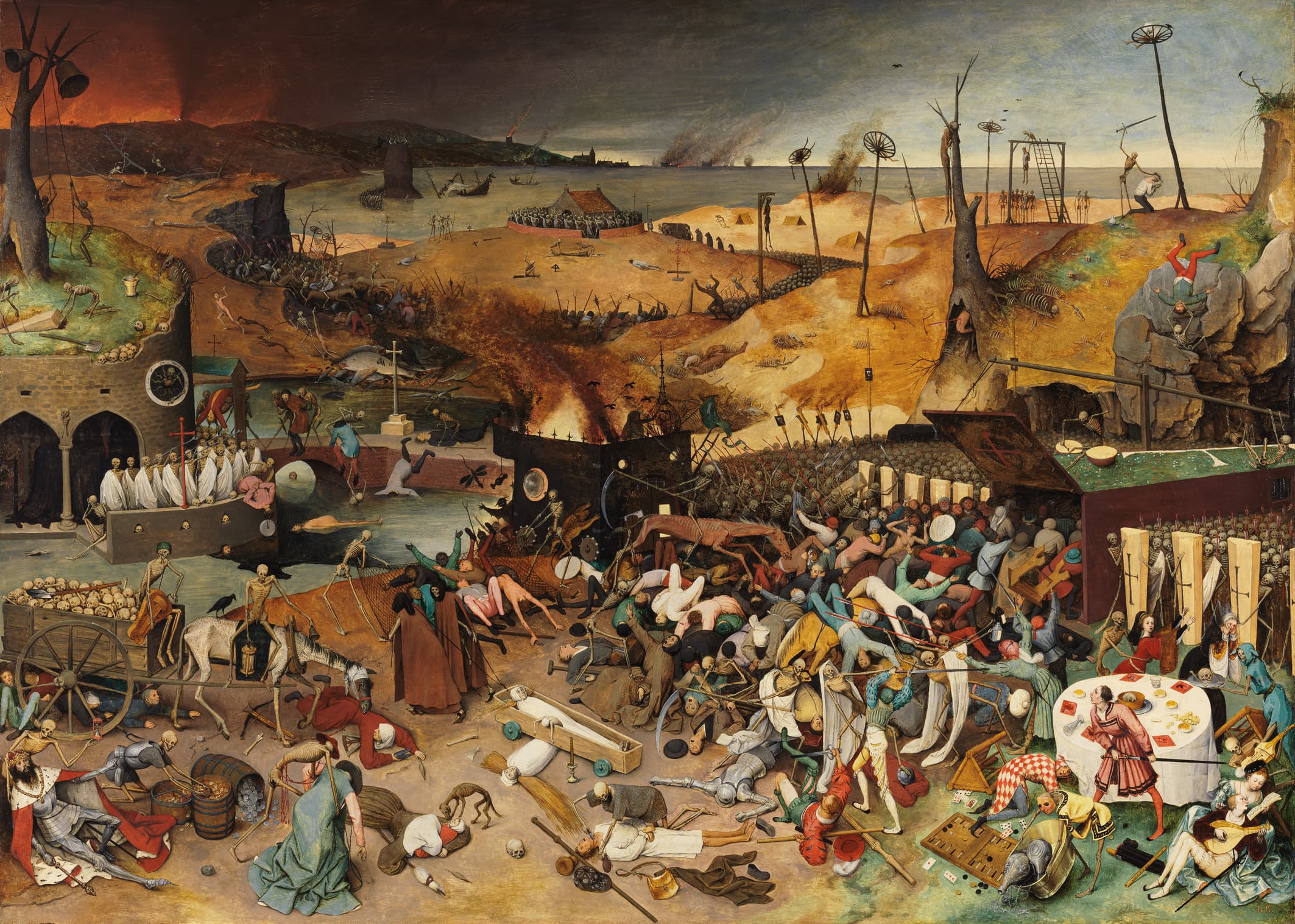
The Triumph of Death
Pieter Bruegel the Elder · c. 1562
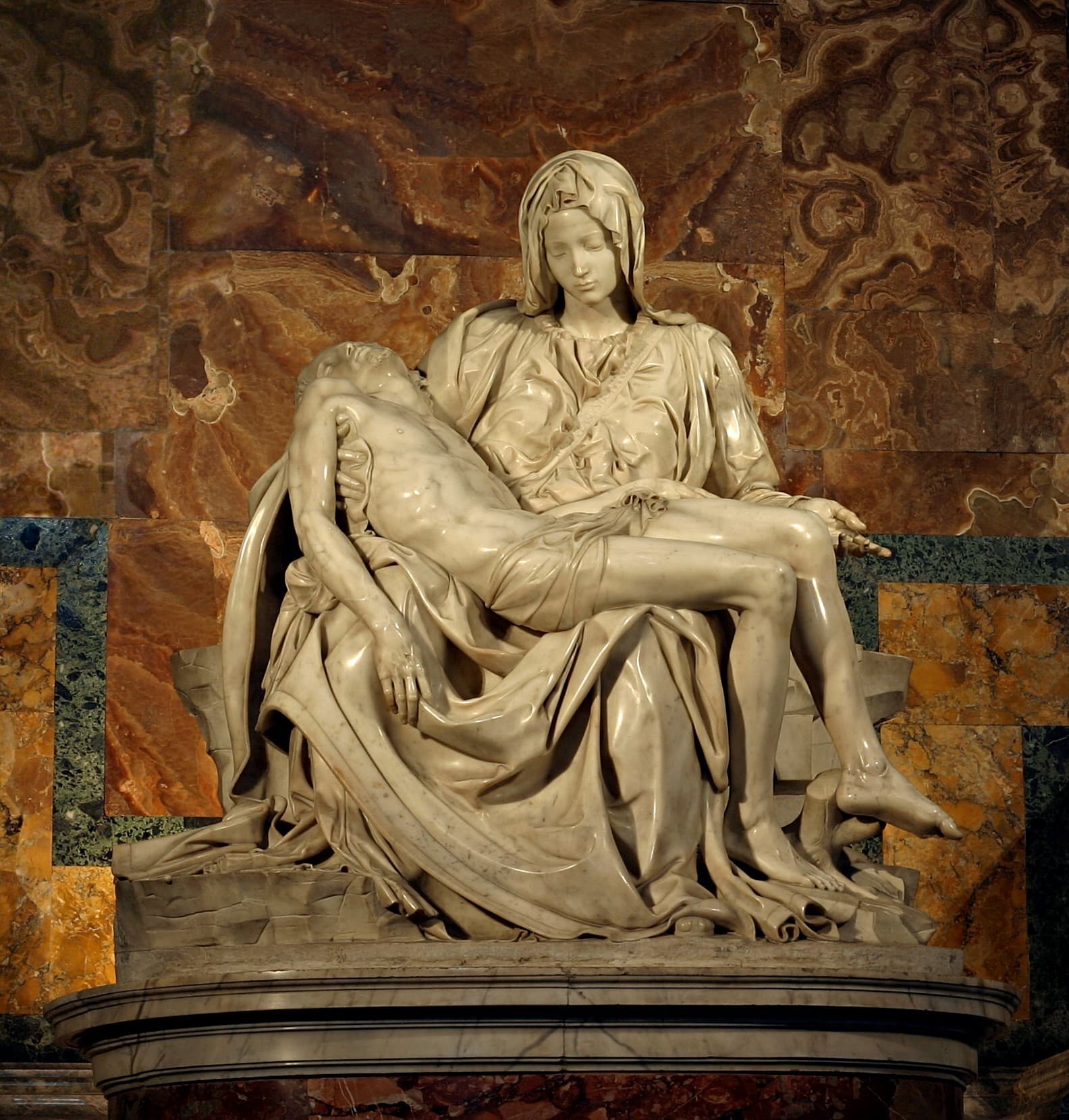
Pietà
Michelangelo · 1498–1499
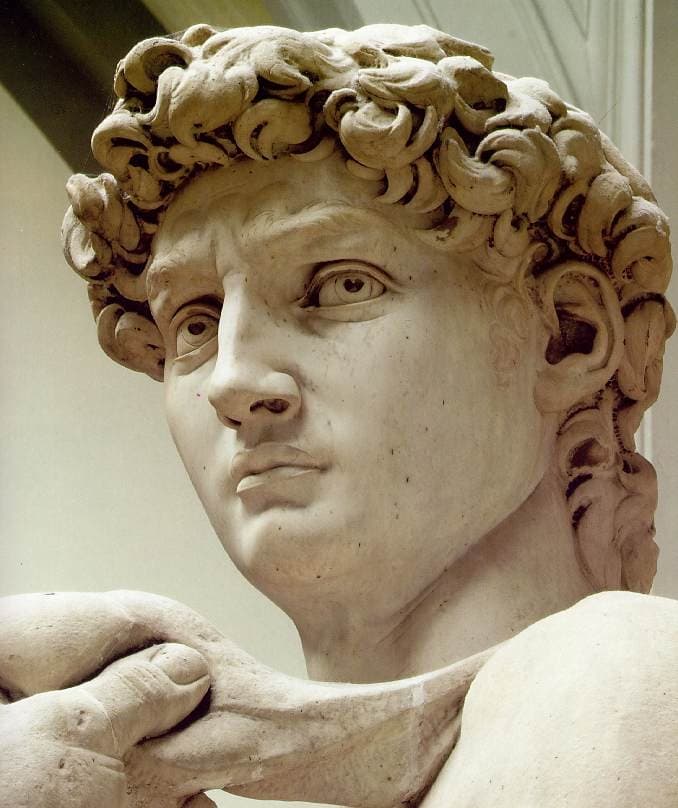
Statue of David
Michelangelo · 1501–04
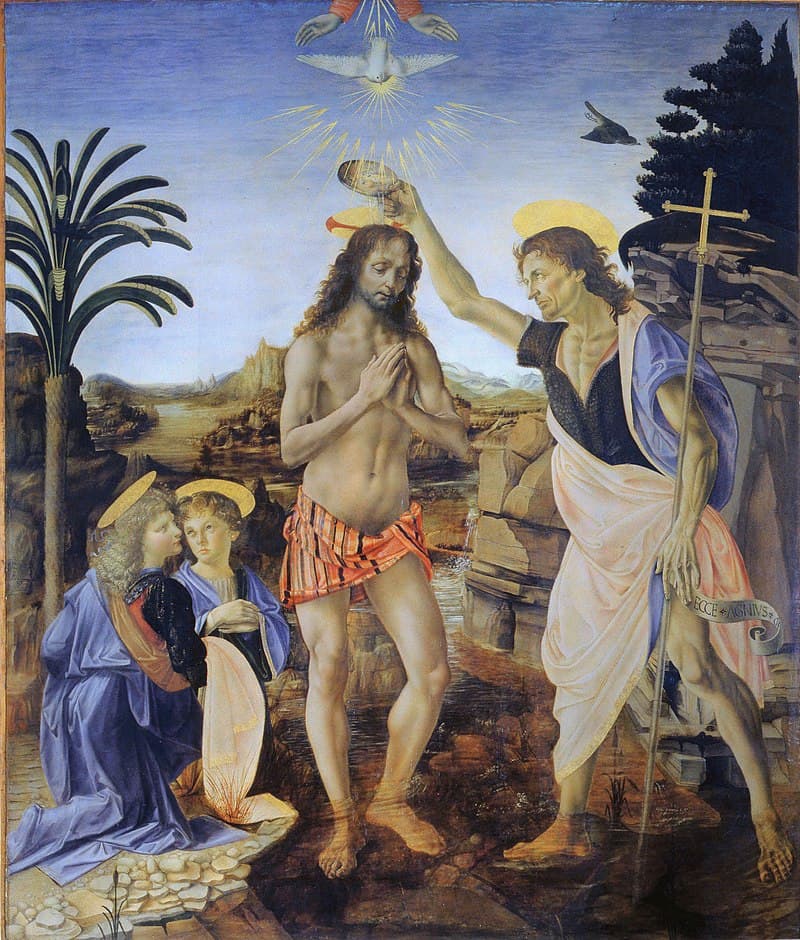
The Baptism of Christ
Andrea del Verrocchio & Leonardo da Vinci · c. 1470–75
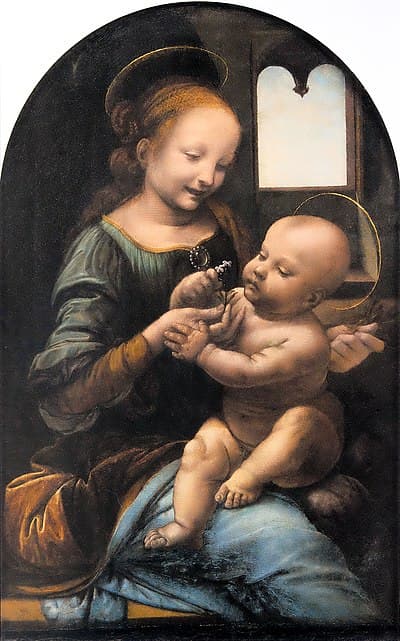
Benois Madonna
Leonardo da Vinci · c. 1478–80
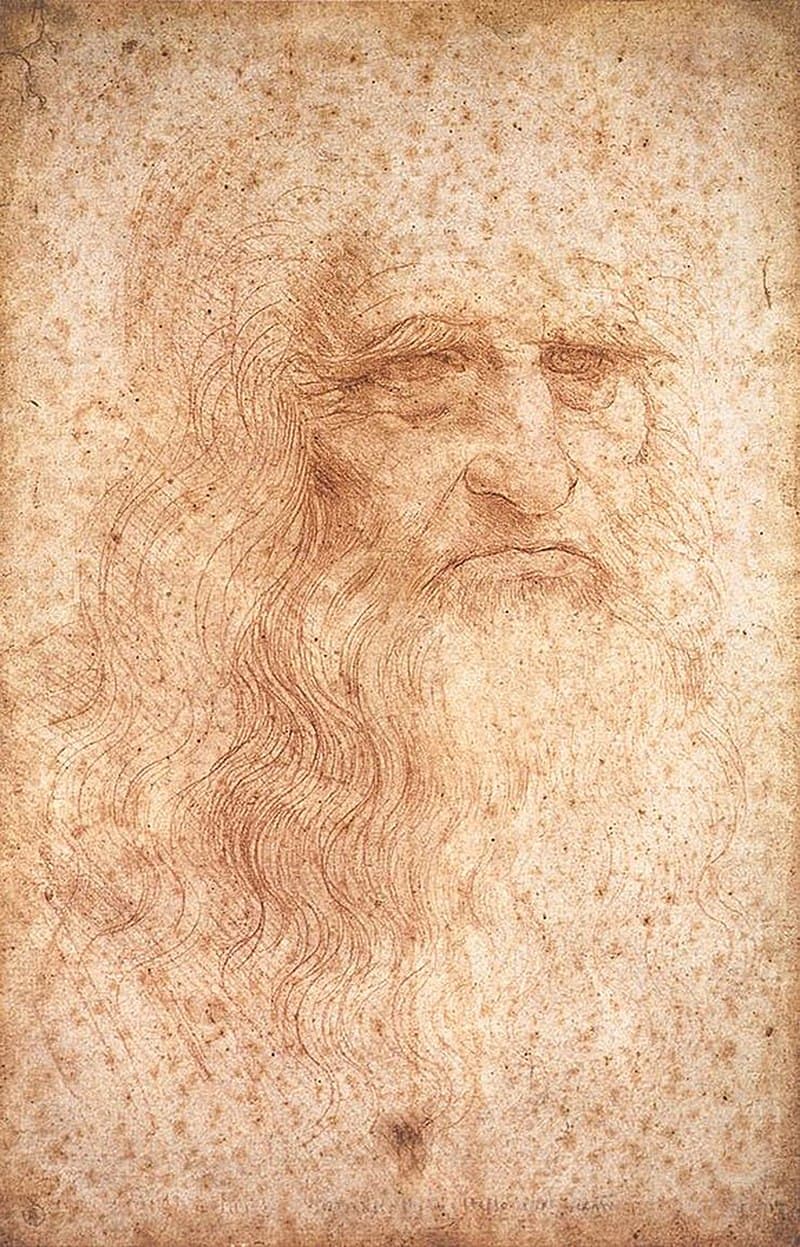
Portrait of a Man in Red Chalk
Leonardo da Vinci · c. 1512
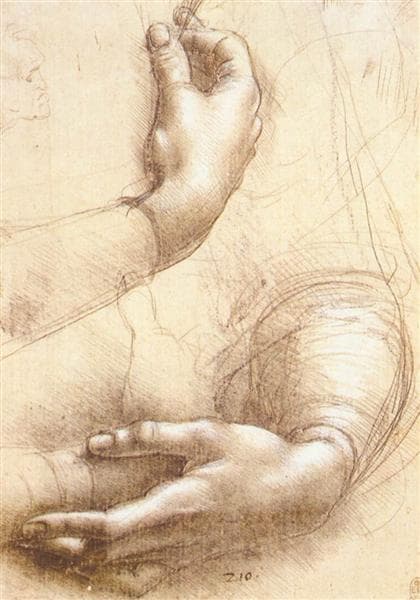
Study of Hands
Leonardo da Vinci · c. 1474–76
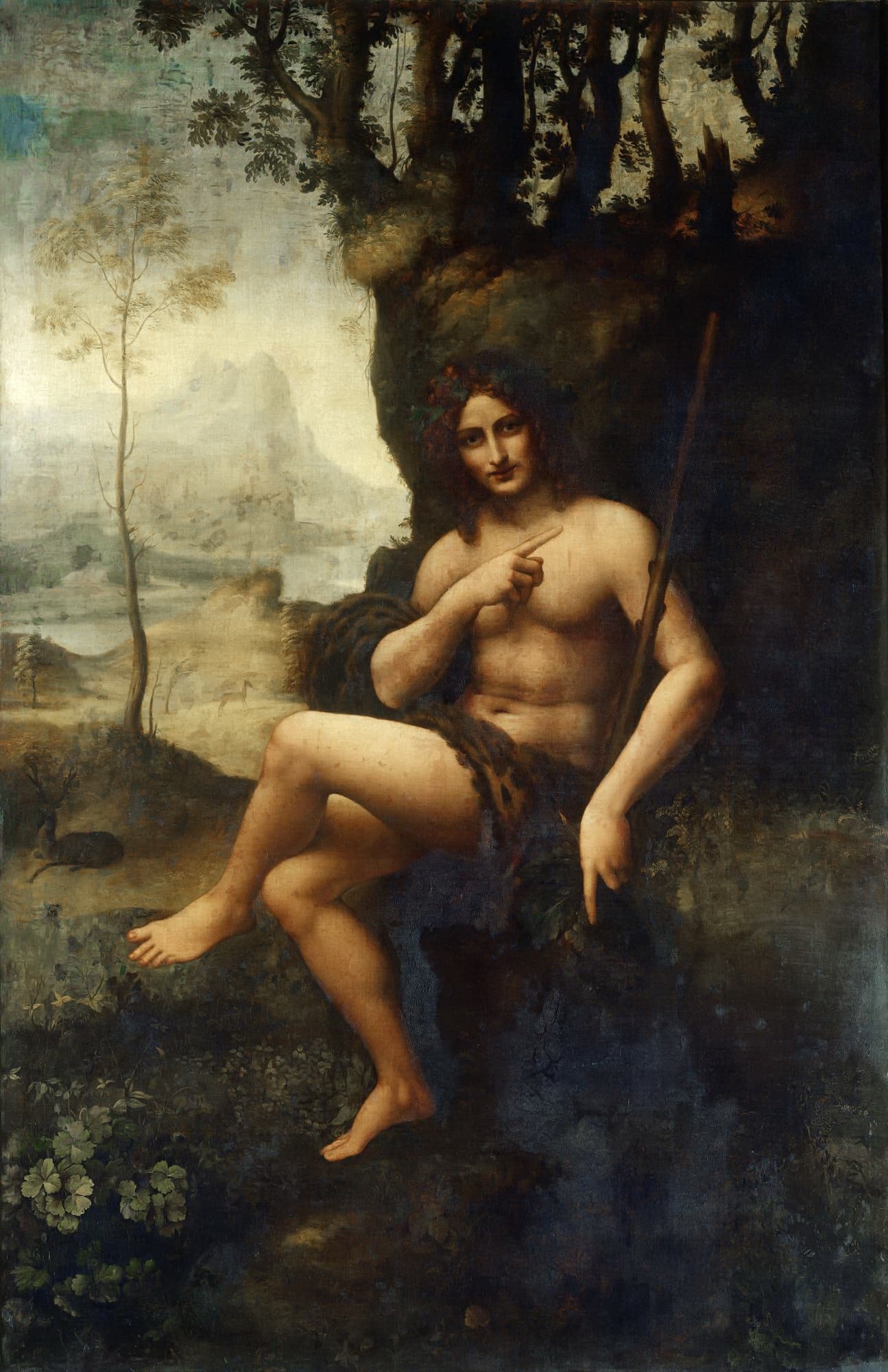
Bacchus (Saint John the Baptist)
Leonardo da Vinci · c. 1510–15; altered 1683–93
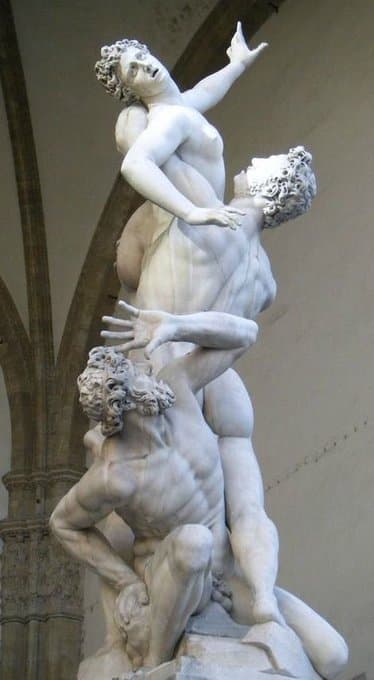
Abduction of a Sabine Woman
Giambologna · 1579–83
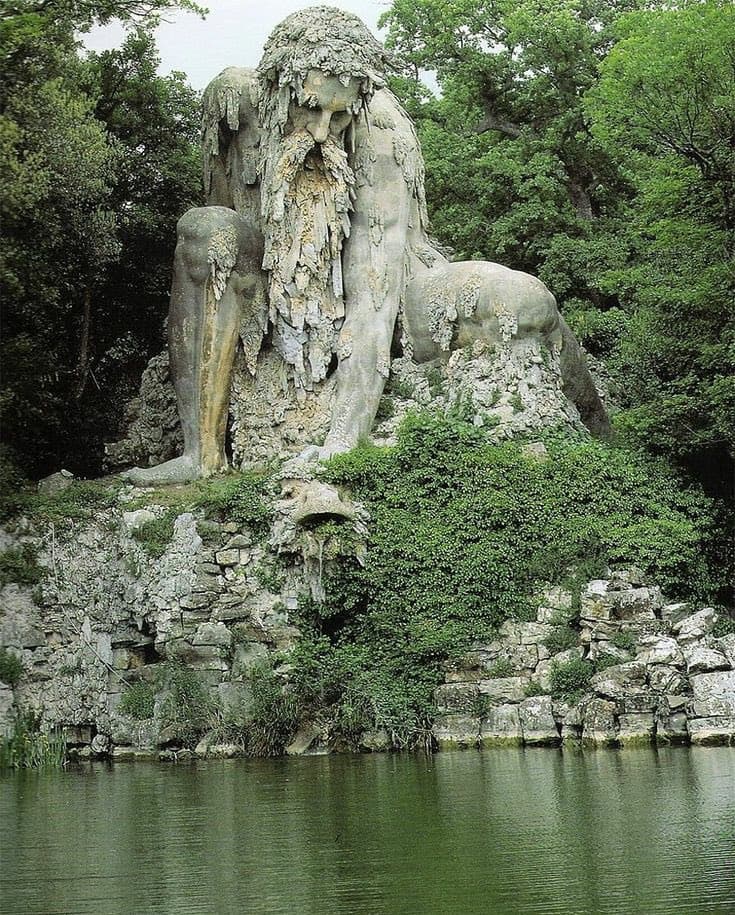
Apennine Colossus
Giambologna · c. 1579–80
What was the Renaissance?
The Renaissance was a cultural movement that began in Florence in the early 1400s and spread across Italy and then Europe over the next two centuries. It grew out of humanism, a new way of studying the world through the texts of ancient Greece and Rome, and out of the money of bankers, merchants, princes and popes who wanted art that showed their learning and power. The Medici in Florence, the Sforza in Milan and successive popes in Rome were the great patrons.
The idea of a "rebirth" was there from the start. In 1550 the painter and writer Giorgio Vasari published The Lives of the Most Excellent Painters, Sculptors and Architects, telling the story of Italian art as a steady climb from Giotto to Michelangelo. His book is the reason we still speak of Early and High Renaissance, and much of what we know about these artists' lives comes from it, though modern historians treat his anecdotes with caution.
The innovations that defined Renaissance painting
Linear perspective. Around 1415–20 the architect Filippo Brunelleschi demonstrated how parallel lines could be made to converge on a single vanishing point, and in 1435 Leon Battista Alberti wrote the rules down in his treatise On Painting. Masaccio's Holy Trinity fresco in Santa Maria Novella, Florence (c. 1427), is one of the first paintings to use the system, opening a painted chapel in a flat wall.
Oil paint. In Flanders, Jan van Eyck perfected oil glazes in the 1430s. Thin translucent layers let light pass through and bounce back, creating jewel-like color and microscopic detail. Italians adopted oil over the following decades, and by 1500 it had largely replaced egg tempera for panel and canvas painting.
Anatomy and the body. Renaissance artists drew from life and, in some cases, dissected corpses. Leonardo's notebooks are full of muscles, skulls and the tendons of the hand, as in his Study of Hands at Windsor. The goal was a body that moved and weighed something, often posed in contrapposto, the relaxed shift of weight borrowed from classical statues.
Light and shadow. Leonardo developed sfumato, the smoky blending of tones without hard outlines, and modeled forms with chiaroscuro, the graded play of light and dark. Both techniques made figures look round and alive.
Classical subjects. Alongside the Madonnas and saints, painters began to paint the pagan gods, ancient philosophers and Roman history for private patrons, something almost unthinkable a century earlier.
Early Renaissance: Florence finds its voice
The fifteenth century belonged to Florence. Masaccio, Fra Angelico, Piero della Francesca, Filippo Lippi and Sandro Botticelli turned the lessons of perspective and antiquity into a clear, luminous style. Botticelli's The Birth of Venus (c. 1484–86, Uffizi) is its most famous result.
Painted in tempera on canvas for a member of the Medici circle, it shows the goddess arriving on her shell with an elongated neck and sloping shoulders that no anatomist would accept. Botticelli cared more about rhythm and line than measurement, and that is part of the picture's grace. Its meaning is usually read through Florentine Neoplatonism, in which earthly beauty is a ladder toward divine love.
The young Leonardo da Vinci trained in the same city, in the workshop of Andrea del Verrocchio. In Verrocchio's Baptism of Christ (c. 1472–75, Uffizi), the kneeling angel at far left, softer and more alive than anything around it, is traditionally given to Leonardo. Vasari claimed that Verrocchio was so humbled by it that he gave up painting. The story is probably exaggerated, but the difference between the two angels is real.
High Renaissance: the three giants
Between about 1490 and 1527, when imperial troops sacked Rome, three artists set the standard for European art for the next four hundred years.
Leonardo da Vinci painted The Last Supper (c. 1495–98) on the refectory wall of Santa Maria delle Grazie in Milan. Rather than true fresco, he worked in tempera and oil on dry plaster so he could revise slowly. The experiment failed: the paint began flaking within his lifetime, and what we see today is the result of centuries of restoration.
The composition still works perfectly. Every orthogonal line of the room converges on Christ's head at the instant he announces that one of the twelve will betray him. Leonardo began the Mona Lisa in about 1503 and was still working on it in France years later; it is generally identified as Lisa Gherardini, wife of the Florentine merchant Francesco del Giocondo.
Michelangelo thought of himself as a sculptor first. Before he was thirty he had carved the Pietà in St. Peter's and the David now in Florence's Accademia. Pope Julius II then set him to paint the Sistine Chapel ceiling (1508–12): more than three hundred figures over a vault roughly forty meters long, from the separation of light and darkness to the drunkenness of Noah. The Creation of Adam, with its two almost-touching fingers, is only one panel. He returned more than twenty years later to paint the Last Judgment on the altar wall (1536–41).
Raphael, younger and famously sociable, was painting the papal apartments a few rooms away at the same time. The School of Athens (1509–11) gathers the philosophers of antiquity in a vast classical hall, with Plato and Aristotle at the center. Raphael's gift was harmony: balanced groups, serene faces, a clarity that made him the model for every art academy in Europe until the nineteenth century.
Venice: the triumph of color
Venetian painters, led by Giovanni Bellini, Giorgione and above all Titian, built their pictures from color and light rather than drawn outline. Contemporaries framed it as a debate between Florentine disegno (drawing, design) and Venetian colorito (coloring). Titian's loose, layered brushwork in later works such as The Flaying of Marsyas points directly toward Rembrandt and Velázquez.
The Northern Renaissance
North of the Alps, the Renaissance took a different path: less concerned with classical ruins, obsessed with detail, devotion and the textures of daily life. Jan van Eyck's Arnolfini Portrait (1434, National Gallery, London) records every bead and dog hair. Hieronymus Bosch's The Garden of Earthly Delights (c. 1490–1510, Prado) is a triptych of Eden, a teeming paradise of naked lovers and giant fruit, and a hell of musical instruments turned into torture devices. Albrecht Dürer carried Italian ideas north in prints that sold across the continent. Hans Holbein's The Ambassadors (1533) hides a distorted skull across its foreground, and Pieter Bruegel the Elder's The Triumph of Death (c. 1562) sends an army of skeletons across a burning landscape.
Late Renaissance and Mannerism
After Raphael's death in 1520, younger artists such as Pontormo, Bronzino and Parmigianino stretched the High Renaissance ideal into something stranger: elongated bodies, acid colors, crowded spaces, poses of deliberate artifice. Historians call it Mannerism. In sculpture, Giambologna's spiraling Abduction of a Sabine Woman (1579–83) in Florence's Loggia dei Lanzi was designed to be walked around, with no single correct view. By 1600, Caravaggio's raw realism and theatrical light in Rome were opening the next chapter: see our guide to Baroque art.
How to recognize a Renaissance painting
- A measured, believable space. Floor tiles, columns and buildings recede to a vanishing point, often hidden behind the main figure's head.
- Balanced, often triangular compositions. Madonna groups and portraits are built as stable pyramids.
- Solid, anatomically studied figures with classical poses and calm, idealized faces.
- Soft modeling of light, especially after 1500, with smooth transitions from light to shadow.
- Classical architecture and ruins in the background, even in religious scenes.
- Landscapes that fade to blue in the distance, a device called aerial or atmospheric perspective, used brilliantly by Leonardo.
- In Northern works, minute detail, rich oil glazes and symbolic everyday objects.
Where to see the great Renaissance paintings
Florence's Uffizi holds the Botticellis, the Baptism of Christ and much of the early Renaissance. The Vatican has the Sistine Chapel and Raphael's Stanze. Milan has The Last Supper, which requires booking well ahead.
The Louvre has the Mona Lisa and other Leonardos. Madrid's Prado holds Bosch, Bruegel and a great run of Titians, and London's National Gallery has one of the finest Renaissance collections anywhere, from Van Eyck to Holbein. The Hermitage in St. Petersburg owns Leonardo's early Benois Madonna.
Questions & answers
What are the most famous Renaissance paintings?
The most famous Renaissance paintings are Leonardo's Mona Lisa and The Last Supper, Michelangelo's Sistine Chapel ceiling, Raphael's The School of Athens, Botticelli's The Birth of Venus and Primavera, Titian's Venus of Urbino, and in the North, Van Eyck's Arnolfini Portrait and Bosch's The Garden of Earthly Delights.
What are the main characteristics of Renaissance art?
Renaissance art is defined by linear perspective, realistic anatomy, soft modeling of light and shadow, balanced compositions, classical architecture and subjects drawn from both Christianity and Greco-Roman antiquity. Northern Renaissance painting adds meticulous detail and rich oil glazes.
When was the Renaissance?
The Renaissance in art lasted roughly from 1400 to 1600. It began in Florence in the early fifteenth century, reached its High Renaissance peak between about 1490 and 1527 with Leonardo, Michelangelo and Raphael, and gave way to Mannerism and then the Baroque around 1600.
Who were the most important Renaissance painters?
In Italy, the key figures are Masaccio, Botticelli, Leonardo da Vinci, Michelangelo, Raphael and Titian, with Giovanni Bellini and Piero della Francesca close behind. In northern Europe, Jan van Eyck, Hieronymus Bosch, Albrecht Dürer, Hans Holbein the Younger and Pieter Bruegel the Elder.
Why is it called the Renaissance?
Renaissance is French for rebirth, from the Italian rinascita, used by Giorgio Vasari in 1550. Italian scholars and artists believed they were reviving the art and learning of ancient Greece and Rome after centuries of decline. Historians now see more continuity with the Middle Ages, but the name stuck.