Dutch Golden Age
Judith
Eglon van der Neer, c. 1678
Judith is a small oil on panel painted around 1678 by the Dutch artist Eglon van der Neer. A young woman in silk and pearls poses as the biblical heroine Judith while her maid bags Holofernes' head. It belongs to the National Gallery, London.
- Artist
- Eglon van der Neer
- Date
- c. 1678
- Medium
- Oil on wood (probably oak)
- Dimensions
- 32 × 24.6 cm
- Collection
- National Gallery, London, United Kingdom
- Movement
- Dutch Golden Age
What you are looking at
A young woman stands in a dark, curtained interior, facing us, in a gown that seems to give off its own light. The fabric is a heavy, shining white satin with an off-the-shoulder neckline edged in fur or dark trim and embroidered at the bodice; an orange-red mantle slips from her shoulders. Pearl bracelets circle her wrists.
Her left hand rests on her breast, a gesture of sincerity or virtue, while her right hand, lowered at her side, holds the gilded hilt of a sword. Only after the dress has done its work do you notice the rest of the story: at the lower right, half in shadow, a maid bends to lower a severed, bearded head into a bag. On the left, a canopied bed and a plumed hat in the darkness suggest Holofernes' tent.
The heroine is Judith, from the Old Testament Book of Judith. The painting is by Eglon Hendrik van der Neer and is dated to about 1678. It is small, only 32 × 24.6 cm, painted on a wooden panel that the National Gallery in London describes as probably oak. It came to the gallery with the Salting Bequest in 1910.
The story of Judith
In the biblical account, the Assyrian general Holofernes besieges the Israelite town of Bethulia. Judith, a widow, dresses in her finest clothes and goes with her maid into the enemy camp. Holofernes, taken with her beauty, invites her to a banquet and drinks himself into a stupor. Alone with him in his tent, she cuts off his head with his own sword, and the maid carries it back to the town in a food bag. The Assyrians flee.
The story gave artists an unusual subject: a woman who is both a model of virtue and an executioner. Painters chose different moments. Caravaggio and Artemisia Gentileschi showed the killing itself. Others, like Fede Galizia, showed the calm aftermath, with Judith holding the head. Van der Neer chose the quietest version of all, in which the violence is pushed to the background and the heroine's beauty, the weapon she used to enter the camp, fills the picture.
A portrait in costume?
The woman's face is individual rather than idealized, and the costume is fashionable rather than antique. That has led to the suggestion that this is a portrait historié, a portrait of a real sitter in the guise of a biblical or mythological figure, a popular conceit in the Netherlands at the time. Who she might be is not known. If the reading is right, the choice of Judith flattered the sitter with the virtues the story praised: chastity, courage, cleverness and devotion to her people.
Close looking
Van der Neer was a specialist in fine painting, the fijnschilder tradition of Leiden, where the surface is so smooth that individual brushstrokes disappear. The test of that skill was satin. Look at how the highlights on the dress are not white but a pale gold or silver, laid in narrow ridges that follow each fold, and how the shadows between folds stay luminous rather than turning black. The pearls are each a small dot of light with a darker rim and a single bright point. Lace at the sleeves is painted thread by thread.
Against this, the background story is handled loosely and darkly, almost as an afterthought, which is the point. The maid's dim figure and the bag are meant to be discovered second. The sword is the hinge between the two worlds: it belongs to the elegant woman in the foreground, but it is the instrument of what happens in the dark.
Eglon van der Neer
Eglon van der Neer (1635/36–1703) was the son of the Amsterdam landscape painter Aert van der Neer, famous for moonlit river scenes such as Moonlit Landscape. Eglon trained in Amsterdam and France, worked in Rotterdam, Brussels and later Düsseldorf as court painter to the Elector Palatine, and was known for elegant genre scenes and small portraits full of rich fabrics, in the manner of Gerard ter Borch and Frans van Mieris.
The setting
The interior is staged like a small theater. A pale curtain is drawn back at the upper right to reveal a carved column, and dark draperies fill the rest of the background. Read from left to right, the picture tells the story in three zones: the empty bed of Holofernes and his discarded finery, Judith in the full light at center, and the maid with the head at the right edge. It is a compressed narrative in a space no bigger than a sheet of paper, and it rewards close looking at actual size.
Meaning
Is the painting about virtue, power or clothes? All three. The Judith story was read in the seventeenth century as an allegory of virtue triumphing over vice, and of a weak people defeating a tyrant. Van der Neer attaches those meanings to a woman whose outward splendor is itself the instrument of triumph. The painting asks us to admire the dress, and then reminds us what the dress was for.
Where to see it
The painting belongs to the National Gallery, London (NG2535). It is not always on display; check the gallery's website before a visit. For more interpretations of the subject, see the Famous Paintings of Women collection.
Questions & answers
Where is Judith by Eglon van der Neer?
The painting is in the National Gallery, London, inventory NG2535. It came to the gallery with the Salting Bequest in 1910. It is not always on public display, so it is worth checking the gallery's website before a visit.
Who is Judith in the painting?
Judith is the heroine of the Old Testament Book of Judith, a widow who entered the camp of the Assyrian general Holofernes, beheaded him while he lay drunk, and saved her town. In van der Neer's painting the young woman may be a real sitter portrayed in the role of Judith.
Is this the same as Fede Galizia's Judith with the Head of Holofernes?
No. Fede Galizia, an Italian painter, made her Judith with the Head of Holofernes in 1596. Eglon van der Neer's small Dutch panel dates from about 1678. Both show the calm aftermath of the killing rather than the act itself, and both make Judith's rich clothing central.
What is the maid doing in the background?
Behind Judith, her maid lowers the severed head of Holofernes into a bag, as in the biblical account, where the head is carried back to Bethulia in a food bag. Van der Neer keeps this grim detail in shadow so viewers discover it only after admiring the dress.
Kindred works
You may also study
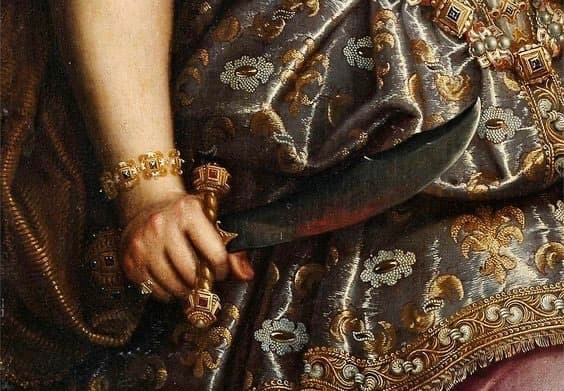
Judith with the Head of Holofernes
Fede Galizia · 1596
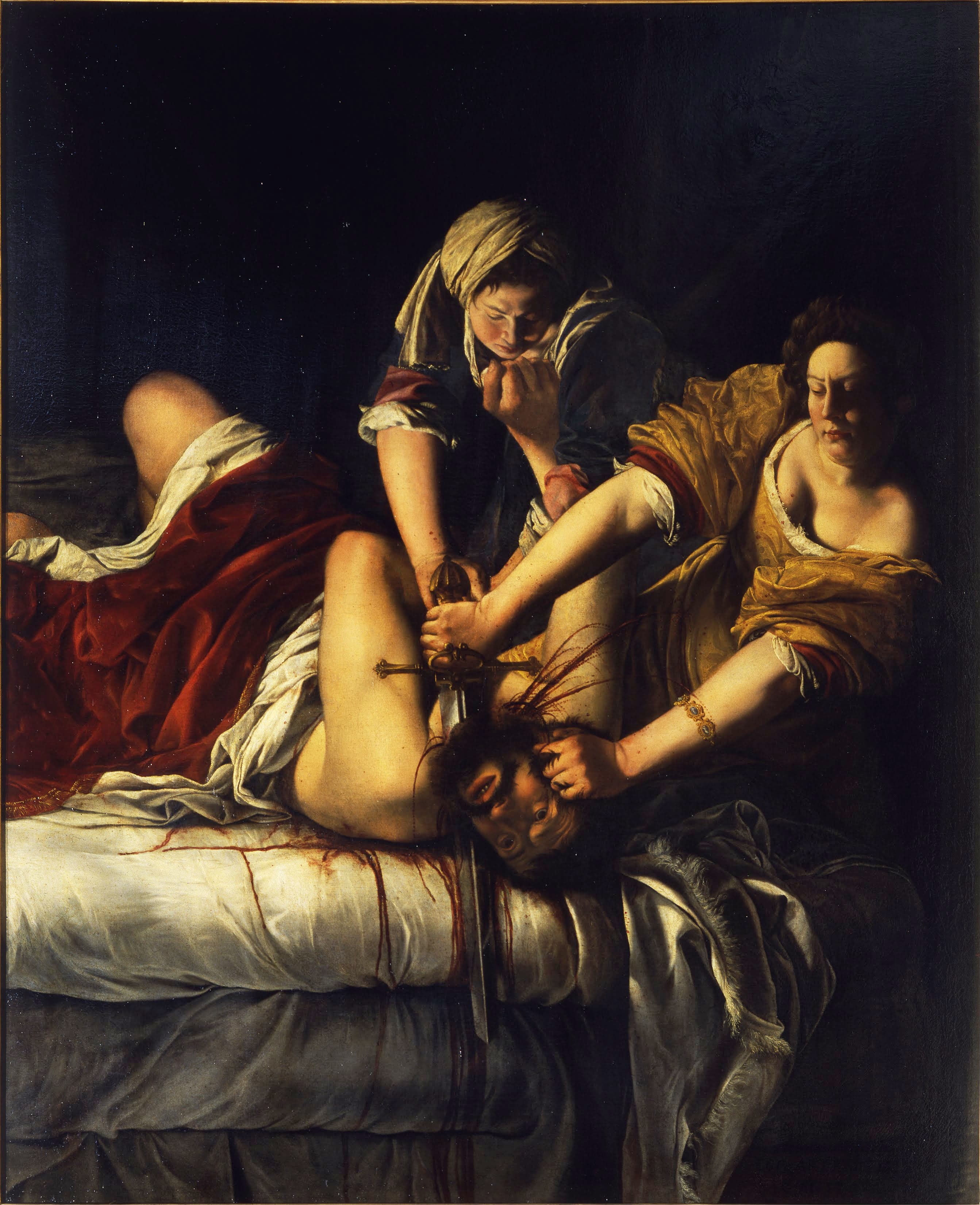
Judith Slaying Holofernes
Artemisia Gentileschi · c. 1620
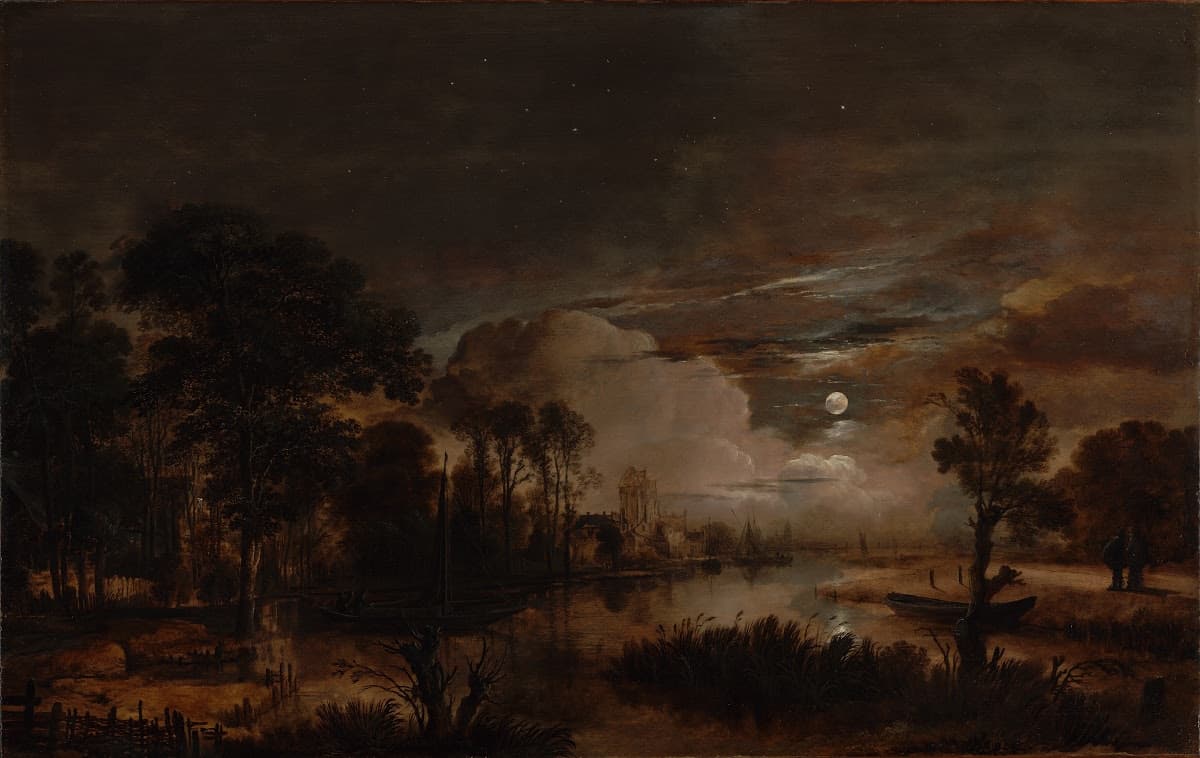
Moonlit Landscape with a View of the New Amstel River and Castle Kostverloren
Aert van der Neer · c. 1647
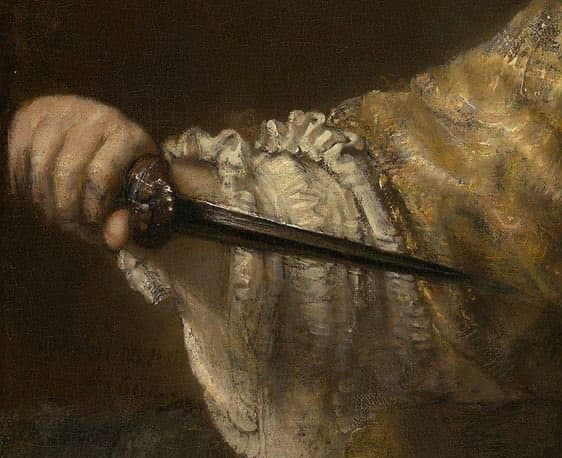
Lucretia
Rembrandt · 1664
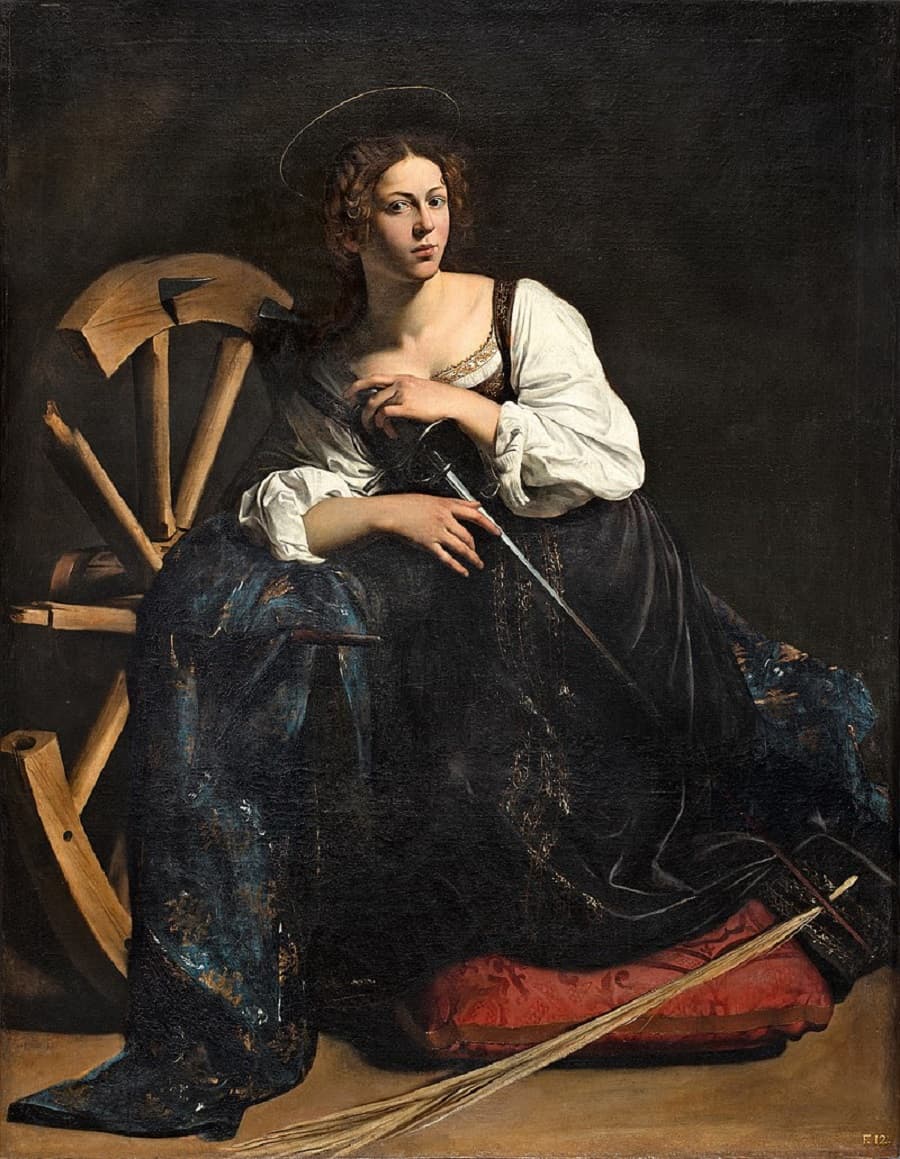
Saint Catherine of Alexandria
Caravaggio · c. 1598

Venus de Milo
Alexandros of Antioch · c. 150–125 BC

Saturn Devouring His Son
Francisco Goya · c. 1819–1823
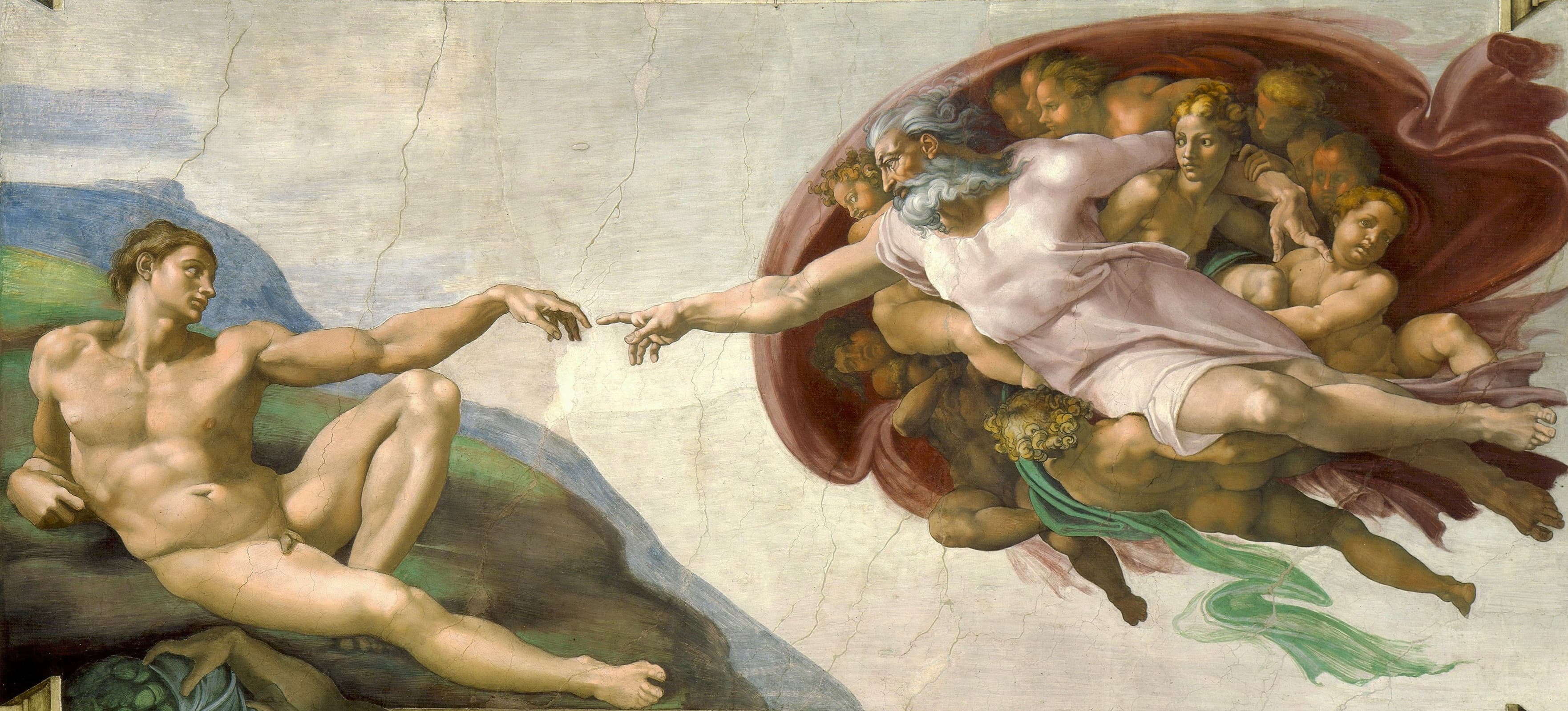
The Creation of Adam
Michelangelo · c. 1511–12