Image: Pola Museum of Art, Hakone; image via Wikimedia Commons · Public domain · via Wikimedia Commons
Water Lilies (1907, Pola Museum of Art)
Claude Monet, 1907
Water Lilies is a 1907 painting by Claude Monet of his Giverny pond, islands of pads with pink and white flowers floating on pale blue-gray water that mirrors sky and trees. It is in the Pola Museum of Art in Hakone, Japan.
- Artist
- Claude Monet
- Date
- 1907
- Medium
- Oil on canvas
- Dimensions
- 93.3 × 89.2 cm
- Collection
- Pola Museum of Art, Hakone, Japan
- Movement
- Impressionism
- Catalogue
- Wildenstein 1699
- Nature & Landscape
- Water & Sea
Water Lilies is a 1907 canvas by Claude Monet of the surface of his lily pond at Giverny, now in the Pola Museum of Art in Hakone, Japan (006-0360). Nearly square, 93.3 by 89.2 centimeters, and signed and dated Claude Monet 1907, it is one of the calm, evenly lit lily paintings of that year, and one of several Monets in the Pola collection.
What you're looking at
There is no bank and no horizon. The water fills the canvas, and on it float islands of lily pads, placed in a loose diagonal from the top of the canvas to the lower left. At the top, a long band of pads carries white and pale pink flowers; just below the center at the right, a larger round island holds a ring of pink and white blooms; and at the lower left corner, a dense cluster of pads carries flowers in deeper rose and red.
Between them the open water is pale: soft blue-gray and silver, the reflection of a lightly clouded sky, with darker green-blue patches that are the reflections of trees on the unseen bank. At the upper left, the reflections cluster into a soft, darker mass. The water is calm; nothing ripples, and the reflections are blurred rather than broken.
Compared with the more dramatic canvases of 1907, the effect is quiet and balanced. The pads float in a light that seems to come from everywhere at once, typical of a bright overcast day.
The pond in 1907
Monet dug his lily pond at Giverny in 1893, feeding it from an arm of the Epte, and enlarged it in 1901–02. From 1903 to 1908 he painted its surface over and over, in a campaign he called the paysages d'eau (water landscapes), and in May 1909 Durand-Ruel showed forty-eight of these canvases in Paris as Les Nymphéas, séries de paysages d'eau. In 1907 Monet worked in several formats, including tall canvases with a central column of reflected light and a few circular ones, but he also continued the nearly square pictures in which lily islands float across reflected sky, as here.
How this version differs
Set against Houston's tall Water Lilies (Nymphéas) or the Israel Museum's Pond with Water Lilies, both of 1907, the Pola canvas has no dramatic fall of light; its contrasts are low and its colors cool. The Wadsworth Atheneum's Nymphéas of the same year is a closer cousin, with similarly pale water, but it uses violet flowers and a whiter center. The London Water-Lilies, Setting Sun shows how differently the same surface could look a few hours later, in warm, dark sunset light.
How it was painted
The water is laid in with soft horizontal strokes, the colors blended on the canvas so that the transitions between sky reflection and tree reflection are gentle. The pads are crisper, small flat ellipses in green and yellow-green with darker edges, and the flowers are single thick touches of white, pink and red. The paint surface is even and finished, consistent with the canvases Monet selected for the 1909 exhibition.
Where to see it
The Pola Museum of Art opened in 2002 in the hills of Hakone, near Mount Fuji, to show the collection formed by Tsuneshi Suzuki of the Pola cosmetics group, which is particularly strong in French Impressionism. The museum holds a number of works by Monet, and this canvas is regularly included in its collection displays. For the series as a whole see Monet's Water Lilies; for the garden, Giverny; for other places to see Monet, Where to See Monet's Paintings.
Questions & answers
Where is this Monet Water Lilies of 1907?
It is in the Pola Museum of Art in Hakone, Japan (006-0360). The museum, opened in 2002, shows the collection formed by Tsuneshi Suzuki of the Pola group and has several paintings by Monet.
When was it painted?
In 1907, at Monet's lily pond in Giverny. It is signed and dated 1907 and belongs to his 1903–08 series of water landscapes, forty-eight of which were exhibited in Paris in 1909.
What does it show?
The pond surface with no bank or horizon: islands of lily pads with white, pink and red flowers floating diagonally across pale blue-gray water that reflects sky and trees.
How does it differ from other 1907 water lilies?
It is one of the calmest and coolest. Tall 1907 canvases in Houston and Jerusalem have a dramatic column of reflected light, and the London Setting Sun is warm and dark; this one is evenly lit.
More by the artist
Claude Monet
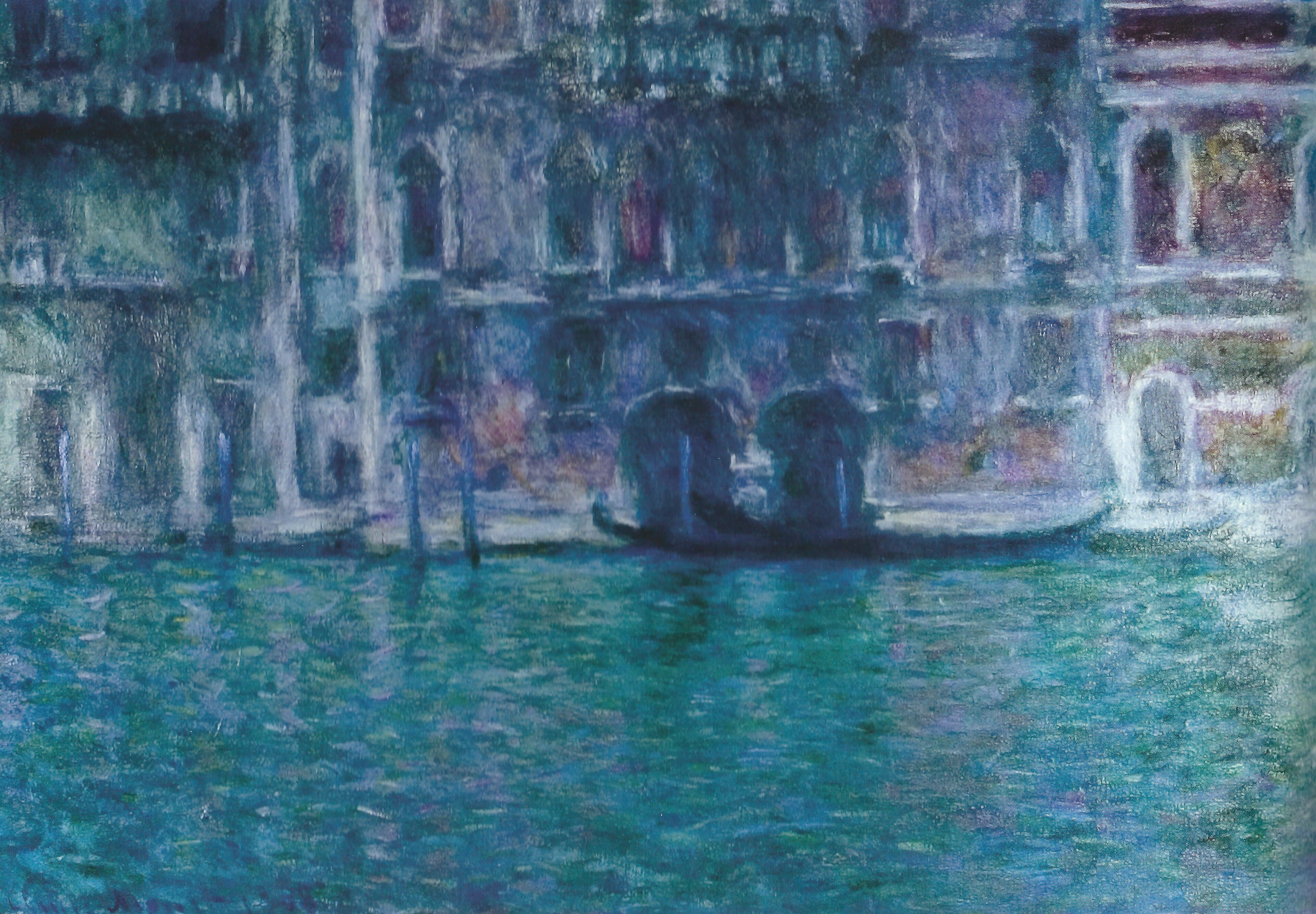
Palazzo Da Mula Morosini
Claude Monet · 1908
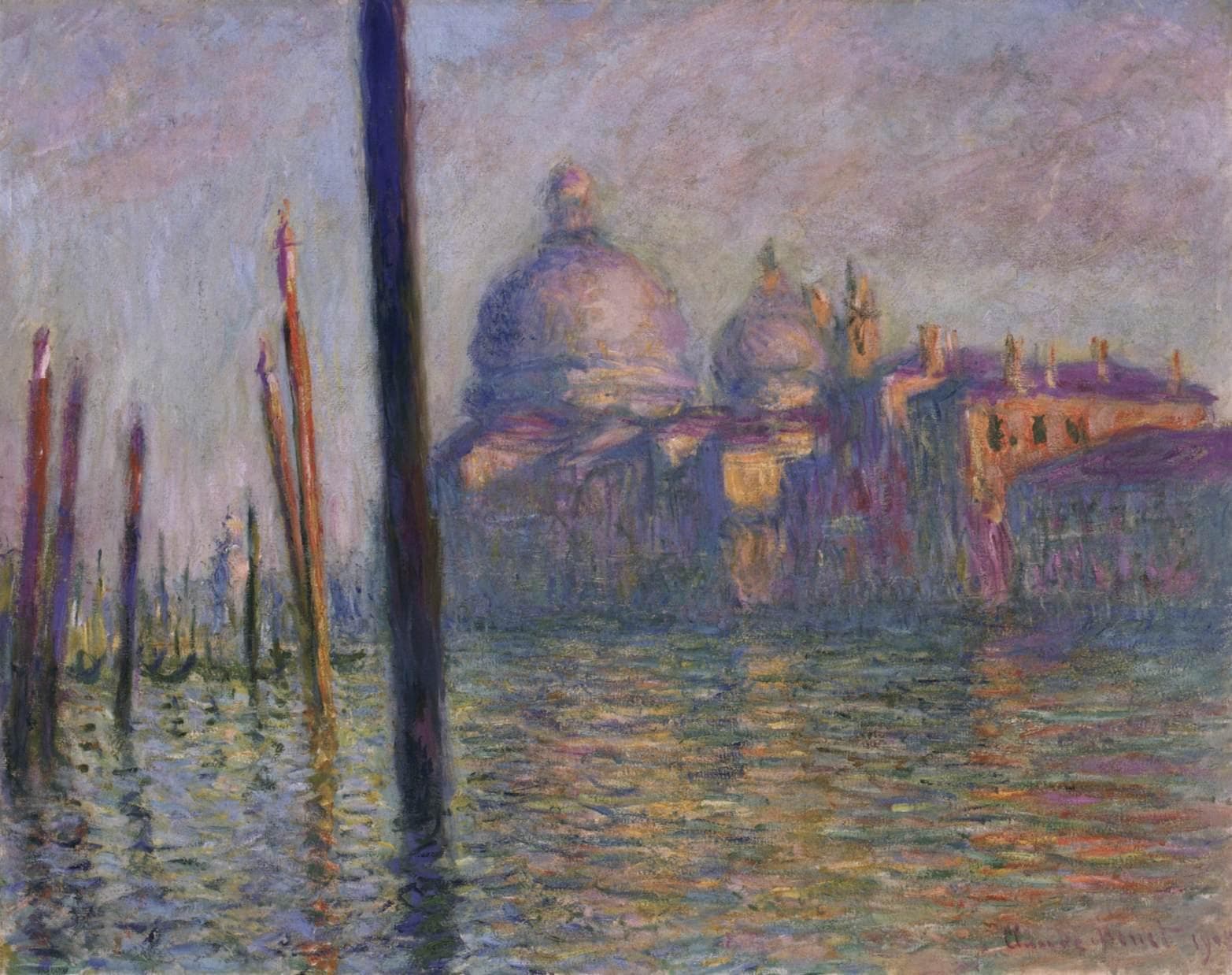
The Grand Canal in Venice
Claude Monet · 1908
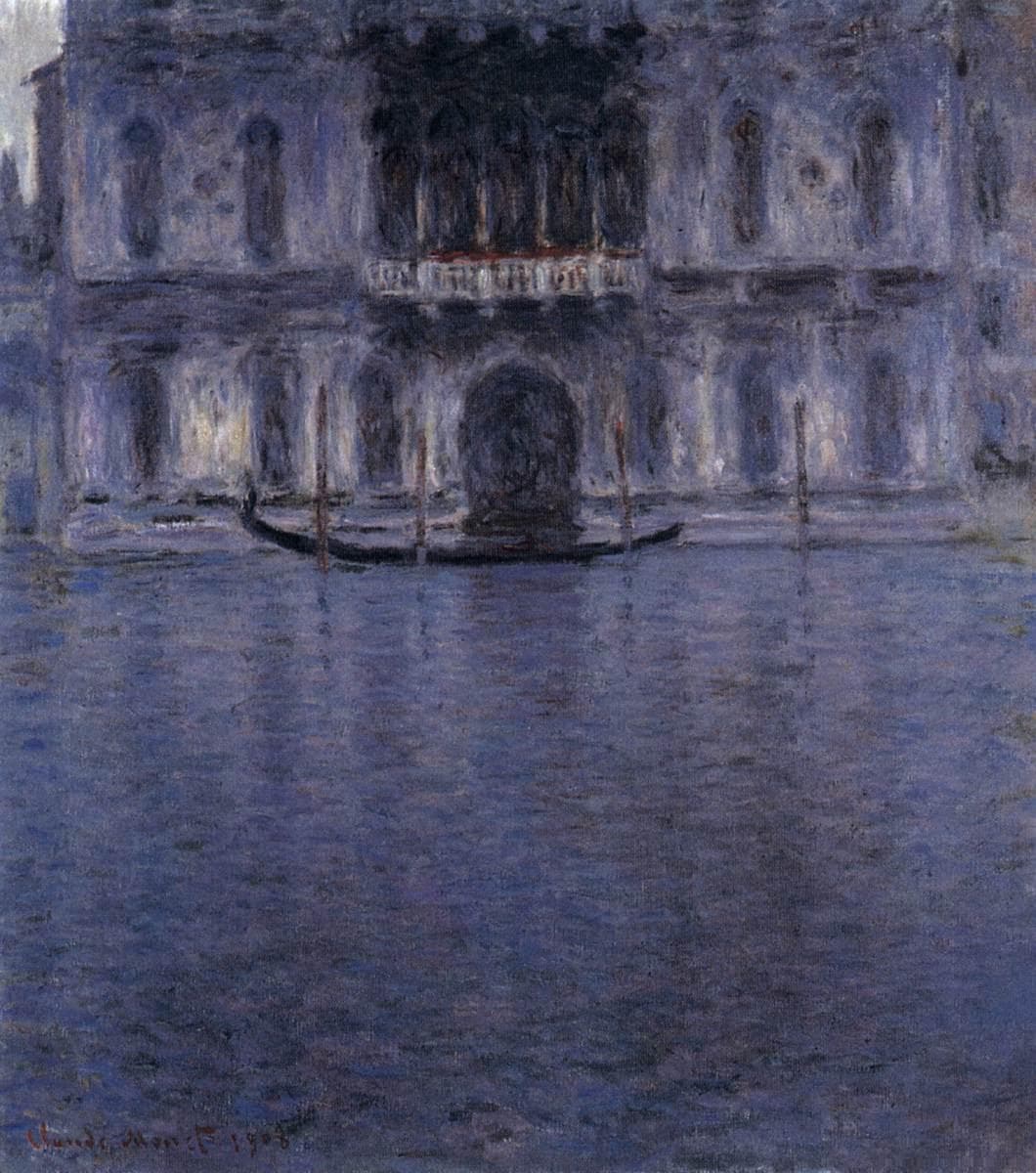
Palazzo Contarini
Claude Monet · 1908
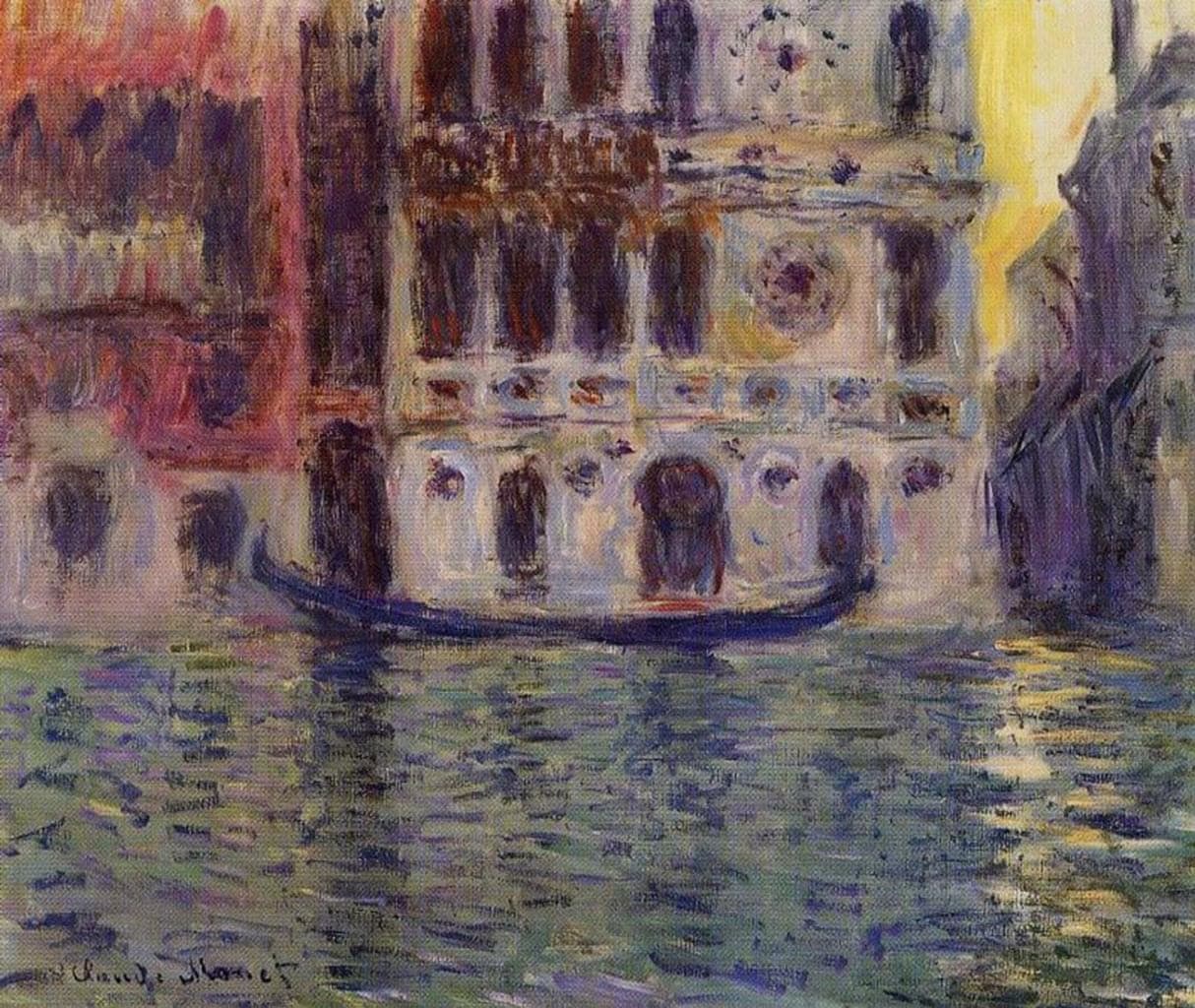
Le Palais Dario
Claude Monet · 1908
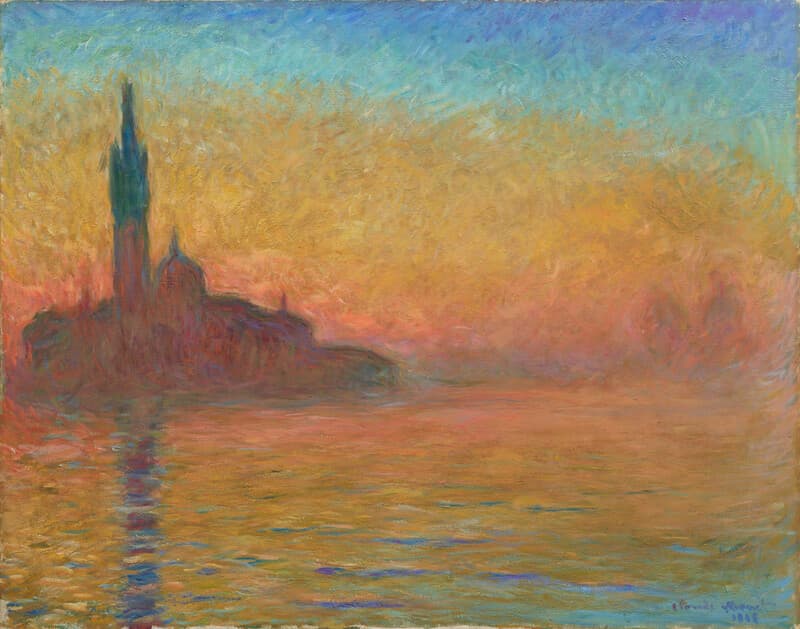
Twilight, Venice
Claude Monet · 1908
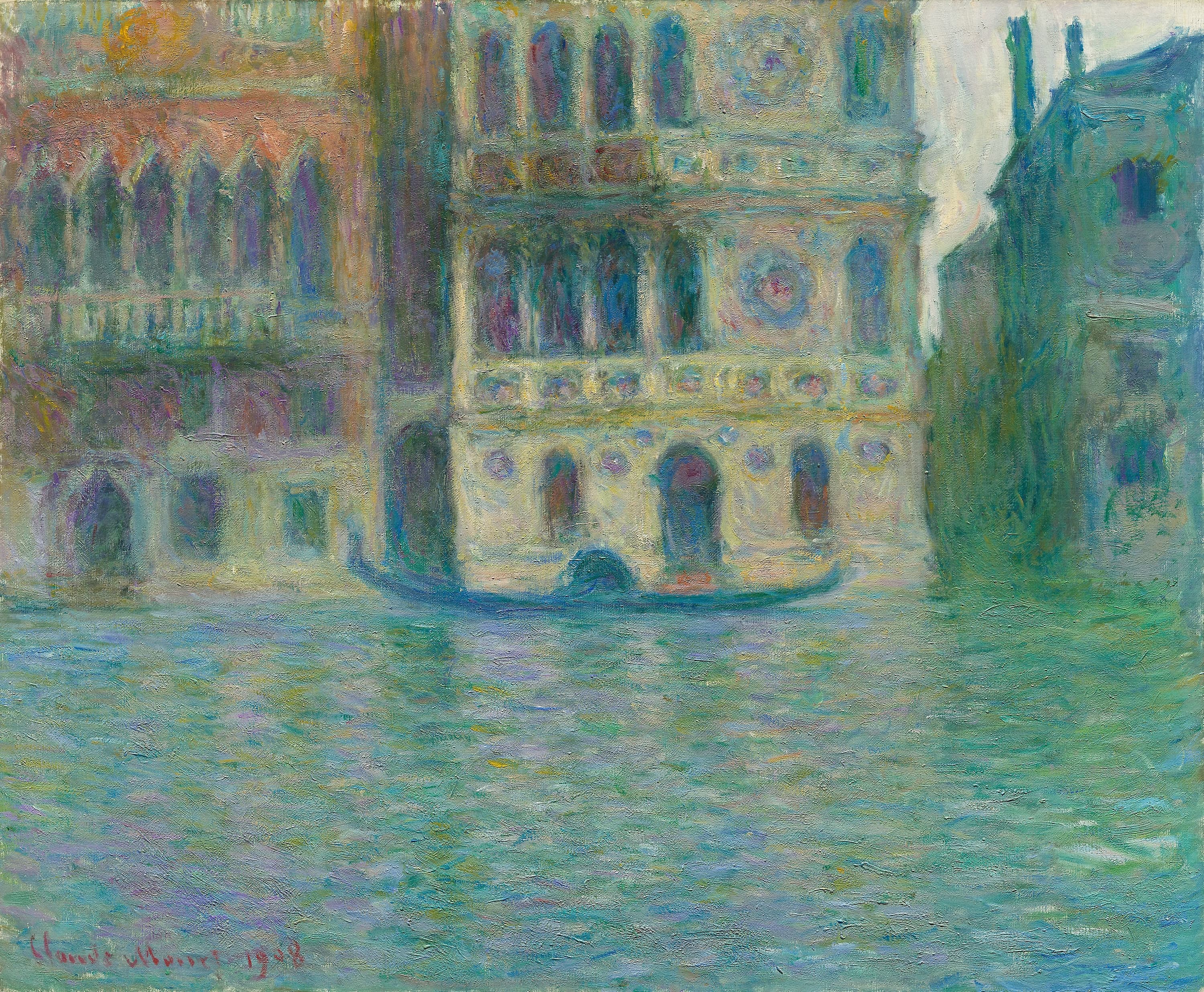
Venice, Palazzo Dario
Claude Monet · 1908
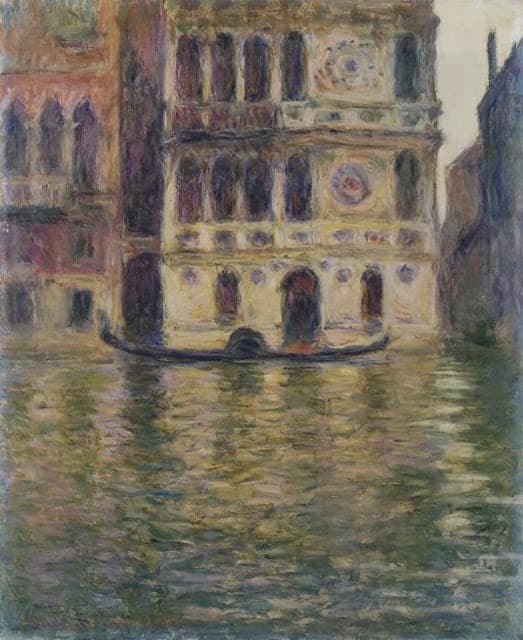
Palazzo Dario
Claude Monet · 1908
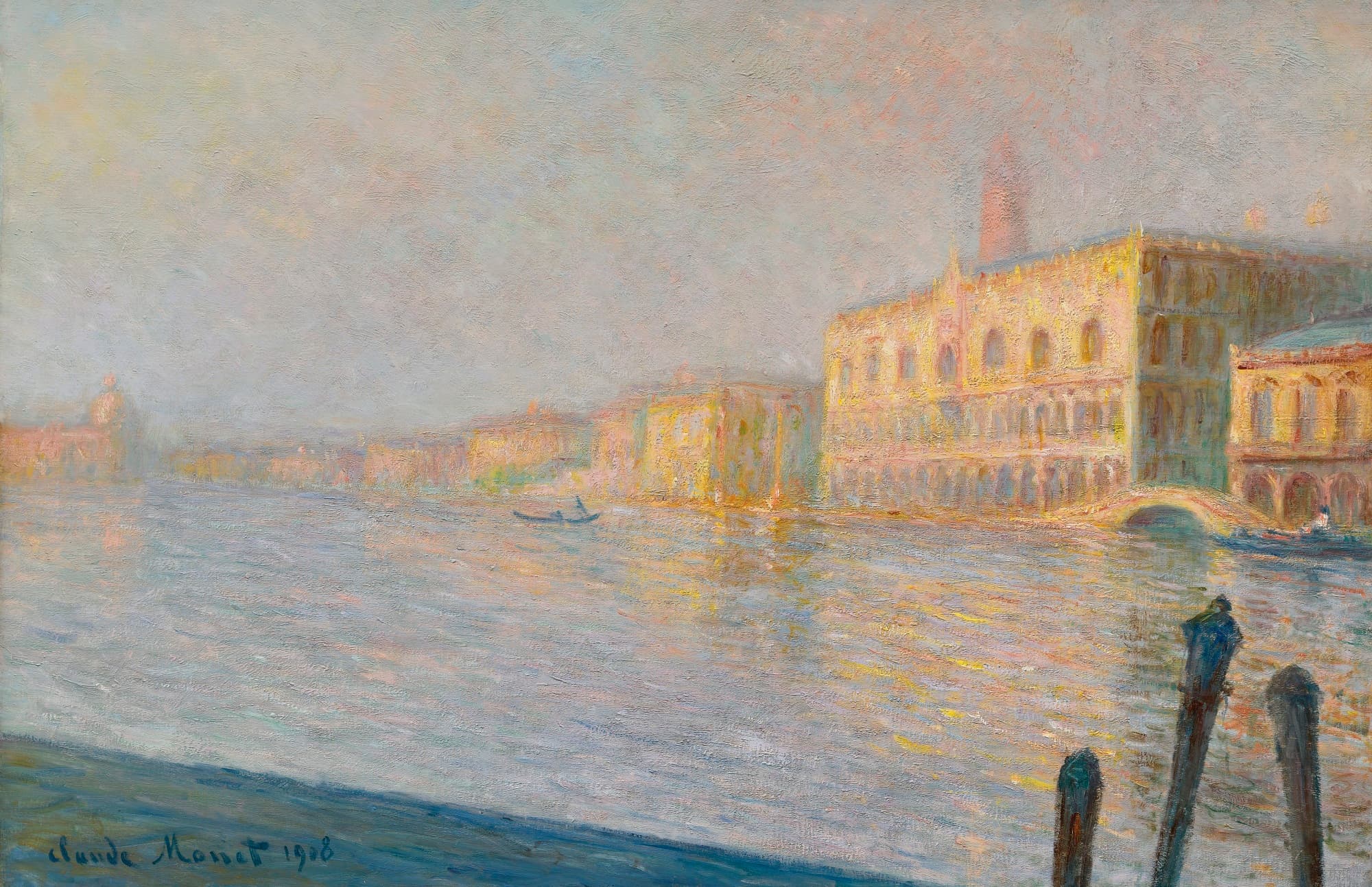
The Palazzo Ducale (Le Palais Ducal), 1908
Claude Monet · 1908
Also painted in 1907
The same year

Kindred works
You may also study
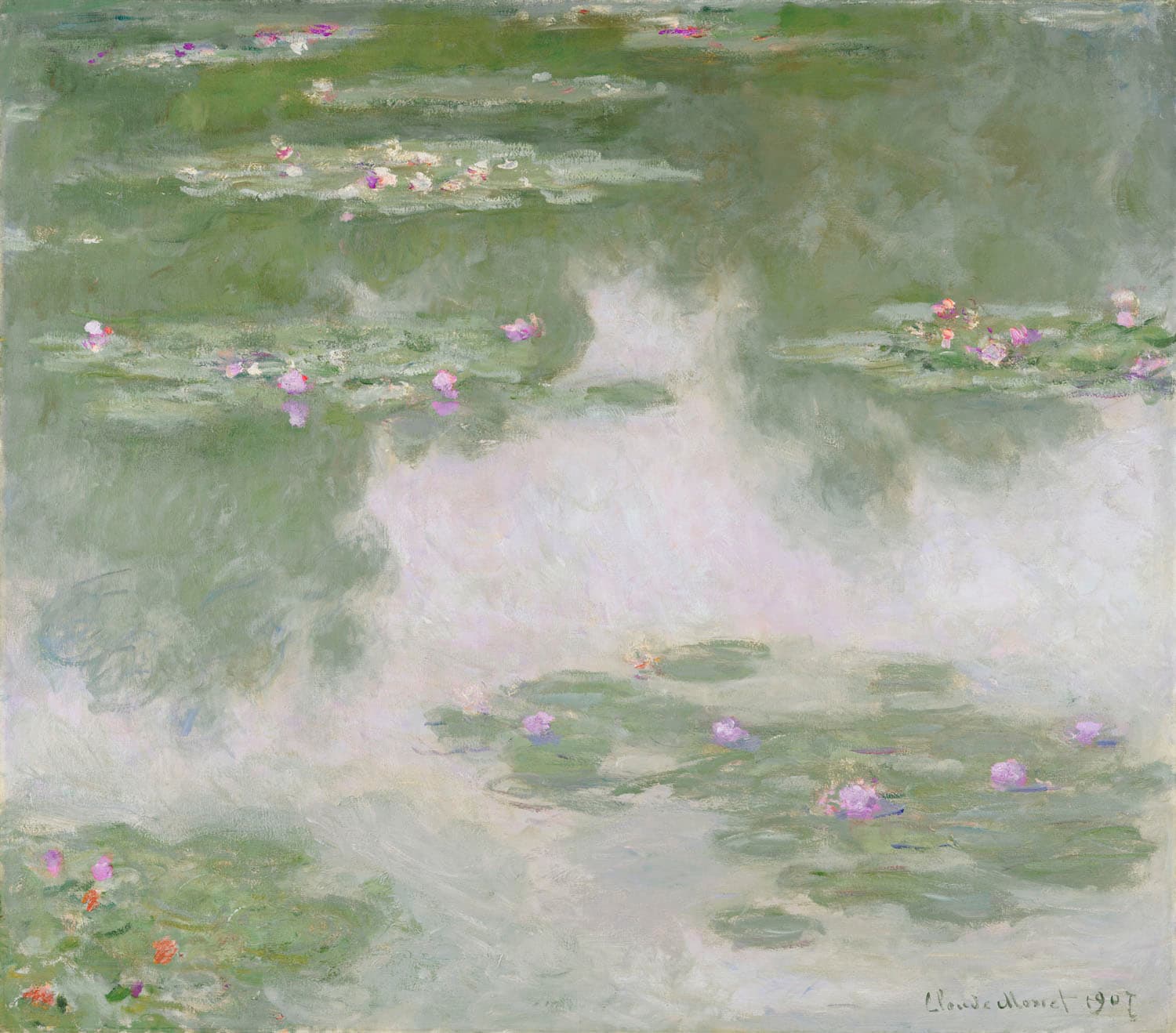
Nymphéas (Water Lilies), 1907 (Wadsworth Atheneum)
Claude Monet · 1907
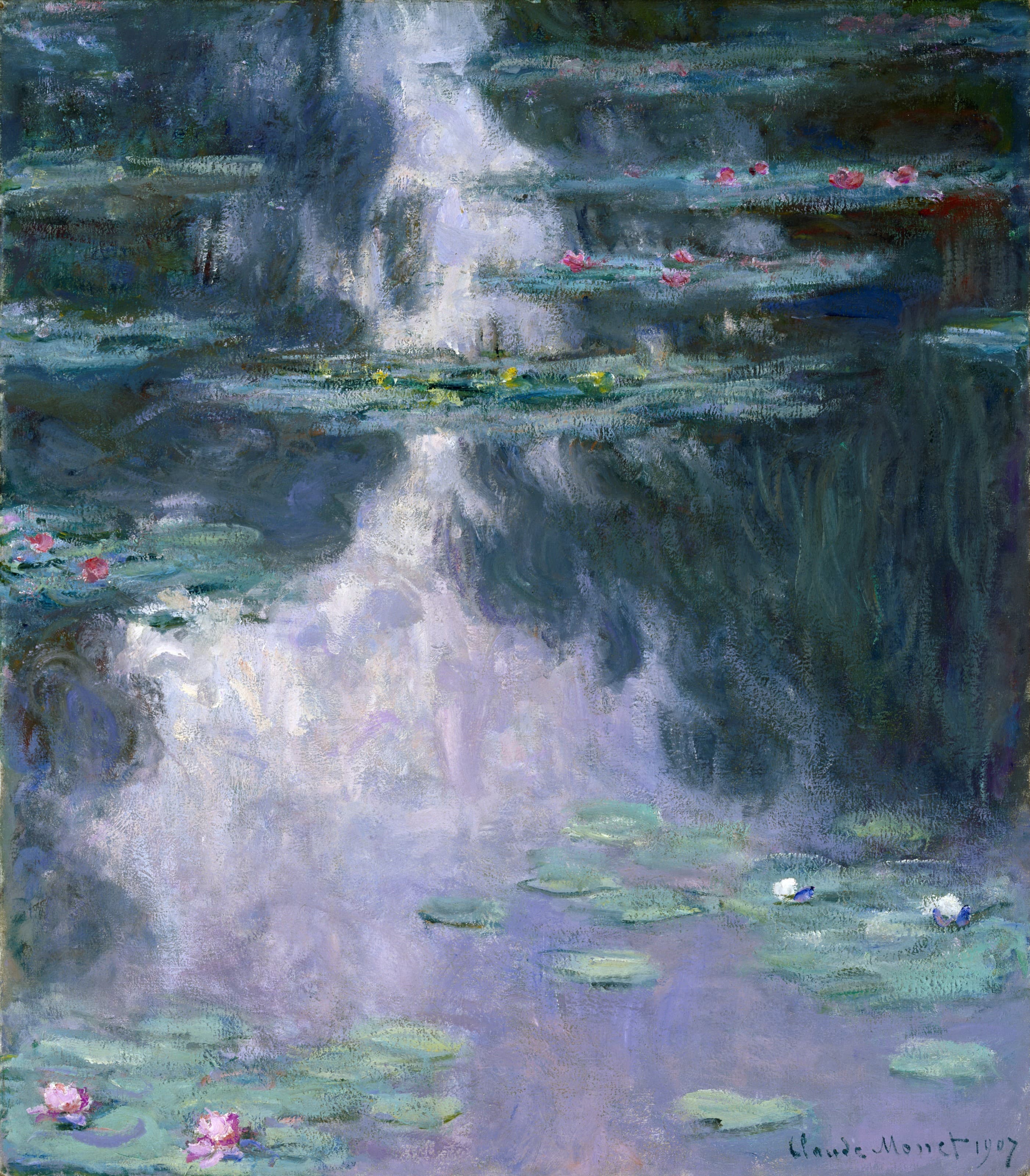
Water Lilies (Nymphéas), 1907 (Houston)
Claude Monet · 1907
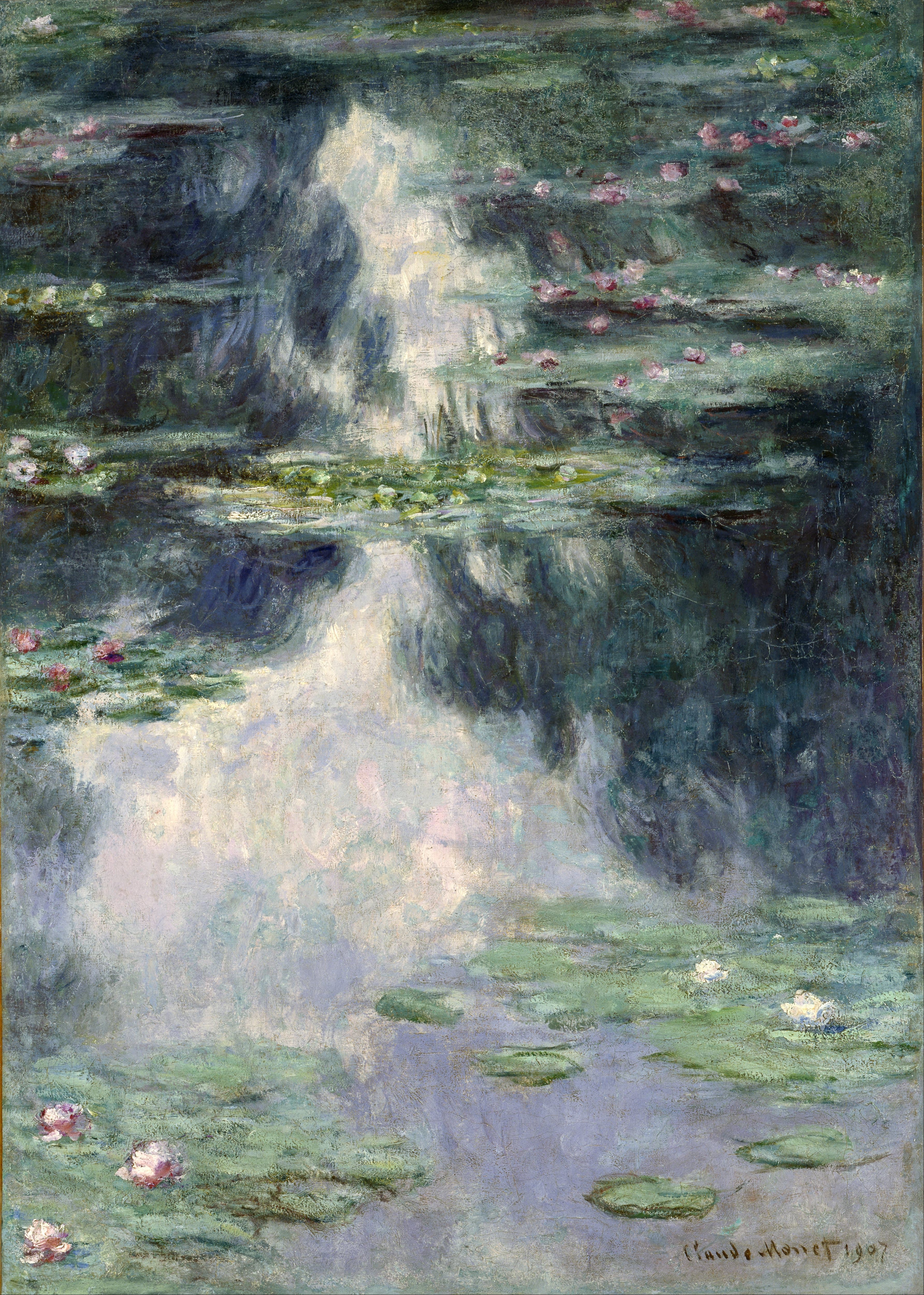
Pond with Water Lilies (Israel Museum)
Claude Monet · 1907
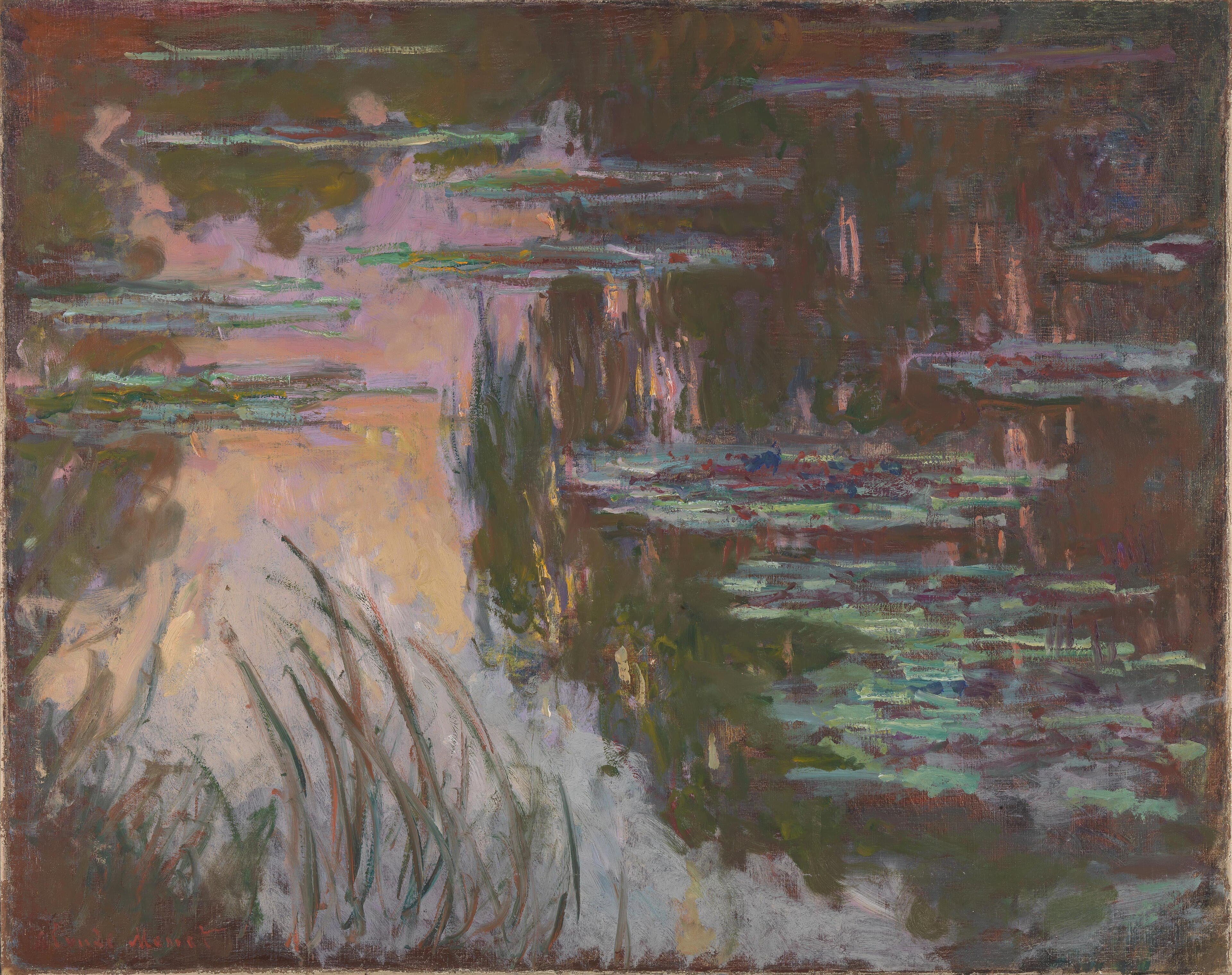
Water-Lilies, Setting Sun (National Gallery, London)
Claude Monet · c. 1907
Water Lilies (1908, Tokyo Fuji Art Museum)
Claude Monet · 1908
Water Lilies (Saint Louis Art Museum)
Claude Monet · c. 1915–26
Nymphéas (Musée Marmottan Monet, 1916–19, inv. 5119)
Claude Monet · 1916–19
Le pont japonais
Claude Monet · 1918–24