Image: Private collection; image via Sotheby's · Public domain · via Wikimedia Commons
Palazzo Dario
Claude Monet, 1908
Palazzo Dario is a 1908 painting by Claude Monet of the Venetian palace on the Grand Canal in warm cream and gold, its gondola moored above deep olive-green water. Catalogued W. 1758, it is in a private collection and was sold at Sotheby's in 2007.
- Artist
- Claude Monet
- Date
- 1908
- Medium
- Oil on canvas
- Dimensions
- 92 × 81 cm
- Collection
- Private collection
- Movement
- Impressionism
- Catalogue
- Wildenstein 1758
- The City
- Architecture & Ruins
- Water & Sea
Palazzo Dario (Wildenstein 1758) is one of Claude Monet's four canvases of the Palazzo Dario on the Grand Canal, painted in Venice in 1908. At 92 by 81 centimeters it is a large, nearly square upright picture, and it is the warmest of the group in color. It is in a private collection; it was offered at Sotheby's New York in the Impressionist and Modern Art evening sale of 2007.
What you're looking at
The palace stands across the upper half of the canvas. Its facade is a warm cream and pale yellow, as if lit by low sun, and the storeys of arched windows are dark plum and violet. The marble roundels are pinkish-violet discs, and at the top right a larger circular ornament is painted as a soft wheel of lilac. At the water door a gondola lies moored, its cabin a rounded black shape, its hull a long dark stroke.
To the left, the neighboring Gothic palace is rose-red with pointed windows; to the right, a building falls into deep shadow and a pale strip of sky appears above. The canal below is darker than in the other versions: olive green and brown, with long wavering bands of gold and cream where the sunlit facade is reflected. The water takes up just under half the canvas and seems heavy and deep.
The palace
The Palazzo Dario was built in the late fifteenth century for Giovanni Dario on the Dorsoduro side of the Grand Canal. Its facade, faced with colored marble and set with round discs of porphyry and serpentine, is one of the most recognizable in Venice, and the building has a visible lean. It stands nearly opposite the Palazzo Barbaro, where Monet and his wife Alice stayed when they arrived in October 1908 as guests of Mary Young Hunter, before moving to the Hotel Britannia.
How this version differs
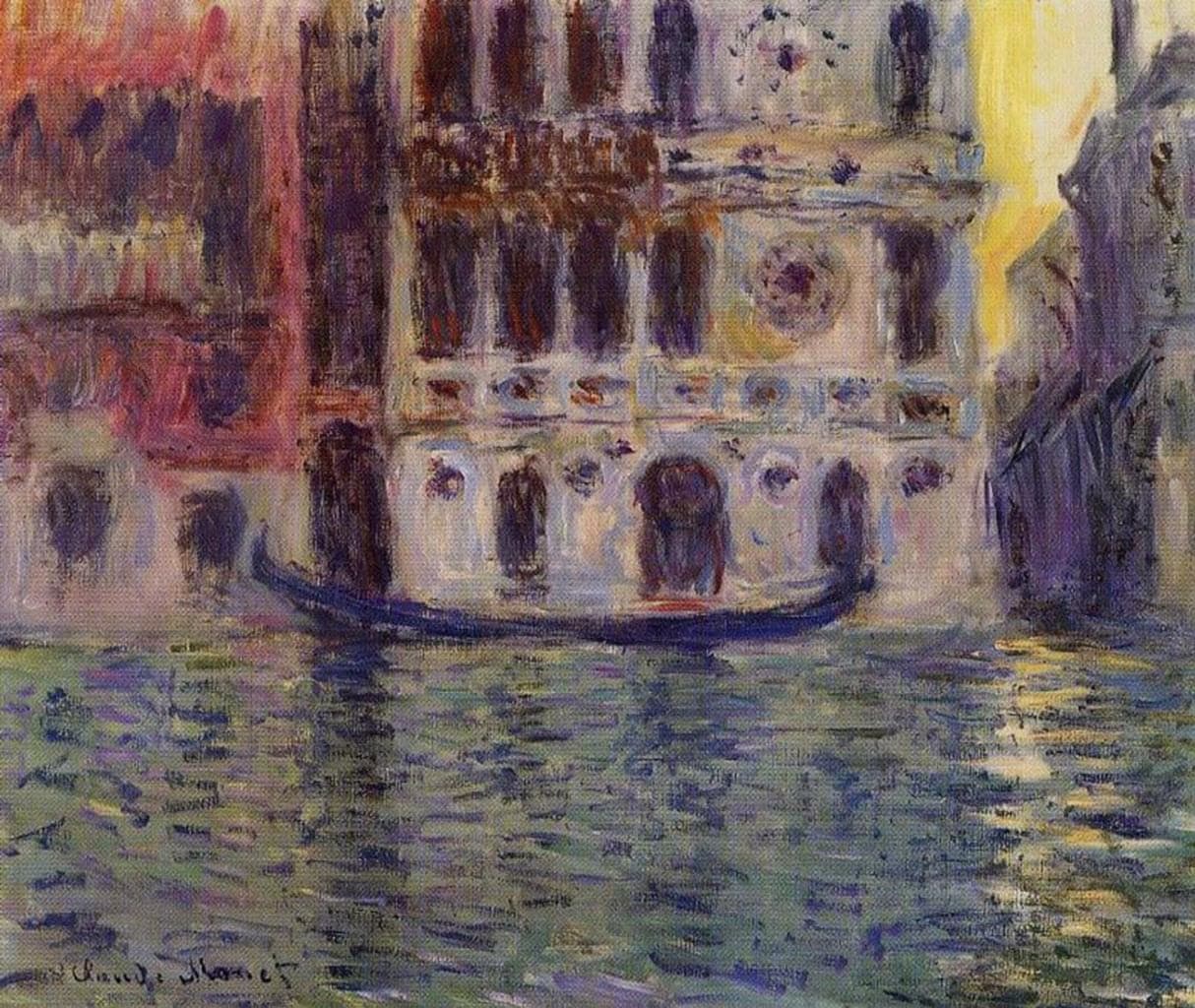
The four Dario canvases (W. 1757–1760) share one viewpoint, the frontal facade with a gondola in front, and differ mainly in light. The Chicago Venice, Palazzo Dario is horizontal and cool. Cardiff's The Palazzo Dario is tall and pale, in turquoise and pink. The small Le Palais Dario is intensely purple, with a stripe of yellow sun. This canvas is the golden one: the facade glows warm, and the water below is deep green rather than pastel, so the contrast between lit stone and dark canal is stronger here than in any other version. It suggests a later hour, when the sun had moved round onto the facade.
How it was painted
The paint is applied in broken, overlapping strokes, with the facade worked in cream over pinks and yellows and the windows set in with darker violet. The reflections are long, horizontal, slightly wavering strokes of yellow and cream over green, the brushwork that most clearly shows how Monet thought of the canal as moving. As with all his Venice canvases, he took the picture back to Giverny and worked on it there before releasing it, probably for the 1912 exhibition at Bernheim-Jeune.
Ownership and where to see it
The painting is privately owned and not on public view. It was sold at Sotheby's New York in 2007, and its present owner is not publicly recorded. To see a Palazzo Dario canvas in a museum, go to the Art Institute of Chicago or National Museum Cardiff. For the other Venice subjects, including Palazzo Contarini and Palazzo Da Mula Morosini, see Monet in Venice; for Monet in public collections, see Where to See Monet's Paintings.
Questions & answers
Where is Monet's Palazzo Dario (W 1758)?
It is in a private collection and not on public view. It was offered at Sotheby's New York in 2007. Two other versions are in museums: the Art Institute of Chicago and National Museum Cardiff.
When was it painted?
In the autumn of 1908, during Monet's only visit to Venice, and finished in his studio at Giverny. Wildenstein's catalogue raisonné lists it as number 1758.
What does the painting show?
The marble facade of the Palazzo Dario on the Grand Canal, lit warm cream and gold, with arched windows, round inlaid discs and a gondola at the door, above deep olive-green water full of golden reflections.
How does it differ from Monet's other Palazzo Dario paintings?
It is the warmest and highest in contrast. The Chicago version is cool and horizontal, Cardiff's is pale and pastel, and the small Le Palais Dario is the most purple, with a yellow streak of sunlight.
More by the artist
Claude Monet
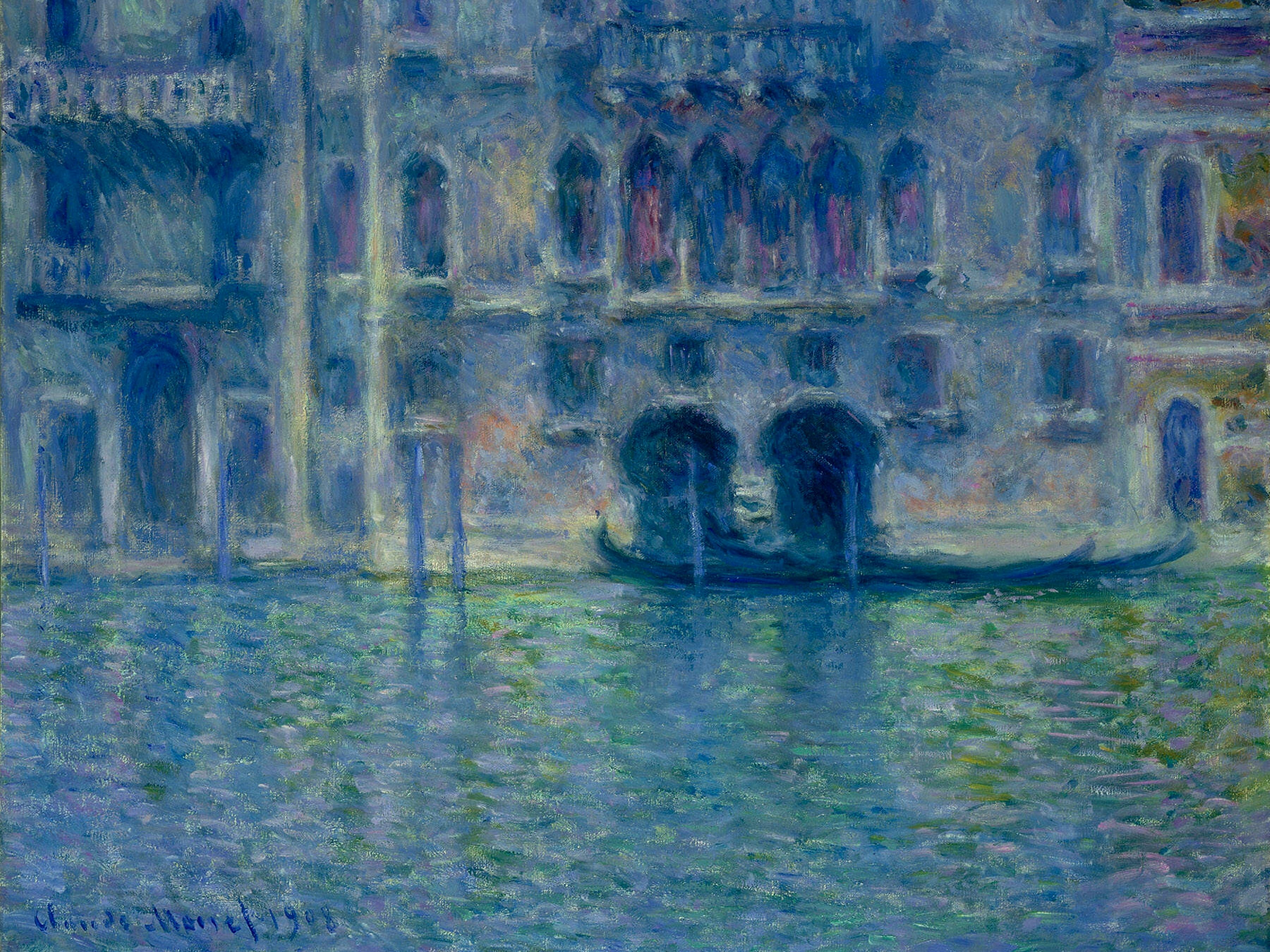
Palazzo da Mula, Venice
Claude Monet · 1908
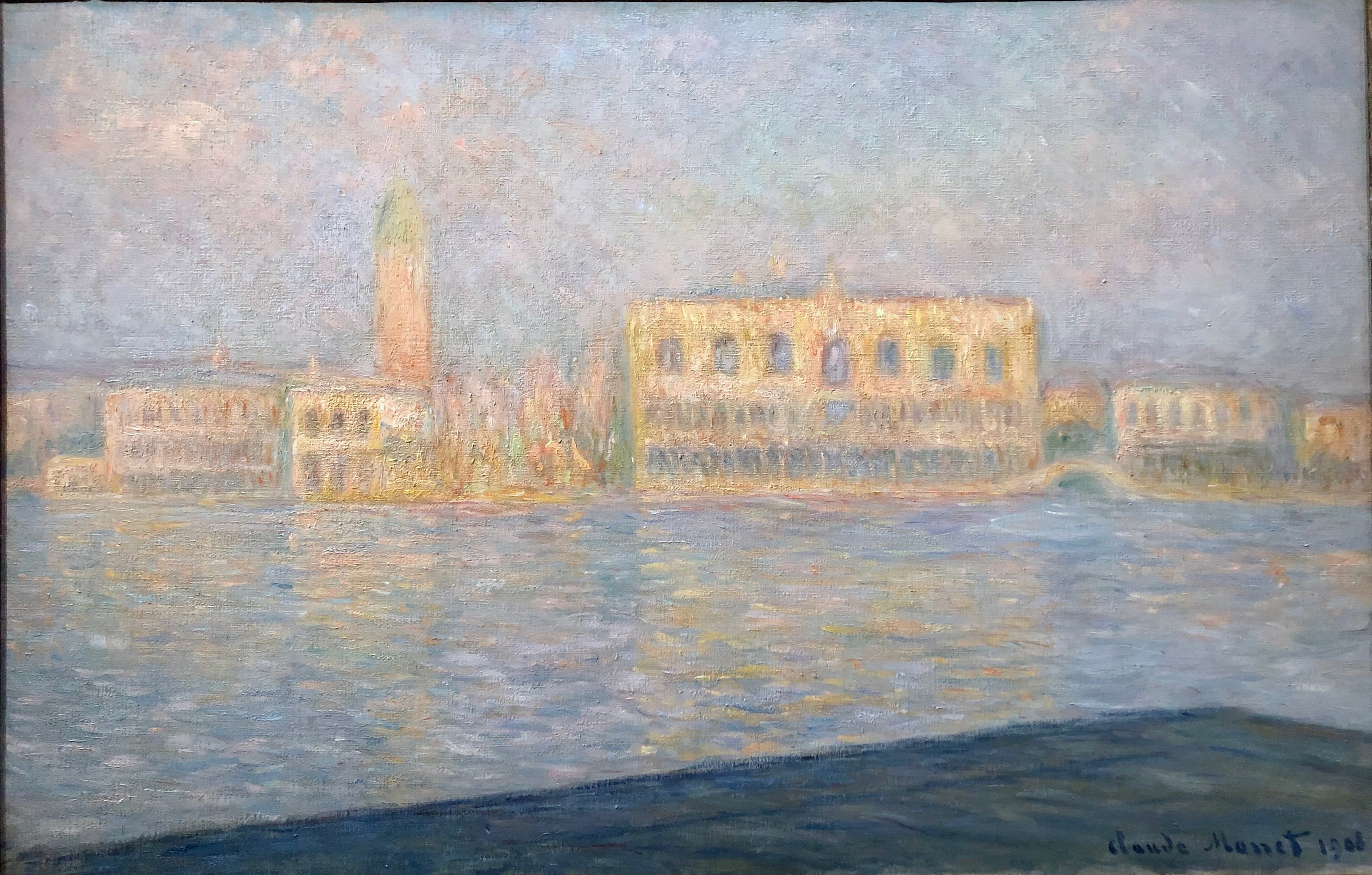
The Palazzo Ducale, Seen from San Giorgio Maggiore (Guggenheim)
Claude Monet · 1908
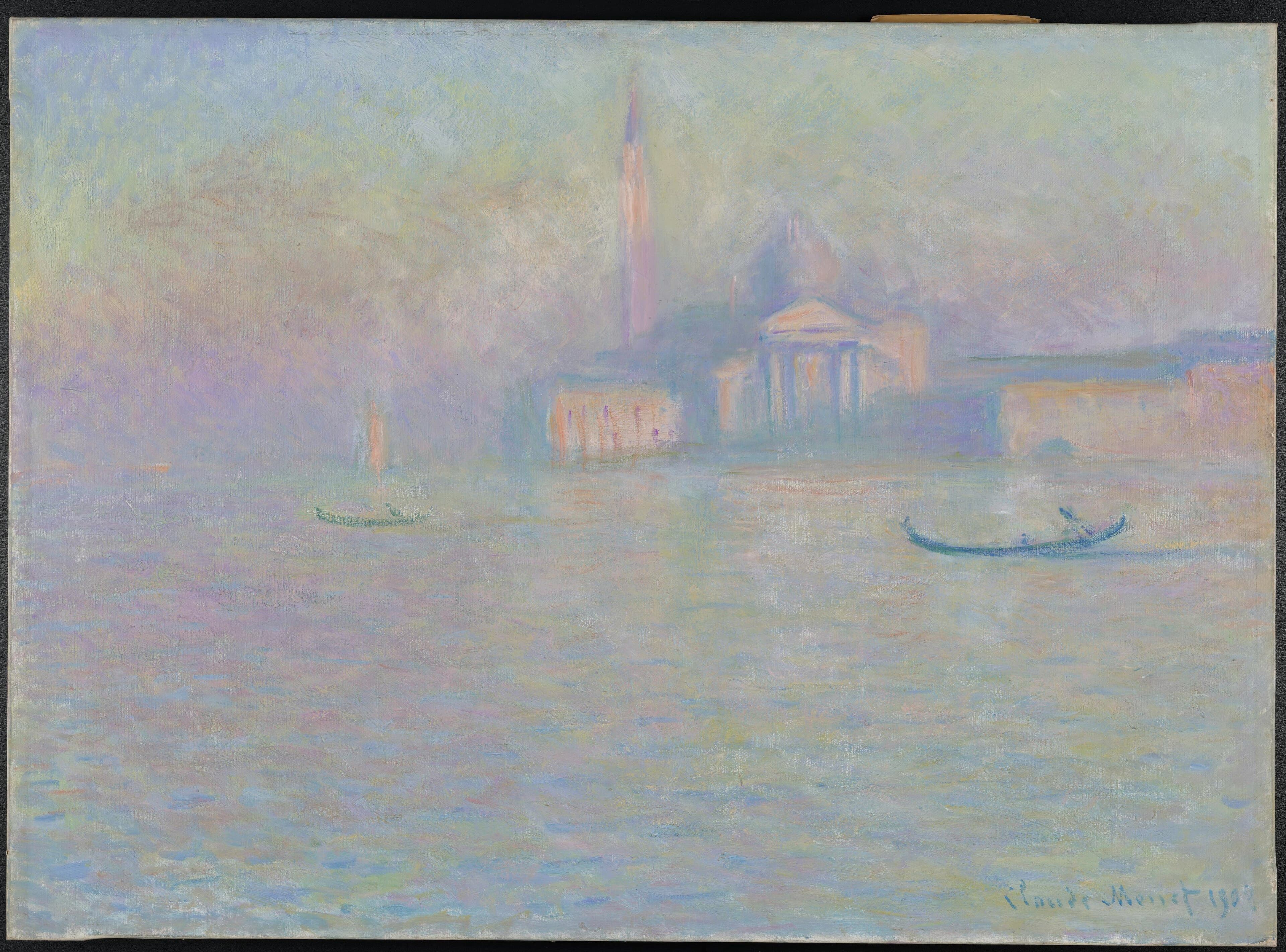
San Giorgio Maggiore
Claude Monet · 1908
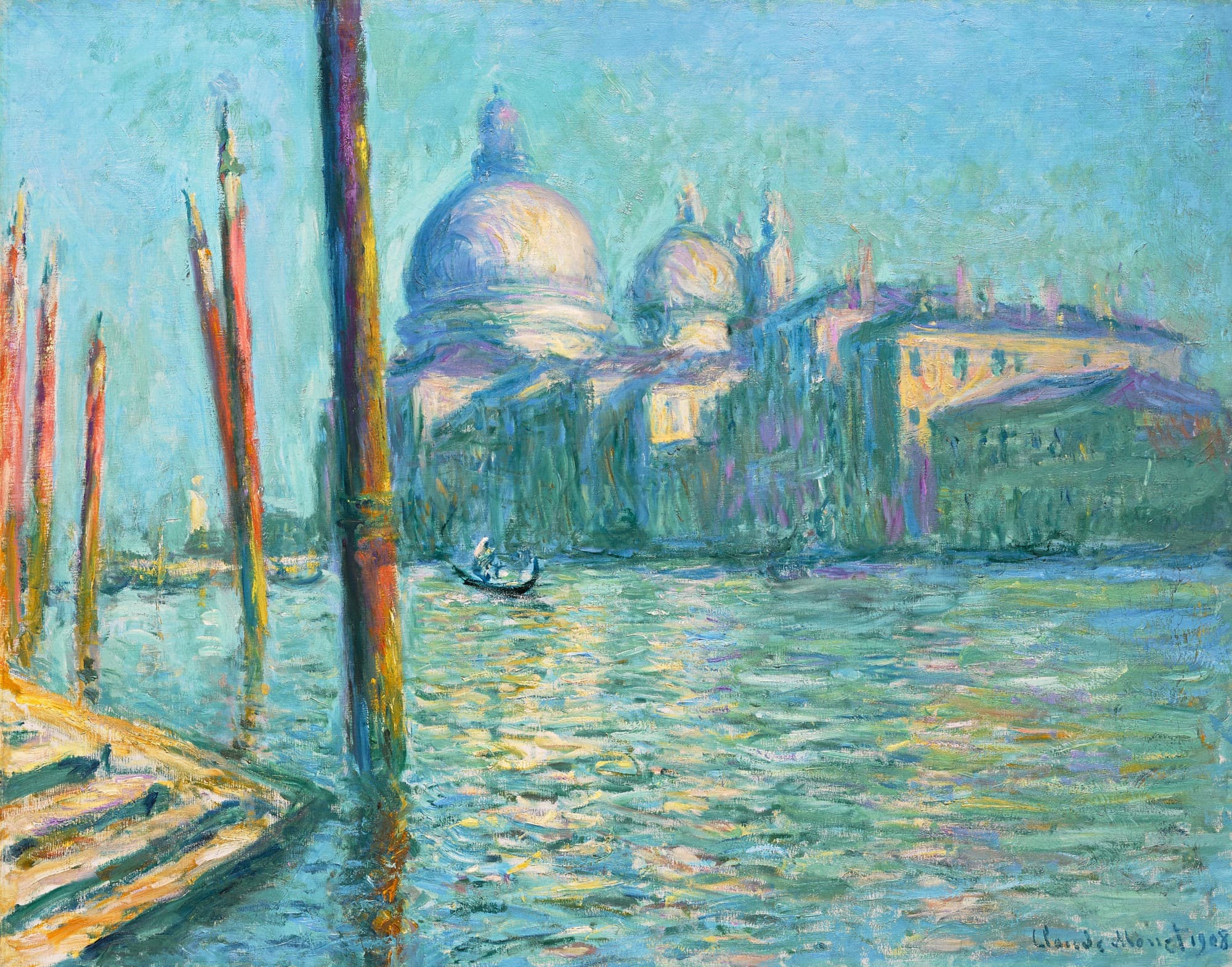
Le Grand Canal et Santa Maria della Salute
Claude Monet · 1908
The Rio della Salute
Claude Monet · 1908
Palazzo Da Mula Morosini
Claude Monet · 1908
The Rio della Salute
Claude Monet · 1908
Venice, Palazzo Dario
Claude Monet · 1908
Also painted in 1908
The same year

Sunset in Venice
Claude Monet · 1908–12
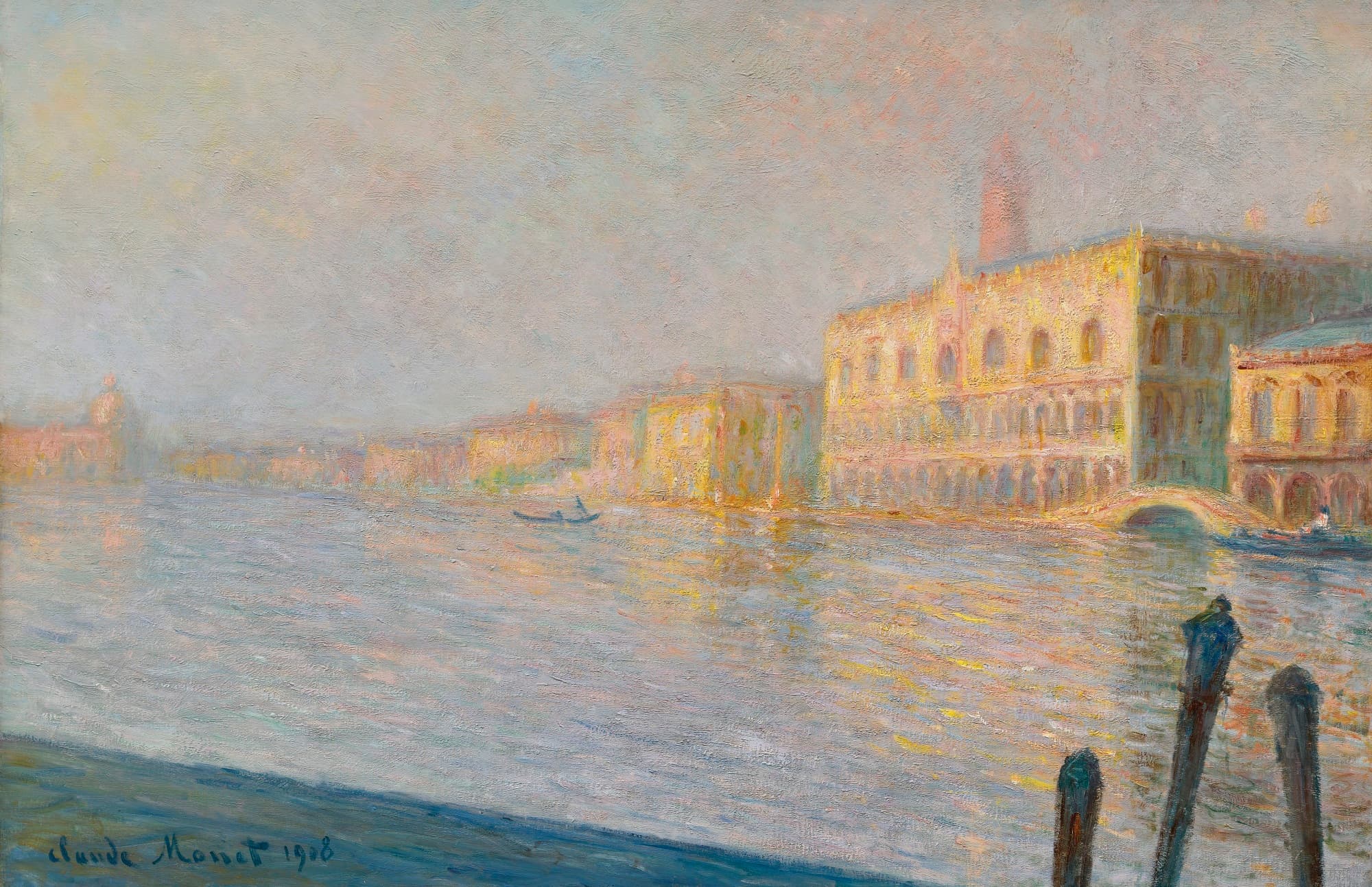
The Palazzo Ducale (Le Palais Ducal), 1908
Claude Monet · 1908
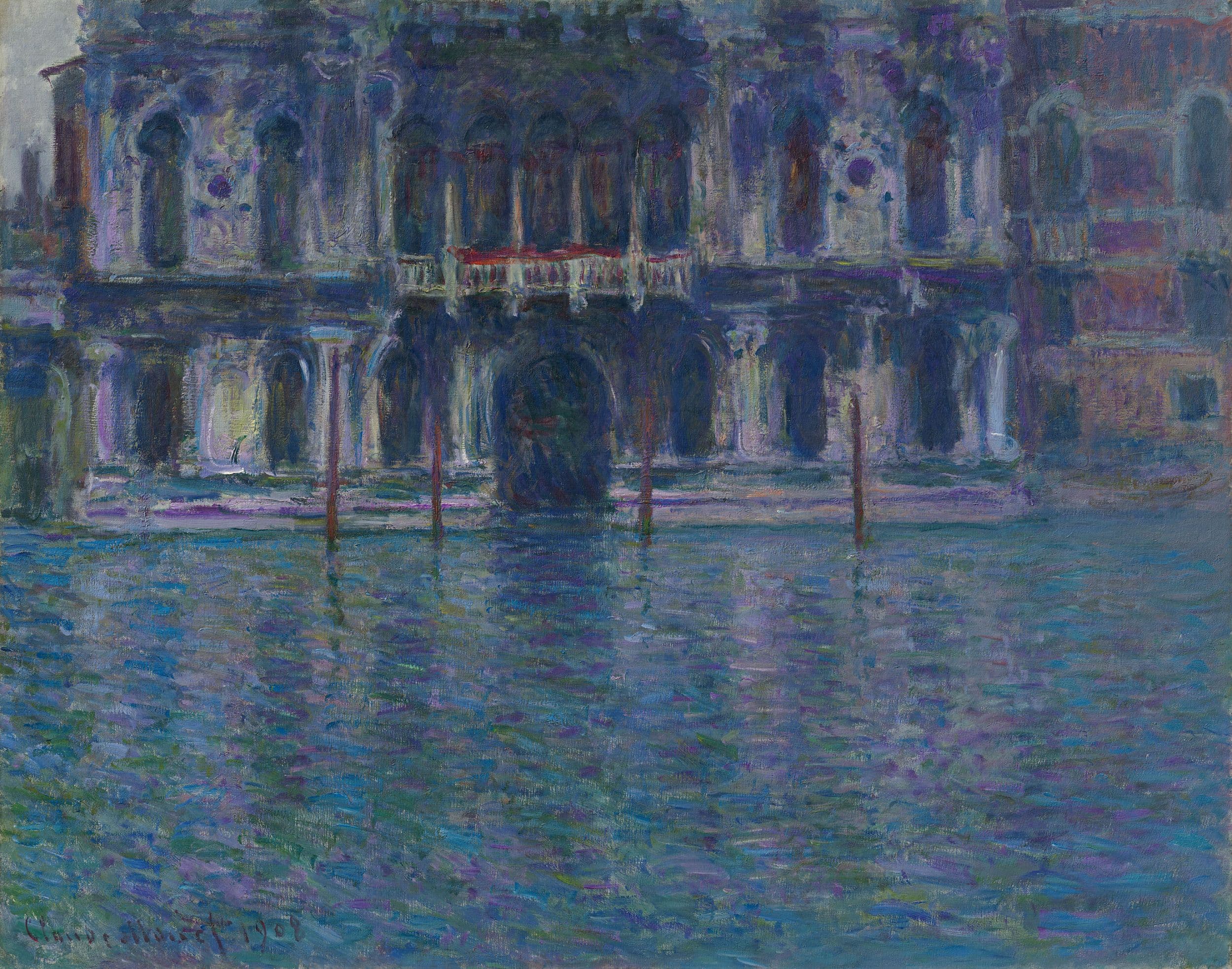
Le Palais Contarini (Potsdam)
Claude Monet · 1908
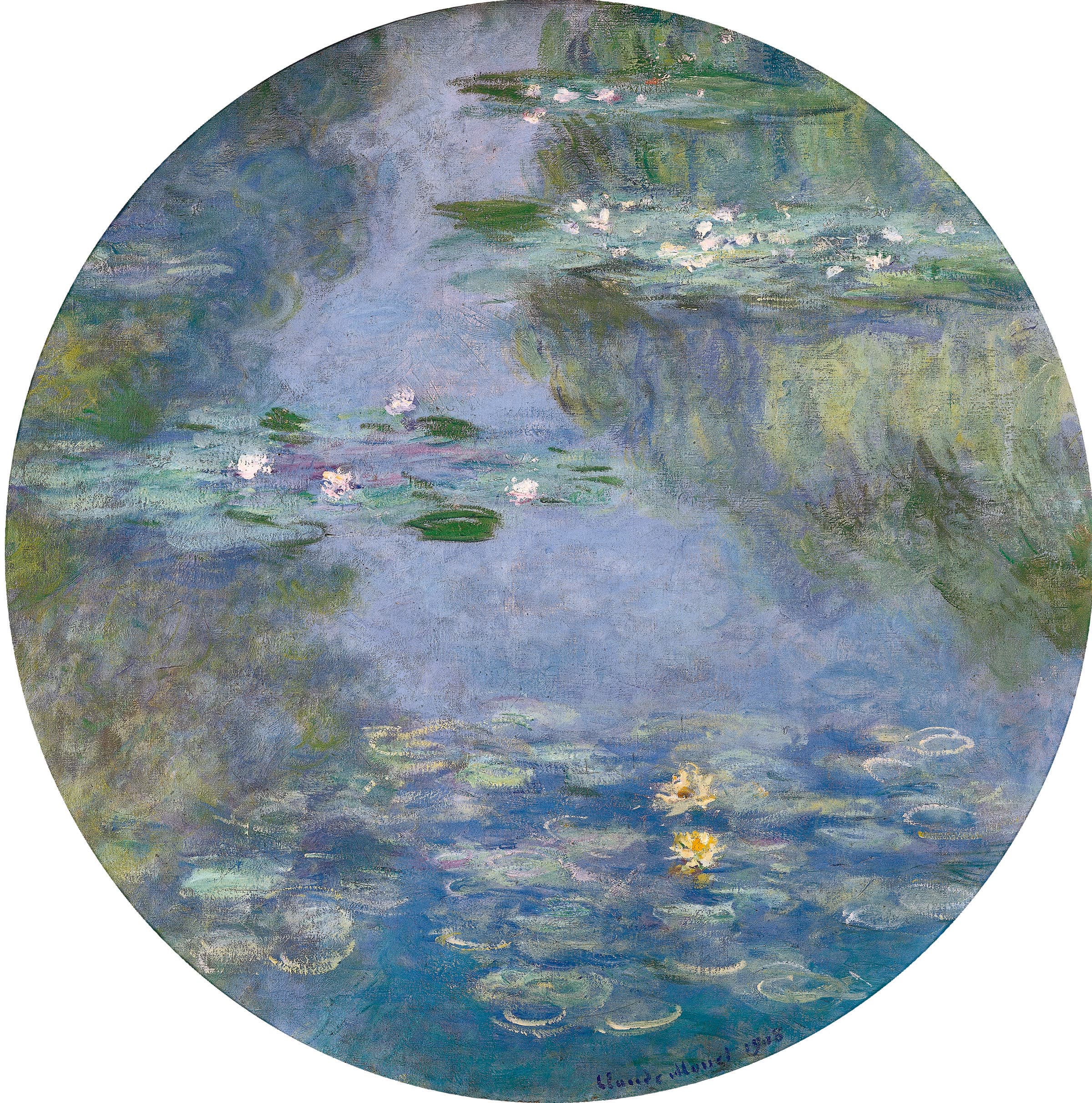
Nymphéas (1908 tondo, Vernon)
Claude Monet · 1908
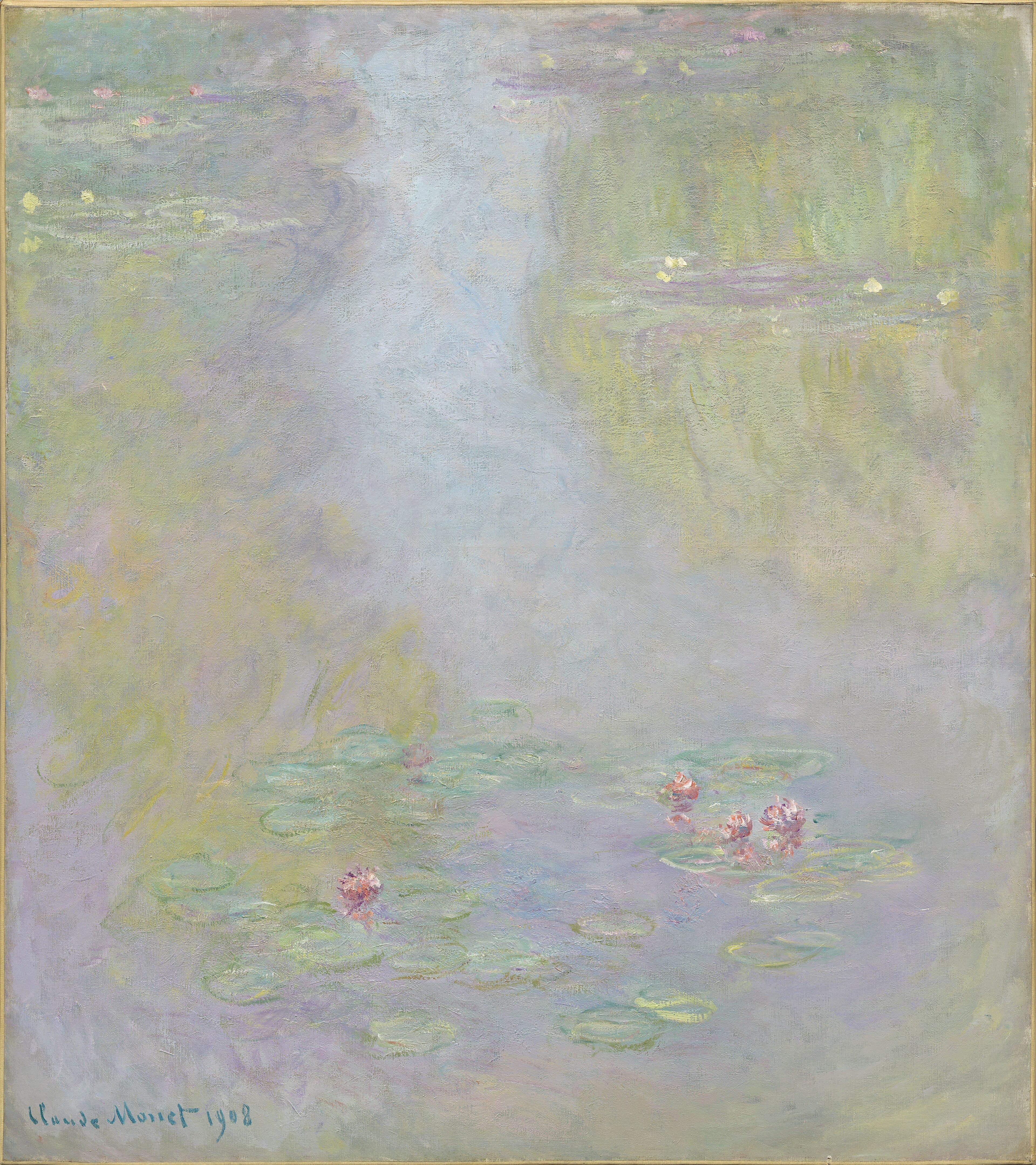
Water Lilies (1908, Tokyo Fuji Art Museum)
Claude Monet · 1908
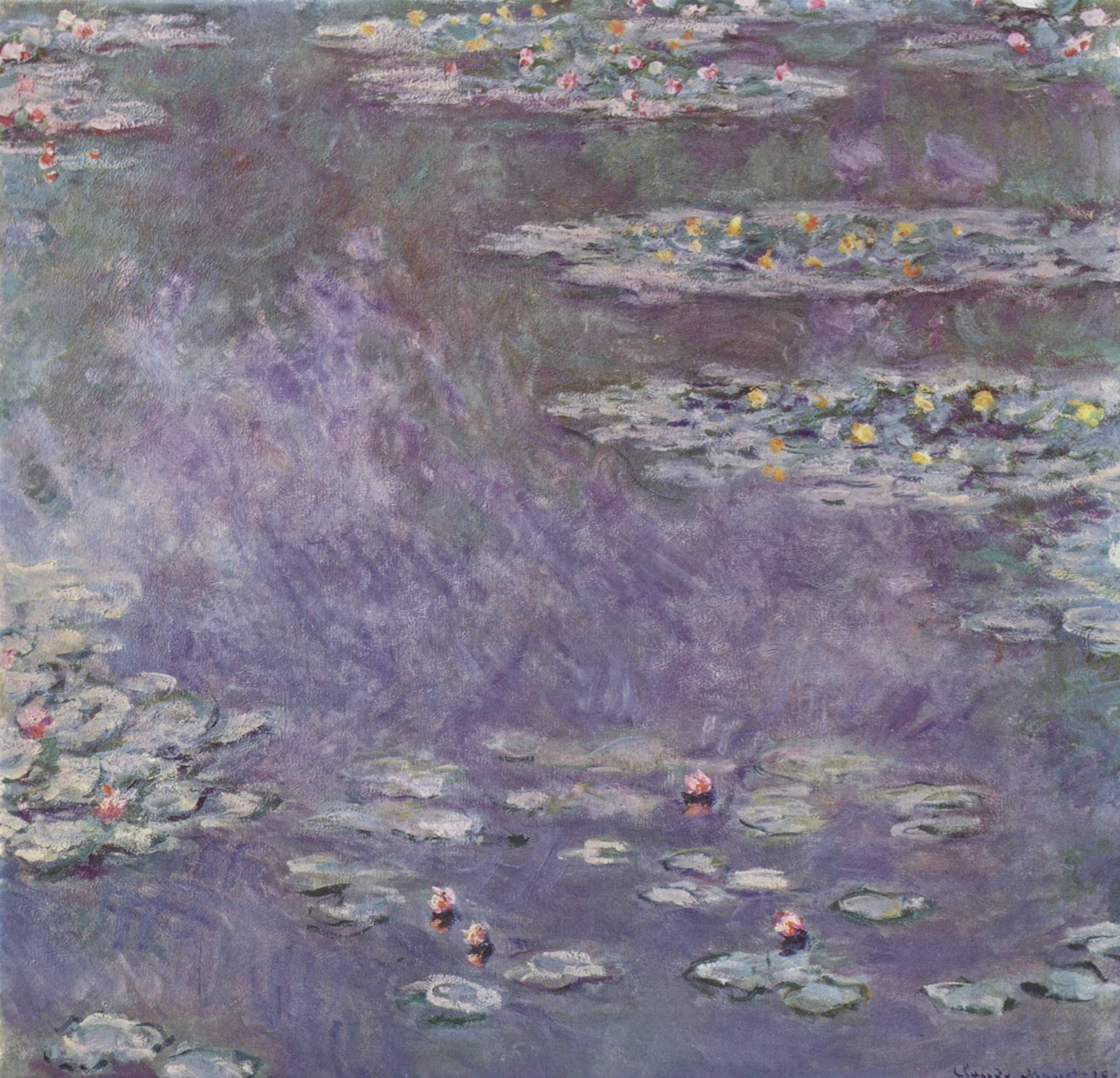
Nymphéas (Oyamazaki Villa Museum)
Claude Monet · 1908
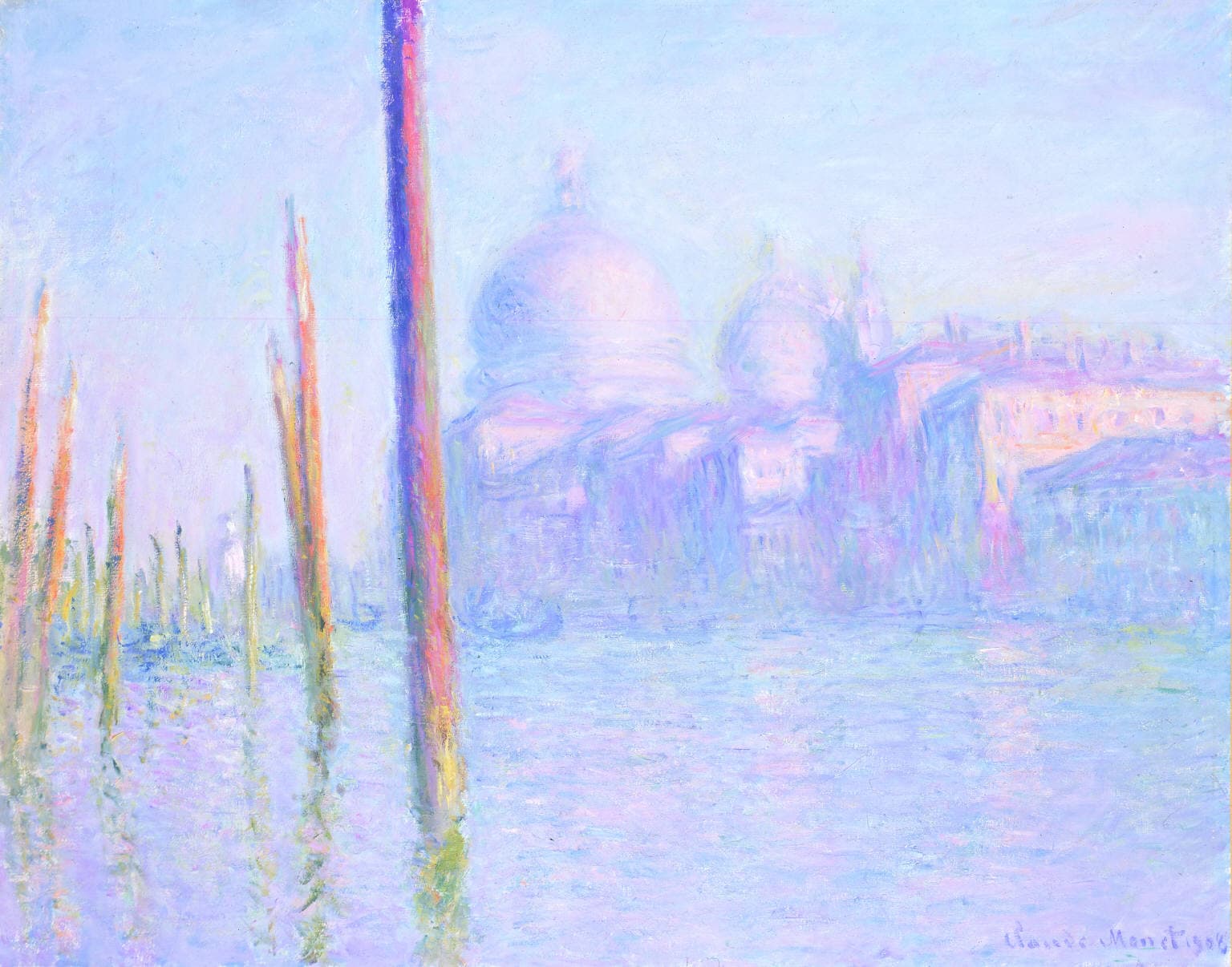
The Grand Canal, Venice
Claude Monet · 1908
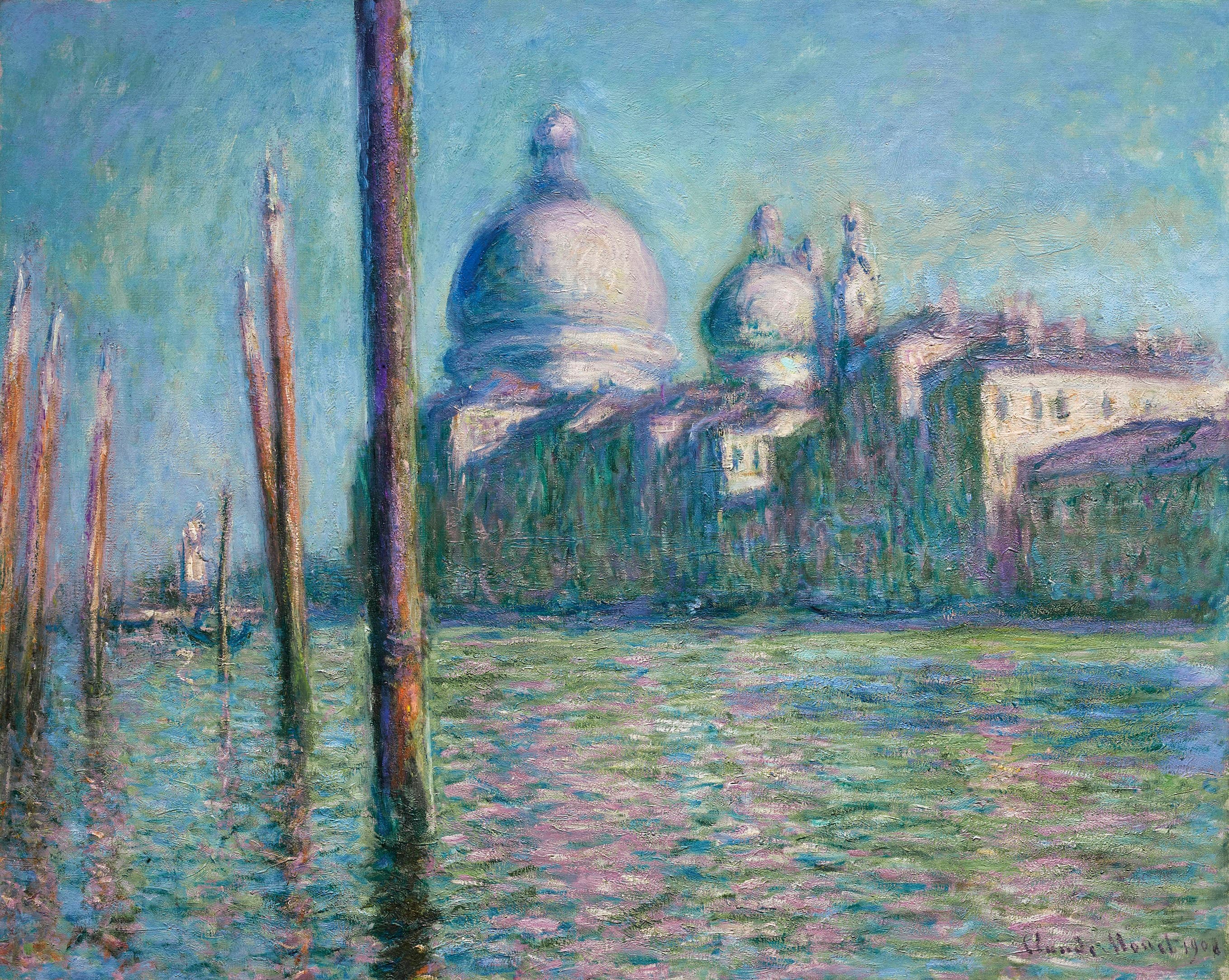
The Grand Canal, Venice
Claude Monet · 1908
Kindred works
You may also study
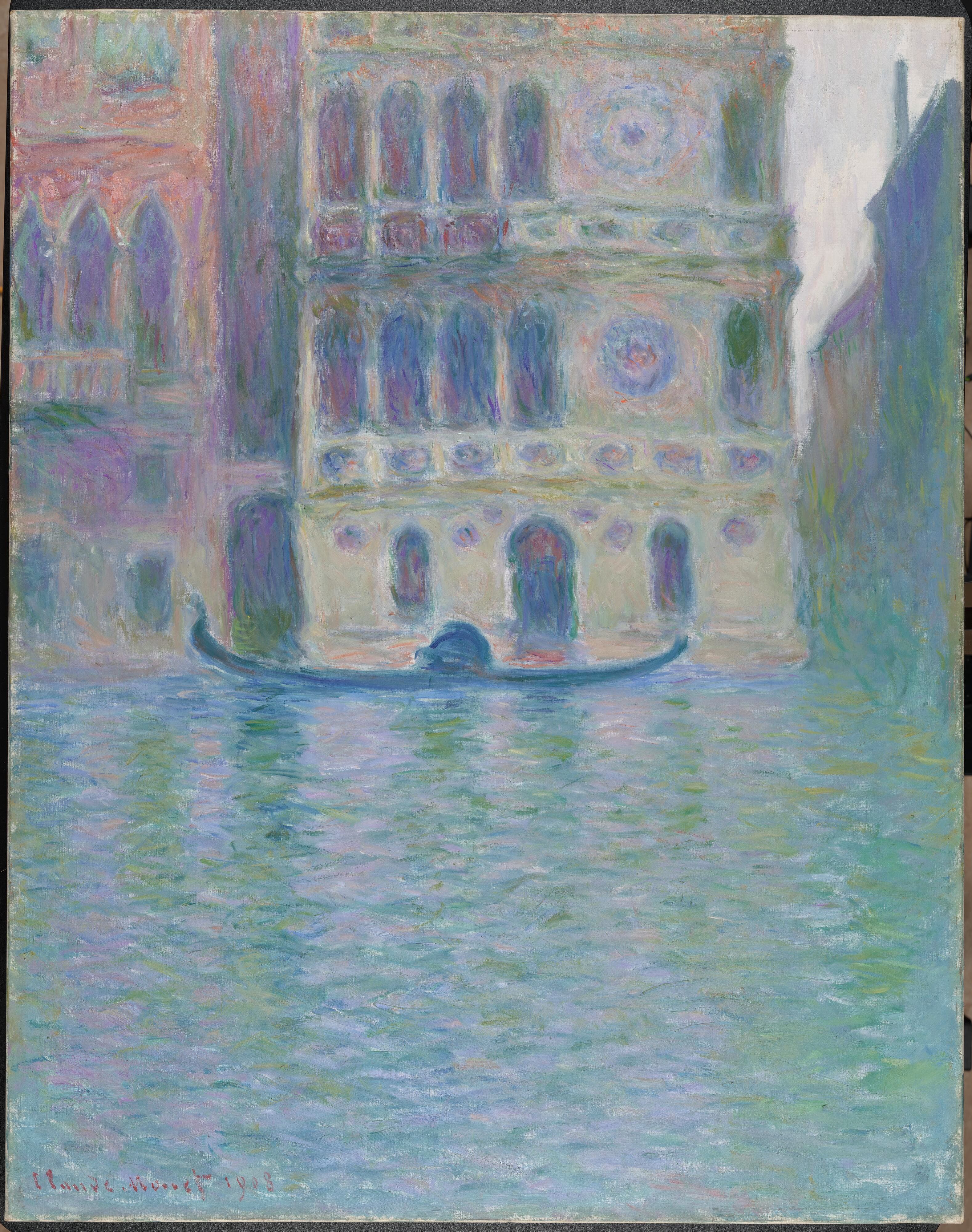
The Palazzo Dario
Claude Monet · 1908
Le Palais Dario
Claude Monet · 1908
Palazzo Contarini
Claude Monet · 1908
The Houses of Parliament, Seagulls
Claude Monet · 1903
Houses of Parliament, Sunset
Claude Monet · 1903
The Houses of Parliament in London
Claude Monet · 1904
The Church of San Giorgio Maggiore, Venice
Claude Monet · 1908
Le Parlement, coucher de soleil
Claude Monet · 1904