The Enigma
Gustave Doré, 1871
The Enigma (L'Énigme) is an 1871 oil painting by Gustave Doré in the Musée d'Orsay, Paris. A winged figure clings to a sphinx on a hill of corpses while a city burns below, Doré's response to France's defeat in the Franco-Prussian War.
- Artist
- Gustave Doré
- Date
- 1871
- Medium
- Oil on canvas
- Dimensions
- 130 × 195.5 cm
- Collection
- Musée d'Orsay, Paris, France
- Movement
- Romanticism
- Themes
- War & Violence, Death & Memento Mori, Mythology, Power & History, Angels & Demons, The City
What you are looking at
A hilltop strewn with the dead, under a sky choked with smoke. In the center, on the crest, a great black sphinx lies stretched out with an Egyptian headcloth and a long lion's tail that curls back on itself at the right. Against its chest kneels a dark winged figure, its great wings half open, its face hidden against the sphinx. The two heads are pressed together. The winged figure reaches up toward the sphinx's face, and the sphinx bends down toward it, as though one is asking and the other is about to answer.
Behind them the land falls away to a plain and a city, and the city is burning. Columns of smoke roll up from several points and merge into a sky that is almost all smoke. Doré paints nearly the whole picture in grays, from silvery white in the sky to sooty black on the hill.
The foreground is the hardest part to look at. At the left a field gun has been knocked off its carriage, its wheel tilted up, a cannonball lying nearby. Across the slope lie bodies in the clothes of soldiers and civilians.
Near the center a dead woman holds a dead child; a man in a checked shirt lies against her. A soldier lies flat on his back with his arms flung out, and at the right another, in a plumed helmet and braided uniform, lies face down, his long hair spread on the ground. The signature "G. Doré" is painted low in the center, among the dead.
The war behind the painting
Doré painted The Enigma in 1871, after France's defeat in the Franco-Prussian War of 1870–71. Paris had been besieged and bombarded for months that winter; in spring came the uprising of the Paris Commune and its bloody suppression, with much of the city center burned. Doré, who lived in Paris, was also a native of Strasbourg, and by the peace treaty of 1871 Alsace, his home province, was ceded to the new German Empire. The burning city on the horizon is usually read as Paris.
The canvas was one of three related paintings. After Doré's death it was sold with The Black Eagle of Prussia and The Defense of Paris under the shared title Souvenirs de 1870. It was accompanied by two lines Doré had chosen from Victor Hugo's poem "À l'Arc de triomphe", lines about everything man builds being destined to die. The Musée d'Orsay calls it the most tragic of the three.
Who are the angel and the sphinx?
The sphinx is the ancient guardian of riddles. In Greek myth it asked travelers a question and killed those who could not answer; in Egypt it sat silent before the pyramids, an emblem of mystery older than history. Doré's sphinx is Egyptian in form but Greek in role: it holds an answer that no one has.
The winged figure has no attributes to name it. It has been read as an angel of Humanity, or of Conscience, or as France herself, come to ask the oldest question in the face of the dead: why. The painting's title supplies no reply. The enigma is the war itself, and perhaps the meaning of suffering in general.
Doré was drawing on a figure much in the air: Ingres and later Gustave Moreau had painted Oedipus confronting the sphinx. But where Oedipus solves the riddle, Doré's questioner kneels and clings, and there is no hero.
How it was painted
The picture is close to a grisaille, a painting in gray tones, and it reads almost like one of Doré's wood engravings enlarged in oil. The sky is built from loose, scumbled layers of white and gray; the city is a band of small, pale flecks under the smoke. The sphinx and the winged figure are the darkest masses on the canvas, which makes them read as a single black silhouette against the light, the way Doré stages so many of his book plates.
That graphic habit is the link to his illustrations. The swirling smoke and tiny, distant city recall the vistas of his Bible and Milton plates, and the dead in the foreground have the same weight as the drowning bodies of The Deluge.
Where to see The Enigma
The Enigma is in the collection of the Musée d'Orsay in Paris (inventory RF 1982 68). It was bought at a public sale in 1982 for the national collections, first assigned to the Louvre's department of paintings and then to the Orsay, which opened in 1986. It is oil on canvas, about 130 × 195.5 cm.
Meaning
Most war paintings of the 1870s either glorify last stands or mourn named heroes. The Enigma does neither. There are no victors, no flags, and no one to blame; there are only the dead, a burning city and a question. In that refusal it feels closer to the twentieth century than to Doré's own.
It belongs with Doré's visions of catastrophe and judgment, from Death on the Pale Horse to The Vision of the Valley of Dry Bones, and with the long tradition traced in Death in Art. Théodore Géricault's The Raft of the Medusa is an earlier French painting that turned a national disaster into a picture of human helplessness. For the rest of Doré's life and work, see Gustave Doré.
Questions & answers
Where is The Enigma by Gustave Doré?
The Enigma (L'Énigme) is in the Musée d'Orsay in Paris, inventory RF 1982 68. It was bought at a public sale in 1982, assigned first to the Louvre's department of paintings and then to the Orsay when it opened in 1986. It is oil on canvas, about 130 × 195.5 cm.
What does The Enigma by Doré mean?
Painted in 1871 after France's defeat by Prussia, it shows a winged figure, read as Humanity, Conscience or France, pressing against a sphinx above a battlefield as a city burns. The sphinx is the guardian of riddles, and the unanswered riddle is war and death itself.
What city is burning in The Enigma?
The city on the horizon is usually identified as Paris, which was besieged and bombarded in the winter of 1870–71 and partly burned during the suppression of the Commune in May 1871. Doré lived in Paris and was born in Strasbourg, in Alsace, which France lost to Germany in 1871.
Is The Enigma part of a series?
Yes. After Doré's death it was sold with two related canvases, The Black Eagle of Prussia and The Defense of Paris, under the shared title Souvenirs de 1870. The Musée d'Orsay describes The Enigma as the most tragic of the three.
More by Gustave Doré
All works →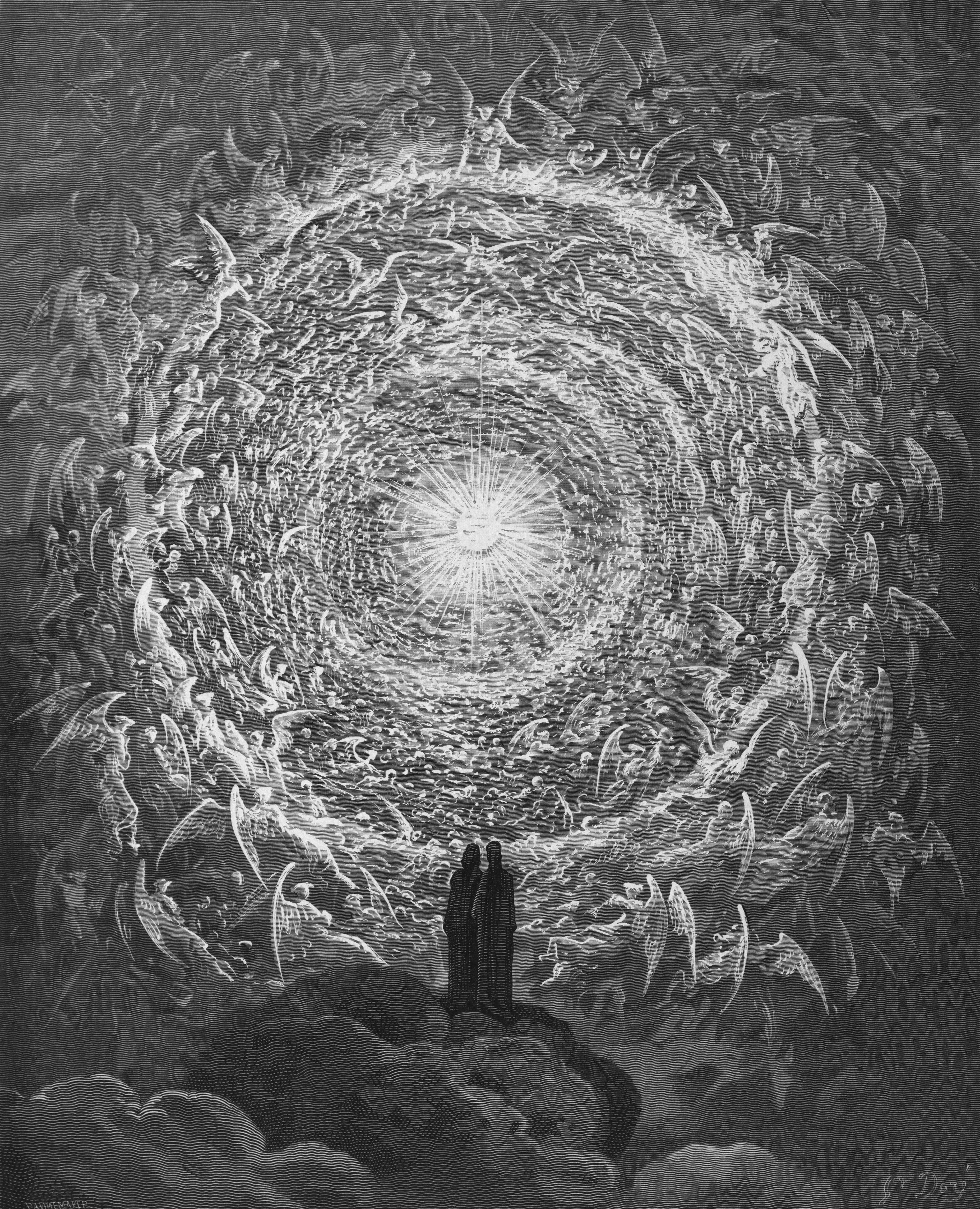
The Empyrean (Rosa Celeste)
Gustave Doré · 1868
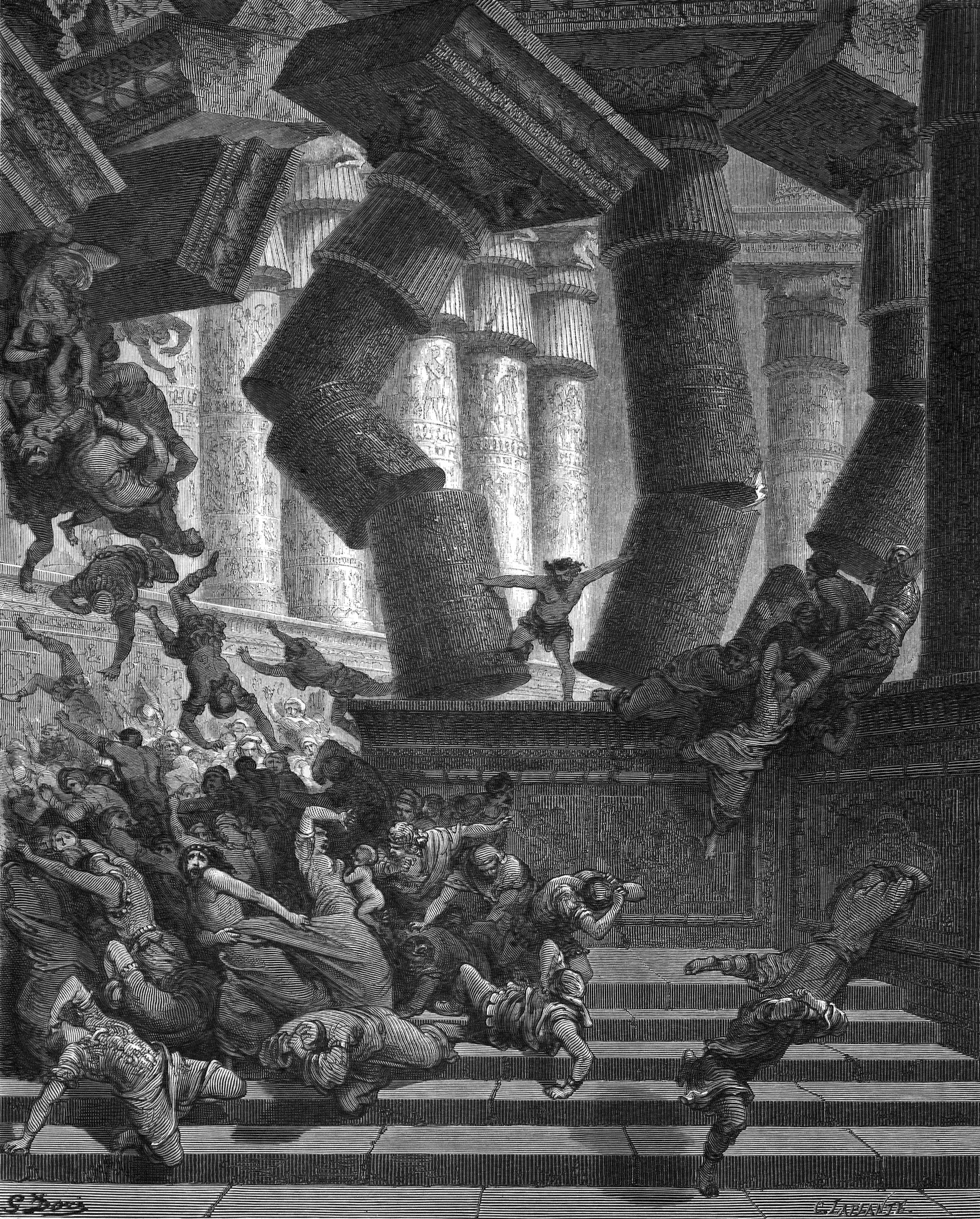
Samson Destroying the Temple
Gustave Doré · 1866
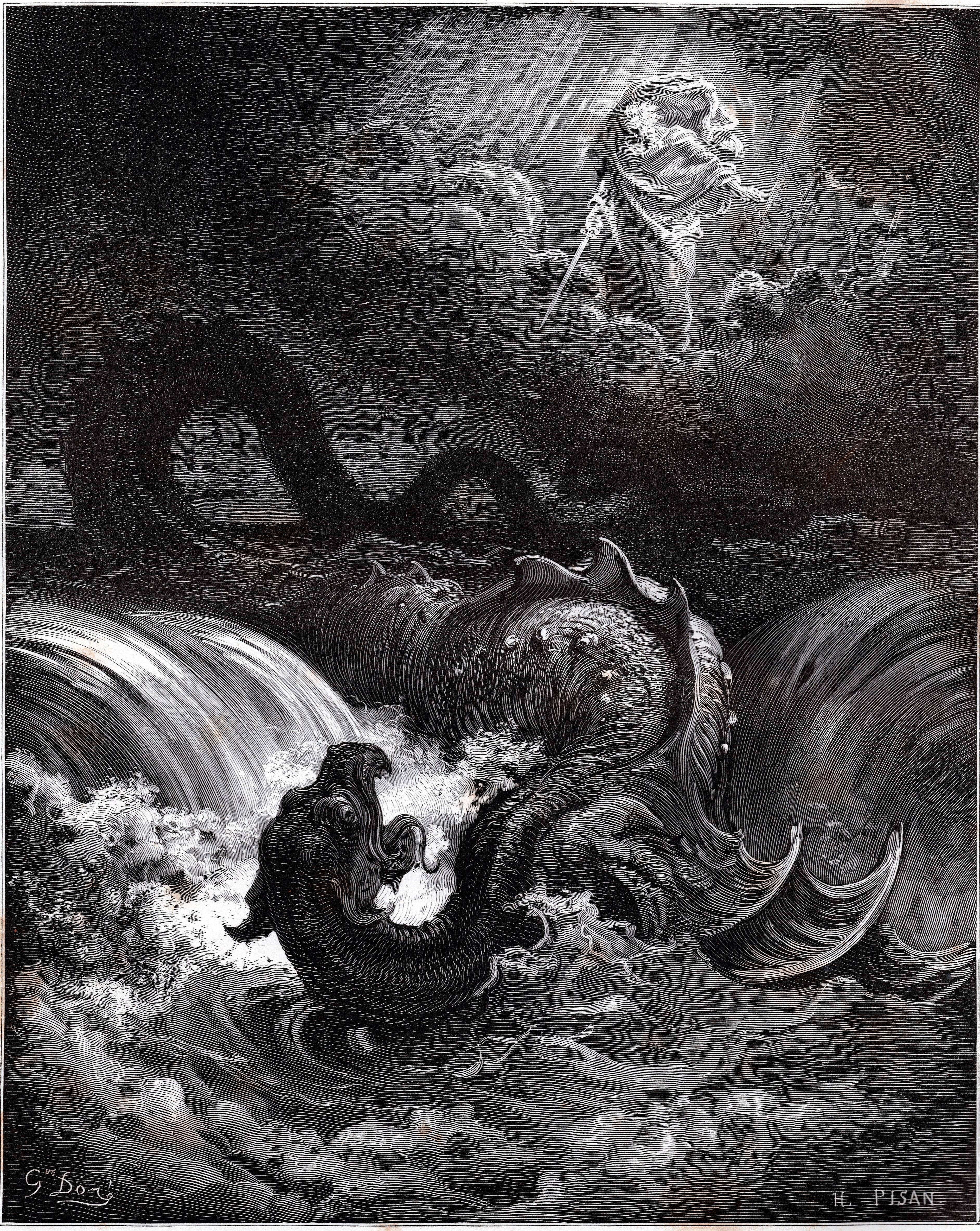
The Destruction of Leviathan
Gustave Doré · 1866
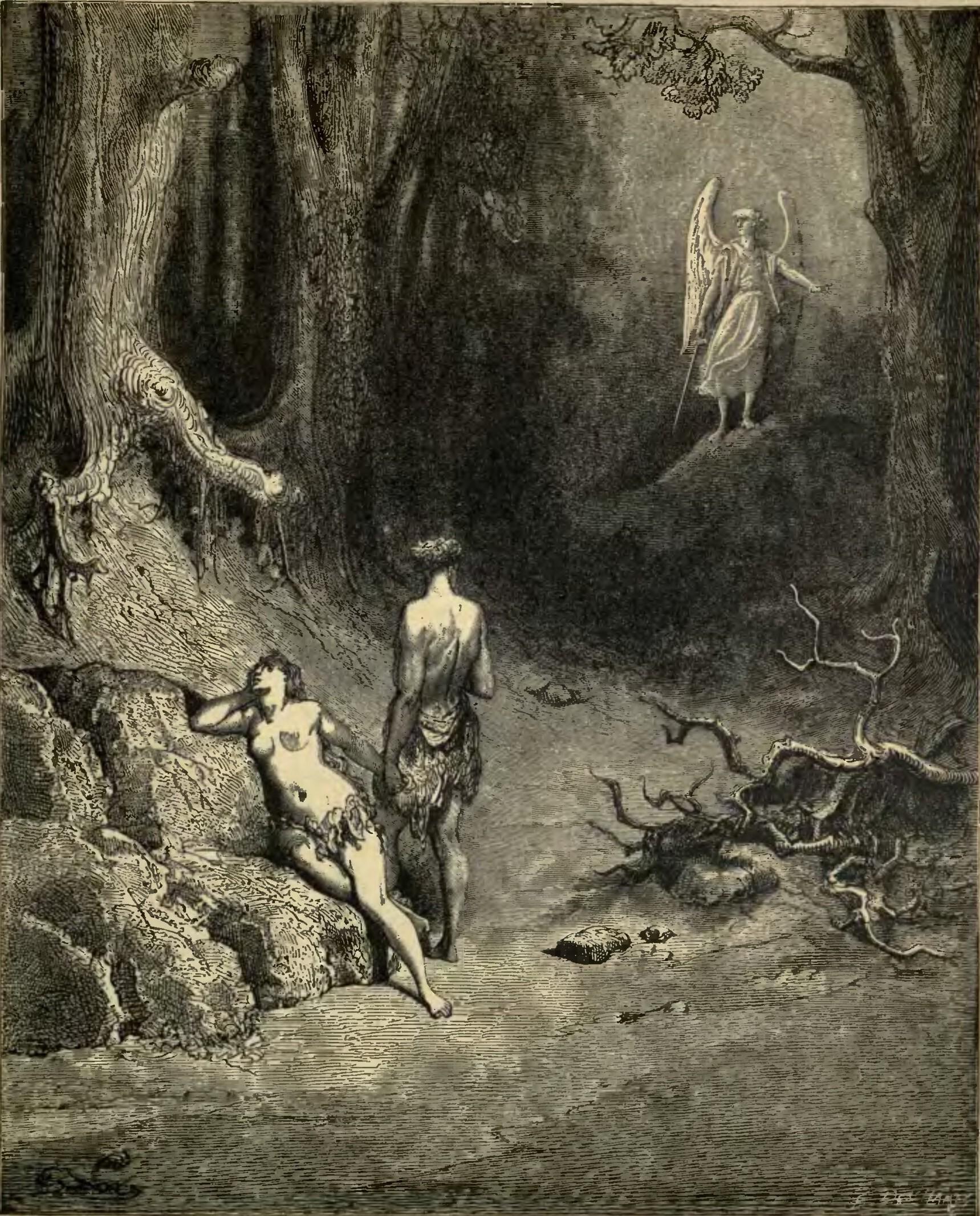
Adam and Eve Expelled from Paradise
Gustave Doré · 1866
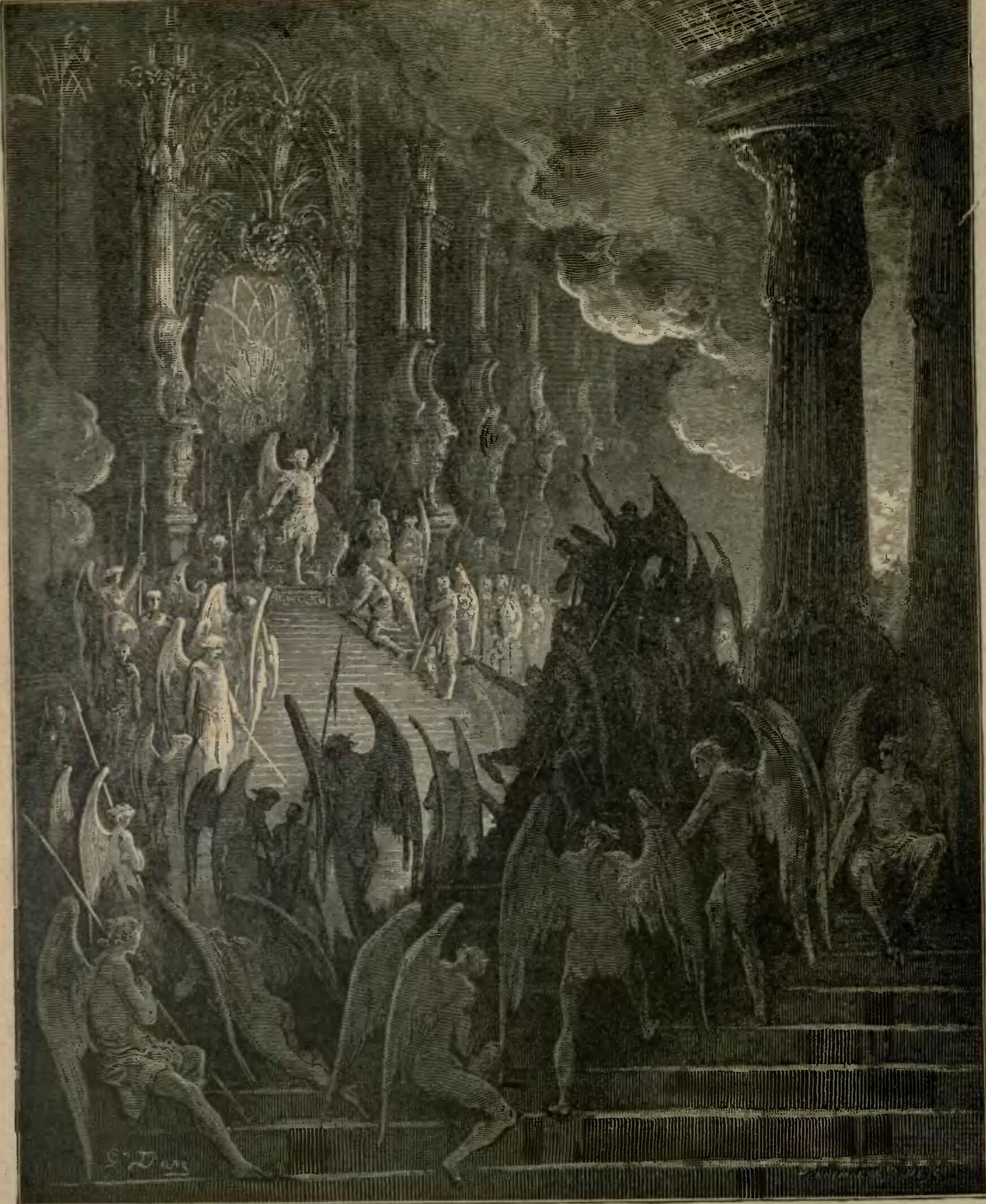
Satan in Council
Gustave Doré · 1866
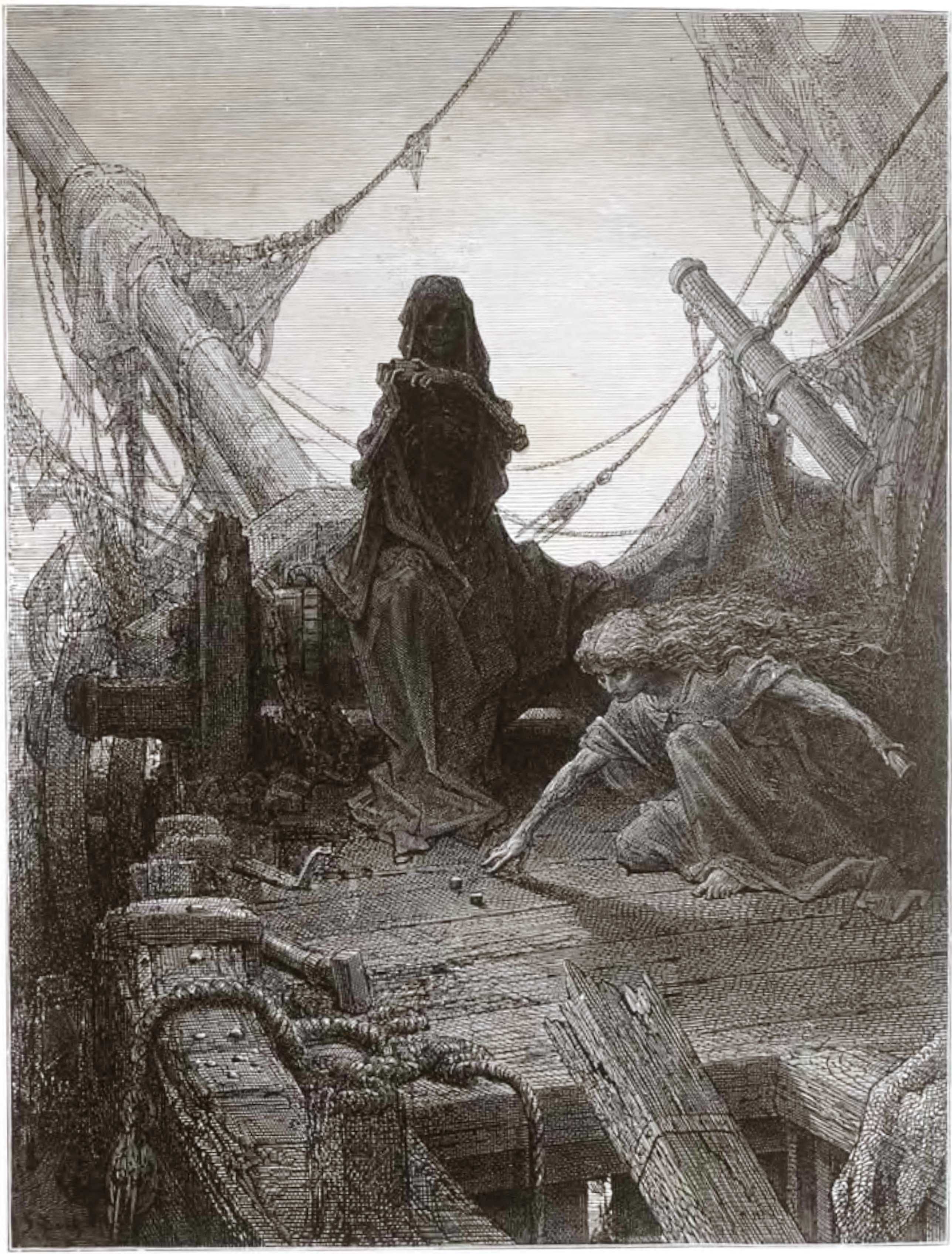
Death and Life-in-Death
Gustave Doré · 1876
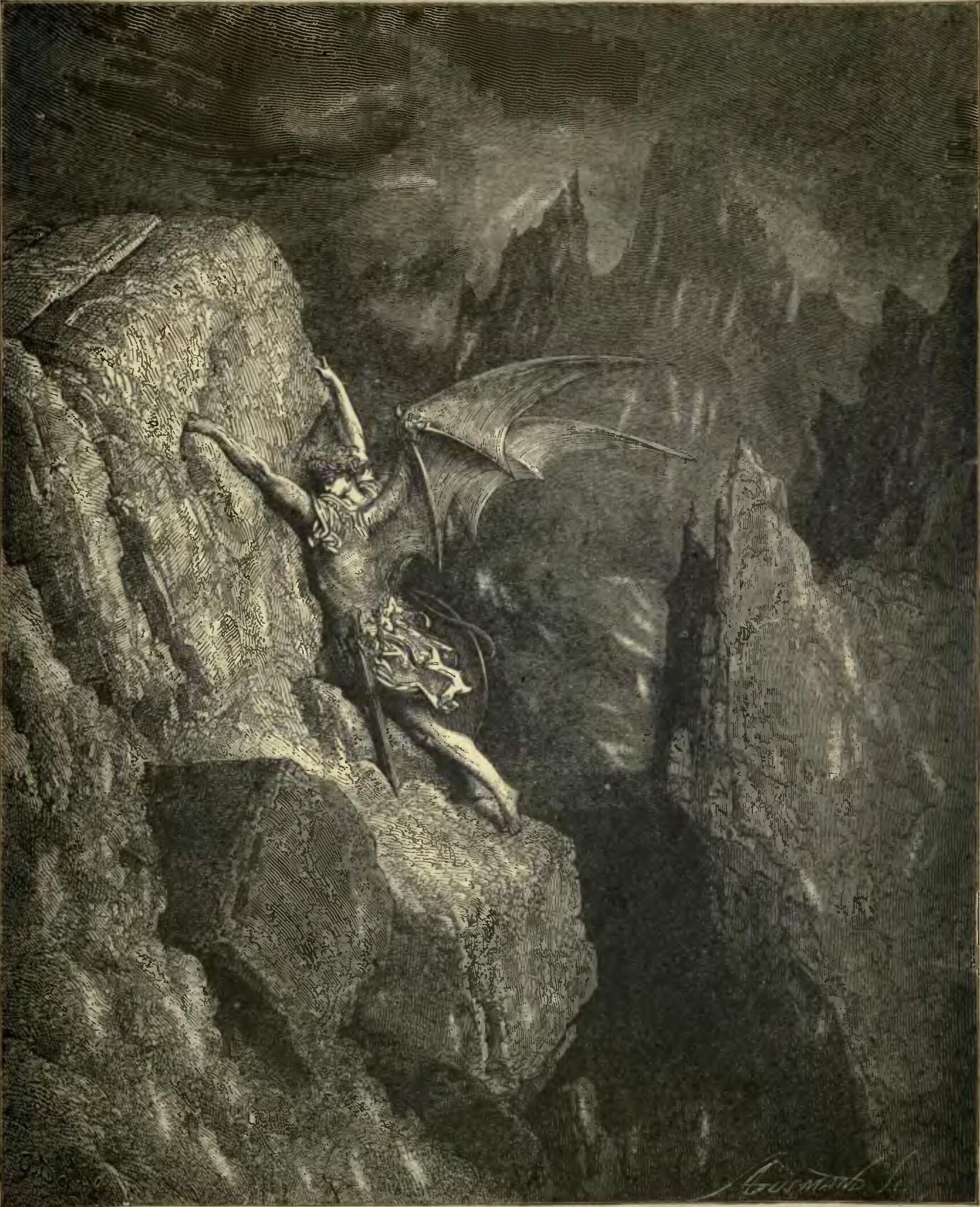
Satan’s Flight Through Chaos
Gustave Doré · 1866
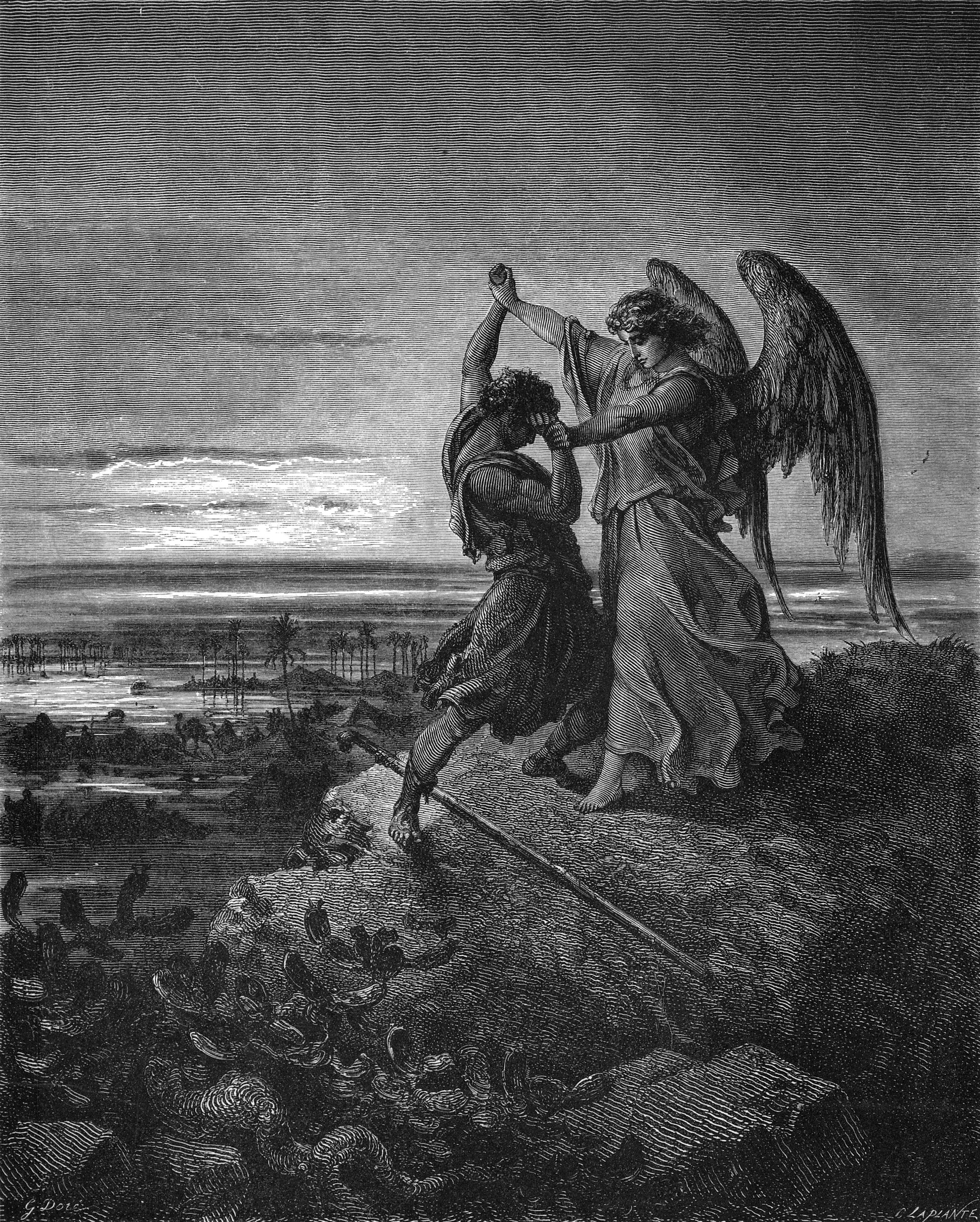
Jacob Wrestling with the Angel
Gustave Doré · 1866
Related works
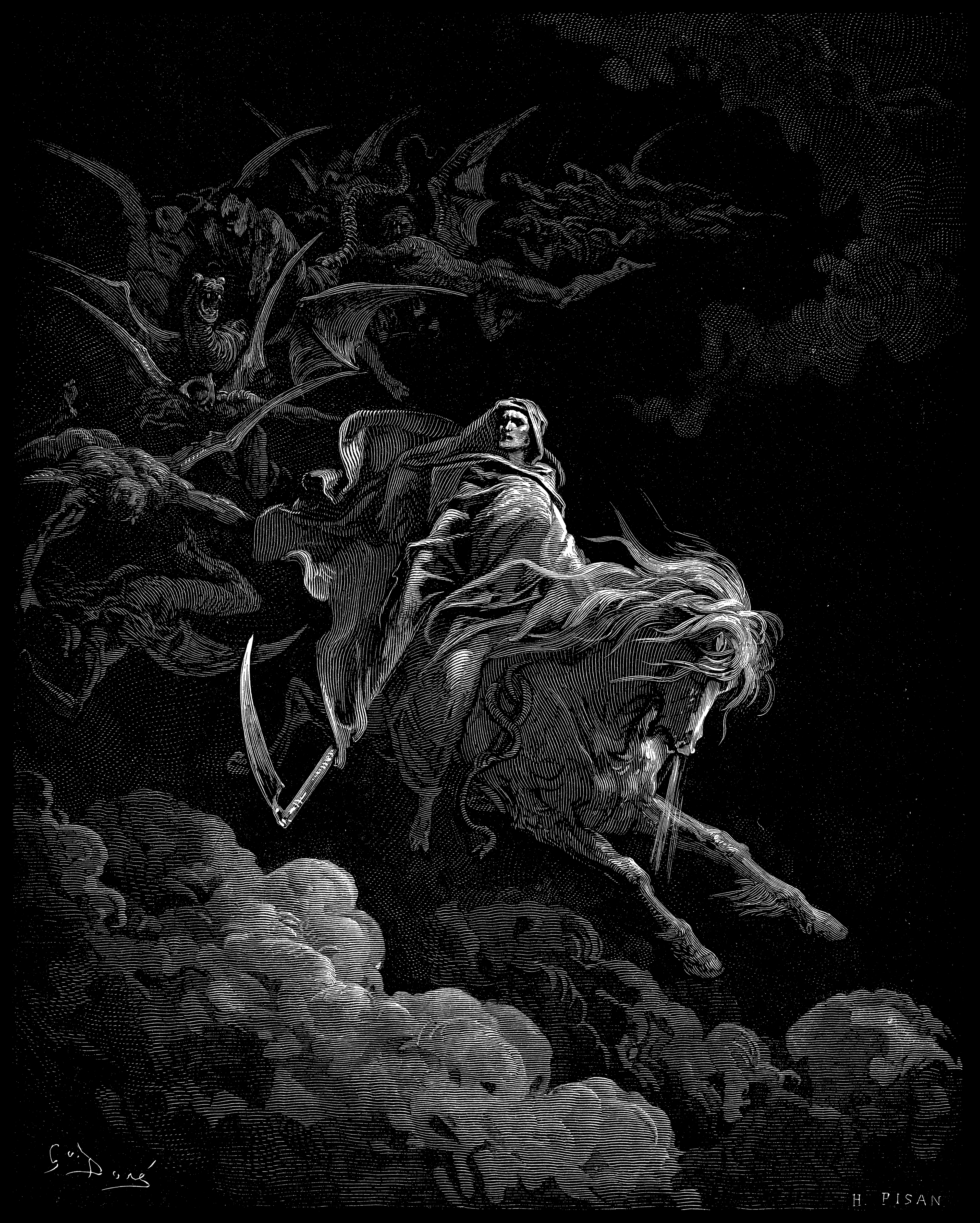
Death on the Pale Horse
Gustave Doré · 1866
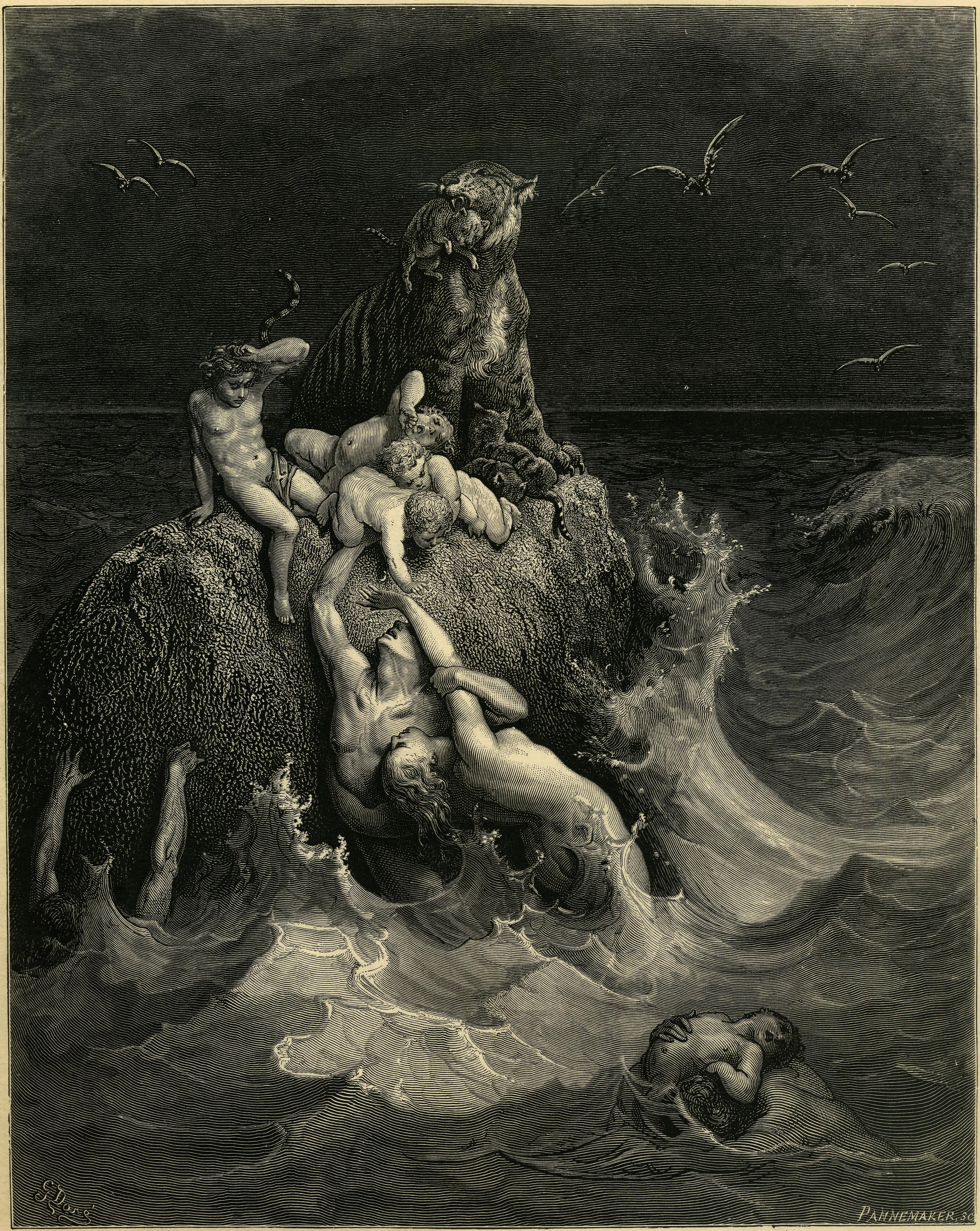
The Deluge
Gustave Doré · 1866
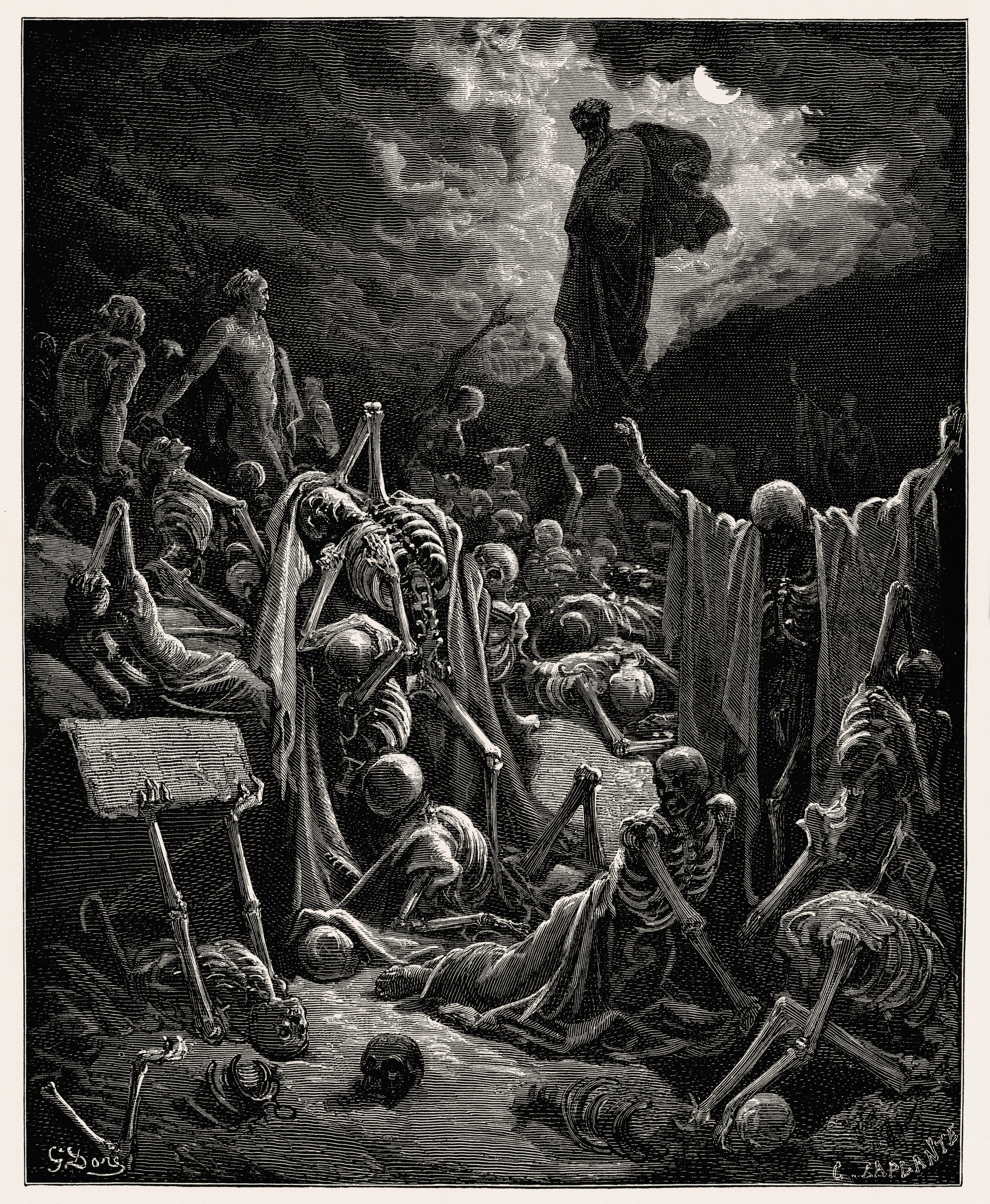
The Vision of the Valley of Dry Bones
Gustave Doré · 1866
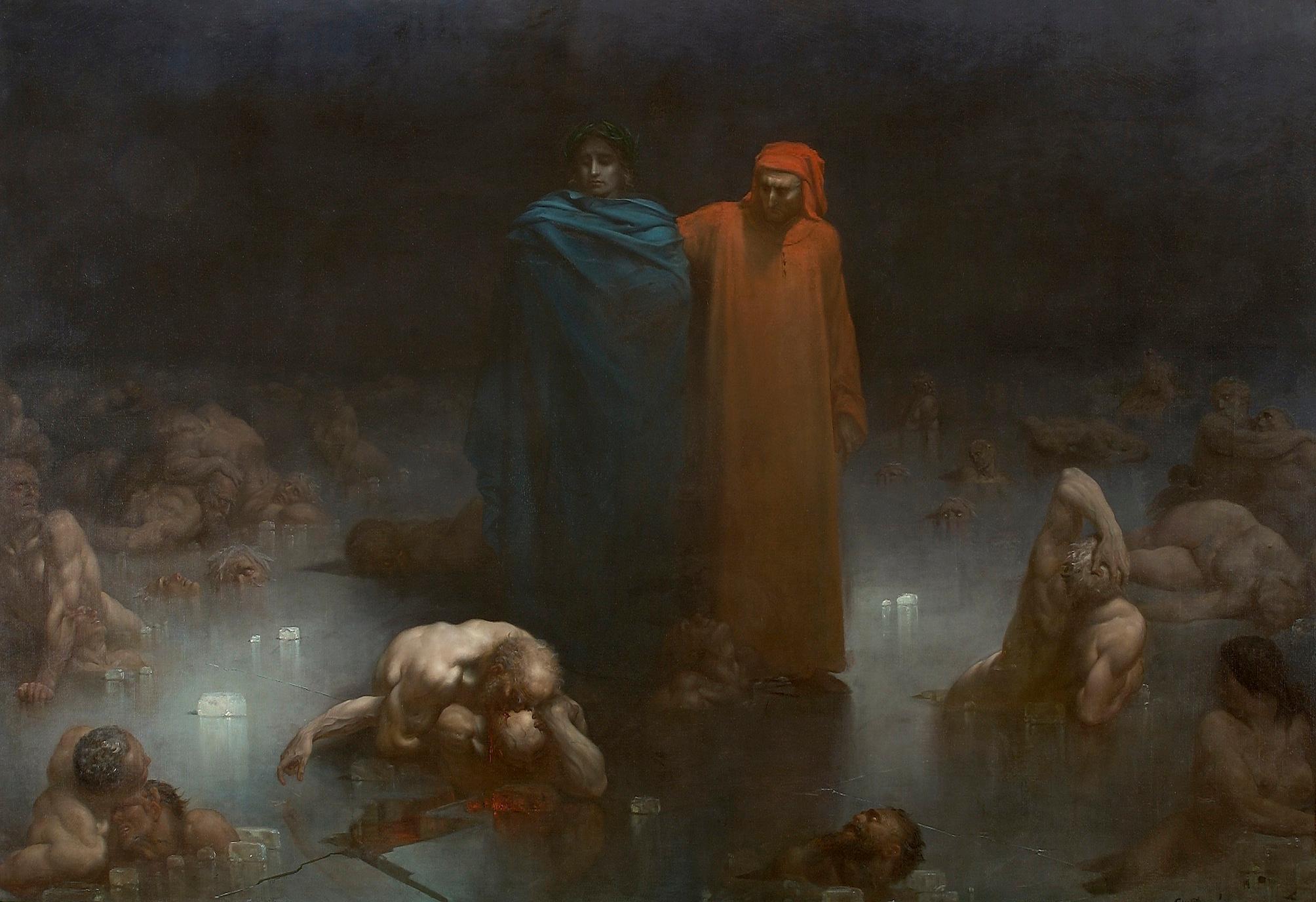
Dante and Virgil in the Ninth Circle of Hell
Gustave Doré · 1861
Nevermore (The Raven's Shadow)
Gustave Doré · 1884
The Third of May 1808
Francisco Goya · 1814
Fantastic Vision (Asmodea)
Francisco Goya · c. 1819–1823
The Last Day of Pompeii
Karl Bryullov · 1830–33