Image: Barber Institute of Fine Arts, Birmingham (via Art UK) · Public domain · via Wikimedia Commons
The Church at Varengeville
Claude Monet, 1882
The Church at Varengeville is an 1882 painting by Claude Monet of the clifftop church of Varengeville-sur-Mer seen against a setting sun across a hidden gorge on the Normandy coast. It is in the Barber Institute of Fine Arts, Birmingham.
- Artist
- Claude Monet
- Date
- 1882
- Medium
- Oil on canvas
- Dimensions
- 65 × 81.3 cm
- Collection
- Barber Institute of Fine Arts, Birmingham, United Kingdom
- Movement
- Impressionism
- Catalogue
- Wildenstein 727
- Nature & Landscape
- Water & Sea
- Architecture & Ruins
Claude Monet's The Church at Varengeville (L'église de Varengeville à contre-jour) was painted in 1882 on the Channel coast west of Dieppe, during the long stay at Pourville that produced some of his finest seascapes. The canvas, 65 by 81.3 centimeters and number 727 in Daniel Wildenstein's catalogue raisonné, has belonged to the Barber Institute of Fine Arts at the University of Birmingham since 1938.
What you are looking at
The picture is painted straight into the light. The sun has dropped behind the far headland, and the church of Varengeville-sur-Mer, at upper left, is no more than a dark violet silhouette: a pointed spire, a nave, a cluster of roofs dissolving into the glare. The sky around it is a wash of pale lemon and rose, with a few small clouds lit pink from below.
Between the viewer and the church lies a steep green slope, and below it, out of sight, the gorge that separates Monet's standpoint from the building. You sense the drop without seeing it. Two slender pines rise from the edge of the hill at center right, their trunks thin and kinked, their crowns flattened by the wind into dark, feathery masses. Beyond them the sea is a flat band of milky blue-gray meeting a hazy horizon. In the foreground, a bank of scrub catches the last of the sun and flares into rust, orange and olive.
The detail most people miss is how the light behaves on the hillside. The long grass is laid in with parallel, raking strokes, and toward the left edge they turn coral and red, as if the slope were catching a reflected glow. The church loses its outline exactly where the sun is strongest; Monet lets the edge of the building melt into the sky rather than drawing it.
Where and when
Monet spent much of 1882 on this stretch of coast, first at Pourville from February to April and again from June to early October, when Alice Hoschedé and the children joined him. He was walking the cliffs between Dieppe and Varengeville and returning to a handful of motifs: the customs officer's cottage perched over the sea, the beaches at low tide, and this little church of Saint-Valery, set alone on the cliff edge. The same churchyard later became the burial place of Georges Braque.
The Barber's picture belongs to a group of four views of the church. Monet routinely kept several canvases going at once, swapping them as the light changed, and by 1882 he was in the habit of finishing such pictures in the studio rather than outdoors. The final touches here, the museum notes, were added later, which may explain how carefully the pines are silhouetted against the sky.
How this version differs
The sister canvas in the Speed Art Museum, The Church at Varengeville, Grey Weather, looks at the same building under an overcast sky, with the color drained to silvers and greens and the church readable as architecture. The Barber picture does the opposite. It is a contre-jour sunset, and its subject is the burning edge of the hill and the way the light eats into solid forms. The pair shows Monet already testing how one motif changes under different conditions, nearly a decade before the Haystacks.
It also connects to the other Varengeville pictures of that summer, such as The Fisherman's Cottage on the Cliffs at Varengeville, where the cottage sits on a similar slope above a shimmering sea, and Varengeville, Low Tide. Our hub on Étretat and the Normandy Coast gathers the paintings from Pourville, Varengeville, Fécamp and Étretat.
How it was painted
The palette is built on two opposed families: the warm yellows, pinks and oranges of the sky and scrub, and the cool greens and violets of the shadowed slope and church. Monet uses the cool family for anything turned away from the sun, so that the building, the trees and the far cliff all share the same muted violet. The paint on the hillside is applied in long, dragged strokes; in the foreground scrub it is thicker and more broken, in short curling touches of orange, ochre and green. The signature sits in red at lower right.
Where to see it
The painting hangs in the galleries of the Barber Institute of Fine Arts on the University of Birmingham campus, which bought it in 1938. It traveled to London in 2018 for the National Gallery's exhibition Monet and Architecture. For other Monets in British and international collections, see Where to See Monet's Paintings, and for the painter's life and other works, Claude Monet.
Questions & answers
Where is Monet's The Church at Varengeville?
The Church at Varengeville (1882) is in the Barber Institute of Fine Arts at the University of Birmingham, England. The Barber bought it in 1938, and it is one of the highlights of the collection. In 2018 it was lent to the National Gallery in London for the exhibition Monet and Architecture.
When and where did Monet paint The Church at Varengeville?
Monet painted it in 1882 while staying at Pourville, near Dieppe on the Normandy coast. The church stands alone on the cliff at Varengeville-sur-Mer, a few kilometers west of Pourville, and Monet painted it from across a deep gorge, looking into the setting sun.
What does The Church at Varengeville show?
It shows the clifftop church of Varengeville silhouetted against a pale yellow and pink sunset, with two windblown pines on the slope and the sea beyond. The building is nearly dissolved in the glare. The painting is less about the church than about light seen head-on at the end of the day.
How many versions of the church at Varengeville did Monet paint?
The Barber Institute describes its picture as one of a group of four views of the church painted in 1882. Another, The Church at Varengeville, Grey Weather, is in the Speed Art Museum in Louisville and shows the same motif under a dull, overcast sky.
More by the artist
Claude Monet
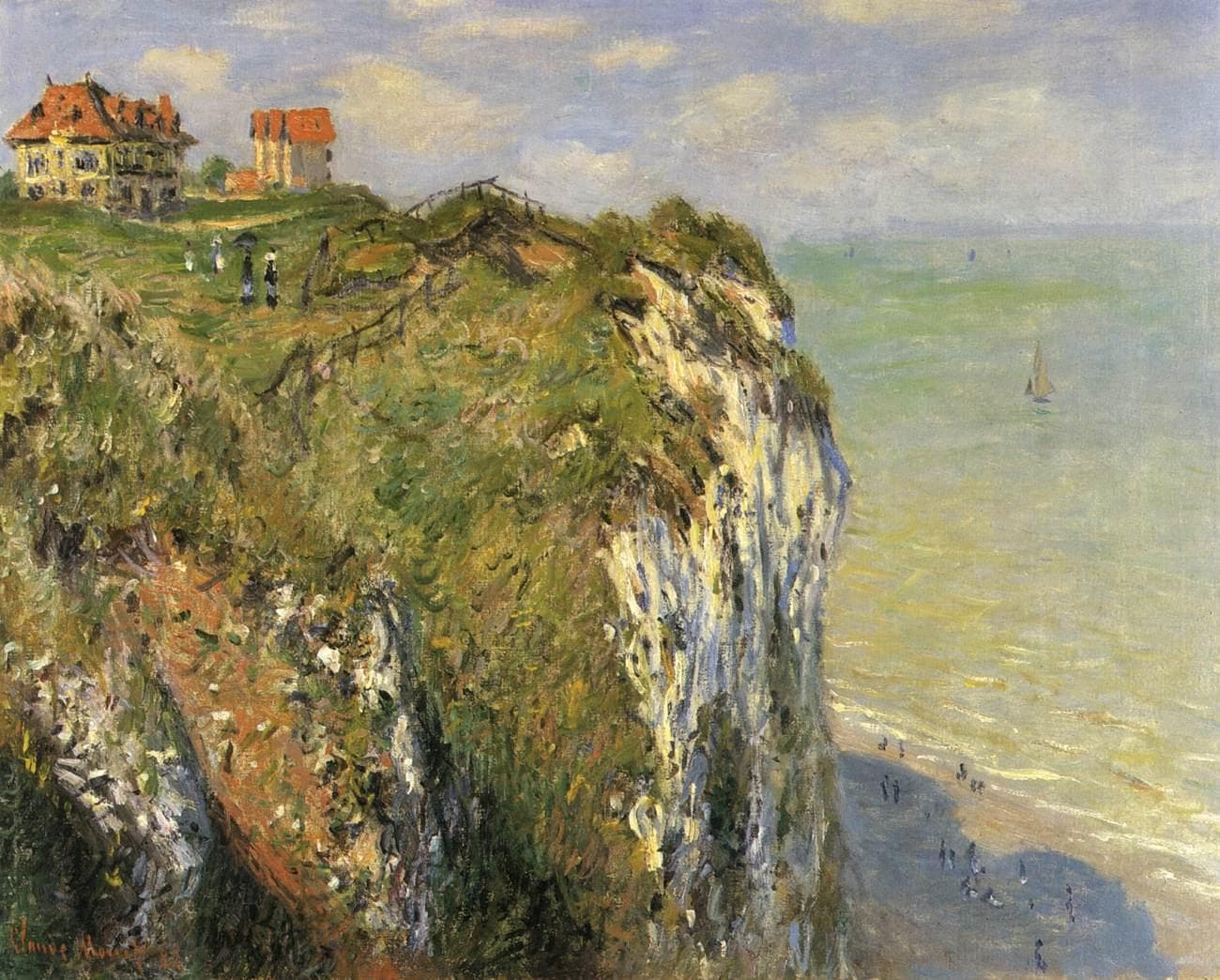
Cliffs near Dieppe
Claude Monet · 1882
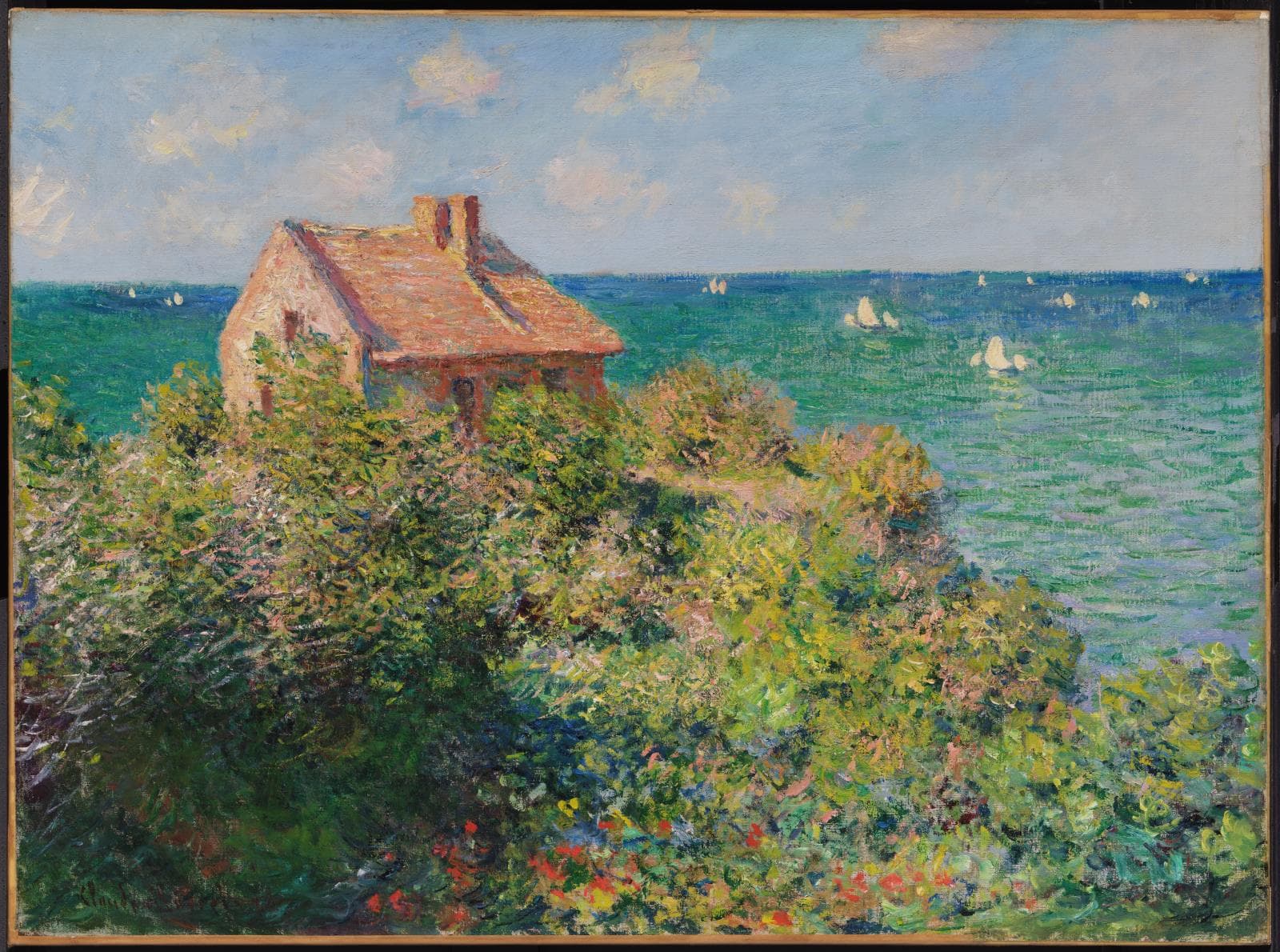
Fisherman's Cottage on the Cliffs at Varengeville
Claude Monet · 1882
Landscape in Port-Villez
Claude Monet · 1883
The Manneporte (Étretat)
Claude Monet · 1883
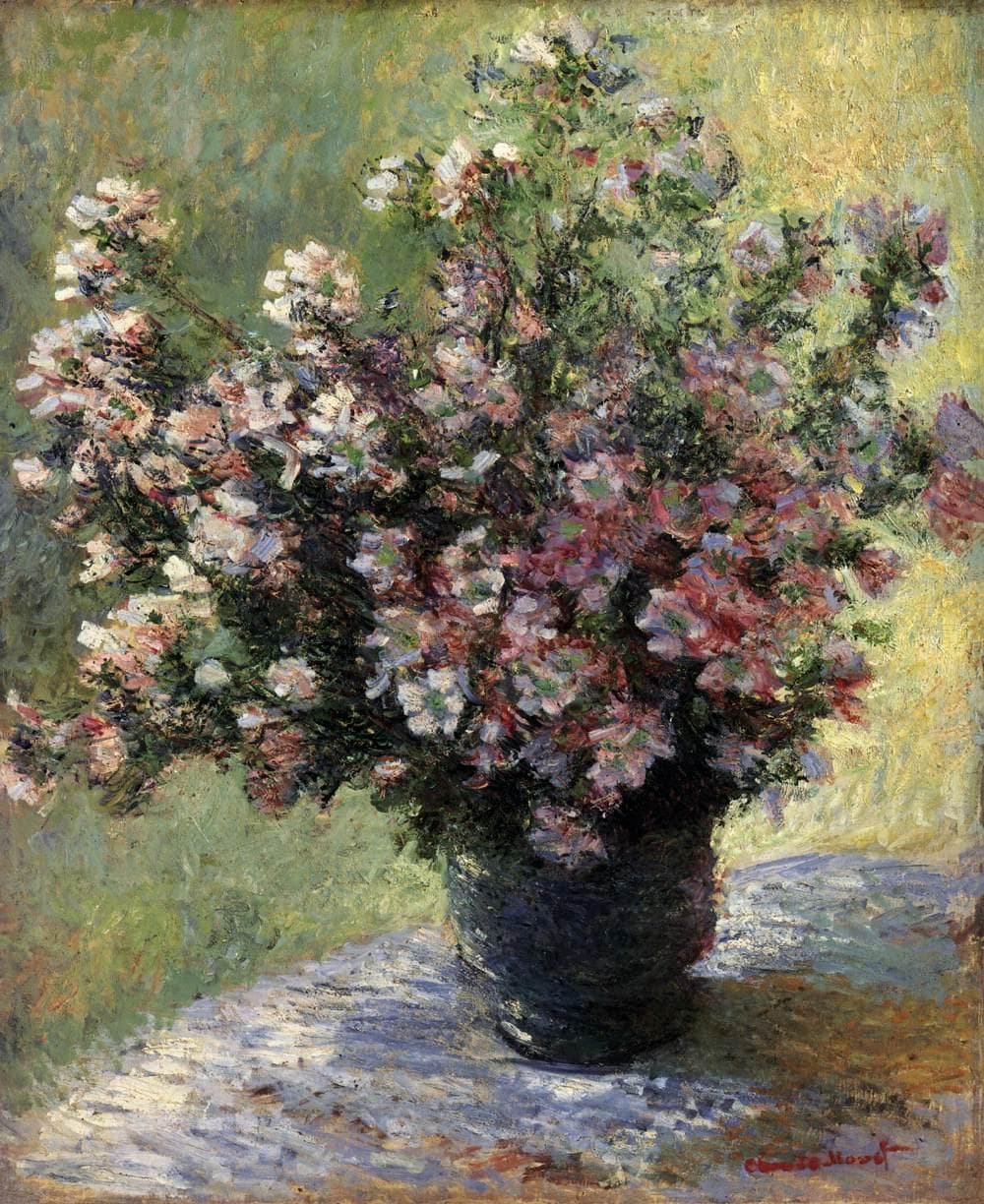
Vase of Flowers
Claude Monet · c. 1881–82
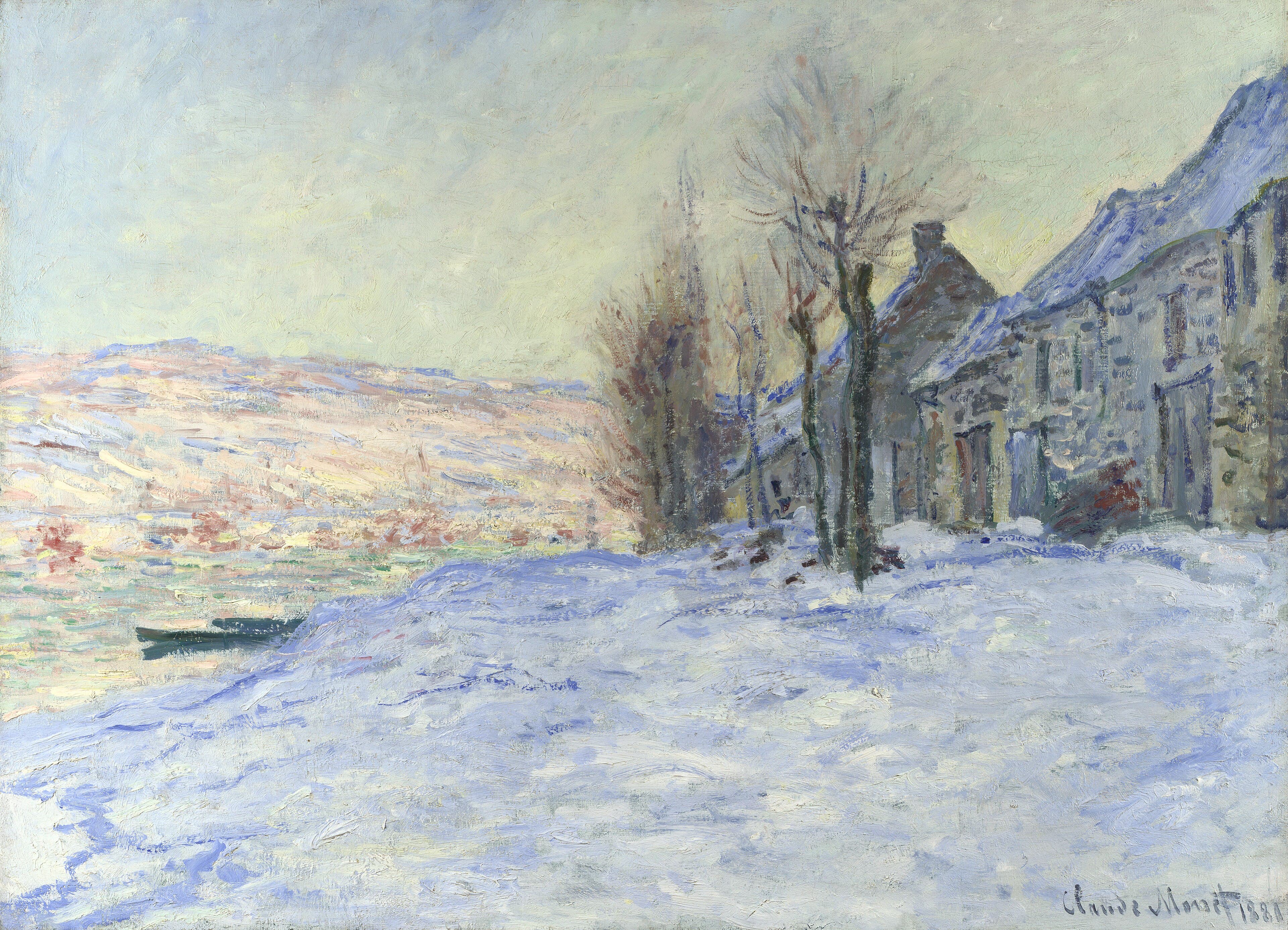
Lavacourt under Snow
Claude Monet · c. 1878–81
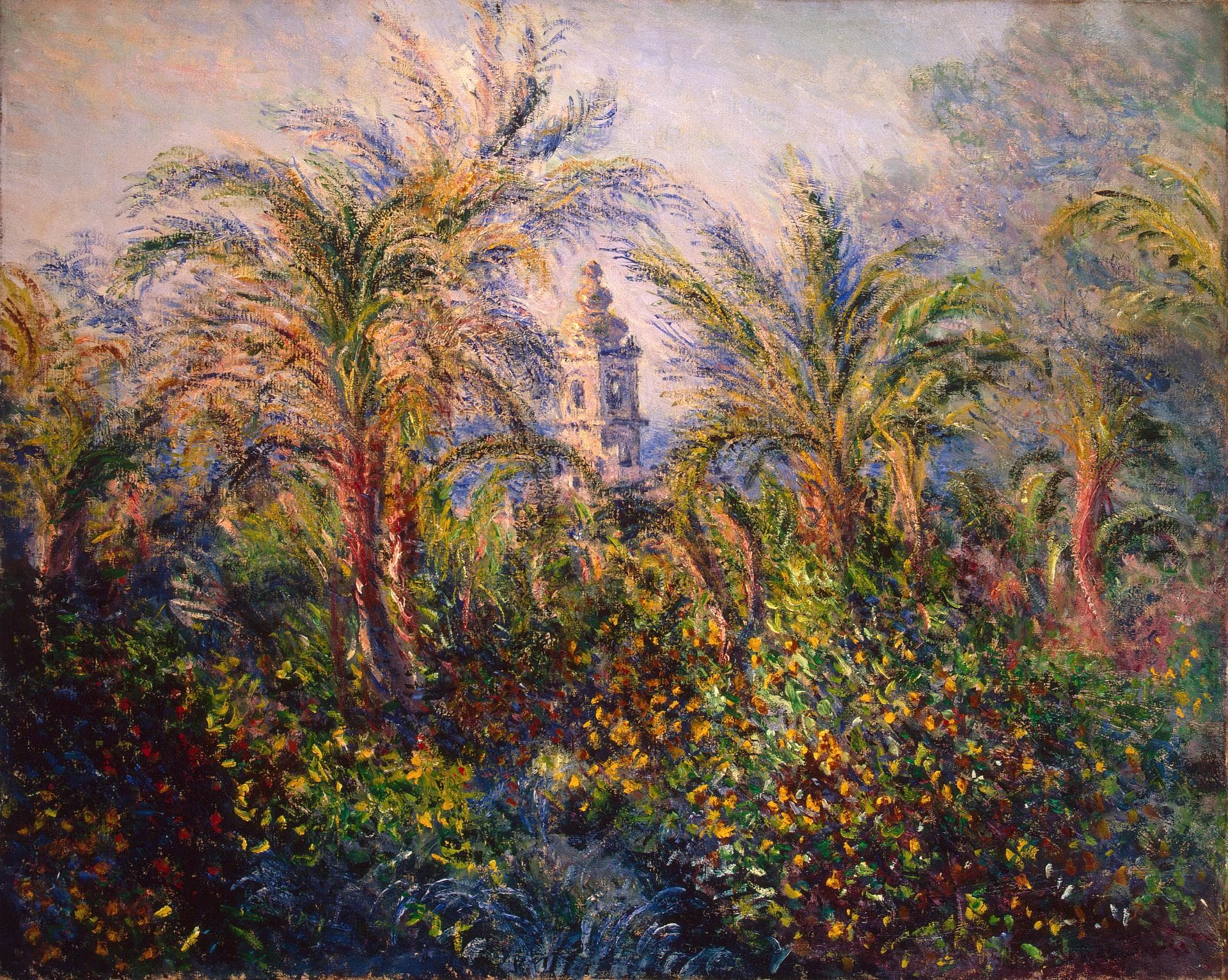
Garden at Bordighera, Impression of Morning
Claude Monet · 1884
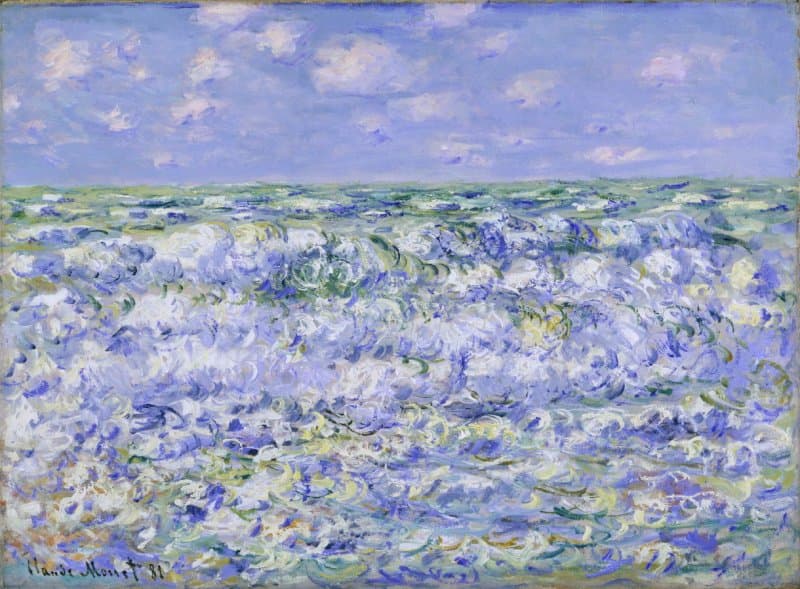
Waves Breaking
Claude Monet · 1881
Also painted in 1882
The same year

Beach in Pourville
Claude Monet · 1882
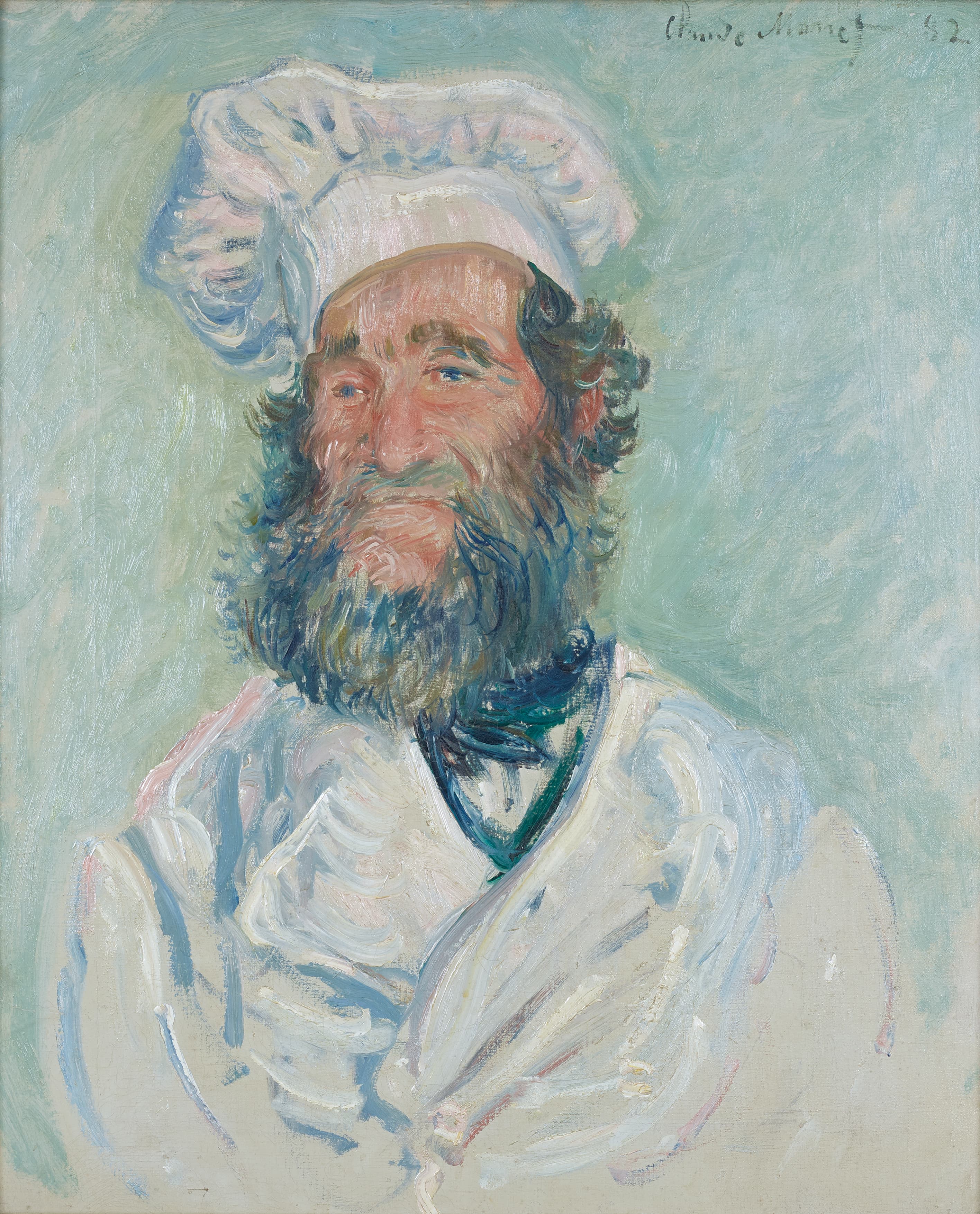
Portrait of Père Paul
Claude Monet · 1882
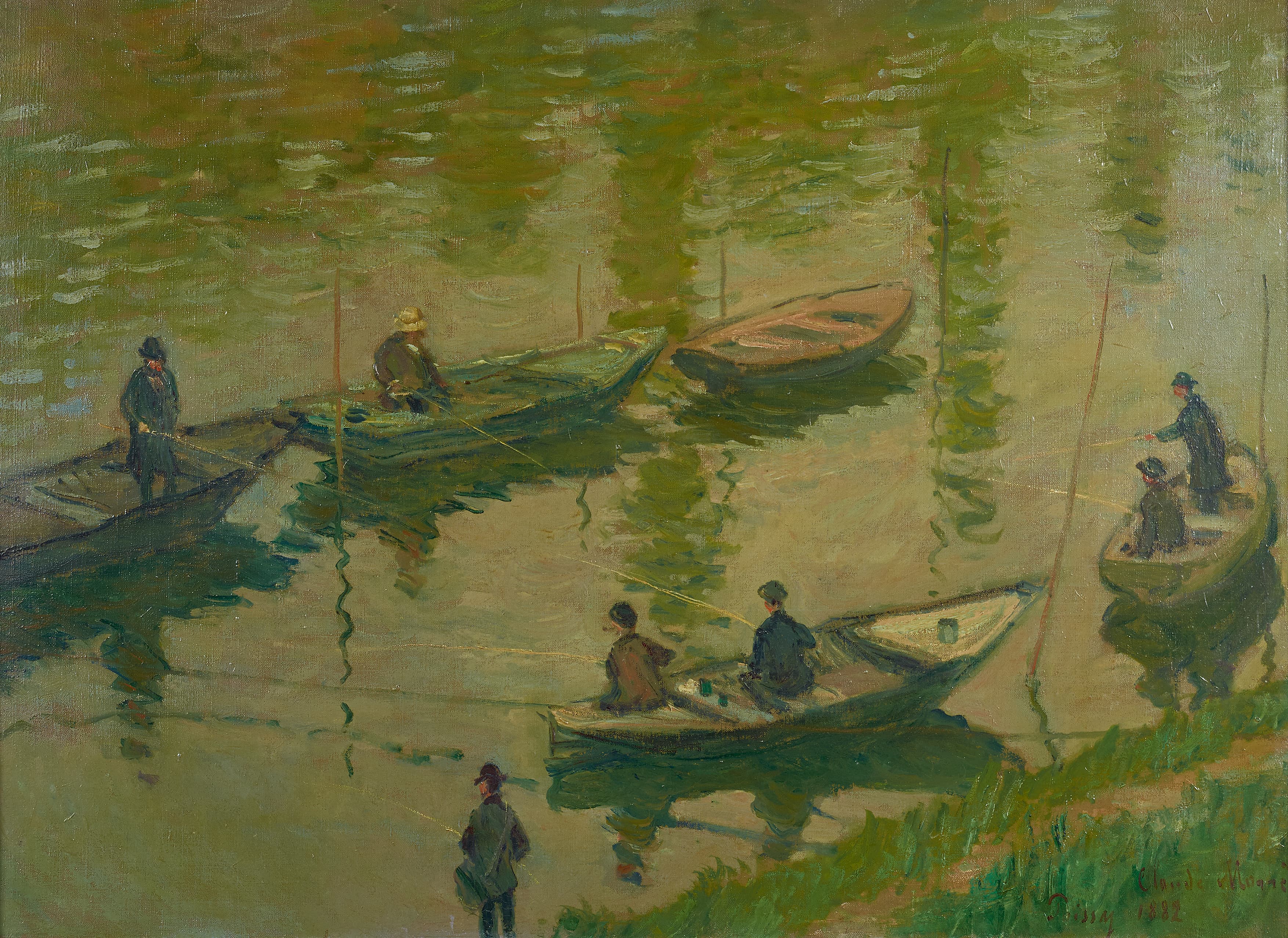
Anglers on the Seine at Poissy
Claude Monet · 1882
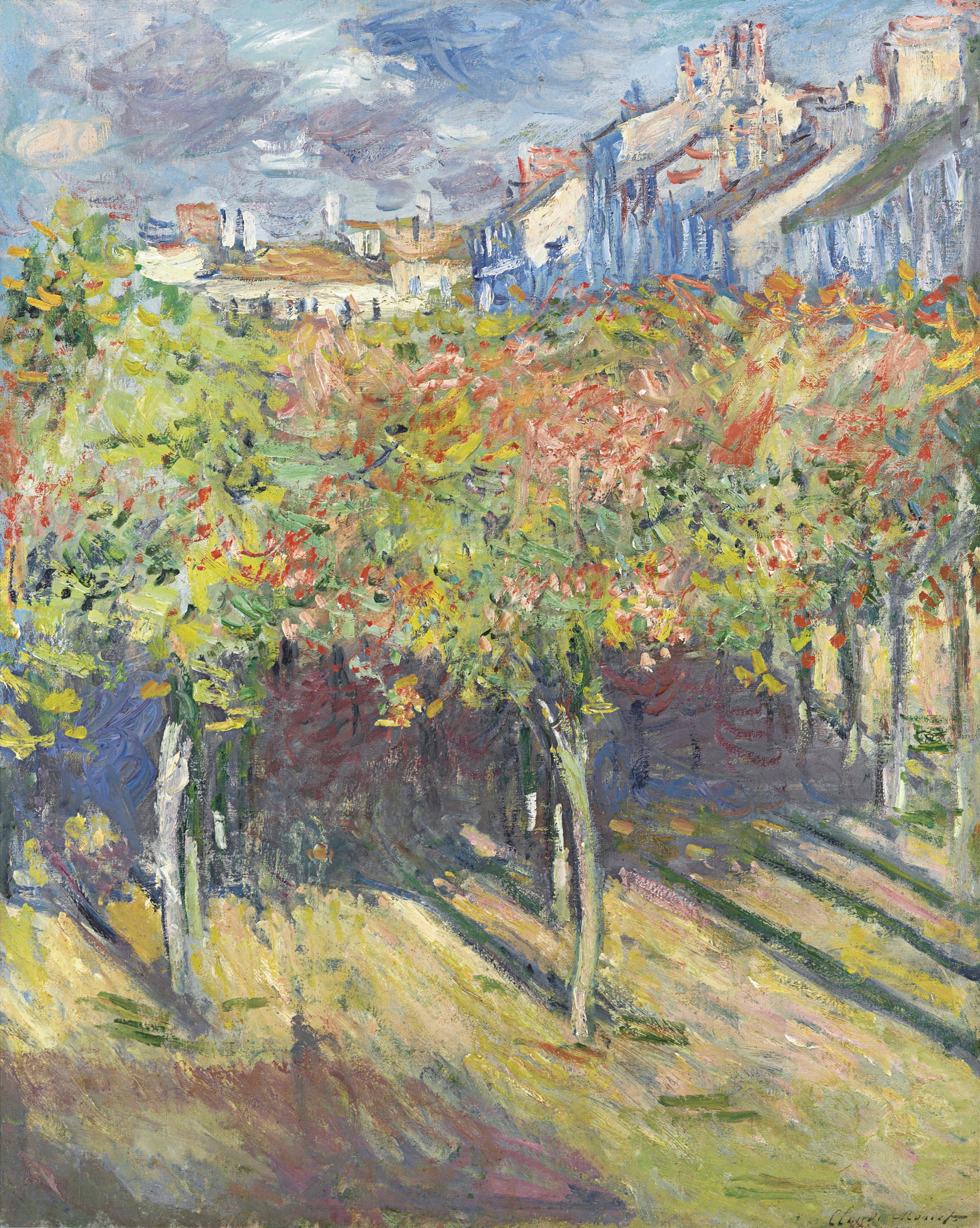
Les Tilleuls à Poissy
Claude Monet · 1882
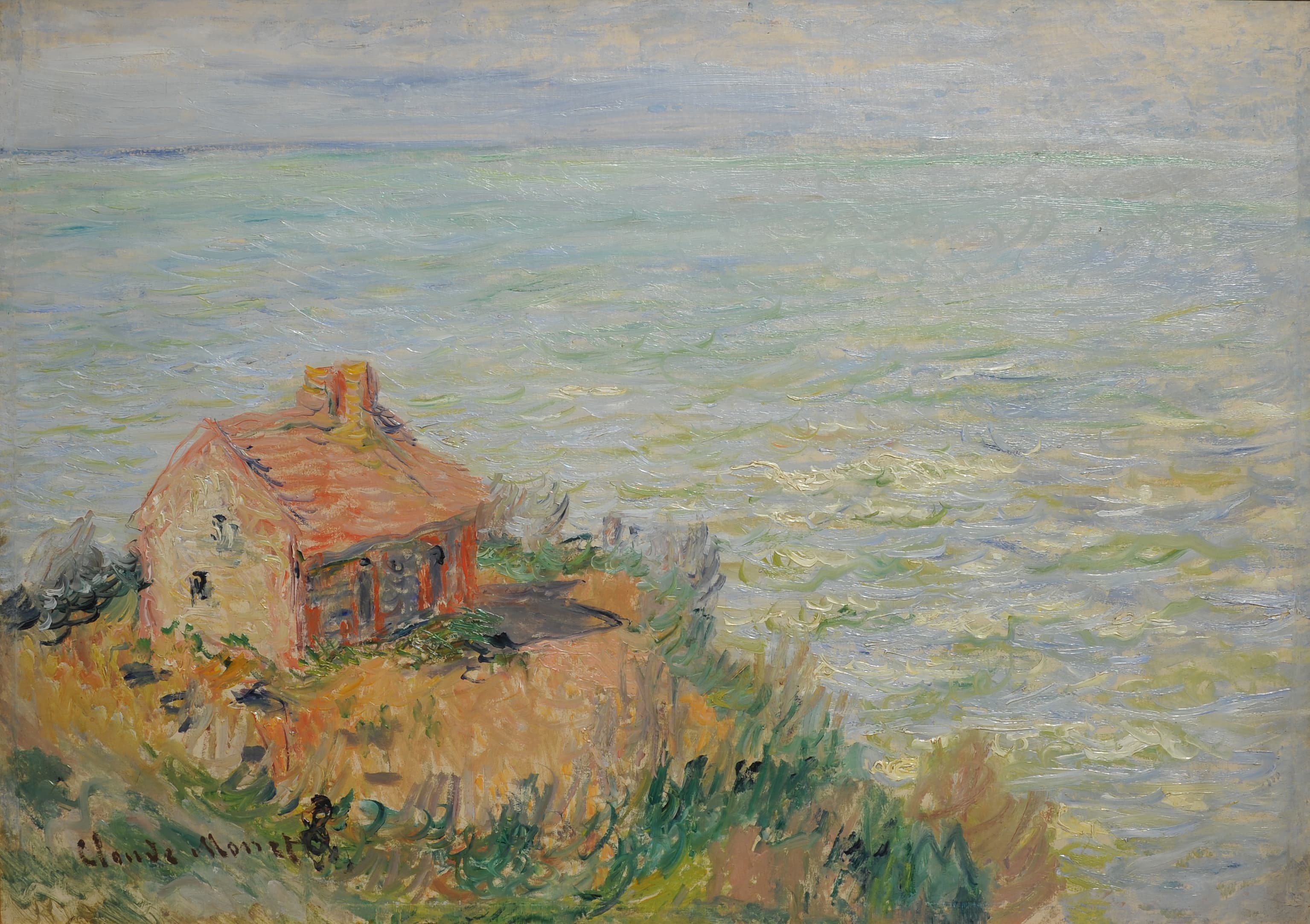
The Customs House, Afternoon Effect
Claude Monet · 1882
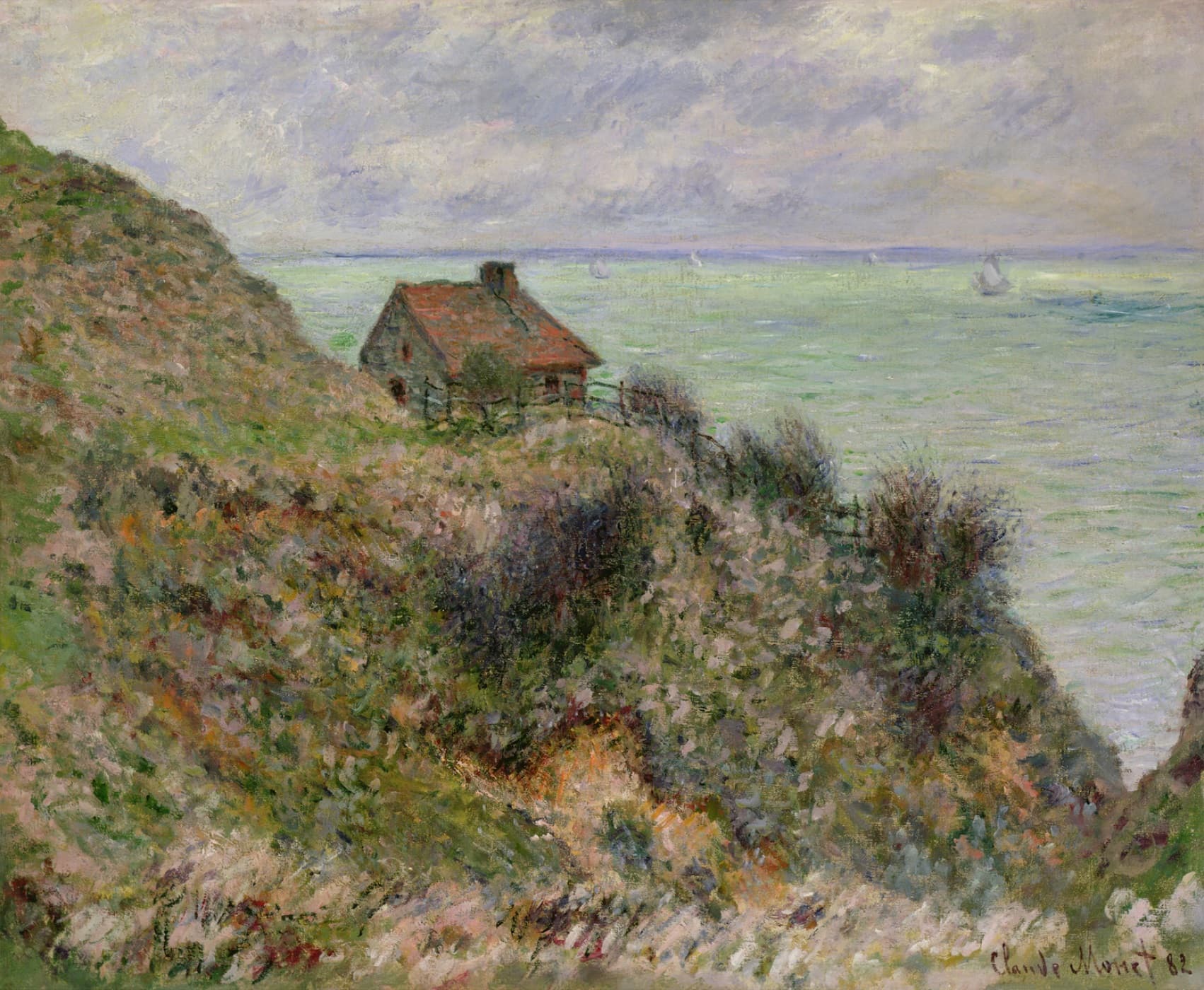
The Fisherman's House, Overcast Weather
Claude Monet · 1882
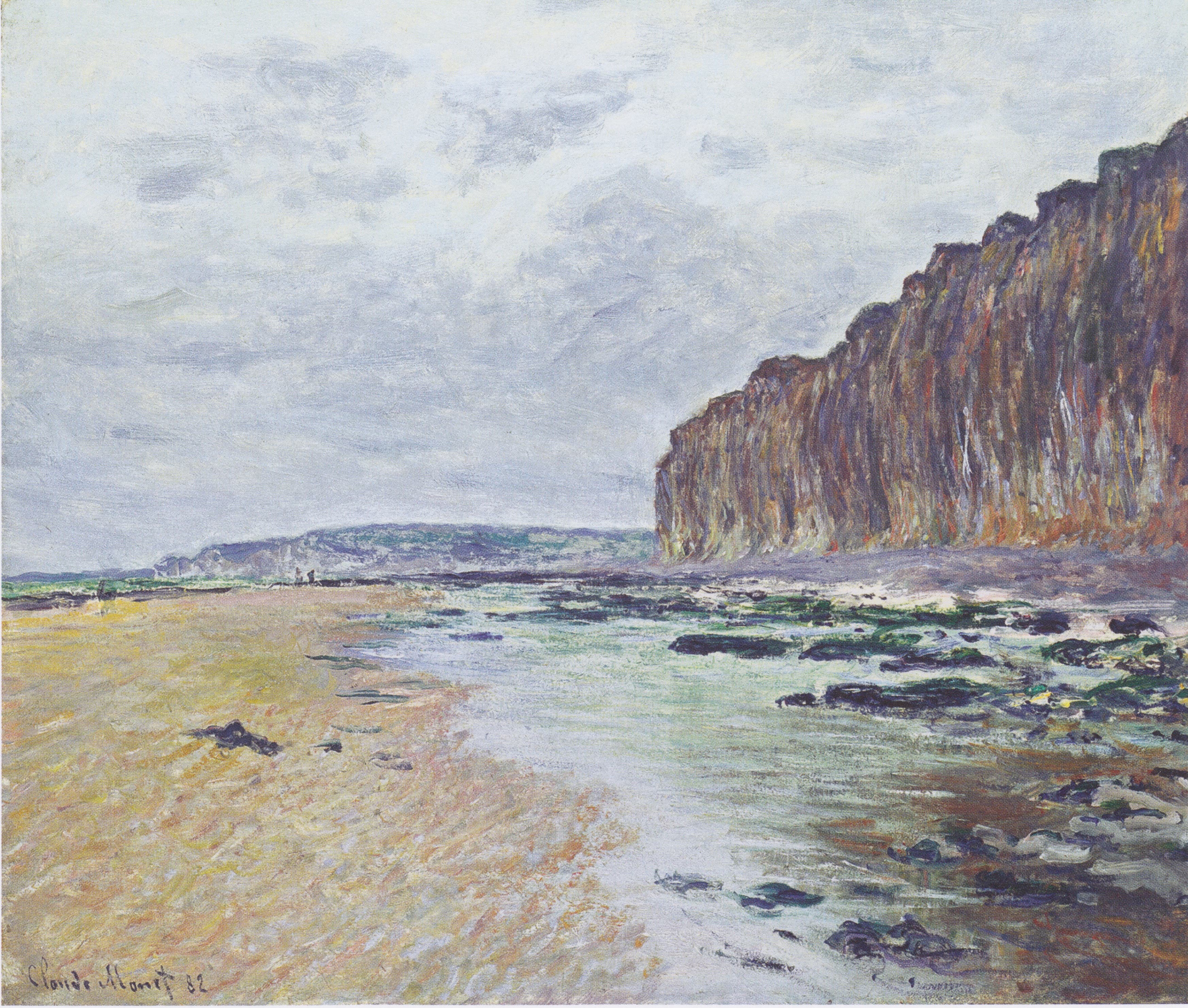
Varengeville, Low Tide
Claude Monet · 1882
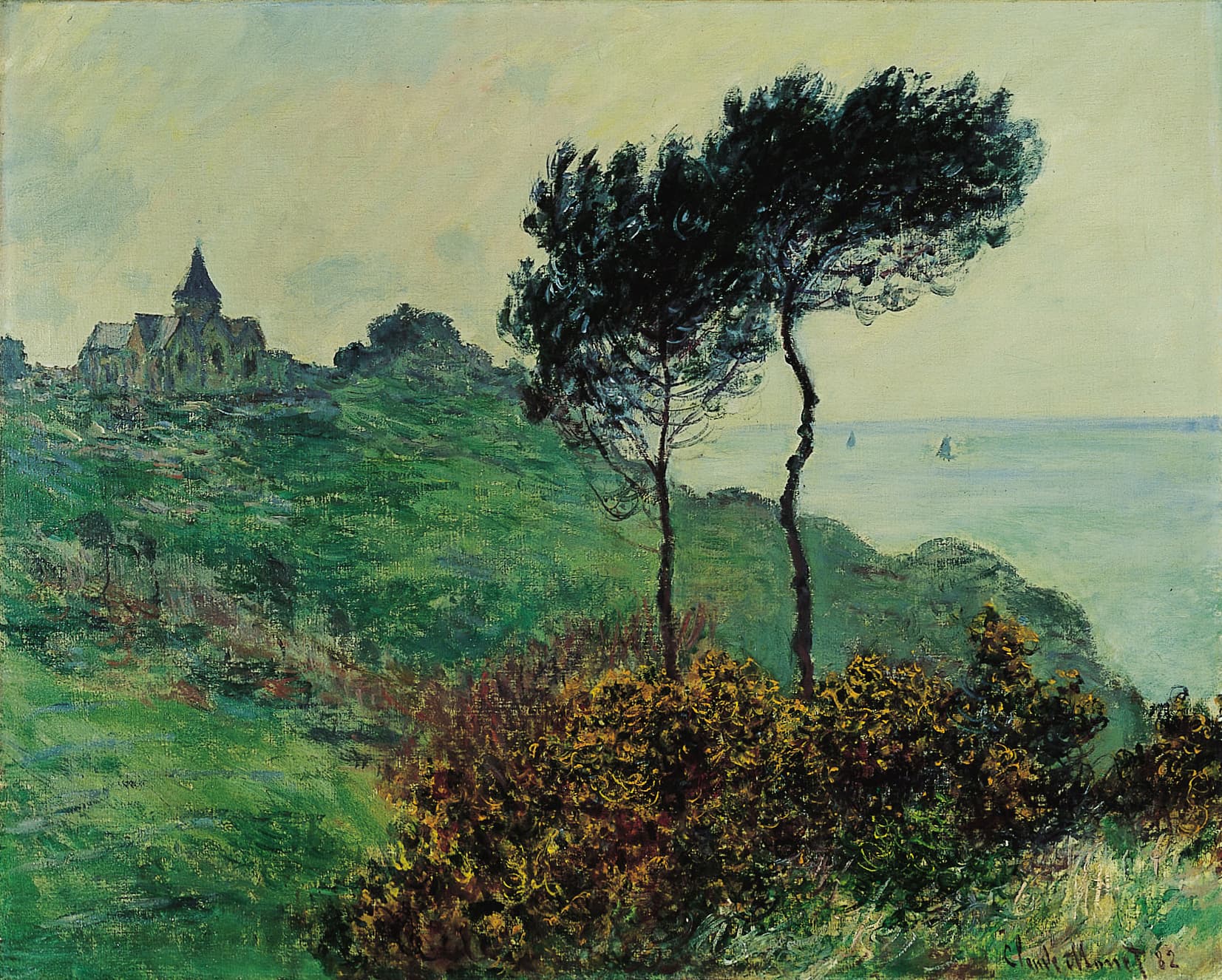
The Church at Varengeville, Grey Weather
Claude Monet · 1882
Kindred works
You may also study
The Church at Varengeville, Grey Weather
Claude Monet · 1882
Varengeville, Low Tide
Claude Monet · 1882
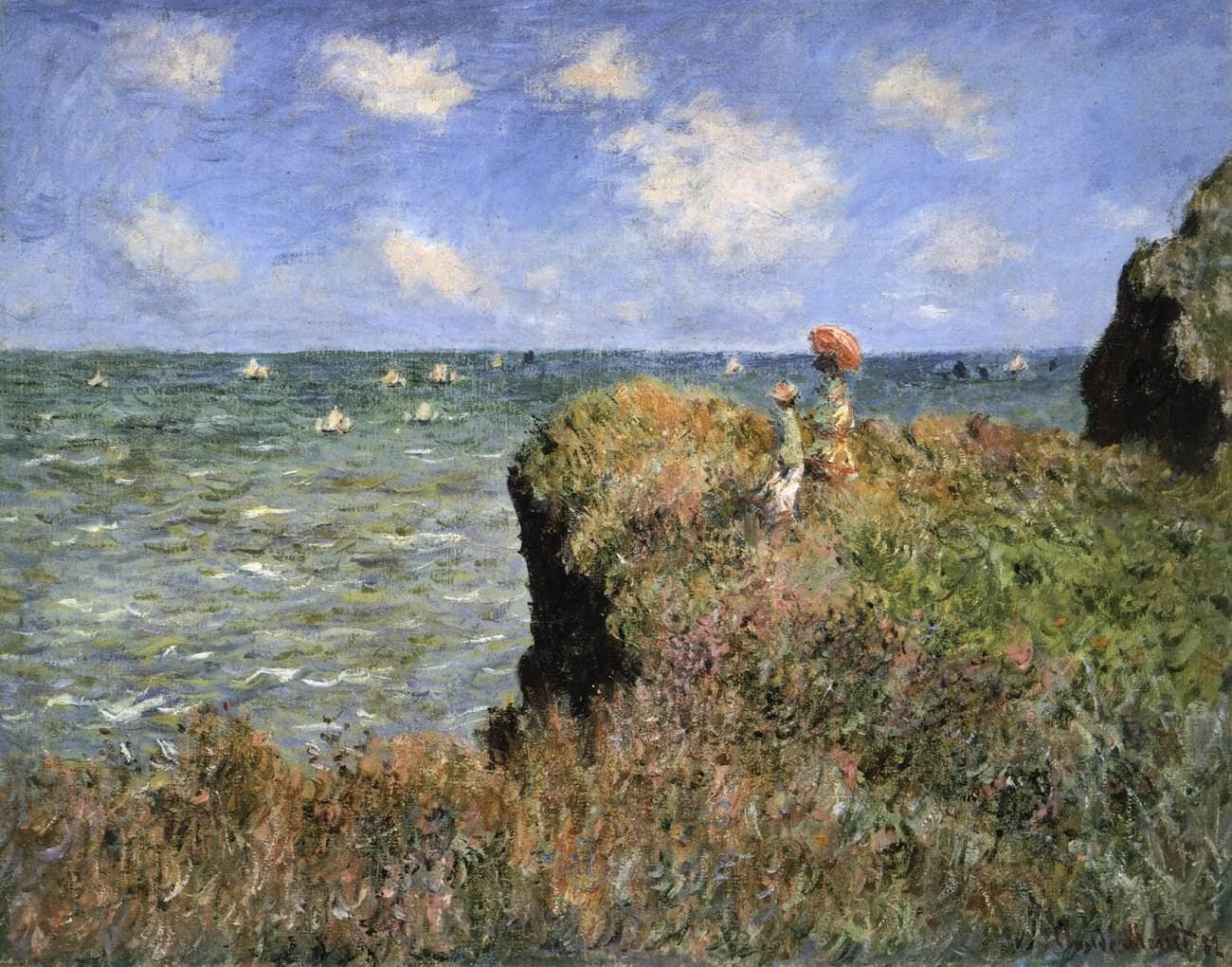
Cliff Walk at Pourville
Claude Monet · 1882
The Customs House, Afternoon Effect
Claude Monet · 1882
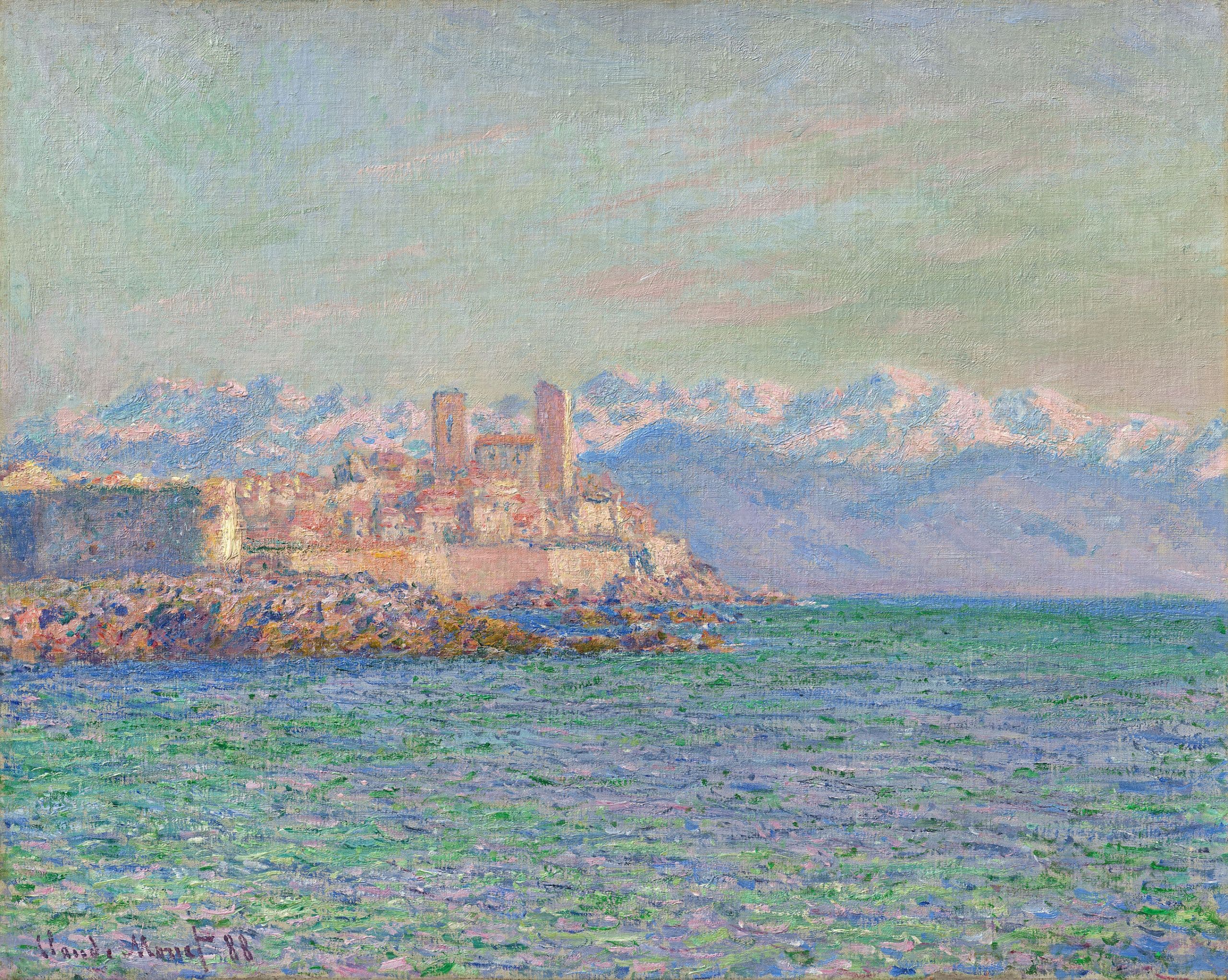
The Fort of Antibes
Claude Monet · 1888
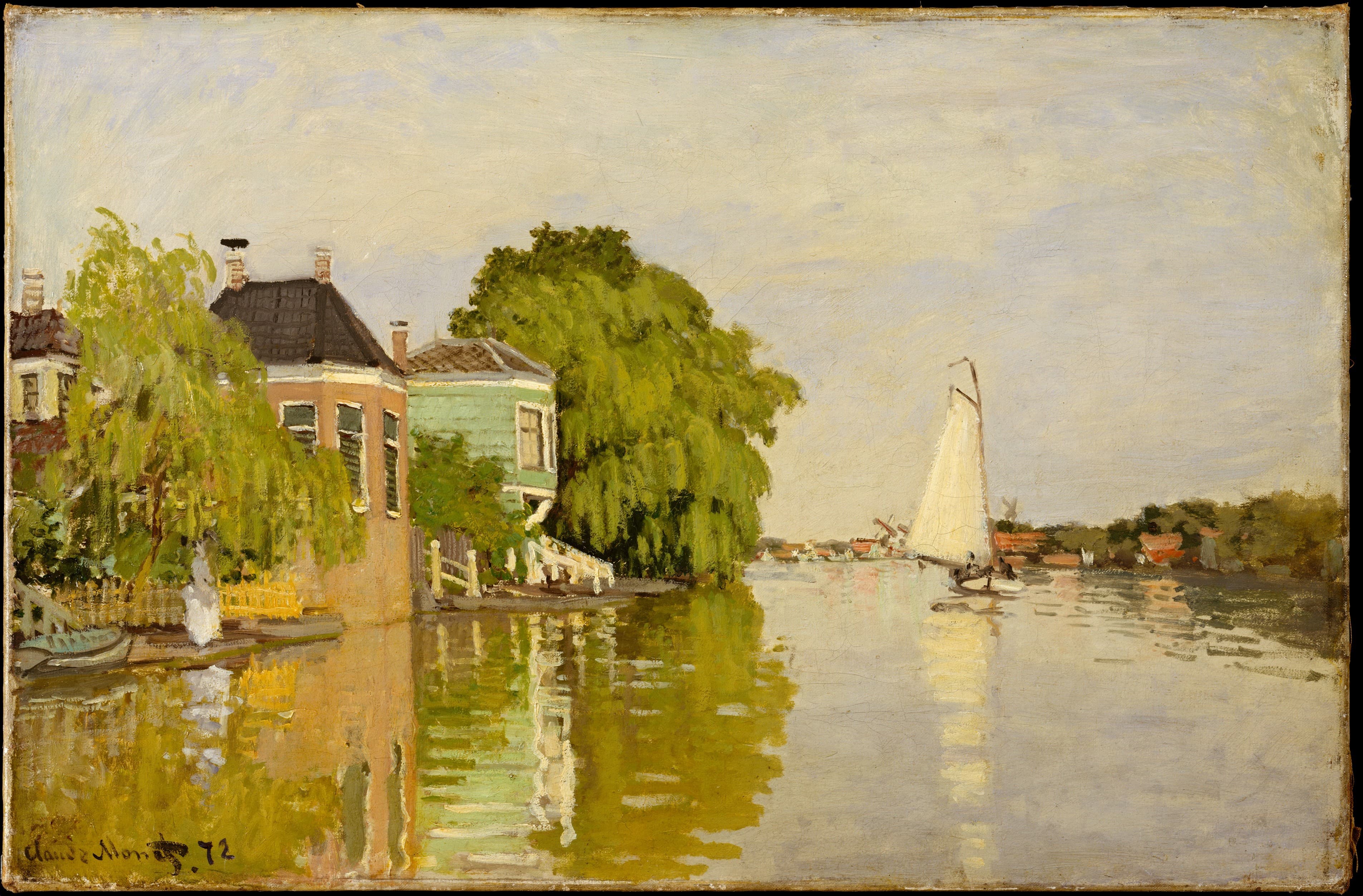
Houses on the Achterzaan
Claude Monet · 1871
Vétheuil in the Fog
Claude Monet · 1879
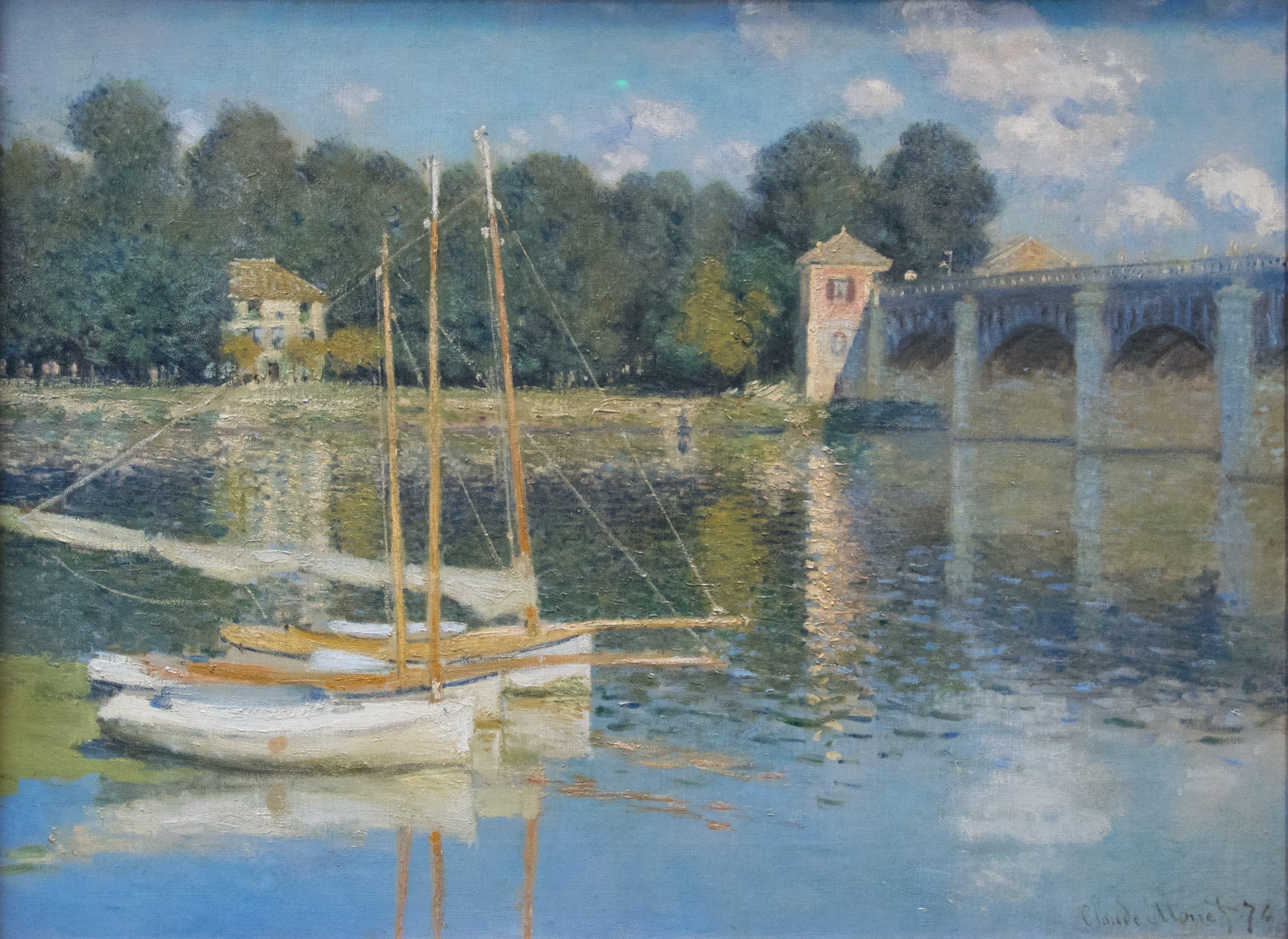
The Argenteuil Bridge
Claude Monet · 1874