Image: Photo: Wikimedia Commons contributor, CC BY-SA 4.0, via Wikimedia Commons (Museum of Fine Arts, Boston) · CC BY-SA 4.0 · via Wikimedia Commons
Fisherman's Cottage on the Cliffs at Varengeville
Claude Monet, 1882
Fisherman's Cottage on the Cliffs at Varengeville is an 1882 painting by Claude Monet of the clifftop hut near Dieppe sunk in flowering shrubs above a green sea full of sails. It is in the Museum of Fine Arts, Boston.
- Artist
- Claude Monet
- Date
- 1882
- Medium
- Oil on canvas
- Dimensions
- 60.6 × 81.6 cm
- Collection
- Museum of Fine Arts, Boston, Boston, United States
- Movement
- Impressionism
- Catalogue
- Wildenstein 805
- Water & Sea
- Nature & Landscape
Fisherman's Cottage on the Cliffs at Varengeville is the best-known of Claude Monet's 1882 paintings of the small stone hut on the Normandy cliffs west of Dieppe, and the sunniest. Catalogued by Wildenstein as no. 805, it was bought from Durand-Ruel in 1890 by the Boston collector Anna Perkins Rogers, shown at the Museum of Fine Arts, Boston, in 1891, and bequeathed to the museum in 1921.
What you're looking at
The hut sits in the upper left, its pale stone walls and coral-red roof with two chimneys catching full sun. But it is half-swallowed by vegetation. The whole lower two-thirds of the canvas is a billowing mass of shrubs and wildflowers on the slope of the cliff, painted in short, thick, multicolored strokes: yellow-green, olive, emerald, lilac and pink, with touches of red and orange flowers at the bottom edge. The bushes swell up and over the edge of the cliff toward the right, where the slope falls away out of sight.
Beyond, the sea fills the upper right of the picture, a strong jade and turquoise, worked in short horizontal strokes, deeper blue toward the horizon. It is crowded with small white sails, fishing boats or yachts, scattered across the water to the horizon. The sky is a pale blue with soft white and pinkish clouds. The signature is at lower right.
The cottage and the summer of 1882
The little building had been put up as a lookout for customs officers watching for smugglers along the coast; by Monet's day fishermen used it to store their nets. Monet painted it again and again during his long stay at Pourville in 1882, from the clifftop, from below, in sun and in cloud, in more than a dozen canvases. This view from slightly above, with the sea behind and the vegetation in front, is the one that best combines the three elements he cared about: the man-made block of the hut, the textured growth of the cliff, and the shimmering water. See Étretat and the Normandy Coast.
How it was painted
The surface is dense and tactile. The shrubs are painted in a dense web of small strokes, each of a different color, laid side by side and over each other, so that the slope seems to vibrate. The sea is smoother and cooler, and the sails are single flicks of white. Monet sets the warm hut against the cool sea and lets the mass of greenery fill the space between them, with no foreground path or figure to anchor the viewer.
How this version differs
Of the canvases of the hut, The Customs House, Afternoon Effect, owned by the Musée d'Orsay, looks down on it from higher up, so that the pale sea fills the picture; The Fisherman's House, Overcast Weather shows it from down the slope under a heavy gray sky. The Boston picture is the brightest and most crowded with life, with flowers in front and sails behind. Compare also Edge of the Cliff at Pourville, painted nearby.
Boston and Monet
Boston collectors were among the first in America to buy Monet, and by the 1890s the city was one of the main centers of American Monet collecting. Anna Perkins Rogers, who bought this canvas in 1890, was part of a circle of Boston women collectors, many of whom later gave their pictures to the MFA. The museum now holds one of the largest collections of Monet's work outside France.
Ownership and where to see it
The MFA's records note that Monet probably sold the picture to Durand-Ruel in October 1882; it passed through the Porto-Riche sale in 1890 and was sold by Durand-Ruel on 4 July 1890 to Anna Perkins Rogers of Boston, an early American collector of Monet. She lent it to the MFA in 1891, one of the first Monets shown there, and it entered the collection with her bequest in 1921 (accession 21.1331). See Monet at the MFA Boston.
Questions & answers
Where is Fisherman's Cottage on the Cliffs at Varengeville?
It is in the Museum of Fine Arts, Boston (accession 21.1331), the bequest of Anna Perkins Rogers in 1921. Check the museum's website for whether it is currently on view.
When was it painted?
In 1882, during Monet's long stay at Pourville near Dieppe. He painted the cottage on the cliffs at Varengeville more than a dozen times that year.
What does the painting show?
It shows a small stone cottage with a red roof and two chimneys, half-buried in a mass of flowering shrubs on a clifftop, with a jade-green sea full of white sails beyond and a pale sky above.
What was the fisherman's cottage?
It was a small stone hut built as a lookout for customs officers patrolling against smugglers. By the 1880s fishermen used it to store their nets. It still stands near Varengeville-sur-Mer.
More by the artist
Claude Monet
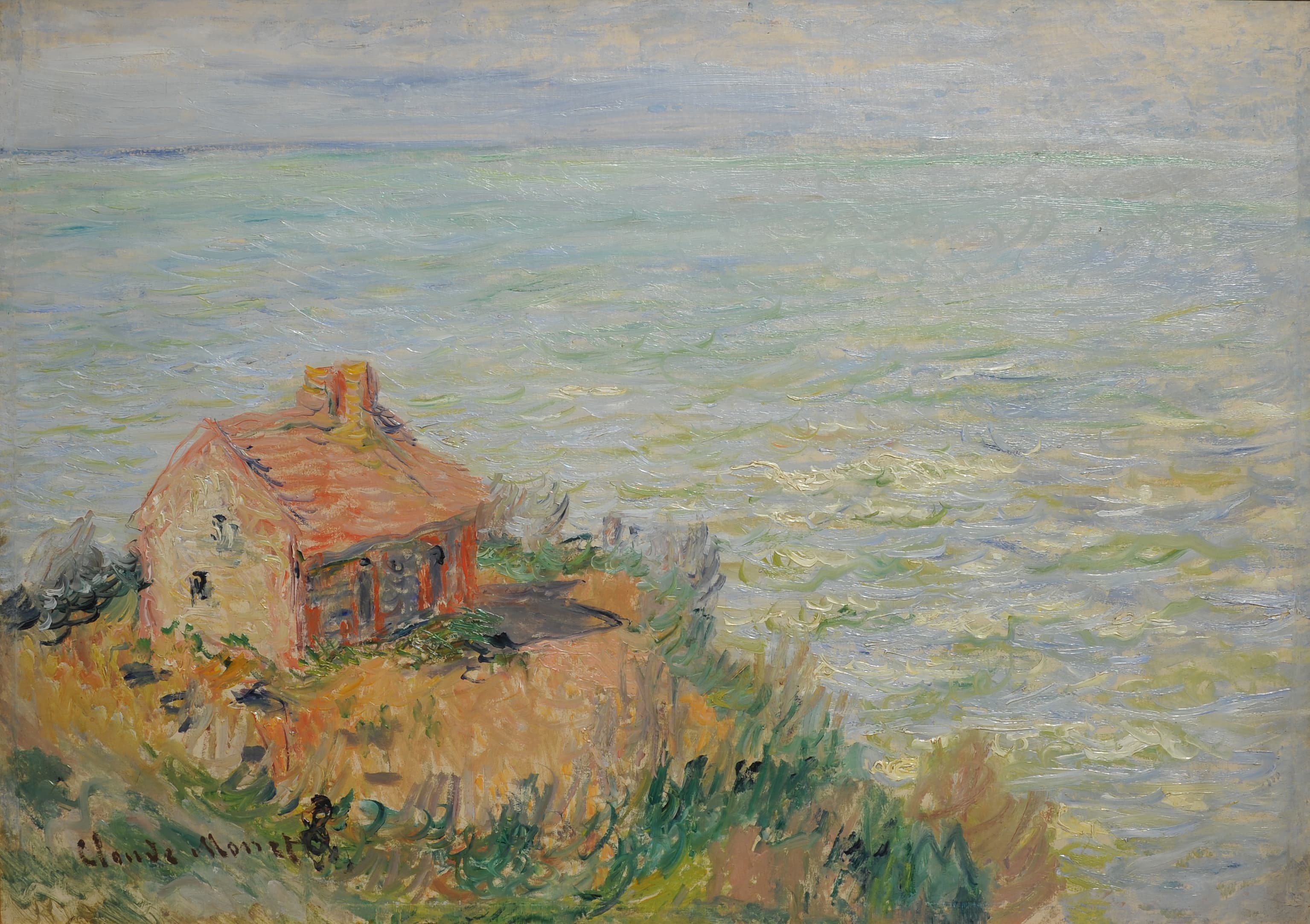
The Customs House, Afternoon Effect
Claude Monet · 1882
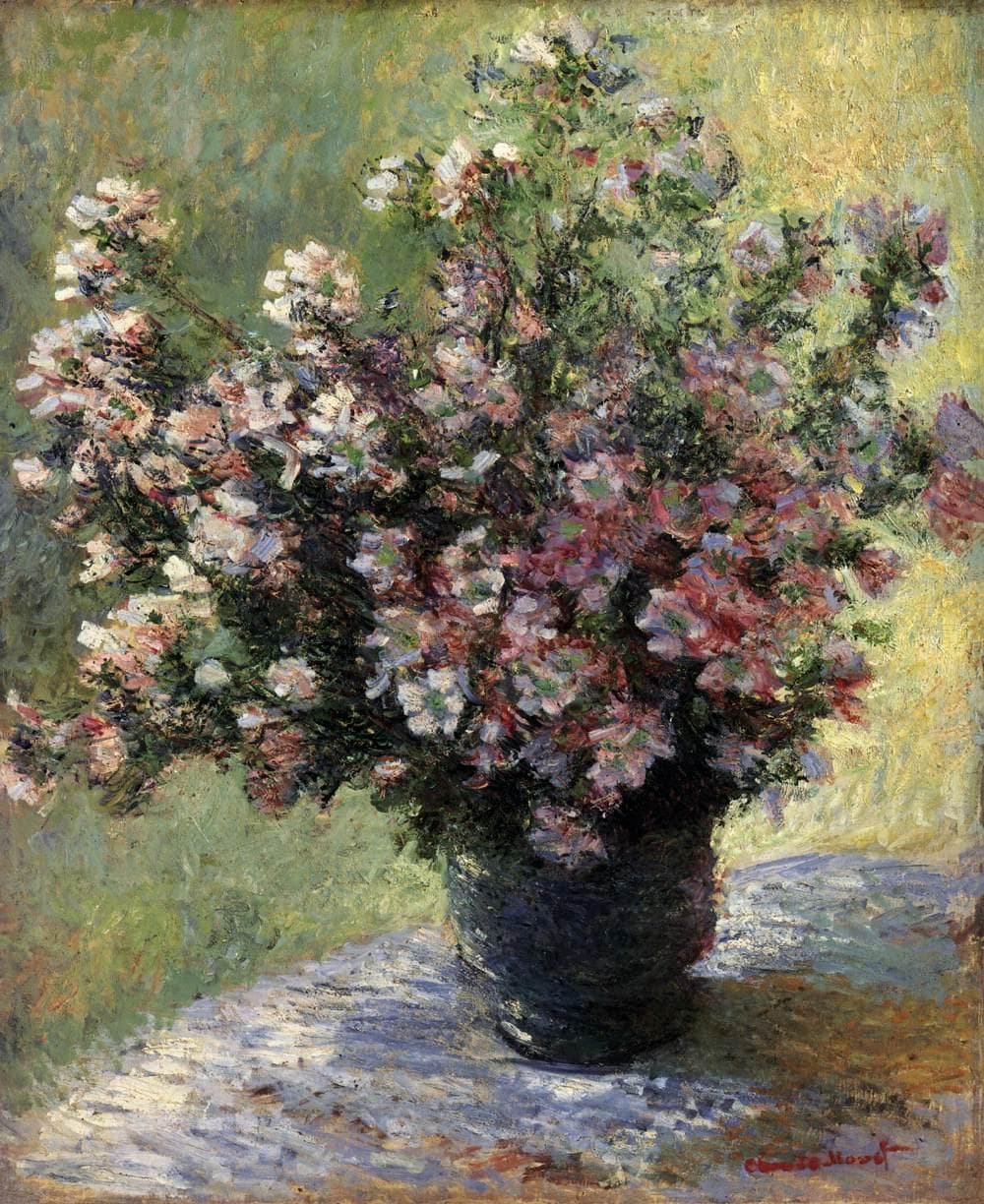
Vase of Flowers
Claude Monet · c. 1881–82
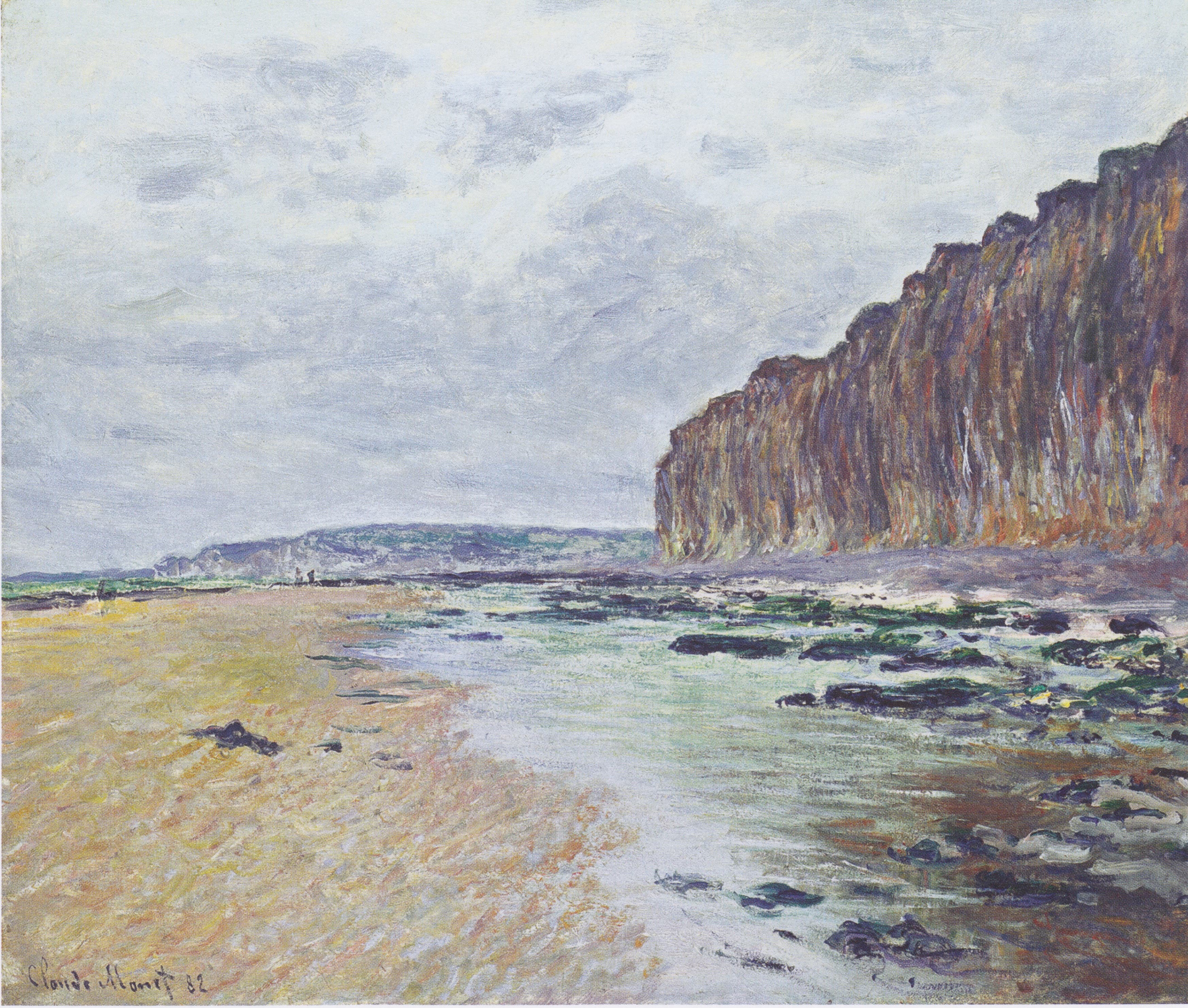
Varengeville, Low Tide
Claude Monet · 1882
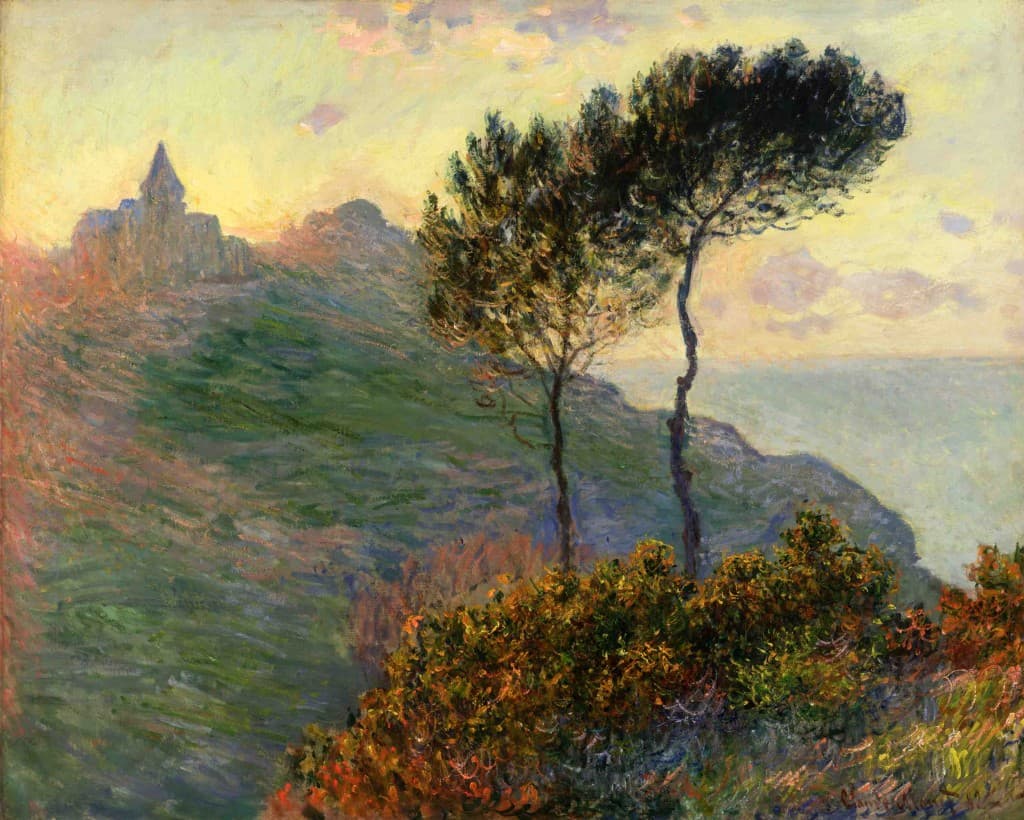
The Church at Varengeville
Claude Monet · 1882
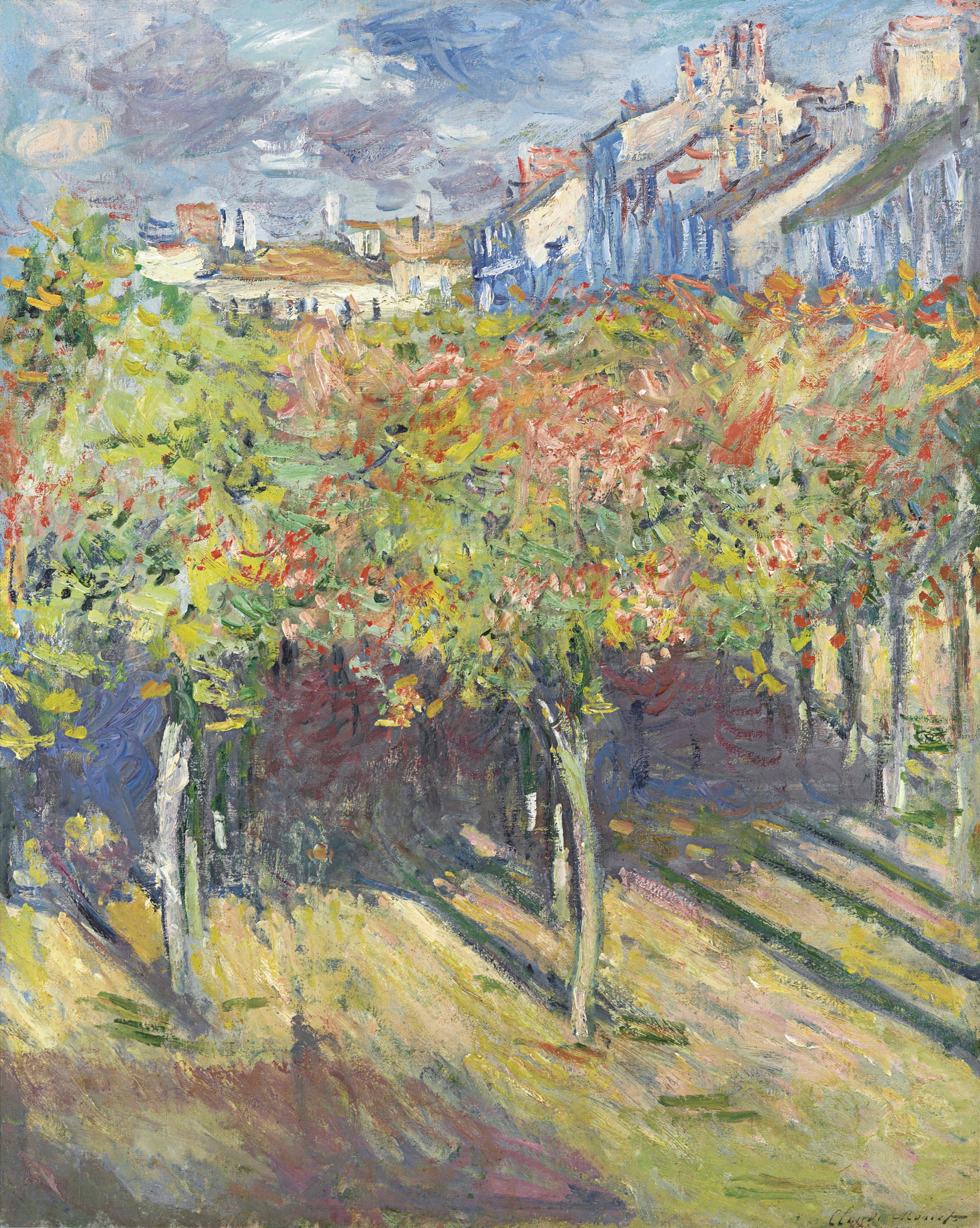
Les Tilleuls à Poissy
Claude Monet · 1882
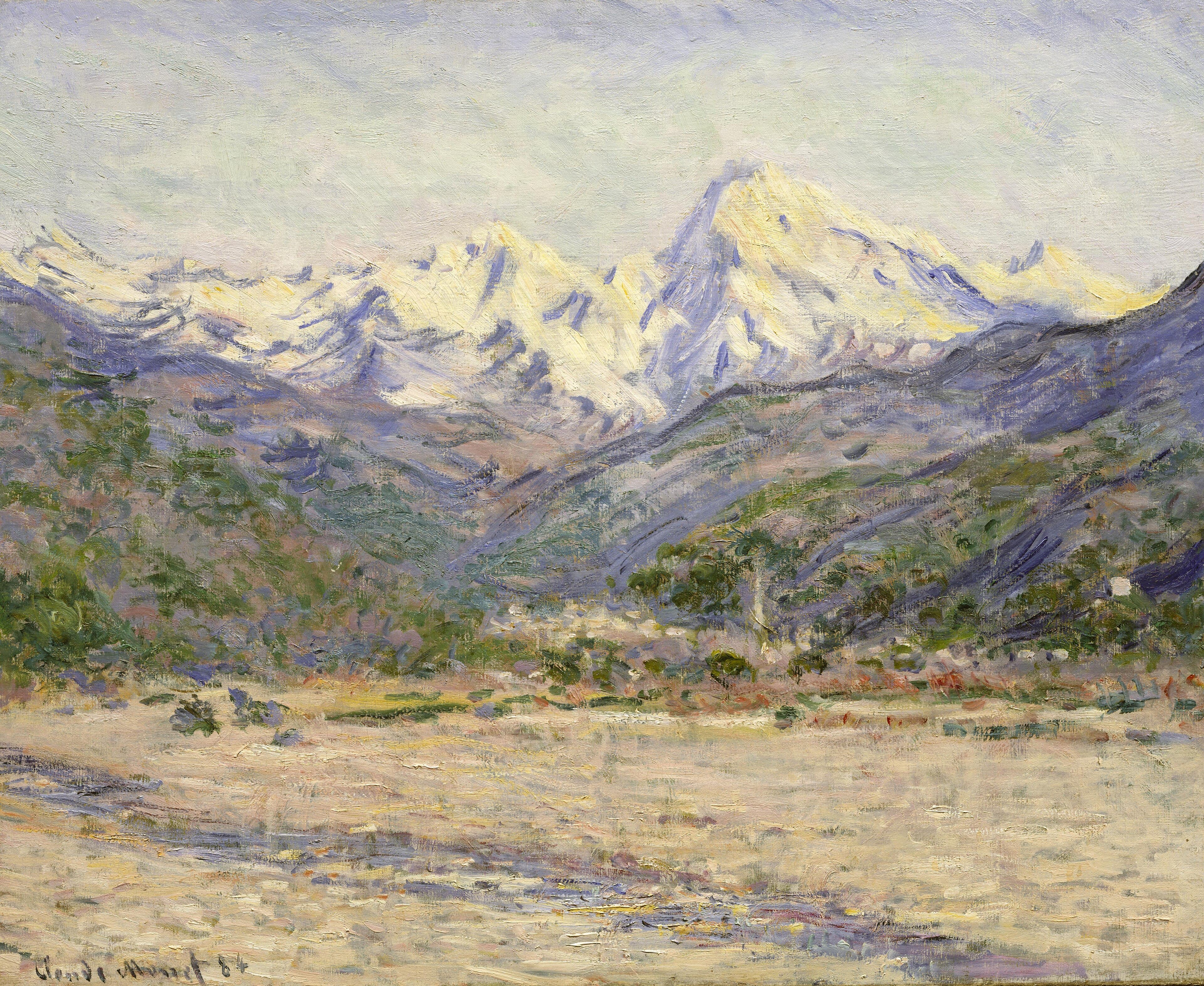
The Valley of the Nervia
Claude Monet · 1884
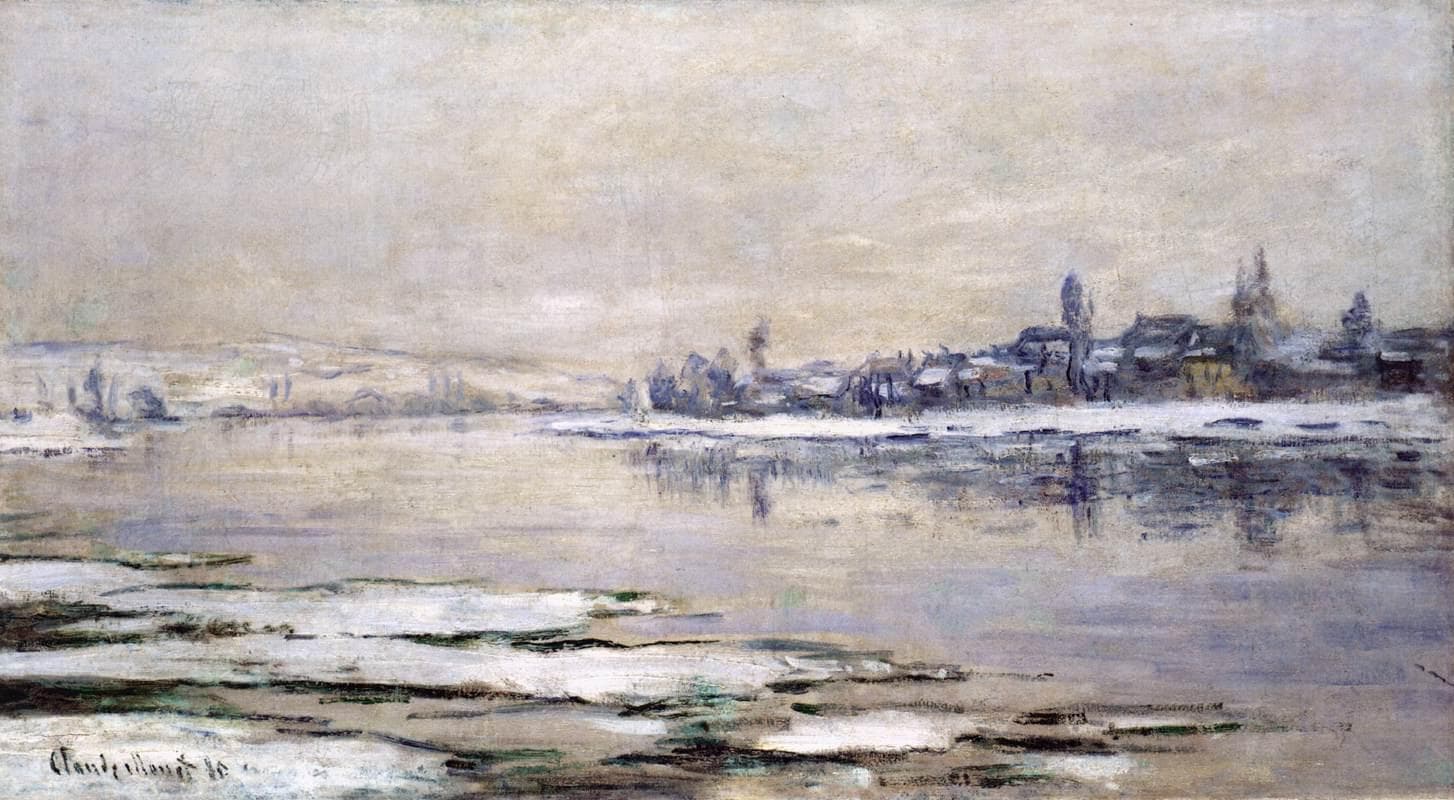
The Breakup of the Ice at Lavacourt
Claude Monet · 1880
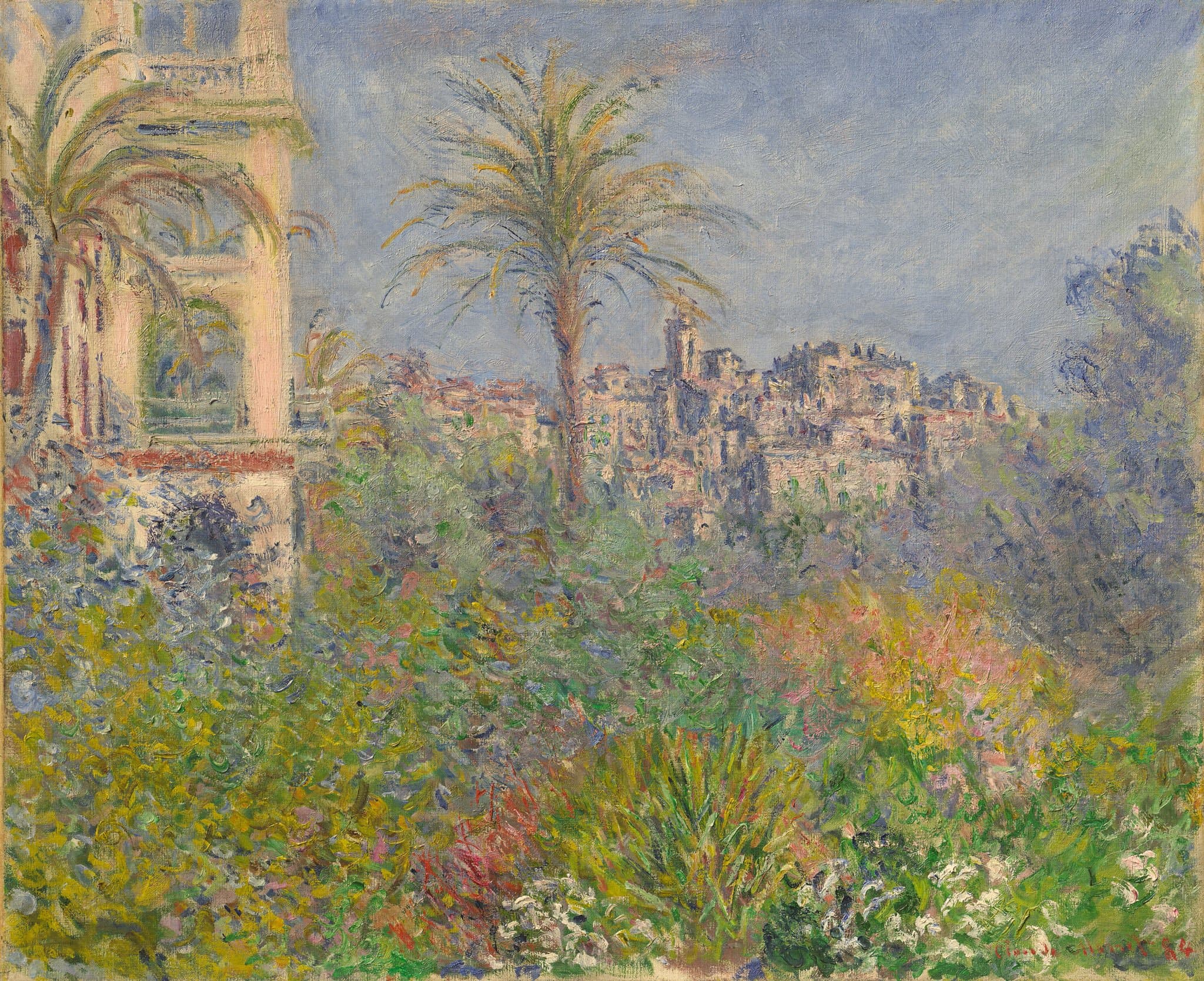
Villas at Bordighera
Claude Monet · 1884
Also painted in 1882
The same year

Beach in Pourville
Claude Monet · 1882
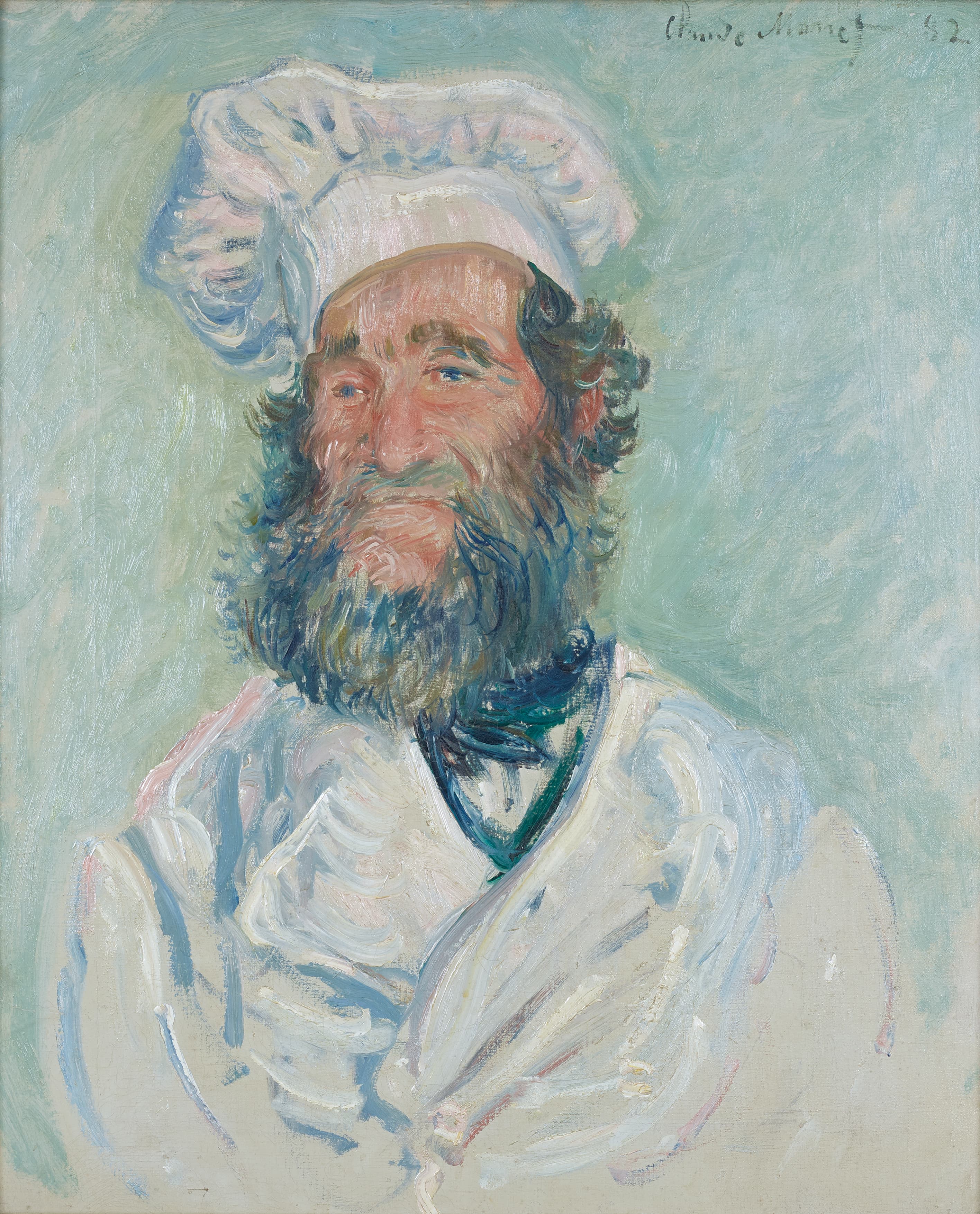
Portrait of Père Paul
Claude Monet · 1882
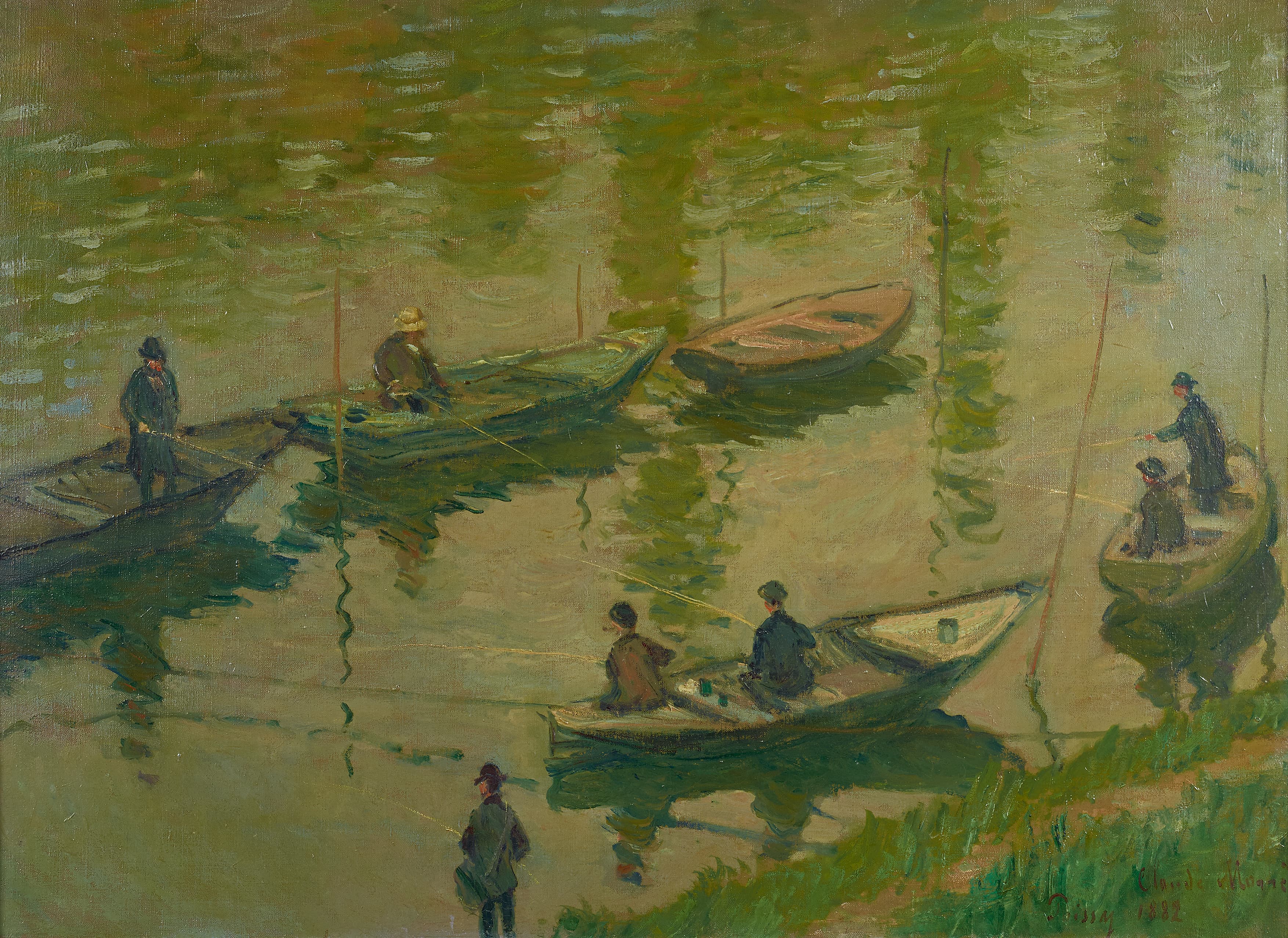
Anglers on the Seine at Poissy
Claude Monet · 1882
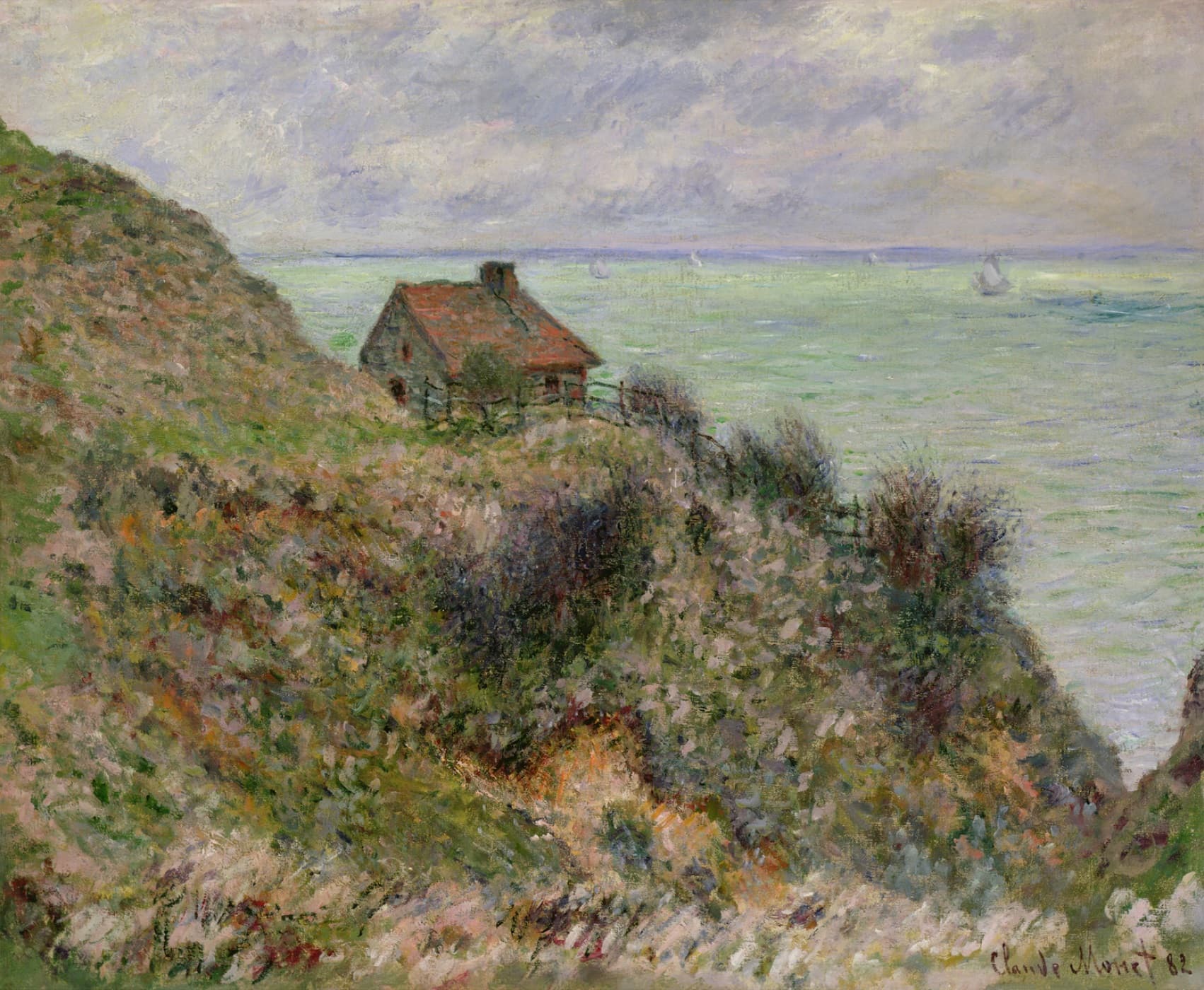
The Fisherman's House, Overcast Weather
Claude Monet · 1882
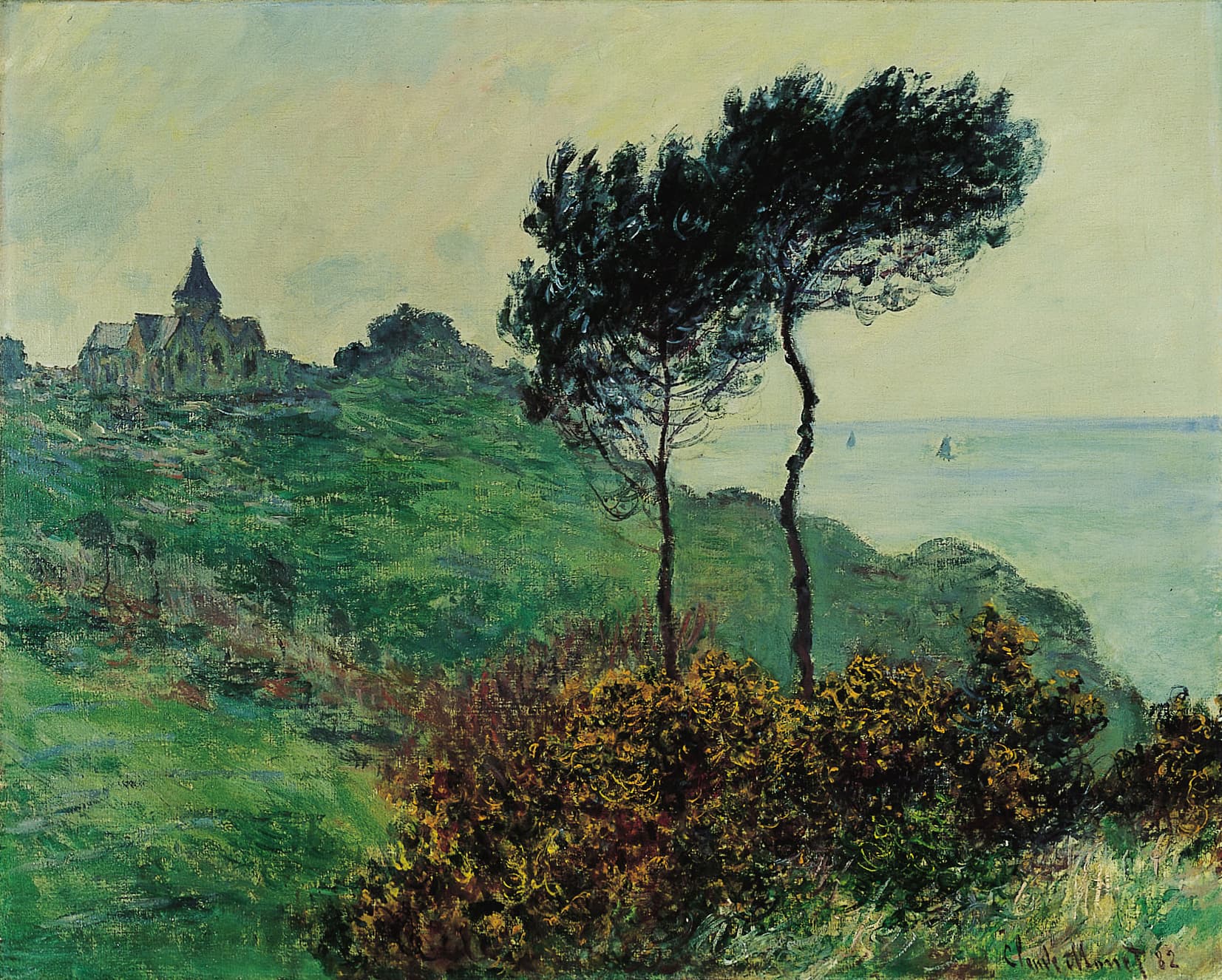
The Church at Varengeville, Grey Weather
Claude Monet · 1882
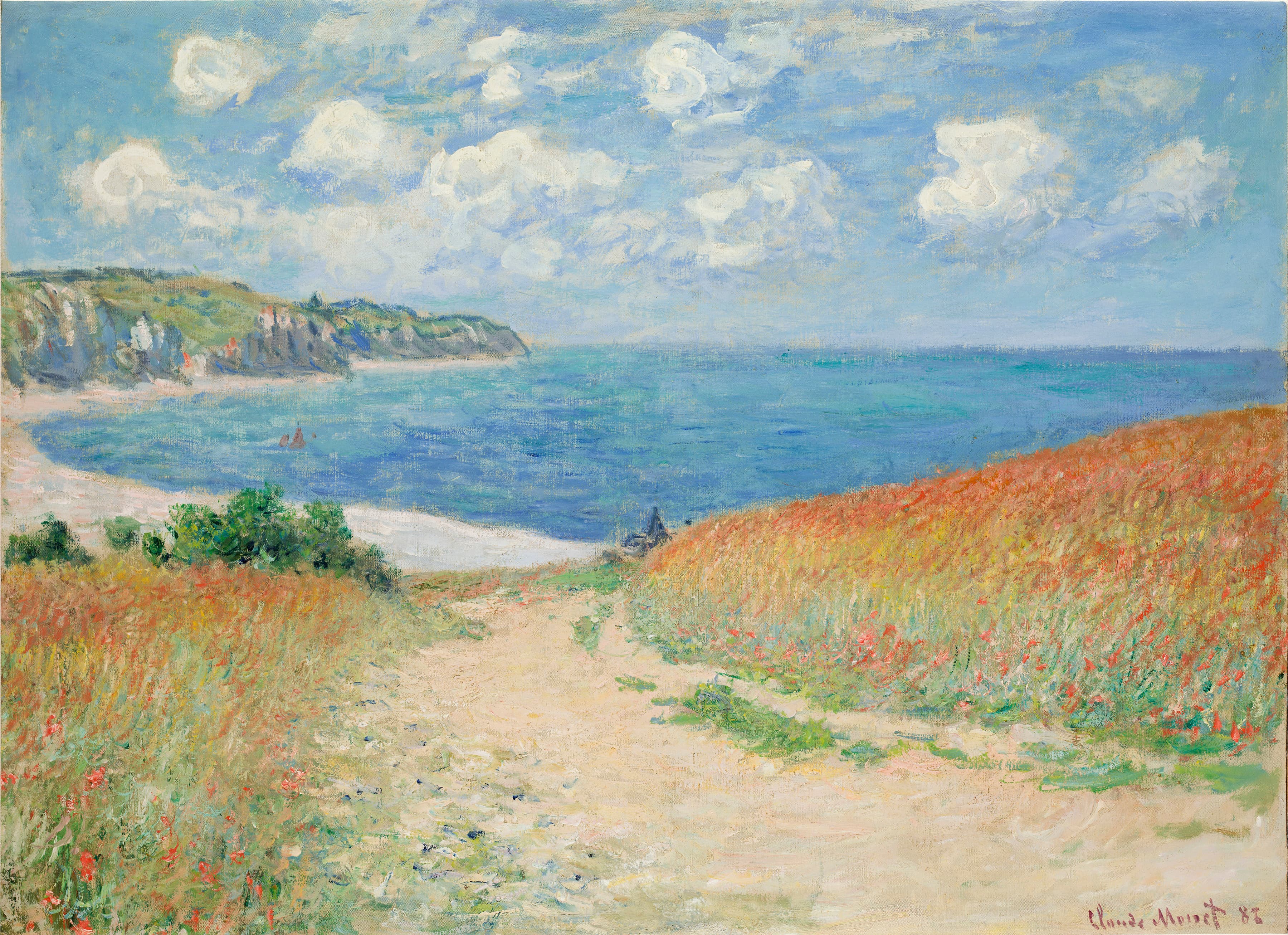
Path in the Wheat Fields at Pourville
Claude Monet · 1882
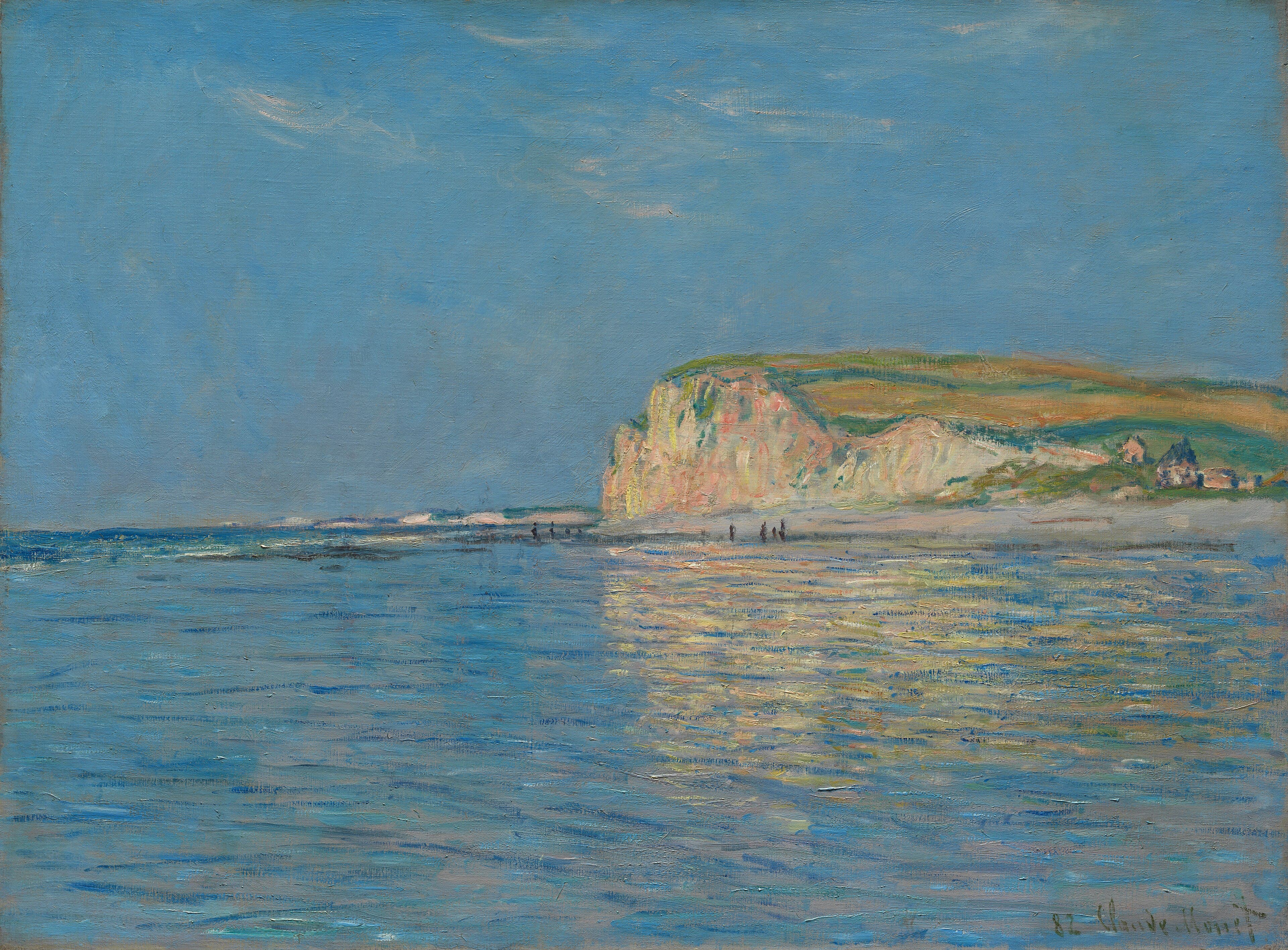
Low Tide at Pourville, near Dieppe
Claude Monet · 1882
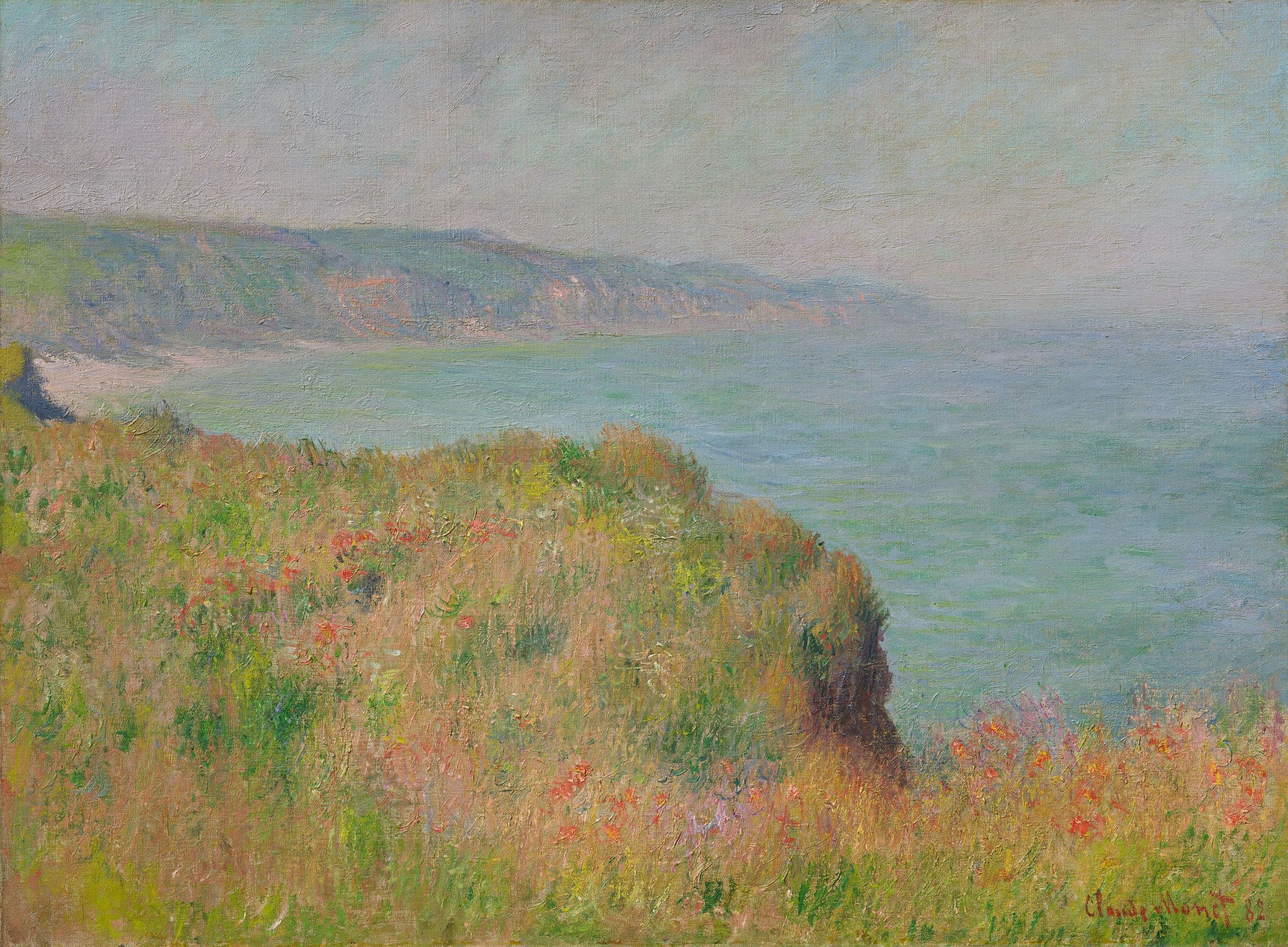
Edge of the Cliff at Pourville
Claude Monet · 1882
Kindred works
You may also study
The Fisherman's House, Overcast Weather
Claude Monet · 1882
Edge of the Cliff at Pourville
Claude Monet · 1882
The Church at Varengeville, Grey Weather
Claude Monet · 1882
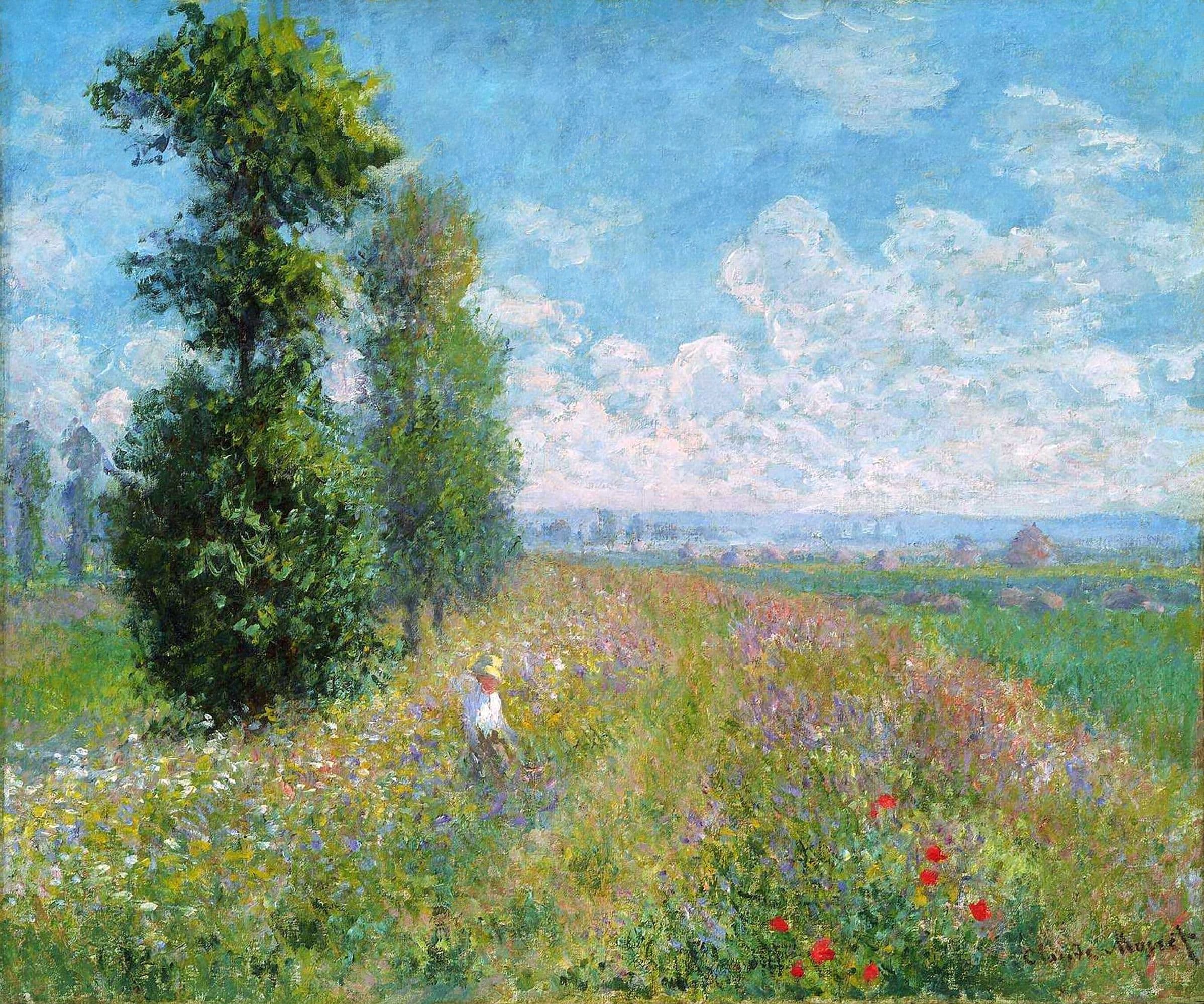
Meadow with Poplars
Claude Monet · c. 1875
Water Lilies (Pink Water Lilies), 1898
Claude Monet · c. 1898
Morning Haze
Claude Monet · 1894
Les peupliers, automne
Claude Monet · 1891
On the Bank of the Seine, Bennecourt
Claude Monet · 1868