Image: Musée Marmottan Monet; reproduction via Wikimedia Commons · Public domain · via Wikimedia Commons
Vétheuil in the Fog
Claude Monet, 1879
Vétheuil in the Fog is an 1879 painting by Claude Monet of the village of Vétheuil and its church across the Seine, dissolved in pale morning fog. It is in the Musée Marmottan Monet, Paris, from Michel Monet's bequest.
- Artist
- Claude Monet
- Date
- 1879
- Medium
- Oil on canvas
- Dimensions
- 60 × 71 cm
- Collection
- Musée Marmottan Monet, Paris, France
- Movement
- Impressionism
- Catalogue
- Wildenstein 518
- Nature & Landscape
- Water & Sea
- Architecture & Ruins
Vétheuil dans le brouillard (Vétheuil in the Fog) is a view by Claude Monet of the village of Vétheuil on the Seine, where he lived from 1878 to 1881, seen across the river through morning fog. Signed and dated 1879 and catalogued by Wildenstein as no. 518, it stayed with Monet all his life, passed to his son Michel, and came to the Musée Marmottan Monet in Paris with Michel Monet's bequest in 1966.
What you're looking at
The picture is almost all fog. A band of blue-gray and pale violet fills the sky, thickening toward the top. Through it, across the middle of the canvas, the village emerges as a line of soft, pale shapes: low houses, trees and, a little right of center, the tall mass of the church of Notre-Dame of Vétheuil, its tower touched with pinkish orange where the rising sun reaches it through the haze.
Below, the Seine reflects the scene as vertical streaks of pale pink, cream and blue, broken by short horizontal strokes on the water's surface. There is no foreground bank, no boat and no figure; we seem to look from the river itself, as Monet often did from his studio boat. The signature and date, Claude Monet 79, are at lower right.
Where and when it was painted
Monet moved to Vétheuil, a village on a bend of the Seine some 50 kilometers downstream from Paris, in September 1878, sharing a house with Ernest and Alice Hoschedé and their children. It was a period of debt and of family crisis: Camille was already ill and died in September 1879. Monet worked constantly along the river, painting the village and its church from the water and from the far bank in every season. See Monet at Vétheuil.
Monet later told the story of this canvas himself. Short of money, he offered it to the baritone Jean-Baptiste Faure, a major collector of his work, who refused it; years later, after the painting had become admired, Faure wanted it and Monet would not sell. The anecdote, repeated by the Marmottan, comes from Monet's own recollections and should be taken as such, but it fits the fact that he kept the canvas until his death.
How it was painted
The surface is thin and evenly worked, with very little contrast of value. Monet builds the fog from overlapping, semi-transparent layers of blue, lilac and white, letting a few warmer touches show through for the light on the church and the houses. The vertical reflections are dragged down with a dry brush, and the water's surface is suggested by a few short horizontals laid over them. It is one of his earliest pictures in which the subject is the atmosphere between the painter and the motif rather than the motif itself, an idea he would return to in London twenty years later.
How it compares
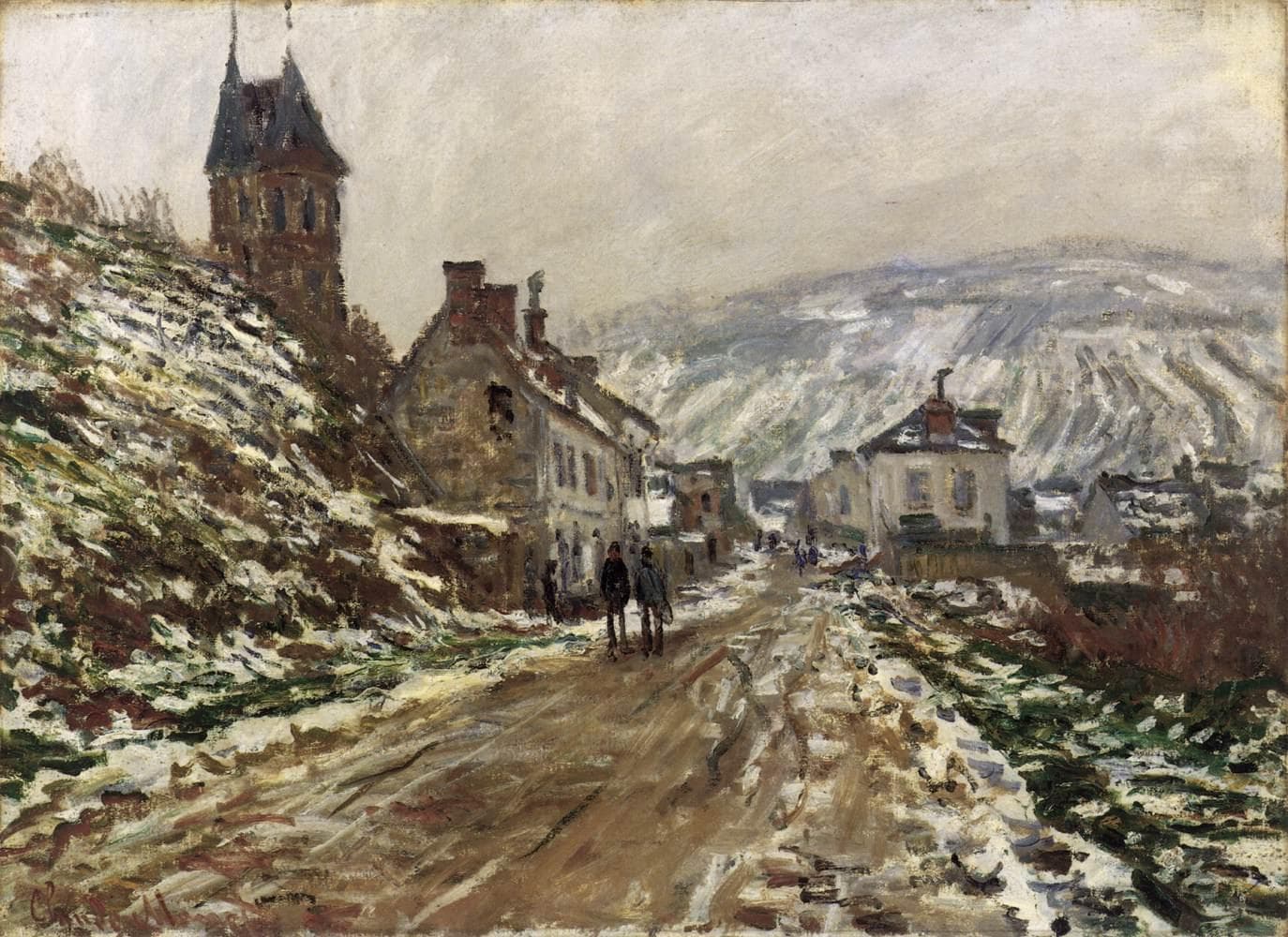
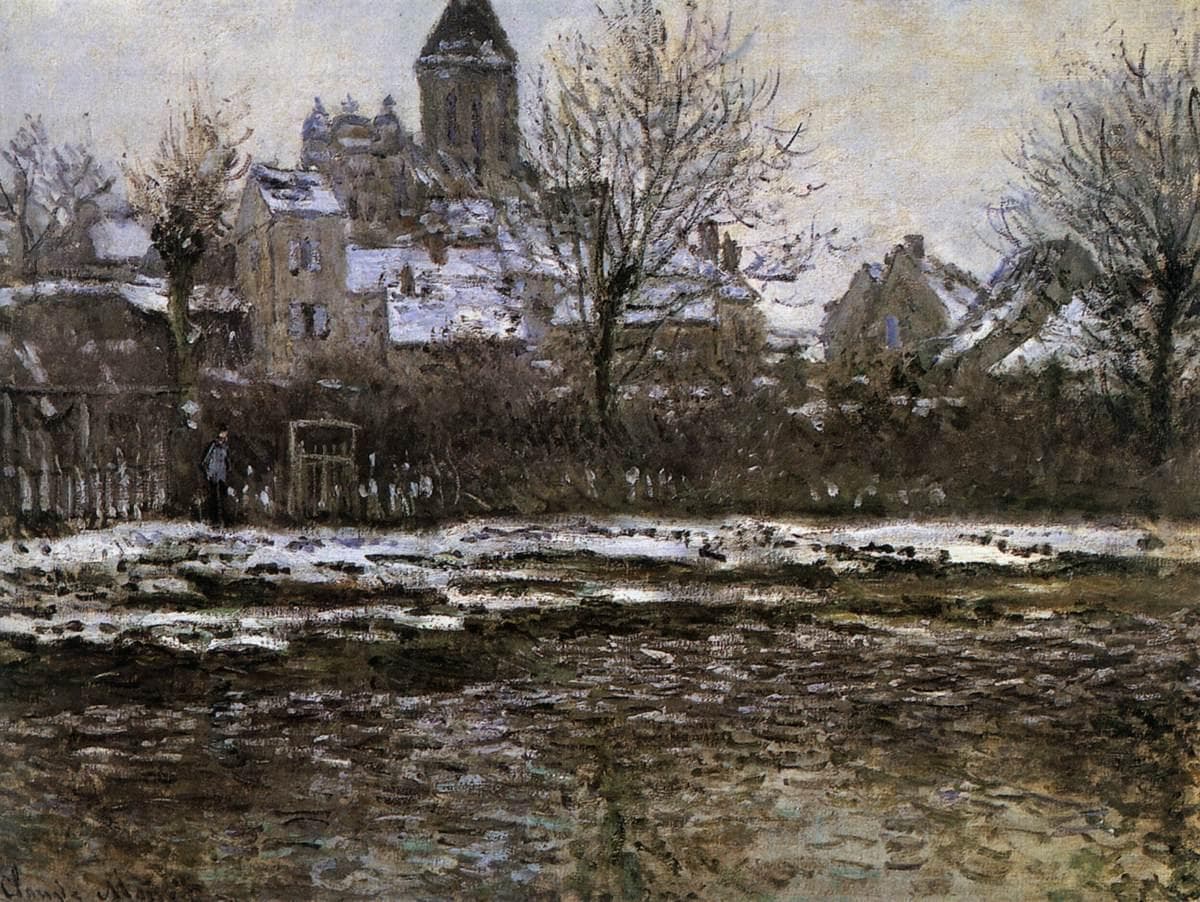
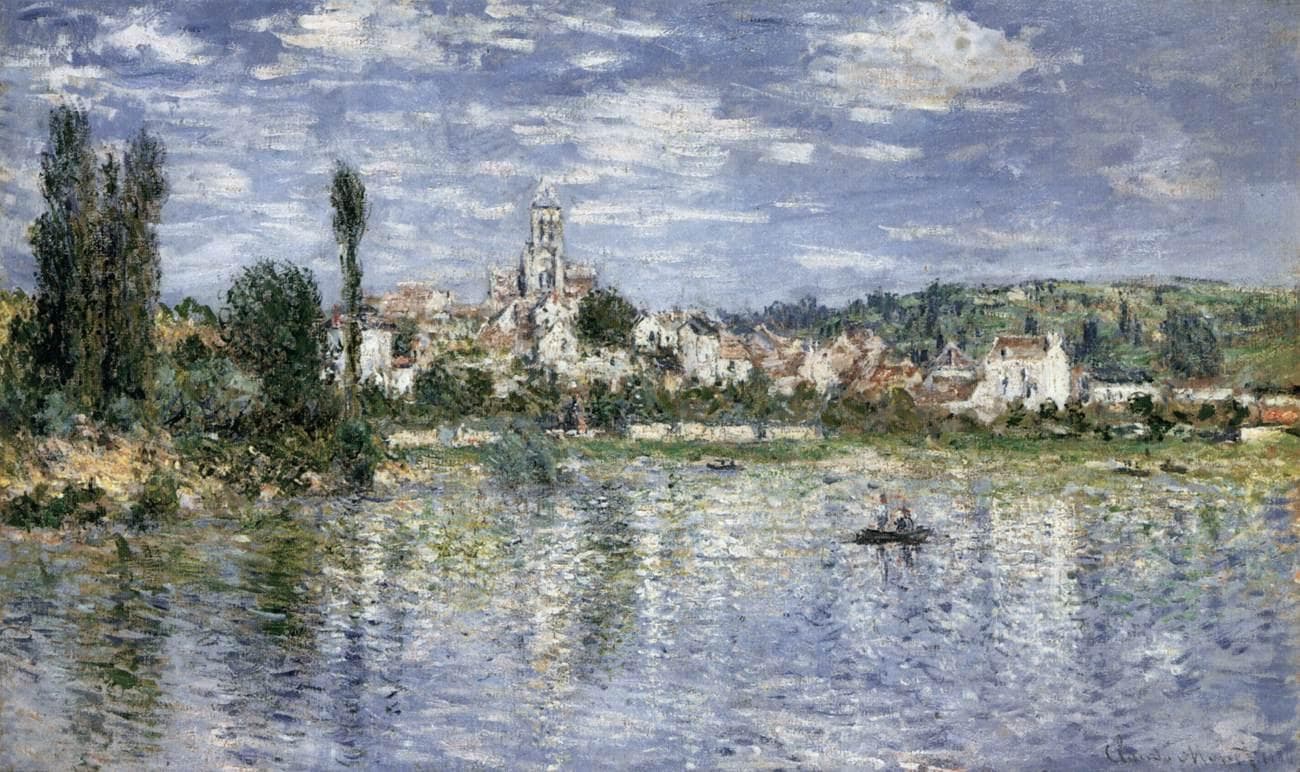
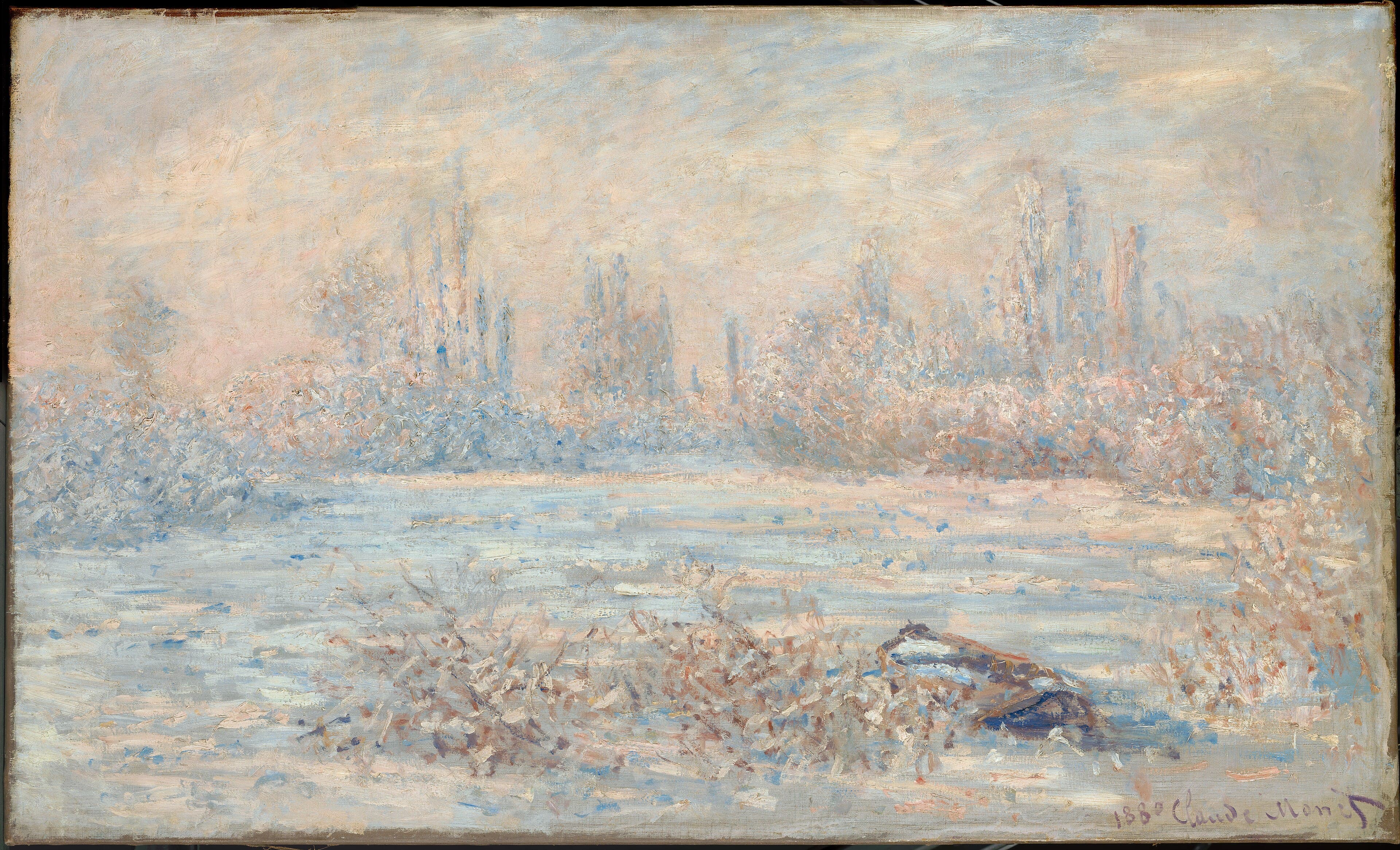
Vétheuil and its church appear in many canvases of these years, from the snowbound Church in Vétheuil in Winter to the bright Vétheuil in Summer. In those the village is solid and legible; here it is a ghost. The closest relatives are the pale, near-monochrome winter pictures painted a few months later, such as Frost, and, much later, the misty London views like Waterloo Bridge at Dusk.
The church of Vétheuil
The church of Notre-Dame at Vétheuil, begun in the twelfth century and enlarged in the sixteenth, stands on a slope above the river and dominates the village from every direction. Monet painted it from the water, from the opposite bank at Lavacourt, from the hillside and from close by in the snow. In this canvas it is the only clearly identifiable building, a faint vertical rising out of the fog, and its presence is what tells us we are looking at Vétheuil at all.
Where to see it
The painting is in the Musée Marmottan Monet in Paris (inventory 5024), part of the bequest of Monet's son Michel in 1966, which made the museum the largest single collection of Monet's work. See the Musée Marmottan Monet.
Questions & answers
Where is Monet's Vétheuil in the Fog?
It is in the Musée Marmottan Monet in Paris (inventory 5024). Monet kept it all his life; it passed to his son Michel, who bequeathed it to the museum in 1966.
When was Vétheuil in the Fog painted?
It is signed and dated 1879. Monet painted it at Vétheuil, the Seine village where he lived from 1878 to 1881.
What does Vétheuil in the Fog show?
It shows the village of Vétheuil and its church across the Seine, almost dissolved in blue-violet fog, with the church tower faintly lit by the morning sun and pale reflections in the river.
Is it true that a collector refused Vétheuil in the Fog?
According to Monet's own later account, the singer Jean-Baptiste Faure turned it down when Monet offered it to him cheaply, and later wanted it when Monet would no longer sell. It is an anecdote, but Monet did keep the painting until his death.
More by the artist
Claude Monet
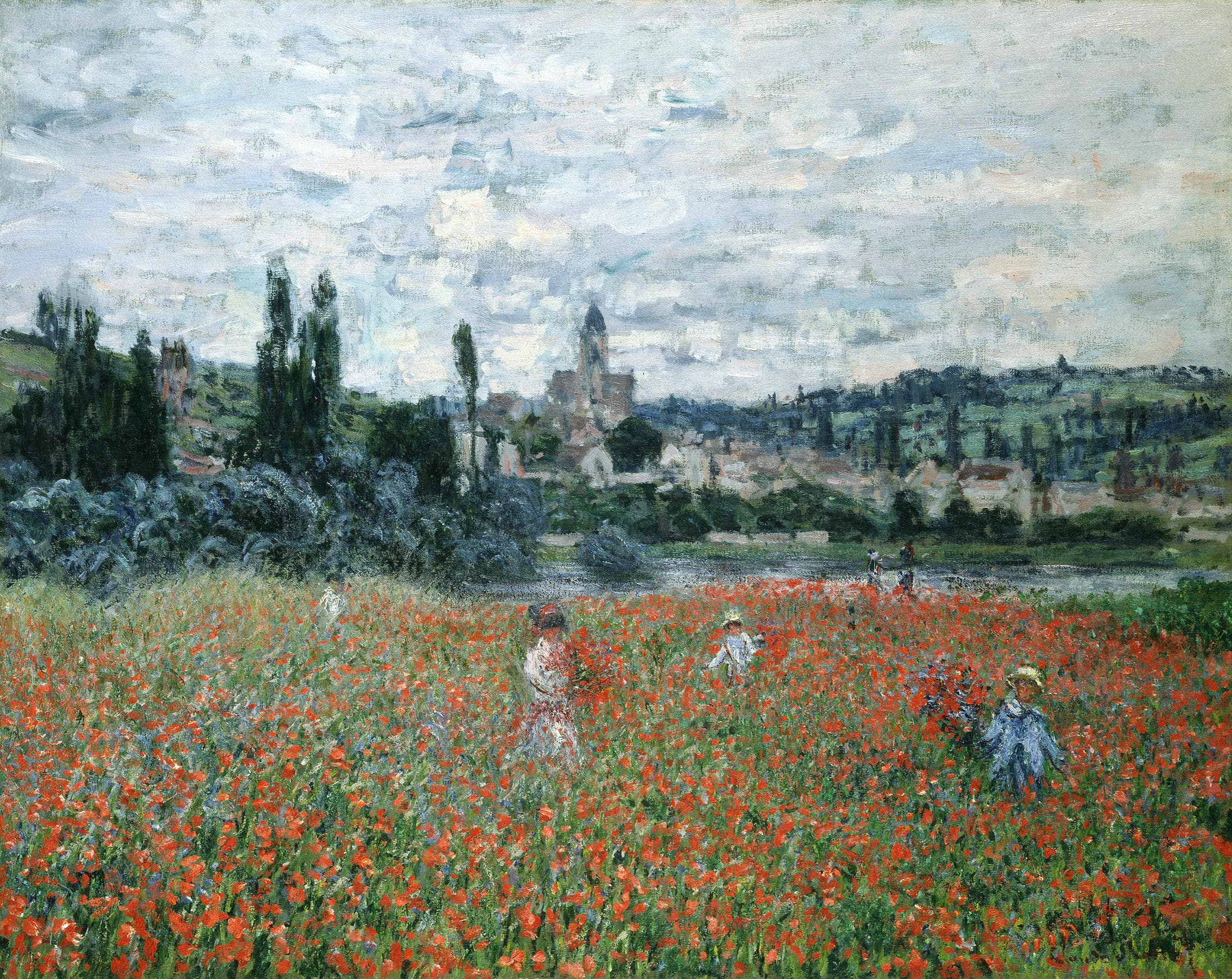
Poppy Field near Vétheuil
Claude Monet · c. 1879
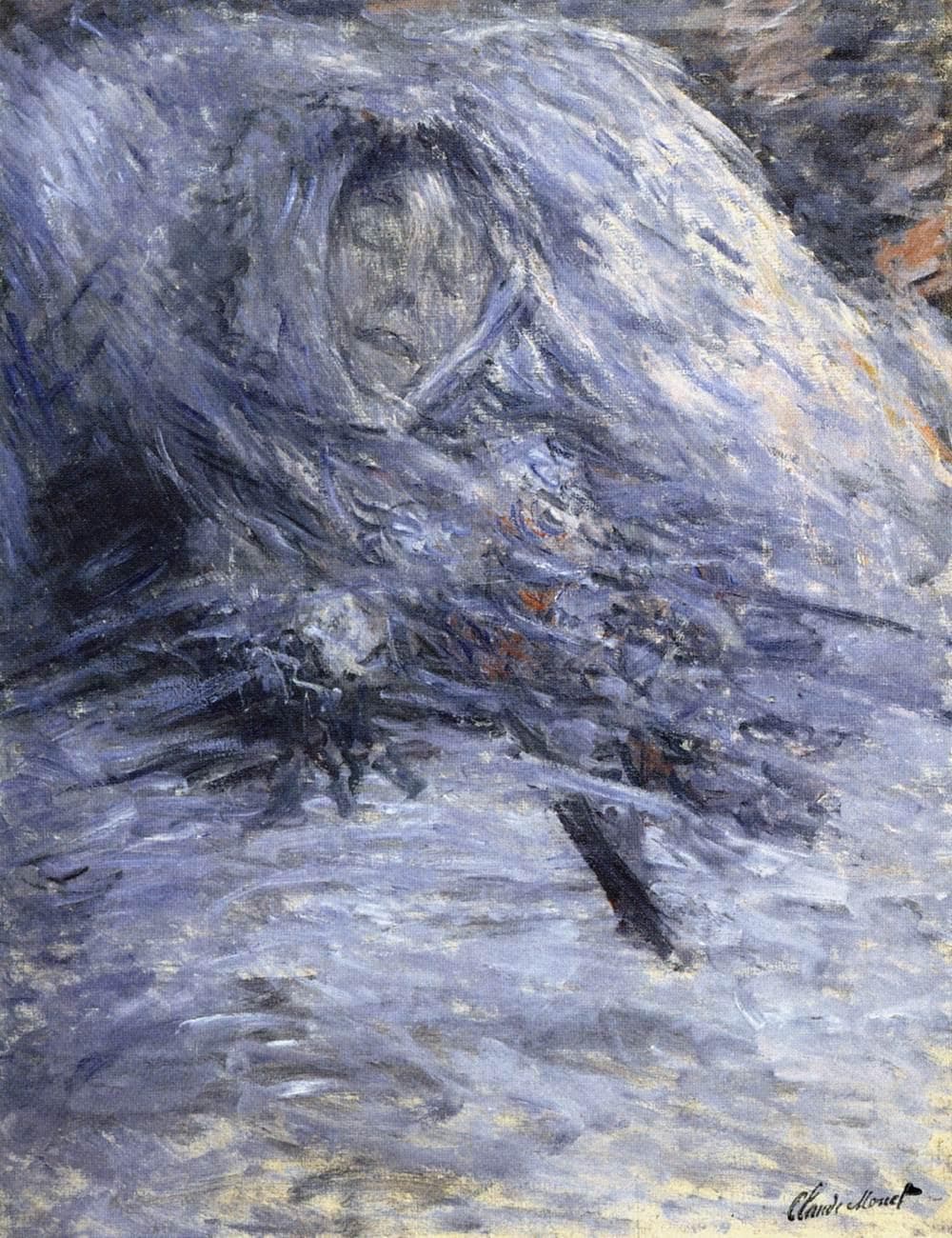
Camille Monet on Her Deathbed
Claude Monet · 1879
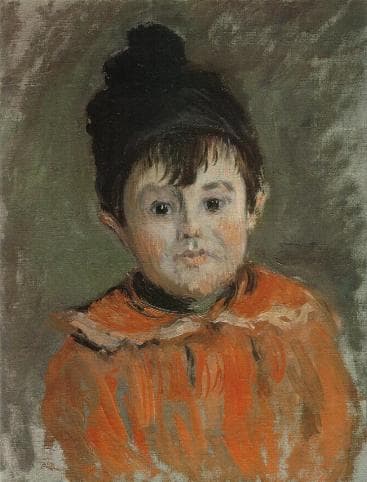
Michel Monet with a Pompon
Claude Monet · 1880
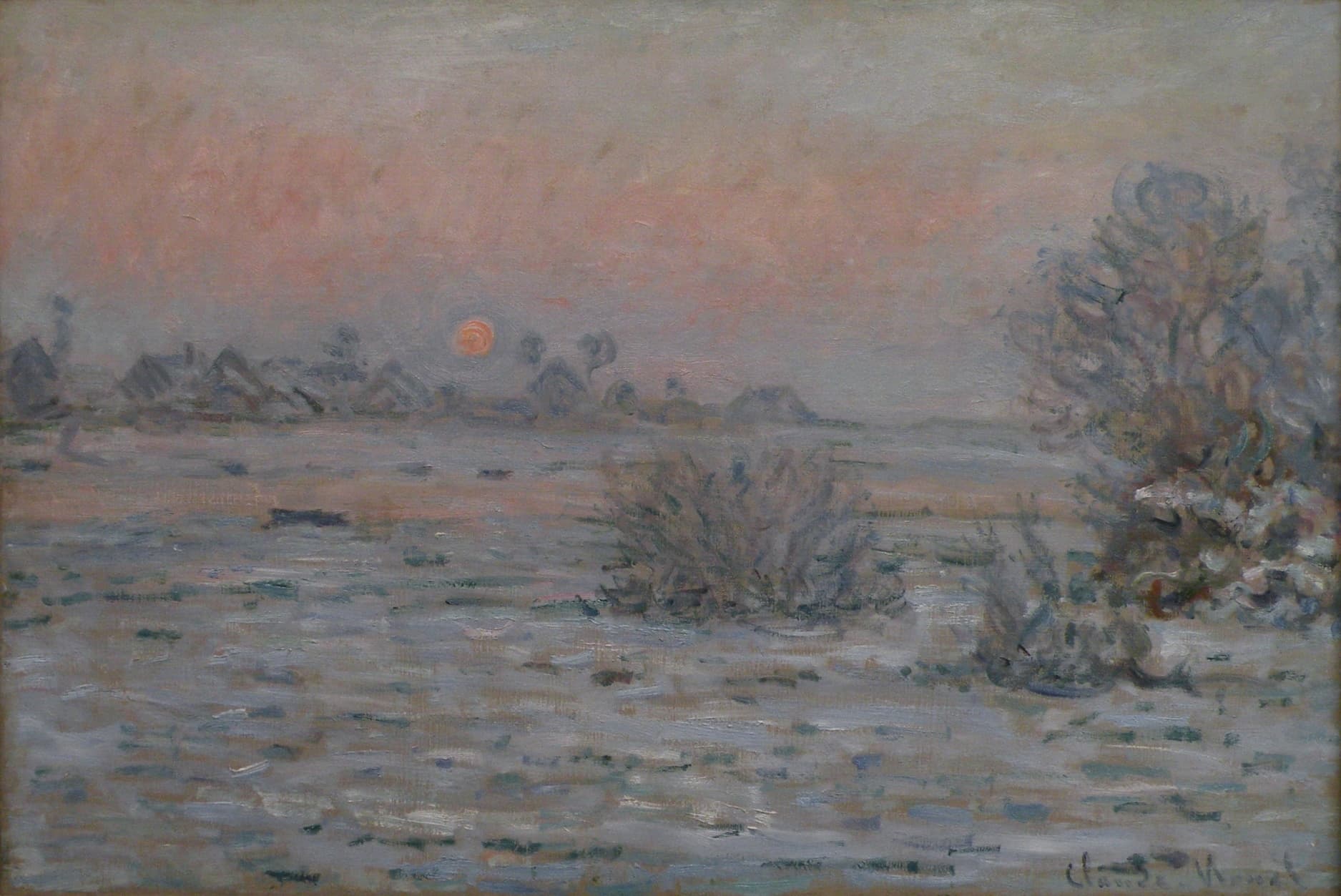
Winter Sun at Lavacourt
Claude Monet · 1879–80
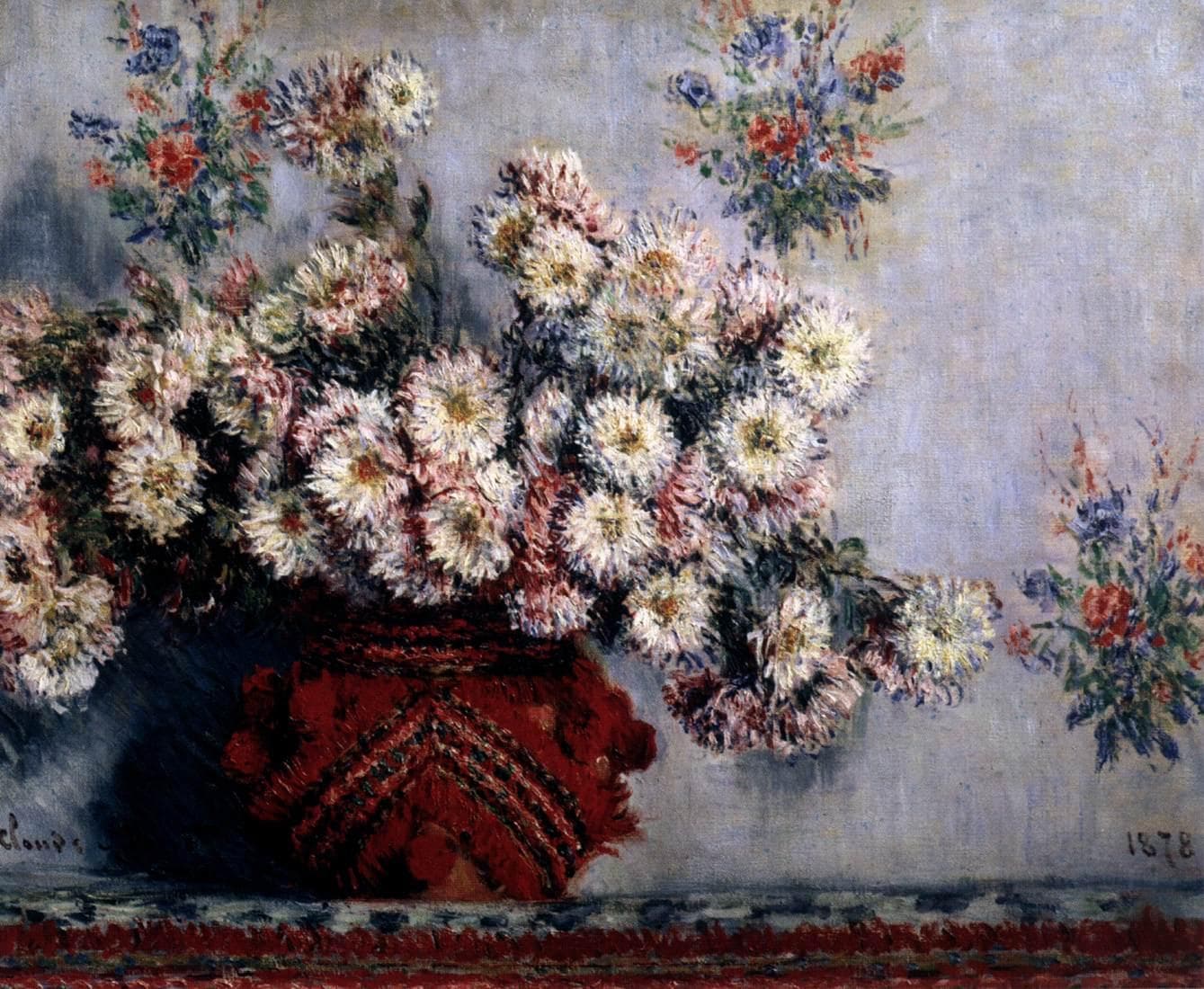
Chrysanthemums
Claude Monet · 1878
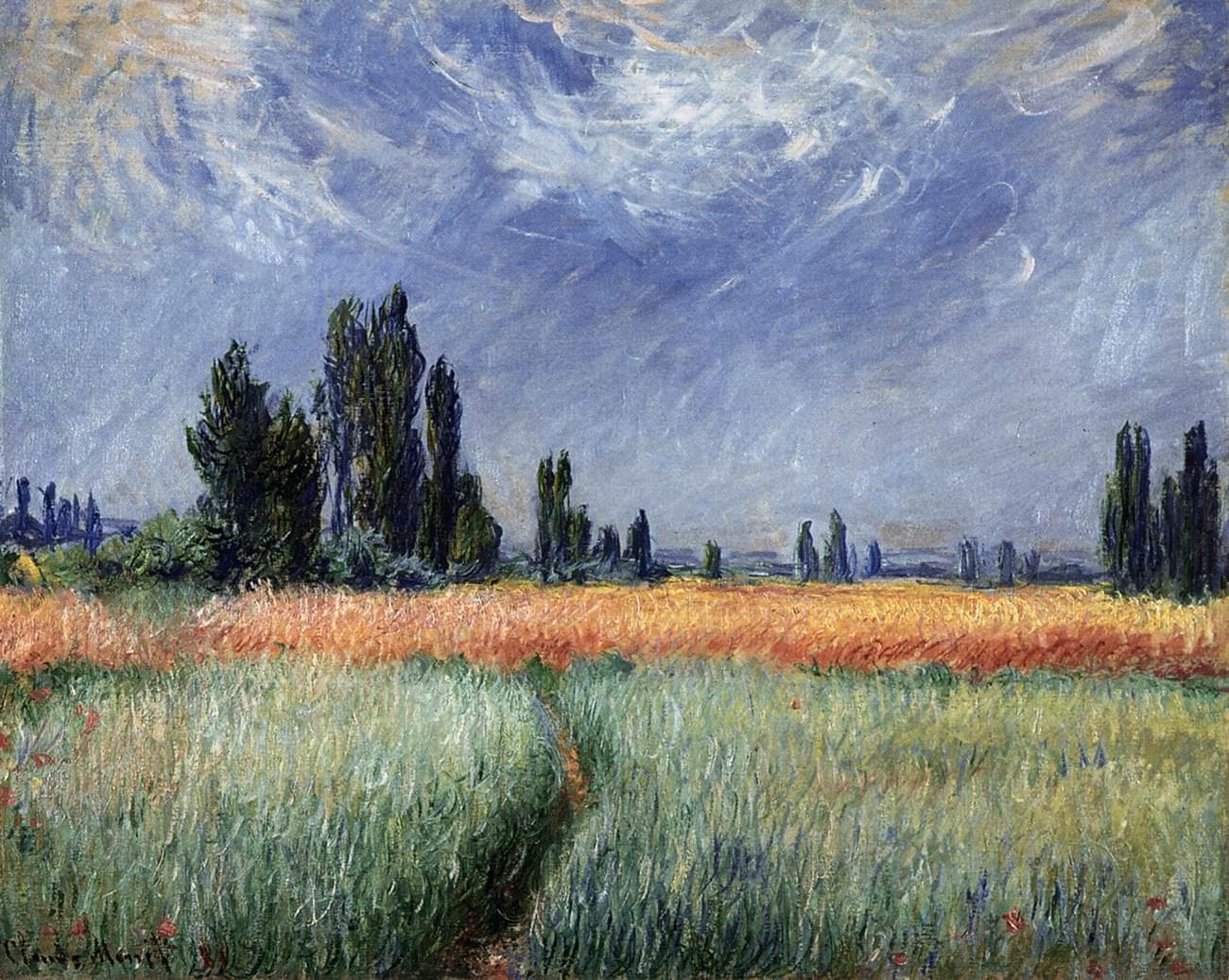
Wheat Field
Claude Monet · 1881
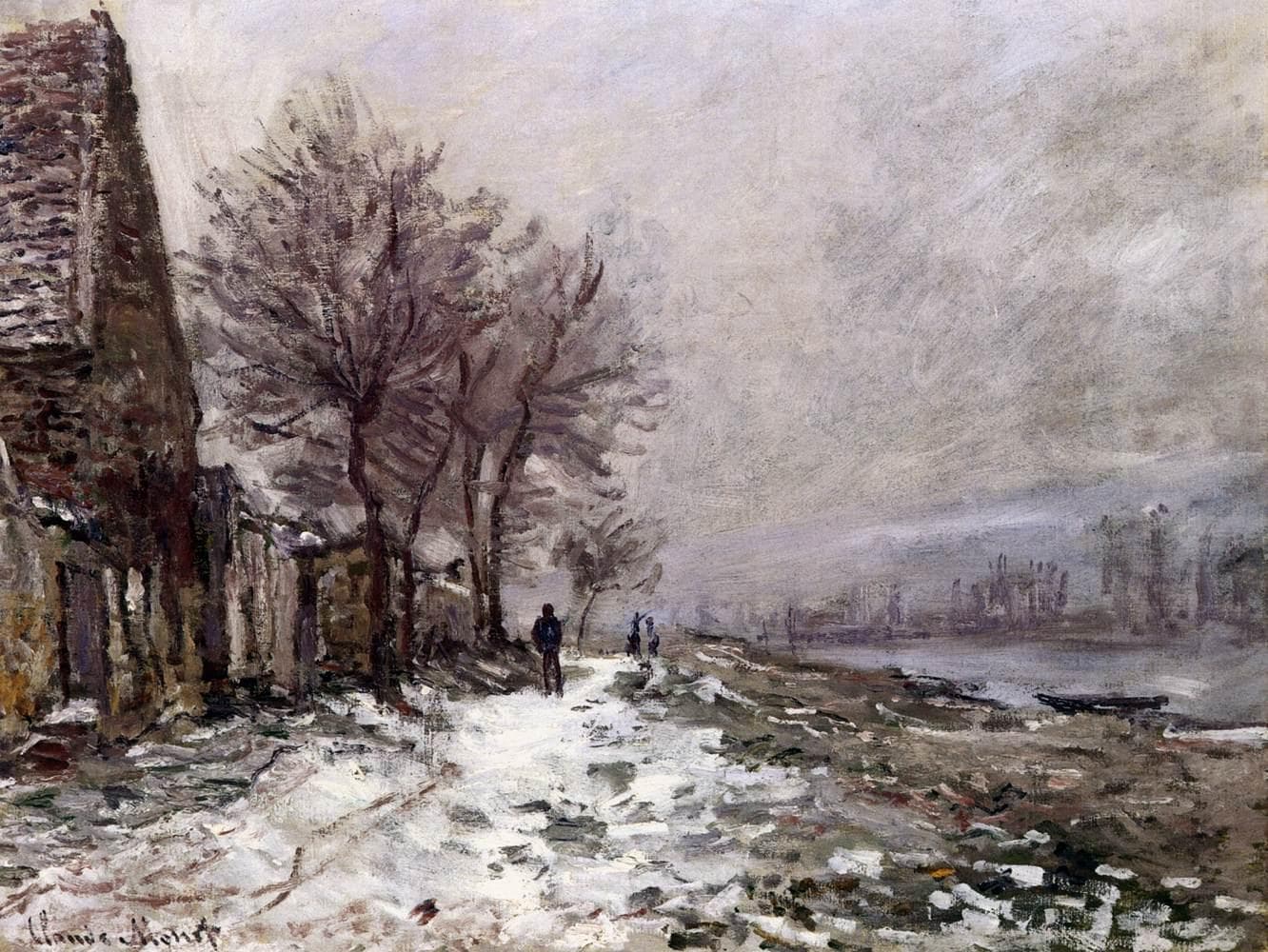
Lavacourt in Winter
Claude Monet · 1879
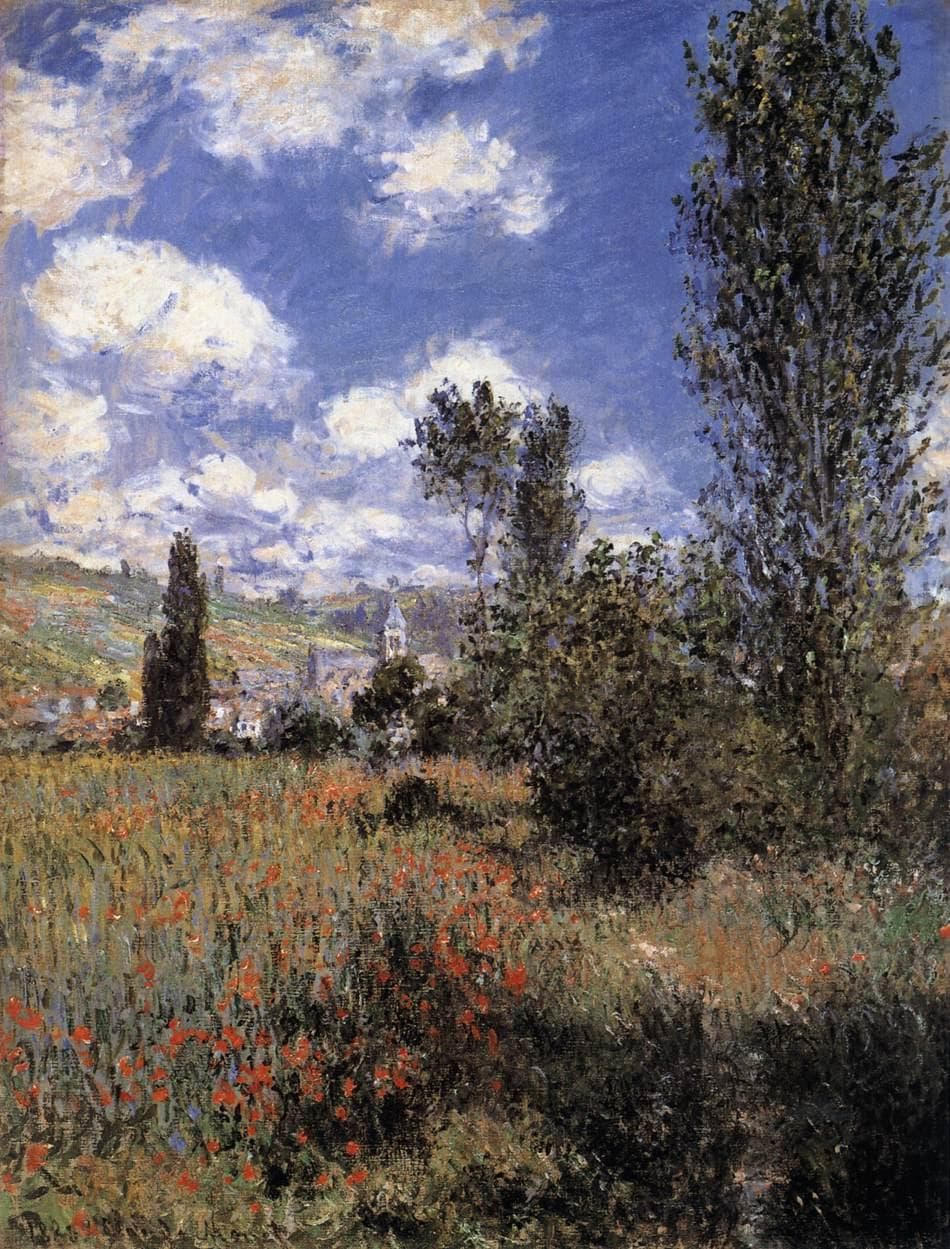
View of Vétheuil
Claude Monet · 1880
Also painted in 1879
The same year
Kindred works
You may also study
The Church in Vétheuil in Winter
Claude Monet · 1878–79
Vétheuil in Summer
Claude Monet · 1880
Frost (Le Givre)
Claude Monet · 1880
Vétheuil Church
Claude Monet · 1879
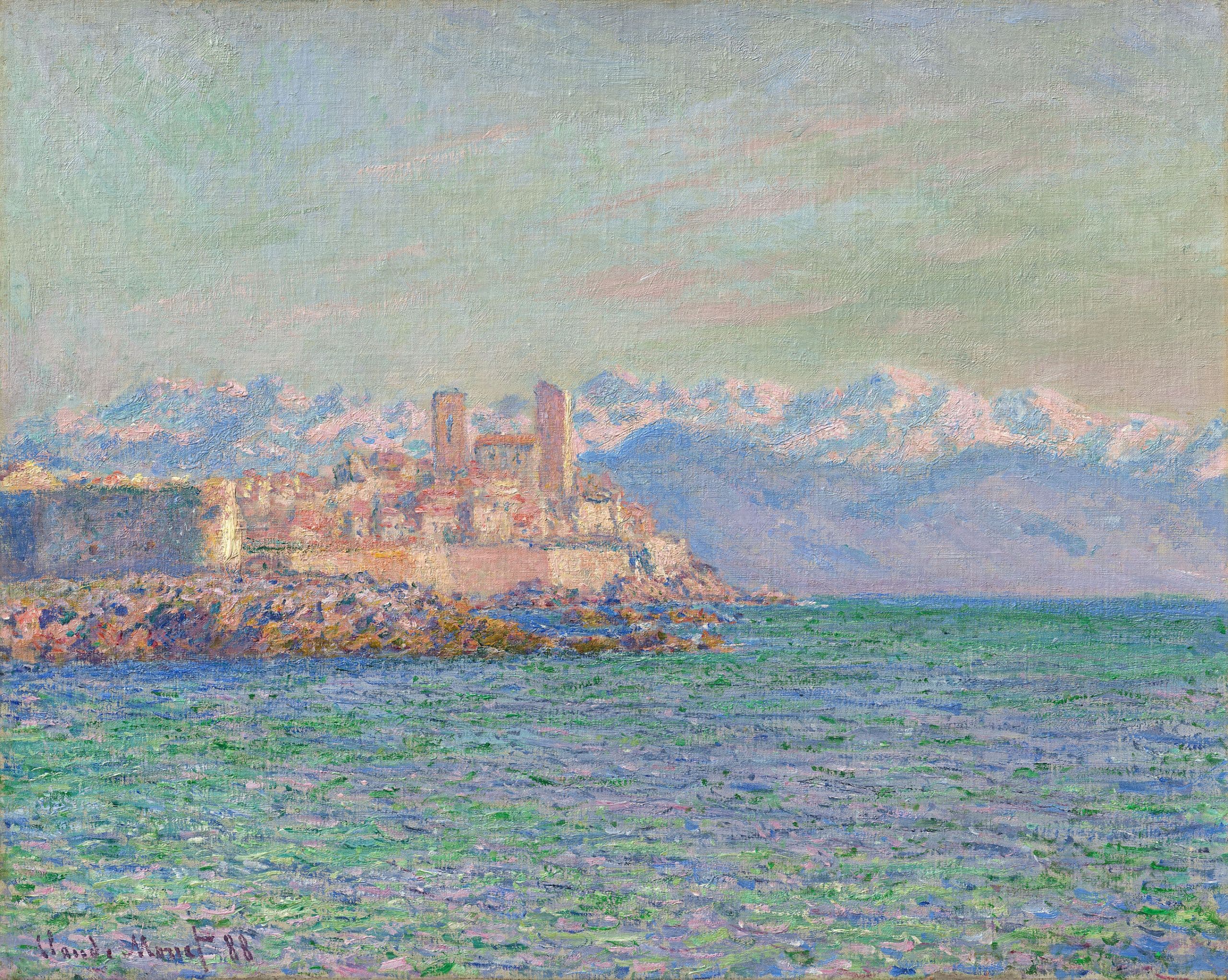
The Fort of Antibes
Claude Monet · 1888
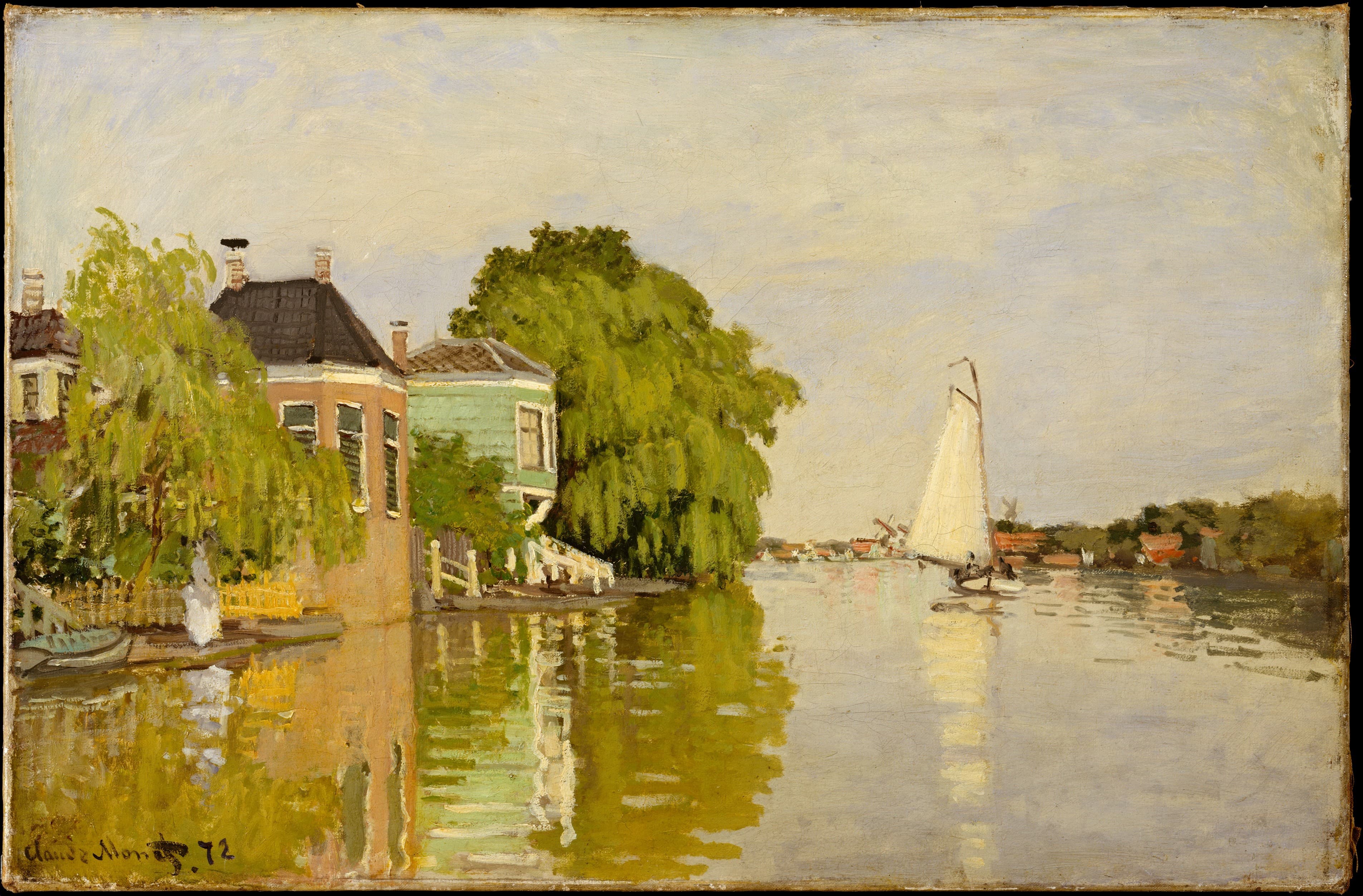
Houses on the Achterzaan
Claude Monet · 1871
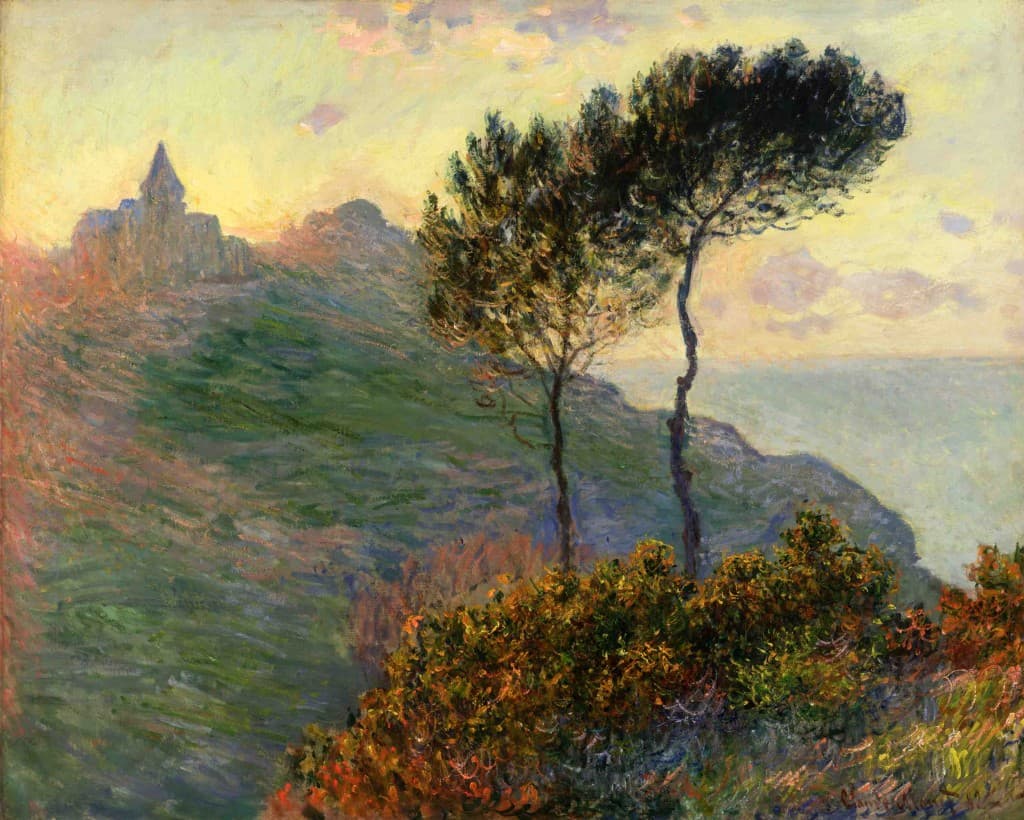
The Church at Varengeville
Claude Monet · 1882
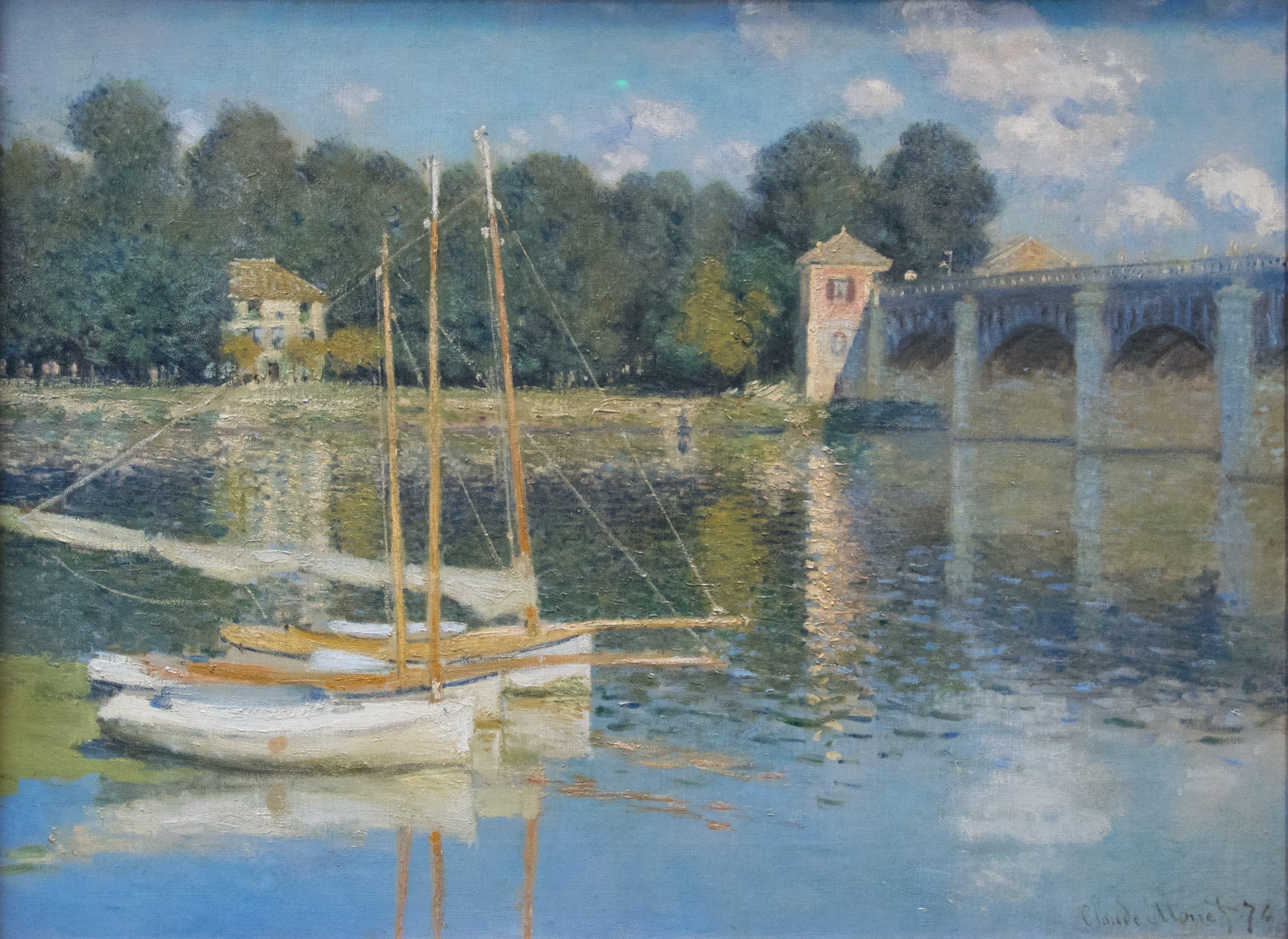
The Argenteuil Bridge
Claude Monet · 1874