Image: Claude Monet (source: http://arteintornoanoi.blogspot.fr/2015/10/claude-monet.html) · Public domain · via Wikimedia Commons
Rouen Cathedral, Portal, Sunlight (W 1322)
Claude Monet, 1892–94
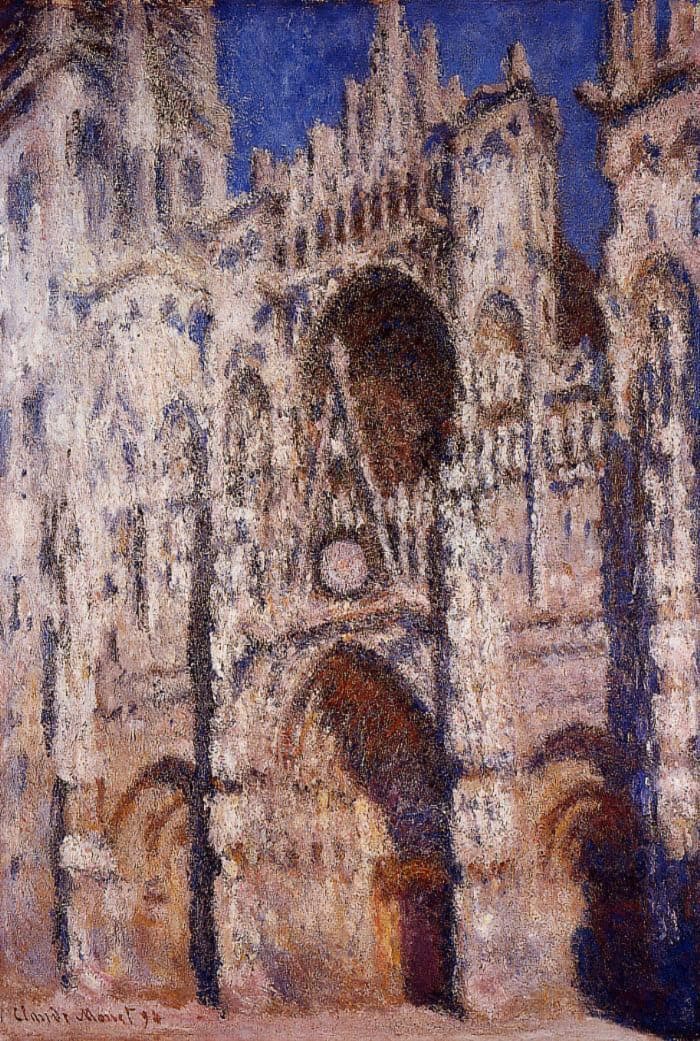
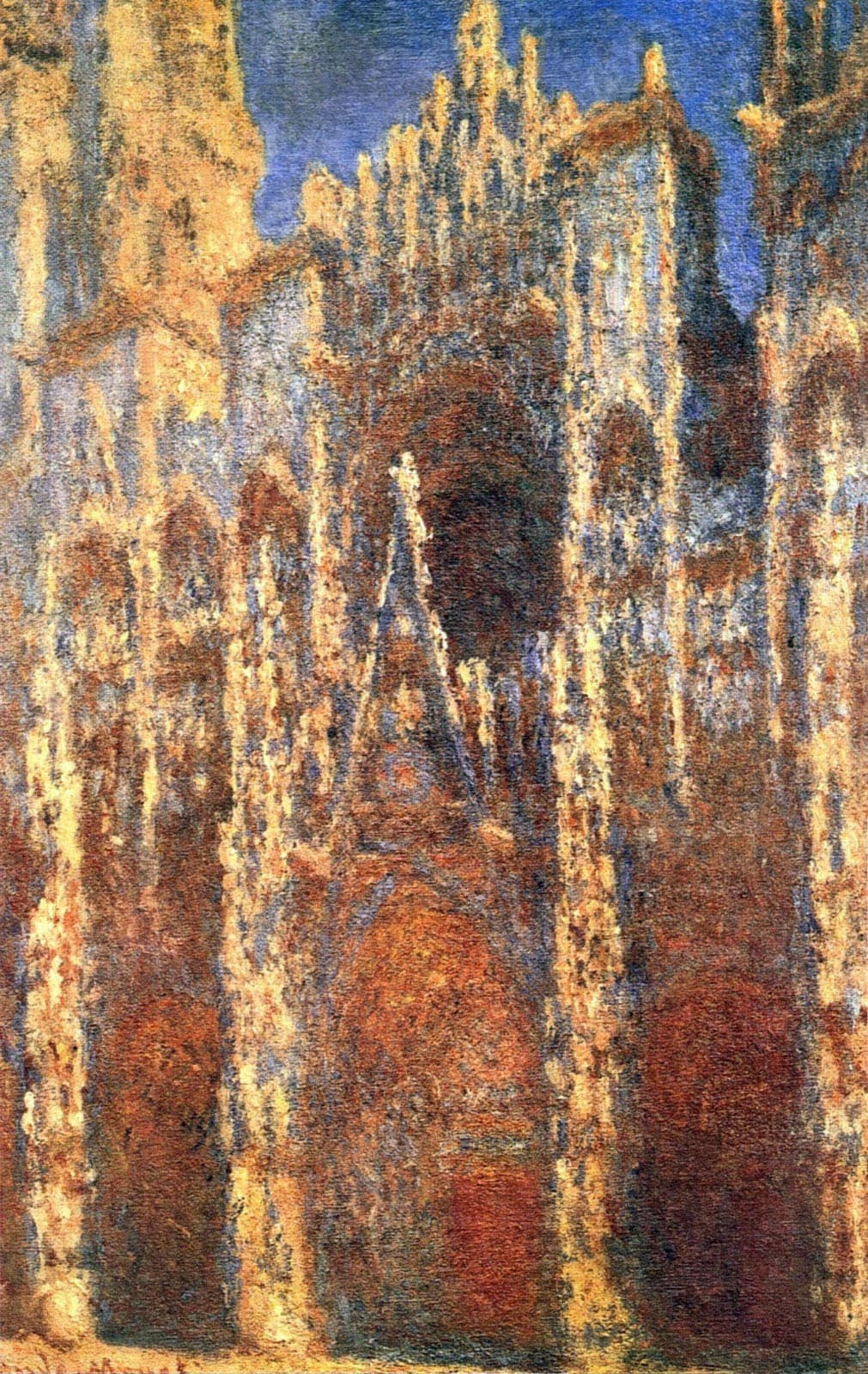
Rouen Cathedral, Portal, Sunlight (Wildenstein 1322) is a Claude Monet painting from the Rouen Cathedral series, begun in 1892: the façade in early-afternoon sun, white and cream stone with orange-red portals under a deep blue sky. It is in a private collection.
- Artist
- Claude Monet
- Date
- 1892–94
- Medium
- Oil on canvas
- Collection
- Private collection
- Movement
- Impressionism
- Catalogue
- Wildenstein 1322
- Architecture & Ruins
- Religion & Saints
What you are looking at
The sun has just come round onto the west front of Rouen Cathedral. The upper façade, the gables, pinnacles and towers, is almost white, painted in cream, ivory and pale yellow with thin blue lines in the crevices. Above, a deep, saturated blue sky fills the gaps between the spires. The lower half of the building is warmer: the great rose window above the central portal is a rounded hollow of rust and violet, and the three doorways at the bottom glow orange and red, as if the stone inside the porches were reflecting the heat.
The effect is of a strong, raking early-afternoon light that bleaches the projecting surfaces and fires up the recesses. The pale, thin lines of the gable cross the dark rose window in a sharp triangle, and the small clock dial below it is a bright yellow point. At the right edge, the side portal and the base of the Tour de Beurre are washed in pink.
The signature and date, Claude Monet 94, are at lower left.
Rouen, 1892–94
Claude Monet painted the cathedral in two campaigns, February to April 1892 and the same months of 1893, from rooms facing the façade. Wikidata dates this canvas to the first campaign; a Commons description titles it the portal in early afternoon. Like the whole group it was finished at Giverny in 1894. Twenty cathedrals were exhibited at Durand-Ruel's gallery in Paris in 1895. See the Rouen Cathedral series.
How it was painted
The surface is the dense, crusty paste of the series, but the handling is lively, with vertical strokes of white and cream dragged over blue and pink so that the lit stone seems to vibrate. The deep blue sky is laid in more smoothly and frames the pale building like a background of enamel. Monet uses the oranges and reds of the portals as the counterweight to the cool sky, a classic complementary pairing.
How this version differs
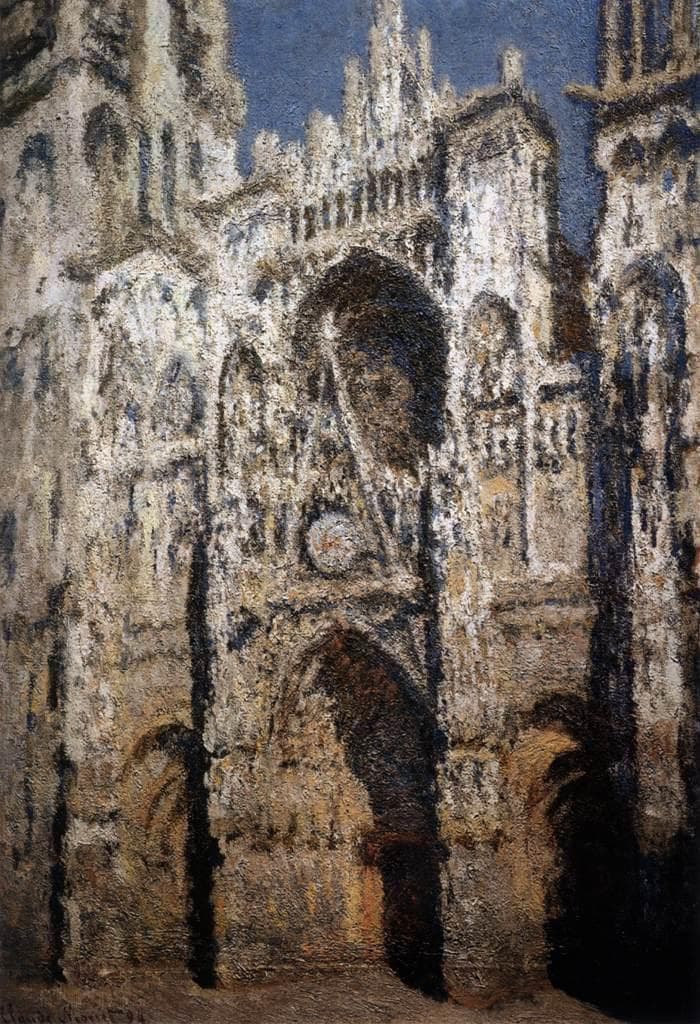
It belongs to the group of sunlit portals. The National Gallery of Art's West Façade, Sunlight is paler and more uniformly white; the Met's The Portal (Sunlight) is warmer and more apricot; the MFA Boston's Rouen Cathedral, Façade is golden. This canvas has the strongest contrast between bleached upper stories and fiery portals, and the most intense blue sky, much like the deep-blue sky of the privately owned Rouen Cathedral (W 1361).
Looking closely
The paint is thickest in the upper façade, where white and cream are heaped over earlier layers of blue and pink; in raking light the ridges cast tiny shadows of their own. In the portals the touches turn into longer strokes of orange and red laid side by side, so the doors seem to flicker. Monet signs in dark blue at the lower left, the same blue he uses for the deepest crevices of the stone.
Ownership and where to see it
Catalogued as Wildenstein 1322, the painting is in a private collection, and its size and ownership history are not published in accessible sources. To see sunlit portals in museums, visit the National Gallery of Art in Washington, the Met in New York, the MFA Boston or the Musée d'Orsay. See our guide to where to see Monet's paintings.
Questions & answers
Where is this Rouen Cathedral painting by Monet?
It is in a private collection and is not on public view. It is catalogued as Wildenstein 1322. Similar sunlit versions can be seen at the National Gallery of Art in Washington, the Metropolitan Museum, the MFA Boston and the Musée d'Orsay.
When was it painted?
Monet began it in Rouen in 1892, according to Wikidata, and finished it at Giverny, dating it 'Claude Monet 94'. He painted the cathedral series in two campaigns, in 1892 and 1893, and exhibited it in Paris in 1895.
What does the painting show?
The west front of Rouen Cathedral in early-afternoon sun: the upper façade bleached nearly white under a deep blue sky, while the rose window and the three portals below glow rust, orange and red.
Why are there so many sunlit Rouen Cathedrals?
Monet painted the façade at many points in the day, and the sun reached the west front from early afternoon onward. Each sunlit canvas records a slightly different hour, from bleached white to apricot to gold, which is the point of the series.
More by the artist
Claude Monet
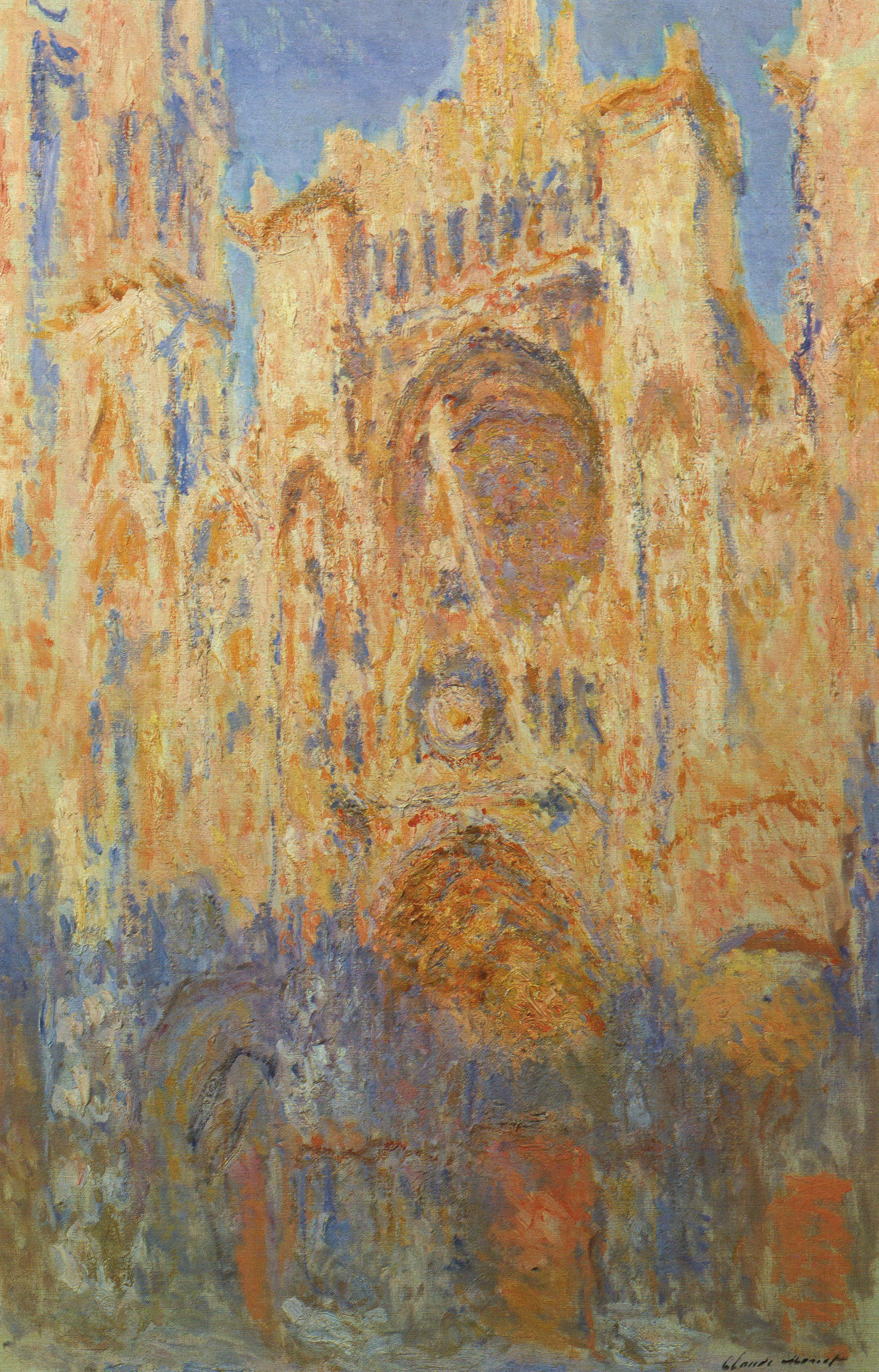
Rouen Cathedral, Sunlight Effect, End of the Day
Claude Monet · 1892
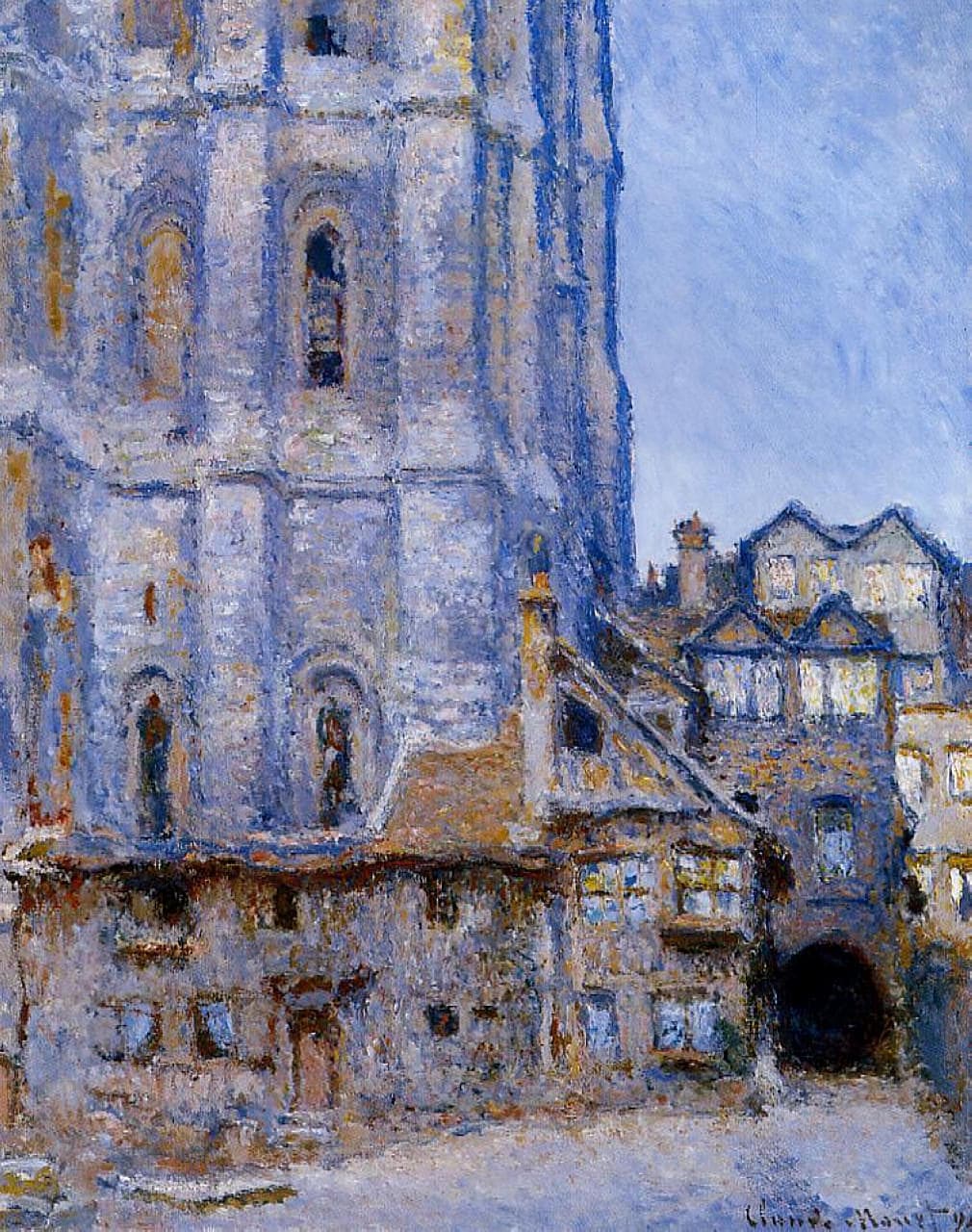
La Cour d'Albane, Rouen
Claude Monet · 1892–94
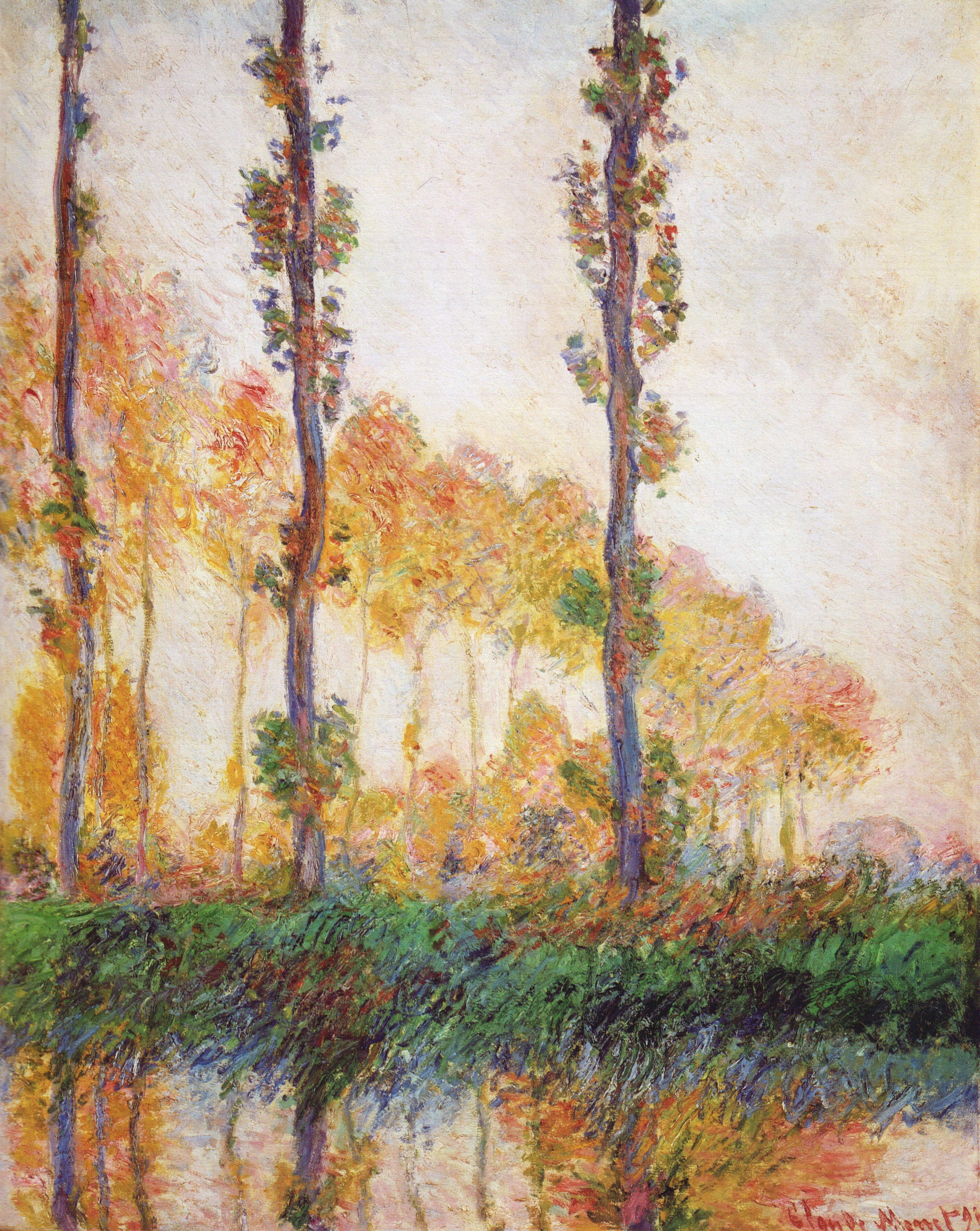
Poplars (Autumn)
Claude Monet · 1891
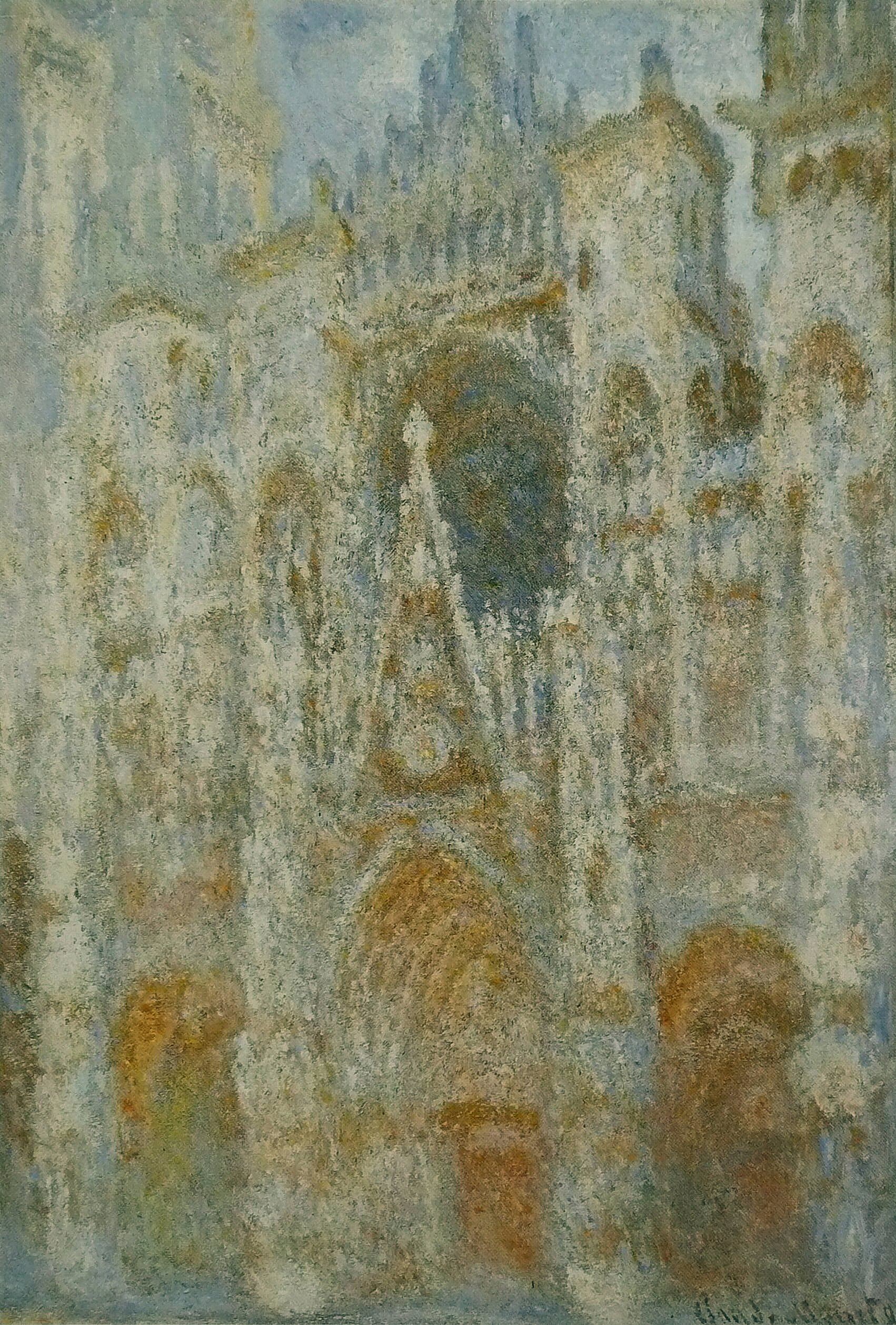
Rouen Cathedral, the Portal, Morning Sun (Harmony in Blue)
Claude Monet · 1893–94
La Cour d'Albane, temps gris
Claude Monet · 1892–94
La Meule
Claude Monet · 1891
Ice Floes
Claude Monet · 1893
Grainstack in the Sunlight, Snow Effect
Claude Monet · 1891
Also painted in 1892
The same year
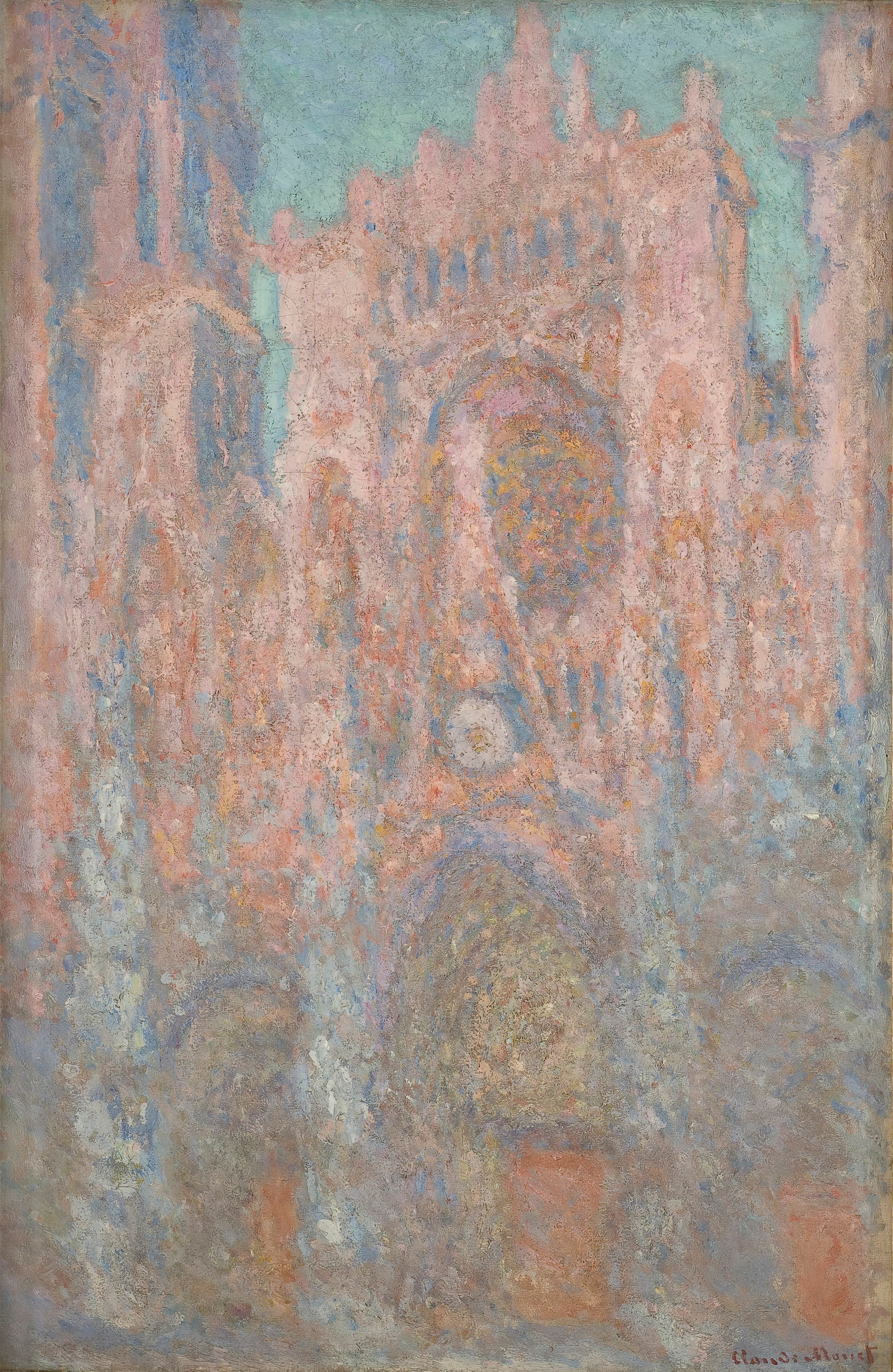
Rouen Cathedral
Claude Monet · 1892–94
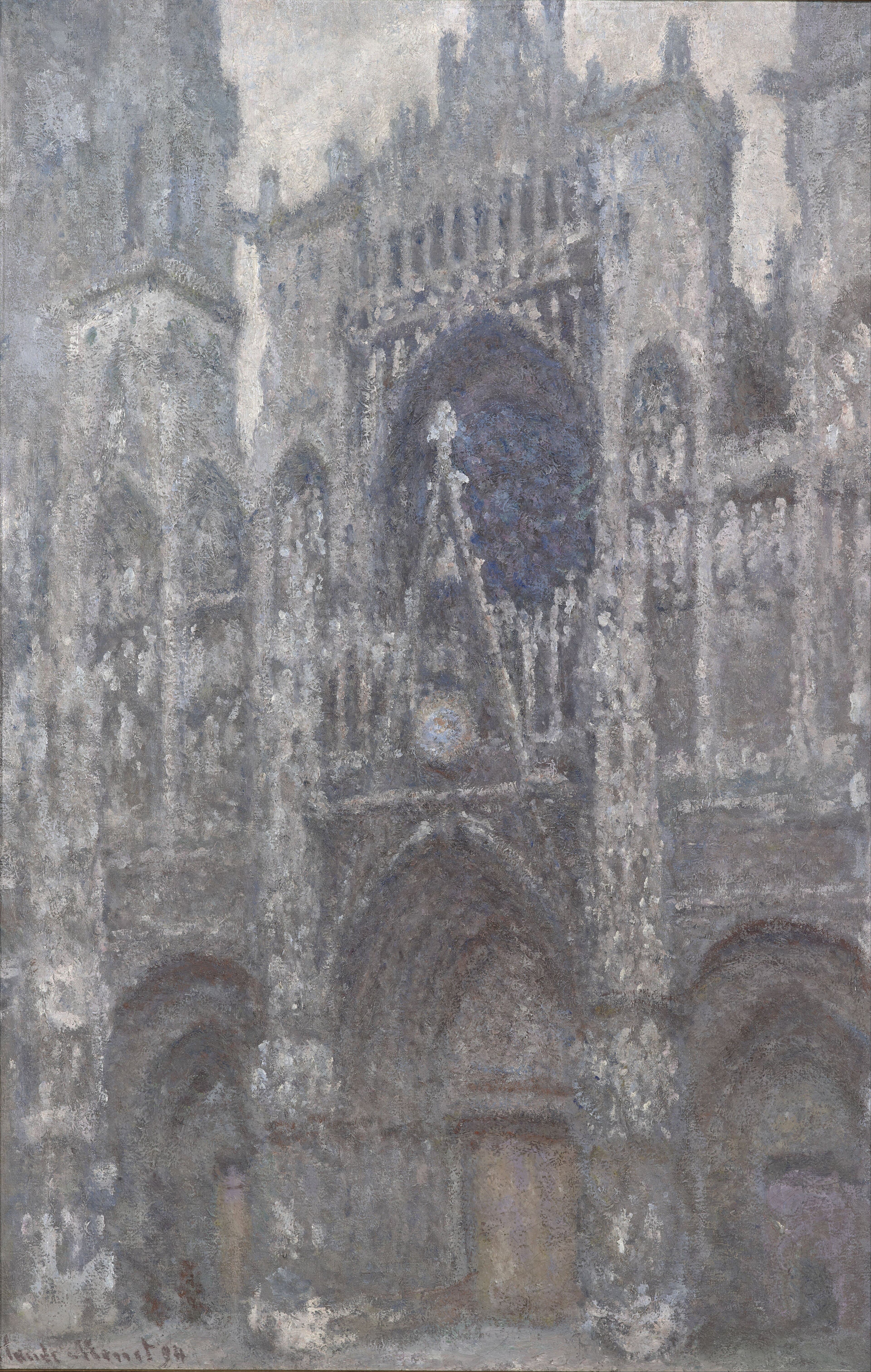
Rouen Cathedral, the Portal, Grey Weather
Claude Monet · 1892–94
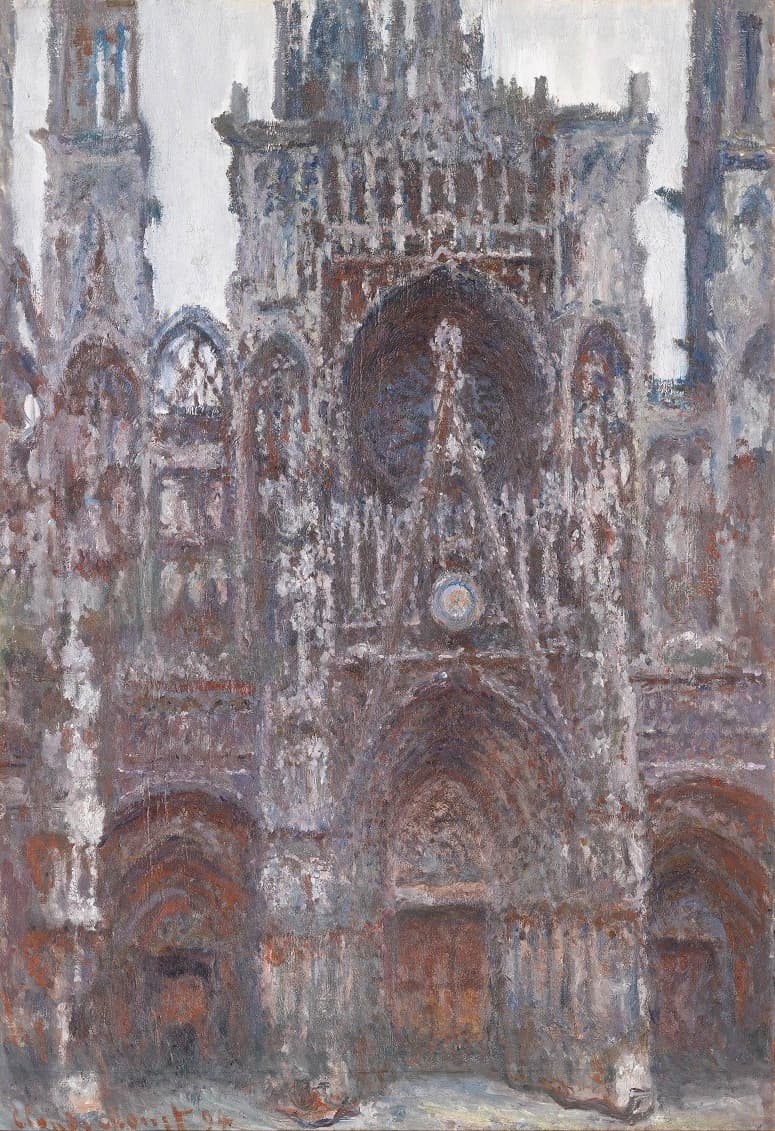
Rouen Cathedral, the Portal, Front View (Harmony in Brown)
Claude Monet · 1892–94
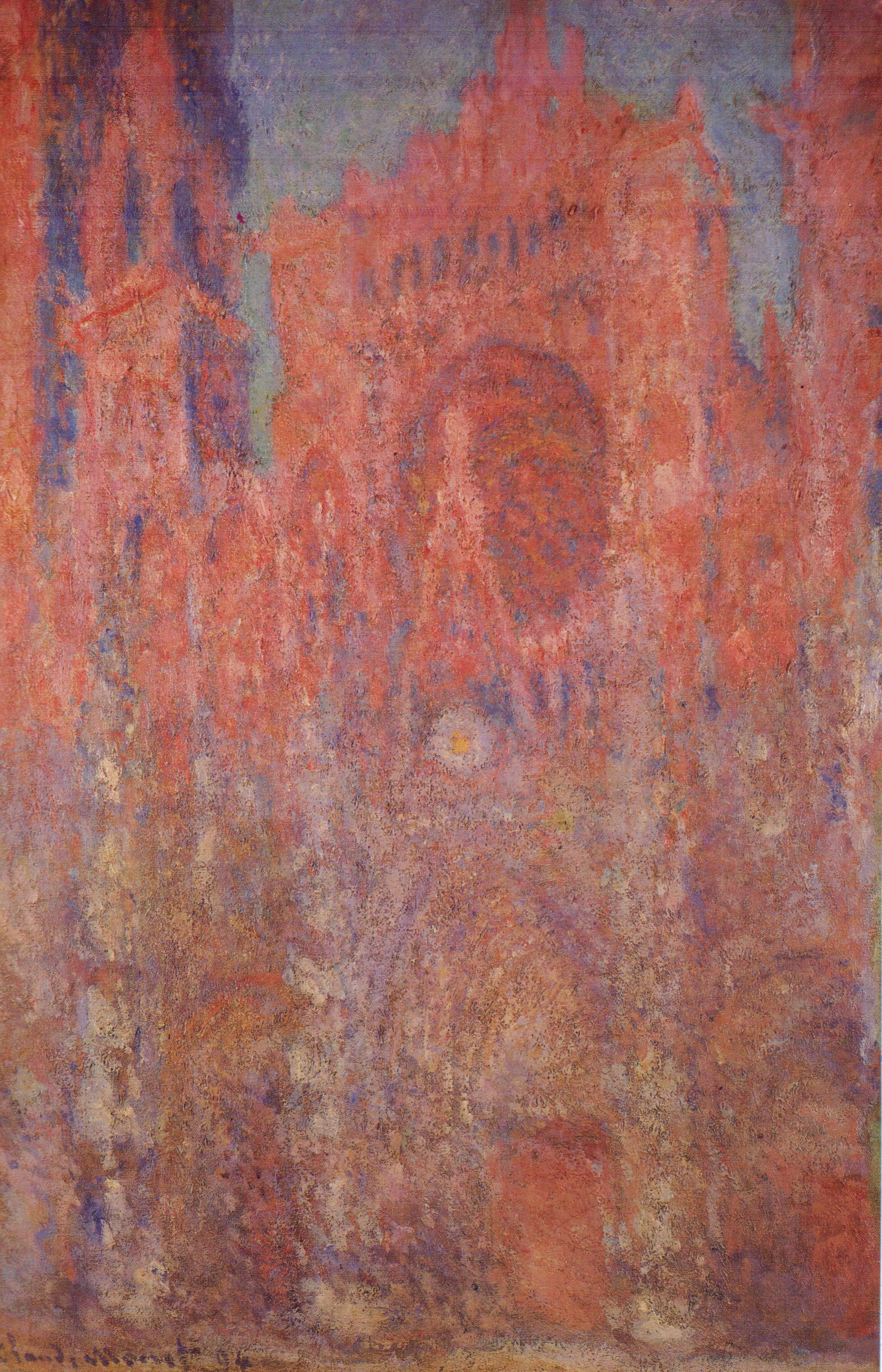
Rouen Cathedral, Portal
Claude Monet · 1892–94
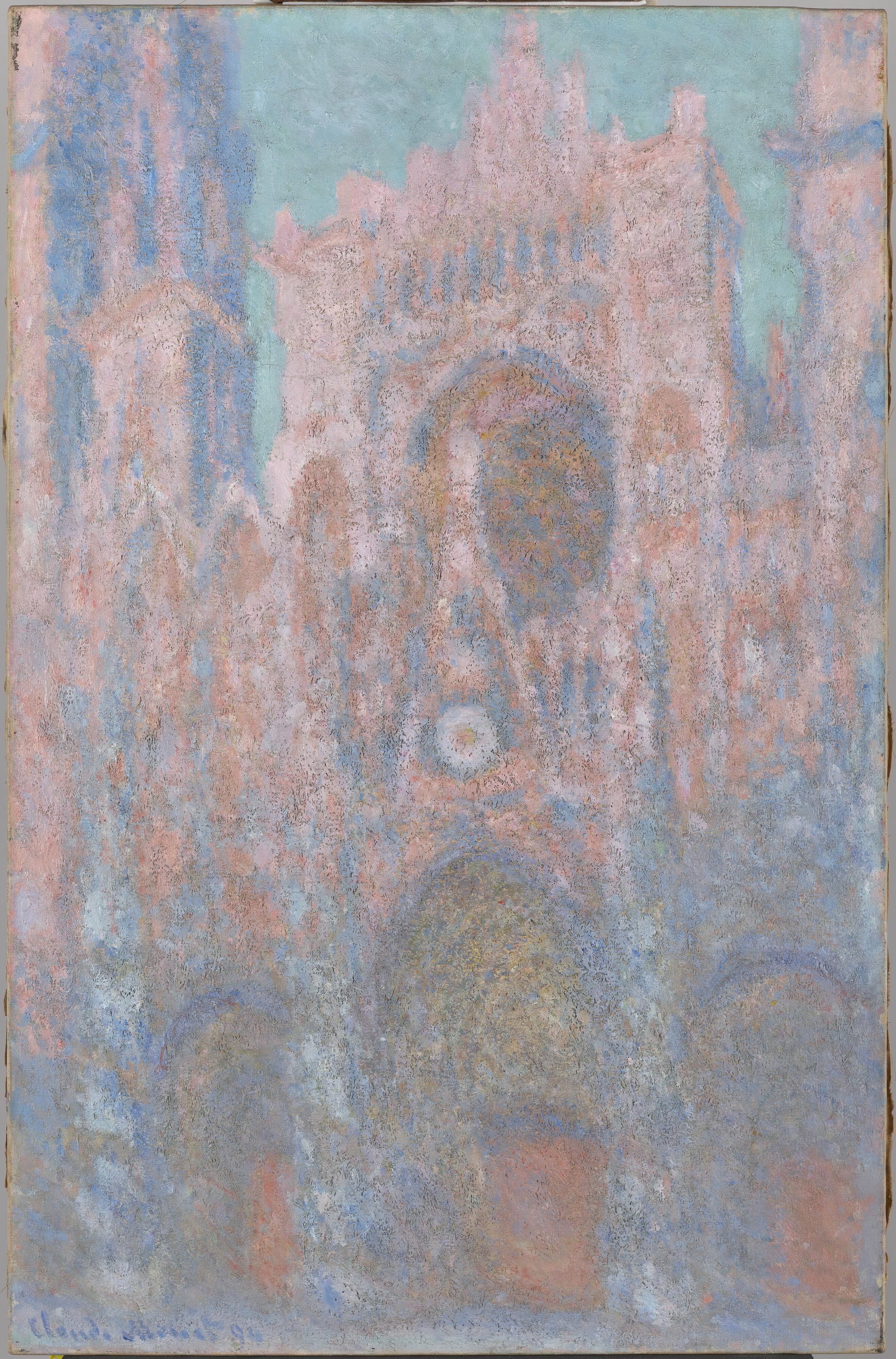
Rouen Cathedral: Setting Sun (Symphony in Pink and Grey)
Claude Monet · 1892–94
Kindred works
You may also study
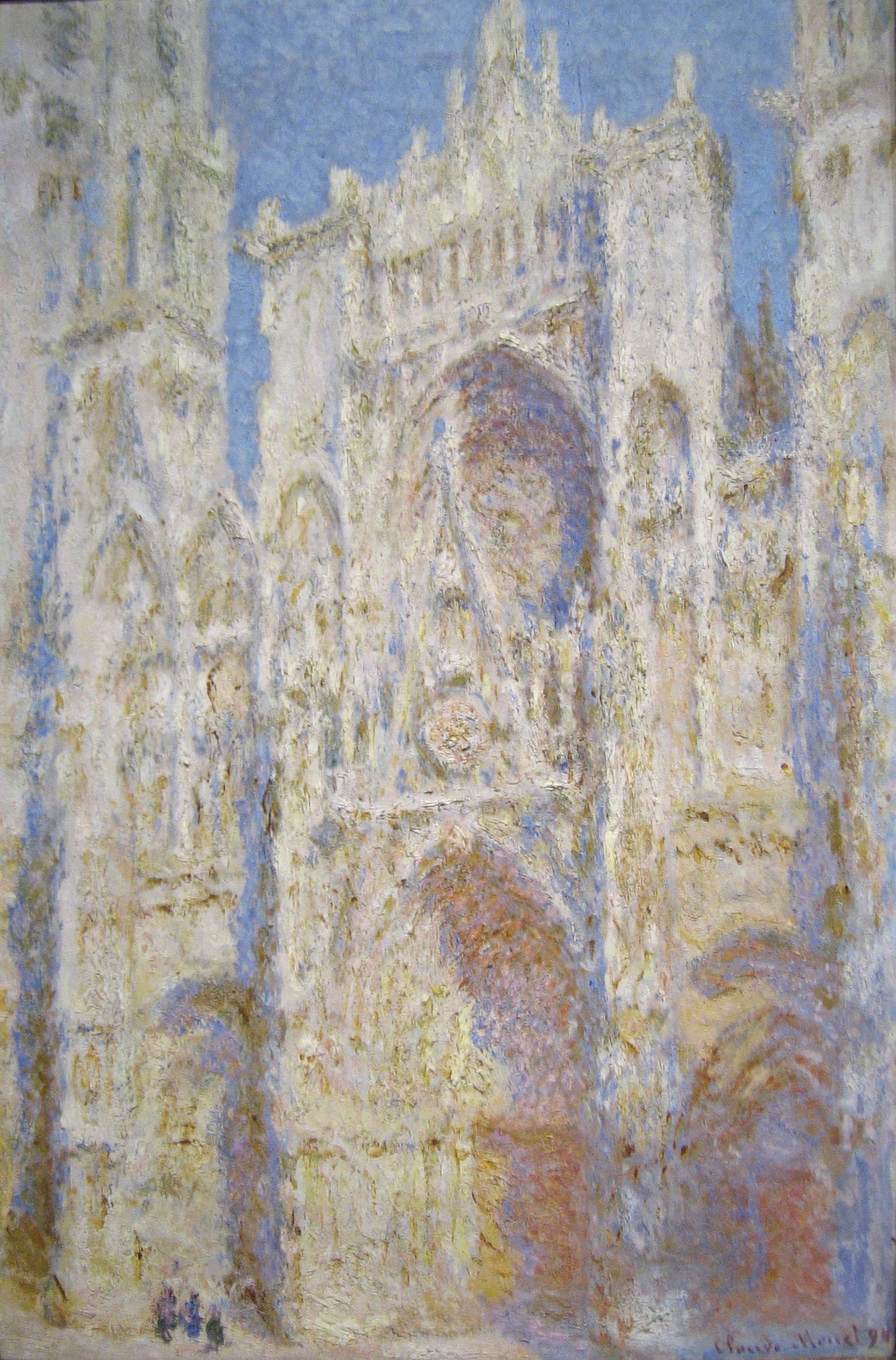
Rouen Cathedral, West Façade, Sunlight
Claude Monet · 1892–94
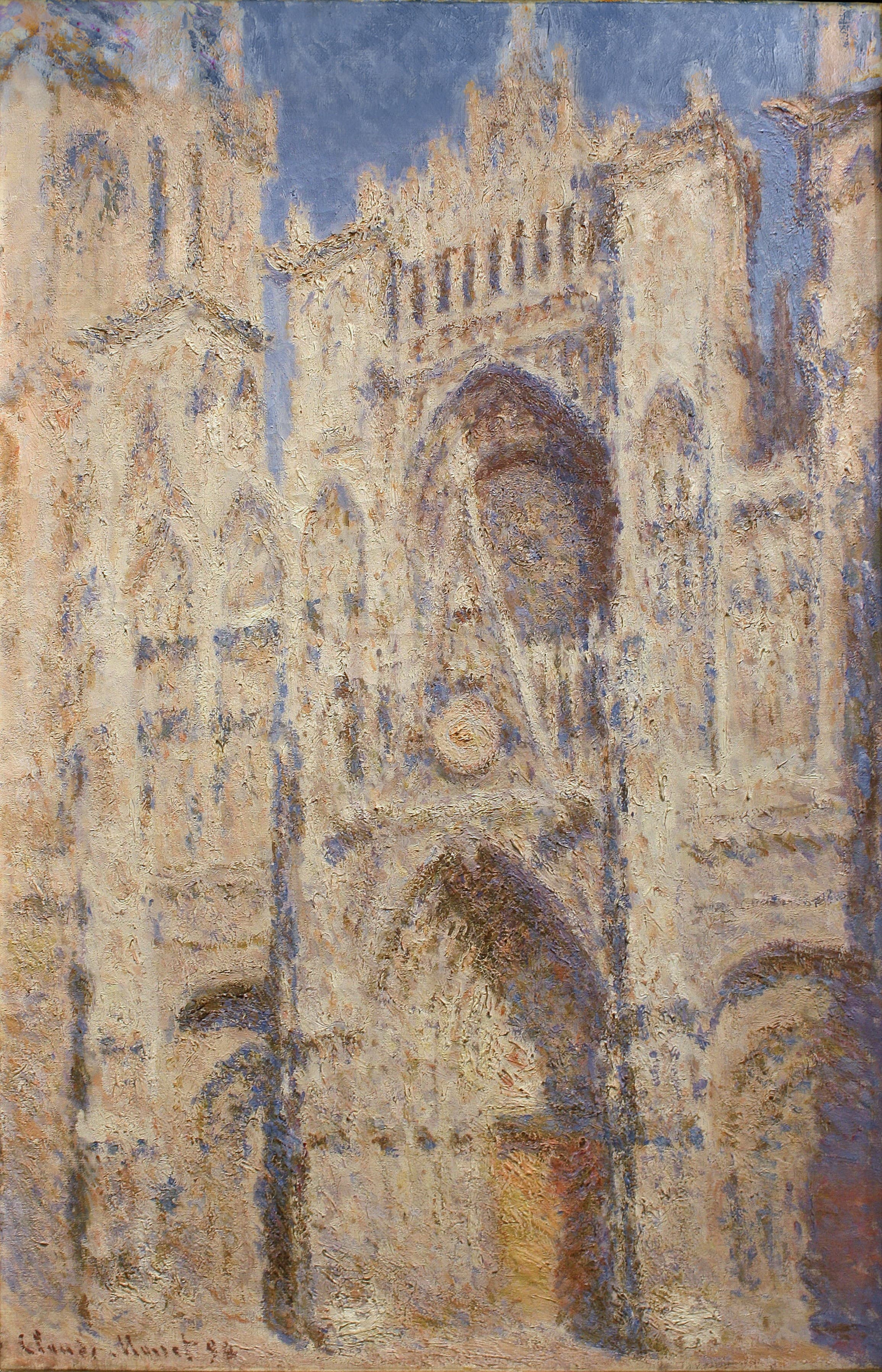
Rouen Cathedral: The Portal (Sunlight)
Claude Monet · 1892–94
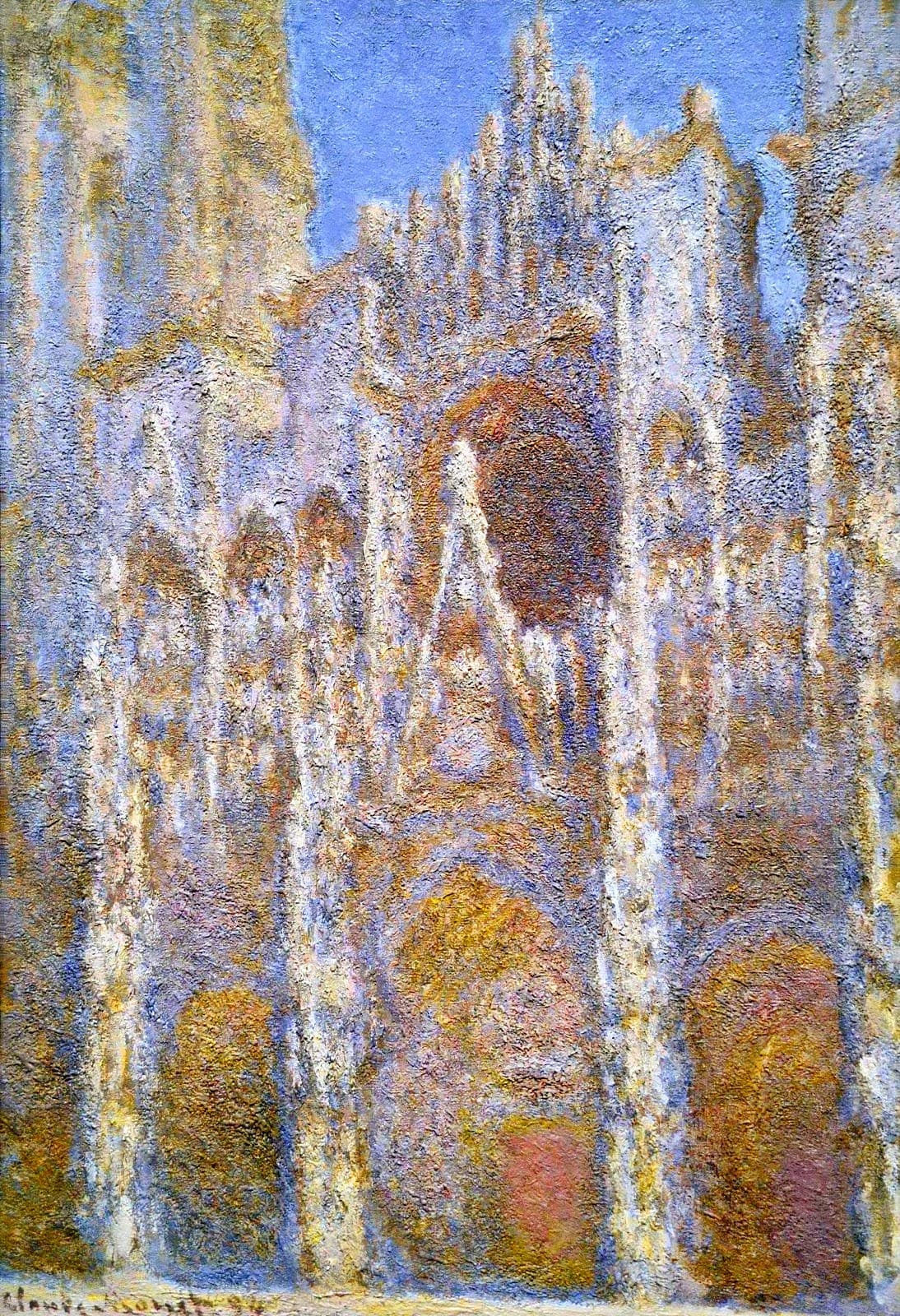
Rouen Cathedral, Façade
Claude Monet · 1893–94
Rouen Cathedral (W 1361)
Claude Monet · 1893–94
Rouen Cathedral in Full Sunlight
Claude Monet · 1893
The Church of Saint-Germain-l'Auxerrois
Claude Monet · 1867
The Portal, Morning Fog
Claude Monet · 1893–94
Rouen Cathedral, Portal (W 1359)
Claude Monet · 1893–94