Image: Claude Monet; Museum Folkwang (source: Unknown sourceUnknown source) · Public domain · via Wikimedia Commons
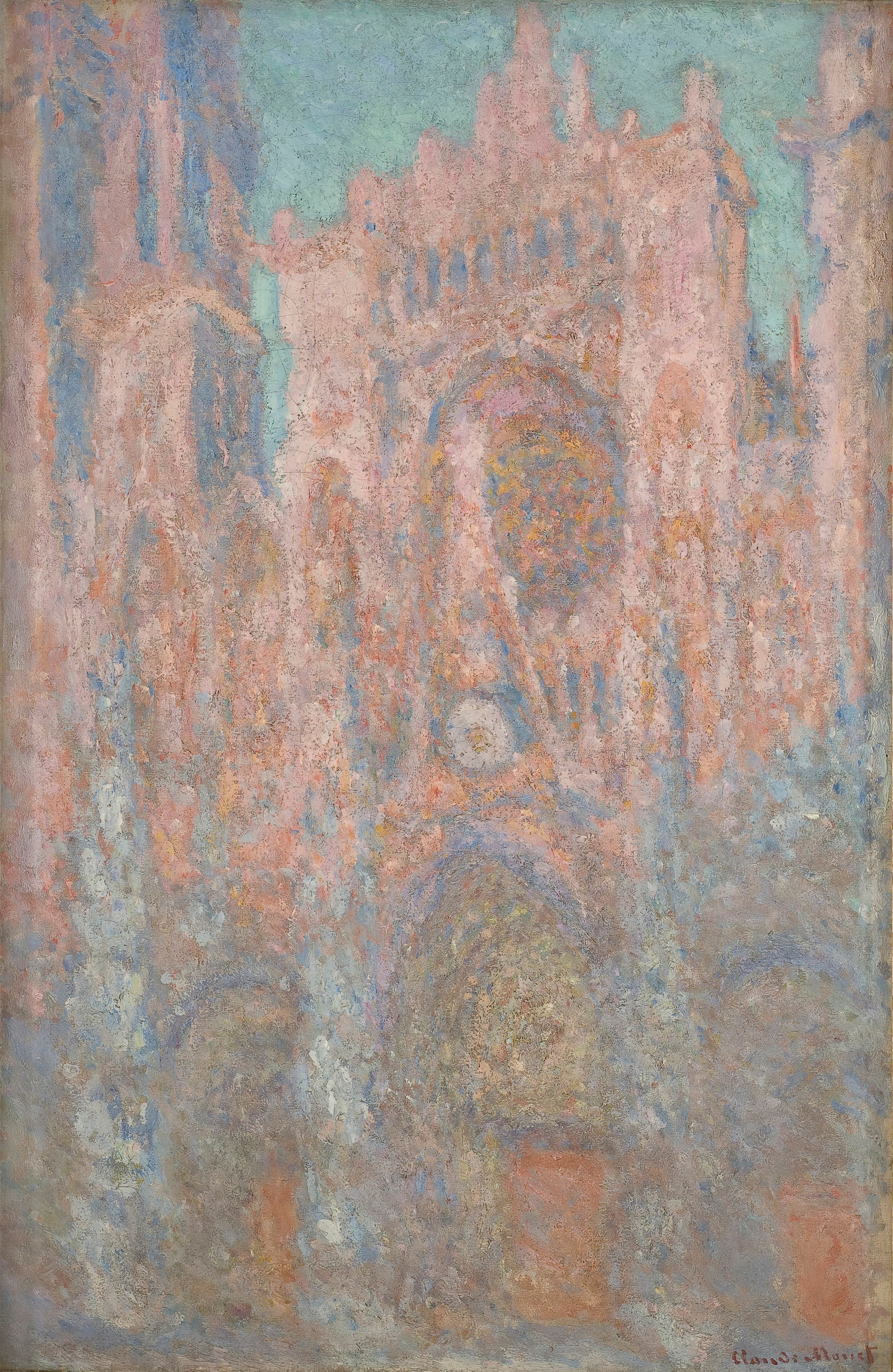
The Portal, Morning Fog
Claude Monet, 1893–94
The Portal, Morning Fog is a Claude Monet painting from his Rouen Cathedral series, worked in 1893 and dated 1894: the Gothic façade dissolving into pale lilac and blue mist. It is in the Museum Folkwang, Essen, and was once owned by Bertha Palmer of Chicago.
- Artist
- Claude Monet
- Date
- 1893–94
- Medium
- Oil on canvas
- Dimensions
- 101 × 66 cm
- Collection
- Museum Folkwang, Essen, Germany
- Movement
- Impressionism
- Catalogue
- Wildenstein 1352
- Architecture & Ruins
- Religion & Saints
What you are looking at
The façade of Rouen Cathedral is barely there. Morning fog fills the square, and Monet paints the building as a ghost in lilac, periwinkle and milky blue, its outlines softened until gables, buttresses and portals seem to be made of the same vapor as the air. The sky at the top is only slightly paler than the stone, a whitish blue with a hint of green.
Look for the light. Thin vertical slivers of peach and apricot catch the edges of the towers at left and right and a few of the pinnacles: the sun is somewhere above the fog, just beginning to burn through. In the middle, the great rose window is a shadowy blue oval, and below it the small clock dial shows as a faint ring with a warm center. The bottom third of the picture is almost pure color, lilac and blue strokes running together with no edges at all.
The signature and date, Claude Monet 94, are at lower left.
Rouen, 1892–94
Claude Monet painted the cathedral during two campaigns in Rouen, in early 1892 and early 1893, working from rented rooms across the square. Mist and fog were frequent in the river city in late winter, and he made a small group of fog pictures, including the Rouen Cathedral, Fog seen from another angle. He completed the series at Giverny in 1894 and exhibited twenty canvases in Paris in May 1895. See the Rouen Cathedral series for the whole group.
How it was painted
The Folkwang canvas is unusually smooth in effect, though not in fact: up close the surface is thickly built, but Monet keeps every touch within a narrow band of pale values, so nothing stands out. He works with soft, broken strokes of lilac over blue and white over lilac, and lets them interpenetrate. The few warm accents are applied last, thin drags of orange-pink along the edges of the towers.
The result is one of the most nearly abstract canvases in the series. Without the shape of the gables at the top, it would read as a field of colored haze.
How this version differs
Most of the frontal portal views are dominated by direct sunlight or overcast gray. This one is about fog, and it sits closest to the Getty's Portal of Rouen Cathedral in Morning Light, which shares the purplish-blue key but has firmer drawing and a brighter sky. The Musée d'Orsay's Portal, Morning Sun shows the next stage: the fog gone, the stone in blue shade, the doors glowing. Compared with the grays of the Orsay's Portal, Grey Weather, the Folkwang fog is lighter, warmer and more luminous.
Looking closely
The peach light on the edges of the towers is painted in long, narrow strokes, almost like threads, laid on top of the lilac. They are the latest additions to the surface and the only crisp marks on the canvas. Everywhere else Monet blurs his touches into one another, so the eye cannot find an edge.
Ownership and where to see it
The painting's history is unusually well documented. After leaving Monet's studio it went to New York, where it was sold at auction in 1900 from the collection of Thomas E. Kirby and bought by Durand-Ruel. In 1901 it was acquired by Bertha Honoré Palmer of Chicago, one of the great early American collectors of Monet, and it stayed with the Palmer family until 1970. That year it passed through dealers in New York and Düsseldorf to the Museum Folkwang in Essen, bought with support from the Eugen and Agnes von Waldthausen-Platzhoff foundation and the state of North Rhine-Westphalia (inventory G 373). Catalogued as Wildenstein 1352, it is a highlight of the museum's French collection. See our guide to where to see Monet's paintings.
Questions & answers
Where is Monet's The Portal, Morning Fog?
It is in the Museum Folkwang in Essen, Germany, inventory G 373. The museum bought it in 1970 with support from the Waldthausen-Platzhoff foundation and the state of North Rhine-Westphalia. It is usually shown in the museum's nineteenth-century French galleries.
When was it painted?
Monet worked on the Rouen Cathedral series in Rouen in 1892 and 1893 and finished it at Giverny in 1894; this canvas is dated 'Claude Monet 94'. Wikidata places its Rouen work in 1893. It was part of the series exhibited in Paris in 1895.
What does the painting show?
The west front of Rouen Cathedral almost dissolved in morning fog, painted in pale lilac and blue, with thin slivers of peach where the sun is starting to break through on the towers and pinnacles. It is one of the most nearly abstract pictures in the series.
Who owned it before the Folkwang?
Bertha Honoré Palmer of Chicago, the leading early American collector of Monet, owned it from 1901, and her family kept it until 1970. Before her it passed through a New York sale of 1900 and the dealer Durand-Ruel.
More by the artist
Claude Monet
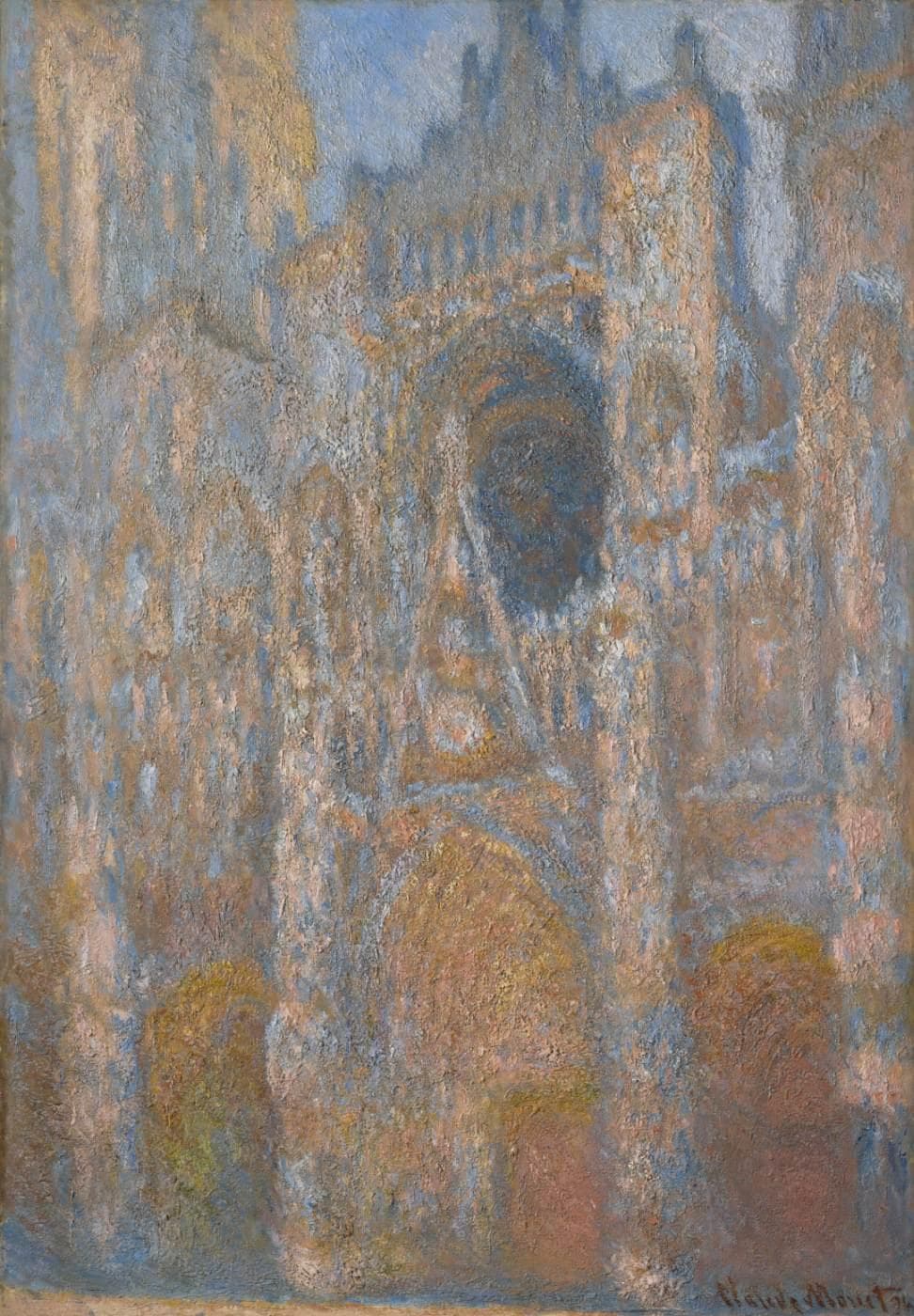
Rouen Cathedral in Sunlight
Claude Monet · c. 1892–94
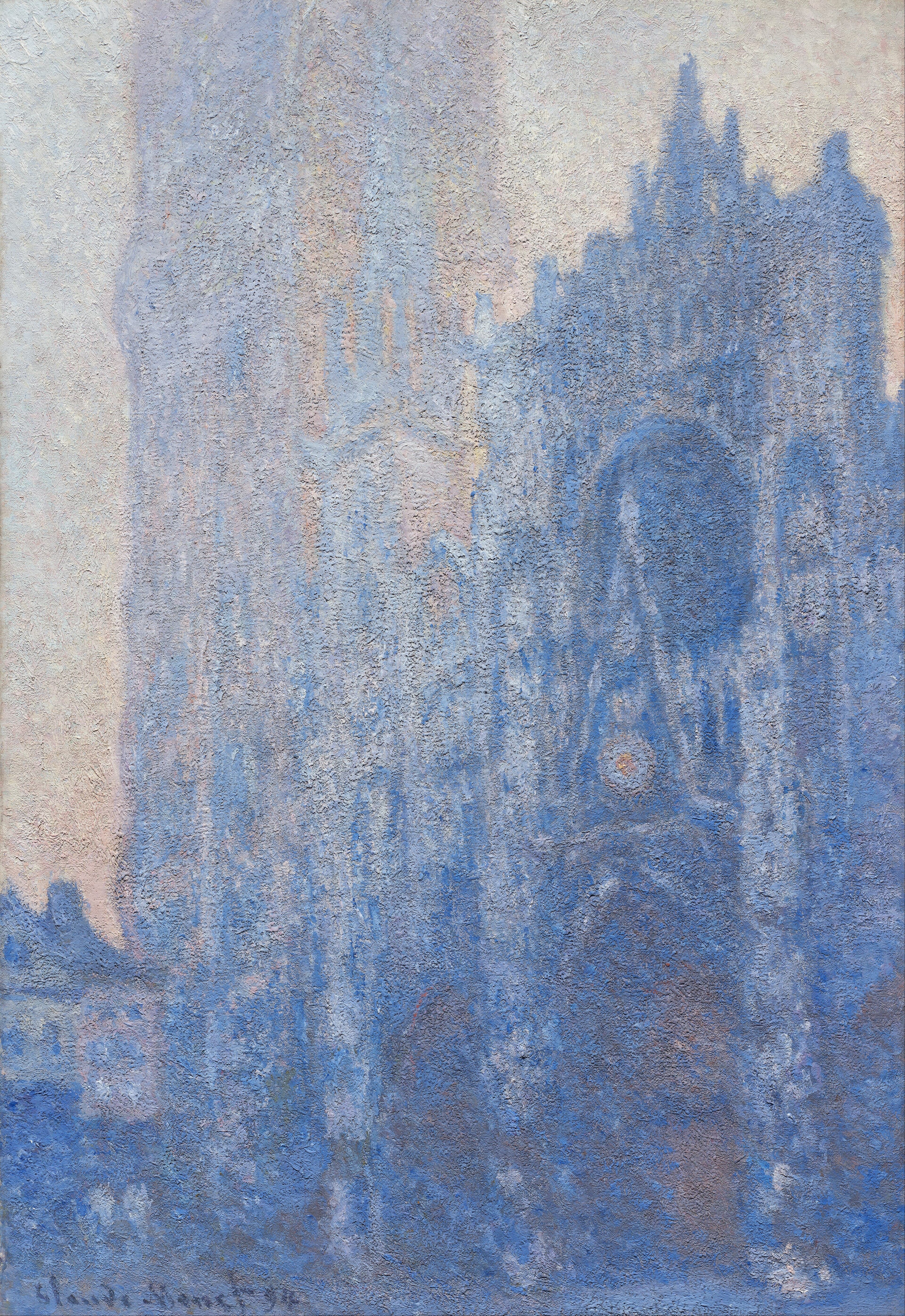
Rouen Cathedral Façade and Tour d'Albane (Morning Effect)
Claude Monet · 1893–94
Morning Haze
Claude Monet · 1894
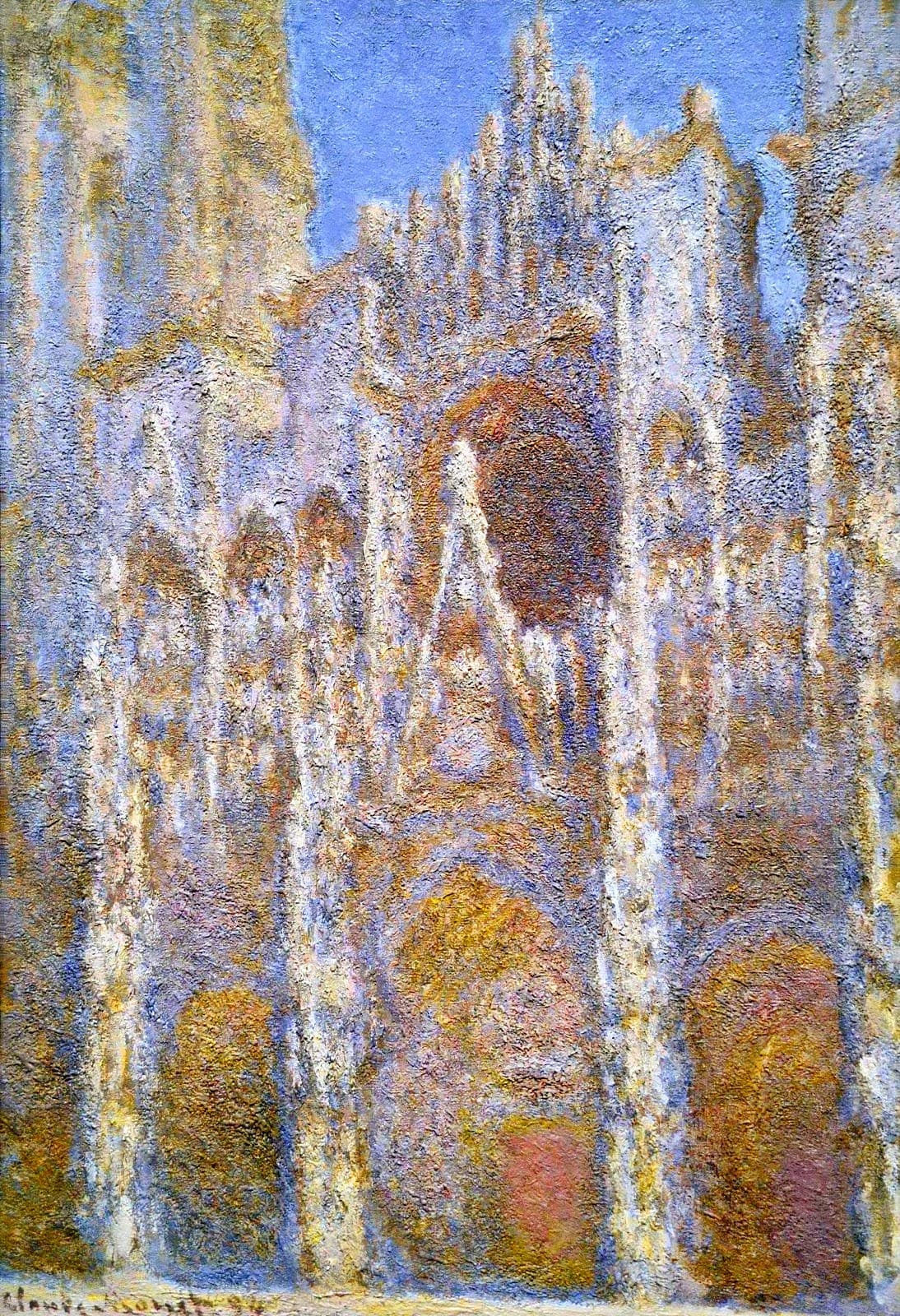
Rouen Cathedral, Façade
Claude Monet · 1893–94
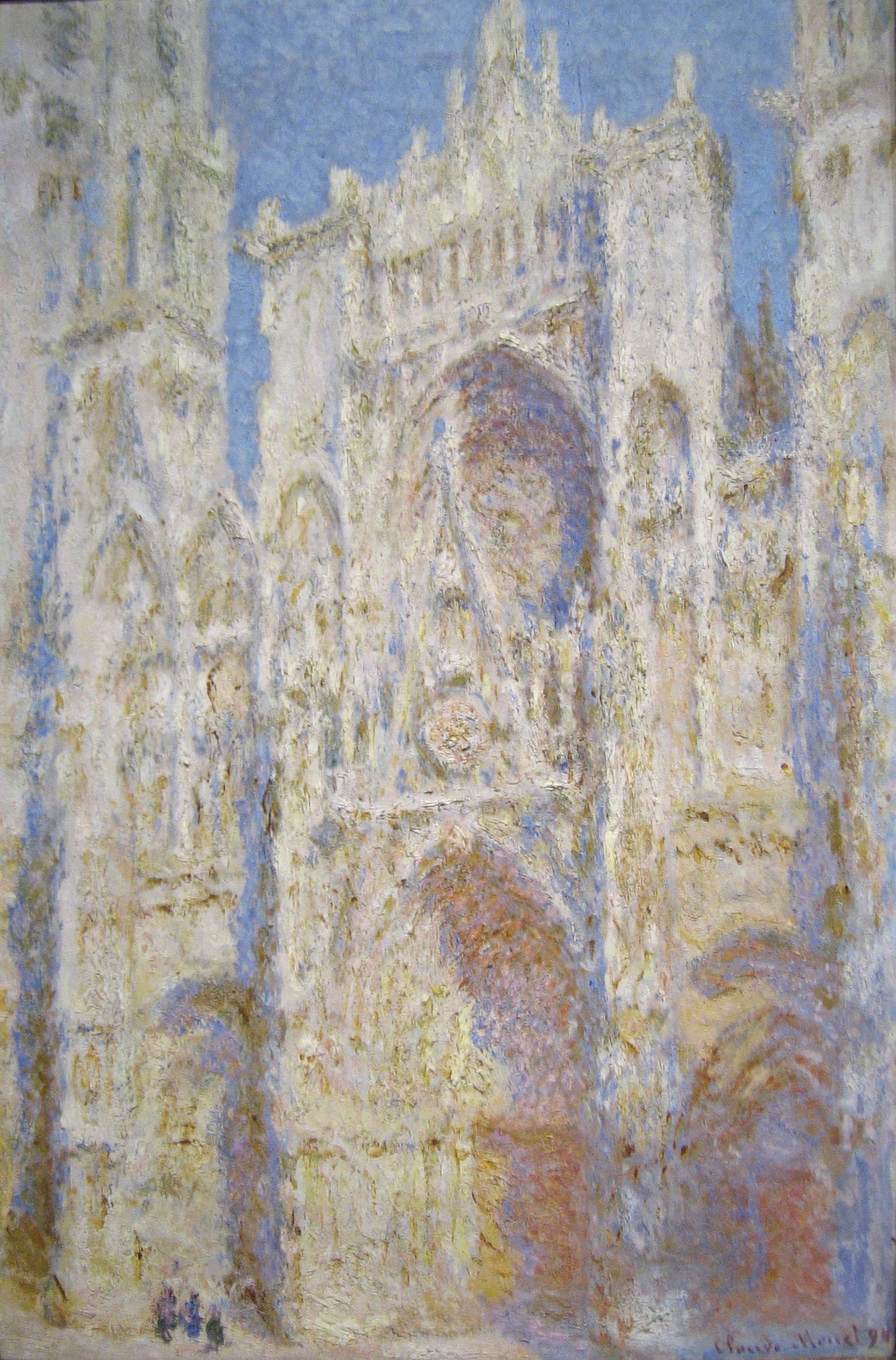
Rouen Cathedral, West Façade, Sunlight
Claude Monet · 1892–94
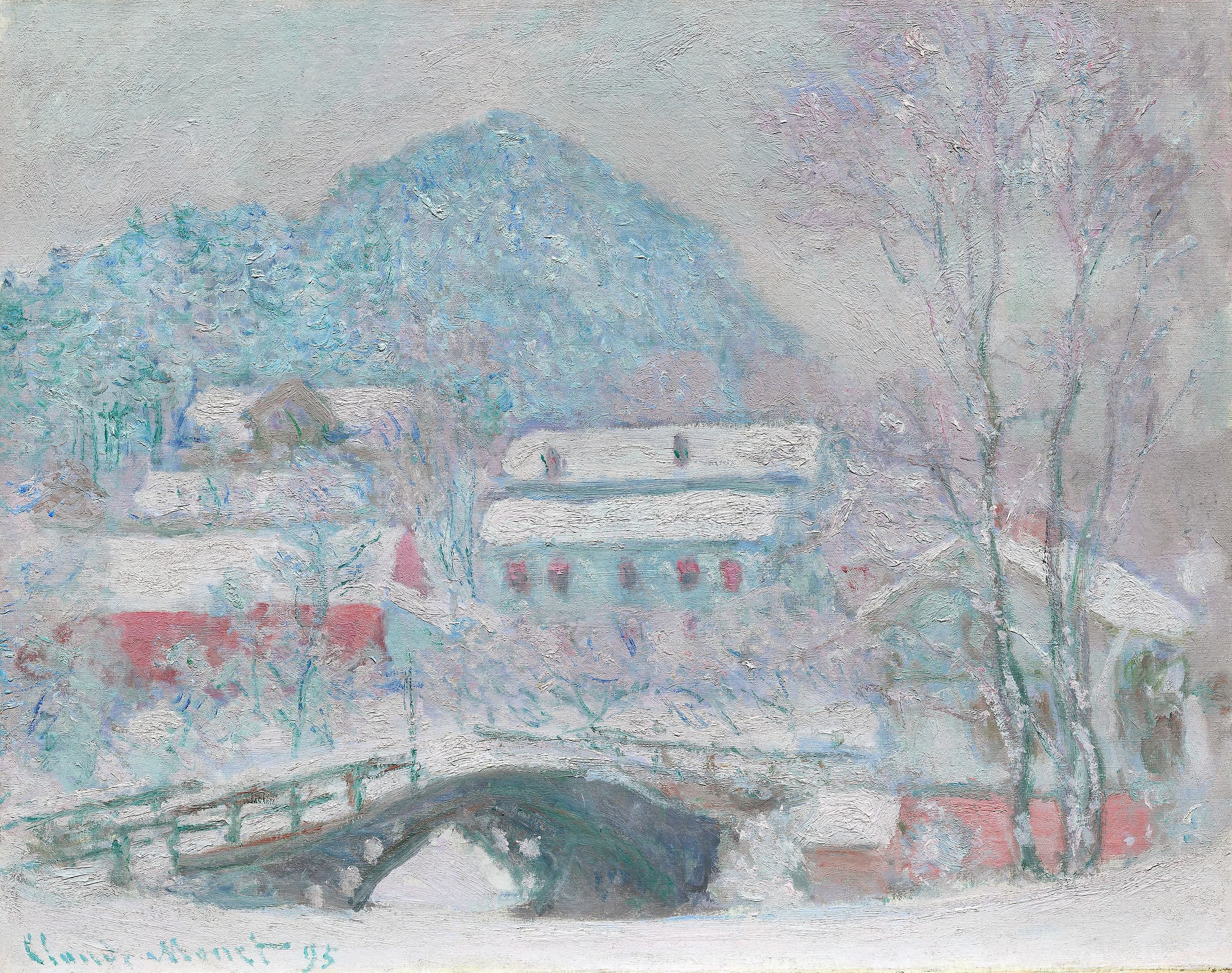
Sandvika, Norway
Claude Monet · 1895
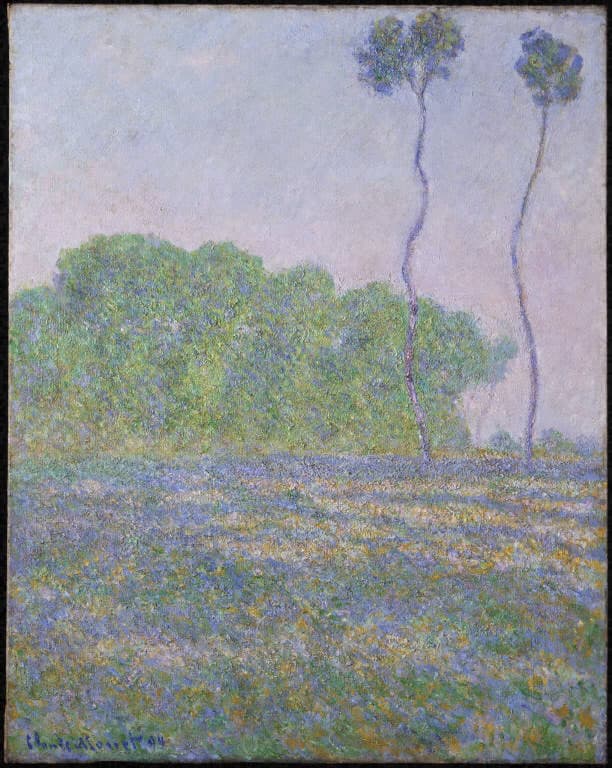
Meadow at Giverny
Claude Monet · 1894
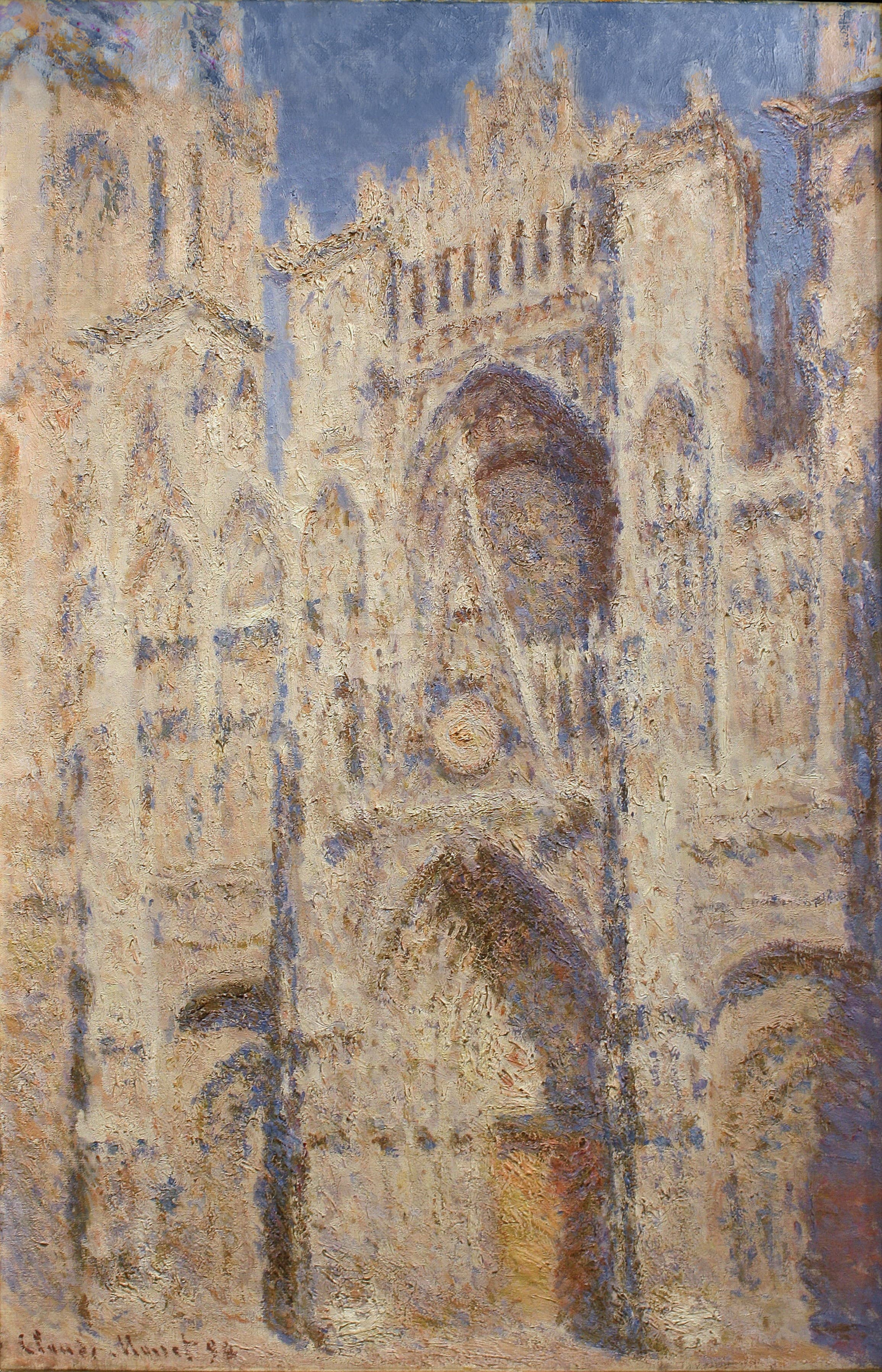
Rouen Cathedral: The Portal (Sunlight)
Claude Monet · 1892–94
Also painted in 1894
The same year
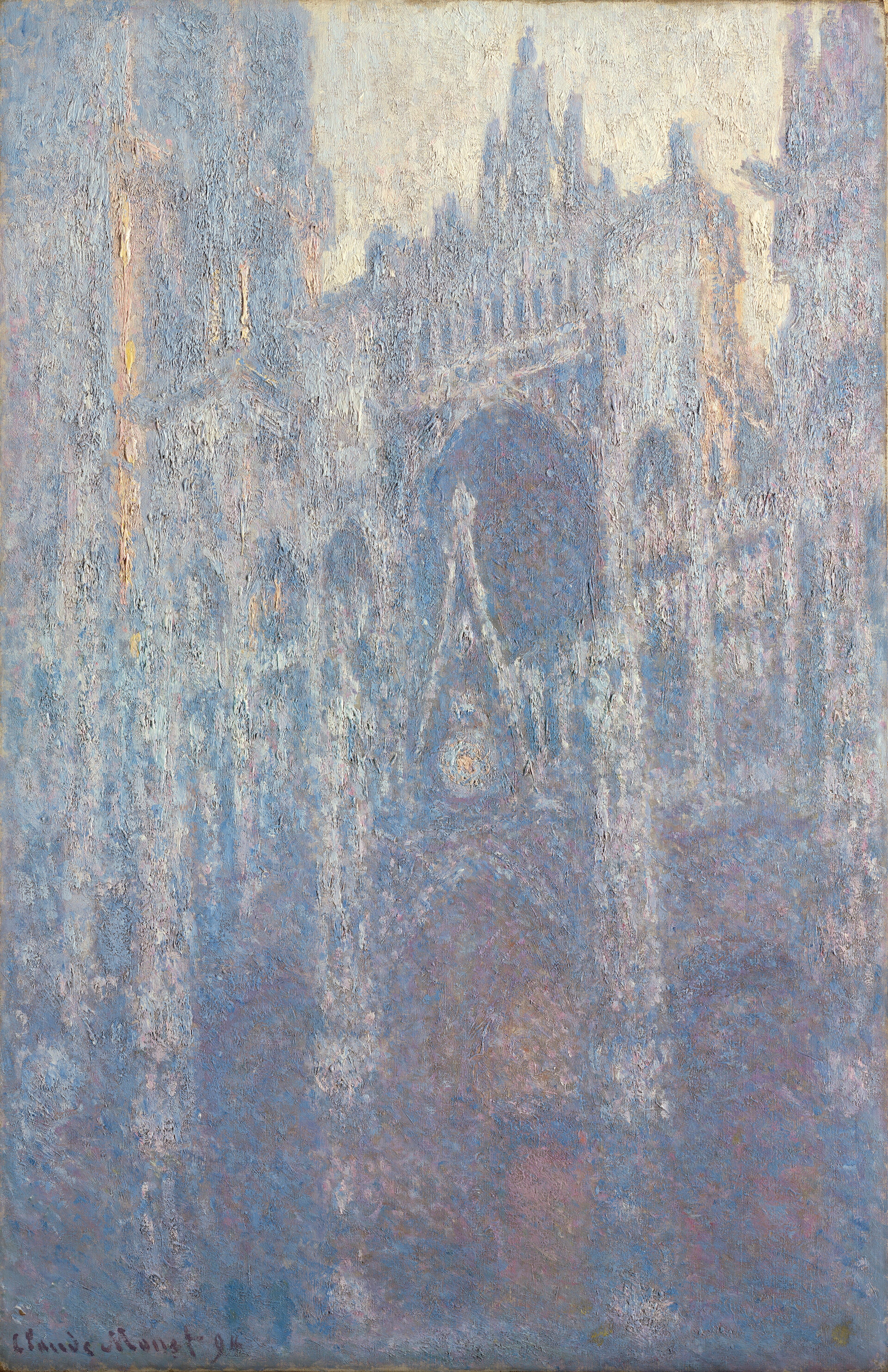
The Portal of Rouen Cathedral in Morning Light
Claude Monet · 1894
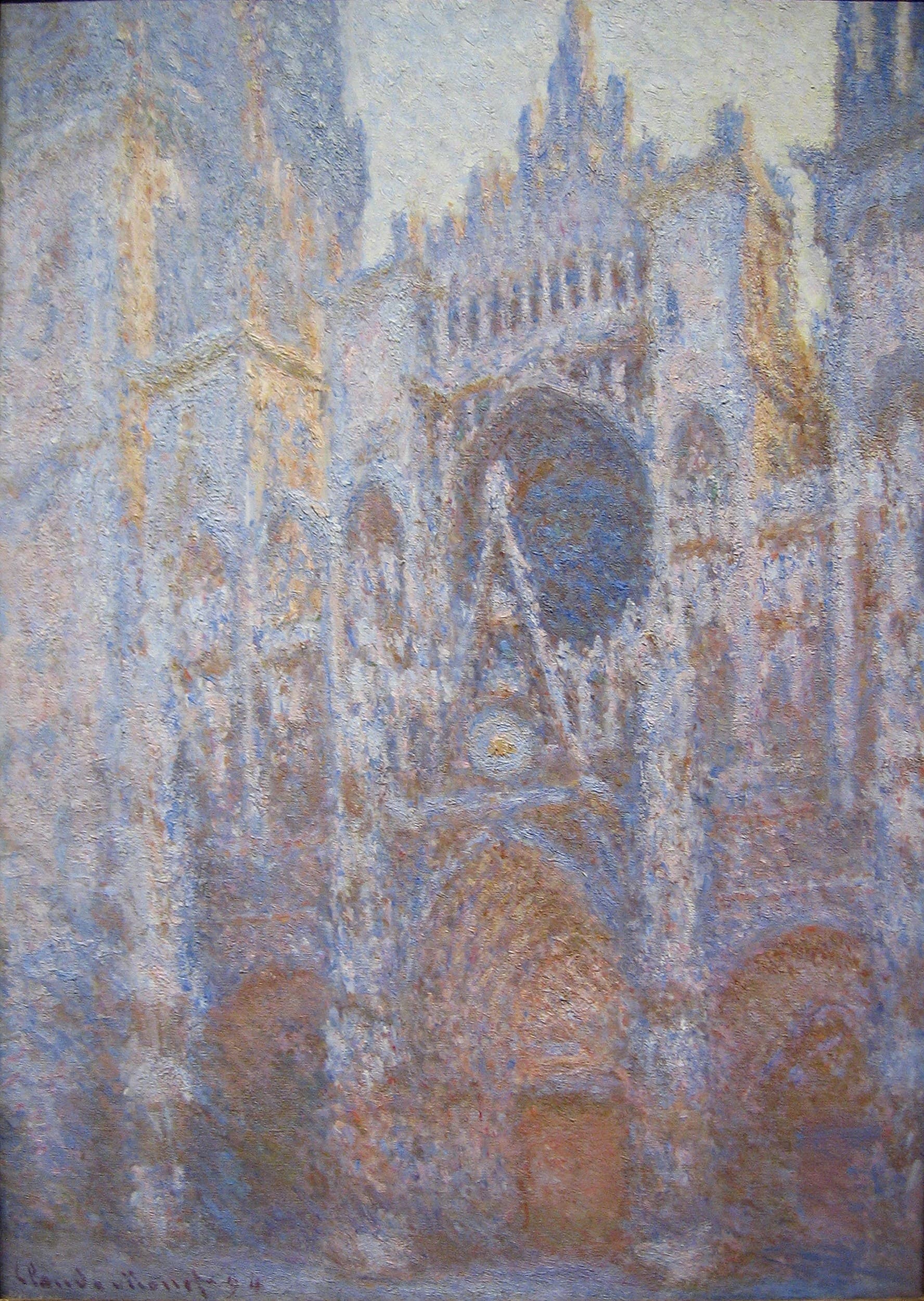
Rouen Cathedral, West Façade
Claude Monet · 1893–94
The Seine at Port-Villez
Claude Monet · 1894
The Young Ladies of Giverny, Sun Effect
Claude Monet · 1894
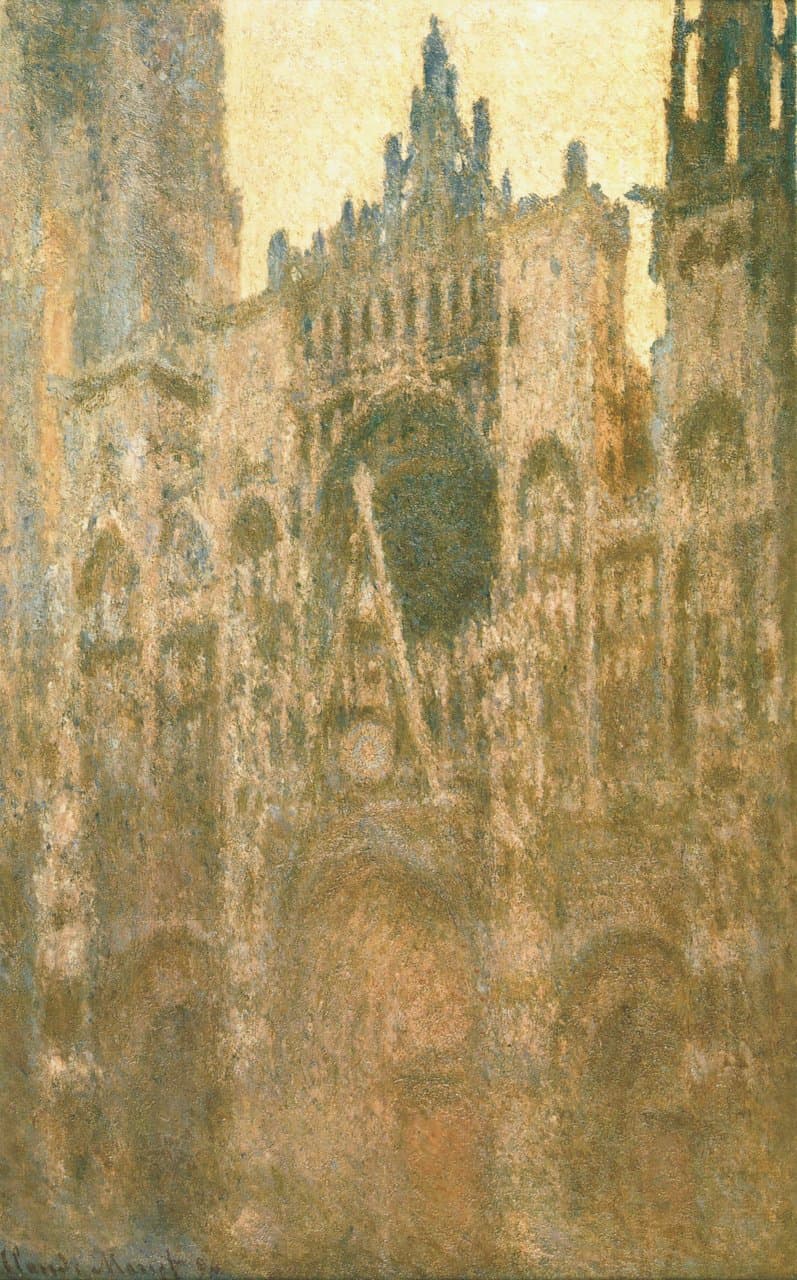
Rouen Cathedral in the Morning (Pink Dominant)
Claude Monet · 1893–94
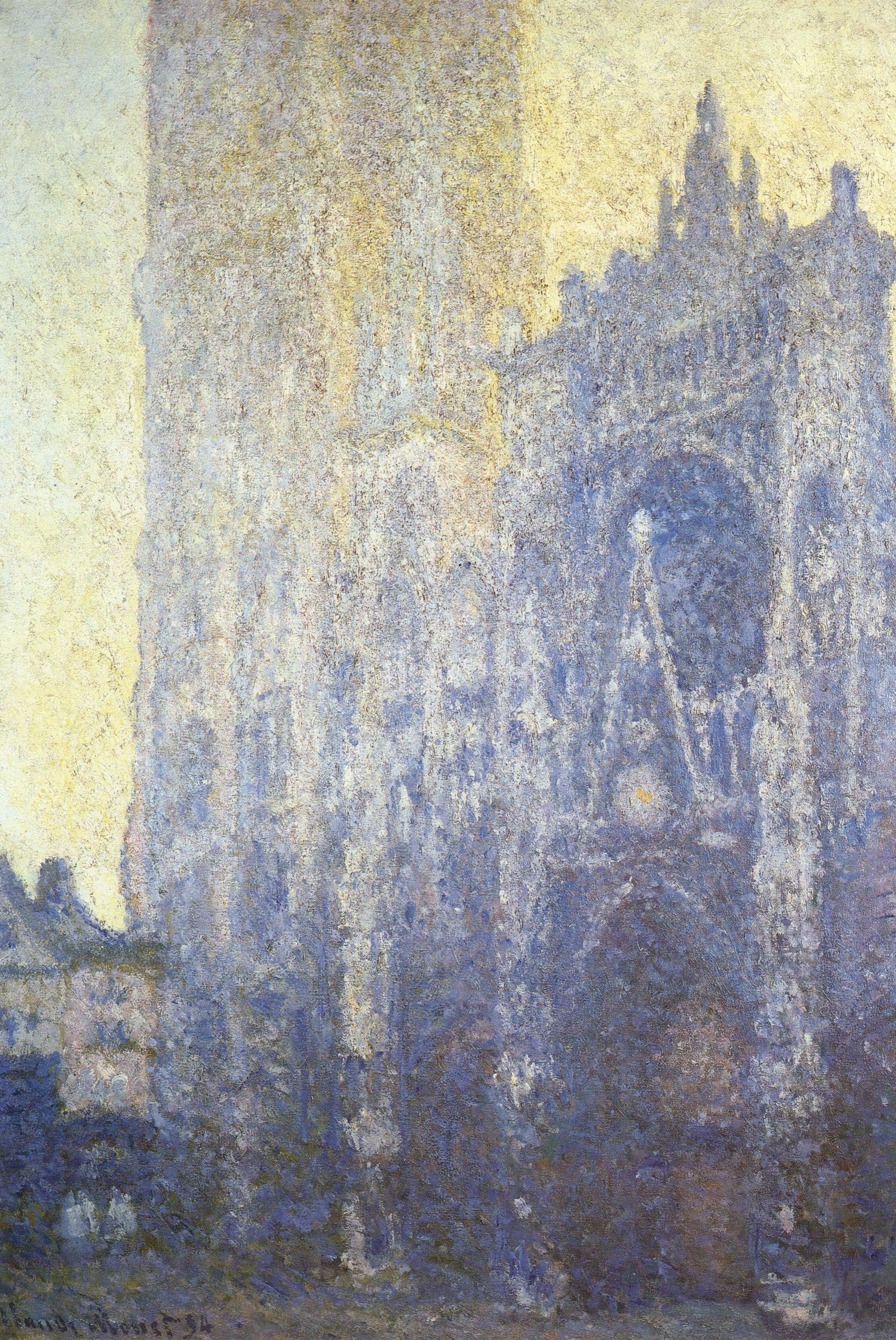
Rouen Cathedral, the Portal, Morning Effect
Claude Monet · 1893–94
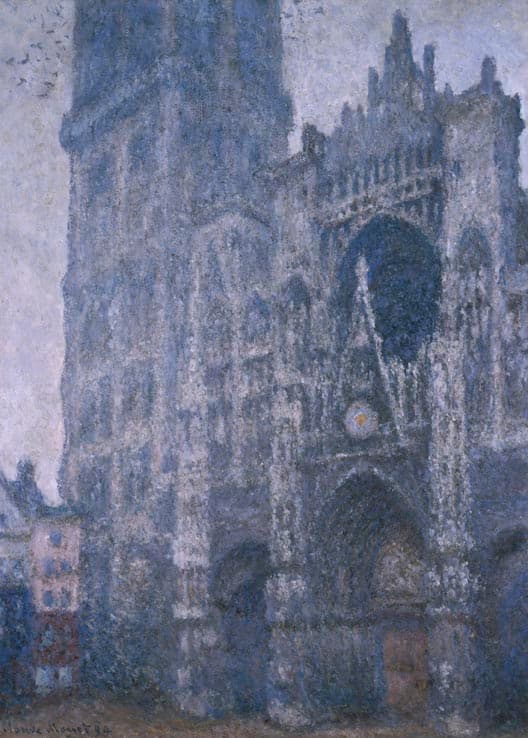
Rouen Cathedral, the Portal and the Tour d'Albane, Grey Weather
Claude Monet · 1893–94
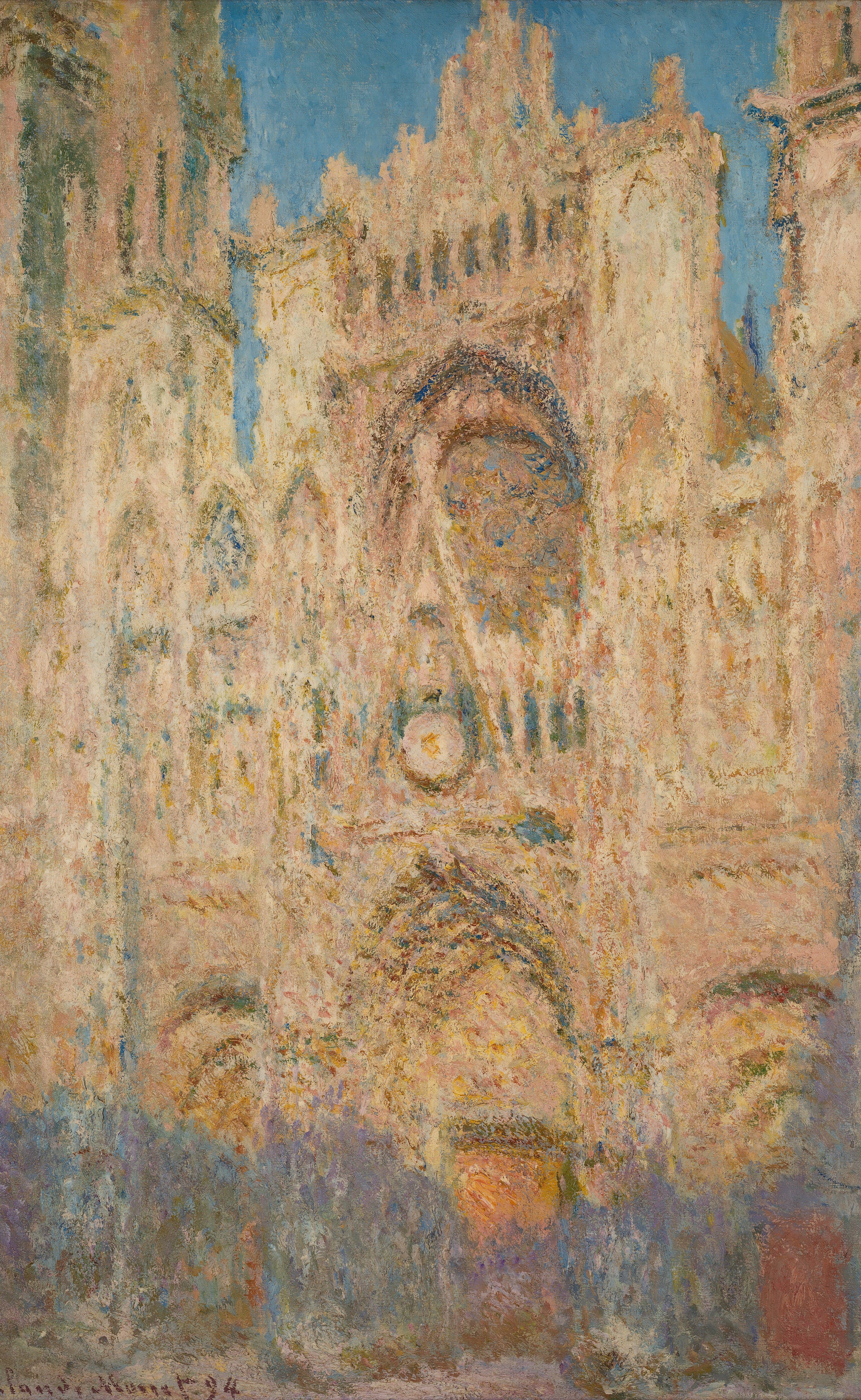
Rouen Cathedral, Evening
Claude Monet · 1894
Kindred works
You may also study
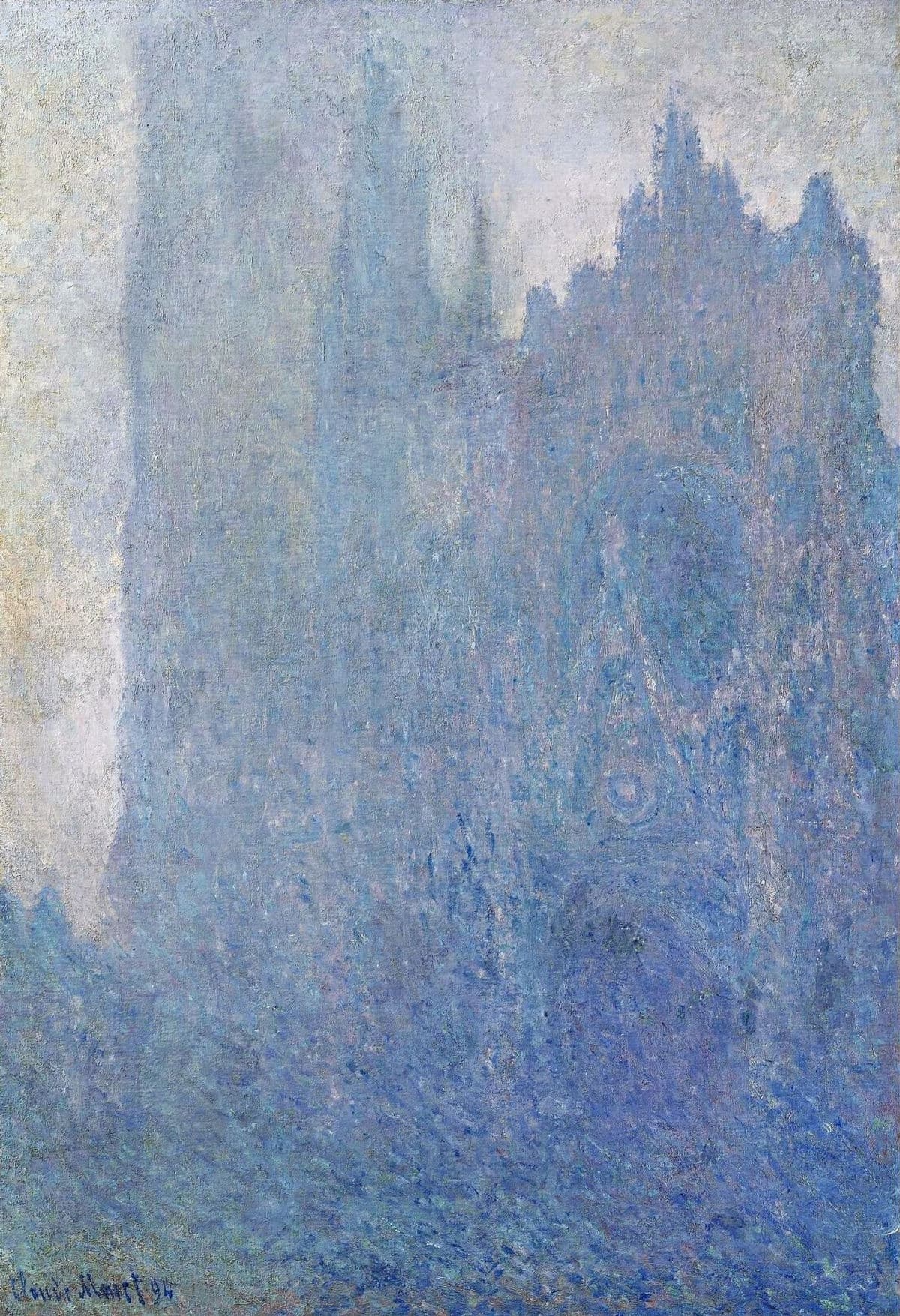
Rouen Cathedral, Fog
Claude Monet · 1893–94
The Portal of Rouen Cathedral in Morning Light
Claude Monet · 1894
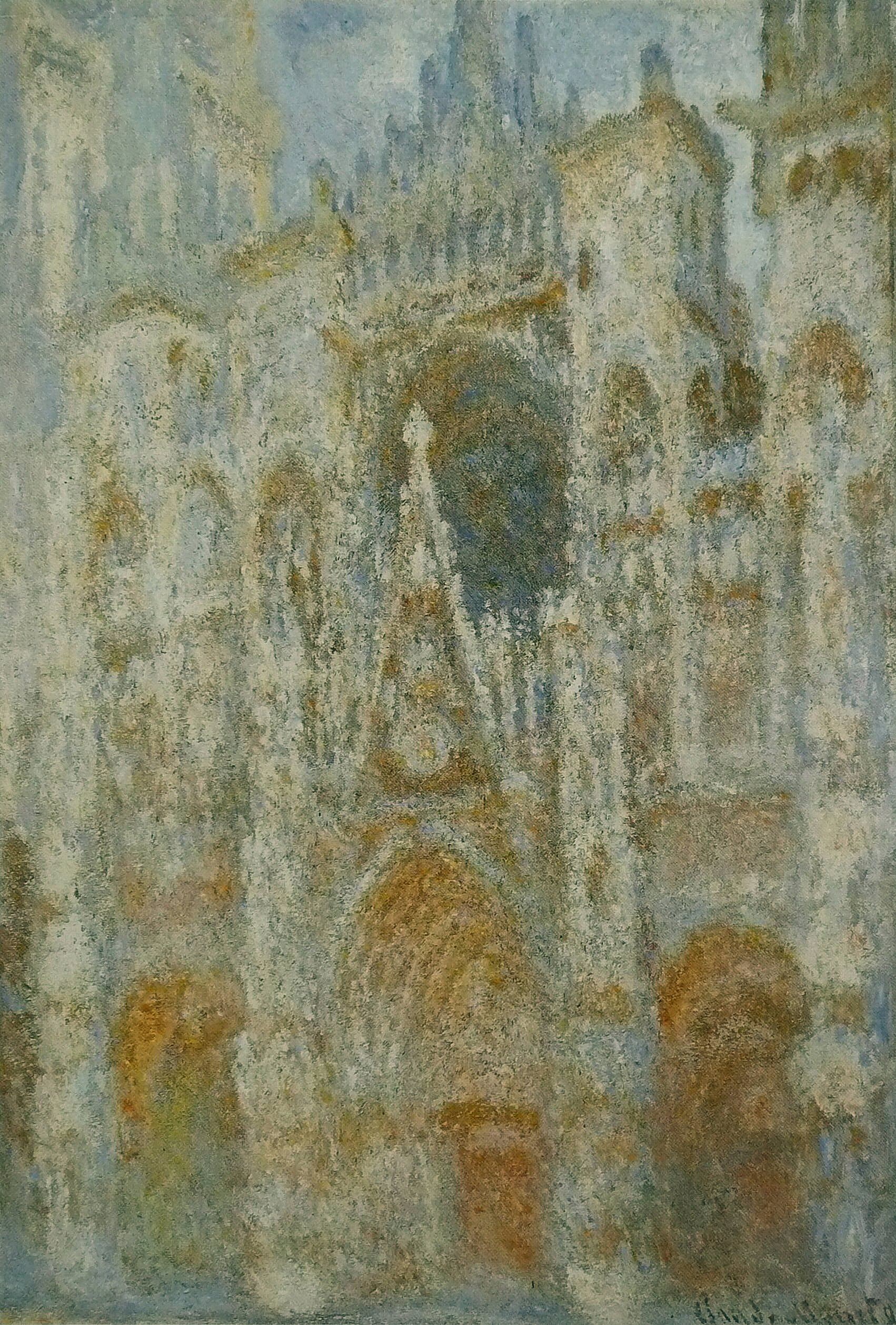
Rouen Cathedral, the Portal, Morning Sun (Harmony in Blue)
Claude Monet · 1893–94
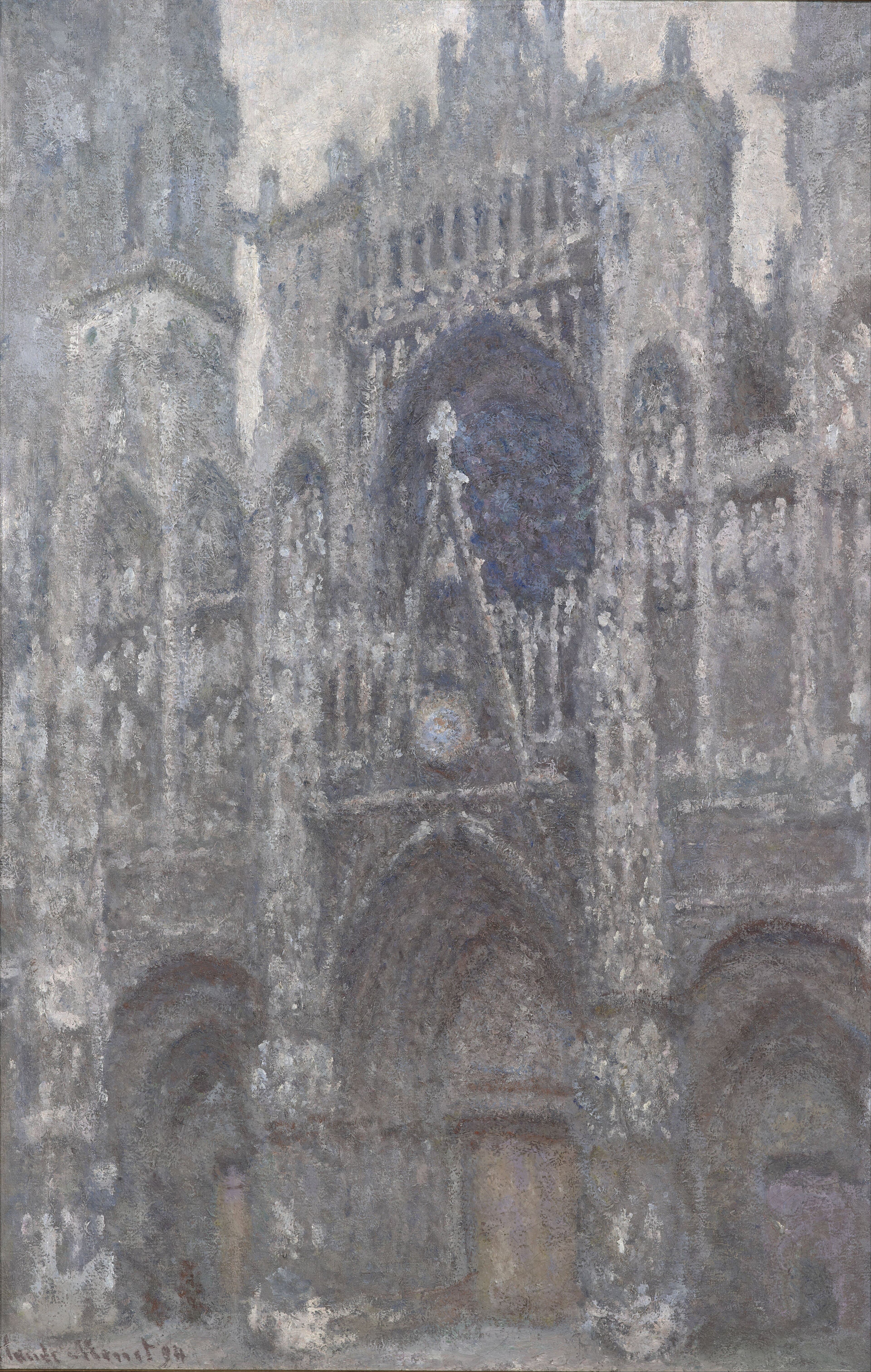
Rouen Cathedral, the Portal, Grey Weather
Claude Monet · 1892–94
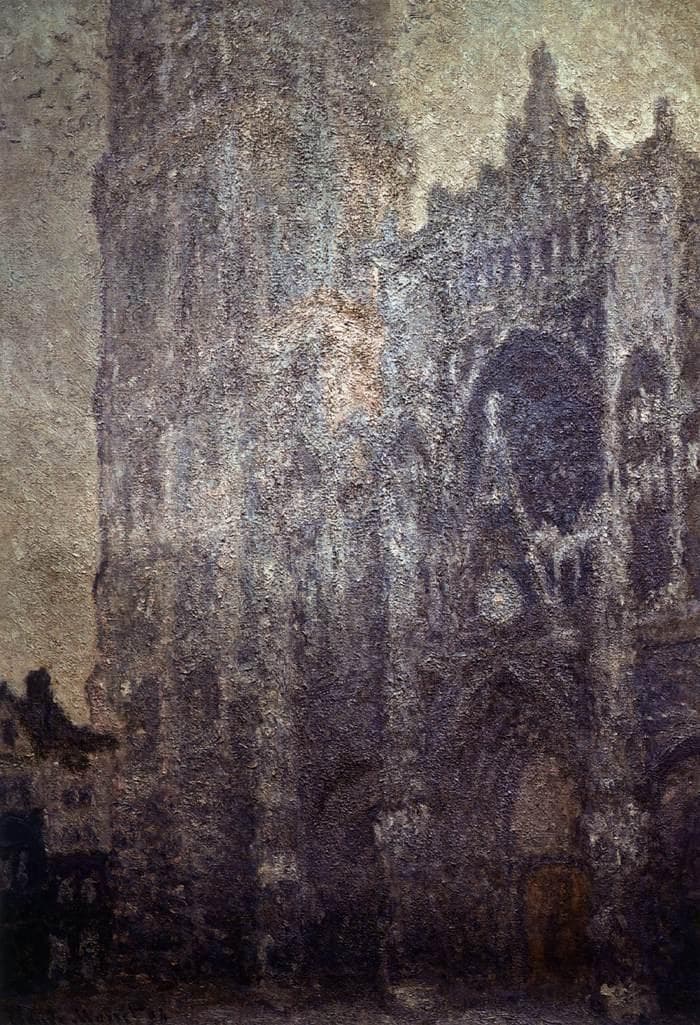
Rouen Cathedral, Effects of Morning Light
Claude Monet · 1893
Rouen Cathedral
Claude Monet · 1892–94
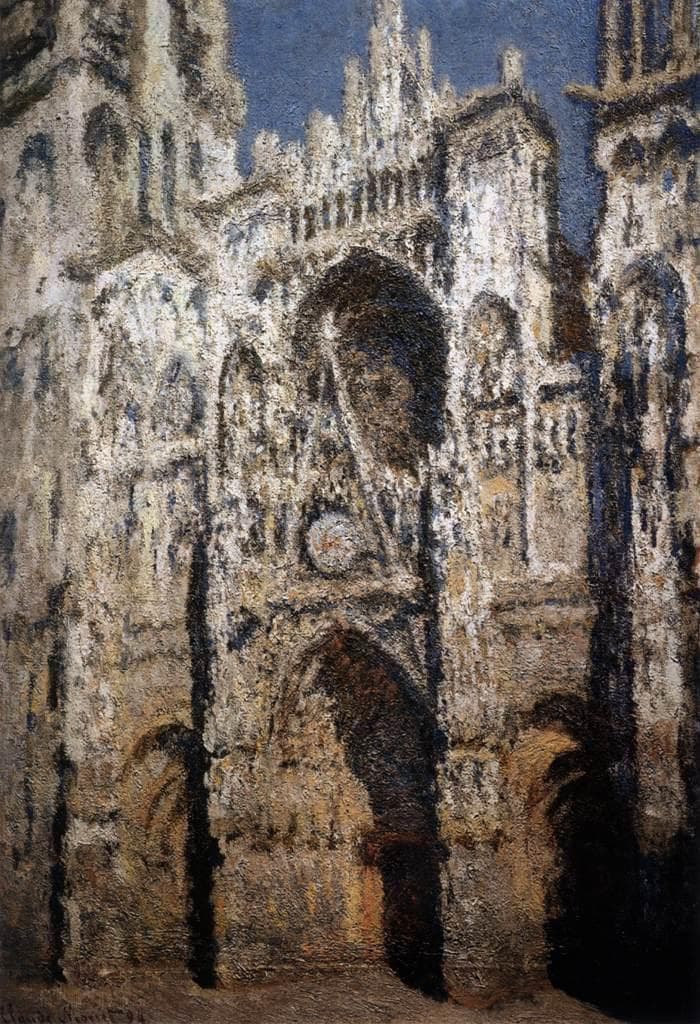
Rouen Cathedral in Full Sunlight
Claude Monet · 1893
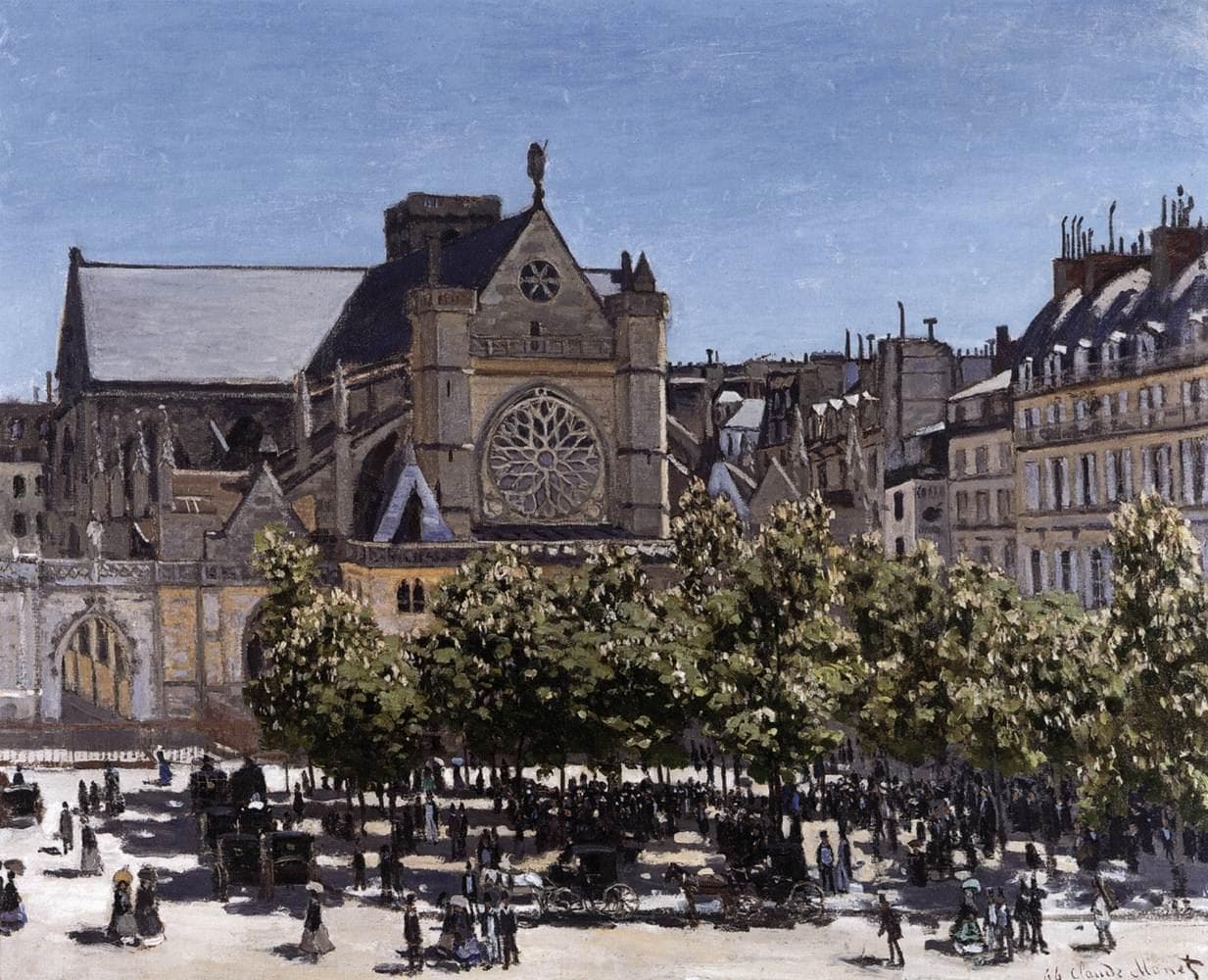
The Church of Saint-Germain-l'Auxerrois
Claude Monet · 1867