Image: Fitzwilliam Museum, Cambridge; via Flickr · Public domain · via Wikimedia Commons
Rocks at Port-Coton, the Lion Rock, Belle-Île
Claude Monet, 1886
Rocks at Port-Coton, the Lion Rock is an 1886 painting by Claude Monet of a dark headland and a crouching, lion-shaped rock in a churning green sea on Belle-Île, off Brittany. It is in the Fitzwilliam Museum, Cambridge.
- Artist
- Claude Monet
- Date
- 1886
- Medium
- Oil on canvas
- Dimensions
- 65.4 × 81.2 cm
- Collection
- Fitzwilliam Museum, Cambridge, United Kingdom
- Movement
- Impressionism
- Catalogue
- Wildenstein 1091
- Water & Sea
- Nature & Landscape
Claude Monet's Rocks at Port-Coton, the Lion Rock was painted in the autumn of 1886 on Belle-Île-en-Mer, the Atlantic island off the southern coast of Brittany. A dark headland juts in from the left, and out in the foaming sea crouches a rock whose silhouette suggests a resting lion. The canvas, 65.4 by 81.2 centimeters (Wildenstein 1091), is signed and dated "Claude Monet 86" at lower right. It has been in the Fitzwilliam Museum in Cambridge since 1998.
What you are looking at
The left third of the picture is rock: a sheer, flat-topped cliff and, in front of it, a lower, broken mass running down to the water. Monet paints them not in gray but in an extraordinary weave of dark red, rust, cobalt and ultramarine, with a few touches of ocher where the light catches a ledge. They read as wet, heavy and almost black from a distance; up close they are full of color.
In the middle distance, slightly right of center, sits the Lion Rock, a rounded hump with a raised "head" at its top, surrounded by smaller outcrops. Around it the sea is in constant motion: a rough expanse of green, turquoise and blue, broken everywhere by white foam. Waves wash over the low rocks at lower right and swirl at the foot of the cliff. A strip of deeper blue runs along the horizon, under a heavy, pale gray sky streaked with cream.
The image works through contrast. The rocks are solid, dark and warm; the sea is light, cool and fragmented. Even the strokes are different: long and curving on the rocks, short and choppy on the water.
Where and when
Monet arrived on Belle-Île in September 1886 expecting to stay about ten days. He stayed ten weeks, based in a tiny hamlet only a few hundred meters from the coast, and painted thirty-nine canvases there, according to the Fitzwilliam. He worked through gales and rain on the Côte Sauvage, the island's wild Atlantic coast, often returning to the same rocks again and again as the weather changed. Port-Coton is famous for its needles, the Aiguilles, and the Lion Rock is one of the smaller formations nearby.
The novelist Octave Mirbeau, who was on the island at the same time, became a close friend and later one of Monet's most eloquent champions. The Fitzwilliam's own teaching materials link his habit of repeating a motif to the Japanese prints he collected, which often show one place in many moods.
How this version differs
Among the Belle-Île pictures, the needles of Port-Coton appear in several famous canvases, including The Pyramides at Port-Coton in the Pushkin Museum and The Rocks of Belle-Île, Rough Sea in the Musée d'Orsay. The Fitzwilliam's picture isolates a lesser-known formation, the Lion, and pairs it with the near headland, so that the composition is split between a dark mass at left and open, foaming water at right. The weather is gray and overcast rather than stormy or sunlit, and the drama comes from the sea's surface rather than from spray or sky. Compare the bright, glittering inlet of Rocks at Port-Goulphar in Chicago, painted a few weeks apart.
How it was painted
The paint is thick and heavily worked. Monet built up the rocks with layer upon layer of dragged color, so that the surface becomes as rough as the stone. In the sea, he used quick, curling strokes of green and white, some laid wet into wet, others added on top as dry, broken touches of foam. The sky is painted more freely, with loose horizontal sweeps. Many of the Belle-Île canvases were reworked in the studio at Giverny before he released them, and the density of this surface suggests repeated sessions.
Belle-Île falls outside our Normandy hub, but for Monet's other sea cliffs, from Étretat to Pourville, see Étretat and the Normandy Coast.
Where to see it
The painting was accepted by the British government in lieu of inheritance tax and allocated to the Fitzwilliam Museum in 1998. The museum uses it widely in its school programs, and a children's story about a horse and a lion has been written around it. See also Where to See Monet's Paintings and Claude Monet.
Questions & answers
Where is Monet's Rocks at Port-Coton, the Lion Rock?
It is in the Fitzwilliam Museum in Cambridge, England. The painting was accepted by the British government in lieu of inheritance tax and allocated to the museum in 1998 (accession number PD.27-1998).
When and where was it painted?
Monet painted it in the autumn of 1886 on Belle-Île-en-Mer, an island off the south coast of Brittany. He came for about ten days and stayed ten weeks, painting thirty-nine canvases of the island's rocky Atlantic coast.
What is the Lion Rock?
The Lion Rock is a rounded rock formation off Port-Coton on Belle-Île whose silhouette suggests a crouching lion. In Monet's painting it sits in a foaming green sea to the right of a dark headland.
How is this Belle-Île painting different from Monet's other views?
Many of Monet's Belle-Île canvases show the tall needles of Port-Coton or storms with spray. This one focuses on the lower Lion Rock and a near headland under a gray sky, and finds its drama in the restless surface of the sea.
More by the artist
Claude Monet
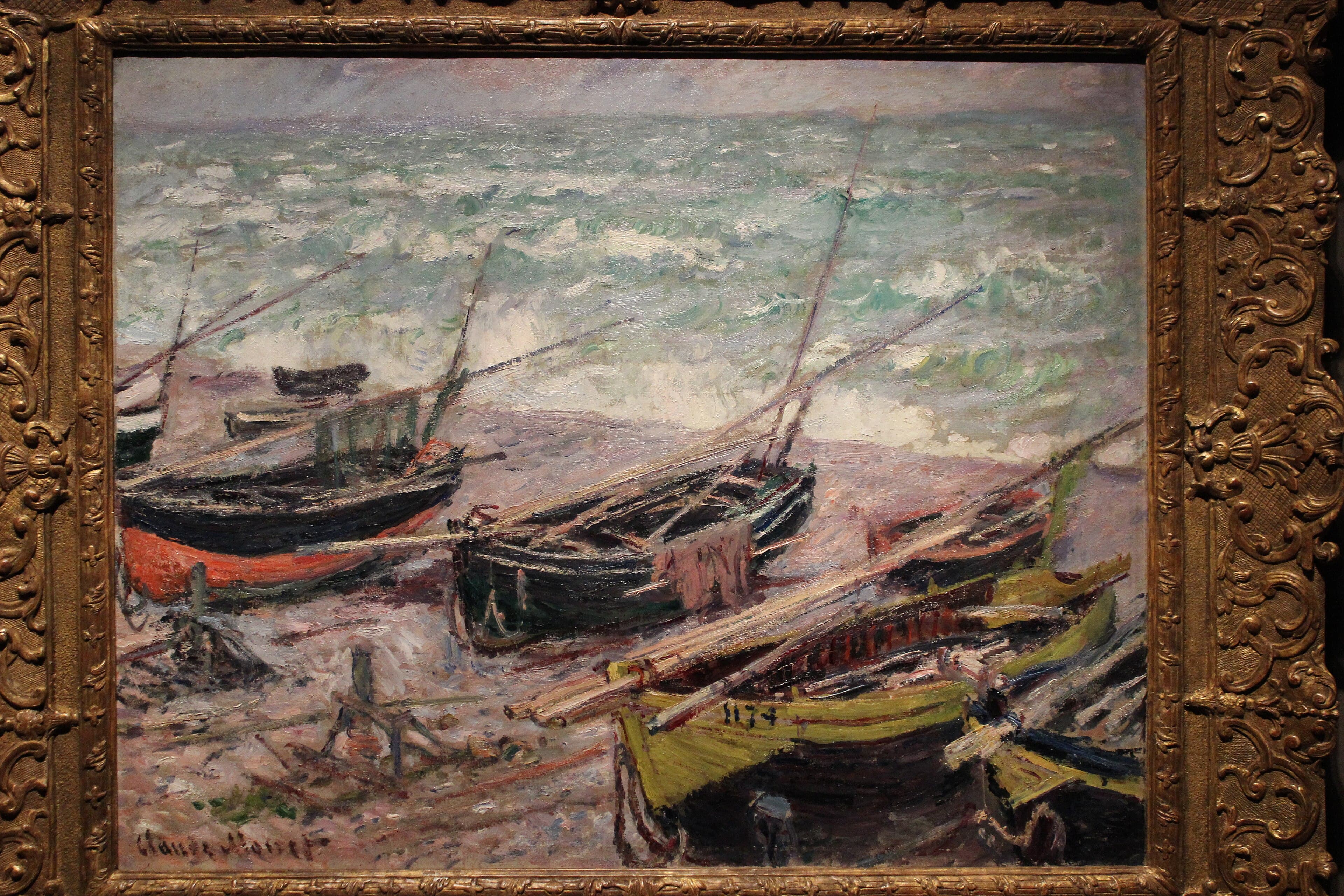
Fishing Boats at Étretat
Claude Monet · 1885
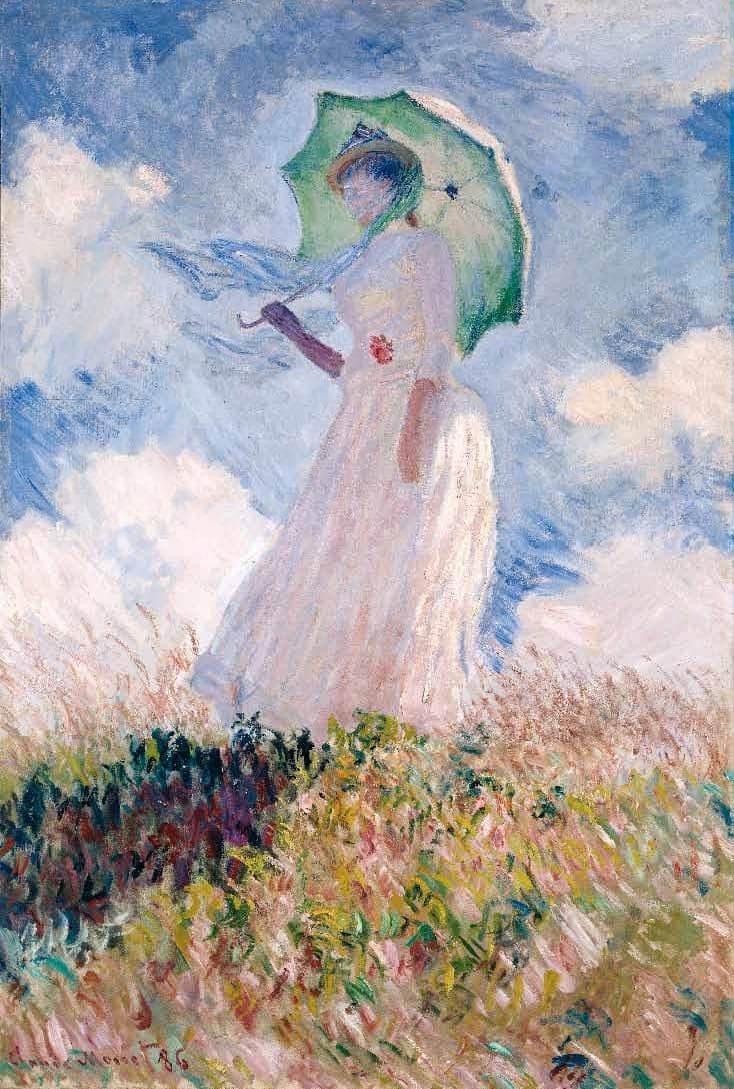
Woman with a Parasol, Facing Left
Claude Monet · 1886
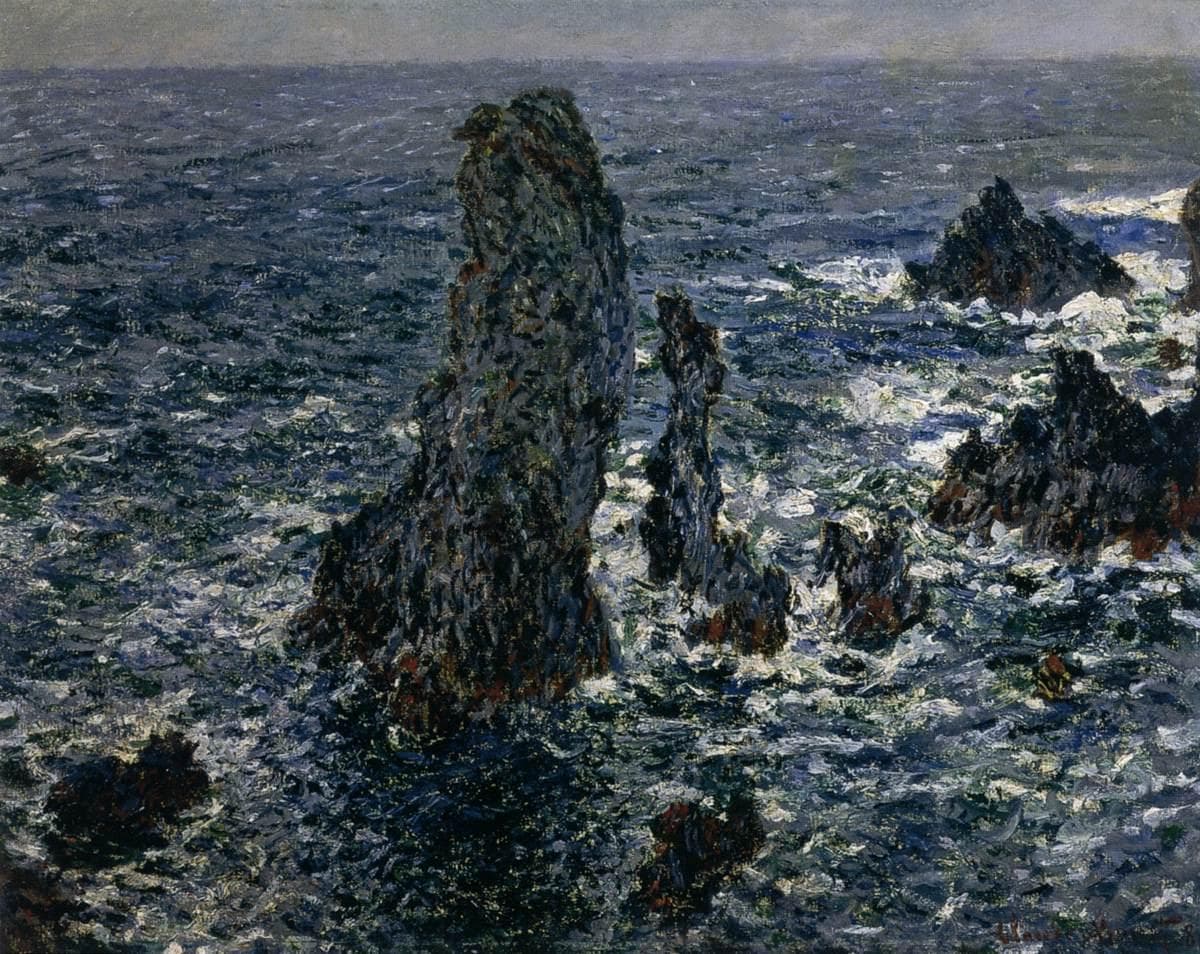
The Pyramides at Port-Coton, Rough Sea
Claude Monet · 1886
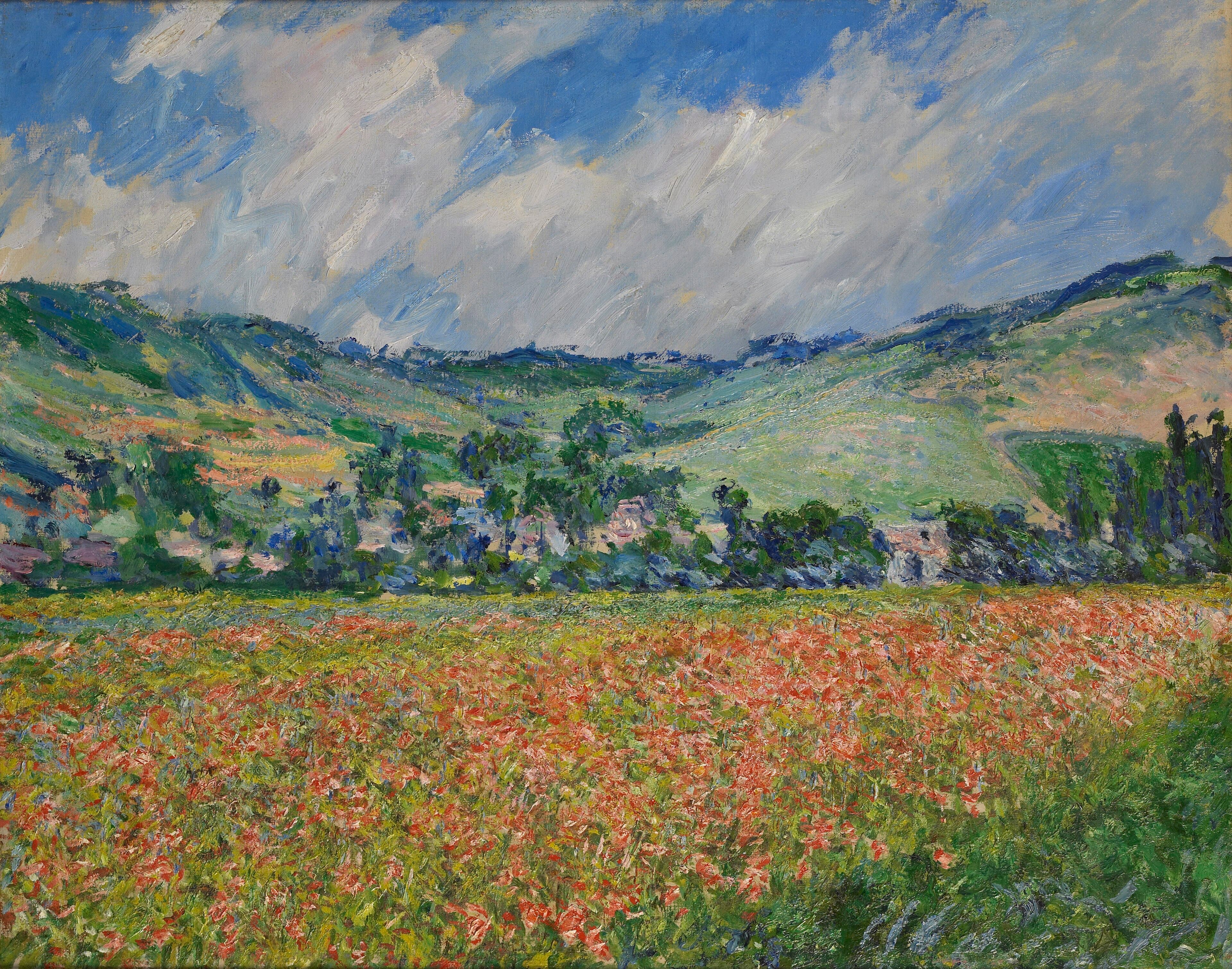
Poppy Field, Around Giverny
Claude Monet · 1885
Étretat, the Manneporte, Reflections on the Water
Claude Monet · c. 1885
Villas in Bordighera
Claude Monet · 1884
The Cliffs at Étretat
Claude Monet · 1885
Woman with a Parasol, Facing Right
Claude Monet · 1886
Also painted in 1886
The same year
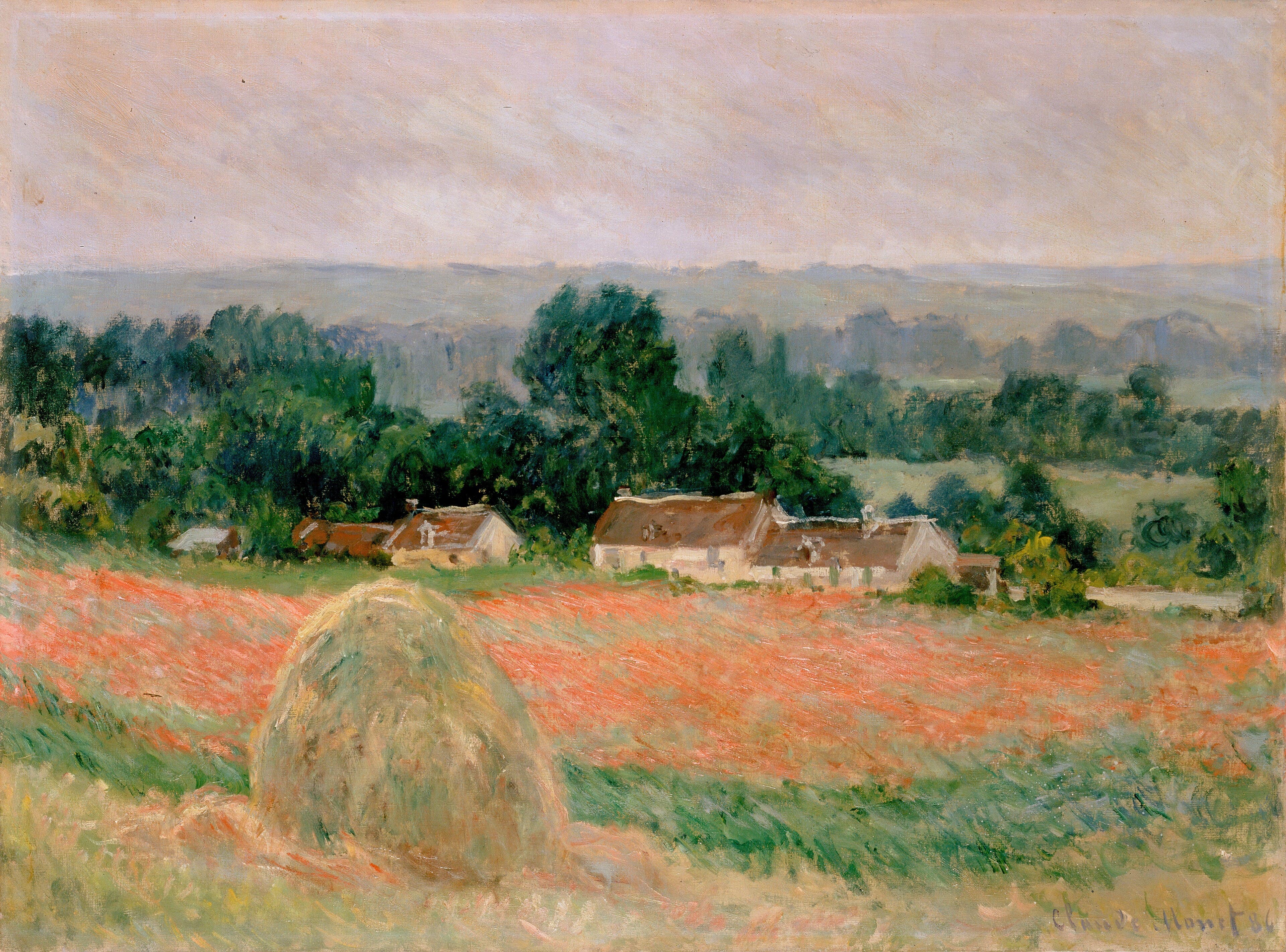
Haystack at Giverny
Claude Monet · 1886
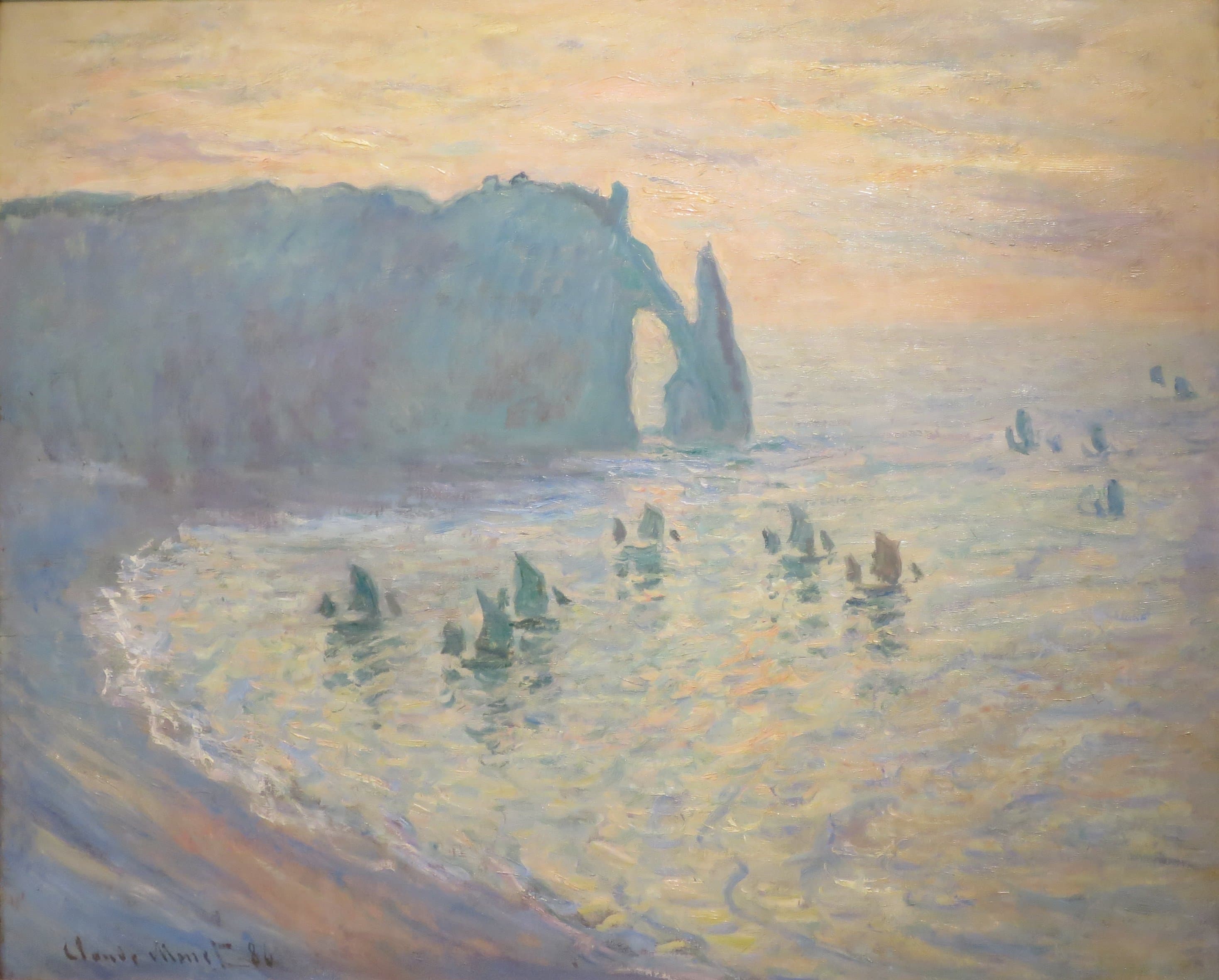
The Cliffs at Étretat
Claude Monet · 1886
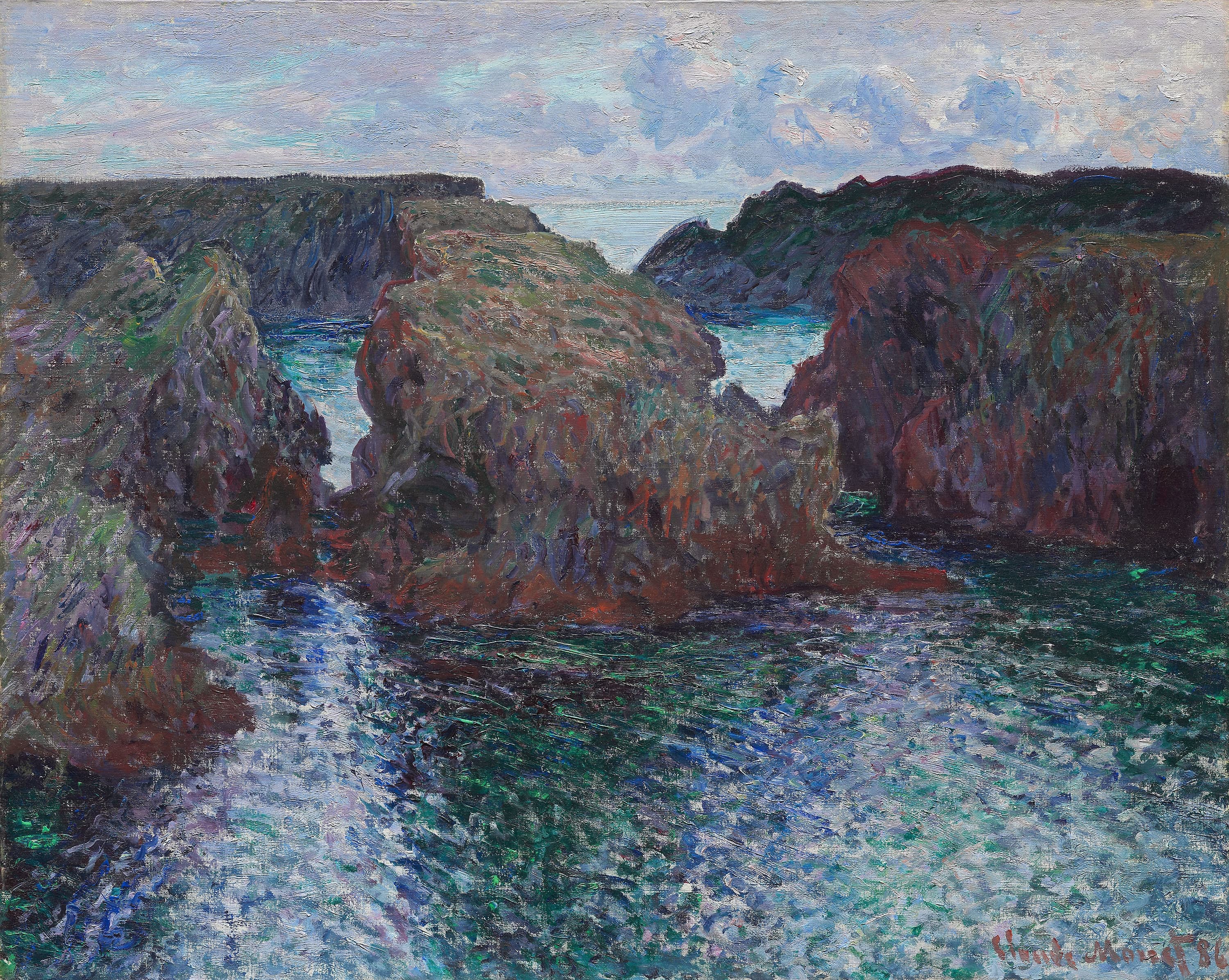
Rocks at Port-Goulphar, Belle-Île
Claude Monet · 1886
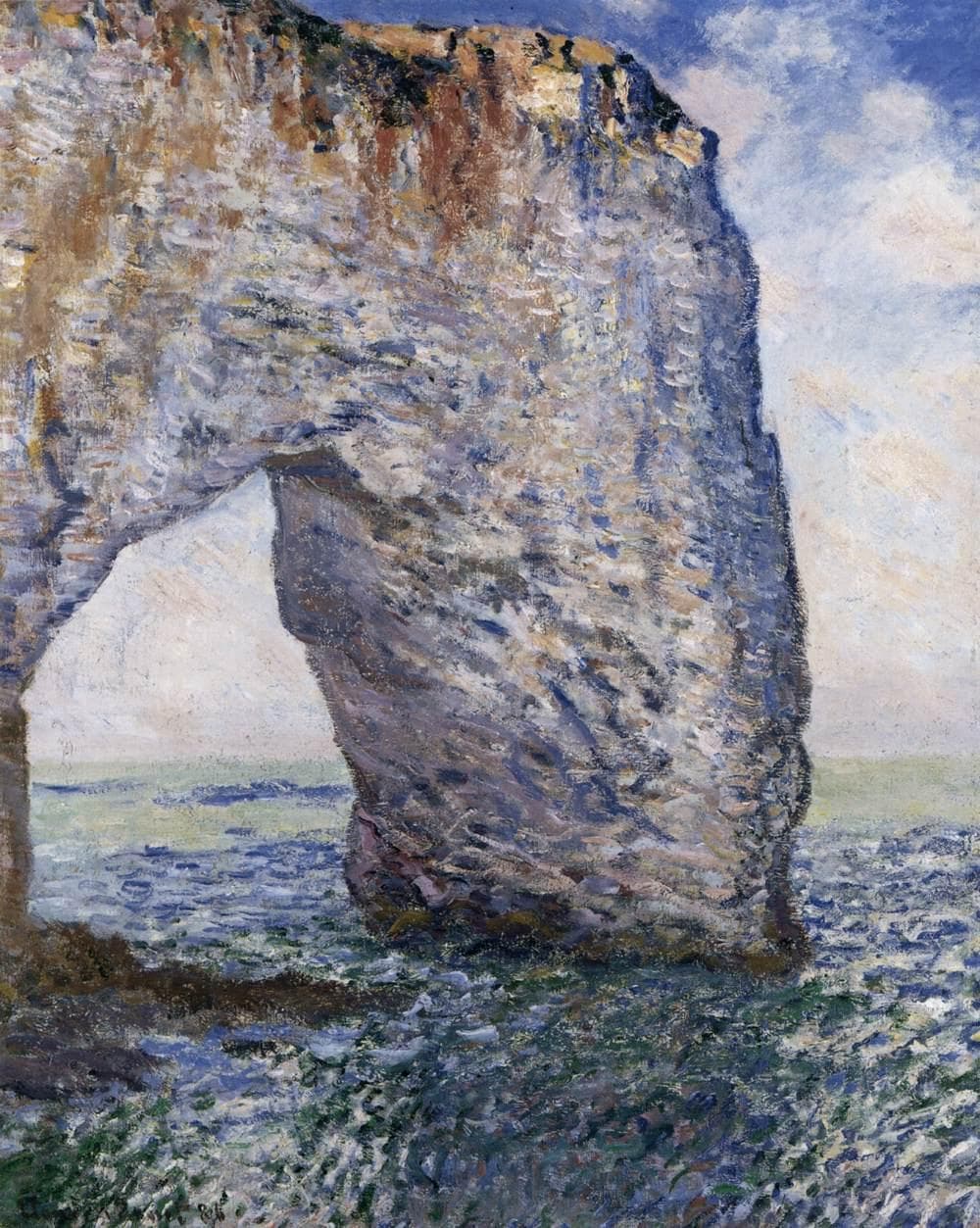
The Manneporte near Étretat
Claude Monet · 1886
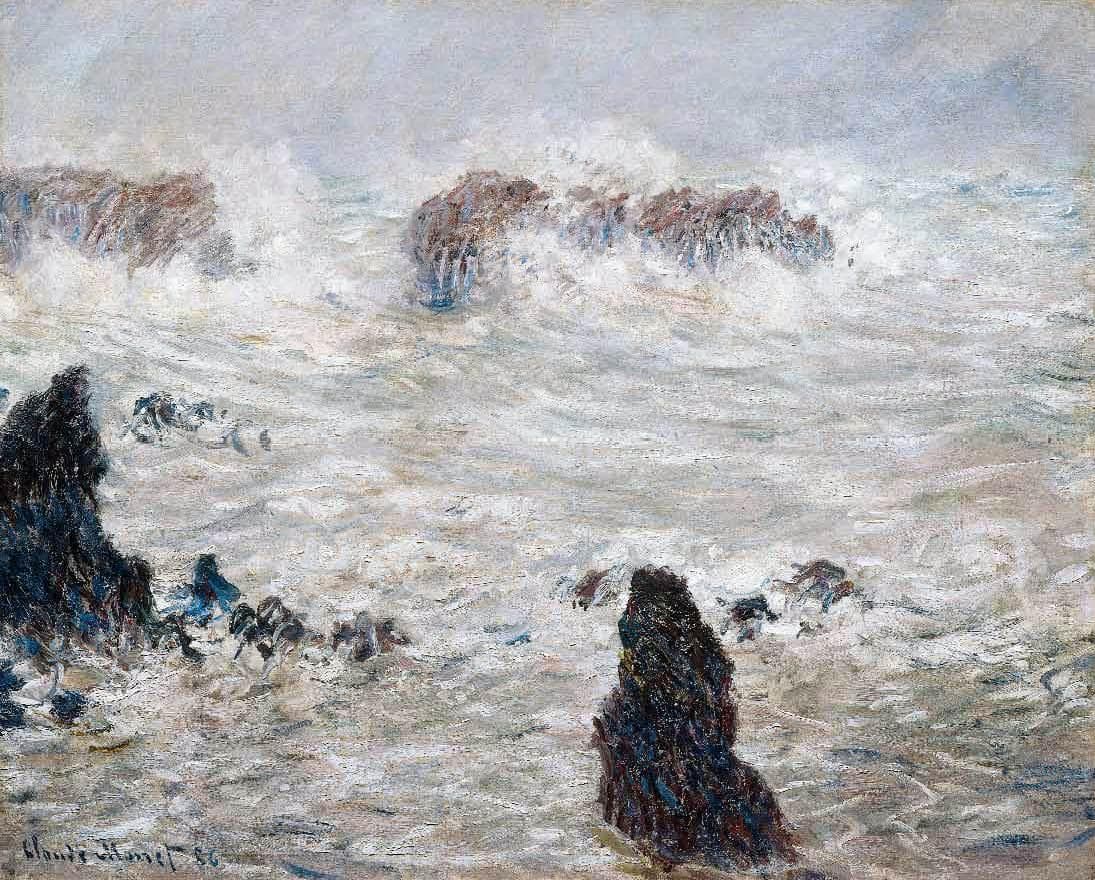
Storm off Belle-Île
Claude Monet · 1886
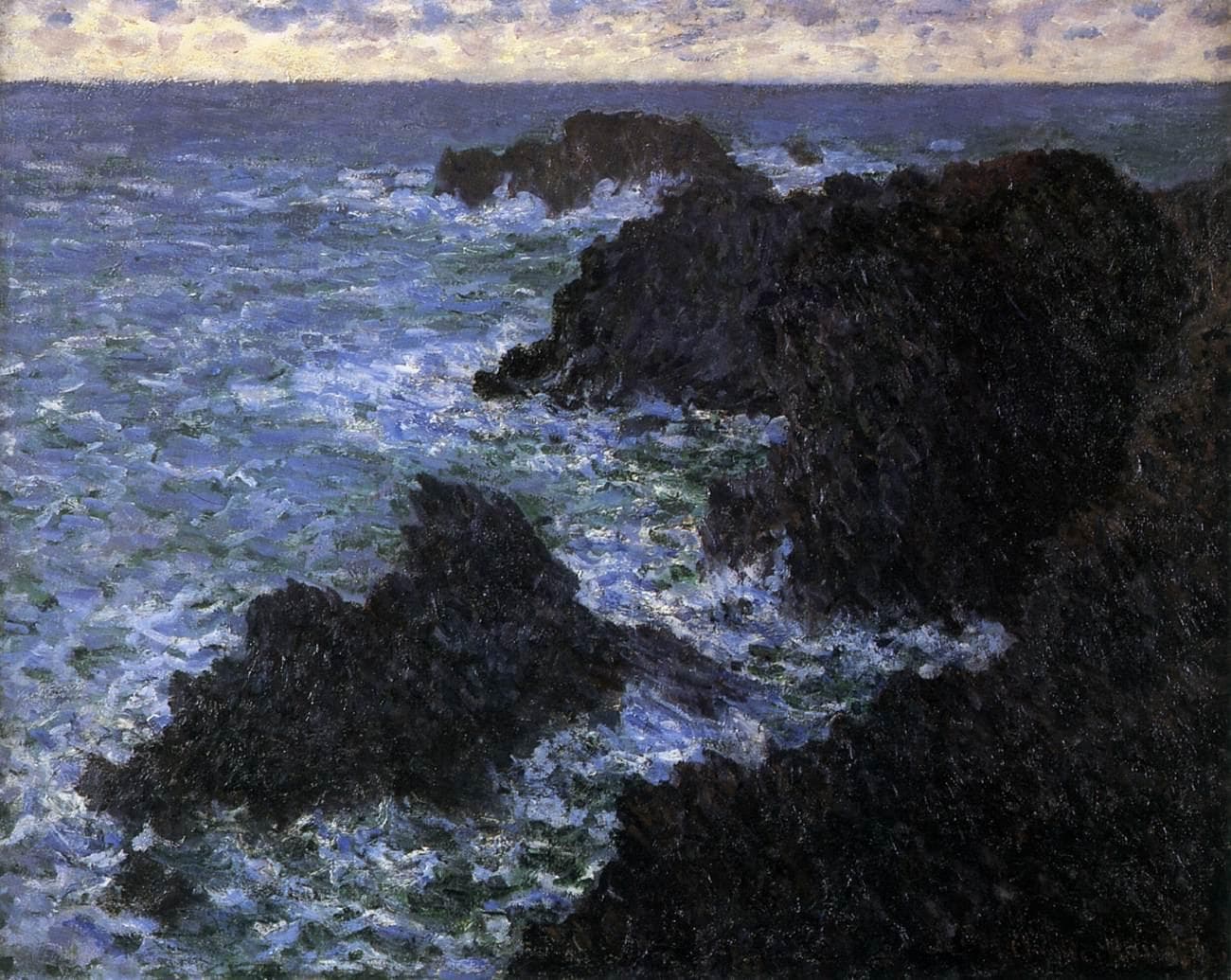
The Rocks of Belle-Île, the Wild Coast
Claude Monet · 1886
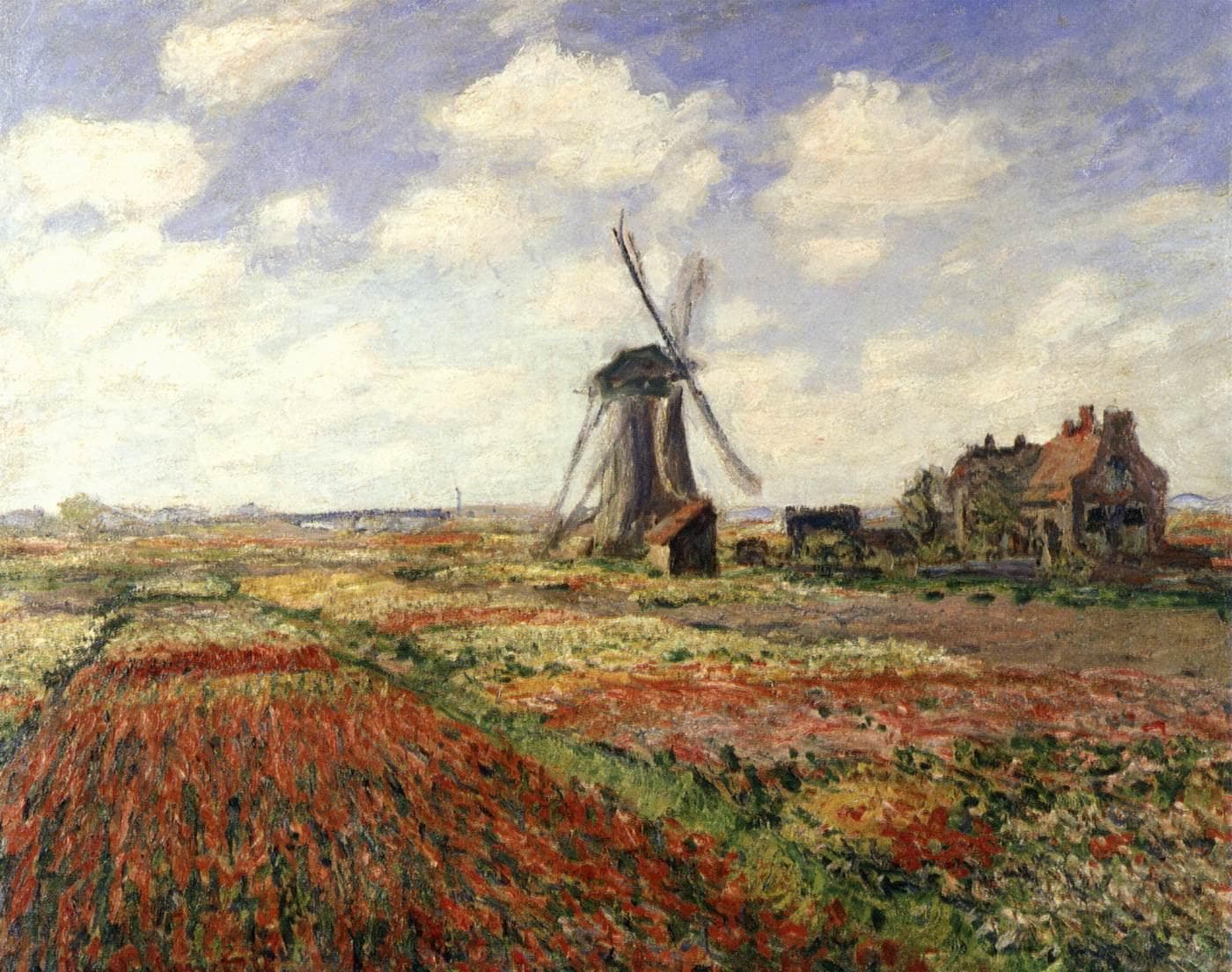
Tulip Fields in Holland
Claude Monet · 1886
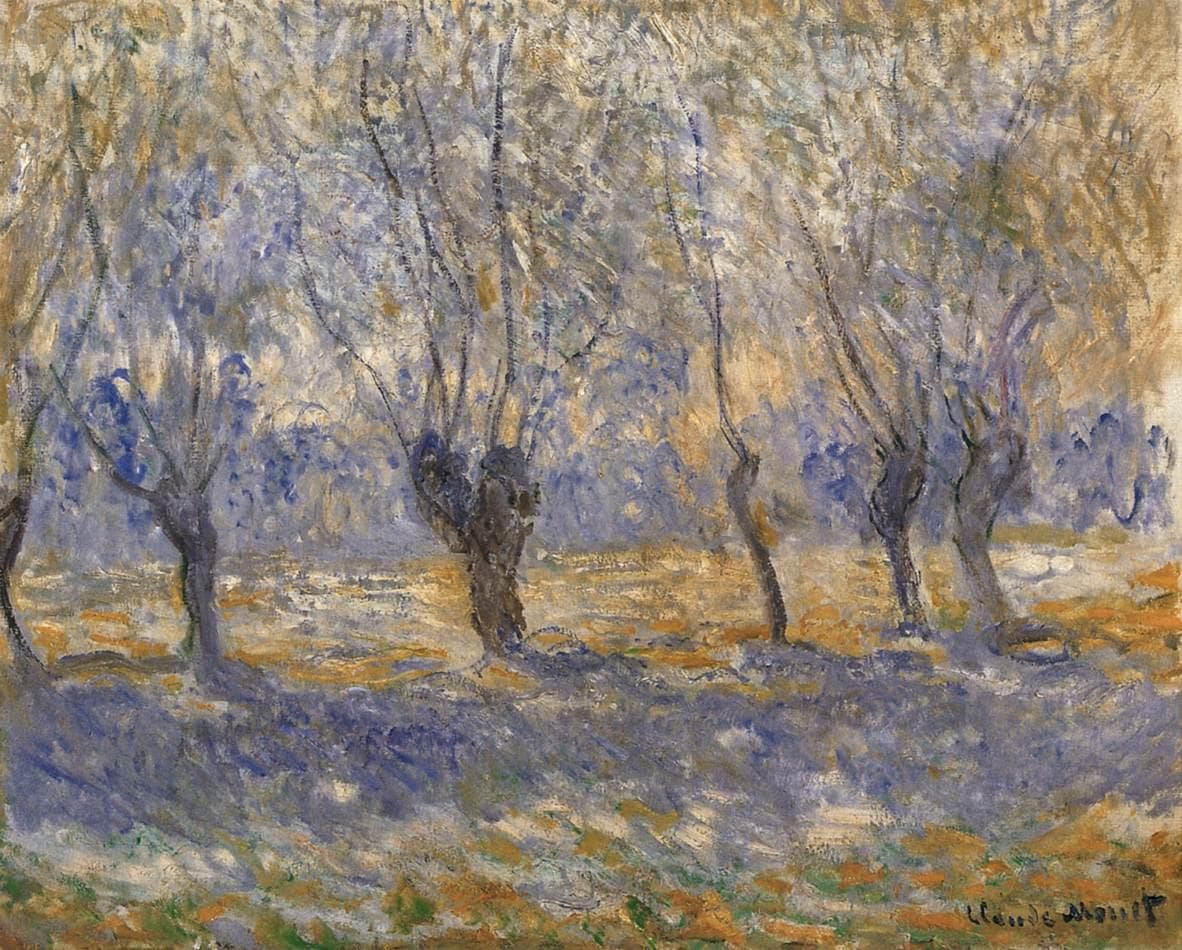
Willows at Giverny
Claude Monet · 1886
Kindred works
You may also study
Rocks at Port-Goulphar, Belle-Île
Claude Monet · 1886
The Rocks of Belle-Île, the Wild Coast
Claude Monet · 1886
Storm off Belle-Île
Claude Monet · 1886
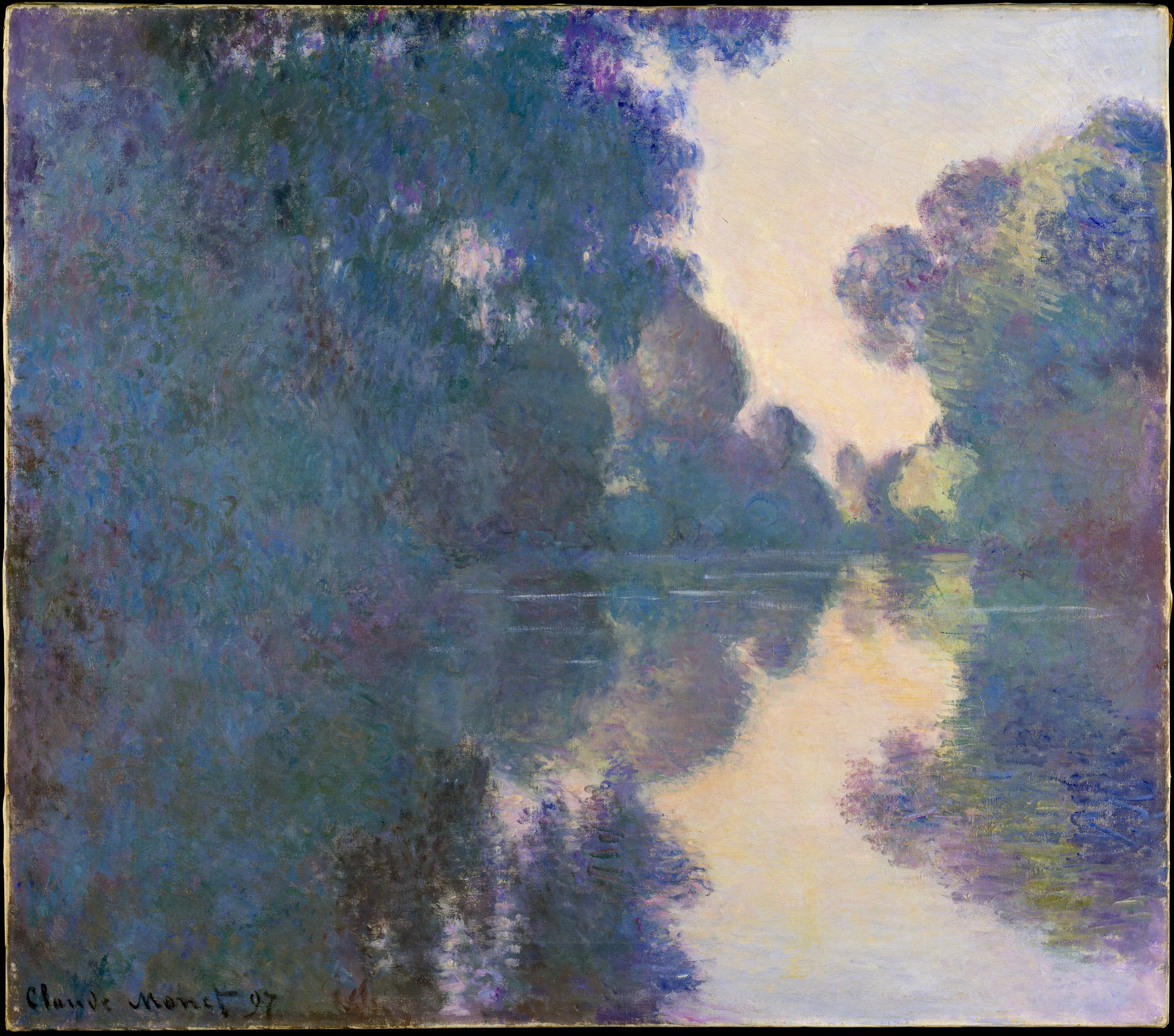
Morning on the Seine near Giverny
Claude Monet · 1897
Arm of the Seine near Giverny
Claude Monet · 1897
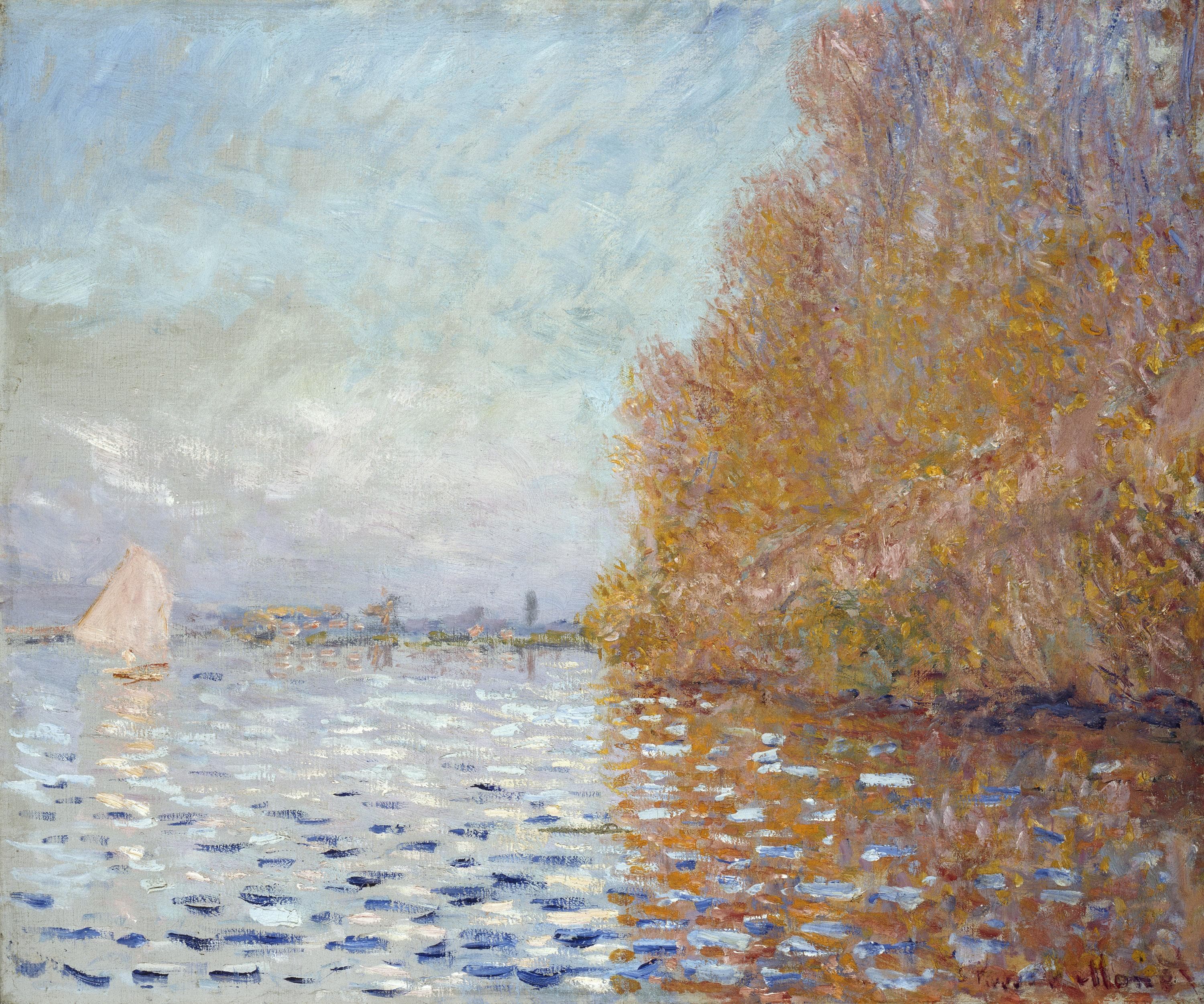
Argenteuil Basin with a Single Sailboat
Claude Monet · 1874
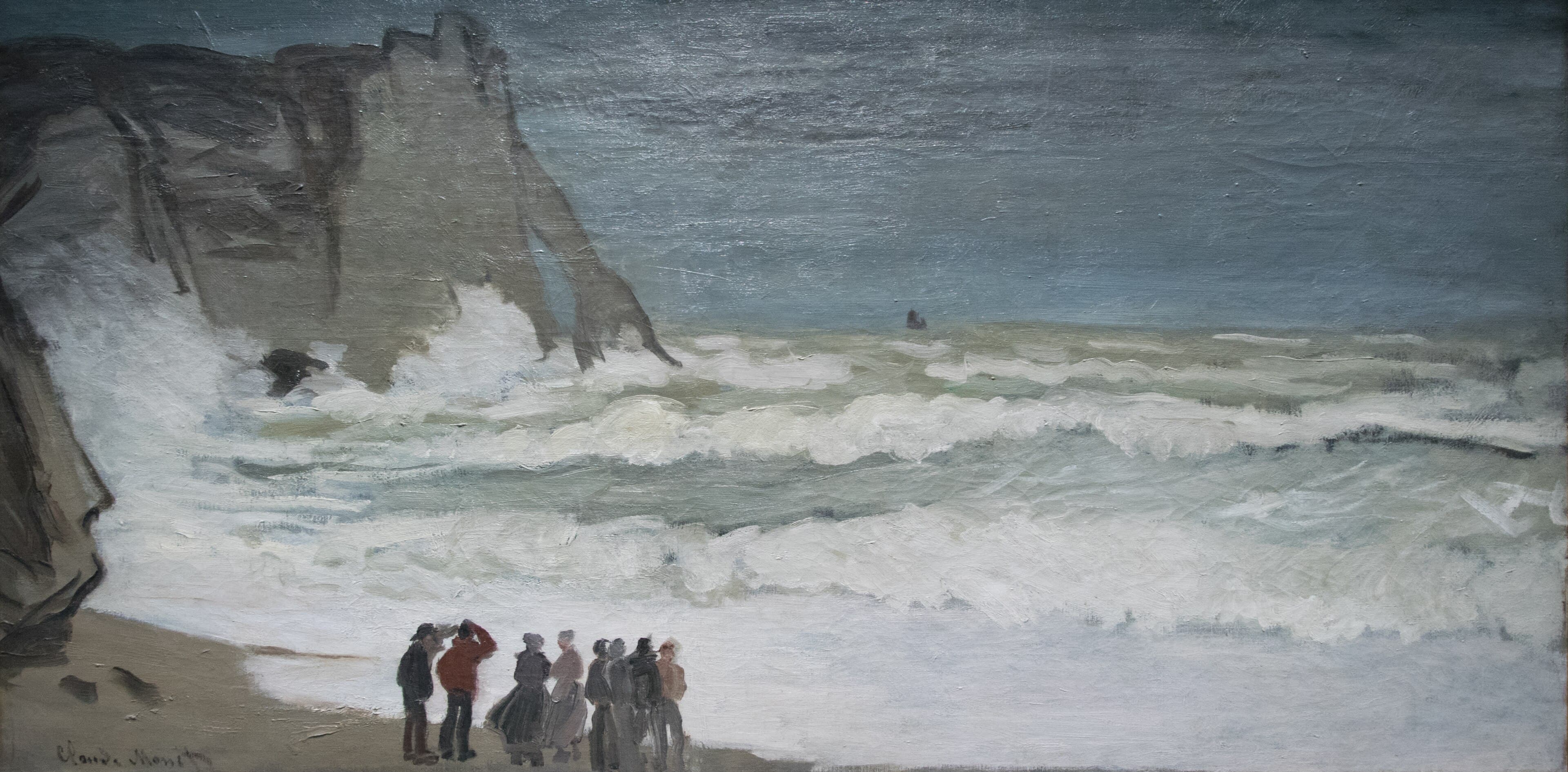
Heavy Sea at Étretat
Claude Monet · c. 1868–69
The Studio Boat (Le Bateau-atelier)
Claude Monet · 1876