Image: Private collection; reproduction via Wikimedia Commons · Public domain · via Wikimedia Commons
Still Life with Eggs
Claude Monet, 1907
Still Life with Eggs (Nature morte aux œufs) is a 1907 painting by Claude Monet of eggs in a wicker basket and on a white napkin, with a glass carafe and a bowl on a table. One of his last still lifes, it is in a private collection.
- Artist
- Claude Monet
- Date
- 1907
- Medium
- Oil on canvas
- Collection
- Private collection
- Movement
- Impressionism
- Catalogue
- Wildenstein 1692
Claude Monet's Still Life with Eggs (Nature morte aux œufs) is dated 1907, the years when Monet was otherwise absorbed in painting his water-lily pond. It shows a corner of a table spread with a white cloth: a wicker basket of eggs, a few loose eggs on a crumpled napkin, a glass carafe and a white bowl, against a dark green background. It is in a private collection, and it is one of the very last still lifes Monet is known to have painted.
What you are looking at
The table takes up most of the canvas, seen from slightly above. Its cloth is painted in pale pinks, creams, lilacs and grays, with long, soft folds running toward the lower right, where it hangs over the edge. The light seems to come from the left and front, catching the cloth and leaving the far edge of the table in shadow.
Near the center sits a shallow wicker basket, painted in warm, pale ocher, filled with eggs in white, cream and pinkish brown. In front of it, a white napkin is bunched up, its folds tumbling toward the viewer, and three loose eggs lie on the cloth beside it. At left, a squat glass carafe or jar stands at the back of the table, a transparent shape built of pale blue and gray reflections. In front of it is a round white bowl, filled with something pale, perhaps milk, flour or sugar.
Behind the table, a band of very dark green fills the top of the picture, setting off the pale objects. There is little contrast elsewhere: the eggs, cloth, napkin and bowl are all whites of slightly different temperatures.
A picture about whites
The real subject is the many kinds of white. Monet had loved painting white objects since the 1860s, from snow to linen to chalk cliffs, and here he plays the warm white of the eggs against the cool white of the napkin and the pinkish white of the cloth. The glass carafe adds a different kind of pale, a white made of reflections. The dark green ground is there to make all these pale tones glow.
Monet and still life
Still life was never central for Monet, but he painted it seriously in the 1860s and again in the late 1870s and early 1880s, when flower and fruit pieces sold more easily than landscapes. After the mid-1880s he almost abandoned it, which makes a canvas from 1907 unusual. By then he was working on the series of Water Lilies that he would exhibit at Durand-Ruel in 1909, such as the 1907 Water Lilies now in the Pola Museum of Art. The still life shares their soft, close-valued palette and loose handling, even though its subject is so different.
For his earlier work in the genre, compare Still Life with Meat of 1864 and the fruit pieces such as Still Life with Pears and Grapes.
How it was painted
The paint is soft and loosely brushed, with forms built of broad strokes rather than outlines. The eggs are simple ovals with a highlight and a soft shadow; the napkin is a few twisting strokes of white and gray; the glass is little more than a pattern of pale reflections. The signature is at lower left. The handling recalls the late Water Lilies more than his crisp still lifes of the 1880s.
For Monet's life and work at Giverny, where this table almost certainly stood, see Giverny: Monet's House and Garden.
Where to see it
The painting is in a private collection and is rarely exhibited. For Monet's work on public view, see Where to See Monet's Paintings; for the artist, Claude Monet.
Questions & answers
Where is Monet's Still Life with Eggs?
It is in a private collection and is rarely exhibited. Sources record it as privately owned, but its current owner is not published.
When did Monet paint Still Life with Eggs?
It is dated 1907, when Monet was living at Giverny and working mainly on his Water Lilies series. It is one of the last still lifes he is known to have painted.
What does Still Life with Eggs show?
It shows a table covered with a pale cloth, with a wicker basket of eggs, three loose eggs on a crumpled white napkin, a glass carafe and a white bowl, set against a dark green background.
Did Monet paint many still lifes?
Not many. Monet painted still lifes of game, fruit and flowers mainly in the 1860s and from the late 1870s to the mid-1880s, partly because they sold well. After that he almost abandoned the genre, which makes this 1907 picture unusual.
More by the artist
Claude Monet
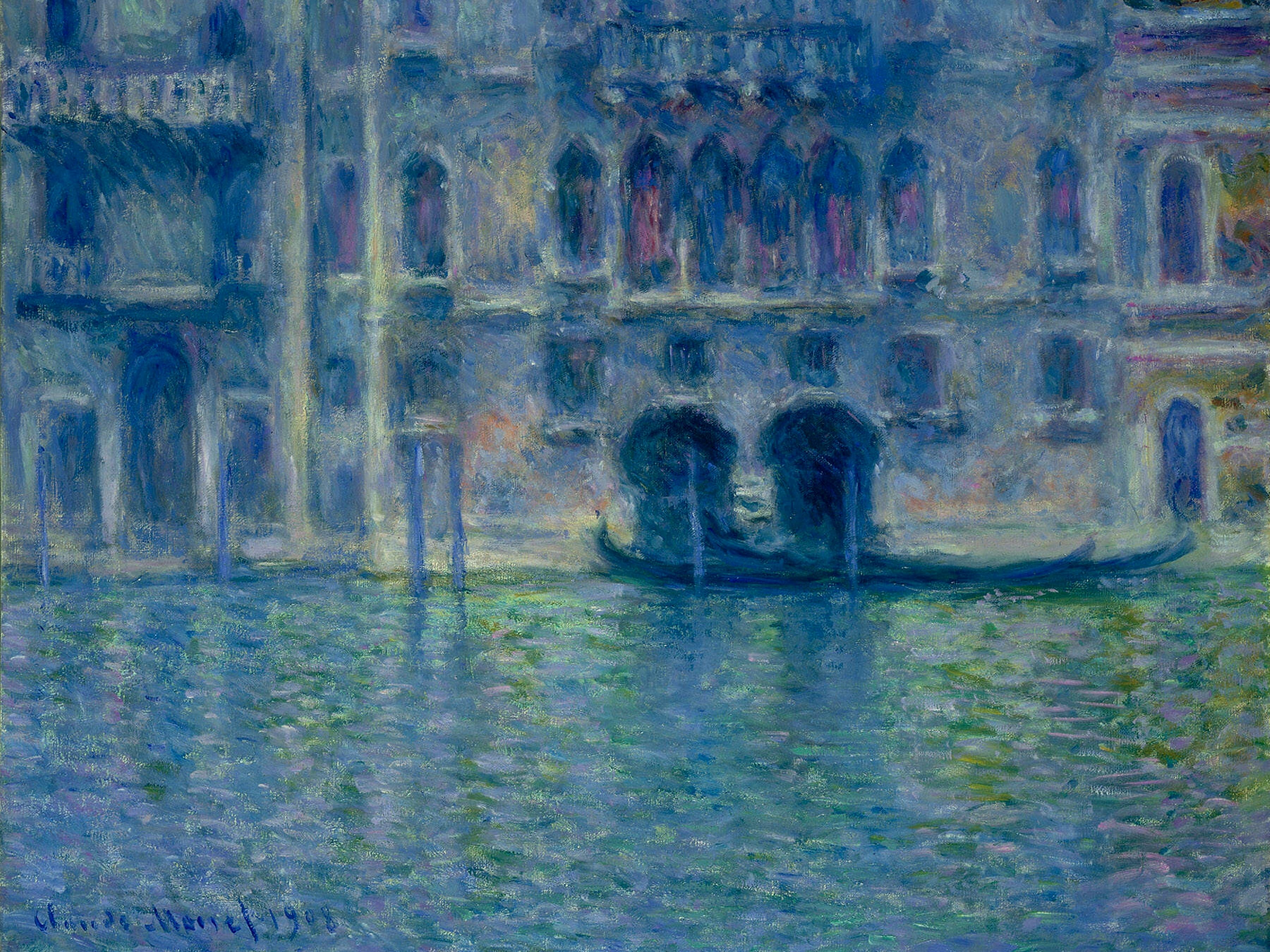
Palazzo da Mula, Venice
Claude Monet · 1908
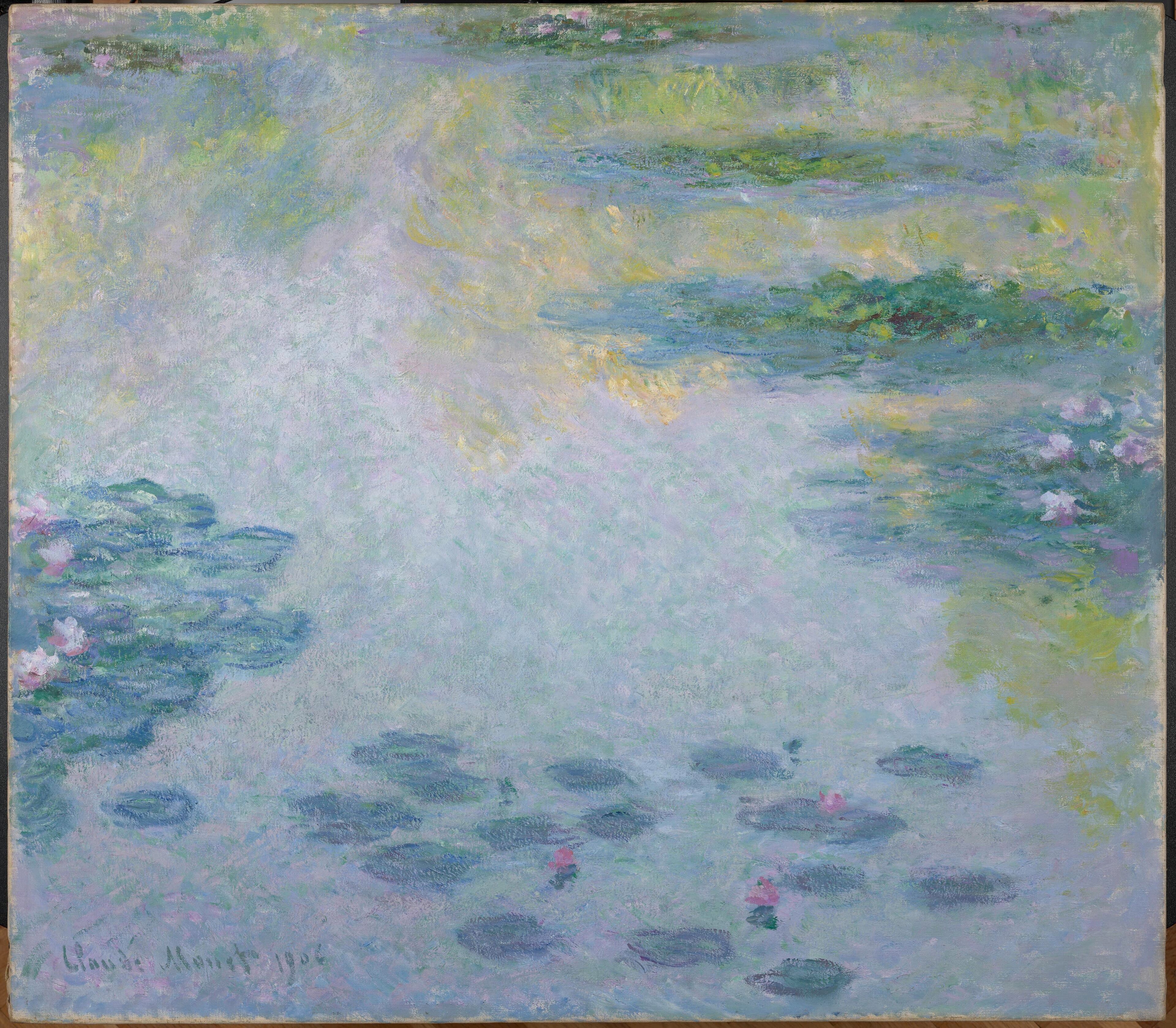
Waterlilies (1906, National Museum Cardiff)
Claude Monet · 1906
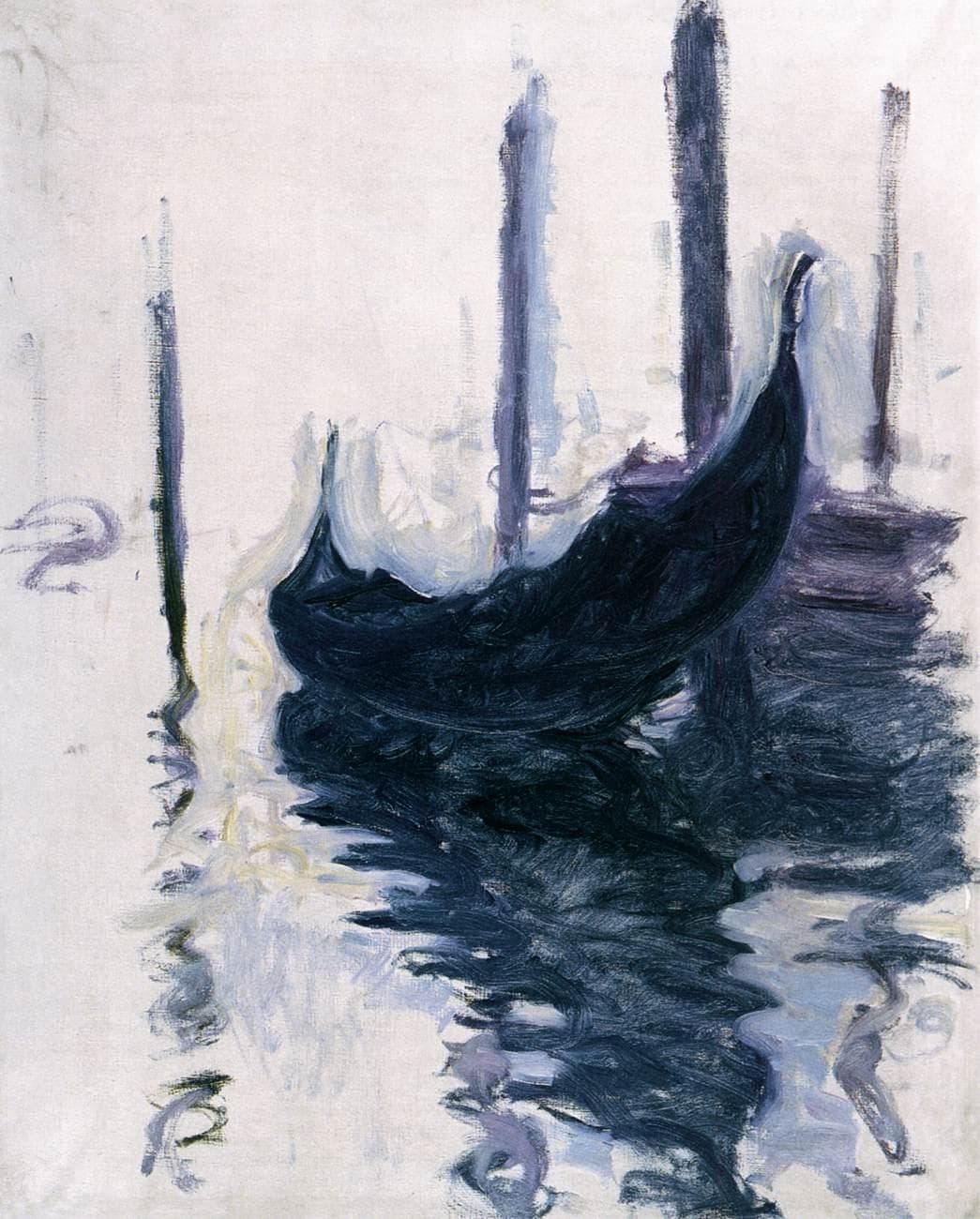
Gondola in Venice
Claude Monet · 1908
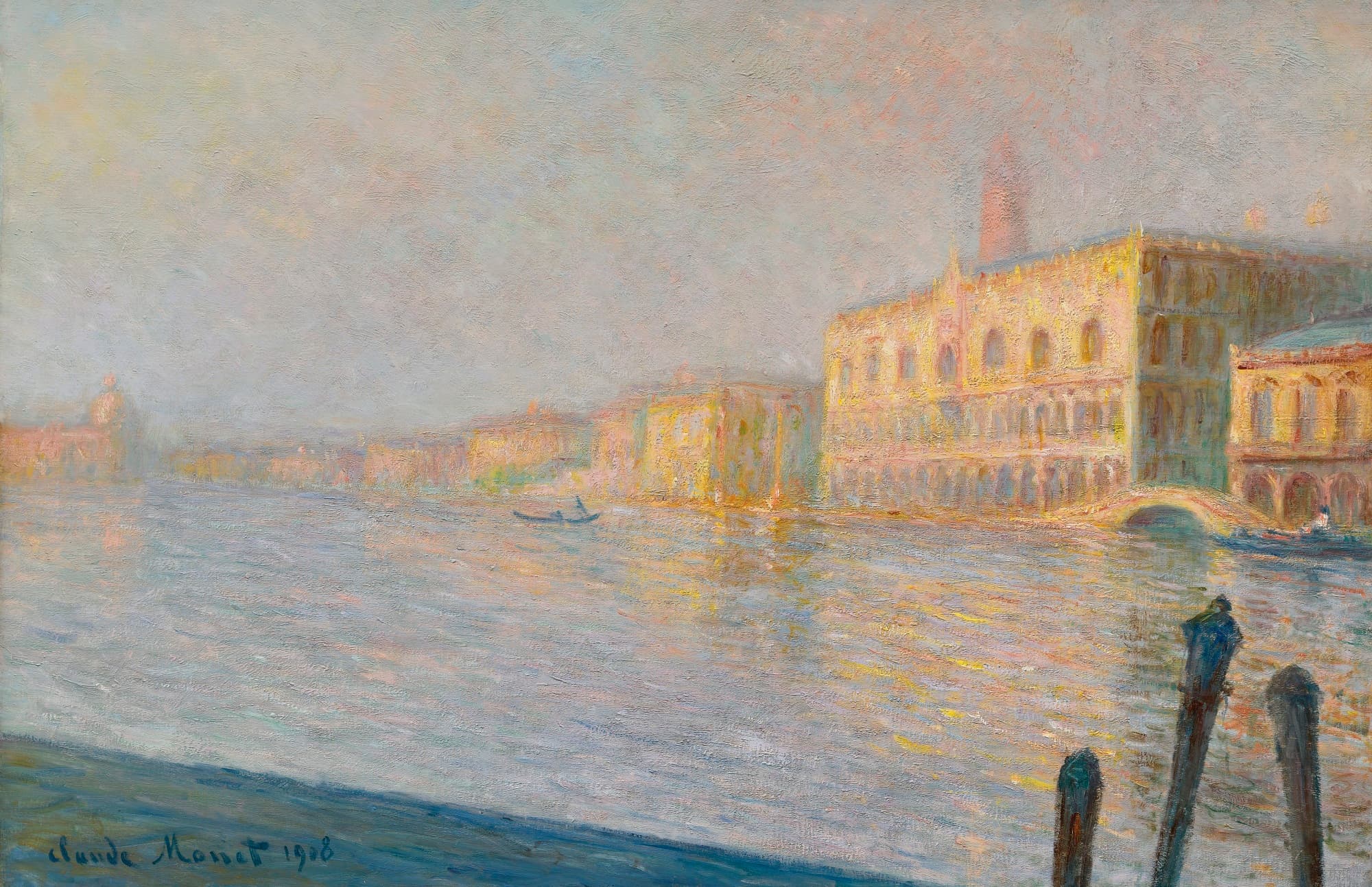
The Palazzo Ducale (Le Palais Ducal), 1908
Claude Monet · 1908
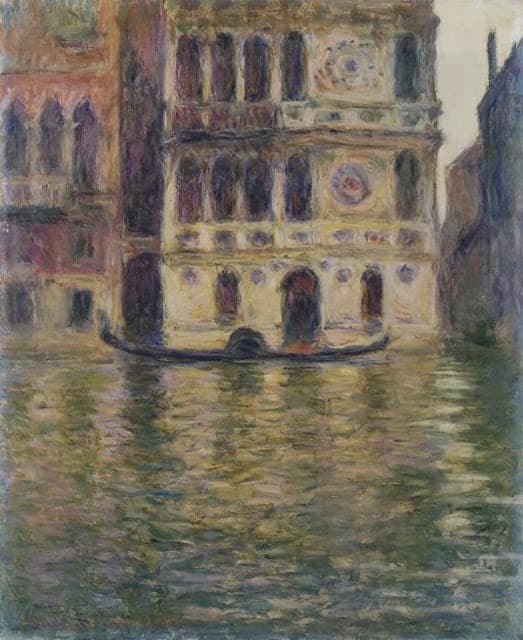
Palazzo Dario
Claude Monet · 1908
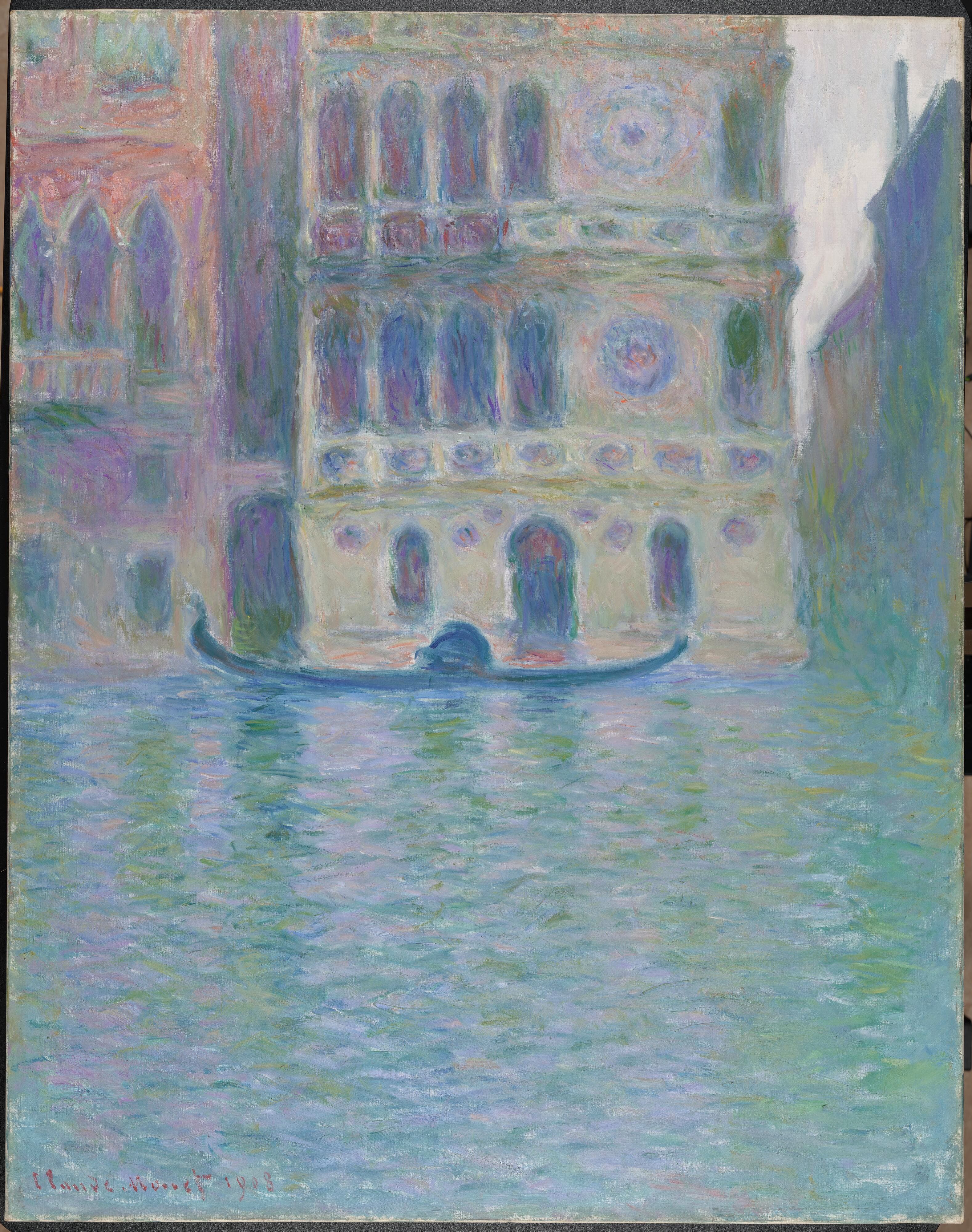
The Palazzo Dario
Claude Monet · 1908
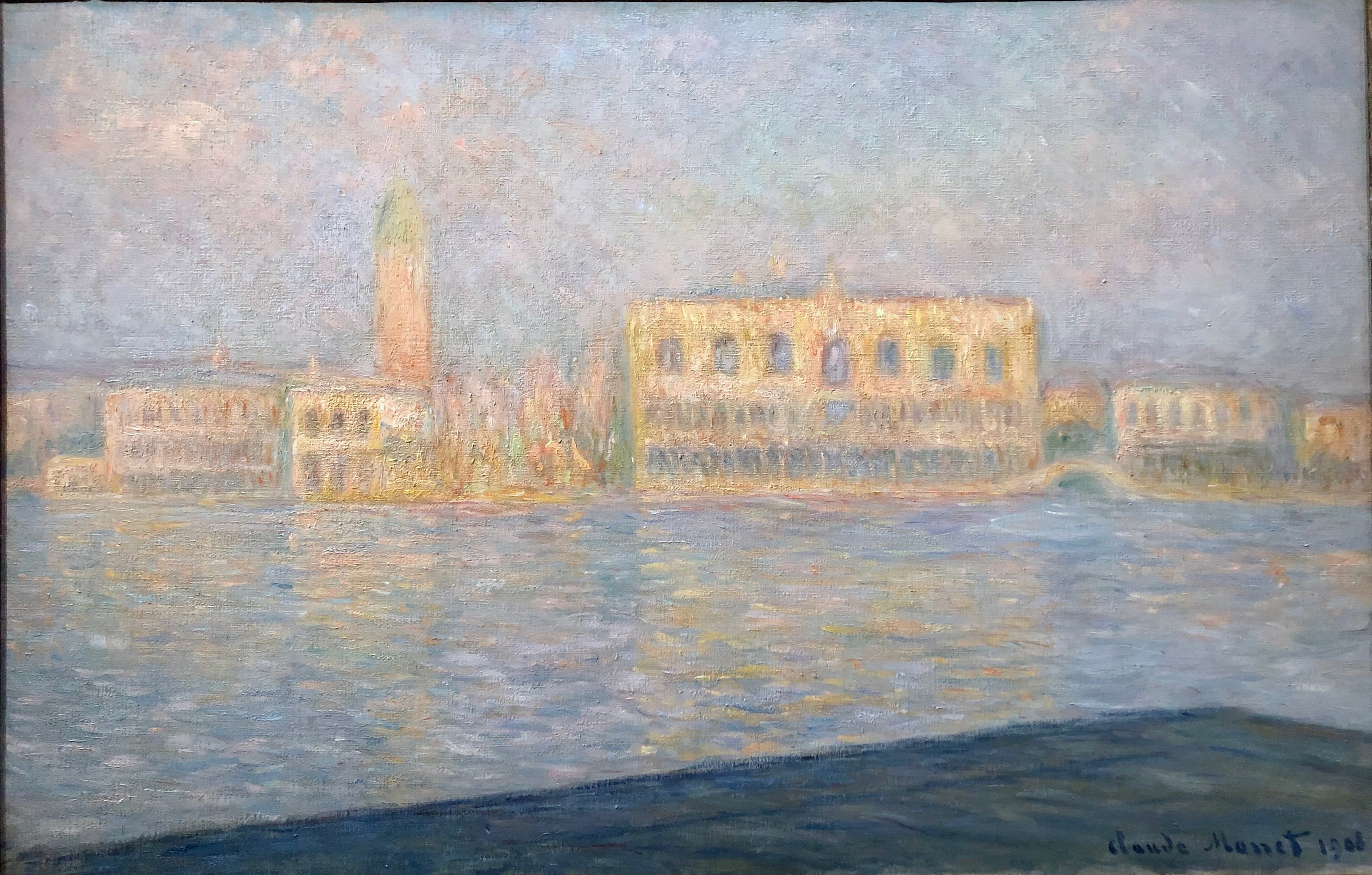
The Palazzo Ducale, Seen from San Giorgio Maggiore (Guggenheim)
Claude Monet · 1908
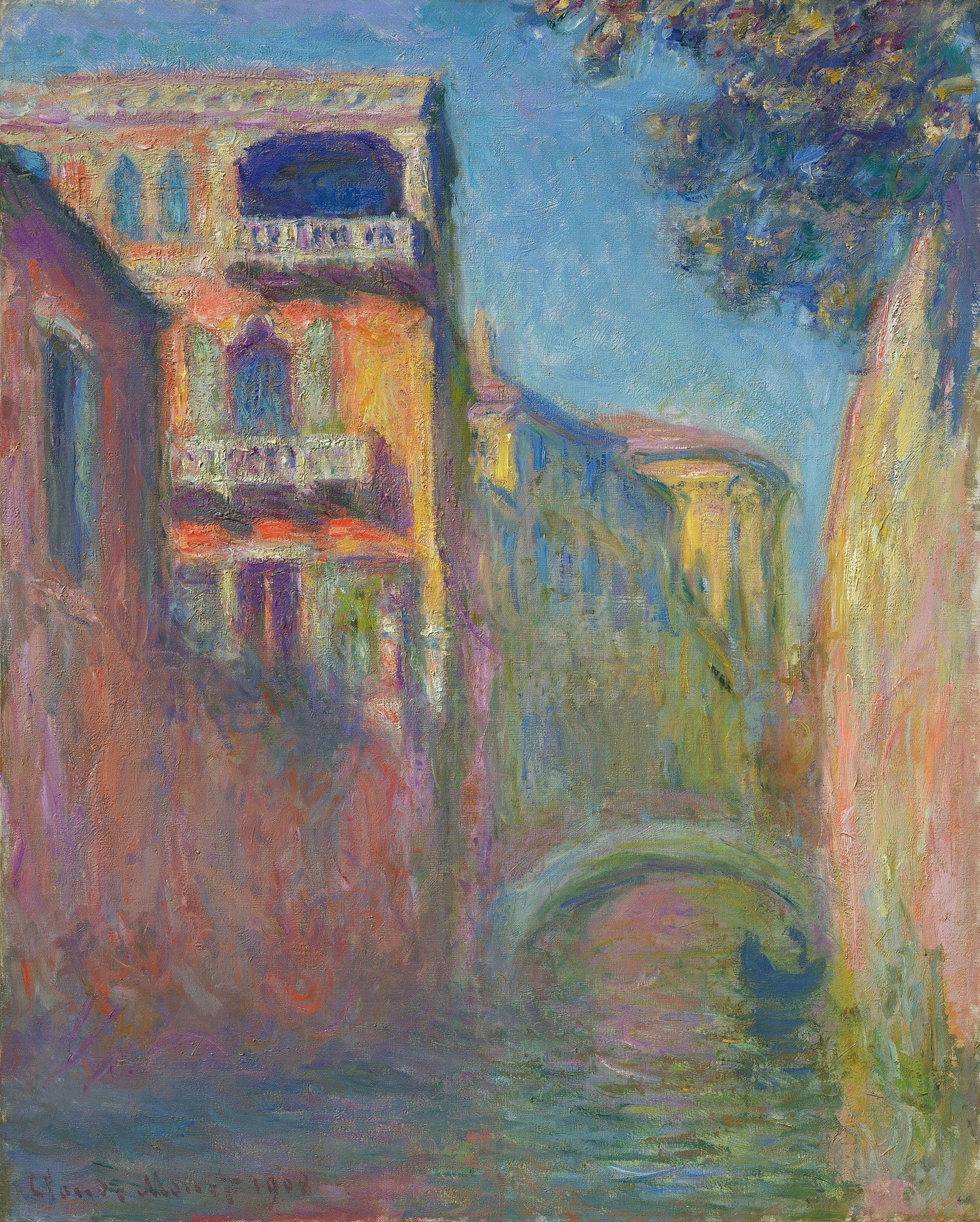
The Rio della Salute
Claude Monet · 1908
Also painted in 1907
The same year
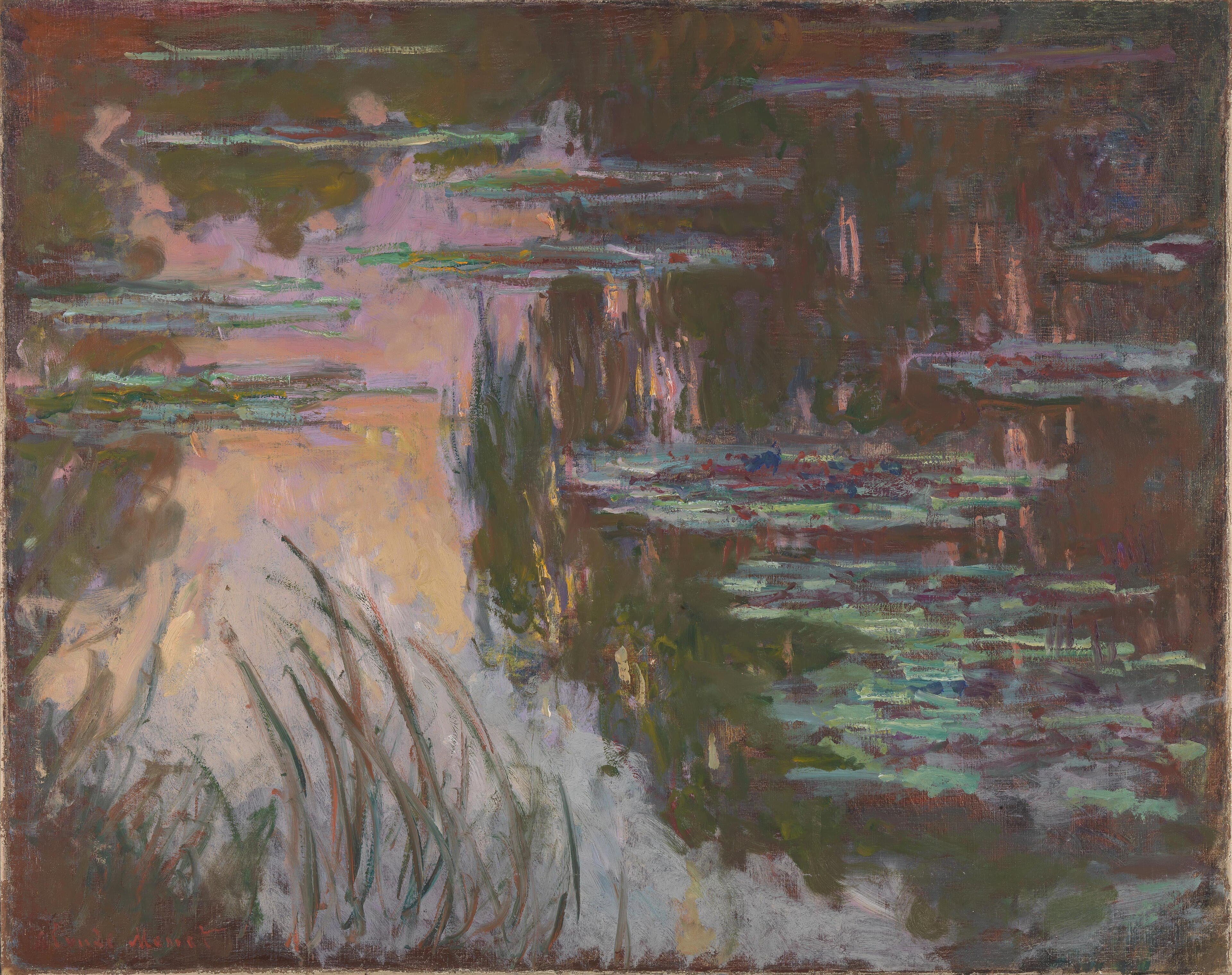
Water-Lilies, Setting Sun (National Gallery, London)
Claude Monet · c. 1907
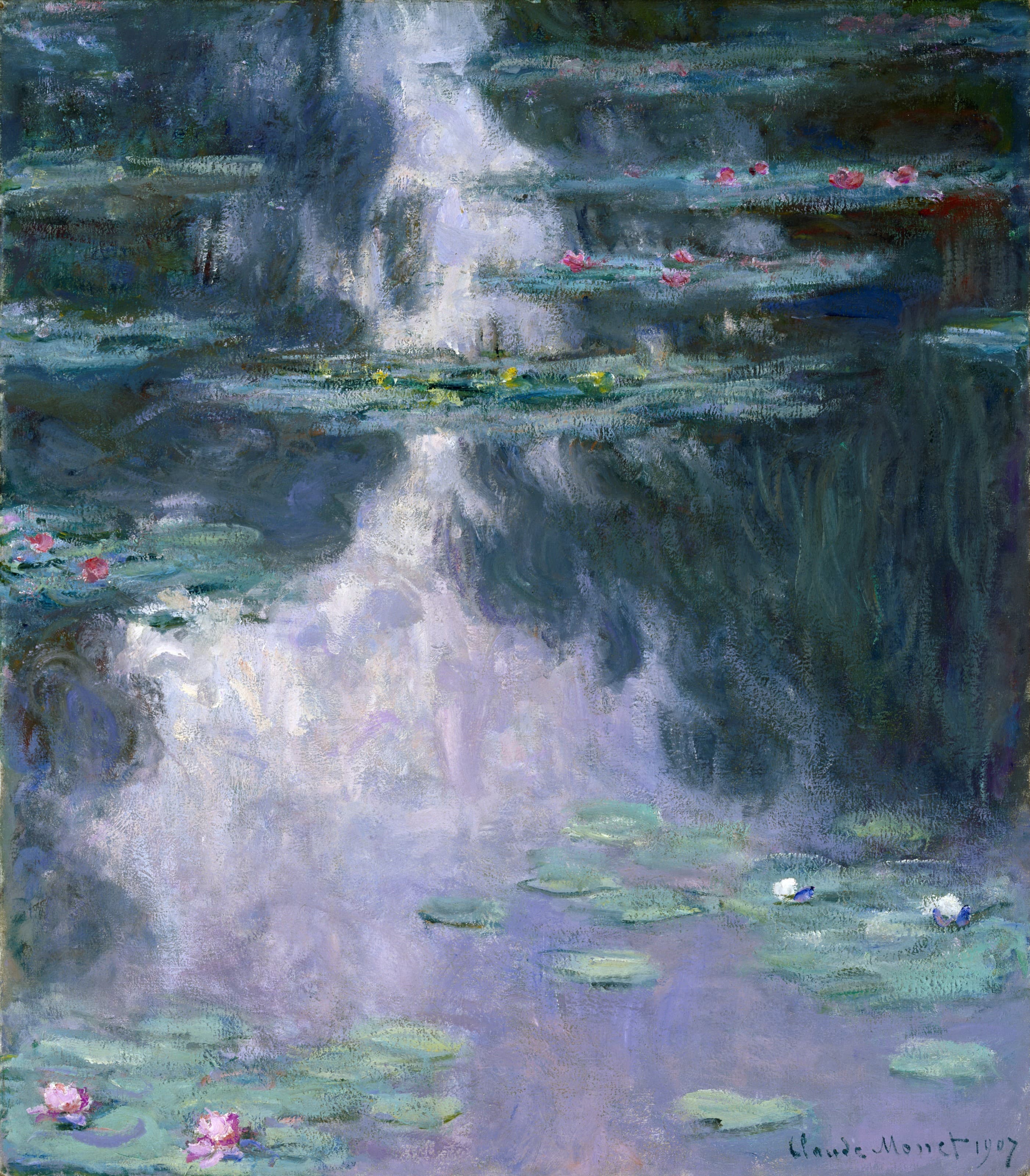
Water Lilies (Nymphéas), 1907 (Houston)
Claude Monet · 1907
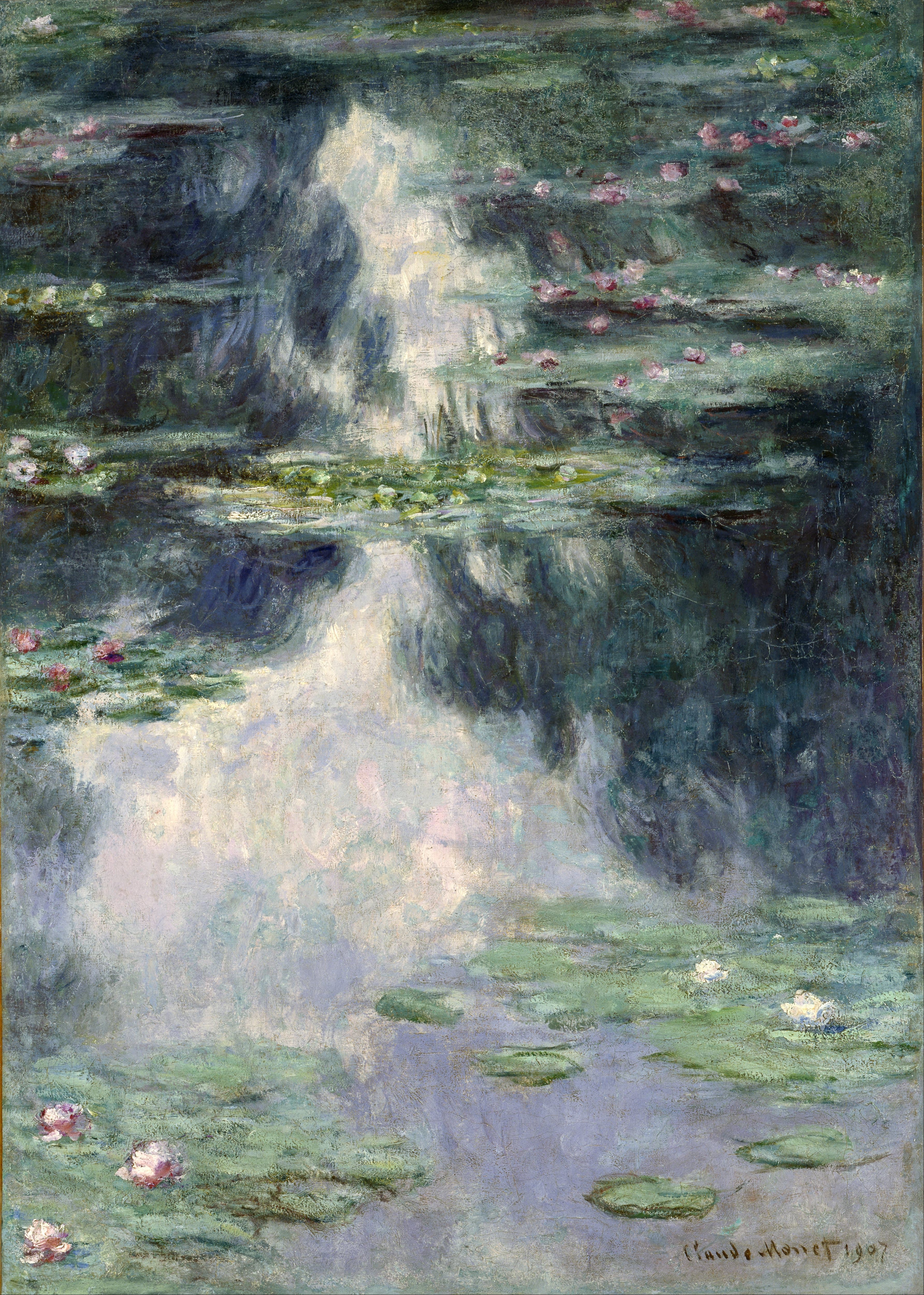
Pond with Water Lilies (Israel Museum)
Claude Monet · 1907
Water Lilies (1907, Pola Museum of Art)
Claude Monet · 1907
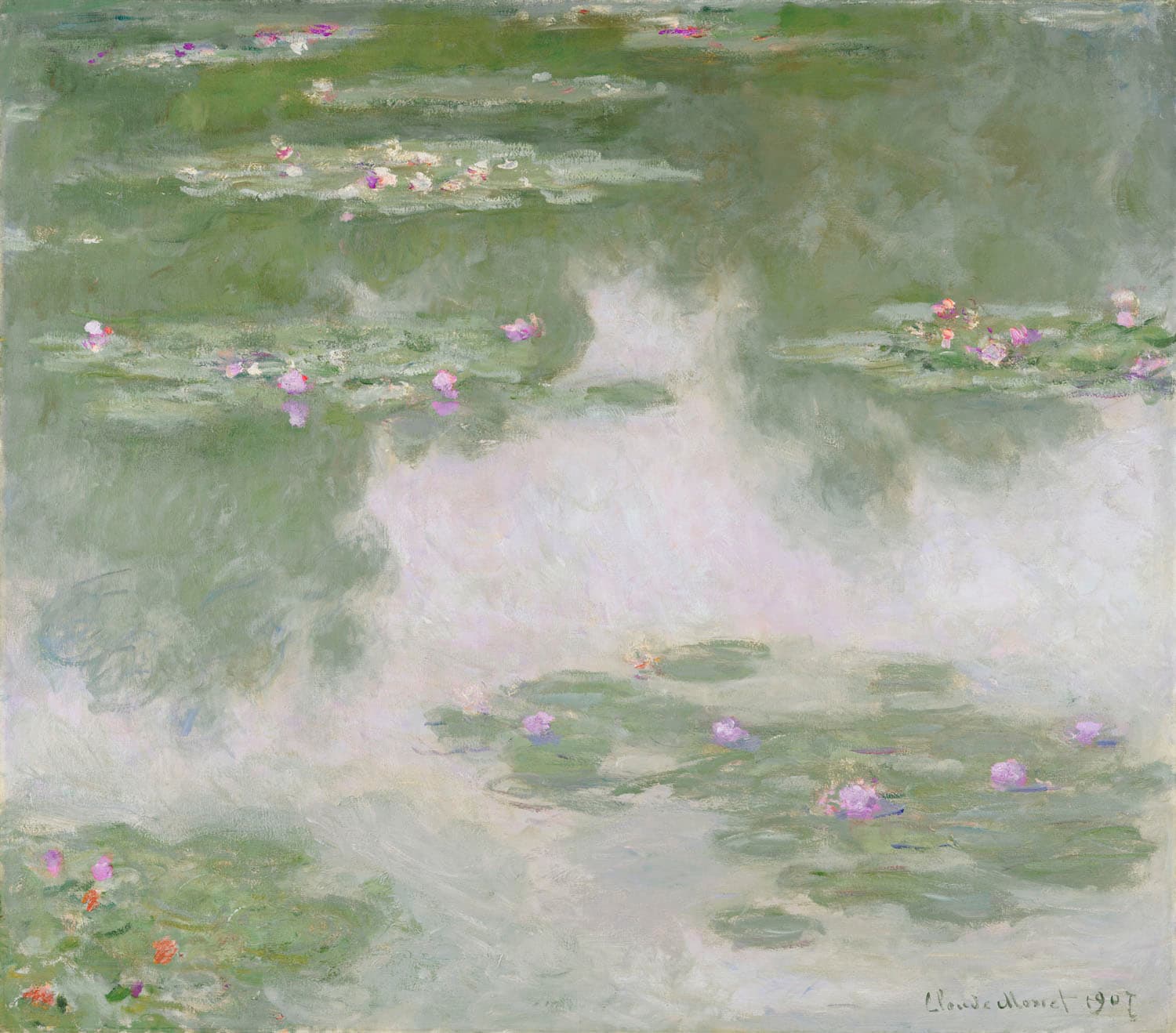
Nymphéas (Water Lilies), 1907 (Wadsworth Atheneum)
Claude Monet · 1907
Kindred works
You may also study
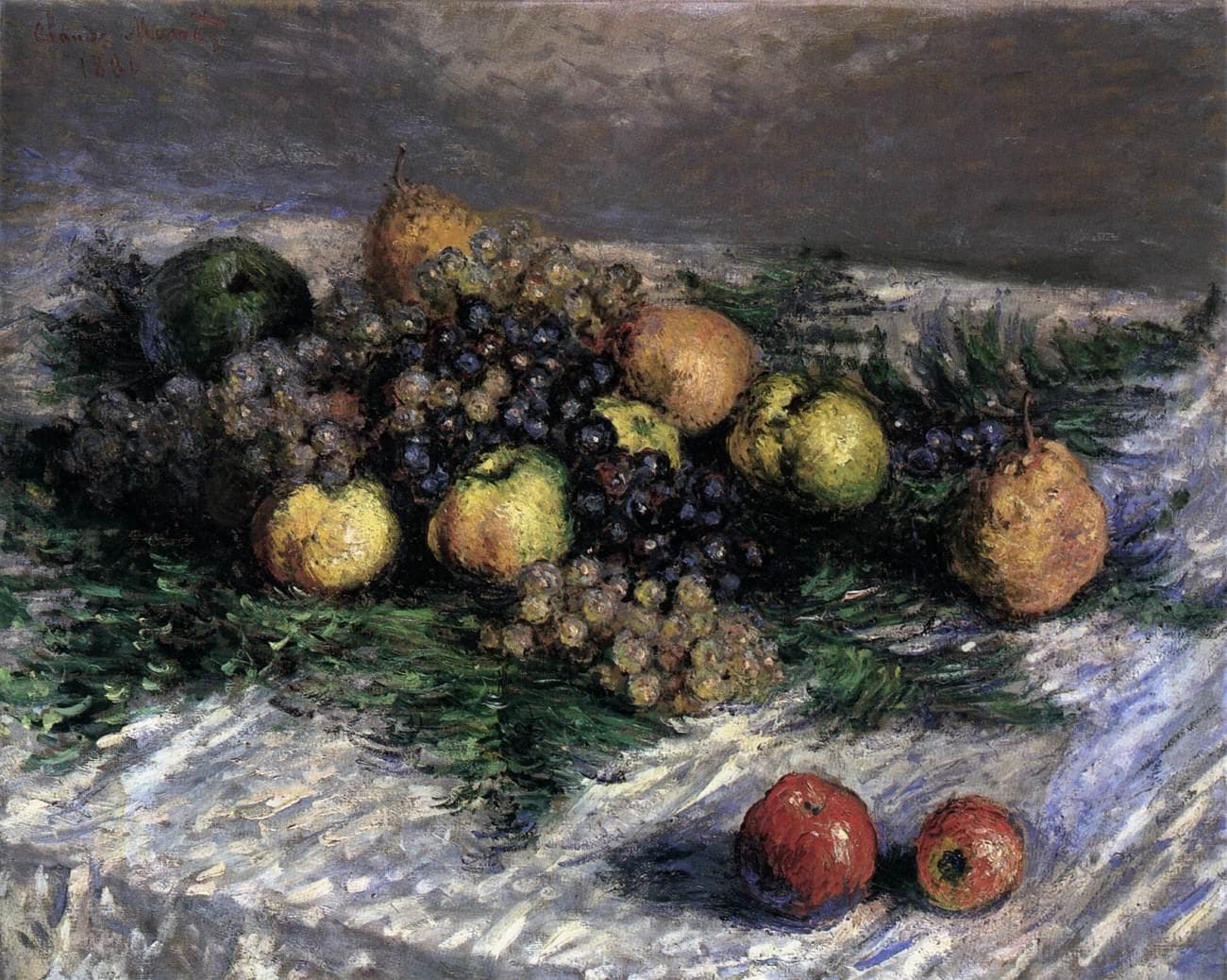
Still-Life with Pears and Grapes
Claude Monet · 1880
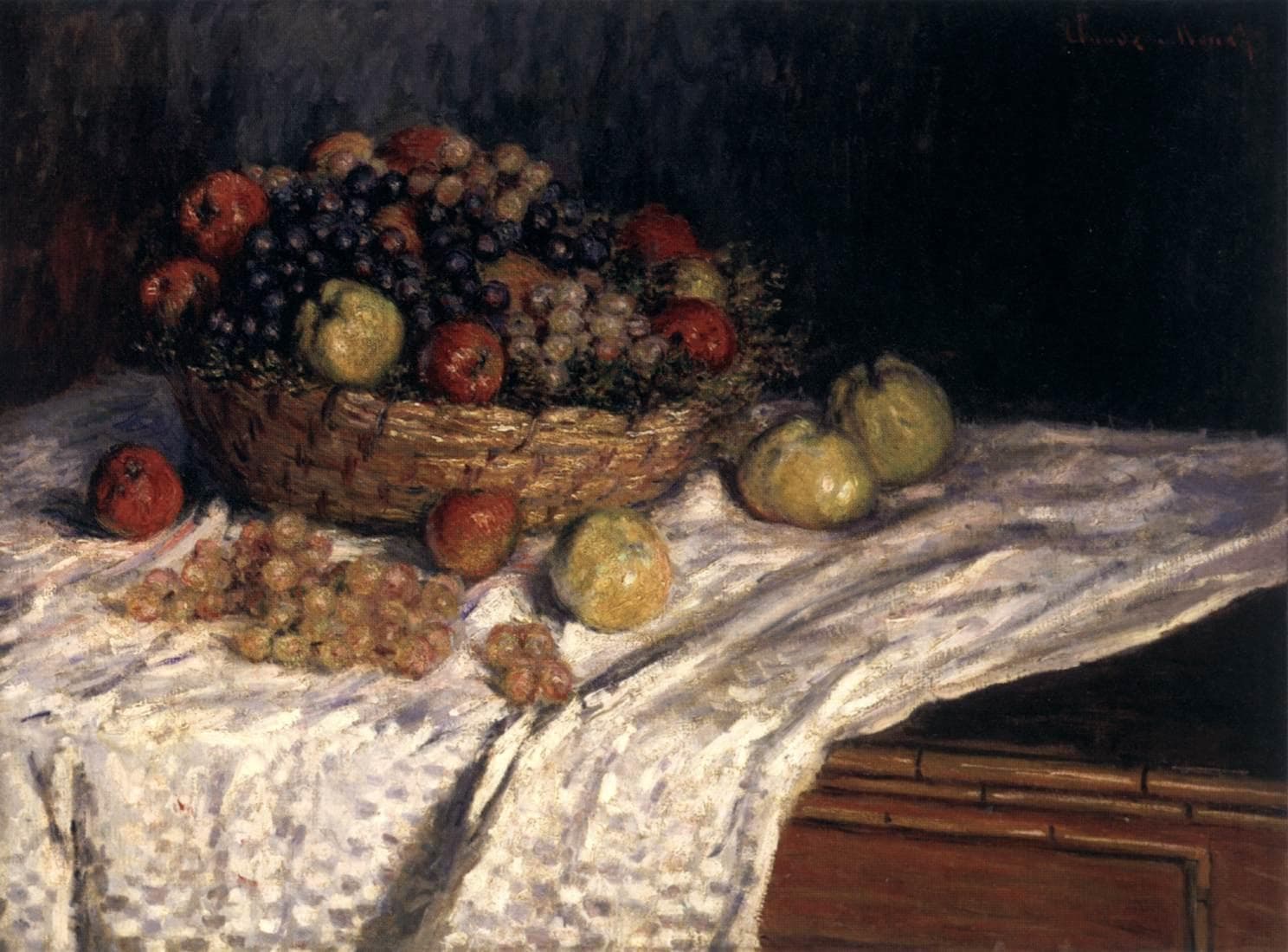
Still-Life with Apples and Grapes
Claude Monet · 1879–80
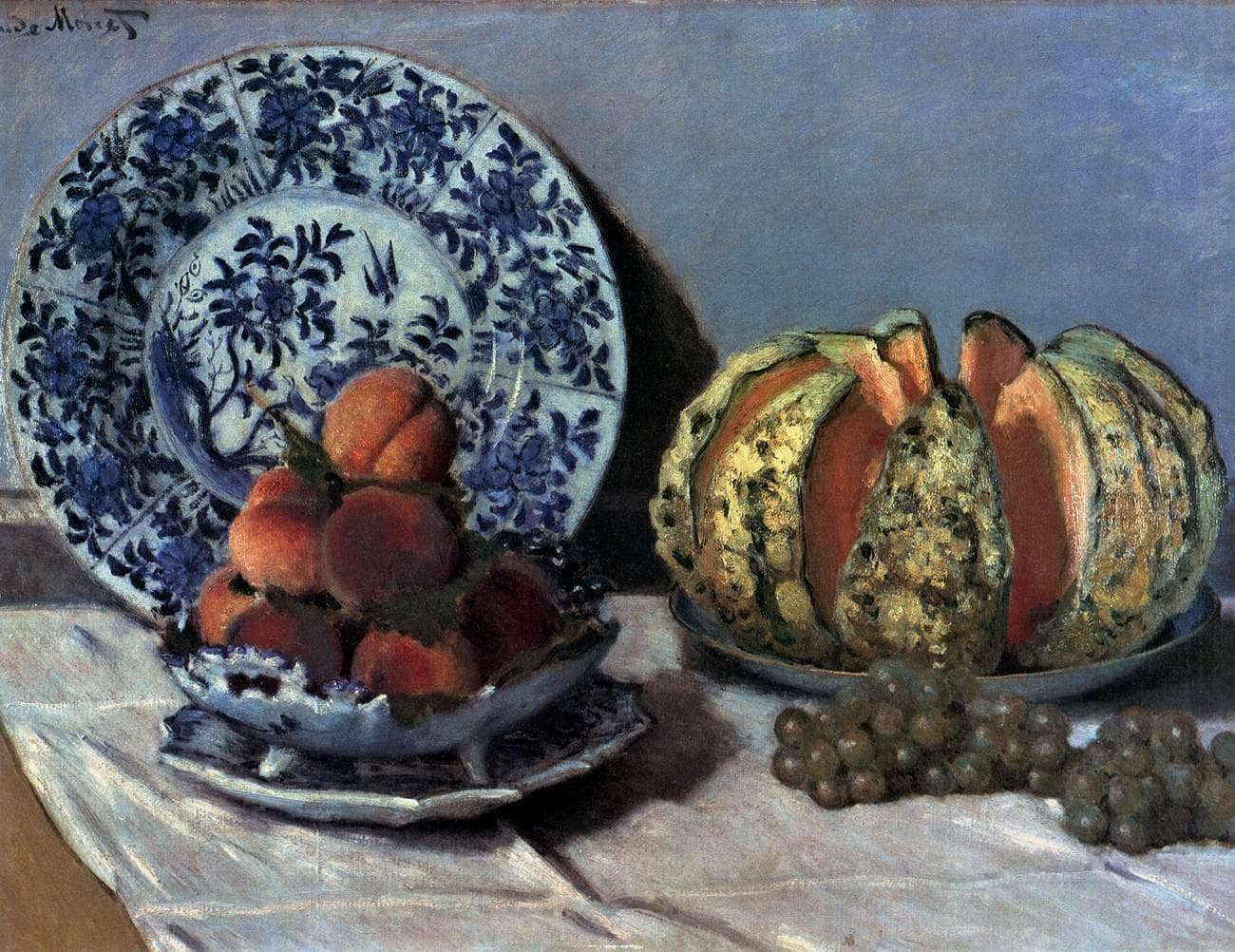
Still-Life with Melon
Claude Monet · c. 1872
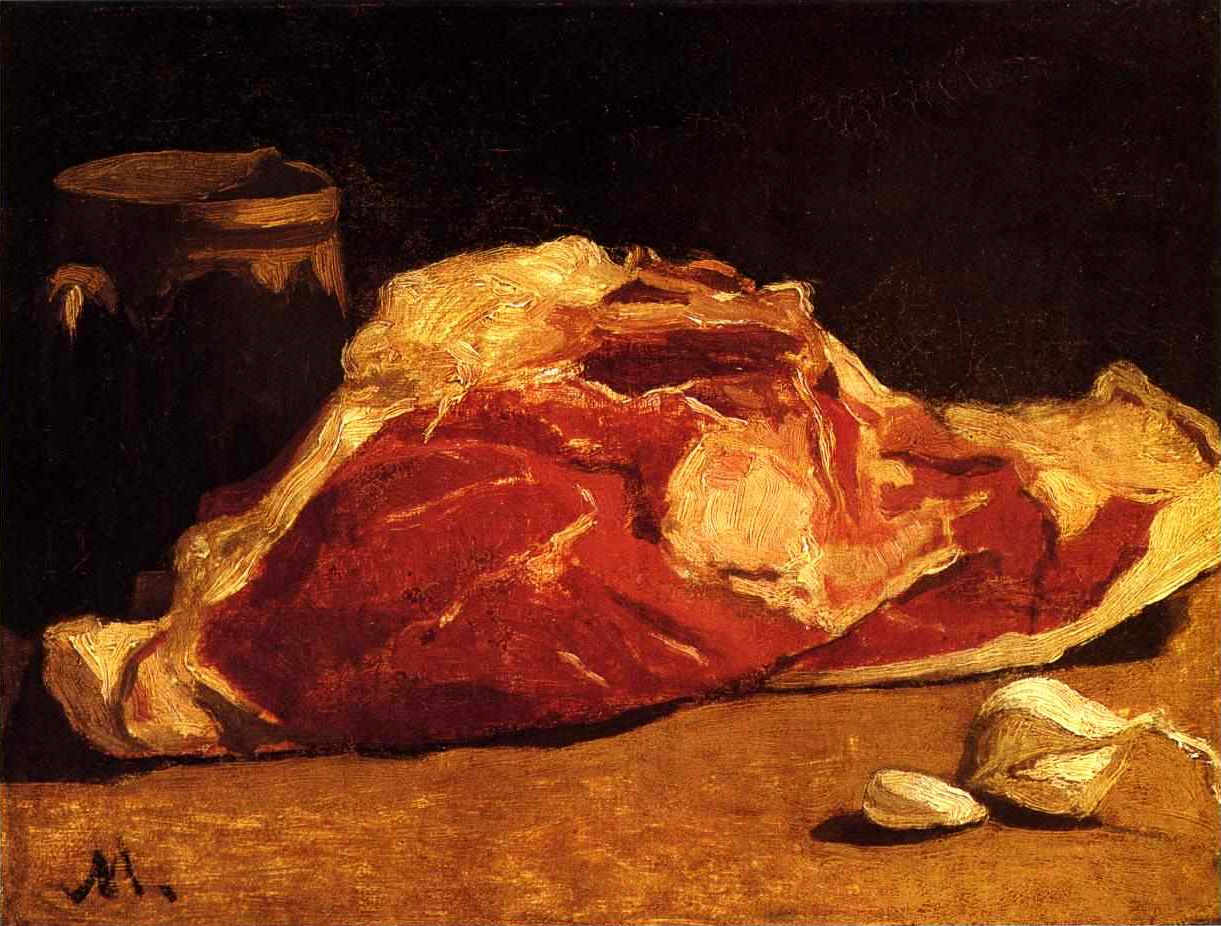
Still Life with Meat
Claude Monet · 1864
Water Lilies (1907, Pola Museum of Art)
Claude Monet · 1907
The Weeping Woman
Pablo Picasso · 1937
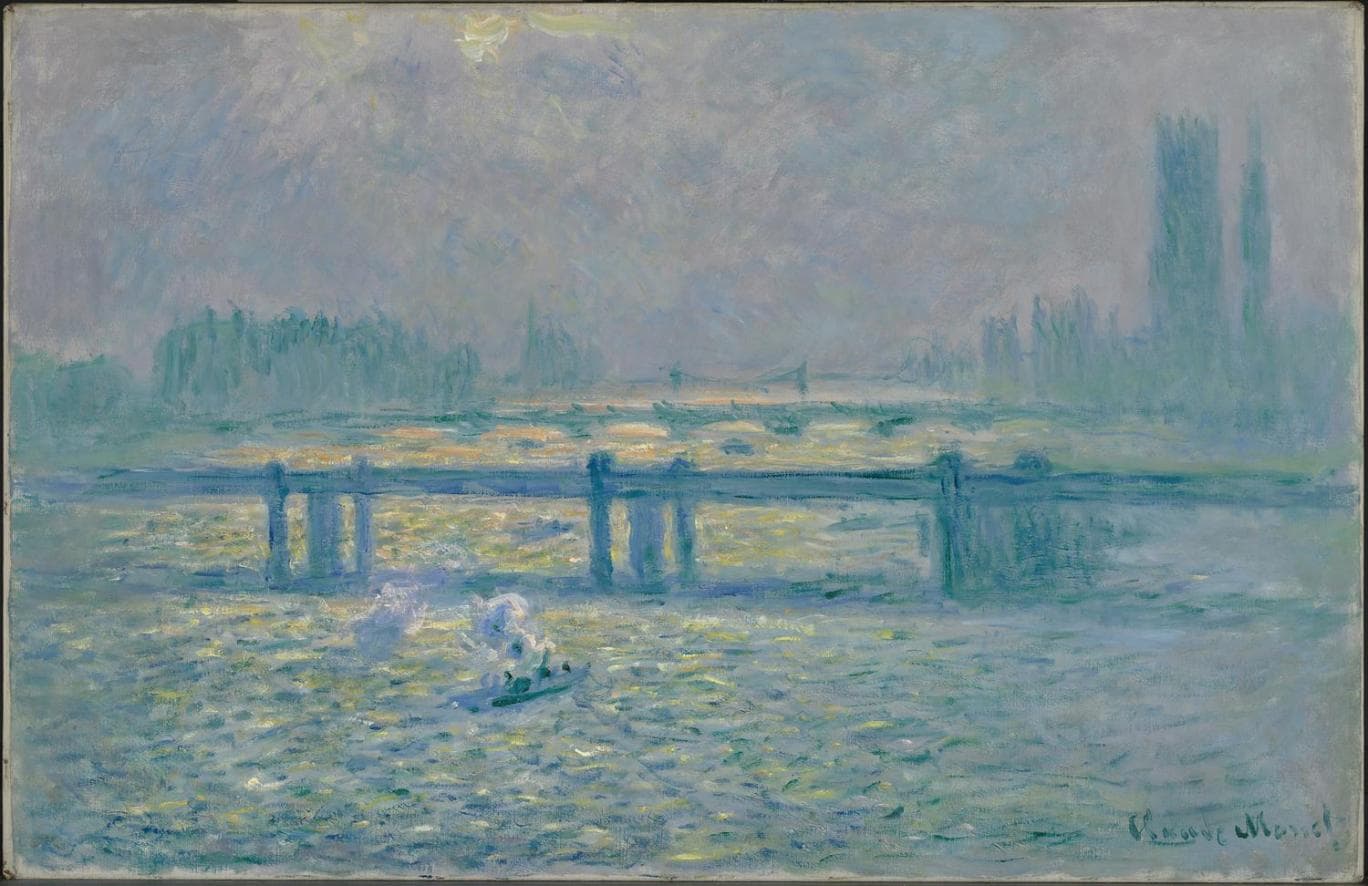
Charing Cross Bridge, Reflections on the Thames
Claude Monet · c. 1900
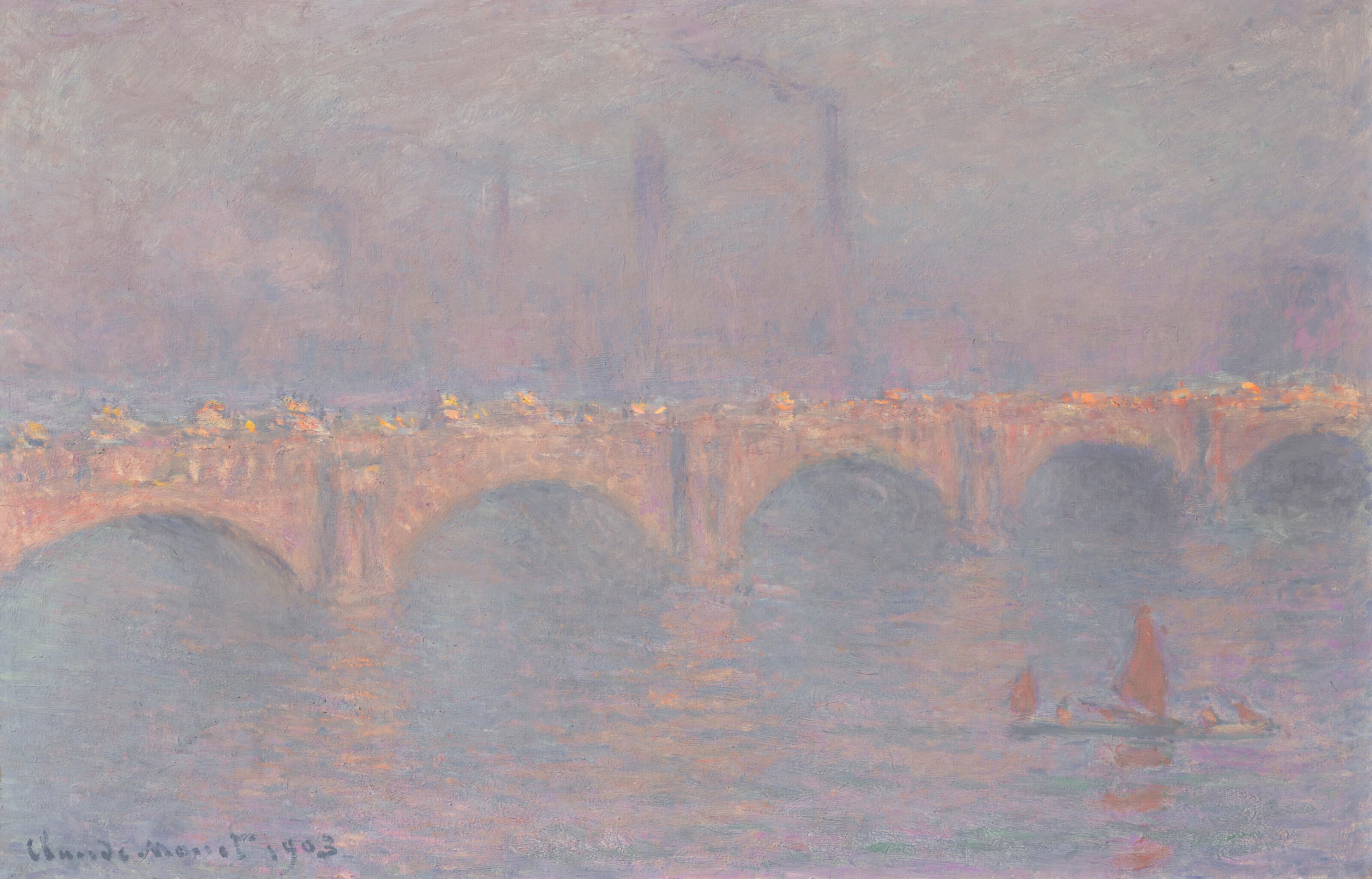
Waterloo Bridge, Hazy Sun
Claude Monet · 1903