Gothic; Gothic Revival restoration
Lichfield Cathedral
Sir George Gilbert Scott, c. 1195–1340; restored 1850s–1900s
Lichfield Cathedral in Staffordshire, England, is a Gothic cathedral built c. 1195–1340, the only medieval English cathedral with three spires. Its west front was heavily restored under Sir George Gilbert Scott in the 19th century.
- Artist
- Sir George Gilbert Scott
- Date
- c. 1195–1340; restored 1850s–1900s
- Medium
- Red sandstone
- Collection
- Lichfield Cathedral, Lichfield, United Kingdom
- Movement
- Gothic; Gothic Revival restoration
Lichfield Cathedral, formally the Cathedral Church of the Blessed Virgin Mary and Saint Chad, is an Anglican cathedral in Lichfield, Staffordshire, in the English Midlands. The present Gothic building was raised between about 1195 and 1340, on a site where churches have stood since the early eighth century. It is the only medieval cathedral in Britain with three spires, nicknamed "the Ladies of the Vale". Much of what visitors see today, especially the sculpture of the west front, is the result of a long Victorian restoration led by Sir George Gilbert Scott from the 1850s and continued by his son John Oldrid Scott.
What you are looking at
The photograph shows the west front, the cathedral's ceremonial entrance, with its two western spires rising above twin towers. (The third, taller central spire stands over the crossing further east and is hidden from this angle.) The whole front is built of warm red sandstone, quarried locally, which glows pink in sunlight and darkens almost to purple in rain.
The façade is a screen of arcading, tier upon tier of pointed niches, most of them filled with standing figures of kings, saints, prophets and apostles. In the center, above the main doorway, a great window with tracery lights the nave. Three deeply recessed portals lead in at ground level. The spires are crocketed, their edges studded with small carved leaves, and pinnacles cluster at their bases.
A detail many visitors miss: almost none of the figures on the west front are medieval. Of the original statues, only a handful survive. The rest were carved in the nineteenth century, largely during the Scott restoration, to a scheme intended to recreate what the medieval façade might have looked like.
A building with a long history
Saint Chad, bishop of the Mercians, made Lichfield his seat in 669 and died in 672. His shrine drew pilgrims for nearly nine centuries. A church to house his remains was built around 700 by Bishop Hedda, and the Lichfield Angel, a carved and painted limestone panel probably from his shrine, was discovered under the nave floor in 2003 and is now displayed in the cathedral. The cathedral library holds the St Chad Gospels, an illuminated gospel book of the eighth century.
The Norman church that replaced the Saxon one was itself replaced, bay by bay, by the Gothic cathedral: the choir first, from about 1195, then the transepts, nave, west front and finally the Lady Chapel in the early fourteenth century. The three spires were complete by the mid-fourteenth century.
War and decay
During the English Civil War, Lichfield's cathedral close was fortified and besieged three times between 1643 and 1646. The central spire was brought down by Parliamentarian cannon fire, the medieval stained glass was smashed, the shrine and tombs were defaced and the library was looted. After the Restoration of 1660, Bishop John Hacket rebuilt the central spire and reroofed the building.
The eighteenth century brought further decay. Statues on the west front were removed or covered, and some replacements were made in a cheap artificial stone. The architect James Wyatt carried out alterations in the 1780s and 1790s that are now generally regretted, including removing the medieval screen between the choir and nave.
The Gilbert Scott restoration
Sir George Gilbert Scott, the most prolific Gothic Revival architect in Victorian Britain, was engaged from 1856. His aim was to undo Wyatt's changes and restore what he believed was the medieval appearance. He designed a new choir screen in ironwork, brass and copper made by Francis Skidmore, reinstated a sense of the choir as a separate space, and began the restoration of the west front. The re-statuing of the façade continued under John Oldrid Scott into the 1880s and beyond.
Scott's work at Lichfield is typical of his approach: scholarly, confident, and in places more Victorian than medieval. Modern conservationists debate how much he invented, but without him the building might not have survived as a coherent whole.
The glass
Although the Civil War destroyed the medieval glass, the Lady Chapel now holds a great treasure: sixteenth-century Flemish stained glass from the Cistercian abbey of Herkenrode, near Hasselt in present-day Belgium. It was bought for Lichfield in 1802 by Sir Brooke Boothby after the abbey was dissolved, and was conserved and reinstalled after 2010. It is among the finest Renaissance glass in England.
Inside
Highlights include Francis Chantrey's marble monument The Sleeping Children (1817), showing two young sisters asleep in each other's arms, the Lichfield Angel, the Herkenrode windows and the medieval chapter house with its painted fragments.
Where to see it
Lichfield Cathedral is open daily for worship and visitors in the center of Lichfield, about 25 kilometers north of Birmingham. It is a Grade I listed building. For other Gothic churches in the catalogue, see Siena Cathedral, Abbaye de Beauport and our guide to Gothic art.
Questions & answers
Why does Lichfield Cathedral have three spires?
The three spires, two at the west front and one over the crossing, were built as part of the Gothic cathedral and completed by the mid-fourteenth century. Lichfield is the only medieval cathedral in Britain with three spires, which are nicknamed the Ladies of the Vale.
How old is Lichfield Cathedral?
A church has stood on the site since about 700, built to house the remains of Saint Chad. The present Gothic building dates from about 1195 to 1340, with major repairs after the Civil War and a long restoration by George Gilbert Scott and his son from the 1850s.
What did George Gilbert Scott do at Lichfield Cathedral?
Scott led the cathedral's restoration from 1856. He reversed eighteenth-century alterations by James Wyatt, designed a new metal choir screen made by Francis Skidmore, and began replacing the lost statues on the west front, a project completed by his son John Oldrid Scott.
Are the statues on Lichfield Cathedral's west front medieval?
Very few are. Most of the medieval figures were destroyed or removed during the Civil War and the eighteenth century. The figures seen today were mostly carved in the Victorian restoration under the Scotts, following a reconstructed scheme of kings, saints and prophets.
What is the Lichfield Angel?
The Lichfield Angel is a carved and painted limestone panel of the archangel Gabriel, probably part of Saint Chad's shrine from around 800. It was found under the nave floor during excavations in 2003 and is now displayed in the cathedral.
Kindred works
You may also study
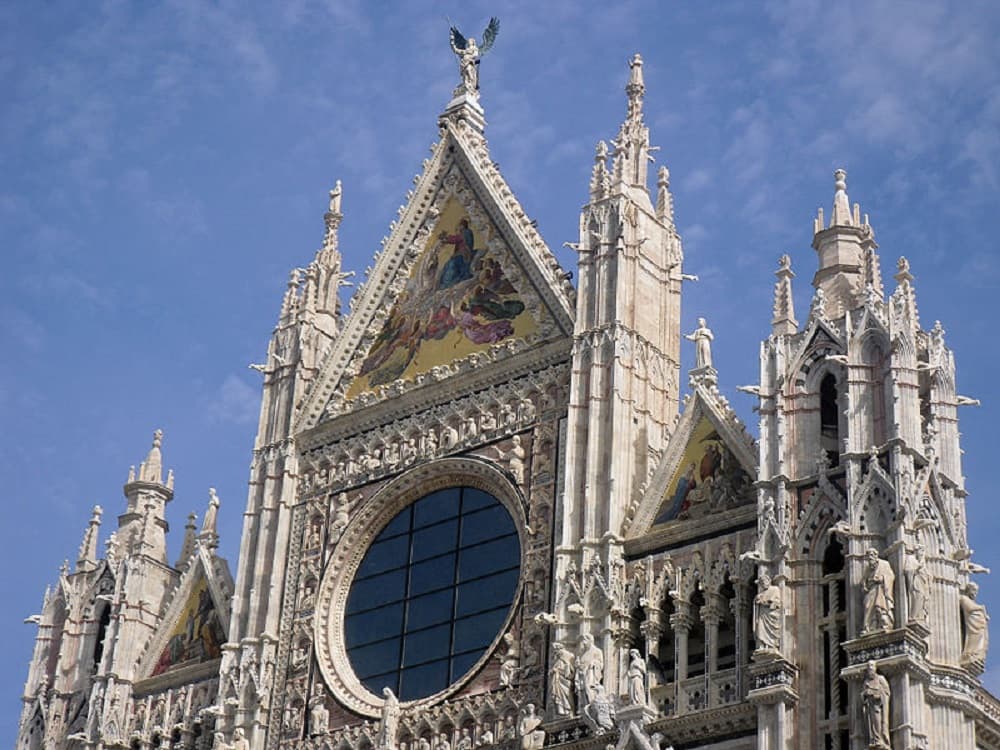
Siena Cathedral (Duomo di Siena)
Giovanni Pisano & Camaino di Crescentino & Giovanni di Agostino & Giovanni di Cecco · c. 1215–1263; facade c. 1284–late 14th century
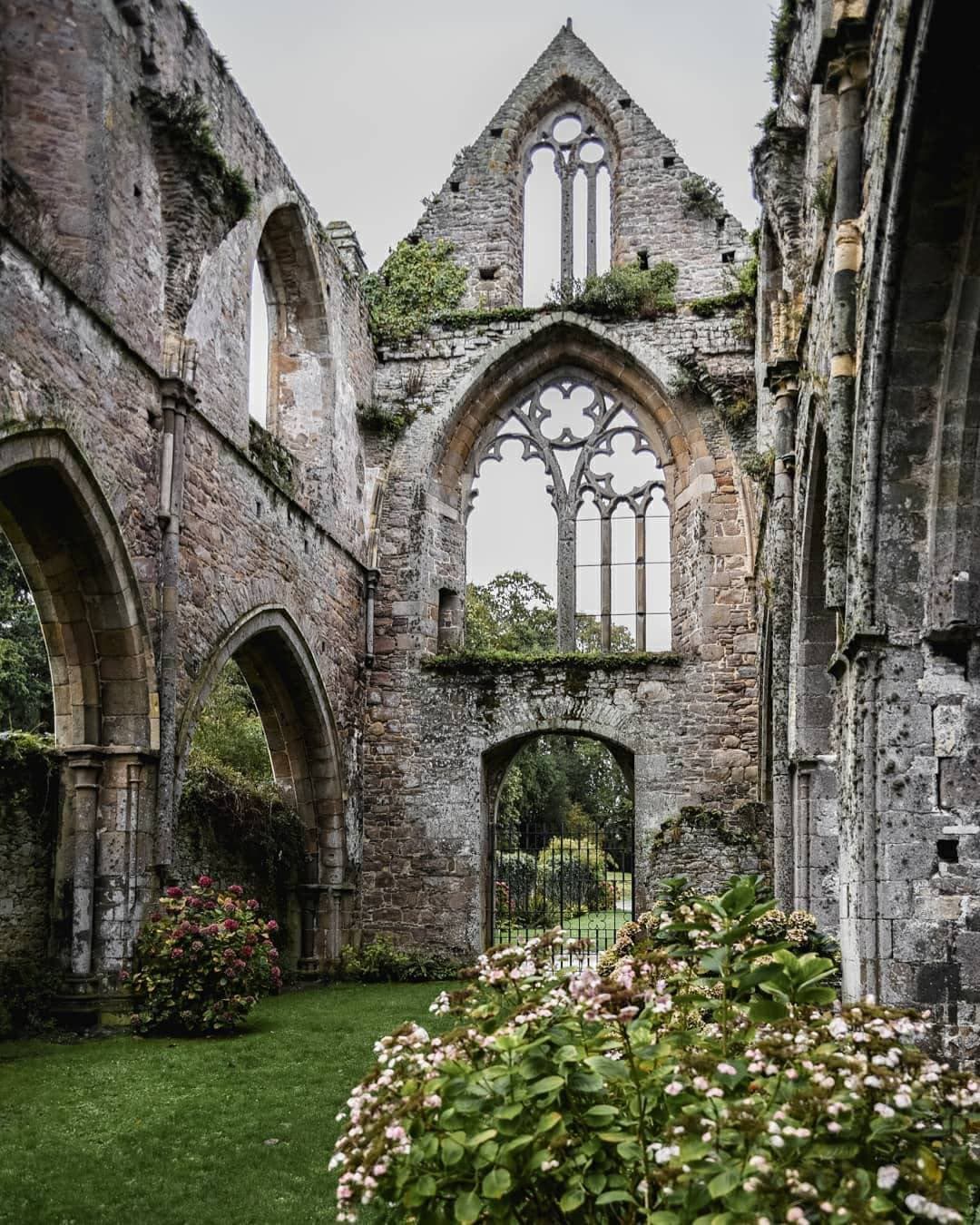
Abbaye de Beauport
Alain I of Avaugour (Alain de Goëlo) · founded 1202; 13th–15th centuries
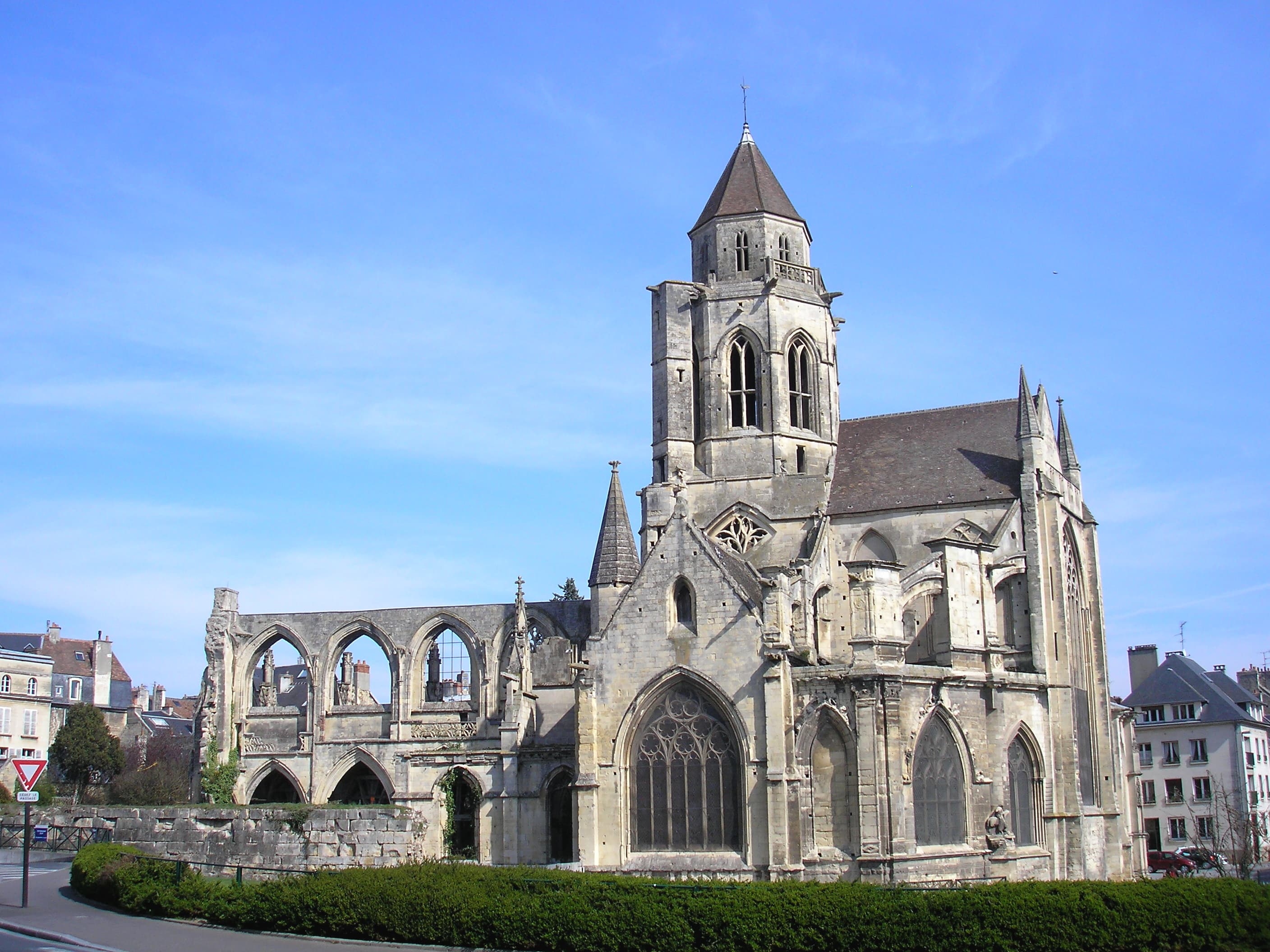
Church of Saint-Étienne-le-Vieux
The Monks Of Cluny · Founded c. 10th century; recorded c. 1067; rebuilt 15th century
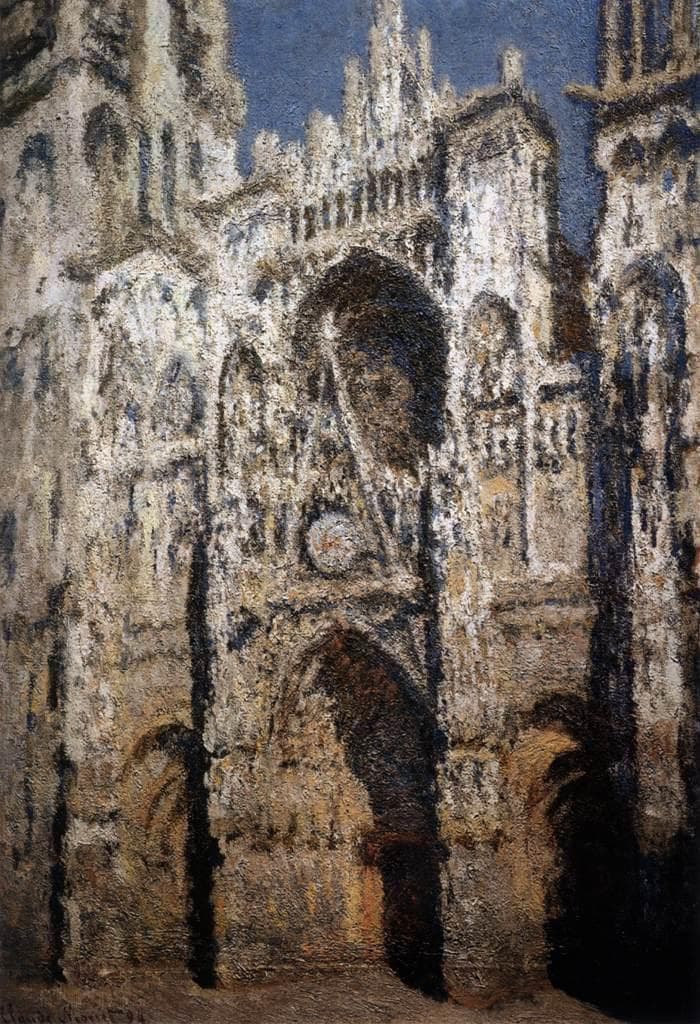
Rouen Cathedral in Full Sunlight
Claude Monet · 1893
Atlas, Royal Palace Amsterdam
Artus Quellinus & Jacob van Campen & Daniël Stalpaert · c. 1662–63
The Creation of Adam
Michelangelo · c. 1511–12
Lucifer
Franz von Stuck · 1890
The Garden of Earthly Delights
Hieronymus Bosch · c. 1490–1510