Image: Princeton University Art Museum · Public domain · via Wikimedia Commons
Meadow at Giverny
Claude Monet, 1894
Meadow at Giverny is an 1894 painting by Claude Monet of a spring meadow near his home, with two tall, slender trees and a soft mass of foliage under a pink-lilac sky. The upright canvas is in the Princeton University Art Museum.
- Artist
- Claude Monet
- Date
- 1894
- Medium
- Oil on canvas
- Dimensions
- 92 × 73 cm
- Collection
- Princeton University Art Museum, Princeton, New Jersey, United States
- Movement
- Impressionism
- Catalogue
- Wildenstein 1368
- Nature & Landscape
Claude Monet's Meadow at Giverny (Prairie à Giverny) was painted in 1894 in the meadows near his house. It is an upright canvas, 92 by 73 centimeters (Wildenstein 1368), signed in blue paint "Claude Monet 94" at lower left. It is one of four views of the Giverny meadow Monet painted that year, and it has been in the Princeton University Art Museum since 1954, the bequest of Henry K. Dick, Class of 1909.
What you are looking at
The picture is almost empty, and that is its point. The lower half is meadow, a flat expanse of grass painted in short horizontal flecks of lilac, blue, pale green and yellow. There are no flowers, figures or paths; the grass itself shimmers. Toward the horizon the flecks get smaller and bluer, and the meadow seems to stretch away.
On the left, a soft, rounded mass of trees rises from the meadow, painted in yellow-green and pale blue, its edges dissolving into the sky. On the right, two tall, slender trees stand alone. Their trunks are thin, wavering lines of violet and blue, almost too long for the canvas, and each is topped by a small, tufted crown of blue-green leaves near the top edge. They look like exclamation marks.
The sky fills the upper half: a pale, even field of pink, lilac and gray, with no clouds. The Princeton museum speaks of the flickering, tender hues of early spring, and that is the season the colors suggest: young leaves, damp grass, a soft, misty light.
Where and when
Monet had lived at Giverny since 1883. By 1894 he was the most successful landscape painter in France, having shown his Haystacks and Poplars series, and that year he was finishing the Rouen Cathedral canvases in his studio. He also returned to the open countryside around his house, painting the meadow in four versions under different light and weather.
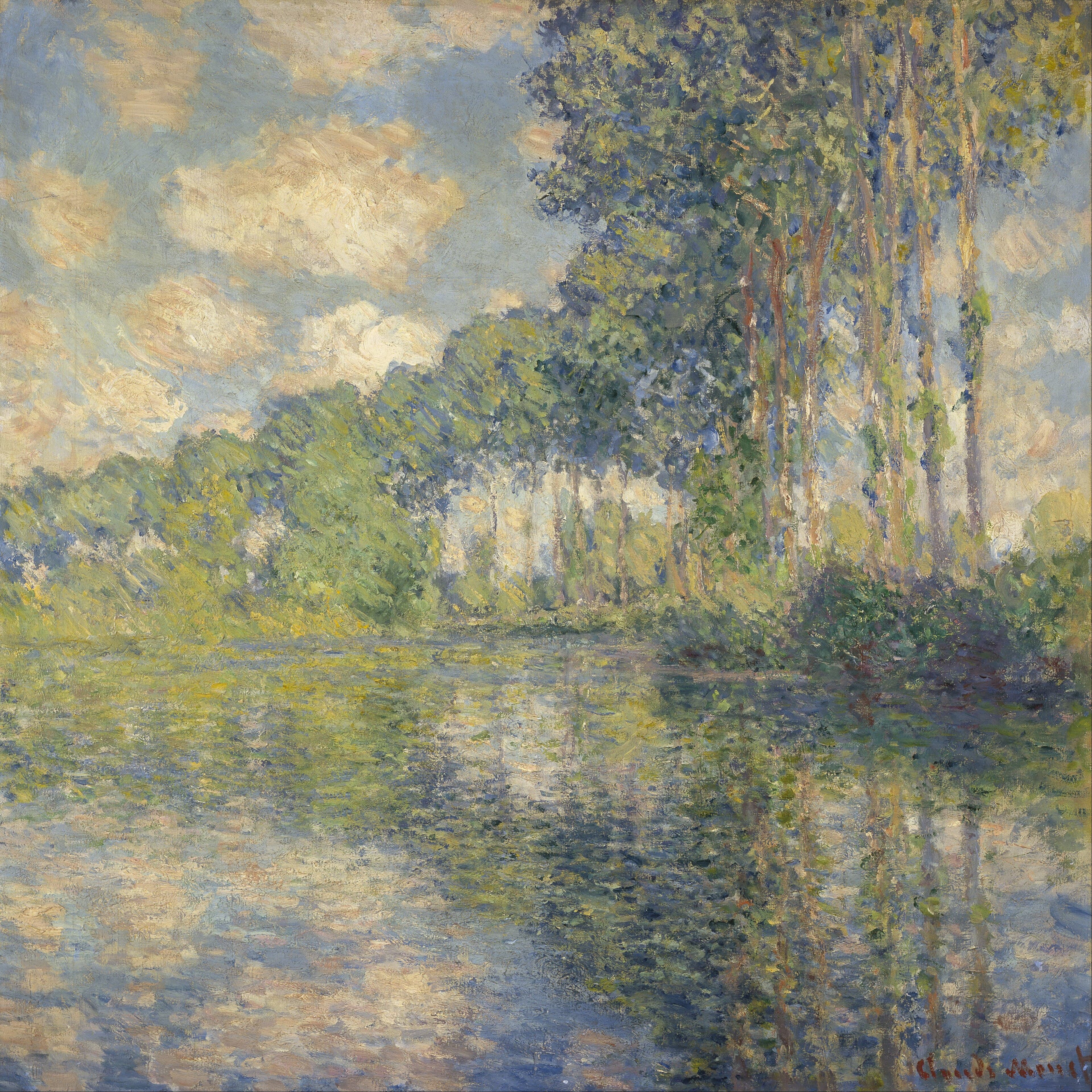
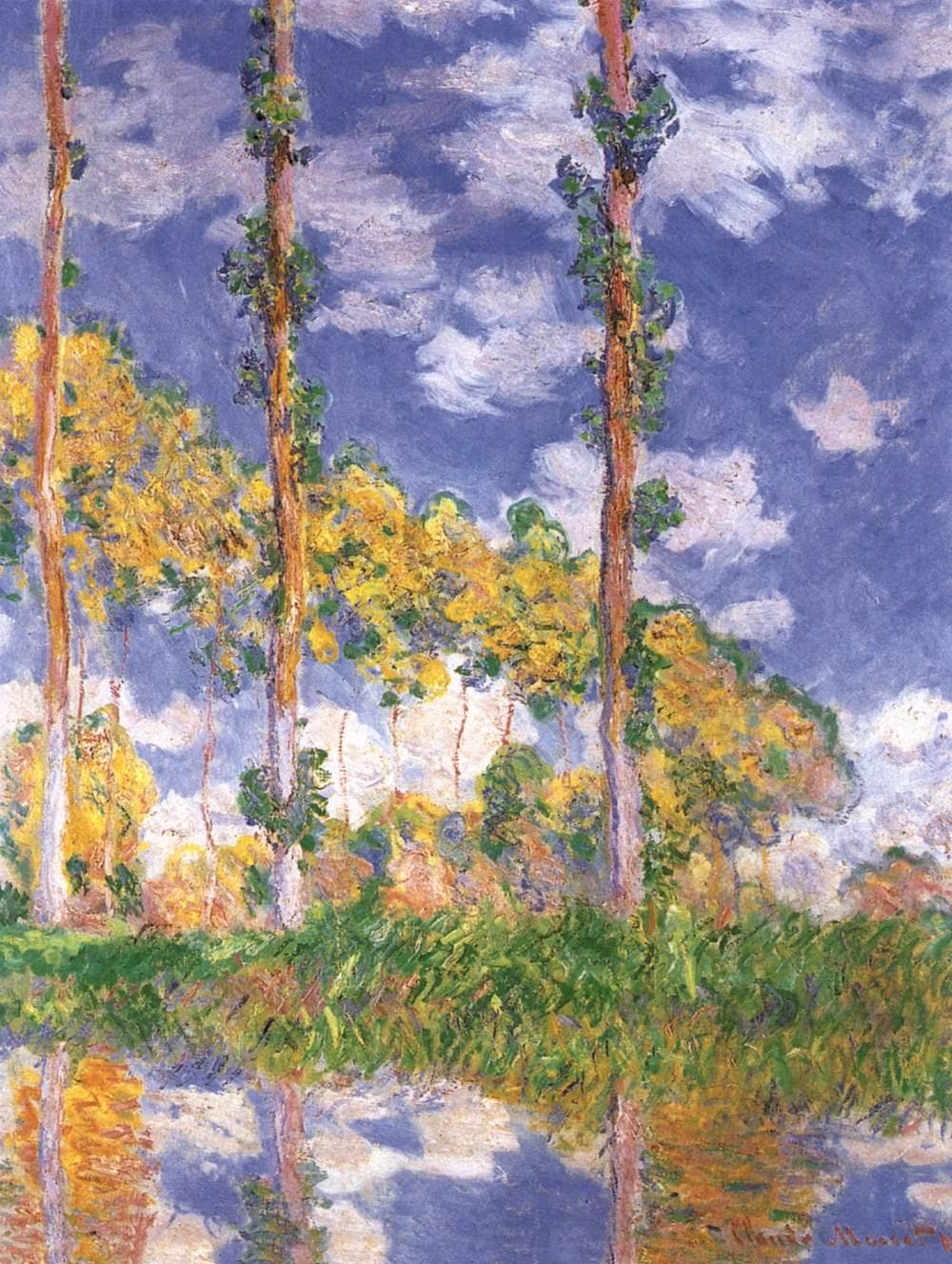
The tall trees on the right recall the poplars of the 1891 series, which stood along the Epte only a short distance away, and the vertical format, stretched and narrow, stresses their height.
How this version differs
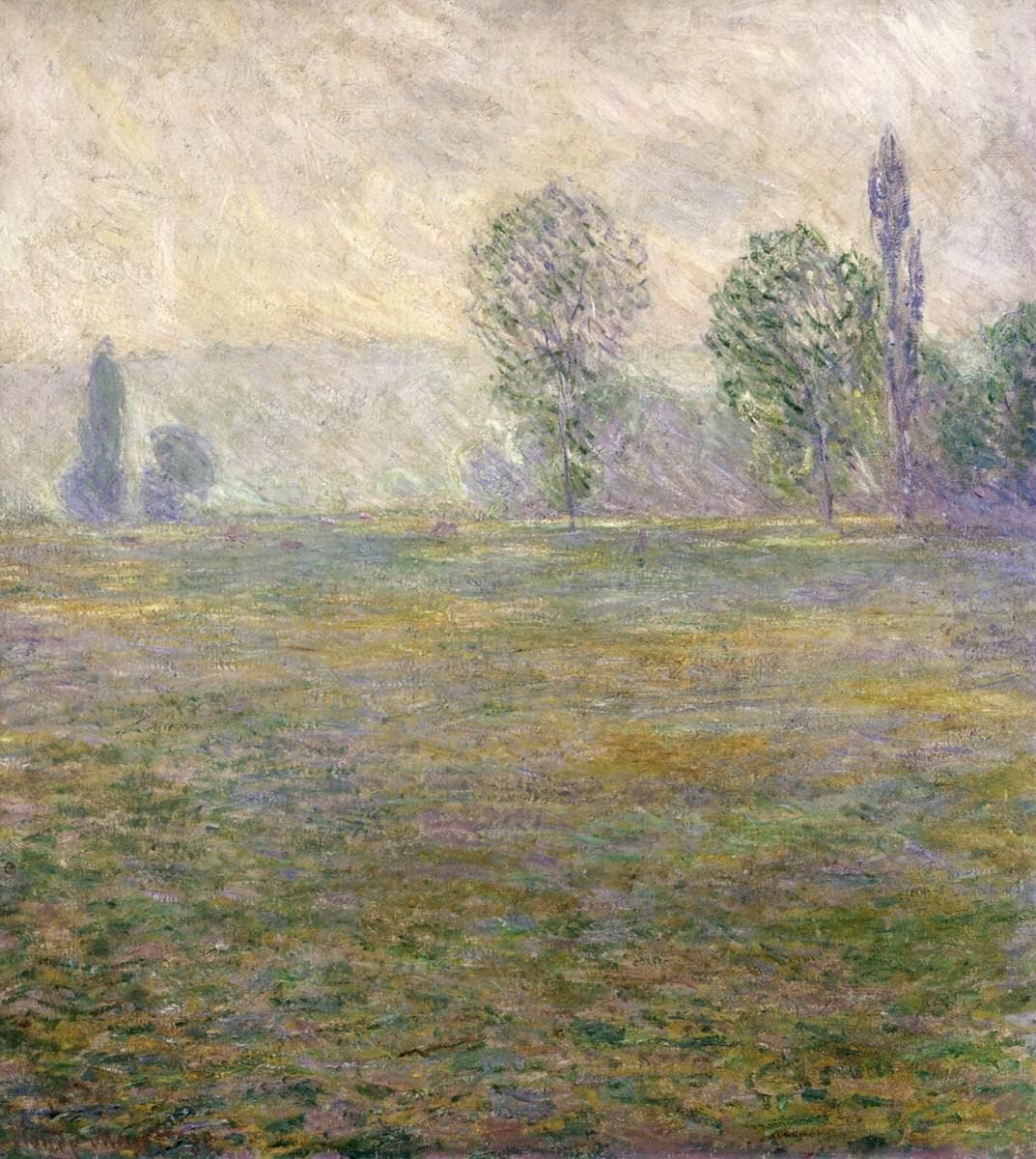
Monet's earlier Meadow at Giverny of 1888, now in the Hermitage, is a horizontal summer view under a hazy sky, with a line of trees and poplars across the background. The 1894 Princeton canvas is quieter, upright and nearly abstract. It reduces the landscape to three elements, the meadow, a clump of foliage and two thin trees, and lets color and touch carry the picture. In this it anticipates the extreme simplicity of later works like the Mornings on the Seine. Compare also the bright harvest field of The Young Ladies of Giverny, Sun Effect, painted the same year.
How it was painted
The whole surface is covered in small, separate strokes of pastel color. In the meadow they are horizontal; in the trees and foliage they are rounded dabs; in the sky they are softer and more blended. Monet keeps all the colors close in value, so that nothing jumps forward, and the picture reads as a single atmosphere. The violet trunks against the pink sky and the yellow-green foliage against blue shadows set up gentle complementary contrasts.
For Monet's paintings of the countryside around his home, see Giverny: Monet's House and Garden.
Ownership and where to see it
According to Monet's account books, the painting was sold in 1898 to the dealers Georges Petit, Georges Bernheim and Isidore Montaignac. It later belonged to Alexandre Berthier, Prince de Wagram, one of the great early collectors of Impressionism, by 1906, and to Henry K. Dick by 1923. Dick bequeathed it to Princeton University in 1954. It hangs in the European galleries of the Princeton University Art Museum. See Where to See Monet's Paintings and Claude Monet.
Questions & answers
Where is Monet's Meadow at Giverny (1894)?
It is in the Princeton University Art Museum in New Jersey, the bequest of Henry K. Dick, Class of 1909, in 1954 (object number y1954-78). It has hung in the museum's European galleries.
When and where was Meadow at Giverny painted?
Monet painted it in 1894 in a meadow near his home at Giverny. It is one of four views of the meadow he painted that year and is signed and dated 1894 in blue paint at lower left.
What does Meadow at Giverny show?
It shows a flat, shimmering spring meadow in lilac, blue and yellow-green, a soft mass of trees at left, and two tall, slender trees with small tufted crowns at right, under a pale pink and lilac sky.
How many Meadow at Giverny paintings did Monet make?
Monet painted the Giverny meadow many times. In 1894 alone he made four views of it, according to the Princeton University Art Museum. An earlier, horizontal Meadow at Giverny of 1888 is in the State Hermitage Museum.
More by the artist
Claude Monet
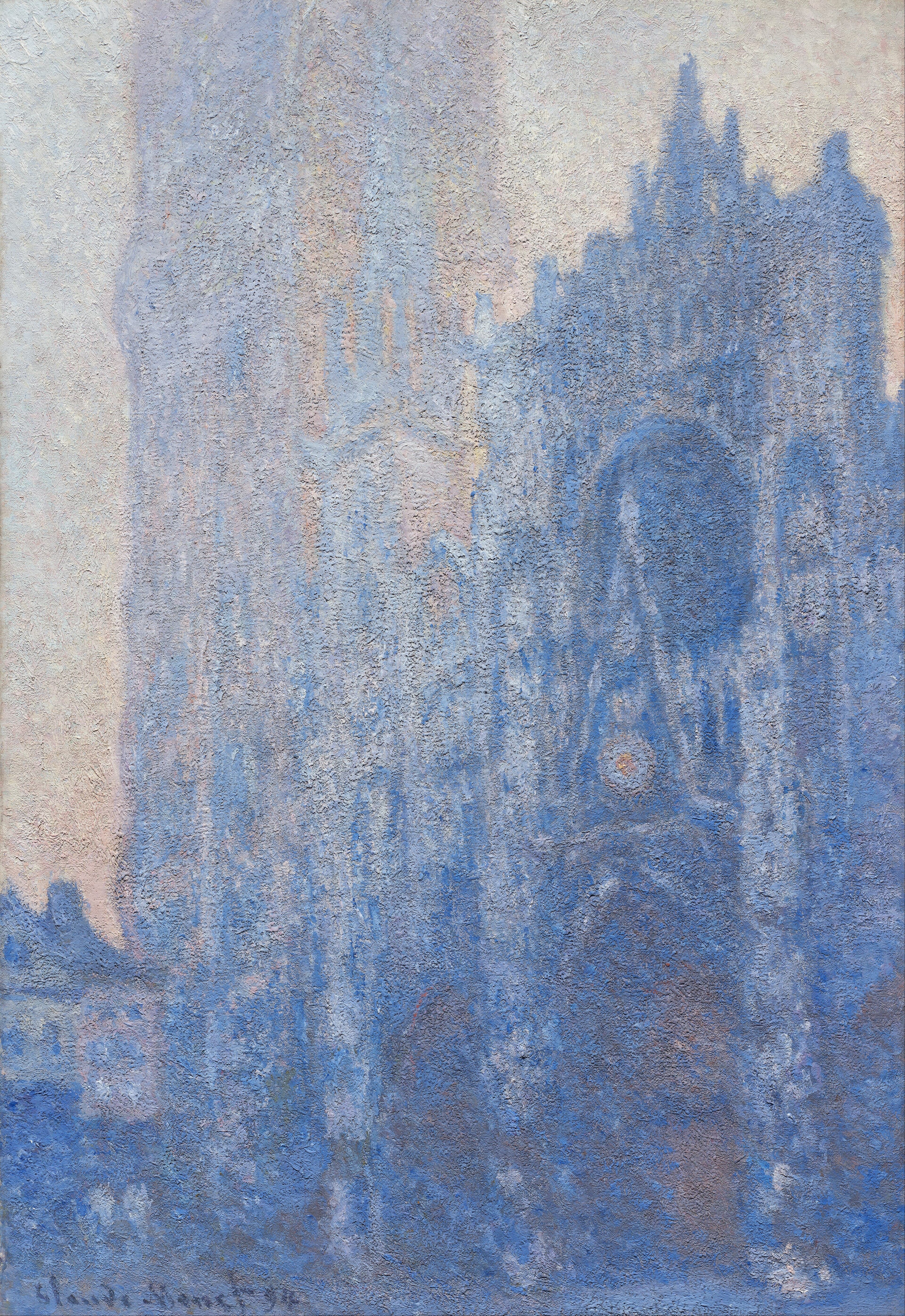
Rouen Cathedral Façade and Tour d'Albane (Morning Effect)
Claude Monet · 1893–94
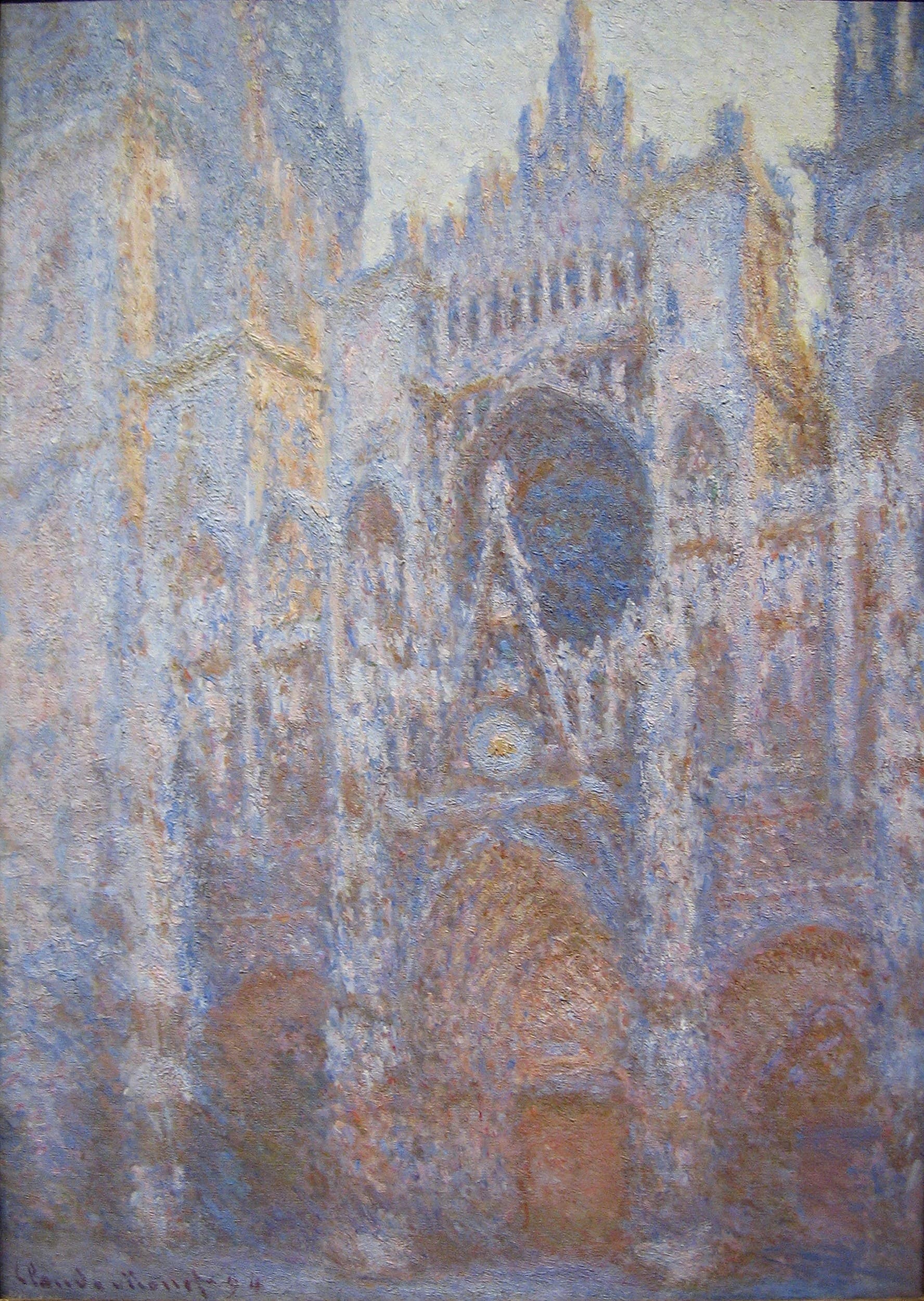
Rouen Cathedral, West Façade
Claude Monet · 1893–94
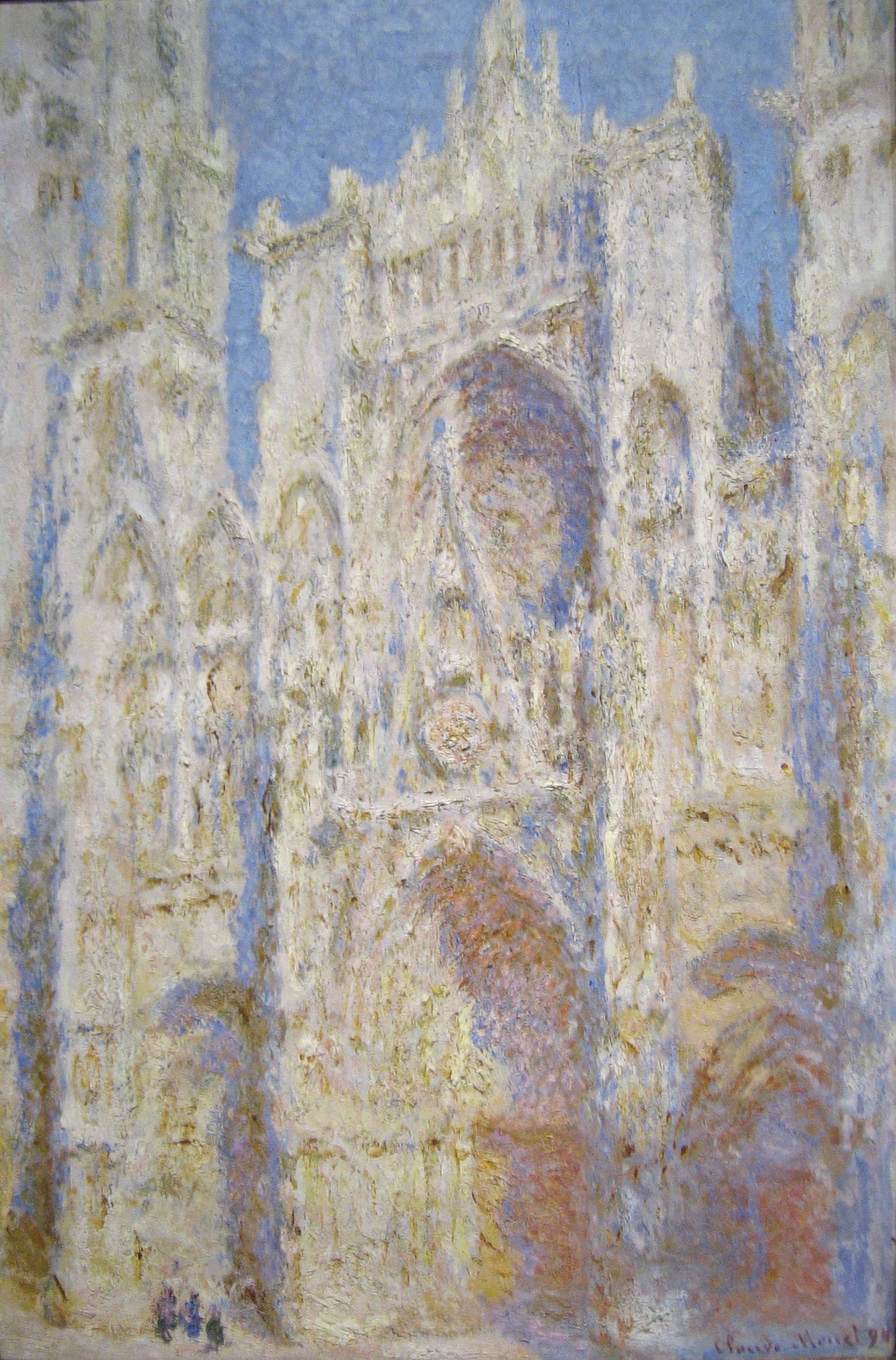
Rouen Cathedral, West Façade, Sunlight
Claude Monet · 1892–94
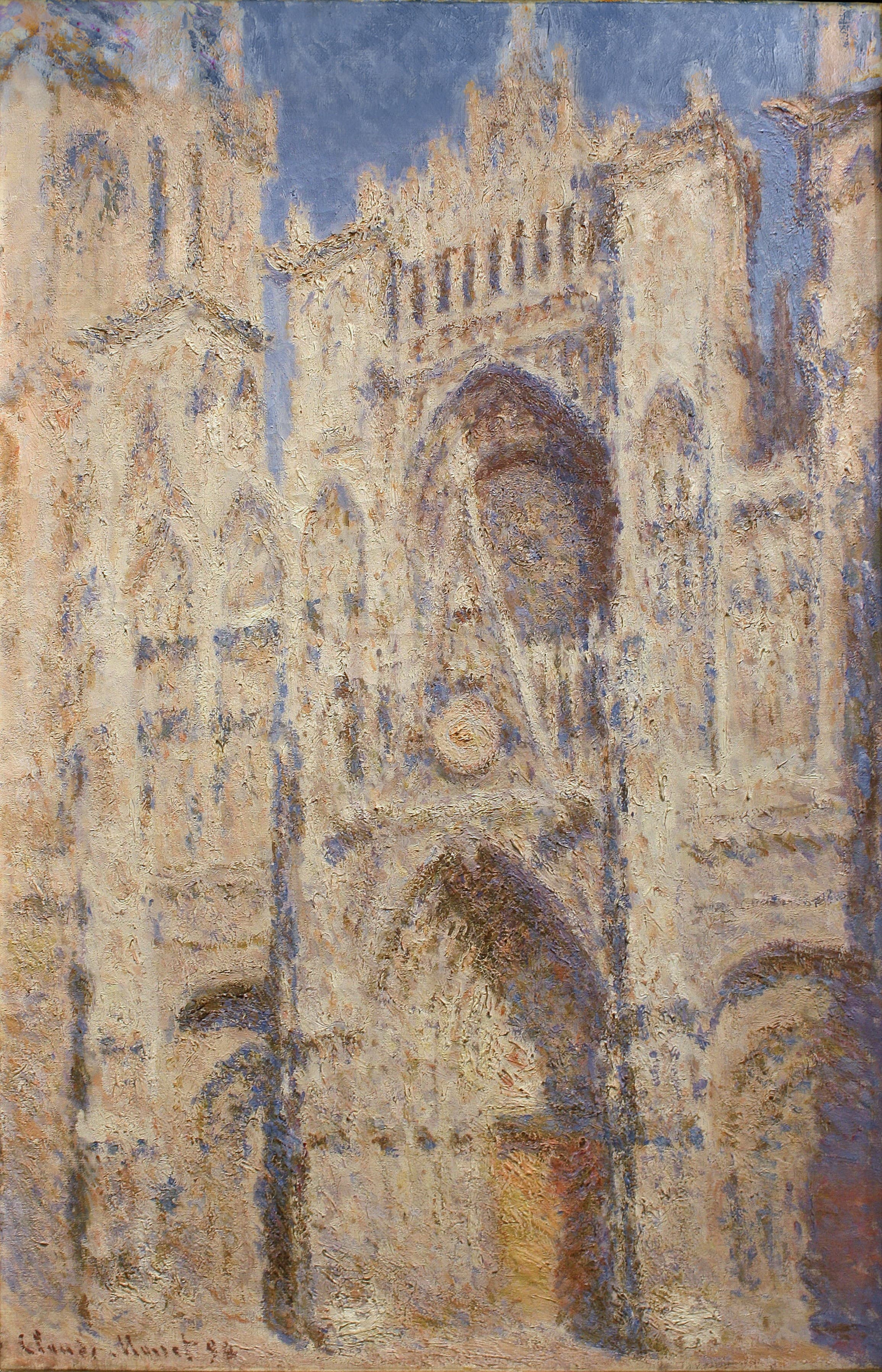
Rouen Cathedral: The Portal (Sunlight)
Claude Monet · 1892–94
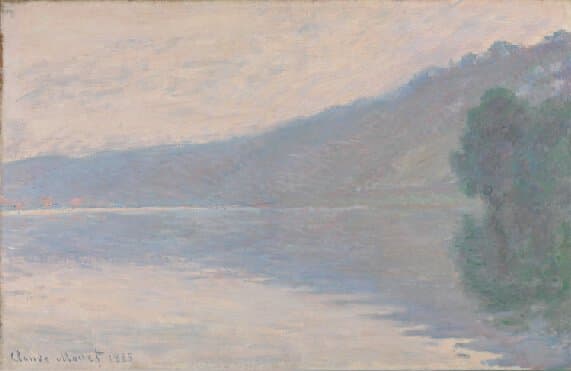
The Seine at Port-Villez
Claude Monet · 1894
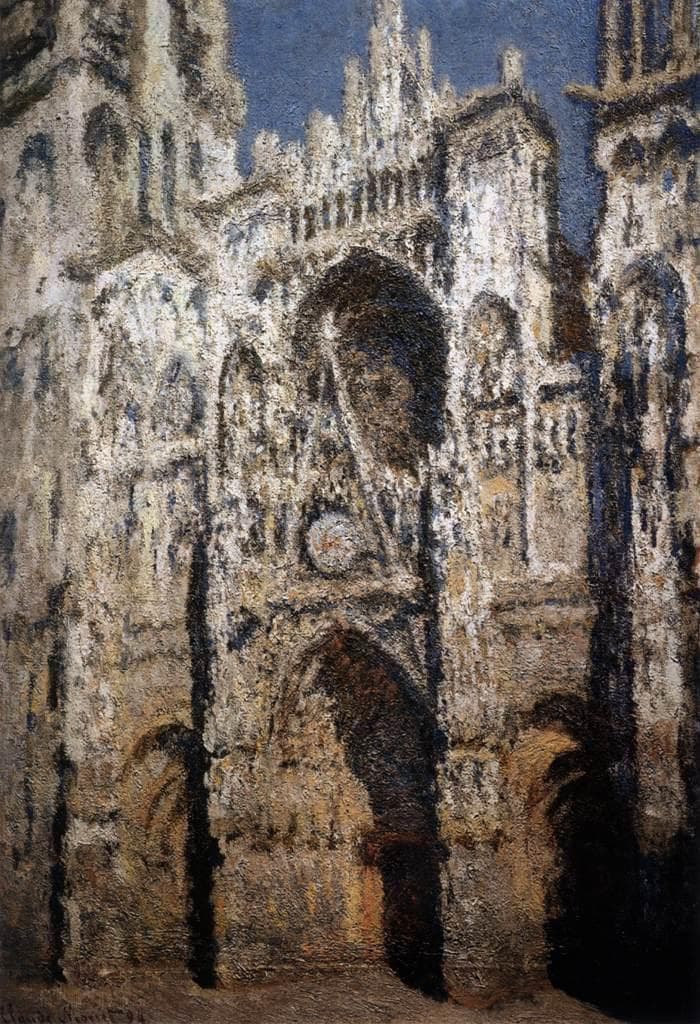
Rouen Cathedral in Full Sunlight
Claude Monet · 1893
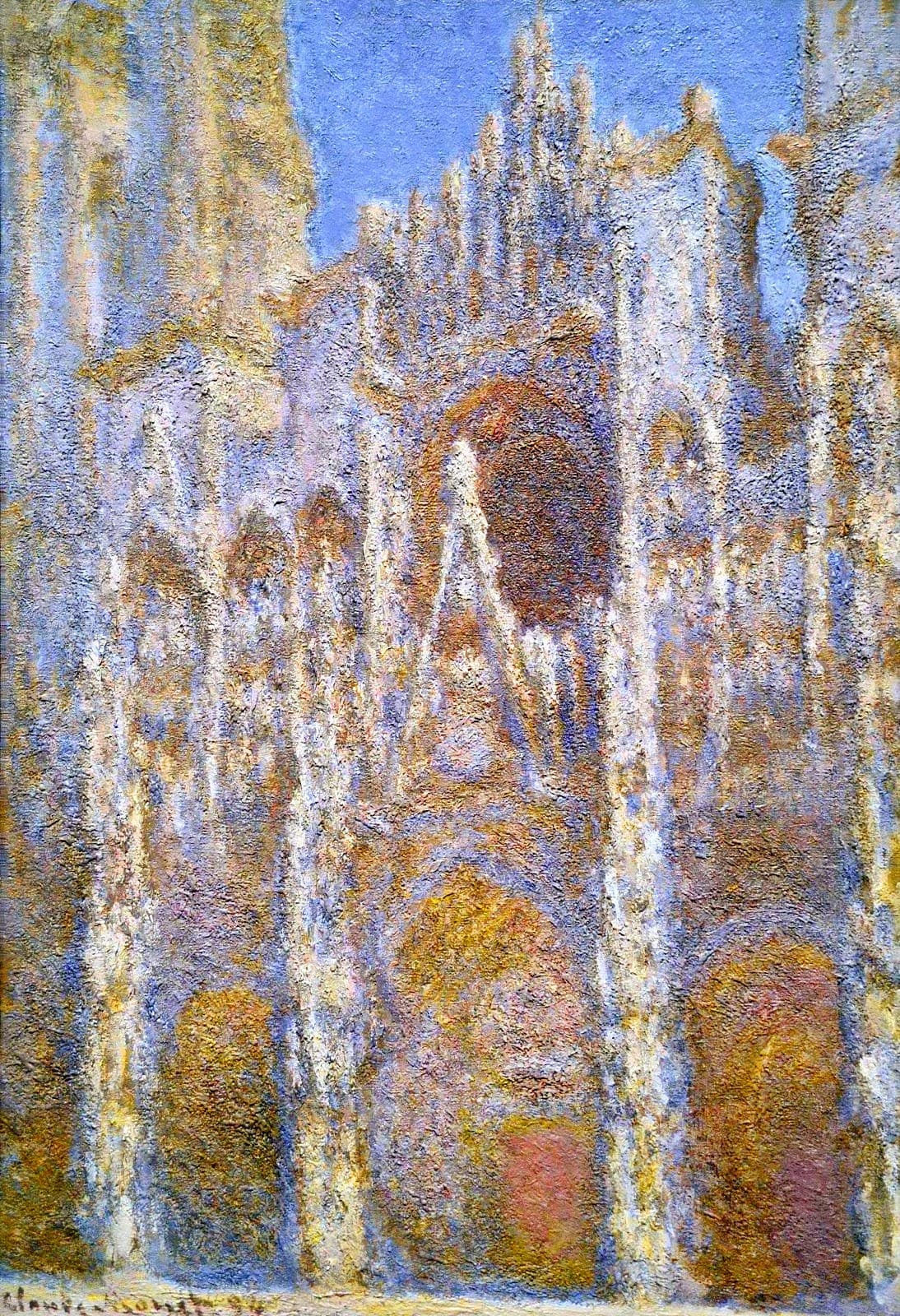
Rouen Cathedral, Façade
Claude Monet · 1893–94
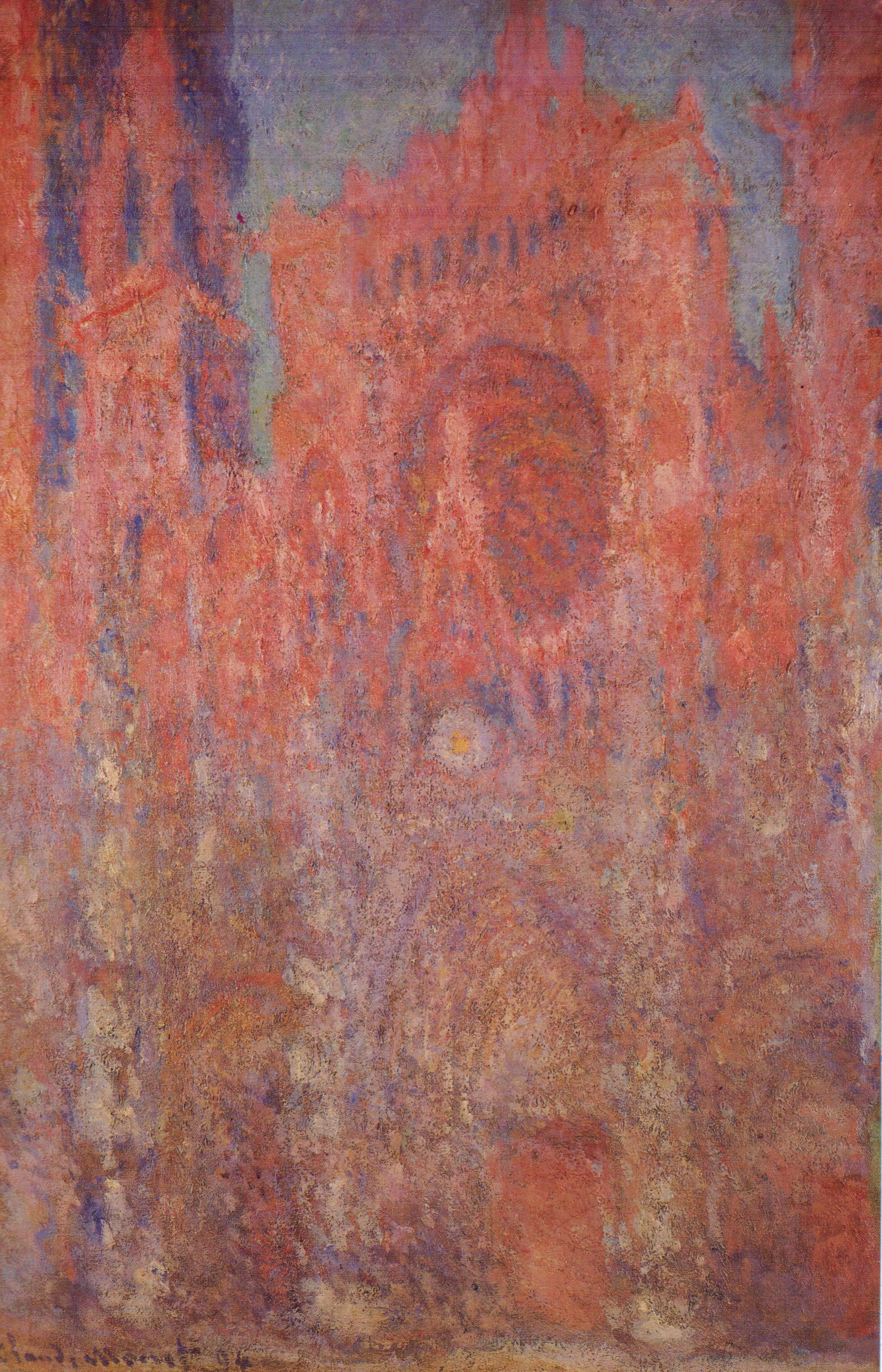
Rouen Cathedral, Portal
Claude Monet · 1892–94
Also painted in 1894
The same year
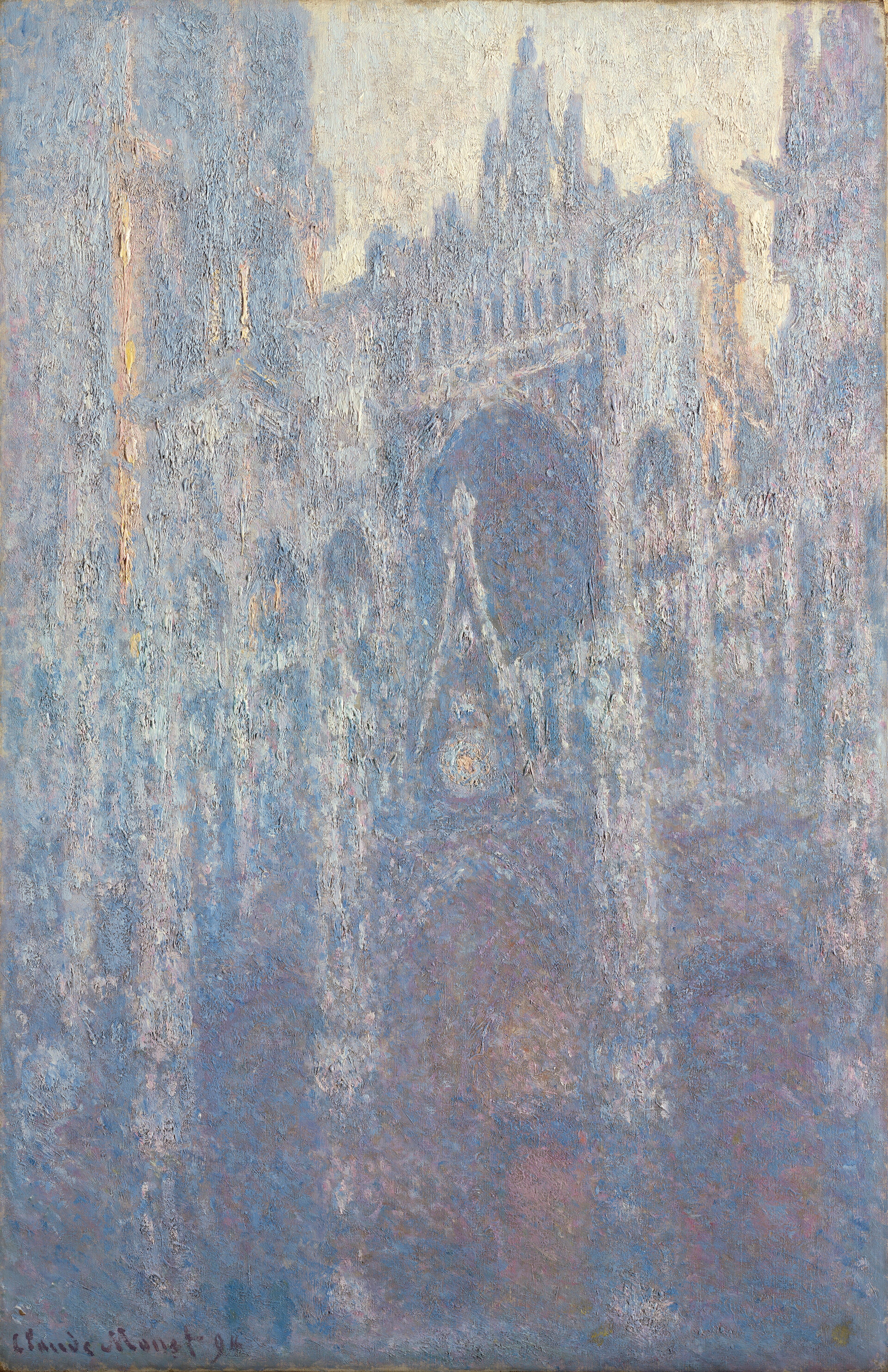
The Portal of Rouen Cathedral in Morning Light
Claude Monet · 1894
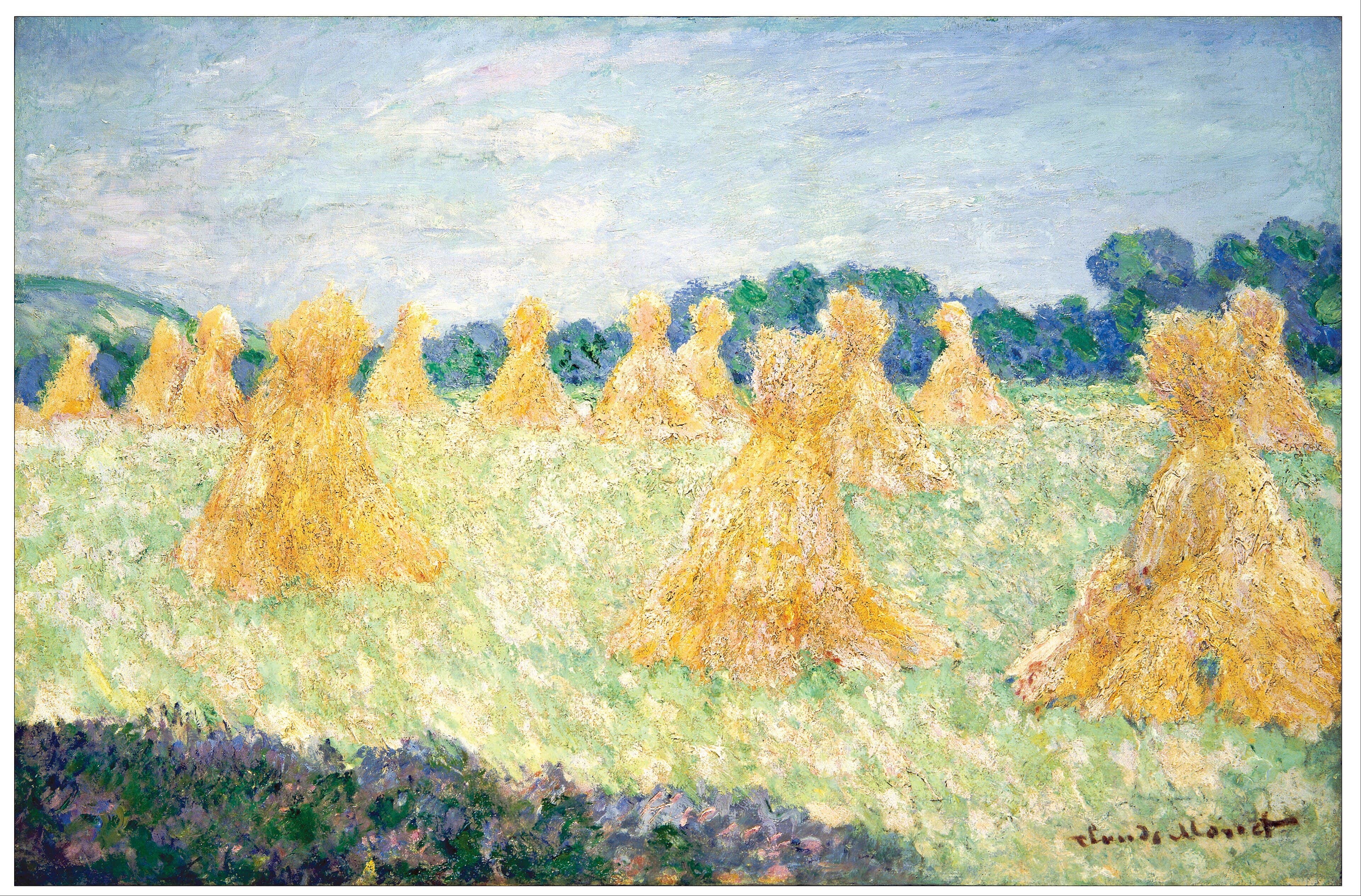
The Young Ladies of Giverny, Sun Effect
Claude Monet · 1894
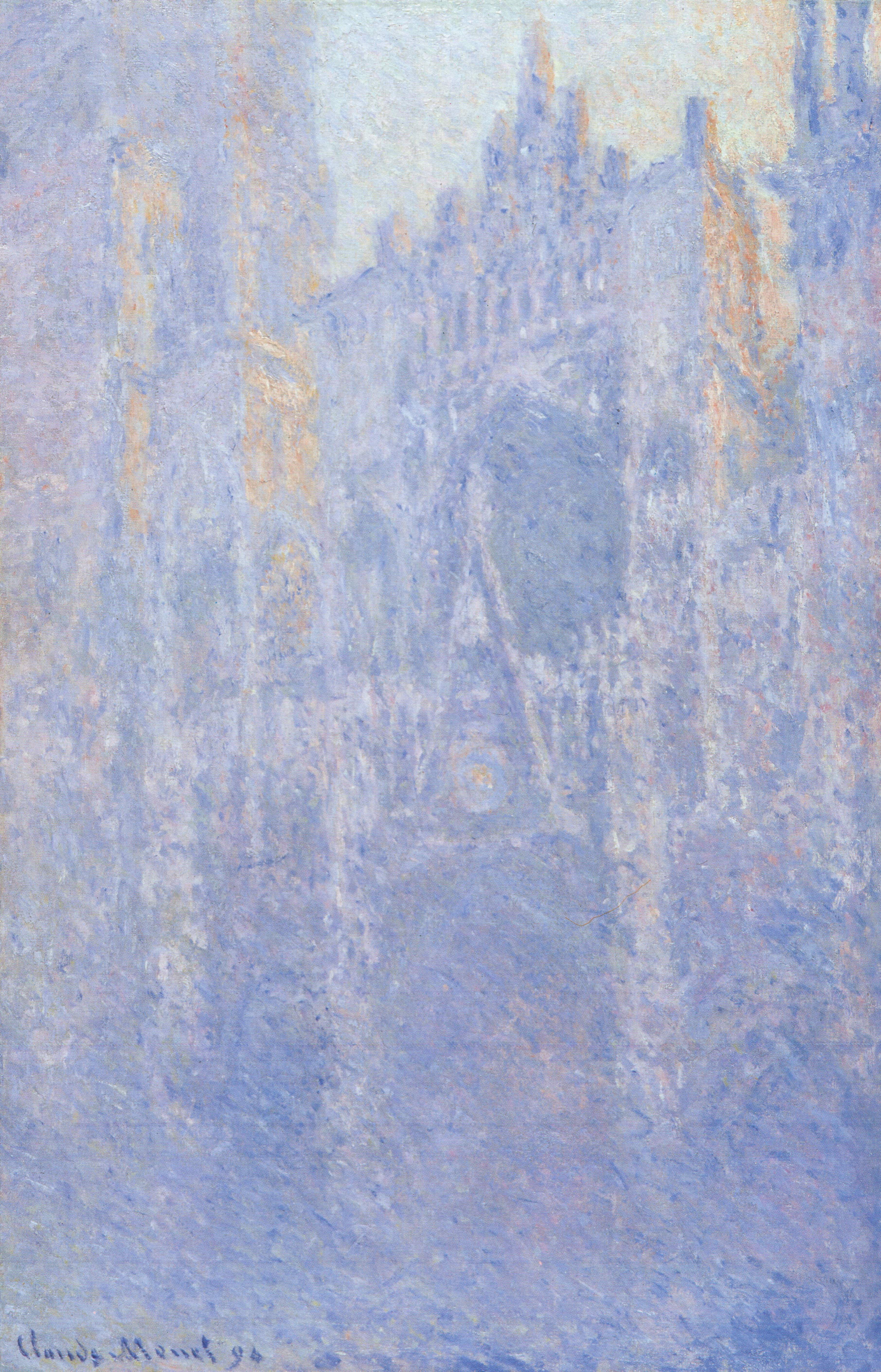
The Portal, Morning Fog
Claude Monet · 1893–94
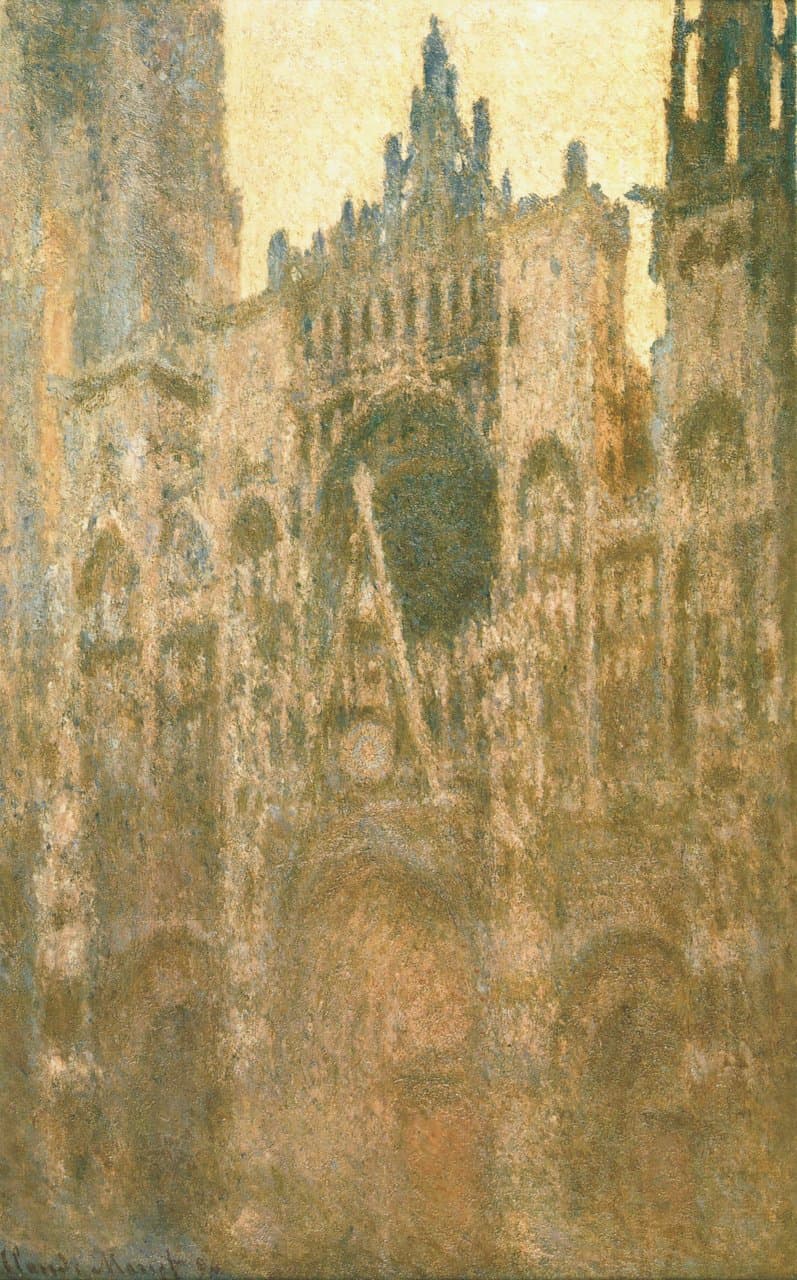
Rouen Cathedral in the Morning (Pink Dominant)
Claude Monet · 1893–94
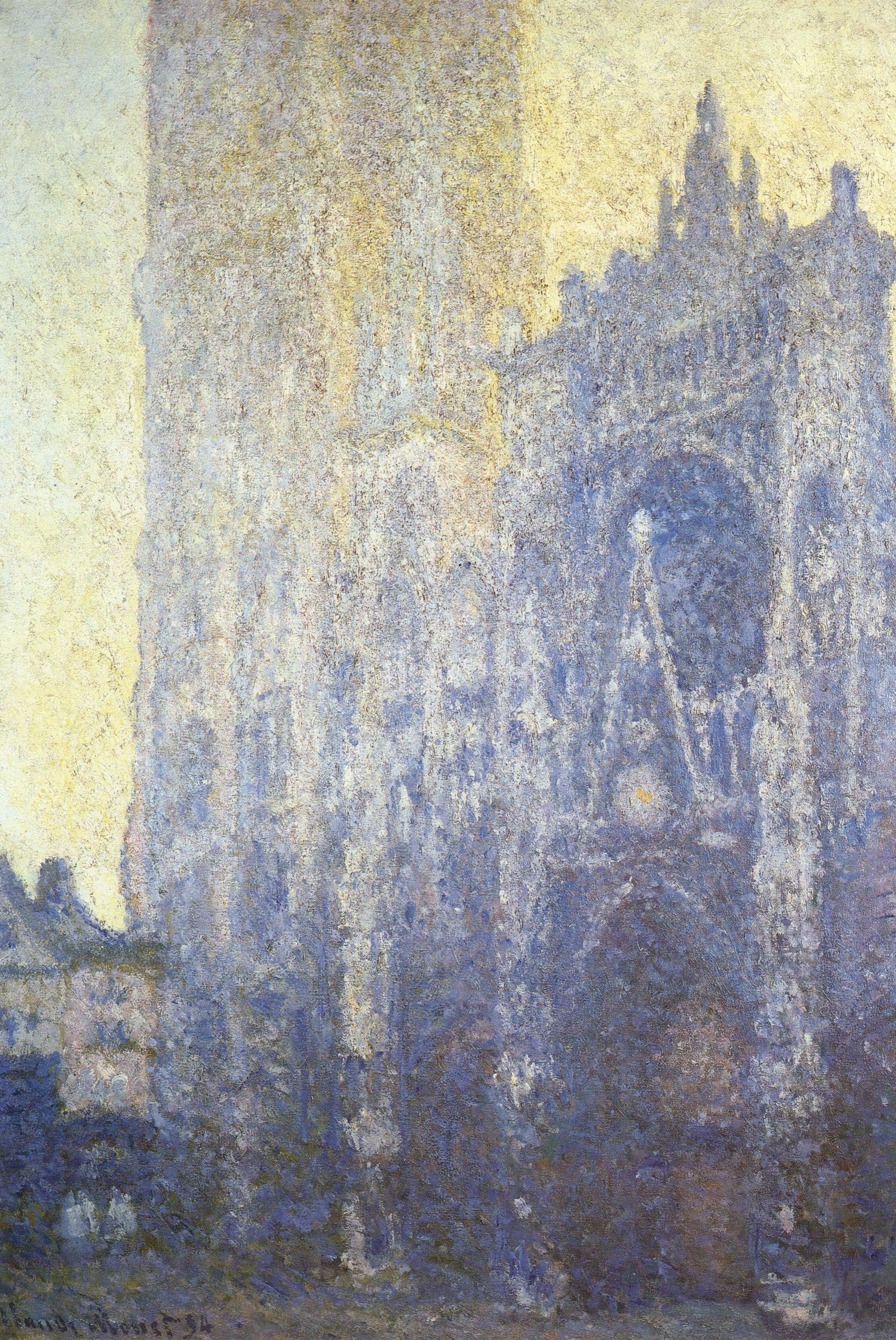
Rouen Cathedral, the Portal, Morning Effect
Claude Monet · 1893–94
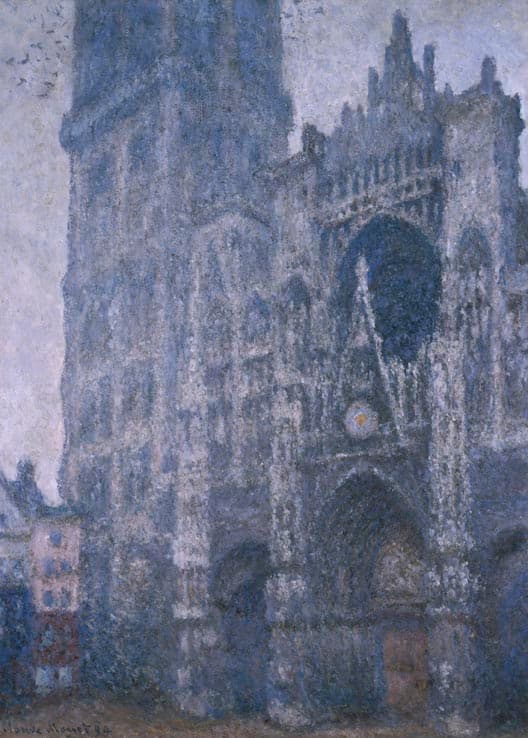
Rouen Cathedral, the Portal and the Tour d'Albane, Grey Weather
Claude Monet · 1893–94
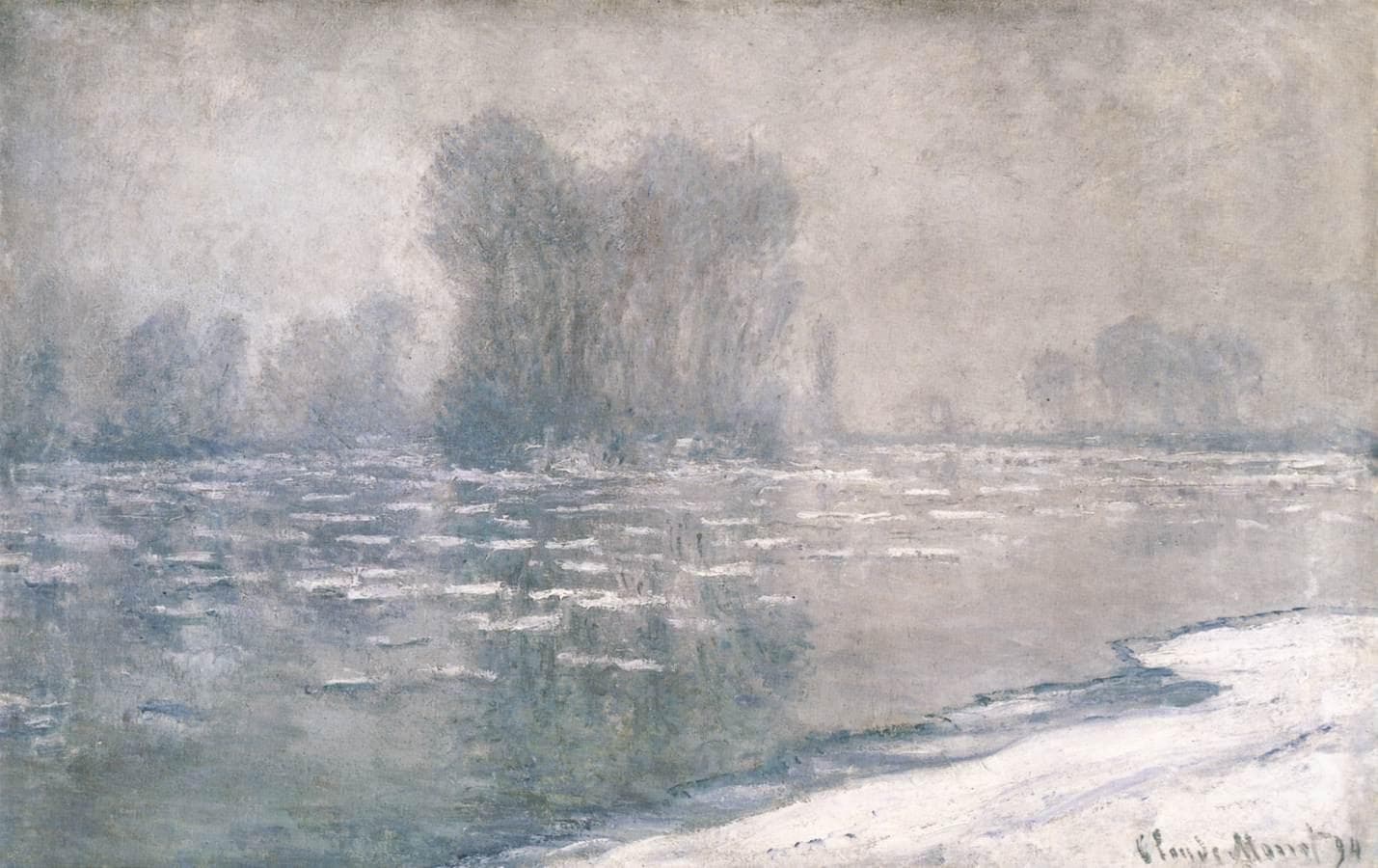
Morning Haze
Claude Monet · 1894
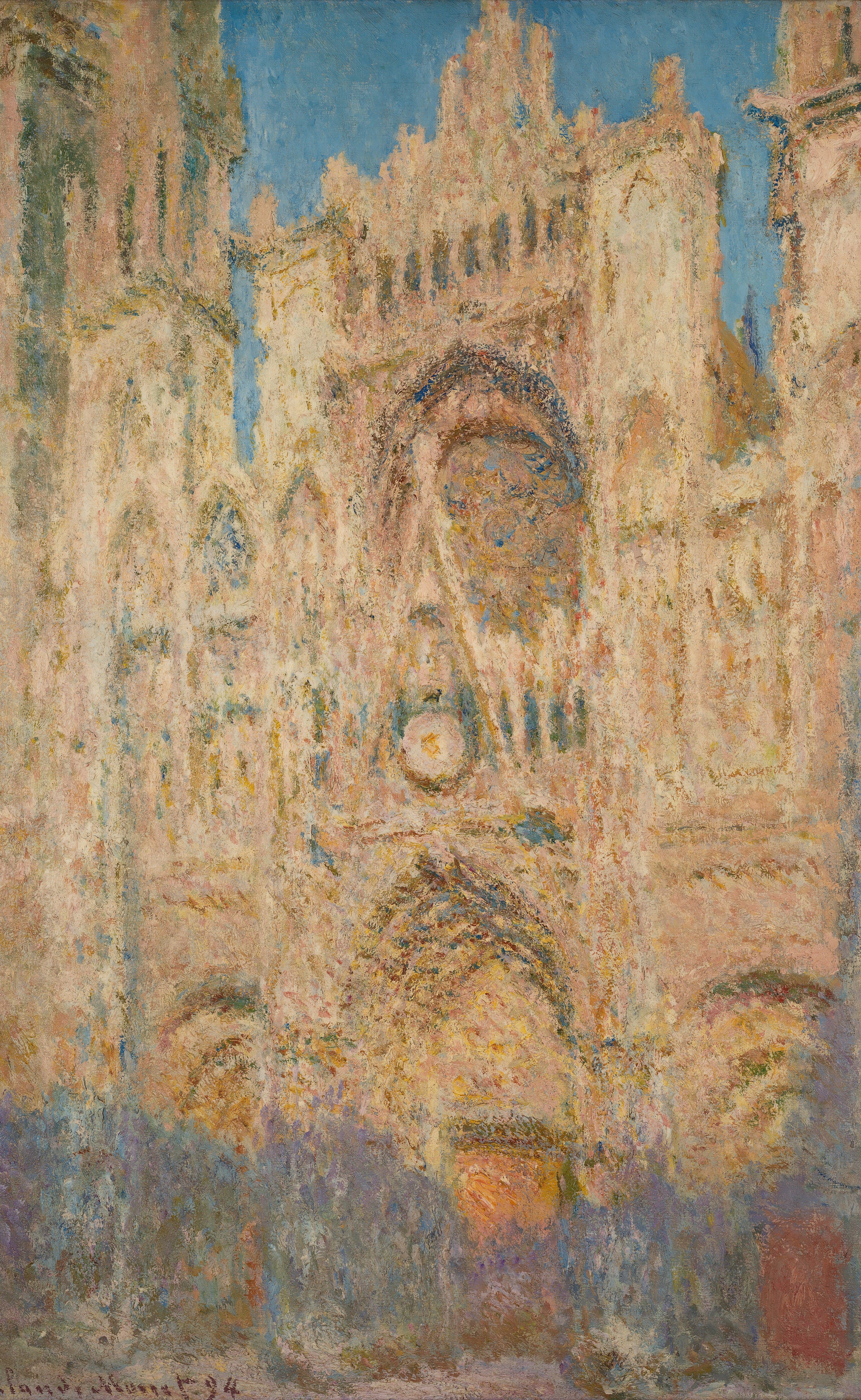
Rouen Cathedral, Evening
Claude Monet · 1894
Kindred works
You may also study
Meadow at Giverny
Claude Monet · 1888
The Young Ladies of Giverny, Sun Effect
Claude Monet · 1894
Poplars on the Epte (Edinburgh)
Claude Monet · 1891
Three Poplars, Summer
Claude Monet · 1891
Bend in the Epte River near Giverny
Claude Monet · 1888
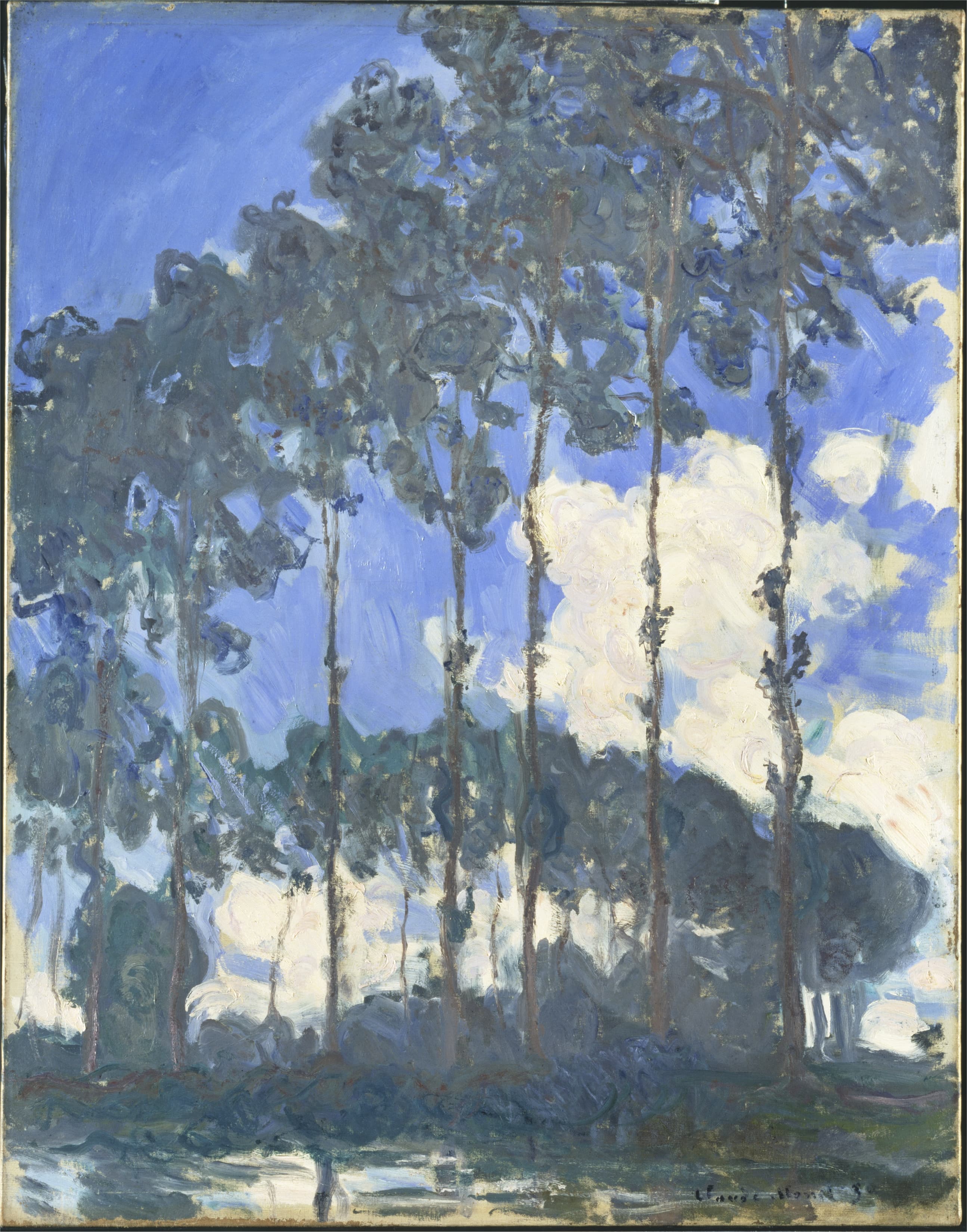
Poplars on the Epte (London)
Claude Monet · 1891
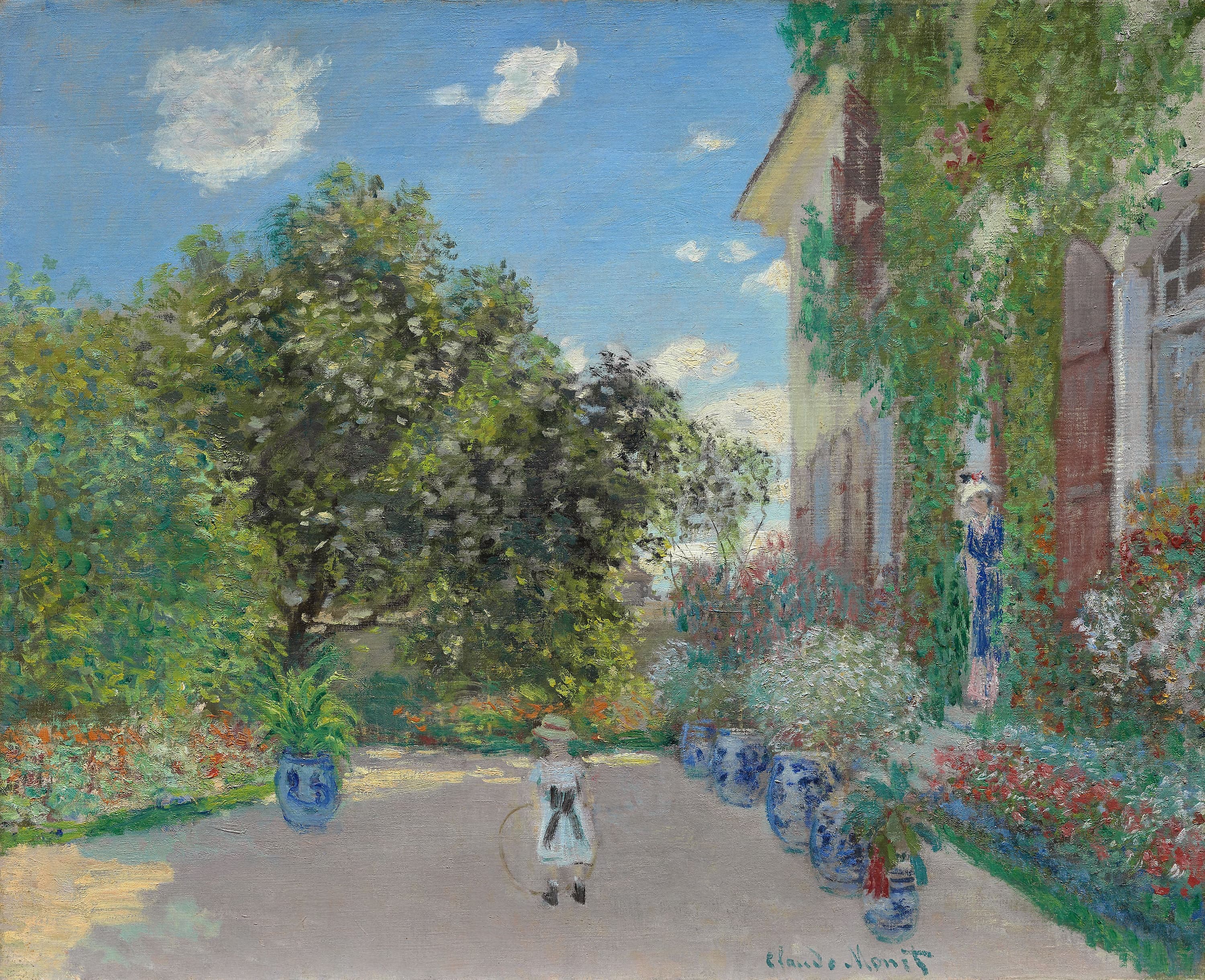
The Artist's House at Argenteuil
Claude Monet · 1873
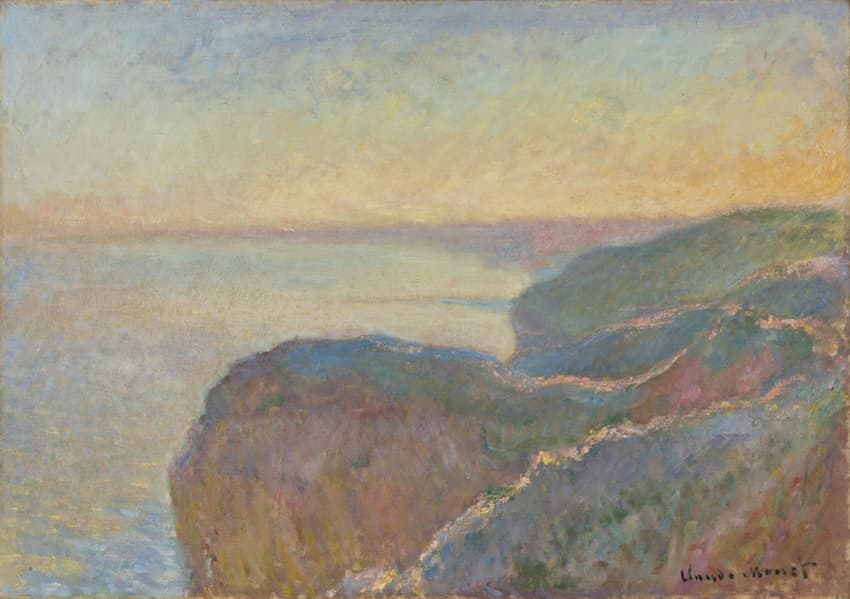
Sur la falaise de Dieppe
Claude Monet · 1897