Dutch · Post-Impressionism
Vincent van Gogh
b. 30 March 1853, Zundert, Netherlands — d. 29 July 1890, Auvers-sur-Oise, France
Vincent van Gogh (1853–1890) was a Dutch Post-Impressionist painter who made some 860 oil paintings in barely ten years, from The Starry Night and Sunflowers to his Antwerp joke, Head of a Skeleton with a Burning Cigarette.
15 works in the collection
Works by Vincent van Gogh
Head of a Skeleton with a Burning Cigarette
Vincent van Gogh · 1886
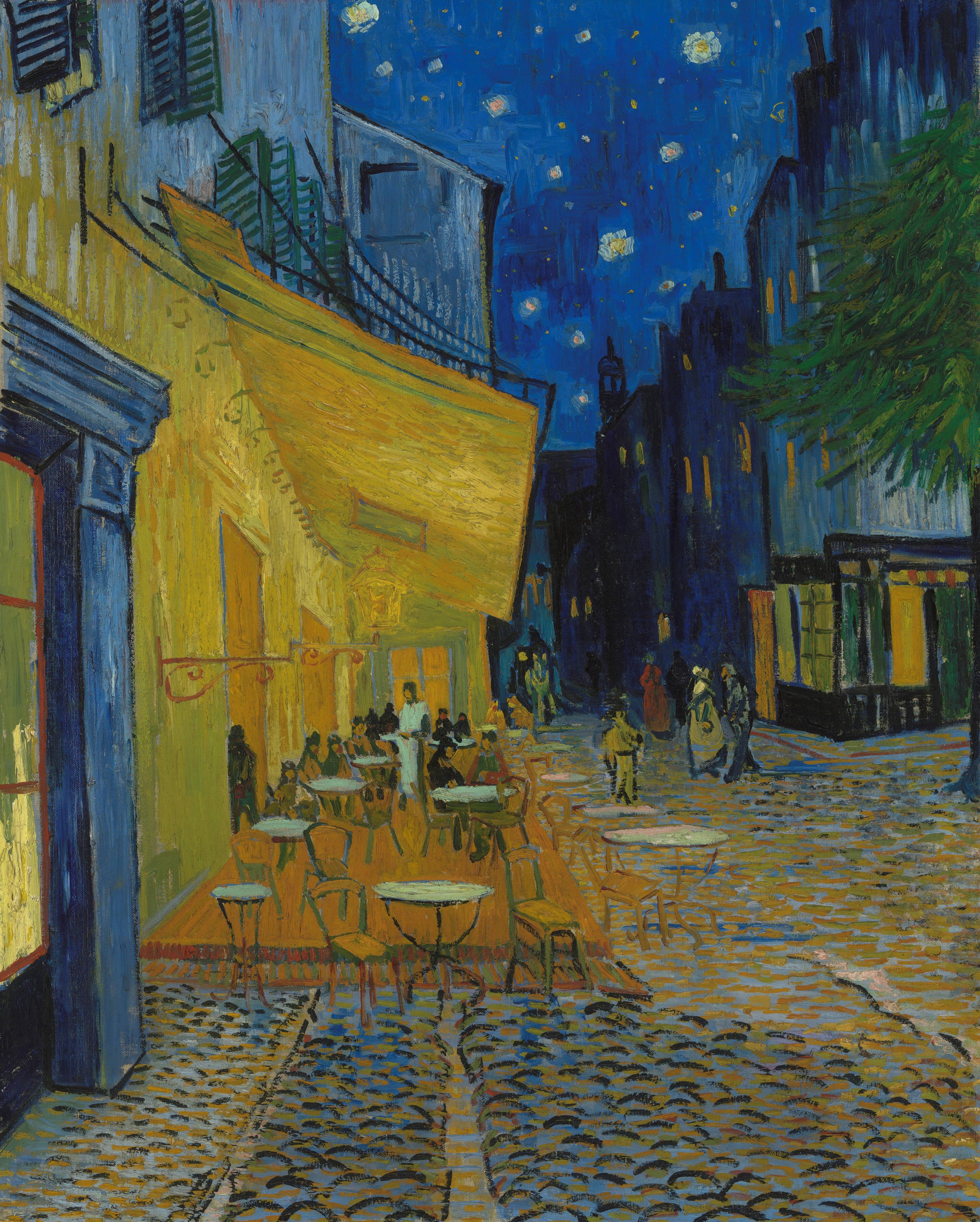
Café Terrace at Night
Vincent van Gogh · September 1888
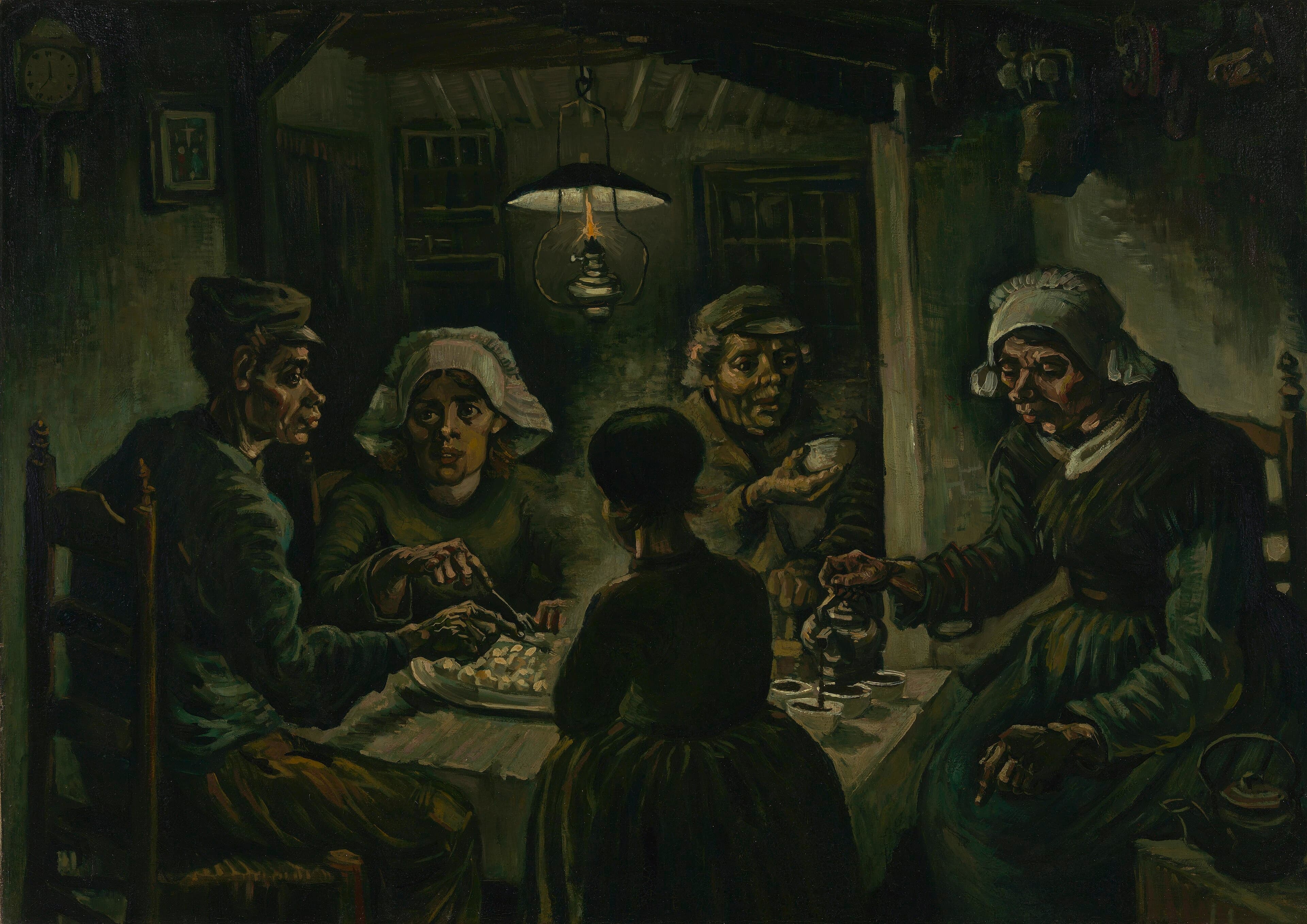
The Potato Eaters
Vincent van Gogh · April–May 1885
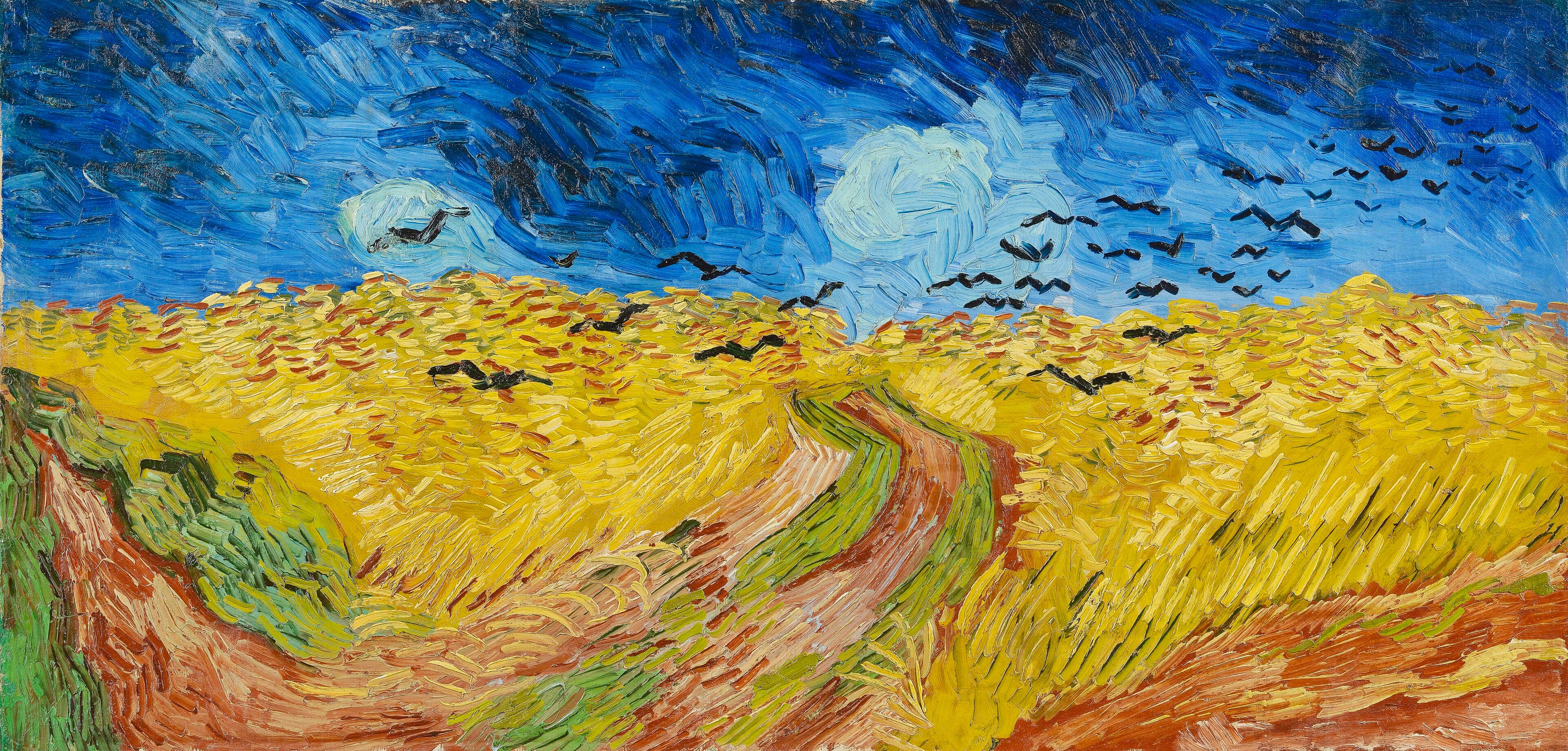
Wheatfield with Crows
Vincent van Gogh · July 1890
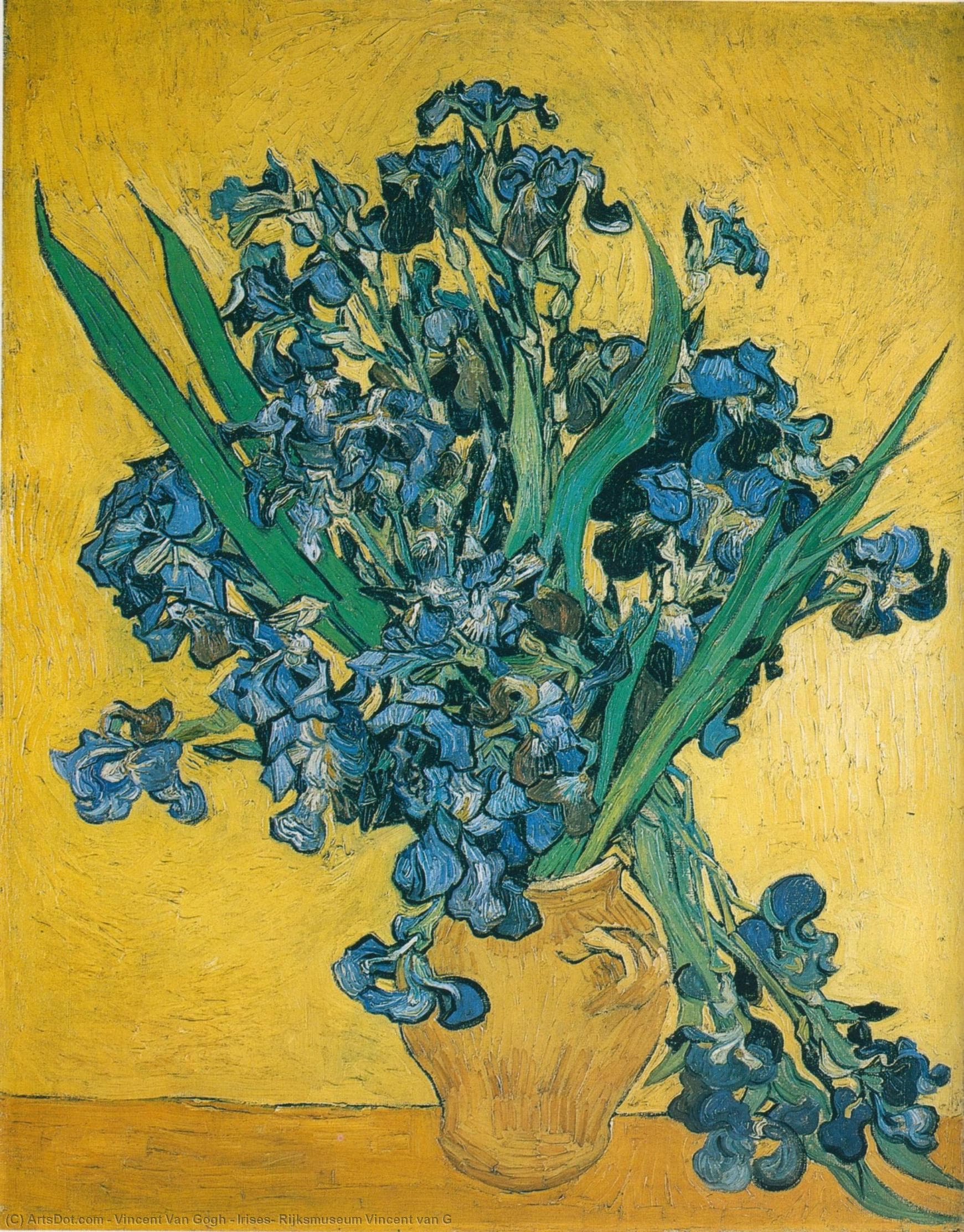
Irises (Vase with Irises Against a Yellow Background)
Vincent van Gogh · 1890
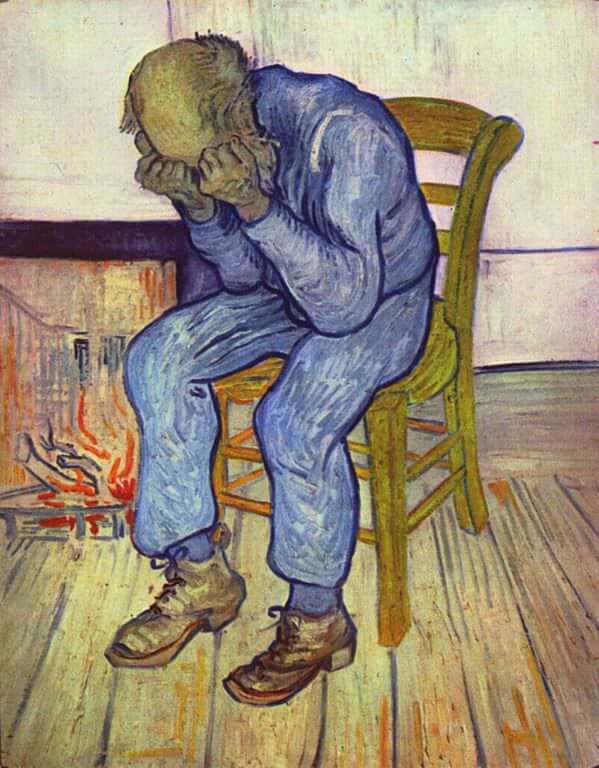
At Eternity's Gate
Vincent van Gogh · 1890
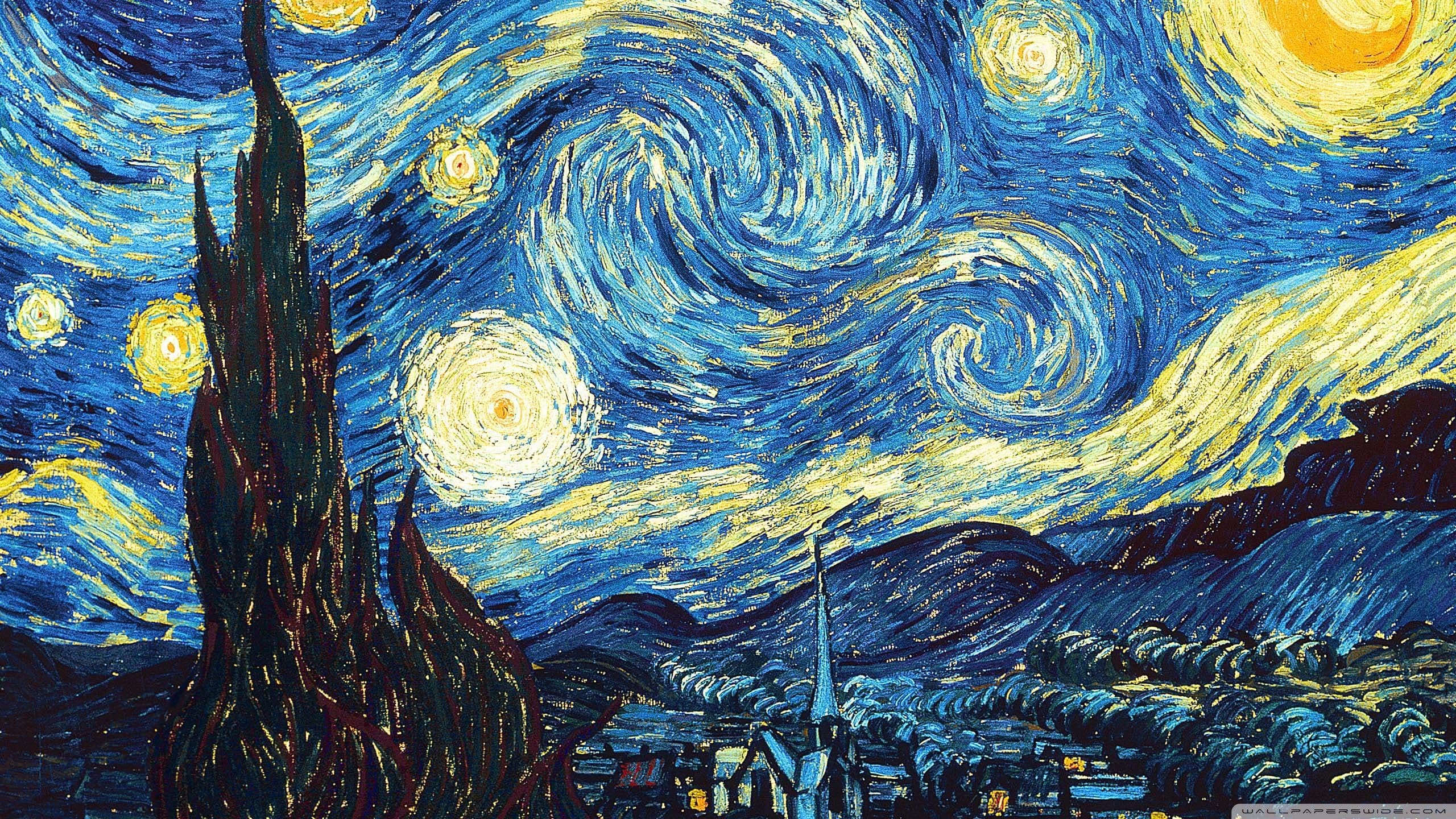
The Starry Night (van Gogh)
Vincent van Gogh · 1889
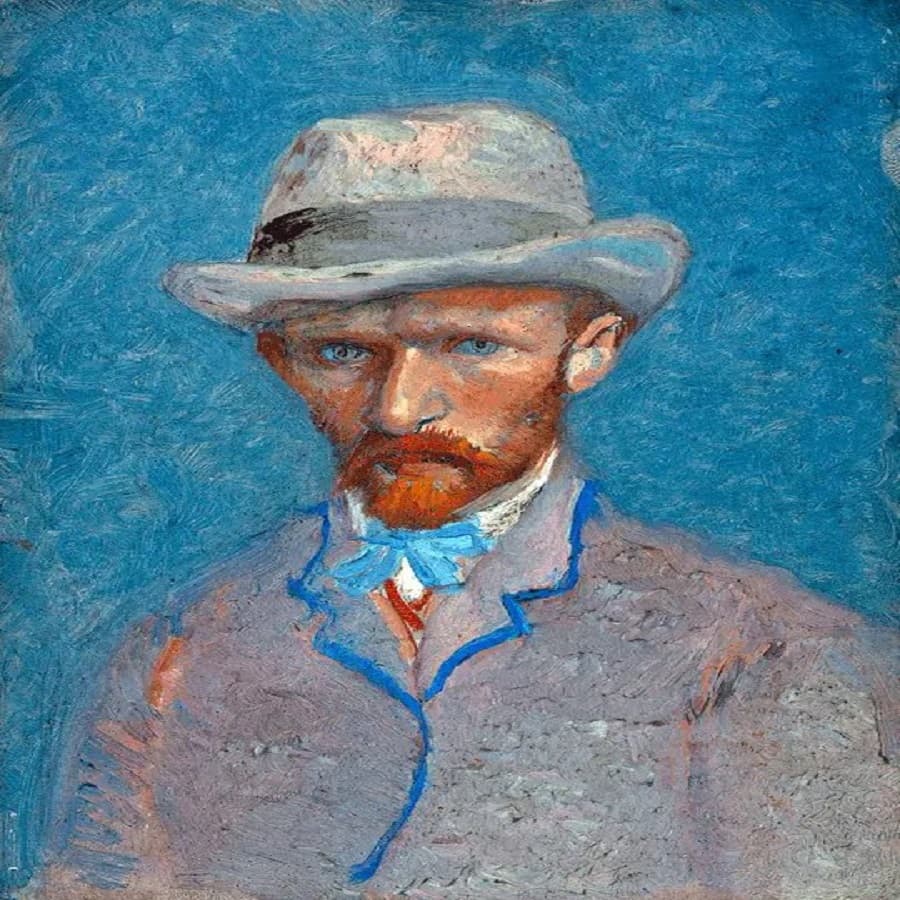
Portrait of Theo van Gogh (Self-Portrait with Grey Felt Hat)
Vincent van Gogh · 1887
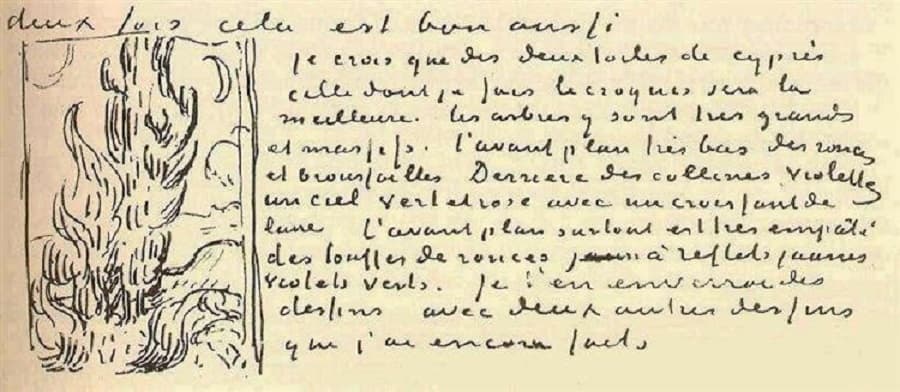
The Letters of Vincent van Gogh
Vincent van Gogh · 1872–1890
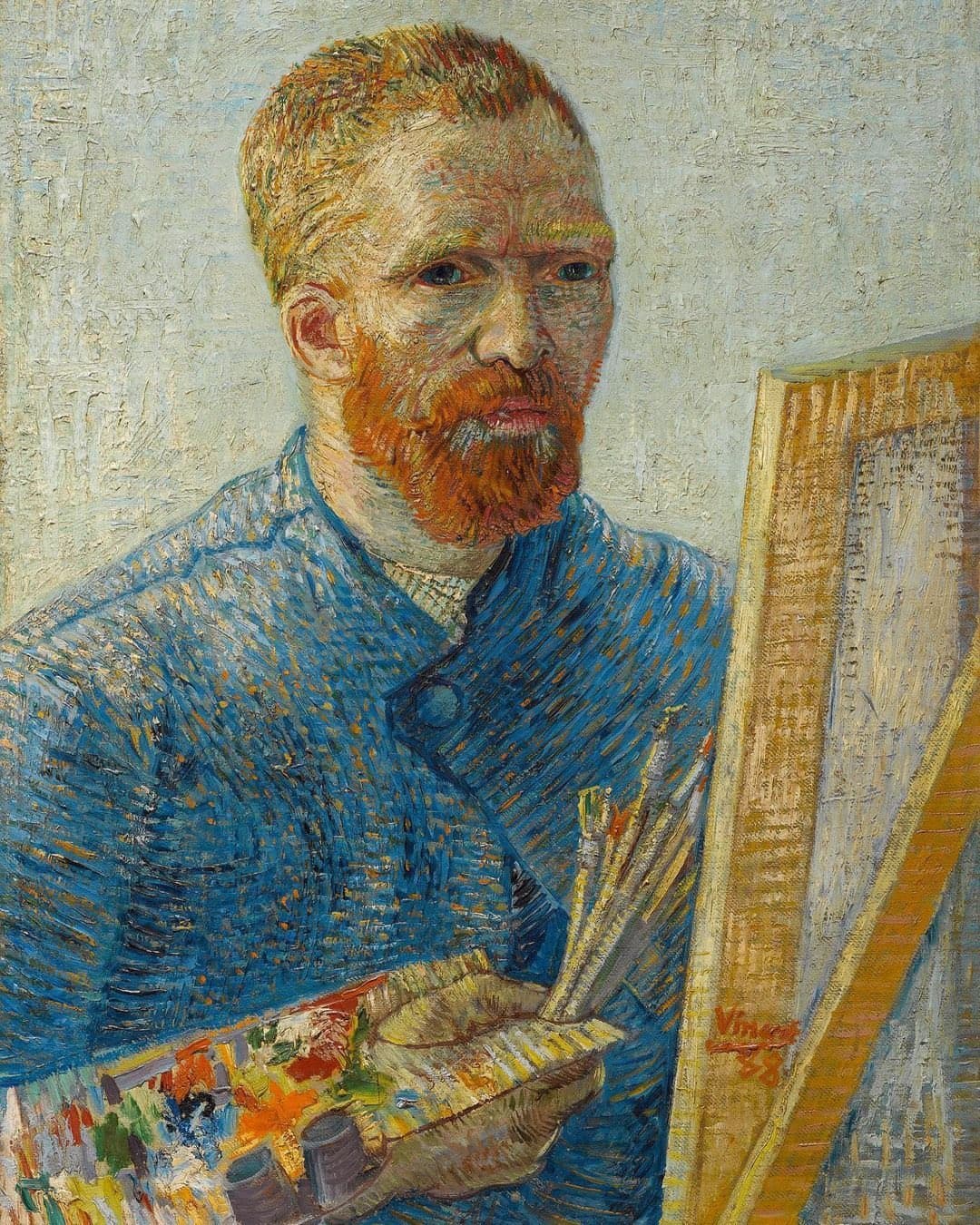
Self-Portrait as a Painter
Vincent van Gogh · 1887–88
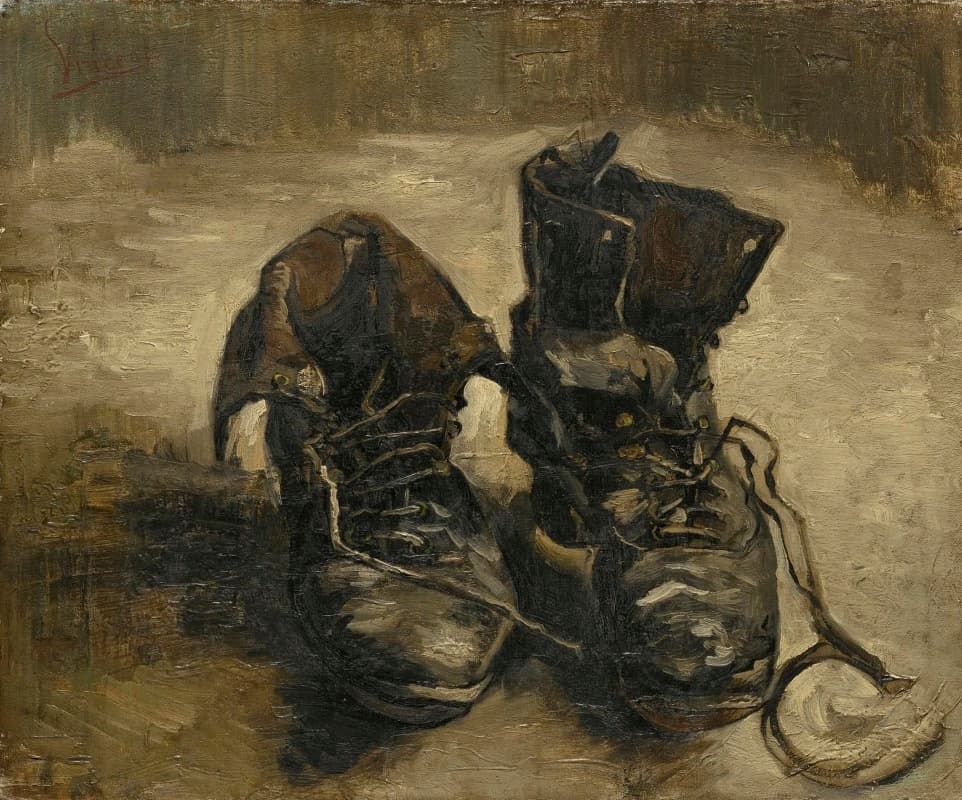
Shoes
Vincent van Gogh · 1886
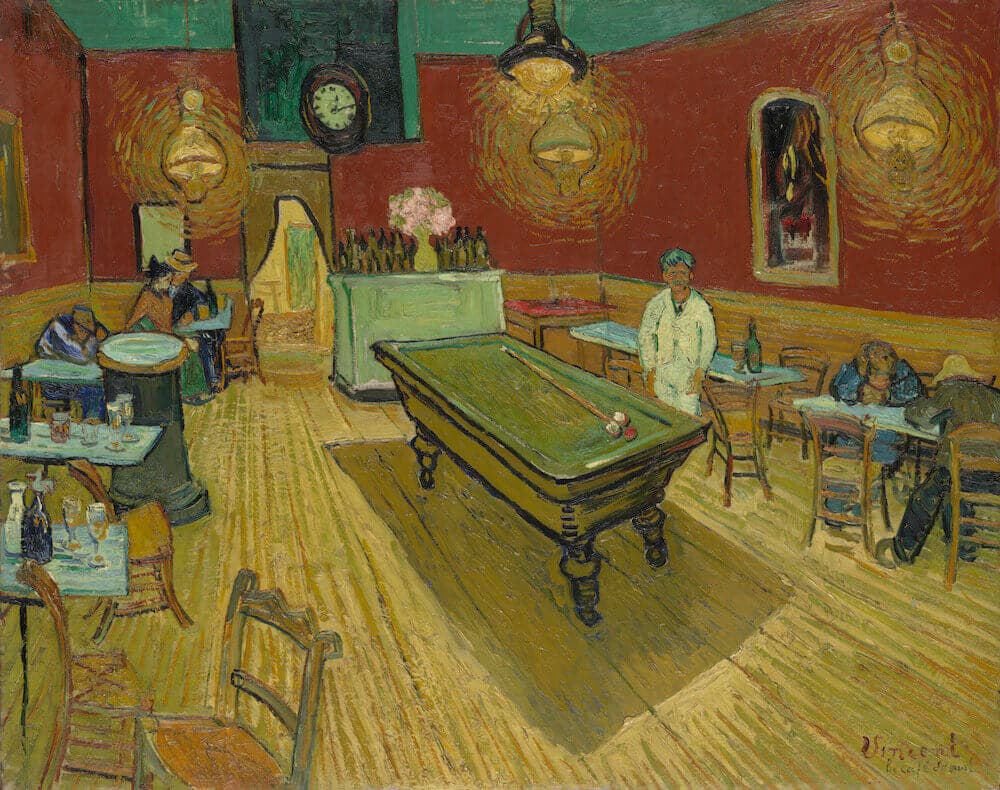
The Night Café
Vincent van Gogh · 1888
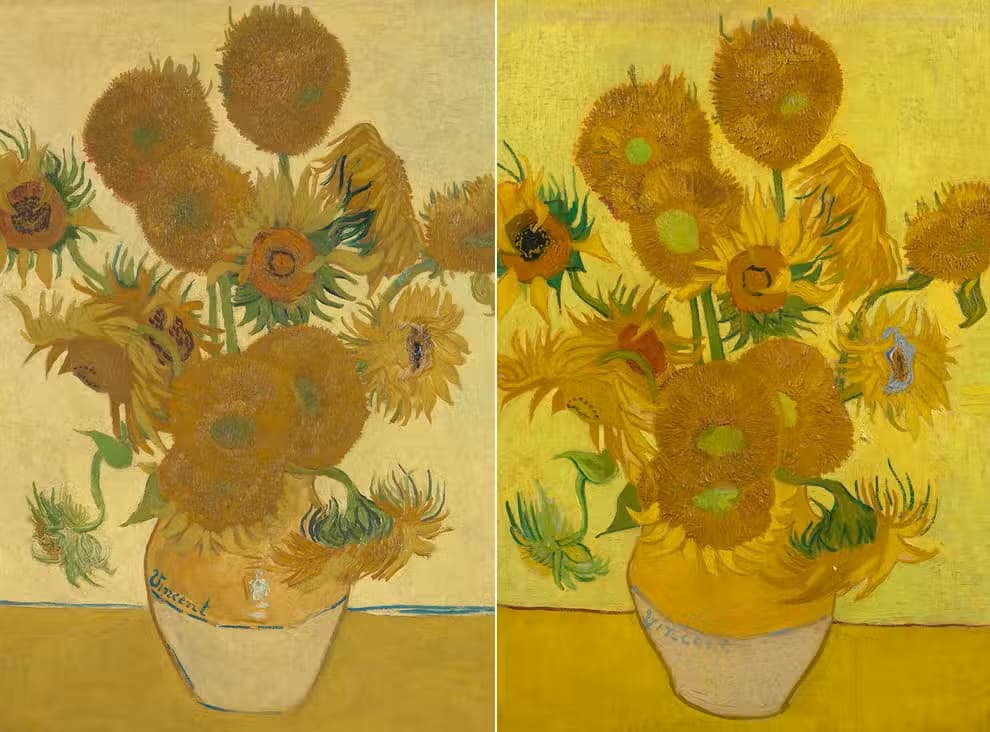
Sunflowers
Vincent van Gogh · 1888–89
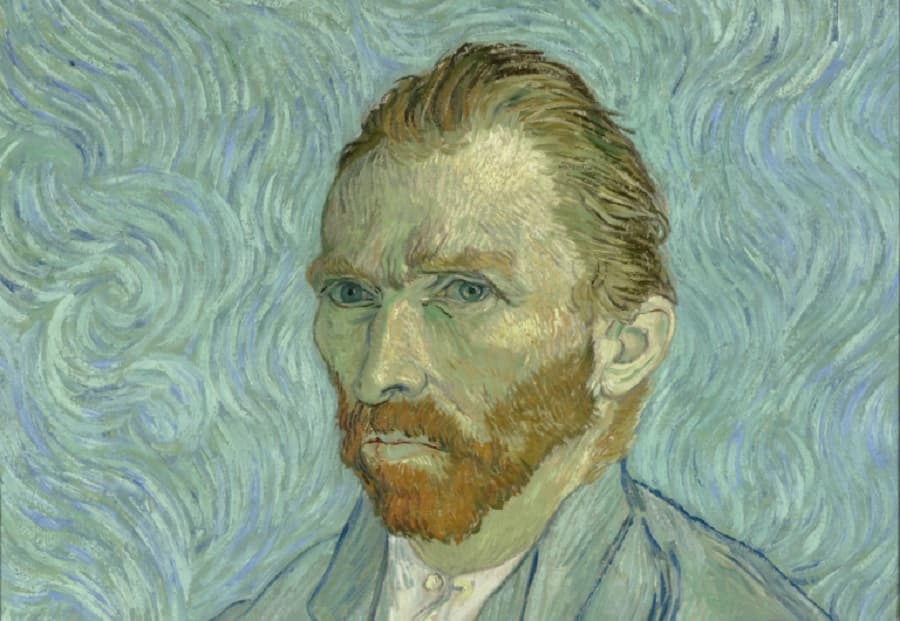
Self-Portrait (1889, Musée d'Orsay)
Vincent van Gogh · 1889
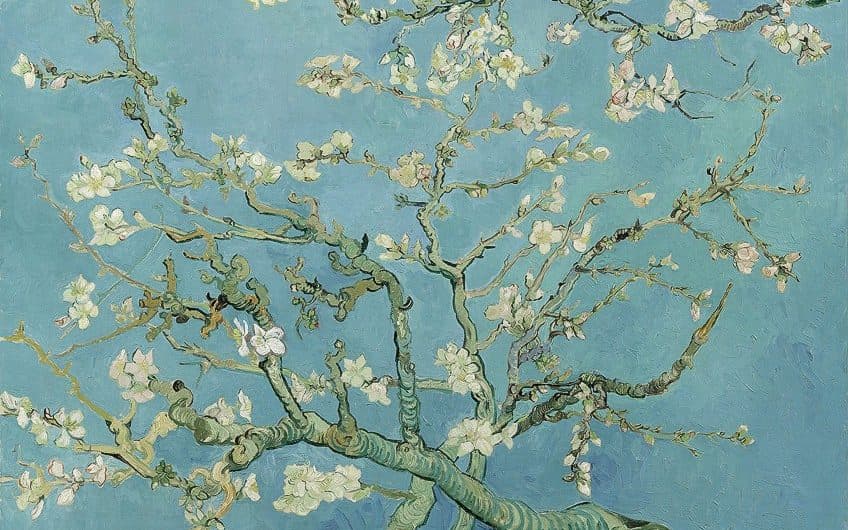
Almond Blossom
Vincent van Gogh · 1890
Vincent van Gogh was a Dutch painter, born in Zundert in the south of the Netherlands in 1853, who became one of the most influential and best-loved artists in history, although he sold almost nothing in his lifetime. In a career of only about ten years he made some 860 oil paintings and more than 1,200 drawings, moving from dark peasant scenes to the blazing color and thick, rhythmic brushwork of Arles and Saint-Rémy. He died at Auvers-sur-Oise in 1890, at the age of 37.
Life in brief
Van Gogh was the son of a Protestant minister. He worked first for the art dealers Goupil & Cie in The Hague, London and Paris, then tried teaching and preaching, including a period as a lay evangelist among miners in the Borinage in Belgium. He decided to become an artist in 1880, at 27, supported throughout by his younger brother Theo, an art dealer in Paris. He taught himself largely by drawing, and his early paintings culminated in The Potato Eaters (1885).
In the winter of 1885–86 he studied briefly at the academy in Antwerp, then moved to Paris to live with Theo. There he met Impressionists and younger painters, and his palette brightened. In February 1888 he went south to Arles, where he painted the Sunflowers, The Night Café and many of his best-known works. Paul Gauguin joined him in October; their partnership ended in December 1888 after Van Gogh, in a mental crisis, cut off part of his own ear. In May 1889 he admitted himself to the asylum of Saint-Paul-de-Mausole in Saint-Rémy-de-Provence, where he painted The Starry Night and Irises. In May 1890 he moved to Auvers-sur-Oise, near Paris, under the care of Dr. Paul Gachet. He shot himself in a wheatfield on 27 July 1890 and died two days later. Theo died six months afterward.
Style and technique
Van Gogh used color for expression rather than description: complementary pairs such as blue and orange, red and green, yellow and violet, set side by side at full strength. His brushstrokes are visible and directional, laid on thickly so that skies swirl, fields ripple and cypresses flicker like flames. He drew constantly, often with a reed pen, and many of his compositions were worked out on paper first.
The skeleton with a cigarette
The work most searched under his name on this site is Head of a Skeleton with a Burning Cigarette, a small oil painted in Antwerp in early 1886, now in the Van Gogh Museum in Amsterdam. It shows a skull and upper spine against a dark ground, with a lit cigarette clamped in its teeth. It was almost certainly a student joke: drawing from skeletons was a standard academy exercise, and Van Gogh mocked its dryness by giving his model a smoke. It is sometimes also read as a grim memento mori from a heavy smoker in poor health. It is not by Picasso, despite frequent searches pairing the two.
Key works in the catalogue
- The Starry Night (June 1889, Museum of Modern Art, New York): the view from his asylum window at Saint-Rémy, transformed into a turbulent night sky over a sleeping village.
- Sunflowers (1888–89): the series of still lifes of sunflowers in a vase painted in Arles to decorate Gauguin's room; versions are in London, Amsterdam, Munich, Philadelphia and Tokyo.
- Irises (May 1890, Van Gogh Museum): a bouquet of violet irises against a yellow wall, painted in his last days at Saint-Rémy.
- Almond Blossom (1890, Van Gogh Museum): white blossoms on branches against a turquoise sky, painted to celebrate the birth of Theo's son, named Vincent.
- The Night Café (1888, Yale University Art Gallery): an all-night café in Arles in clashing reds and greens, which he said expressed "the terrible passions of humanity."
- A Pair of Shoes (1886, Van Gogh Museum): worn work boots painted in Paris, later the subject of a famous essay by the philosopher Martin Heidegger.
- At Eternity's Gate (1890, Kröller-Müller Museum): an old man bent forward with his face in his fists, reworked from a drawing of 1882.
- Self-Portrait as a Painter (1887–88, Van Gogh Museum) and Van Gogh Self-Portrait: two of the more than thirty self-portraits he made, mostly in Paris when he could not afford models.
- Portrait of Theo van Gogh (1887): a small painting long catalogued as a self-portrait, which some scholars now believe shows his brother.
- The Letters of Vincent van Gogh: the roughly 820 surviving letters, most to Theo, many with sketches, which are our main source for his thinking.
- Starry Night (Atelier des Lumières): the 2019 immersive exhibition in Paris that projected his paintings across a former foundry.
Influence
Van Gogh's expressive color and brushwork shaped Fauvism and German Expressionism, and his life, documented in his letters and published by Theo's widow, Jo van Gogh-Bonger, became the model of the misunderstood artist. Today his paintings are among the most reproduced images in the world.
Where to see his work
The Van Gogh Museum in Amsterdam holds the largest collection, including most of the letters. The Kröller-Müller Museum in Otterlo has the second largest. Other major works are in the Museum of Modern Art in New York, the National Gallery in London, the Musée d'Orsay in Paris and the Art Institute of Chicago. Explore more in Famous Van Gogh Paintings.
Questions & answers
Did Van Gogh paint a skeleton smoking a cigarette?
Yes. Head of a Skeleton with a Burning Cigarette is a small oil Van Gogh painted in Antwerp in early 1886, while studying at the art academy there. It is now in the Van Gogh Museum, Amsterdam.
Why did Van Gogh paint a skull with a cigarette?
It was most likely a student joke mocking the academy's practice of drawing from skeletons. Some also read it as a dark memento mori by a heavy smoker in poor health. Van Gogh left no explanation in his letters.
Where is Van Gogh's Irises?
Van Gogh painted irises several times. The vase of irises against a yellow background (May 1890) is in the Van Gogh Museum, Amsterdam; the 1889 garden of irises is in the J. Paul Getty Museum, Los Angeles.
Where is The Starry Night?
The Starry Night, painted in June 1889 at the asylum in Saint-Rémy-de-Provence, is in the Museum of Modern Art in New York.
How many paintings did Van Gogh sell?
Van Gogh is often said to have sold only one painting, The Red Vineyard, in his lifetime. That oversimplifies slightly, as a few other works changed hands, but he earned almost nothing from his art and depended on Theo's support.