Post-Impressionism
Shoes
Vincent van Gogh, 1886
Shoes (A Pair of Shoes) is Vincent van Gogh's 1886 still life of a battered pair of work boots, painted in Paris. Later made famous by the philosopher Martin Heidegger's essay, it is in the Van Gogh Museum, Amsterdam.
- Artist
- Vincent van Gogh
- Date
- 1886
- Medium
- Oil on canvas
- Dimensions
- 37.5 × 45 cm
- Collection
- Van Gogh Museum, Amsterdam, Netherlands
- Movement
- Post-Impressionism
Vincent van Gogh painted Shoes in Paris in the autumn of 1886, a few months after he moved there to live with his brother Theo. The small canvas, about 37.5 by 45 centimeters, is in the Van Gogh Museum in Amsterdam (Vincent van Gogh Foundation). It is the first and best known of several still lifes of old shoes he painted in Paris, and in the twentieth century it became one of the most discussed paintings in philosophy.
What you are looking at
A pair of worn leather work boots stands on a bare floor, seen from slightly above. The left boot is turned toward us, its upper collapsed and folded over to one side, showing the pale lining. The right boot stands more upright, its tongue sticking up and its long laces untied, one lace trailing off to the right and curling on the floor.
The leather is cracked, creased and scuffed. Van Gogh paints the creases in thick strokes of dark brown and black, with highlights of ochre and gray-white on the toe caps and eyelets, so that the boots seem shaped by years of walking. A dark shadow pools beneath them.
The background is a muddy olive and gray-brown, darker at the top, with the floor a lighter beige. In the upper left corner, the signature "Vincent" is written in red, almost the only bright color in the picture.
How it was made
The painting still belongs to Van Gogh's dark, earthy Dutch manner, close to The Potato Eaters of 1885, though the handling is looser and more confident. According to a fellow student at the studio of Fernand Cormon in Paris, Van Gogh bought the boots at a flea market and, finding them too clean, wore them on a walk in the rain until they were muddy enough to paint. The story may be embellished, but it fits his wish to paint objects marked by use and labor.
The Heidegger debate
In his essay "The Origin of the Work of Art" (1935–36), the German philosopher Martin Heidegger described a Van Gogh painting of shoes as the shoes of a peasant woman, through which the whole world of her labor in the fields is revealed. In 1968 the art historian Meyer Schapiro objected that the painting Heidegger saw was most likely of Van Gogh's own shoes, the shoes of a city-dwelling artist, not a peasant. The philosopher Jacques Derrida later wrote at length on the exchange. The debate made this modest still life a touchstone for questions about what paintings reveal.
Where to see it
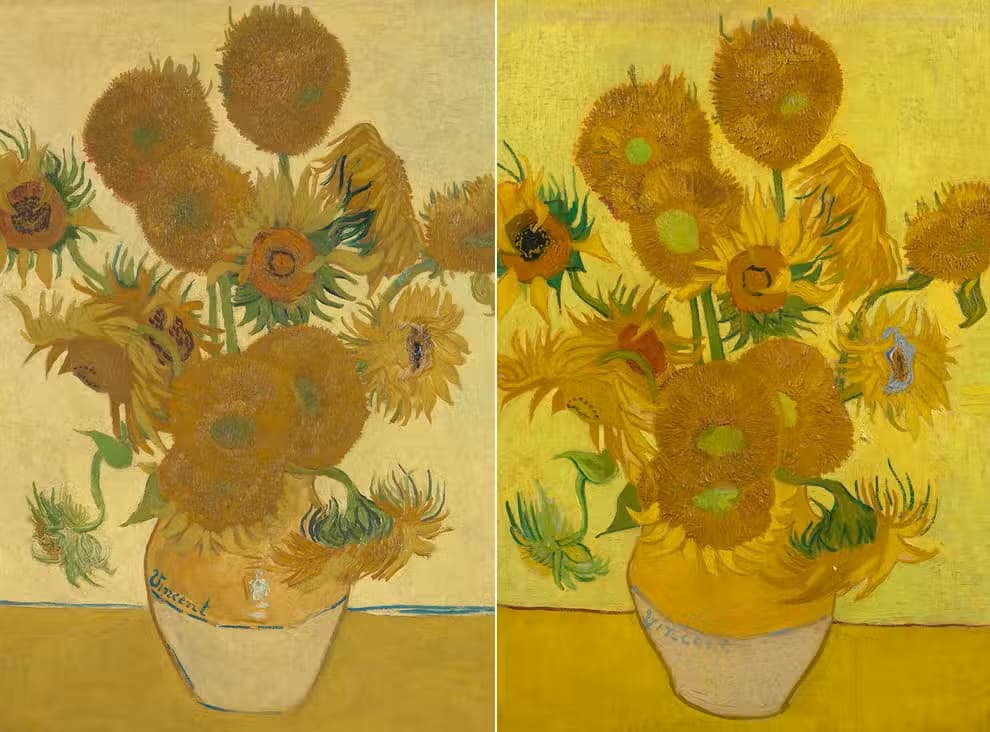
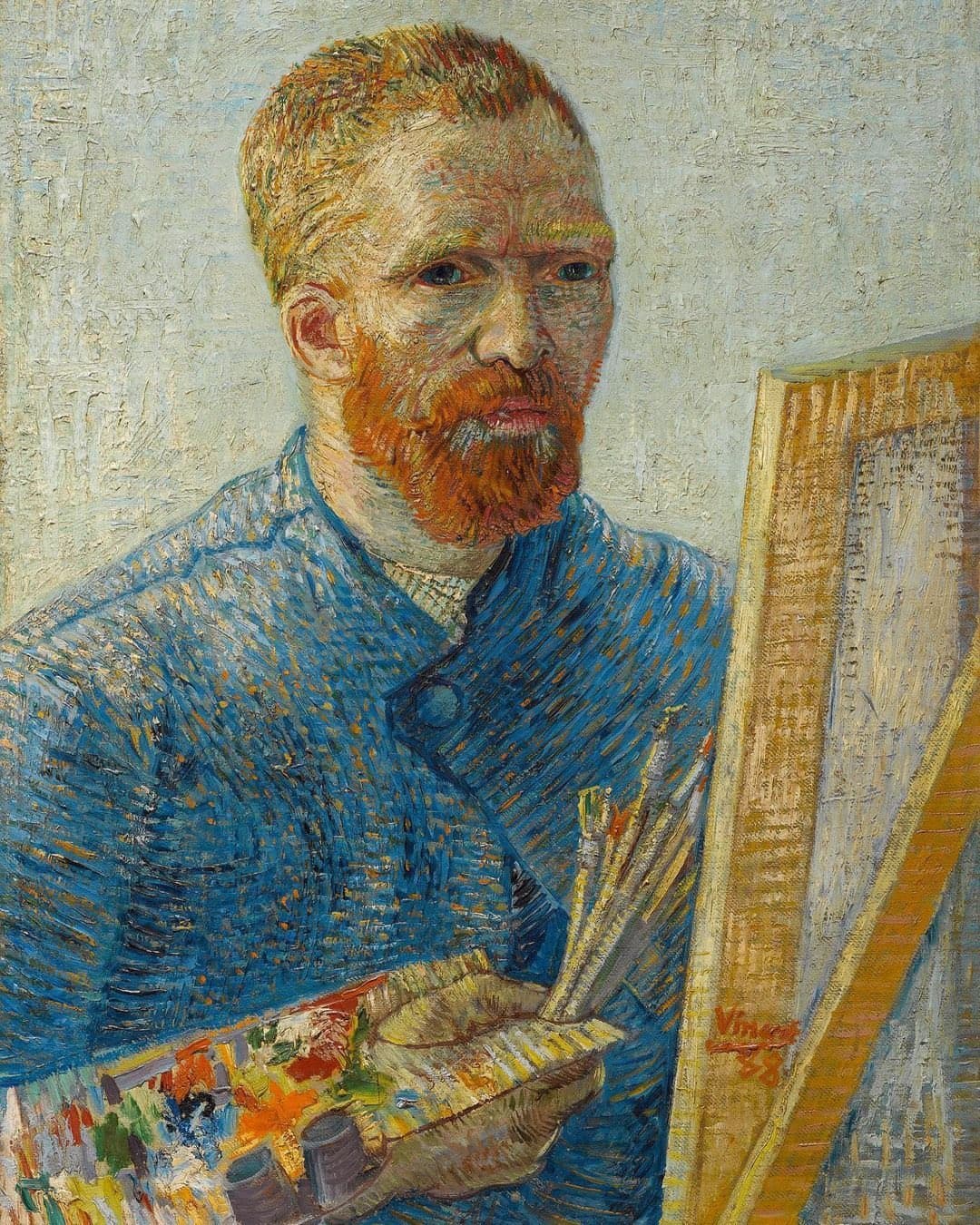
The painting is in the Van Gogh Museum, Amsterdam. See also Sunflowers, Self-Portrait as a Painter and our famous Van Gogh paintings.
Questions & answers
Where is Van Gogh's Pair of Shoes?
This 1886 painting, titled Shoes, is in the Van Gogh Museum in Amsterdam, owned by the Vincent van Gogh Foundation. Van Gogh painted several other still lifes of shoes in Paris and Arles, which are in museums including the Baltimore Museum of Art and the Metropolitan Museum of Art.
Whose shoes did Van Gogh paint?
The philosopher Martin Heidegger described them as a peasant woman's shoes, but the art historian Meyer Schapiro argued they were Van Gogh's own. A fellow student in Paris recalled that Van Gogh bought old boots at a flea market and wore them in the rain before painting them.
Why is Van Gogh's Shoes famous?
Beyond being an early Paris still life, it became central to philosophy after Heidegger used it in his essay The Origin of the Work of Art. Meyer Schapiro's critique and Jacques Derrida's later response turned it into a classic case in debates about meaning in art.
More by the artist
Vincent van Gogh
Head of a Skeleton with a Burning Cigarette
Vincent van Gogh · 1886
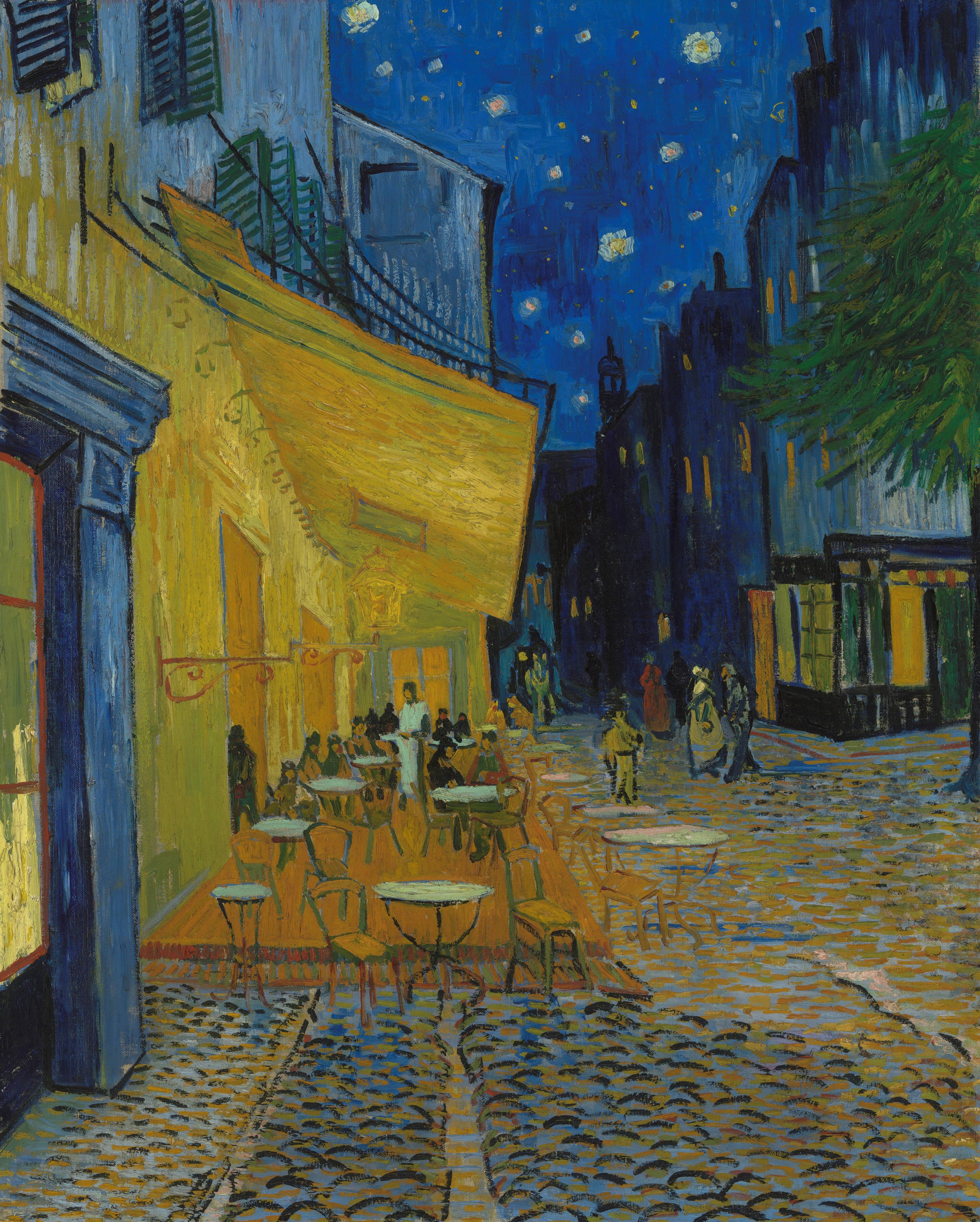
Café Terrace at Night
Vincent van Gogh · September 1888
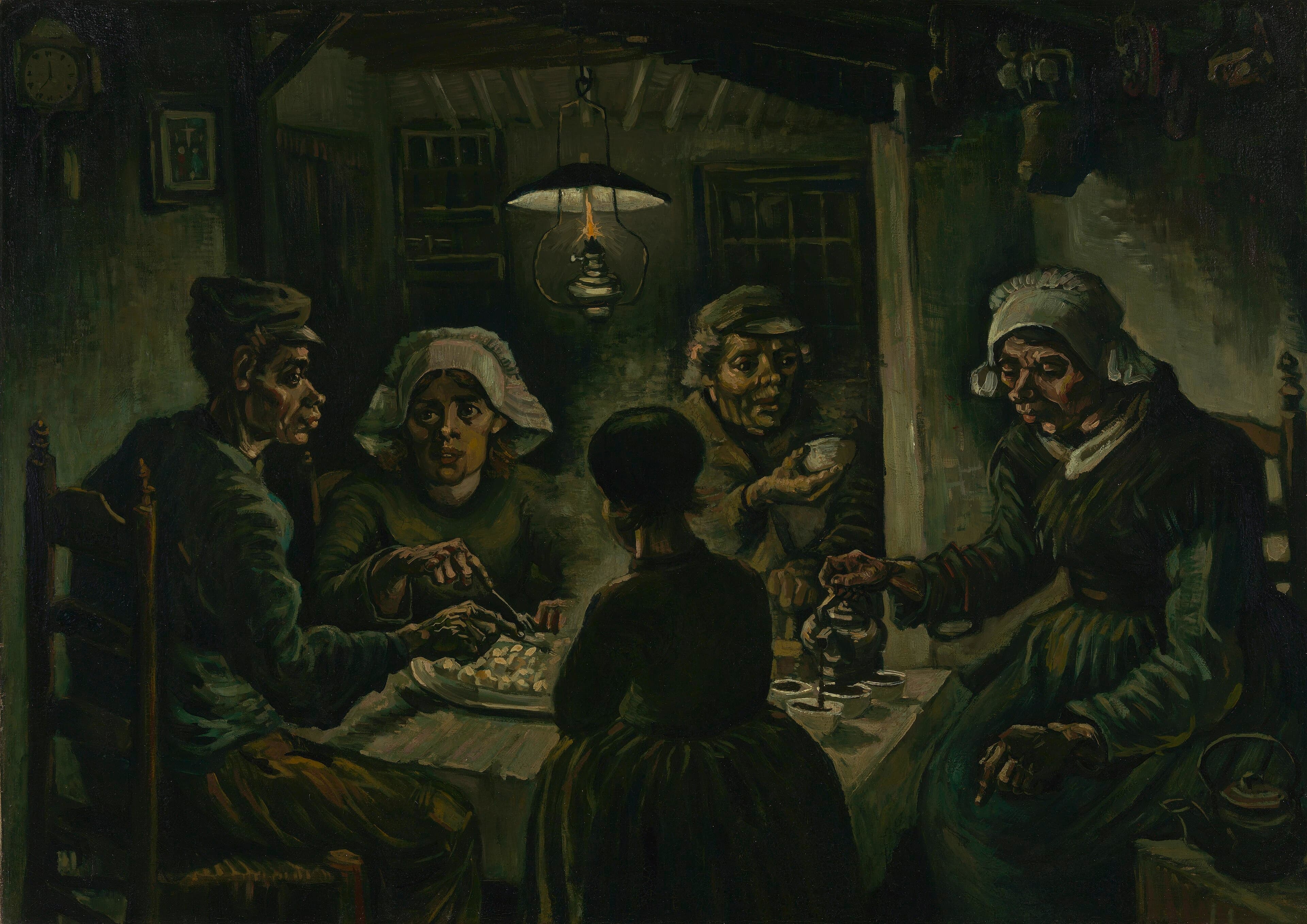
The Potato Eaters
Vincent van Gogh · April–May 1885
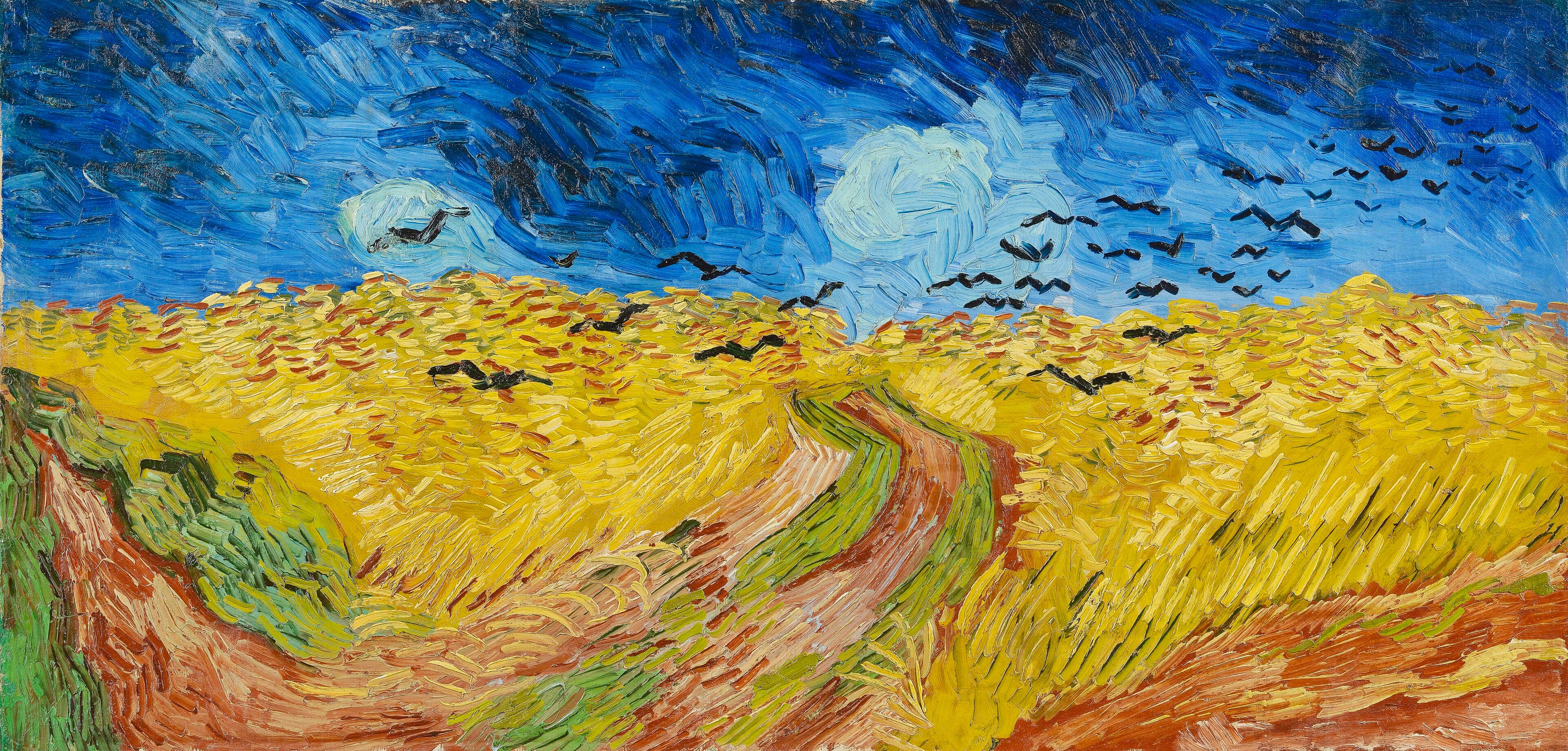
Wheatfield with Crows
Vincent van Gogh · July 1890
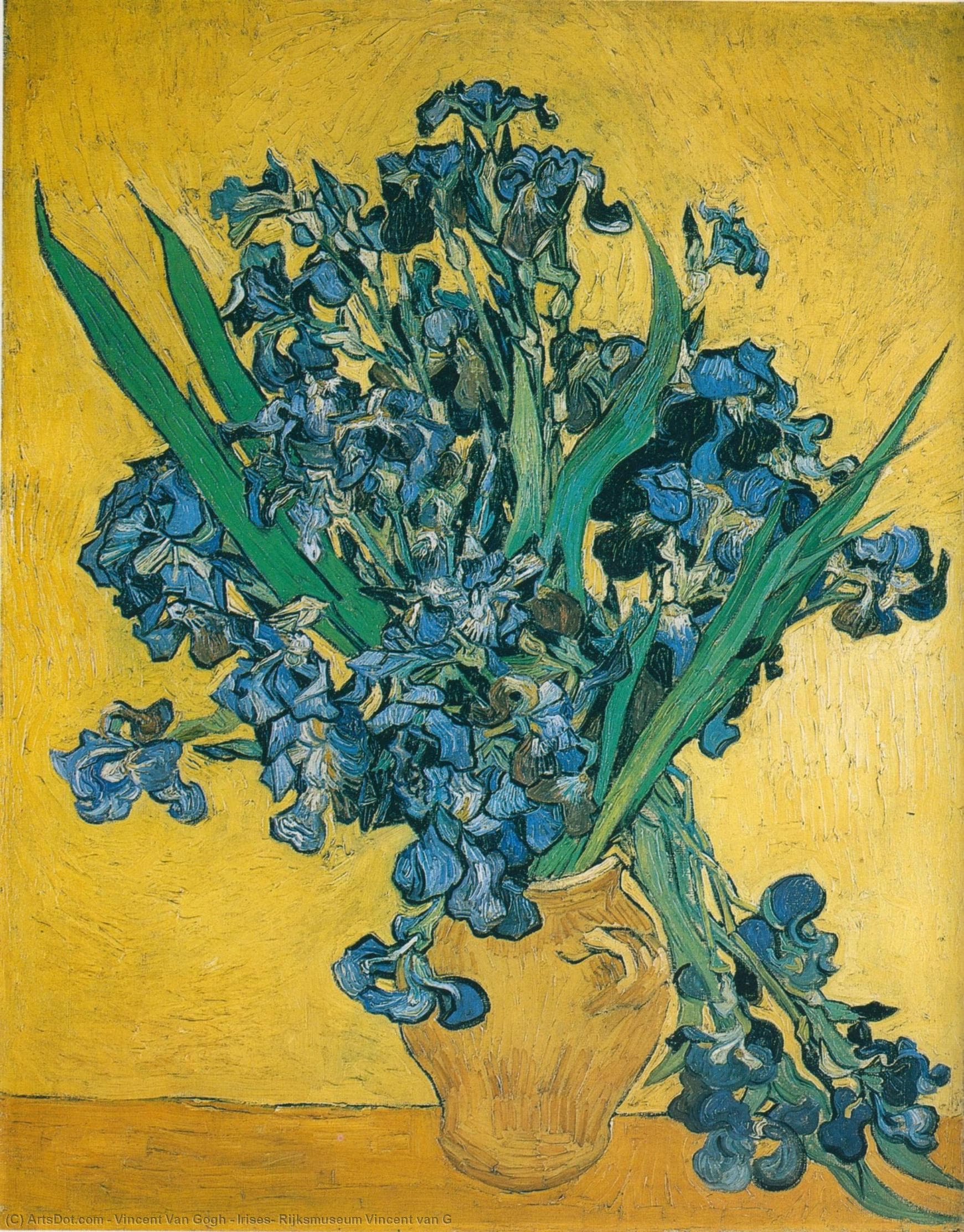
Irises (Vase with Irises Against a Yellow Background)
Vincent van Gogh · 1890
At Eternity's Gate
Vincent van Gogh · 1890
The Starry Night (van Gogh)
Vincent van Gogh · 1889
Portrait of Theo van Gogh (Self-Portrait with Grey Felt Hat)
Vincent van Gogh · 1887
Kindred works