Post-Impressionism
Self-Portrait (1889, Musée d'Orsay)
Vincent van Gogh, 1889
This Self-Portrait is a painting Vincent van Gogh made in September 1889 at the asylum in Saint-Rémy-de-Provence, showing himself in a blue suit against a swirling blue background. It is in the Musée d'Orsay, Paris.
- Artist
- Vincent van Gogh
- Date
- 1889
- Medium
- Oil on canvas
- Dimensions
- 65 × 54.2 cm
- Collection
- Musée d'Orsay, Paris, France
- Movement
- Post-Impressionism
What you are looking at
Van Gogh shows himself in three-quarter view, turned slightly to the left, in a pale blue jacket and waistcoat. His hair and beard are orange and red, his skin a range of yellow, green and pink. His expression is set and wary; the eyes are narrowed, the mouth closed, the head held very still.
Behind him, the background is alive. Pale blue and turquoise strokes curl into spirals and waves across the entire surface. The same rhythm continues into his jacket, so that figure and ground are made of one material. Only the face, painted with denser, more carefully placed strokes, stands apart from the movement.
Saint-Rémy, September 1889
Van Gogh admitted himself to the asylum of Saint-Paul-de-Mausole near Saint-Rémy-de-Provence in May 1889, after the crises he had suffered in Arles. In July he had another severe attack, and for weeks he could not work. When he recovered in late August and September, one of the first things he did was paint himself. In a letter to his brother Theo he described working on two self-portraits, one begun on the first day he got up.
This canvas, catalogued as F627 by de la Faille, is usually dated to September 1889, and is often described as one of his last self-portraits. Only a handful are known from Saint-Rémy.
Close looking
The color system is simple and deliberate. Almost the whole canvas is cool blue, and against it Van Gogh sets the hot orange of the hair and beard, its complementary color. The effect is to make the head burn against the background.
Look at the brushwork in the face. Short strokes follow the planes of the forehead and cheek, and there are green shadows around the eyes and in the hollow of the cheek. Where the background meets the jacket, the swirling strokes pass across the outline, which makes the figure seem to vibrate. The same rhythm appears in The Starry Night, painted at the asylum a few months earlier.
Provenance and where to see it
The painting belonged to Dr. Paul Gachet, the physician who cared for Van Gogh at Auvers-sur-Oise in 1890. His son and daughter, Paul and Marguerite Gachet, gave it to the French state in 1949. It is in the Musée d'Orsay (RF 1949 17).
Compare it with Self-Portrait as a Painter from Paris and the portrait of his brother Theo van Gogh, and see Famous Van Gogh Paintings.
Questions & answers
Where is Van Gogh's 1889 self-portrait with the swirling background?
It is in the Musée d'Orsay in Paris (RF 1949 17). It was given to the French state in 1949 by Paul and Marguerite Gachet, the children of Dr. Paul Gachet, who treated Van Gogh at Auvers-sur-Oise in the last months of his life.
Is this Van Gogh's last self-portrait?
It is one of the last. Van Gogh painted it at the Saint-Rémy asylum in September 1889, after recovering from a severe crisis, and he made very few self-portraits after that. Scholars debate which of his Saint-Rémy self-portraits came last.
Why is the background swirling?
In 1889 Van Gogh was painting with rhythmic, curving strokes, as in The Starry Night. Here the swirls fill the blue background and run into his jacket, setting the still, closely painted face against a field of movement, which many viewers read as a sign of his inner state.
More by the artist
Vincent van Gogh
Head of a Skeleton with a Burning Cigarette
Vincent van Gogh · 1886
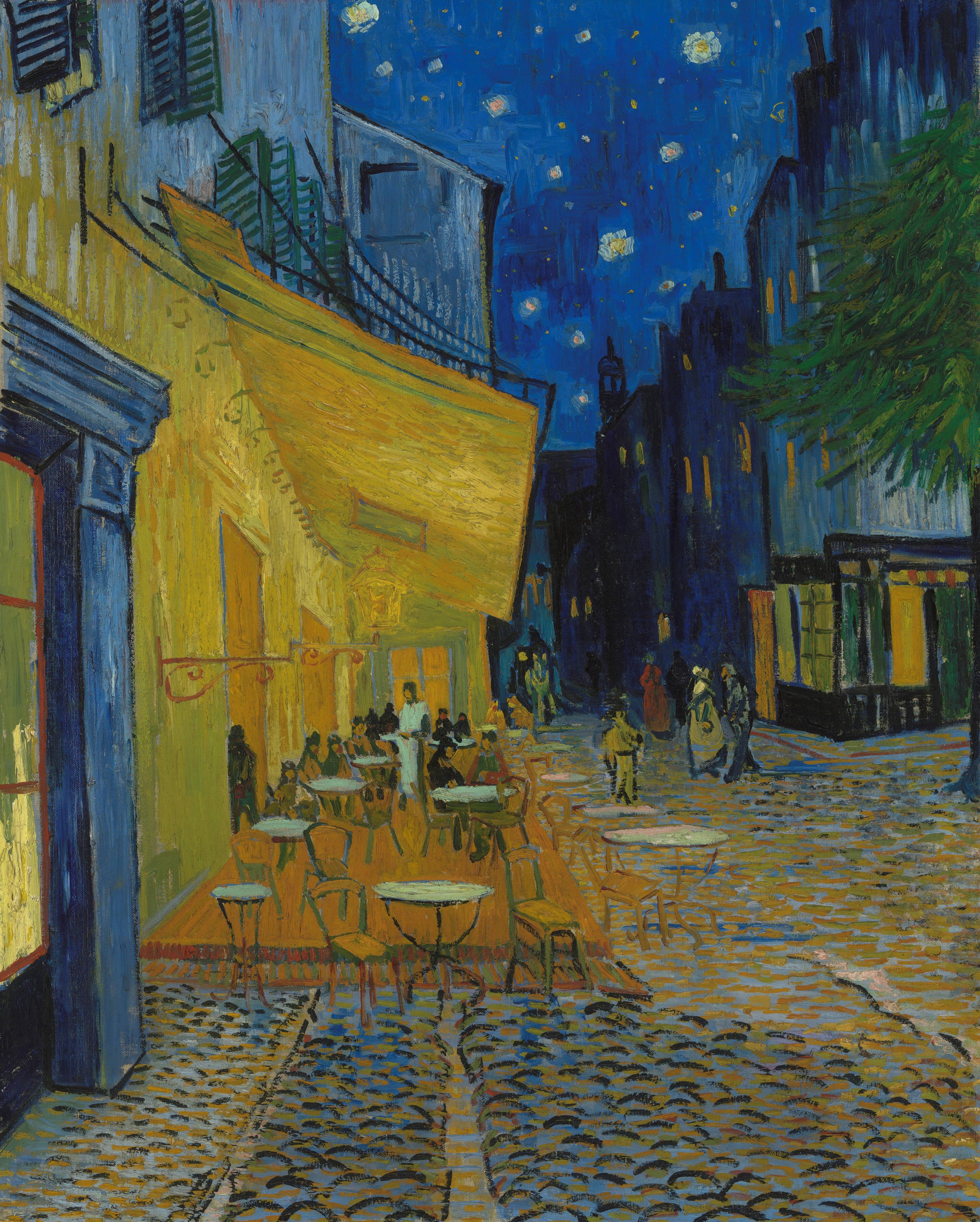
Café Terrace at Night
Vincent van Gogh · September 1888
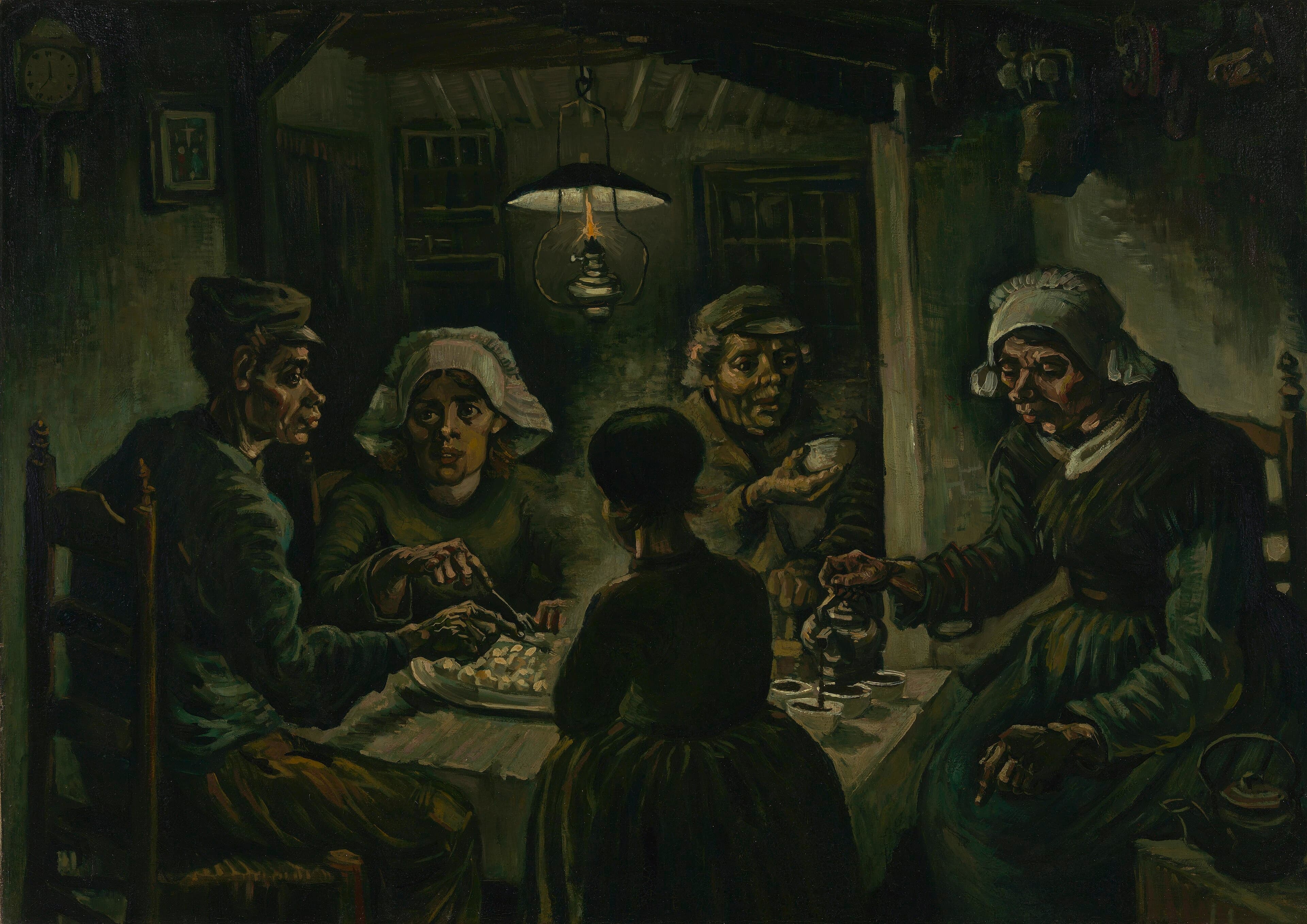
The Potato Eaters
Vincent van Gogh · April–May 1885
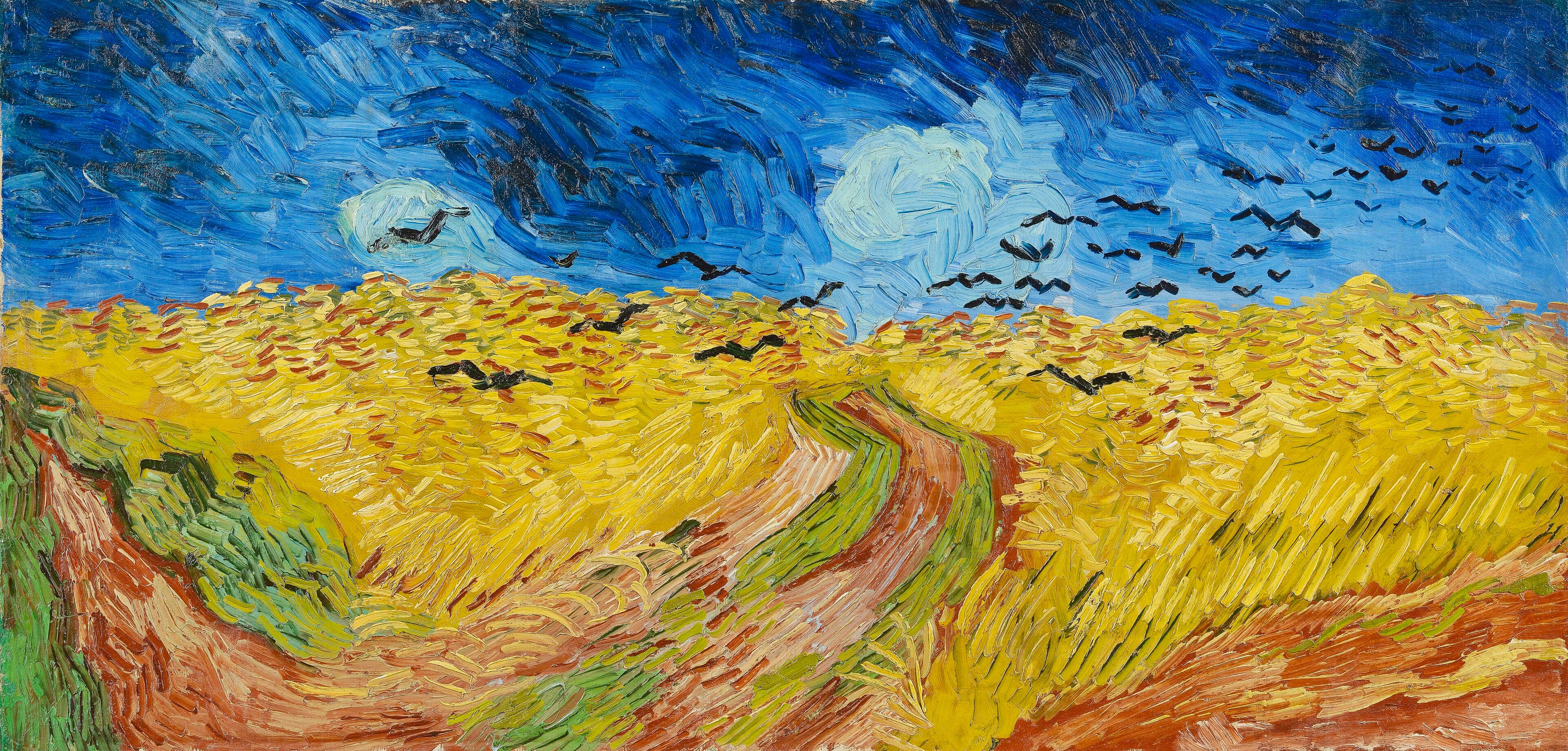
Wheatfield with Crows
Vincent van Gogh · July 1890
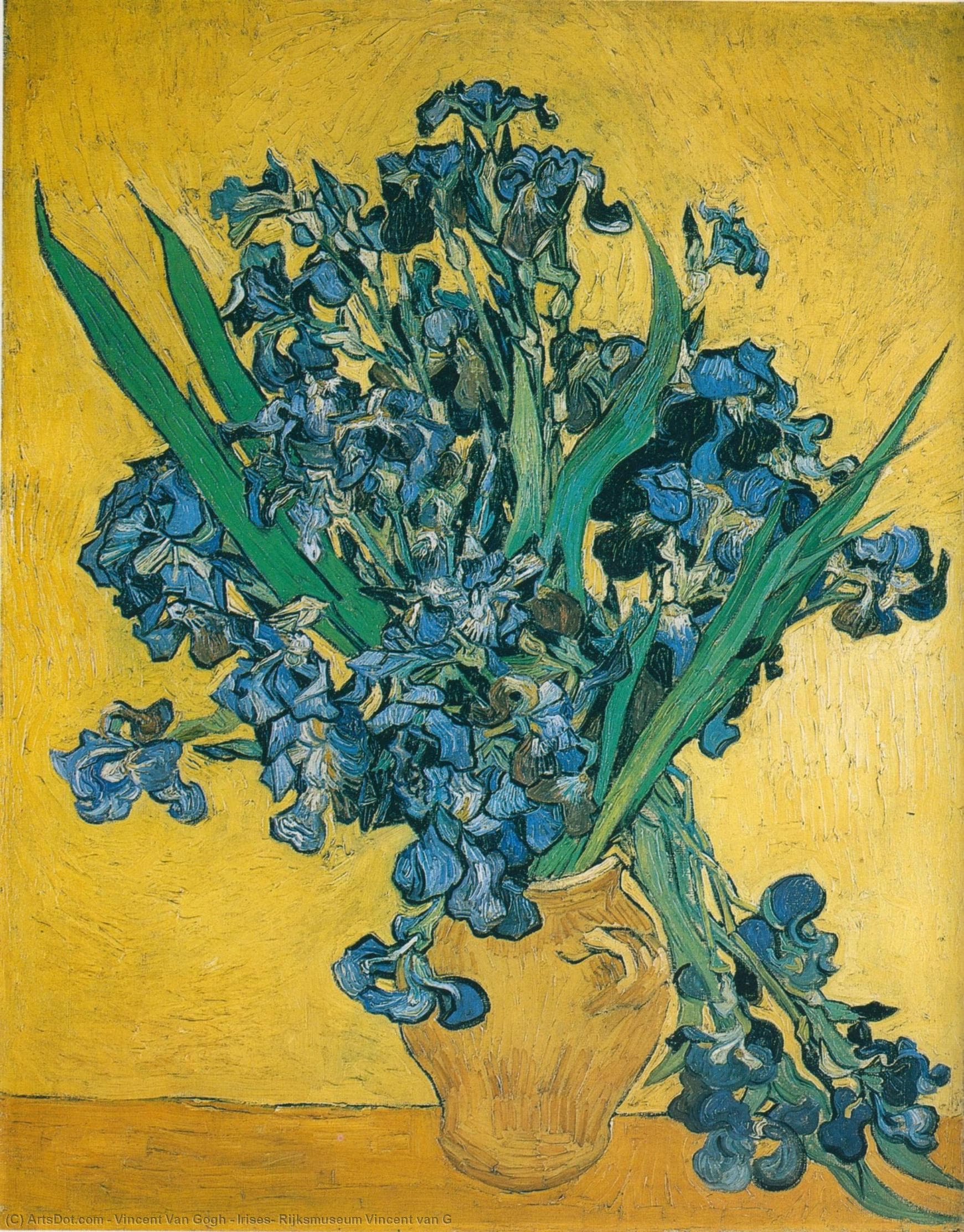
Irises (Vase with Irises Against a Yellow Background)
Vincent van Gogh · 1890
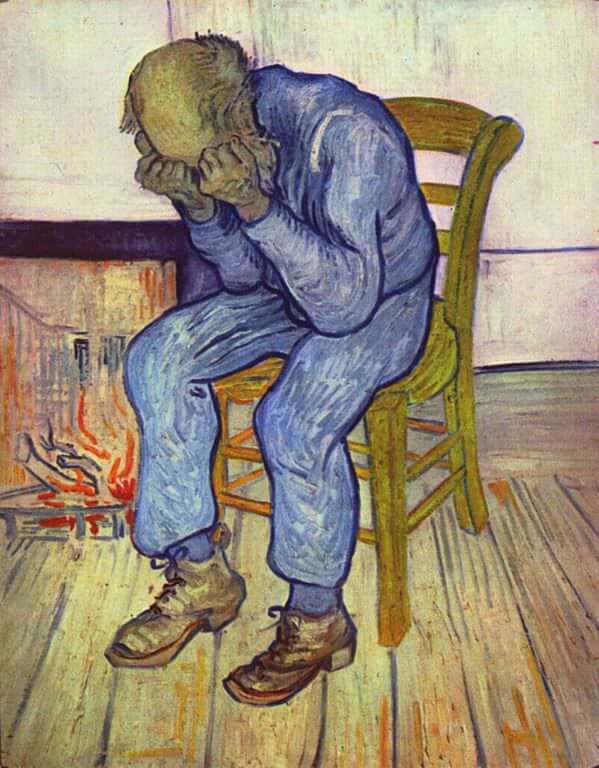
At Eternity's Gate
Vincent van Gogh · 1890
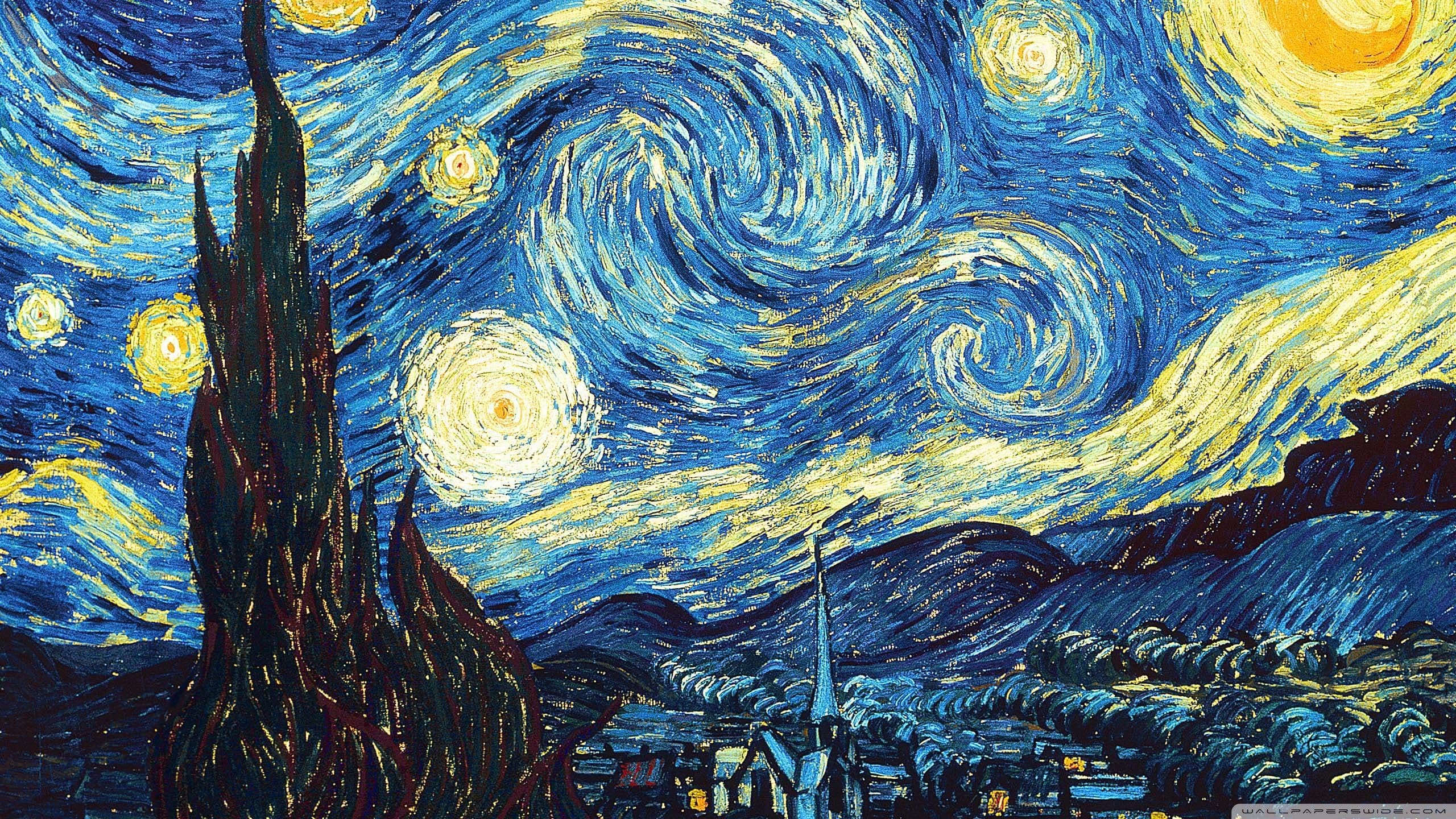
The Starry Night (van Gogh)
Vincent van Gogh · 1889
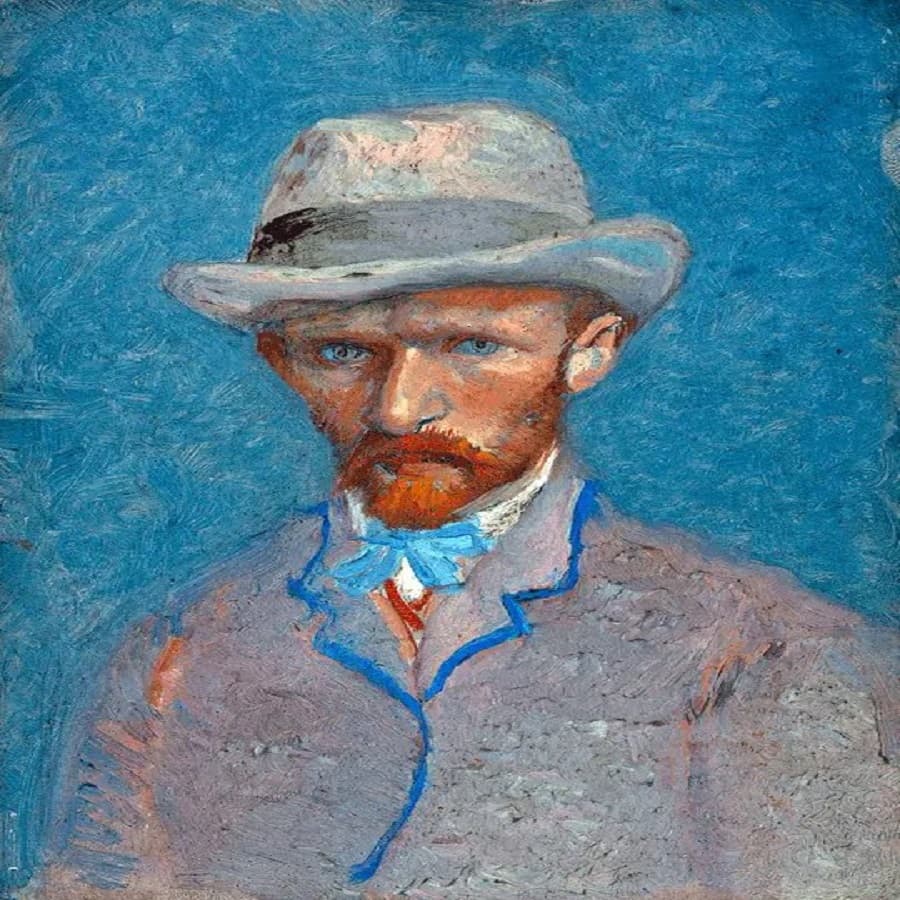
Portrait of Theo van Gogh (Self-Portrait with Grey Felt Hat)
Vincent van Gogh · 1887
Kindred works
You may also study
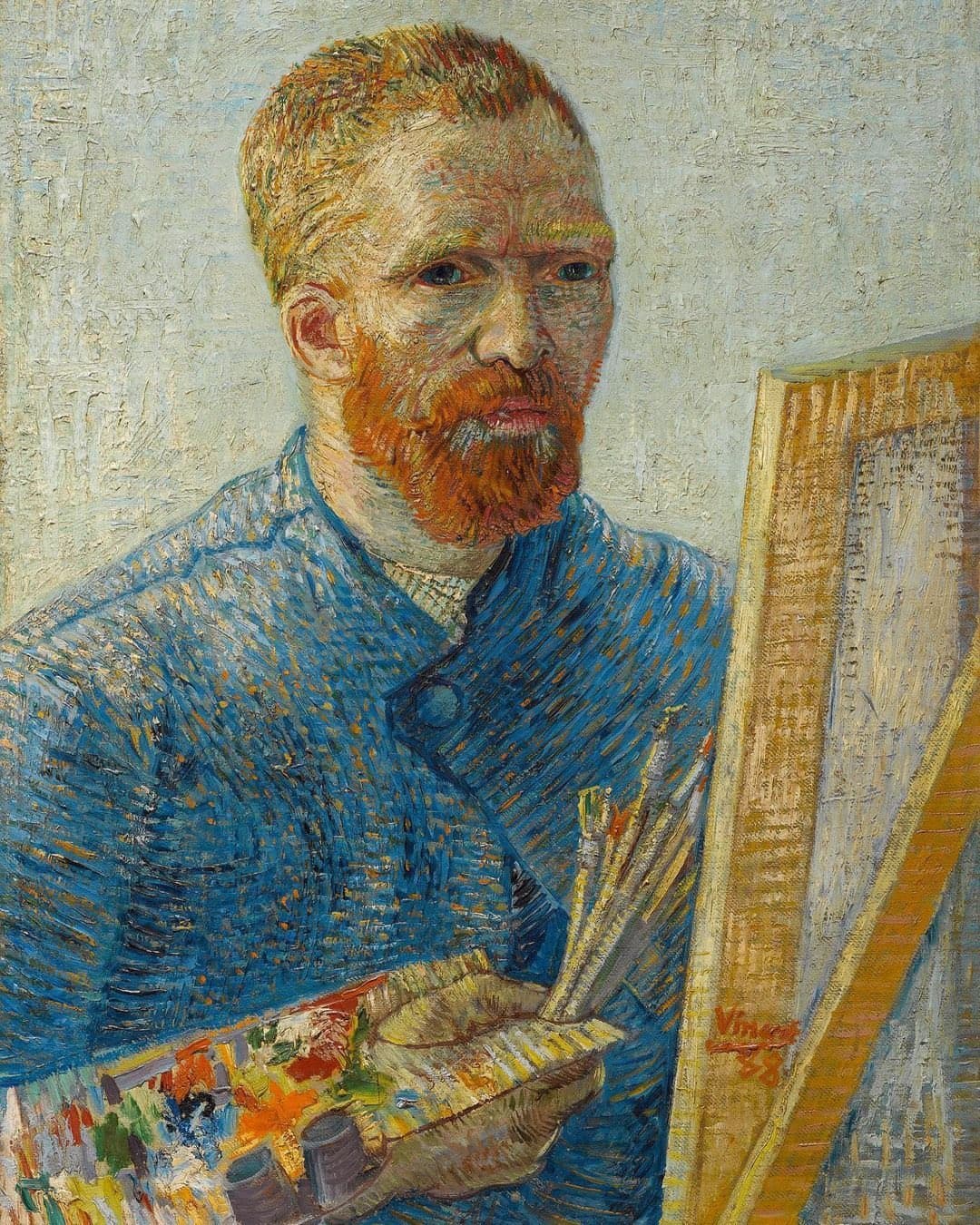
Self-Portrait as a Painter
Vincent van Gogh · 1887–88

Woman with a Parasol – Madame Monet and Her Son
Claude Monet · 1875
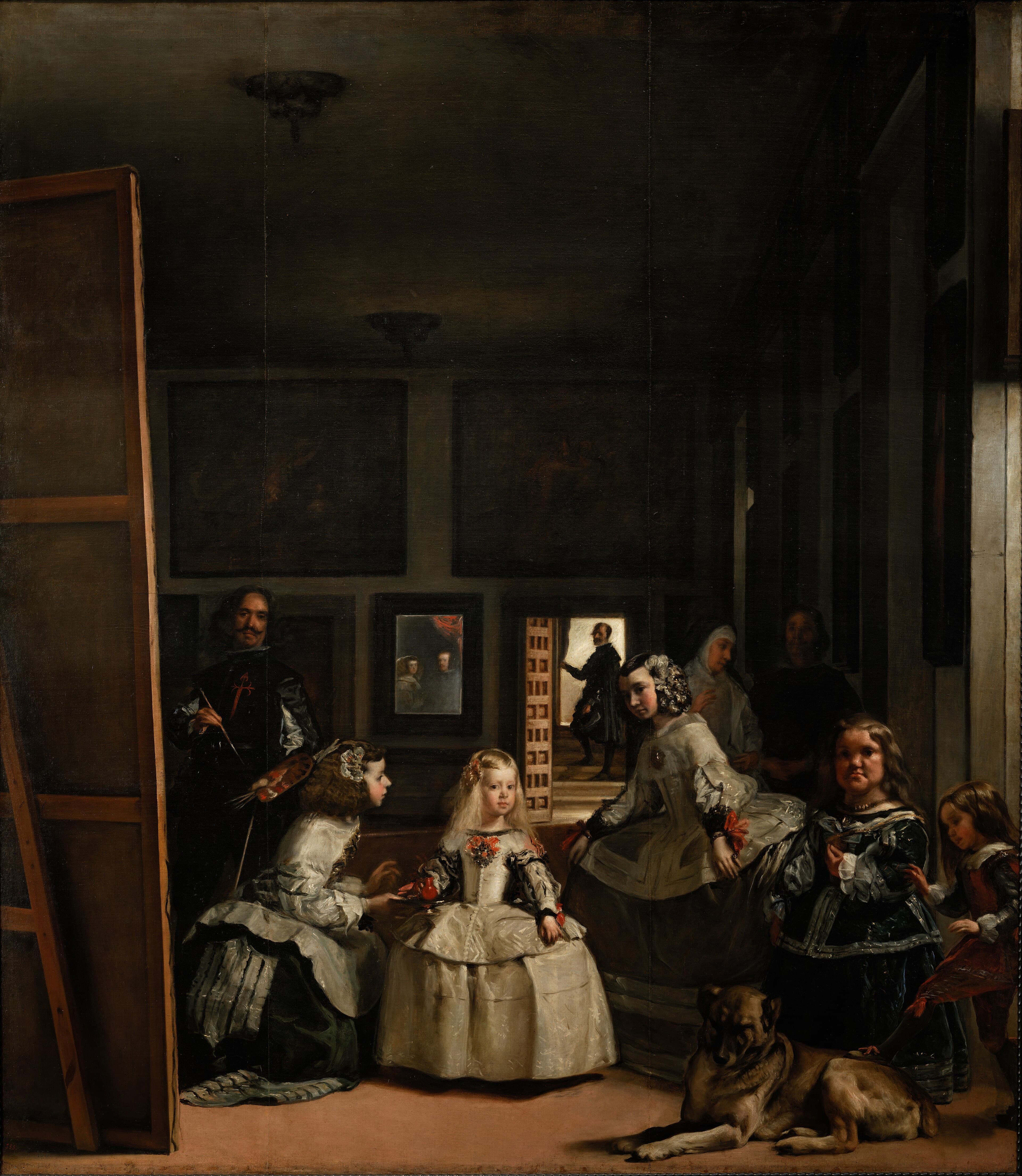
Las Meninas
Diego Velázquez · 1656
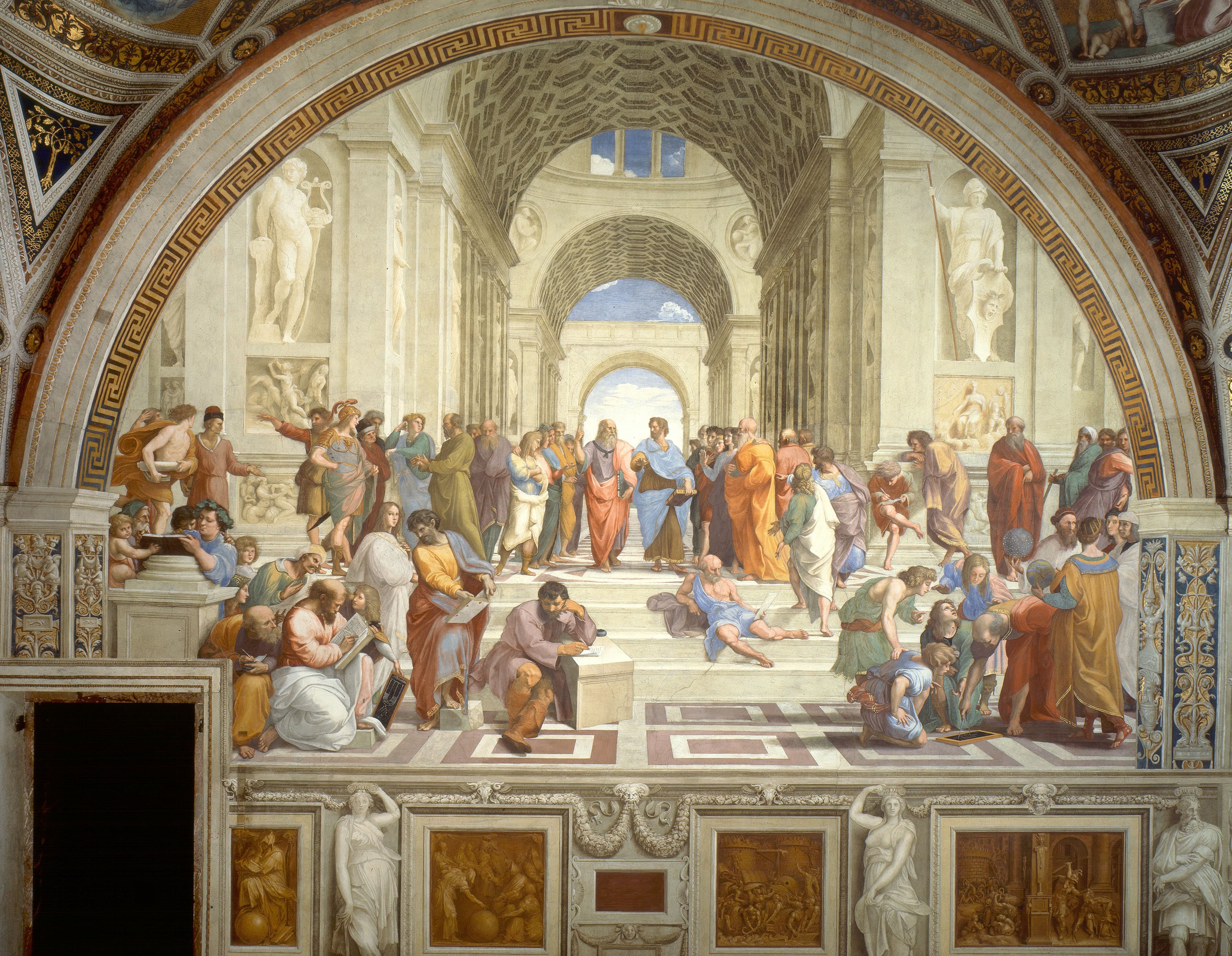
The School of Athens
Raphael · 1509–1511
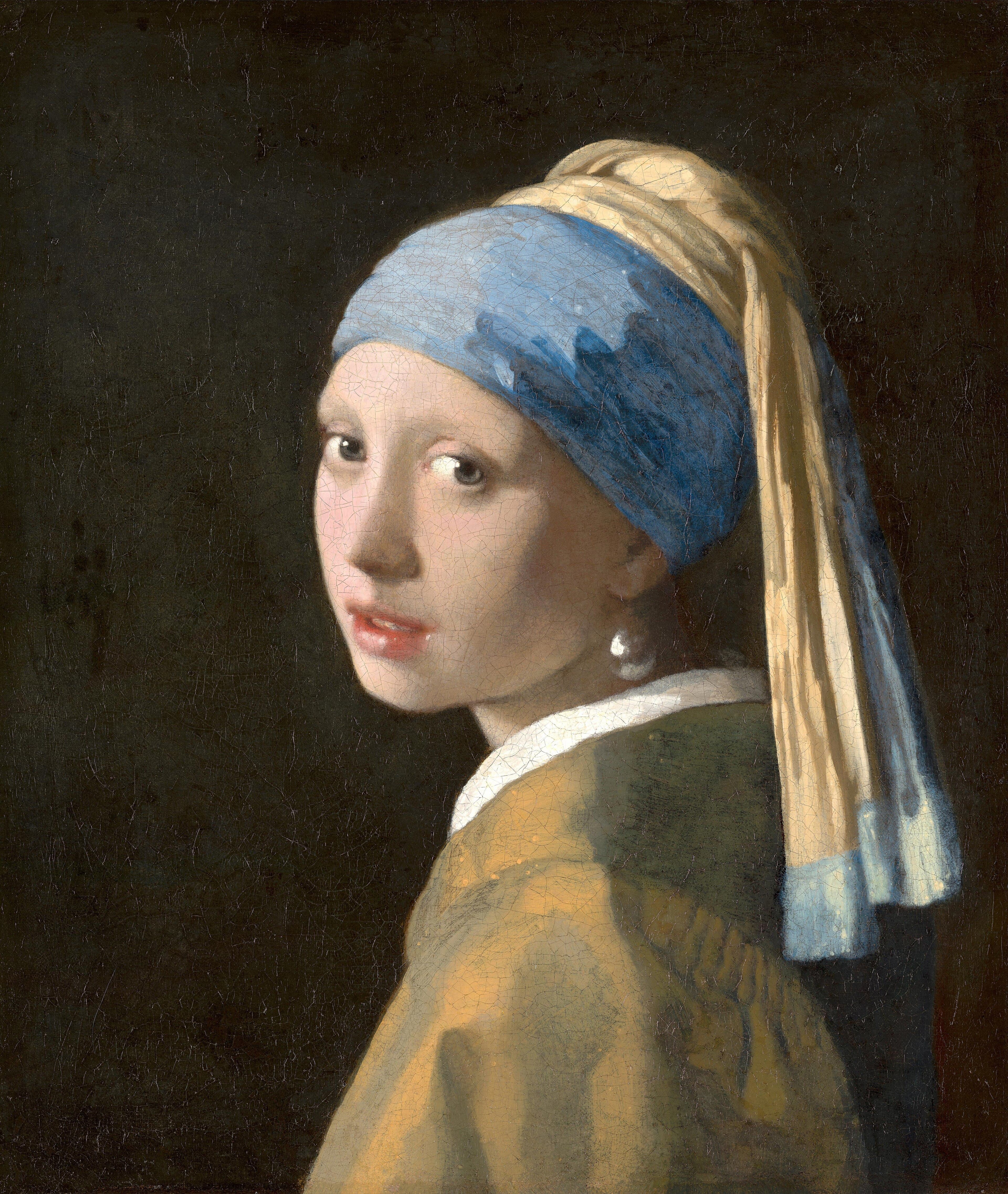
Girl with a Pearl Earring
Johannes Vermeer · c. 1665
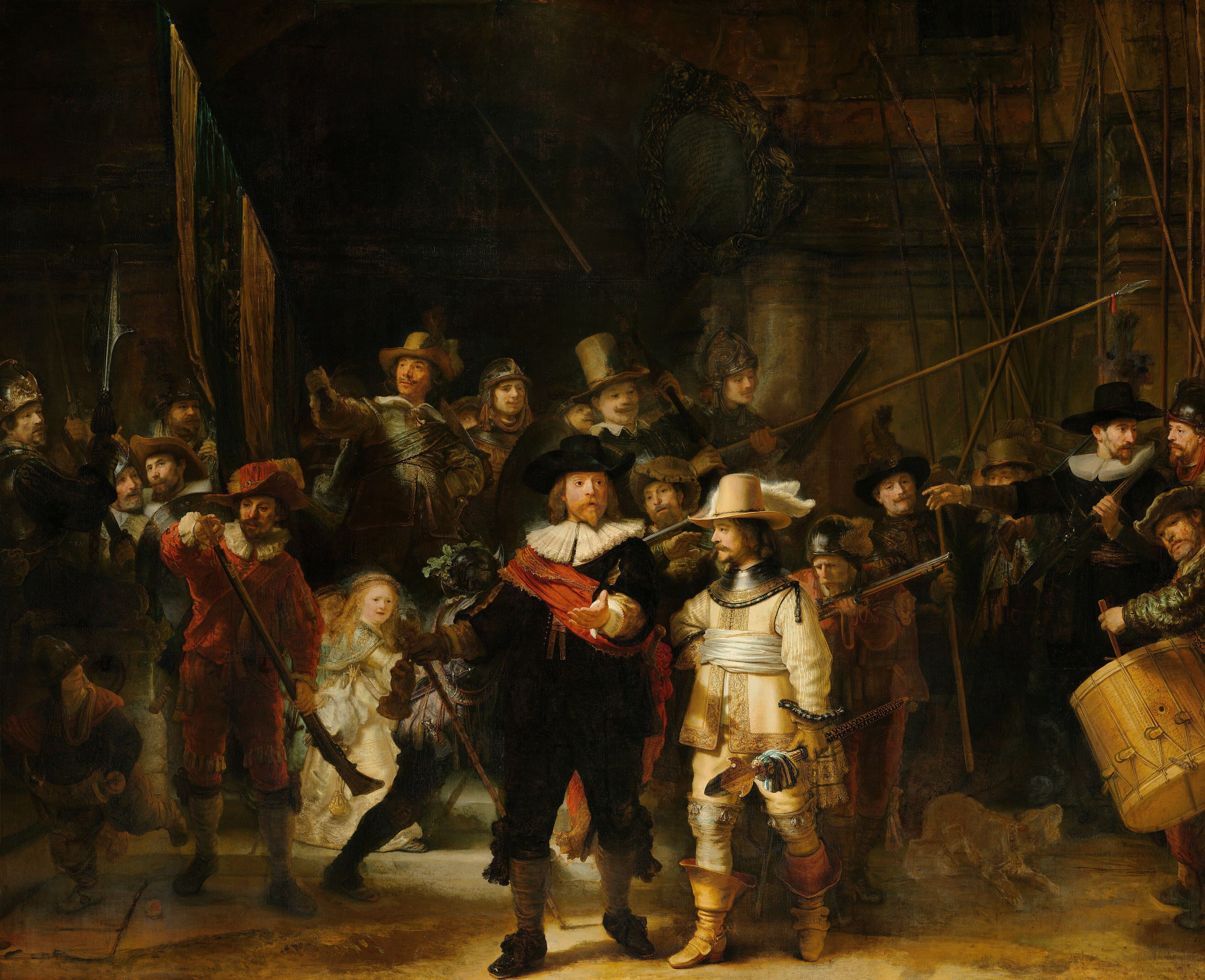
The Night Watch
Rembrandt · 1642
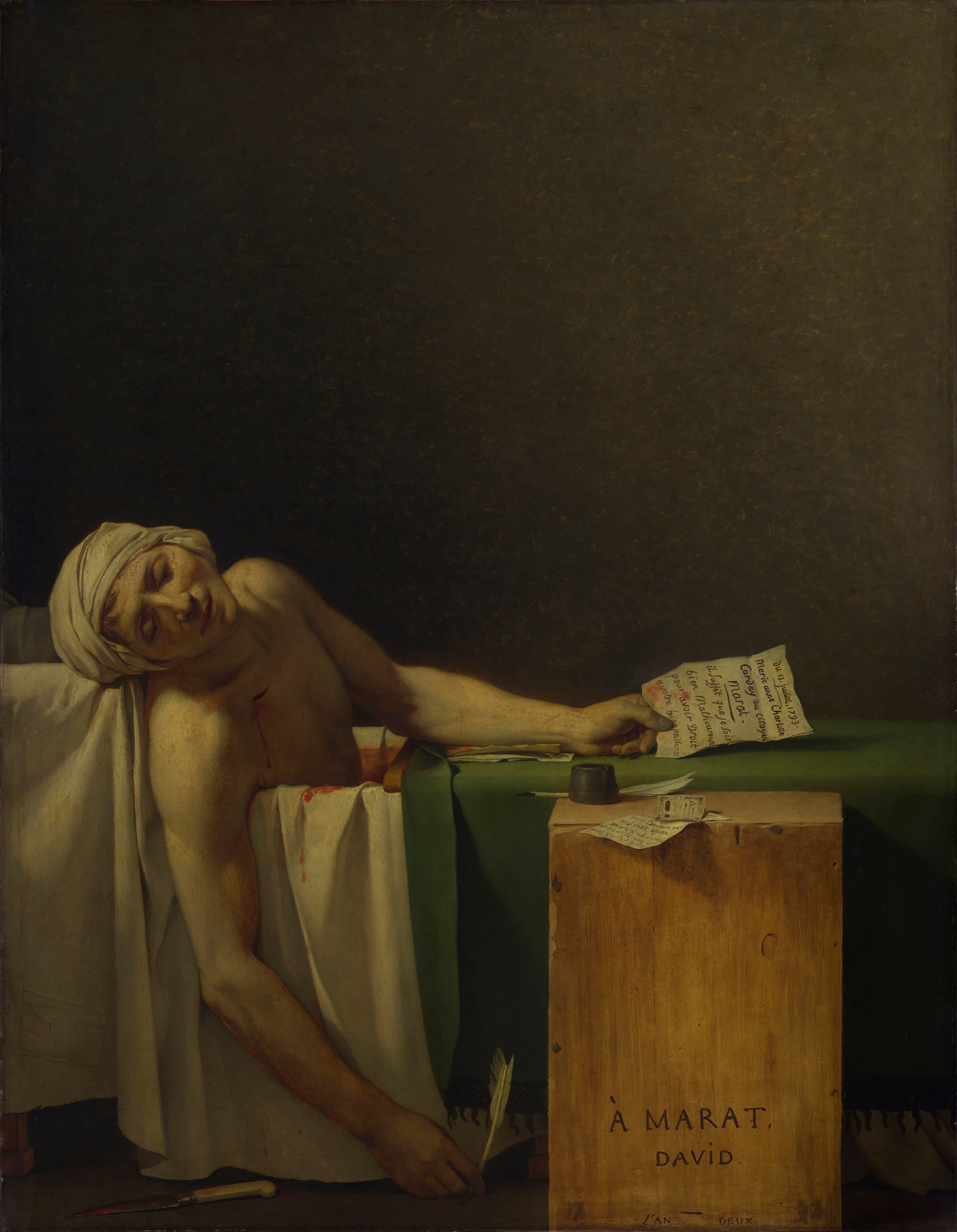
The Death of Marat
Jacques-Louis David · 1793
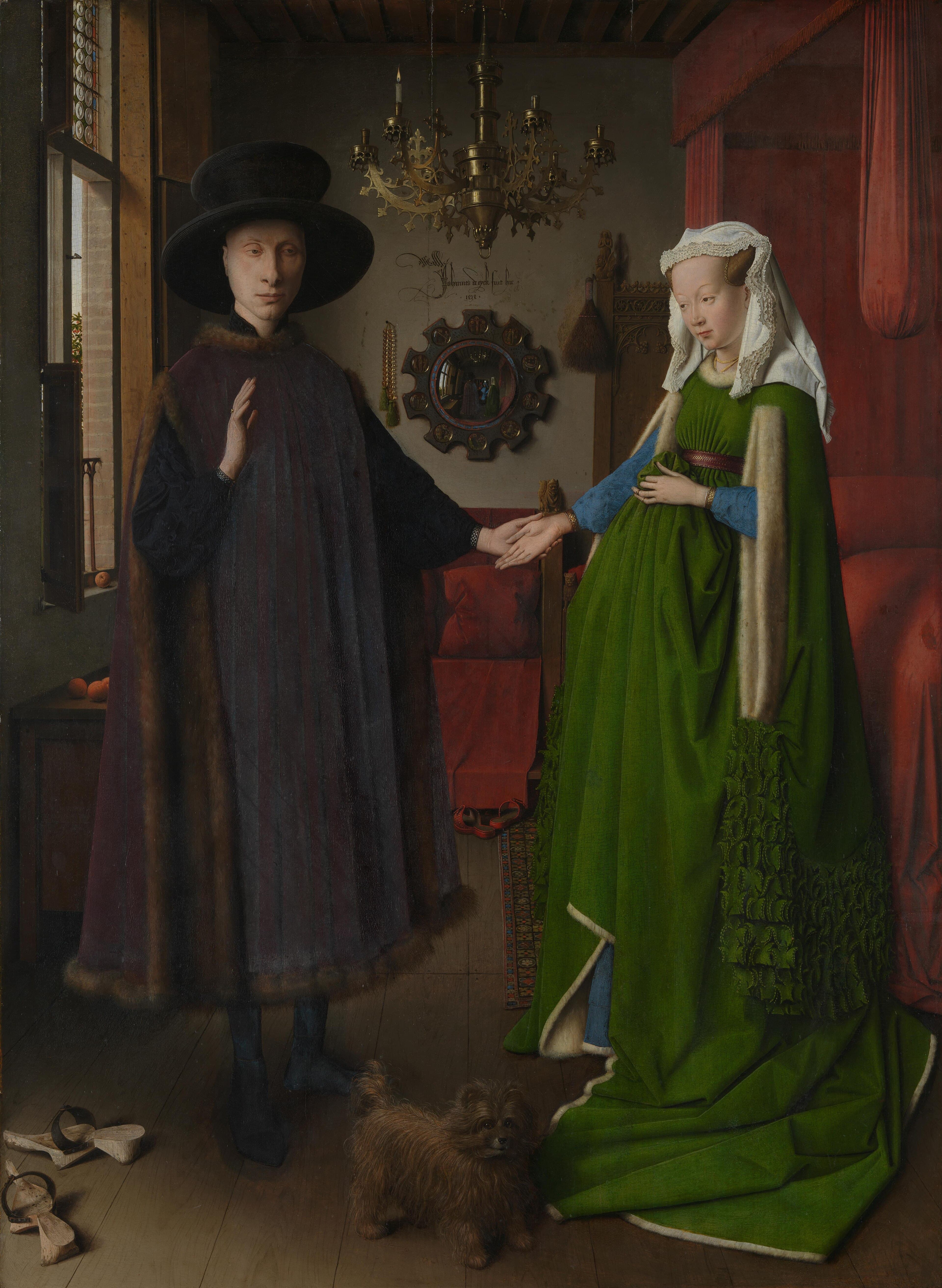
The Arnolfini Portrait
Jan van Eyck · 1434