Image: Van Gogh Museum, Amsterdam (Vincent van Gogh Foundation) · Public domain · via Wikimedia Commons
Realism
The Potato Eaters
Vincent van Gogh, April–May 1885
The Potato Eaters is Vincent van Gogh's 1885 painting of a peasant family sharing a meal of potatoes by lamplight in Nuenen, the Netherlands, his first ambitious figure composition. It is in the Van Gogh Museum in Amsterdam.
- Artist
- Vincent van Gogh
- Date
- April–May 1885
- Medium
- Oil on canvas
- Dimensions
- 82 × 114 cm
- Collection
- Van Gogh Museum, Amsterdam, Netherlands
- Movement
- Realism
What you are looking at
Five people sit around a small table in a dark cottage, under the light of a single oil lamp hanging from the beams. Four of them reach into a shared dish of steaming potatoes with their fingers or forks; at the right, an older woman pours coffee from a kettle into cups. A young girl, seen from behind, is a dark silhouette against the light. The faces are coarse and bony, with heavy noses, protruding cheekbones and big knuckled hands.
The color is almost all earth: browns, dull greens and smoky grays, the lamplight a dull yellow glow rather than a blaze. On the back wall hang a clock and a small framed print of the Crucifixion. The ceiling is low, the space cramped, and the figures are pressed close to one another and to us. Nobody smiles, but their glances cross the table, and the meal is shared.
Who were the potato eaters?
The family were the De Groots, cottagers in Nuenen, the village in North Brabant where Van Gogh's father was the Protestant pastor and where Vincent lived from 1883 to 1885. They worked the land and wove. Gordina de Groot, the young woman on the left, was one of Van Gogh's regular models, and several of the faces are based on members of her family. Van Gogh painted dozens of peasant heads and hands over the winter of 1884–85 to prepare for this composition.
How Van Gogh made it
The Potato Eaters was Van Gogh's first major figure painting, made when he had been painting for less than five years. He painted a preliminary oil sketch, now in the Kröller-Müller Museum, and then this final version in his studio, working partly from memory, in April and early May 1885. He also made a lithograph of the composition, which reverses the image.
He chose the colors deliberately. He wrote to his brother Theo that the faces should have the color of a really dusty potato, unpeeled of course. He wanted the painting to smell of bacon, smoke and potato steam, not of perfume, and to be true to peasant life rather than pretty. His heroes were Jean-François Millet, the painter of French rural labor, and the Hague School painters of the Dutch countryside.
What does The Potato Eaters mean?
Van Gogh explained his intention directly in a letter to Theo of April 1885. He said he had tried to make it clear that the people eating potatoes by lamplight had dug the earth with the same hands they were putting into the dish, so that the picture spoke of manual labor and of food honestly earned. The coarseness was the point: he was painting a moral truth about work, not an ideal of beauty.
The details support that reading. The crucifix print, the bare table and the single dish suggest a pious, frugal household; the communal meal recalls religious images of sharing bread. The darkness is not gloom but evening after a day's work. Compare Henry Ossawa Tanner's later The Thankful Poor, which gives a similar subject a gentler light.
Reception and legacy
The painting was not well received. Van Gogh's friend, the painter Anthon van Rappard, criticized the lithograph harshly, mocking the figures' anatomy and the artist's ambitions; the exchange ended their friendship. Theo could not sell it. Van Gogh nonetheless remained proud of the work. Even after moving to Paris and adopting bright color, he wrote in 1887 that it was still, after all, the best thing he had done.
Today it is one of the most famous early works by any modern painter, and the clearest proof of how far Van Gogh traveled between 1885 and 1890, from the dark interiors of Brabant to the blazing yellows of Sunflowers and Café Terrace at Night. His painting of worn workman's boots, A Pair of Shoes, continues the same concern with labor and poverty.
Details most viewers miss
- The clock. The clock on the back wall, just visible, marks the evening hour after work.
- The hands. Van Gogh made studies of peasants' hands for months; in the painting they are almost as large as the faces.
- The steam. A faint wisp of steam rises from the potatoes, painted with a few lighter strokes.
- The girl in silhouette. The child seen from behind blocks part of the light, making the lamp glow more strongly around her outline.
Where to see The Potato Eaters
The final version hangs in the Van Gogh Museum in Amsterdam, usually in the opening galleries devoted to his Dutch period. The oil sketch is at the Kröller-Müller Museum in Otterlo, and impressions of the lithograph are in several collections. A visit to Nuenen, where a museum center and walking routes trace his years there, adds context.
Questions & answers
Where is The Potato Eaters?
The final version is in the Van Gogh Museum in Amsterdam, in the galleries on his early Dutch period. An earlier oil sketch of the composition is in the Kröller-Müller Museum in Otterlo, and Van Gogh also made a lithograph of the scene.
What is the meaning of The Potato Eaters?
Van Gogh said he wanted to show that the peasants had dug the earth with the same hands they used to eat, so the painting speaks of manual labor and food honestly earned. He deliberately made the figures coarse to be true to their lives.
Who are the people in The Potato Eaters?
They are based on the De Groot family, cottagers in Nuenen in North Brabant where Van Gogh lived from 1883 to 1885. Gordina de Groot, a frequent model, sits on the left. Van Gogh made many studies of their heads and hands.
Why is The Potato Eaters so dark?
It is set at night under one oil lamp, and Van Gogh used earthy colors on purpose; he wrote that the faces should be the color of a dusty, unpeeled potato. He adopted bright color only after moving to Paris in 1886.
More by the artist
Vincent van Gogh
Head of a Skeleton with a Burning Cigarette
Vincent van Gogh · 1886
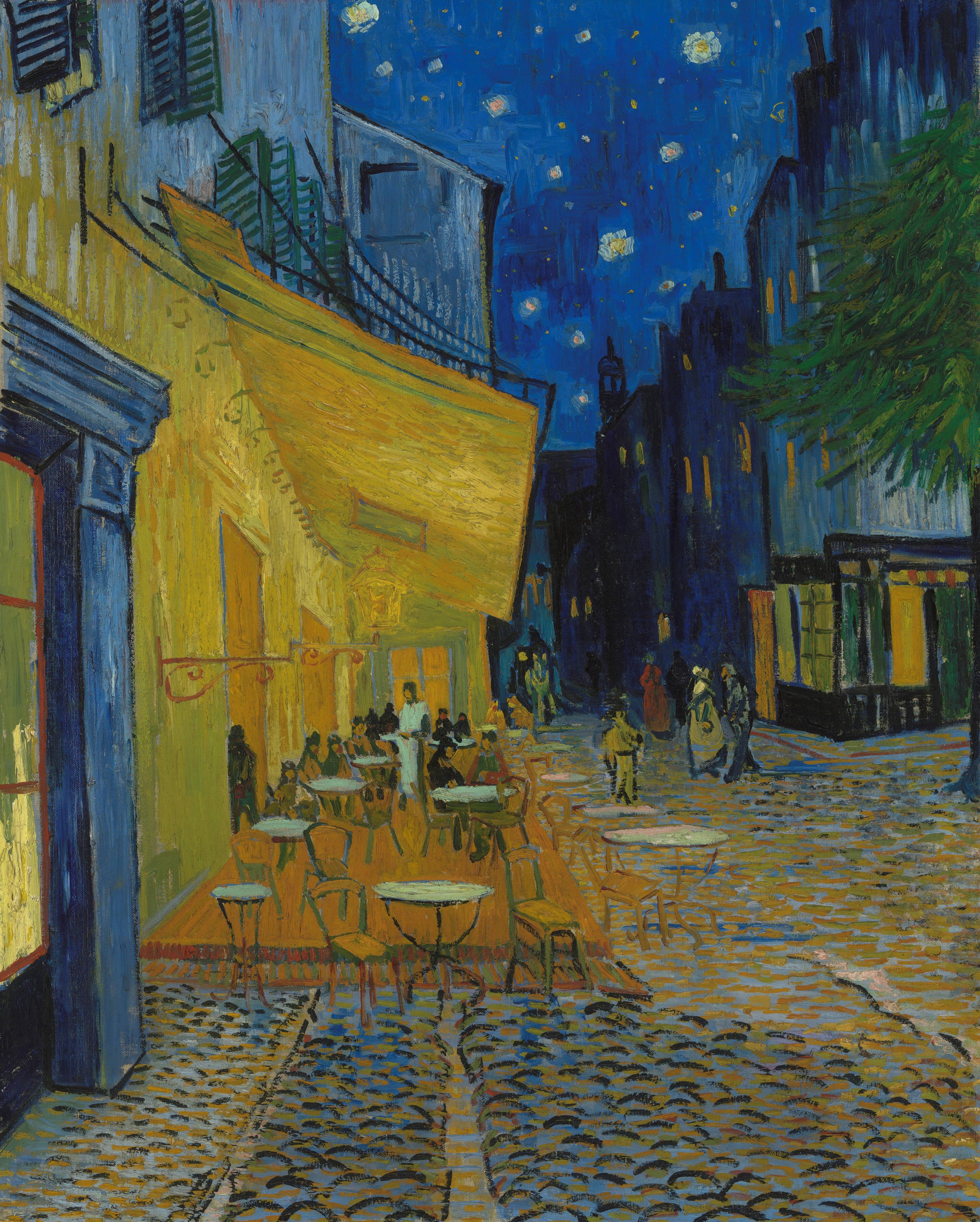
Café Terrace at Night
Vincent van Gogh · September 1888
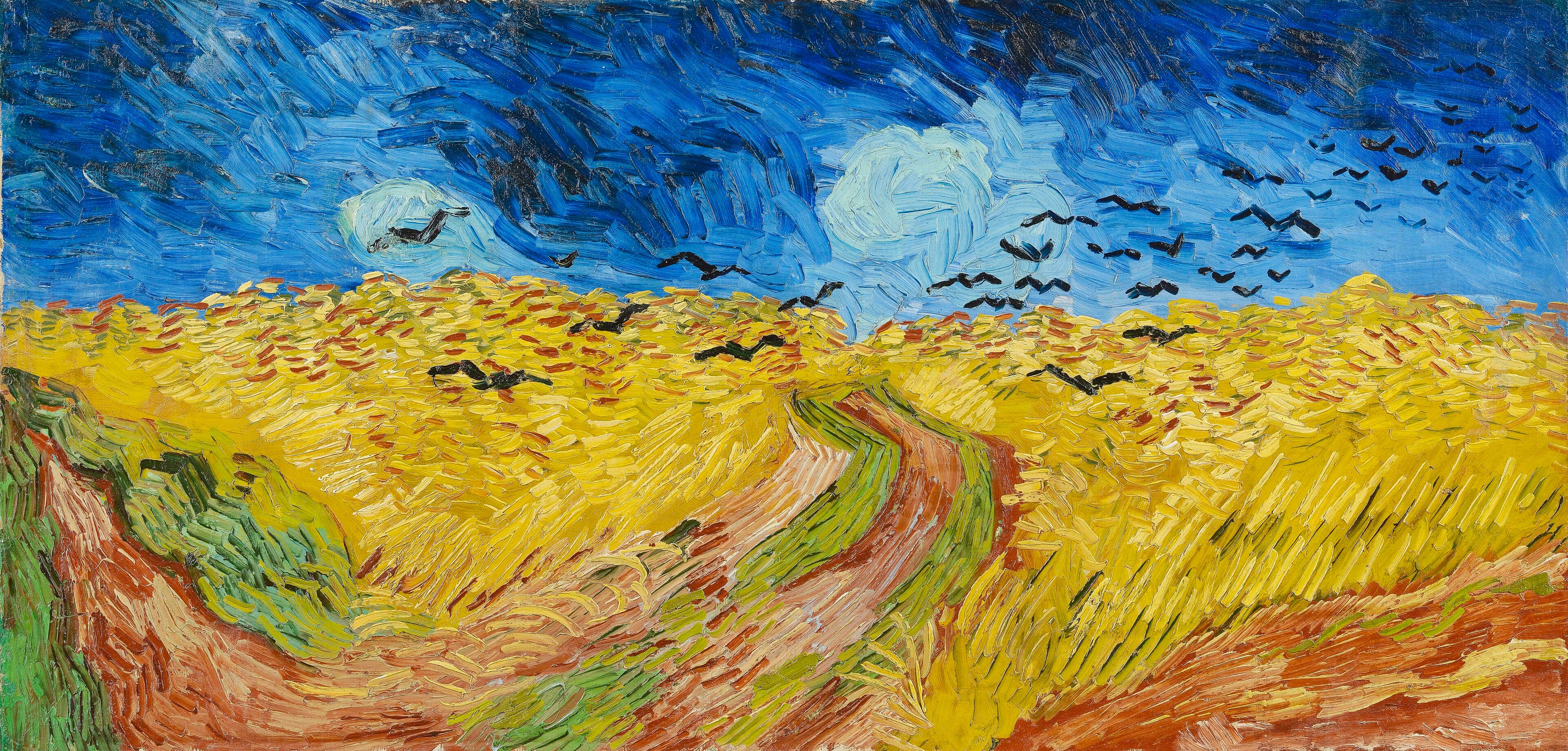
Wheatfield with Crows
Vincent van Gogh · July 1890
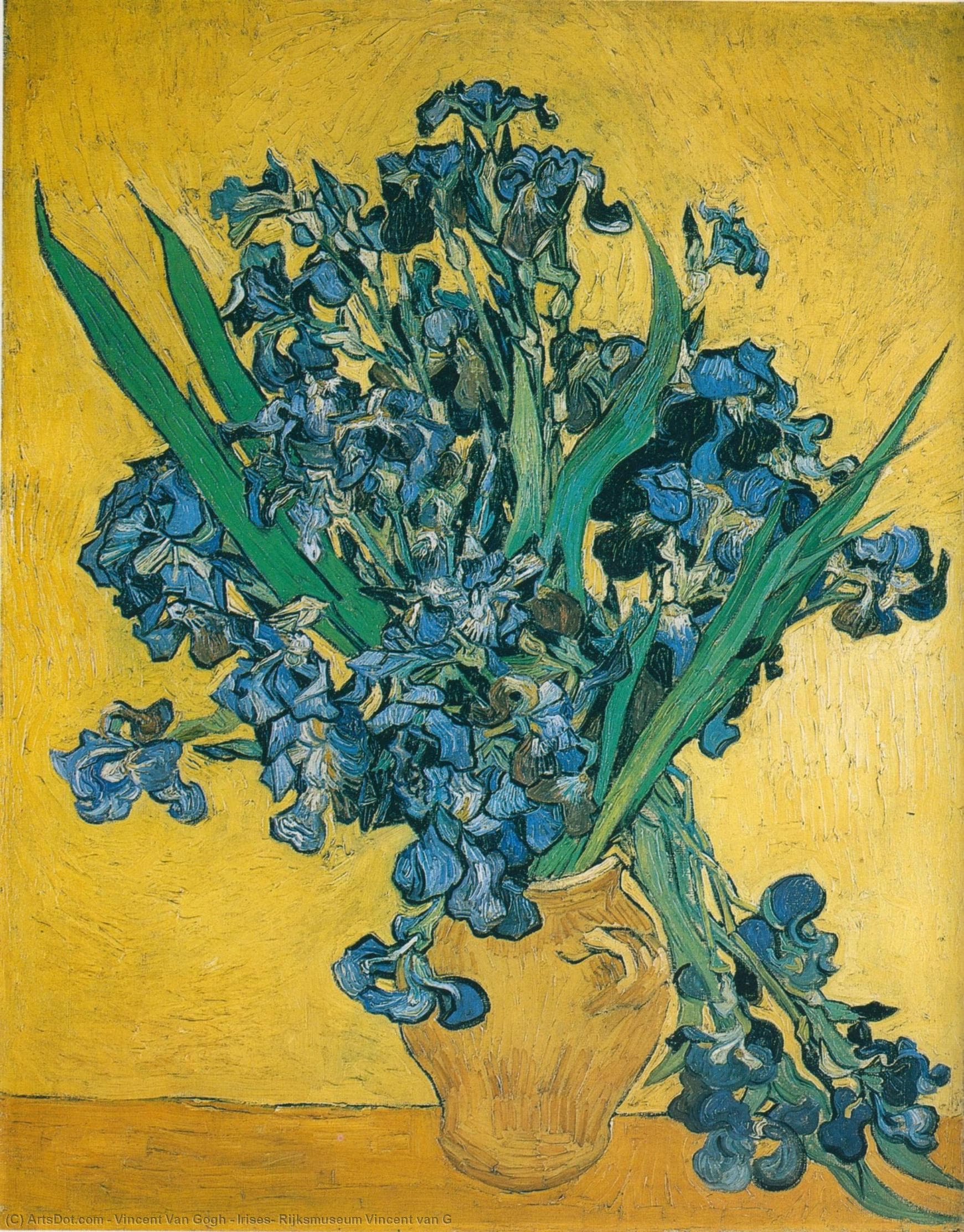
Irises (Vase with Irises Against a Yellow Background)
Vincent van Gogh · 1890
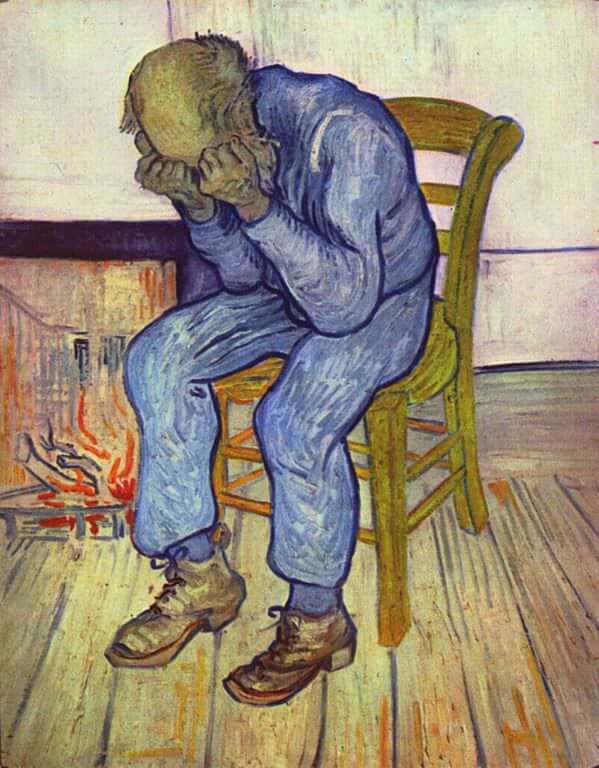
At Eternity's Gate
Vincent van Gogh · 1890
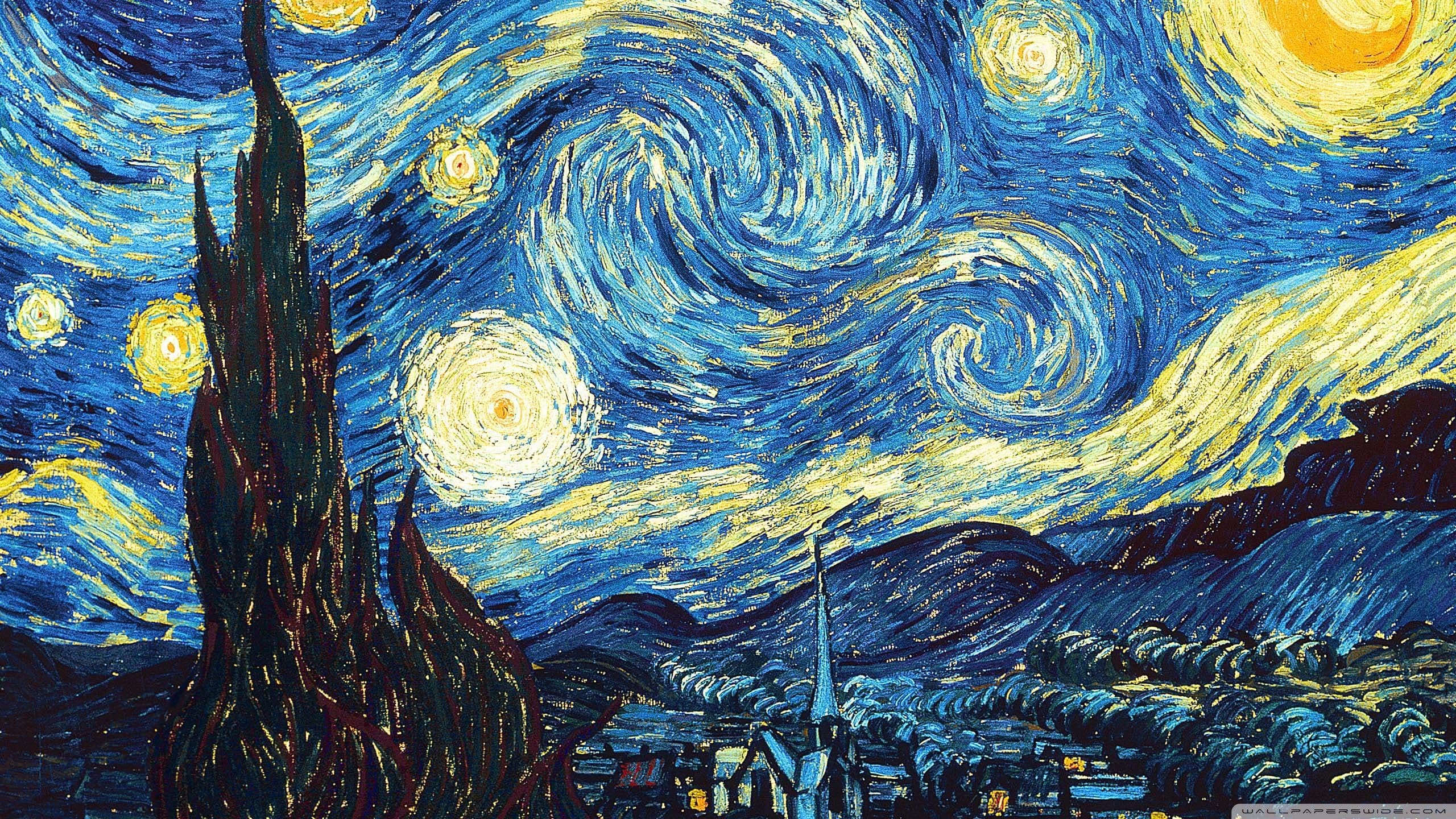
The Starry Night (van Gogh)
Vincent van Gogh · 1889
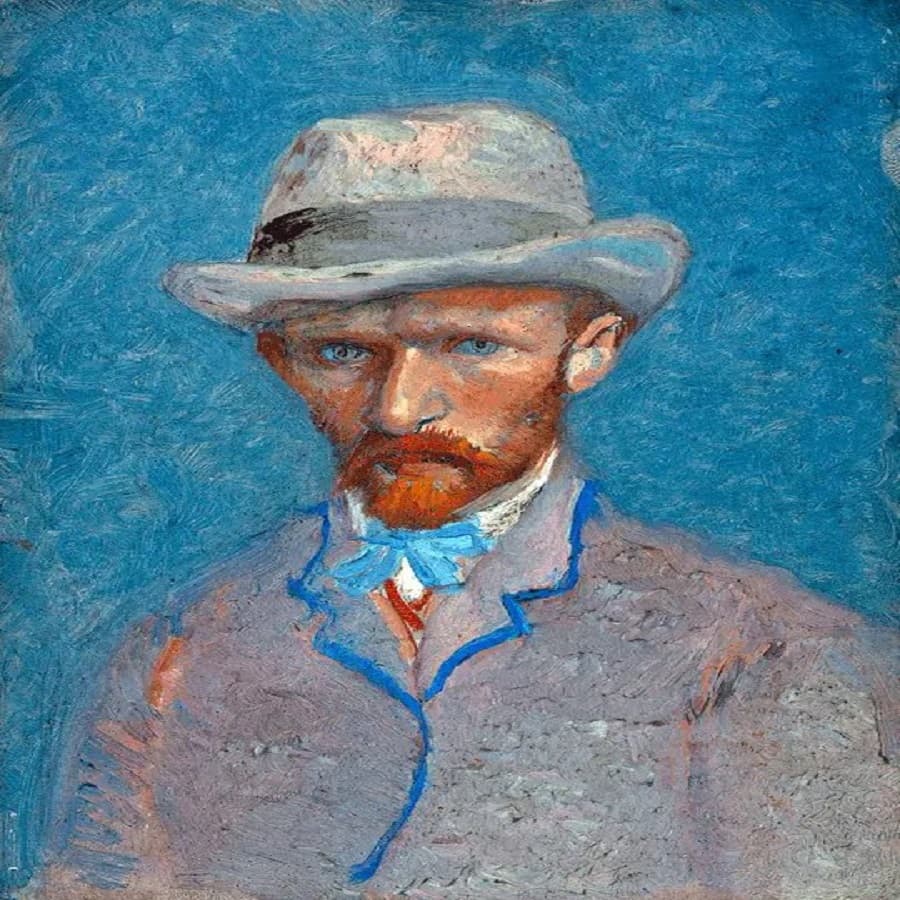
Portrait of Theo van Gogh (Self-Portrait with Grey Felt Hat)
Vincent van Gogh · 1887
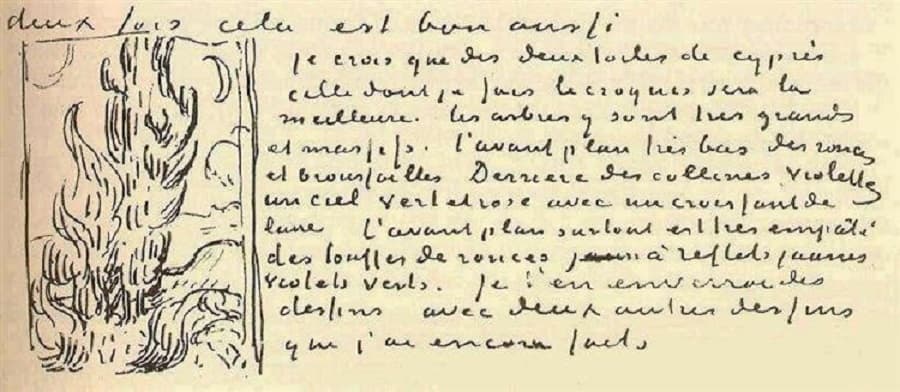
The Letters of Vincent van Gogh
Vincent van Gogh · 1872–1890
Kindred works
You may also study
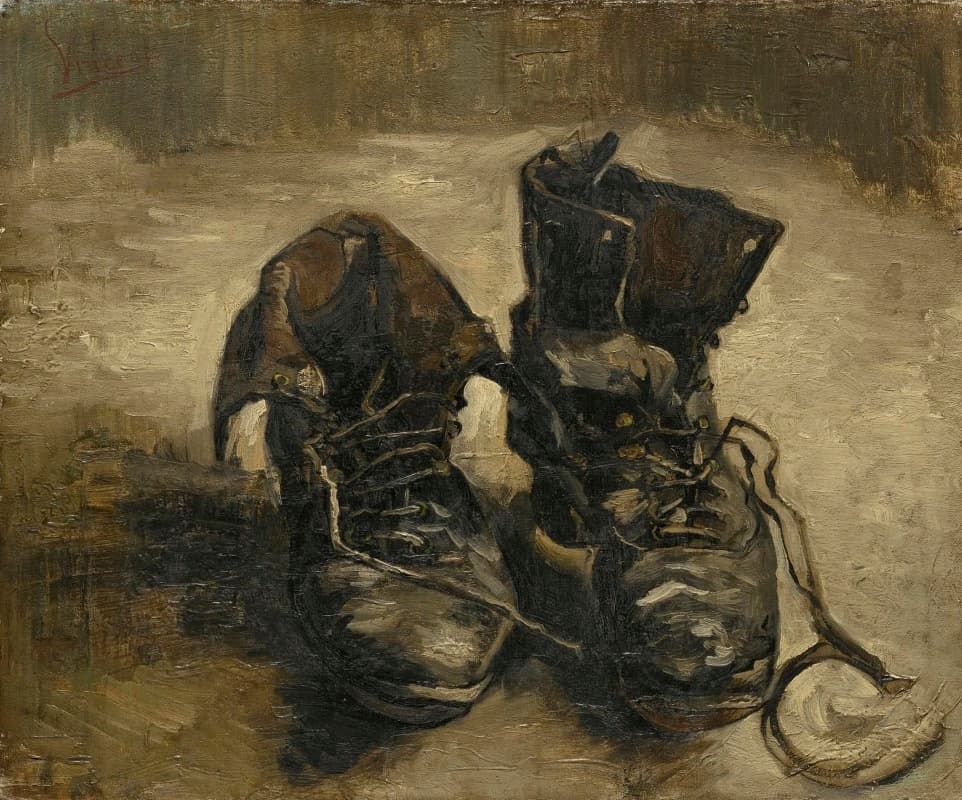
Shoes
Vincent van Gogh · 1886
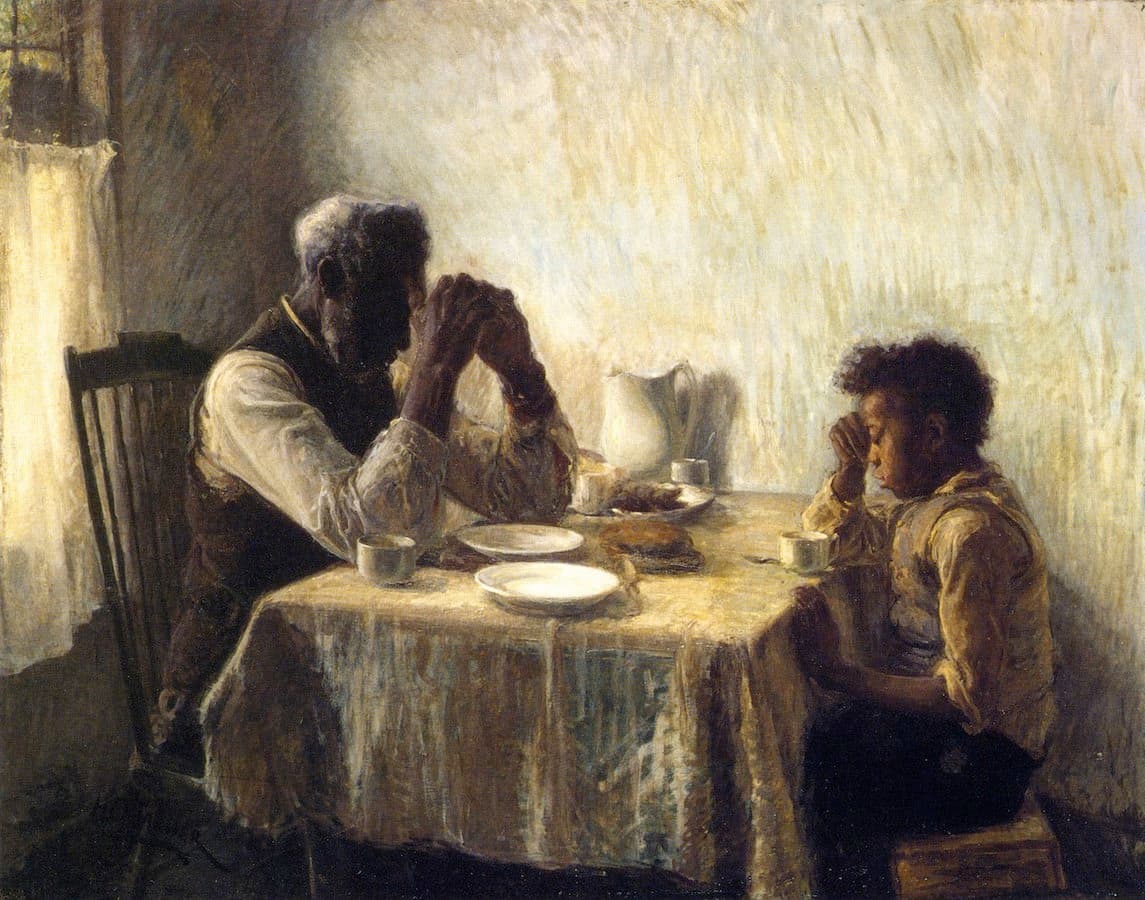
The Thankful Poor
Henry Ossawa Tanner · 1894
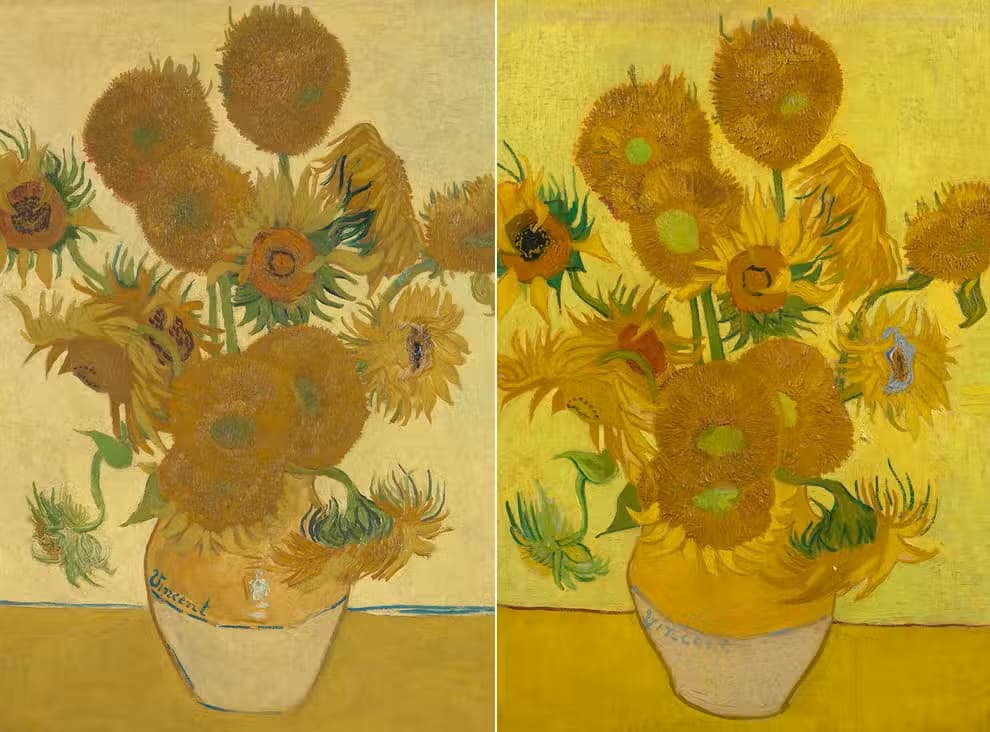
Sunflowers
Vincent van Gogh · 1888–89

The Scream
Edvard Munch · 1893
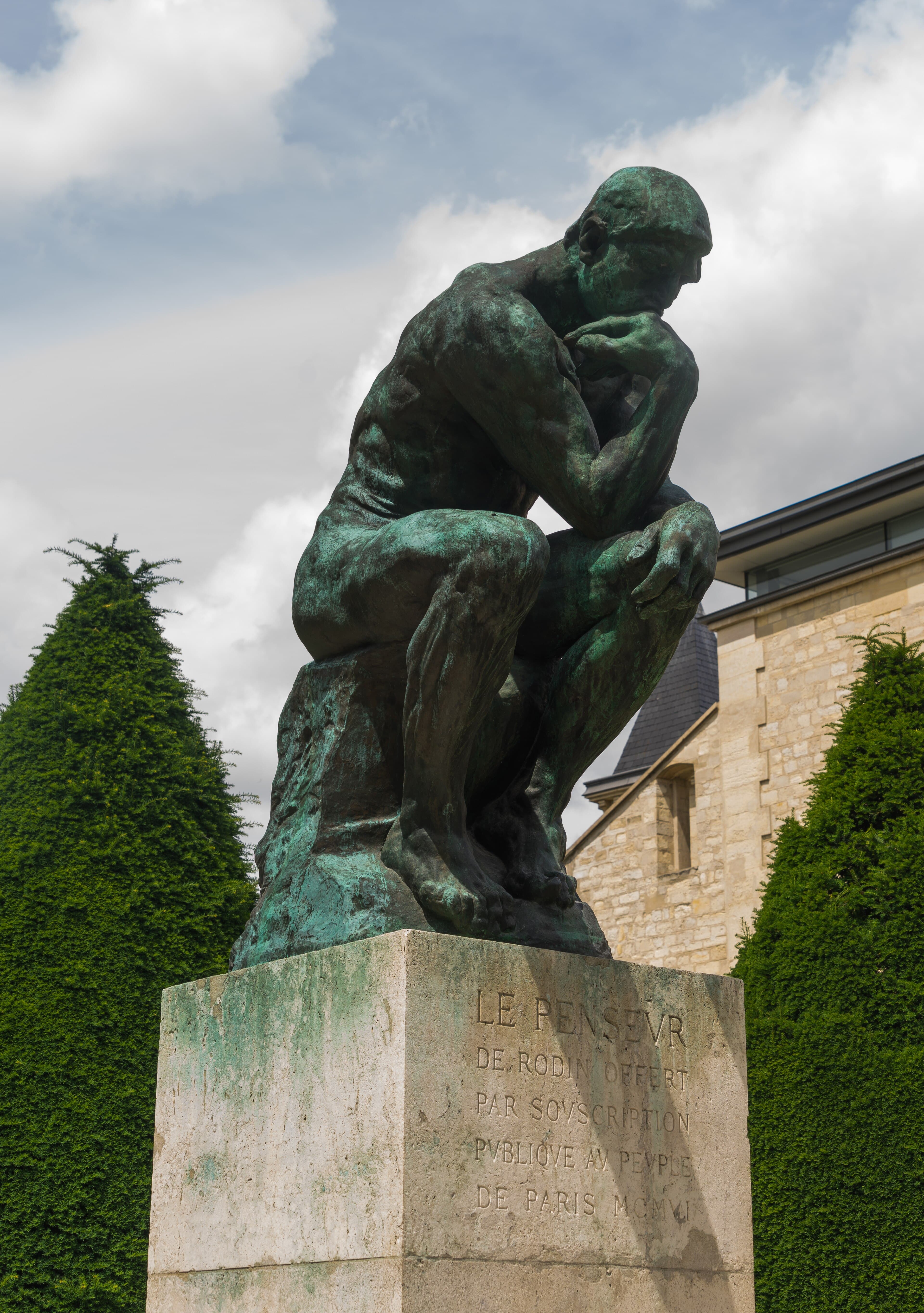
The Thinker
Auguste Rodin · Modeled 1880–82; enlarged 1902–03; this cast 1904

Saturn Devouring His Son
Francisco Goya · c. 1819–1823

Ophelia
John Everett Millais · 1851–52

Woman with a Parasol – Madame Monet and Her Son
Claude Monet · 1875