Post-Impressionism
The Letters of Vincent van Gogh
Vincent van Gogh, 1872–1890
The letters of Vincent van Gogh are the roughly 820 surviving letters he wrote between 1872 and 1890, most to his brother Theo, many illustrated with sketches of his paintings. Most originals are in the Van Gogh Museum, Amsterdam. The page shown sketches his cypresses of June 1889.
- Artist
- Vincent van Gogh
- Date
- 1872–1890
- Medium
- Pen and ink on paper (letters, many with sketches)
- Collection
- Van Gogh Museum, Amsterdam, Netherlands
- Movement
- Post-Impressionism
What you are looking at
The page shown here is a fragment of a letter Vincent van Gogh wrote in French to his brother Theo from the asylum at Saint-Rémy-de-Provence in late June 1889. On the left, framed by a quick pen line, is a sketch: a tall cypress tree, its foliage drawn as a mass of flame-like curling strokes, rising above low bushes, with a crescent moon in the sky beside it. On the right, in his slanting, hurried hand, Vincent explains the drawing. Of the two canvases of cypresses he is working on, he writes, the one he is sketching will be the best: the trees are very tall and massive, the foreground very low with brambles and undergrowth, violet hills behind, a green and pink sky with a crescent moon, and the foreground thickly painted with clumps of brambles in yellow, violet and green. He promises to send drawings of it.
The painting he describes is generally identified as Cypresses (1889), now in the Metropolitan Museum of Art, New York. The letter itself, like most of Van Gogh's correspondence, belongs to the Van Gogh Museum in Amsterdam.
What are the letters?
Van Gogh was one of the great letter writers of the nineteenth century. About 820 of his letters survive, written between 1872, when he was a nineteen-year-old trainee art dealer, and July 1890, the month of his death. More than 650 of them are to Theo, his younger brother, an art dealer in Paris who supported him financially for most of his career. Others went to his sister Willemien, his parents, and fellow artists including Paul Gauguin, Émile Bernard and Anthon van Rappard. Fewer than a hundred letters written to Vincent survive, since he did not keep most of what he received.
The letters were written in Dutch at first and, from the later Paris years onward, often in French. They track his whole life: the failed careers as dealer, teacher and preacher; the decision to become an artist at twenty-seven; the years in the Netherlands and Belgium; Paris; Arles; the asylum at Saint-Rémy; and the final weeks at Auvers-sur-Oise. An unfinished draft letter to Theo was found among his belongings after his death.
The sketches
Many letters contain drawings, from tiny thumbnail ideas to careful copies of finished paintings. These "letter sketches" let Theo see what Vincent was working on without waiting for the canvases to arrive. They are now among the most valuable sources for dating his paintings, for understanding his compositions and for tracing works that are lost.
Look at the sketch on this page. In a few minutes' work Vincent captures the essential rhythm of the painting: the vertical surge of the tree, built from curling marks that echo his brushwork, and the low, tangled foreground. The same writhing cypress form appears in The Starry Night, painted the same month at Saint-Rémy.
What the letters reveal
The letters are the main reason we know Van Gogh so intimately. In them he discusses color theory and technique, often listing the exact pigments he used. He describes paintings as he makes them, sometimes in more detail than any critic could, as in his account of The Night Café, which he said he had tried to express "the terrible passions of humanity" with red and green. He writes about books, from Zola and Dickens to the Bible, and about the artists he loved: Millet, Delacroix, Rembrandt and the Japanese printmakers.
They also record his illness, his poverty, and his dependence on Theo, with great honesty. Read in sequence, they correct the myth of a wild, unthinking genius. The Van Gogh of the letters is methodical, well read and deeply self-aware about his art, even in his worst periods. From Saint-Rémy in May 1889, for example, he wrote of having two paintings in progress, violet irises and a lilac bush, the beginning of the Irises.
Publication
After Theo's death in January 1891, the letters passed to his widow, Johanna (Jo) van Gogh-Bonger. She spent years transcribing and editing them, and in 1914 published a three-volume Dutch edition, Brieven aan zijn broeder (Letters to His Brother), which did more than any exhibition to build Vincent's posthumous fame. English translations followed. In 2009, after fifteen years of research, the Van Gogh Museum and the Huygens Institute published a complete annotated edition in six volumes, edited by Leo Jansen, Hans Luijten and Nienke Bakker, and made all the letters free to read at vangoghletters.org.
Is the skeleton with a cigarette in the letters?
Many people looking up Van Gogh's letters are searching for his small, strange painting Head of a Skeleton with a Burning Cigarette. That picture, also in the Van Gogh Museum, was painted in Antwerp in the winter of 1885–86, when Vincent briefly attended the art academy and its classes in drawing from skeletons. It is usually read as a student joke, a bit of gallows humor about the stiff academic exercises he disliked. The letters describe his time at the Antwerp academy at length, but the skull itself is not known to be discussed in them.
Where to see the letters
The Van Gogh Museum in Amsterdam holds the great majority of the surviving letters. Because they are fragile and light-sensitive, only a few are shown at a time, usually in temporary displays. The full texts, facsimiles and sketches can be read online in the museum's edition. For the paintings they describe, see our guide to famous Van Gogh paintings.
Questions & answers
How many letters did Van Gogh write?
About 820 letters written by Vincent van Gogh survive, dating from 1872 to 1890. More than 650 are addressed to his brother Theo. Fewer than a hundred letters written to Vincent survive. The complete correspondence was published by the Van Gogh Museum in 2009.
Where are Van Gogh's letters kept?
Most of the original letters are in the Van Gogh Museum in Amsterdam. They are fragile and shown only occasionally, but the museum's complete edition, with transcriptions, translations and images of every page, is free online at vangoghletters.org.
Did Van Gogh write about the skeleton with a burning cigarette?
The painting Head of a Skeleton with a Burning Cigarette dates from Van Gogh's time at the Antwerp academy in the winter of 1885–86. His letters describe the academy and its classes at length, but the skull painting itself is not known to be mentioned in them.
What does the letter sketch of the cypress show?
It shows a cypress tree with a crescent moon, drawn in a letter to Theo from Saint-Rémy in June 1889. Van Gogh describes the painting in the text: tall, massive trees, low brambles, violet hills and a green and pink sky. It is usually linked to the Met's Cypresses.
Who published Van Gogh's letters?
His sister-in-law, Jo van Gogh-Bonger, Theo's widow, edited and published the letters to Theo in Dutch in 1914. Her edition played a major role in establishing Van Gogh's reputation after his death. English translations followed from the late 1920s onward.
More by the artist
Vincent van Gogh
Head of a Skeleton with a Burning Cigarette
Vincent van Gogh · 1886
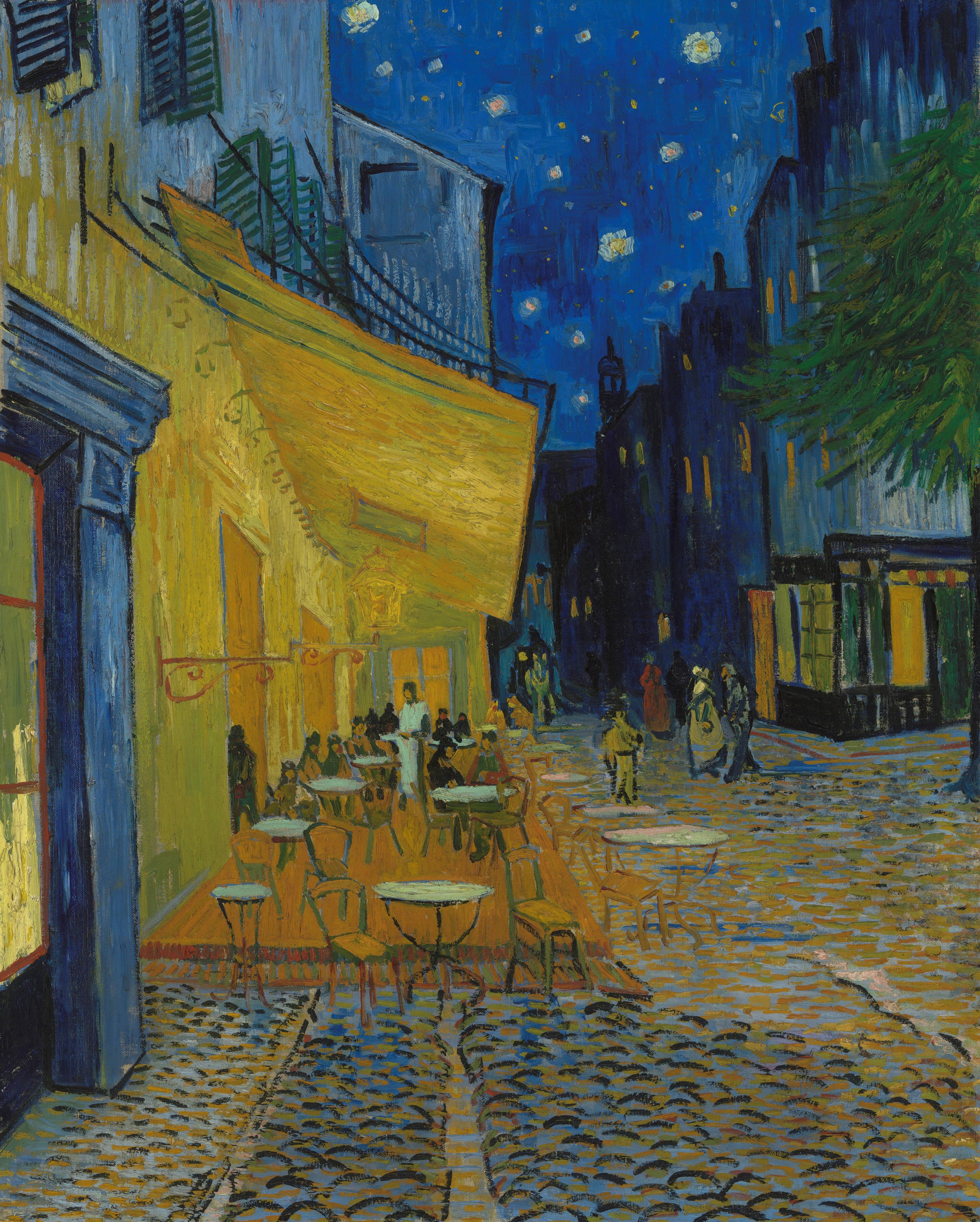
Café Terrace at Night
Vincent van Gogh · September 1888
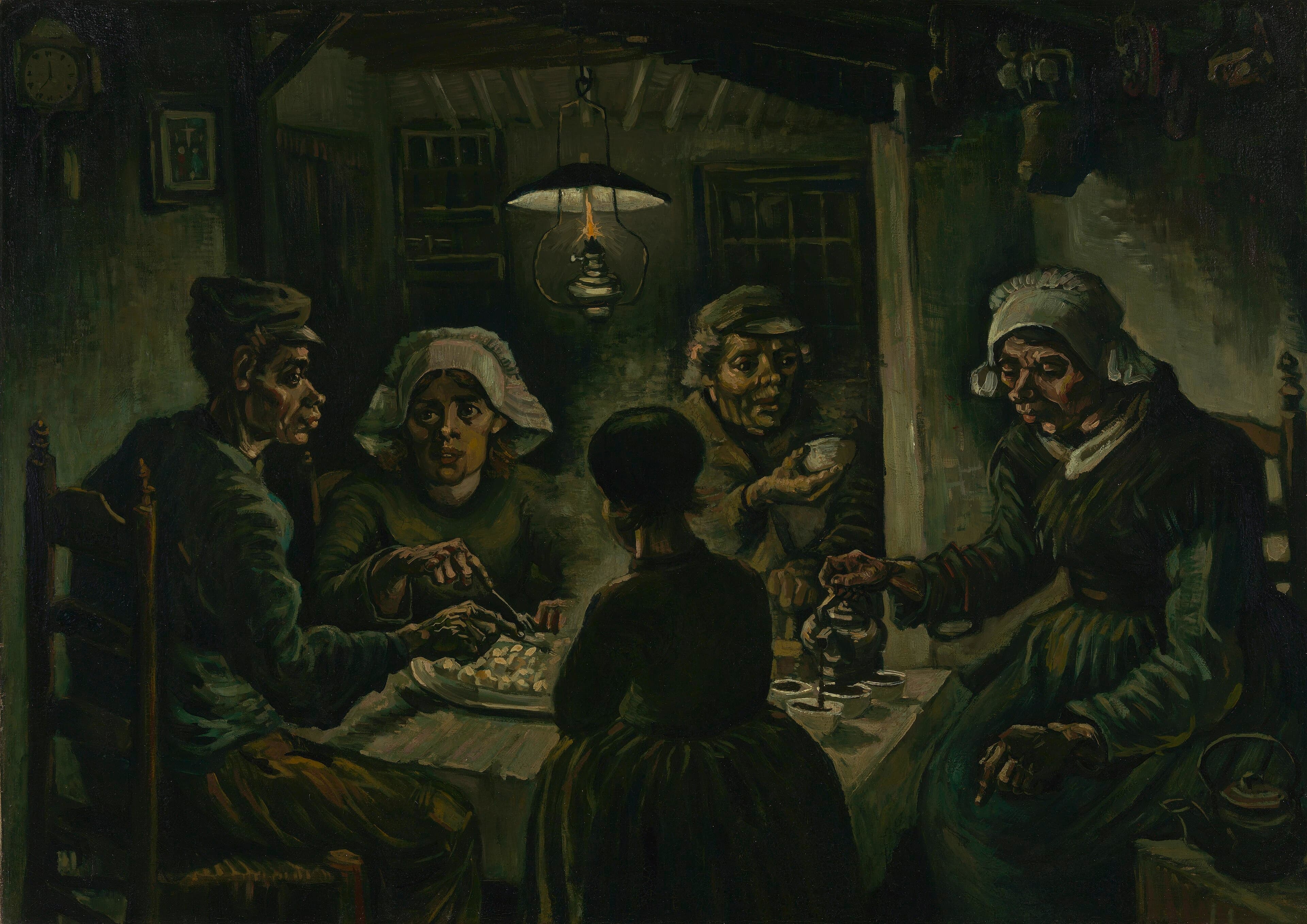
The Potato Eaters
Vincent van Gogh · April–May 1885
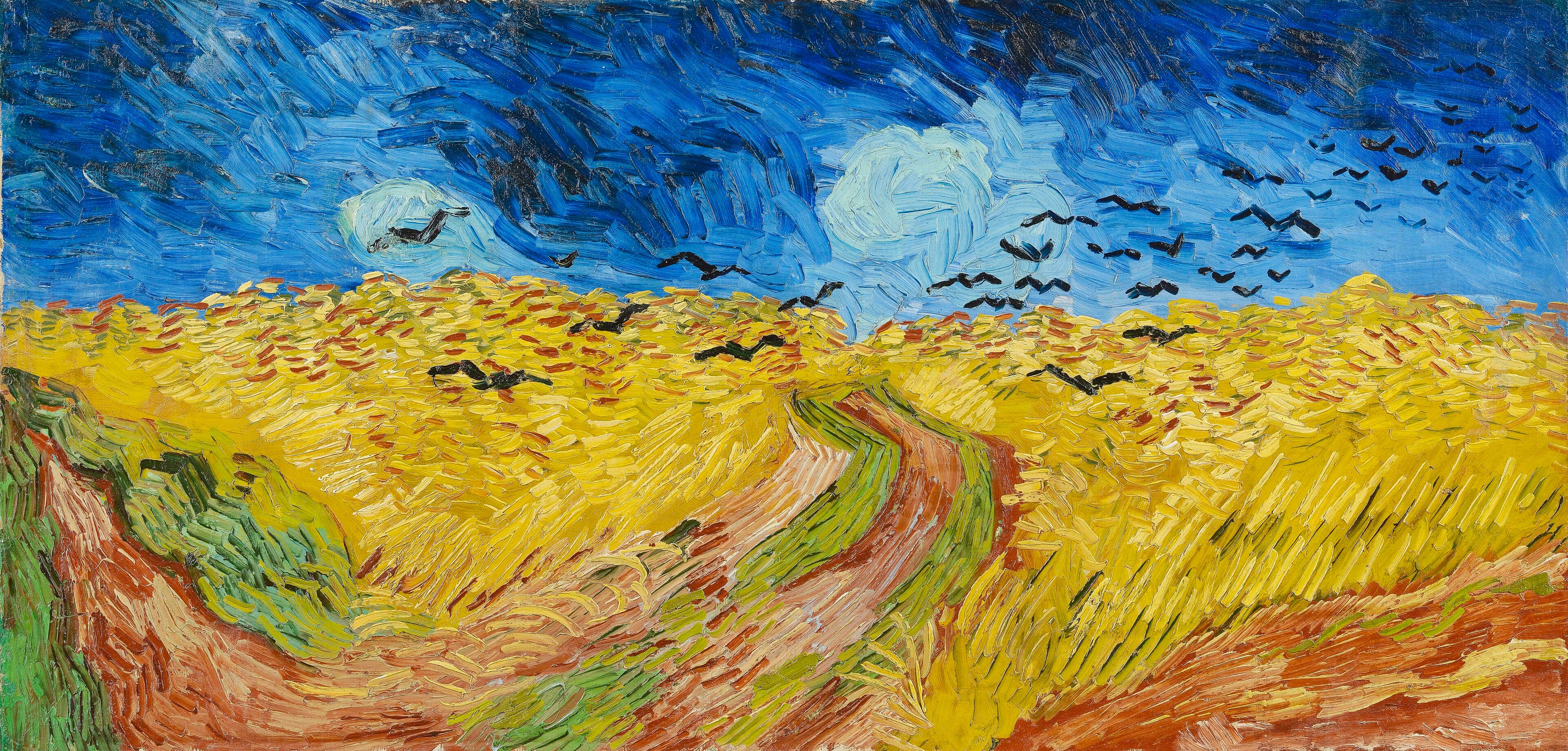
Wheatfield with Crows
Vincent van Gogh · July 1890
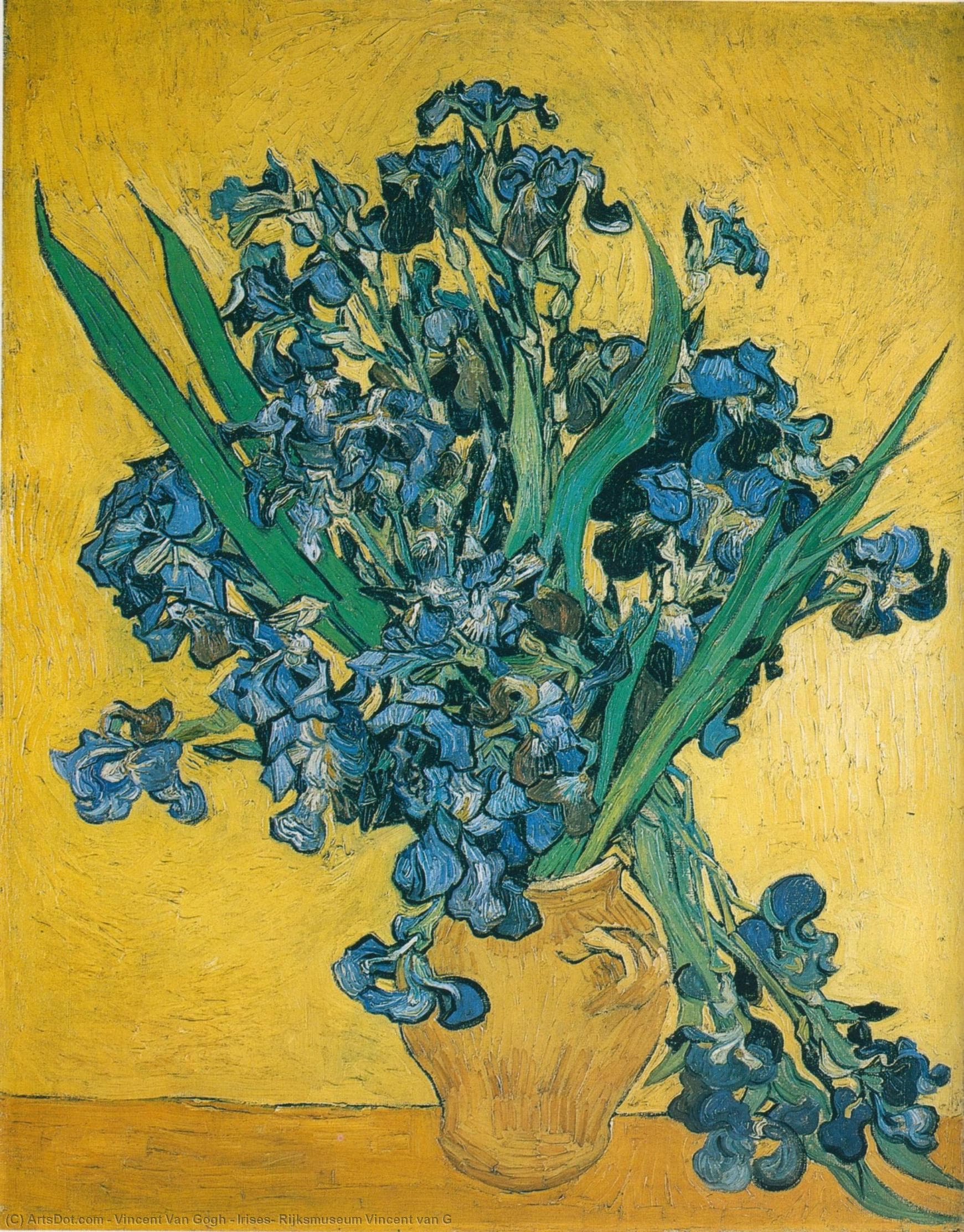
Irises (Vase with Irises Against a Yellow Background)
Vincent van Gogh · 1890
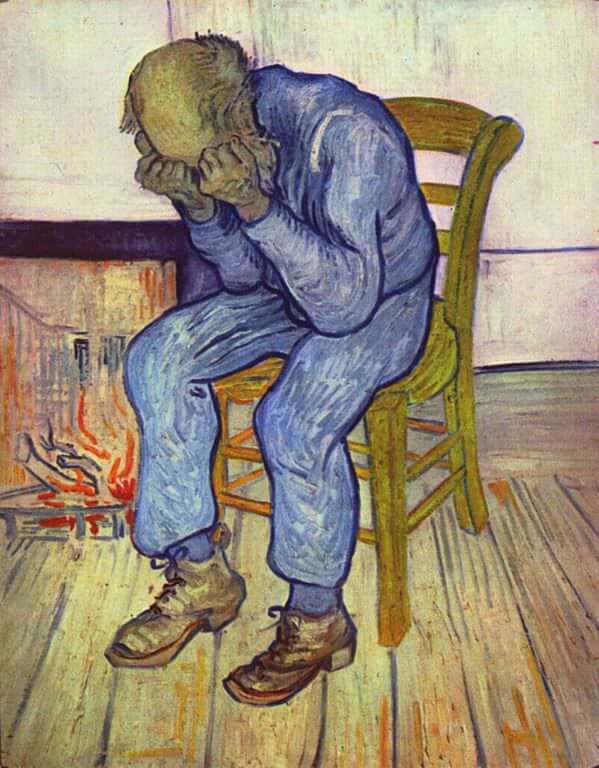
At Eternity's Gate
Vincent van Gogh · 1890
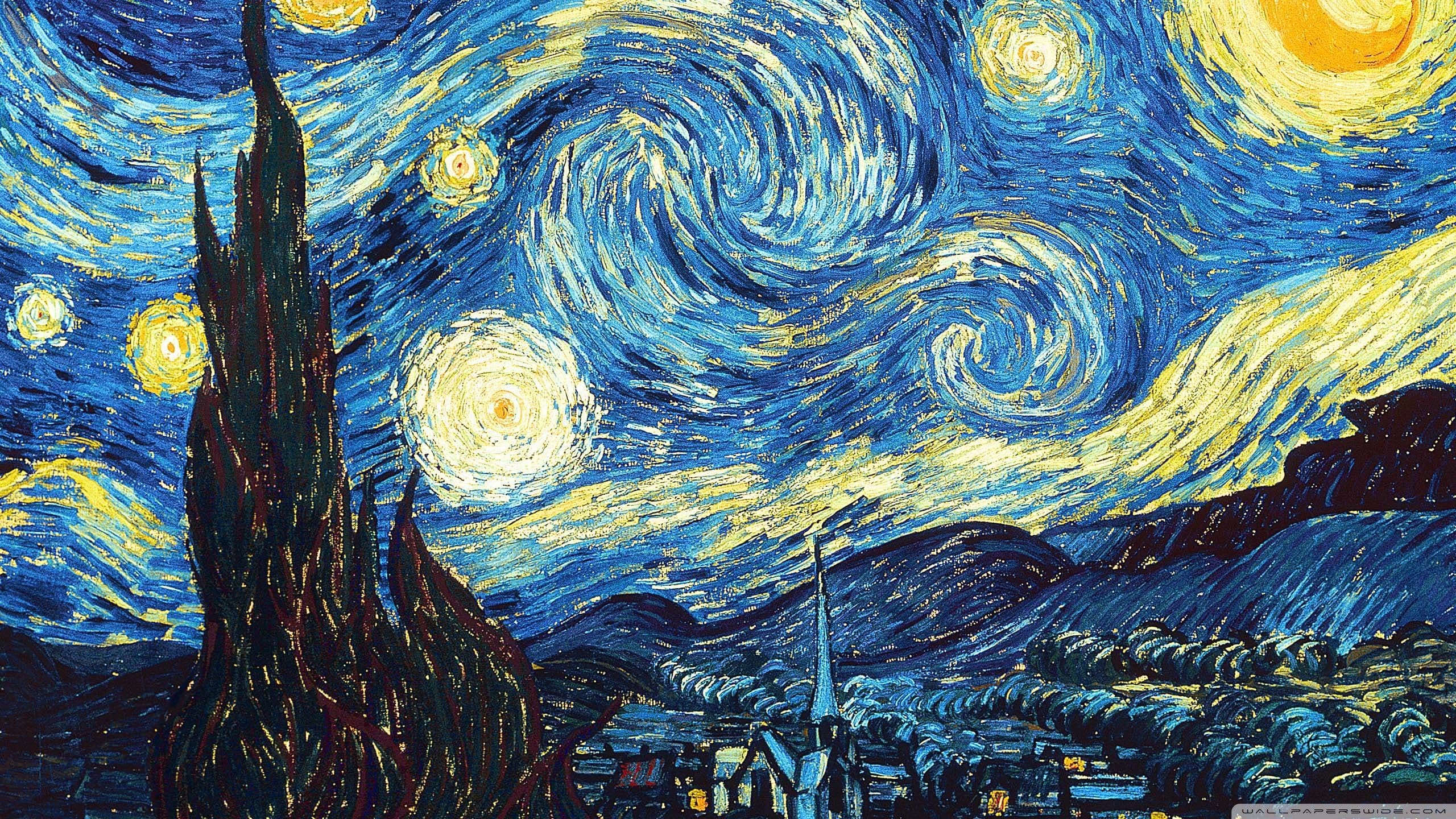
The Starry Night (van Gogh)
Vincent van Gogh · 1889
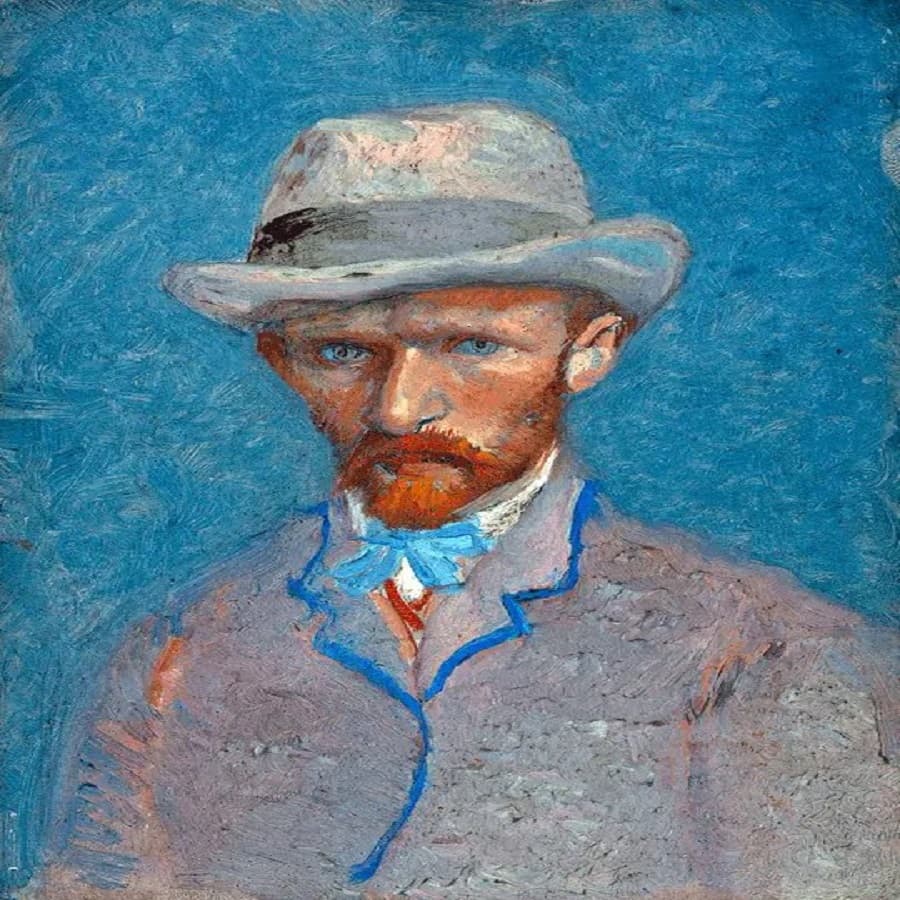
Portrait of Theo van Gogh (Self-Portrait with Grey Felt Hat)
Vincent van Gogh · 1887
Kindred works
You may also study
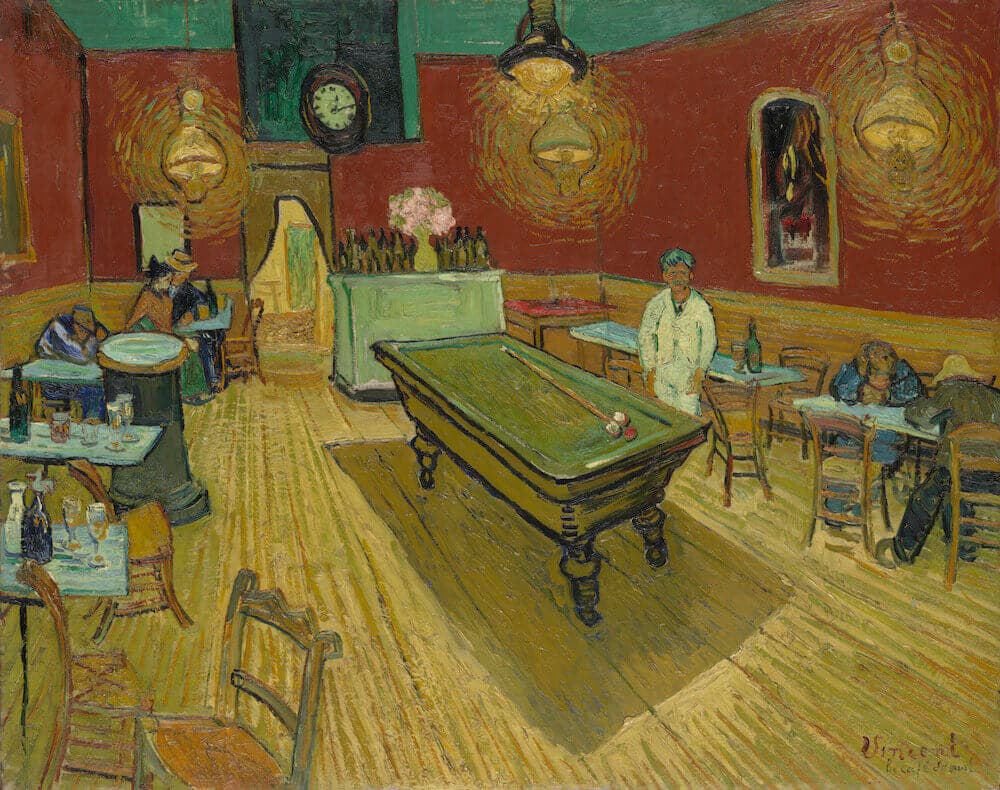
The Night Café
Vincent van Gogh · 1888

Bridge over a Pond of Water Lilies
Claude Monet · 1899

The Scream
Edvard Munch · 1893
The Thinker
Auguste Rodin · Modeled 1880–82; enlarged 1902–03; this cast 1904

Saturn Devouring His Son
Francisco Goya · c. 1819–1823

Ophelia
John Everett Millais · 1851–52

Woman with a Parasol – Madame Monet and Her Son
Claude Monet · 1875

The Great Wave off Kanagawa
Katsushika Hokusai · c. 1830–32