Italian · Baroque · Caravaggism
Caravaggio
b. 29 September 1571, Milan — d. 18 July 1610, Porto Ercole
Caravaggio (1571–1610) was the Italian painter who transformed Baroque art with raw realism and dramatic chiaroscuro, painting saints and myths from ordinary models in a violent, short life.
14 works in the collection
Works by Caravaggio
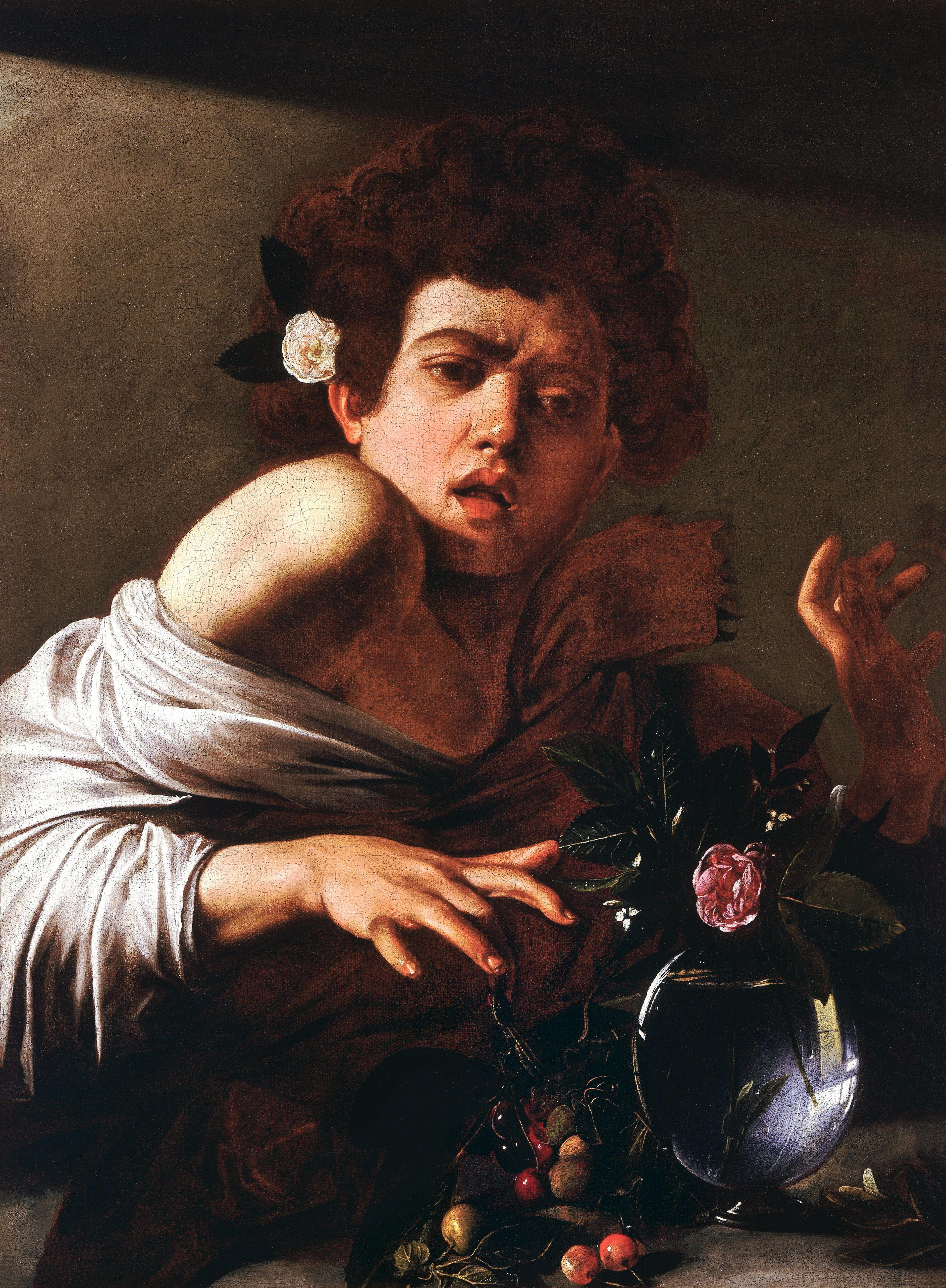
Boy Bitten by a Lizard
Caravaggio · c. 1594–95
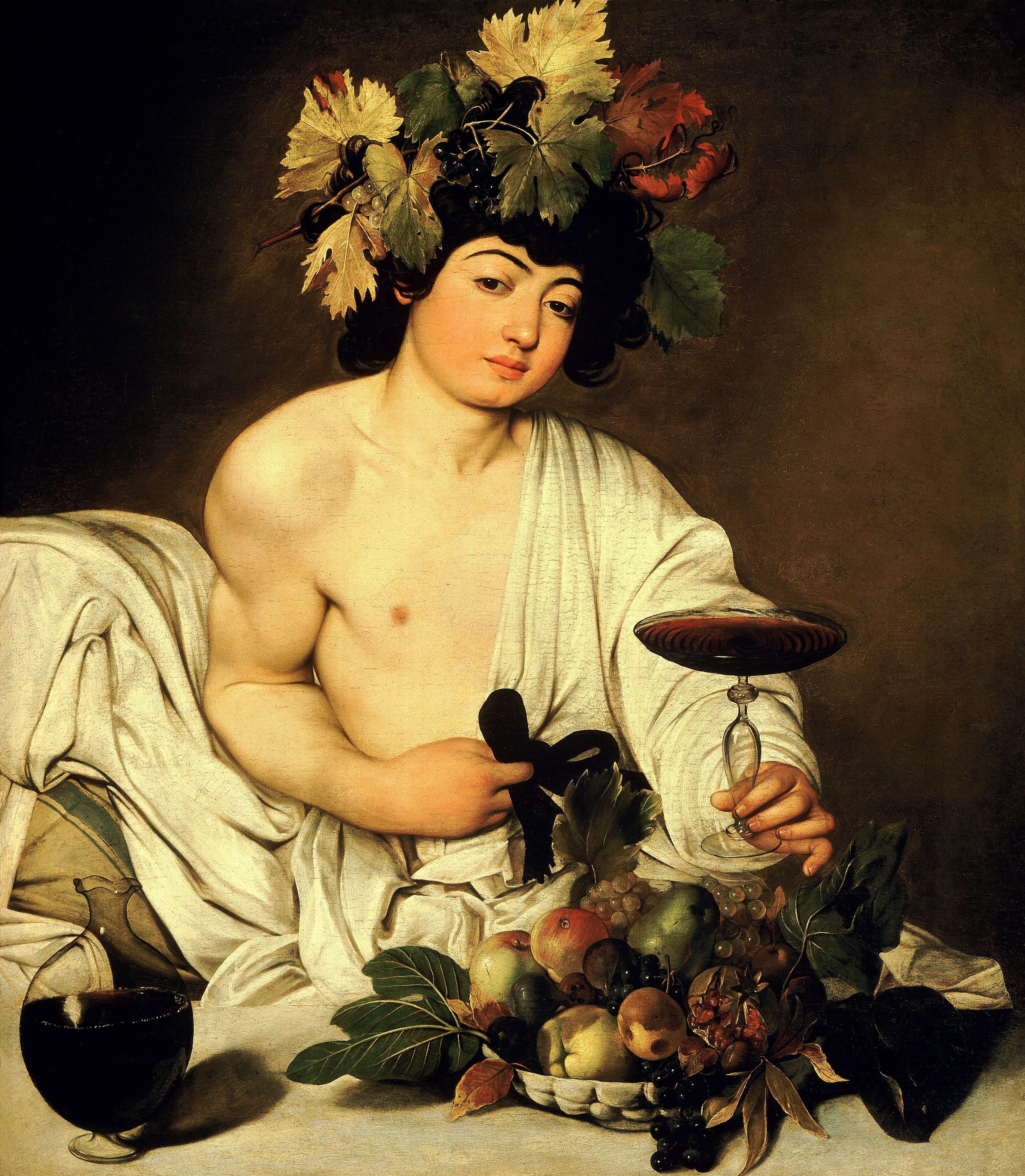
Bacchus
Caravaggio · c. 1596–98
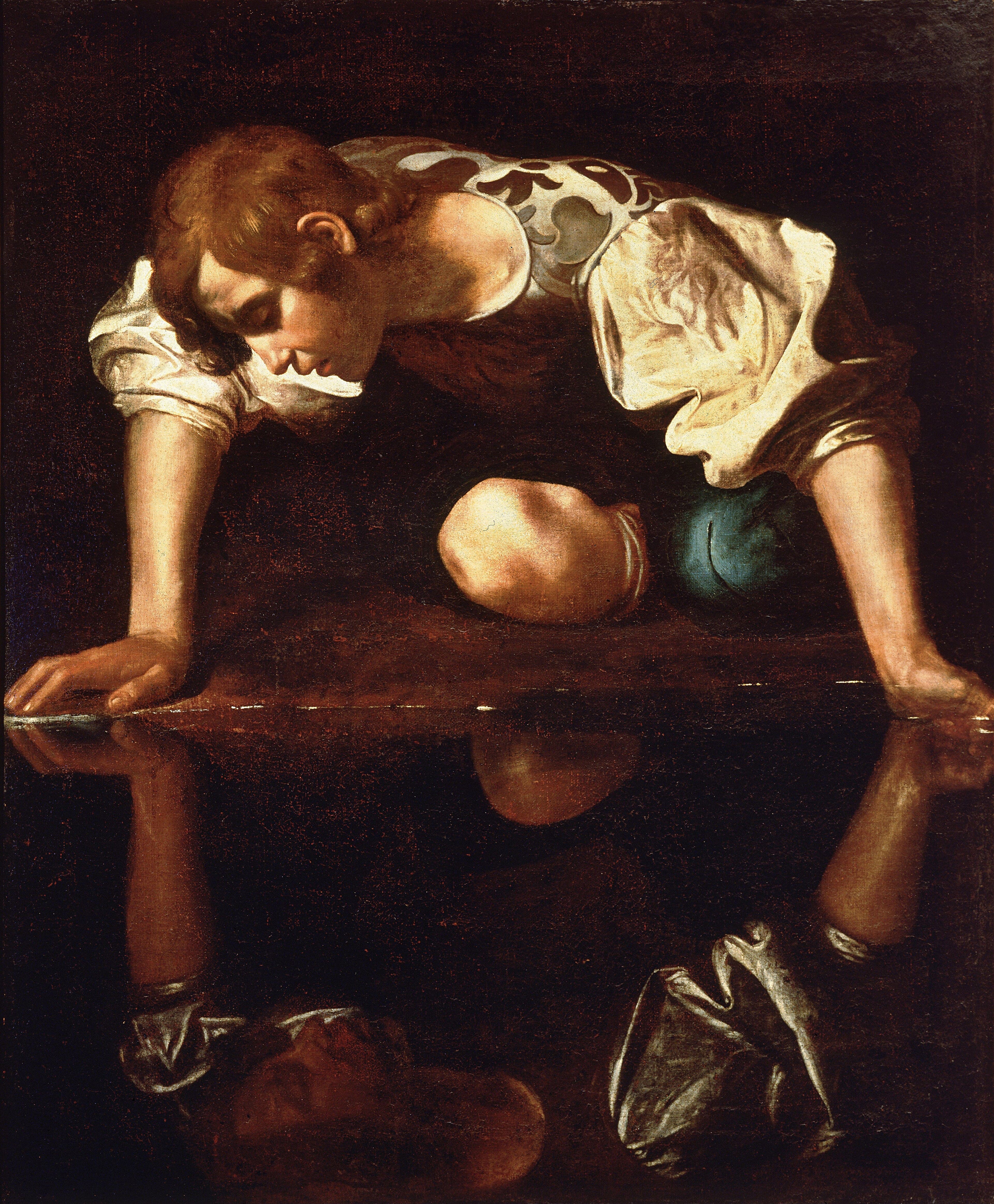
Narcissus
Caravaggio · c. 1597–99
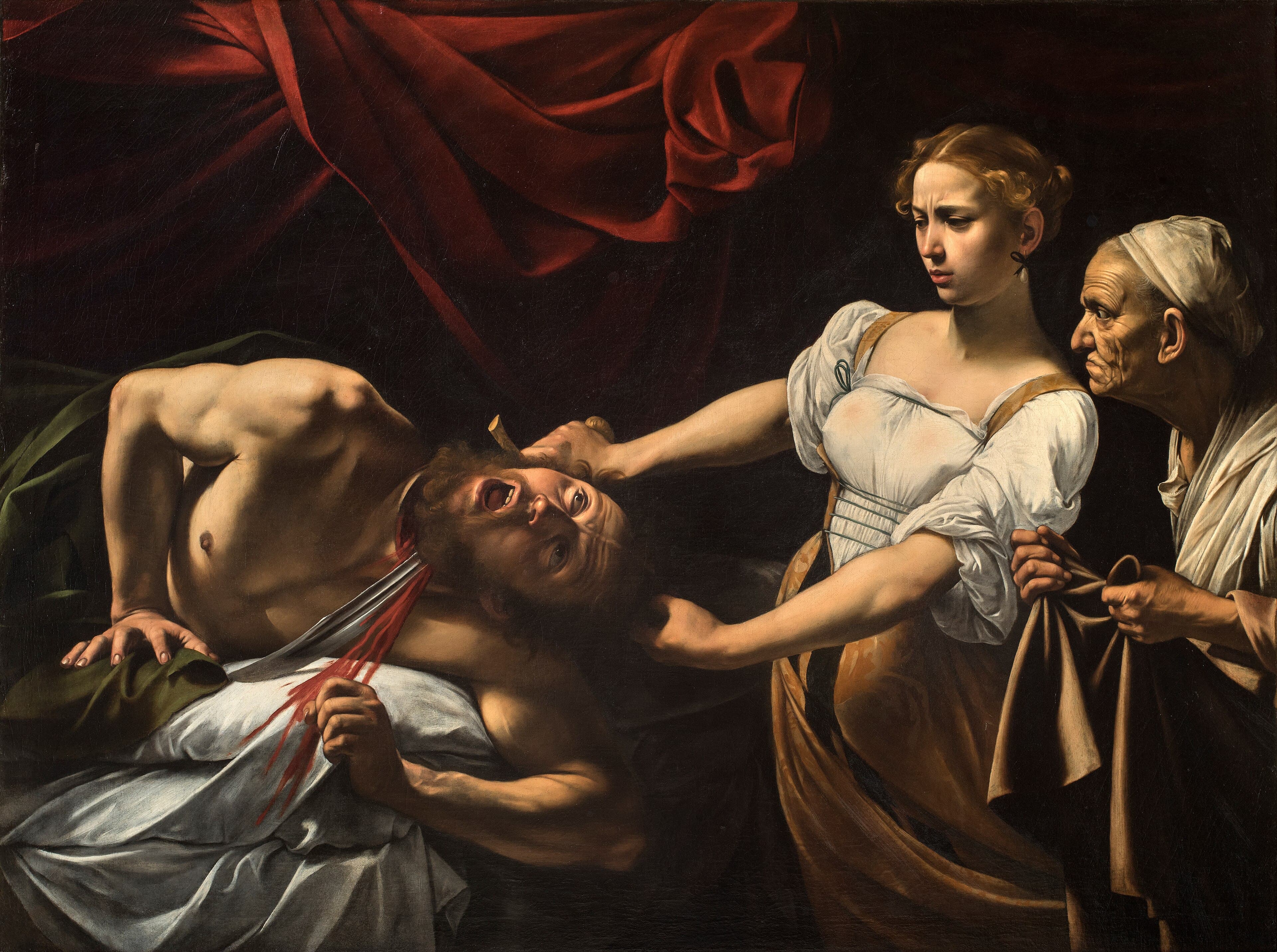
Judith Beheading Holofernes
Caravaggio · c. 1598–1599
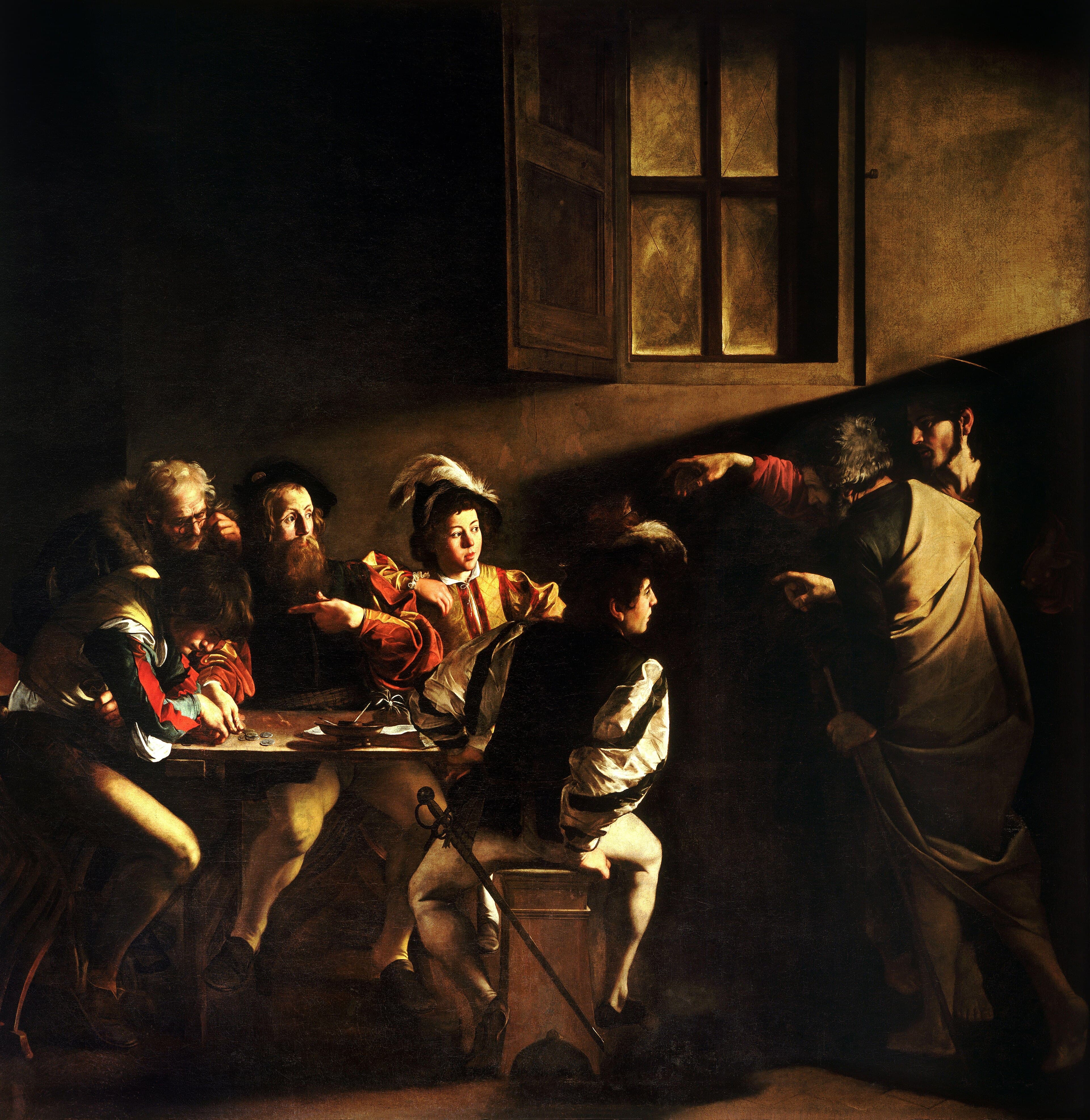
The Calling of Saint Matthew
Caravaggio · 1599–1600
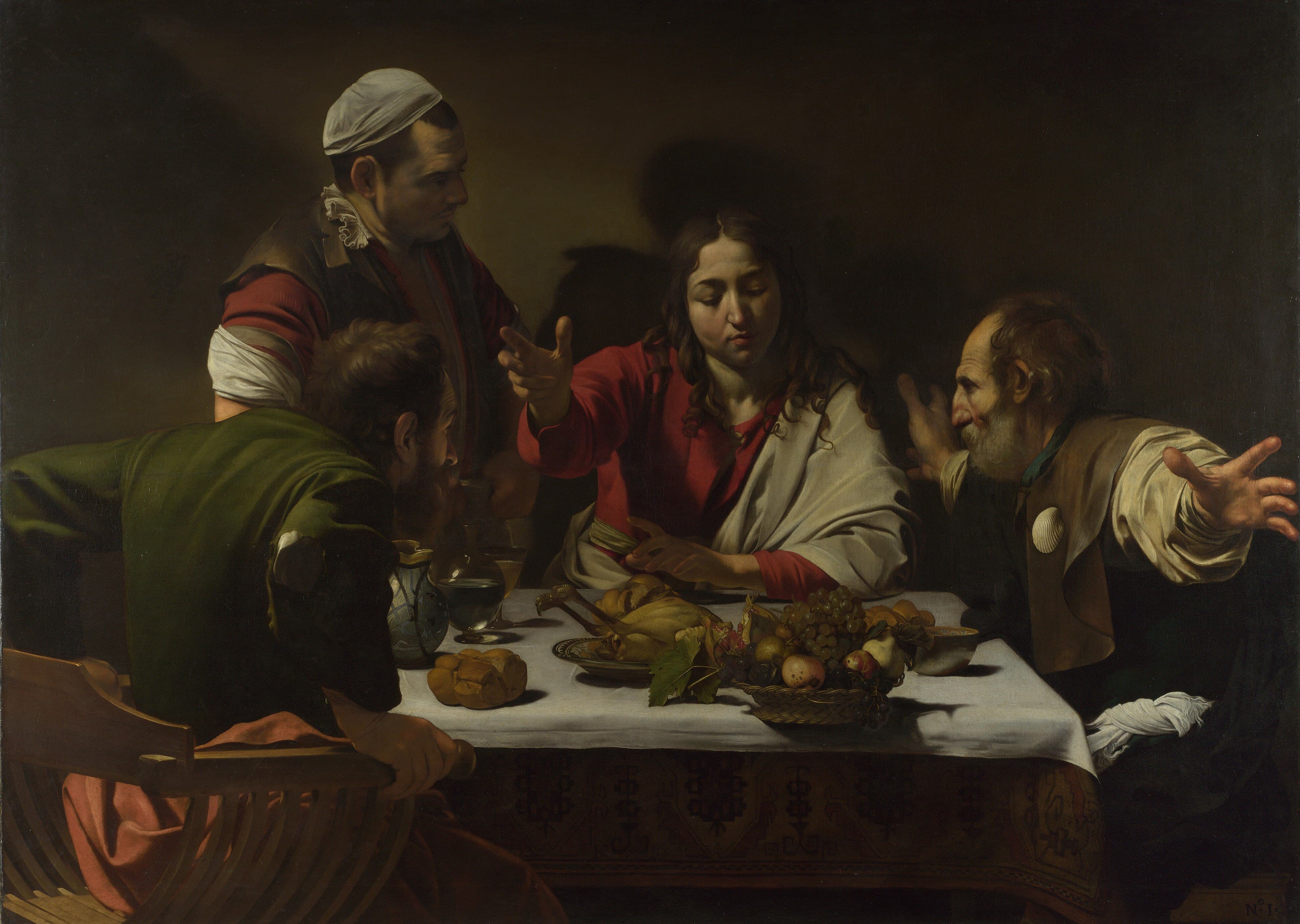
Supper at Emmaus
Caravaggio · 1601
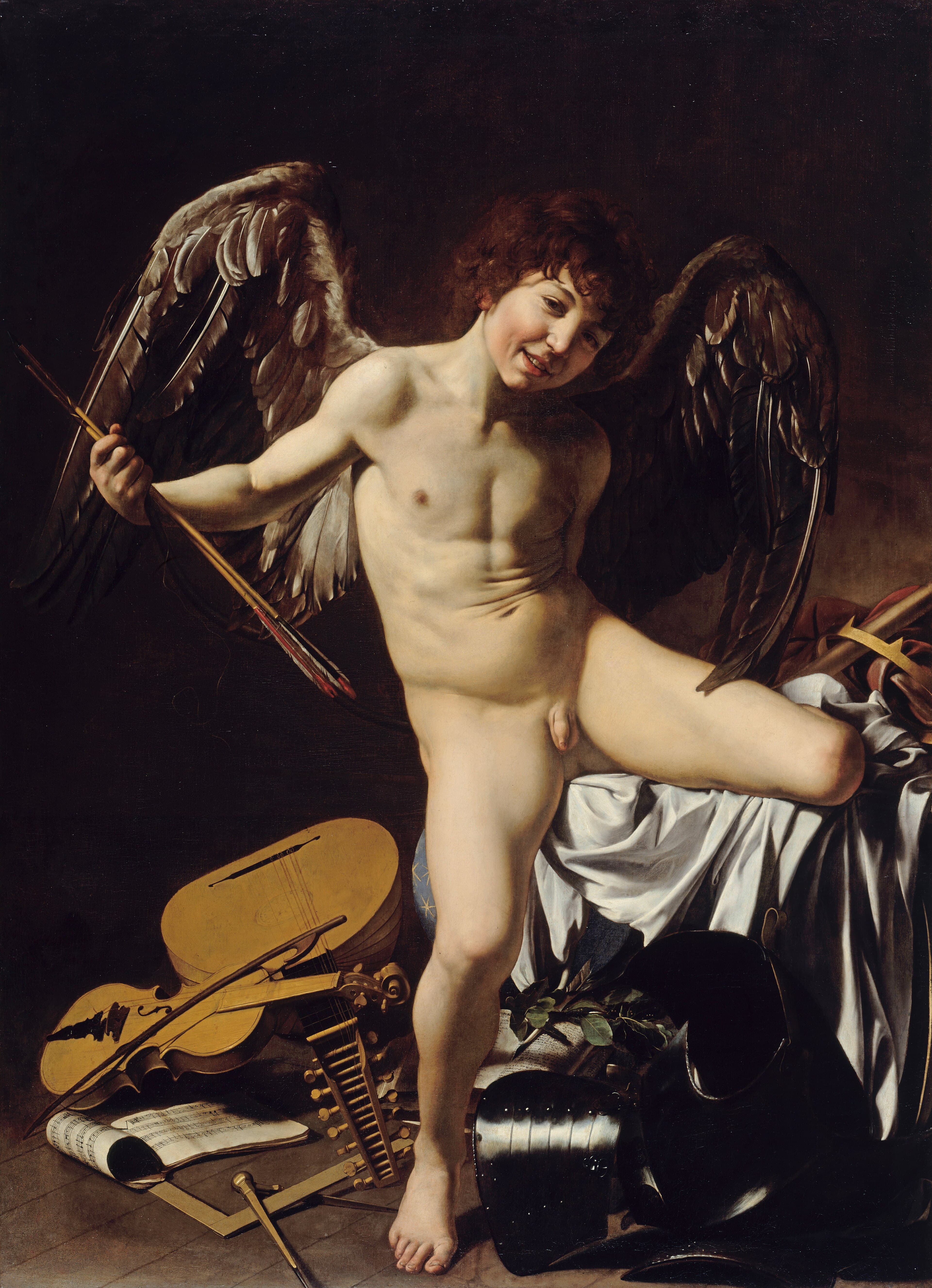
Amor Vincit Omnia
Caravaggio · 1601–02
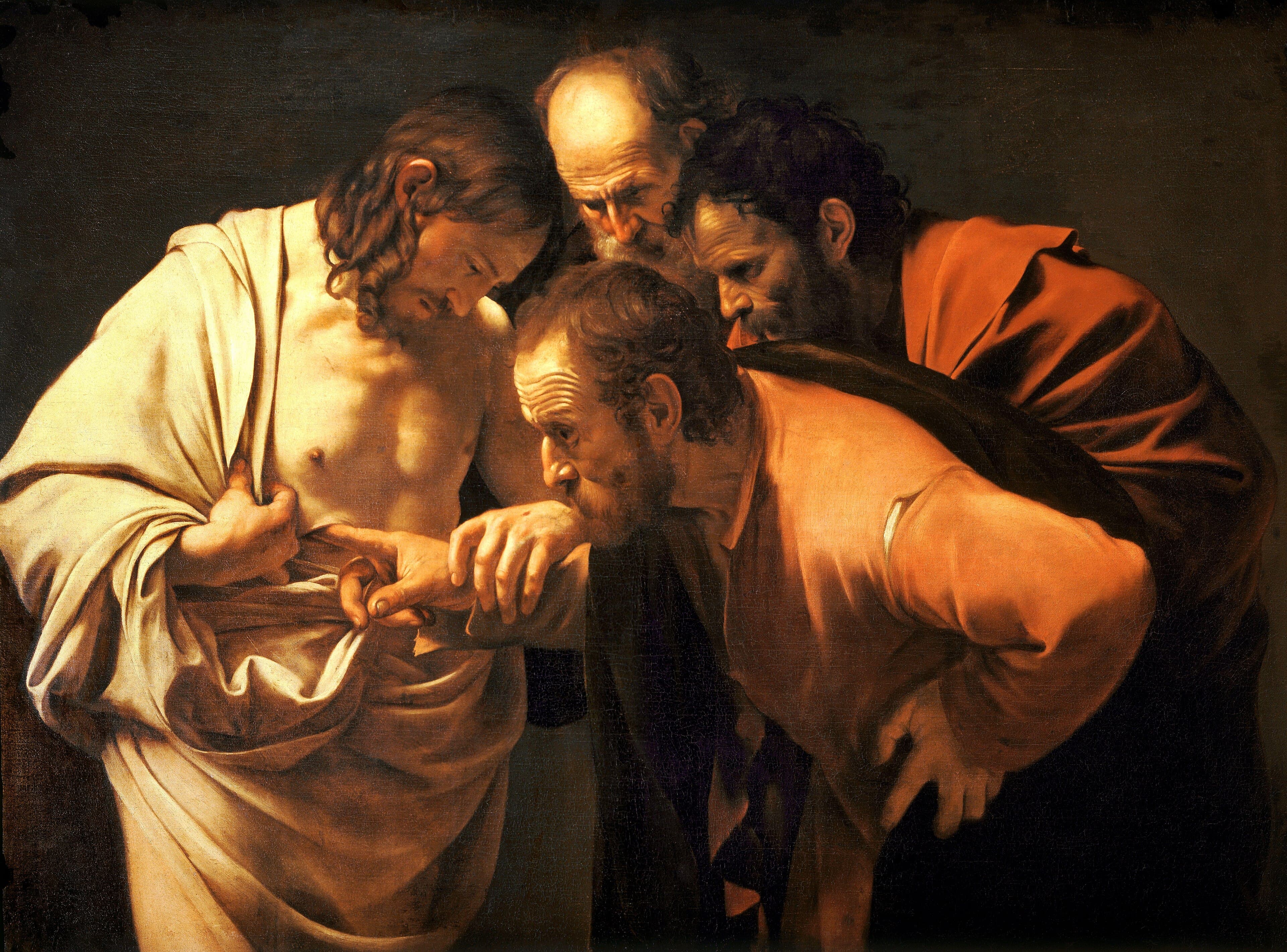
The Incredulity of Saint Thomas
Caravaggio · c. 1601–02
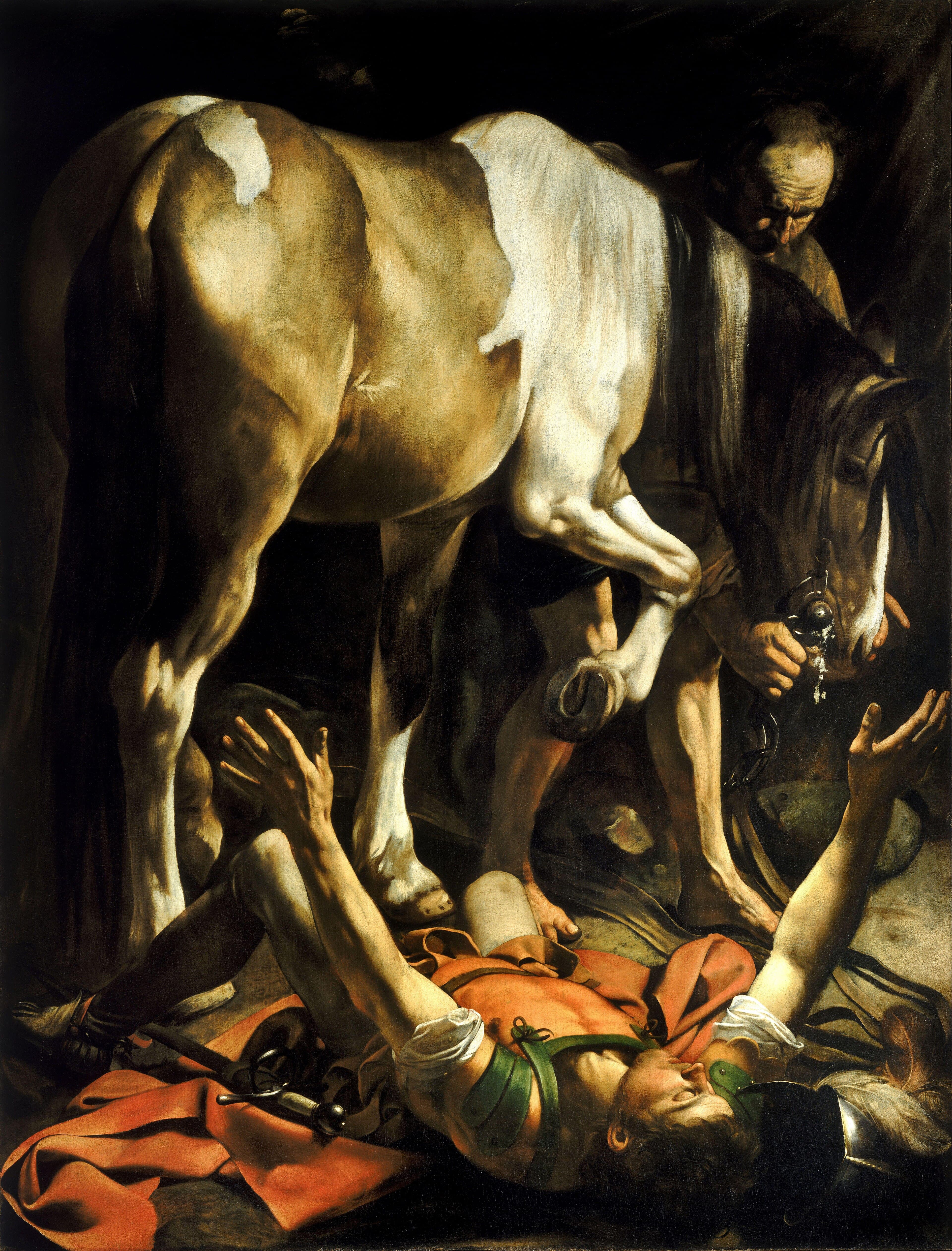
The Conversion of Saint Paul
Caravaggio · 1600–01
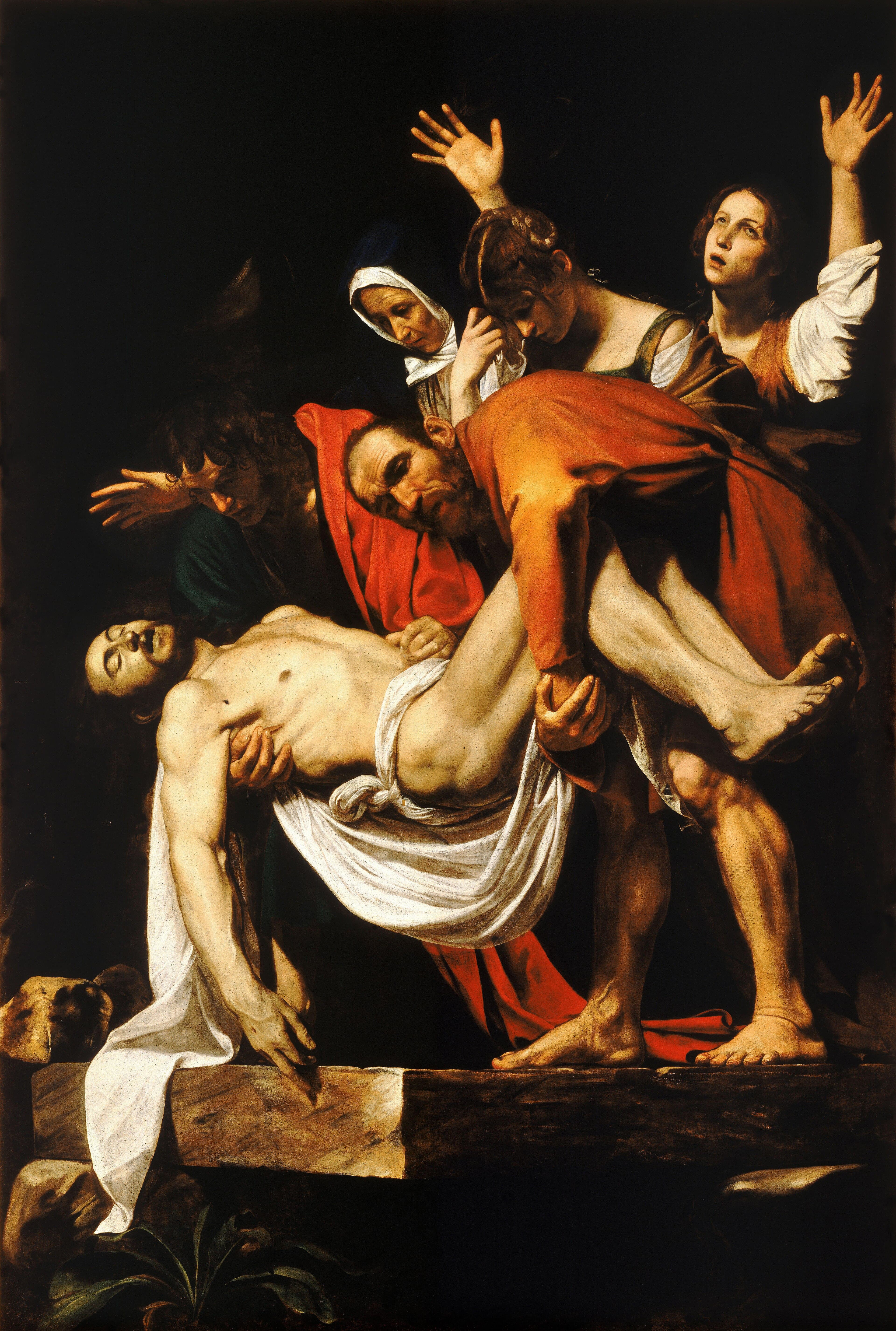
The Entombment of Christ
Caravaggio · 1603–04
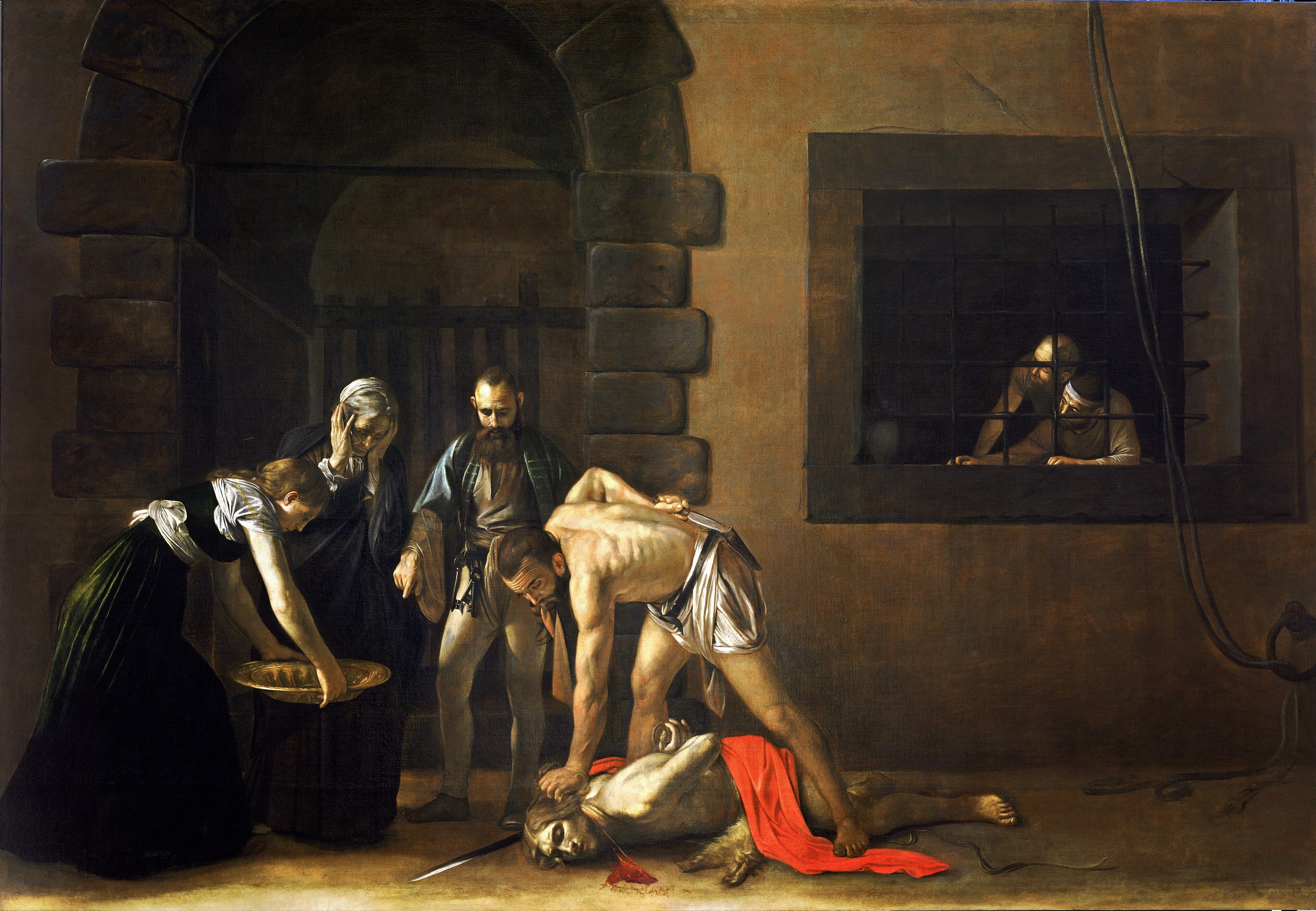
The Beheading of Saint John the Baptist
Caravaggio · 1608
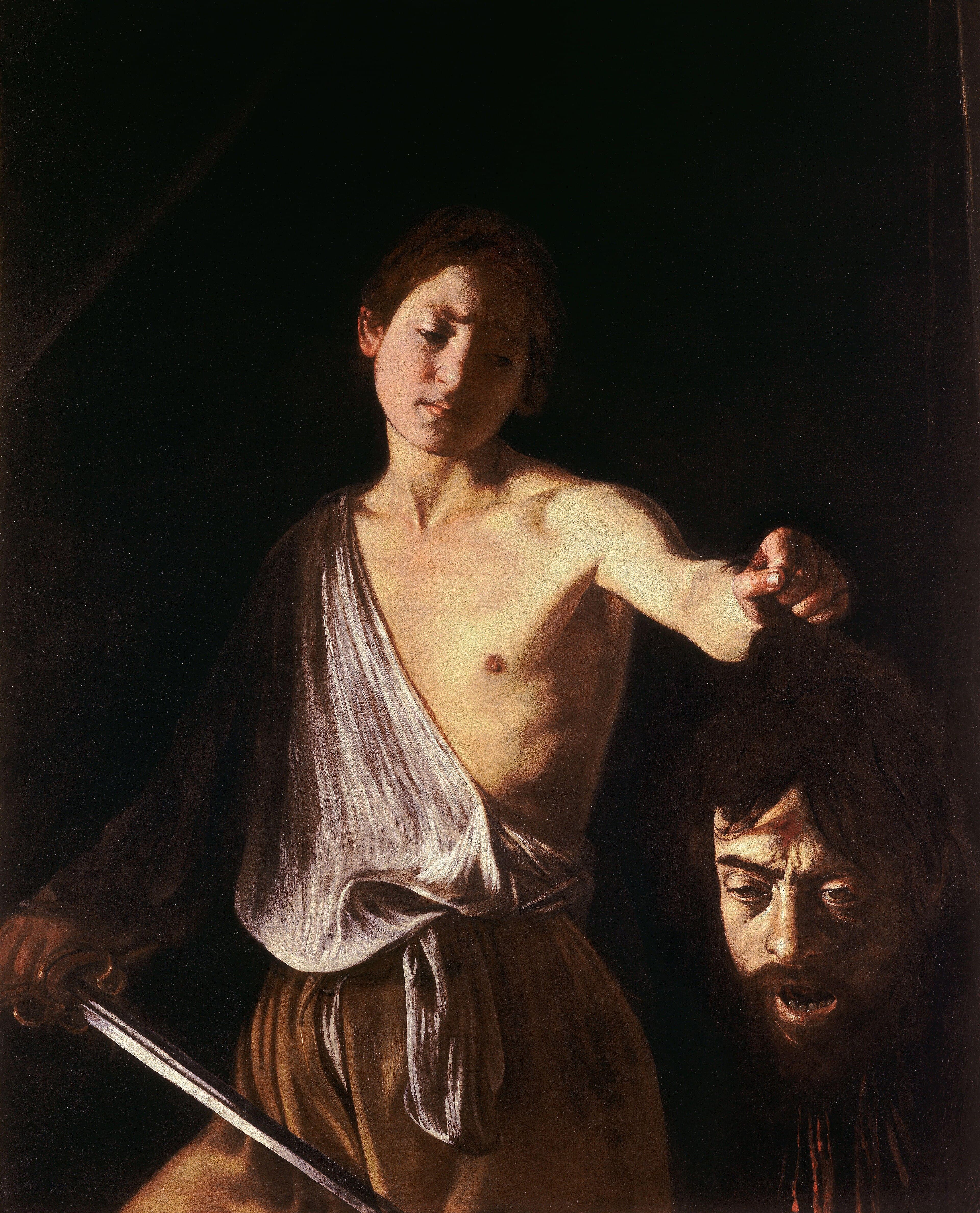
David with the Head of Goliath
Caravaggio · c. 1609–10
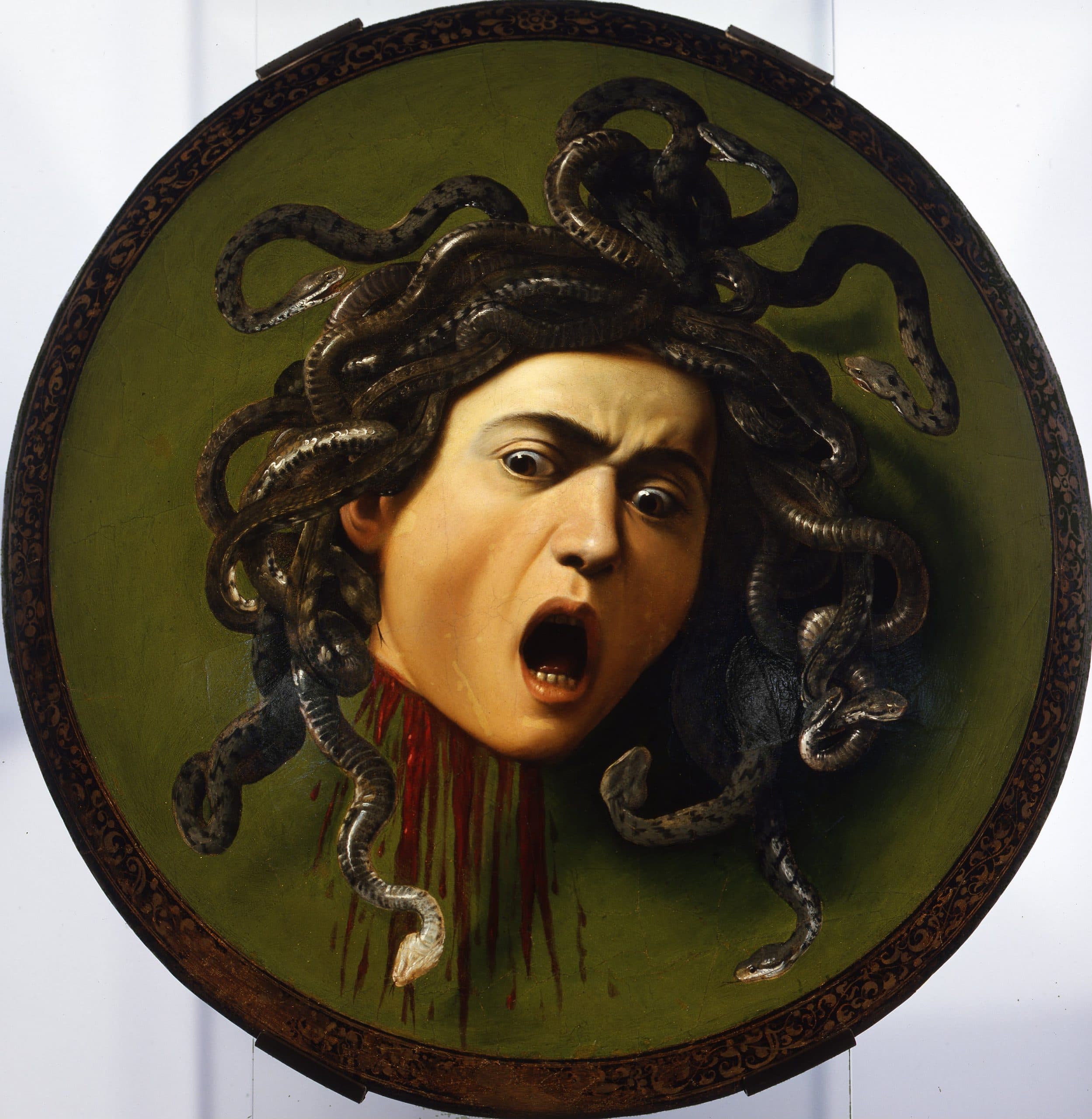
Medusa
Caravaggio · c. 1597–98
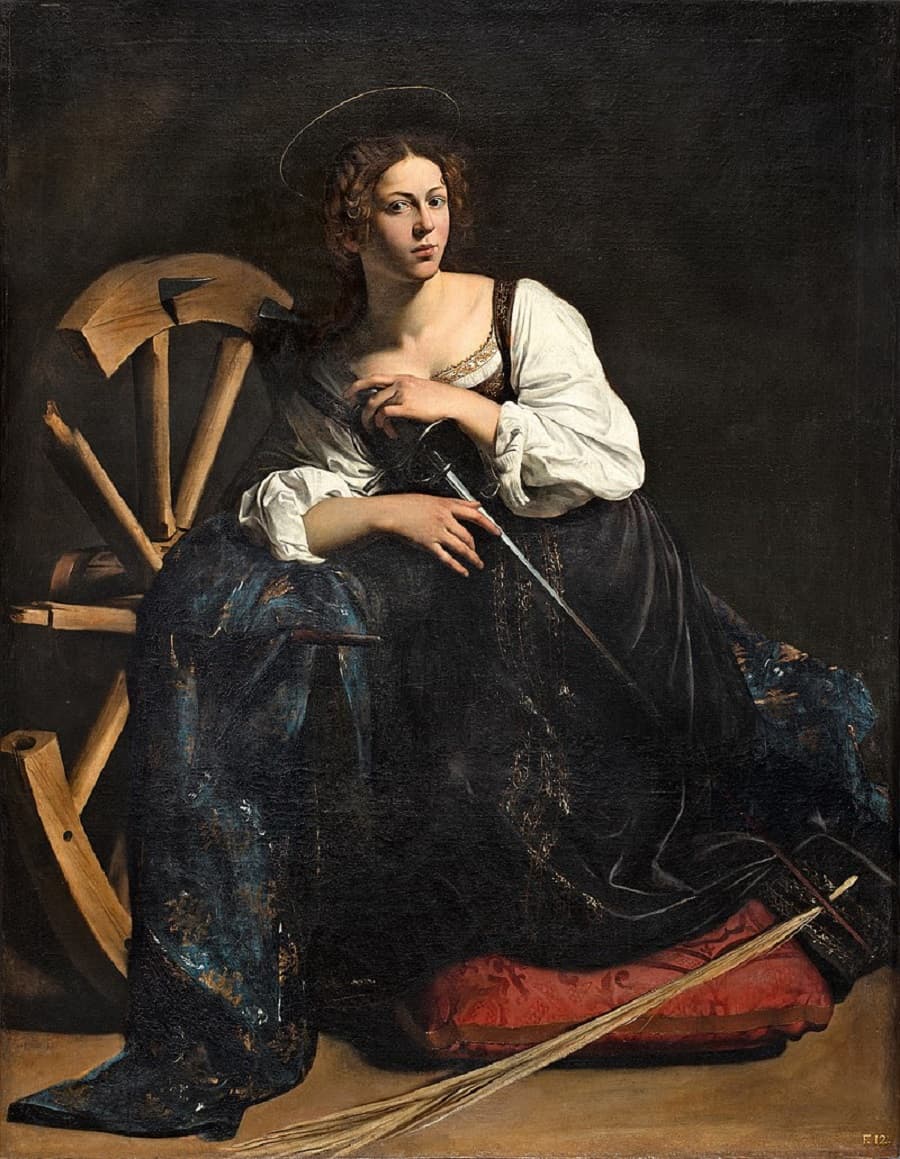
Saint Catherine of Alexandria
Caravaggio · c. 1598
Michelangelo Merisi da Caravaggio (1571–1610), known simply as Caravaggio, was an Italian painter who changed the course of European art. Working mainly in Rome, he painted religious and mythological scenes with street models, hard shadows and startling directness, and his style spread across Europe within a generation.
Life in brief
Born in Milan and raised partly in the town of Caravaggio, he trained in Milan before arriving in Rome in the early 1590s. Cardinal Francesco Maria del Monte became his patron, and public commissions followed, beginning with the Saint Matthew paintings in the Contarelli Chapel of San Luigi dei Francesi (1599–1600). His life was as violent as his pictures. In 1606 he killed Ranuccio Tomassoni in a brawl and fled Rome, working in Naples, Malta and Sicily. He died in 1610 at Porto Ercole while trying to return to Rome for a pardon.
Style
Caravaggio painted directly onto the canvas from posed models, without preparatory drawings, under a single strong light source. Figures emerge from deep shadow, a manner later called tenebrism.
Works in our catalogue
Medusa is painted on a convex ceremonial shield. Caravaggio made two versions: the first (around 1596–97) is in a private collection, the second (around 1597–98) in the Uffizi, Florence. The severed head of the Gorgon screams at the moment of death, blood still spurting from the neck, and many scholars believe Caravaggio used his own face as the model.
Saint Catherine of Alexandria (around 1598–99, Museo Thyssen-Bornemisza, Madrid) shows the martyr kneeling beside the spiked wheel of her torture, holding a sword, with a palm of martyrdom at her feet. The model was probably Fillide Melandroni, who also sat for other early works.
Where to see his work
Rome holds the largest concentration, in churches and the Galleria Borghese. Explore more in Caravaggio Paintings and Baroque Art.
Questions & answers
Where is Caravaggio's Medusa?
The best-known version of Caravaggio's Medusa, painted around 1597–98 on a convex wooden shield, is in the Uffizi Gallery in Florence. An earlier, slightly smaller first version of around 1596–97 is in a private collection.
Why is Caravaggio so important?
Caravaggio replaced idealized figures with real models and lit them with dramatic, single-source light. This realism and chiaroscuro reshaped Baroque painting and inspired followers across Europe, from Artemisia Gentileschi to Rembrandt and Velázquez's generation.
How did Caravaggio die?
Caravaggio died on 18 July 1610 at Porto Ercole in Tuscany, aged 38, while traveling back toward Rome to seek a pardon for the 1606 killing of Ranuccio Tomassoni. The cause is uncertain; fever, infection and lead poisoning have all been proposed.