Image: National Gallery, London · Public domain · via Wikimedia Commons
Baroque
Supper at Emmaus
Caravaggio, 1601
Supper at Emmaus is a painting by Caravaggio, made in 1601, showing the risen Christ revealing himself to two disciples as he blesses the bread. It is in the National Gallery, London; a later 1606 version is in Milan.
- Artist
- Caravaggio
- Date
- 1601
- Medium
- Oil and tempera on canvas
- Dimensions
- 141 × 196.2 cm
- Collection
- National Gallery, London, United Kingdom
- Movement
- Baroque
What you're looking at
Four men are gathered at a table covered with a white cloth over a patterned rug. In the center sits a young, beardless Christ in a red tunic and white mantle, his right hand raised over the food in blessing, his eyes lowered. To the left, a disciple in a green jacket, torn at the elbow, grips the arms of his chair as if about to spring up. To the right, an older, bearded disciple flings his arms wide in astonishment, one hand reaching toward us and the other back into the shadows. Behind Christ an innkeeper in a white cap stands with his thumbs in his belt, looking down, apparently unaware that anything has happened.
The table is laid with a roast chicken, bread rolls, a glass carafe, a glass of wine, a small jug and a wicker basket of fruit heaped with grapes, apples and a pomegranate. The basket sits right on the table's edge, its shadow falling on the cloth, so that it seems about to tip into our space.
The light falls from the upper left, picking out the faces, the white tablecloth and Christ's hand, against a plain brown wall. The canvas measures 141 by 196.2 cm, and the figures are life size, at the viewer's eye level.
What is the story of Supper at Emmaus?
The scene is from the Gospel of Luke (24:13–31). On the day of the Resurrection, two disciples walking to the village of Emmaus are joined by a stranger who explains the scriptures to them. They invite him to eat with them, and when he takes the bread, blesses it and breaks it, "their eyes were opened, and they knew him; and he vanished out of their sight." Luke names one of the two, Cleopas; the other is unnamed, and scholars differ over which figure in the painting is which.
Caravaggio paints the instant of recognition: the blessing has just been given and the disciples have just understood.
What does Supper at Emmaus mean?
The central theme is recognition, and Caravaggio stages it through gesture. The disciple on the left half-rises; the one on the right opens his arms in a pose that echoes the Cross, with his right hand painted in sharp foreshortening so that it seems to project out of the picture. The innkeeper, who sees but does not understand, stands for everyone who looks without recognizing.
Christ is beardless and soft-featured, quite unlike the usual image. Commentators connect this with Mark 16:12, which says that after the Resurrection Jesus appeared to two disciples "in another form," explaining why they did not know him on the road. The innkeeper's shadow falls on the wall behind Christ's head, so that a patch of darkness takes the place of a halo.
The still life carries meaning too. Bread and wine point to the Eucharist. The disciple on the right wears a scallop shell on his chest, the badge of a pilgrim. The fruit includes grapes and a pomegranate, symbols of Christ's blood and the Resurrection, though they are autumn fruit at an Easter meal, a point already noticed by seventeenth-century critics. Look closely at the basket's shadow on the cloth: it has been read as the shape of a fish, the early Christian sign for Christ.
Commission and history
The painting was commissioned by Ciriaco Mattei, a member of the wealthy Roman family who also commissioned other works from Caravaggio, and is usually dated to 1601. It later belonged to Cardinal Scipione Borghese and passed through several collections before it was given to the National Gallery in London in 1839.
It belongs to Caravaggio's most confident years in Rome, the period of The Calling of Saint Matthew and The Incredulity of Saint Thomas, another picture about touching and seeing the risen Christ. Its theatrical gestures and still life became widely imitated across Europe.
The second Supper at Emmaus
In 1606, after he fled Rome following the killing of Ranuccio Tomassoni, Caravaggio painted the subject again. That later version, in the Pinacoteca di Brera in Milan, is darker and quieter: Christ is older and bearded, the gestures restrained, the still life reduced, and an old woman stands beside the innkeeper. Comparing the two shows how far the artist's style moved in five years, from brilliant display toward stillness. For the arc of his career, see Caravaggio paintings.
What to notice
Look at the basket. It hangs over the edge of the table by a few centimeters, and a single wisp of wicker sticks out, so precisely painted that it seems you could catch it. Then look at the green jacket on the left: the torn elbow is the mark of a poor traveler, and it sits just a few inches from Christ's raised hand.
Where to see Supper at Emmaus today
The painting is in the National Gallery, London, on Trafalgar Square, where it hangs among the gallery's Italian Baroque paintings. Admission to the permanent collection is free. The later 1606 version is in the Pinacoteca di Brera, Milan.
Questions & answers
Where is Caravaggio's Supper at Emmaus?
The 1601 Supper at Emmaus is in the National Gallery in London, which received it in 1839; admission is free. Caravaggio painted a second, quieter version in 1606, which is in the Pinacoteca di Brera in Milan.
What is the meaning of Supper at Emmaus?
It shows the moment in Luke 24 when two disciples recognize the risen Christ as he blesses bread at supper. Their gestures dramatize recognition, while the unaware innkeeper stands for those who see without understanding. The bread and wine point to the Eucharist.
Why is Christ beardless in Caravaggio's Supper at Emmaus?
Caravaggio's young, beardless Christ is usually linked to Mark 16:12, which says the risen Jesus appeared to the two disciples in another form. It helps explain why they did not recognize him on the road until he broke the bread.
What is hidden in Caravaggio's Supper at Emmaus?
Viewers have noticed that the shadow of the fruit basket on the tablecloth resembles a fish, an early Christian symbol of Christ. The innkeeper's shadow also falls behind Christ's head, replacing a halo with darkness, and the right-hand disciple wears a pilgrim's scallop shell.
More by the artist
Caravaggio
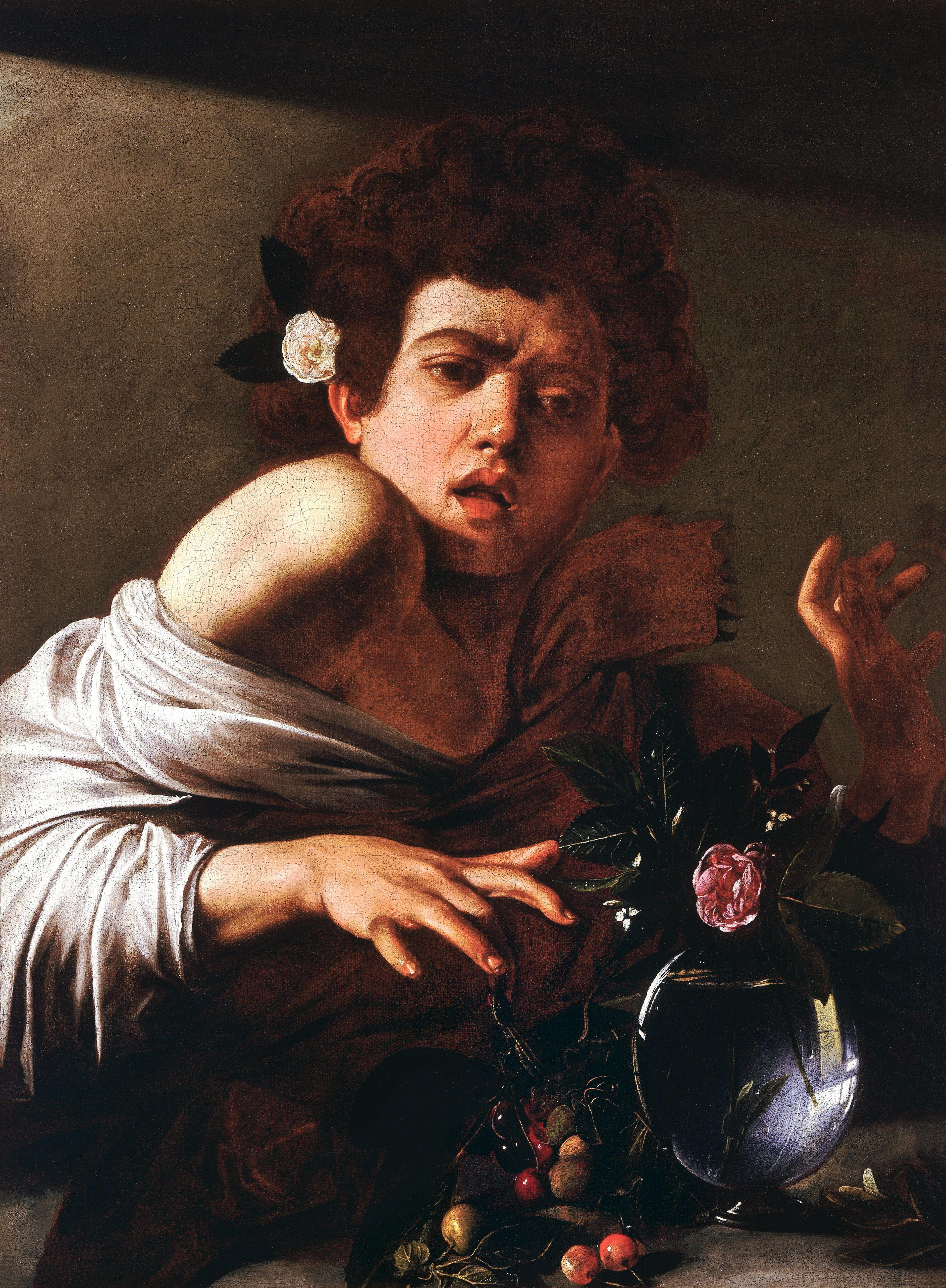
Boy Bitten by a Lizard
Caravaggio · c. 1594–95
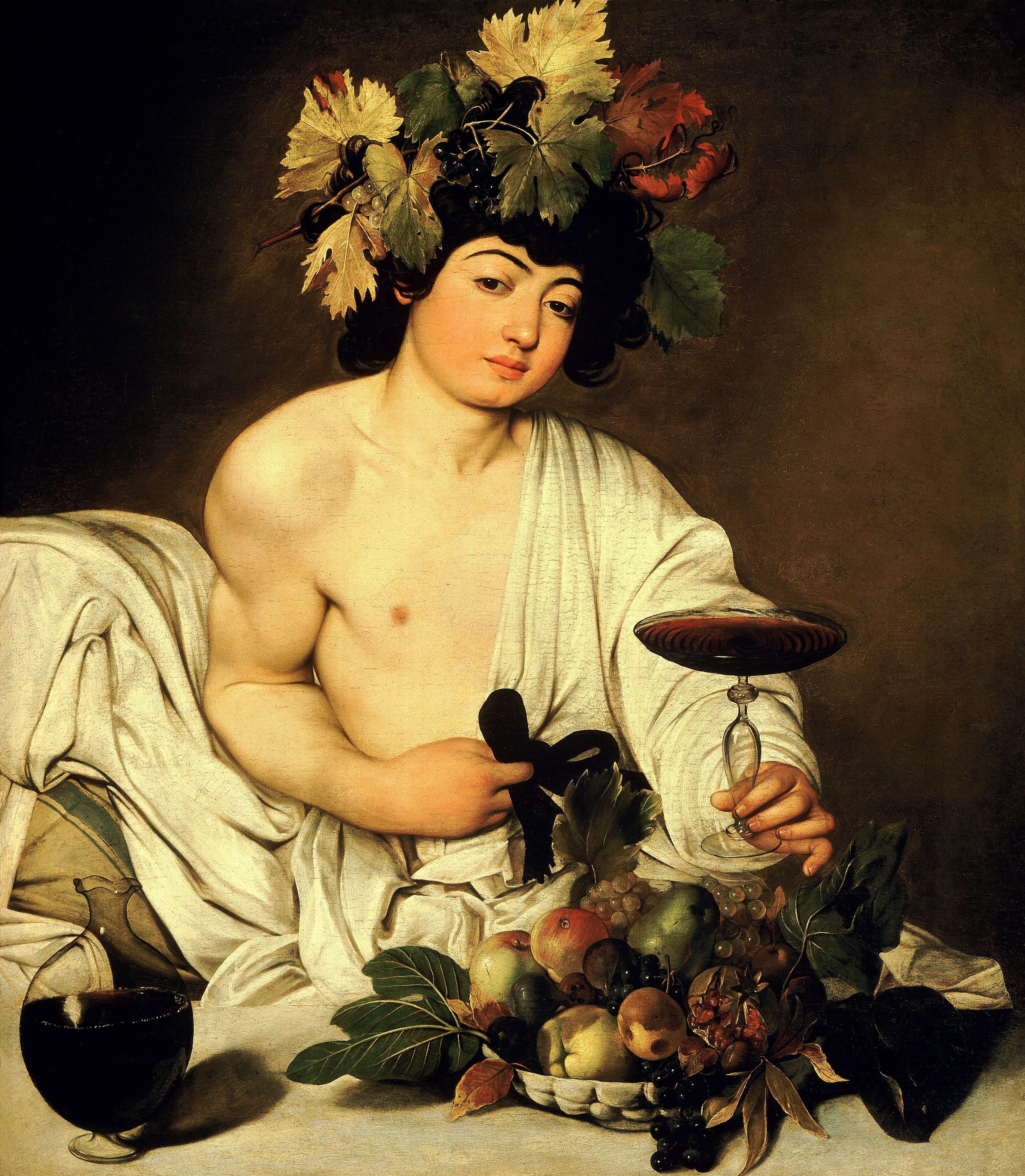
Bacchus
Caravaggio · c. 1596–98
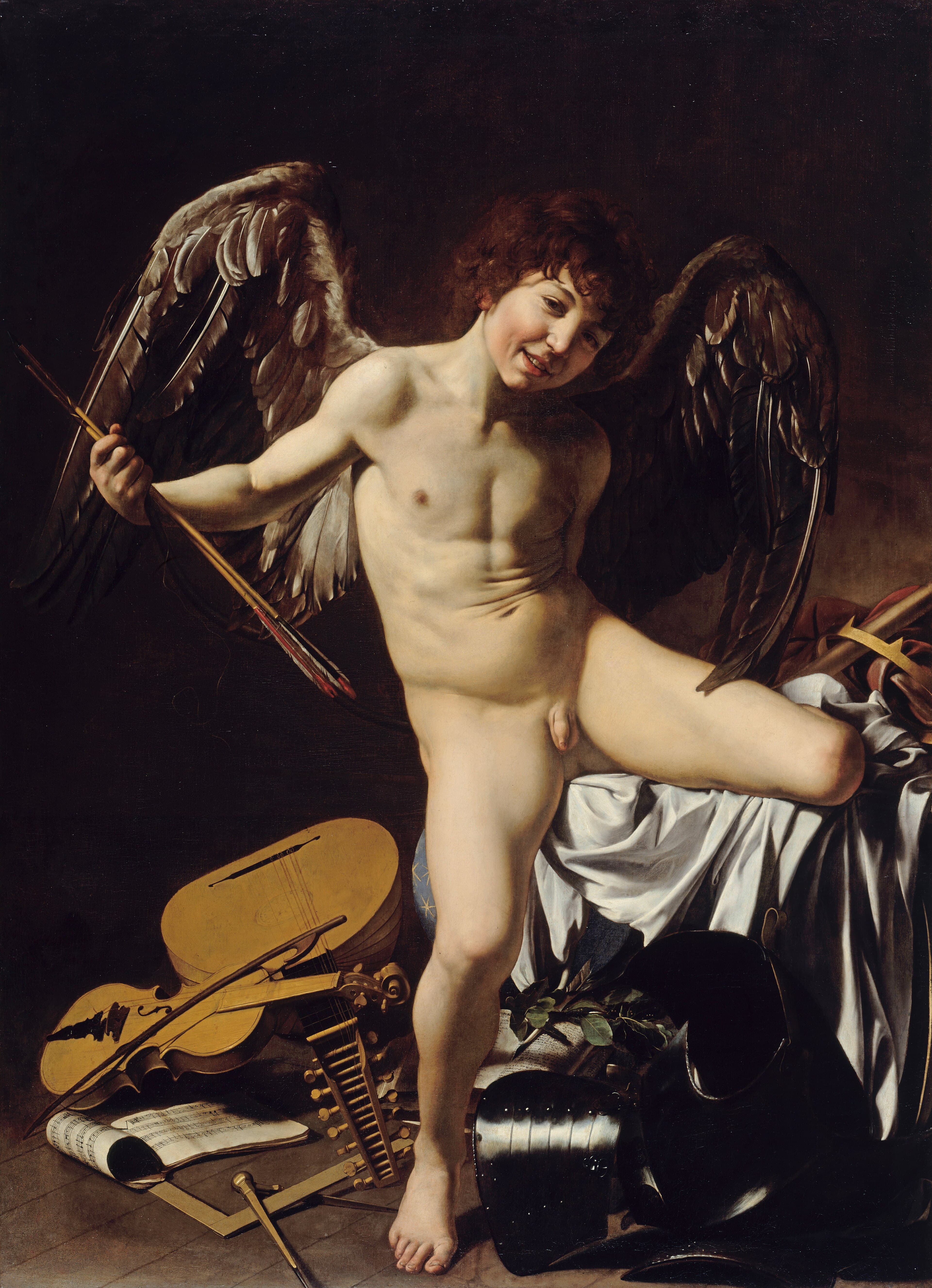
Amor Vincit Omnia
Caravaggio · 1601–02
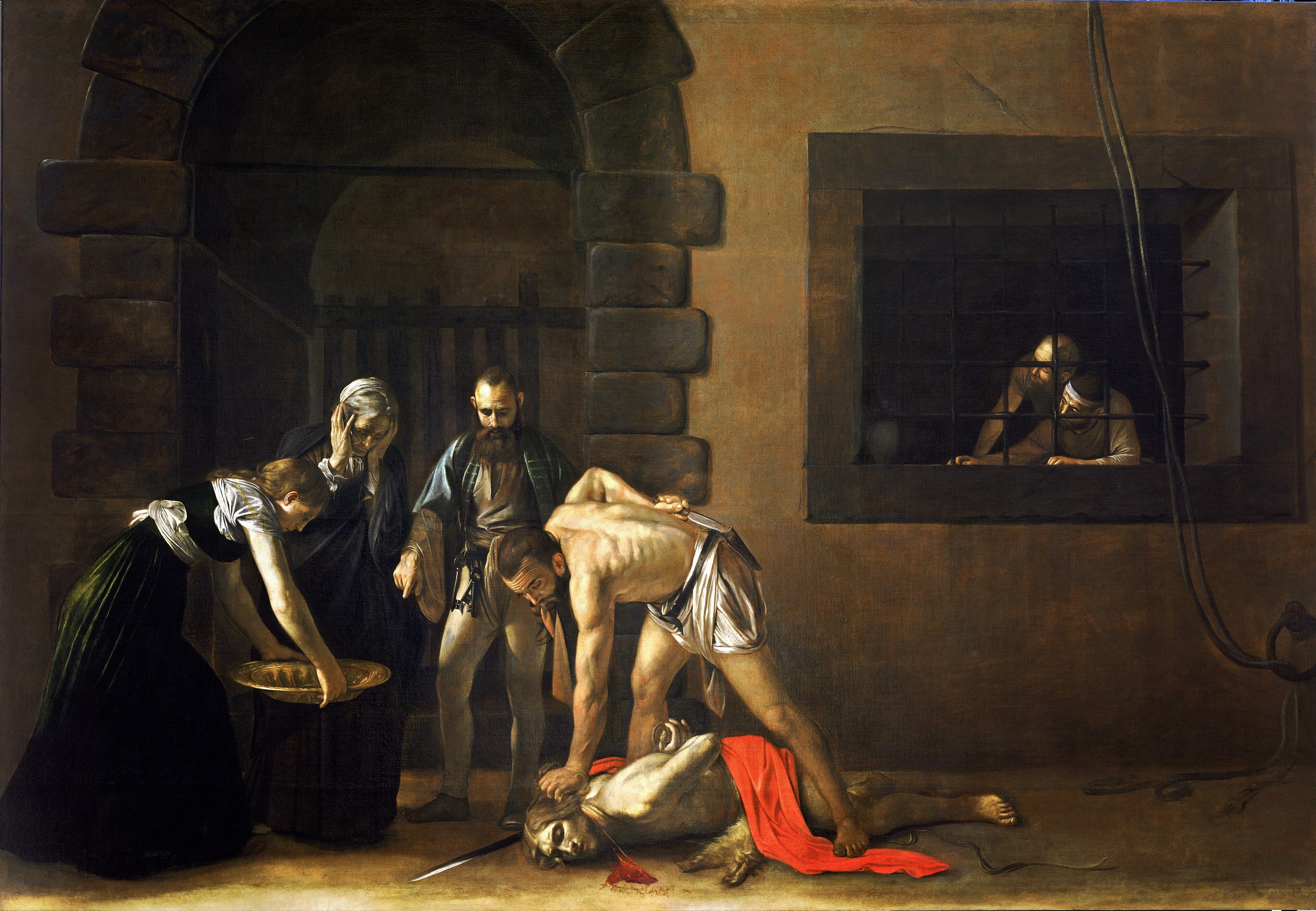
The Beheading of Saint John the Baptist
Caravaggio · 1608
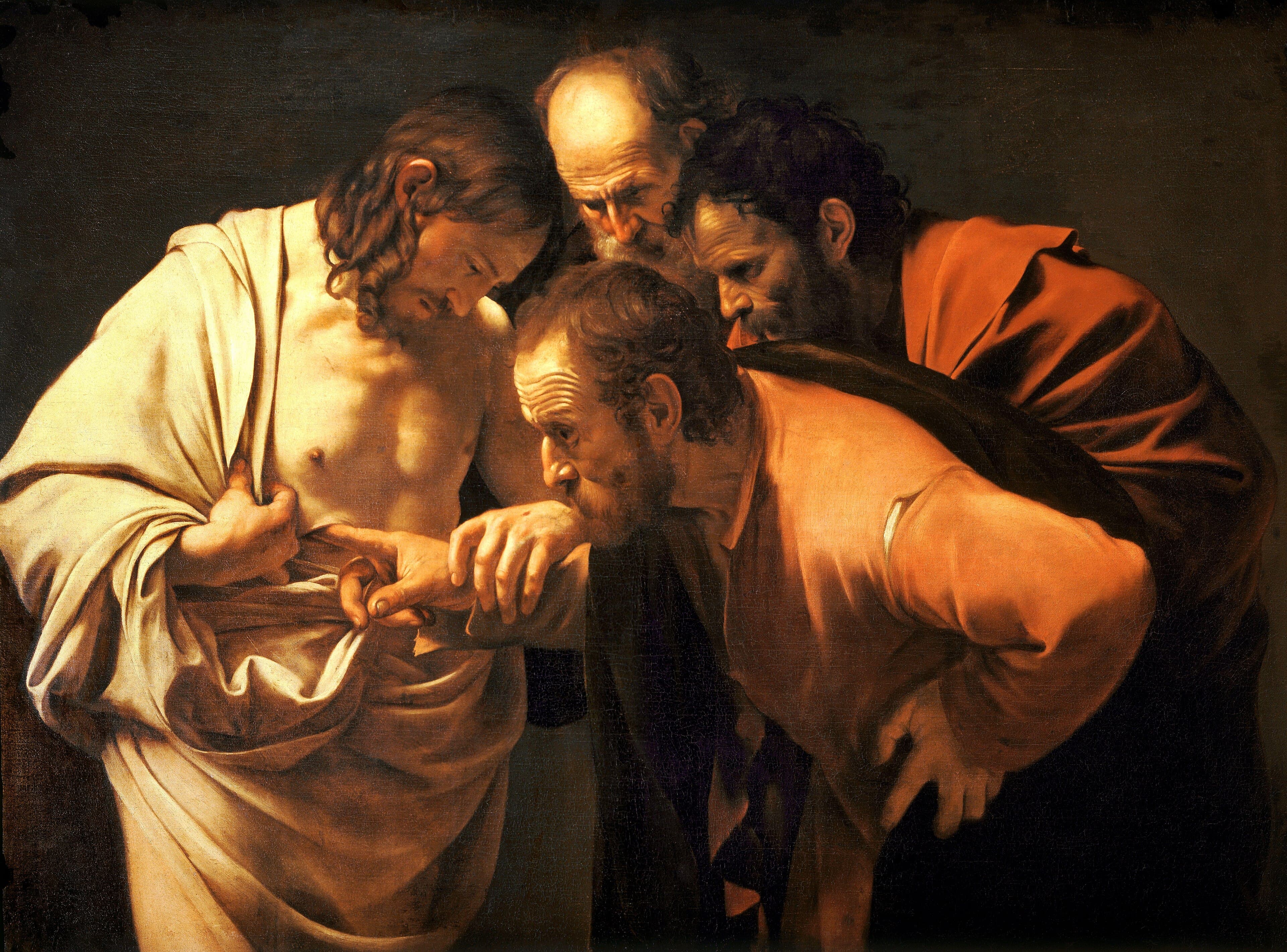
The Incredulity of Saint Thomas
Caravaggio · c. 1601–02
Narcissus
Caravaggio · c. 1597–99
The Entombment of Christ
Caravaggio · 1603–04
David with the Head of Goliath
Caravaggio · c. 1609–10
Also painted in 1601
The same year
Kindred works
You may also study
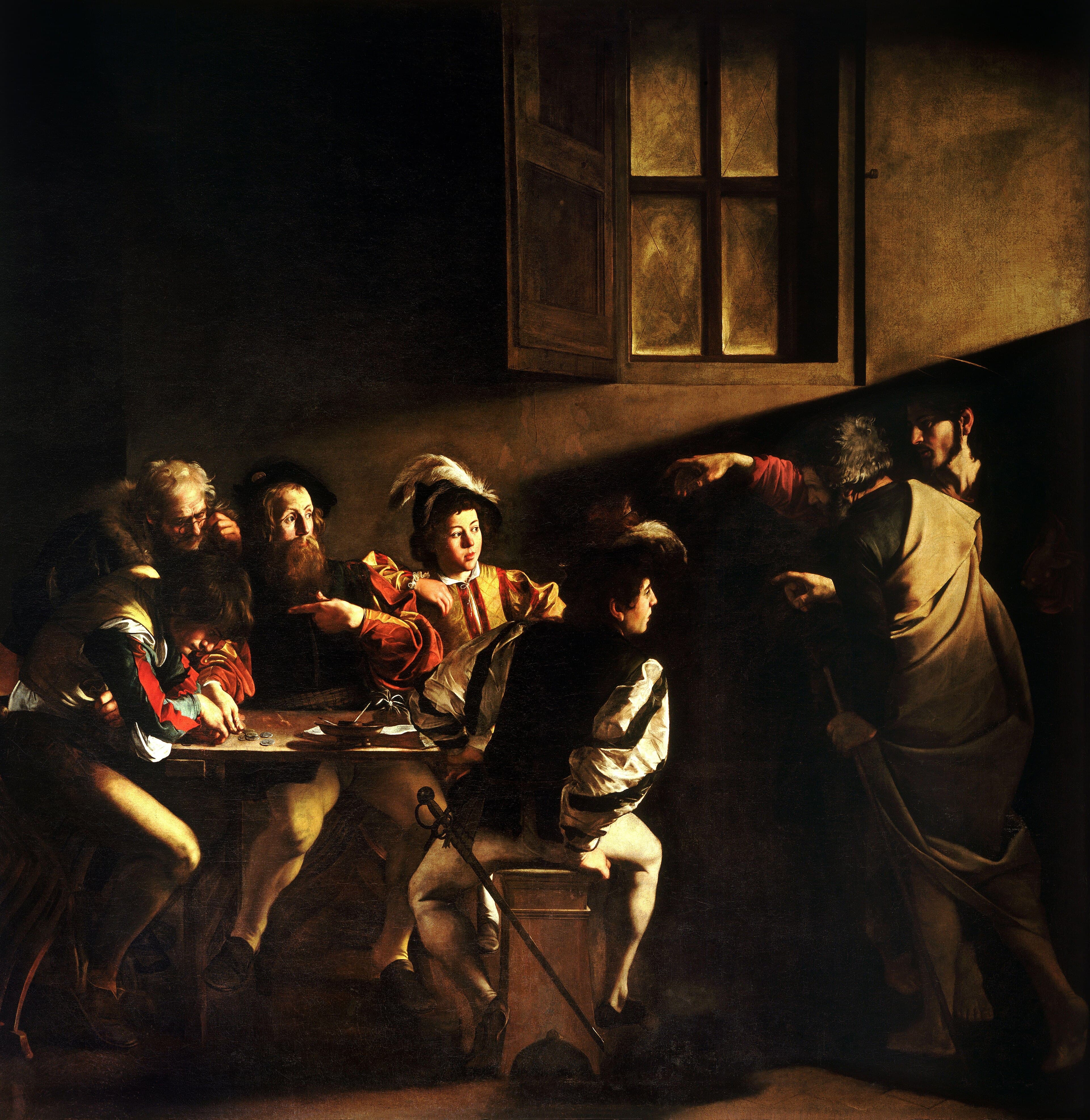
The Calling of Saint Matthew
Caravaggio · 1599–1600
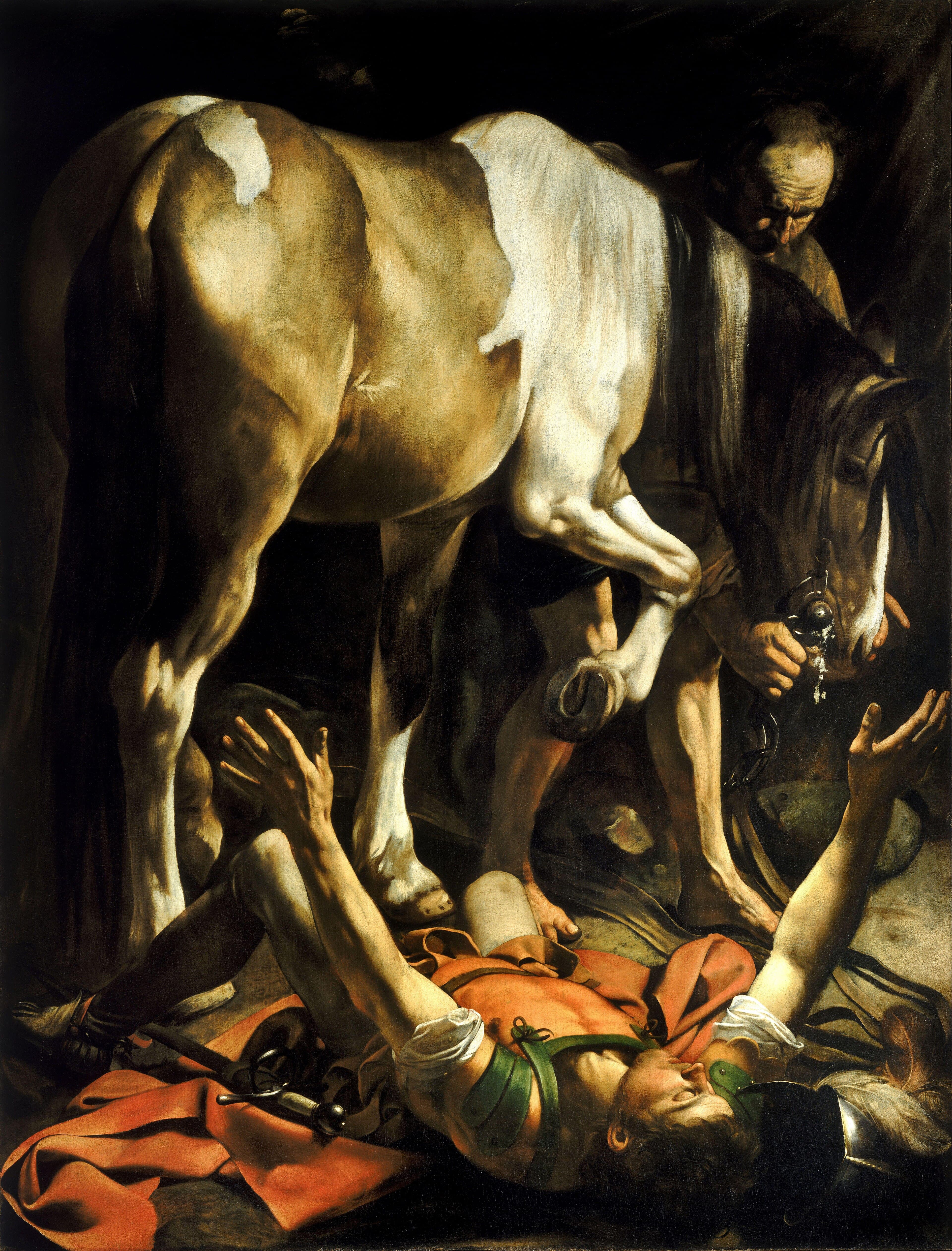
The Conversion of Saint Paul
Caravaggio · 1600–01

Bridge over a Pond of Water Lilies
Claude Monet · 1899

Venus de Milo
Alexandros of Antioch · c. 150–125 BC

The Scream
Edvard Munch · 1893
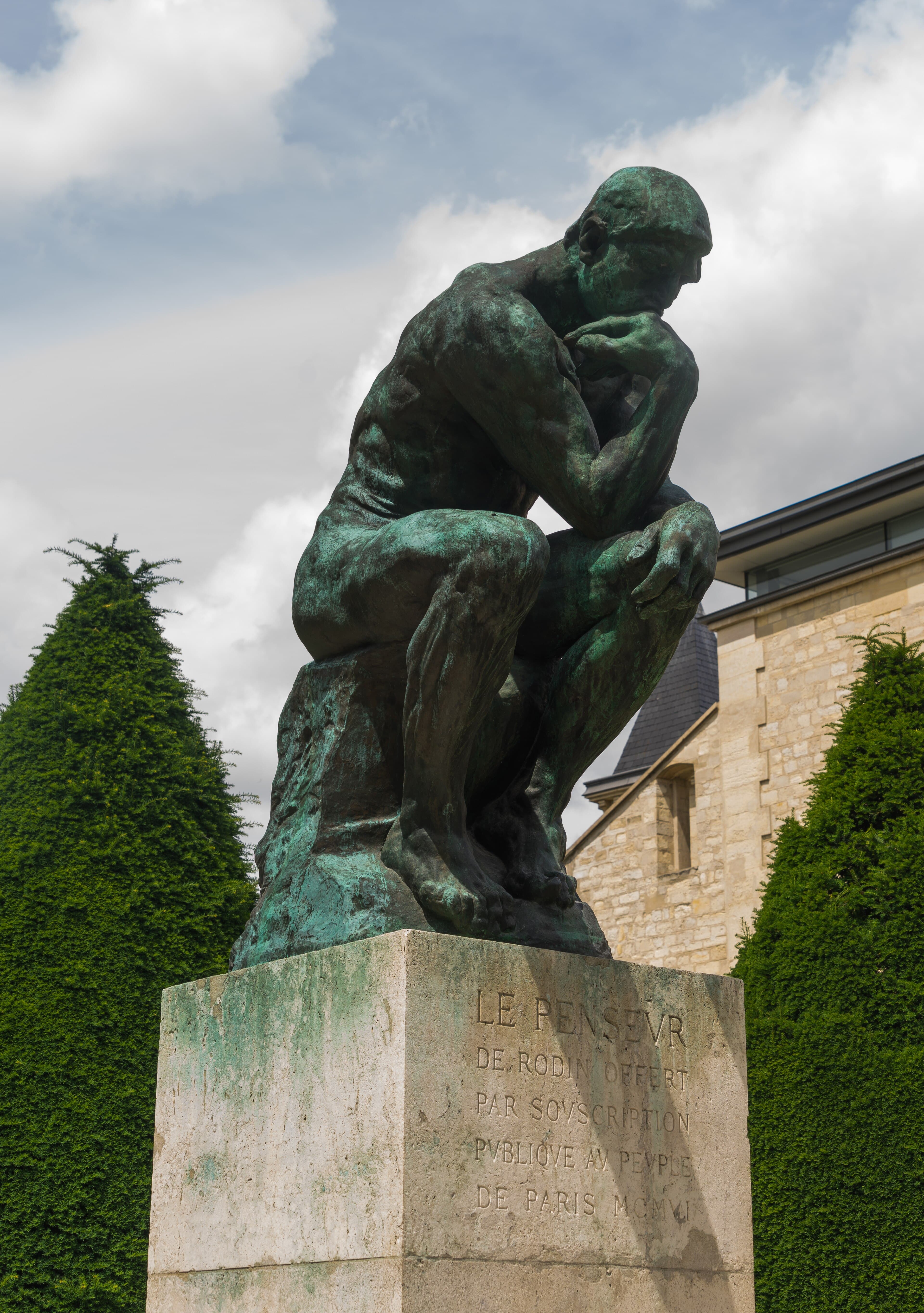
The Thinker
Auguste Rodin · Modeled 1880–82; enlarged 1902–03; this cast 1904

Saturn Devouring His Son
Francisco Goya · c. 1819–1823
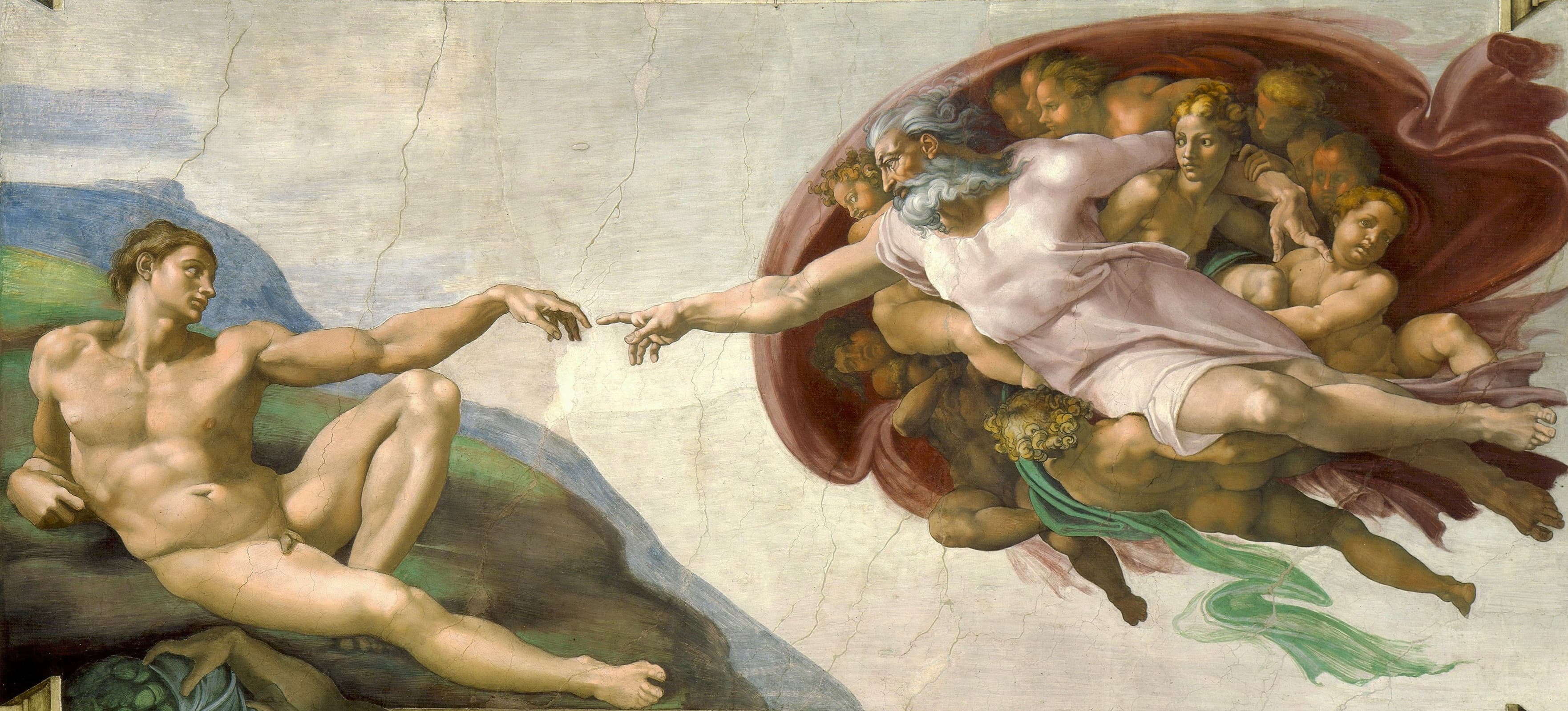
The Creation of Adam
Michelangelo · c. 1511–12