Image: National Gallery, London / Wikimedia Commons · Public domain · via Wikimedia Commons
Baroque
Boy Bitten by a Lizard
Caravaggio, c. 1594–95
Boy Bitten by a Lizard is an early painting by Caravaggio, made in Rome around 1594–95. Two versions survive: one in the National Gallery, London (shown here), the other in the Fondazione Roberto Longhi, Florence.
- Artist
- Caravaggio
- Date
- c. 1594–95
- Medium
- Oil on canvas
- Dimensions
- 66 × 49.5 cm
- Collection
- National Gallery, London, United Kingdom
- Movement
- Baroque
Boy Bitten by a Lizard catches a single instant: a youth reaches into a pile of fruit, a small lizard hidden among the cherries clamps onto his finger, and he jerks back with a cry. Caravaggio painted the subject in Rome around 1594–95, in his early, hungry years in the city, and he made it twice. The version illustrated here, 66 by 49.5 centimeters, was bought by the National Gallery in London in 1986. The other, slightly earlier or contemporary and of nearly identical design, belongs to the Fondazione Roberto Longhi in Florence.
What you're looking at
The boy is caught mid-recoil. His shoulders hunch, his right hand flies up with fingers splayed, his eyebrows shoot up and his mouth opens. A white shirt has slipped off his left shoulder, baring smooth skin lit from the upper left, and a white rose is tucked behind his ear in his tousled dark hair.
The middle finger of his left hand is in the lizard's jaws. The animal is tiny and dark and easy to miss; it emerges from between cherries and a sprig of leaves on the ledge. Beside the fruit stands a glass vase, half full of water, holding a pink rose and a few leaves.
Look at the vase. On its curved surface Caravaggio painted the reflection of a window, the light source of his studio, and the bright highlight that it throws. On the water's surface the light refracts. Few painters of the 1590s were attempting optical effects this exact, and it is the passage that most impressed his contemporaries. Giovanni Baglione, an early biographer and no friend, singled out the carafe and its reflections for praise.
How it was made
This is one of the paintings that made Caravaggio's name. He was in his early twenties, recently arrived from Lombardy, selling half-length genre pictures of boys with fruit and flowers through dealers. Like the Boy with a Basket of Fruit in the Galleria Borghese, it combines a figure and a still life on one canvas.
The real experiment is the moment itself. Freezing a sudden reaction, a flinch, before photography existed, meant either an extraordinary model or an extraordinary memory. Many scholars think Caravaggio used a mirror to study expressions, posing himself or a model; the strain in the face looks studied rather than spontaneous, which is part of its strangeness. The dark background and the hard light that picks out the shoulder and hands anticipate the dramatic lighting, sometimes called tenebrism, of his later work.
What does Boy Bitten by a Lizard mean?
The painting works as a joke, a study and an allegory at once, and seventeenth-century viewers would have enjoyed all three.
As allegory, it plays on symbols familiar from emblem books. The rose behind the ear and the rose in the vase belong to Venus. Cherries are often a symbol of love or of sensual pleasure. The lizard, hidden among sweet things, is the sting that comes with them. The obvious reading, followed by many writers since, is that love and pleasure carry pain, an idea with roots in classical poetry, such as Virgil's warning that "a snake lurks in the grass."
Some art historians link the lizard to the senses, reading the painting as an allegory of touch, one of the five senses that were a popular subject in the period. Others point out that the finger being bitten is the middle finger, and suggest a sexual pun; that reading is current but speculative.
The model's identity is unknown. Suggestions include Mario Minniti, Caravaggio's friend who posed for several early pictures, and Caravaggio himself painting from a mirror. Neither is documented.
Two versions: London and Florence
Both versions are accepted by most scholars as autograph works by Caravaggio. They differ in small ways: in the Florence picture the colors are slightly cooler and the handling a little harder, and the details of the fruit and the reflection vary. Which came first is debated. The London canvas was in a private collection before the National Gallery acquired it in 1986; the Florence painting was owned by the art historian Roberto Longhi, whose writing did more than anyone's to revive Caravaggio's reputation in the twentieth century, and it remains in his house-museum.
The existence of two versions tells us something about Caravaggio's early market. Successful compositions were repeated for buyers, and genre pictures like this were sold on the open market rather than commissioned.
Reception and legacy
Caravaggio's half-length genre figures caught on immediately. Followers across Rome, Utrecht and Naples painted youths with fruit, musicians and card players in his manner, and the idea of fixing a momentary expression shaped later painters from Rembrandt's early self-portraits to the "character heads" of the eighteenth century. For modern viewers the picture is also a curious counterpart to his Bacchus and Narcissus: three studies of young men and appetite.
Where to see it
The London version hangs in the National Gallery in Trafalgar Square, where it shares space with the gallery's later Caravaggios, the Supper at Emmaus and Salome Receives the Head of John the Baptist. The Florence version is at the Fondazione Roberto Longhi, Villa Il Tasso, open by appointment. For the complete picture of his career, see Caravaggio's paintings and Supper at Emmaus.
Questions & answers
Where is Boy Bitten by a Lizard?
There are two versions by Caravaggio. One is in the National Gallery in London, acquired in 1986. The other is in the Fondazione Roberto Longhi in Florence, the former home of the art historian who championed Caravaggio. Both date from about 1594–95.
What does Boy Bitten by a Lizard mean?
It is usually read as an allegory: the roses and cherries stand for love and pleasure, and the lizard hidden among them is the pain that comes with them. Some scholars also read it as an allegory of touch, one of the five senses.
Who was the model for Boy Bitten by a Lizard?
Nobody knows for certain. Candidates include Caravaggio's friend Mario Minniti, who posed for several early pictures, and Caravaggio himself painting from a mirror. Neither identification is documented.
Why is Boy Bitten by a Lizard famous?
It froze a split-second reaction, a startled flinch, long before photography, and its glass vase shows a studio window reflected on its surface with remarkable optical accuracy. It helped make the young Caravaggio's reputation in Rome.
More by the artist
Caravaggio
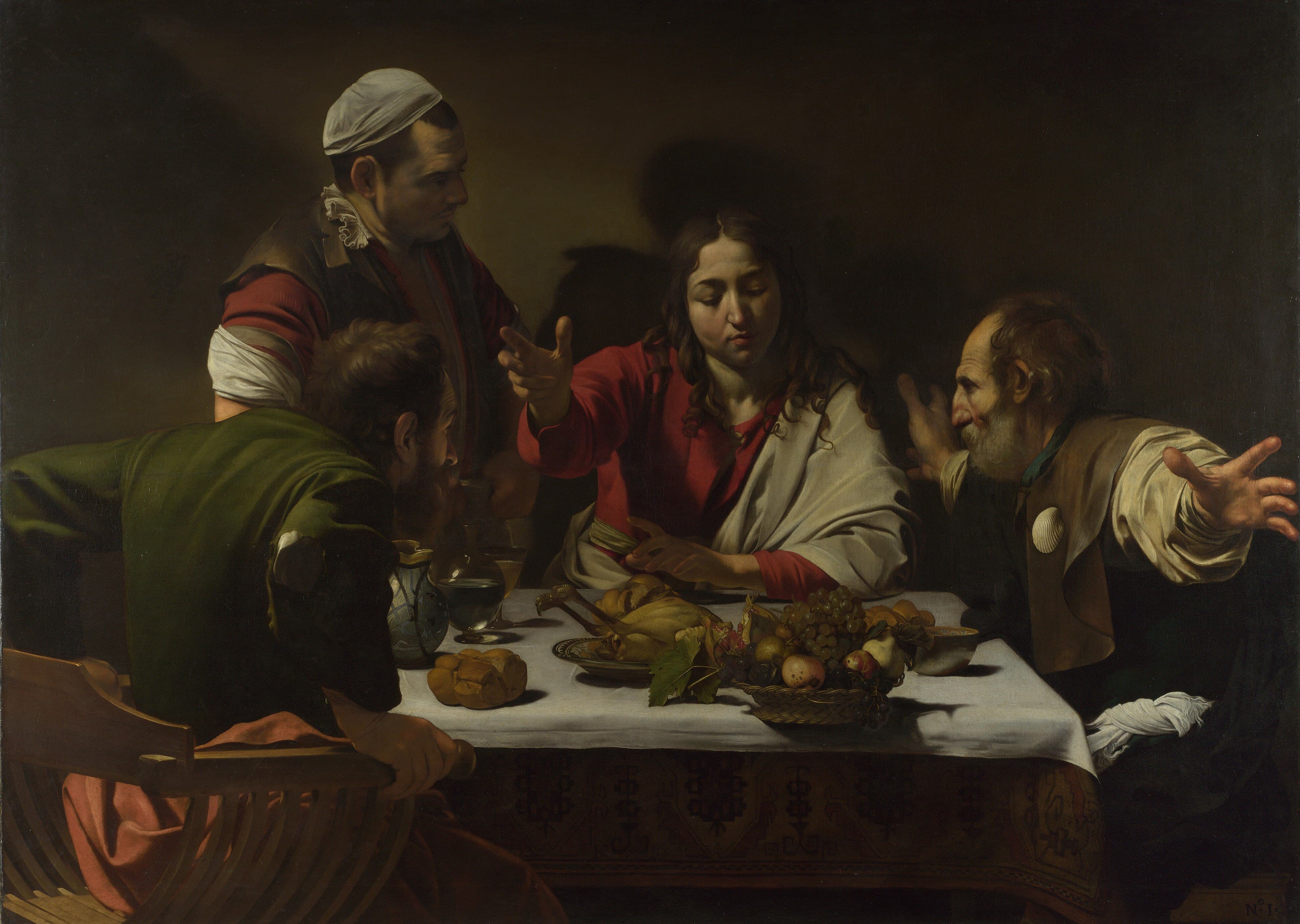
Supper at Emmaus
Caravaggio · 1601
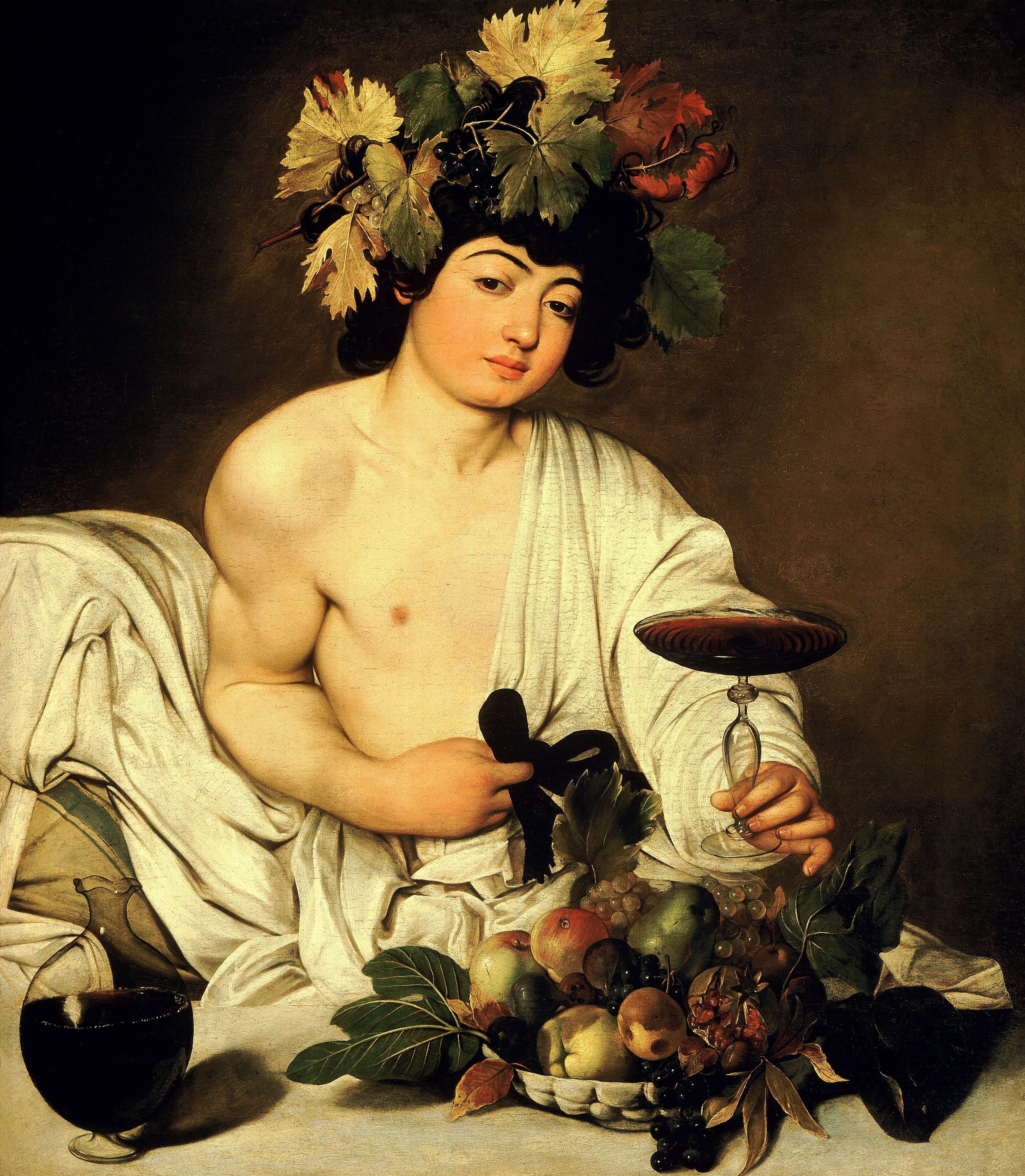
Bacchus
Caravaggio · c. 1596–98
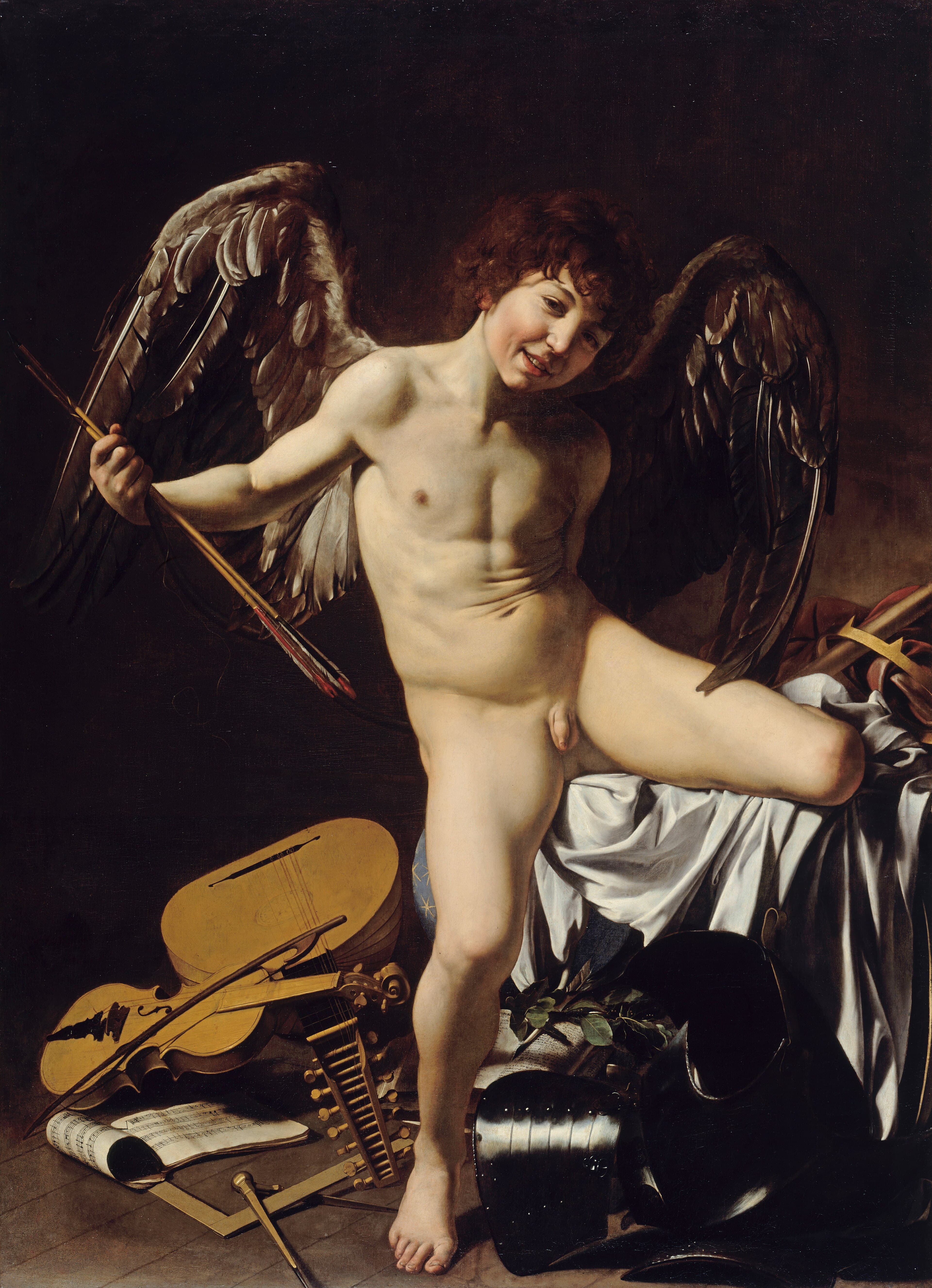
Amor Vincit Omnia
Caravaggio · 1601–02
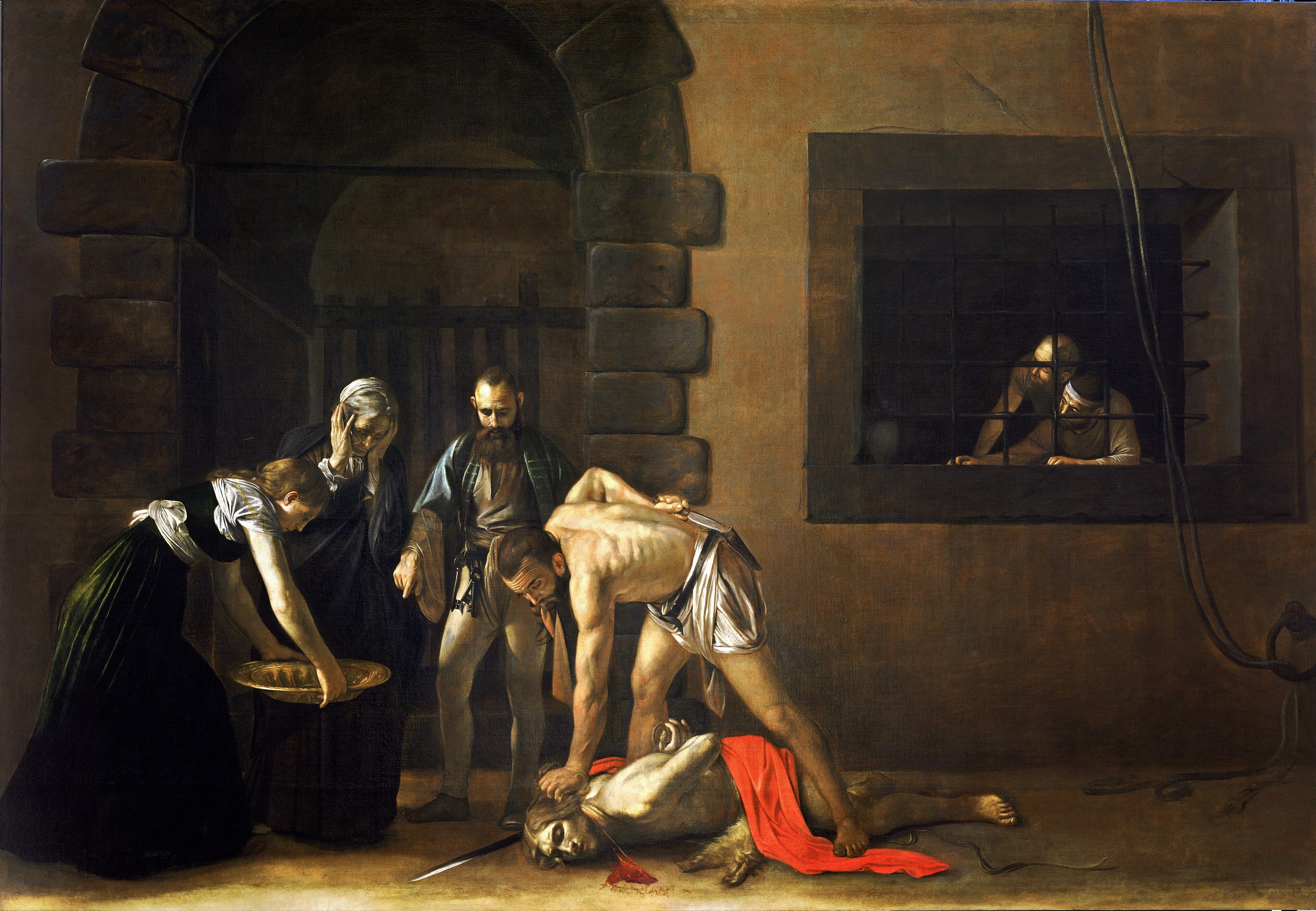
The Beheading of Saint John the Baptist
Caravaggio · 1608
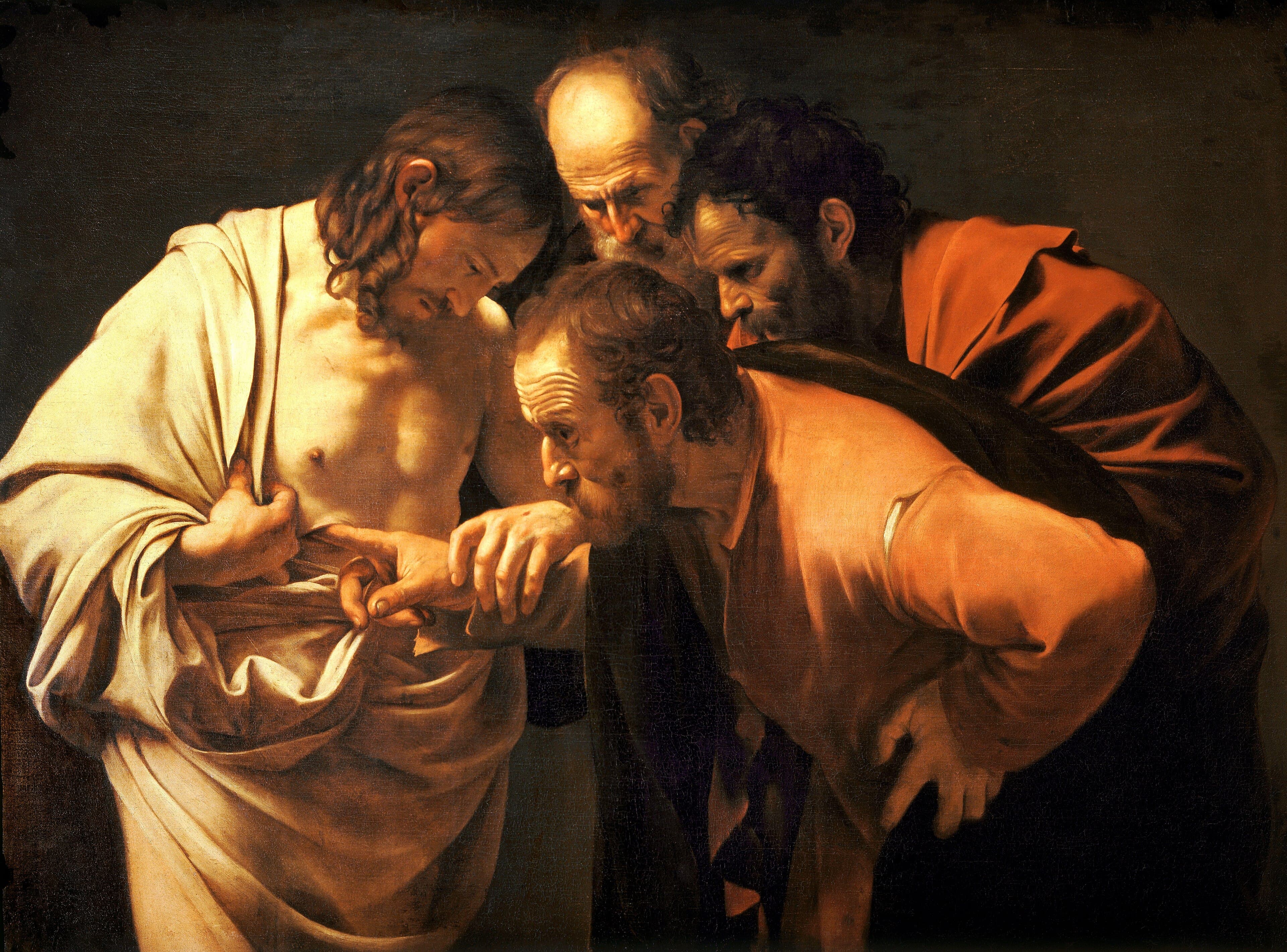
The Incredulity of Saint Thomas
Caravaggio · c. 1601–02
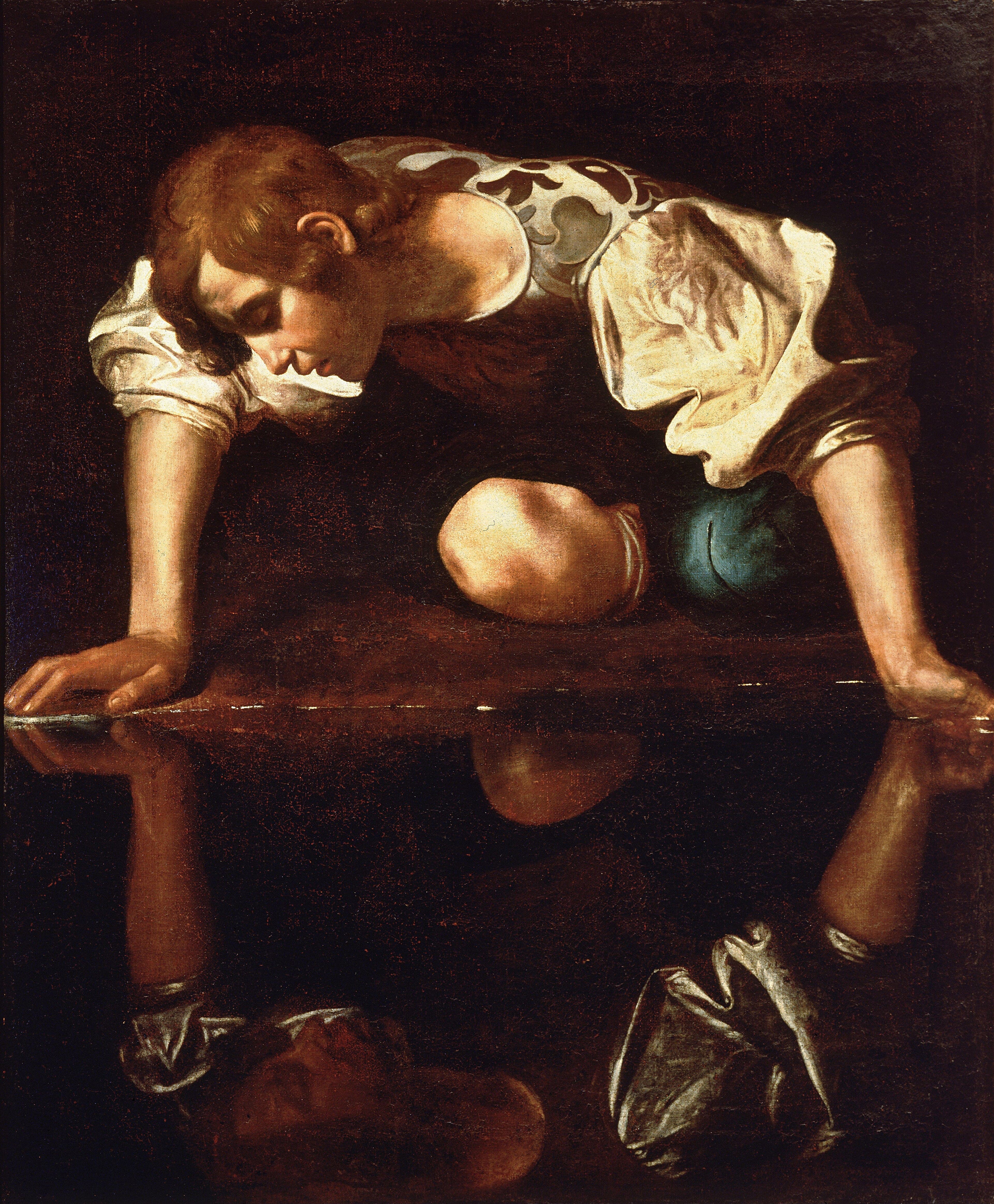
Narcissus
Caravaggio · c. 1597–99
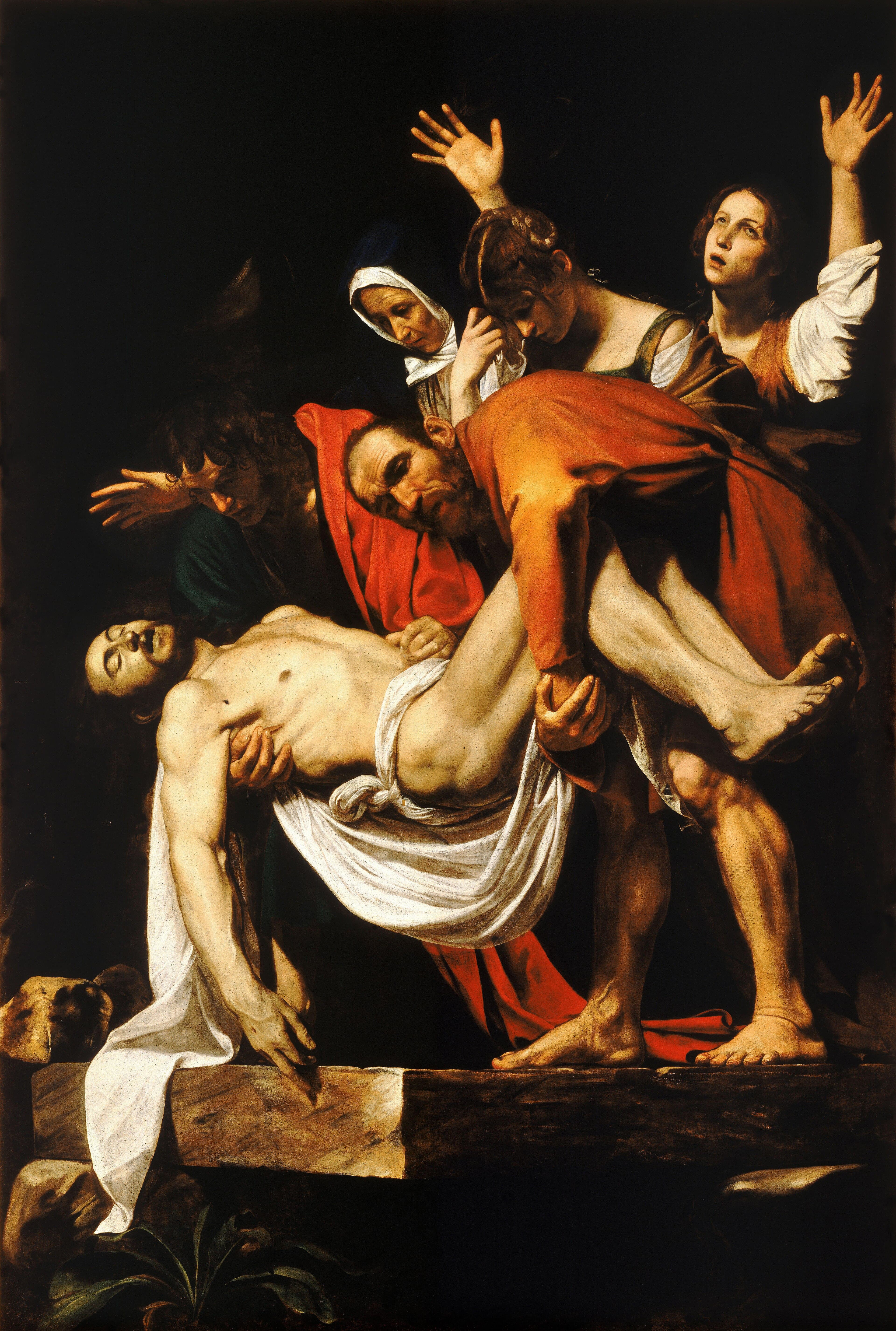
The Entombment of Christ
Caravaggio · 1603–04
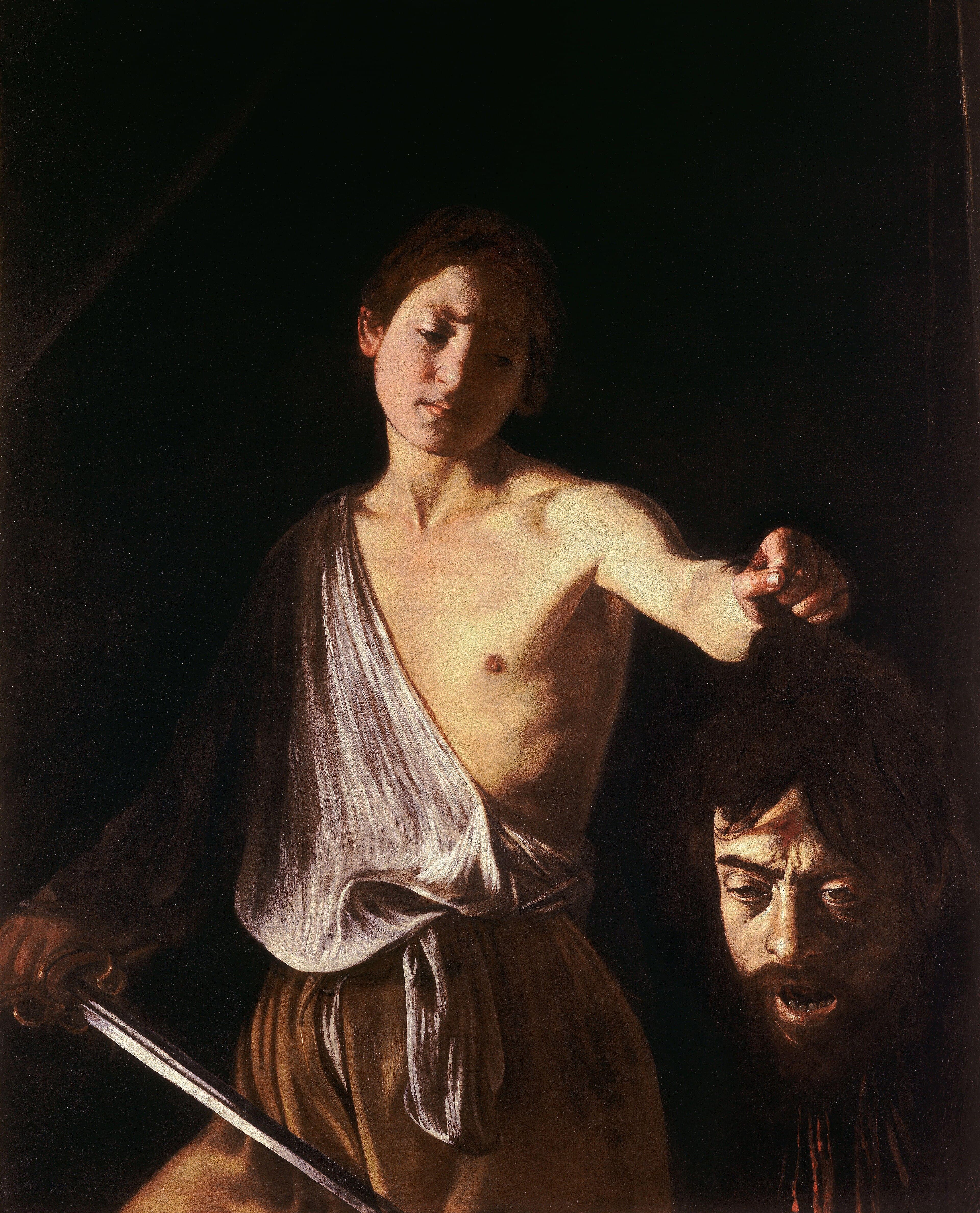
David with the Head of Goliath
Caravaggio · c. 1609–10
Kindred works
You may also study
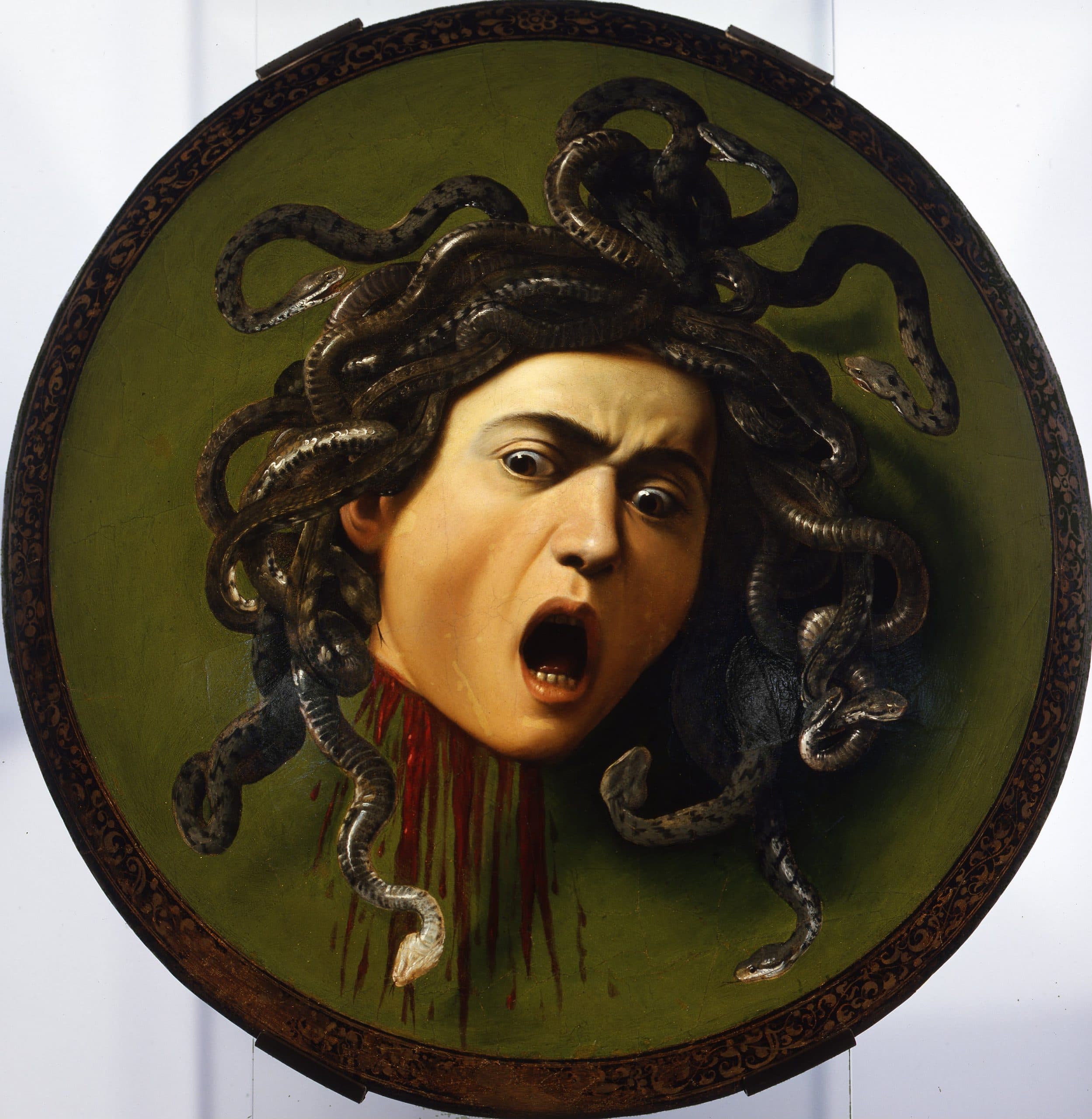
Medusa
Caravaggio · c. 1597–98

Bridge over a Pond of Water Lilies
Claude Monet · 1899

Venus de Milo
Alexandros of Antioch · c. 150–125 BC

The Scream
Edvard Munch · 1893

Ophelia
John Everett Millais · 1851–52

Woman with a Parasol – Madame Monet and Her Son
Claude Monet · 1875

The Great Wave off Kanagawa
Katsushika Hokusai · c. 1830–32
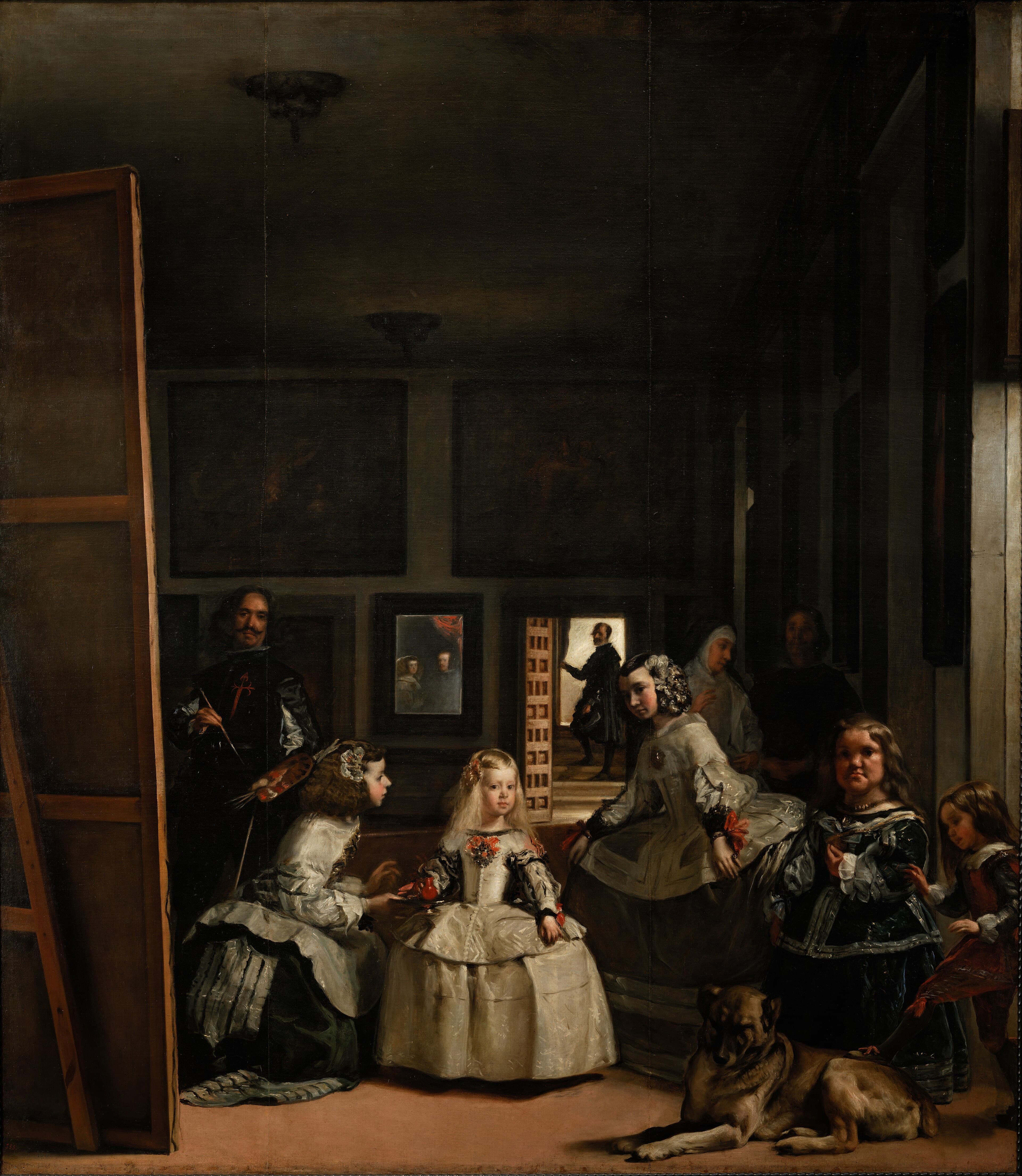
Las Meninas
Diego Velázquez · 1656