Image: Pinacoteca Vaticana, Vatican Museums / Wikimedia Commons · Public domain · via Wikimedia Commons
Baroque
The Entombment of Christ
Caravaggio, 1603–04
The Entombment of Christ is Caravaggio's altarpiece of 1603–04, painted for the Chiesa Nuova in Rome and now in the Pinacoteca Vaticana. Christ's body is lowered onto a stone slab that juts out toward the viewer.
- Artist
- Caravaggio
- Date
- 1603–04
- Medium
- Oil on canvas
- Dimensions
- 300 × 203 cm
- Collection
- Pinacoteca Vaticana, Vatican Museums, Vatican City, Vatican City
- Movement
- Baroque
The Entombment of Christ, often called The Deposition, is a large altarpiece, 300 by 203 centimeters, that Caravaggio painted in 1603–04 for the Vittrice family chapel in Santa Maria in Vallicella, the church of the Oratorians in Rome known as the Chiesa Nuova. It is now in the Pinacoteca Vaticana, the picture gallery of the Vatican Museums, while a copy hangs in the original chapel. It is the most classically composed of all his works and was admired even by critics who disliked everything else he did.
What you're looking at
Six figures are stacked in a tight, falling diagonal from upper right to lower left, like a wave breaking. At the bottom, Christ's dead body is being lowered toward the tomb. Its weight is the subject. Nicodemus, an old man with bare, muscular calves and a weathered face, grips the legs and looks straight out at us. Saint John, young and dressed in red-and-green, supports the shoulders, and his hand presses into the open wound in Christ's side, almost certainly by accident.
Behind them, the Virgin Mary is shown as an older woman in a nun's grey-blue habit, her arms extended as if to give a last blessing. Mary Magdalene bows her head and dabs her eyes with a cloth. At the top, Mary of Cleophas throws both arms up toward the sky, the only figure who breaks into open grief. Her raised hands are the summit of the composition.
Christ's right arm hangs straight down, the fingers just touching the edge of the slab. The arm quotes Michelangelo's marble Pietà in Saint Peter's, a deliberate homage to the sculptor whose first name Caravaggio shared. Around the face and torso, the light is cold and pale; the flesh has the grey-yellow cast of a corpse rather than the idealized body of earlier altarpieces.
The detail most viewers miss: the stone
The figures are standing not on the ground but on the corner of a great stone slab, painted so that its sharp edge seems to project out of the picture, over our heads, into the chapel. This is the Stone of Unction, on which Christ's body was anointed. In the original setting, the stone would have lined up with the altar beneath it, where the priest raised the Host during Mass. The painted body and the consecrated bread would be seen together: the Body of Christ lowered on the stone, and the Body of Christ lifted on the altar. That alignment is the key to the painting.
A green plant grows at the lower left, beside the stone. Some writers identify it as mullein, a plant associated with healing and resurrection, a quiet promise of life at the edge of the tomb.
Entombment or deposition?
The painting is called both. Strictly, the Deposition is the taking down of Christ's body from the cross, and the Entombment is the laying of it in the tomb. Caravaggio shows a moment between: the body has been brought from the cross and is being lowered toward a grave we cannot see, below the picture's edge. There is no cross, no tomb opening, no landscape, only darkness and the slab.
The commission
The chapel belonged to Pietro Vittrice, a member of the papal household and a friend of Saint Philip Neri, the founder of the Oratorians. After his death his nephew Girolamo Vittrice commissioned the altarpiece, and the chapel was dedicated to the Pietà. The Oratorians favored direct, emotionally accessible devotion, and Caravaggio's ordinary, physical bodies suited them. Unlike several of his altarpieces, this one was accepted without complaint and stayed in place for nearly two centuries.
What does The Entombment of Christ mean?
The core meaning is Eucharistic, set by the stone and its relationship to the altar: the sacrifice of Christ's body, made present at every Mass. The figures' gestures form a sequence from the physical (Nicodemus and John straining under the weight) to the spiritual (the Virgin's blessing, Mary of Cleophas's appeal to heaven), moving the viewer's eye from earth to sky. Nicodemus's direct gaze draws us in as witnesses. Some writers believe his face is a portrait, perhaps of Michelangelo himself, but this is a later suggestion without documentary support.
Reception and copies
Even Giovanni Pietro Bellori, who condemned Caravaggio's naturalism, called this one of his finest works. Napoleon's commissioners took it to Paris in 1797 for the Louvre; it came back to Rome after Napoleon's fall and was placed in the Vatican collections rather than back in the chapel. Peter Paul Rubens, who was in Rome when it was unveiled, made a painted copy (now in the National Gallery of Canada, Ottawa), and the picture was later copied by Fragonard, Géricault and Cézanne. Its stacked, falling composition influenced Baroque altarpieces for generations.
Where to see it
The original is in the Pinacoteca Vaticana, Room XII, part of the Vatican Museums ticket. A copy stands in the Pietà chapel of the Chiesa Nuova (Santa Maria in Vallicella) on Corso Vittorio Emanuele II, where you can see how the stone was meant to meet the altar. For more of his religious works, see The Incredulity of Saint Thomas, The Conversion of Saint Paul and our guide to Caravaggio's paintings.
Questions & answers
Where is Caravaggio's Entombment of Christ?
The original is in the Pinacoteca Vaticana, the painting gallery of the Vatican Museums, usually in Room XII. It was painted for the Vittrice chapel in Santa Maria in Vallicella (Chiesa Nuova) in Rome, where a copy now hangs in its place.
What is the meaning of Caravaggio's Entombment?
Its meaning is Eucharistic. Christ's body is lowered on the Stone of Unction, whose painted edge was designed to line up with the altar below, so that the painted body and the consecrated Host raised at Mass were seen together as the same sacrifice.
Who are the figures in The Entombment of Christ?
From the bottom up: Christ; Nicodemus holding his legs and looking at the viewer; Saint John supporting his shoulders; the Virgin Mary in a nun's habit; Mary Magdalene wiping her eyes; and Mary of Cleophas raising her arms to heaven.
Is it the Entombment or the Deposition?
Both titles are used. Strictly, the Deposition is the removal from the cross and the Entombment the burial. Caravaggio shows the moment between, as the body is lowered toward a tomb below the picture's edge, which is why Italian sources usually call it the Deposizione.
More by the artist
Caravaggio
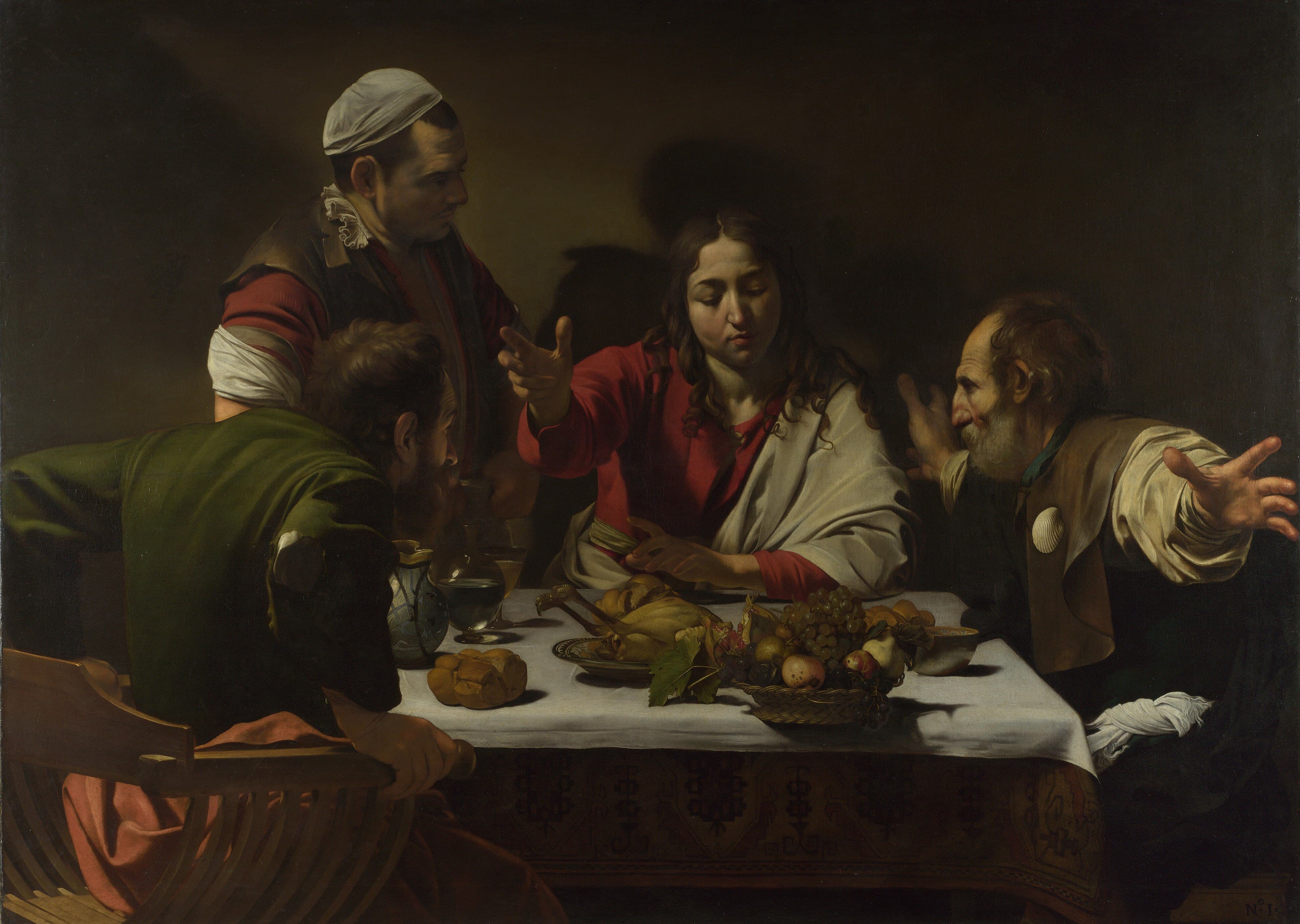
Supper at Emmaus
Caravaggio · 1601
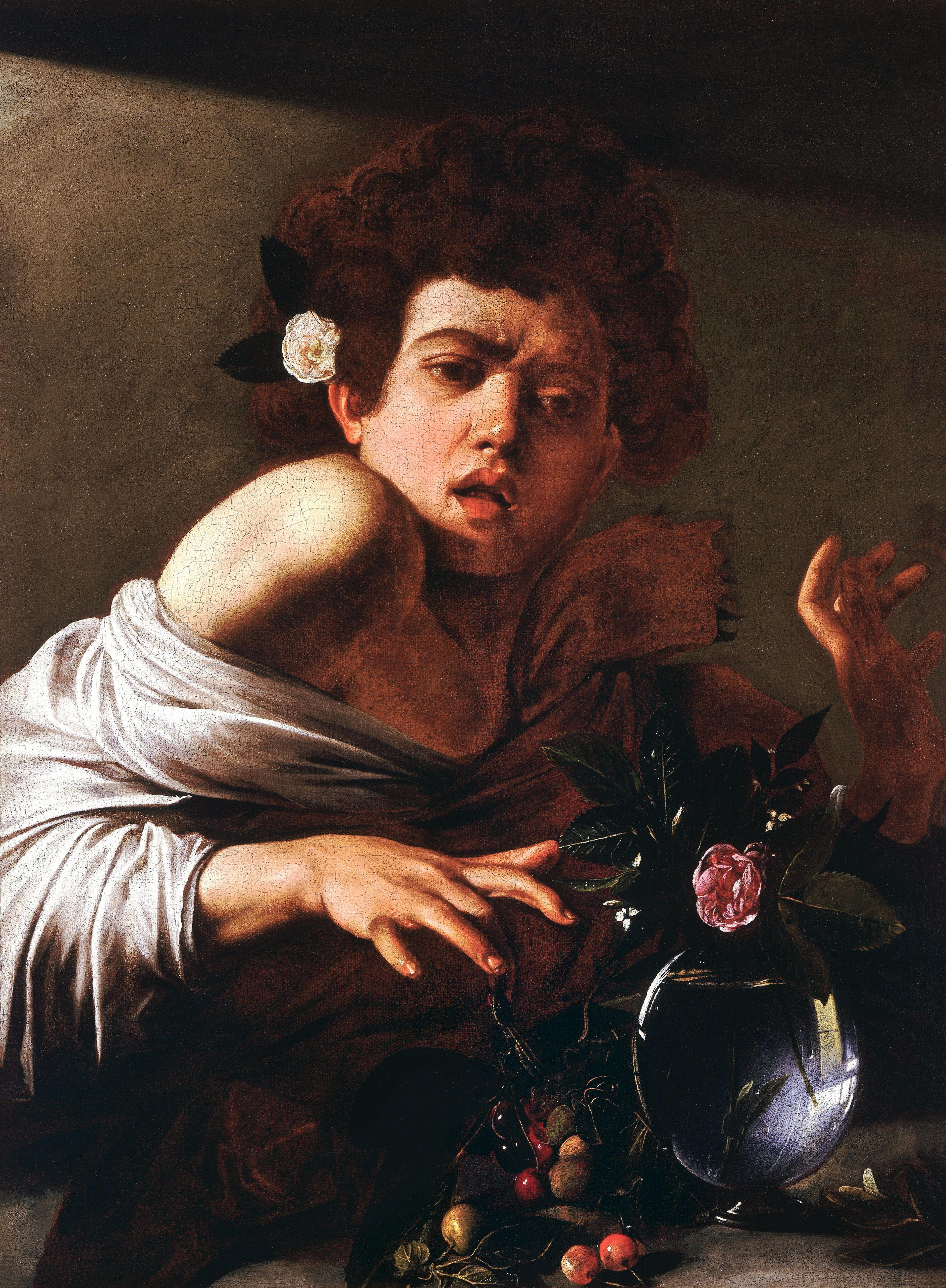
Boy Bitten by a Lizard
Caravaggio · c. 1594–95
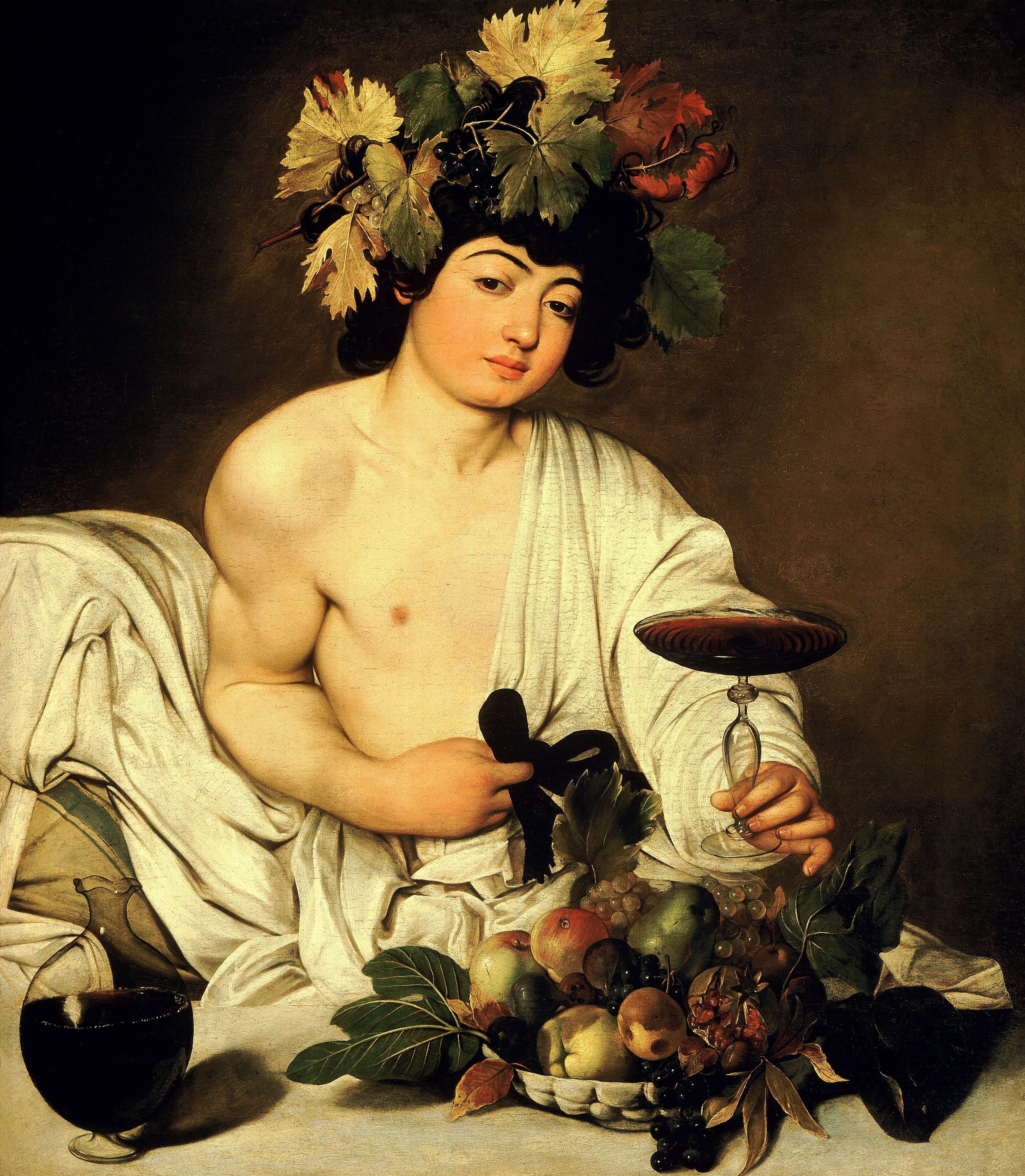
Bacchus
Caravaggio · c. 1596–98
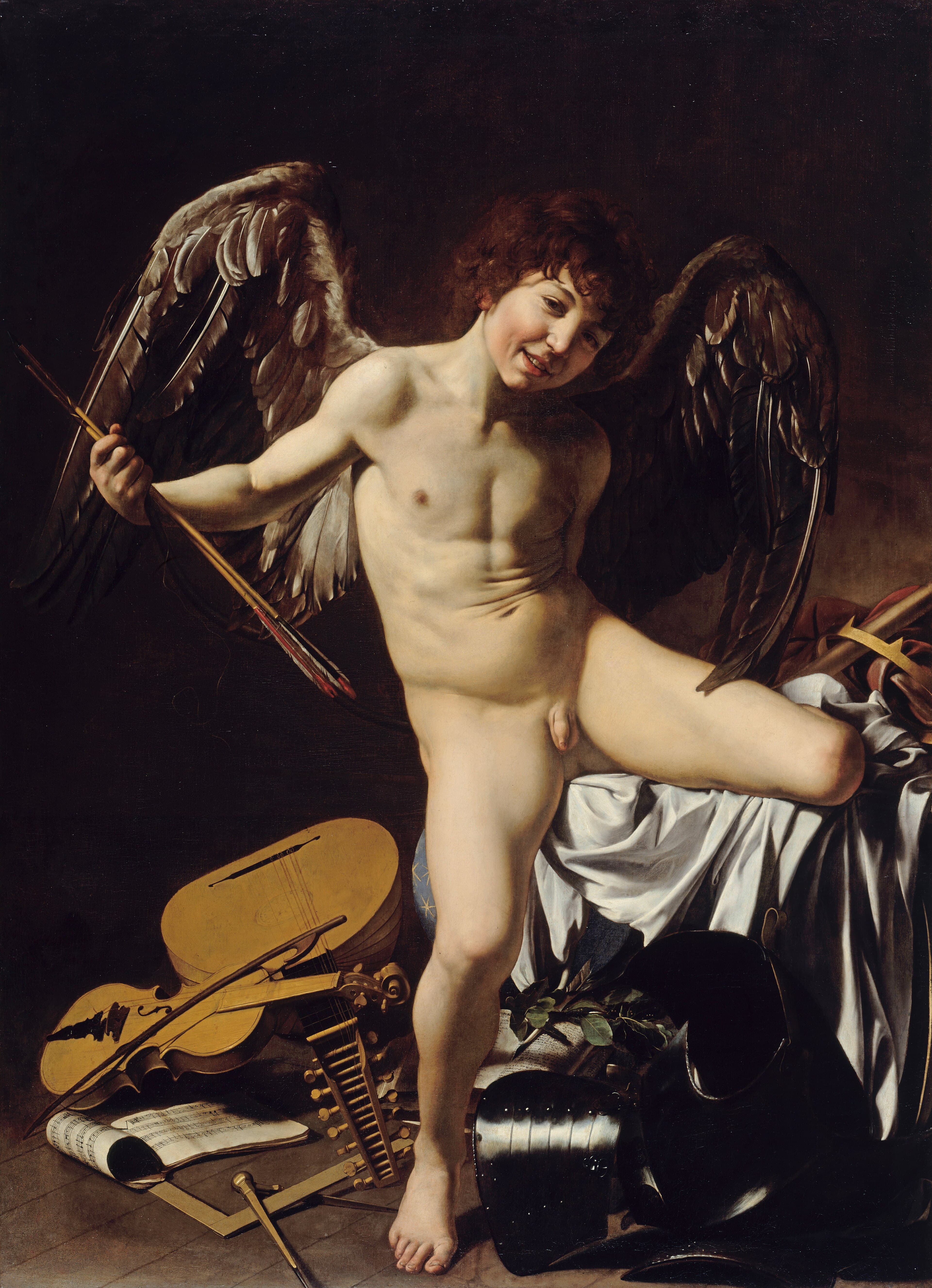
Amor Vincit Omnia
Caravaggio · 1601–02
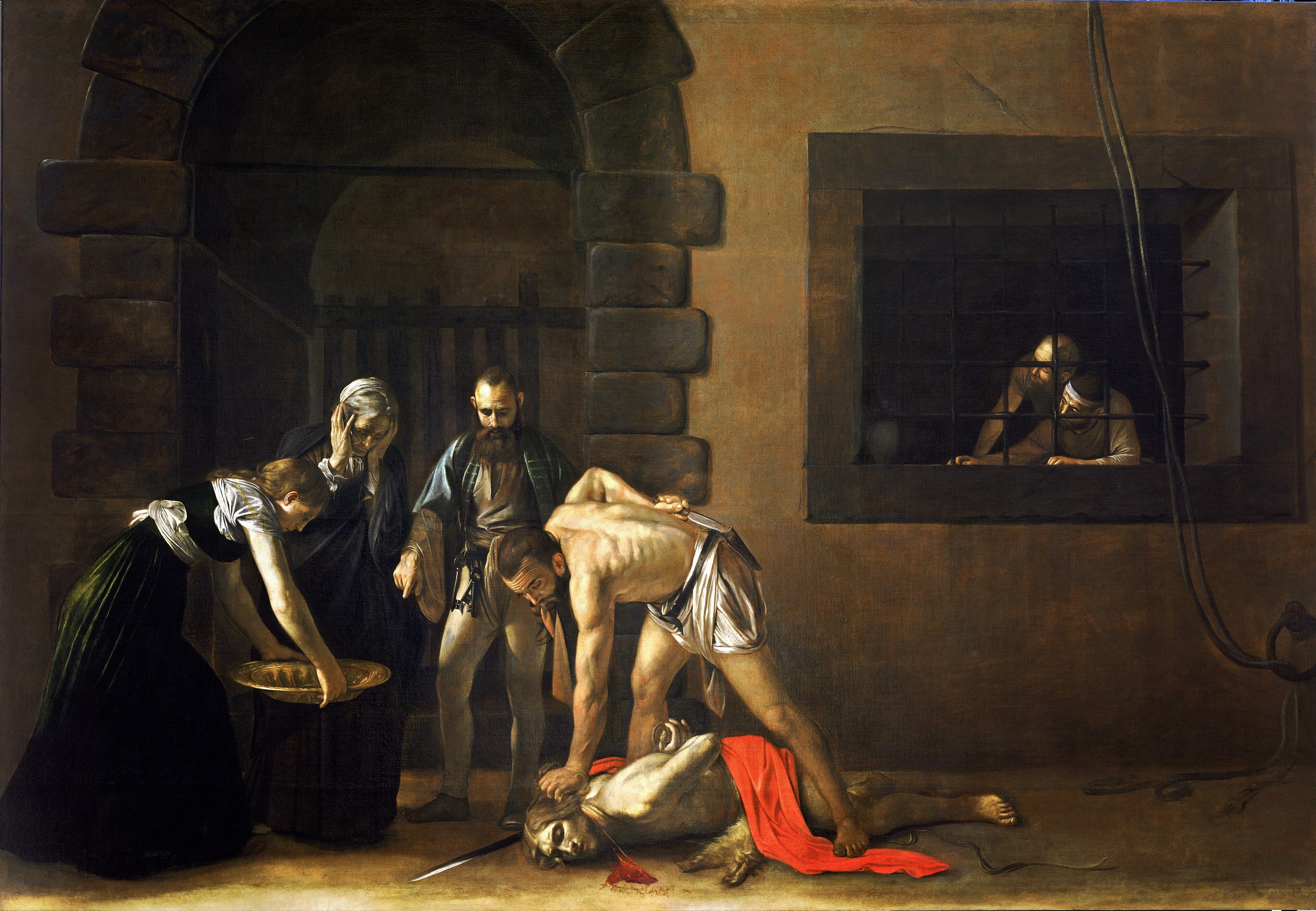
The Beheading of Saint John the Baptist
Caravaggio · 1608
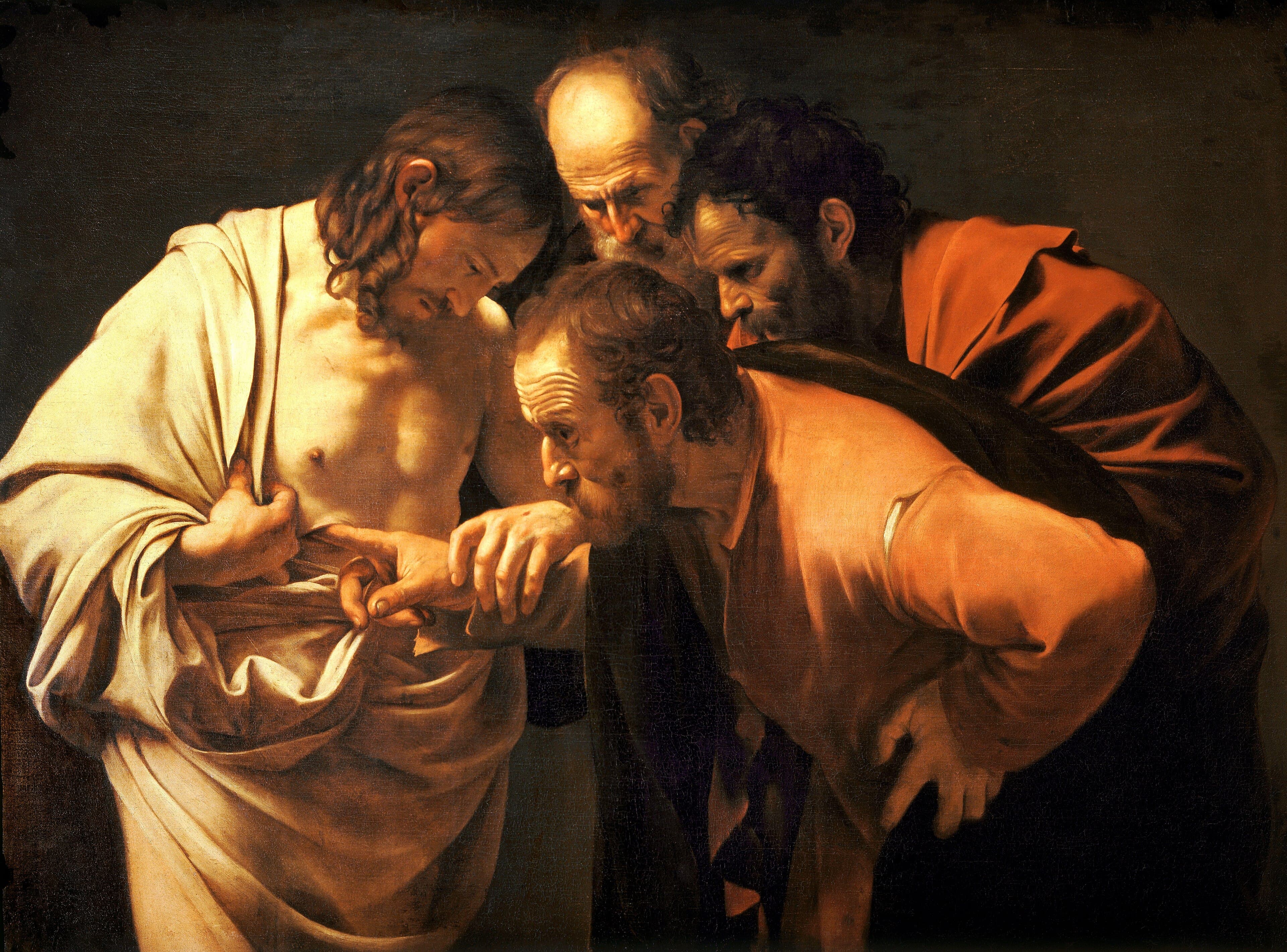
The Incredulity of Saint Thomas
Caravaggio · c. 1601–02
Narcissus
Caravaggio · c. 1597–99
David with the Head of Goliath
Caravaggio · c. 1609–10
Kindred works
You may also study
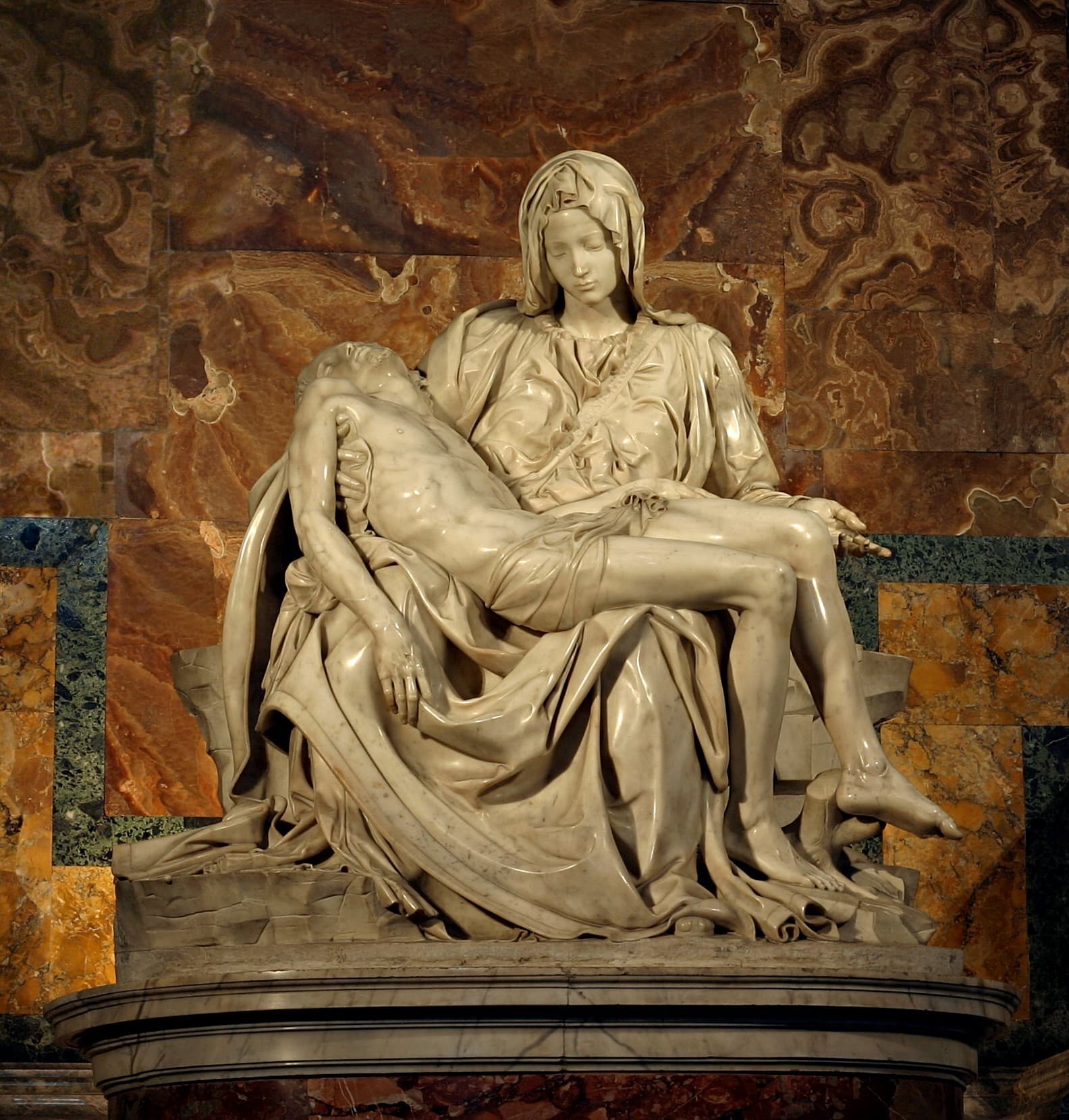
Pietà
Michelangelo · 1498–1499
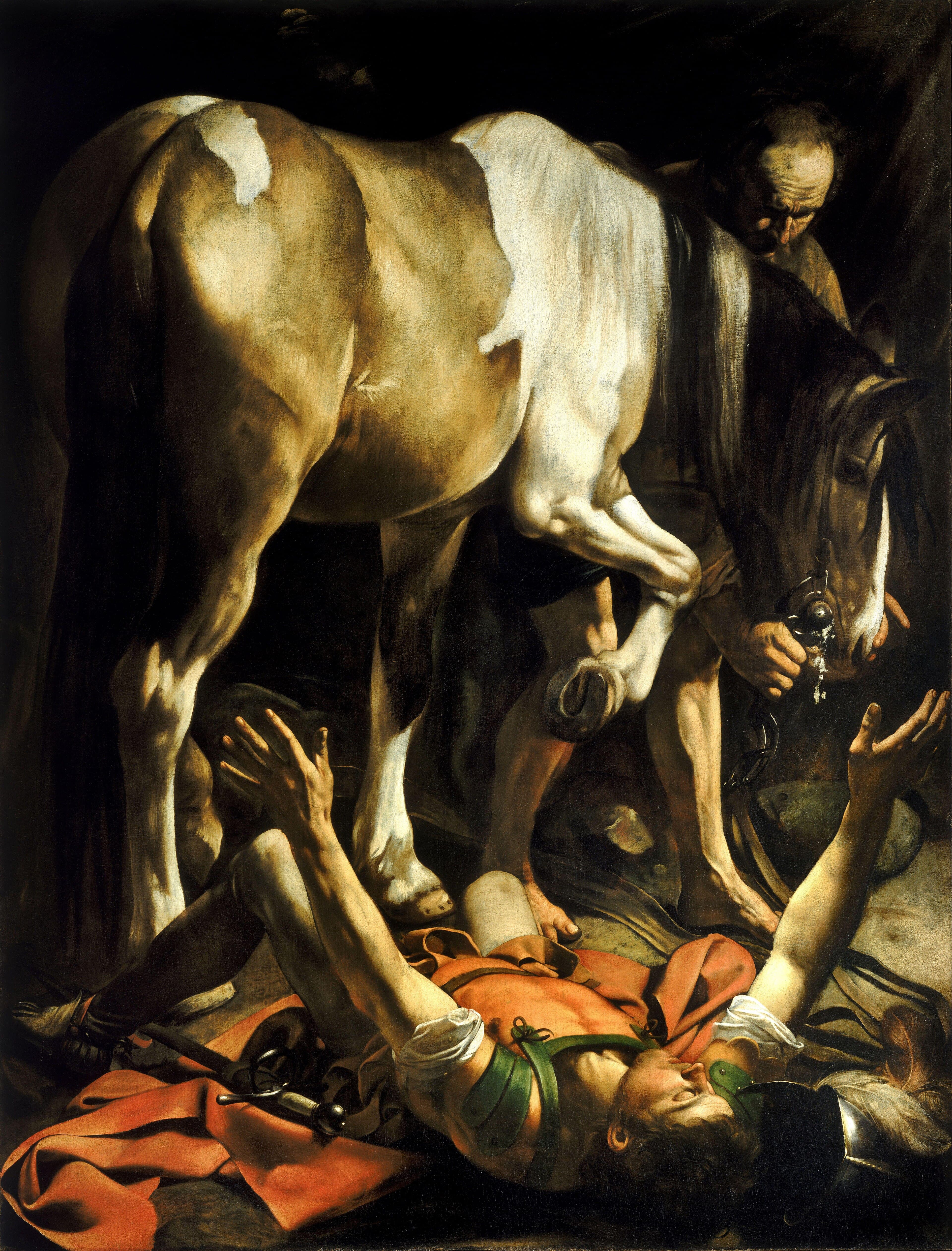
The Conversion of Saint Paul
Caravaggio · 1600–01
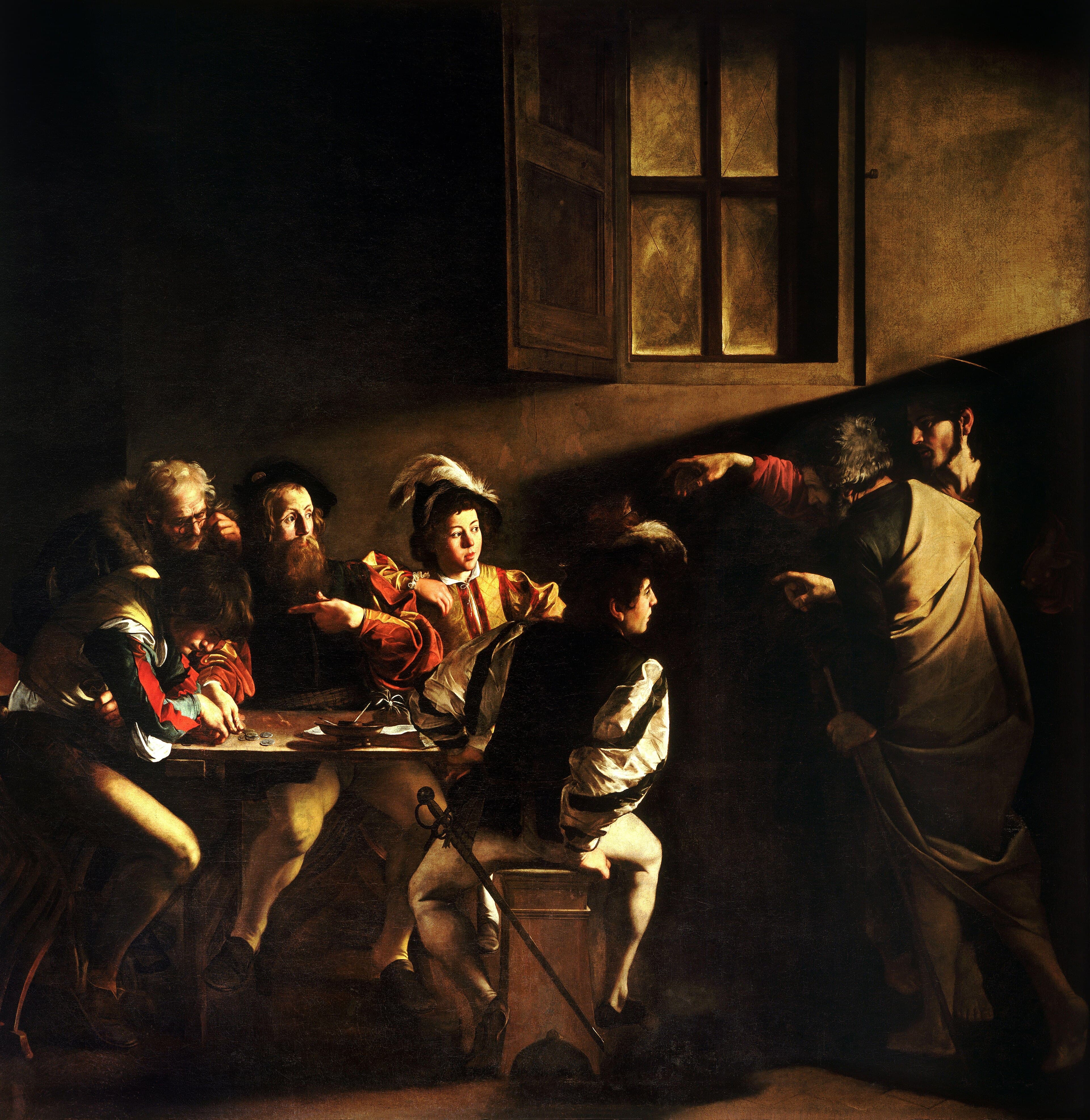
The Calling of Saint Matthew
Caravaggio · 1599–1600

The Scream
Edvard Munch · 1893

Saturn Devouring His Son
Francisco Goya · c. 1819–1823
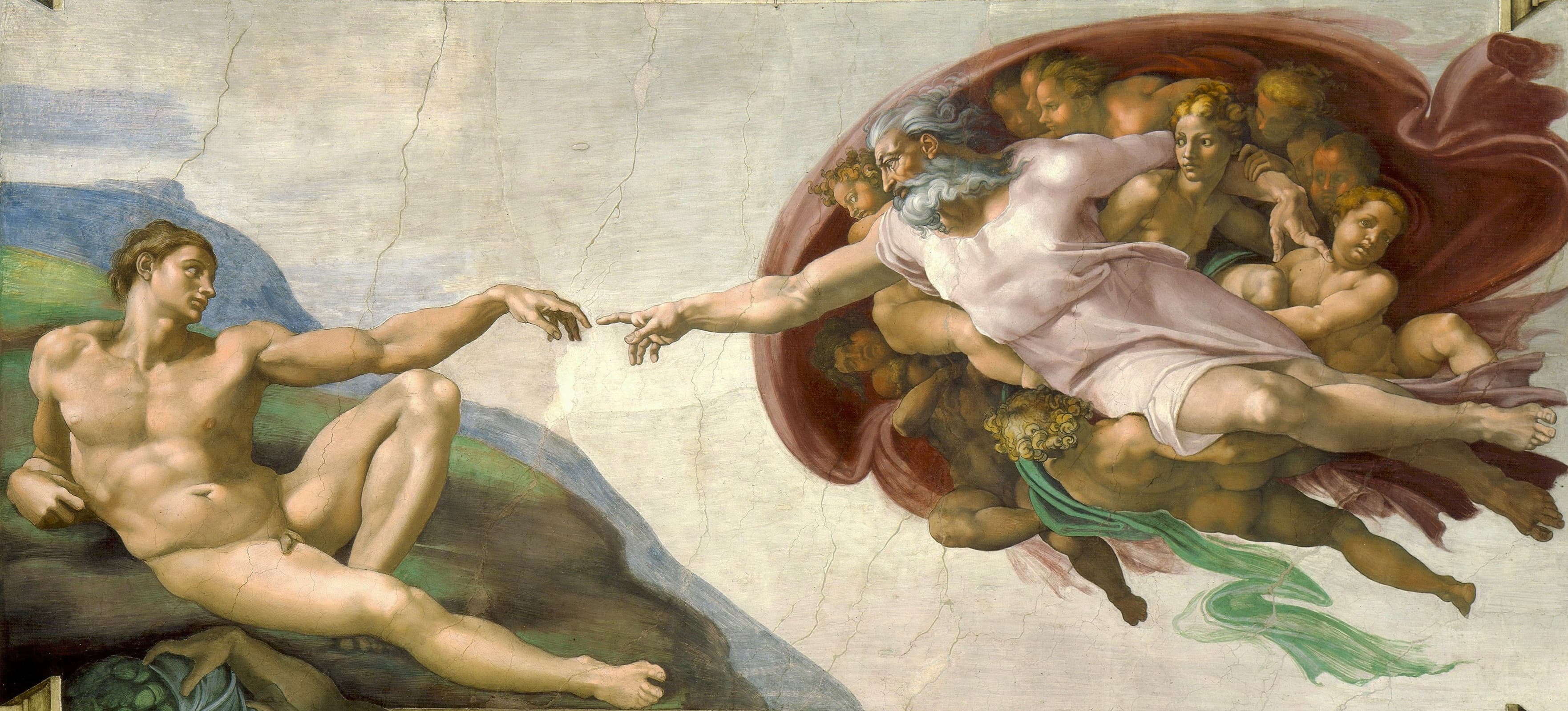
The Creation of Adam
Michelangelo · c. 1511–12

Ophelia
John Everett Millais · 1851–52
Lucifer
Franz von Stuck · 1890