Image: St. John's Co-Cathedral, Valletta / Wikimedia Commons · Public domain · via Wikimedia Commons
Baroque
The Beheading of Saint John the Baptist
Caravaggio, 1608
The Beheading of Saint John the Baptist is Caravaggio's largest painting and the only one he signed, made in 1608 for the Oratory of St. John's Co-Cathedral in Valletta, Malta, where it still hangs.
- Artist
- Caravaggio
- Date
- 1608
- Medium
- Oil on canvas
- Dimensions
- 361 × 520 cm
- Collection
- Oratory of St. John's Co-Cathedral, Valletta, Malta
- Movement
- Baroque
Caravaggio painted The Beheading of Saint John the Baptist in 1608 in Malta, for the oratory of the Knights of Saint John beside their conventual church in Valletta, now St. John's Co-Cathedral. At 361 by 520 centimeters it is the largest picture he ever made, and it is the only one he signed. It still hangs in the room it was painted for.
What you're looking at
The scene is a prison courtyard, wide and empty, its stone walls in deep shadow. Everything happens in the lower left. Saint John lies face down on the ground, his hands tied behind his back, his throat already cut. The executioner, bare-armed and half-naked, pins him down by the hair with one hand while he reaches behind his back with the other for the short knife he will use to finish the job. The sword has done its work; blood pours from John's neck in a long red stream across the floor.
A young servant girl bends forward holding a golden platter, ready to receive the head for Salome. An old woman beside her, perhaps the gaoler's wife or Salome's servant, puts both hands to her head in horror, the only person who reacts. The gaoler, in a dark doublet with a ring of keys at his belt, stands over the scene and points down at the platter, directing the procedure.
On the right, two prisoners watch through the barred window of a cell. They are the only witnesses besides us, and their position, looking at an execution through bars, mirrors that of the Knights who would sit in this room.
More than half the canvas is empty: bare stone, an arch, a hanging rope, darkness. Caravaggio placed the killing in a corner of a vast silence.
The signature in the blood
The detail that makes this painting unique is in the blood itself. Spilling from John's neck, the red pool forms the letters f. MichelAn. The "f." stands for fra, brother: in July 1608 Caravaggio had just been received into the Order of Saint John as a Knight of Obedience, and he signs as a member of the Order. It is the only signature on any of his paintings, and he wrote it in the martyr's blood. Whether it is pride, penitence or both is one of the great unanswerable questions about him. It is visible on site, low on the canvas near the saint's head.
Why Caravaggio was in Malta
In 1606 Caravaggio killed Ranuccio Tomassoni in Rome and fled under sentence of death. After a year in Naples, he sailed to Malta in 1607, hoping that knighthood in the powerful Order of Saint John would bring him protection and a path to papal pardon. The Grand Master, Alof de Wignacourt, welcomed him; Caravaggio painted Wignacourt's portrait (now in the Louvre) and this huge altarpiece for the Order's oratory, dedicated to its patron saint. The painting was probably part of the "price" of his knighthood.
The honor did not last. Within weeks, in August 1608, he was involved in a violent brawl that wounded a senior knight, was imprisoned in the fortress of Sant'Angelo, escaped to Sicily, and was expelled from the Order in December 1608 as "a foul and rotten member." The expulsion ceremony is believed to have taken place in the very oratory where this painting hangs.
The Beheading of Saint John the Baptist: the story
The Gospels of Mark (6:17–29) and Matthew (14:1–12) tell how John the Baptist was imprisoned by Herod Antipas for condemning his marriage to Herodias. At a banquet, Herodias's daughter, named Salome by later tradition, danced for Herod, who promised her anything; prompted by her mother, she asked for John's head on a platter. Herod had him beheaded in prison. Caravaggio painted the moment of execution itself, inside the prison, which painters rarely chose.
What does it mean?
For the Knights, John was a model of the martyr who dies for truth, and novices of the Order were invested in the oratory under this picture. The painting shows death without glory: no angel, no palm of martyrdom, no heavenly light, only a procedure efficiently carried out. That plainness was the point. Knights of the Order were sworn to fight and, if necessary, to die for the faith.
For later viewers, the painting has also become autobiographical. A man under sentence of death painted an execution and signed his name in the victim's blood. Two years later, in David with the Head of Goliath, he would paint his own severed head.
Condition and restoration
Malta's humidity damaged the canvas over the centuries, and it has been restored more than once, most recently in Florence from 1997 to 1999. The restoration recovered the depth of the shadows and the inscription in the blood, and the painting returned to the oratory with improved climate control.
Where to see it
The painting hangs on the altar wall of the Oratory of St. John's Co-Cathedral in Valletta, Malta, entered as part of the cathedral visit. The oratory also displays Caravaggio's Saint Jerome Writing, painted in Malta the same year. For his other scenes of decapitation, see Judith Beheading Holofernes and Medusa, and for the whole career, Caravaggio's paintings and death in art.
Questions & answers
Where is Caravaggio's Beheading of Saint John the Baptist?
It hangs in the Oratory of St. John's Co-Cathedral in Valletta, Malta, the room it was painted for in 1608. Visitors see it as part of the cathedral visit. The oratory also displays Caravaggio's Saint Jerome Writing, painted in Malta the same year.
Did Caravaggio sign The Beheading of Saint John the Baptist?
Yes. It is the only painting he signed. The letters f. MichelAn appear in the blood flowing from John's neck; 'f.' stands for fra, brother, because Caravaggio had just been made a Knight of the Order of Saint John.
How big is The Beheading of Saint John the Baptist?
It measures about 361 by 520 centimeters, making it the largest painting Caravaggio ever produced. Most of the canvas is the shadowed prison courtyard; the figures occupy only the lower left half.
What does The Beheading of Saint John the Baptist mean?
It shows the martyrdom of John, killed at Herod's command so that Salome could have his head. For the Knights of Malta, whose patron John was, it modeled dying for the faith. Caravaggio, then a fugitive murderer, signed it in the martyr's blood, which many read as an act of penance.
Why did Caravaggio go to Malta?
He fled Rome in 1606 after killing Ranuccio Tomassoni, and went to Malta in 1607 hoping that knighthood in the Order of Saint John would protect him and help win a papal pardon. He was knighted in July 1608 but expelled that December after a brawl and an escape from prison.
More by the artist
Caravaggio
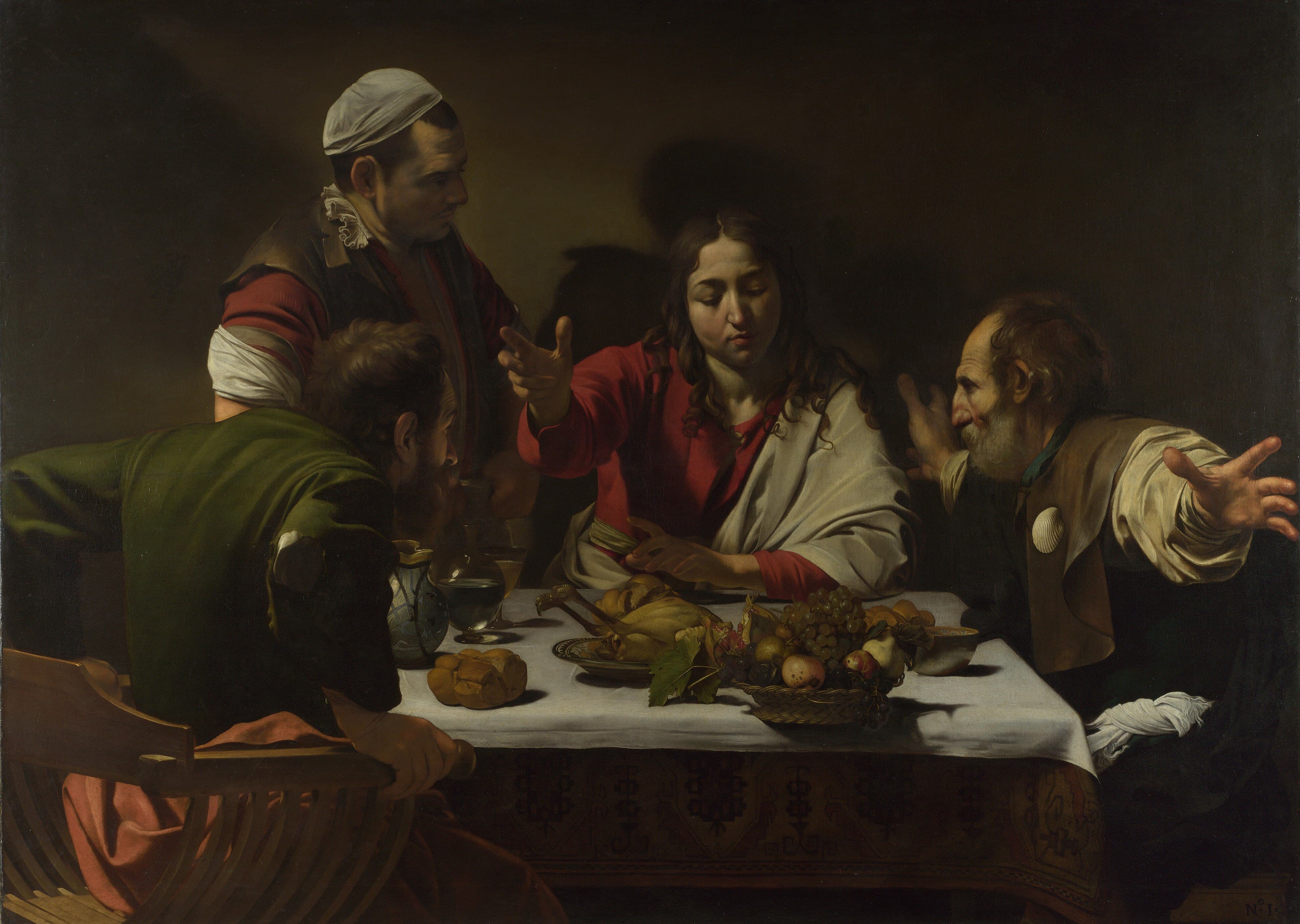
Supper at Emmaus
Caravaggio · 1601
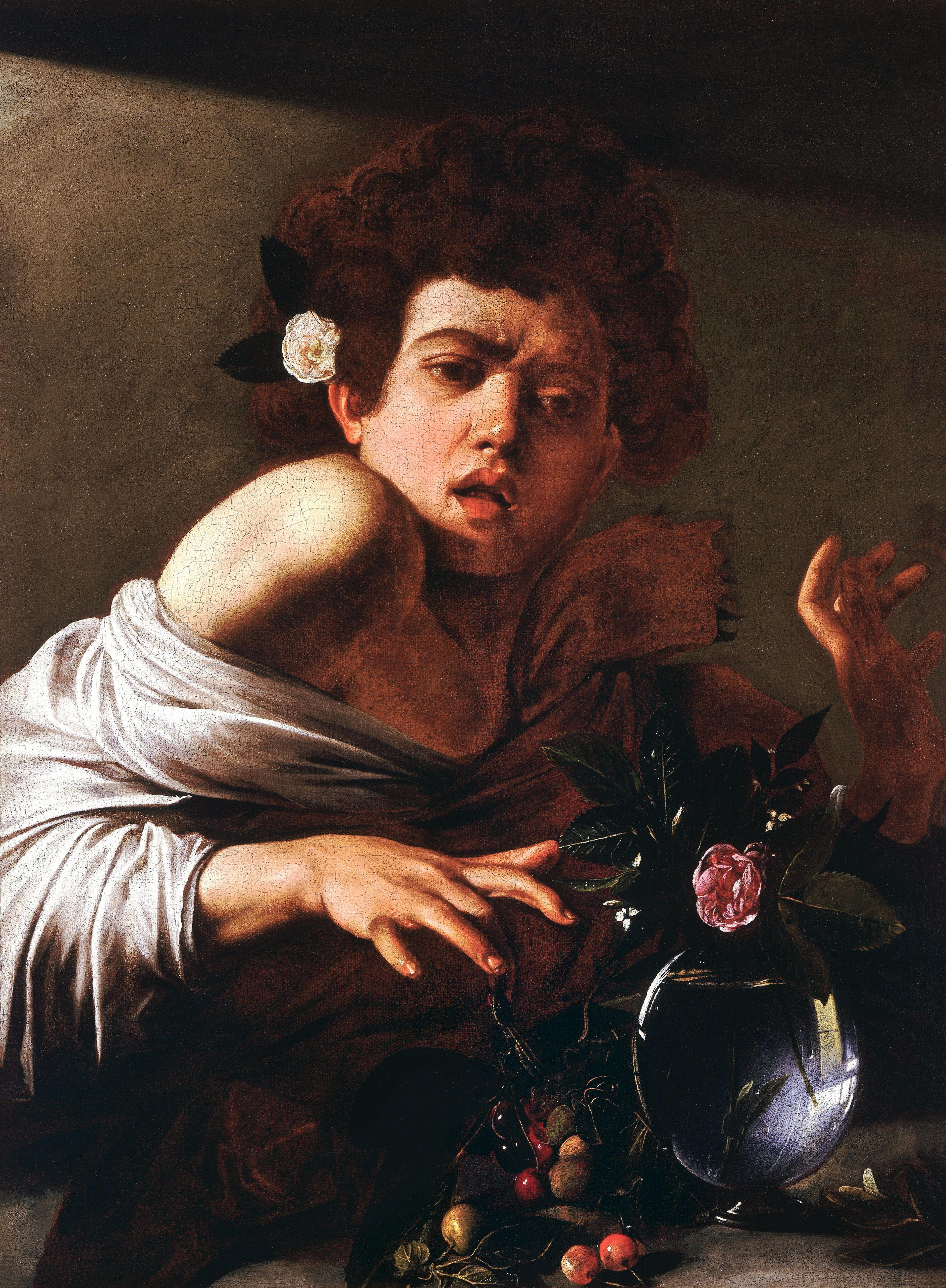
Boy Bitten by a Lizard
Caravaggio · c. 1594–95
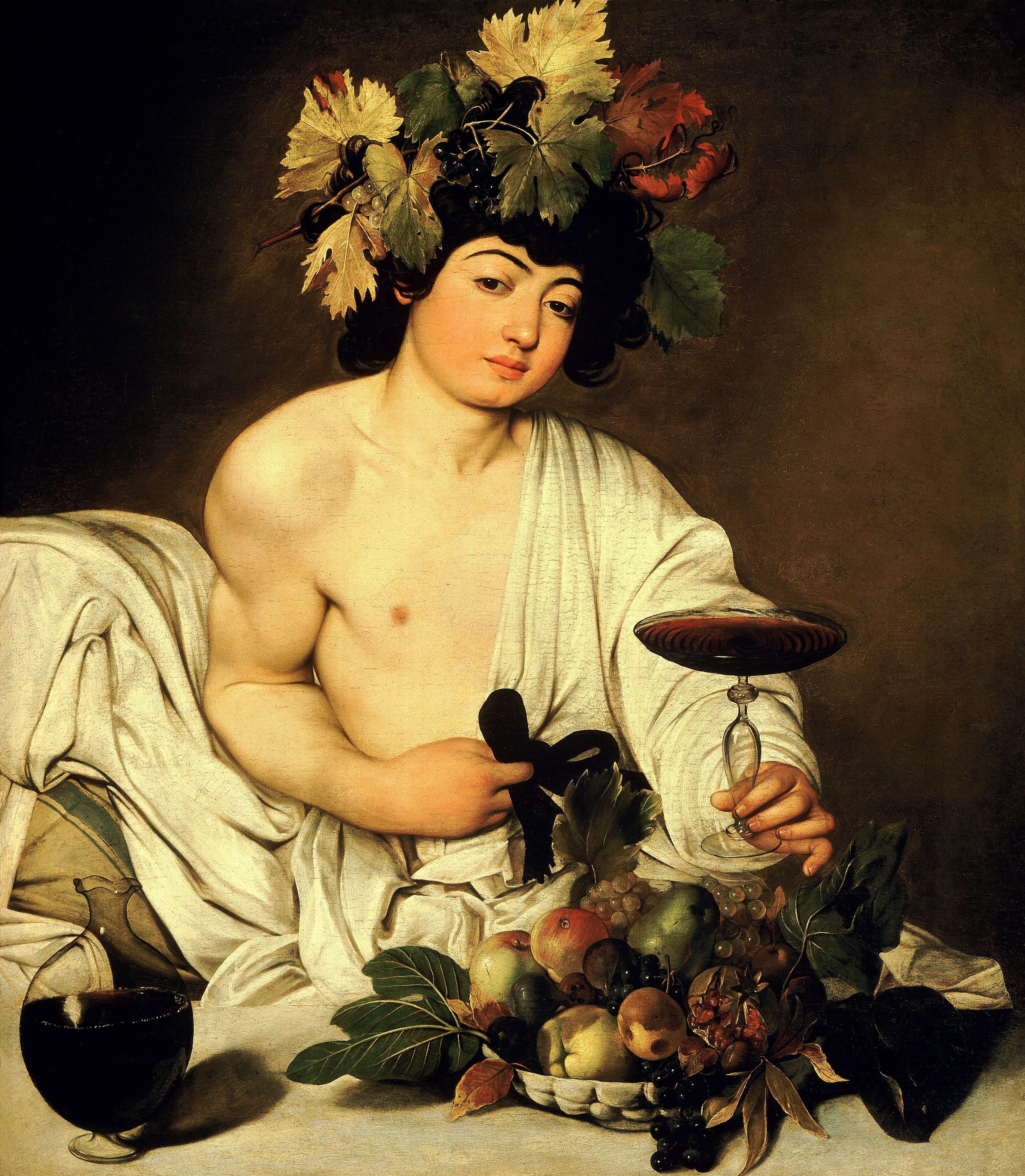
Bacchus
Caravaggio · c. 1596–98
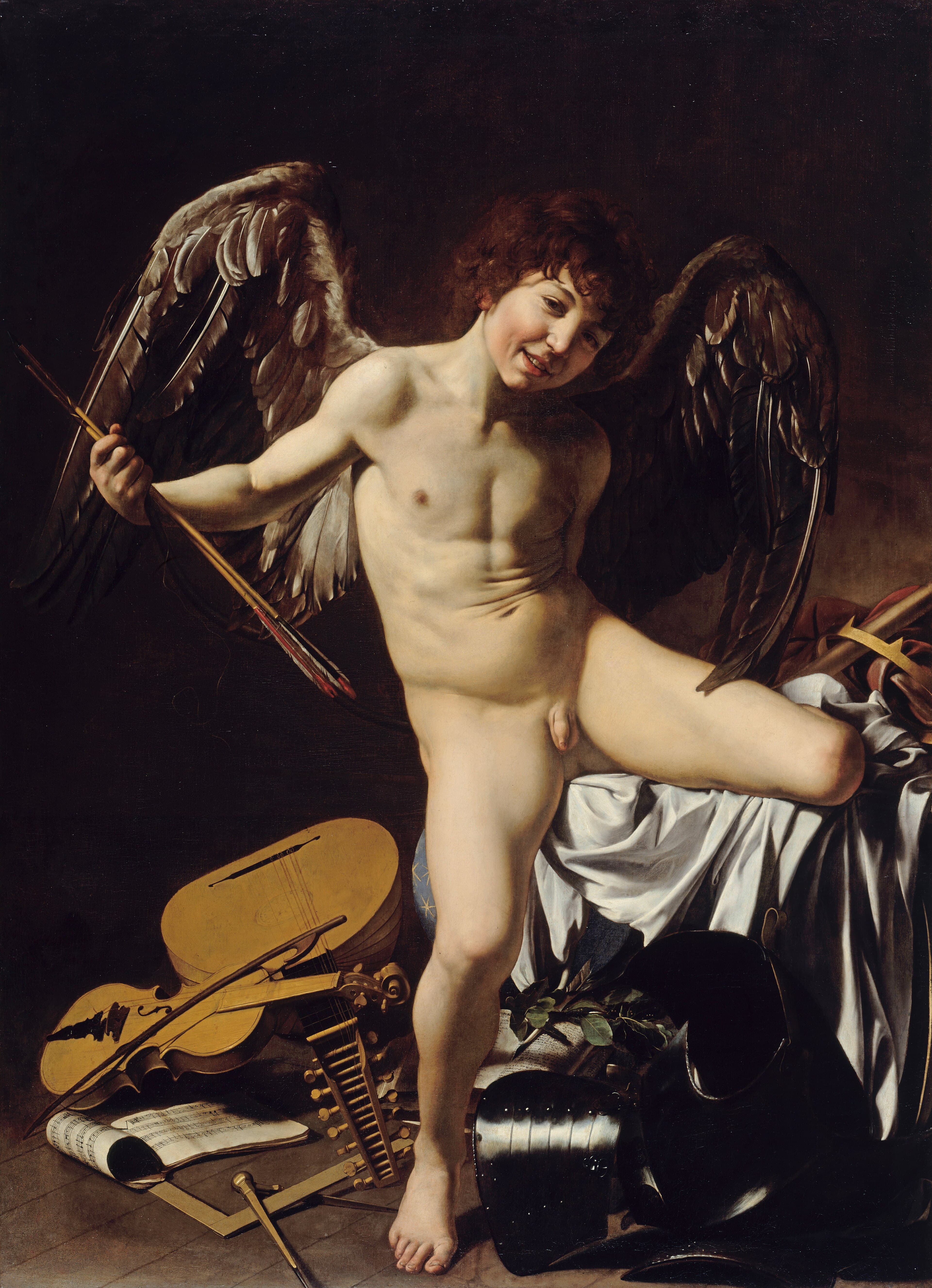
Amor Vincit Omnia
Caravaggio · 1601–02
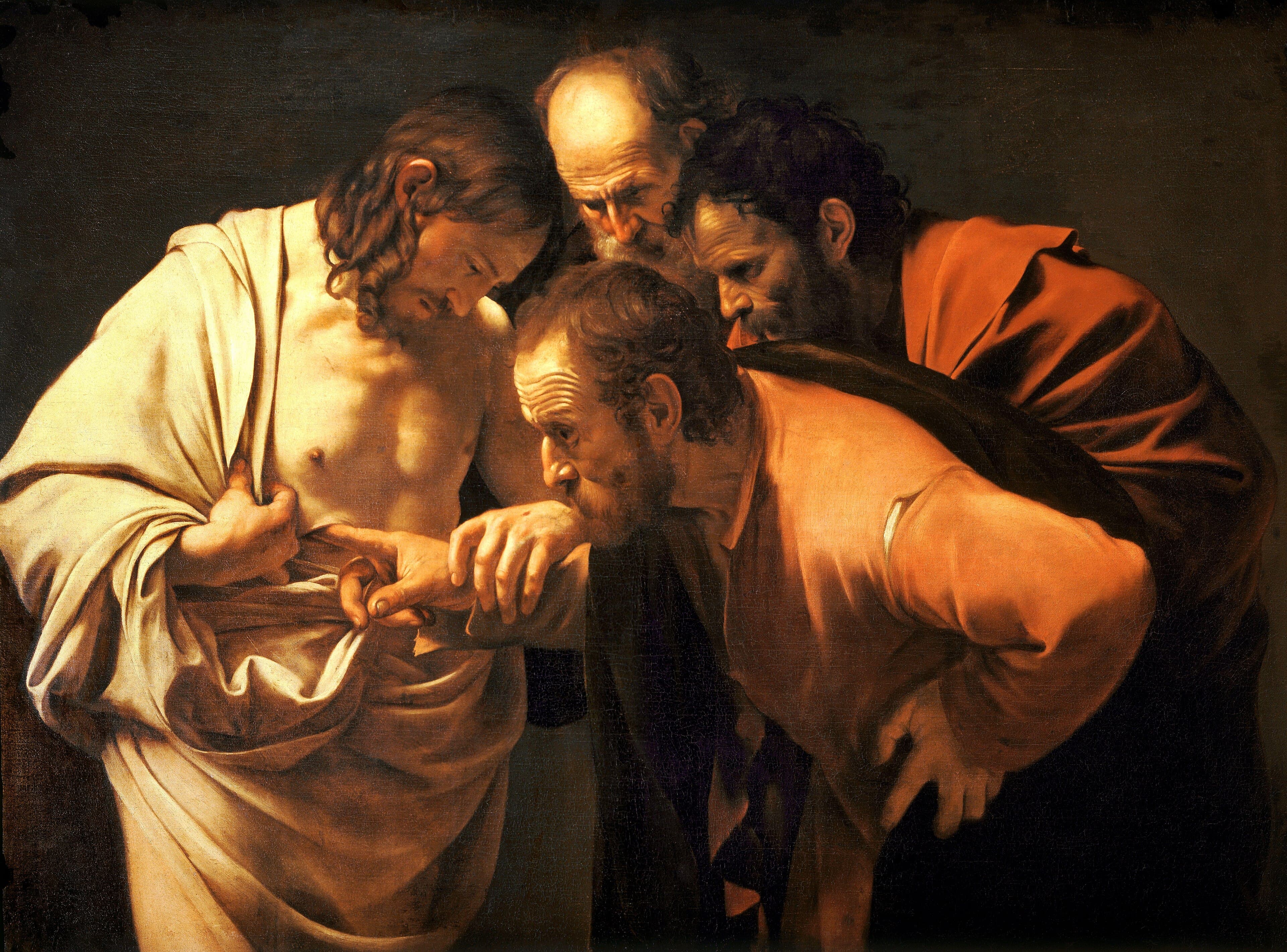
The Incredulity of Saint Thomas
Caravaggio · c. 1601–02
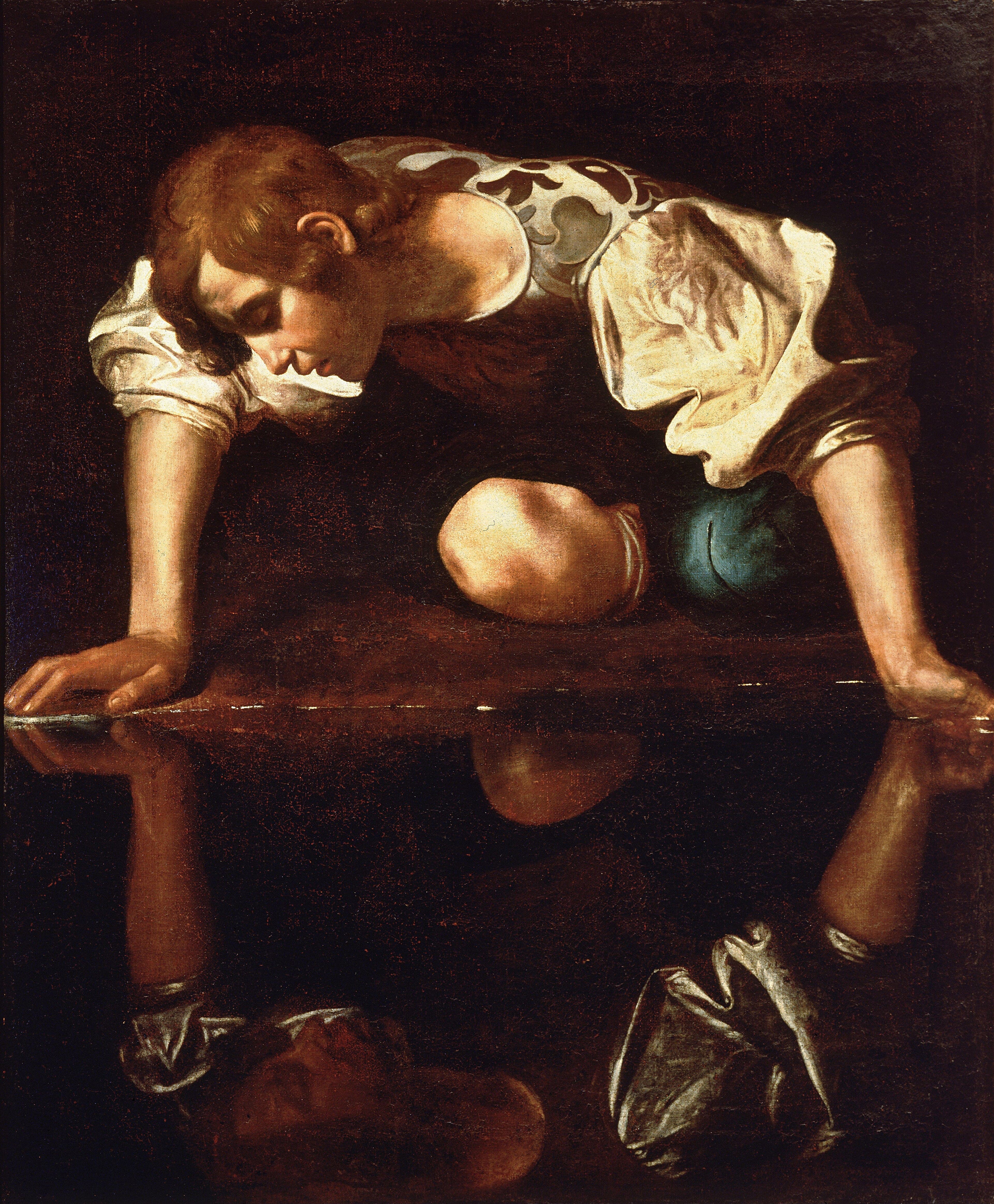
Narcissus
Caravaggio · c. 1597–99
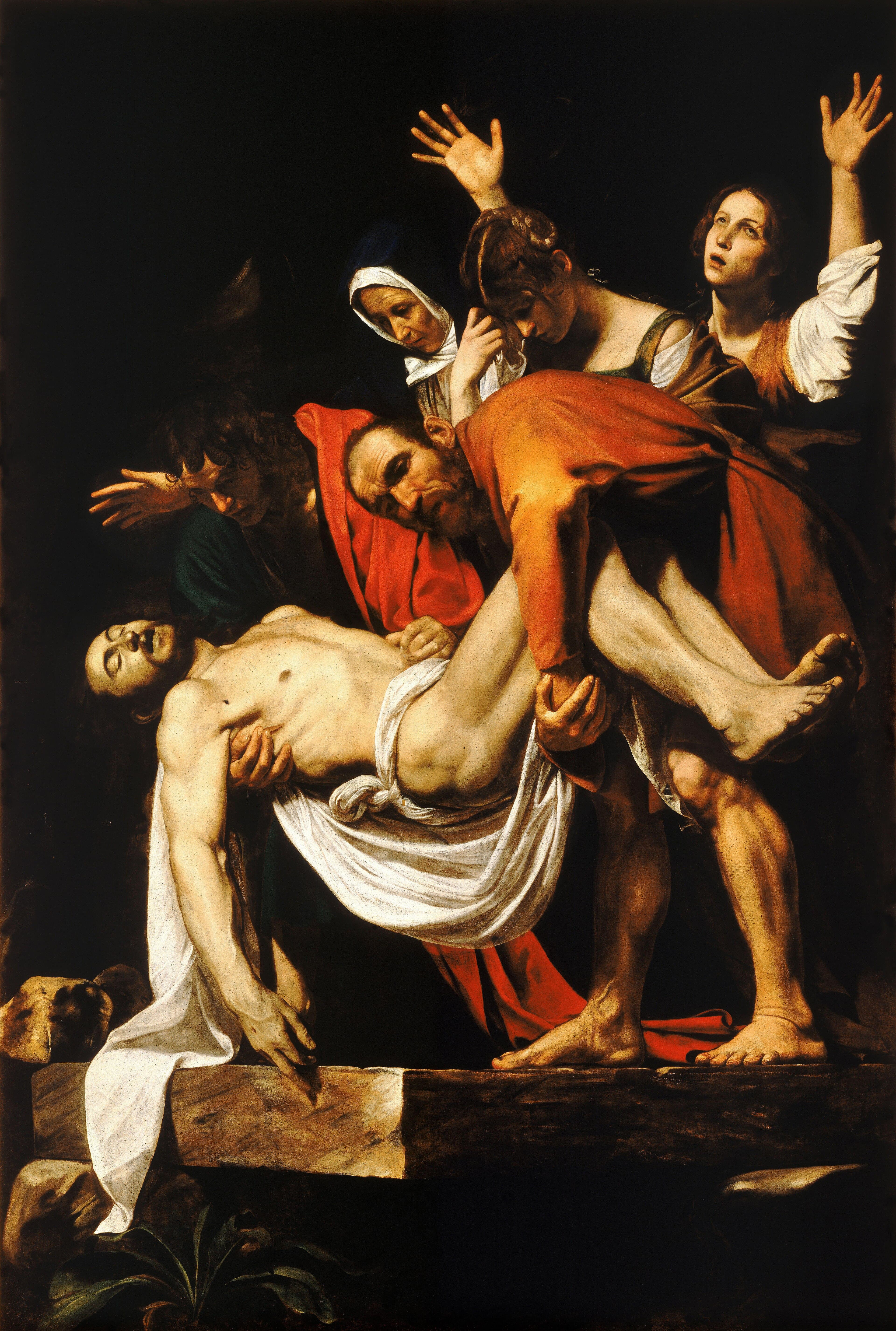
The Entombment of Christ
Caravaggio · 1603–04
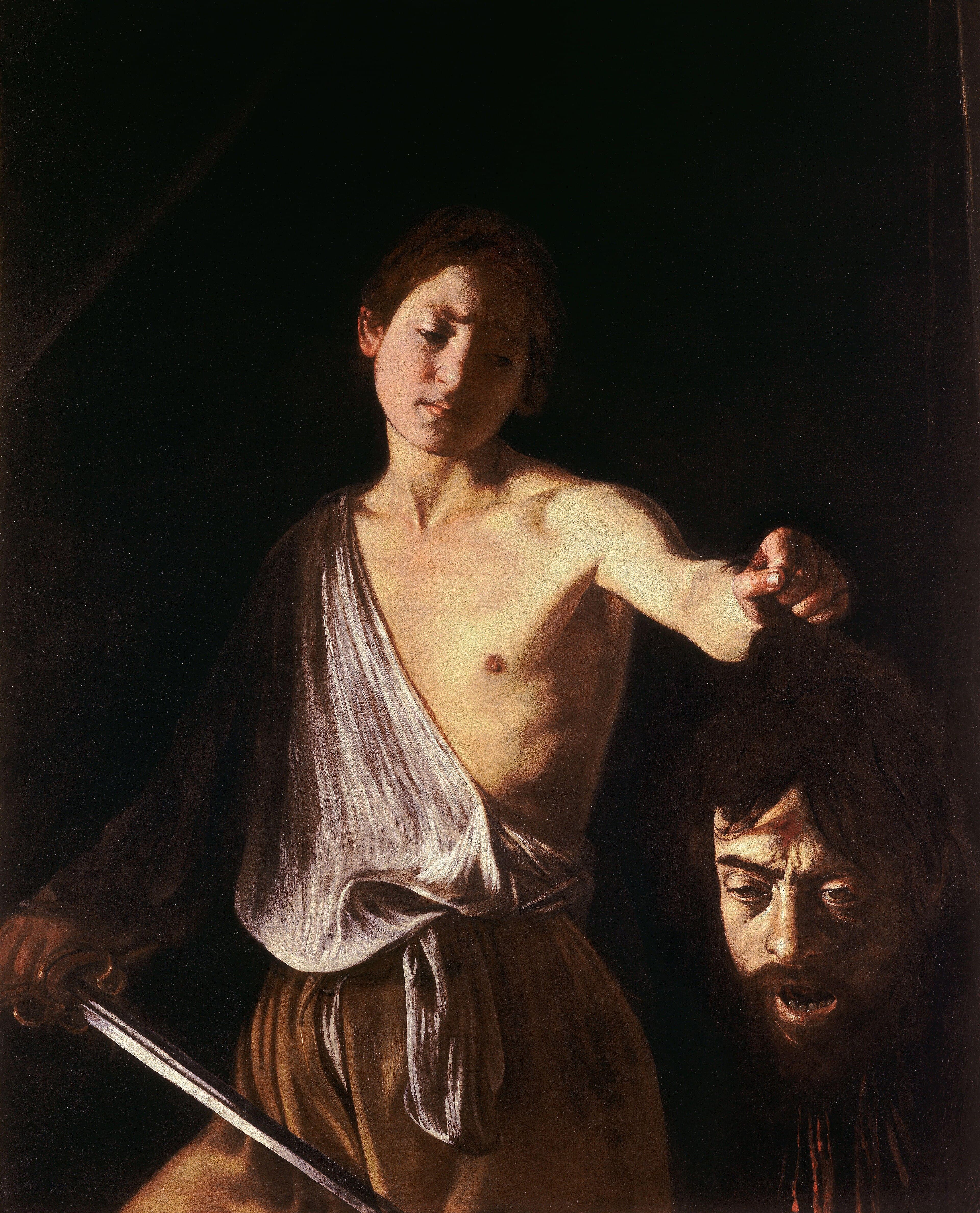
David with the Head of Goliath
Caravaggio · c. 1609–10
Kindred works
You may also study
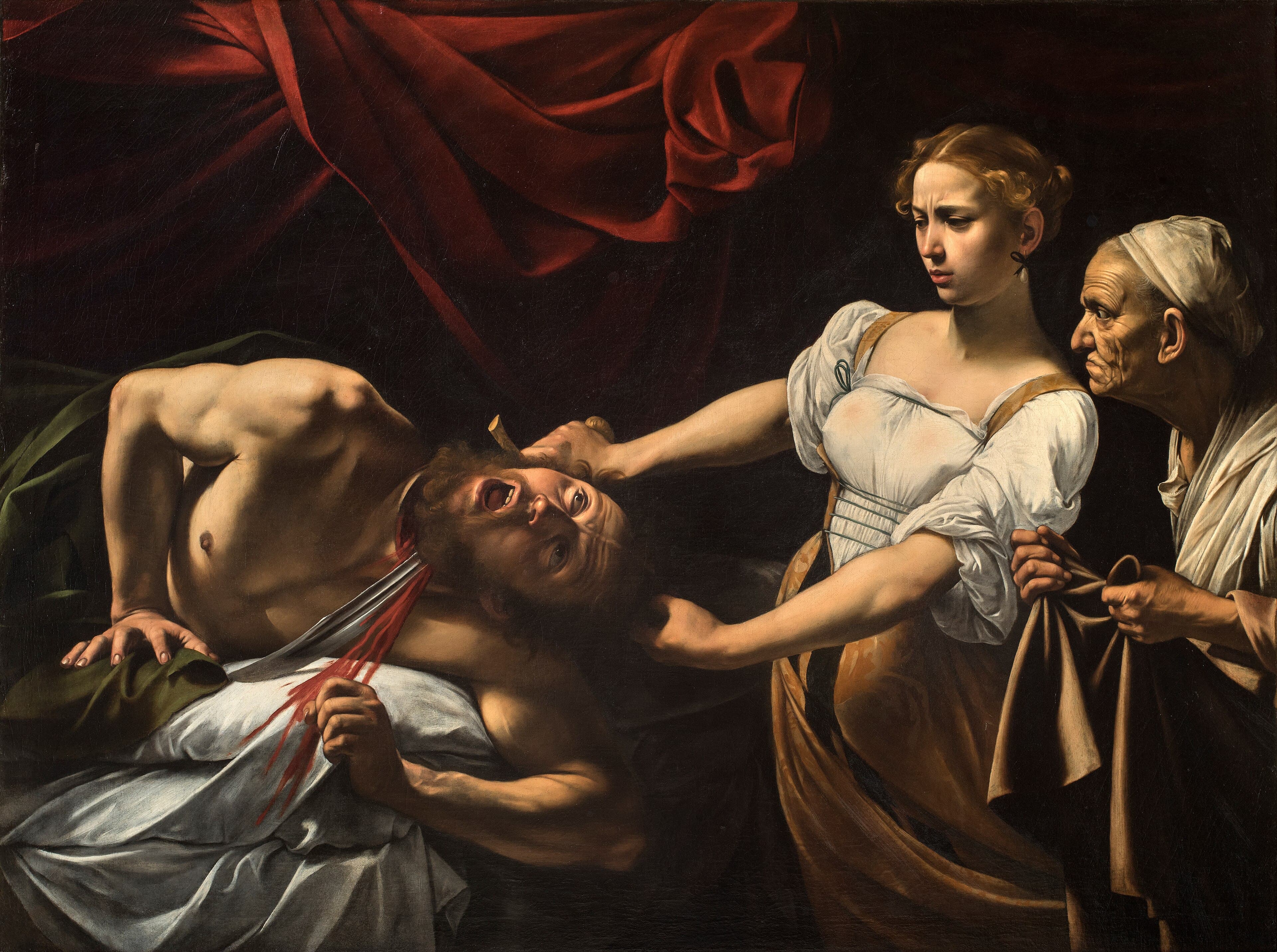
Judith Beheading Holofernes
Caravaggio · c. 1598–1599
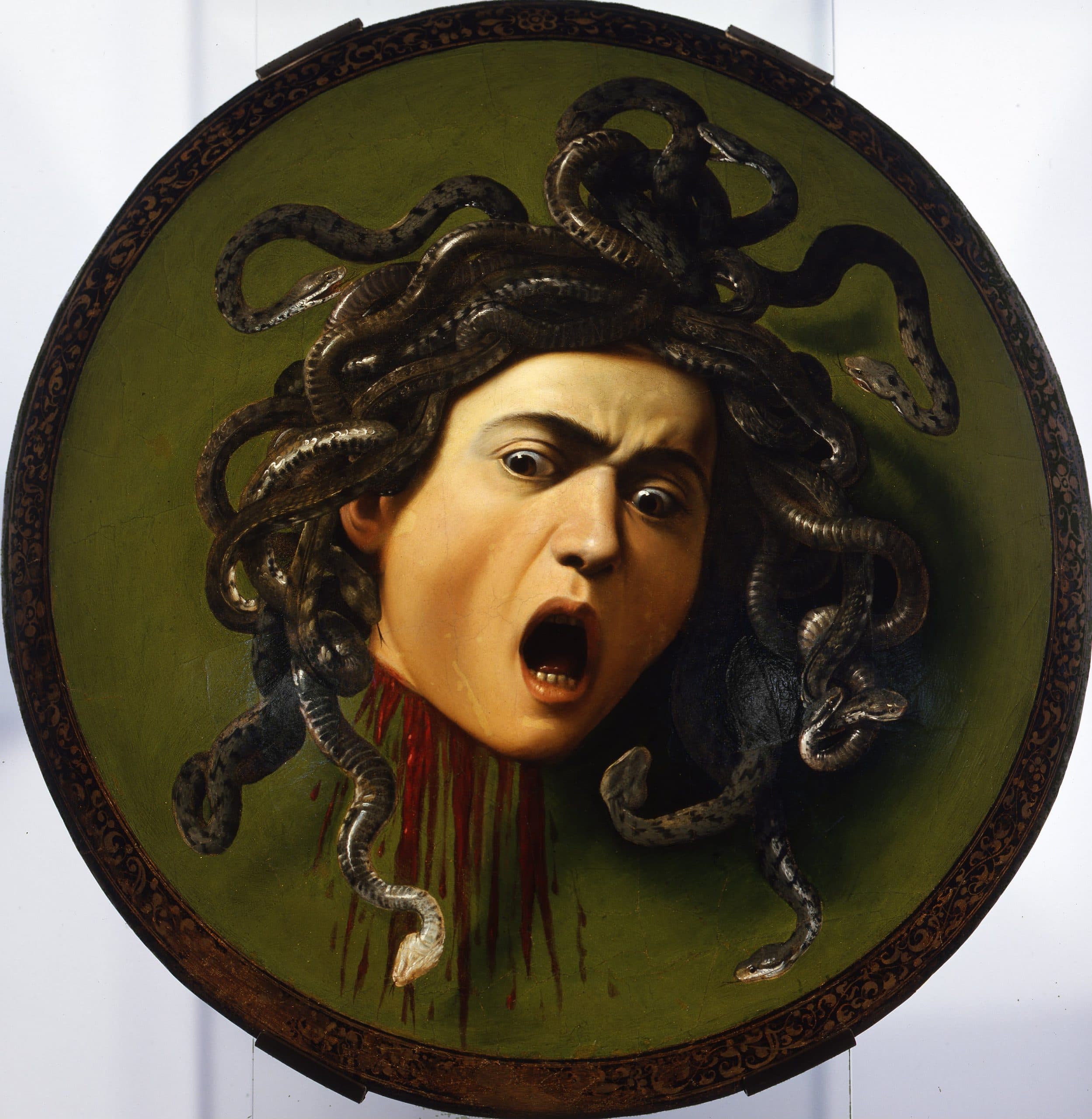
Medusa
Caravaggio · c. 1597–98
The Calling of Saint Matthew
Caravaggio · 1599–1600

The Scream
Edvard Munch · 1893

Saturn Devouring His Son
Francisco Goya · c. 1819–1823
The Creation of Adam
Michelangelo · c. 1511–12

Ophelia
John Everett Millais · 1851–52
Lucifer
Franz von Stuck · 1890