Image: Stiftung Preußische Schlösser und Gärten, Sanssouci / Wikimedia Commons · Public domain · via Wikimedia Commons
Baroque
The Incredulity of Saint Thomas
Caravaggio, c. 1601–02
The Incredulity of Saint Thomas is a painting by Caravaggio, c. 1601–02, in the Picture Gallery at Sanssouci, Potsdam. Doubting Thomas pushes his finger into the wound in the risen Christ's side while two apostles lean in to watch.
- Artist
- Caravaggio
- Date
- c. 1601–02
- Medium
- Oil on canvas
- Dimensions
- 107 × 146 cm
- Collection
- Picture Gallery, Sanssouci, Potsdam, Germany
- Movement
- Baroque
Caravaggio's The Incredulity of Saint Thomas, better known as Doubting Thomas, shows the apostle who refused to believe in the Resurrection until he could touch Christ's wounds. Painted in Rome around 1601–02, the canvas measures 107 by 146 centimeters and belongs to the Prussian royal collections; it hangs in the Picture Gallery (Bildergalerie) at Sanssouci in Potsdam, near Berlin. It was one of the most copied paintings of the seventeenth century.
What you're looking at
Four heads are packed into a tight diamond against a dark ground. On the left, Christ, pale and calm, pulls aside his shroud with one hand. With the other he takes hold of Thomas's wrist and guides it. Thomas's index finger has gone into the wound in Christ's side, up to the second knuckle, lifting the flap of skin. Caravaggio does not let us look away from it.
Thomas leans forward with his whole body, his brow furrowed into deep horizontal creases, his eyes wide and fixed not on Christ's face but on the wound. Behind him two more apostles, usually identified as Peter and another disciple, crane in over his shoulder with the same intent stare. The four heads almost touch. The composition has the closeness of a huddle around a table, and every line leads to the one finger.
The details most people miss
Look at Thomas's shoulder. The seam of his rough brown robe has split open, a tear in the cloth at the top of the sleeve. It is a typical Caravaggio touch: the apostles are poor working men in worn clothes, not the draped heroes of earlier painting.
Look at his fingernail: there is dirt under it. Look at Christ's hand on Thomas's wrist: he is not merely allowing the test but steering it, a gentle, almost clinical gesture. And notice that Christ's head is in partial shadow while his torso is fully lit, so the body, the proof, matters more than the face.
The story
The episode is told only in the Gospel of John (20:24–29). Thomas, absent when the risen Christ first appeared to the disciples, said, "Except I shall see in his hands the print of the nails, and put my finger into the print of the nails, and thrust my hand into his side, I will not believe." Eight days later Christ appeared again and invited him to do exactly that. Thomas answered, "My Lord and my God." Christ replied, "Blessed are they that have not seen, and yet have believed."
Notably, the Gospel never says Thomas actually touched the wound. Most painters before Caravaggio showed him hesitating, a finger raised. Caravaggio has him go all the way in, which made the picture both shocking and unforgettable.
What does The Incredulity of Saint Thomas mean?
For the Catholic Church around 1600, the scene carried a precise doctrinal message: the Resurrection was physical. Christ rose in a real body, with real wounds that could be touched. Against Protestant arguments about the Eucharist and the body of Christ, the image insists on flesh.
The painting also speaks to the viewer's position. We, too, are looking hard, and like Thomas we cannot touch. Christ's words, "blessed are they that have not seen," turn the picture into a lesson about faith without proof, addressed to people who are, after all, only looking at a painting. The three apostles' rapt faces mirror our own.
Some writers have connected the painting's empirical intensity, the need to verify with the finger, to the scientific culture of Caravaggio's Rome, where his patrons included collectors interested in natural philosophy. That link is suggestive rather than proven.
The commission and provenance
The painting is generally thought to have been made for the Marchese Vincenzo Giustiniani, one of Caravaggio's two greatest private patrons, whose collection also held Amor Vincit Omnia. Some scholars connect it instead with the Mattei family, who commissioned the Supper at Emmaus of the same years. The Giustiniani collection was bought in 1815 by the King of Prussia, which is how the painting came to Potsdam.
Reception and copies
More than twenty early copies are known, an indication of how quickly the composition spread. Painters in Rome, Naples, Utrecht and Antwerp adopted its half-length, close-up format for sacred stories, and the device of drawing the viewer's gaze along a single gesture to a single point became one of the signature moves of Caravaggism. Rubens, Guercino and Bernardo Strozzi all painted the subject in its wake.
Where to see it
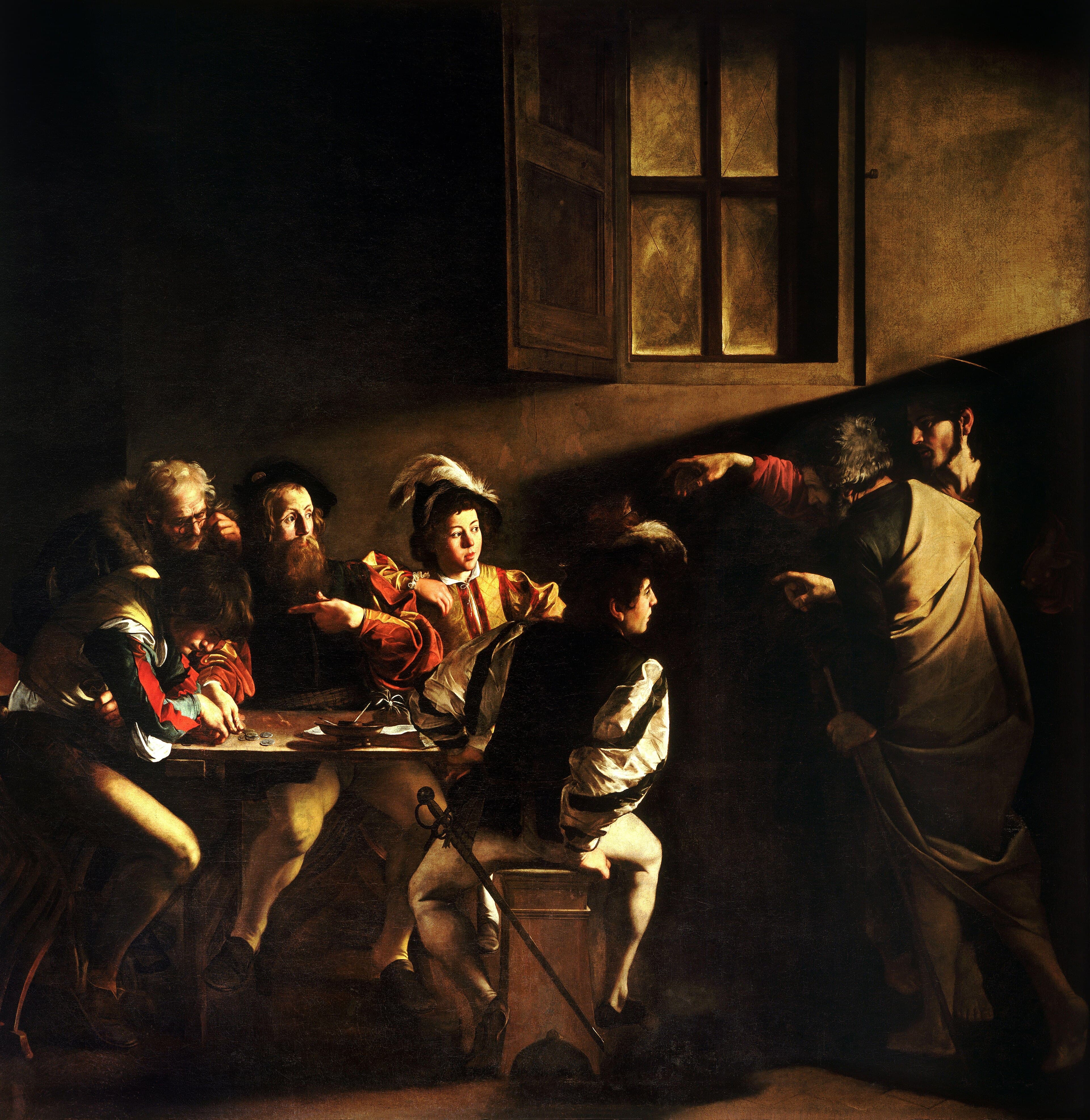
The original hangs in the Bildergalerie (Picture Gallery) in the park of Sanssouci, Potsdam, built by Frederick the Great in the 1750s as one of the first purpose-built picture galleries in Germany. It is open seasonally, usually from spring to autumn. For his other scenes of the risen Christ and the apostles, see The Calling of Saint Matthew, The Entombment of Christ and our guide to Caravaggio's paintings.
Questions & answers
Where is The Incredulity of Saint Thomas by Caravaggio?
It is in the Picture Gallery (Bildergalerie) at Sanssouci in Potsdam, Germany, part of the Prussian Palaces and Gardens Foundation. The gallery is usually open from spring to autumn. The painting came to Prussia when the king bought the Giustiniani collection in 1815.
What does The Incredulity of Saint Thomas mean?
It illustrates John 20, where the apostle Thomas refuses to believe in the Resurrection until he touches Christ's wounds. Caravaggio has Christ guide Thomas's finger into his side, insisting that Christ rose in a real, physical body, and reminding viewers that 'blessed are they that have not seen, and yet have believed.'
Did Thomas actually touch Christ's wound?
The Gospel of John does not say that he did; it only records Christ's invitation and Thomas's words 'My Lord and my God.' Many earlier painters showed him hesitating. Caravaggio's decision to show the finger inside the wound is part of what made the painting so striking.
Who commissioned The Incredulity of Saint Thomas?
It is usually linked to the collector Vincenzo Giustiniani, Caravaggio's major patron in Rome, though some scholars connect it with the Mattei family. It was painted around 1601–02.
More by the artist
Caravaggio
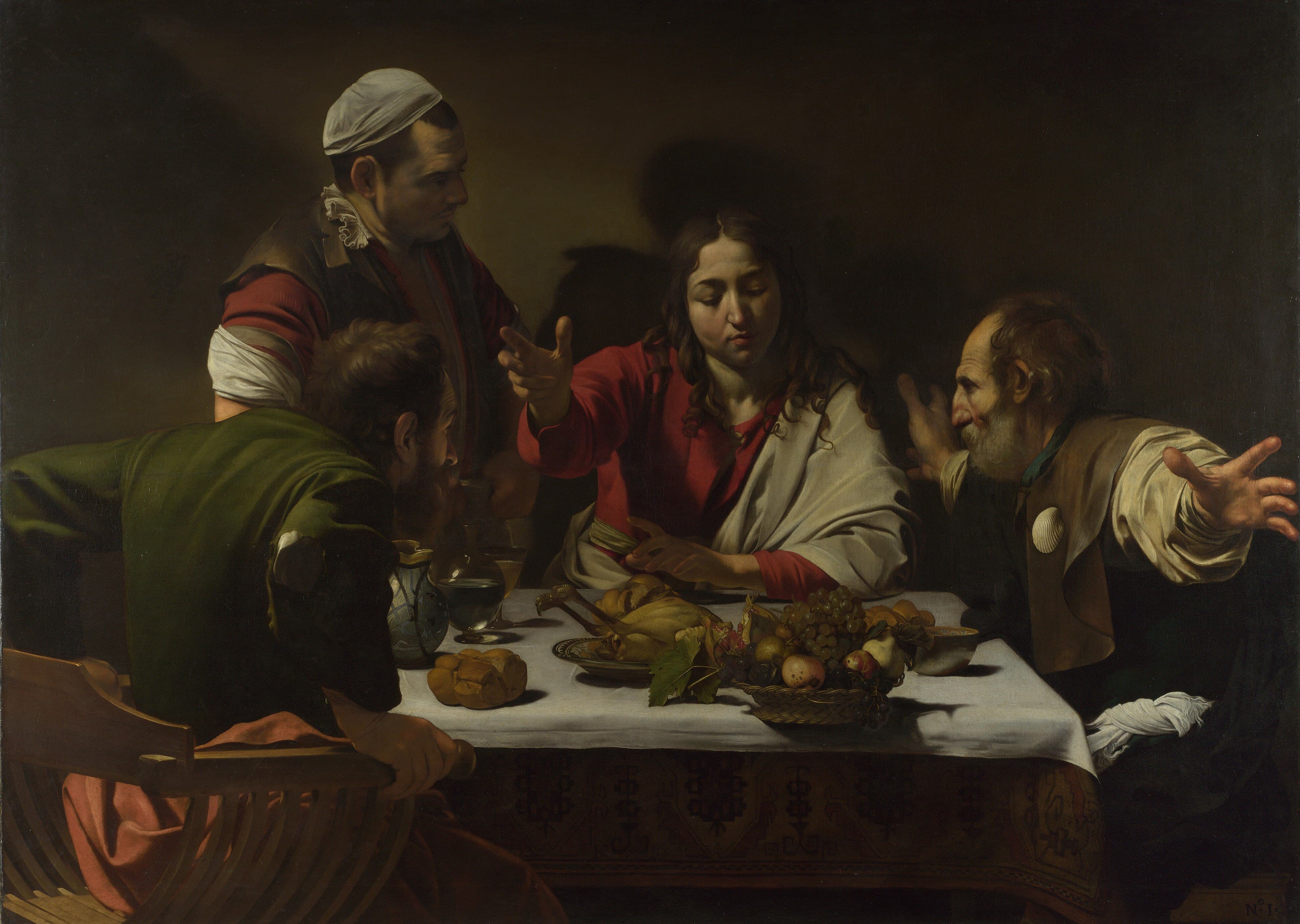
Supper at Emmaus
Caravaggio · 1601
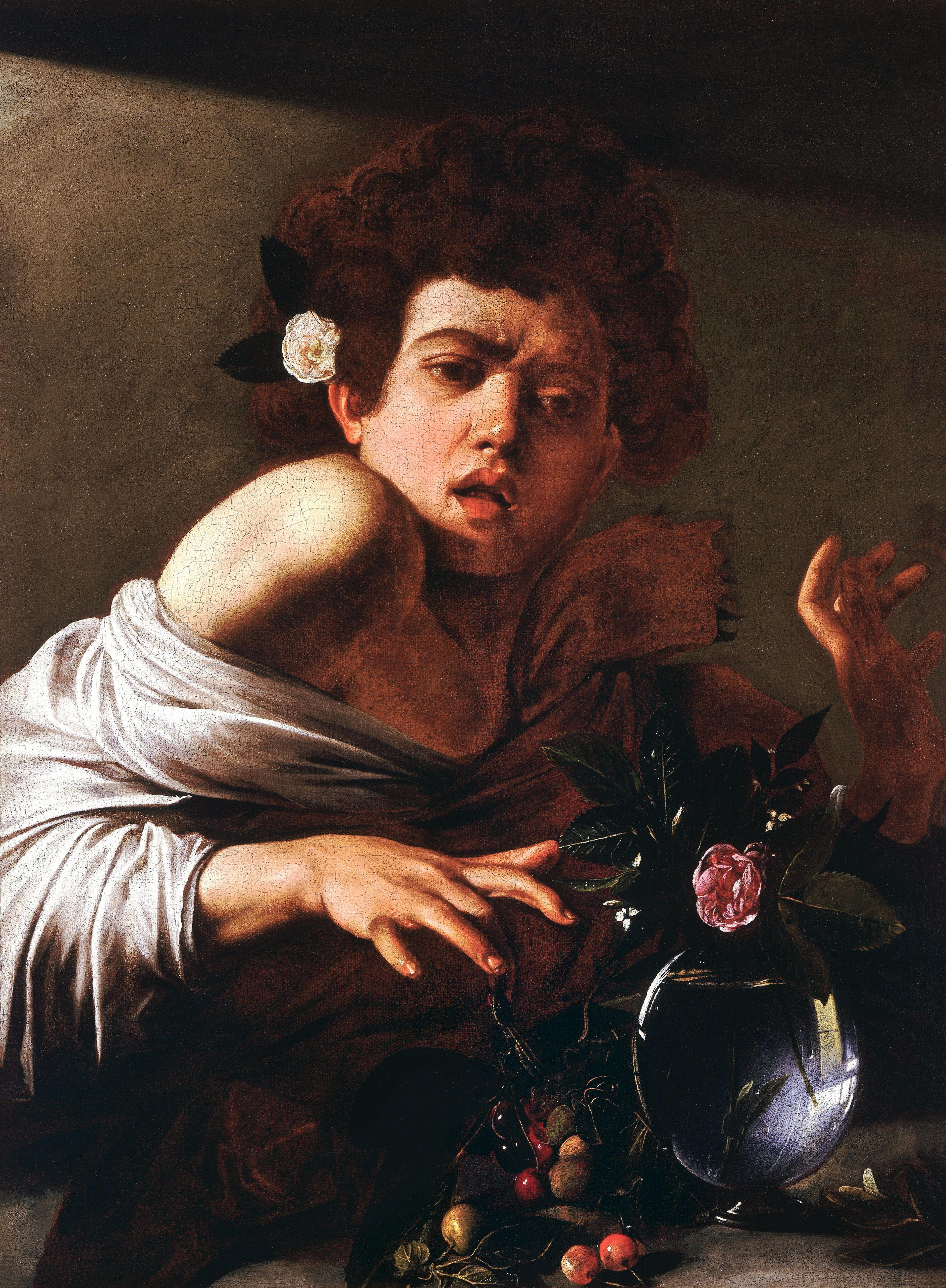
Boy Bitten by a Lizard
Caravaggio · c. 1594–95
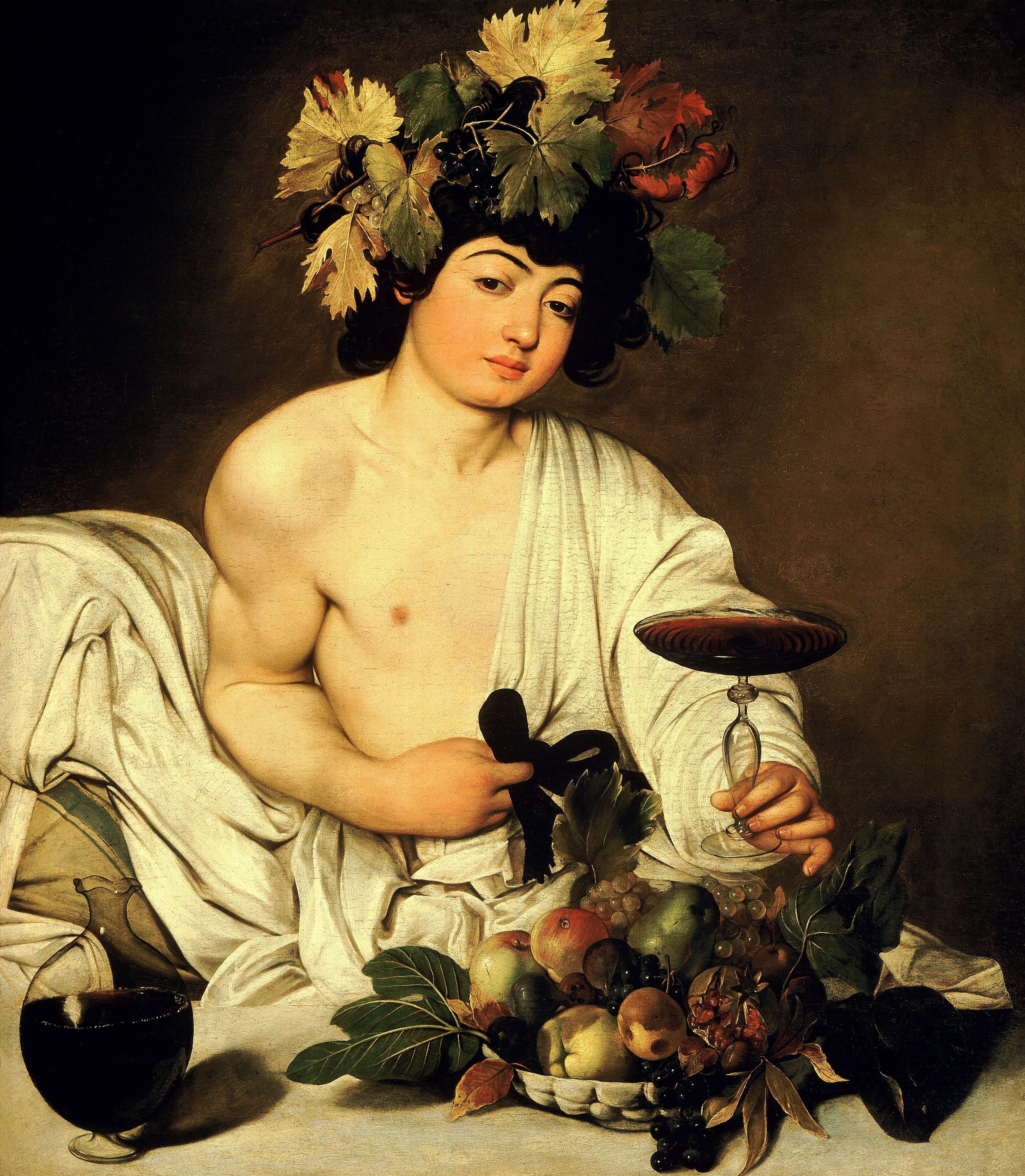
Bacchus
Caravaggio · c. 1596–98
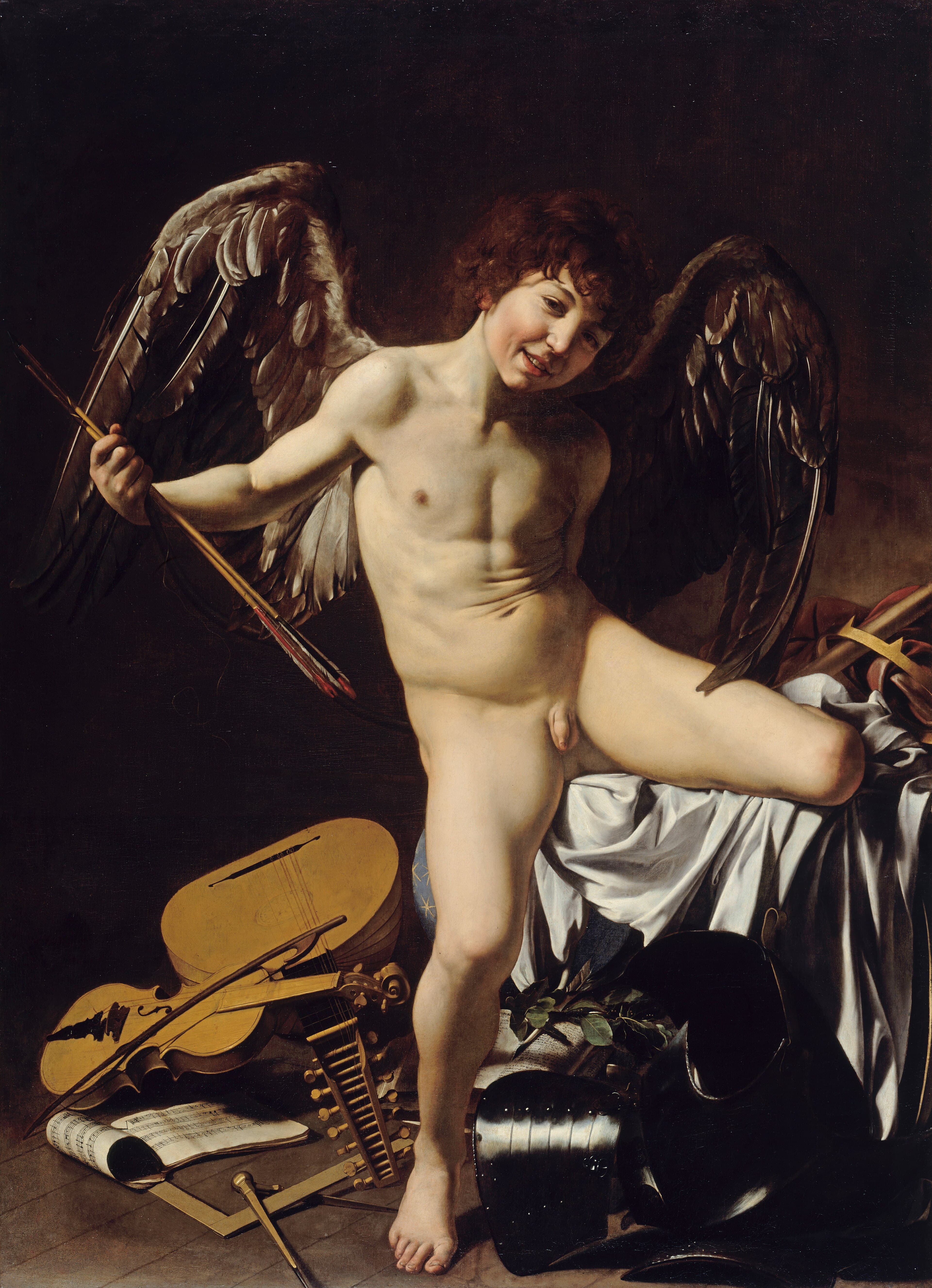
Amor Vincit Omnia
Caravaggio · 1601–02
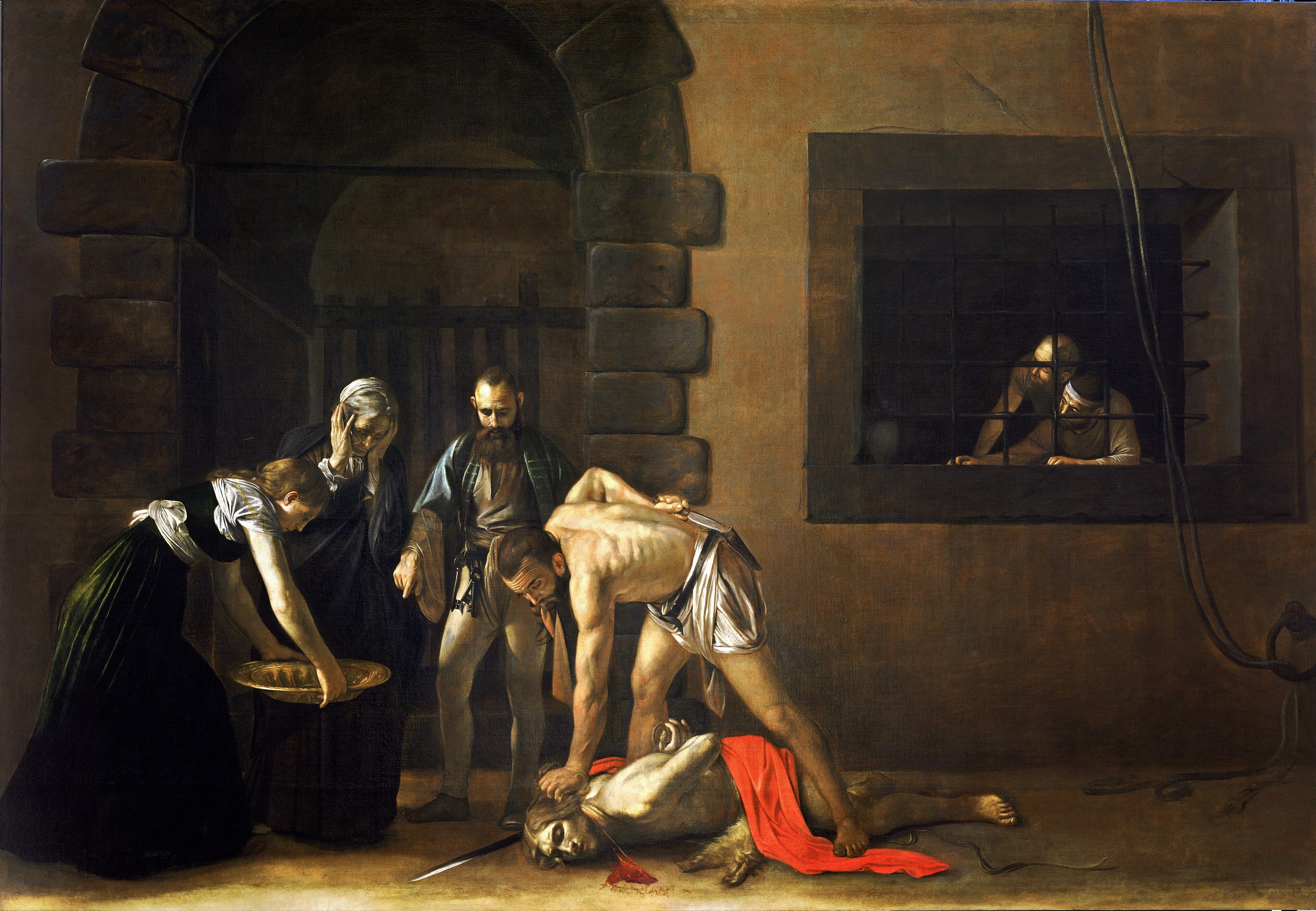
The Beheading of Saint John the Baptist
Caravaggio · 1608
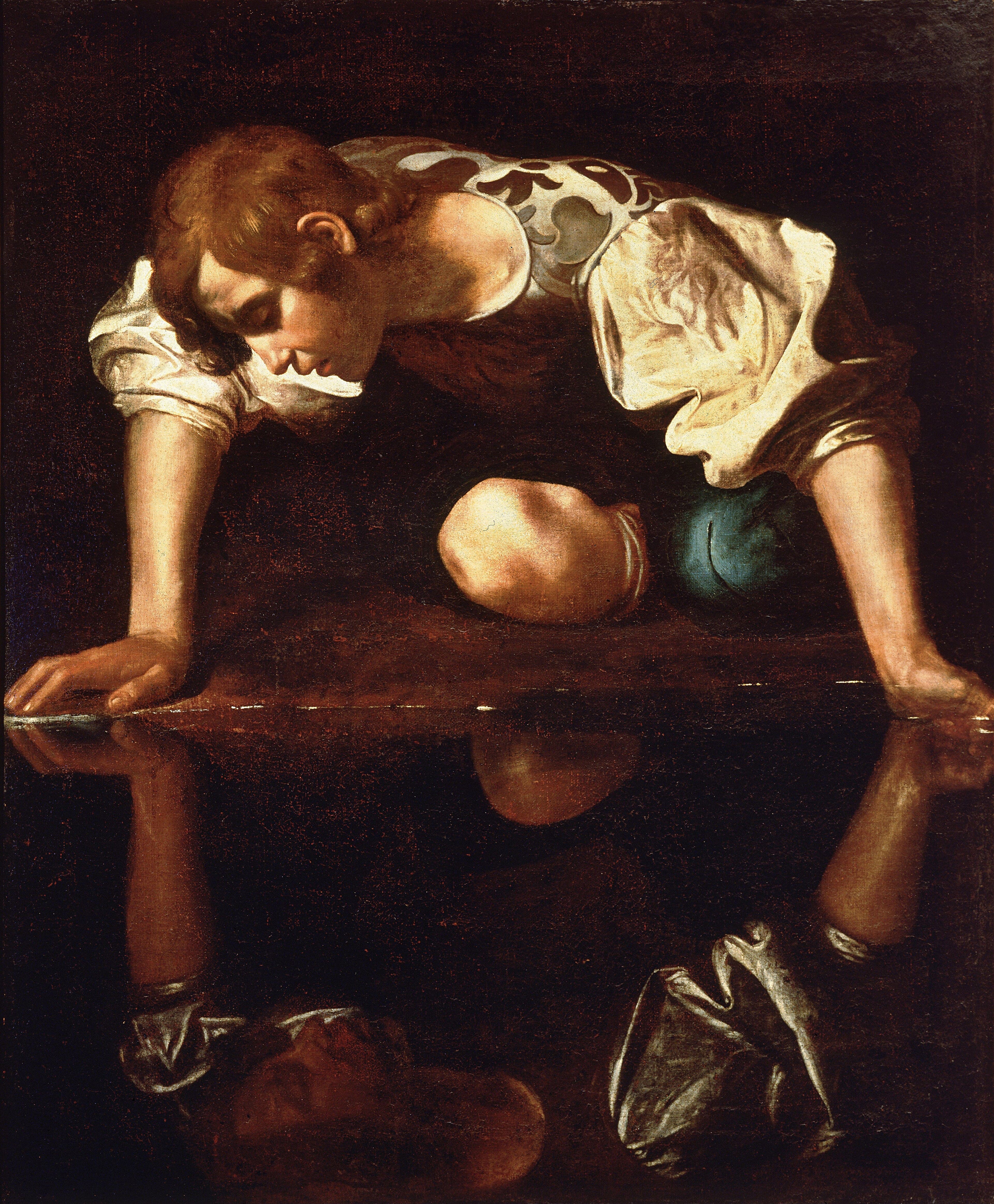
Narcissus
Caravaggio · c. 1597–99
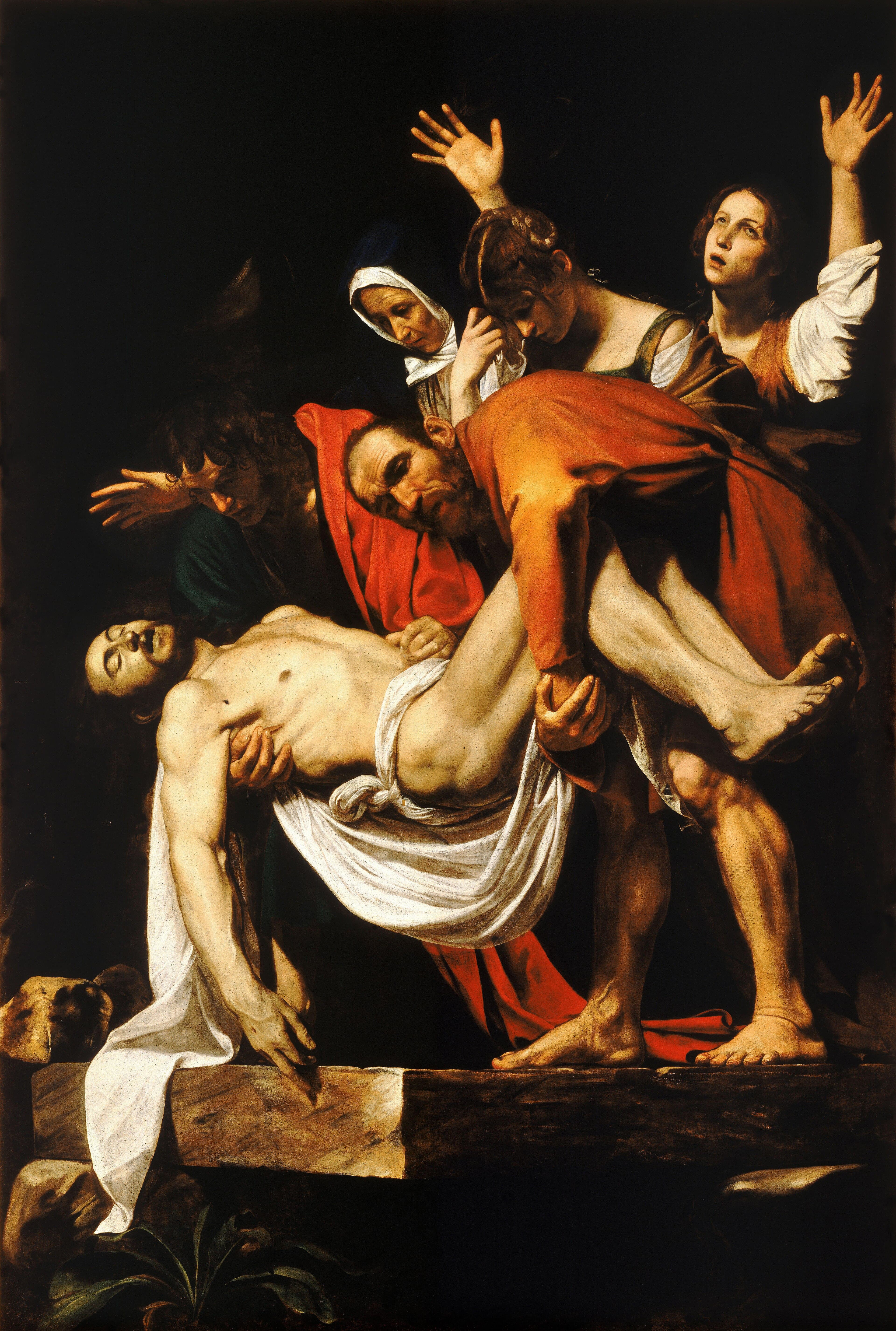
The Entombment of Christ
Caravaggio · 1603–04
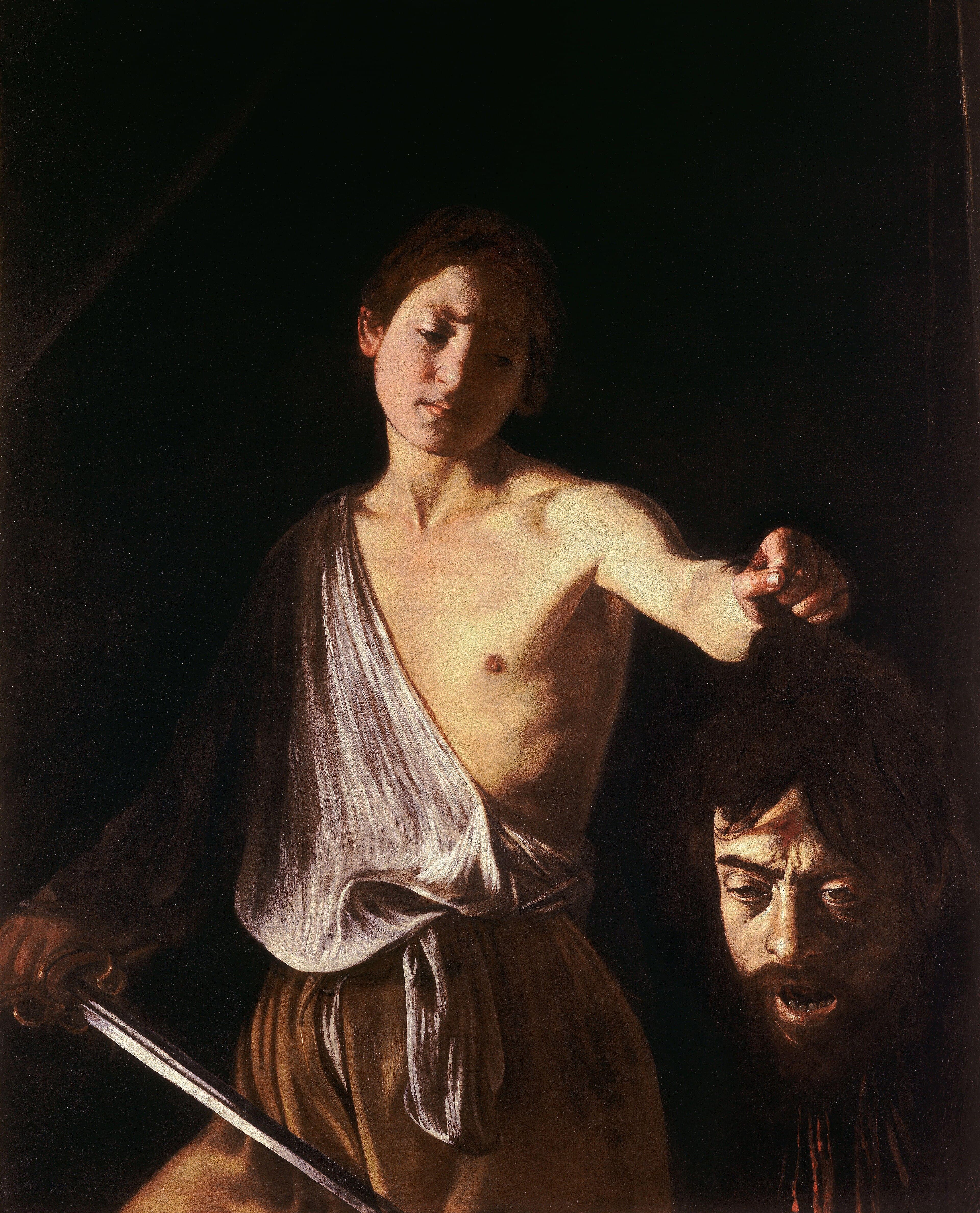
David with the Head of Goliath
Caravaggio · c. 1609–10
Also painted in 1601
The same year
Kindred works
You may also study
The Calling of Saint Matthew
Caravaggio · 1599–1600
The Conversion of Saint Paul
Caravaggio · 1600–01
The Creation of Adam
Michelangelo · c. 1511–12
Lucifer
Franz von Stuck · 1890
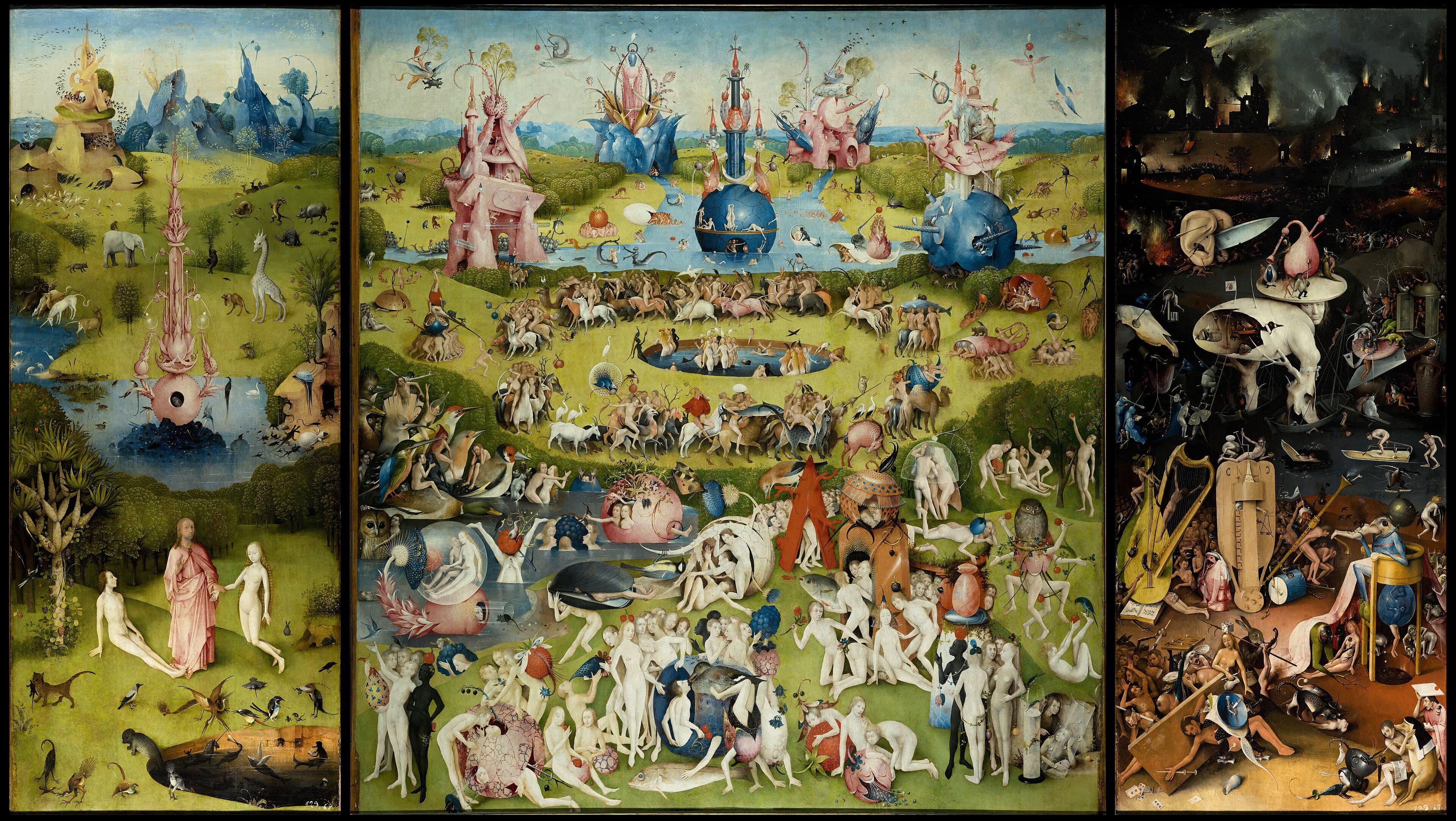
The Garden of Earthly Delights
Hieronymus Bosch · c. 1490–1510
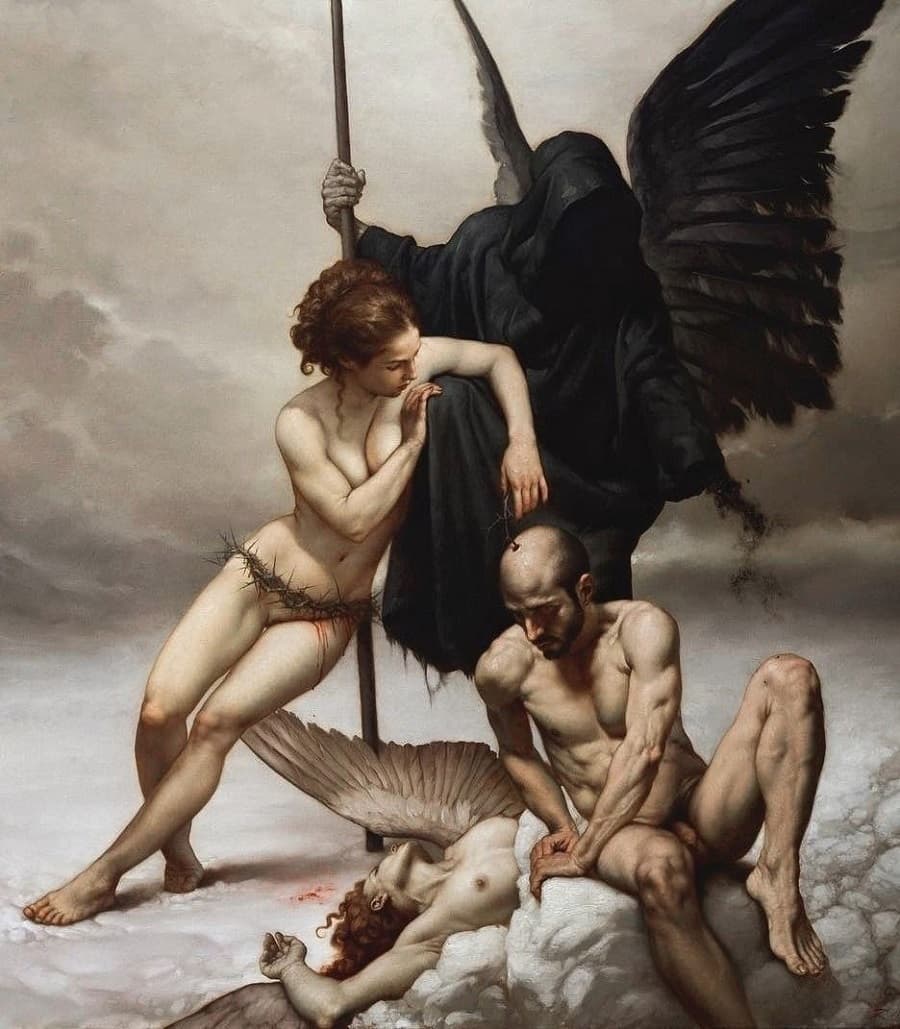
The Angel, the Death, and the Devil
Roberto Ferri · 2018
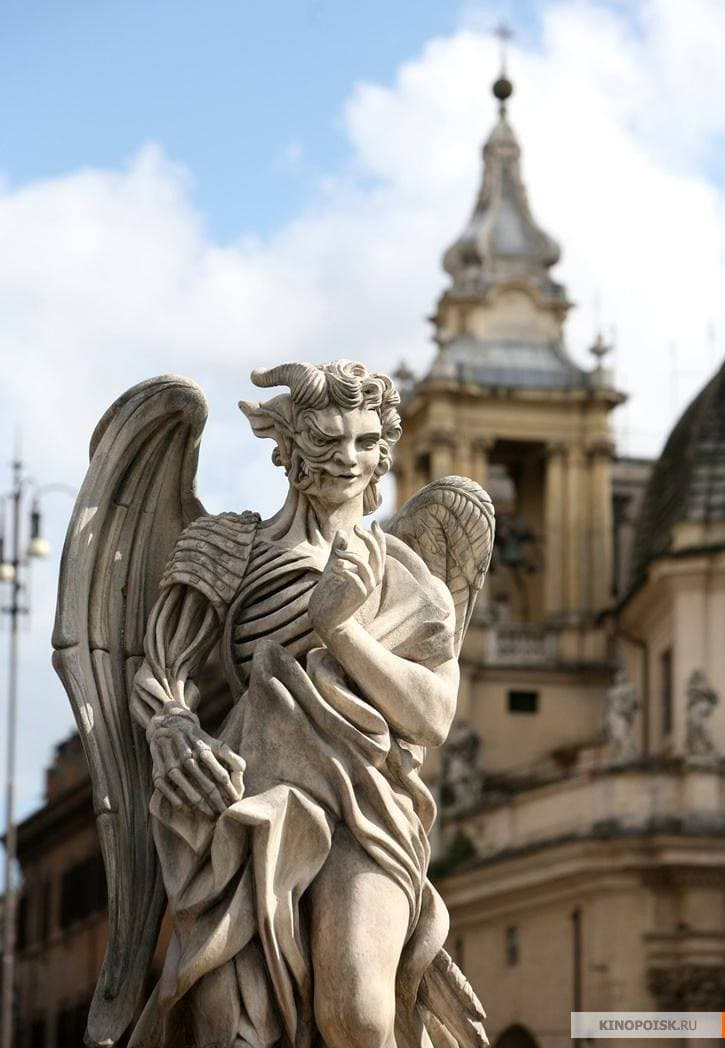
Angels and Demons – The Movie Prop
Artist Unknown & Gian Lorenzo Bernini · 2008
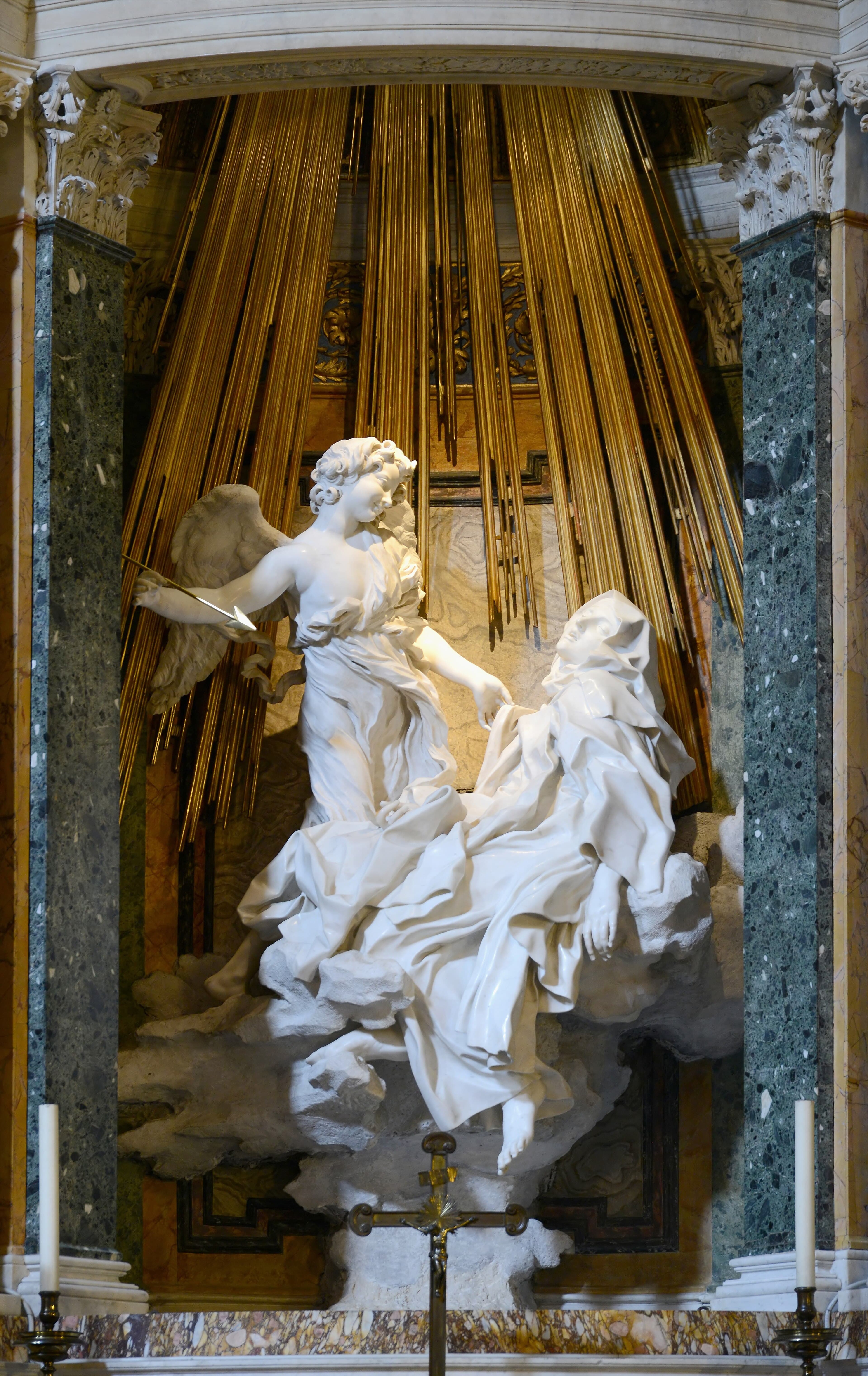
Ecstasy of Saint Teresa
Gian Lorenzo Bernini · 1647–1652