Image: Gemäldegalerie, Staatliche Museen zu Berlin (via Google Arts & Culture) / Wikimedia Commons · Public domain · via Wikimedia Commons
Baroque
Amor Vincit Omnia
Caravaggio, 1601–02
Amor Vincit Omnia (Love Conquers All) is Caravaggio's painting of a grinning, naked Cupid trampling the symbols of human achievement, made in 1601–02 for Vincenzo Giustiniani and now in the Gemäldegalerie, Berlin.
- Artist
- Caravaggio
- Date
- 1601–02
- Medium
- Oil on canvas
- Dimensions
- 156.5 × 113.3 cm
- Collection
- Gemäldegalerie, Staatliche Museen zu Berlin, Berlin, Germany
- Movement
- Baroque
Amor Vincit Omnia, Latin for "Love conquers all," is a painting by Caravaggio of 1601–02, also known as Victorious Cupid or Cupid as Victor. It was made in Rome for the banker and collector Marchese Vincenzo Giustiniani and measures 156.5 by 113.3 centimeters. It has been in Berlin since 1815 and hangs today in the Gemäldegalerie at the Kulturforum.
What you're looking at
A boy of about twelve, naked except for a pair of dark, stiff-feathered wings, half-sits and half-climbs over a table draped in white cloth. He holds two arrows in one hand. His head tilts, and he grins straight at us, a knowing, cheeky grin. He is not the soft, rosy putto of Renaissance art. He is a real Roman street boy, with a farm child's body, tanned forearms and a slightly awkward pose, one foot on the floor and one leg cocked over the table edge.
Under and around him, scattered on the floor and the table, lie the things he has conquered. There is a violin and bow, a lute, and an open music score; a set of armour, a breastplate and a gauntlet; a crown and a scepter; a carpenter's square and a pair of compasses; a quill pen and a manuscript; a laurel wreath; and, half-hidden in the shadows at the right, a blue celestial globe with stars. Music, war, kingship, geometry, writing, fame and astronomy: every human endeavor is trodden underfoot by love.
The details most people miss
On the open sheet of music, the single letter V is clearly visible, a probable reference to Vincenzo Giustiniani, the patron. Giustiniani was a musician, a writer on music and a student of astronomy and architecture; many of the trampled objects correspond to his own interests. In a sense, the painting tells the patron that love beats even him.
Look at the wings. They are not the feathery fluff of a putto but a real bird's wings, dark and stiff, painted feather by feather. At the 1603 libel trial the painter Orazio Gentileschi testified that he had lent Caravaggio a pair of wings, quite possibly for this picture. One wingtip brushes Cupid's thigh, a reminder of how literally Caravaggio worked from life.
The title and the poem
The phrase comes from Virgil's tenth Eclogue: Omnia vincit Amor: et nos cedamus Amori, "Love conquers all; let us too yield to Love." By 1600 it was proverbial, and paintings of Cupid triumphing over the arts and sciences were an established genre. Caravaggio's version replaces the ideal with the real.
Who was the model?
The model is traditionally identified as Francesco Boneri, known as Cecco del Caravaggio, a boy who lived with the painter and later became a painter himself. An English traveler, Richard Symonds, recorded in the 1650s that the boy had been Caravaggio's servant and had slept with him; this second-hand remark is the root of many modern readings of the painting as homoerotic. The same boy probably appears in other works of these years. The identification is plausible but not certain.
What does Amor Vincit Omnia mean?
At one level, the meaning is spelled out by the title: earthly love overcomes all human achievement. The painting is witty, deliberately provocative and aimed at a sophisticated collector who would have enjoyed recognizing his own interests in the debris.
But the contemporary reaction shows it was read as more than a joke. In 1602 the painter Giovanni Baglione, Caravaggio's bitter rival, painted Sacred and Profane Love for Giustiniani's brother, Cardinal Benedetto Giustiniani, in which a heavenly, armoured angel separates a cowering profane Cupid from the devil. It is generally seen as a moral rebuttal of Caravaggio's picture. Caravaggio's circle mocked it, and the rivalry ended in a libel suit brought by Baglione in 1603.
Modern interpretations range from a straightforward allegory to a portrait of erotic desire. What the painting itself makes clear is Caravaggio's refusal to idealize: the god of love is a mortal boy, laughing at everything we value.
The green curtain
According to the seventeenth-century German painter Joachim von Sandrart, who catalogued the Giustiniani collection, the painting was kept behind a dark green silk curtain and shown only at the end of a tour, so that it would not outshine the rest of the gallery. Sandrart wrote that it was worth more than all the other pictures together. Whether the curtain was for effect or for discretion, the story says much about the painting's power.
Provenance
Vincenzo Giustiniani kept the painting until his death in 1637. The collection remained in the family until 1815, when much of it was bought by King Frederick William III of Prussia. The picture has been in the Berlin museums since then. It survived the Second World War, unlike several other Caravaggios in Berlin that were destroyed in 1945.
Where to see it
The painting hangs in the Gemäldegalerie in Berlin, at the Kulturforum near Potsdamer Platz, among the gallery's Italian Baroque paintings. For more of Giustiniani's Caravaggios, see The Incredulity of Saint Thomas, and for the full story, our guide to Caravaggio's paintings. For another view of Cupid, see Canova's Psyche Revived by Cupid's Kiss.
Questions & answers
What does Amor Vincit Omnia mean?
The Latin phrase means 'Love conquers all,' from Virgil's tenth Eclogue. Caravaggio shows a laughing Cupid trampling symbols of music, war, power, science and fame, to say that love overcomes every human achievement. The painting has also been read as frankly erotic.
Where is Amor Vincit Omnia by Caravaggio?
It is in the Gemäldegalerie of the Staatliche Museen zu Berlin, at the Kulturforum. It has been in Berlin since 1815, when the Prussian king bought the collection of the Giustiniani family, for whom Caravaggio painted it in 1601–02.
Who was the model for Caravaggio's Cupid?
He is traditionally identified as Francesco Boneri, called Cecco del Caravaggio, a boy who lived with Caravaggio and later became a painter. The identification is widely accepted but not documented beyond a few seventeenth-century reports.
Why was Amor Vincit Omnia kept behind a curtain?
According to Joachim von Sandrart, Vincenzo Giustiniani covered it with a green silk curtain and revealed it last to visitors, because it outshone every other painting in his gallery. Whether the curtain also served discretion is a matter of interpretation.
More by the artist
Caravaggio
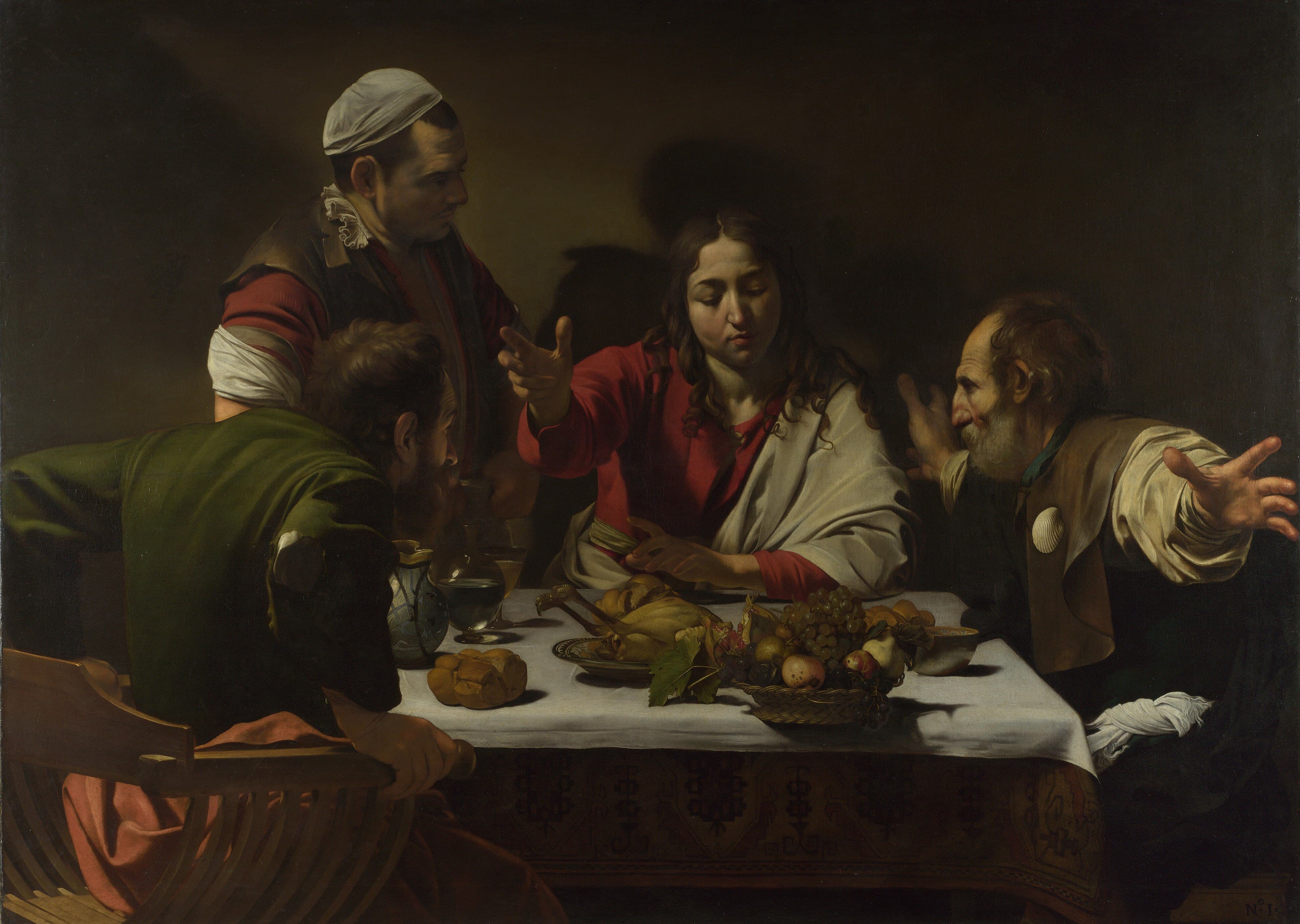
Supper at Emmaus
Caravaggio · 1601
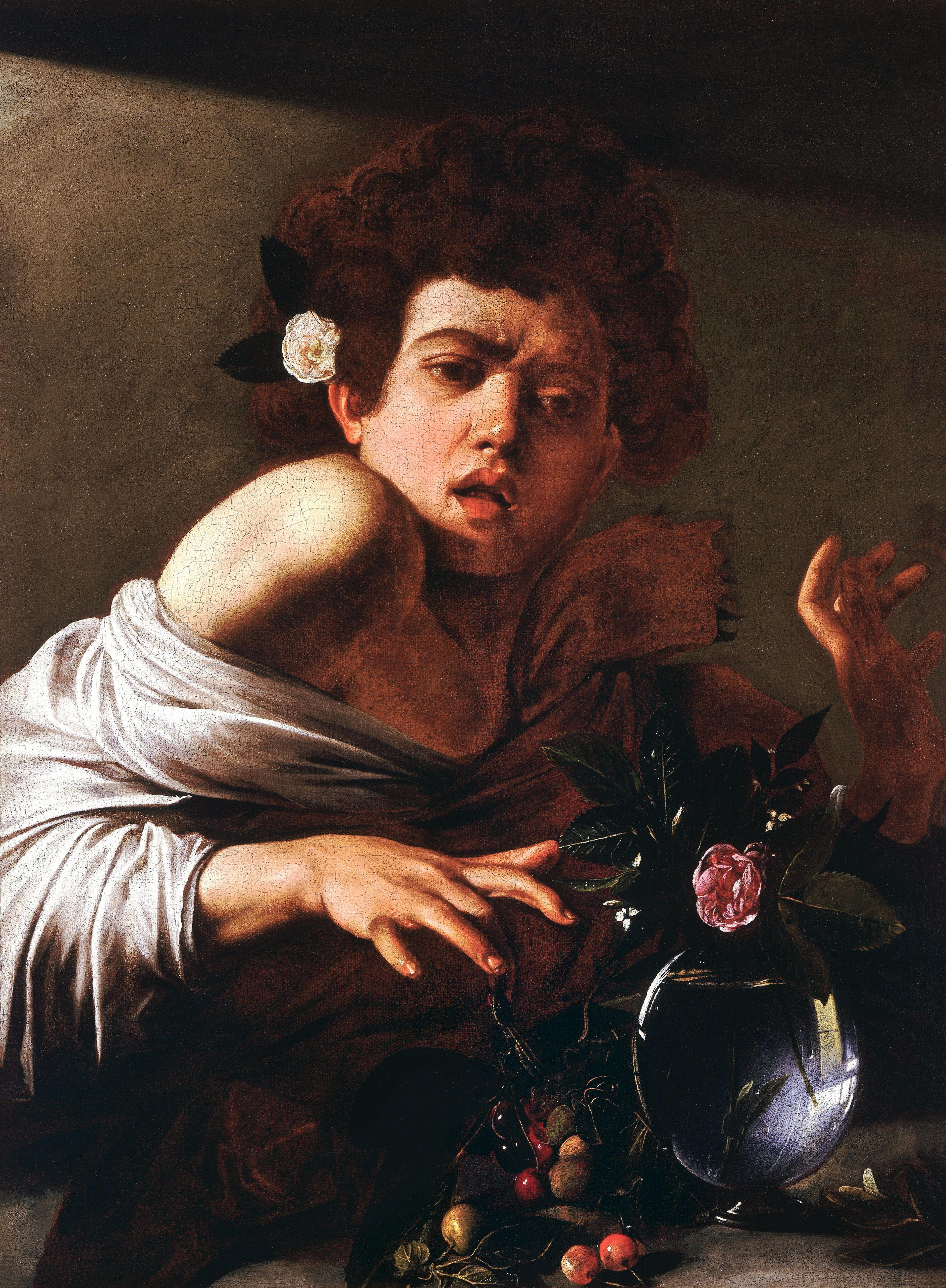
Boy Bitten by a Lizard
Caravaggio · c. 1594–95
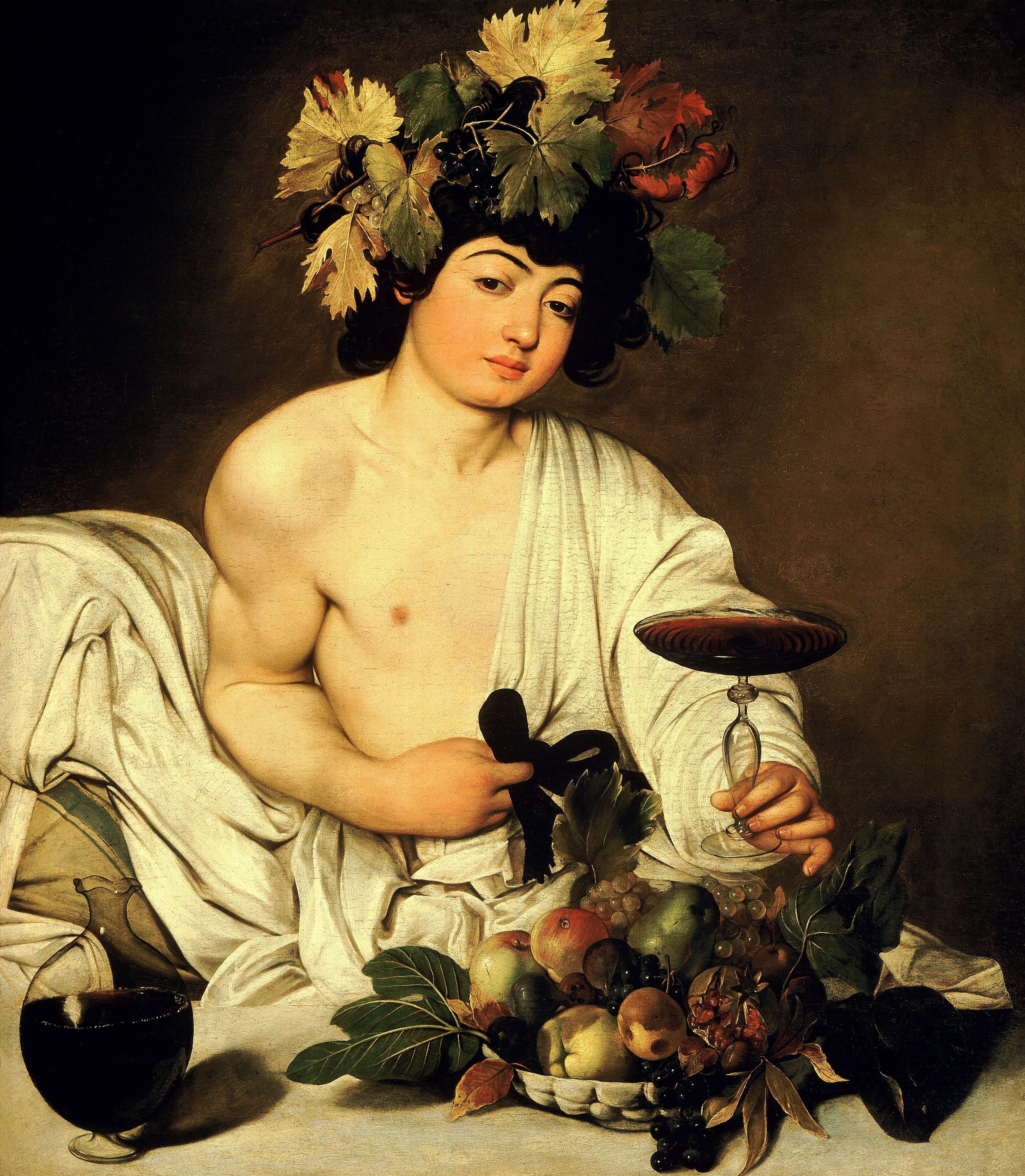
Bacchus
Caravaggio · c. 1596–98
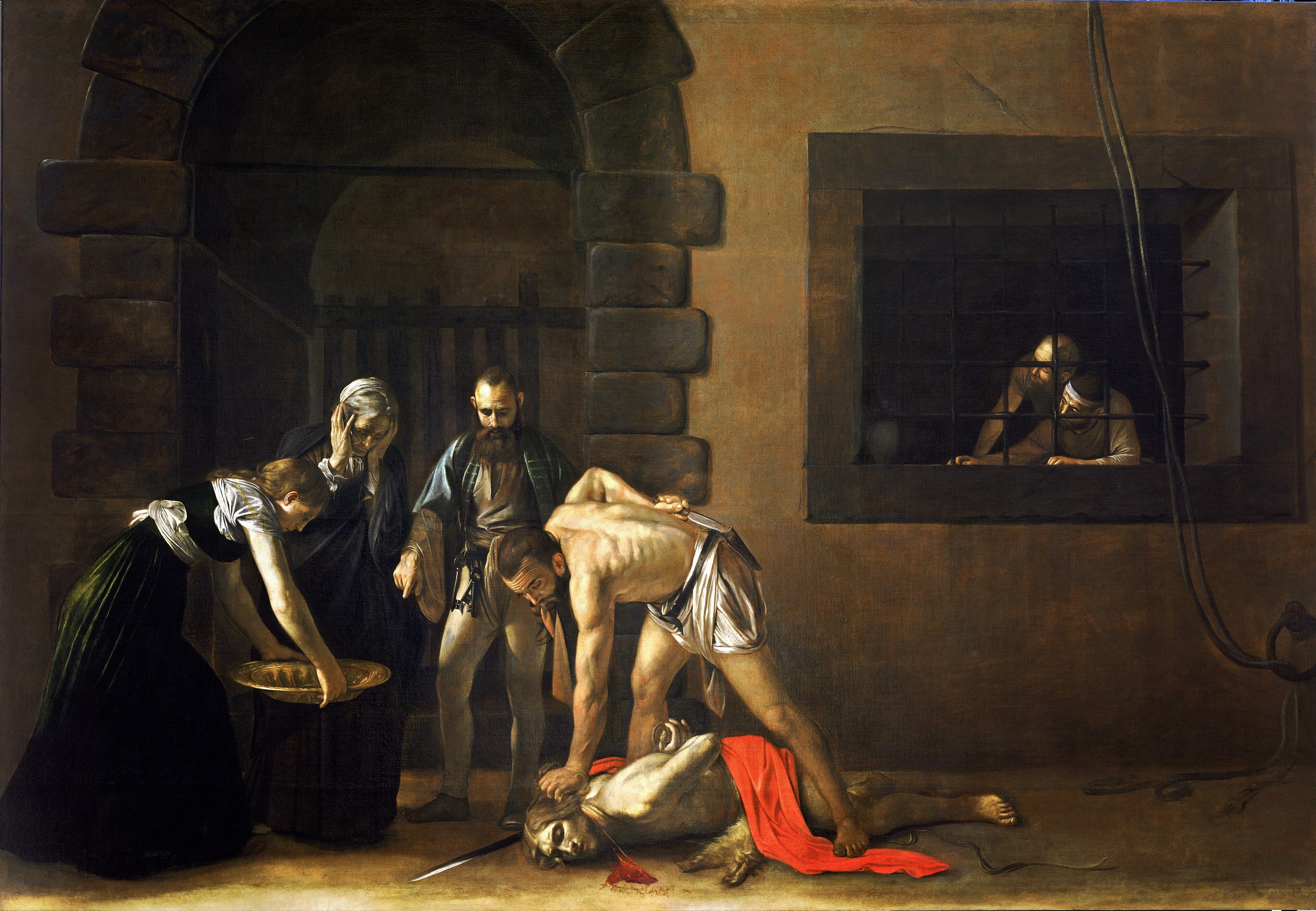
The Beheading of Saint John the Baptist
Caravaggio · 1608
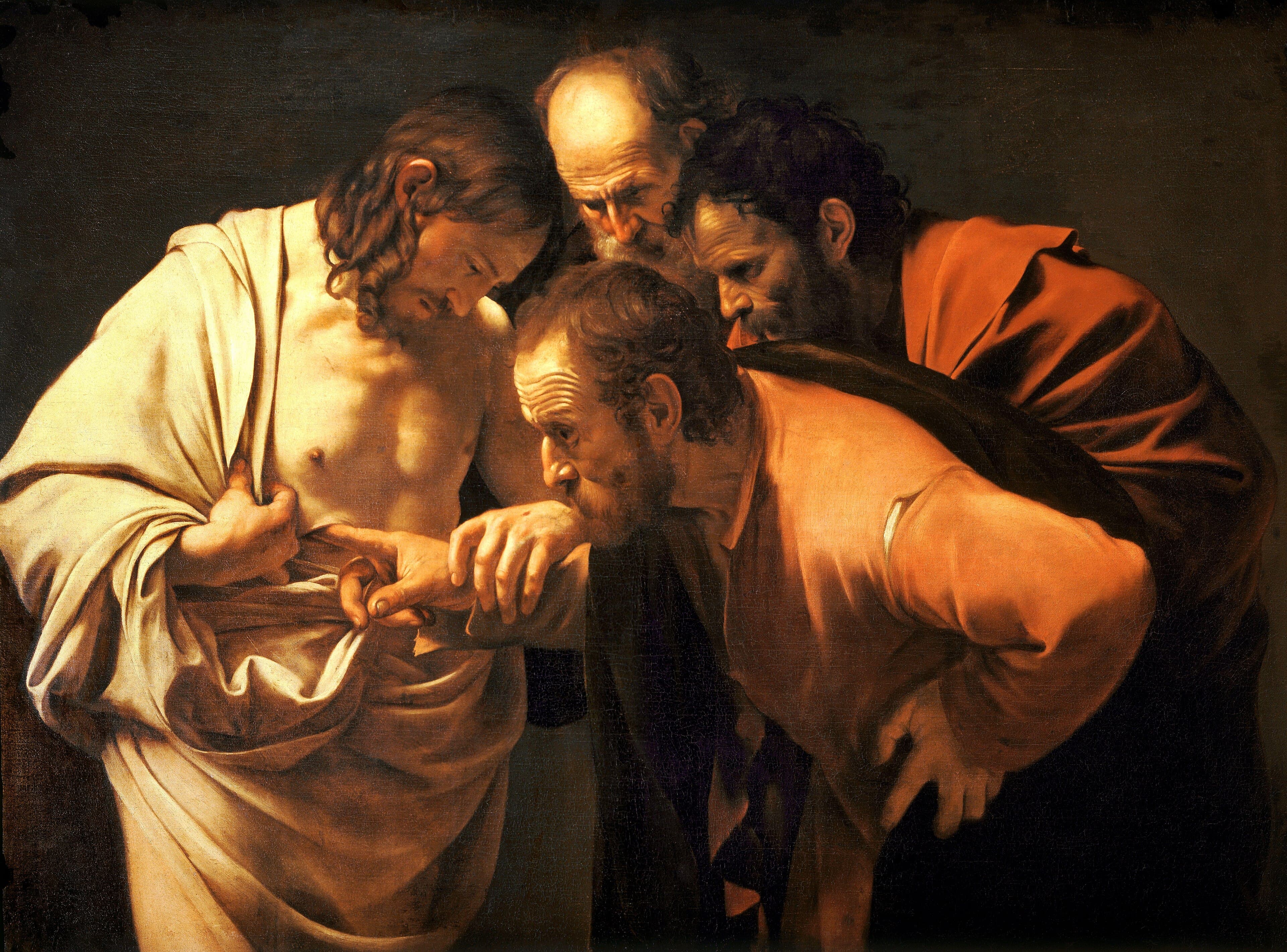
The Incredulity of Saint Thomas
Caravaggio · c. 1601–02
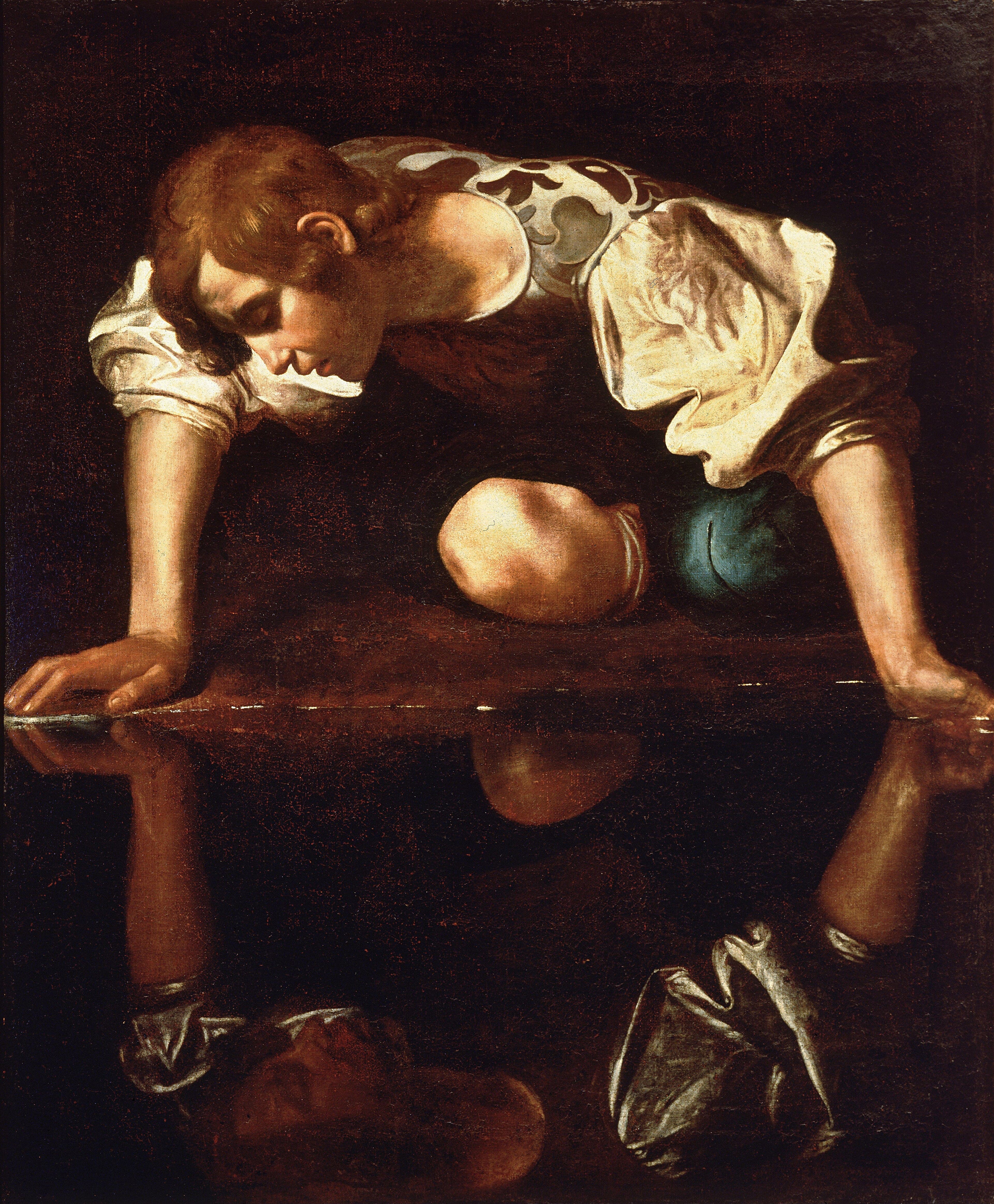
Narcissus
Caravaggio · c. 1597–99
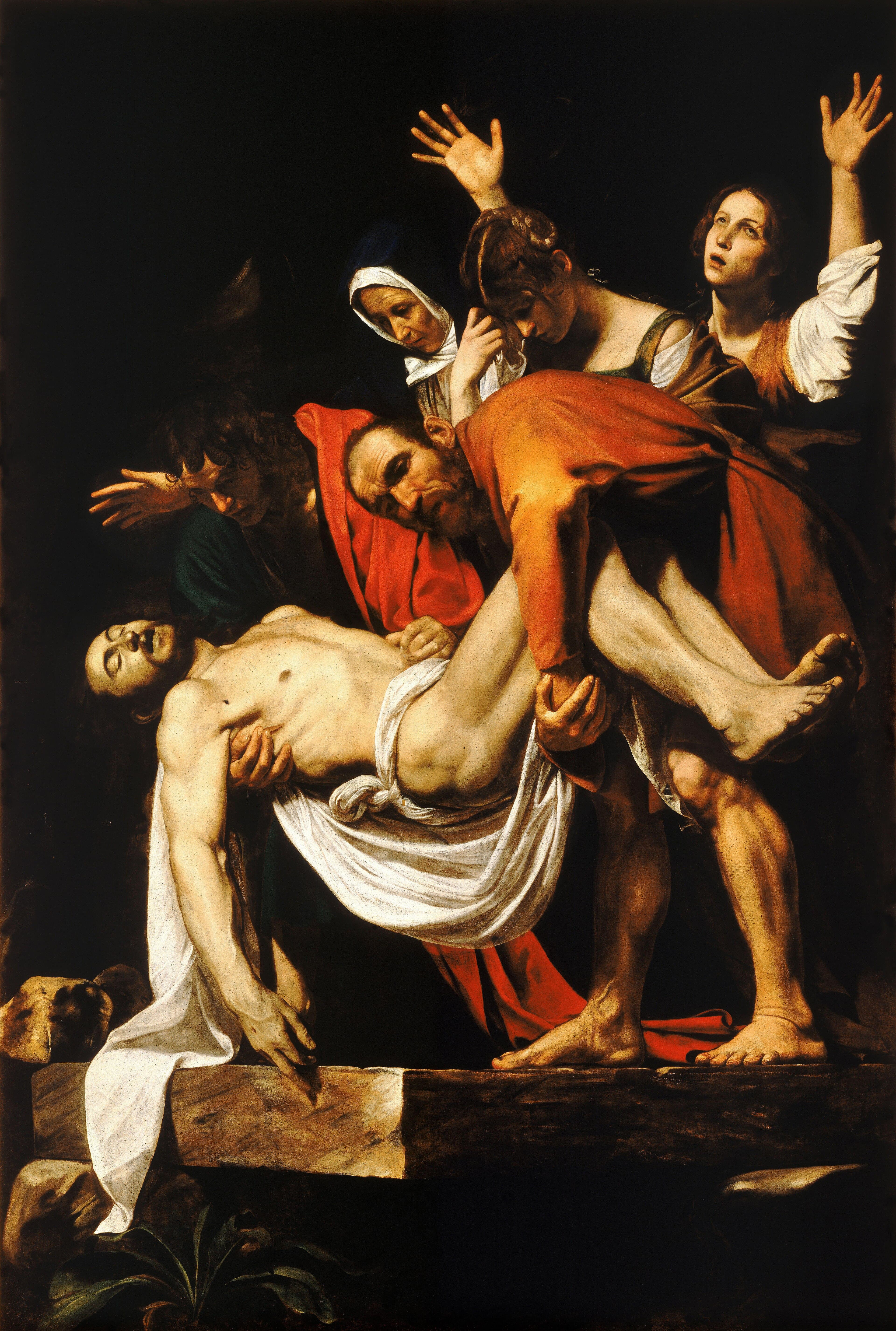
The Entombment of Christ
Caravaggio · 1603–04
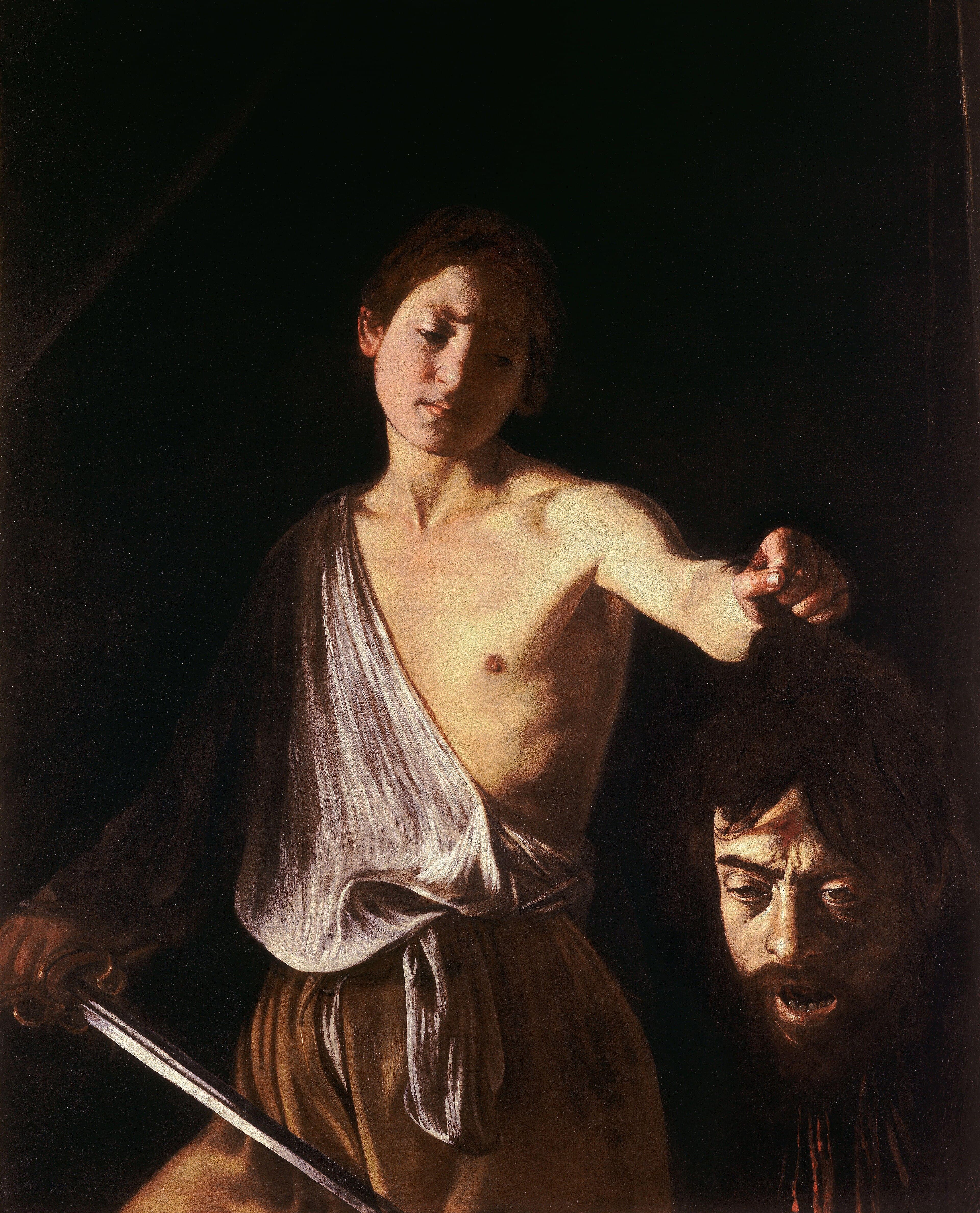
David with the Head of Goliath
Caravaggio · c. 1609–10
Also painted in 1601
The same year
Kindred works
You may also study

Venus de Milo
Alexandros of Antioch · c. 150–125 BC

Nymphs Dancing to Pan's Flute
Joseph Tomanek

The Thinker
Auguste Rodin · Modeled 1880–82; enlarged 1902–03; this cast 1904

Saturn Devouring His Son
Francisco Goya · c. 1819–1823
The Creation of Adam
Michelangelo · c. 1511–12
Lucifer
Franz von Stuck · 1890
The Birth of Venus
Sandro Botticelli · c. 1484–1486
The Garden of Earthly Delights
Hieronymus Bosch · c. 1490–1510