Image: The National Gallery, London · CC BY-SA 4.0 · via Wikimedia Commons
Flood Waters
Claude Monet, 1896
Flood Waters (L'Inondation) is an 1896 painting by Claude Monet of pollarded willows standing in a flooded meadow beside his garden at Giverny after the river Epte burst its banks. It is in the National Gallery, London.
- Artist
- Claude Monet
- Date
- 1896
- Medium
- Oil on canvas
- Dimensions
- 71 × 91.5 cm
- Collection
- National Gallery, London, United Kingdom
- Movement
- Impressionism
- Catalogue
- Wildenstein 1439
- Nature & Landscape
- Water & Sea
Claude Monet's Flood Waters (L'Inondation) was painted in the autumn of 1896, when torrential rain made the river Epte overflow into the meadow beside his garden at Giverny. Unable to go far, Monet painted what was in front of him: a row of pollarded willows standing up to their knees in gray-green water. The canvas, 71 by 91.5 centimeters (Wildenstein 1439), is signed and has never been lined. The National Gallery in London bought it in 1958.
What you are looking at
Five or six willows stand across the canvas in a loose row, their trunks thick and knobbly, their tops cut back to clusters of thin, upright branches. This is pollarding, the old practice of lopping willows to harvest their shoots, and it gives each tree a swollen head and a spray of twigs like a broom. The branches are bare, painted in fine, quick strokes of rust, mauve and gray.
The water fills the lower half of the picture. It is not a river but a flooded meadow, flat and still, in pale gray-green and silver, and the trunks are reflected in it as dark, wavering columns. A few stakes or fence posts poke out of the water, and in the lower right a few dark patches of earth or debris float at the surface.
Behind the willows, a dim line of trees and a pale far bank dissolve into a gray sky. There is no sun and no color beyond grays, greens and mauves. The picture is about dampness and the dull, even light of a wet autumn day.
The detail to notice is how unfinished it is. In several places the bare canvas shows through, and the sky and water are laid in with loose, thin washes. The National Gallery suggests it may be a quick study, perhaps painted on the spot, for a related work now in a private Swiss collection.
Where and when
Monet's house at Giverny stood between the village and the meadows that run down to the Epte and the Seine. In 1893 he had diverted a branch of the Epte to feed the pond of his new water garden. When the river rose in the autumn of 1896, it spread over the meadow next to his garden. In the same year he was beginning the Mornings on the Seine series, with its misty dawn views of the river, and both bodies of work share an interest in water, reflection and diffuse light.
How this version differs
Though it shares the weather-focused concerns of the series paintings, the National Gallery notes that Flood Waters was not made as part of a series. It is a one-off record of an event. Compare it with the ice pictures Monet painted on the Seine in January 1893, such as Ice Floes at Twilight, another response to an extreme winter; or with the misty river of The Seine at Port-Villez, also at the National Gallery. Where those are composed and finished, this is fast and raw. The willows themselves look ahead to the weeping willows of his late years, such as Weeping Willow in the Kimbell Art Museum.
How it was painted
The palette is restricted to pale grays, greens and mauves. Monet painted the branches with fine, quick strokes and the sky and water with loose washes of thinned paint. The trunks are worked more thickly, in rust and violet. The canvas is unlined, which means its original surface texture has never been flattened by the relining process common for nineteenth-century paintings, and the brushwork survives as Monet left it.
For Monet's life and work at Giverny, see Giverny: Monet's House and Garden.
Where to see it
The National Gallery bought the painting in 1958 from the London dealers Arthur Tooth & Sons, using the Clarke, Florence and Temple-West Funds and the Longfield Memorial, with a contribution from J. McGown. It is not always on display. The Gallery's other Monets include Irises and The Water-Lily Pond. See Where to See Monet's Paintings and Claude Monet.
Questions & answers
Where is Monet's Flood Waters?
It is in the National Gallery in London (NG6278), bought in 1958 from Arthur Tooth & Sons. It is not always on display; check the Gallery's website before visiting.
What does Flood Waters show?
It shows a row of pollarded willows standing in a flooded meadow beside Monet's garden at Giverny, their bare branches and trunks reflected in still gray-green water under a dull autumn sky.
When was Flood Waters painted?
Monet painted it in the autumn of 1896, after torrential rain made the river Epte overflow into the meadow next to his garden at Giverny. He painted the scene in front of him because the flood kept him from going far.
Is Flood Waters part of a series?
No. The National Gallery notes that although it shares the weather-focused concerns of Monet's series paintings, it was not made as part of a series. It may be a quick study for a related painting now in a private Swiss collection.
More by the artist
Claude Monet
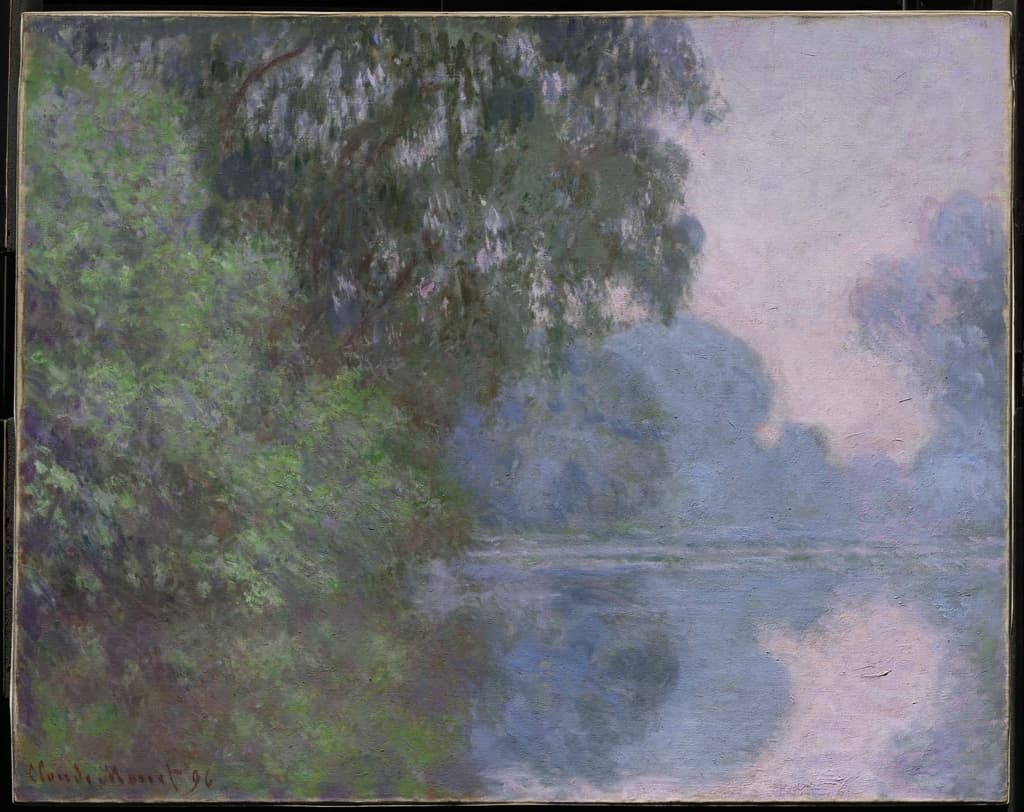
Morning on the Seine, near Giverny (1896)
Claude Monet · 1896
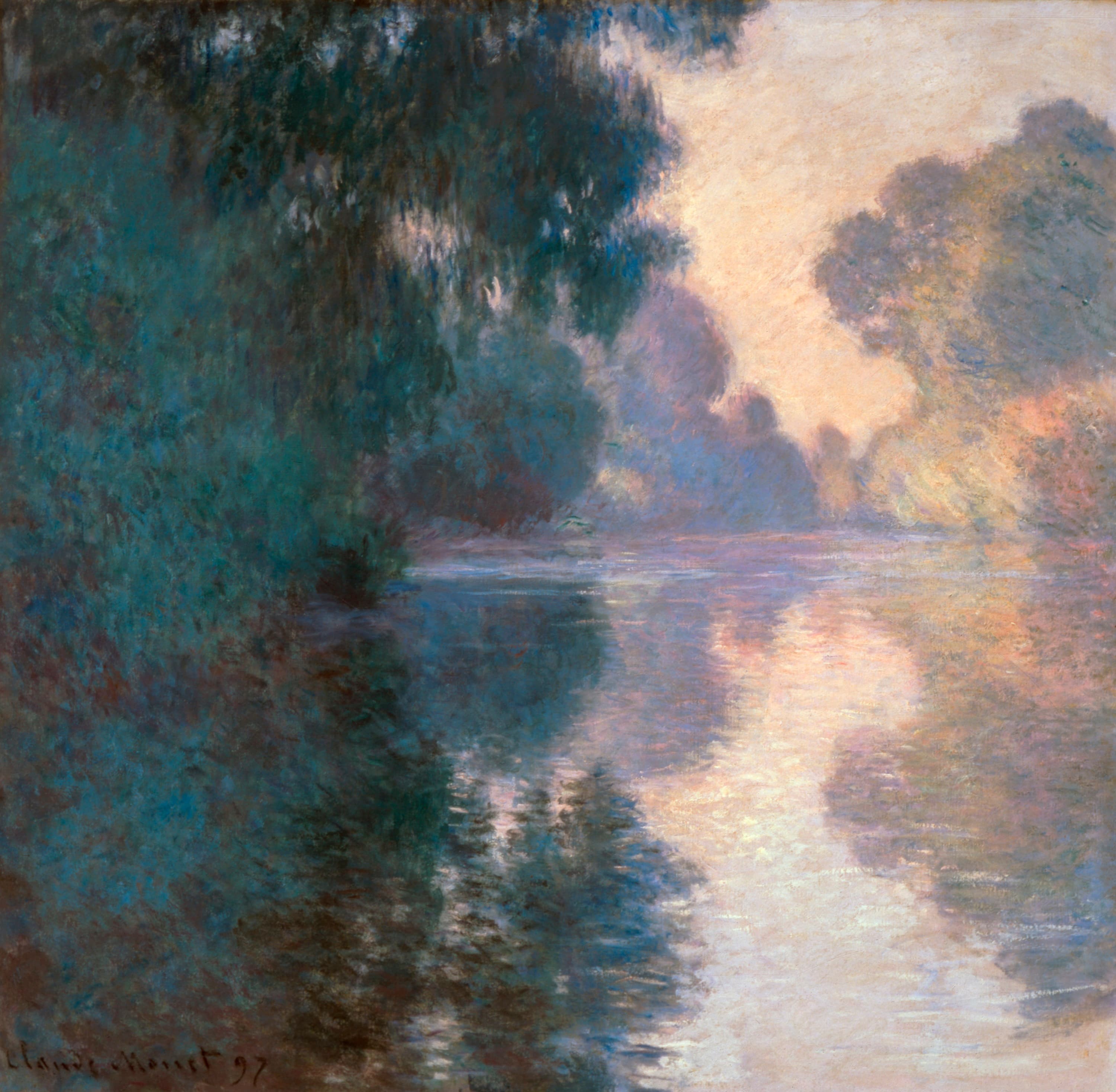
Morning on the Seine, Good Weather
Claude Monet · 1897
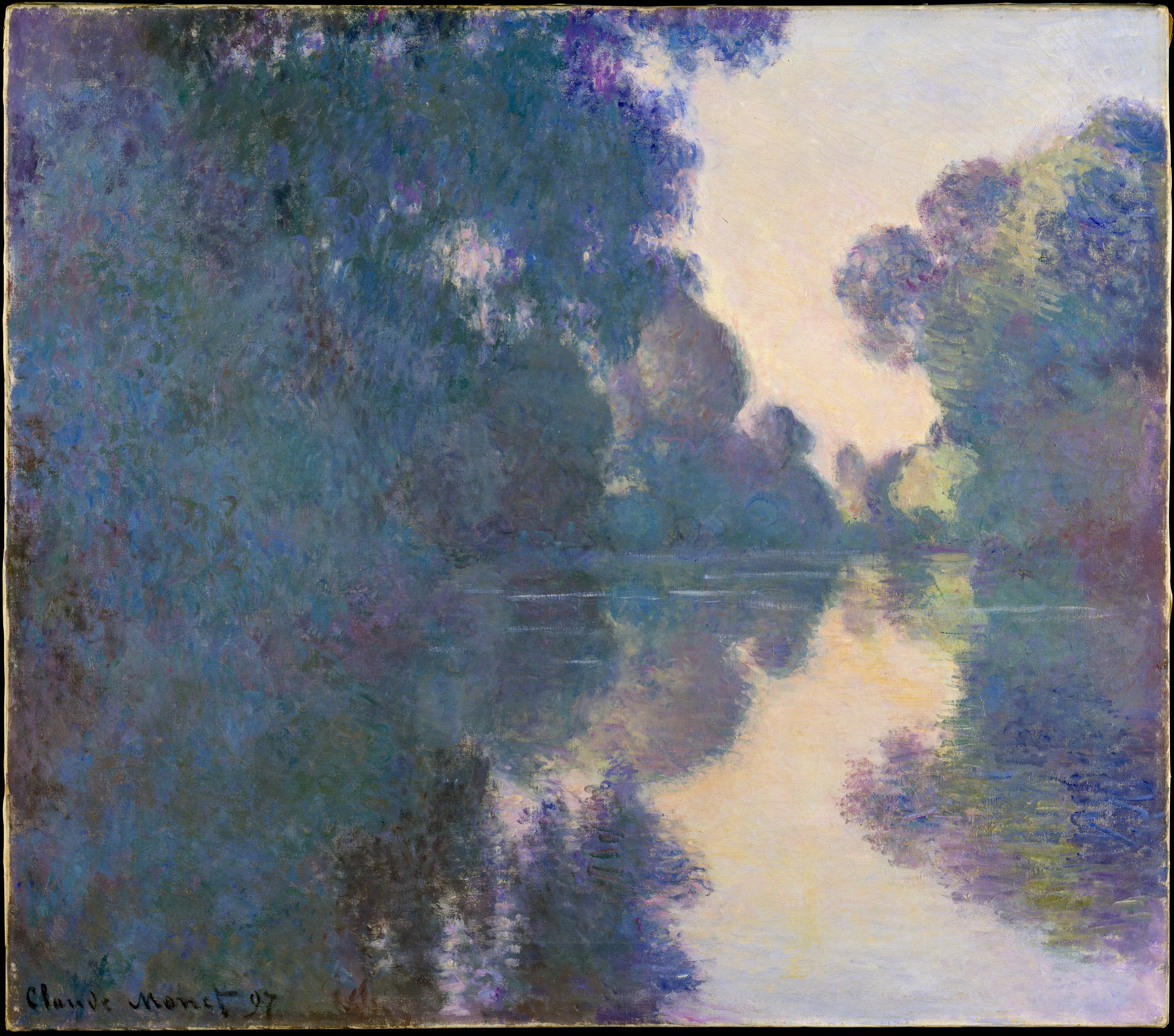
Morning on the Seine near Giverny
Claude Monet · 1897
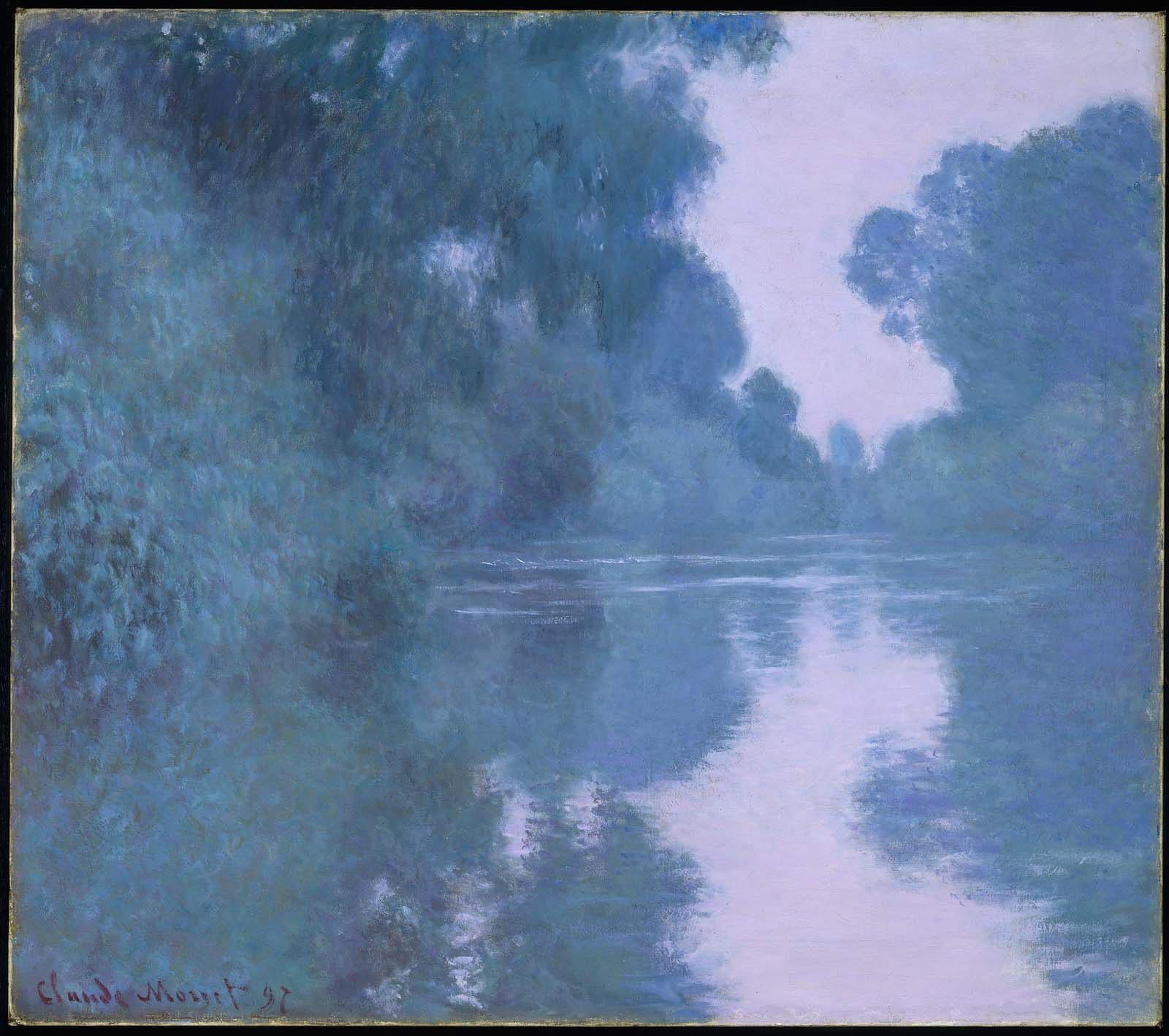
Morning on the Seine, near Giverny (1897)
Claude Monet · 1897
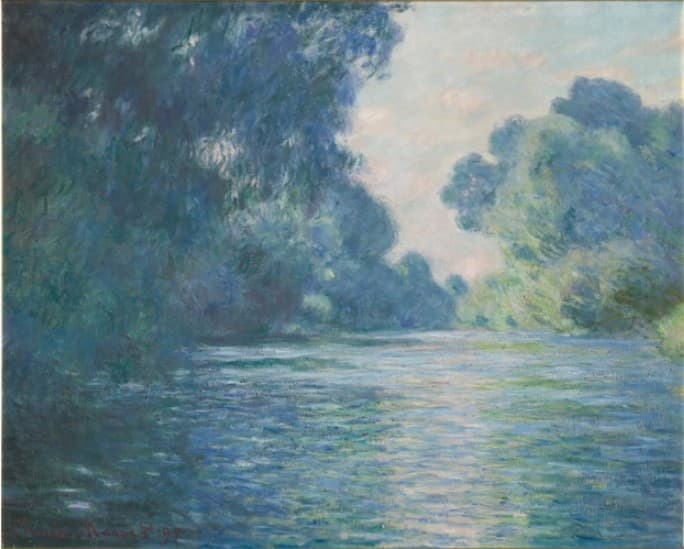
Arm of the Seine near Giverny
Claude Monet · 1897
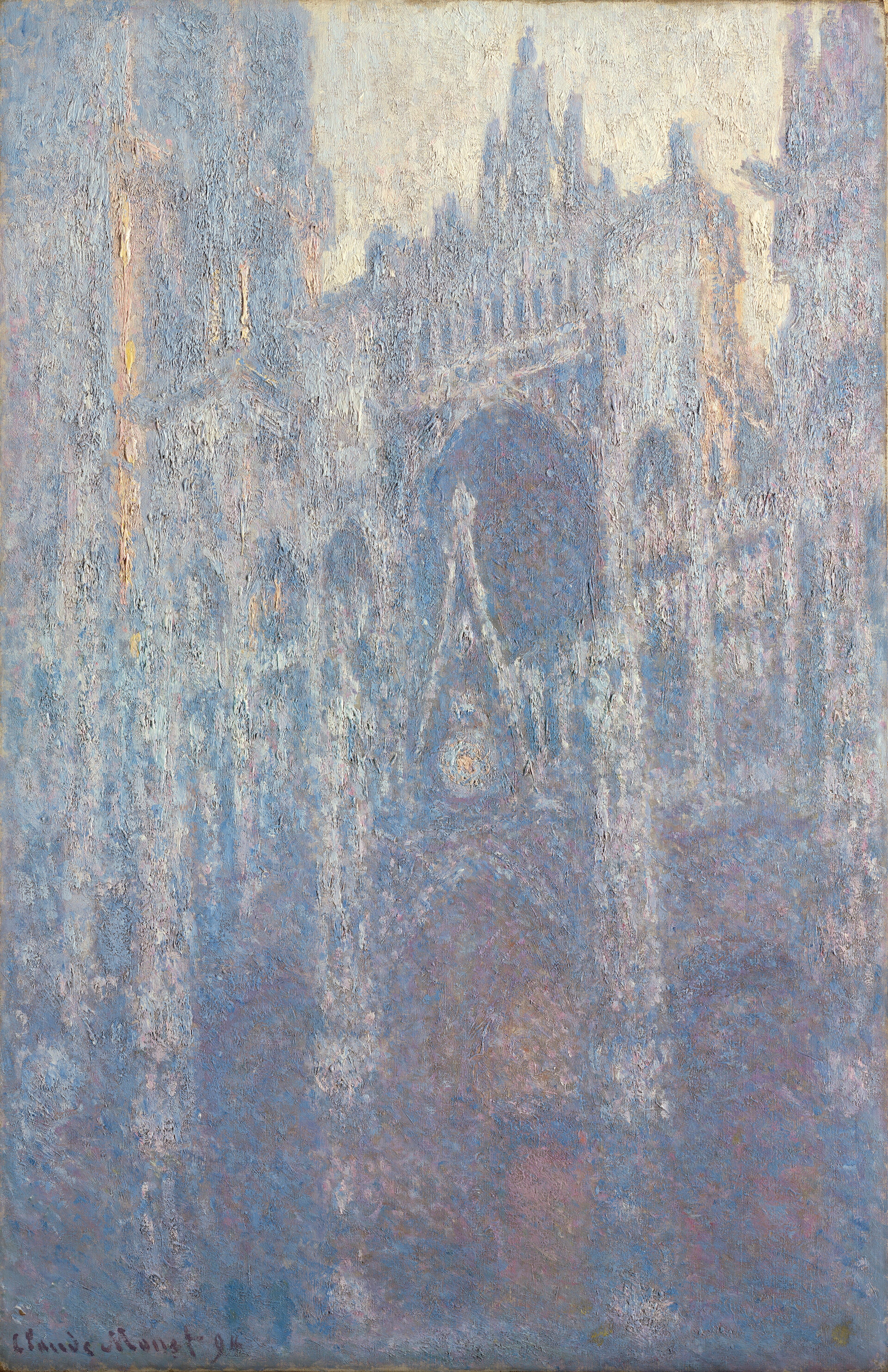
The Portal of Rouen Cathedral in Morning Light
Claude Monet · 1894
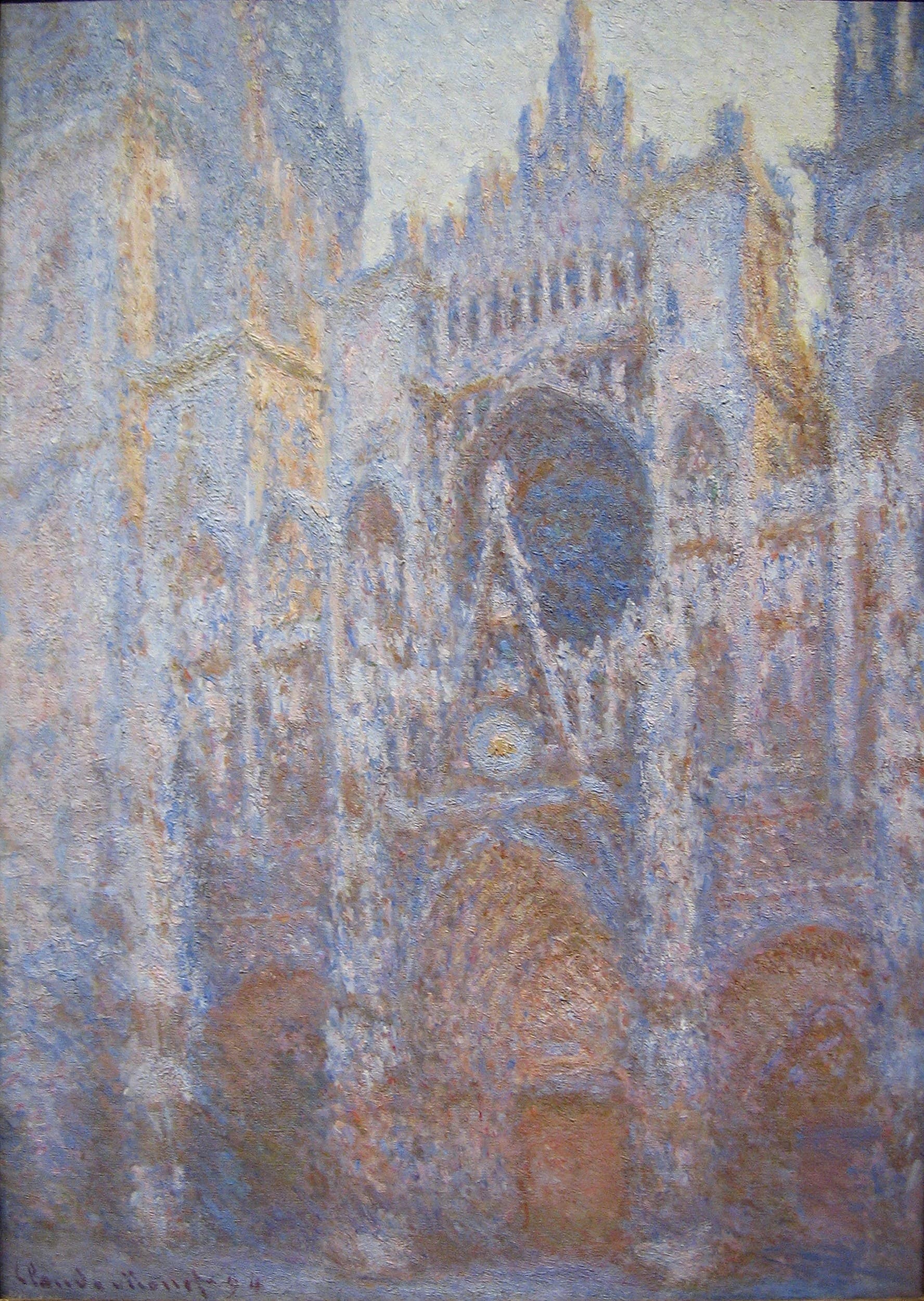
Rouen Cathedral, West Façade
Claude Monet · 1893–94
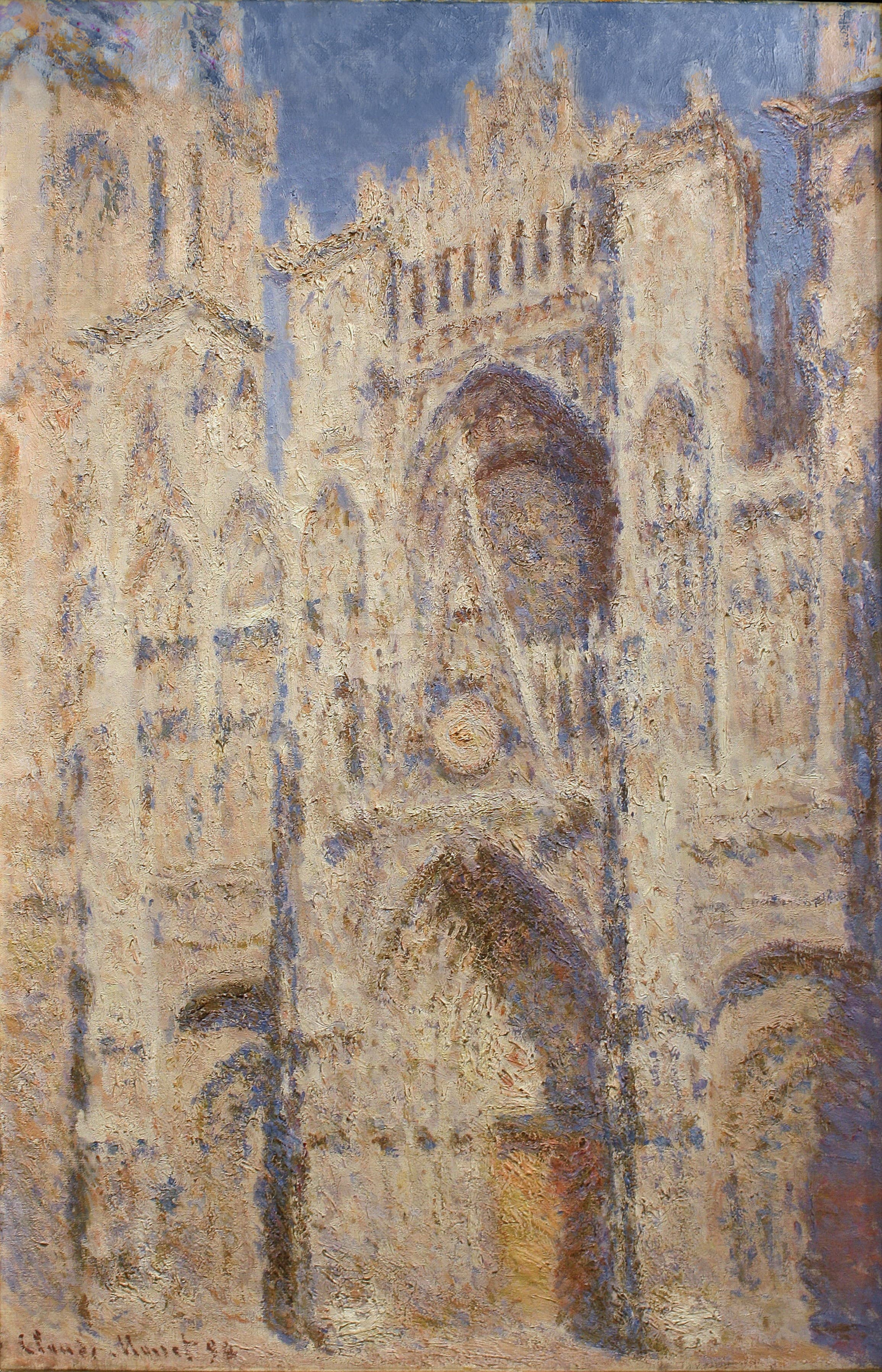
Rouen Cathedral: The Portal (Sunlight)
Claude Monet · 1892–94
Also painted in 1896
The same year
Kindred works
You may also study
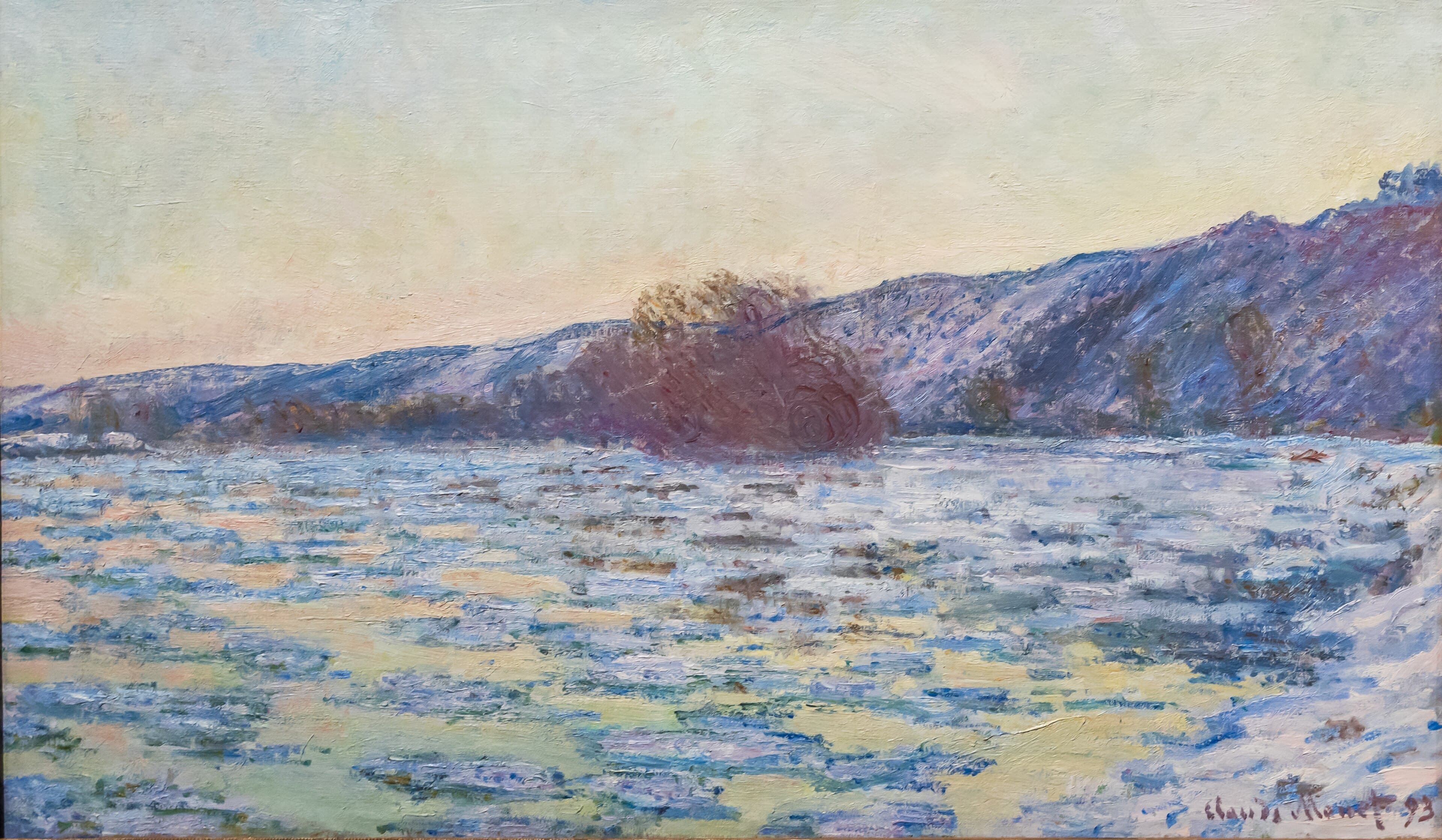
Ice Floes at Twilight
Claude Monet · 1893
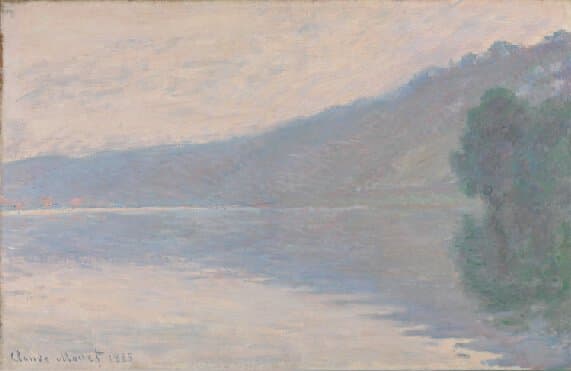
The Seine at Port-Villez
Claude Monet · 1894
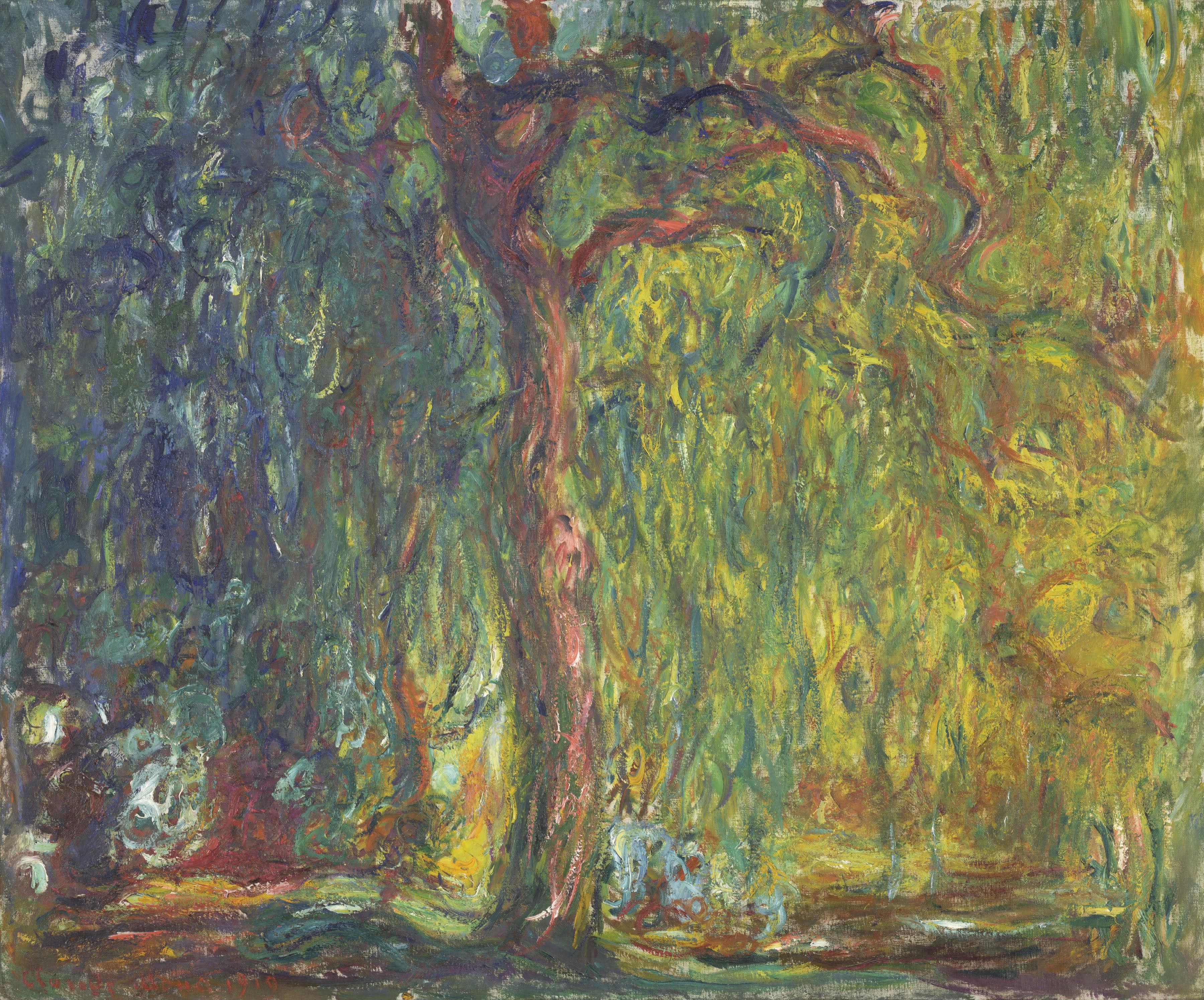
Weeping Willow
Claude Monet · 1918–19
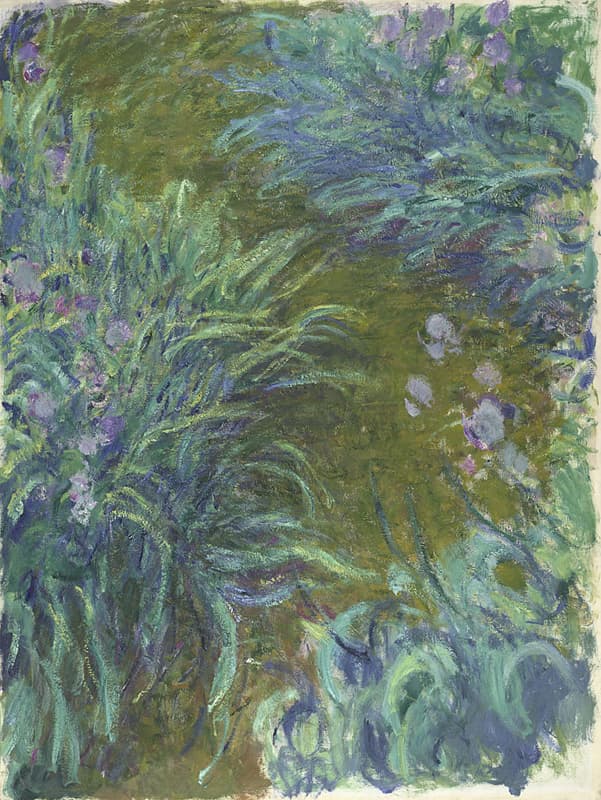
Irises
Claude Monet · c. 1914–17
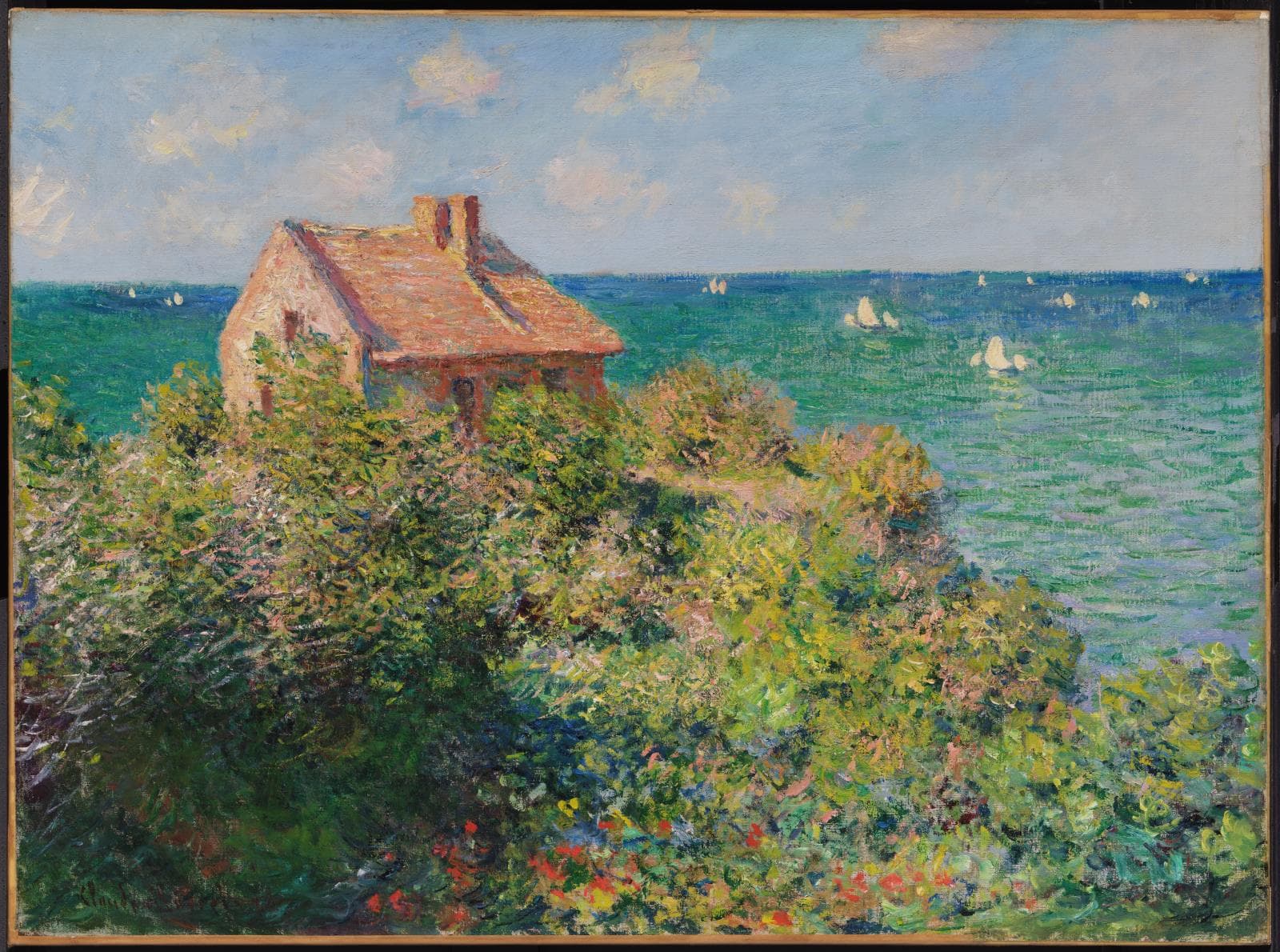
Fisherman's Cottage on the Cliffs at Varengeville
Claude Monet · 1882
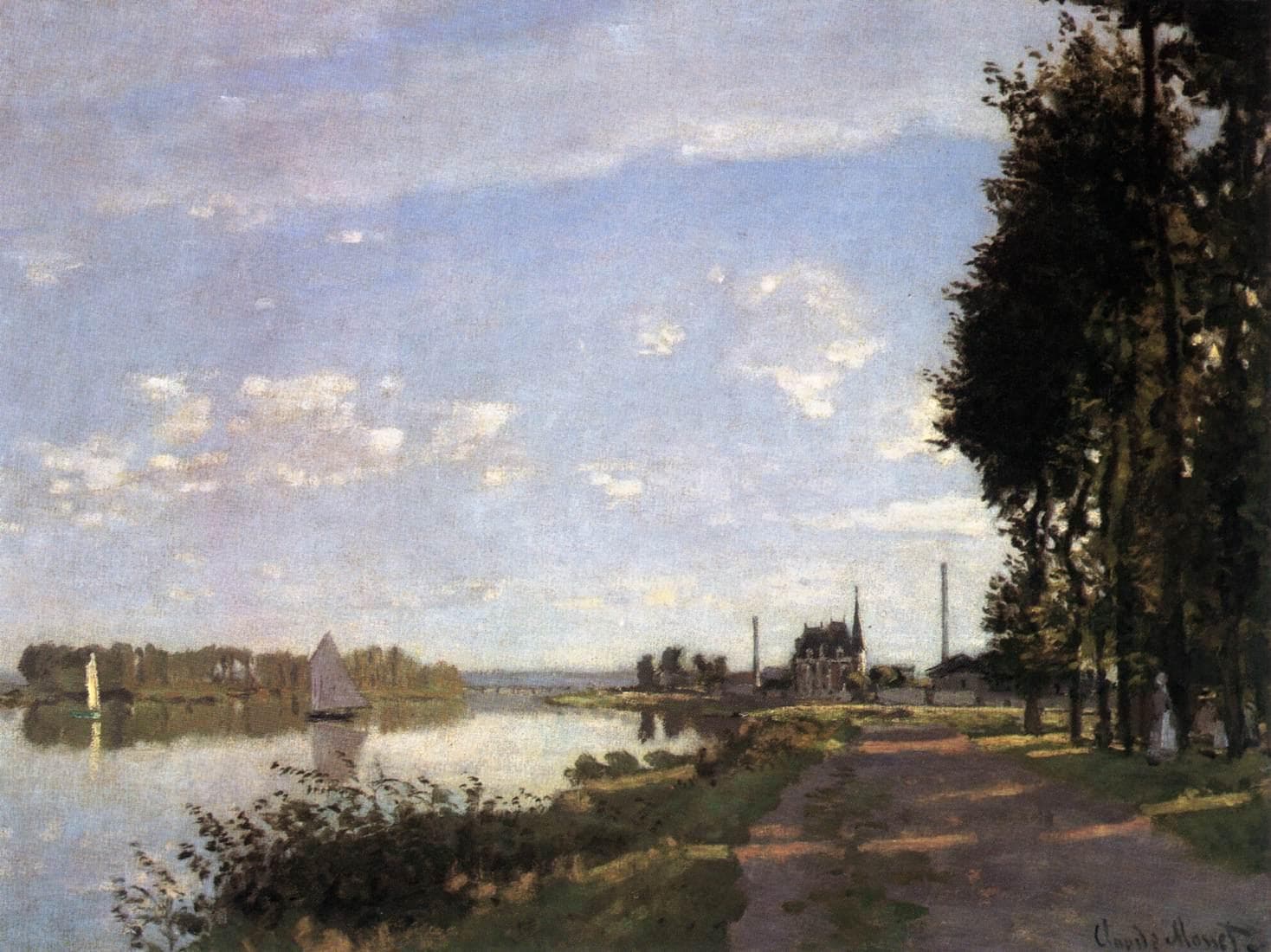
Riverside Path at Argenteuil
Claude Monet · c. 1872
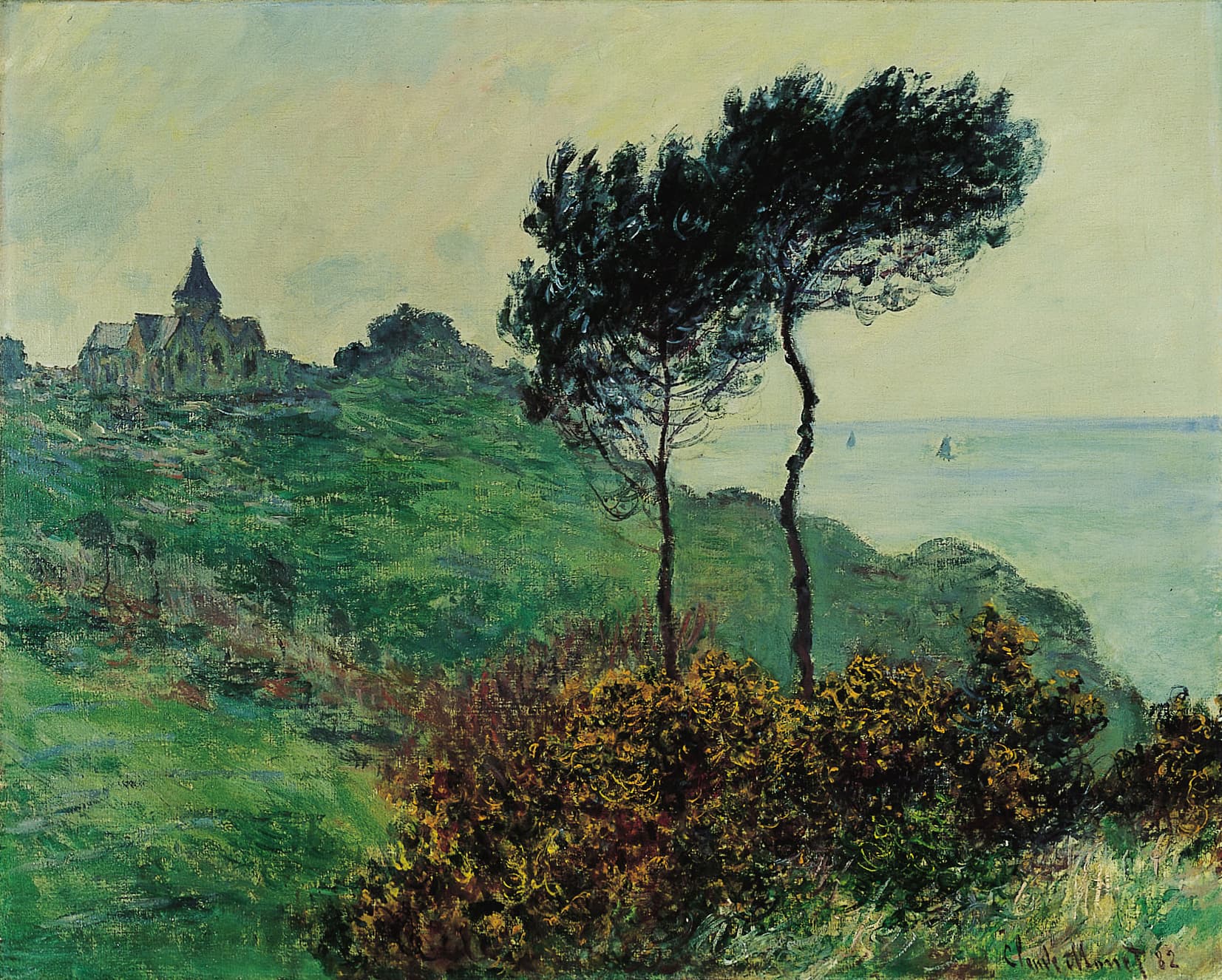
The Church at Varengeville, Grey Weather
Claude Monet · 1882
Row of Poplars in Autumn
Claude Monet · 1891