Image: Art Institute of Chicago · Public domain · via Wikimedia Commons
Sandvika, Norway
Claude Monet, 1895
Sandvika, Norway is an 1895 painting by Claude Monet of a snow-covered village near Christiania (Oslo), with an arched bridge, red-trimmed houses and a blue wooded mountain, painted during his winter trip to Norway. It is in the Art Institute of Chicago.
- Artist
- Claude Monet
- Date
- 1895
- Medium
- Oil on canvas
- Dimensions
- 73.4 × 92.5 cm
- Collection
- Art Institute of Chicago, Chicago, United States
- Movement
- Impressionism
- Catalogue
- Wildenstein 1397
- Nature & Landscape
Claude Monet's Sandvika, Norway was painted in the late winter of 1895, during the only trip he ever made to Scandinavia. It shows the village of Sandvika, outside Christiania (now Oslo), buried in snow: an arched bridge over a frozen stream, wooden houses with red and pink trim, bare birches, and a rounded mountain behind. The canvas, 73.4 by 92.5 centimeters (Wildenstein 1397), is inscribed "Claude Monet 95" at lower left. It is in the Art Institute of Chicago, the gift of Bruce Borland.
What you are looking at
Everything is white, but no two whites are the same. Snow lies thick on the roofs, the banks, the bridge and the trees, and Monet paints it in cream, pale pink, lilac, blue and even pale green, depending on whether it catches light or lies in shadow. The air is thick and pale, as if more snow were about to fall.
In the lower left foreground, a humped bridge curves over the stream, its dark underside the darkest shape in the picture, its railings drawn in a few strokes of blue-green. Beyond it, a cluster of long wooden houses sits in the middle distance. Their walls show touches of red and coral, almost the only warm color on the canvas, and their roofs are heaped with snow. On the right, tall bare birches rise with snowy branches, painted in pinkish white over blue.
Behind the village, a rounded mountain fills the upper center, its wooded slopes frosted in turquoise and pale blue. The sky around it is a soft, pearly gray-pink.
The detail to look for is the bridge. The Art Institute notes that Sandvika's bridge may have reminded Monet of the Japanese bridge he had built over his water-lily pond at Giverny only a couple of years earlier, the bridge that would become the subject of The Japanese Footbridge.
Where and when
Monet traveled to Norway at the end of January 1895 to visit his stepson Jacques Hoschedé, who lived in Christiania. He stayed about two months, touring with Jacques, and found the trip physically exhausting. At first he was frustrated, unable to find motifs in the deep snow, and the light changed constantly. But he settled in the area around Sandvika and nearby Bjørnegård, and painted twenty-nine Norwegian scenes, including at least six views of Sandvika and several of the mountain Kolsås, which he compared to Mount Fuji.
How this version differs
Monet painted Sandvika from several angles and in different weather. Some views are dominated by the iron bridge in the foreground, others by the village or the mountain. This version balances all three, with the bridge low at left, the houses across the middle and the mountain on the axis. Its light is soft and diffuse, with no direct sun, and the palette is almost entirely pastel. It is a very different snow from the sparkling sun of Haystack in the Snow, Morning or the gray winter Seine of Lavacourt under Snow.
How it was painted
The paint is thick and creamy, laid on in short strokes that build up a heavy, textured surface, especially in the snow on the roofs and trees. Monet uses white mixed with small amounts of color rather than pure white, so that every snowy surface carries a tint. The few warm accents, the red house walls, the pink tones in the birches, are placed carefully to keep the picture from going cold.
Ownership and where to see it
Monet showed Sandvika views at Durand-Ruel in Paris in May 1895, and this canvas is probably one of them. In 1899 he donated it to the sale held for the children of his friend Alfred Sisley, who had died that year; it was bought by Durand-Ruel and sold in 1901 to Harriet Borland of Chicago. Her son Bruce Borland gave it to the Art Institute between 1961 and 1963. It is not always on display. For the museum's other Monets, see Monet at the Art Institute of Chicago; for the artist, Claude Monet.
Questions & answers
Where is Monet's Sandvika, Norway?
It is in the Art Institute of Chicago, the gift of Bruce Borland, given in stages between 1961 and 1963. His mother, Harriet Borland, had bought it in 1901. It is not always on view.
When did Monet go to Norway?
Monet traveled to Norway in early 1895, from the end of January to early April, to visit his stepson Jacques Hoschedé in Christiania (now Oslo). He painted twenty-nine Norwegian scenes, including at least six of Sandvika.
What does Sandvika, Norway show?
It shows the village of Sandvika near Oslo under deep snow, with an arched bridge over a frozen stream at lower left, wooden houses with red trim, snowy birches and a rounded, frosted mountain behind, all in soft, diffuse winter light.
Why did Monet paint the bridge at Sandvika?
The Art Institute of Chicago suggests that the bridge at Sandvika may have reminded Monet of the Japanese footbridge over his water-lily pond at Giverny, which he had built shortly before and would later paint many times.
More by the artist
Claude Monet
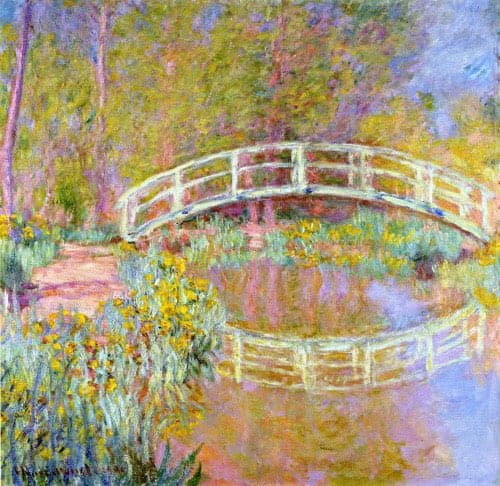
The Bridge in Monet's Garden
Claude Monet · c. 1895–96
Rouen Cathedral, the Portal, Morning Effect
Claude Monet · 1893–94
Rouen Cathedral: The Portal (Sunlight)
Claude Monet · 1892–94
Rouen Cathedral, Effects of Morning Light
Claude Monet · 1893
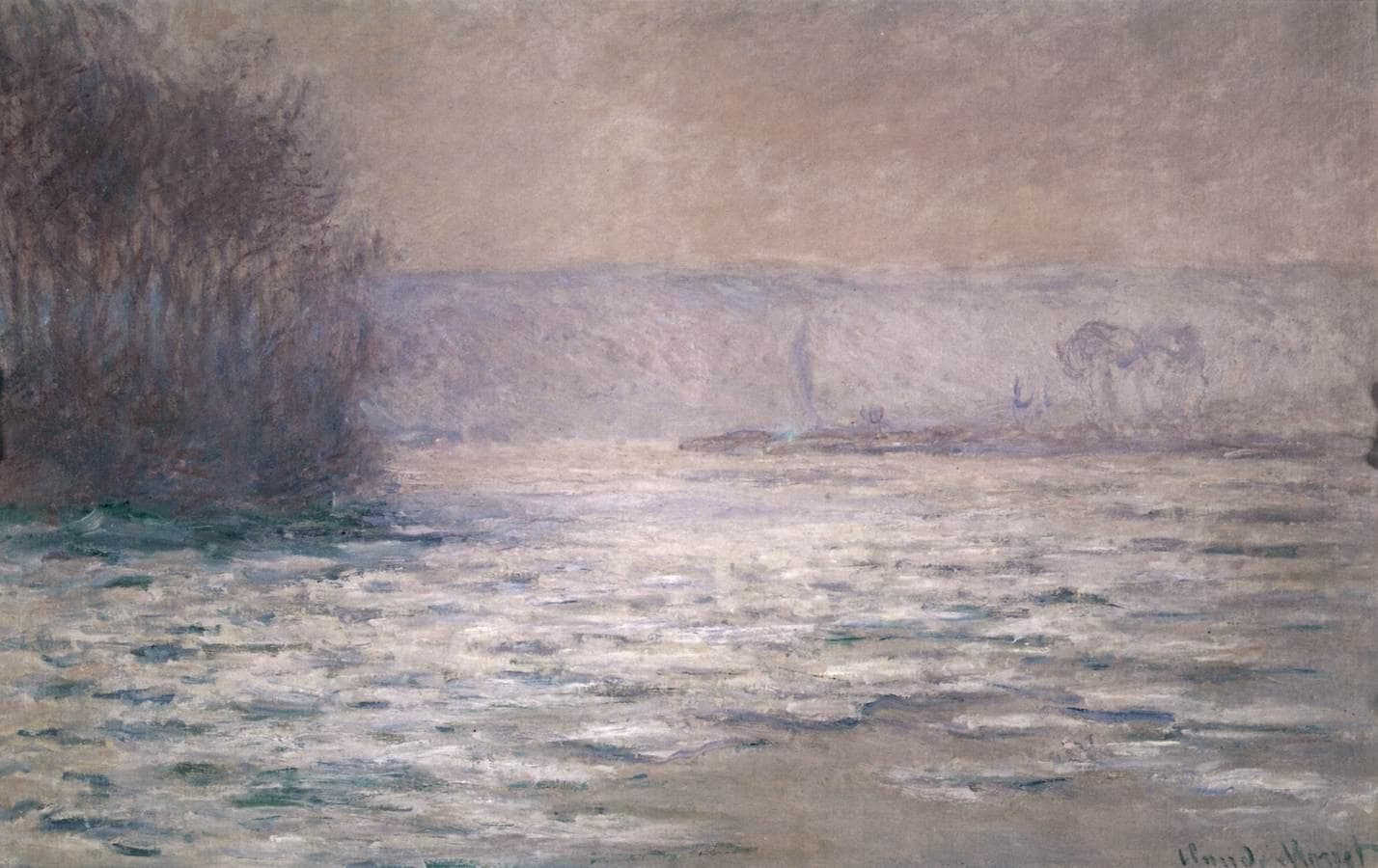
Ice Floes on the Seine near Bennecourt
Claude Monet · 1893
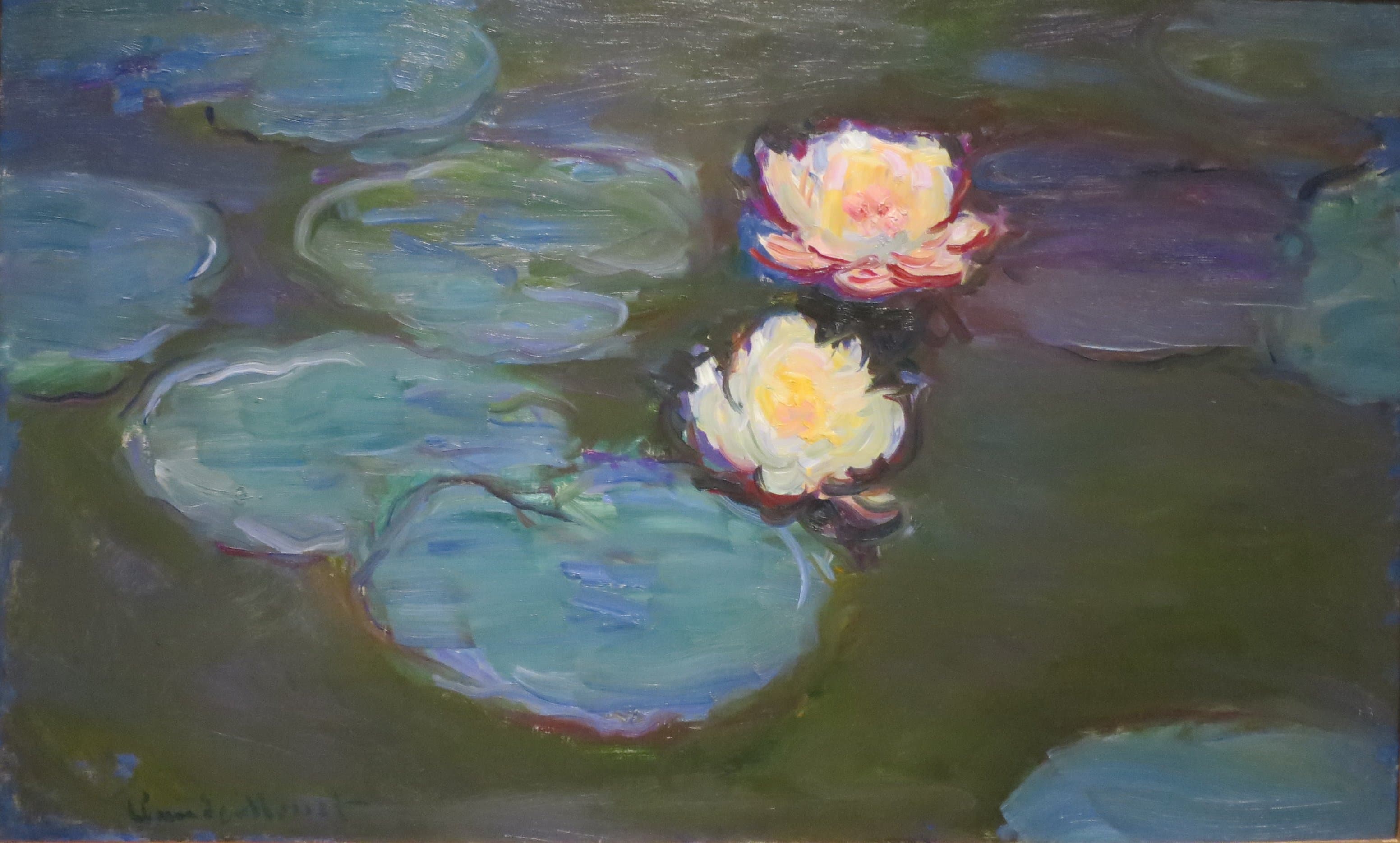
Nymphéas (Water Lilies), c. 1897–98
Claude Monet · c. 1897–98
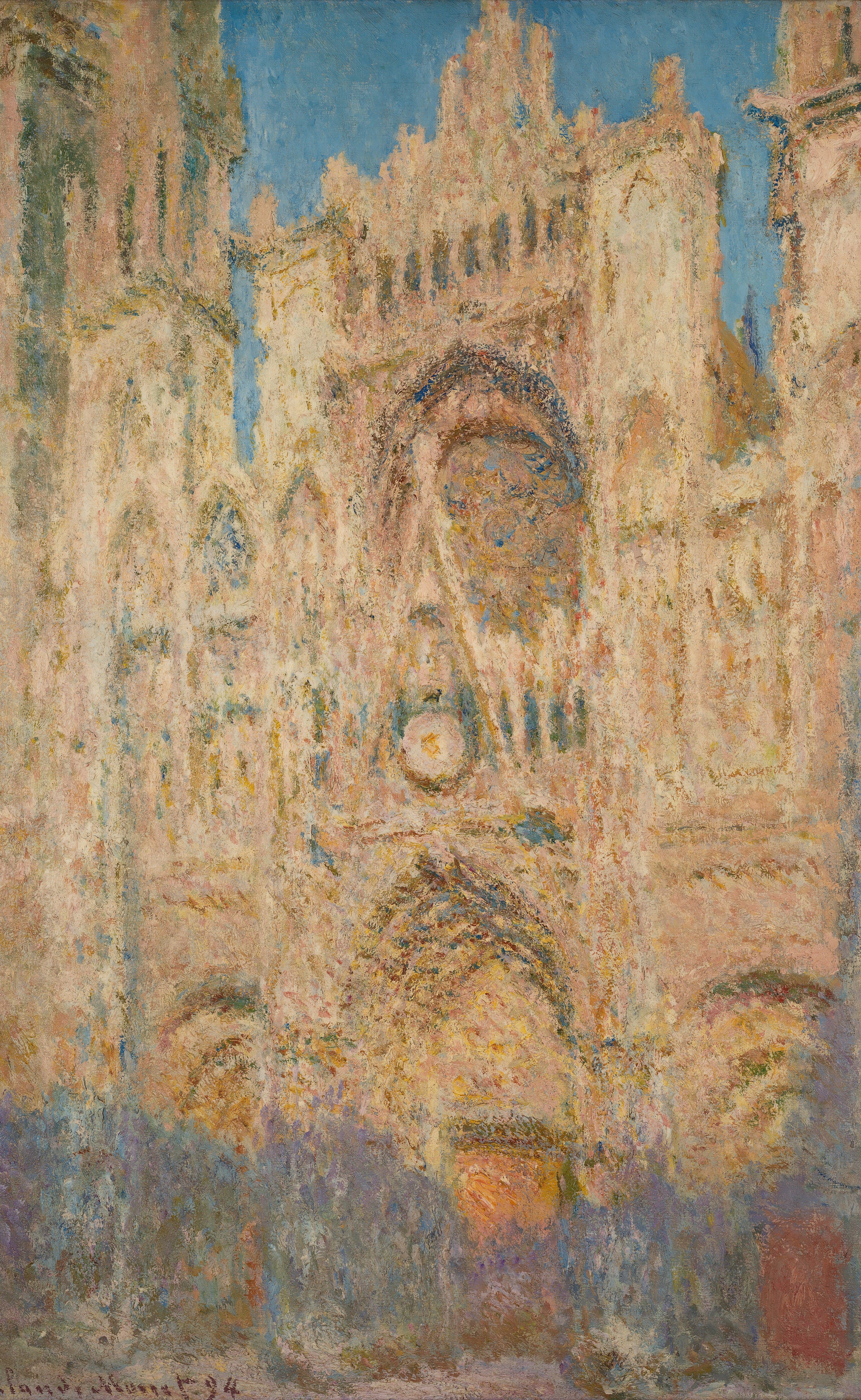
Rouen Cathedral, Evening
Claude Monet · 1894
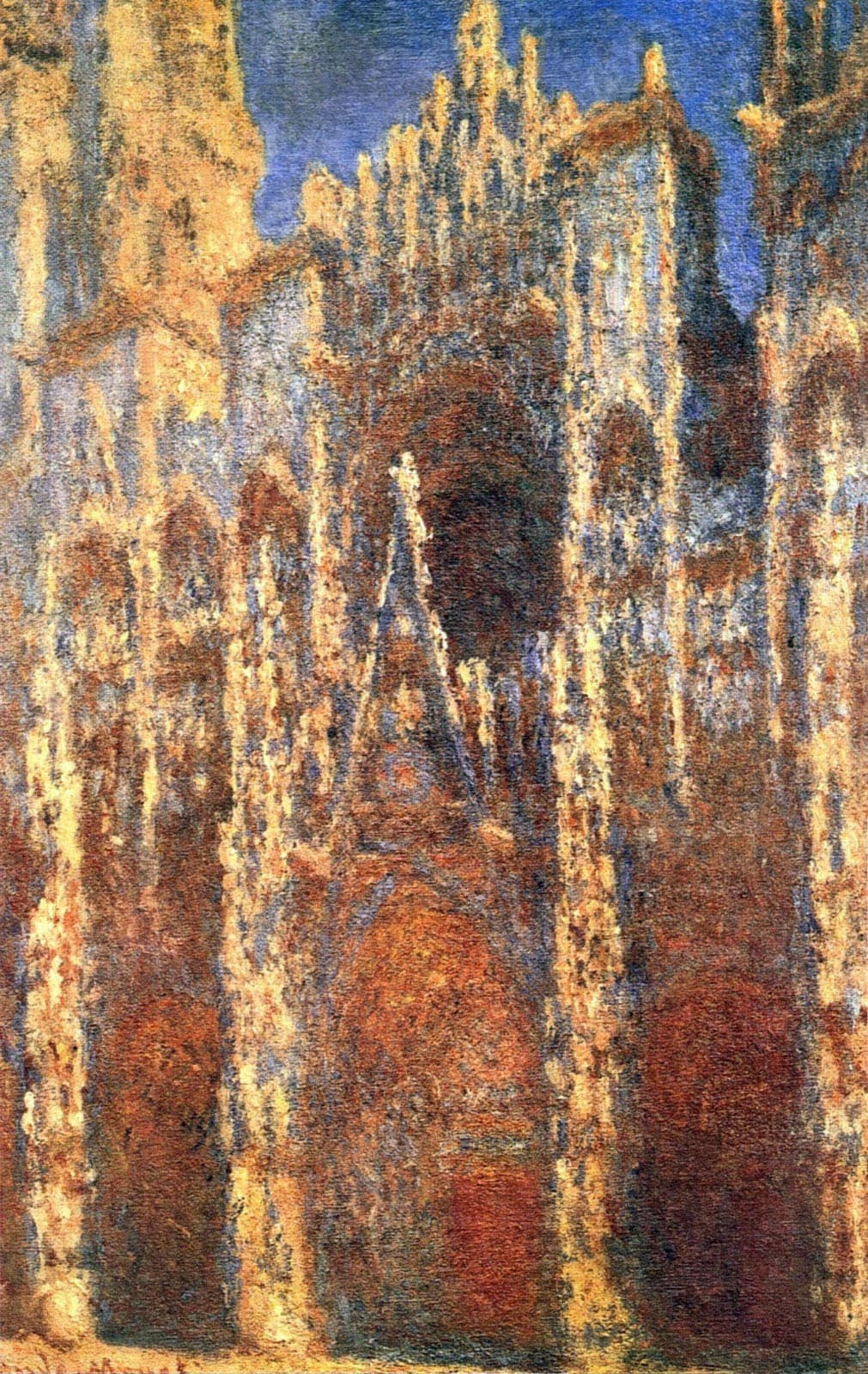
Rouen Cathedral, Portal (W 1359)
Claude Monet · 1893–94
Kindred works
You may also study
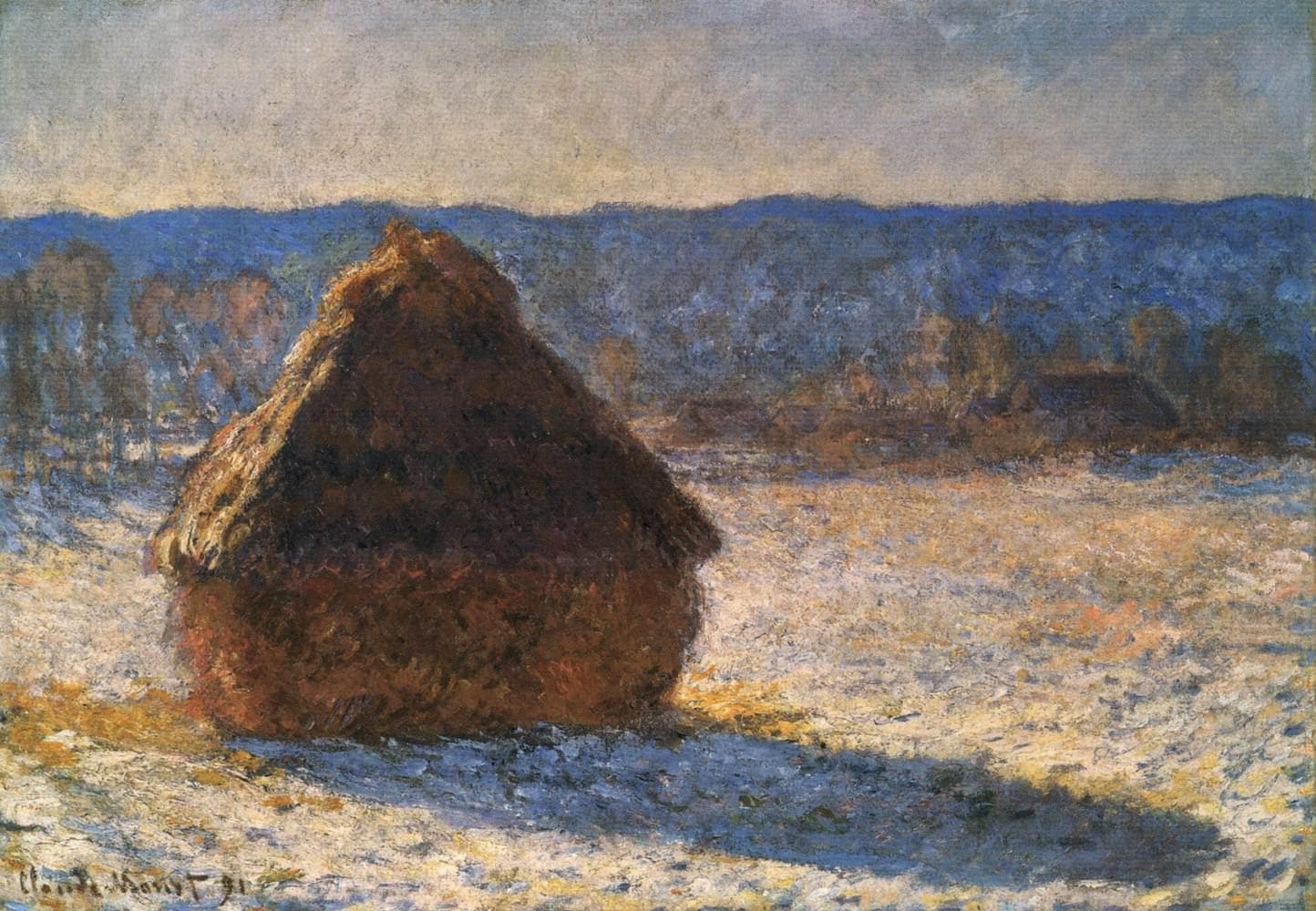
Grainstack (Snow Effect)
Claude Monet · 1891
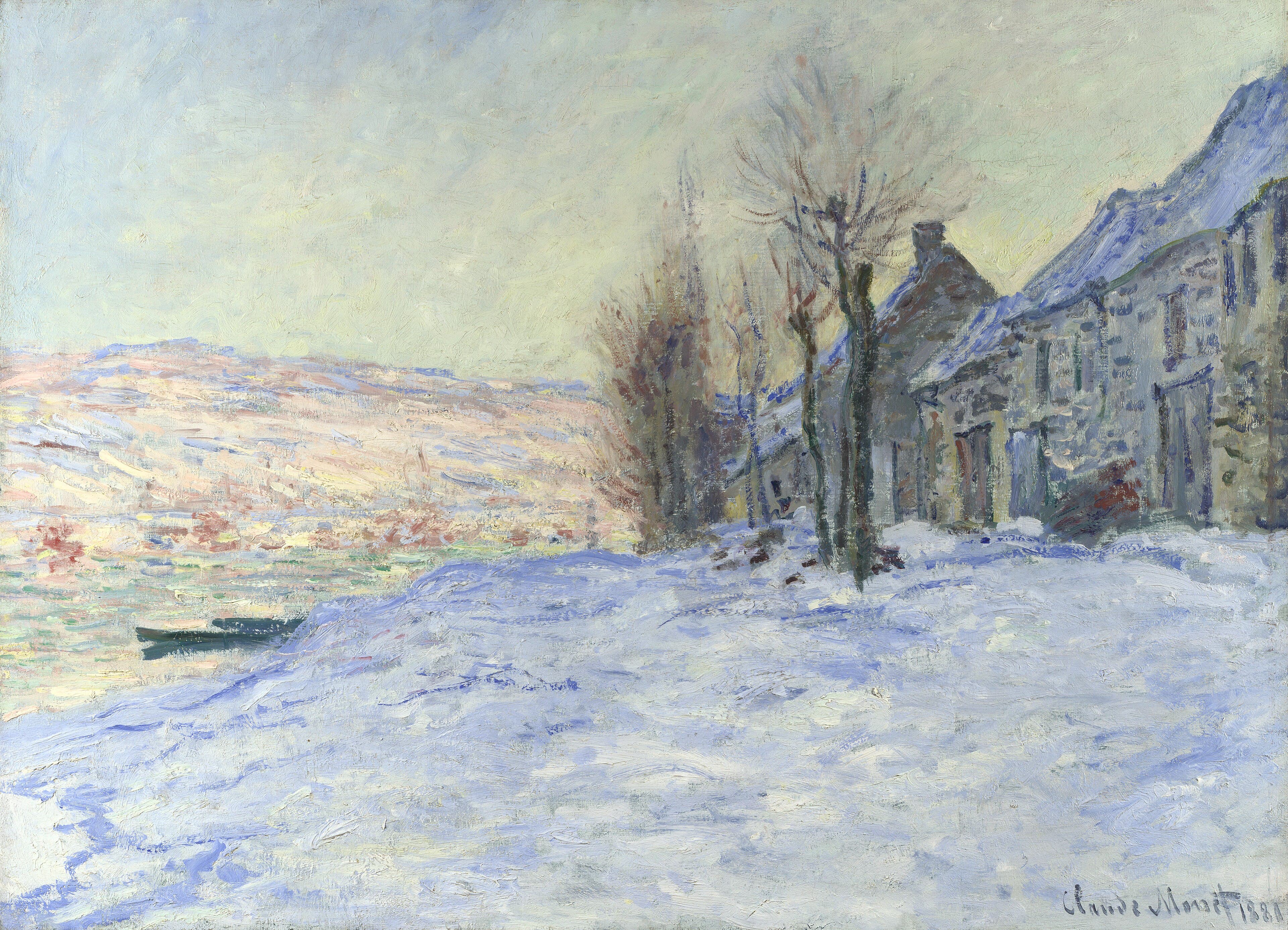
Lavacourt under Snow
Claude Monet · c. 1878–81
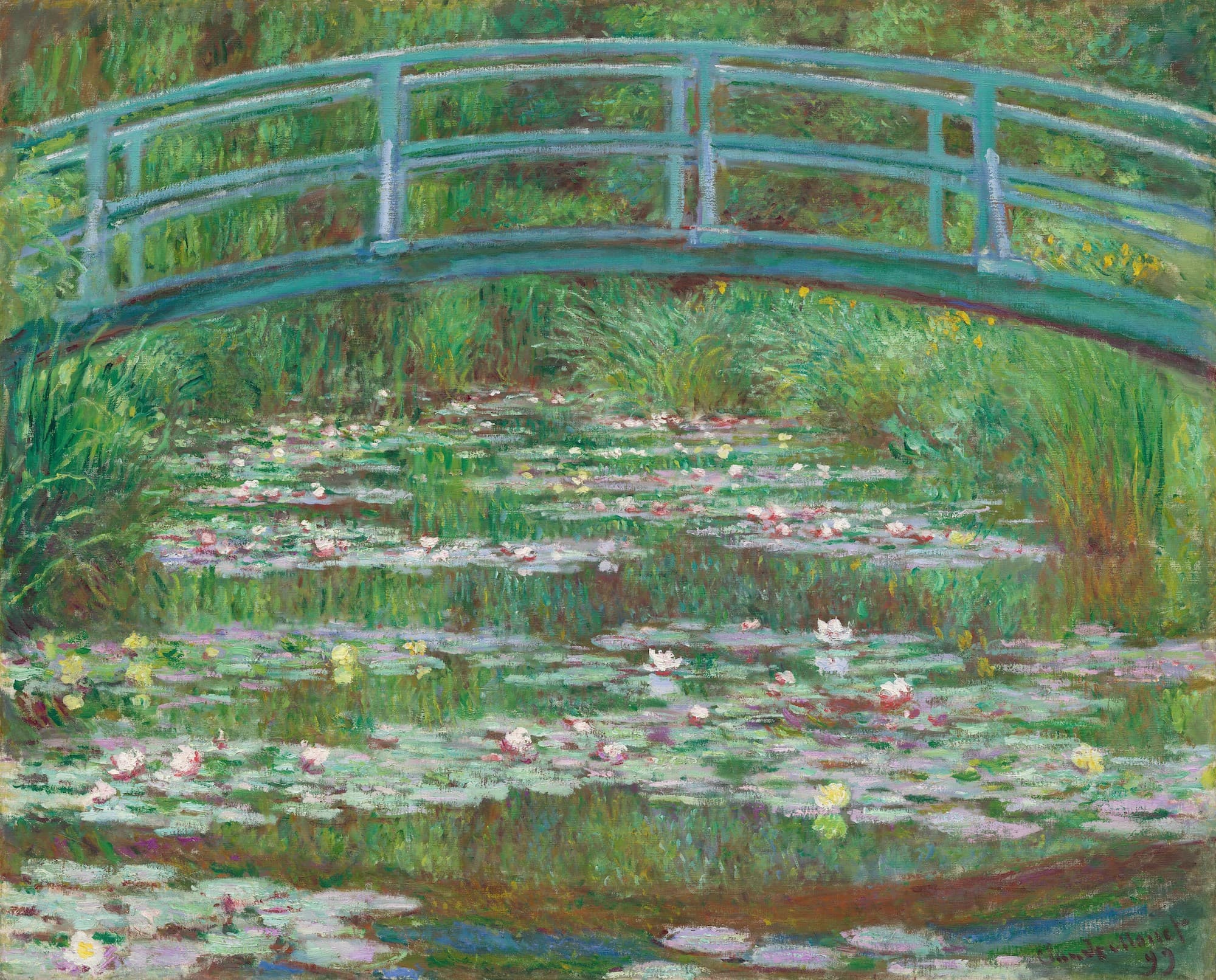
The Japanese Footbridge
Claude Monet · 1899

Bridge over a Pond of Water Lilies
Claude Monet · 1899
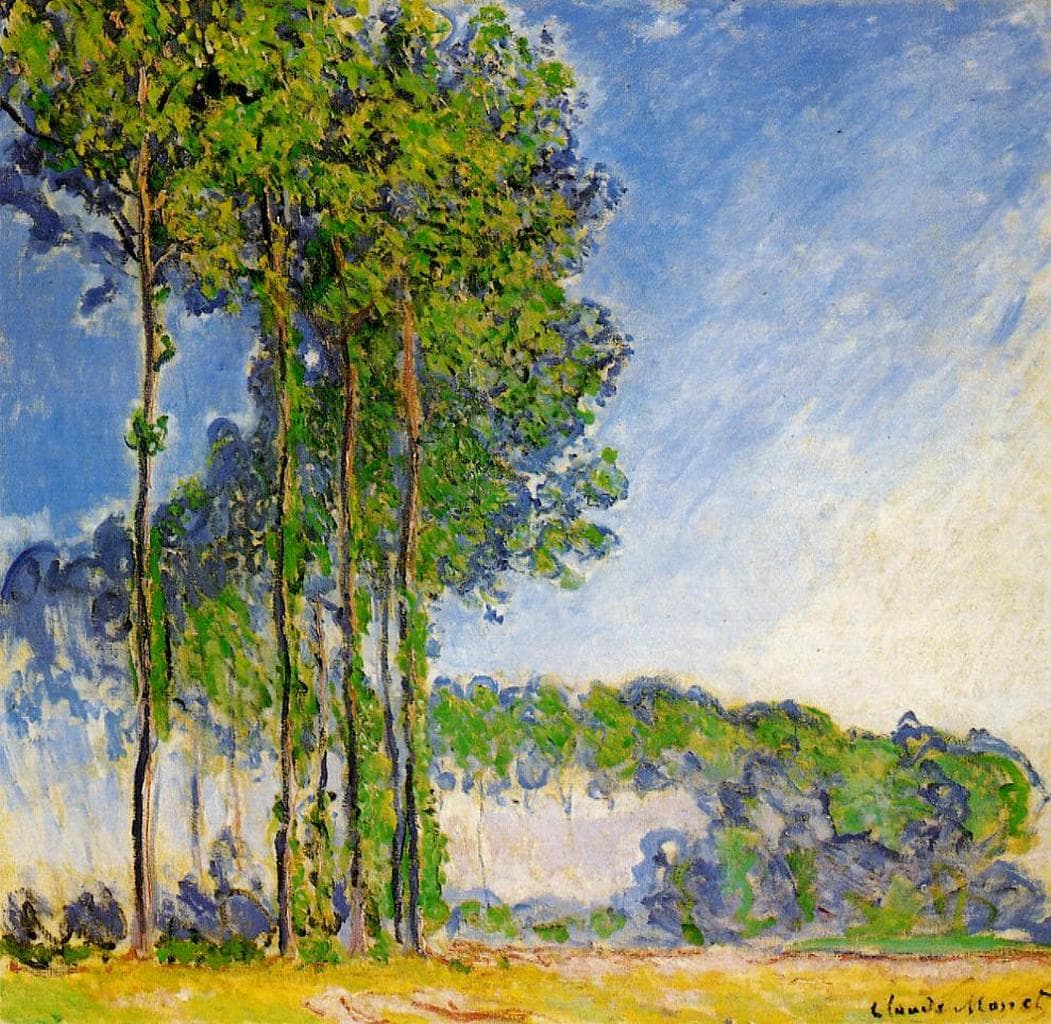
Les Peupliers
Claude Monet · 1891
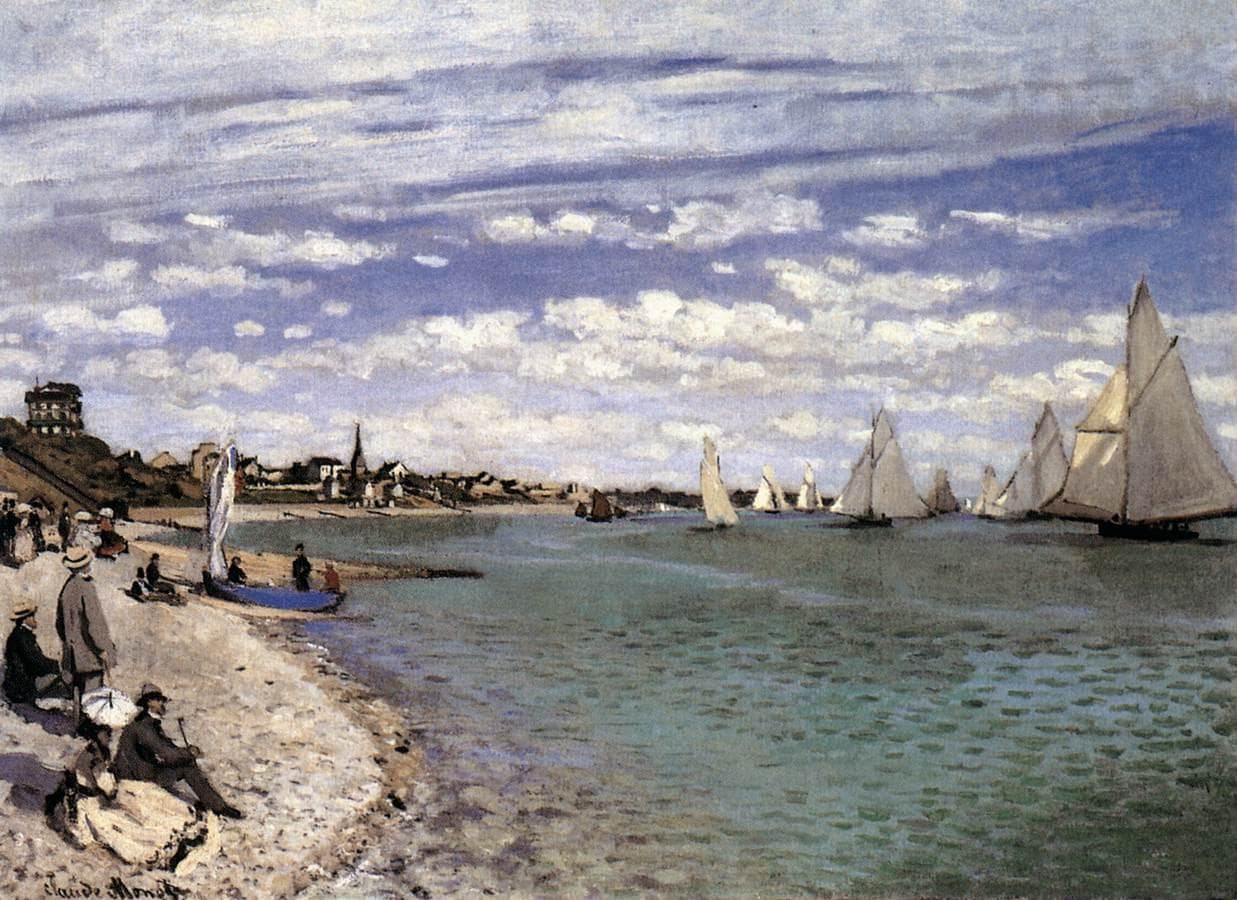
Regatta at Sainte-Adresse
Claude Monet · 1867
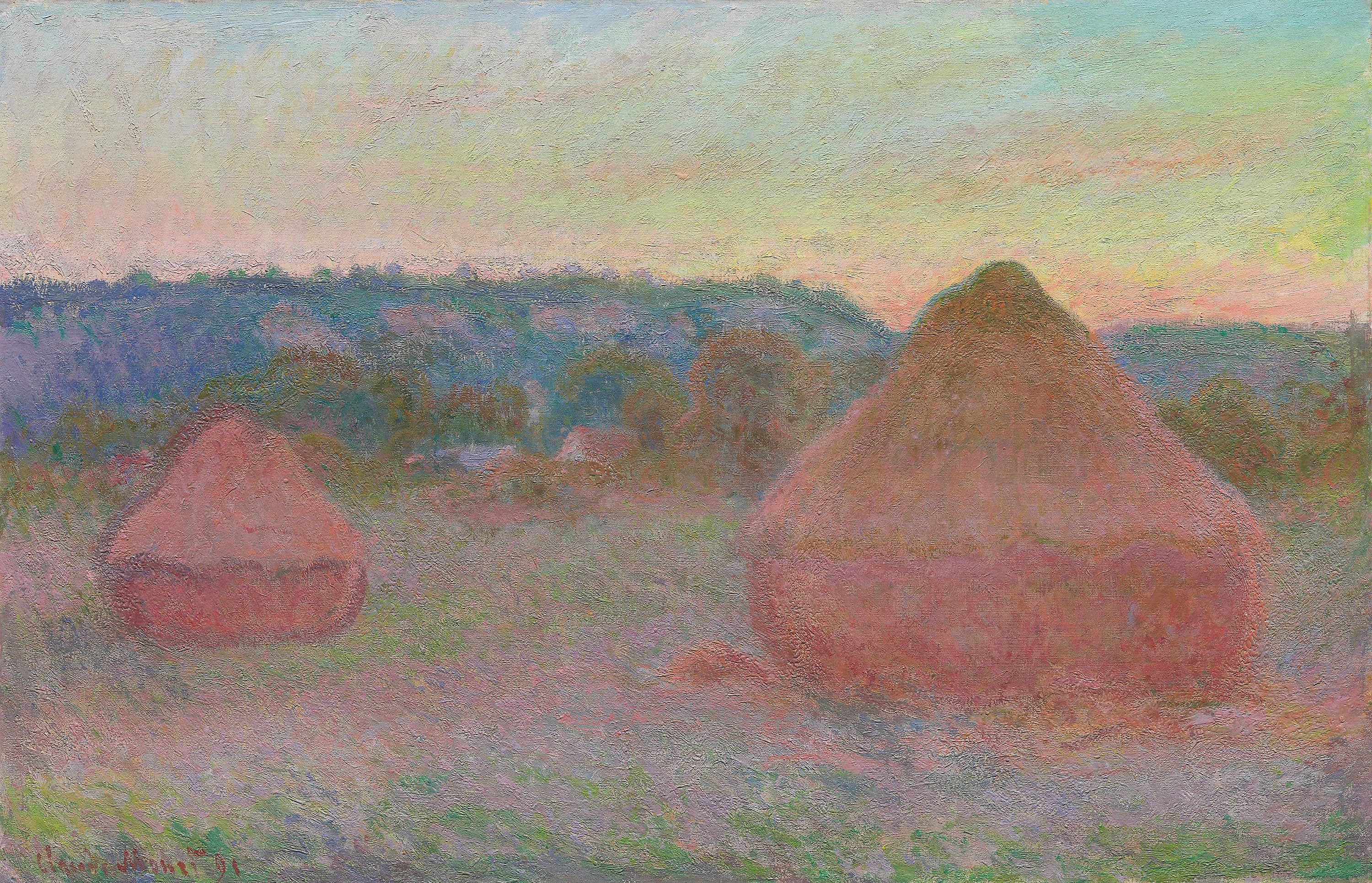
Stacks of Wheat (End of Day, Autumn)
Claude Monet · 1890–91
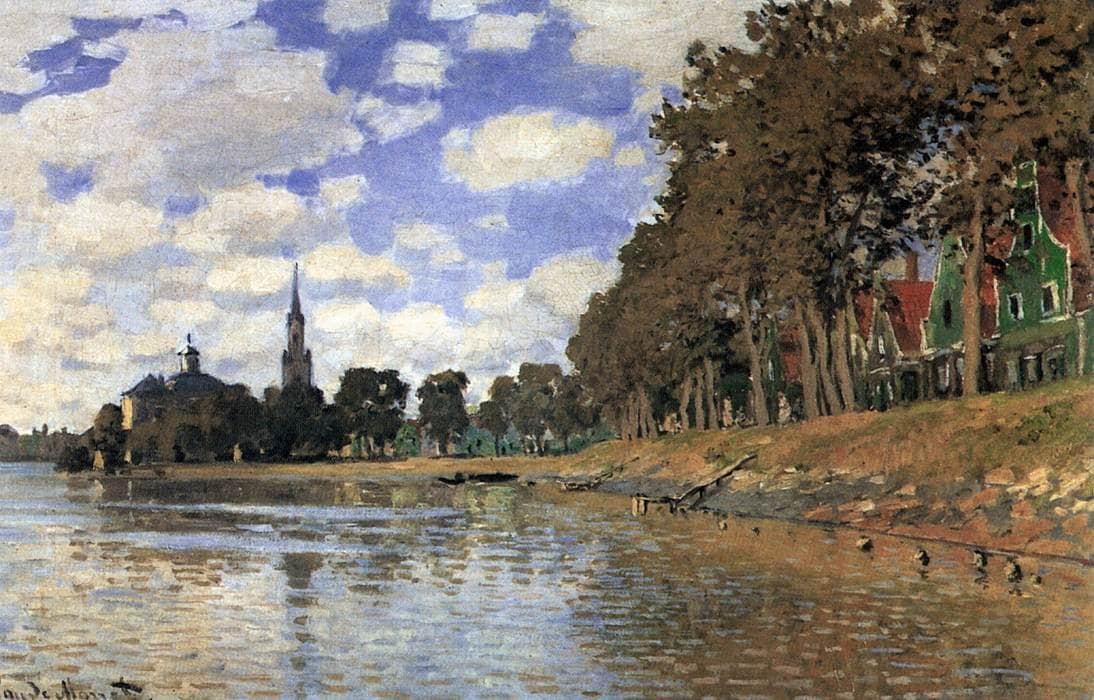
Zaandam
Claude Monet · 1871