The Ship in the Ice
Gustave Doré, 1876
The Ship in the Ice is Gustave Doré’s wood-engraved plate for Coleridge’s The Rime of the Ancient Mariner (London, 1876): the Mariner’s ship sits trapped in a canyon of polar ice, lines 59–62, “The ice was here, the ice was there, / The ice was all around.”
- Artist
- Gustave Doré
- Date
- 1876
- Medium
- Wood engraving
- Movement
- Romanticism
- Themes
- Literature & Poetry, Water & Sea, Nature & Landscape, Dark Academia, Night & Dreams
What you are looking at
Two walls of ice rise on either side of the picture like the sides of a gorge, hung with icicles and fractured into shelves. Between them, far down the channel, a sailing ship stands dead center, so small that its masts barely reach a quarter of the way up the plate. It is not sailing. Its yards and rigging are thick with ice, every spar dripping with icicles, and the whole hull glows faintly as if frosted from within.
The foreground is a jumble of floes and broken blocks, each one picked out with sharp white edges against black water. Above the ship the gorge opens onto a dark disc of cloud ringed by a great pale arc of light, something between a lunar halo and a rainbow with the color drained out of it. Just under the arc, easy to miss, a single small white bird is flying toward the ship. It is the albatross, arriving one stanza early.
The engraved surface is built almost entirely from horizontal ruled lines. Sky, ice walls and water all share the same close, even striping, which gives the plate its cold, stilled feeling; the light comes from where the engraver left lines out or cut them thin. Doré’s signature (“G. Doré”) is at lower left and the engraver’s, “Jonnard”, at lower right.
The lines it illustrates
The plate belongs to Part I of the poem, where a storm drives the ship south into the polar sea. Coleridge writes (lines 55–62 in the standard 1834 text):
And through the drifts the snowy clifts Did send a dismal sheen: Nor shapes of men nor beasts we ken— The ice was all between.
The ice was here, the ice was there, The ice was all around: It cracked and growled, and roared and howled, Like noises in a swound!
The very next stanza brings the bird: “At length did cross an Albatross: / Thorough the fog it came.” By placing the tiny albatross in the sky above the trapped ship, Doré compresses the two moments into one image. The ship is helpless; deliverance, or what looks like it, is already on the way.
How Doré staged the scene
Coleridge’s stanza is all sound: the ice cracks, growls, roars and howls. Doré, who could not draw a noise, turned it into silence and scale. He shows the ice not as floating pack but as architecture, cliffs that close over the ship like the nave of a frozen cathedral, and he pushes the vessel so far back that the human crew is invisible. The “dismal sheen” of the snowy cliffs becomes the plate’s dominant tone, a gray shimmer with no warm note anywhere.
The pale arc is his own invention. Nothing in the poem calls for it, but it does two jobs: it frames the albatross like a halo frames a saint, anticipating the crew’s treatment of the bird “as if it had been a Christian soul,” and it gives the eye a curve to rest on in a picture otherwise made of verticals and horizontals. Compare the plate just before it in the sequence, where the ship is shown close up under falling snow with its frozen sailors in the rigging; here Doré pulls back to show how small they are.
The Strasbourg museums hold a brown-wash and white-gouache drawing by Doré of a ship locked in the ice, catalogued as Navire pris dans les glaces, which shows him working out this kind of scene in tone before it went to the block.
How it was made and published
Doré drew the design directly onto a block of end-grain boxwood, and a professional wood engraver cut away everything that was to print white. This block was cut by Jonnard, one of the team of Paris engravers Doré used for the series; others named in bibliographies of the book include Pannemaker, Pisan and Gusman. The plates were printed in relief with the type, which is why the ruled tints are so even.
The illustrated Rime of the Ancient Mariner appeared in London in 1876 as a large folio, published by the Doré Gallery with Hamilton, Adams & Co., with some 39 illustrations. An American edition followed the next year, and a French edition with Auguste Barbier’s translation, La Chanson du vieux marin, was issued by Hachette in 1877; the scan shown here comes from the Bibliothèque nationale de France’s copy of that French edition. It is the seventh plate in the sequence.
The book came late in Doré’s career, a decade and more after his Inferno, his Bible and his Milton, and its plates lean on broad tonal fields of ruled line, a manner this plate shows at its most austere. For the rest of the cycle see Doré’s Rime of the Ancient Mariner illustrations.
What the plate means
The ice is the poem’s first image of a world that has no place for people: “Nor shapes of men nor beasts we ken.” Doré reads it as the Romantic sublime, nature so vast that the observer shrinks to nothing, the same mood that drives Caspar David Friedrich’s Wanderer above the Sea of Fog and runs through the Romantic landscape. The difference is that Doré’s viewer has nowhere to stand; we hover over the floes like a spirit.
The arc and the bird add a moral note. The albatross enters as grace, and the ice splits to let the ship through. Readers who know what comes next, the crossbow in The Albatross and the dice game in Death and Life-in-Death, can see the whole tragedy waiting in this first moment of rescue. Gustave Doré lets the ice keep its secret: the ship looks less saved than entombed.
Questions & answers
What does Doré’s ‘The ice was all around’ plate show?
The Mariner’s ship trapped far down a gorge of polar ice, its rigging thick with icicles, with broken floes in the foreground. A pale arc of light rings the sky above it, and a tiny white bird, the albatross, flies in toward the ship under the arc.
Which lines of The Rime of the Ancient Mariner does it illustrate?
Part I, lines 59–62: “The ice was here, the ice was there, / The ice was all around: / It cracked and growled, and roared and howled, / Like noises in a swound!” Doré also folds in the next stanza, in which the albatross comes “thorough the fog.”
When was Doré’s Rime of the Ancient Mariner published?
In London in 1876, as a large folio issued by the Doré Gallery with Hamilton, Adams & Co. An American edition followed in 1877, and Hachette published a French edition, La Chanson du vieux marin in Auguste Barbier’s translation, the same year. This is the seventh plate in the sequence.
Who engraved The Ship in the Ice?
Doré drew the design on a boxwood block and the wood engraver Jonnard cut it; his signature is at lower right, with “G. Doré” at lower left. Jonnard built the whole plate from fine horizontal ruled lines, letting the light come from where the lines thin out.
What does the ice mean in the poem and the plate?
The ice is the poem’s first image of a world hostile to human life, the Romantic sublime at its coldest. Doré makes the ship tiny and frames the arriving albatross in a halo of light, so the moment of rescue already carries a sense of judgment to come.
More by Gustave Doré
All works →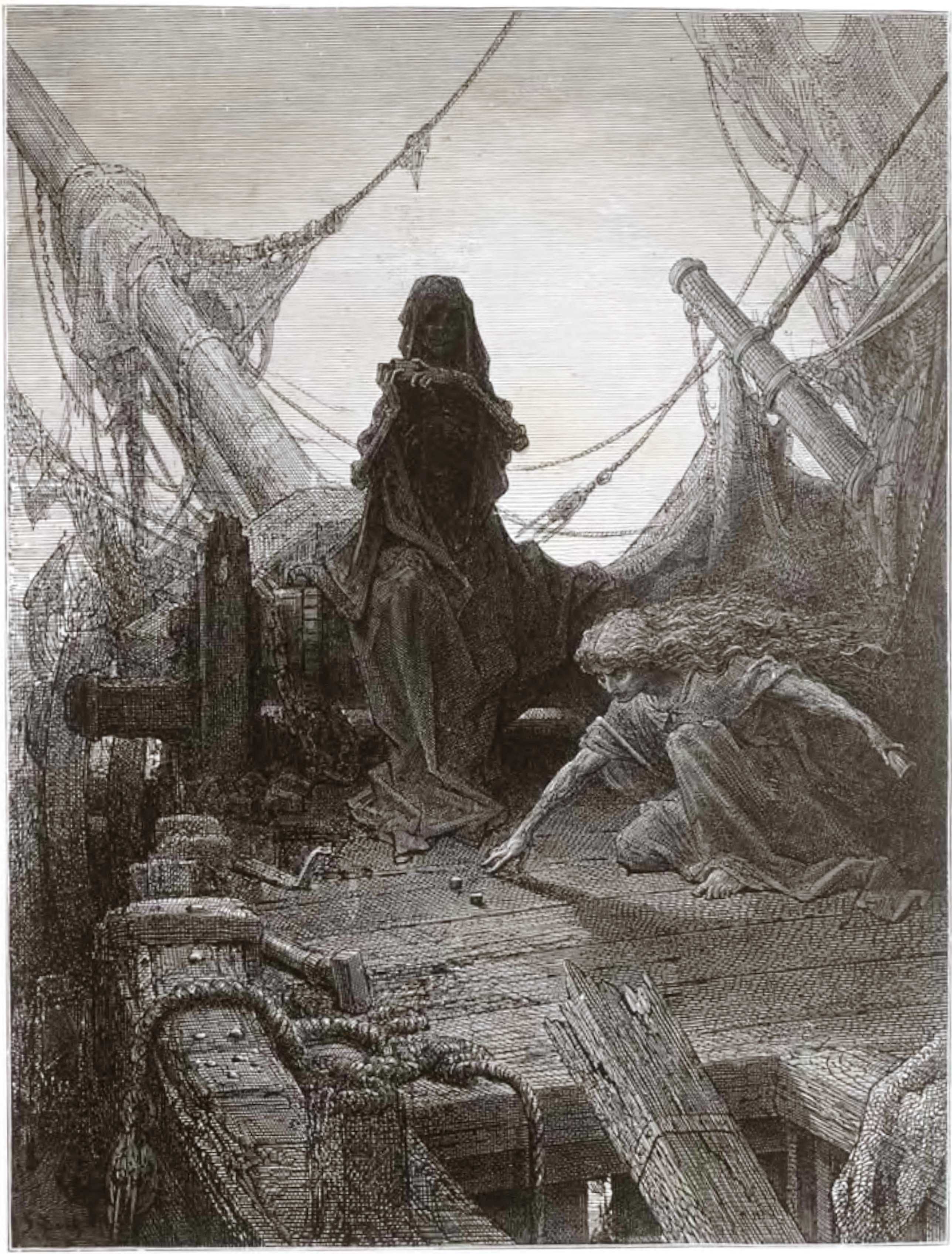
Death and Life-in-Death
Gustave Doré · 1876
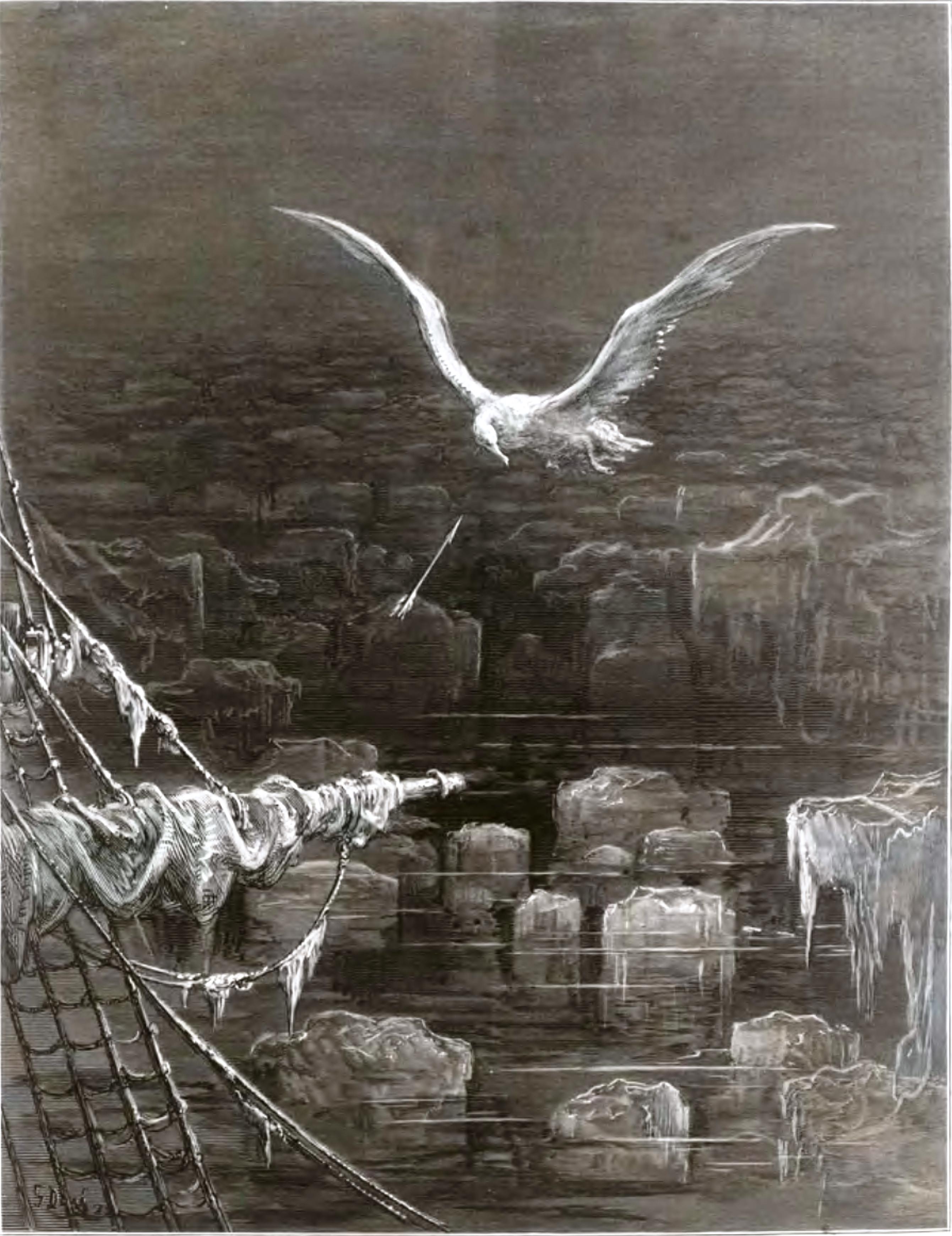
The Albatross
Gustave Doré · 1876
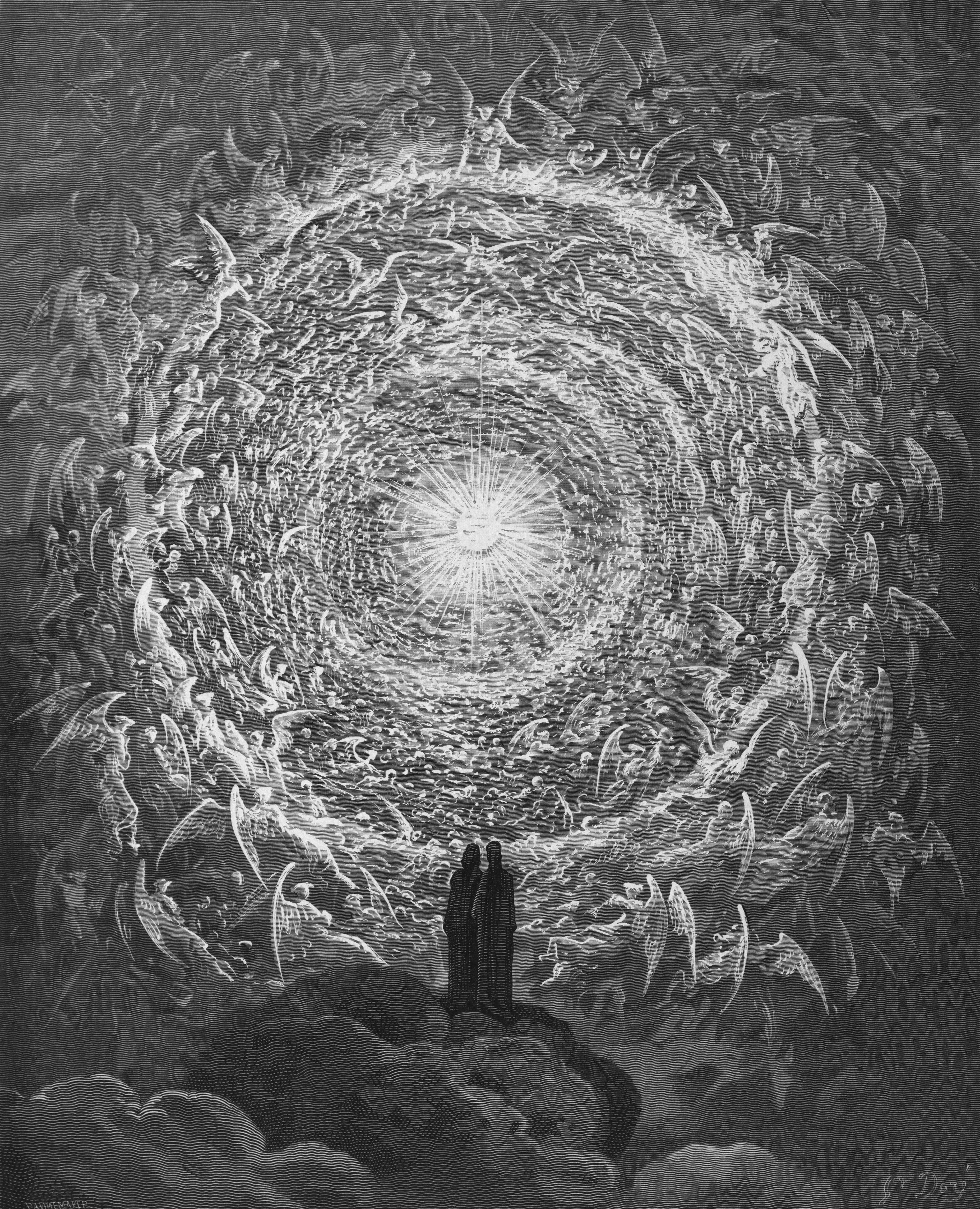
The Empyrean (Rosa Celeste)
Gustave Doré · 1868
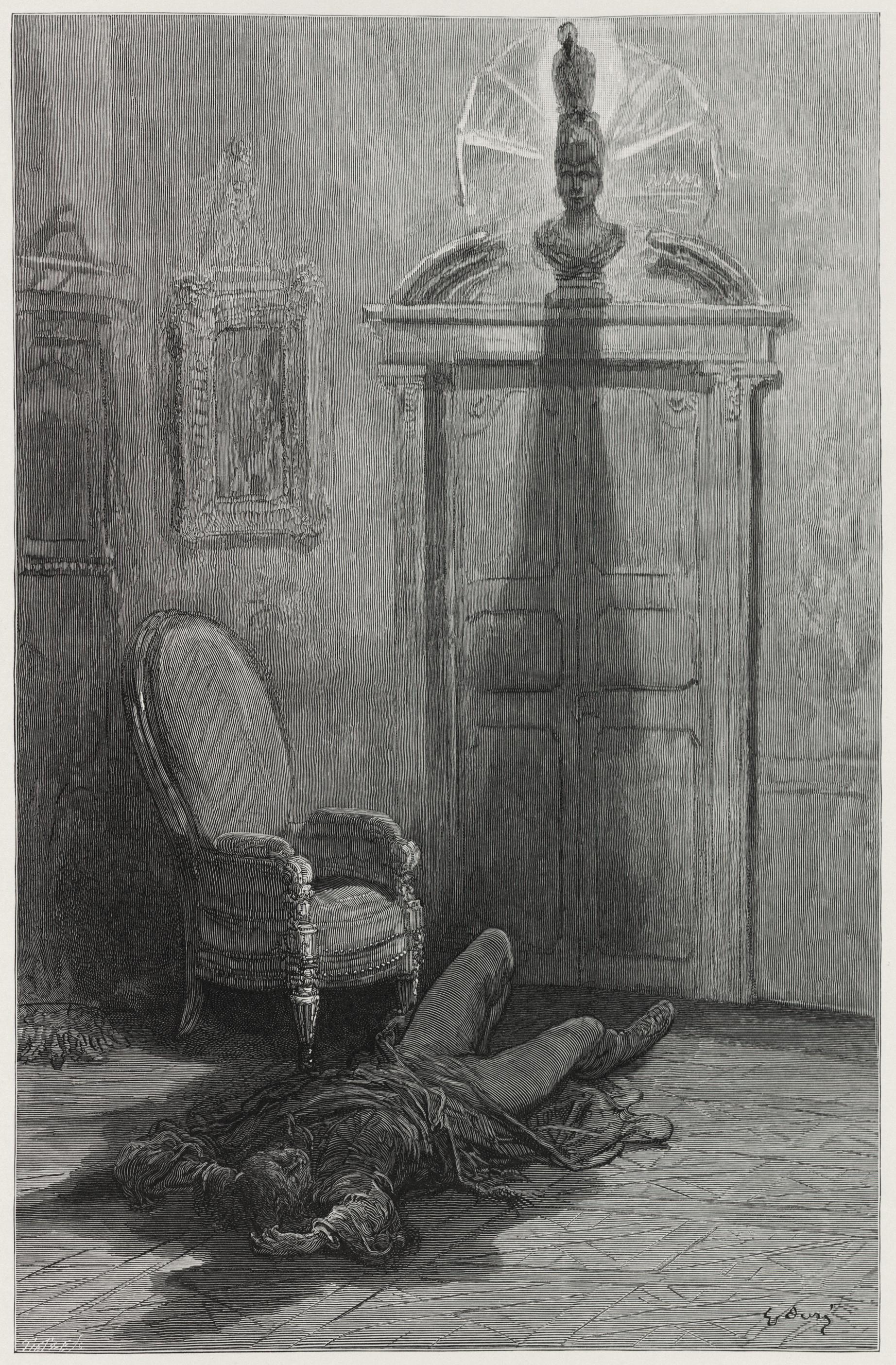
Nevermore (The Raven's Shadow)
Gustave Doré · 1884
The Enigma
Gustave Doré · 1871
Satan, Sin and Death at the Gates of Hell
Gustave Doré · 1866
Perched Upon a Bust of Pallas
Gustave Doré · 1884
Moses Breaking the Tables of the Law
Gustave Doré · 1866
Related works
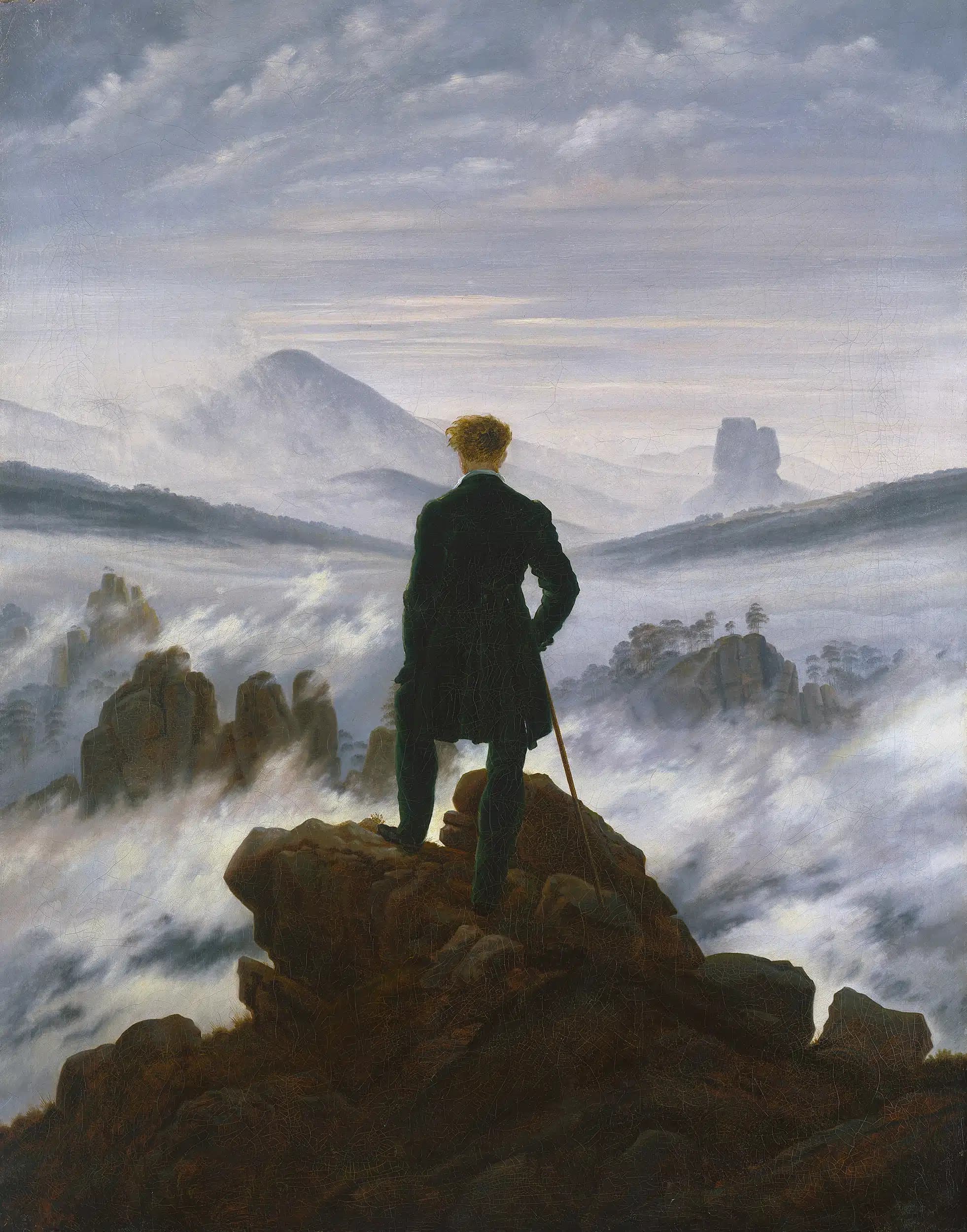
Wanderer above the Sea of Fog
Caspar David Friedrich · c. 1817
The Deluge
Gustave Doré · 1866
Dante Lost in the Dark Wood
Gustave Doré · 1861
Peupliers au bord de l'Epte, crépuscule
Claude Monet · 1891
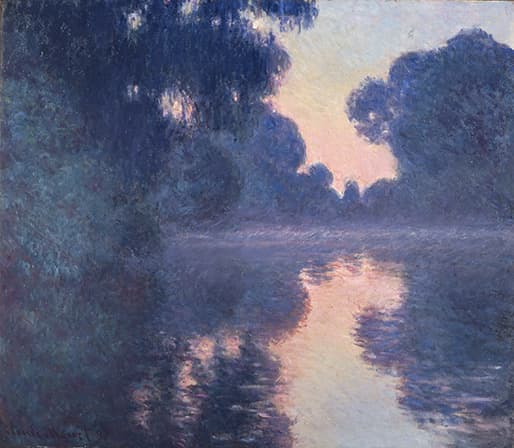
Morning on the Seine
Claude Monet · 1897
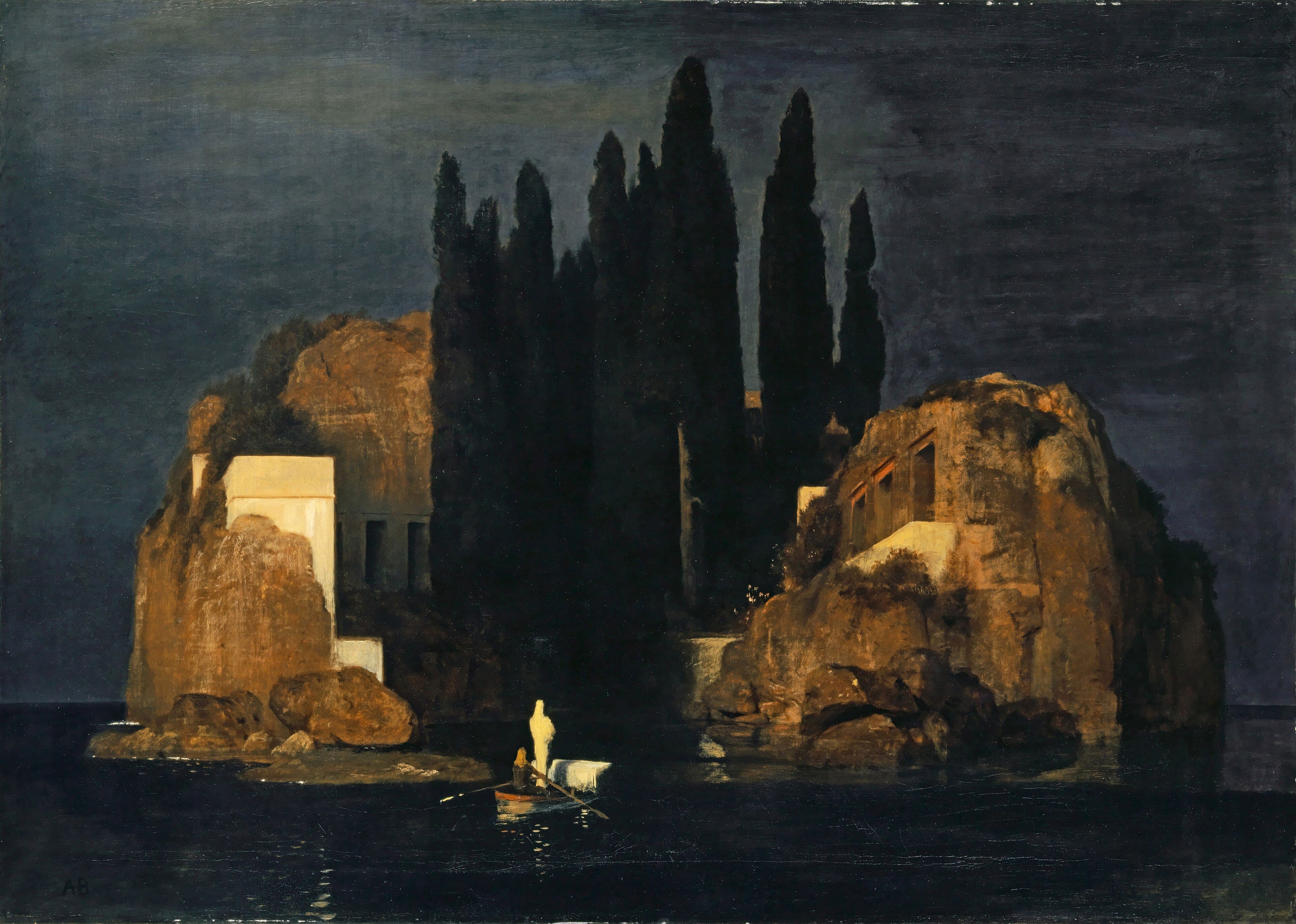
Isle of the Dead
Arnold Böcklin · 1880 (first version); five versions 1880–86
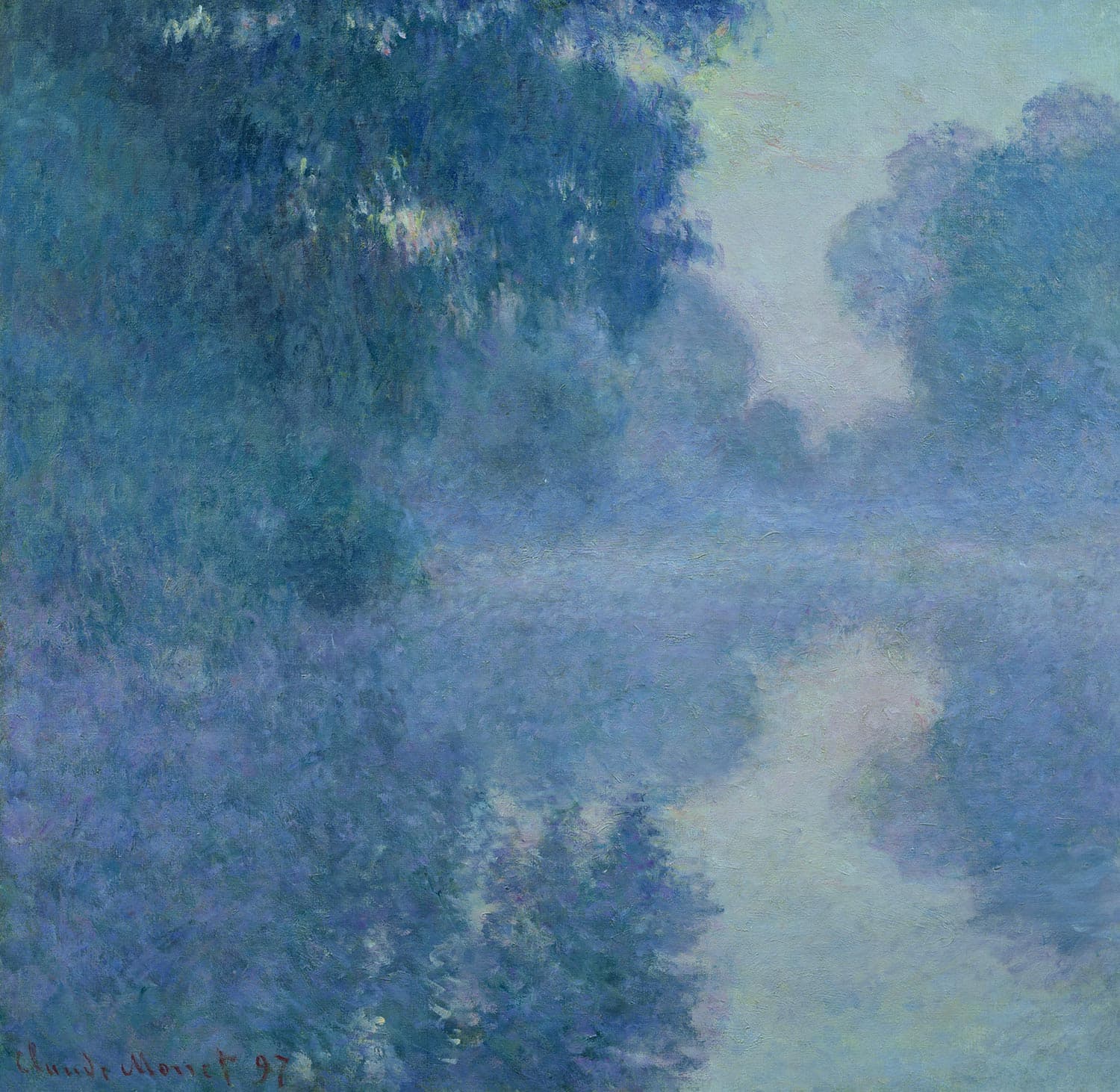
Arm of the Seine near Giverny, Rising Sun
Claude Monet · 1897
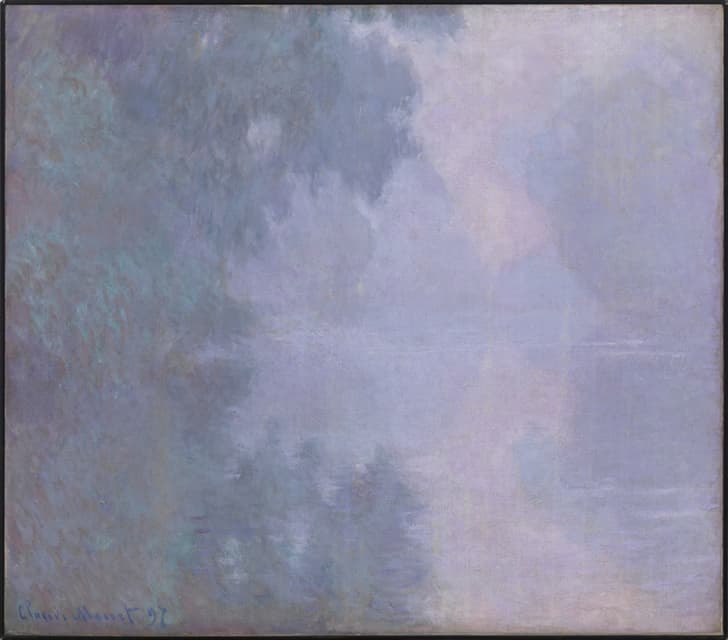
Morning on the Seine, Giverny
Claude Monet · 1897