Series
Gustave Doré's Rime of the Ancient Mariner Illustrations (1876)
Thirty-nine wood engravings for Coleridge's poem: ice, fog, the albatross and the dice game of Death and Life-in-Death.
Gustave Doré's Rime of the Ancient Mariner is his set of wood engravings for Samuel Taylor Coleridge's poem, published in London in 1876 by the Doré Gallery and Hamilton, Adams & Co. as an enormous "elephant" folio, about 49 by 37 centimeters. It contains 39 full-page plates, counting the frontispiece, plus a few small vignettes, set against just twelve pages of text. Harper & Brothers issued the American edition in New York the same December, dated 1877 on its title page.
The plates follow the poem from the wedding guest held by the old sailor's "glittering eye" through the ice of the South Pole, the shooting of the albatross, the becalmed ship and the dice game of Death and Life-in-Death, to the mariner's return home. They are the best-known illustrations of the poem, and some of the most atmospheric work Doré ever designed: seascapes of fog, ice and moonlight in which the human figures are tiny. This page walks through the key plates in the order of the poem.
The complete set
All 38 plates
In the order of the book. Plates with a full close reading are marked ✦.
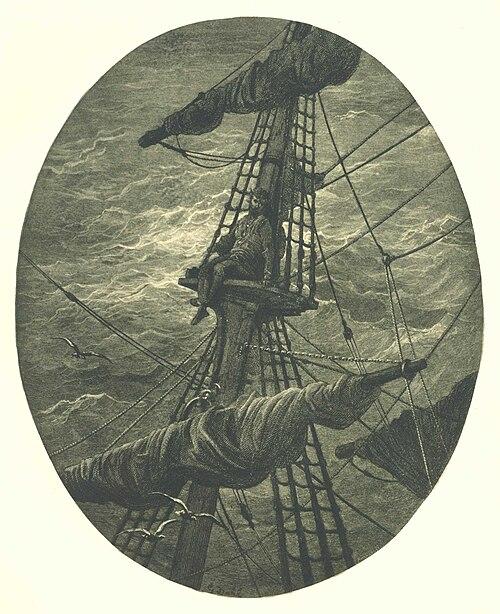
Frontispiece: The Ancient Mariner
1876 · The Rime of the Ancient Mariner (1876)
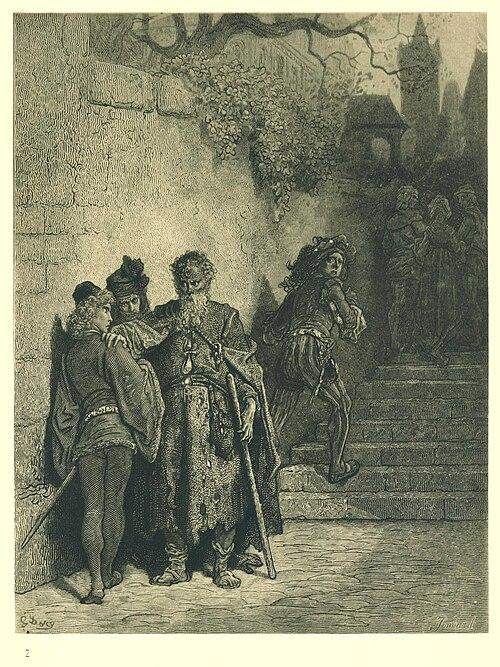
Part I: The Mariner Stops a Wedding-Guest
1876 · The Rime of the Ancient Mariner (1876)
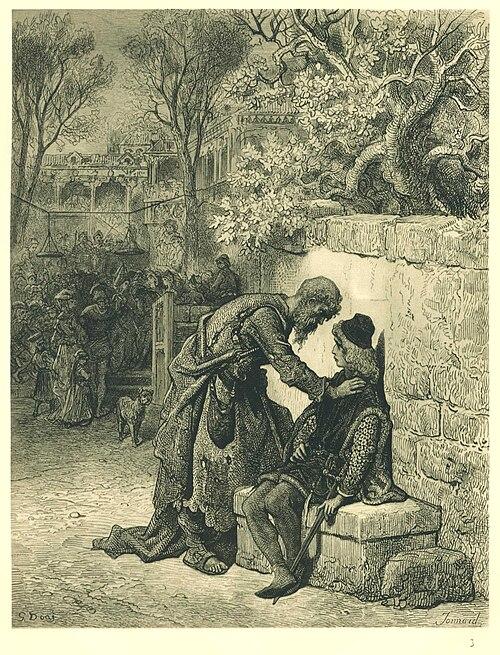
Part I: The Wedding-Guest Sat on a Stone
1876 · The Rime of the Ancient Mariner (1876)
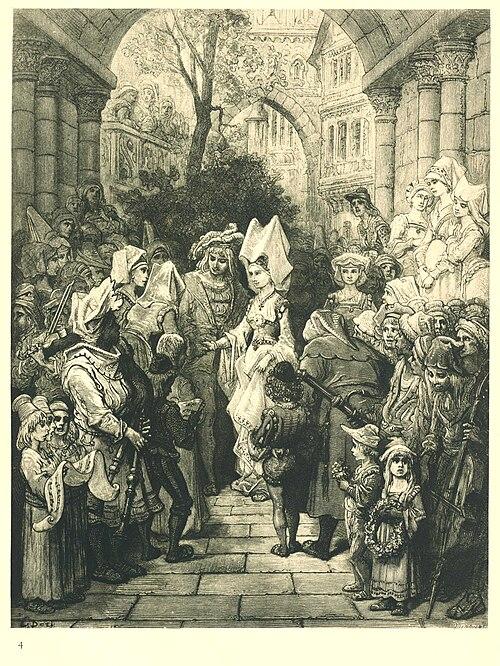
Part I: The Bride Paces into the Hall
1876 · The Rime of the Ancient Mariner (1876)
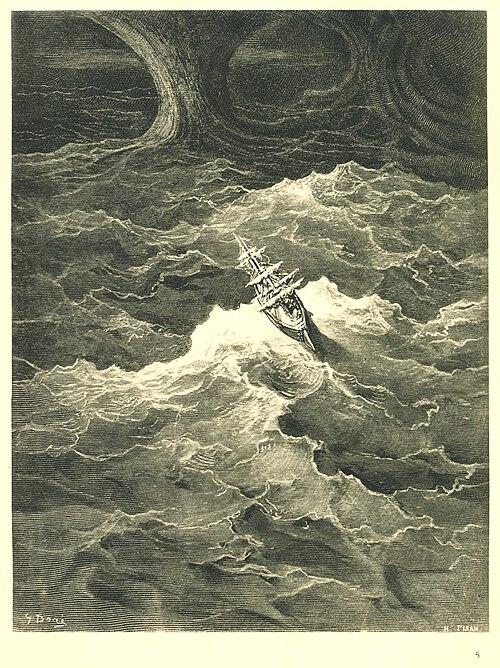
Part I: The Storm Drives the Ship South
1876 · The Rime of the Ancient Mariner (1876)
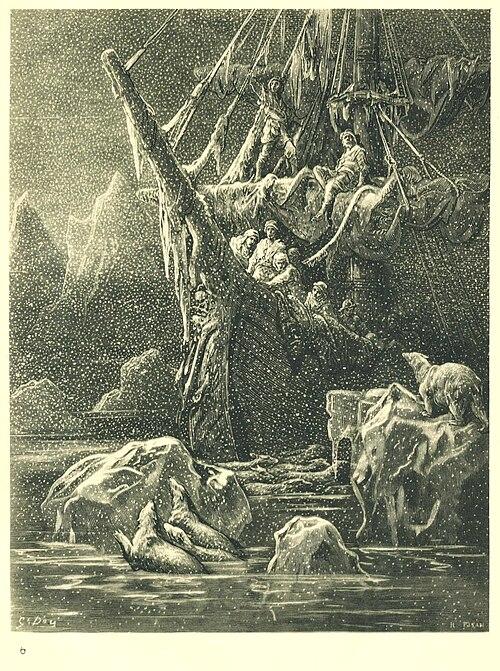
Part I: Mist and Snow
1876 · The Rime of the Ancient Mariner (1876)
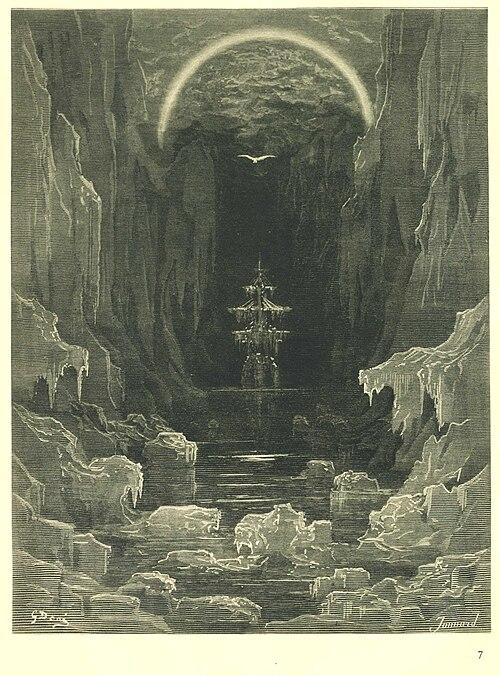
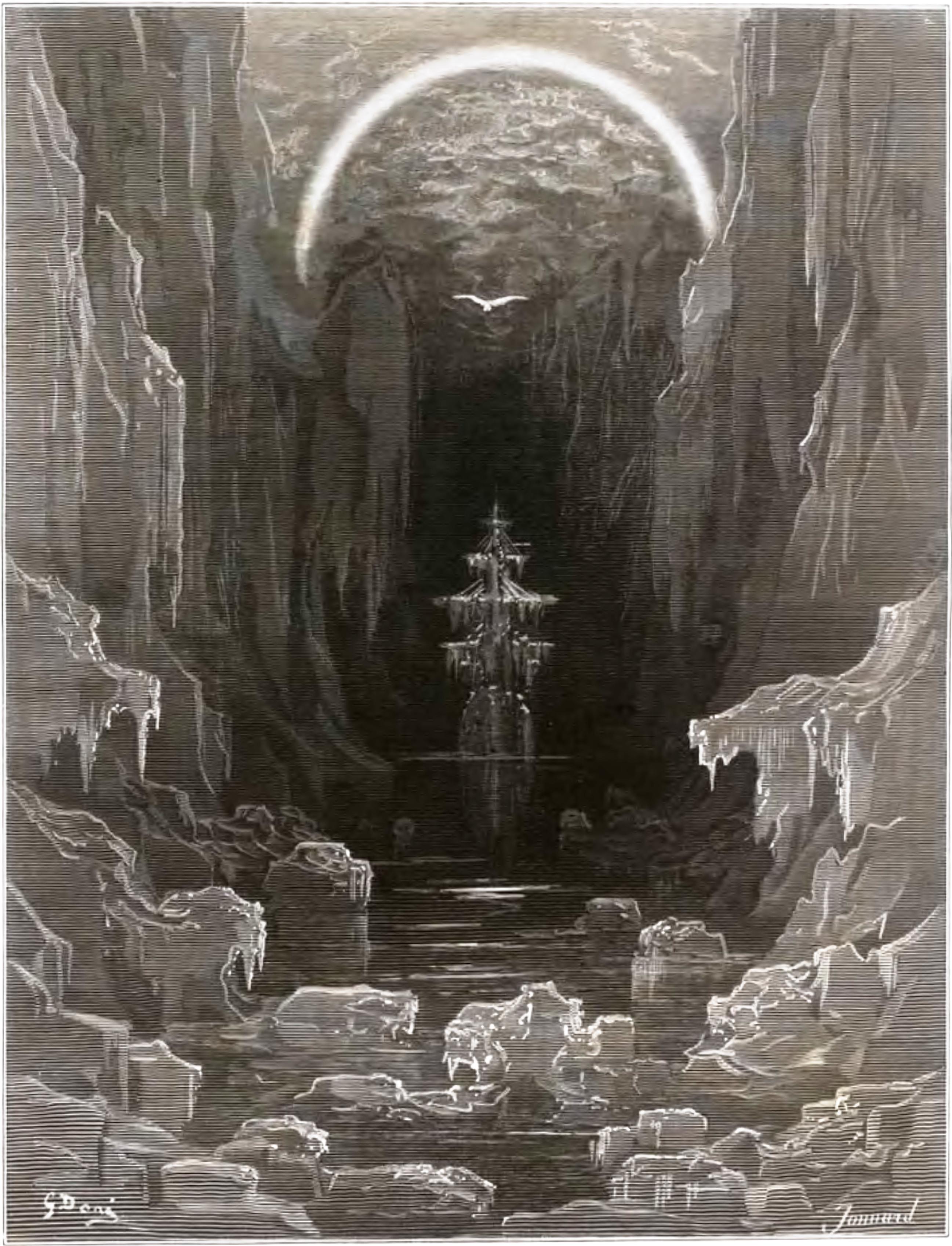
✦Part I: The Ice Was All Around
1876 · The Rime of the Ancient Mariner (1876)
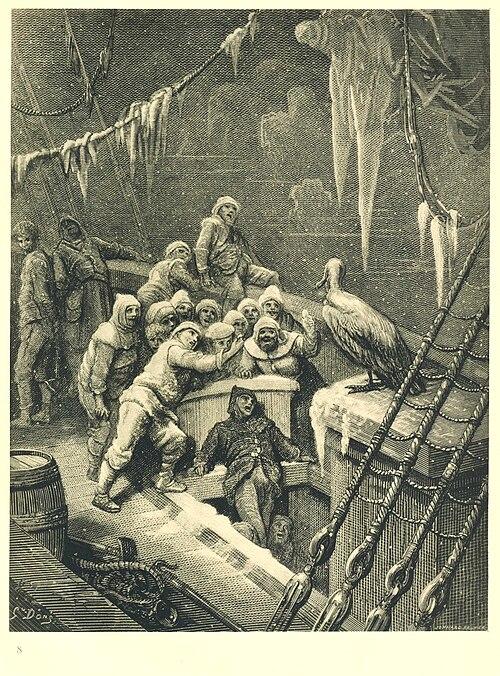
Part I: The Albatross Fed by the Crew
1876 · The Rime of the Ancient Mariner (1876)
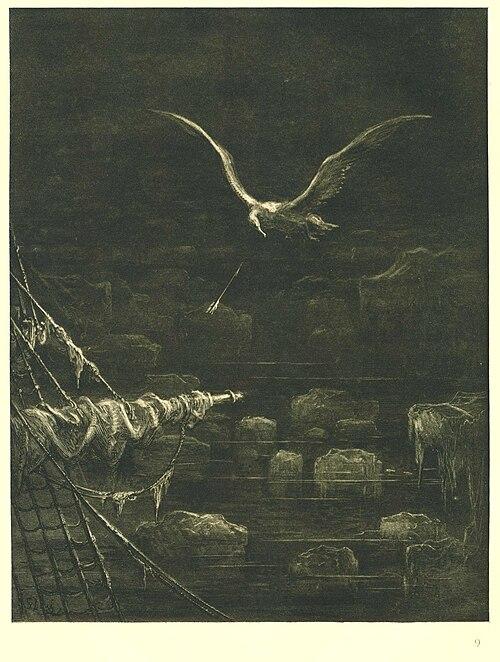
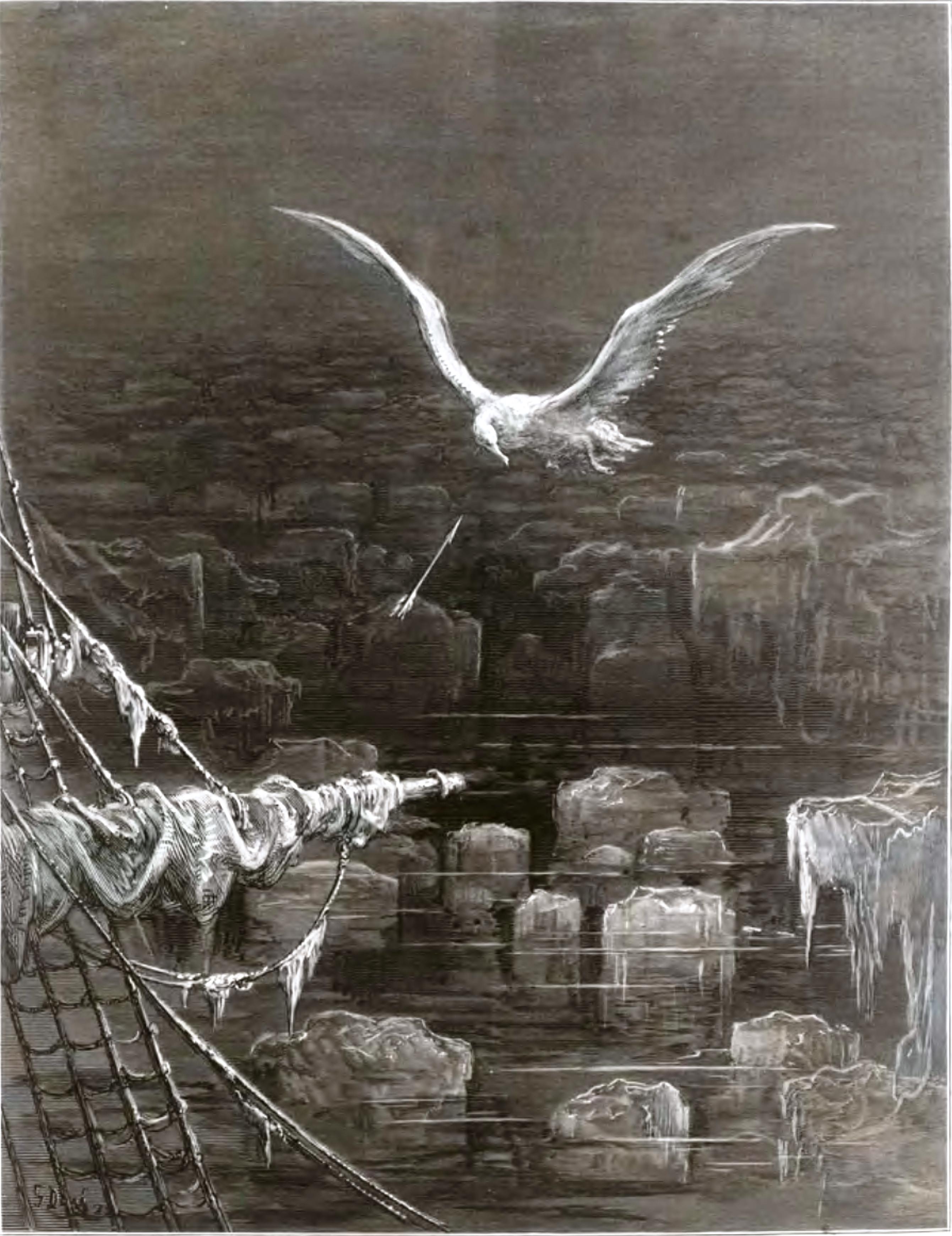
✦Part I: The Mariner Shoots the Albatross
1876 · The Rime of the Ancient Mariner (1876)
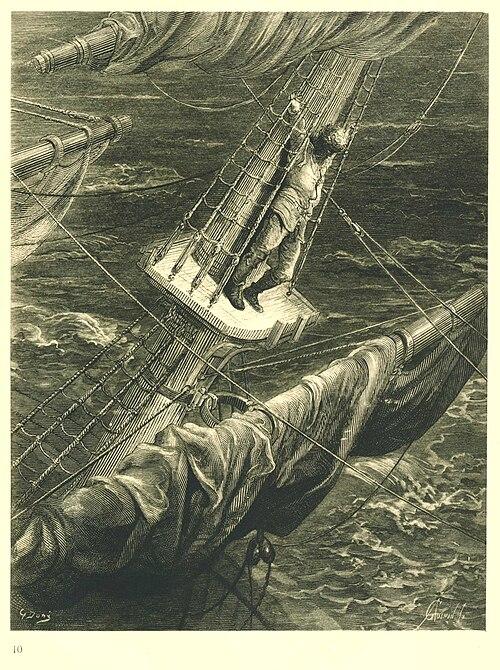
Part II: The Mariner's Hellish Deed
1876 · The Rime of the Ancient Mariner (1876)
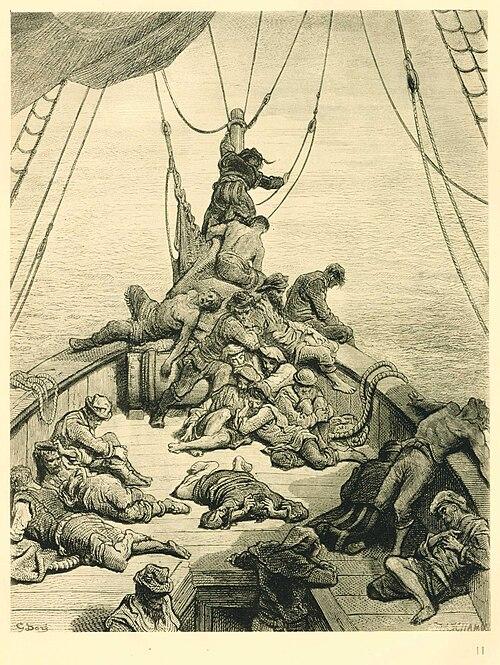
Part II: Water, Water, Every Where
1876 · The Rime of the Ancient Mariner (1876)
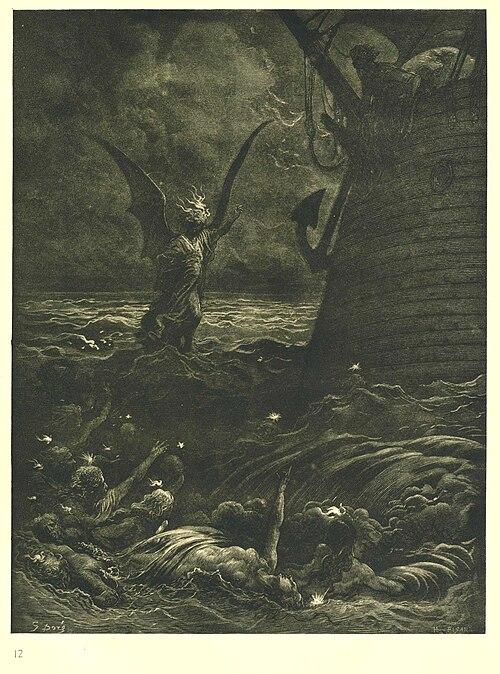
Part II: The Death-Fires Danced at Night
1876 · The Rime of the Ancient Mariner (1876)
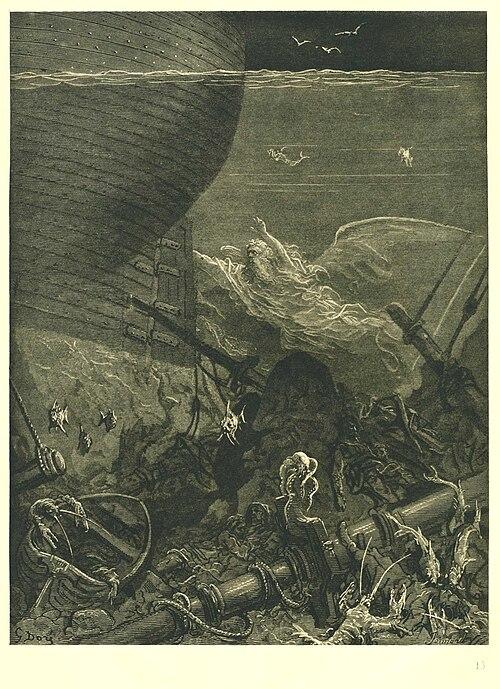
Part II: The Spirit Follows the Ship
1876 · The Rime of the Ancient Mariner (1876)
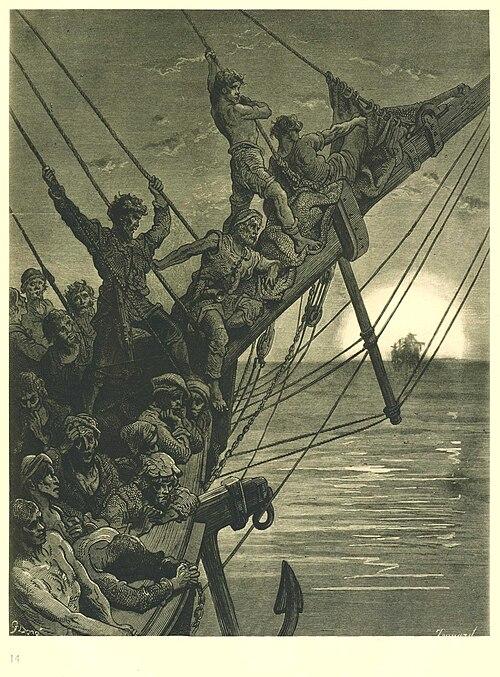
Part III: A Sail! A Sail!
1876 · The Rime of the Ancient Mariner (1876)
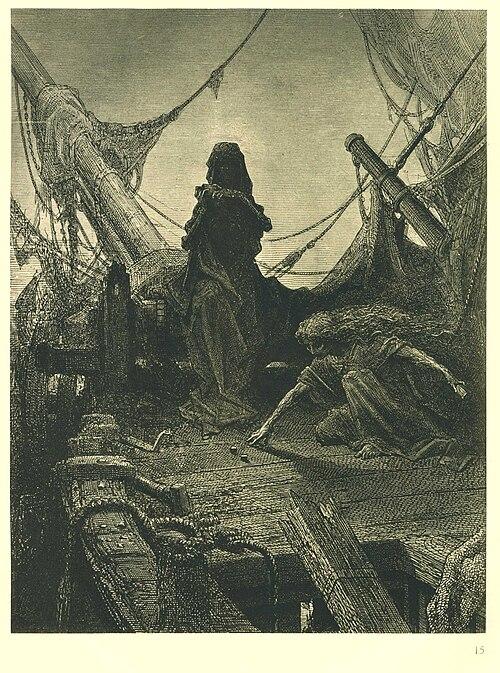
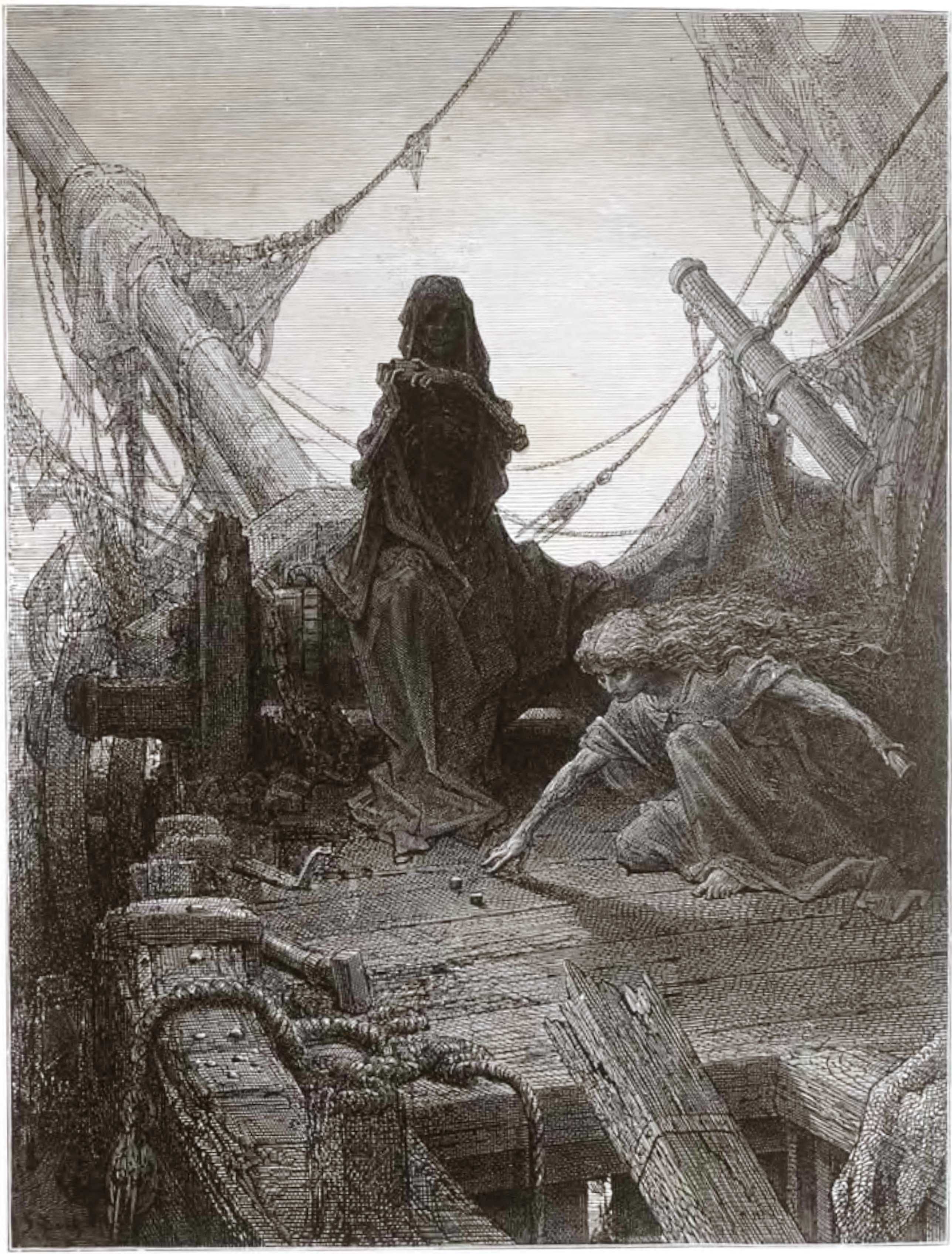
✦Part III: Death and Life-in-Death Casting Dice
1876 · The Rime of the Ancient Mariner (1876)
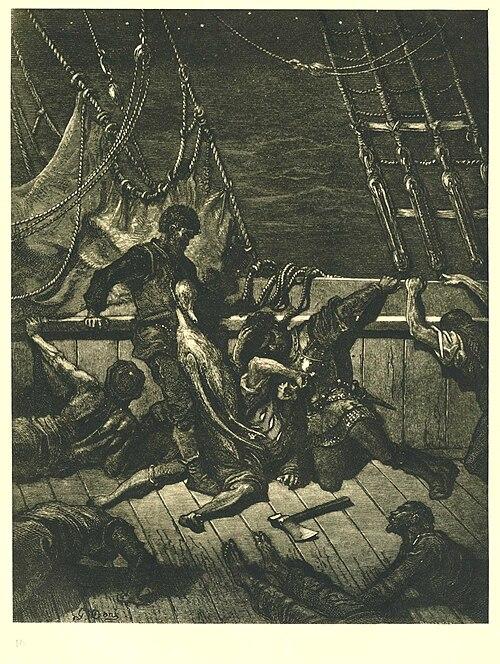
Part III: The Dead Crew Curse the Mariner
1876 · The Rime of the Ancient Mariner (1876)
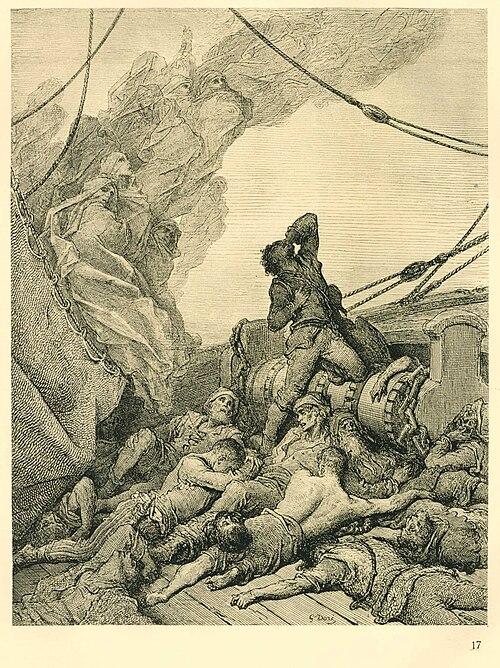
Part IV: Alone on a Wide Wide Sea
1876 · The Rime of the Ancient Mariner (1876)
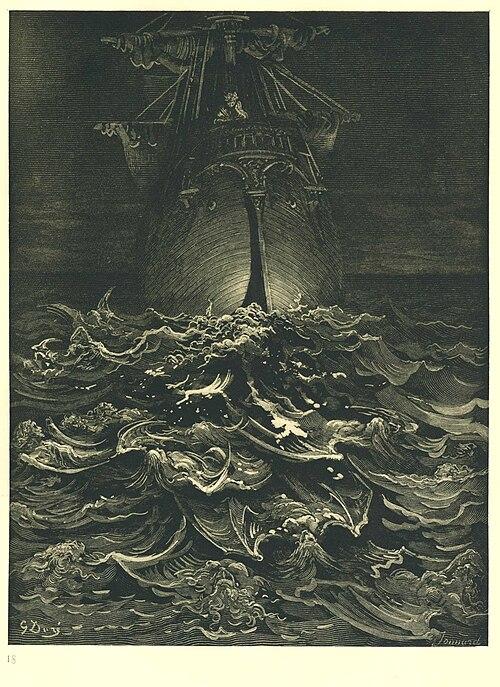
Part IV: The Rotting Sea
1876 · The Rime of the Ancient Mariner (1876)
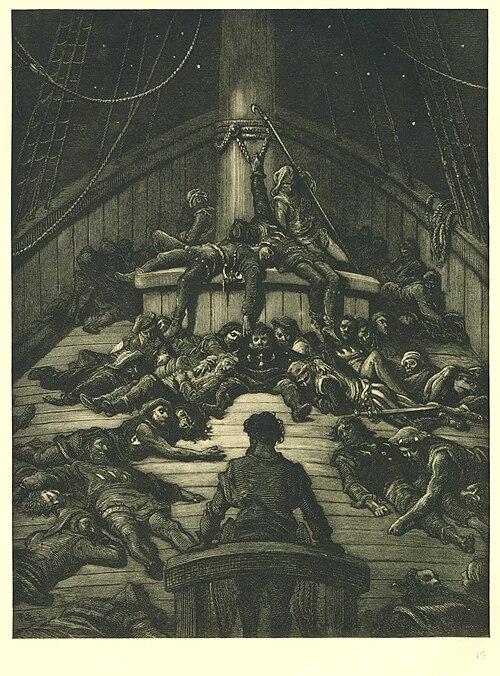
Part IV: The Curse in the Dead Men's Eyes
1876 · The Rime of the Ancient Mariner (1876)
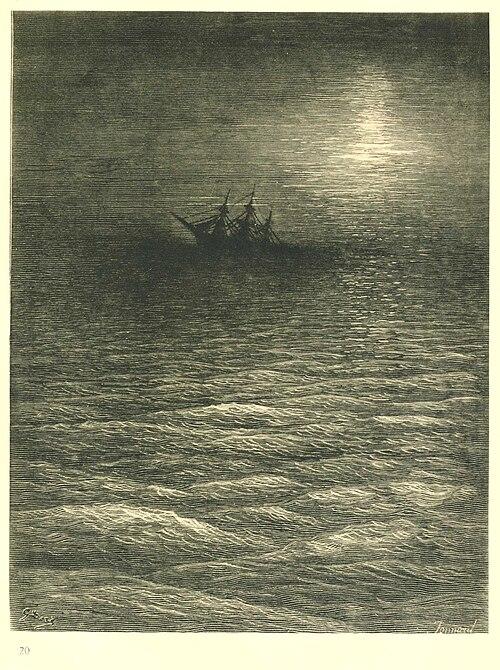
Part IV: The Moving Moon
1876 · The Rime of the Ancient Mariner (1876)
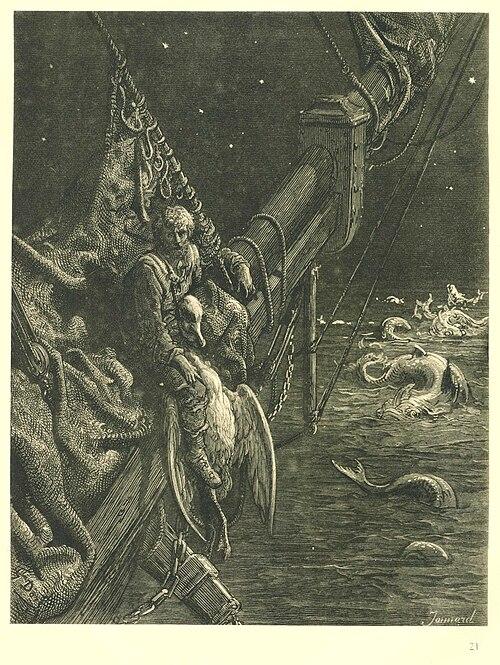
Part IV: The Water-Snakes
1876 · The Rime of the Ancient Mariner (1876)
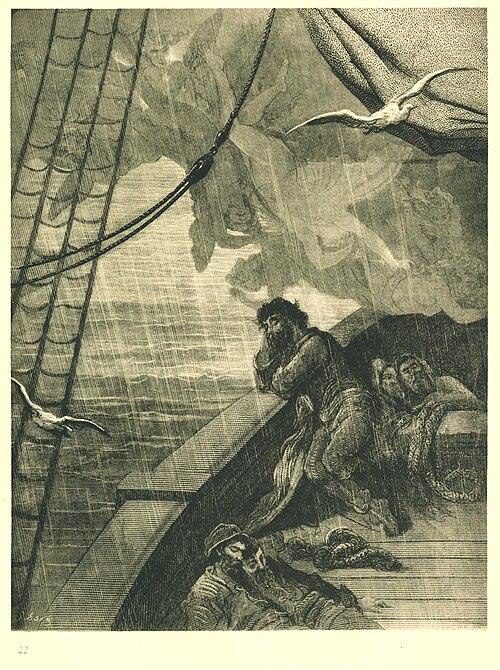
Part V: The Rain
1876 · The Rime of the Ancient Mariner (1876)
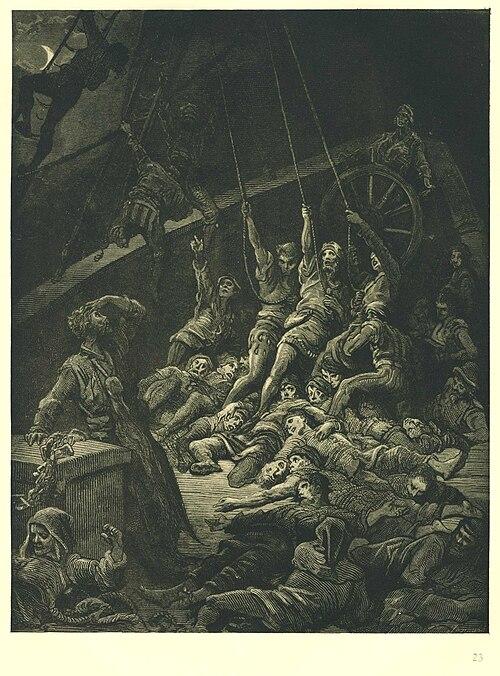
Part V: The Dead Crew Rise
1876 · The Rime of the Ancient Mariner (1876)
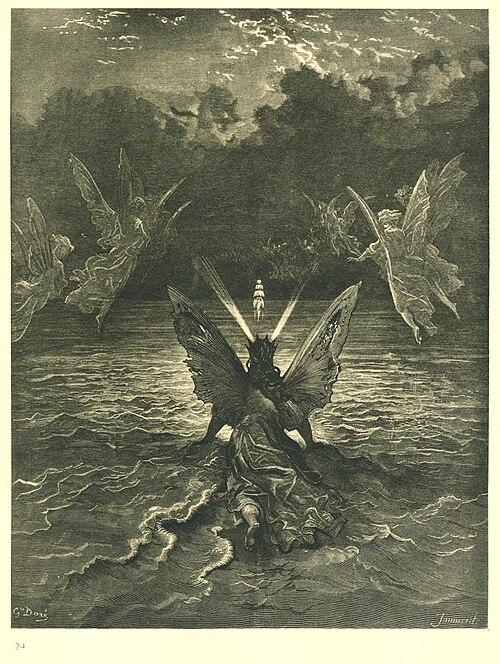
Part V: The Spirit Drives the Ship
1876 · The Rime of the Ancient Mariner (1876)
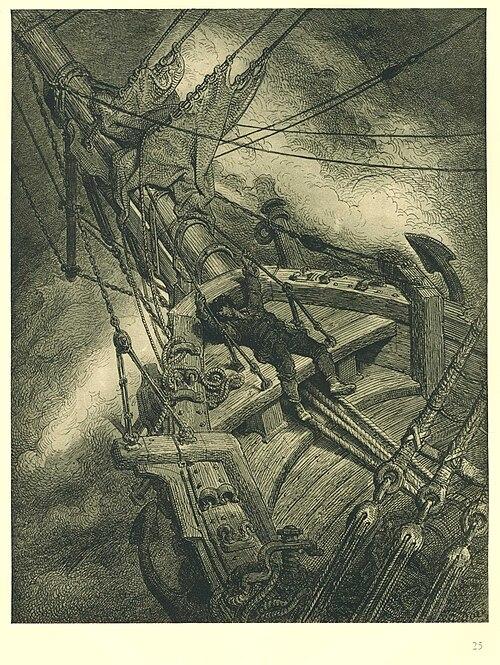
Part V: The Mariner Falls in a Swound
1876 · The Rime of the Ancient Mariner (1876)
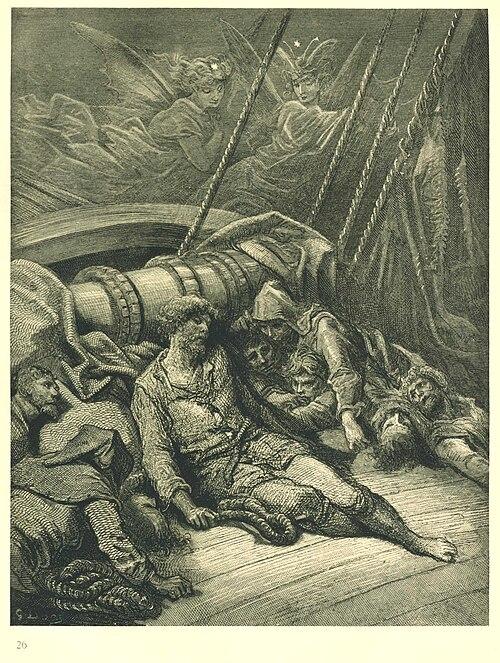
Part V: Two Voices in the Air
1876 · The Rime of the Ancient Mariner (1876)
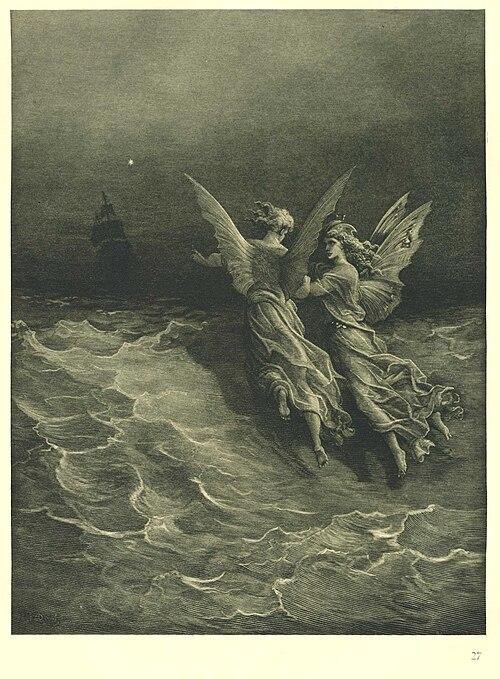
Part VI: The Ship Drives On without Wave or Wind
1876 · The Rime of the Ancient Mariner (1876)
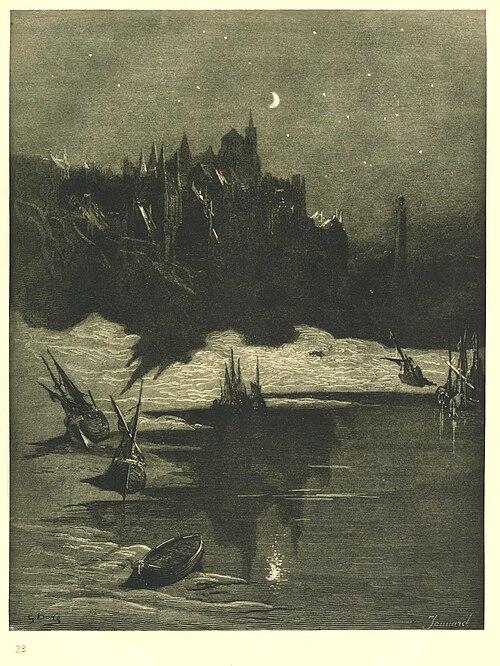
Part VI: The Harbour Bay in Moonlight
1876 · The Rime of the Ancient Mariner (1876)
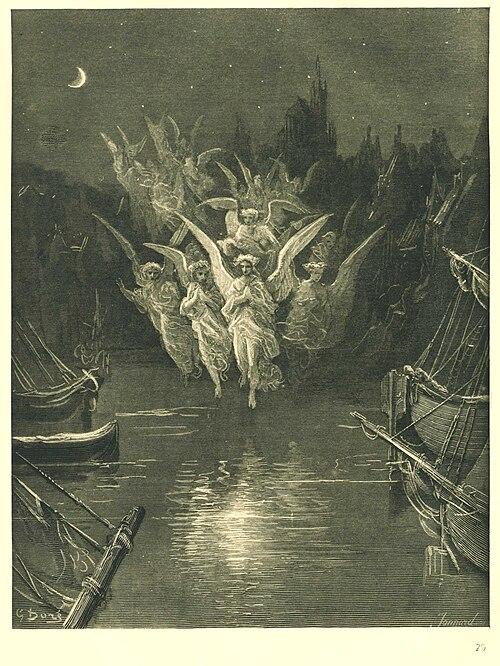
Part VI: Shapes Rise from the Bay
1876 · The Rime of the Ancient Mariner (1876)
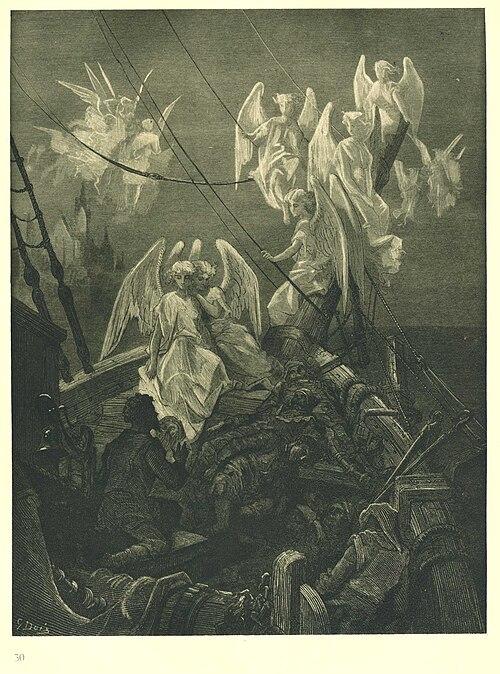
Part VI: The Seraph-Band
1876 · The Rime of the Ancient Mariner (1876)
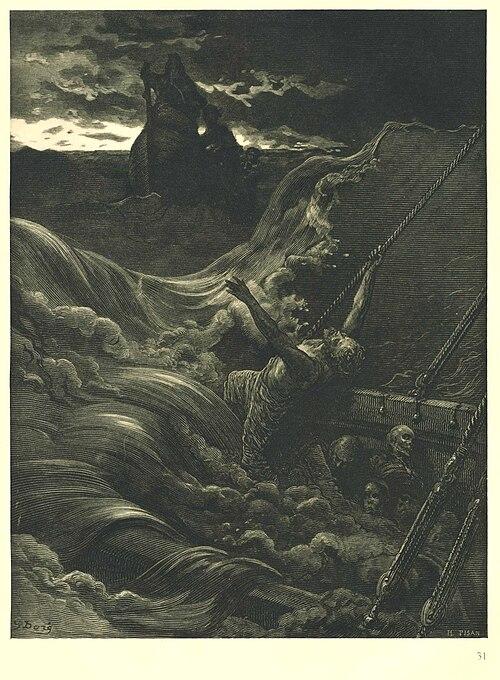
Part VII: The Ship Goes Down like Lead
1876 · The Rime of the Ancient Mariner (1876)
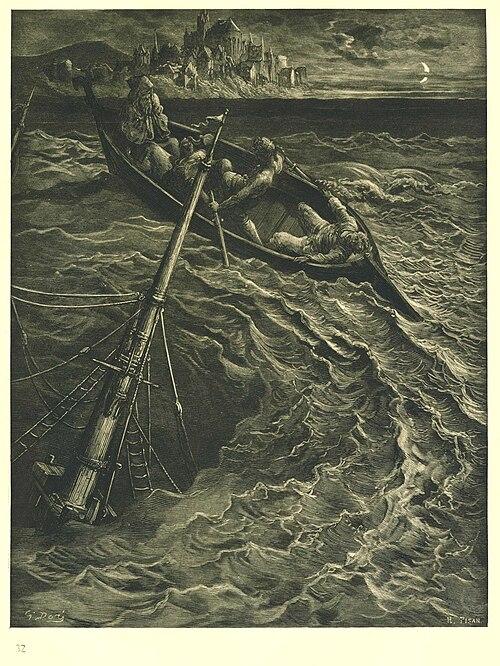
Part VII: The Boat Spins on the Whirl
1876 · The Rime of the Ancient Mariner (1876)
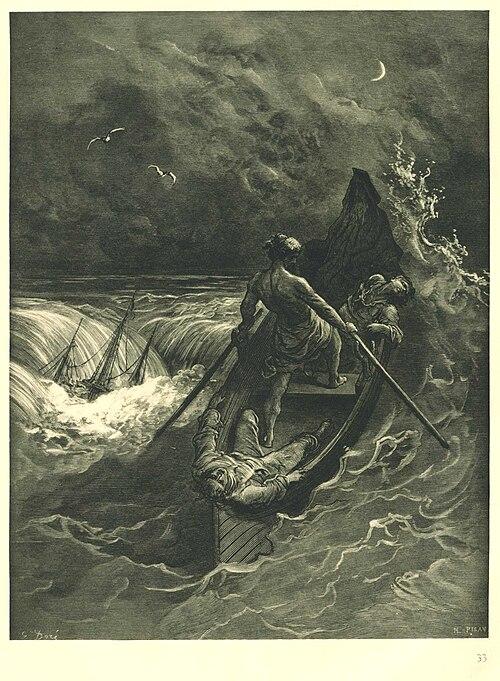
Part VII: The Pilot Shrieks
1876 · The Rime of the Ancient Mariner (1876)
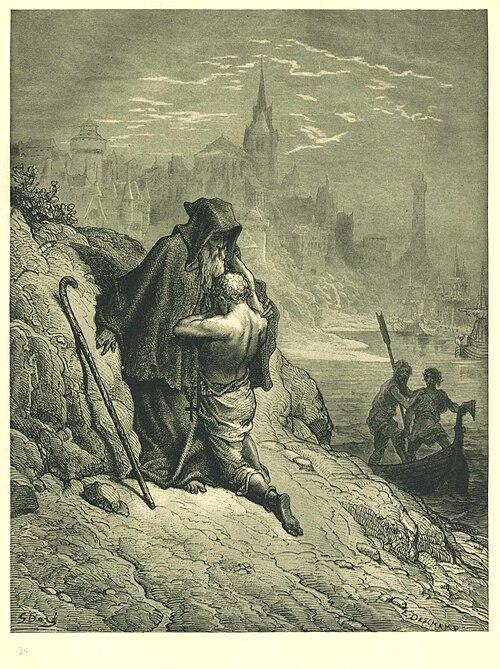
Part VII: The Mariner Begs the Hermit to Shrieve Him
1876 · The Rime of the Ancient Mariner (1876)
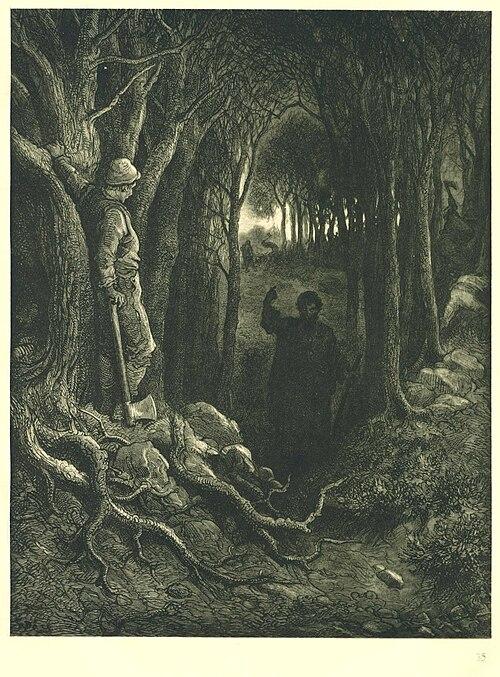
Part VII: Like Night, from Land to Land
1876 · The Rime of the Ancient Mariner (1876)
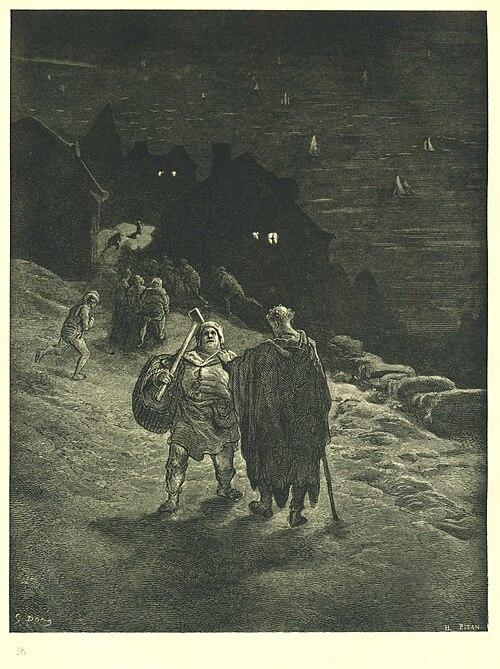
Part VII: The Man Who Must Hear the Tale
1876 · The Rime of the Ancient Mariner (1876)
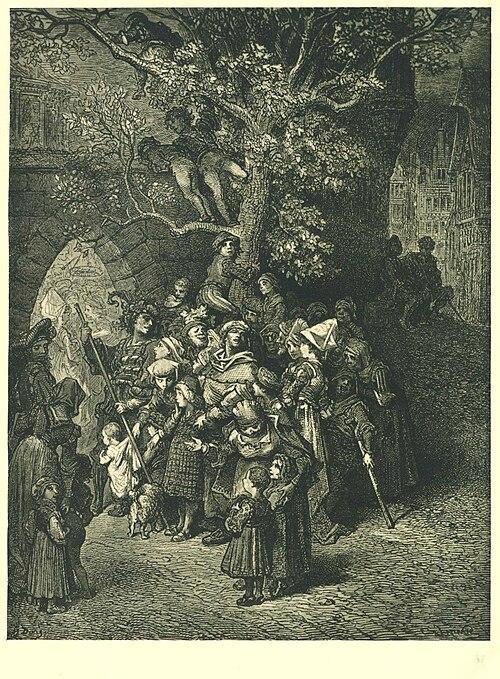
Part VII: The Bride and Bride-Maids Singing
1876 · The Rime of the Ancient Mariner (1876)
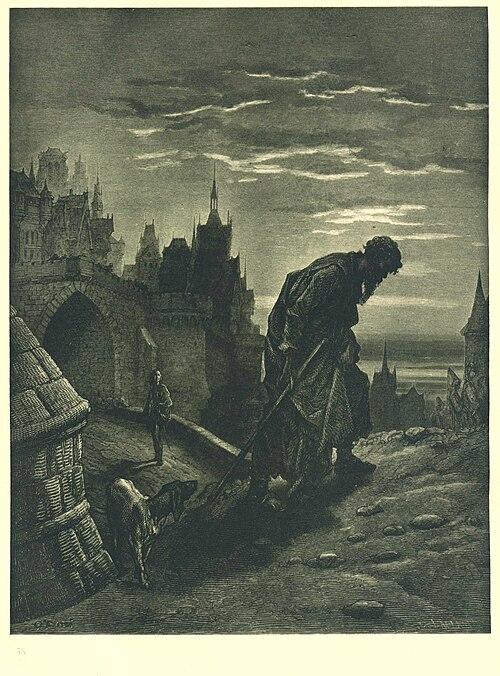
Part VII: The Mariner Departs
1876 · The Rime of the Ancient Mariner (1876)
How the book came about
By the 1870s Doré had a second home market in Britain. The Doré Gallery on New Bond Street showed his paintings in London from the late 1860s, and he spent part of each year in the city working on London: A Pilgrimage (1872) with the journalist Blanchard Jerrold. Coleridge's Rime, first published in Lyrical Ballads in 1798, was a natural subject: a British classic, set at sea, full of visions and weather.
Unusually for him, Doré made the designs before the publishing arrangements were settled, and he put a great deal of time and money into the large blocks. The book was published under the name of his own London gallery together with the firm of Hamilton, Adams & Co., which gave him unusual control over the result. The early printings are on heavy white paper at a very large size, and students of the book argue that only these early printings, overseen by Doré himself, do the designs justice; by the third American edition of 1884, smaller pages and duller paper had weakened the contrast the plates depend on.
Coleridge's poem
Coleridge wrote the Rime in 1797–98, and it opened Lyrical Ballads (1798), the joint collection with William Wordsworth that is often taken as the starting point of English Romanticism. For the 1817 edition in Sibylline Leaves he added a prose gloss in the margins, written in the voice of an antiquarian scholar, which explains the action stanza by stanza. Doré's plates move through the poem episode by episode, each facing the stanza it illustrates, so the book can be read almost as a sequence of pictures with the verse as captions. Like the gloss, the plates slow the poem down, holding on moments that Coleridge passes in a line or two: the fog, the ice, the long calm, the moonlit sea.
How the plates were made
As always, Doré drew directly on the woodblocks and handed them to professional engravers. The Mariner plates carry the signatures of many of the best cutters of his career, including Héliodore Pisan, Adolphe Gusman, the Pannemaker workshop, Paul Jonnard, Charles Laplante, Désiré Quesnel, Deschamps and Bellenger. The size of the blocks allowed them extraordinarily fine work: skies and seas are built from thousands of parallel lines, and moonlight on water is rendered by cutting the lines away to leave white.
This is the most painterly of Doré's books. Many plates are almost pure landscape, with the ship or the mariner a small dark shape inside a great field of tone.
A walk through the plates
The poem opens at a wedding, where the old mariner stops a guest and begins his story. The ship sails south into the polar sea, and Coleridge's lines The ice was here, the ice was there, / The ice was all around become The Ship in the Ice, one of Doré's most admired seascapes: the small ship hemmed in by towering cliffs of ice, its masts dwarfed by the floes.
Out of the fog comes the albatross, the bird the sailors greet as a good omen, and which the mariner kills with his crossbow. The Albatross shows the turning point of the poem and its central symbol. When the ship is becalmed and the crew begins to die of thirst, the sailors hang the dead bird around his neck: Instead of the cross, the Albatross / About my neck was hung.
The most terrifying plates come in Part III. A skeleton ship appears on the horizon, and aboard it two figures cast dice for the crew. In Death and Life-in-Death Doré stages the game Coleridge describes: Death wins the sailors, who drop dead one by one, and Life-in-Death, The Night-mare Life-in-Death was she, wins the mariner, condemned to live on alone. It is one of Doré's great images of death, and it rhymes with the skeletal rider of his Death on the Pale Horse from the Bible.
The later plates follow the mariner through his penance: the water snakes he blesses unaware, the spirits that drive the ship home, the dead crew rising to work the ropes, and at last the hermit's boat and the return to land, where the mariner is doomed to retell his story.
Reception and afterlife
Contemporary reviewers compared Doré's plates with earlier illustrations by the Scottish artists David Scott and Sir Joseph Noel Paton; a critic in Notes and Queries in 1876 wrote that the new series gave the poem fresh attraction, though some readers still preferred Paton's outline drawings. Over time Doré's version eclipsed them. The book was reissued in Paris and Leipzig in 1877, and later in Milan and St. Petersburg, and the plates have been reprinted constantly since, notably in Dover's inexpensive edition.
The designs also reached writers. H. P. Lovecraft drew on Doré's Mariner plates, and their polar seas and spectral ships belong to the same imaginative world as his fiction. Their fog-bound seascapes have remained a reference point for illustrators of the sea and the supernatural.
Where to see the original edition
Copies of the 1876 London folio and the Harper edition are held by many research libraries and rare-book collections, among them the University of Adelaide and Saint Louis University's special collections. Single impressions are in museum print rooms, and complete scans are on the Internet Archive and Wikimedia Commons.
For Doré's other books, see The Raven, Doré's Inferno, Paradise Lost and the Doré Bible; for the artist, see Gustave Doré; and browse every plate in the complete catalogue.
Questions & answers
How many illustrations did Doré make for The Rime of the Ancient Mariner?
The 1876 London edition has 39 full-page wood engravings by Doré, counting the frontispiece, plus a few small vignettes. Some booksellers describe it as 38 plates and a frontispiece; both counts refer to the same set.
When was Doré's Ancient Mariner published?
It was first published in London in 1876 by the Doré Gallery and Hamilton, Adams & Co., as a very large elephant folio. Harper & Brothers issued the American edition in New York in December 1876, with 1877 on the title page, and Paris and Leipzig editions followed in 1877.
Who engraved Doré's Ancient Mariner illustrations?
Doré drew the designs on the woodblocks and professional engravers cut them. Signatures in the set include Héliodore Pisan, Adolphe Gusman, the Pannemaker workshop, Paul Jonnard, Charles Laplante and Désiré Quesnel.
Are Doré's Ancient Mariner illustrations public domain?
Yes. The engravings were published in 1876 and Doré died in 1883, so the images are in the public domain. Faithful scans of the original plates, such as those on Wikimedia Commons and the Internet Archive, can generally be reused freely.
Which edition of Doré's Ancient Mariner is best?
Collectors prefer the 1876 London folio and the first Harper printing, which Doré oversaw and which are printed large on white paper. Later editions are smaller and duller. For study, Dover's paperback reprints all the plates, and full scans of the first edition are online.
Related guides
- Death in Art: Famous Paintings of Death and Mourning
Skeletons, deathbeds, martyrs and islands of the dead: how artists have looked at the one subject no one escapes.