Image: Scan by a Wikimedia Commons contributor (self-scanned reproduction); in situ in the Contarelli Chapel, San Luigi dei Francesi, Rome · Public domain · via Wikimedia Commons
Baroque
The Calling of Saint Matthew
Caravaggio, 1599–1600
The Calling of Saint Matthew is a painting by Caravaggio, made in 1599–1600 for the Contarelli Chapel in San Luigi dei Francesi, Rome, where it still hangs. Christ points at the tax collector Matthew as a beam of light crosses the room.
- Artist
- Caravaggio
- Date
- 1599–1600
- Medium
- Oil on canvas
- Dimensions
- 322 × 340 cm
- Collection
- Contarelli Chapel, San Luigi dei Francesi, Rome, Italy
- Movement
- Baroque
What you're looking at
A bare, dim room with a single shuttered window high on the back wall. At a table on the left sit five men dressed in the clothes of Caravaggio's Rome: slashed doublets, feathered caps, a sword at one hip. They are counting money. A youth at the far end bends over the coins on the table, not looking up; an old man in spectacles peers down at them beside him. A boy in a feathered cap turns toward the door, and a bearded man in the middle raises his left hand and points, either at himself or at the youth beside him.
At the right, two barefoot figures in plain robes have just come in. The one in front, partly hidden, is Saint Peter. Behind him, almost in shadow, is Christ, his face in profile and lit only along the edge, his right arm stretched out across the room with the hand pointing at the table.
Above Christ's hand a broad beam of light enters from the right and falls diagonally across the wall and onto the faces at the table. It is the real subject of the painting. The canvas is enormous, about 322 by 340 cm, and the figures are life size, so that a viewer standing in the chapel sees the scene at eye level, as if from just inside the door.
What is The Calling of Saint Matthew about?
The subject is from the Gospel of Matthew (9:9): Jesus, passing by, saw a man named Matthew sitting at the tax office and said to him "Follow me," and Matthew got up and followed him. Tax collectors were despised as collaborators and cheats, which is why Caravaggio sets the scene in a gaming den or counting house full of men who would have been at home in the backstreets around the church.
Caravaggio paints the instant before Matthew responds, the moment the call arrives. Everything turns on the gesture of Christ's hand, which reaches across the room the way God's hand reaches toward Adam on the Sistine ceiling. Many scholars read the echo of Michelangelo's Creation of Adam as deliberate: Christ, the "second Adam" of Saint Paul's letters, calls a sinner to new life just as God called the first man into being.
Which figure is Matthew?
This is the picture's famous puzzle. The traditional reading, argued by the art historian Irving Lavin and still the consensus, identifies Matthew as the bearded man in the center, pointing to his own chest as if to say "Me?" A minority view, proposed among others by Angela Hass, makes Matthew the young man at the end of the table, still hunched over his money, with the bearded man pointing at him. The painting supports both readings, and the ambiguity is part of its power: the call reaches the whole table, and the viewer is left to wonder who will answer.
The commission
The painting hangs in the Contarelli Chapel of San Luigi dei Francesi, the church of the French community in Rome. The chapel was endowed by the French cardinal Matthieu Cointrel (Contarelli in Italian), who died in 1585 and left funds and instructions for scenes from the life of his name saint. Work stalled for years. In July 1599 Caravaggio, then known mainly for smaller pictures painted for private collectors such as his patron Cardinal Francesco Maria del Monte, was contracted for two large side paintings: this one and The Martyrdom of Saint Matthew opposite. He was paid in July 1600.
They were his first public commission, and they made his reputation almost overnight. Technical studies show he reworked both canvases heavily; in The Calling, Saint Peter appears to have been added at a late stage. In 1602 he painted the altarpiece between them, The Inspiration of Saint Matthew.
Light and legacy
The painting is one of the founding works of the Baroque. Its tenebrism, strong light against deep darkness, its ordinary models and its contemporary dress turned the Gospel into something happening now, in the next street. Painters across Europe absorbed it, from the Utrecht Caravaggisti to Velázquez, and the scene of figures at a table caught by a raking light became one of the most imitated compositions in seventeenth-century art. For more of Caravaggio's religious pictures, see Caravaggio paintings; The Conversion of Saint Paul shows the same idea of a sudden call, this time as a fall from a horse, and Supper at Emmaus another moment of recognition at a table.
The picture still speaks to modern viewers in a direct way. Pope Francis said that before his election, on visits to Rome, he often went into San Luigi to contemplate it, and that he recognized himself in Matthew holding on to his money.
Where to see The Calling of Saint Matthew today
The painting is still in the place it was made for, on the left wall of the Contarelli Chapel in San Luigi dei Francesi, near Piazza Navona in Rome. The chapel is at the end of the left aisle, close to the high altar, and the three Matthew canvases can be seen together from its entrance. Entry to the church is free.
Questions & answers
Where is The Calling of Saint Matthew?
It is still in the church it was painted for: the Contarelli Chapel of San Luigi dei Francesi, near Piazza Navona in Rome. It hangs on the left wall of the chapel, opposite The Martyrdom of Saint Matthew, with The Inspiration of Saint Matthew on the altar between them. Entry to the church is free.
Which figure is Matthew in Caravaggio's painting?
Most scholars, following Irving Lavin, identify Matthew as the bearded man in the center, pointing to himself. A minority view holds that Matthew is the young man at the end of the table, still counting coins, and that the bearded man points at him. The painting allows both readings.
What is the meaning of The Calling of Saint Matthew?
It shows the moment in Matthew 9:9 when Christ calls the tax collector Matthew to follow him. The beam of light and Christ's outstretched hand, which echoes Michelangelo's Creation of Adam, stand for grace entering a worldly room and calling a sinner to a new life.
When did Caravaggio paint The Calling of Saint Matthew?
He was contracted in July 1599 and paid in July 1600. It was his first public commission, together with The Martyrdom of Saint Matthew, and it made him the most talked-about painter in Rome.
Why is the light so important in The Calling of Saint Matthew?
The beam entering from the right above Christ's hand is the painting's real action: it picks out the faces at the table and makes the call visible. This dramatic contrast of light and dark, called tenebrism, became a hallmark of Caravaggio and the Baroque.
More by the artist
Caravaggio
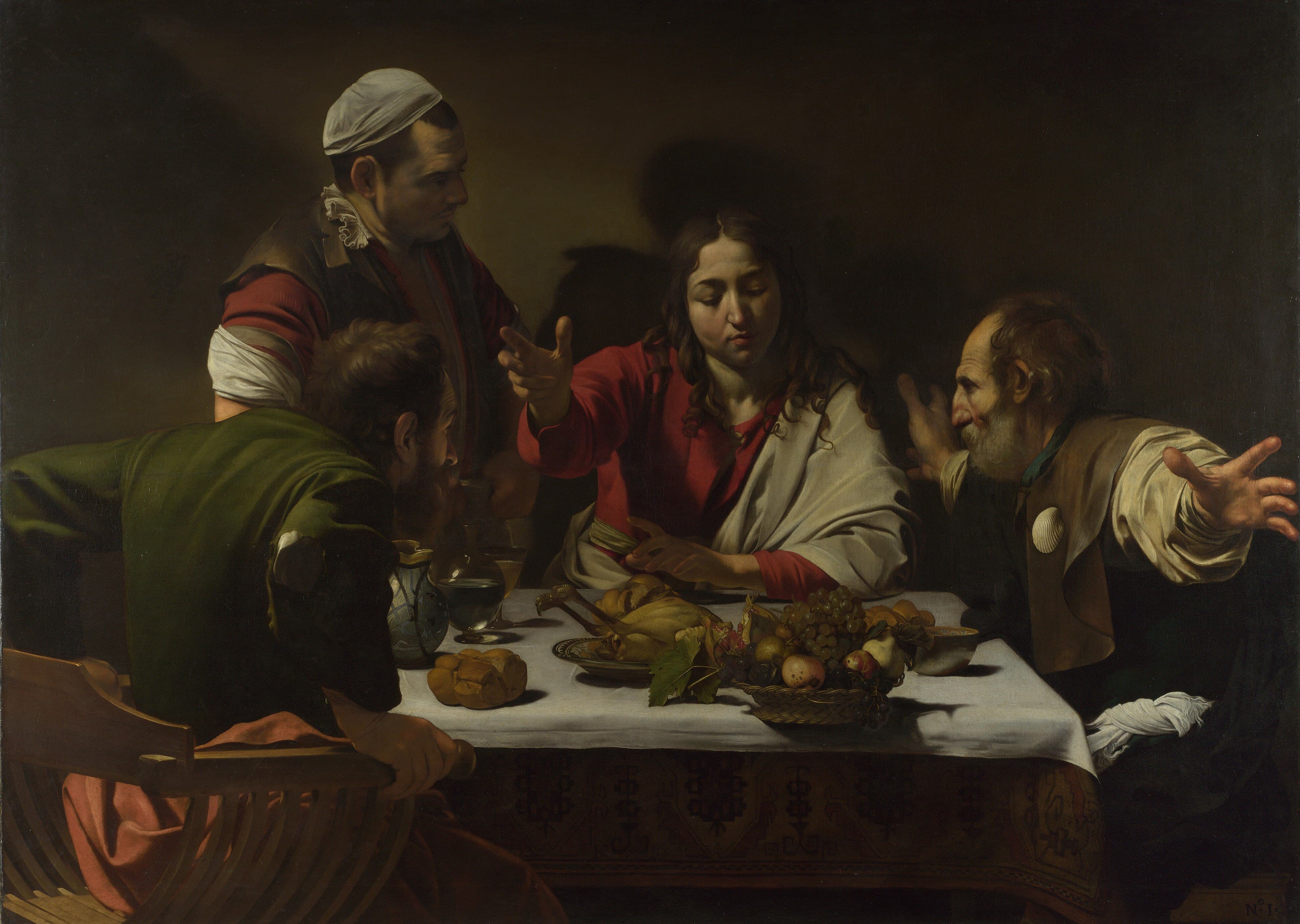
Supper at Emmaus
Caravaggio · 1601
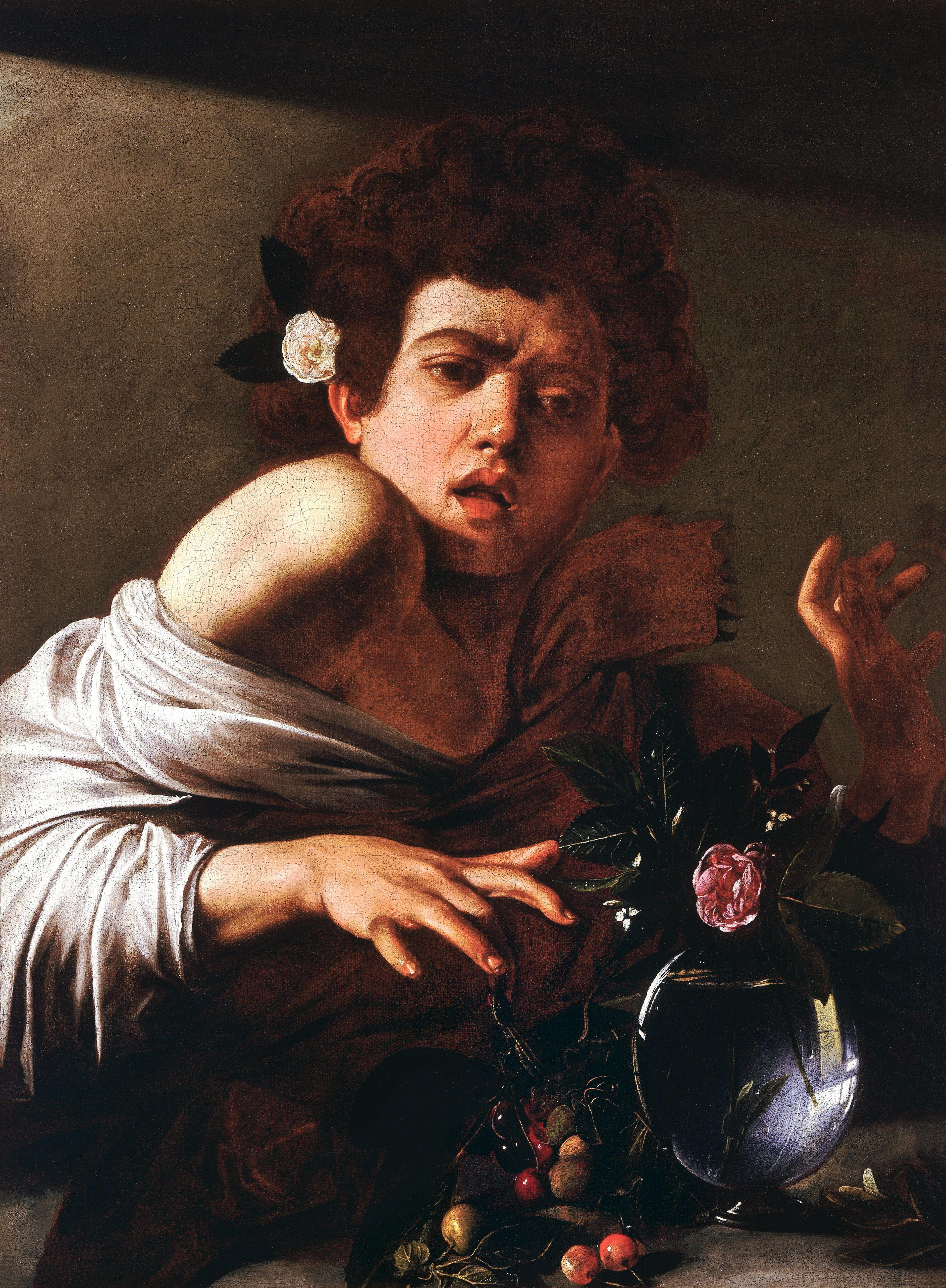
Boy Bitten by a Lizard
Caravaggio · c. 1594–95
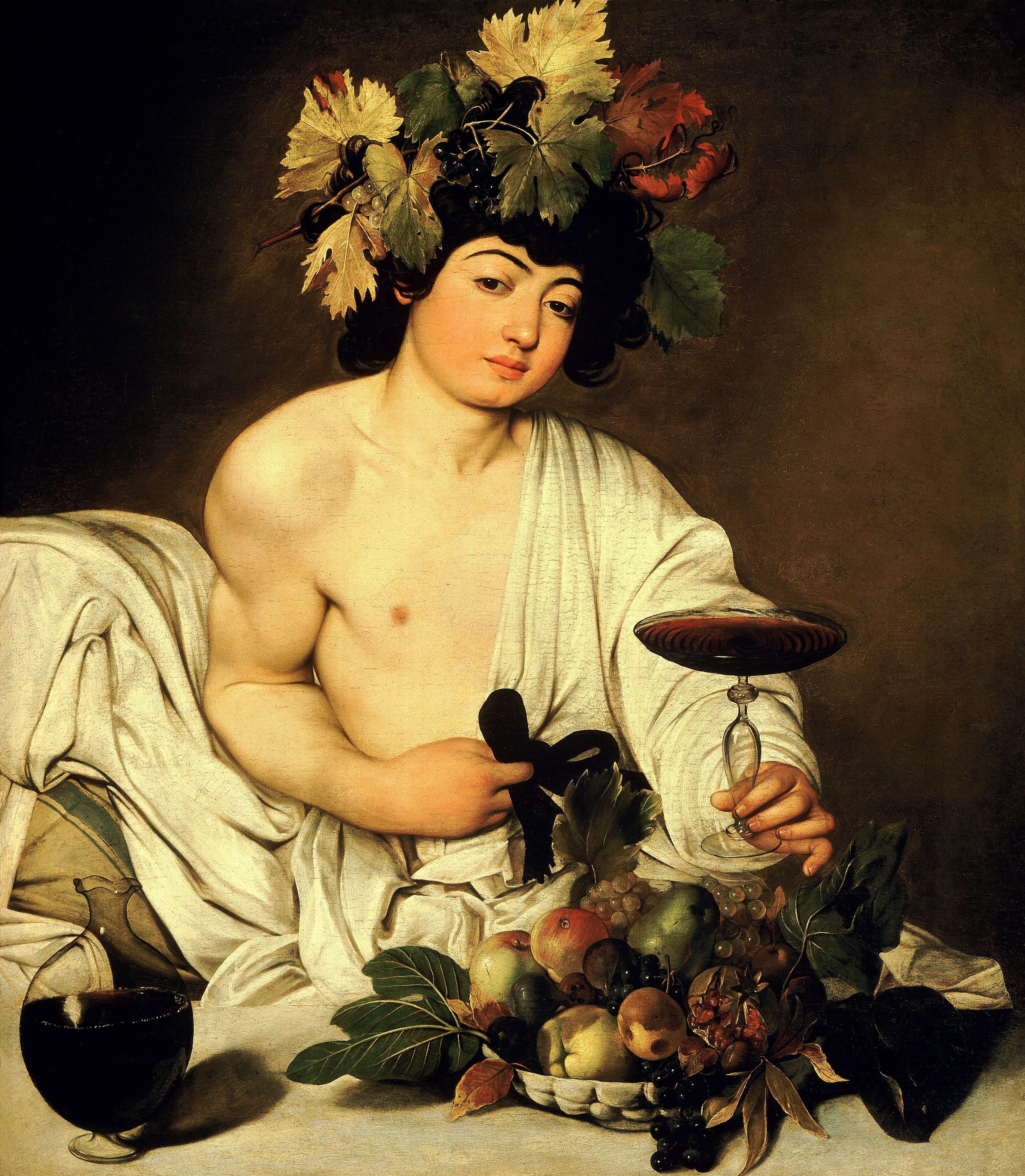
Bacchus
Caravaggio · c. 1596–98
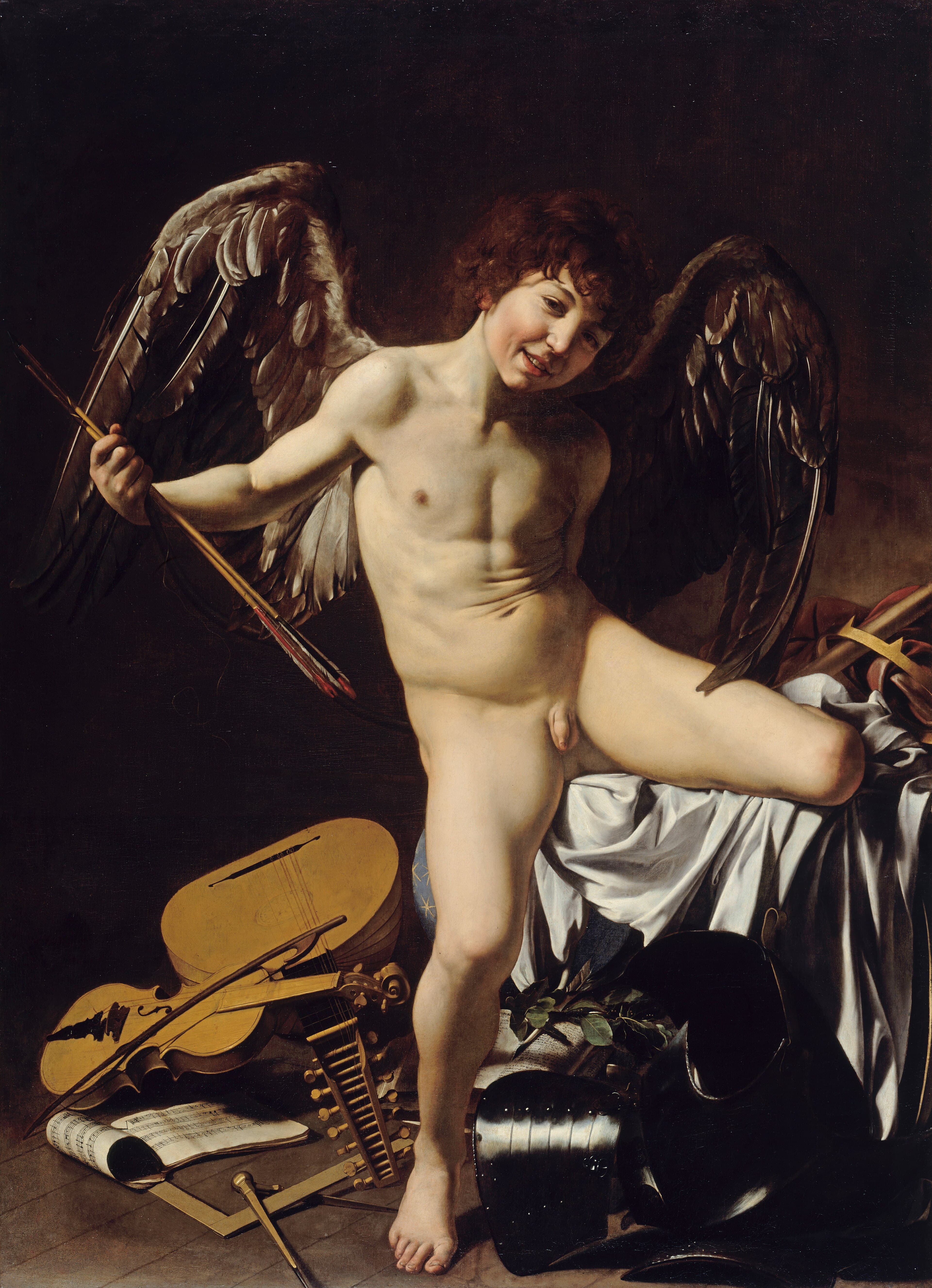
Amor Vincit Omnia
Caravaggio · 1601–02
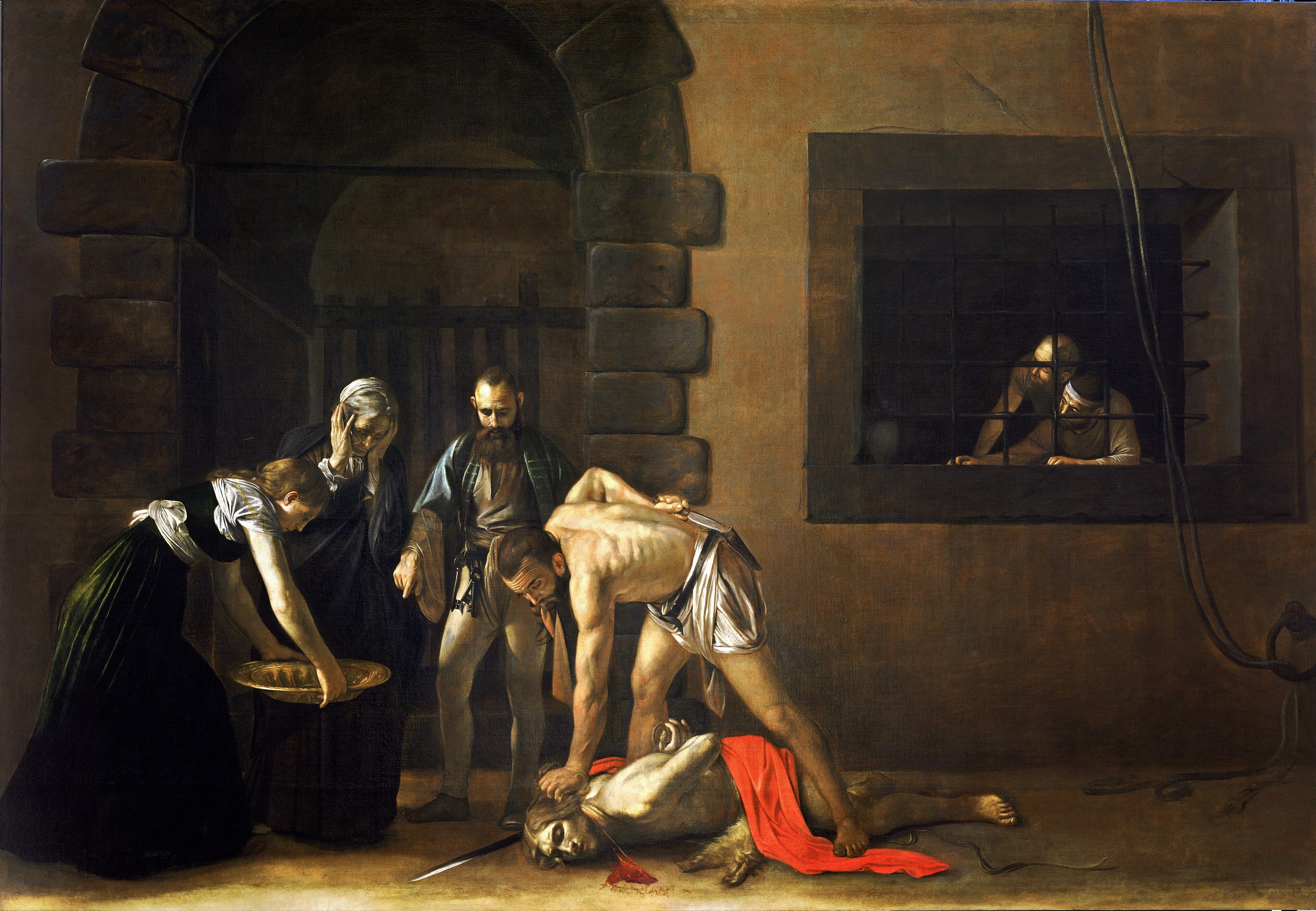
The Beheading of Saint John the Baptist
Caravaggio · 1608
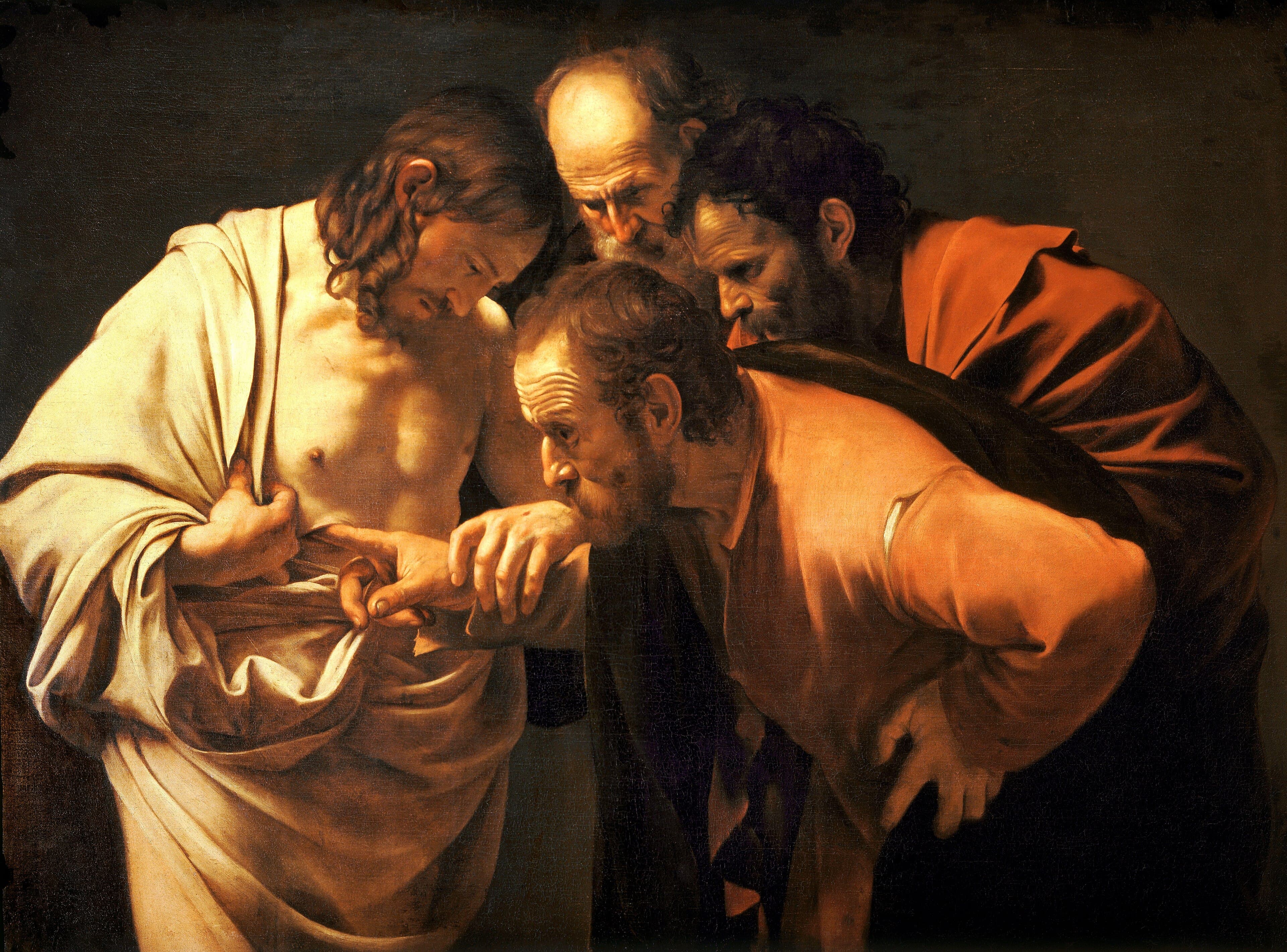
The Incredulity of Saint Thomas
Caravaggio · c. 1601–02
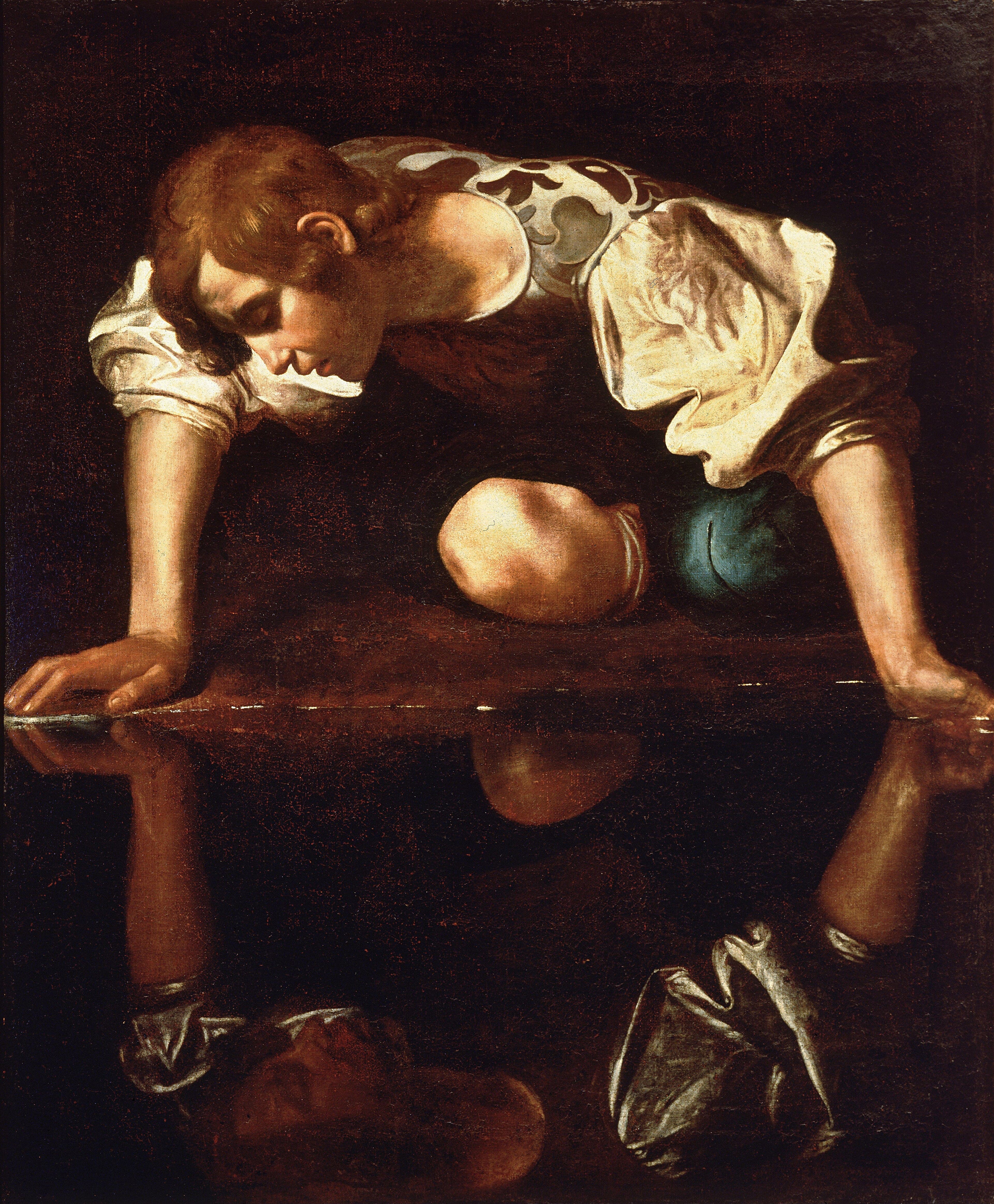
Narcissus
Caravaggio · c. 1597–99
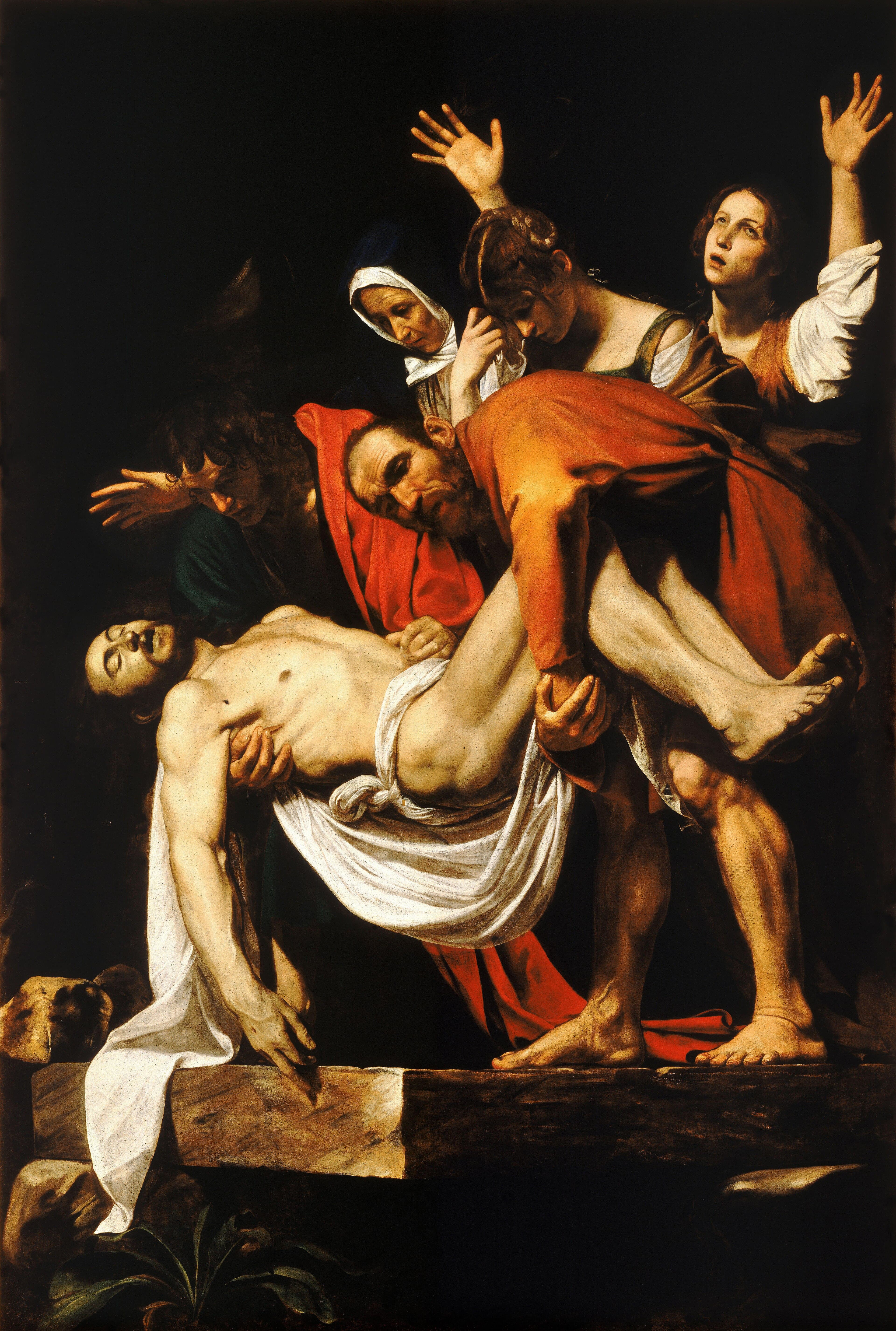
The Entombment of Christ
Caravaggio · 1603–04
Also painted in 1599
The same year
Kindred works
You may also study
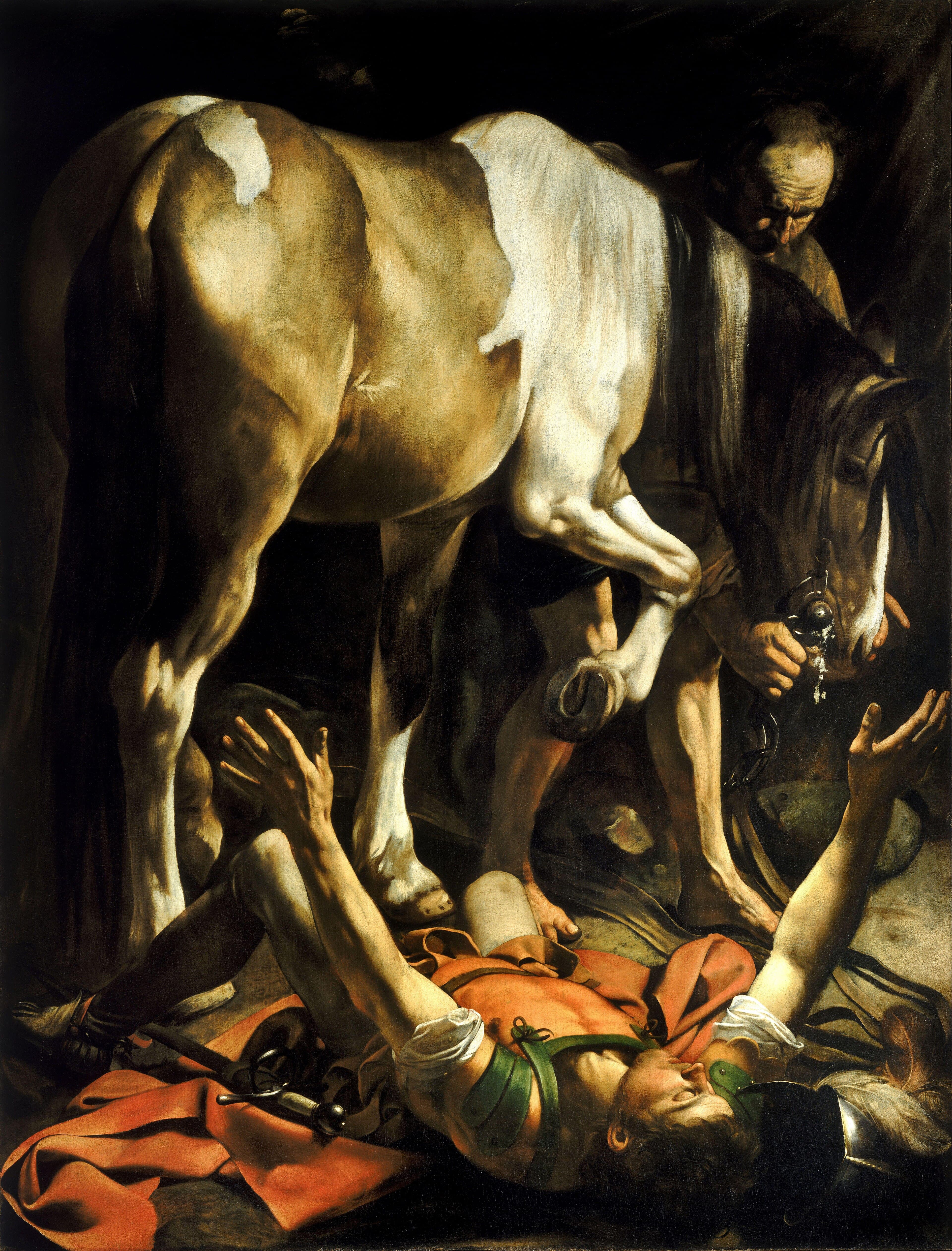
The Conversion of Saint Paul
Caravaggio · 1600–01
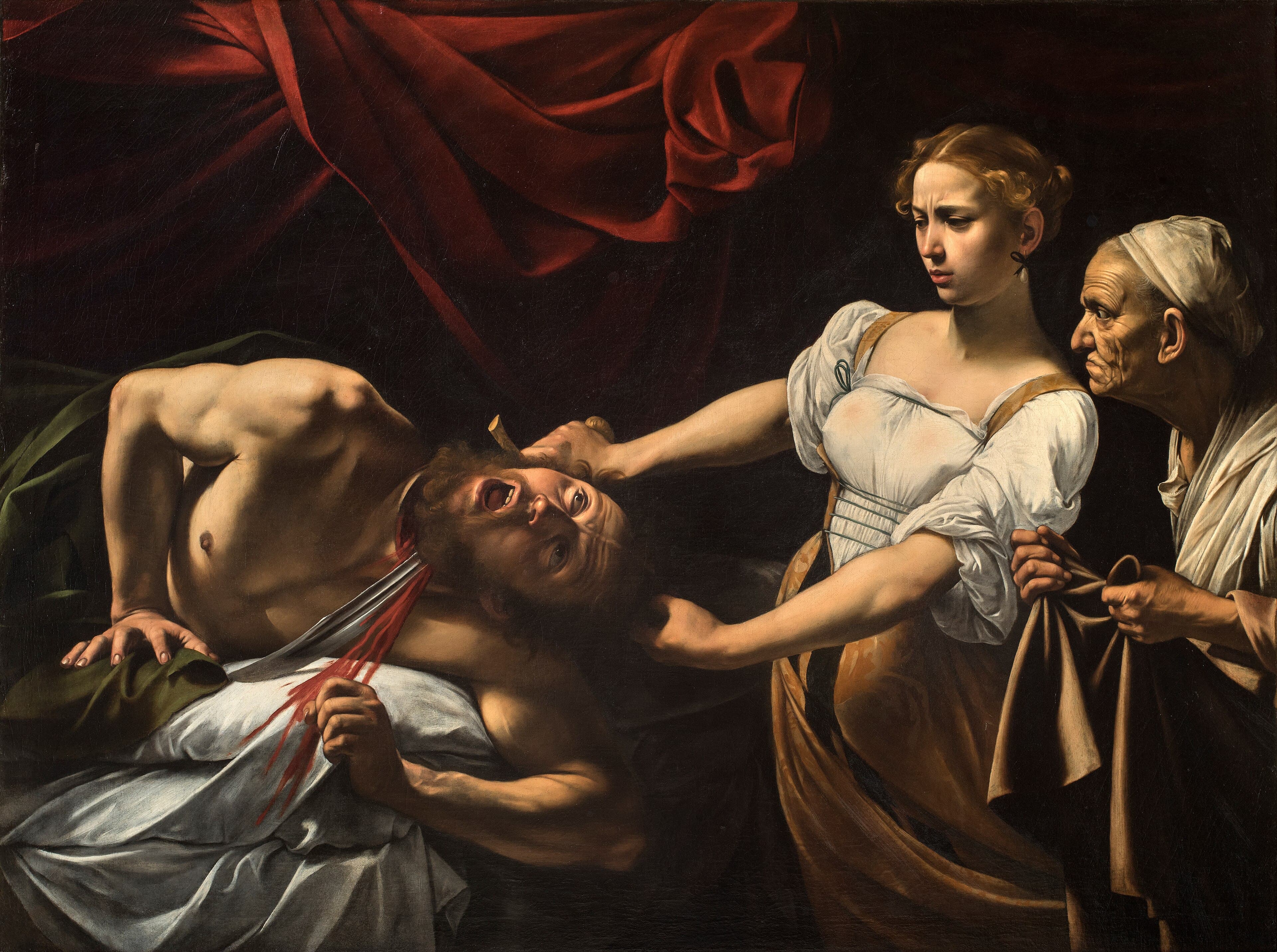
Judith Beheading Holofernes
Caravaggio · c. 1598–1599

Bridge over a Pond of Water Lilies
Claude Monet · 1899

Venus de Milo
Alexandros of Antioch · c. 150–125 BC

The Scream
Edvard Munch · 1893
The Thinker
Auguste Rodin · Modeled 1880–82; enlarged 1902–03; this cast 1904

Saturn Devouring His Son
Francisco Goya · c. 1819–1823
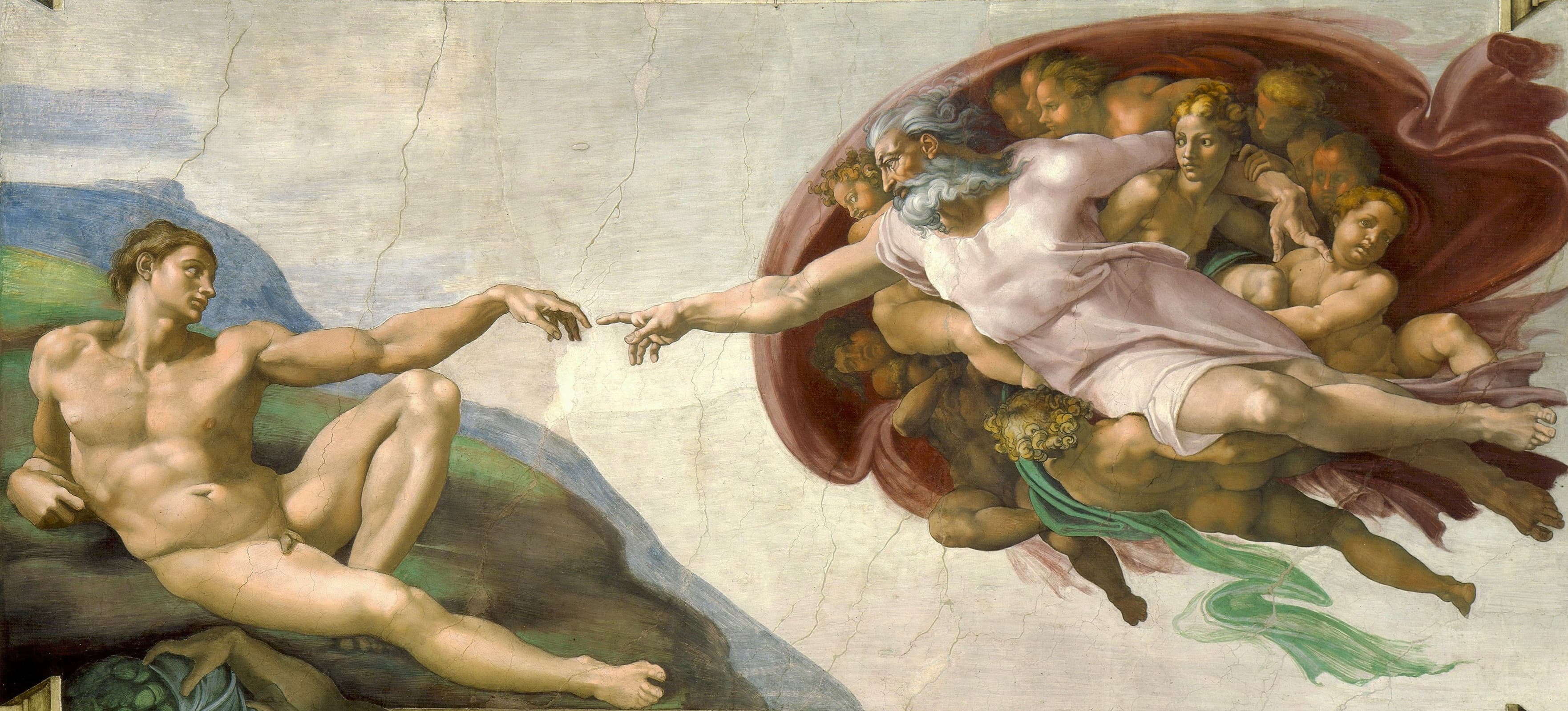
The Creation of Adam
Michelangelo · c. 1511–12