Image: Galleria Nazionale d'Arte Antica (Palazzo Barberini), Rome · Public domain · via Wikimedia Commons
Baroque
Judith Beheading Holofernes
Caravaggio, c. 1598–1599
Judith Beheading Holofernes is a painting by Caravaggio, made around 1598–1599, showing the biblical widow Judith cutting off the general's head as her maid waits. It hangs in the Galleria Nazionale d'Arte Antica, Rome.
- Artist
- Caravaggio
- Date
- c. 1598–1599
- Medium
- Oil on canvas
- Dimensions
- 145 × 195 cm
- Collection
- Galleria Nazionale d'Arte Antica, Palazzo Barberini, Rome, Italy
- Movement
- Baroque
What you're looking at
A man lies on his side on a bed at the left, naked to the waist, his body twisted and his head thrown back. His mouth is open in a scream and his eyes roll upward. Blood spurts from his neck in thin red jets onto the white sheet. Caravaggio paints the jets as almost straight lines, graphic and unnatural, so that they read at once even from across a room.
A young woman in a white blouse and brown skirt stands over him at the center, gripping his hair with one hand and drawing a sword through his neck with the other. She holds herself at arm's length, leaning back slightly, her brow knotted.
At the right, an old woman with a sunken mouth and a wrinkled neck leans in, gripping a cloth in both hands, ready to take the head. Above them all, a heavy crimson curtain hangs across the top of the canvas like the drapery of a stage. The background is black.
The light comes from the left, raking across Holofernes's torso, Judith's arms and the white of her blouse, and leaving the background in darkness. The canvas is about 145 by 195 cm, with the figures at close to life size, pressed into a shallow strip of space like actors on a narrow stage.
What is the story of Judith Beheading Holofernes?
The subject comes from the Book of Judith in the Old Testament of the Catholic Bible. The Assyrian general Holofernes is besieging the Jewish town of Bethulia. Judith, a young widow, goes to his camp with her maid, Abra, wins his confidence and, when he falls into a drunken sleep in his tent, cuts off his head with his own sword. The leaderless army flees.
Earlier painters usually showed Judith after the act, calmly holding the head. Caravaggio chooses the act itself, and the precise moment when the sword is halfway through the neck and Holofernes is still alive. No painter had shown it so directly before.
What does Judith Beheading Holofernes mean?
For Caravaggio's Counter-Reformation audience, Judith was a model of virtue and courage, a woman who saved her people through faith, and a type of the Church triumphing over its enemies. Her chastity mattered: she kills the man who wanted to seduce her. The painting keeps those meanings, but it adds something new by refusing to make the killing heroic or easy.
Judith's expression is the key. She is not triumphant. Her forehead creases, her mouth tightens and she leans away from the spray of blood, as if repelled by what her hands are doing. Abra, by contrast, stares at the dying man with fierce concentration. Between determination and disgust, the youthful beauty and the old servant, the painting holds the moral weight of the act in tension.
Some writers have linked the startling realism to public executions in Rome. In 1599 the young noblewoman Beatrice Cenci was beheaded at the Ponte Sant'Angelo for the murder of her abusive father, before a large crowd. Whether Caravaggio attended is not documented, but the connection is often made.
Commission and model
According to the early biographer Giovanni Baglione, the painting was made for the Genoese banker Ottavio Costa, one of Caravaggio's important early patrons. Its date is debated: most scholars place it around 1598–1599, while a 2017–2018 exhibition in Milan argued for about 1602 on the basis of the underdrawing. The model for Judith was probably Fillide Melandroni, a Roman courtesan who also posed for other paintings by Caravaggio in these years.
X-ray study has shown that Caravaggio adjusted Holofernes's head as he worked, separating it slightly further from the torso to make the cut more convincing.
The painting was little known for centuries. It was rediscovered in 1950 and later entered the Italian national collection, which is why it has become famous only in the last few decades.
Legacy
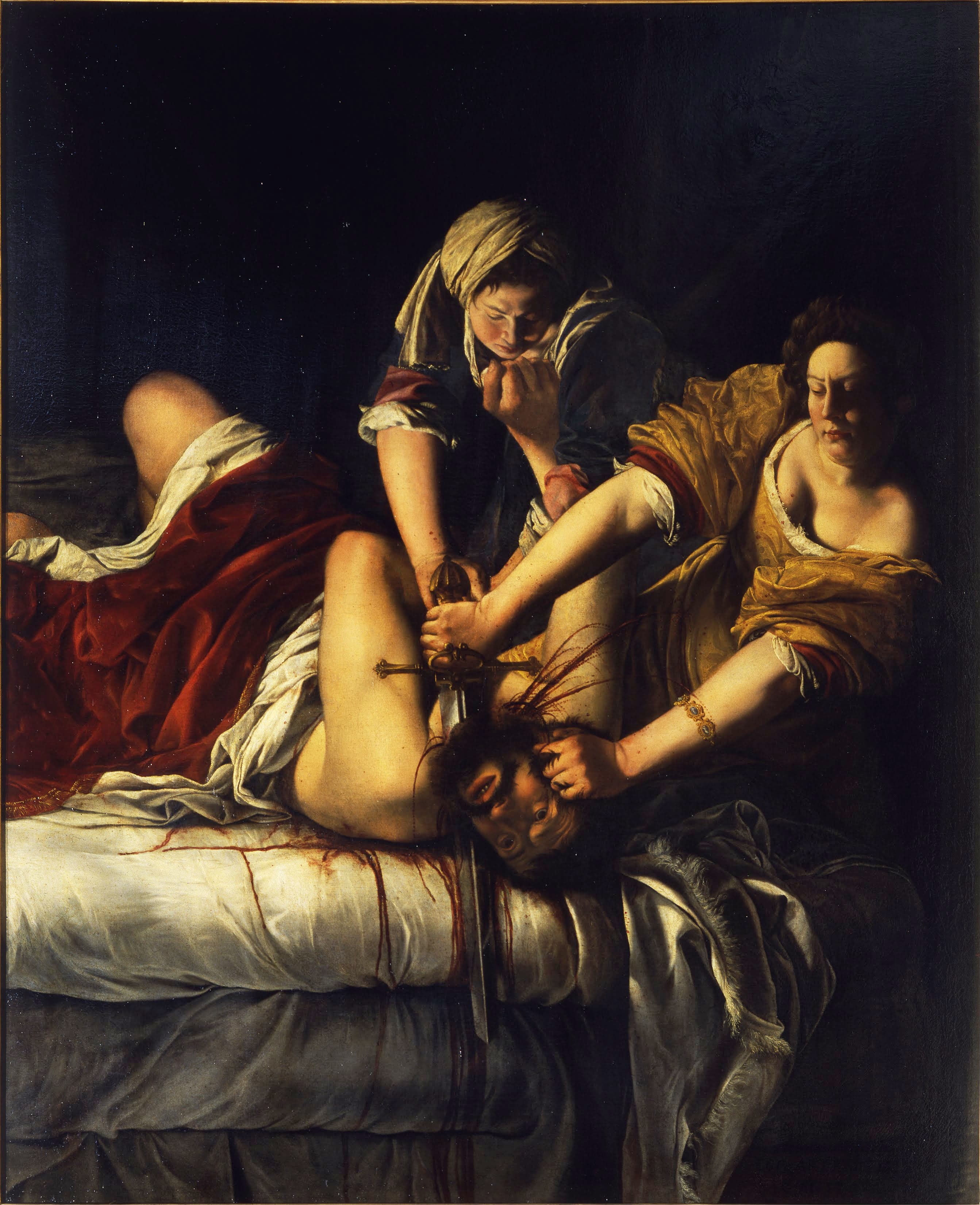
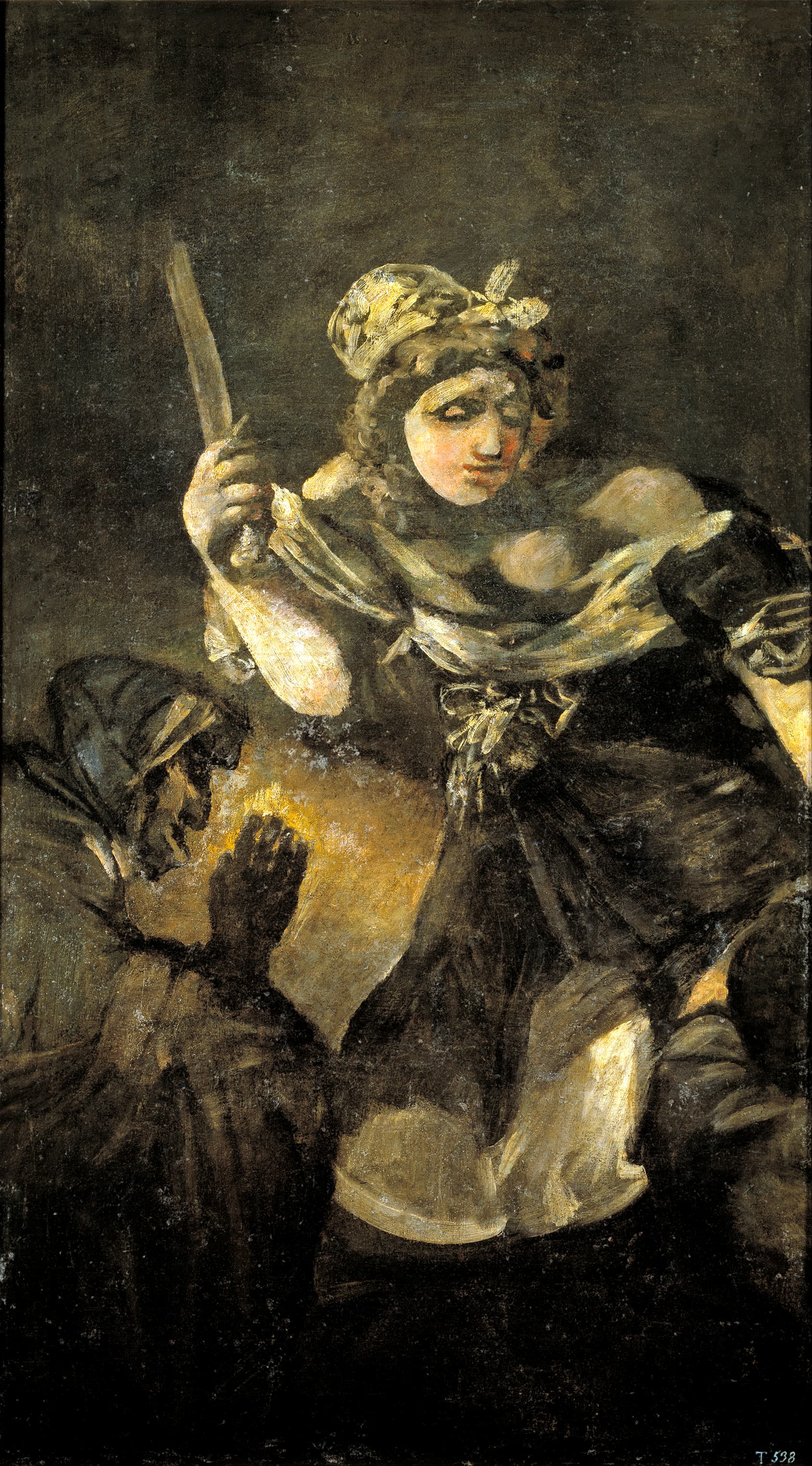
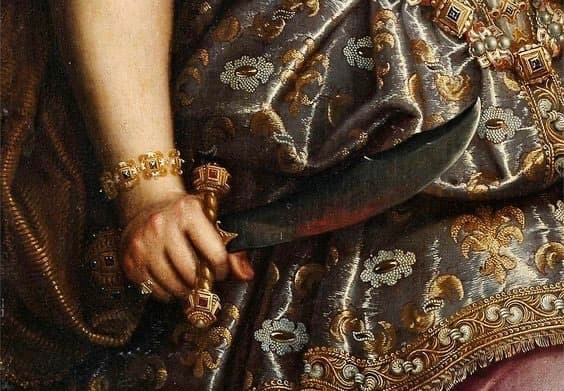
The picture's influence was immediate and long-lasting. Artemisia Gentileschi's Judith Slaying Holofernes takes up the same moment, with a stronger, more physically committed Judith, and is often seen as a direct response. Goya's Judith and Holofernes, painted two centuries later, takes the opposite approach and hides the victim altogether. For a quieter treatment of the aftermath, compare Fede Galizia's Judith with the Head of Holofernes.
A second Judith Beheading Holofernes, discovered in an attic near Toulouse in 2014 and sold privately in 2019, is attributed by some scholars to Caravaggio and by others to his follower Louis Finson. It should not be confused with the Rome painting. For more of the artist's work, see Caravaggio paintings.
Where to see Judith Beheading Holofernes today
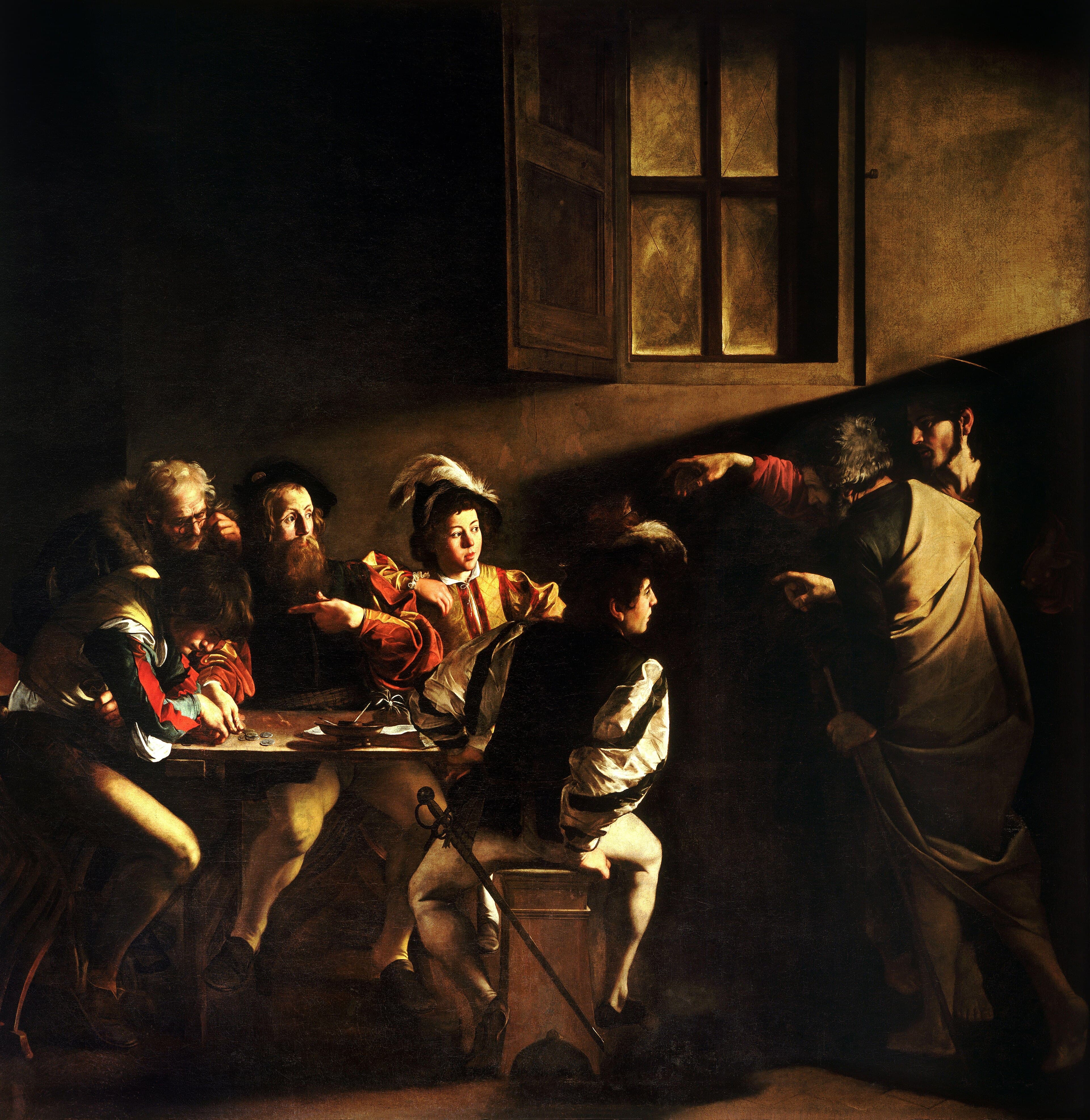
The painting is in the Galleria Nazionale d'Arte Antica in Palazzo Barberini, Rome, where it is one of the museum's most visited works. It is a short walk from the church of San Luigi dei Francesi, which holds The Calling of Saint Matthew.
Questions & answers
Where is Caravaggio's Judith Beheading Holofernes?
It is in the Galleria Nazionale d'Arte Antica in Palazzo Barberini, Rome. The painting was rediscovered in 1950 and later entered the Italian national collection. A second, disputed version found near Toulouse in 2014 is in a private collection.
What is the meaning of Judith Beheading Holofernes?
It illustrates the Book of Judith, in which a widow saves her town by beheading the Assyrian general Holofernes. For Caravaggio's audience Judith stood for virtue and faith overcoming tyranny; Caravaggio adds a new realism, showing her determined but visibly repelled by the act.
Who was the model for Judith in Caravaggio's painting?
She was probably Fillide Melandroni, a Roman courtesan who posed for several of Caravaggio's paintings around 1598–1600. The early biographer Giovanni Baglione says the picture was painted for the banker Ottavio Costa.
When did Caravaggio paint Judith Beheading Holofernes?
Most scholars date it to about 1598–1599, early in Caravaggio's Roman career. A 2017–2018 exhibition in Milan proposed a later date of about 1602, based on the underdrawing.
How is Caravaggio's Judith different from Artemisia Gentileschi's?
Caravaggio's Judith holds herself at arm's length, frowning, with an old maid looking on. Artemisia's Judith Slaying Holofernes shows a stronger Judith and a younger maid physically pinning Holofernes down, making the act a joint, forceful effort.
More by the artist
Caravaggio
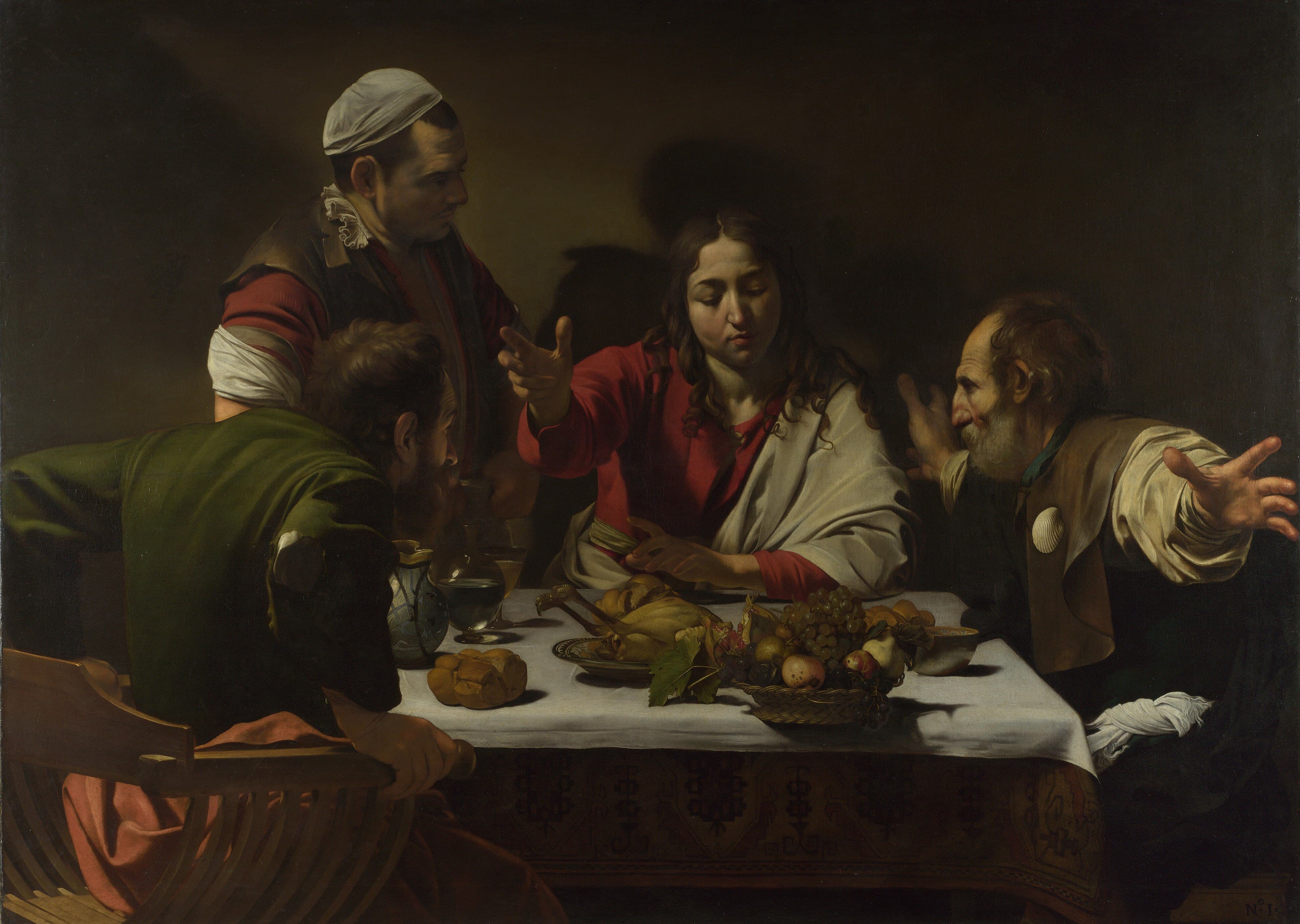
Supper at Emmaus
Caravaggio · 1601
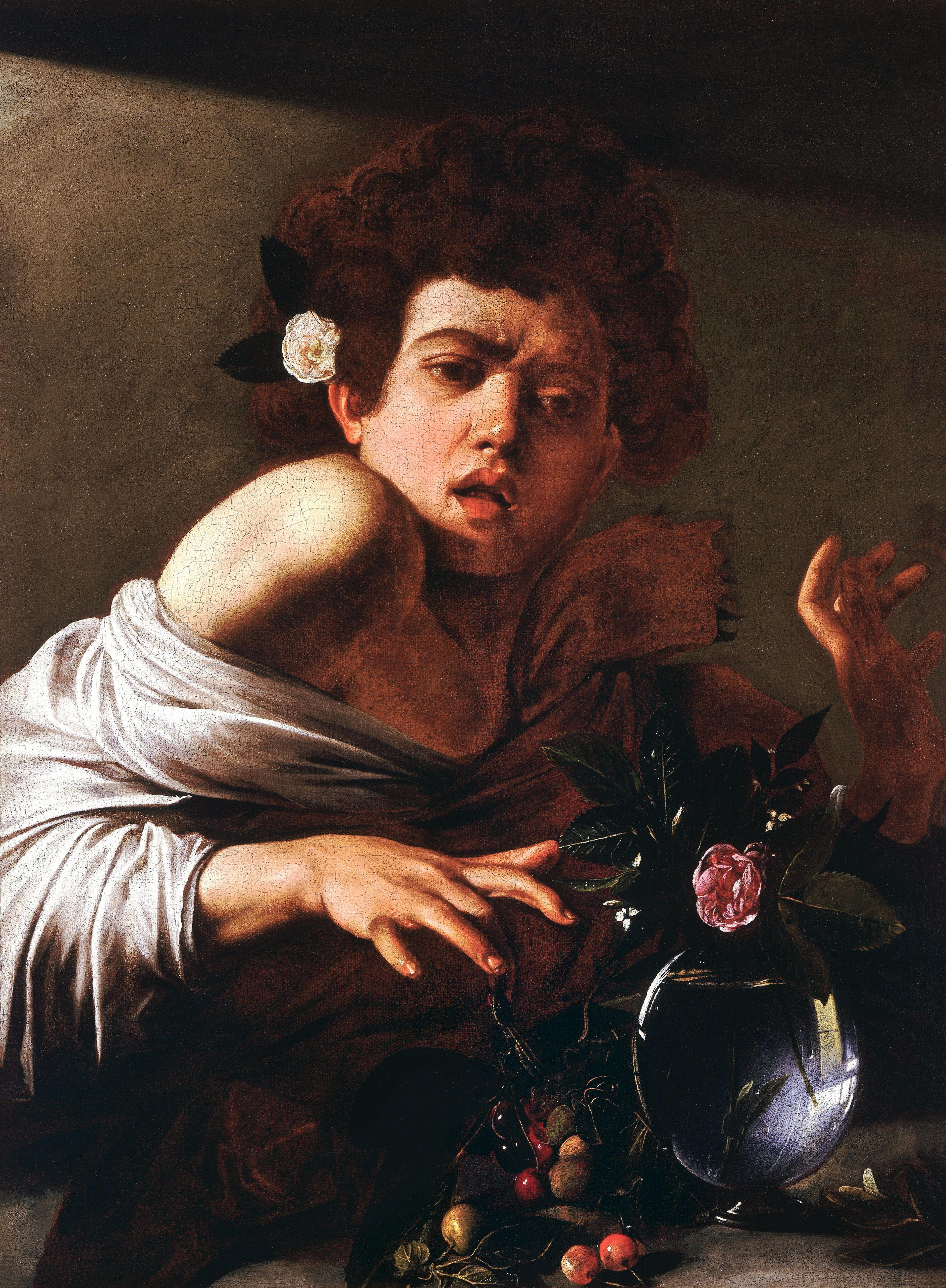
Boy Bitten by a Lizard
Caravaggio · c. 1594–95
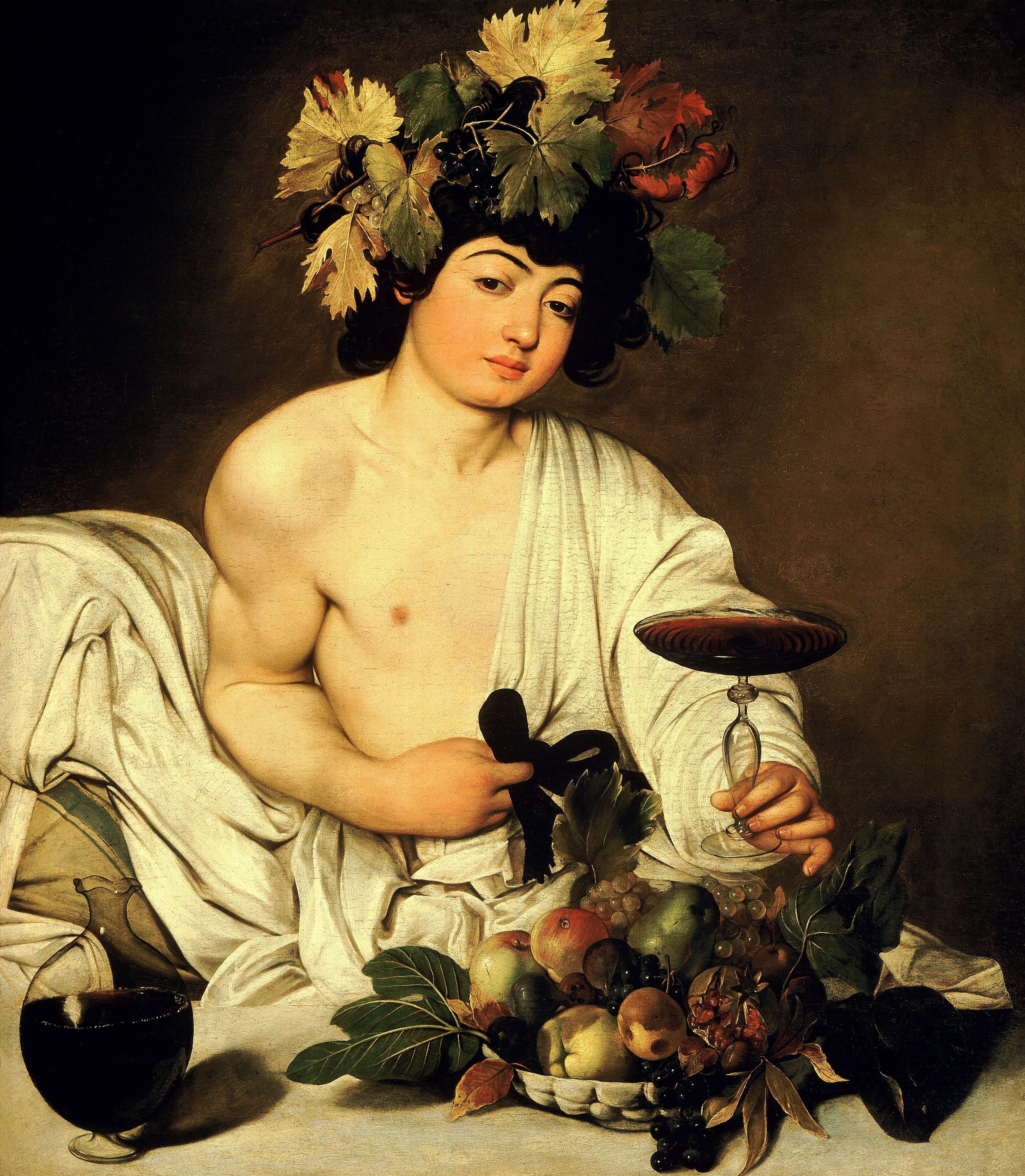
Bacchus
Caravaggio · c. 1596–98
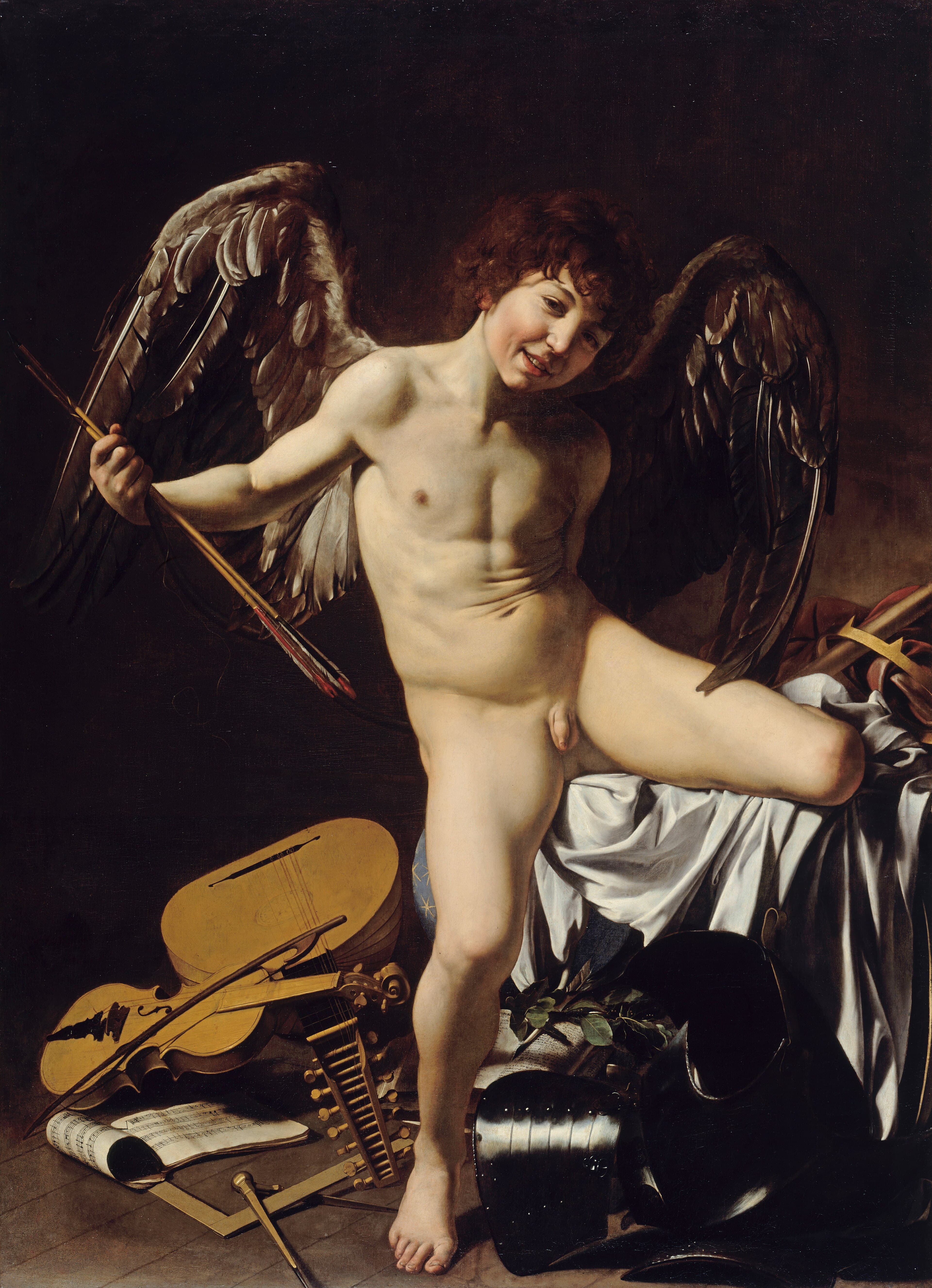
Amor Vincit Omnia
Caravaggio · 1601–02
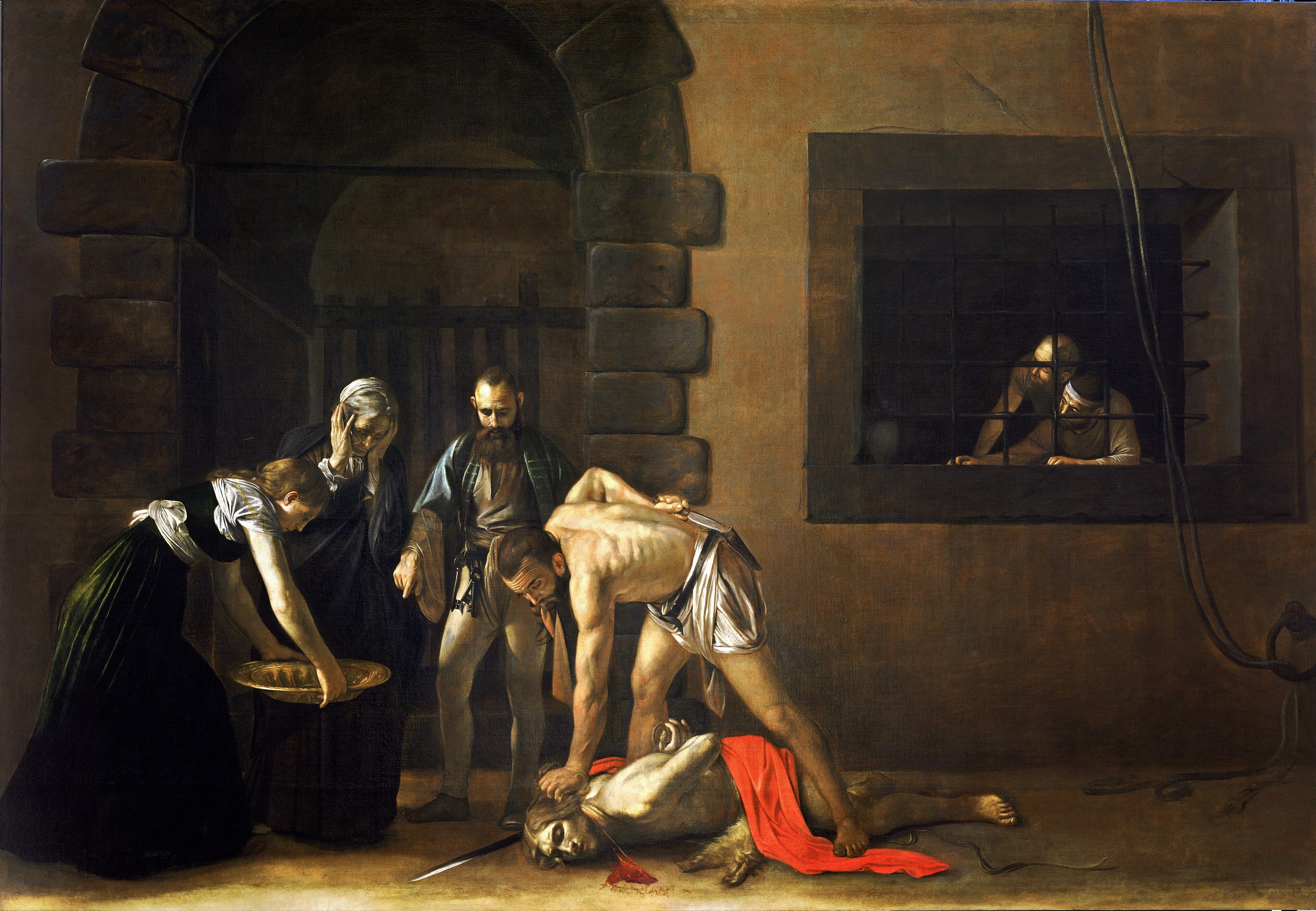
The Beheading of Saint John the Baptist
Caravaggio · 1608
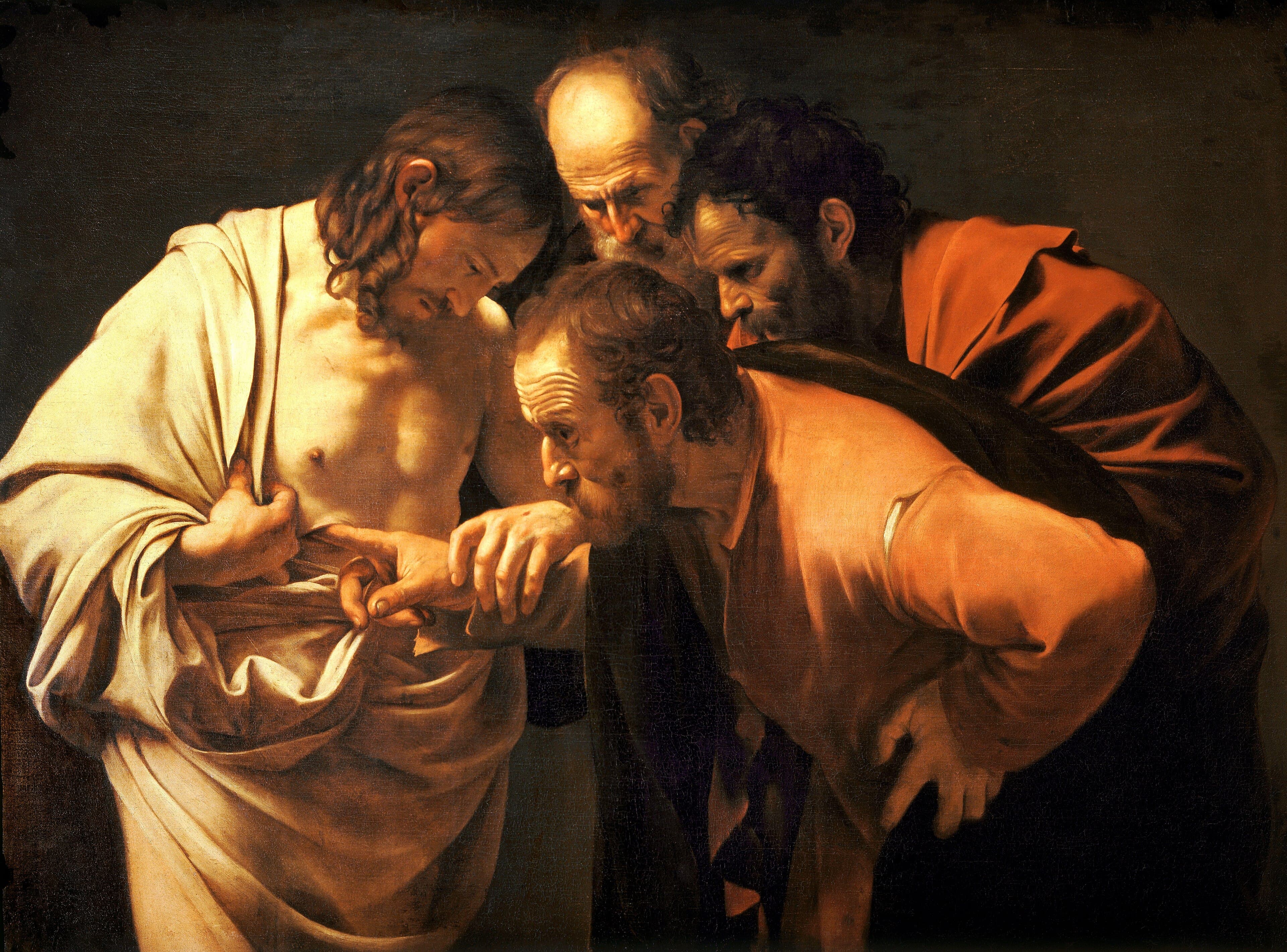
The Incredulity of Saint Thomas
Caravaggio · c. 1601–02
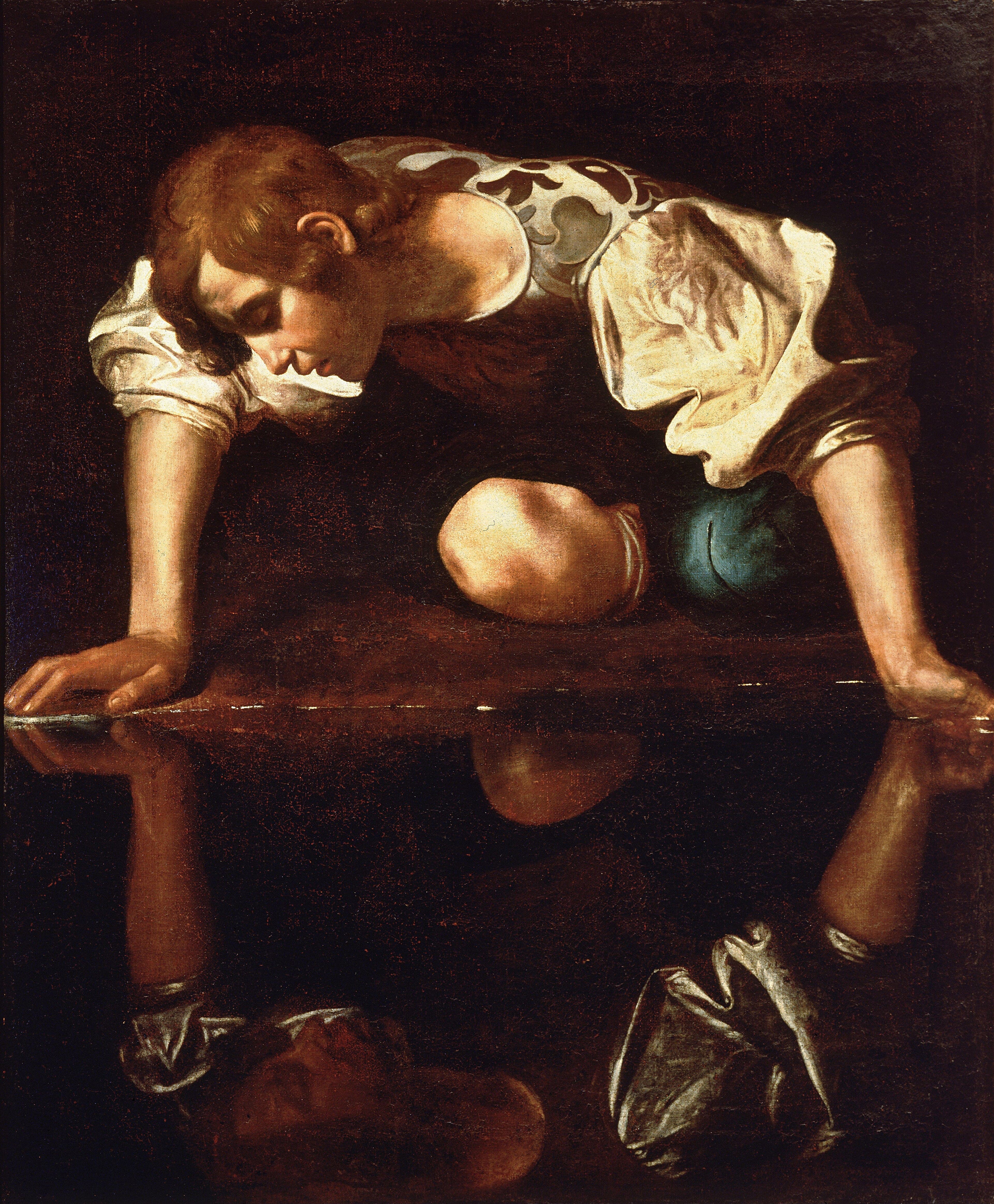
Narcissus
Caravaggio · c. 1597–99
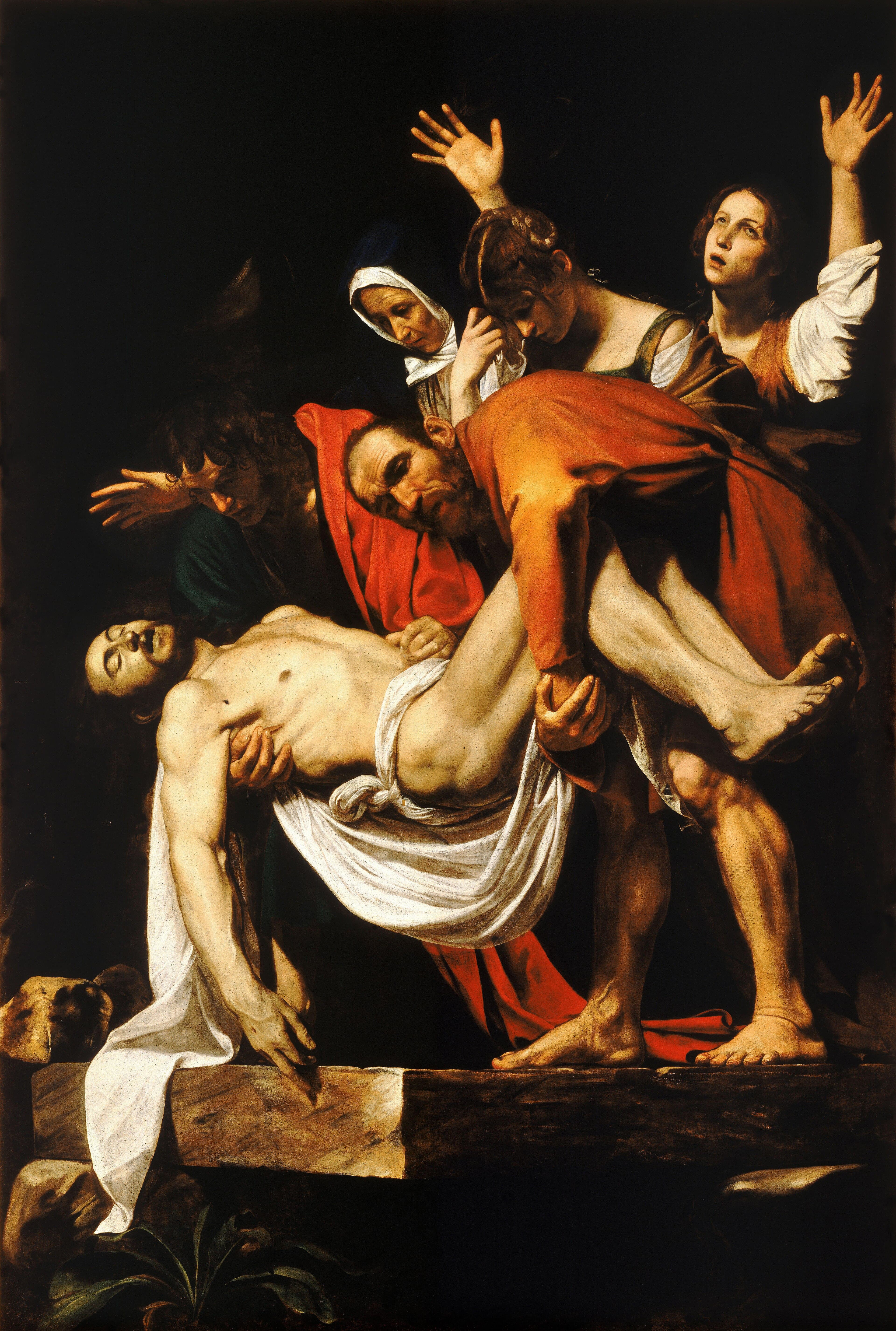
The Entombment of Christ
Caravaggio · 1603–04
Also painted in 1599
The same year
Kindred works
You may also study
Judith Slaying Holofernes
Artemisia Gentileschi · c. 1620
Judith and Holofernes
Francisco Goya · c. 1819–1823
Judith with the Head of Holofernes
Fede Galizia · 1596
Medusa
Caravaggio · c. 1597–98
David with the Head of Goliath
Caravaggio · c. 1609–10

Venus de Milo
Alexandros of Antioch · c. 150–125 BC

The Scream
Edvard Munch · 1893

Saturn Devouring His Son
Francisco Goya · c. 1819–1823