Image: Galleria Borghese, Rome / Wikimedia Commons · Public domain · via Wikimedia Commons
Baroque
David with the Head of Goliath
Caravaggio, c. 1609–10
David with the Head of Goliath is a late oil painting by Caravaggio, usually dated c. 1609–10, in the Galleria Borghese in Rome. The severed head of Goliath is widely read as the painter's own self-portrait.
- Artist
- Caravaggio
- Date
- c. 1609–10
- Medium
- Oil on canvas
- Dimensions
- 125 × 101 cm
- Collection
- Galleria Borghese, Rome, Italy
- Movement
- Baroque
Caravaggio painted this David with the Head of Goliath near the end of his life, most likely in Naples in 1609–10, while he was a fugitive under a death sentence for killing a man in Rome. The canvas, 125 by 101 centimeters, has belonged to the Borghese family since the seventeenth century and hangs today in the Galleria Borghese in Rome. A minority of scholars date it earlier, to about 1605–06, but the loose, rapid handling fits his last years best. It is the most personal picture he ever made, because the face of the dead giant is, by long tradition, his own.
What you're looking at
A boy steps out of total darkness. Light falls from the upper left across his bare chest and the white shirt slipping off one shoulder, then catches the hand that holds out Goliath's head at arm's length, straight toward us. The other hand lowers a sword whose blade runs diagonally out of the bottom left corner. There is no landscape, no army, no sling, no stone. Caravaggio has stripped the Old Testament story to two faces and one gesture.
The head is the shock. Goliath's mouth hangs open on a last breath, the upper teeth just visible. One eye has rolled up and gone dull; the other is half-open and still seems to see. Blood runs from the neck in thin strands down into the dark. The skin is grey-green under the beard. The forehead carries the wound from David's stone, a small dark mark that most reproductions lose.
David does not triumph. He looks down at the head with his brows drawn together and his lips slightly parted, an expression closer to pity, or distaste, than to victory. That expression is the subject of the painting.
The details most people miss
Look along the sword. On the blade, just above David's hand, Caravaggio painted faint letters usually read as H-AS OS. The most widely accepted reading is an abbreviation of Humilitas occidit superbiam, "humility kills pride," a phrase associated with Saint Augustine's commentary on the David story. The blade, in other words, carries the moral of the picture.
Look at David's trousers, too: they are a dull brown, painted in a few broad, dry strokes, with a rope belt. Caravaggio spends almost no effort on them, and that economy is typical of his late style. The time he saved went into the two faces and the hands.
Finally, the sword is not the heavy weapon of the biblical giant that David used to behead him. It is a slim rapier, a gentleman's sword of Caravaggio's own day. The artist, who carried one and used one, painted a weapon he knew.
Is Goliath a self-portrait of Caravaggio?
Yes, by an identification that goes back to the seventeenth century: Giovanni Pietro Bellori, writing in 1672, says Caravaggio painted his own likeness in the head of Goliath. The face matches the heavy brows, dark beard and broad nose of other portraits of him, notably Ottavio Leoni's chalk drawing. Who posed for David is less certain. A later tradition names his assistant Cecco, the boy who seems to appear in Amor Vincit Omnia, but the evidence is thin, and some writers have suggested the young David is also Caravaggio, his younger self judging his older one. That second idea is an interpretation, not a documented fact.
What does David with the Head of Goliath mean?
The most common reading ties the painting to Caravaggio's legal situation. In 1606 he killed Ranuccio Tomassoni in a brawl in Rome and was sentenced to death, which meant anyone could kill him on sight. In exile, first in Naples, then Malta and Sicily, he sought a papal pardon. Cardinal Scipione Borghese, the pope's nephew, was a passionate collector of his work and the man best placed to help. Many historians believe this painting was sent to Scipione as a plea: the artist offering his own severed head, the punishment the law demanded, in hope of mercy.
Read that way, the picture is a confession. The giant is the sinner, the boy the instrument of justice, and the inscription on the sword names the sin as pride. Earlier painters had shown David as a jaunty hero; Caravaggio painted him as an executioner who takes no pleasure in it. The painting sits beside his late Salome with the Head of John the Baptist and The Beheading of Saint John the Baptist in a run of pictures about decapitation that are hard not to read biographically.
How it was made
Caravaggio worked directly on the canvas without preparatory drawings, scoring a few lines into the wet ground to fix positions. The dark ground is left showing through in the shadows, which is why the background reads as an airless void rather than a wall. In late works like this he used thinner paint and fewer layers than in his Roman pictures, laying highlights on in quick, wet touches: the white of the shirt, the knuckles, the glint on the blade. The result is rougher up close and stronger from a distance.
Other versions
Caravaggio painted the subject at least twice before. An early David and Goliath of about 1599, with David kneeling on the giant's body to tie up the head by its hair, is in the Prado in Madrid. A half-length David with the Head of Goliath on poplar panel, usually dated around 1607, is in the Kunsthistorisches Museum in Vienna. The Borghese canvas is the latest and the darkest of the three.
Reception and legacy
Within months of finishing it, Caravaggio was dead, in July 1610, on his way back toward Rome and the pardon he had been promised. The painting stayed in the Borghese collection, and it has shaped how people imagine him ever since: a brilliant, violent man who could paint his own guilt. Followers across Europe borrowed the format of a young hero presenting a head to the viewer, and the picture remains one of the touchstones of Baroque art.
Where to see it
The painting hangs in the Galleria Borghese in Rome, in the room devoted to Caravaggio along with Boy with a Basket of Fruit, the Sick Bacchus, Saint Jerome Writing and the Madonna dei Palafrenieri. Visits are by timed, pre-booked entry. For more of his work, see our guide to Caravaggio's paintings and the page on Caravaggio himself.
Questions & answers
Where is Caravaggio's David with the Head of Goliath?
The late version, painted around 1609–10, is in the Galleria Borghese in Rome, where it has been since the seventeenth century as part of Cardinal Scipione Borghese's collection. Earlier treatments of the subject by Caravaggio are in the Prado, Madrid, and the Kunsthistorisches Museum, Vienna.
Is the head of Goliath a self-portrait of Caravaggio?
Yes. The biographer Bellori recorded in 1672 that Caravaggio gave Goliath his own features, and the face matches other portraits of him. The model for David is uncertain; some writers suggest it is also Caravaggio as a young man, but that is an interpretation rather than a documented fact.
What does David with the Head of Goliath mean?
It is usually read as a personal plea for mercy. Caravaggio was under a death sentence for murder and seeking a papal pardon, and the painting probably went to Cardinal Scipione Borghese. By offering his own severed head, he confesses his guilt; the sword's inscription is read as 'humility kills pride.'
What is written on David's sword?
Faint letters on the blade are usually read as H-AS OS, interpreted as an abbreviation of the Latin Humilitas occidit superbiam, 'humility kills pride,' a phrase linked to Saint Augustine. They are easy to miss in reproductions.
When did Caravaggio paint David with the Head of Goliath?
Most scholars date the Borghese painting to about 1609–10, in his final year of exile, though some place it around 1605–06. He died in July 1610, so if the later date is right it is among the last pictures he painted.
More by the artist
Caravaggio
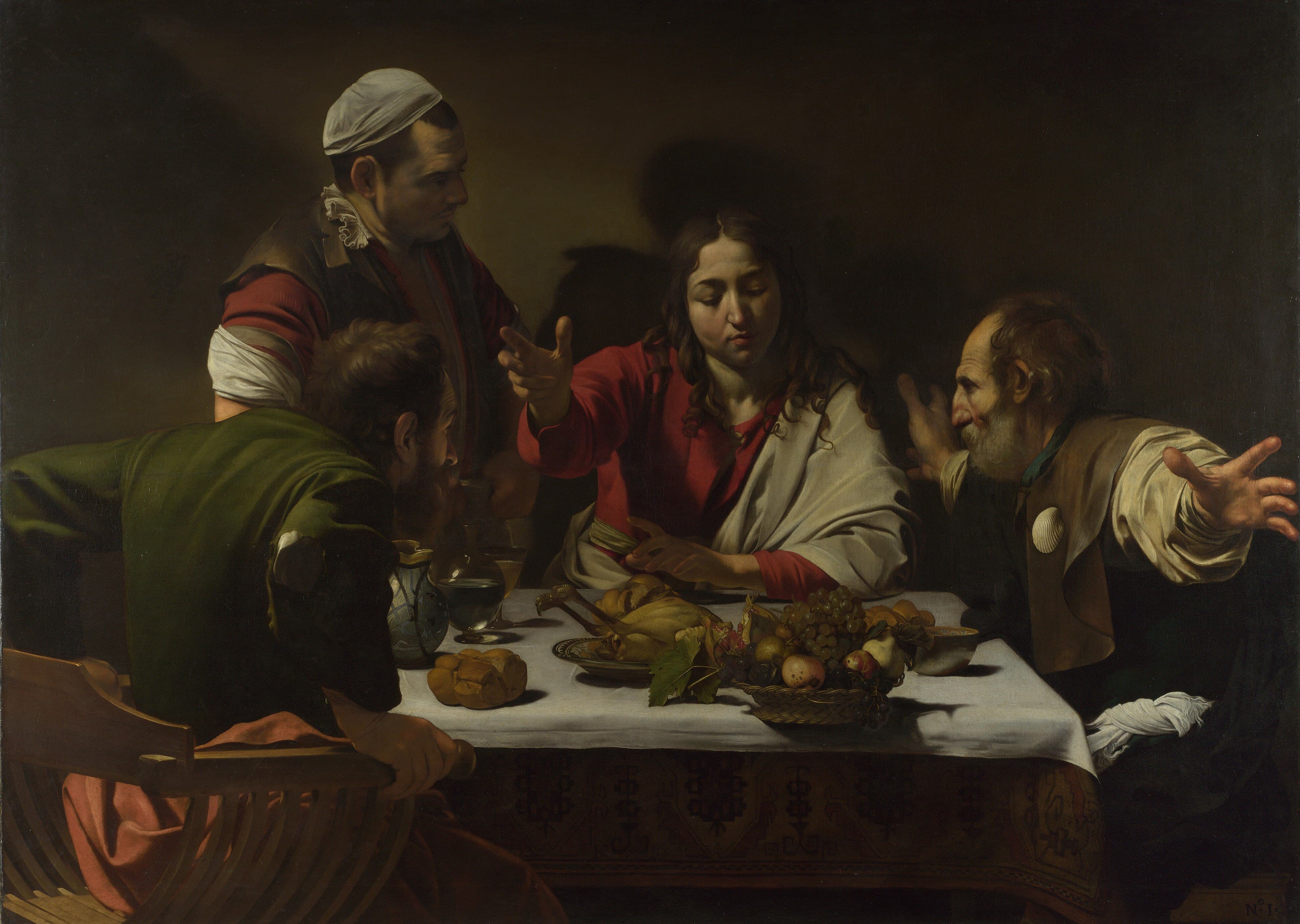
Supper at Emmaus
Caravaggio · 1601
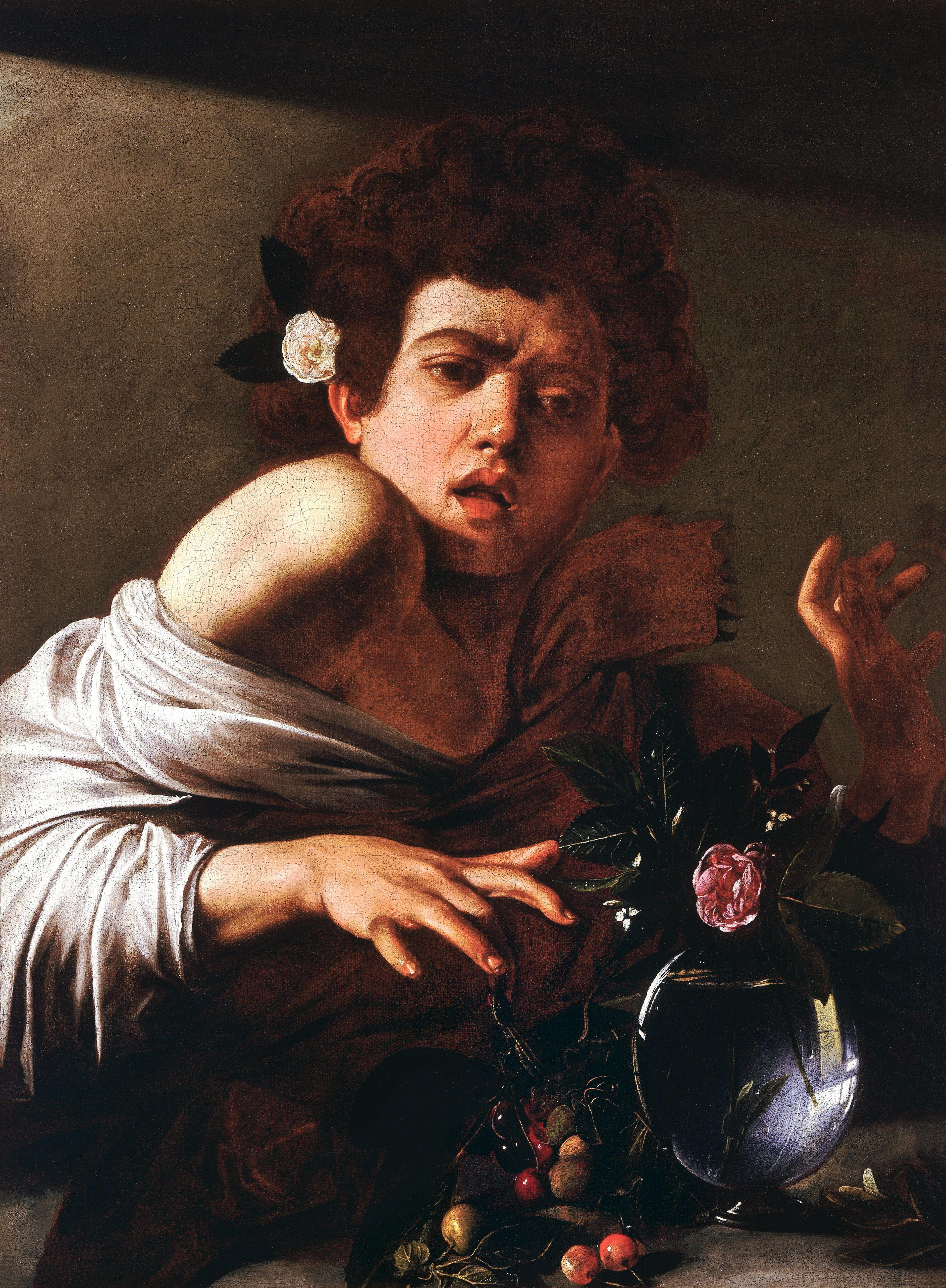
Boy Bitten by a Lizard
Caravaggio · c. 1594–95
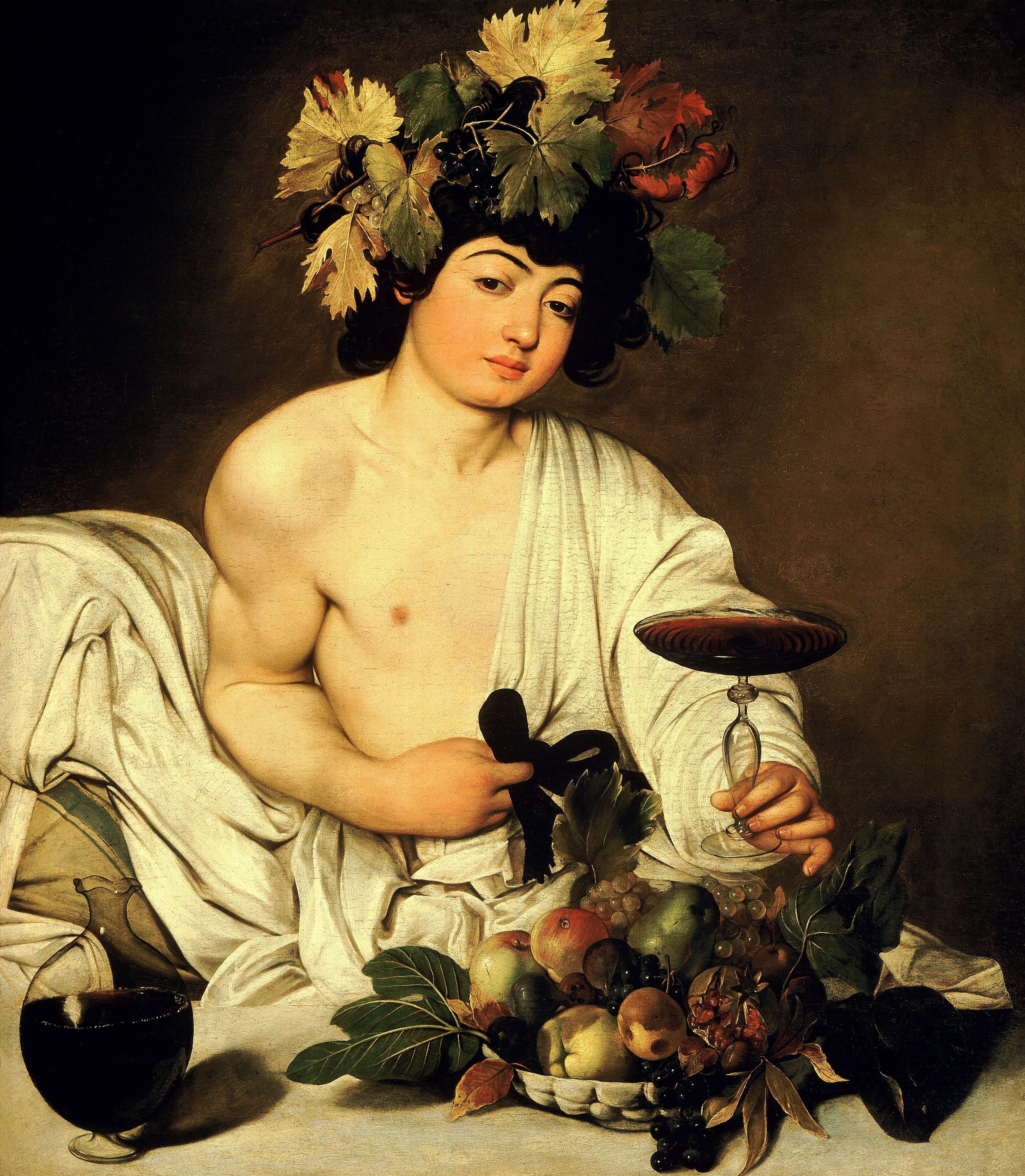
Bacchus
Caravaggio · c. 1596–98
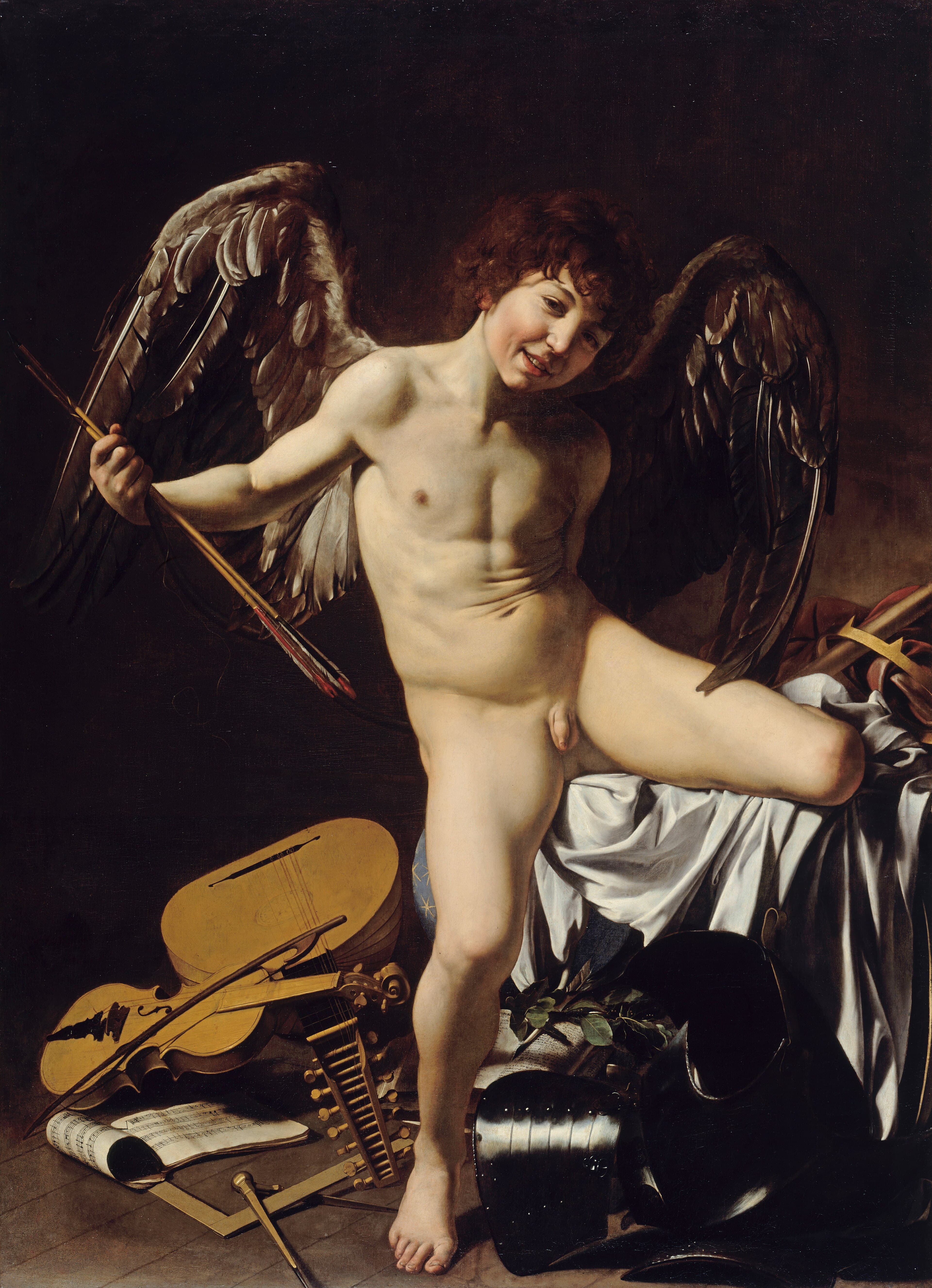
Amor Vincit Omnia
Caravaggio · 1601–02
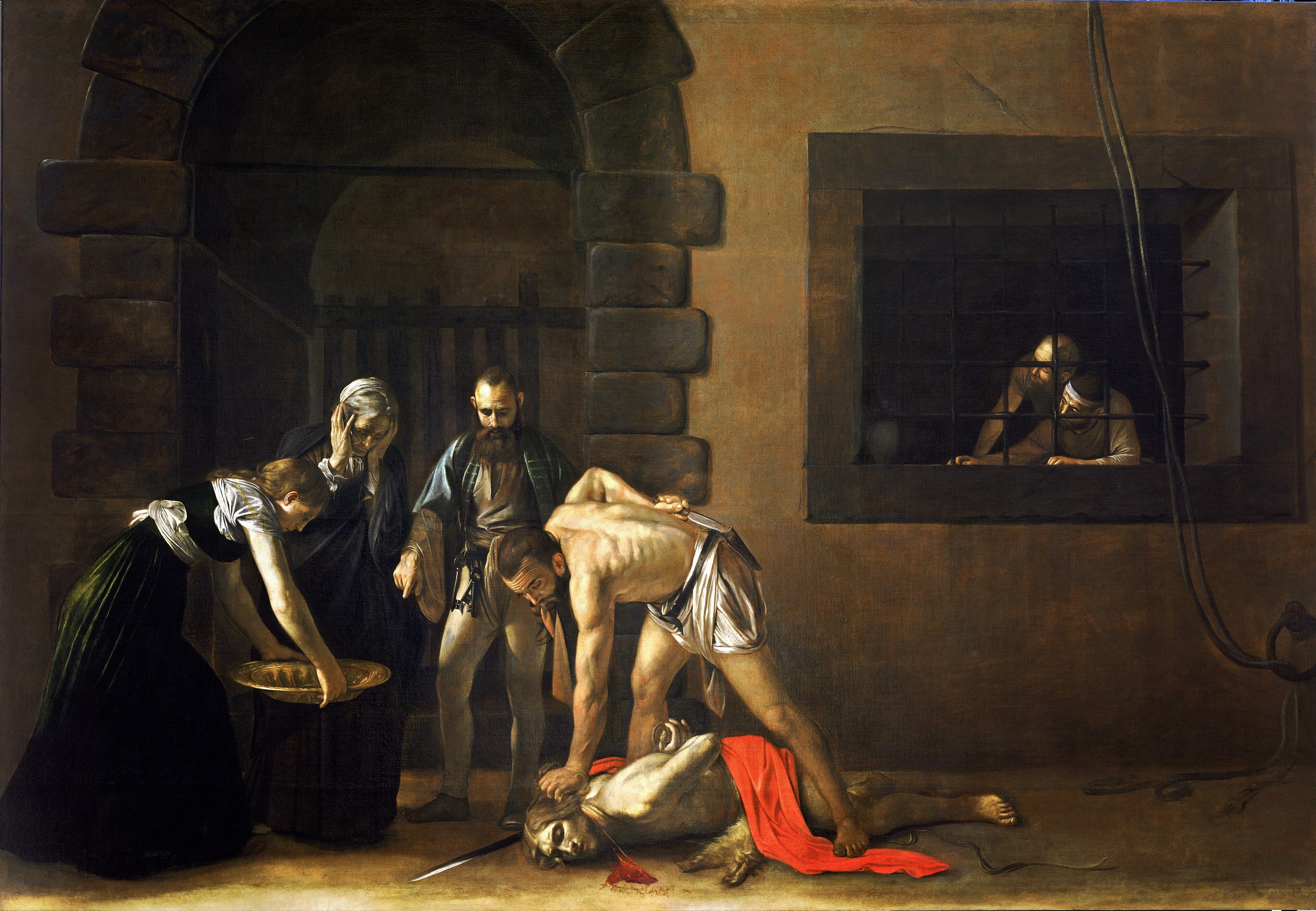
The Beheading of Saint John the Baptist
Caravaggio · 1608
The Incredulity of Saint Thomas
Caravaggio · c. 1601–02
Narcissus
Caravaggio · c. 1597–99
The Entombment of Christ
Caravaggio · 1603–04
Kindred works
You may also study
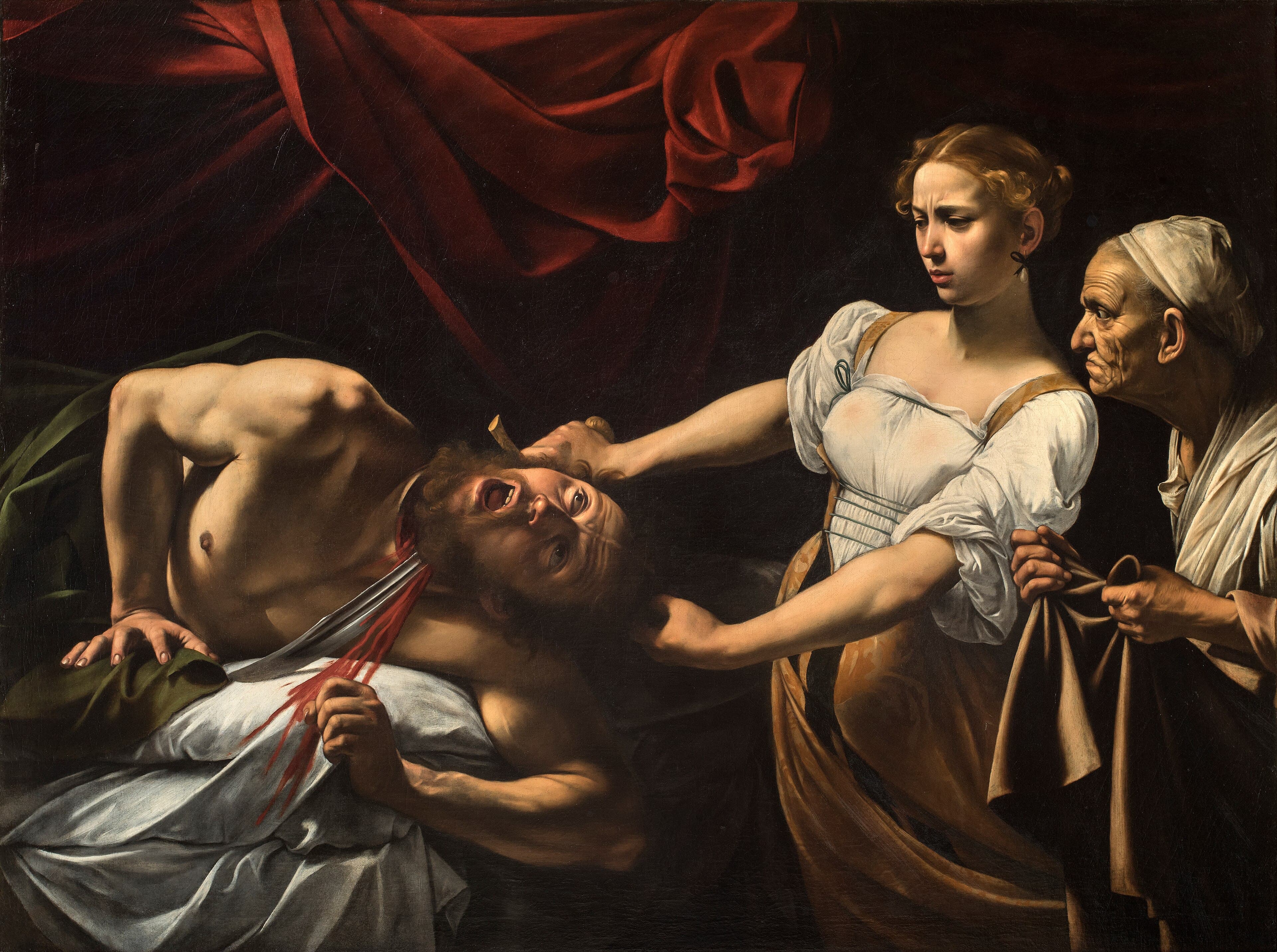
Judith Beheading Holofernes
Caravaggio · c. 1598–1599
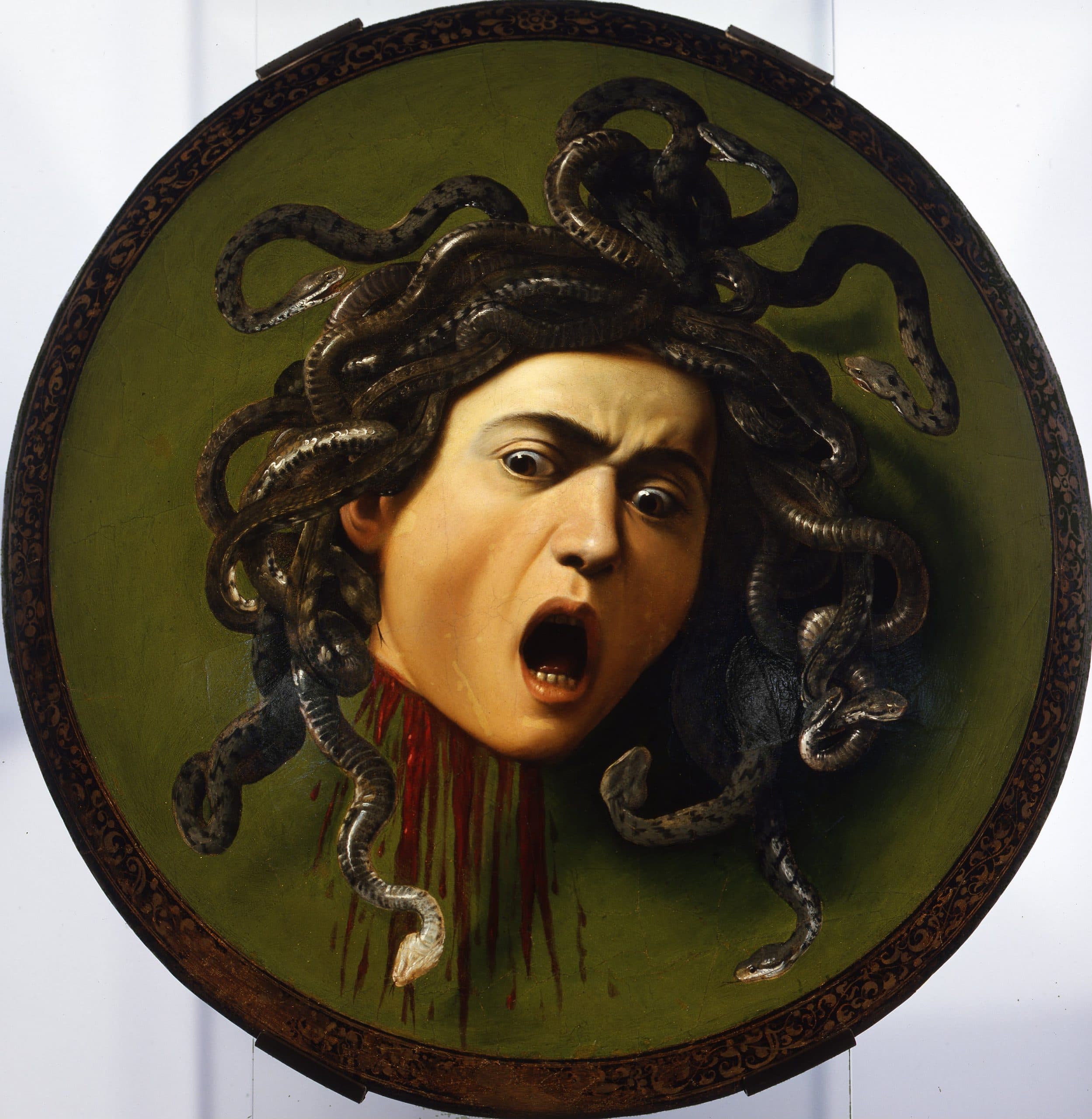
Medusa
Caravaggio · c. 1597–98
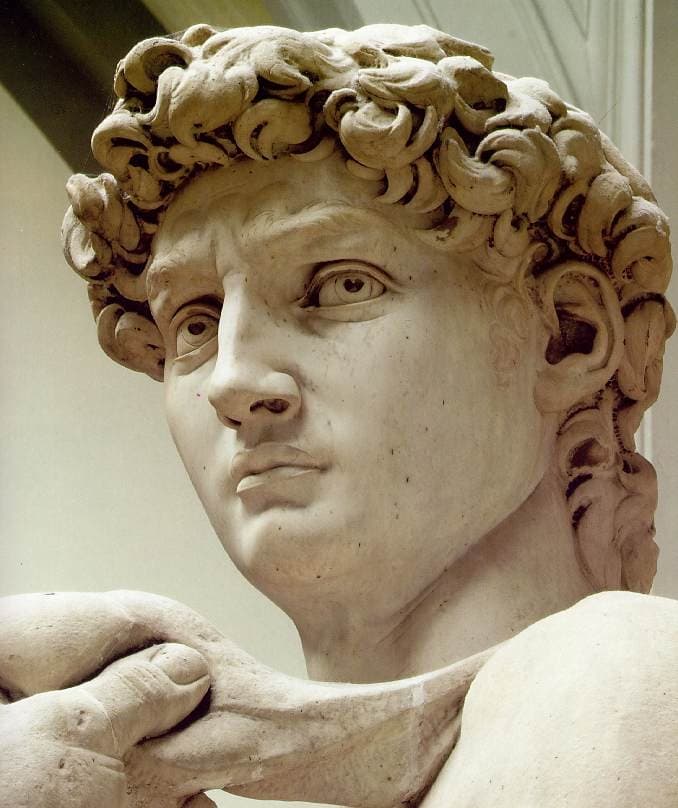
Statue of David
Michelangelo · 1501–04

The Scream
Edvard Munch · 1893

The Thinker
Auguste Rodin · Modeled 1880–82; enlarged 1902–03; this cast 1904

Saturn Devouring His Son
Francisco Goya · c. 1819–1823
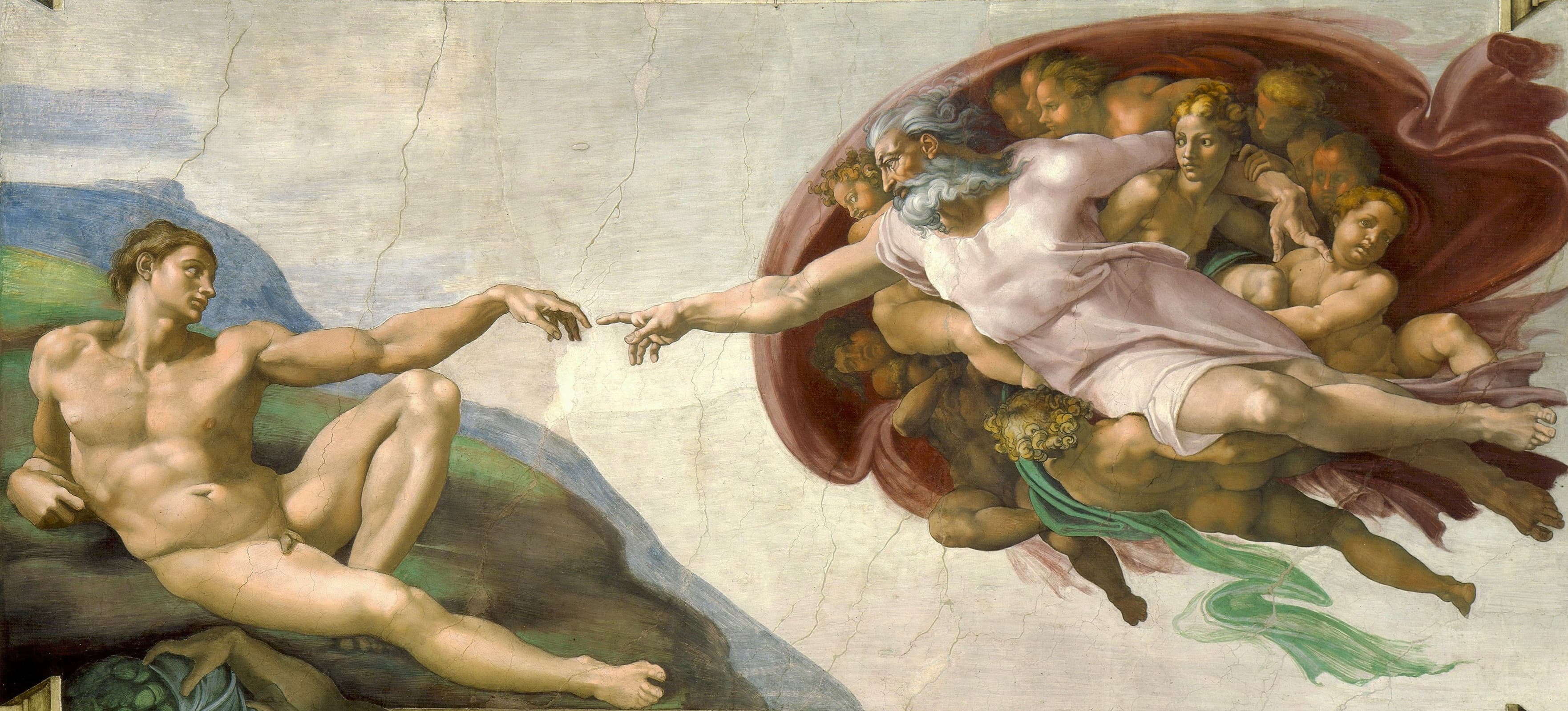
The Creation of Adam
Michelangelo · c. 1511–12

Ophelia
John Everett Millais · 1851–52