Post-Impressionism
The Starry Night (van Gogh)
Vincent van Gogh, 1889
The Starry Night is a painting by Vincent van Gogh, made in June 1889 at the asylum in Saint-Rémy-de-Provence: a swirling night sky over a village and a flame-like cypress. It is in the Museum of Modern Art, New York.
- Artist
- Vincent van Gogh
- Date
- 1889
- Medium
- Oil on canvas
- Dimensions
- 73.7 × 92.1 cm
- Collection
- Museum of Modern Art (MoMA), New York, United States
- Movement
- Post-Impressionism
What you are looking at
A night sky takes up most of the canvas, and it is anything but still. Eleven stars blaze inside rings of yellow and white, a crescent moon burns orange in the upper right, and through the middle a great double spiral of blue and pale yellow rolls across the sky like a wave. Below, a small village sleeps under blue hills, its windows lit, with a slender church spire rising above the roofs. In the left foreground a dark cypress tree climbs the full height of the picture, its outline flickering like a flame.
The painting is oil on canvas, 73.7 by 92.1 centimeters. Van Gogh made it in June 1889, and it has belonged to the Museum of Modern Art in New York since 1941, acquired through the Lillie P. Bliss Bequest. The image shown here is a cropped detail of the full canvas.
How it was made
In May 1889 Van Gogh voluntarily entered the asylum of Saint-Paul-de-Mausole at Saint-Rémy, in Provence, after the crises that followed his breakdown in Arles. From his bedroom window he looked east over a walled wheat field toward the hills. In a letter to his brother Theo he described watching the countryside before sunrise with nothing but the morning star, which looked very big. The bright star just right of the cypress is usually identified with that morning star, the planet Venus.
He could not paint in his bedroom, so the picture was made by day in a studio room, from memory and imagination as much as observation. The village is largely invented, and its pointed steeple looks more Dutch than Provençal. The cypress, too, is brought far closer than any tree outside his window.
Looking closely
Every part of the canvas is built from short, directional strokes of thick paint laid side by side, so the brushwork itself creates movement. In the sky the strokes curl; in the hills they ripple; in the cypress they lick upward. Look at the village: its houses are drawn with firm dark outlines and small, calm strokes, a pocket of order under the turbulent sky.
What does The Starry Night mean?
Van Gogh left no full explanation. Cypresses were associated with cemeteries and mourning in the Mediterranean, and he had written of the stars as a destination, wondering whether we might reach them through death as we reach a town by train. Many readers therefore see the tree as a link between earth and heaven. Others stress the painting's sheer energy as an expression of his emotional state at Saint-Rémy. Both readings go beyond what the letters prove.
Where to see it
The Starry Night hangs at MoMA in New York and is one of the most visited paintings in the world. Compare Van Gogh's earlier night scenes, The Night Café and Café Terrace at Night, and see more in famous Van Gogh paintings.
Questions & answers
Where is The Starry Night by Van Gogh?
The Starry Night is in the Museum of Modern Art (MoMA) in New York. The museum acquired it in 1941 through the Lillie P. Bliss Bequest, and it is normally on view in the fifth-floor galleries of the permanent collection.
When and where did Van Gogh paint The Starry Night?
He painted it in June 1889 at the asylum of Saint-Paul-de-Mausole in Saint-Rémy-de-Provence, where he had admitted himself the month before. It was based on the view east from his window, but painted by day in a studio room and partly from memory.
Is the village in The Starry Night real?
Only partly. Van Gogh's window looked over a wheat field toward the hills, and the village of Saint-Rémy was not in that view as painted. He invented or rearranged it, and the tall church spire resembles those of his native Netherlands more than the churches of Provence.
More by the artist
Vincent van Gogh
Head of a Skeleton with a Burning Cigarette
Vincent van Gogh · 1886
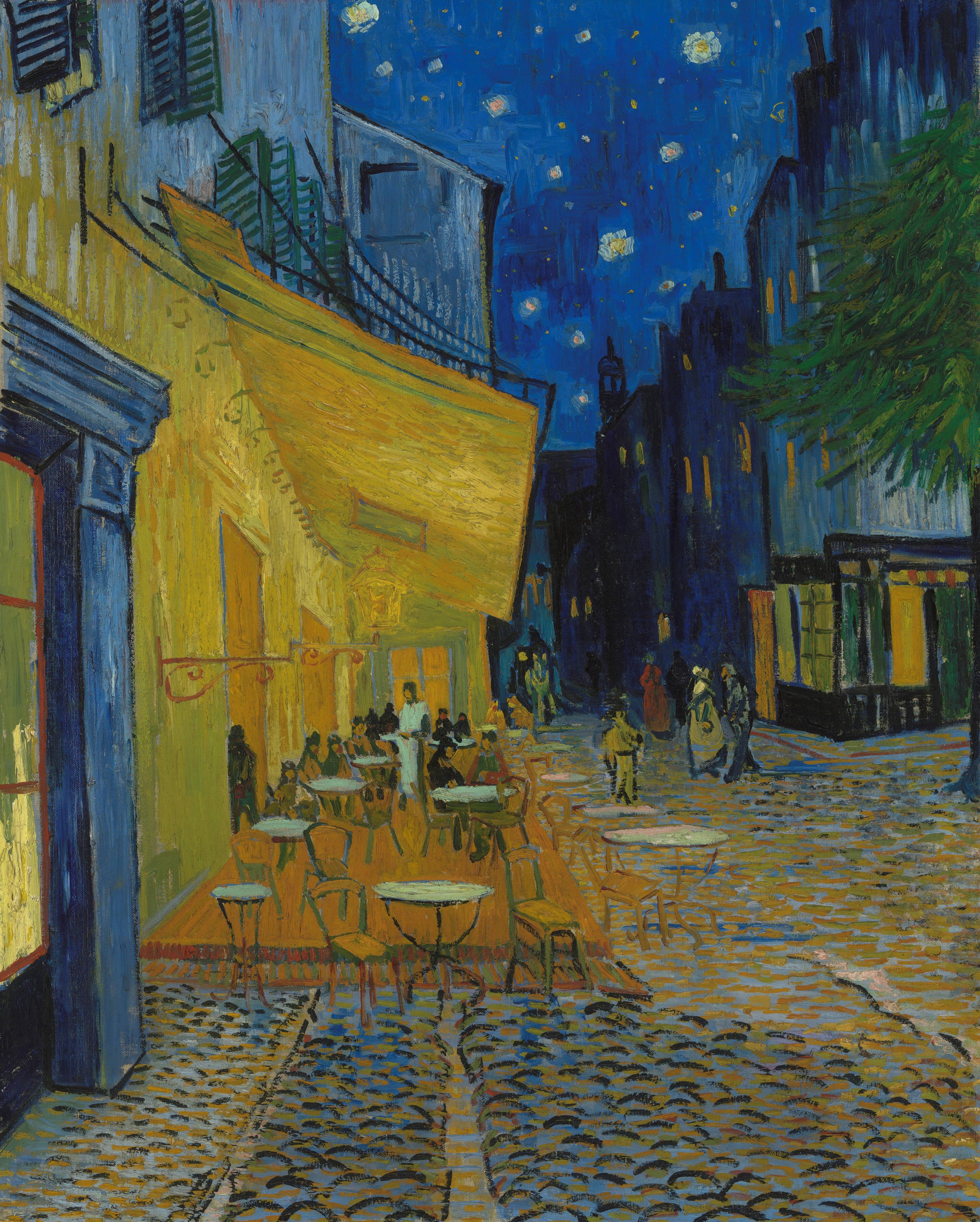
Café Terrace at Night
Vincent van Gogh · September 1888
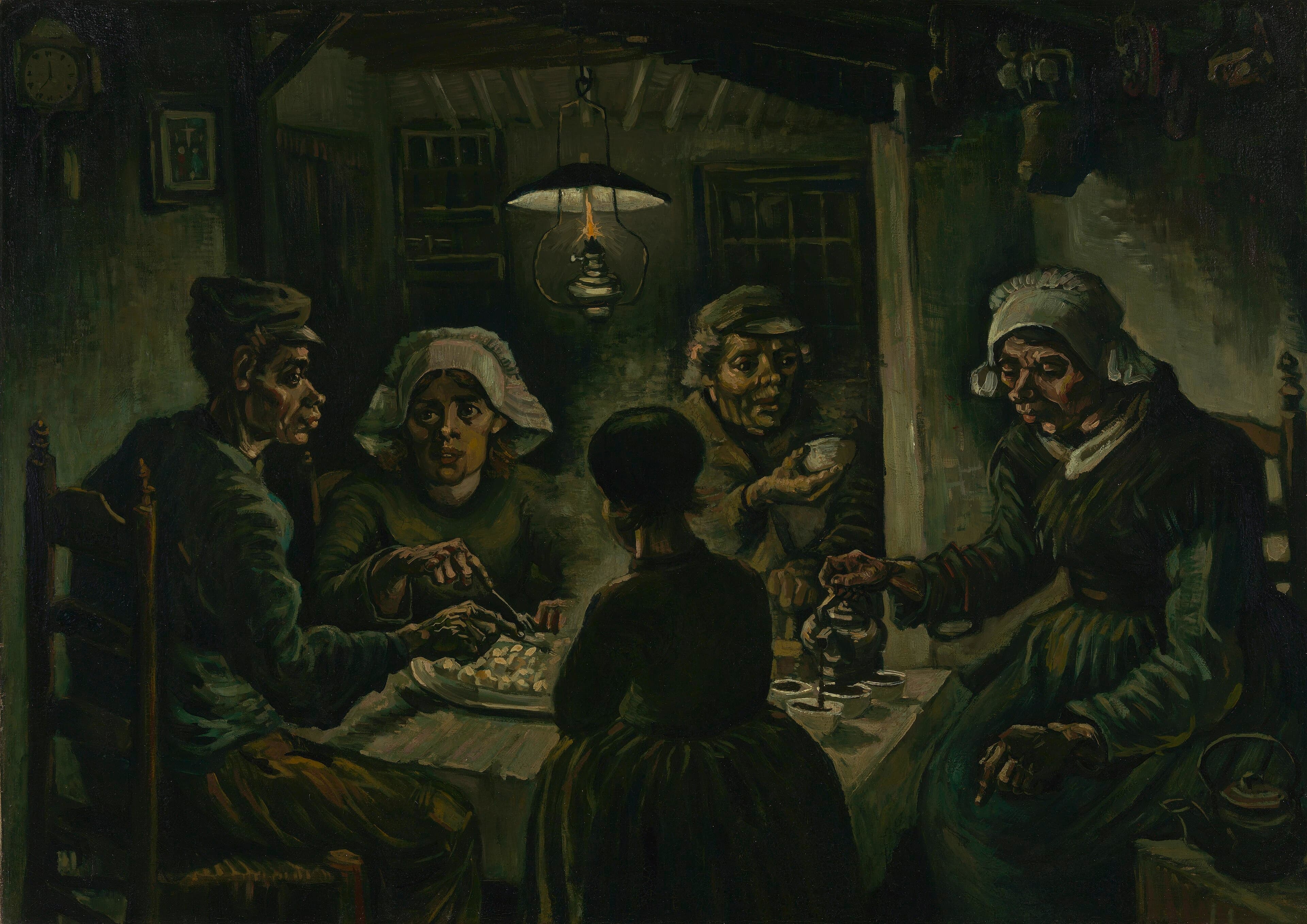
The Potato Eaters
Vincent van Gogh · April–May 1885
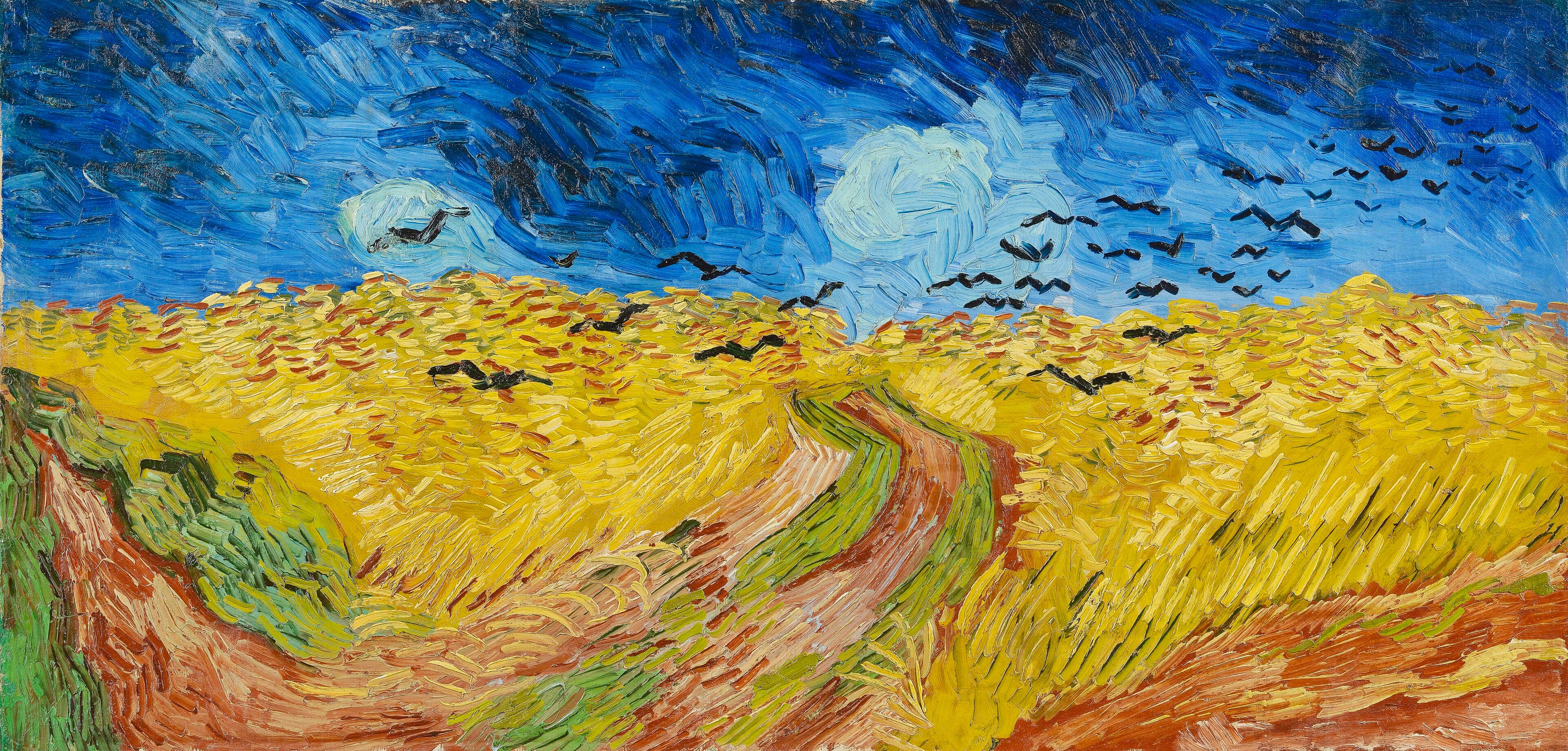
Wheatfield with Crows
Vincent van Gogh · July 1890
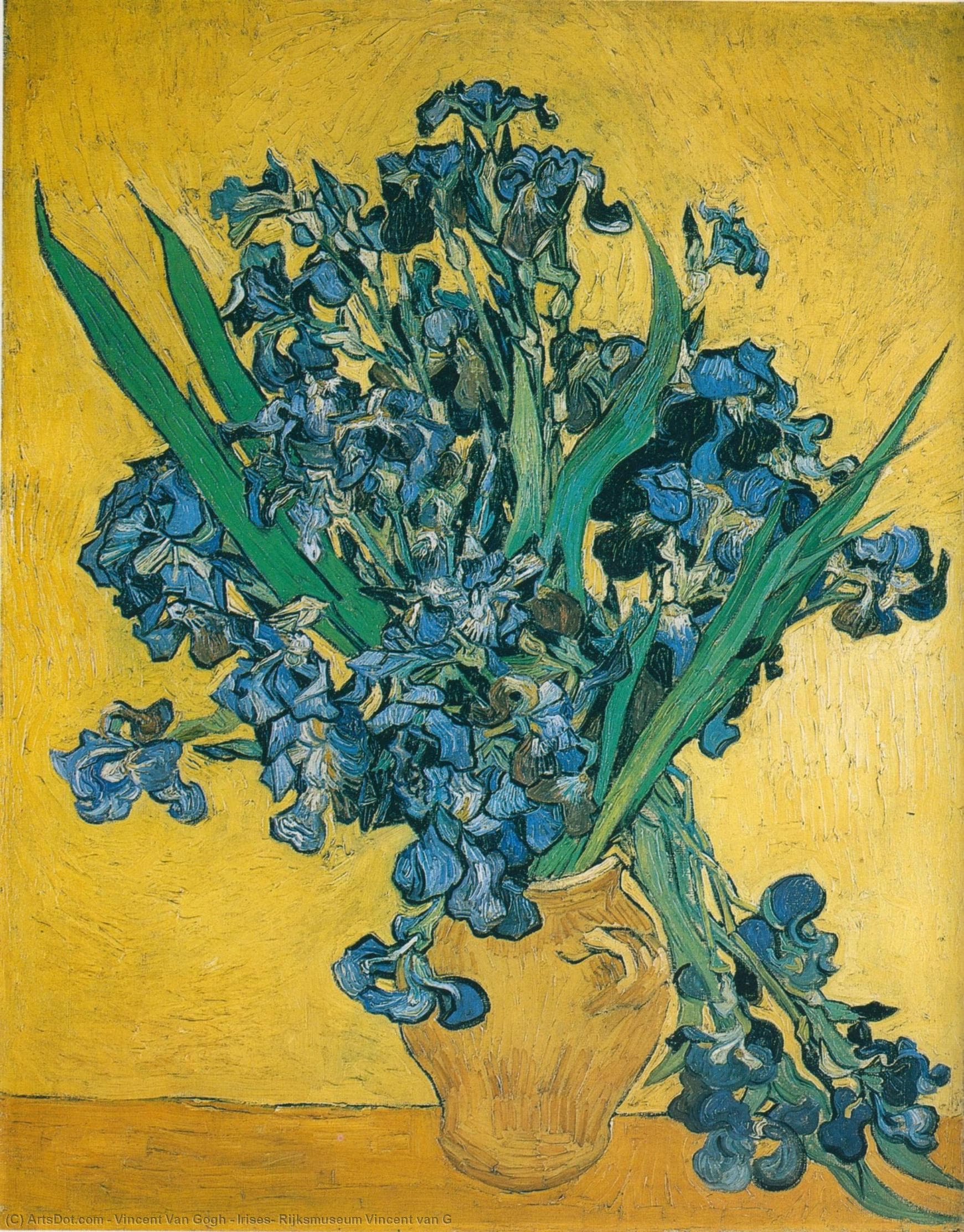
Irises (Vase with Irises Against a Yellow Background)
Vincent van Gogh · 1890
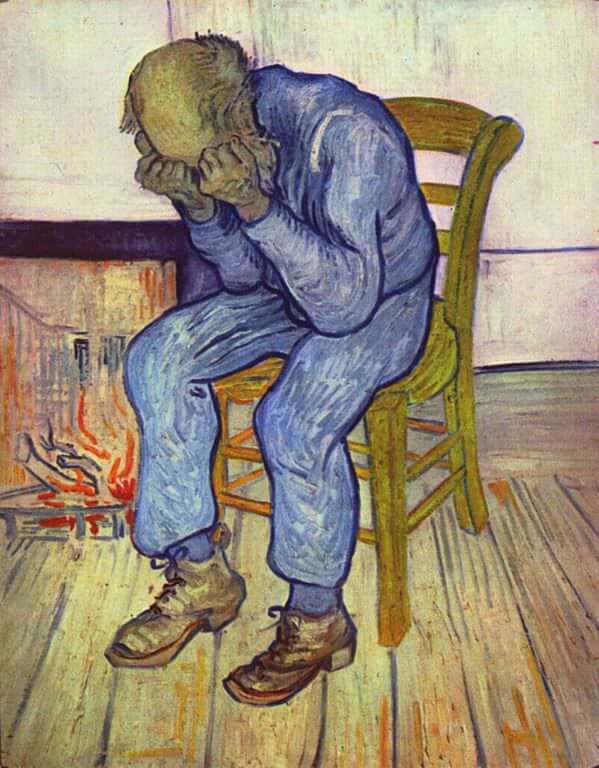
At Eternity's Gate
Vincent van Gogh · 1890
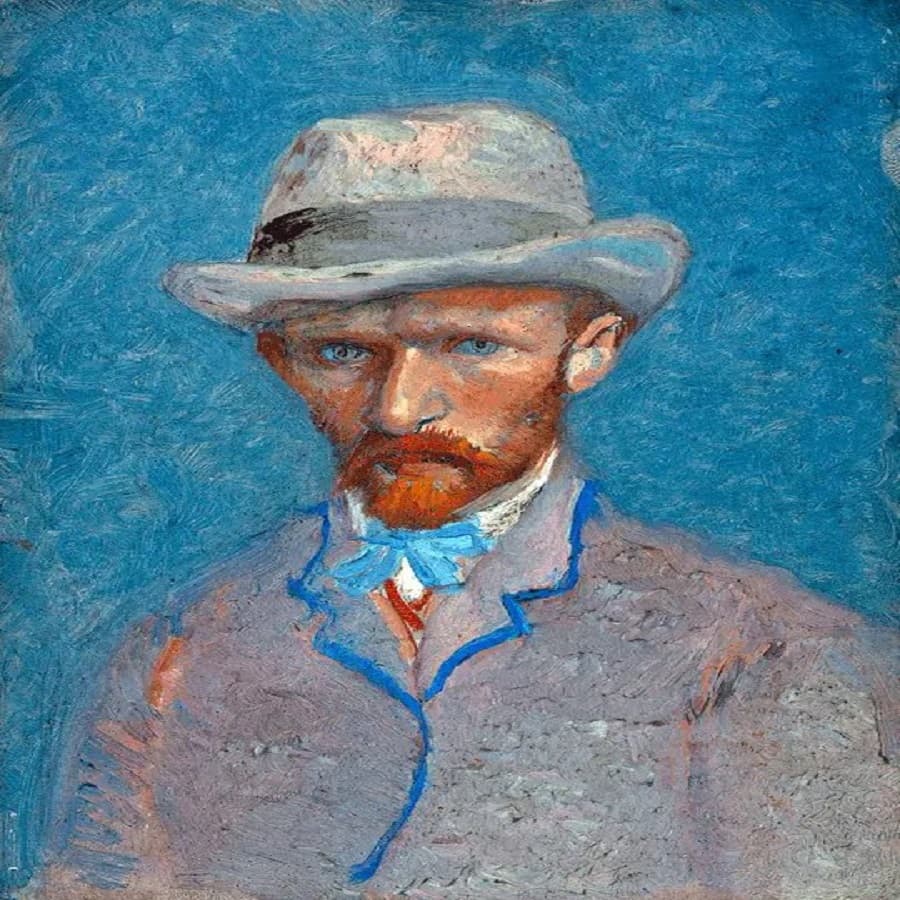
Portrait of Theo van Gogh (Self-Portrait with Grey Felt Hat)
Vincent van Gogh · 1887
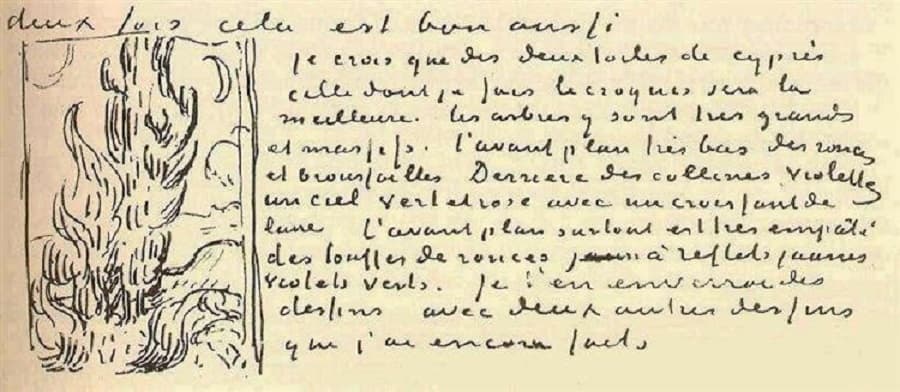
The Letters of Vincent van Gogh
Vincent van Gogh · 1872–1890
Also painted in 1889
The same year
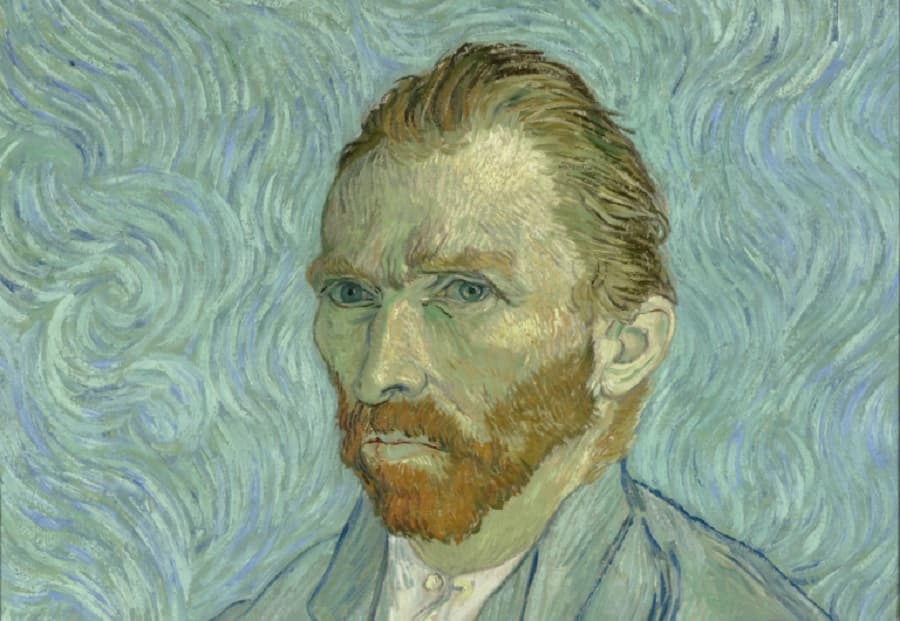
Kindred works
You may also study
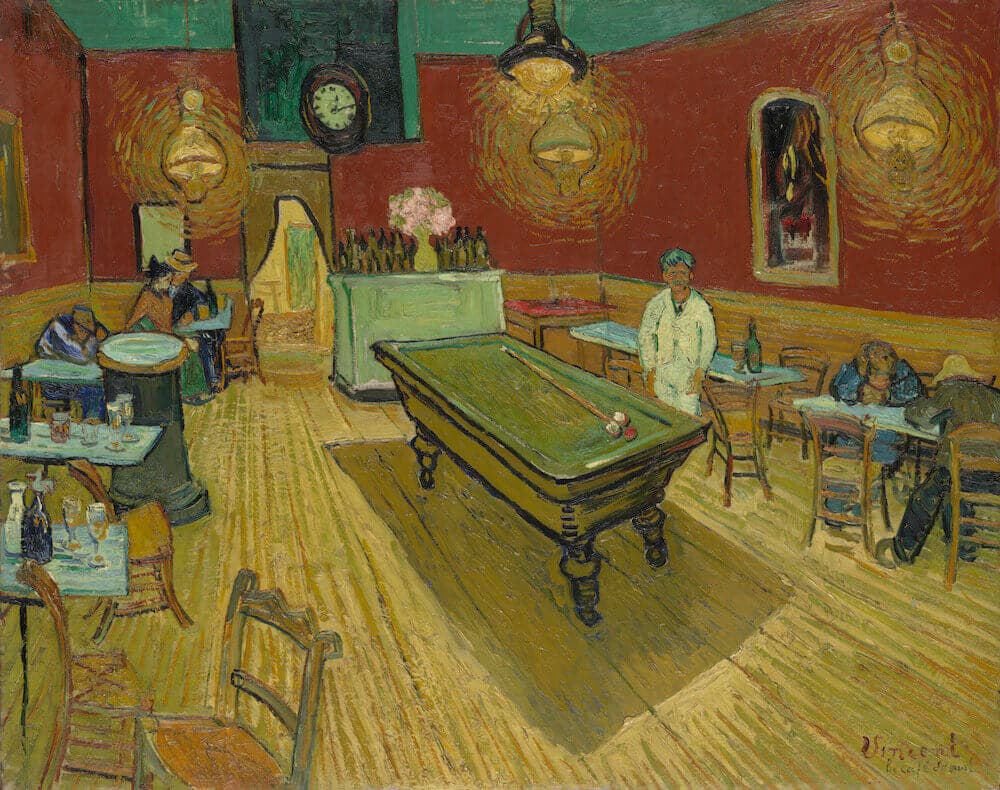
The Night Café
Vincent van Gogh · 1888
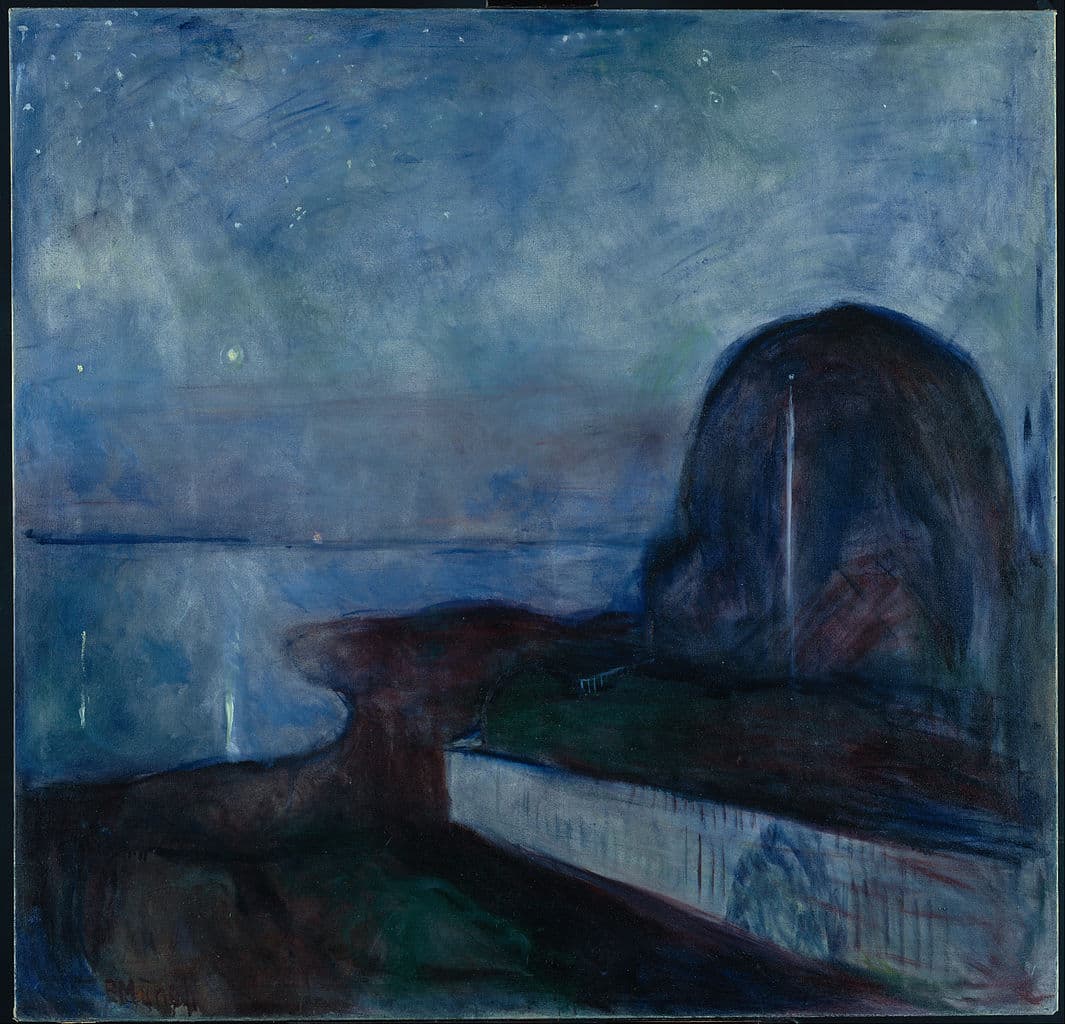
Starry Night (Munch)
Edvard Munch · 1893

Bridge over a Pond of Water Lilies
Claude Monet · 1899

Nymphs Dancing to Pan's Flute
Joseph Tomanek

The Scream
Edvard Munch · 1893

Ophelia
John Everett Millais · 1851–52

Woman with a Parasol – Madame Monet and Her Son
Claude Monet · 1875

The Great Wave off Kanagawa
Katsushika Hokusai · c. 1830–32