High Renaissance
Statue of David
Michelangelo, 1501–04
The Statue of David is a marble sculpture by Michelangelo, carved in Florence between 1501 and 1504, showing the biblical hero before his fight with Goliath. Over five meters tall, it stands in the Galleria dell'Accademia, Florence.
- Artist
- Michelangelo
- Date
- 1501–04
- Medium
- Marble
- Dimensions
- Height 517 cm
- Collection
- Galleria dell'Accademia, Florence, Italy
- Movement
- High Renaissance
What you are looking at
The photograph is a close view of David's head, and it shows what the full statue can hide from a visitor standing far below. The brows are drawn together and the forehead is creased in a frown. The eyes, with their deeply drilled pupils, look hard to the left, toward the enemy. The nostrils flare slightly and the lips are closed. Thick curls are carved deeply enough to throw real shadows, and at the lower left of the image you can see his left hand at his shoulder, holding the sling.
Michelangelo shows David before the fight, not after it. Earlier Florentine Davids, including Donatello's famous bronze, stand over Goliath's severed head in triumph. Here there is no head: the giant has not yet been met, and the tension is in the waiting.
How it was made
The statue was carved from a single tall block of Carrara marble that had been quarried decades earlier for the cathedral of Florence. Agostino di Duccio began work on it in 1464, and Antonio Rossellino took it up again in 1476; both abandoned it. The partly worked block lay in the cathedral workshop until 1501, when the cathedral authorities gave the commission to Michelangelo, then 26. He worked on it until early 1504.
The result is 517 centimeters tall. A committee of artists that included Leonardo da Vinci and Sandro Botticelli debated where to put it, and it was set up outside the Palazzo della Signoria, the seat of government, and unveiled in September 1504. Contemporary accounts describe the move from the workshop as taking several days.
Looking closely
The pose is a classical contrapposto: weight on the right leg, the left relaxed, hips and shoulders tilted against each other. The right hand, hanging at the side and holding a stone, is noticeably oversized, as is the head. Many scholars think these proportions were calculated for a statue meant to be seen from below and at a distance, high on the cathedral, though that is debated.
Meaning
In Florence, David became a political emblem: the small, watchful republic standing up to larger powers, placed in front of its town hall. The figure also draws on ancient sculpture of the nude male body, which Michelangelo studied closely, joining biblical subject and classical form.
Where is the Statue of David today?
In 1873 the statue was moved indoors to protect it from the weather, to a specially built tribune in the Galleria dell'Accademia in Florence, where it remains. A marble copy has stood in its original place in front of the Palazzo Vecchio since 1910. The statue has been damaged over the centuries: its left arm was broken in 1527 during unrest in the city, and in 1991 an attacker struck a toe with a hammer.
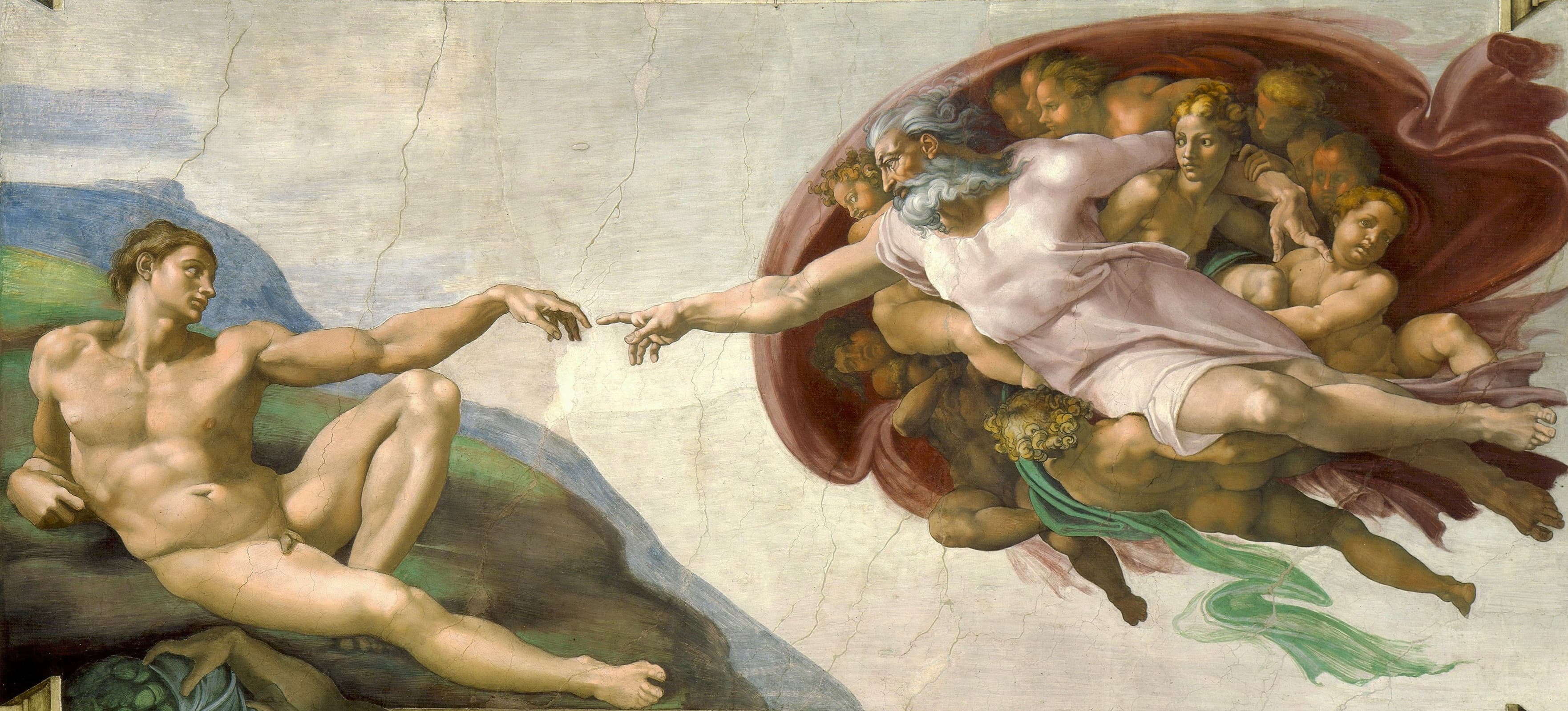
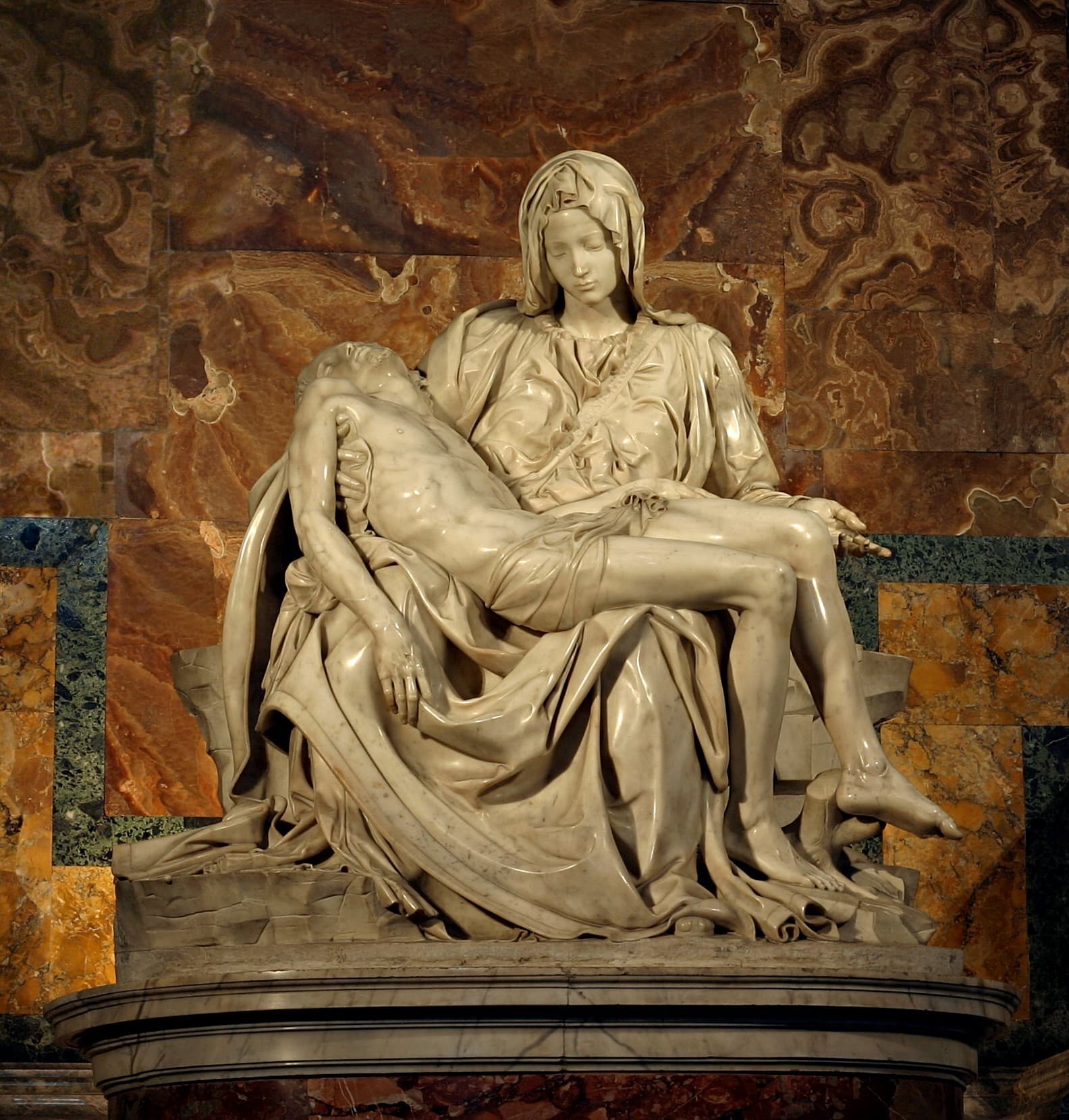
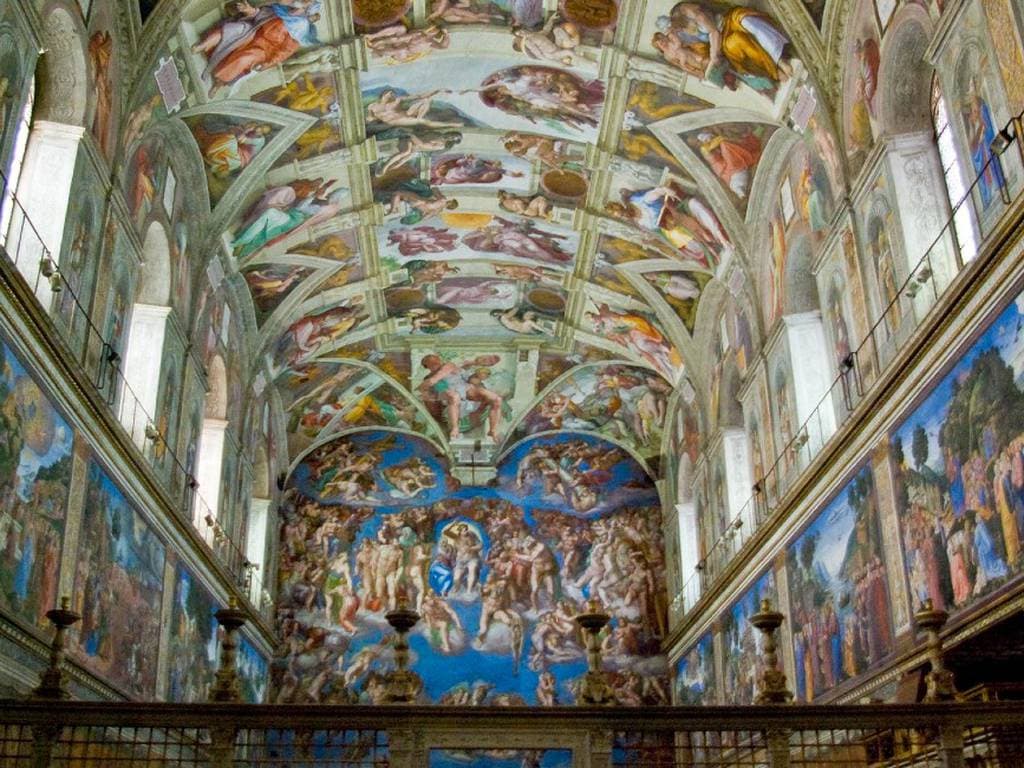
See more of the artist's work in the Sistine Chapel ceiling, The Creation of Adam and the Pietà, or browse famous sculptures.
Questions & answers
Where is the Statue of David?
Michelangelo's original David is in the Galleria dell'Accademia in Florence, Italy, where it was moved in 1873 to protect it from the weather. A full-size marble copy stands outside the Palazzo Vecchio on Piazza della Signoria, where the original was first installed in 1504.
How tall is Michelangelo's David?
The statue is 517 centimeters tall, about 17 feet. It was carved from a single block of Carrara marble that two earlier sculptors, Agostino di Duccio and Antonio Rossellino, had begun and abandoned. Michelangelo worked on it from 1501 to 1504.
Did Donatello start the marble block for Michelangelo's David?
No. That claim is common but mistaken. The block was first worked by Agostino di Duccio in 1464 and then by Antonio Rossellino in 1476. Donatello made his own, quite different Davids decades earlier, including a celebrated bronze now in the Bargello in Florence.
More by the artist
Michelangelo
Kindred works
You may also study
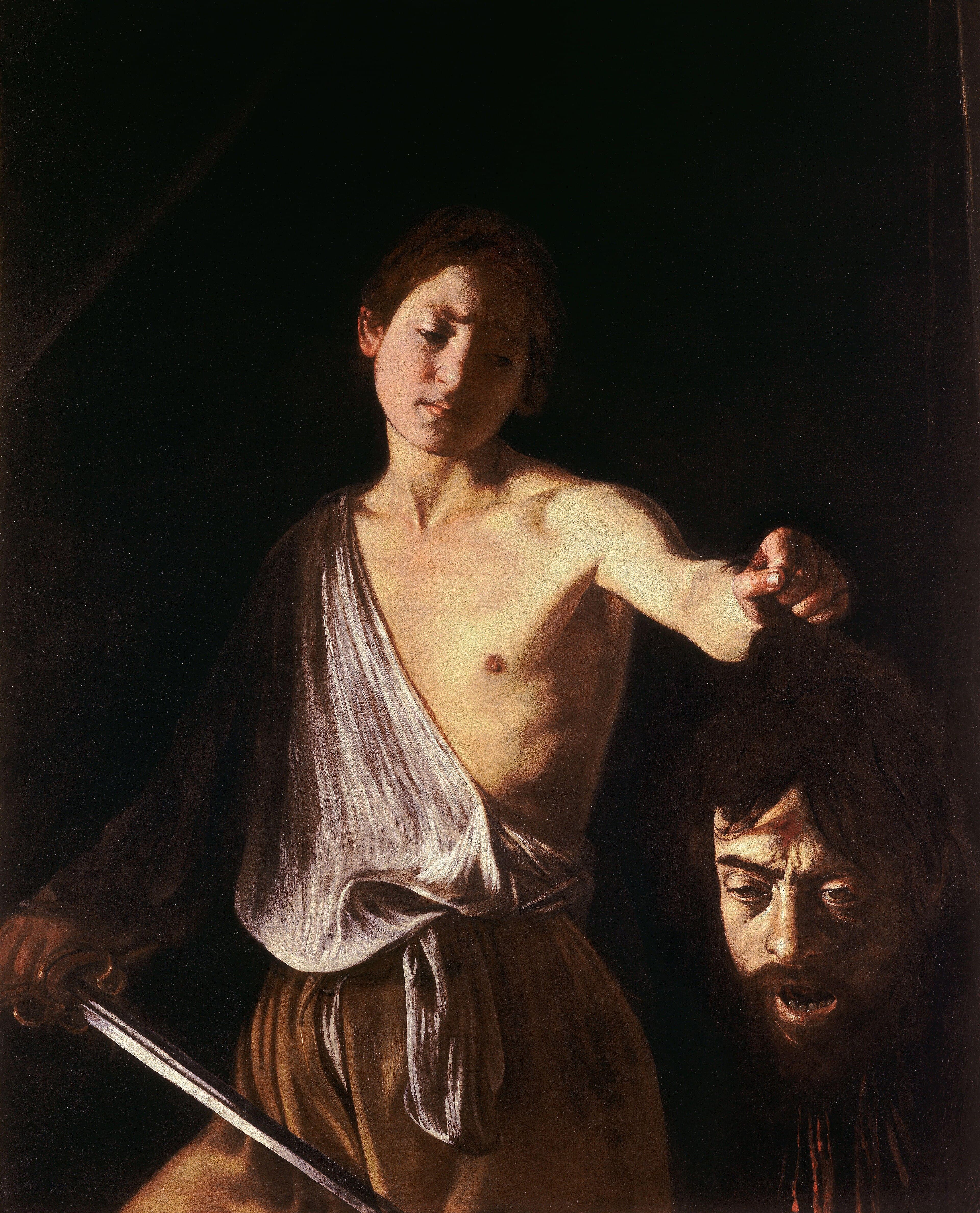
David with the Head of Goliath
Caravaggio · c. 1609–10

Venus de Milo
Alexandros of Antioch · c. 150–125 BC

Nymphs Dancing to Pan's Flute
Joseph Tomanek

The Thinker
Auguste Rodin · Modeled 1880–82; enlarged 1902–03; this cast 1904
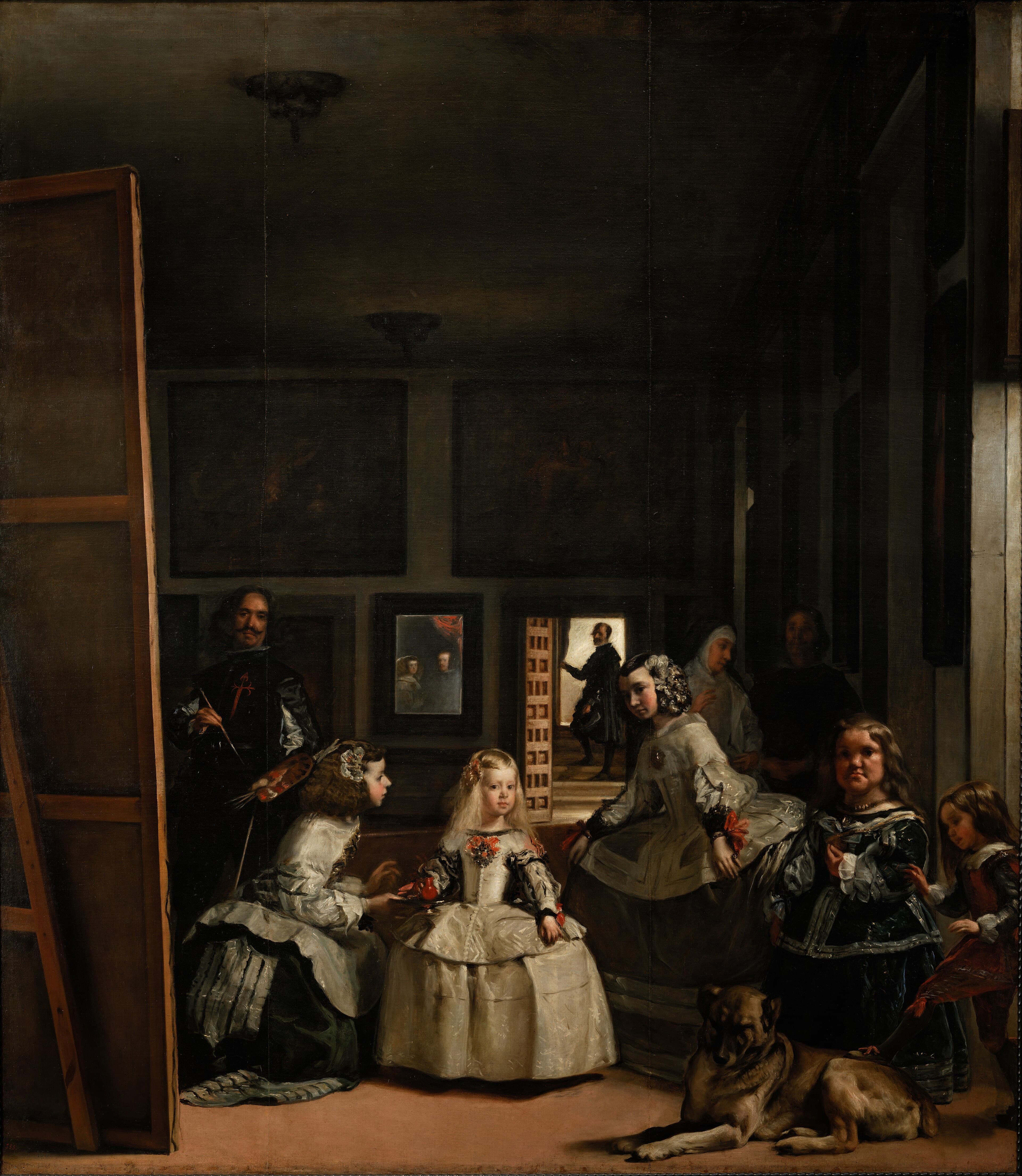
Las Meninas
Diego Velázquez · 1656

Lucifer
Franz von Stuck · 1890
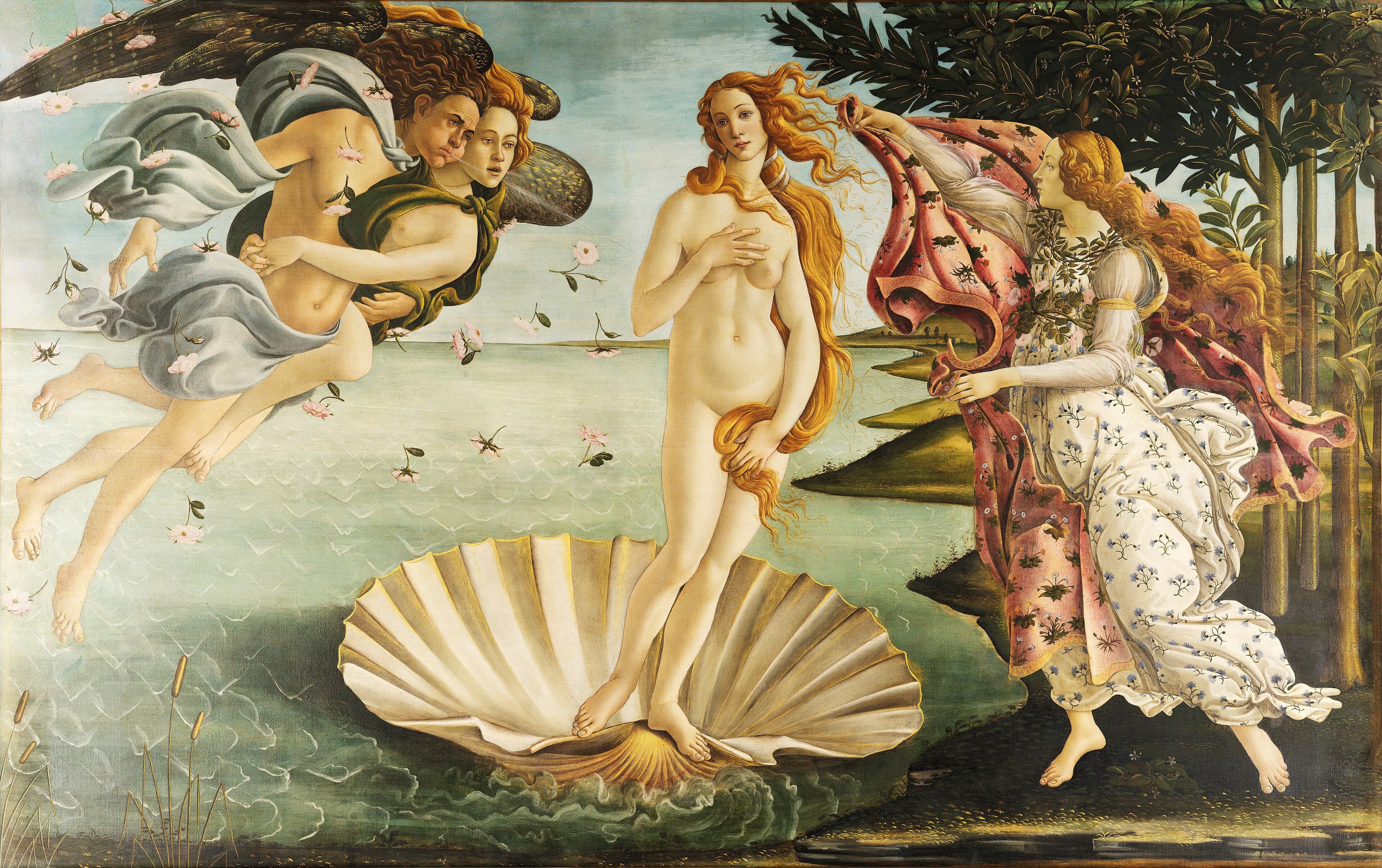
The Birth of Venus
Sandro Botticelli · c. 1484–1486
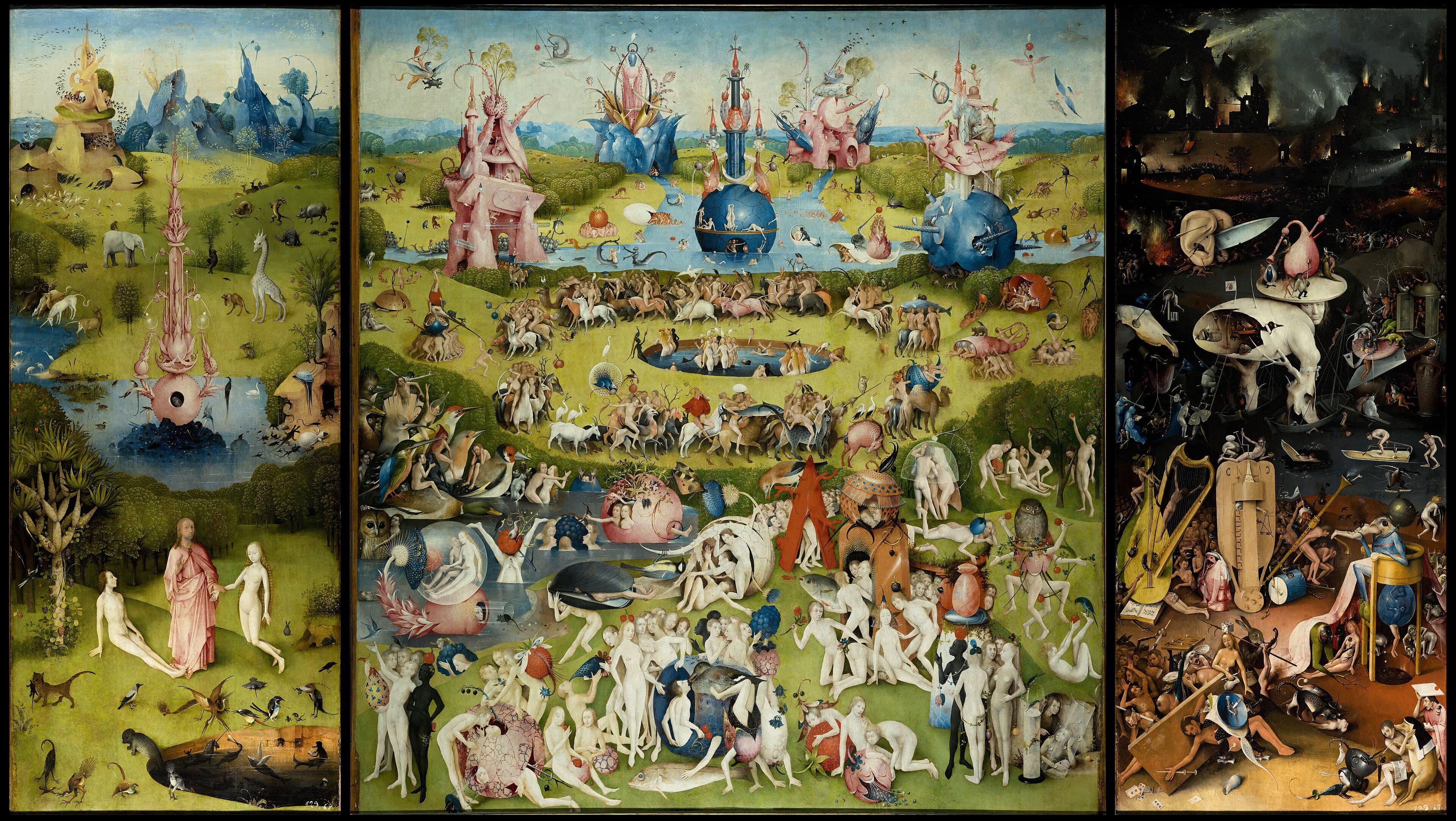
The Garden of Earthly Delights
Hieronymus Bosch · c. 1490–1510