Image: Santa Maria del Popolo, Rome / Wikimedia Commons · Public domain · via Wikimedia Commons
Baroque
The Conversion of Saint Paul
Caravaggio, 1600–01
The Conversion of Saint Paul (Conversion on the Way to Damascus) is Caravaggio's 1600–01 altarpiece in the Cerasi Chapel of Santa Maria del Popolo, Rome, where it still hangs. Paul lies blinded on his back beneath his horse.
- Artist
- Caravaggio
- Date
- 1600–01
- Medium
- Oil on canvas
- Dimensions
- 230 × 175 cm
- Collection
- Cerasi Chapel, Santa Maria del Popolo, Rome, Italy
- Movement
- Baroque
Caravaggio's The Conversion of Saint Paul, also called Conversion on the Way to Damascus, is a canvas of 230 by 175 centimeters painted in 1600–01 for the Cerasi Chapel in the church of Santa Maria del Popolo in Rome. It is one of the few Caravaggio altarpieces still in the place it was made for, and you can see it there today, free, on the left-hand wall of the chapel, opposite his Crucifixion of Saint Peter.
What you're looking at
Most of the picture is a horse. A heavy piebald animal fills the upper two-thirds of the canvas, its flank and the white blaze on its rump lit as brightly as anything in the painting. An old groom, half lost in shadow, holds its bridle and looks down. Only at the bottom, foreshortened toward us, lies Saul, the persecutor of Christians who will become Paul, flat on his back where he has fallen, eyes shut, arms thrown up and open.
There is no Christ in the sky, no angel, no blaze of heavenly glory. The only sign of the miracle is the light itself, falling from the upper right onto Paul's face and outstretched hands. The horse carefully lifts a foreleg so as not to tread on him. The groom notices nothing. Whatever is happening, it is happening only to Paul.
Look at the ground. Paul's helmet has rolled off to the right; his sword lies beside him. His red cloak spreads beneath him like a pool. He is dressed as a Roman soldier, with a breastplate and a green sleeve, but Caravaggio has painted him as young, beardless and vulnerable, at the exact second his old life ends.
The story of the conversion of Saint Paul
The episode comes from the Acts of the Apostles (chapter 9, retold in chapters 22 and 26). Saul of Tarsus was riding to Damascus to arrest Christians when "suddenly there shined round about him a light from heaven." He fell to the ground and heard a voice say, "Saul, Saul, why persecutest thou me?" He rose blind, was led into the city, and three days later regained his sight and was baptized. The text never actually mentions a horse; the horse is a long artistic tradition, which Caravaggio turned into the main event.
The commission and the first version
In September 1600 Tiberio Cerasi, Treasurer-General to Pope Clement VIII, contracted Caravaggio to paint two pictures for his newly bought chapel: the conversion of Paul and the crucifixion of Peter, the two founders of the Roman church. The altarpiece itself, an Assumption of the Virgin, went to Annibale Carracci, the most admired painter in Rome. Caravaggio was being set against his great rival.
Caravaggio's first versions were painted on cypress panels. The first Conversion of Saint Paul survives in the Odescalchi Balbi collection in Rome: a crowded, almost Mannerist scene with Christ swooping down in the arms of an angel, the horse rearing, an old soldier brandishing a spear. For reasons not fully documented, the panels were replaced by the canvases now in the chapel. Cerasi had died in May 1601, and the second versions were installed by late 1601. Whether the first ones were rejected or Caravaggio himself chose to rethink them is still debated.
The difference is radical. The second version removes the heavenly apparition entirely and leaves only light, a man and a horse in a dark stable-like space.
Composition: why it works in the chapel
The Cerasi Chapel is narrow, and the side walls cannot be seen straight on from the nave. Caravaggio composed for that oblique view. Paul's body is foreshortened along a diagonal that pulls the visitor's eye in from the chapel entrance, and his raised arms open toward Carracci's altarpiece. The horse's bulk closes off the top, pressing the scene down into the viewer's space, almost at eye level.
What does it mean?
For Counter-Reformation Rome, conversion was a pressing theme: the inner, personal turning to God that Catholic reformers stressed. Caravaggio's solution makes the conversion invisible to everyone in the picture except Paul. The groom and the horse go on as before. Grace, the painting says, comes from outside, unasked, and it is experienced by the individual alone. Paul's open arms are an embrace as much as a fall.
Scholars have also noted the theological balance of the chapel: Peter crucified upside down on one wall, Paul struck down on the other, the two "princes of the apostles" humbled before the Virgin rising in glory above the altar.
Reception
Contemporaries were divided. The seventeenth-century critic Bellori complained that the painting was "entirely without action," a remark that shows how new it seemed. An often-repeated story, possibly apocryphal, has a church official asking why the horse is at the center instead of God, and Caravaggio replying that the horse stands in God's light. Modern viewers tend to see it as one of his boldest inventions, a sacred subject painted as plainly as a stable at night.
Where to see it
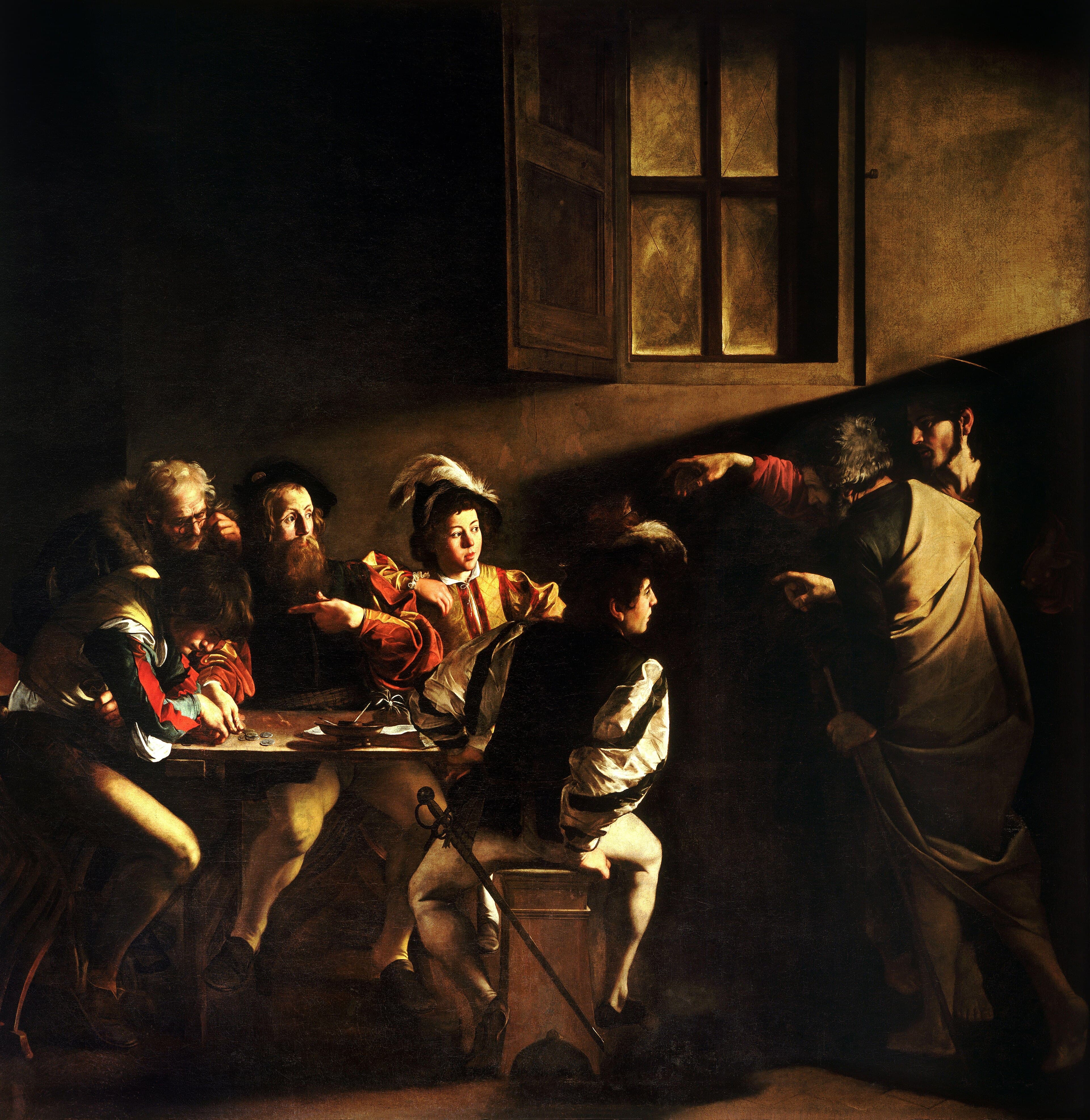
The painting is in the Cerasi Chapel, to the left of the high altar in Santa Maria del Popolo, on Piazza del Popolo in Rome. The chapel is lit by coin-operated lights. Opposite hangs the Crucifixion of Saint Peter; above the altar is Carracci's Assumption. For Caravaggio's other great Roman church commission, see The Calling of Saint Matthew in San Luigi dei Francesi, and for more of his work, Caravaggio's paintings and our Caravaggio biography.
Questions & answers
Where is Caravaggio's Conversion of Saint Paul?
It hangs where it was painted to be seen, in the Cerasi Chapel of Santa Maria del Popolo on Piazza del Popolo, Rome, opposite his Crucifixion of Saint Peter. Entry to the church is free. An earlier, rejected version on panel is in the private Odescalchi Balbi collection in Rome.
What does The Conversion of Saint Paul mean?
It shows the moment Saul, a persecutor of Christians, is struck down by a light from heaven on the road to Damascus (Acts 9). Caravaggio removes any vision of Christ: only Paul experiences the miracle, while the horse and groom notice nothing, stressing conversion as an inner, personal event.
Why is there a horse in The Conversion of Saint Paul?
The Bible does not mention a horse, but painters had shown Paul falling from one for centuries. Caravaggio made the horse the largest thing in the picture, carefully lifting its hoof to avoid the fallen man, so that the ordinary world seems to go on around the miracle.
How many versions of the Conversion of Saint Paul did Caravaggio paint?
Two. The first, on cypress panel, is a crowded scene with Christ and an angel descending; it is in the Odescalchi Balbi collection, Rome. It was replaced by the starker canvas now in the Cerasi Chapel, installed in 1601.
More by the artist
Caravaggio
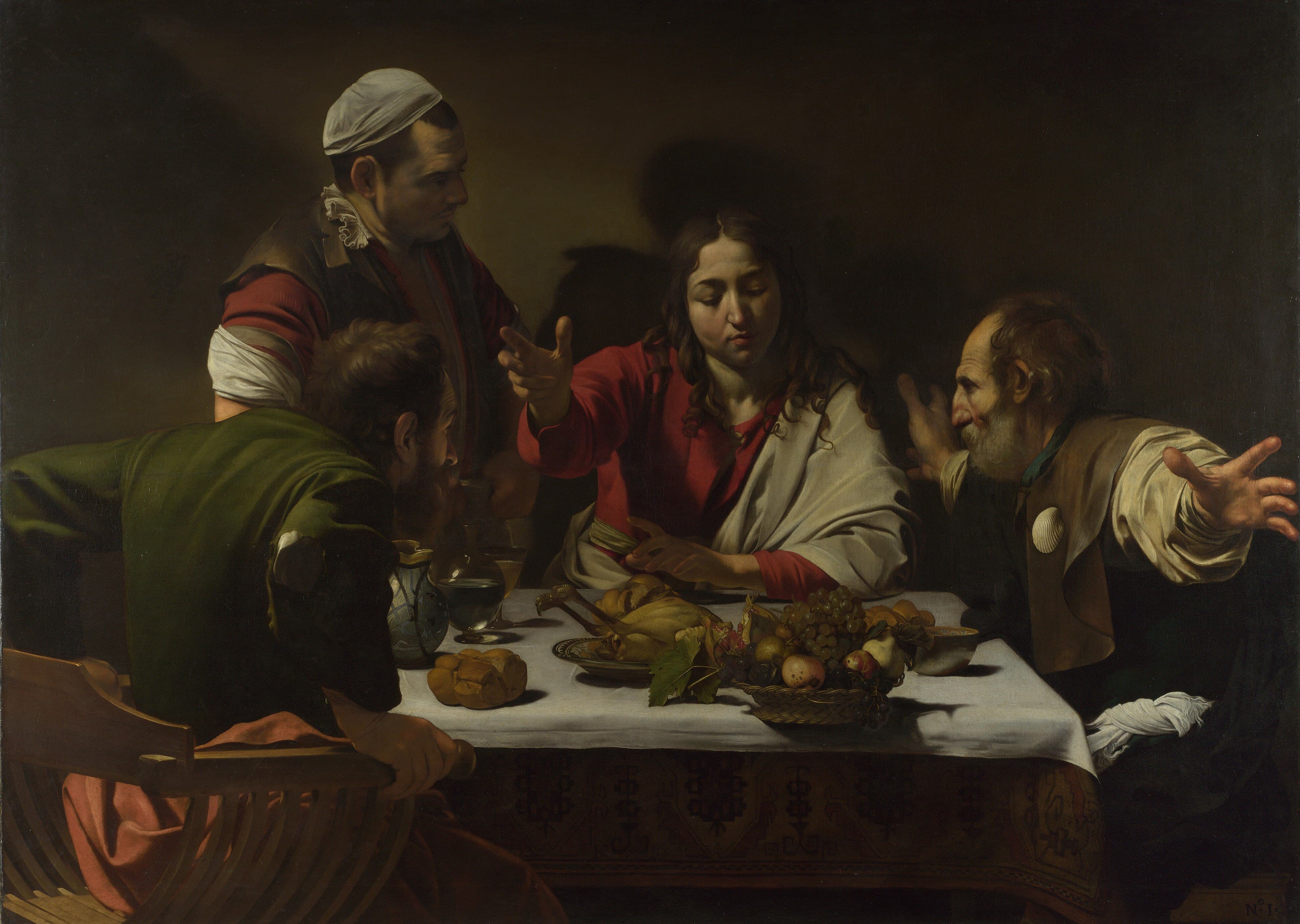
Supper at Emmaus
Caravaggio · 1601
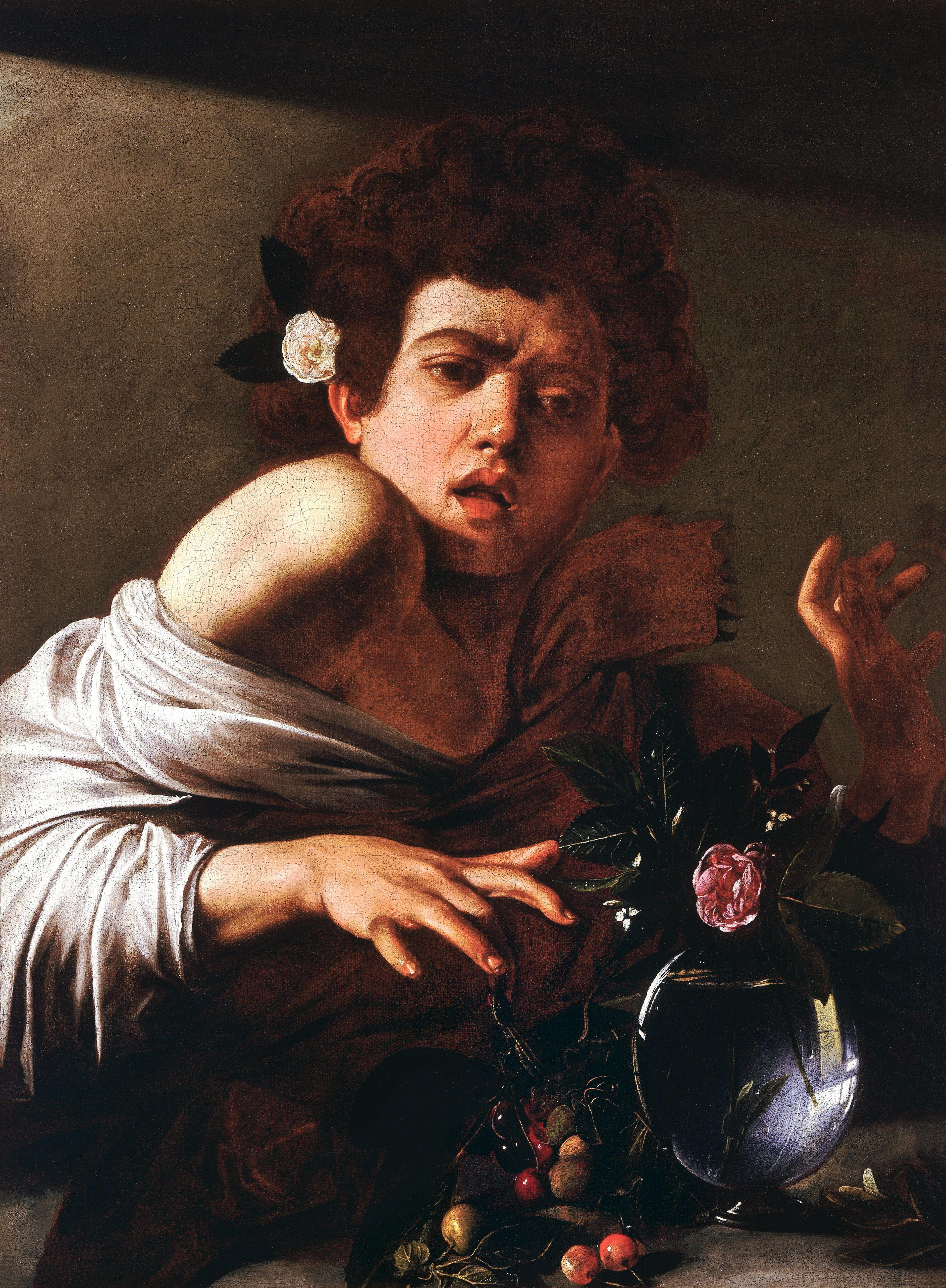
Boy Bitten by a Lizard
Caravaggio · c. 1594–95
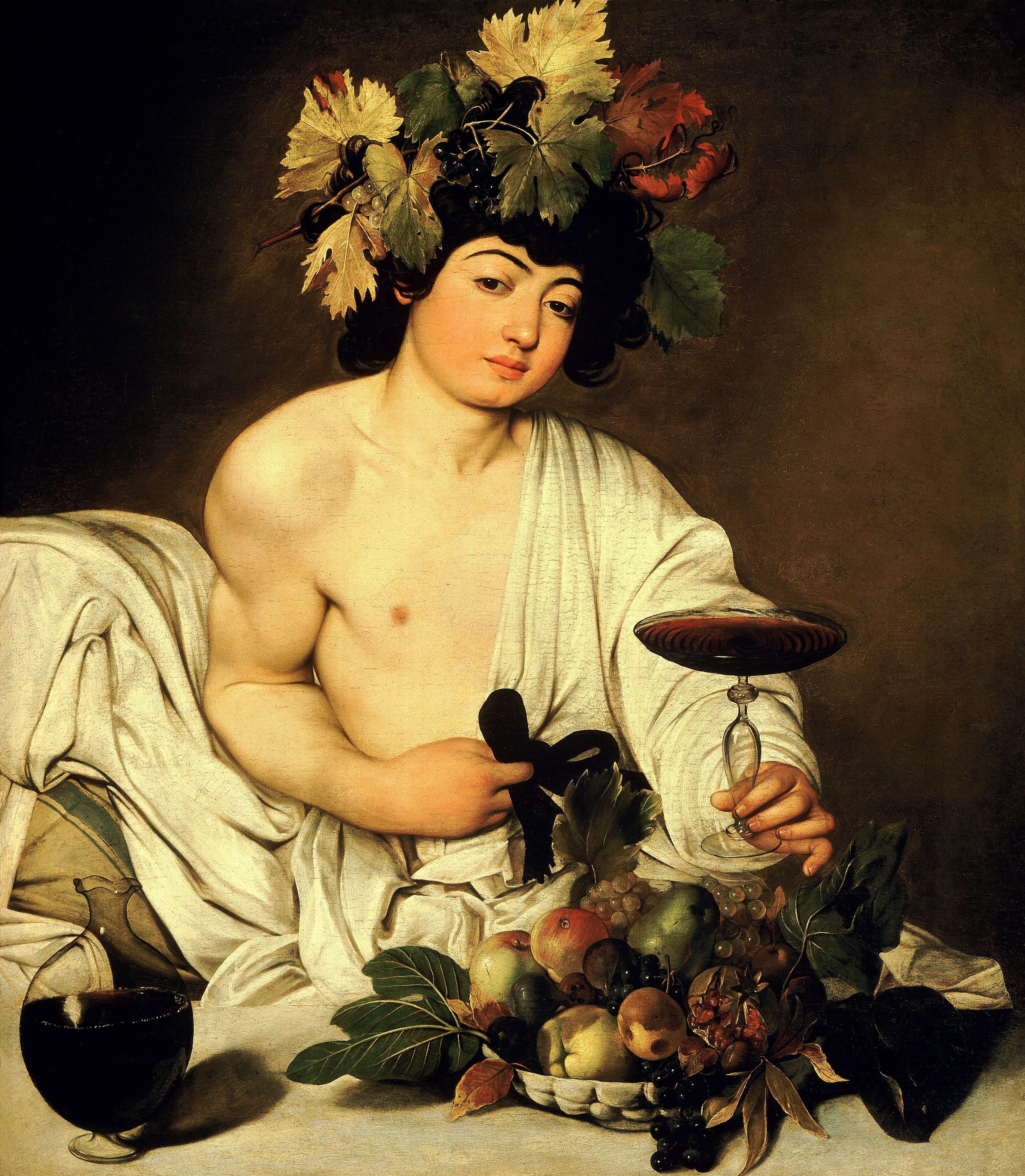
Bacchus
Caravaggio · c. 1596–98
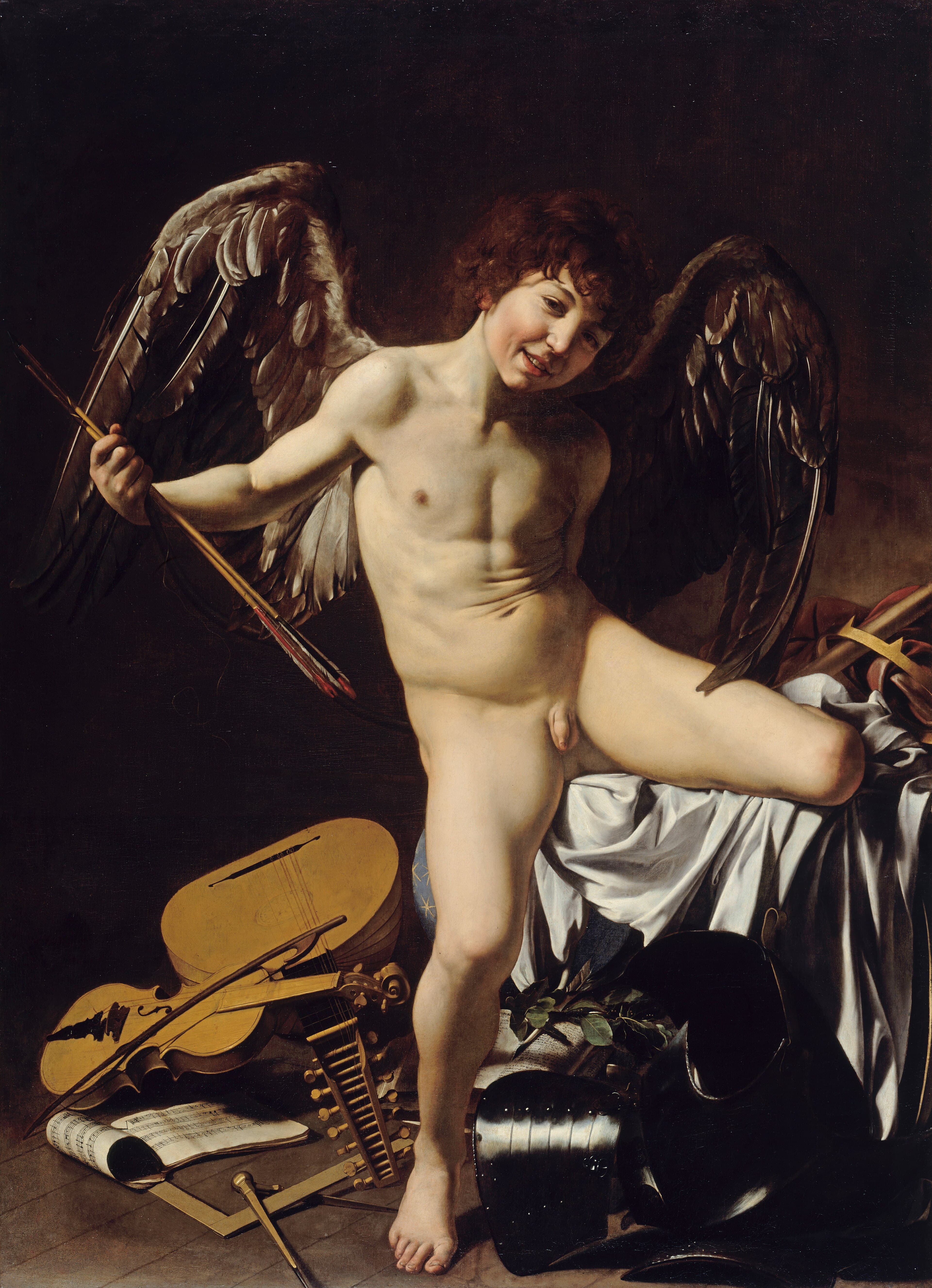
Amor Vincit Omnia
Caravaggio · 1601–02
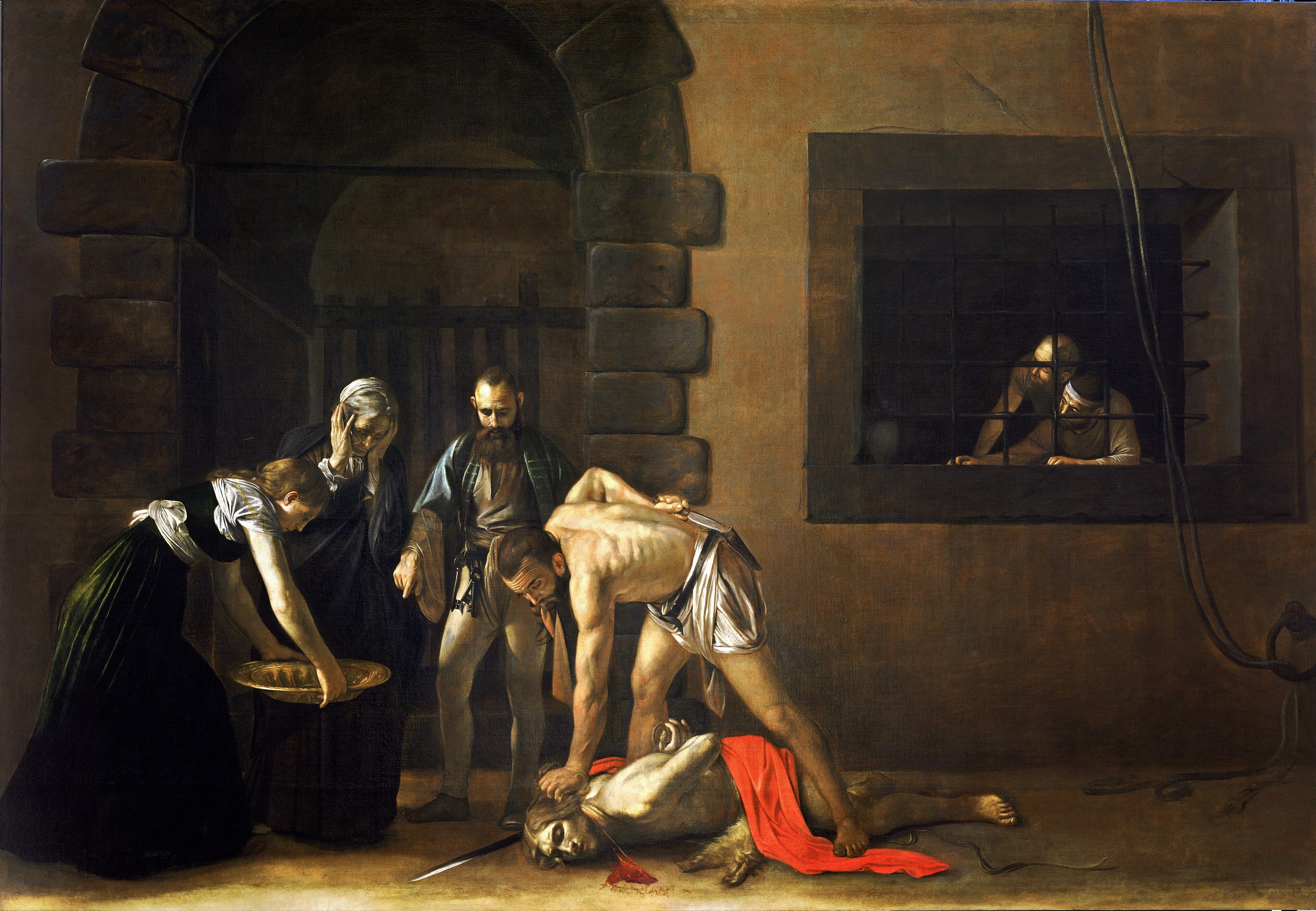
The Beheading of Saint John the Baptist
Caravaggio · 1608
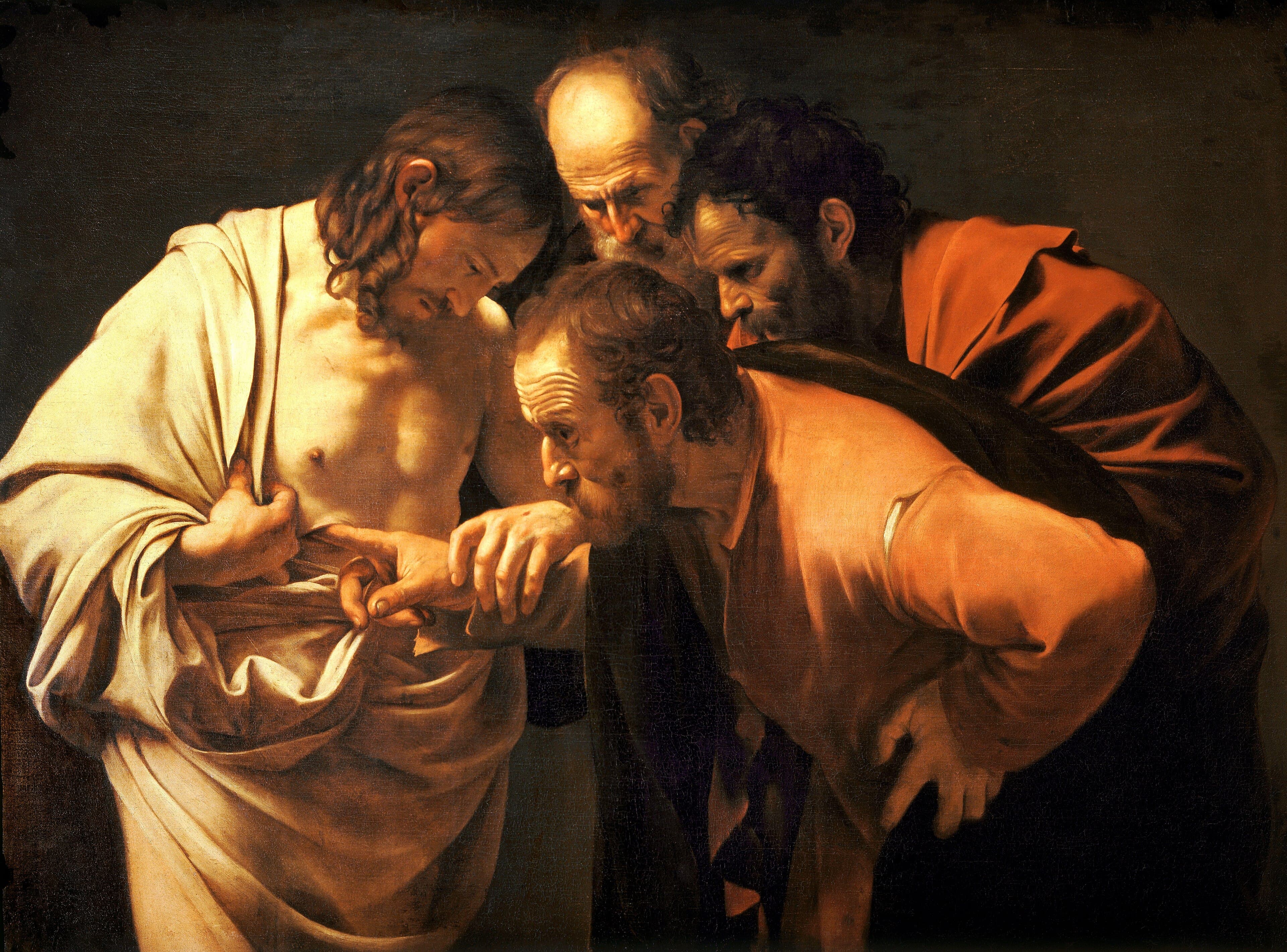
The Incredulity of Saint Thomas
Caravaggio · c. 1601–02
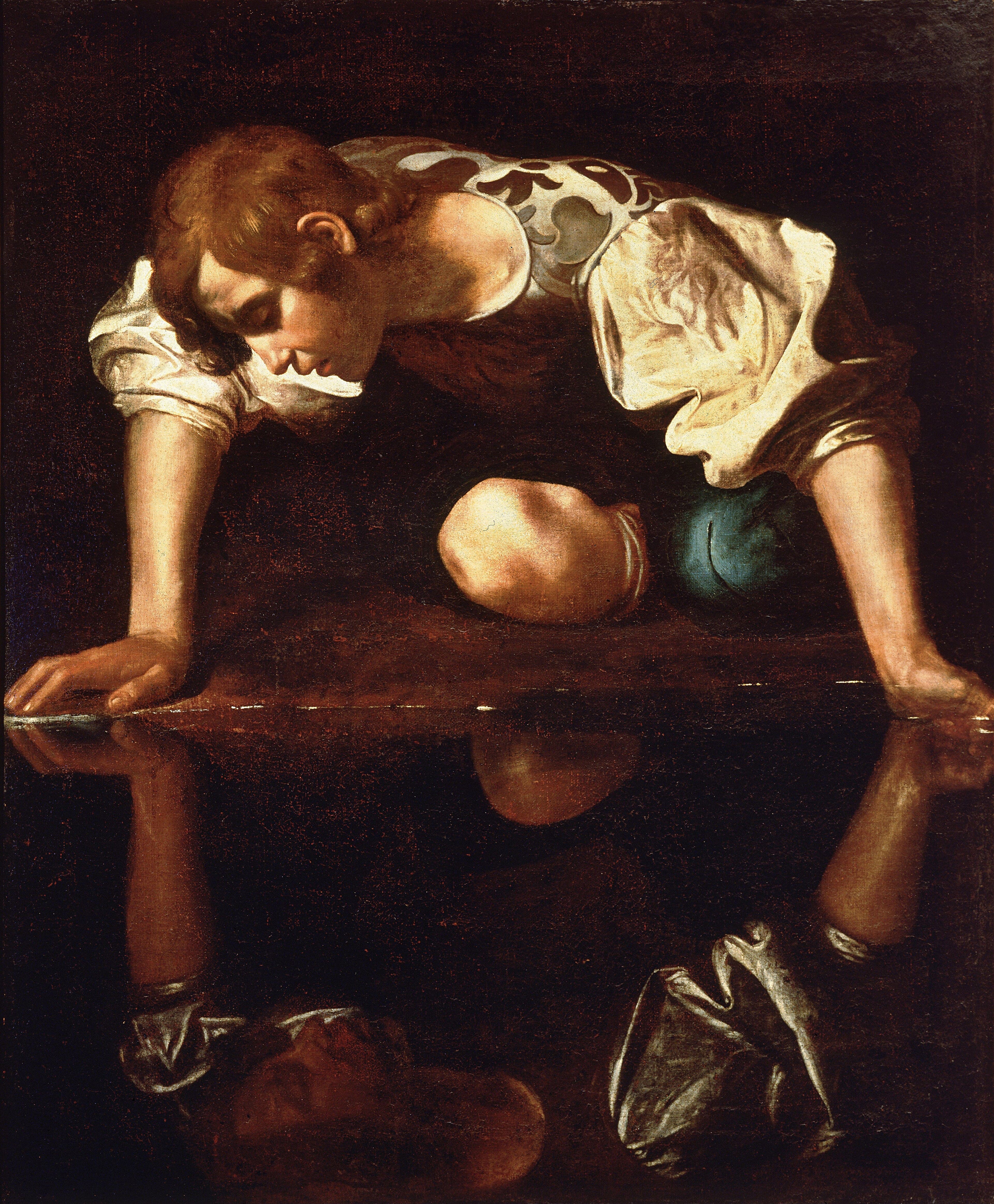
Narcissus
Caravaggio · c. 1597–99
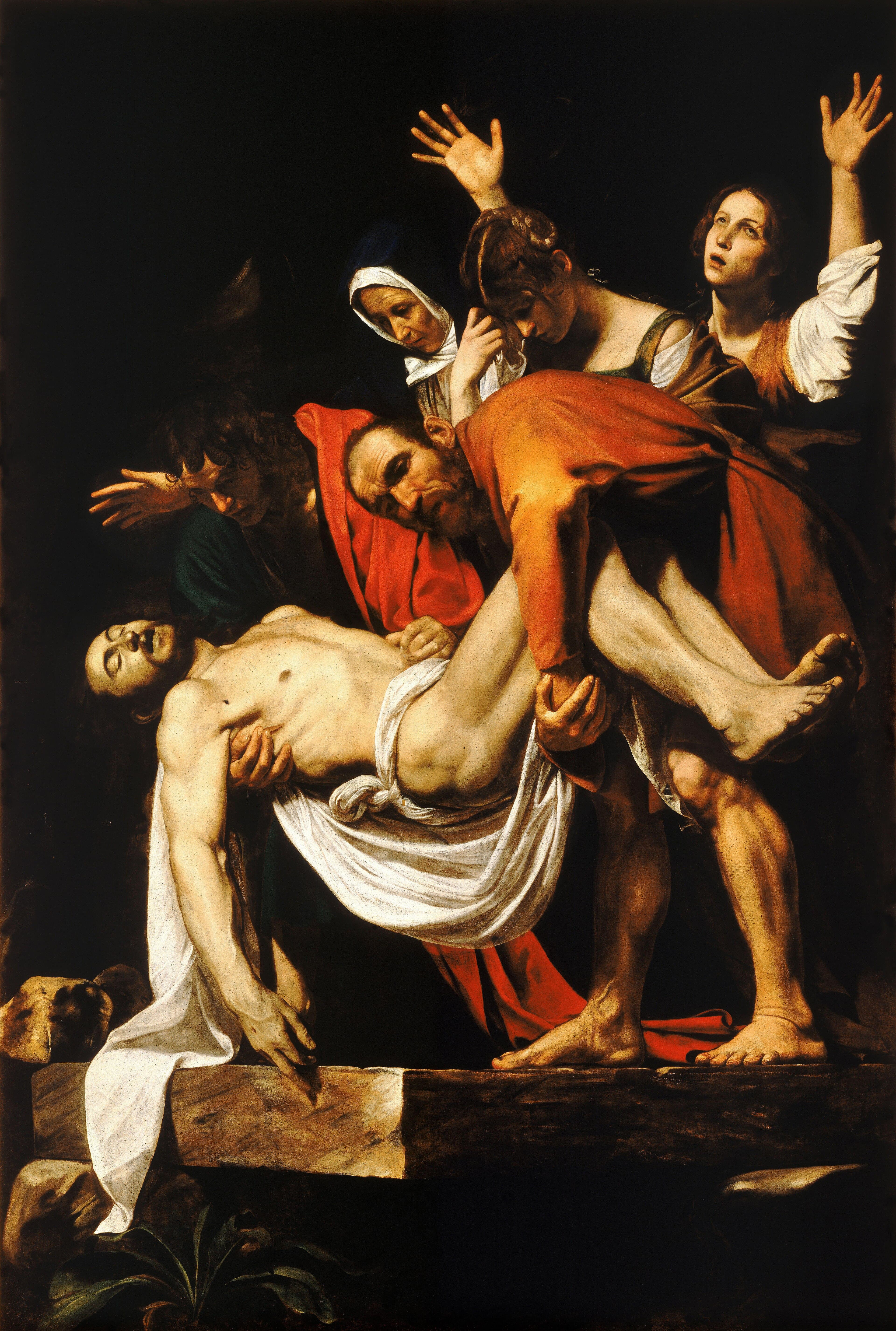
The Entombment of Christ
Caravaggio · 1603–04
Kindred works
You may also study
The Calling of Saint Matthew
Caravaggio · 1599–1600
Saint Catherine of Alexandria
Caravaggio · c. 1598

Nymphs Dancing to Pan's Flute
Joseph Tomanek

The Scream
Edvard Munch · 1893
The Creation of Adam
Michelangelo · c. 1511–12
Lucifer
Franz von Stuck · 1890
The Garden of Earthly Delights
Hieronymus Bosch · c. 1490–1510
The Angel, the Death, and the Devil
Roberto Ferri · 2018