High Renaissance
Sistine Chapel ceiling
Michelangelo, 1508–12
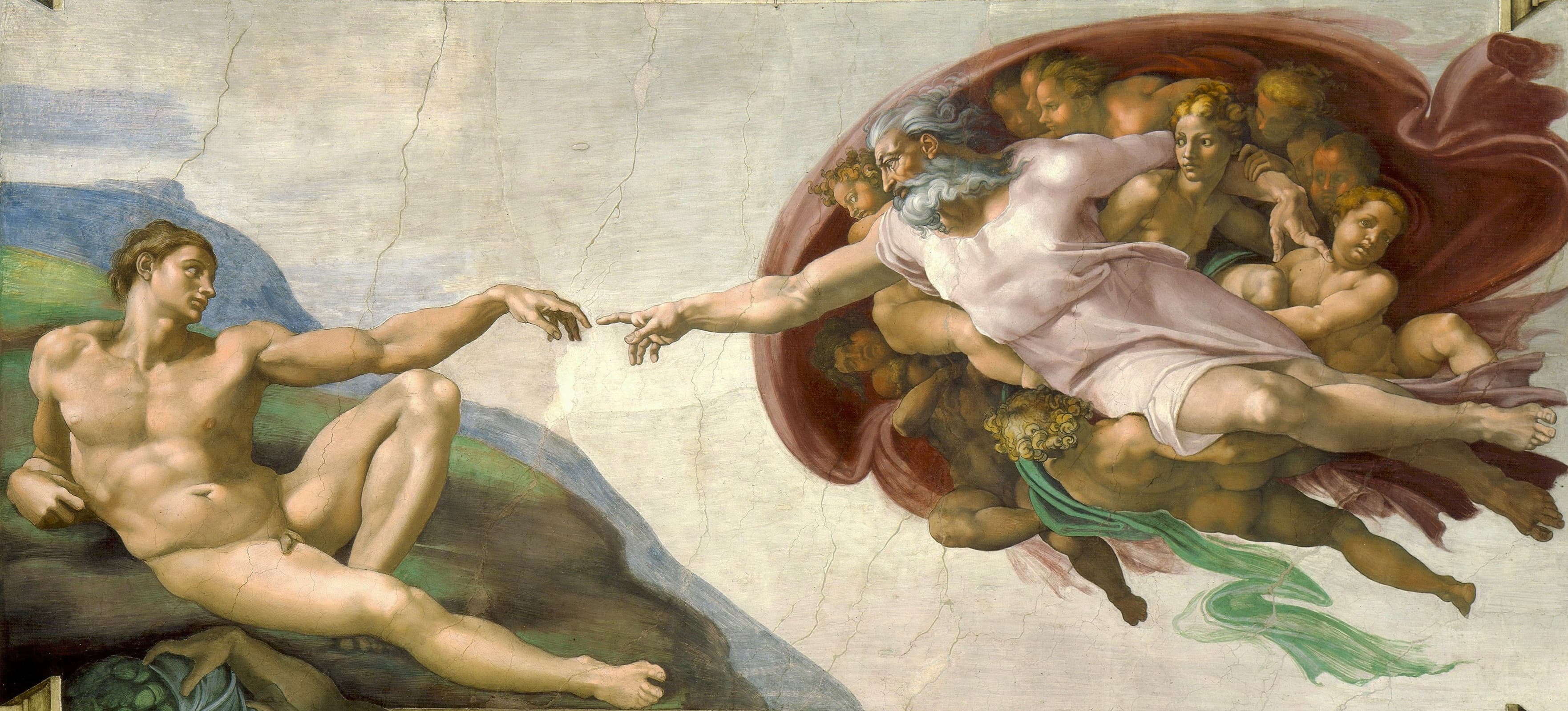
The Sistine Chapel ceiling is the fresco cycle Michelangelo painted for Pope Julius II between 1508 and 1512, with nine scenes from Genesis, including The Creation of Adam, surrounded by prophets, sibyls and nude youths. It is in the Sistine Chapel in the Vatican.
- Artist
- Michelangelo
- Date
- 1508–12
- Medium
- Fresco
- Dimensions
- c. 40 × 13 m (ceiling)
- Collection
- Sistine Chapel, Vatican Museums, Vatican City, Vatican City
- Movement
- High Renaissance
What you are looking at
This photograph takes in the whole chapel, looking toward the altar. Overhead, the long barrel vault is covered with Michelangelo's frescoes: down the center runs a painted framework of fictive architecture holding nine rectangular scenes from the Book of Genesis, from the Separation of Light and Darkness above the altar to the Drunkenness of Noah at the entrance end. Between them sit pairs of muscular nude youths, the ignudi, holding garlands and bronze-colored medallions. On the curving sides, enthroned prophets and sibyls alternate, and in the triangular spandrels and lunettes above the windows sit the ancestors of Christ.
The altar wall at the far end shows Michelangelo's later Last Judgment (1536–41), a separate commission. Along the side walls are the earlier fresco cycles of the lives of Moses and Christ by Botticelli, Perugino, Ghirlandaio, Rosselli and others, painted in 1481–82. The ceiling therefore sits at the center of a decorative scheme spanning about sixty years.
How it was made
Pope Julius II commissioned the ceiling in 1508. The first plan called for figures of the twelve apostles; Michelangelo, who regarded himself as a sculptor and had little experience of fresco, won permission to expand it into the vast scheme seen today. He worked from a scaffold of his own design, standing and painting upward rather than lying on his back, as legend has it, with assistants who ground pigments and prepared the plaster. The paint went onto fresh lime plaster in daily patches, giornate, which can still be traced.
The first half was unveiled in 1511 and the whole ceiling in 1512. The restoration of 1980–94 removed centuries of candle soot and glue, revealing the bright oranges, greens and pinks that had been invisible for generations.
What does it mean?
The Genesis scenes run in reverse order from the entrance, so worshippers walking toward the altar move back through history toward the Creation. Renaissance theologians read the program as the story of humanity's need for redemption, foretold by prophets of Israel and sibyls of the pagan world. The Creation of Adam panel is one of the most reproduced images in Western art; the ignudi show Michelangelo's lifelong conviction that the nude male body was the highest vehicle for beauty.
Where to see it
The ceiling is in the Sistine Chapel in Vatican City, reached at the end of the Vatican Museums route; photography is not permitted inside. For more by the artist, see Michelangelo and his David, and our guide to Renaissance paintings.
Questions & answers
How long did it take Michelangelo to paint the Sistine Chapel ceiling?
About four years, from 1508 to 1512. He began after Pope Julius II commissioned the work in 1508, the first half was unveiled in 1511, and the complete ceiling was shown in late 1512. He later returned to paint the Last Judgment on the altar wall between 1536 and 1541.
Did Michelangelo paint the Sistine Chapel lying on his back?
No. That is a popular myth. He designed a scaffold that let him stand and paint upward, bending his head back, which he complained about in a comic poem. Assistants helped prepare plaster and grind colors, but the design and most figures are his.
What scenes are on the Sistine Chapel ceiling?
Nine scenes from Genesis run down the center, from the Separation of Light and Darkness to the Drunkenness of Noah, including the Creation of Adam and the Fall. They are framed by prophets, sibyls, nude youths and the ancestors of Christ.
More by the artist
Michelangelo
Kindred works
You may also study
The Last Supper
Leonardo da Vinci · c. 1495–98
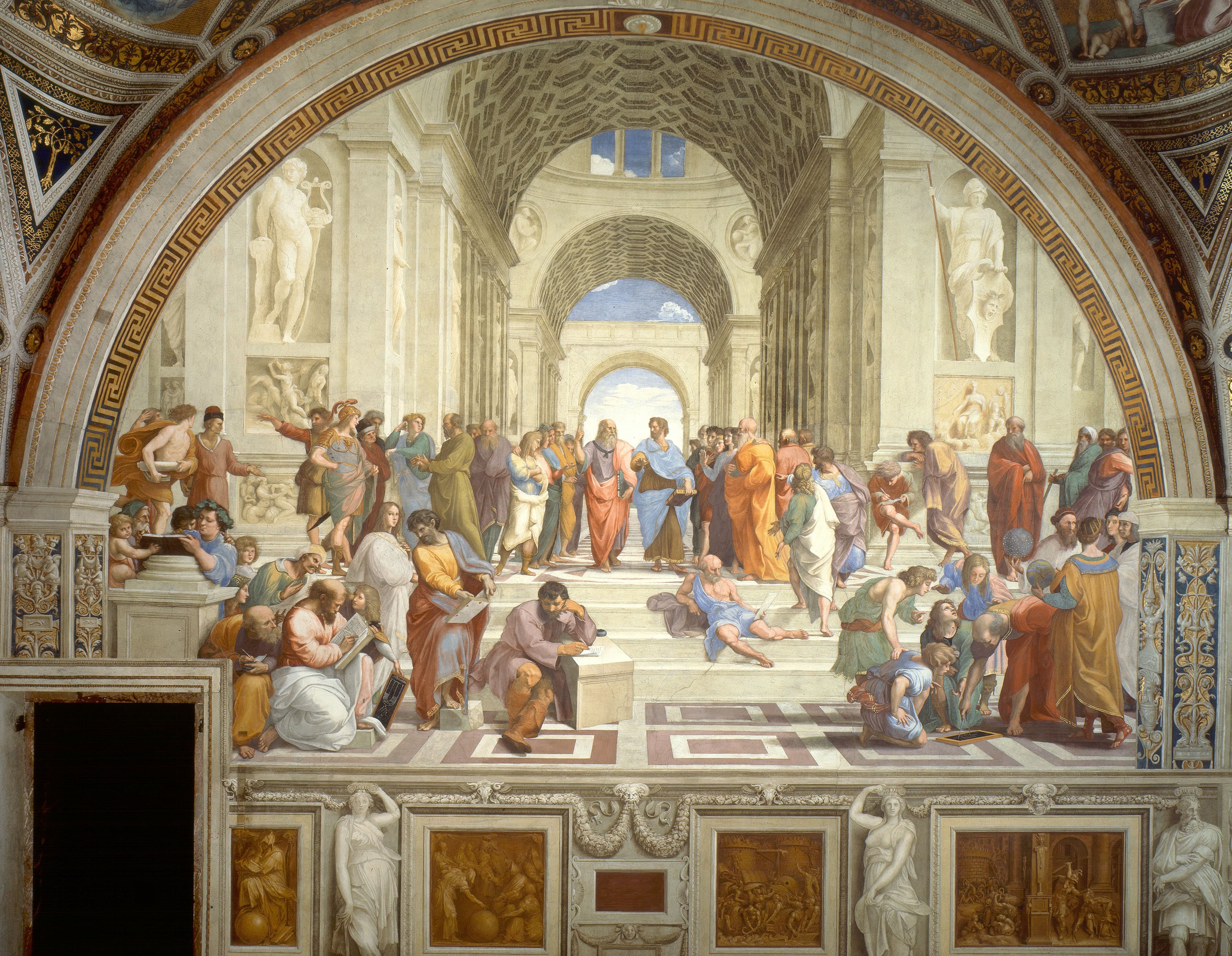
The School of Athens
Raphael · 1509–1511

Venus de Milo
Alexandros of Antioch · c. 150–125 BC

Nymphs Dancing to Pan's Flute
Joseph Tomanek
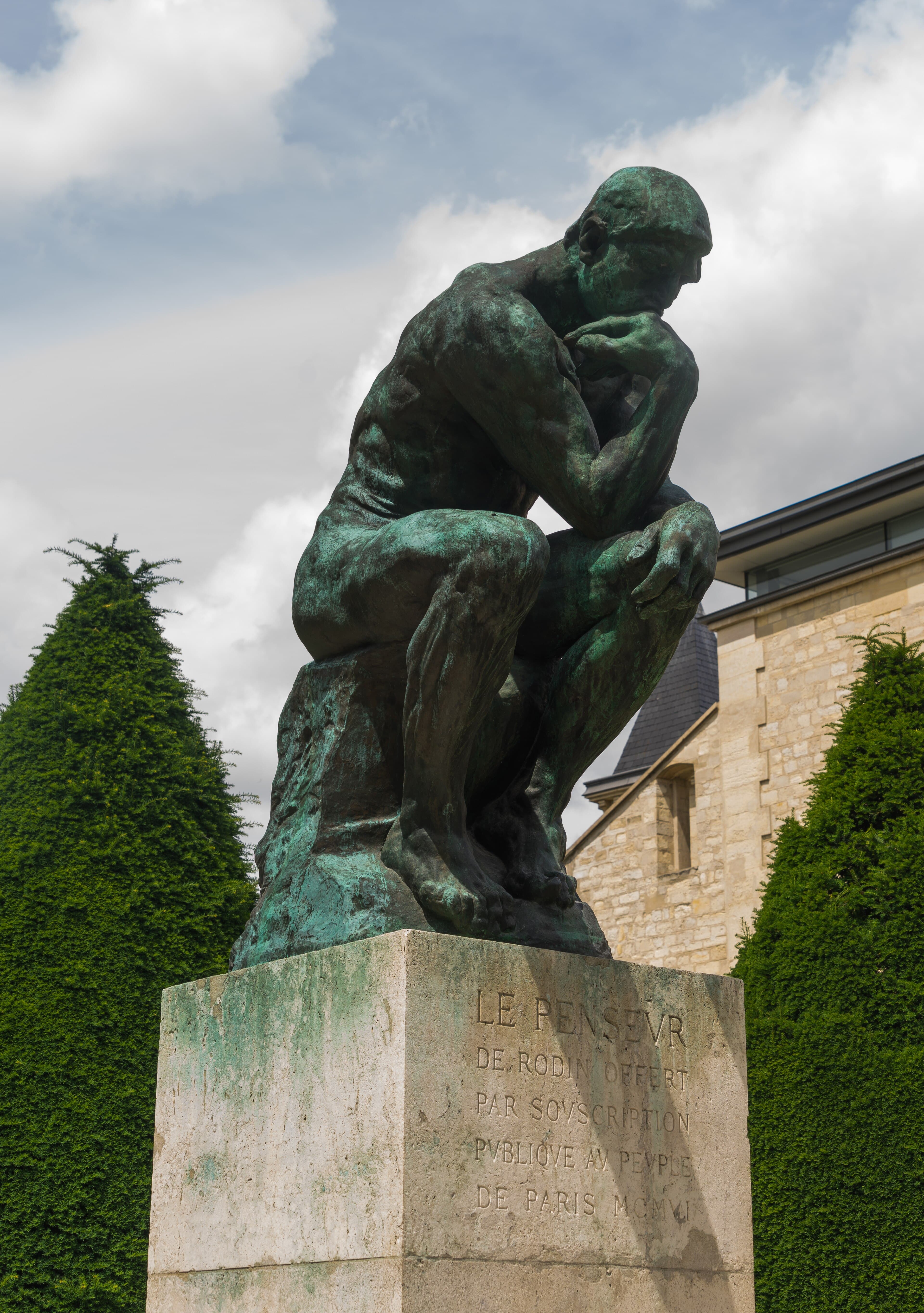
The Thinker
Auguste Rodin · Modeled 1880–82; enlarged 1902–03; this cast 1904
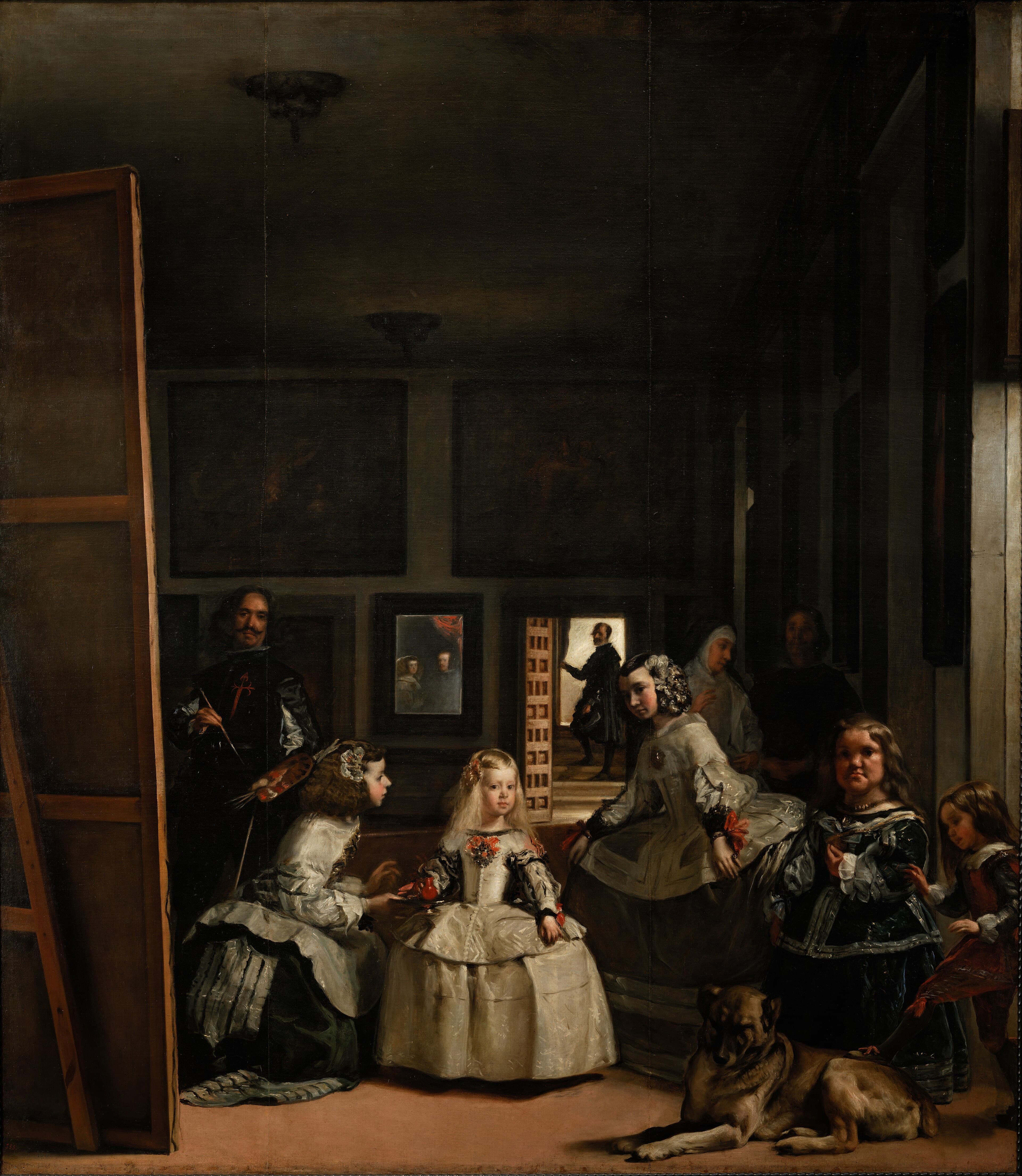
Las Meninas
Diego Velázquez · 1656
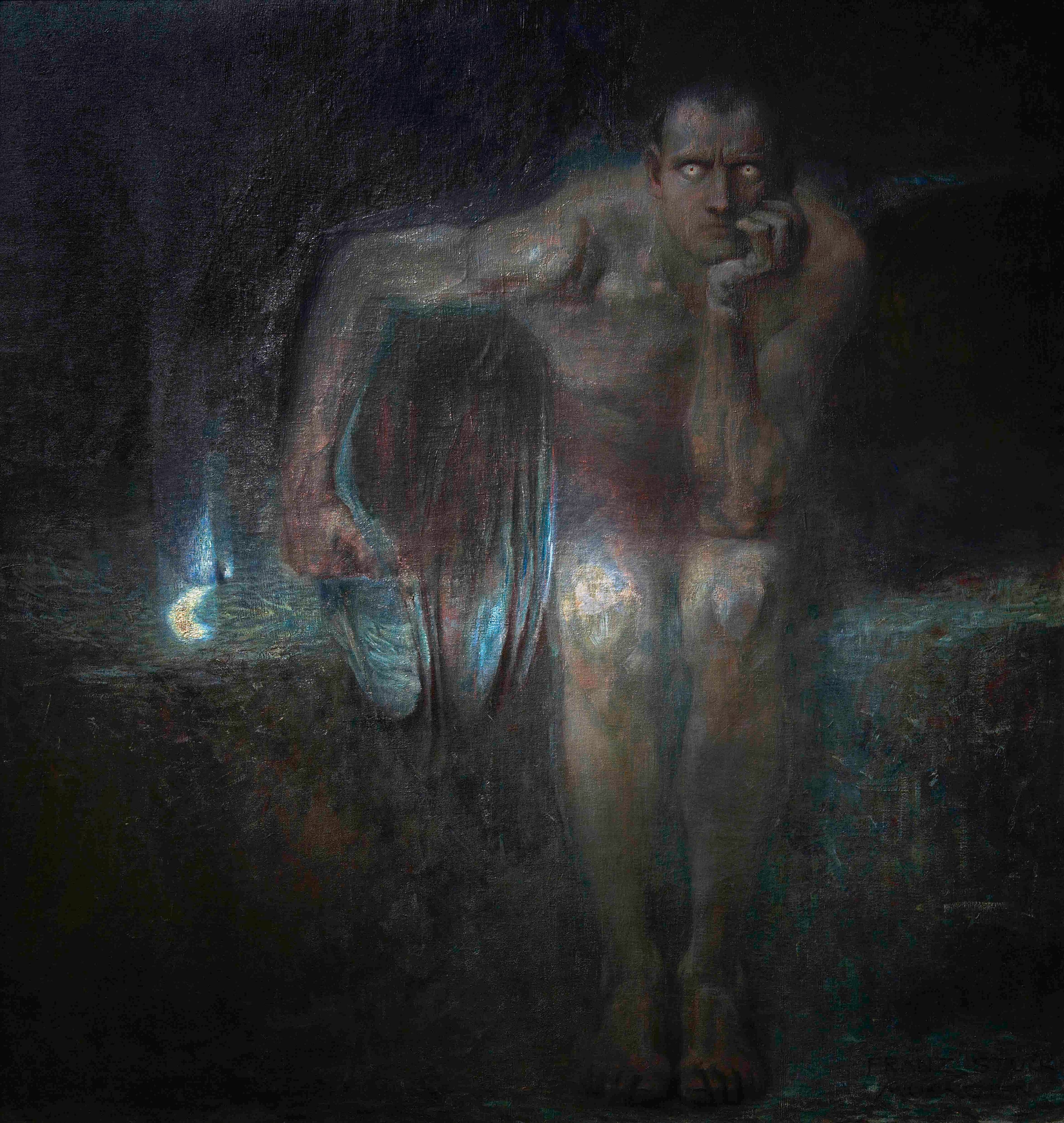
Lucifer
Franz von Stuck · 1890
The Birth of Venus
Sandro Botticelli · c. 1484–1486