Mannerism
Apennine Colossus
Giambologna, c. 1579–80
The Apennine Colossus is a giant crouching figure of the Apennine mountains made by Giambologna around 1579–80 for the Medici garden at Pratolino. About 11 meters tall, it still stands in the park of Villa Demidoff near Florence.
- Artist
- Giambologna
- Date
- c. 1579–80
- Medium
- Stone, brick, spugna (tufa) and plaster over an internal structure
- Dimensions
- About 11 m high (sources vary from 10 to 14 m)
- Collection
- Parco di Villa Demidoff (Pratolino), Vaglia, near Florence, Italy
- Movement
- Mannerism
The Apennine Colossus (Colosso dell'Appennino, or simply Appennino) is a gigantic sculpture by the Flemish-born Florentine sculptor Giambologna, built around 1579–80 for Grand Duke Francesco I de' Medici's garden at Pratolino, north of Florence. The figure, a bearded old giant crouching over a pond, personifies the Apennine mountains. It is usually given as about 11 meters high, though published figures range from 10 to 14 meters, and it still stands in the park of what is now Villa Demidoff, in the municipality of Vaglia, Tuscany.
What you are looking at
The giant rises from a rocky outcrop above a still pool, framed by trees. He crouches with one knee drawn up, leaning forward, his weight on one arm. That hand presses down on the head of a monster or sea creature, from whose mouth water was meant to pour into the pond below. His long beard and hair hang down in dripping, icicle-like strands, so that he looks as if he were made of the mountain itself, covered in stalactites, moss and running water.
Up close the figure is not carved from a single block. Giambologna built it from local stone and brick, faced with spugna, a porous tufa stone, and plaster, so that the surface looks eroded and organic. Over four centuries moss, lichen and weather have pushed the illusion further: the giant now looks half-statue, half-landscape. The detail most visitors miss is the rock beneath him. It contains openings to chambers built into the base.
Inside the giant
The Appennino was never just a statue. Inside the body and base were rooms and grottoes, decorated with frescoes and fountains, where the Medici could entertain guests. Some accounts describe a space in the head, lit through the eyes, with a fireplace whose smoke would rise from the giant's nostrils. That last story is often repeated but should be treated as tradition rather than established fact. Most of the interior decoration has been lost, although a vaulted chamber survives inside the base.
The garden of marvels
Pratolino was the most famous garden in late sixteenth-century Europe. Francesco I, fascinated by science, alchemy and mechanics, had it filled with grottoes, water automata, hydraulic organs and surprise fountains engineered by the architect Bernardo Buontalenti. Visitors walked from one marvel to the next. The Colossus was its climax: an image of nature itself, the mountain range that supplied Tuscany's water, presiding over the pool that collected it.
Garden sculpture of this kind belonged to Mannerism's taste for the strange, the hybrid and the theatrical. Like the monsters of the Sacro Bosco at Bomarzo, the Pratolino giant blurs art and nature: is it a figure carved from a hill, or a hill that has become a figure?
How it was made
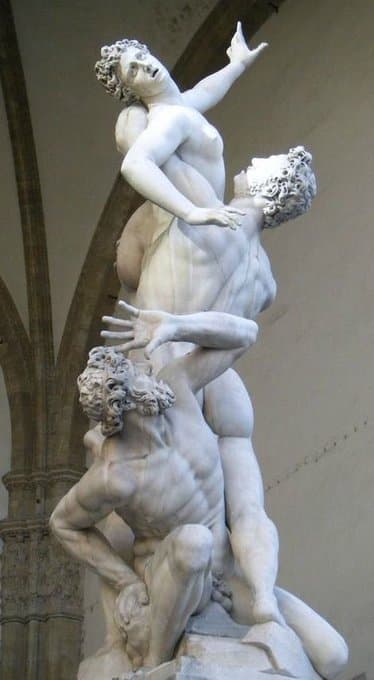
Giambologna, born Jean de Boulogne in Douai, was the leading sculptor at the Medici court, famous for the Abduction of a Sabine Woman and for small bronzes collected across Europe. For the Colossus he worked at an entirely different scale and in rough, rustic materials, an engineering task as much as a sculptural one. A brick and iron armature holds the figure together, and water channels were built into it for the fountains.
Later history
After the Medici, the garden at Pratolino declined. In the early nineteenth century most of Buontalenti's grottoes and automata were dismantled, and the original villa was demolished in 1822. In 1872 the estate was bought by Prince Paul Demidoff, whose family converted an outbuilding into the villa that gives the park its name. A winged dragon placed behind the giant was added later and is generally attributed to the sculptor Giovanni Battista Foggini. Today the park belongs to the Città Metropolitana di Firenze and is part of the UNESCO World Heritage listing of the Medici villas and gardens in Tuscany.
Meaning
The Colossus personifies a landscape, in the tradition of ancient river-god statues. It also expresses Medici power: the dynasty that ruled Tuscany presented itself as master of the mountains and waters of its territory. Its enduring appeal today is simpler: a giant, sinking slowly back into the landscape it represents.
Visiting tips
The giant is best seen from across the pond, where its full silhouette reads against the trees and its reflection doubles it in the water. From there the scale is hard to judge until you notice a person standing at its base, barely reaching the top of the rock. Walk around to the side and the figure flattens into a mass of rough stone, which is a reminder that Giambologna designed it for a single main view, like a stage set, rather than as a statue to be circled.
Where to see it
The Colossus stands in the Parco di Villa Demidoff at Pratolino, in Vaglia, about 12 kilometers north of Florence. The park is open seasonally, usually from spring to autumn. For more monumental sculpture, see Statue of Atlas and our guide to famous sculptures.
Questions & answers
Where is the Apennine Colossus?
The Apennine Colossus stands in the Parco di Villa Demidoff at Pratolino, in the municipality of Vaglia, about 12 kilometers north of Florence, Italy. The park is generally open from spring to autumn, and the giant overlooks a pond in the grounds; check opening days before visiting.
How tall is the Apennine Colossus?
It is usually given as about 11 meters tall, roughly 35 feet, although published figures range from 10 to 14 meters depending on whether the base is included. It is one of the largest garden sculptures of the Renaissance. The figure crouches, so standing it would be far taller.
Who made the Apennine Colossus and when?
Giambologna made it around 1579–80 for Grand Duke Francesco I de' Medici's garden at Pratolino. The sculptor, born Jean de Boulogne in Flanders, was the leading court sculptor in Florence, known for works such as the Abduction of a Sabine Woman.
Are there rooms inside the Apennine Colossus?
Yes. The giant was built with chambers and grottoes inside its body and base, decorated with frescoes and fountains. Most of the decoration is lost, but a vaulted room survives in the base. The story of a fireplace in the head that made smoke come from the nostrils is a tradition.
More by the artist
Giambologna
Kindred works
You may also study
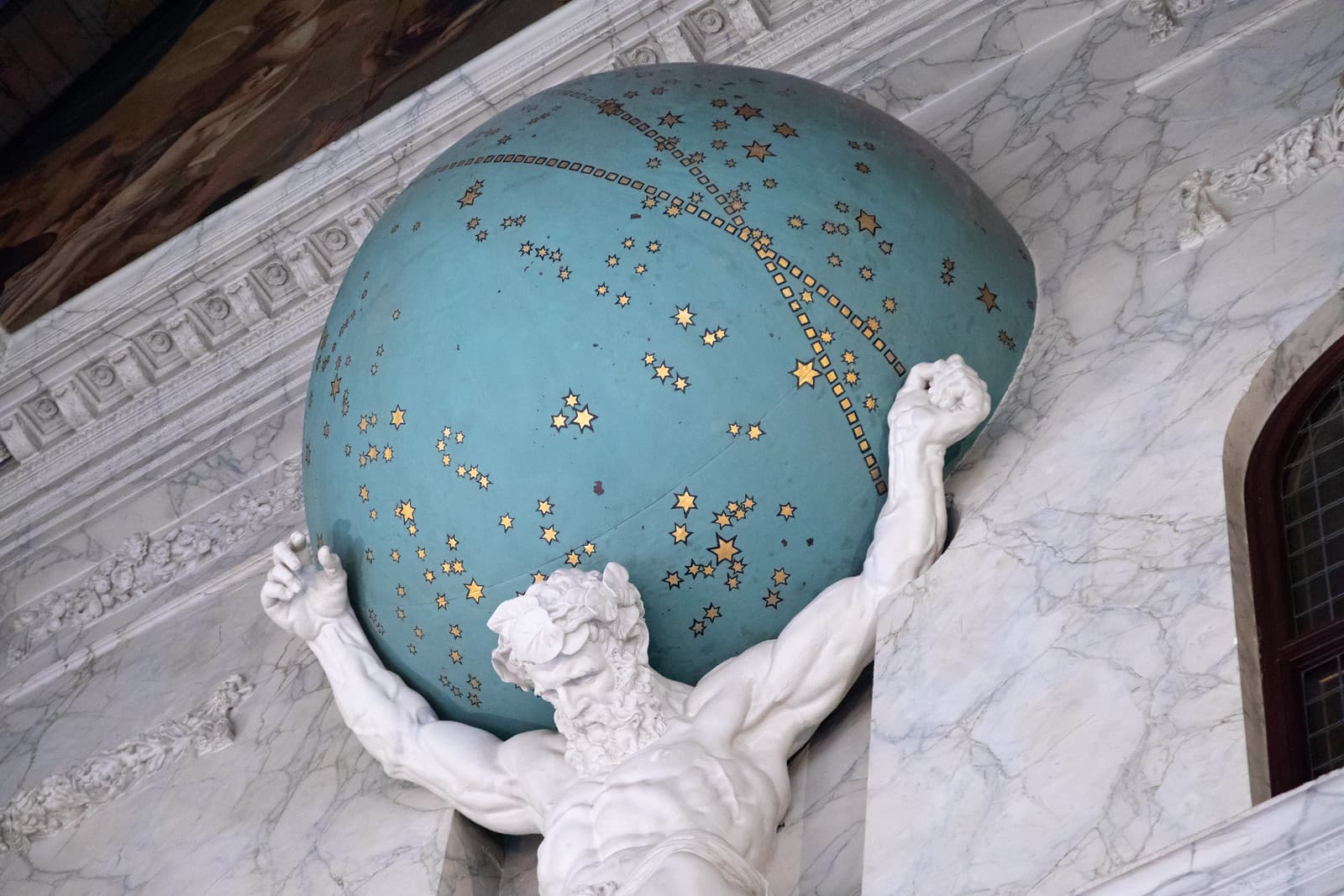
Atlas, Royal Palace Amsterdam
Artus Quellinus & Jacob van Campen & Daniël Stalpaert · c. 1662–63
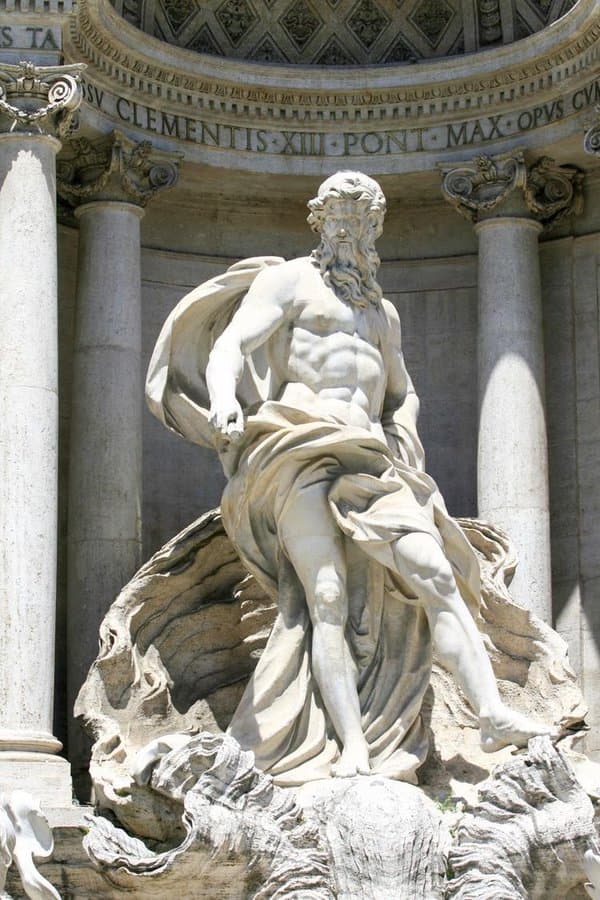
Oceanus, Trevi Fountain
Pietro Bracci & Nicola Salvi & Giuseppe Pannini · 1732–62
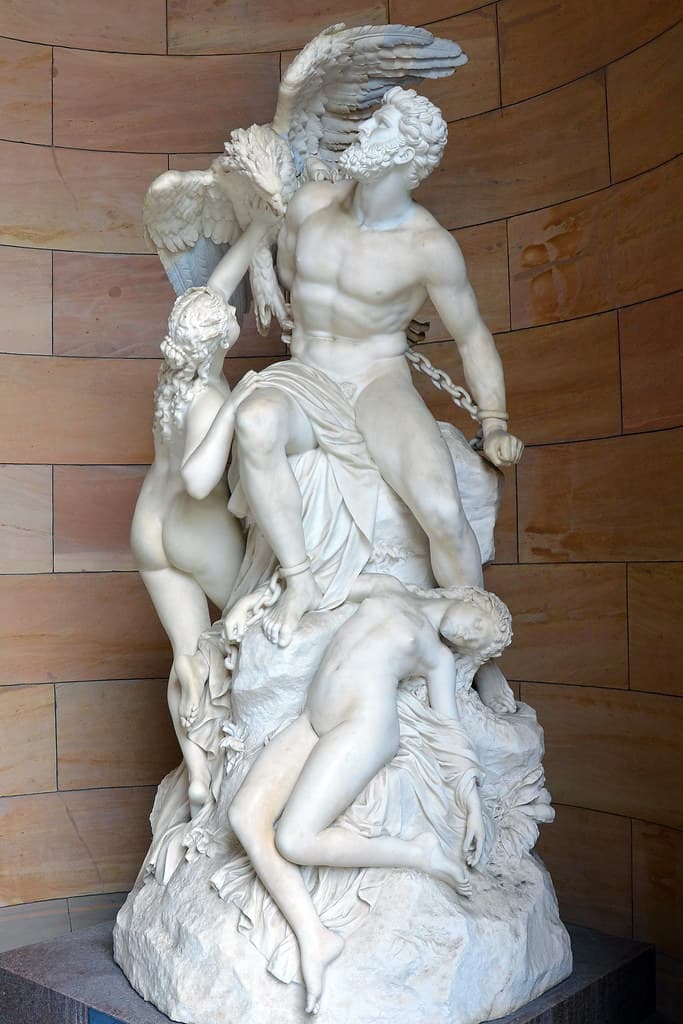
Prometheus Bound and the Oceanids
Eduard Müller · 1872–79
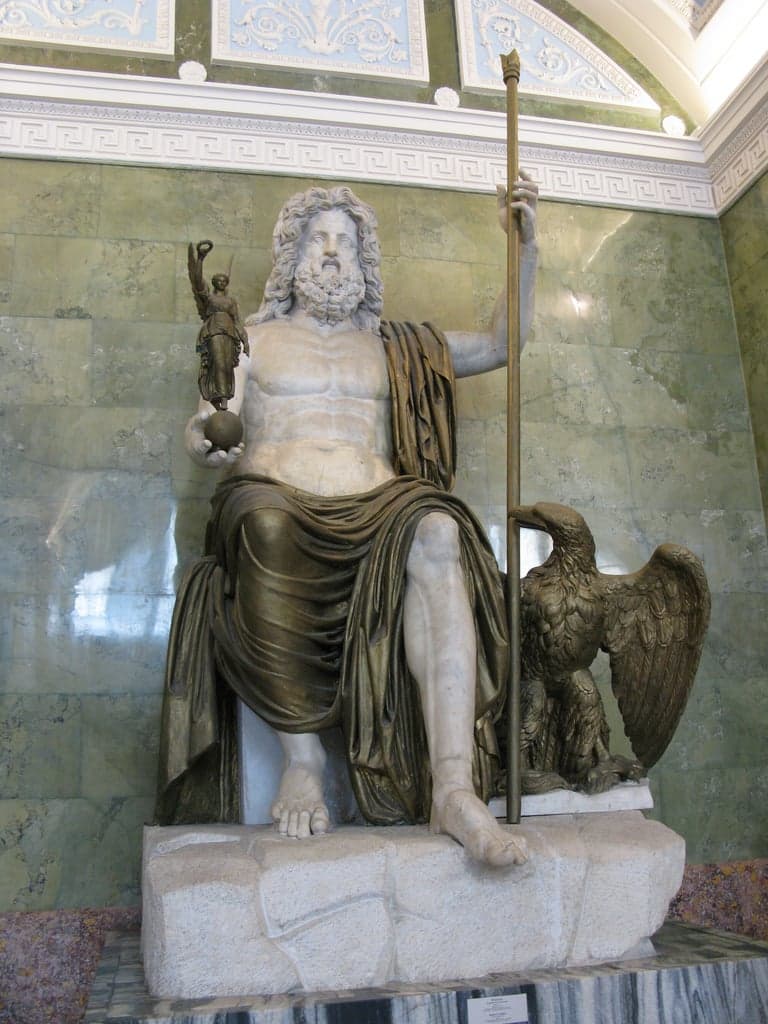
Seated Zeus (Statue of Jupiter, Hermitage)
Artist Unknown & Phidias · Late 1st century AD (after Phidias's Zeus, c. 435 BC)

Bridge over a Pond of Water Lilies
Claude Monet · 1899

Venus de Milo
Alexandros of Antioch · c. 150–125 BC

Nymphs Dancing to Pan's Flute
Joseph Tomanek

The Scream
Edvard Munch · 1893