High Renaissance
The Last Supper
Leonardo da Vinci, c. 1495–98
The Last Supper is Leonardo da Vinci's wall painting of Christ and the twelve apostles at the moment he announces one will betray him, painted c. 1495–98 in the refectory of Santa Maria delle Grazie, Milan, where it remains.
- Artist
- Leonardo da Vinci
- Date
- c. 1495–98
- Medium
- Tempera and oil on gesso, pitch and mastic (wall painting)
- Dimensions
- 460 × 880 cm
- Collection
- Santa Maria delle Grazie (refectory), Milan, Italy
- Movement
- High Renaissance
What you are looking at
Thirteen men sit along one side of a long table covered with a white cloth, in a plain room whose walls, hung with tapestries, recede toward three windows. Christ sits at the center, framed by the middle window, his arms spread low on the table, his head tilted, calm. On either side of him the apostles erupt. They gather in four groups of three: recoiling, leaning in, rising, gesturing, asking each other the same question. Christ has just said, "One of you will betray me."
Leonardo da Vinci painted The Last Supper on the north wall of the refectory, the monks' dining hall, of the Dominican convent of Santa Maria delle Grazie in Milan, for Duke Ludovico Sforza, around 1495–98. It is about 4.6 by 8.8 meters and is still where Leonardo painted it.
Reading the apostles
The figures, identified from inscriptions on early copies, run from left to right: Bartholomew, James the Less and Andrew; then Judas, Peter and John; then, beyond Christ, Thomas, James the Greater and Philip; and finally Matthew, Thaddeus and Simon. Judas is the key. He sits on the same side as the others, not alone across the table as in earlier versions, but he leans back into shadow, clutching a small bag, the silver of his payment. Peter, behind him, holds a knife, foreshadowing his violence at Christ's arrest. John, beside Christ, swoons away from him.
Look at the hands. Thomas raises one finger, the doubter; Philip presses his hands to his chest; Christ's hands are open, one palm up, one down, reaching toward the bread and the wine.
How it was made, and why it is damaged
A true fresco is painted quickly into wet plaster. Leonardo, who liked to work slowly and revise, instead painted on a dry wall with an experimental mixture of tempera and oil over a preparatory layer. It allowed subtle effects but did not bond well, and the paint began to flake within decades. Damp, a doorway cut through the bottom center in 1652, Napoleonic troops and bombing in 1943, which destroyed the refectory roof, did further harm. A restoration from 1978 to 1999 removed centuries of overpaint, revealing what survives of Leonardo's own surface.
The perspective
All the lines of the ceiling and walls converge on Christ's head, the vanishing point of the room. Leonardo makes the architecture point to the meaning.
Where to see it
The painting is in the Cenacolo Vinciano, Santa Maria delle Grazie, Milan. Visits are by timed, pre-booked ticket in small groups. See also Mona Lisa, Study of Hands and the Renaissance guide.
Questions & answers
Where is Leonardo's Last Supper?
The Last Supper is on the wall of the former refectory of the convent of Santa Maria delle Grazie in Milan, Italy, where Leonardo painted it around 1495–98. It cannot be moved. Visitors must book timed tickets, and small groups are admitted for about fifteen minutes.
Which apostle is Judas in The Last Supper?
Judas is the fourth figure from the left, leaning back into shadow beside Peter and John, clutching a small money bag and with his elbow on the table. Unlike earlier Last Suppers, Leonardo seats him on the same side as the other apostles.
Why is The Last Supper so damaged?
Leonardo painted on a dry wall with an experimental tempera and oil technique instead of true fresco, so the paint did not adhere well and began flaking within decades. Damp, a doorway cut in 1652, wartime bombing in 1943 and old restorations caused further damage.
More by the artist
Leonardo da Vinci
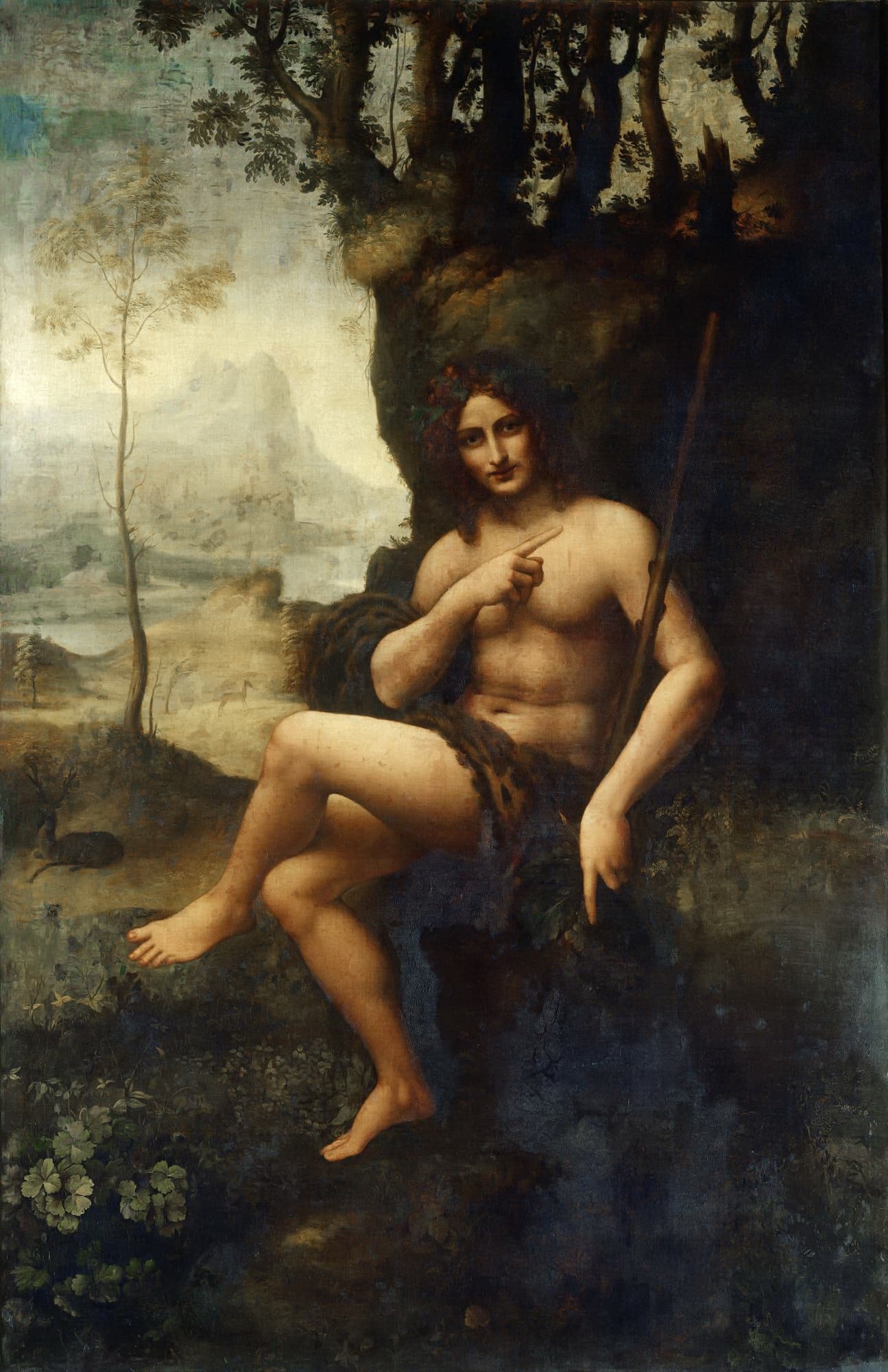
Bacchus (Saint John the Baptist)
Leonardo da Vinci · c. 1510–15; altered 1683–93
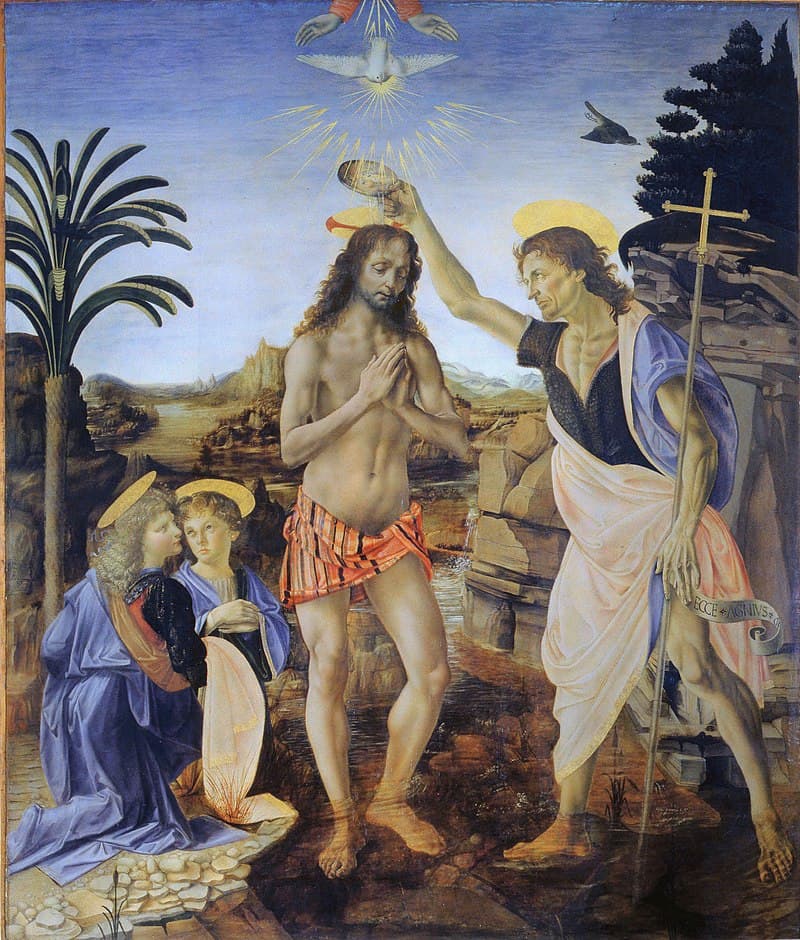
The Baptism of Christ
Andrea del Verrocchio & Leonardo da Vinci · c. 1470–75
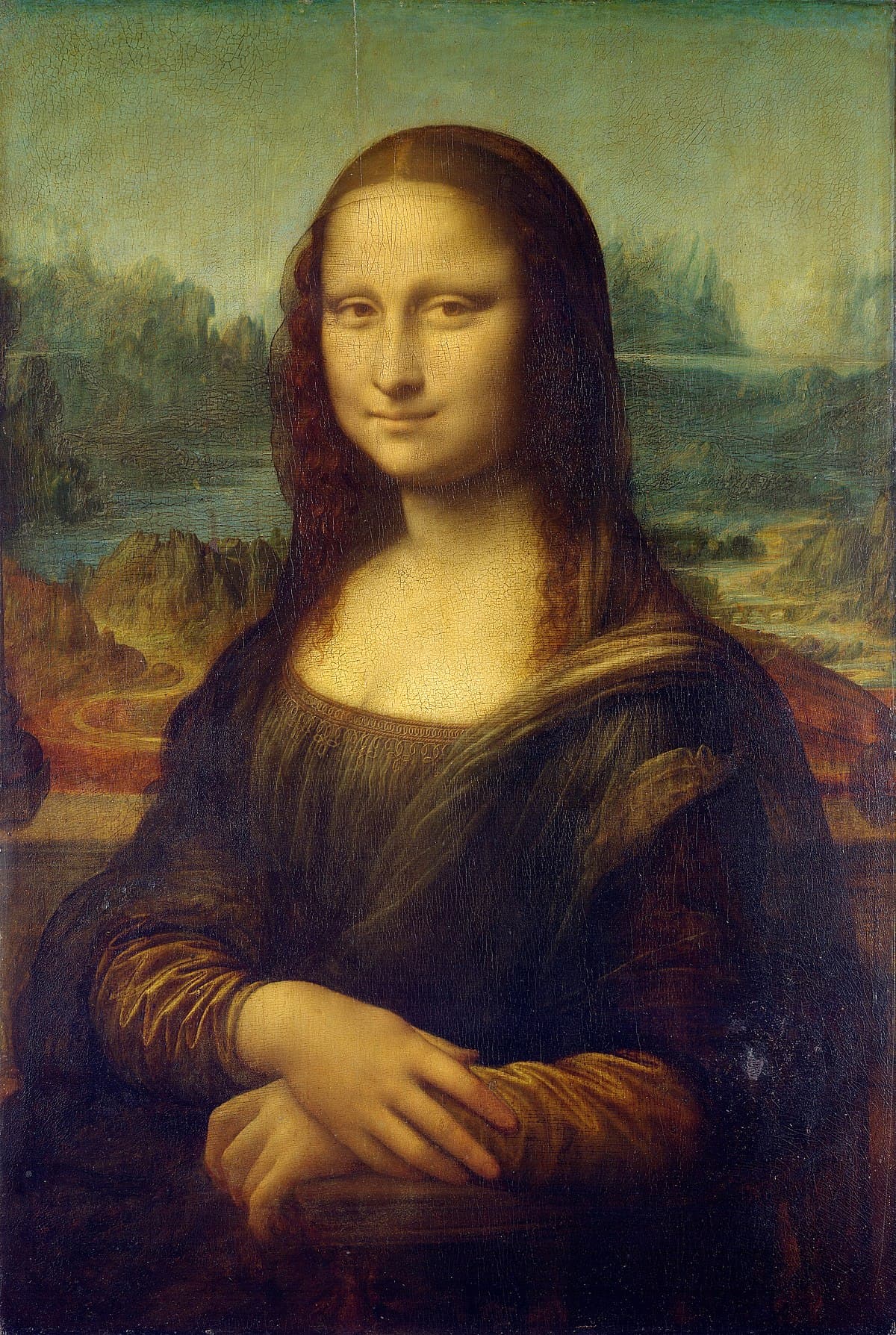
Mona Lisa
Leonardo da Vinci · c. 1503–1519
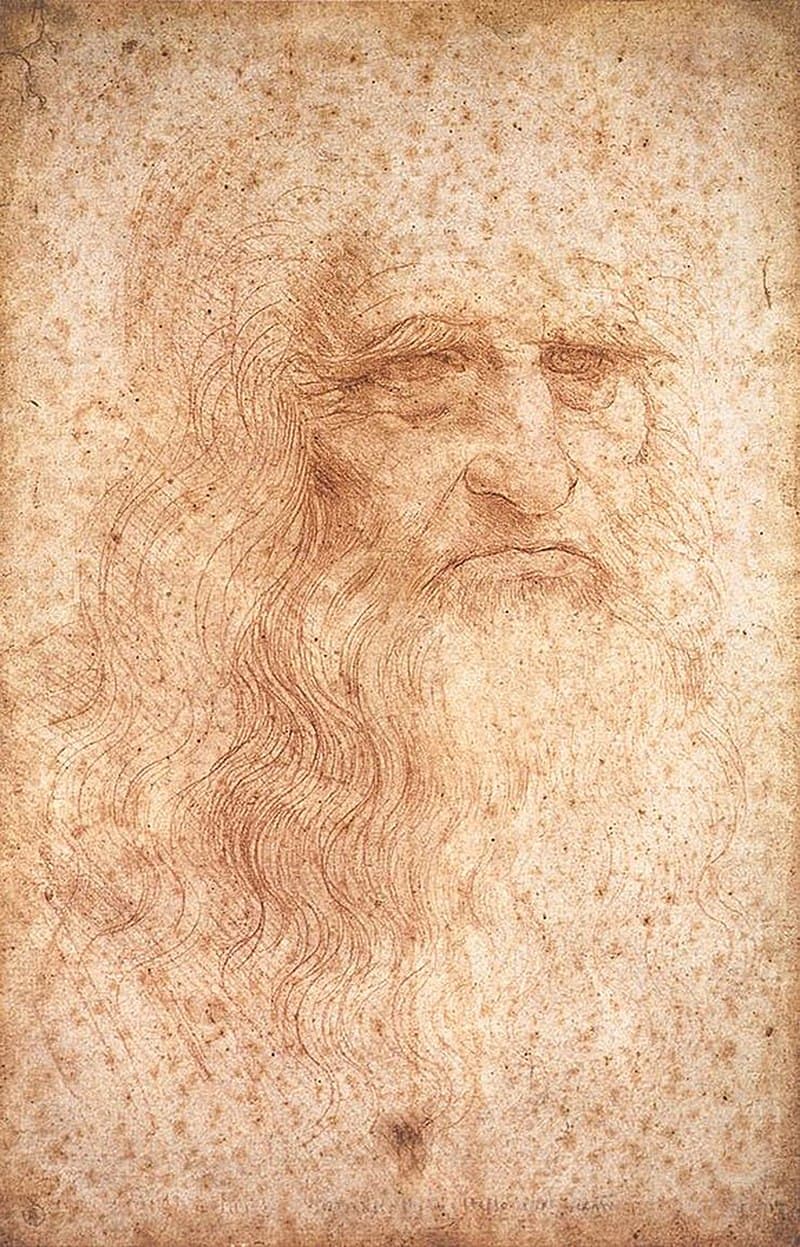
Portrait of a Man in Red Chalk
Leonardo da Vinci · c. 1512
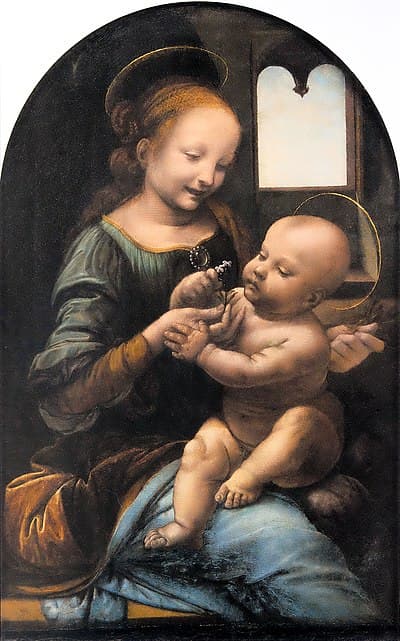
Benois Madonna
Leonardo da Vinci · c. 1478–80
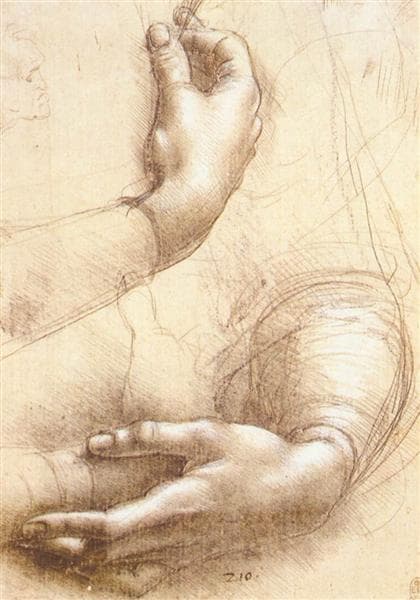
Study of Hands
Leonardo da Vinci · c. 1474–76
Kindred works
You may also study
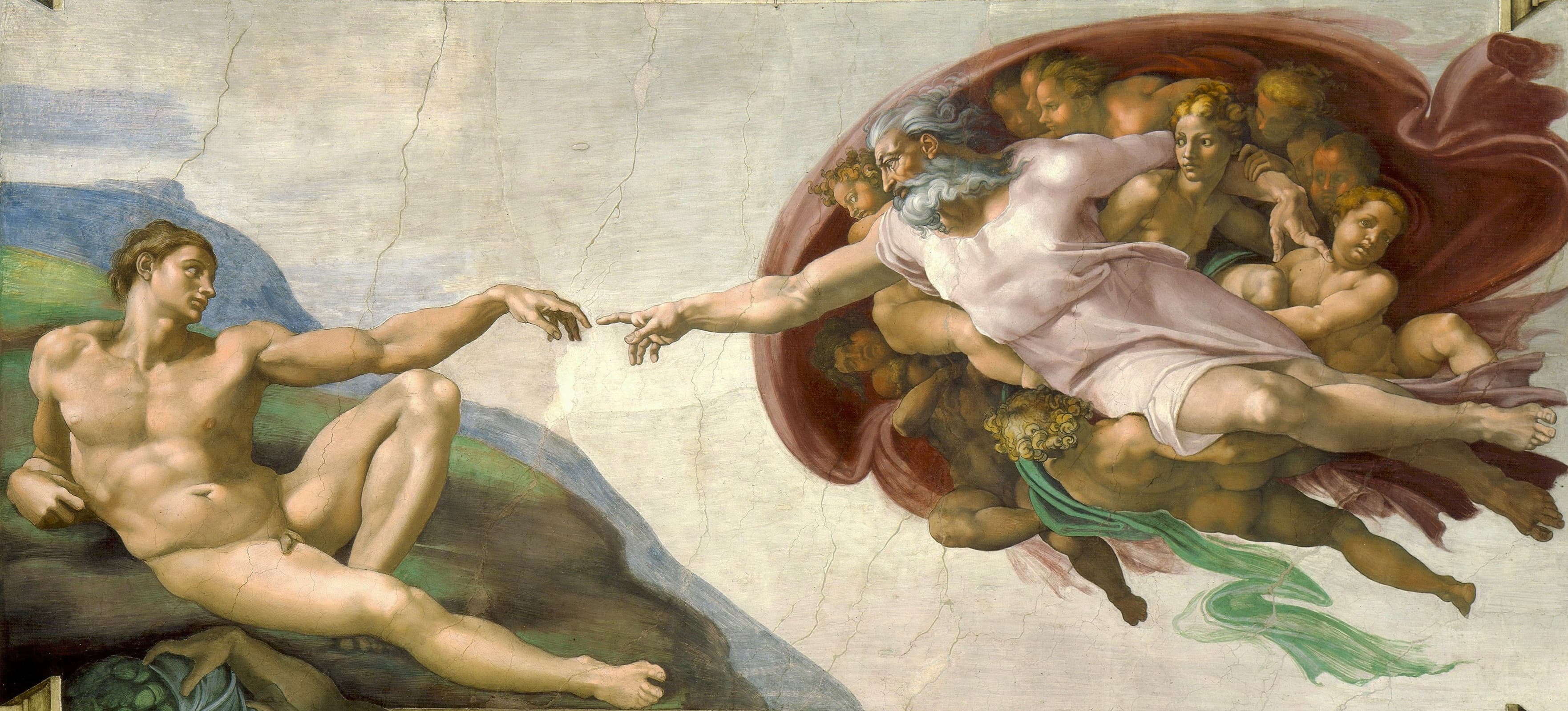
The Creation of Adam
Michelangelo · c. 1511–12
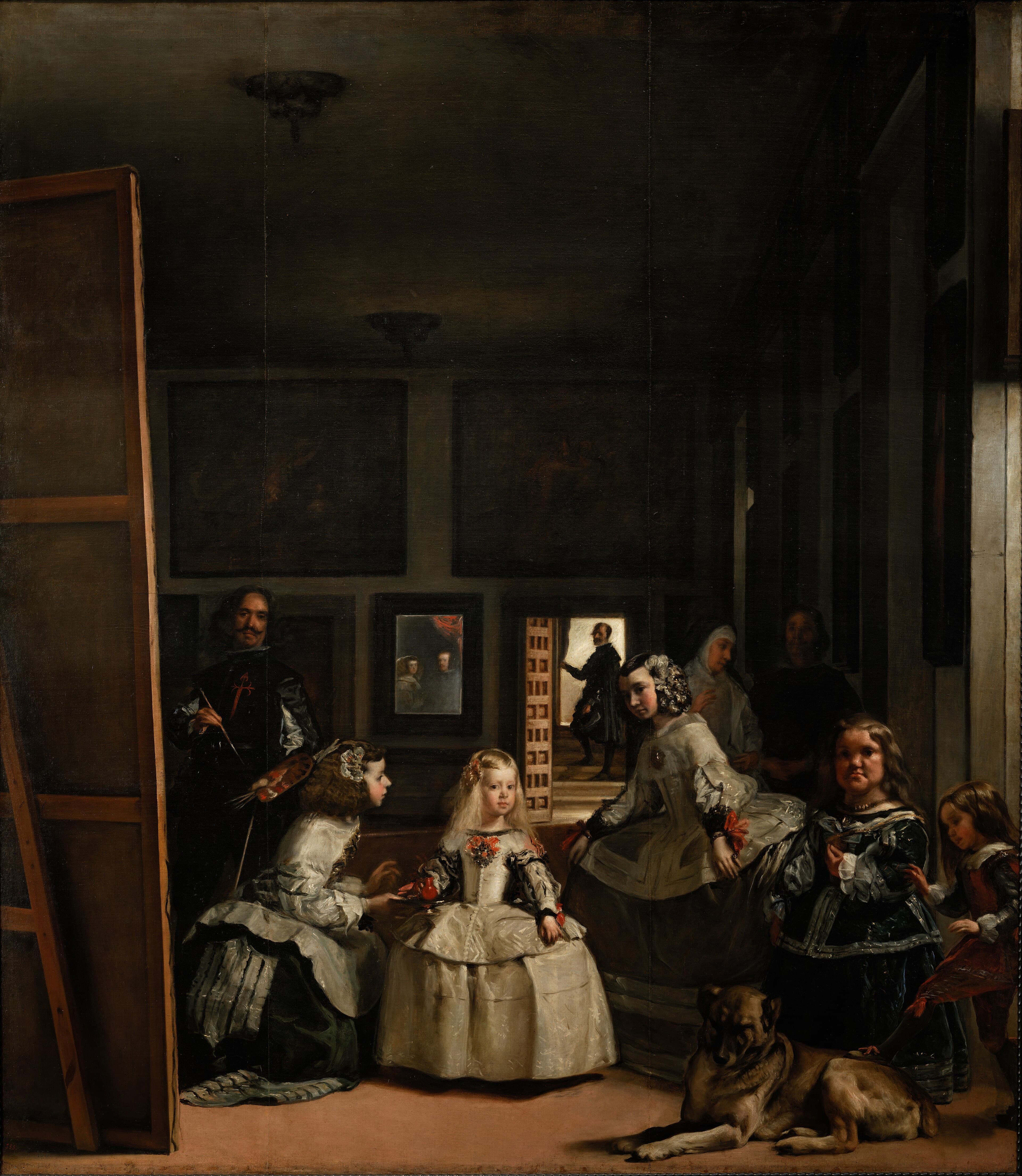
Las Meninas
Diego Velázquez · 1656
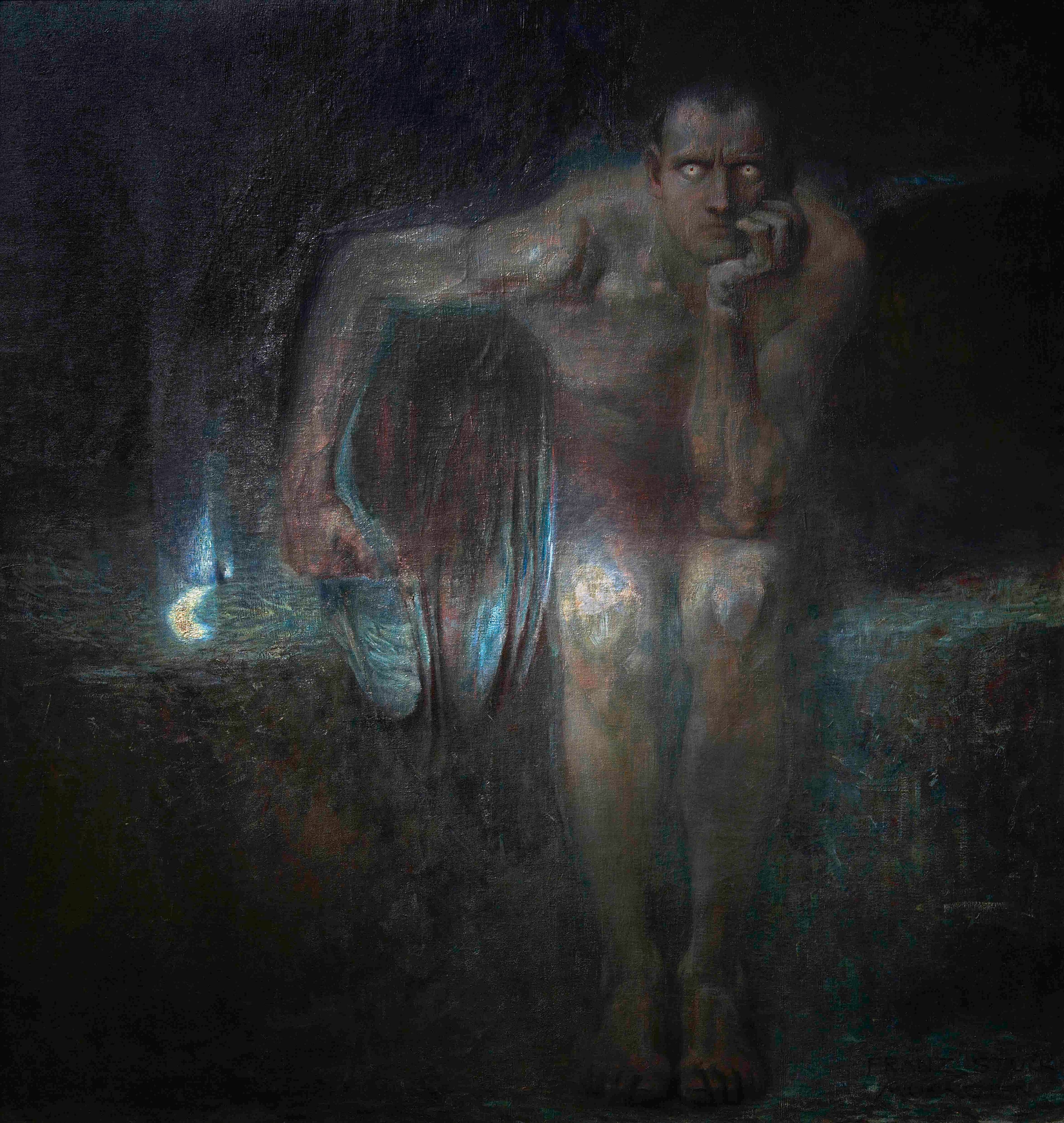
Lucifer
Franz von Stuck · 1890
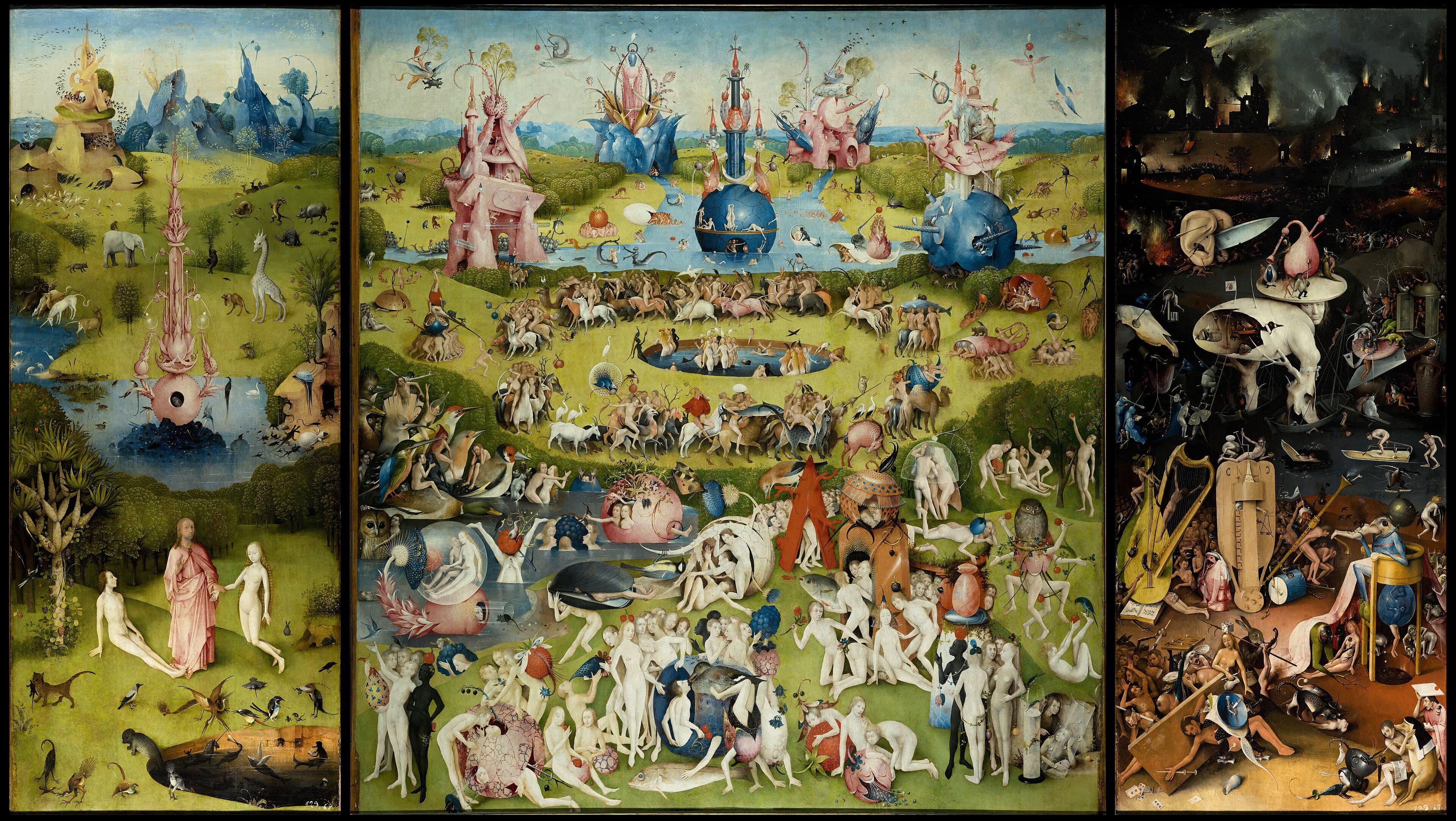
The Garden of Earthly Delights
Hieronymus Bosch · c. 1490–1510
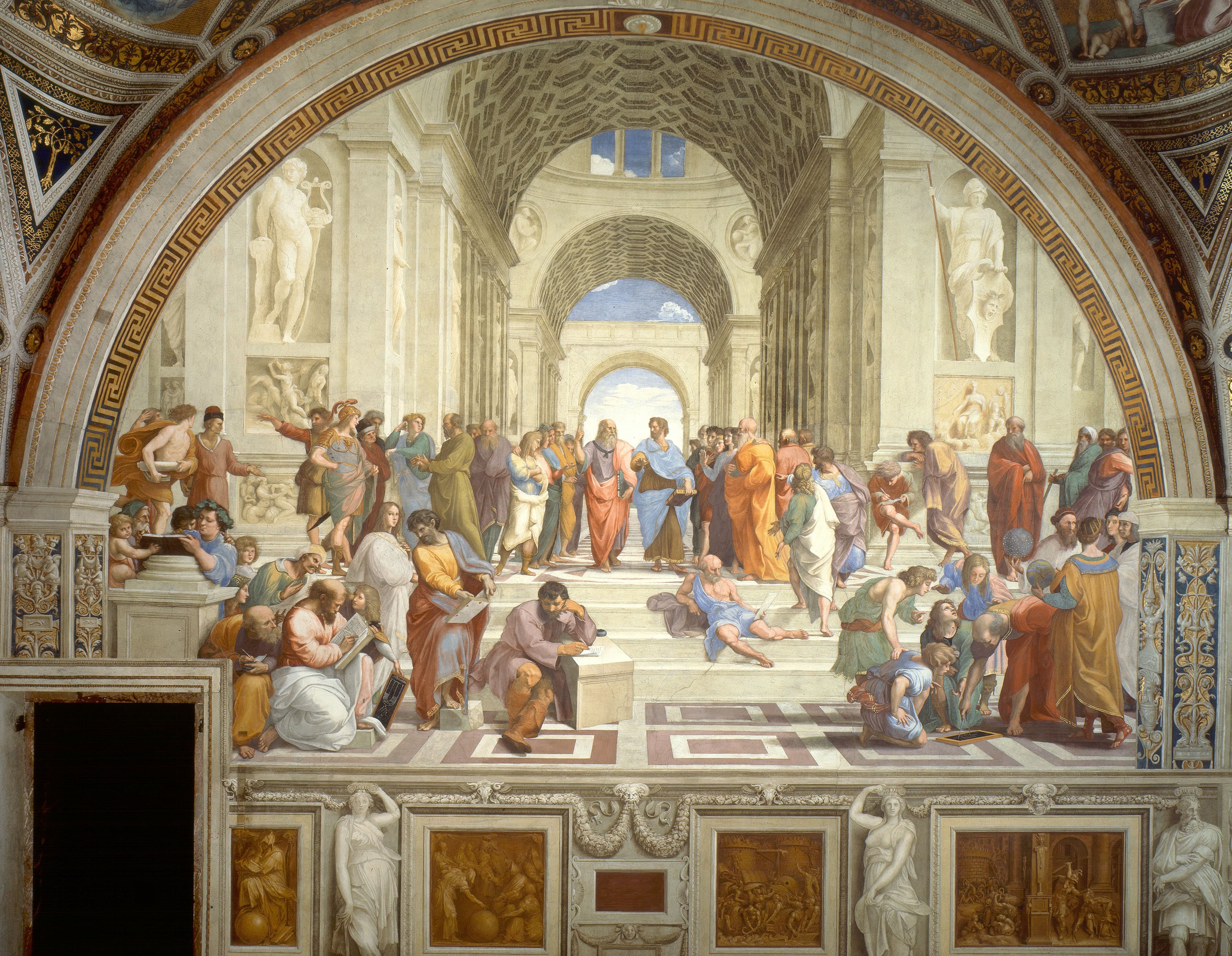
The School of Athens
Raphael · 1509–1511
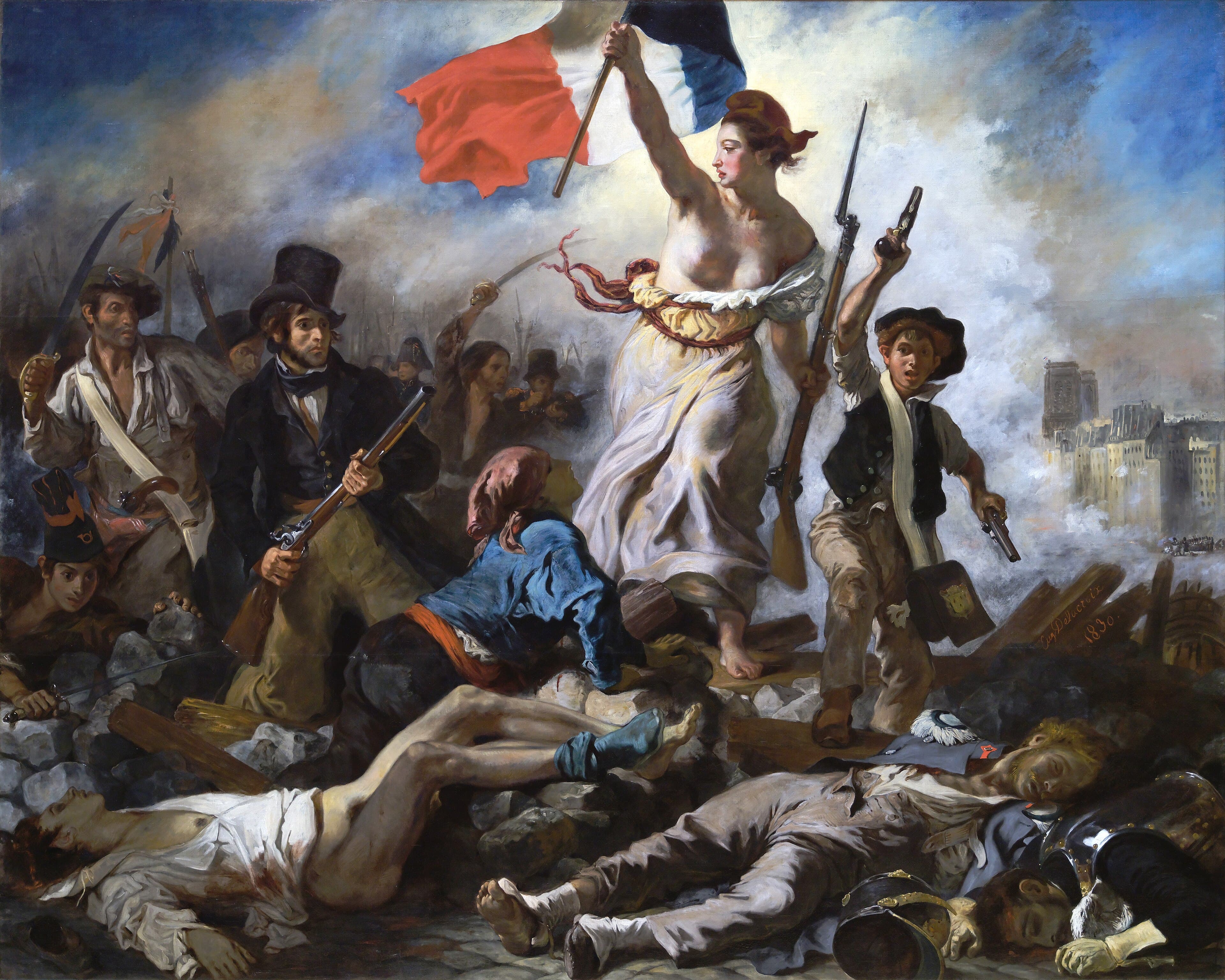
Liberty Leading the People
Eugène Delacroix · 1830
Wanderer above the Sea of Fog
Caspar David Friedrich · c. 1817
The Angel, the Death, and the Devil
Roberto Ferri · 2018