Italian Renaissance
Study of Hands
Leonardo da Vinci, c. 1474–76
Study of Hands is a metalpoint drawing by Leonardo da Vinci from about 1474–76, showing a woman's hands and forearms. It may relate to his portrait of Ginevra de' Benci. It is in the Royal Collection at Windsor Castle.
- Artist
- Leonardo da Vinci
- Date
- c. 1474–76
- Medium
- Metalpoint heightened with white on prepared paper, over charcoal
- Dimensions
- 21.5 × 15 cm
- Collection
- Royal Collection, Windsor Castle, Windsor, United Kingdom
- Movement
- Italian Renaissance
What you are looking at
A pair of hands, drawn twice over. In the upper half of the sheet a right hand rises from a sketched forearm, the fingers loosely bent as if holding something small at the breast. Below, the same two arms rest across the body: the right hand lies over the left wrist, the left hand's fingers fanning out at the bottom edge. The whole sheet is drawn in a warm, fine line on prepared paper, with touches of white to pick out the knuckles and the light along the forearm.
The drawing is by Leonardo da Vinci, made in Florence in the mid-1470s when he was in his early twenties and still associated with Andrea del Verrocchio's workshop. It measures about 21.5 by 15 centimeters and belongs to the Royal Collection, which holds the largest group of Leonardo's drawings in the world at Windsor Castle.
How it was made
Metalpoint is unforgiving. A stylus of silver or another metal is drawn across paper coated with a ground of bone ash and pigment, leaving a thin grey line that cannot be erased. Leonardo works around that limit by building tone with closely spaced parallel hatching, mostly running down from left to right, the direction natural to a left-handed draftsman. The white heightening, added with a brush, turns the flat paper into rounded flesh.
Notice the difference in finish. The fingers and the back of the lower hand are modeled with great care; the forearms and the sleeve at upper left are left as quick outlines. Leonardo was studying exactly what interested him and nothing more.
Who were these hands for?
Scholars have long connected the sheet with Leonardo's portrait of Ginevra de' Benci, now in the National Gallery of Art, Washington, which once belonged to the princes of Liechtenstein. That panel has been cut down at the bottom, and its lost lower section probably showed the sitter's hands. A reconstruction combining the portrait with this drawing produces a half-length figure close to Verrocchio's marble Lady with a Bunch of Flowers. The link is persuasive but unproven; the drawing may equally be an independent study.
Either way, it shows a habit Leonardo kept all his life: hands as carriers of character. The gestures in the Last Supper and the folded hands of the Mona Lisa grow out of studies like this.
Where to see it
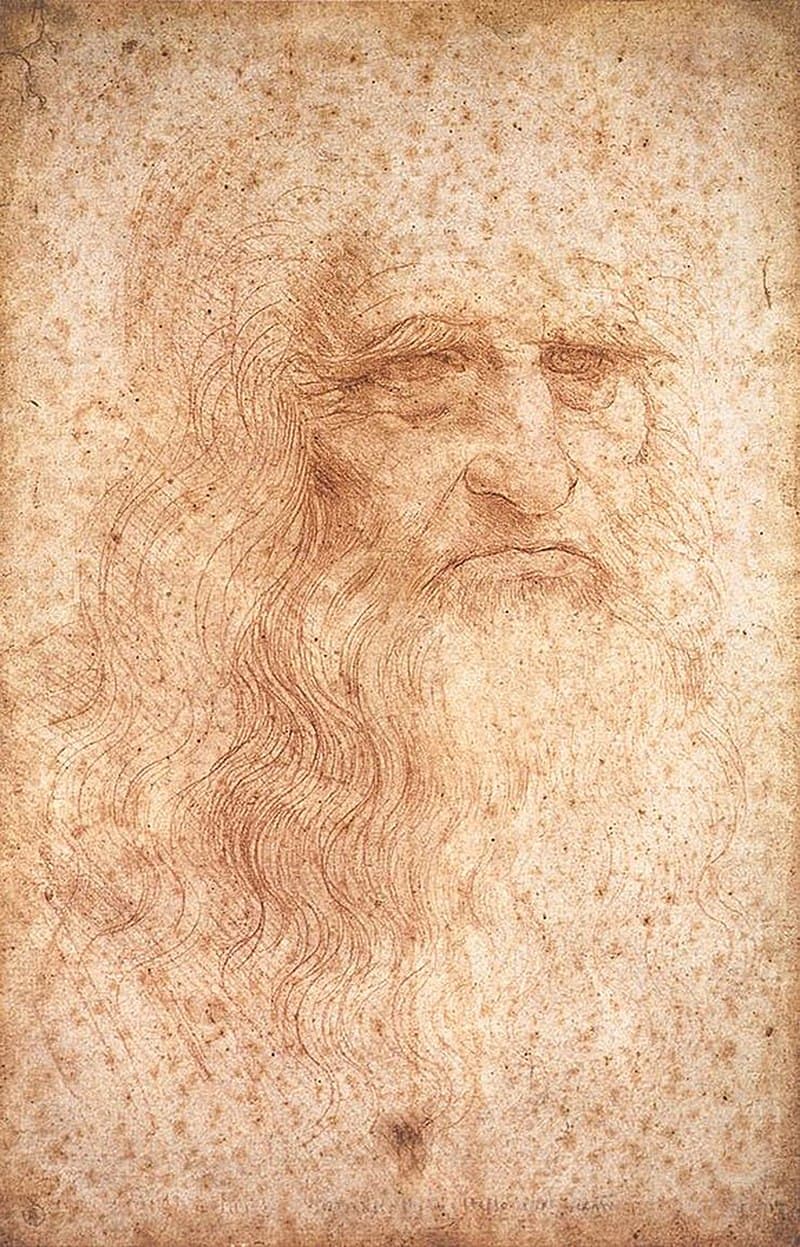
The drawing is in the Royal Collection and is shown periodically in exhibitions at The Queen's Gallery and elsewhere; it is not on permanent display. See also Leonardo's Man in Red Chalk and our Renaissance guide.
Questions & answers
Where is Leonardo's Study of Hands?
The drawing is in the Royal Collection at Windsor Castle, which holds the largest group of Leonardo's drawings anywhere. Because works on paper are light-sensitive, it is not permanently on view but appears in exhibitions at The Queen's Gallery and loans to other museums.
What is Leonardo's Study of Hands made with?
It is drawn in metalpoint, a metal stylus on paper coated with a prepared ground, with some charcoal and highlights of white applied with a brush. The technique leaves a fine, permanent line, so Leonardo built up shadow with dense parallel hatching rather than smudging.
Are the hands from the Ginevra de' Benci portrait?
Possibly. The portrait of Ginevra de' Benci in Washington has been cut down at the bottom and probably once showed her hands. Many scholars connect this drawing with that lost section, but there is no documentary proof, so the link remains a well-supported hypothesis.
More by the artist
Leonardo da Vinci
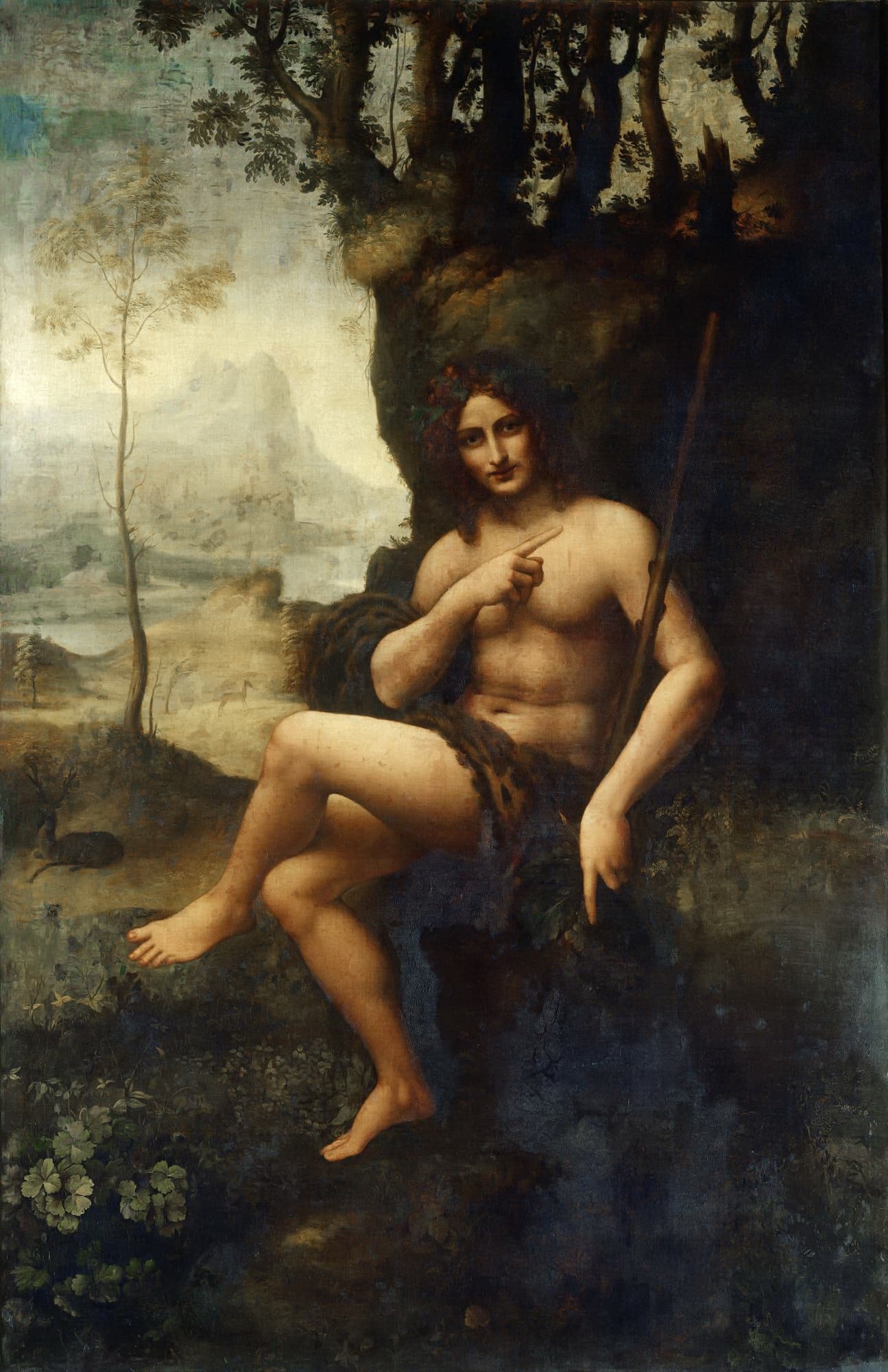
Bacchus (Saint John the Baptist)
Leonardo da Vinci · c. 1510–15; altered 1683–93
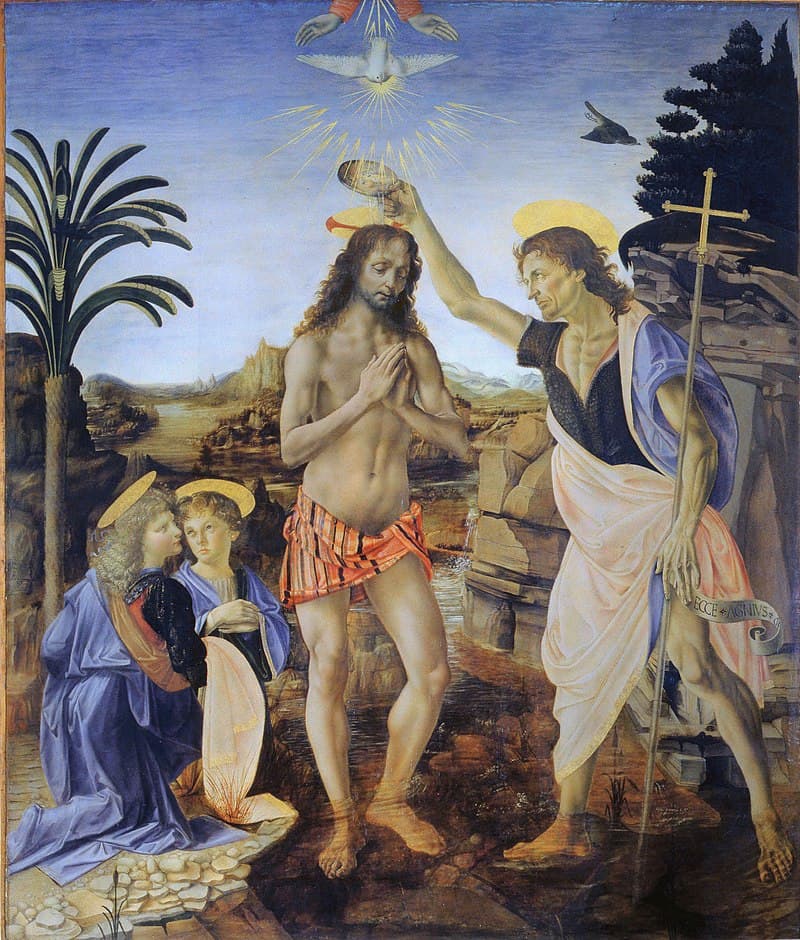
The Baptism of Christ
Andrea del Verrocchio & Leonardo da Vinci · c. 1470–75
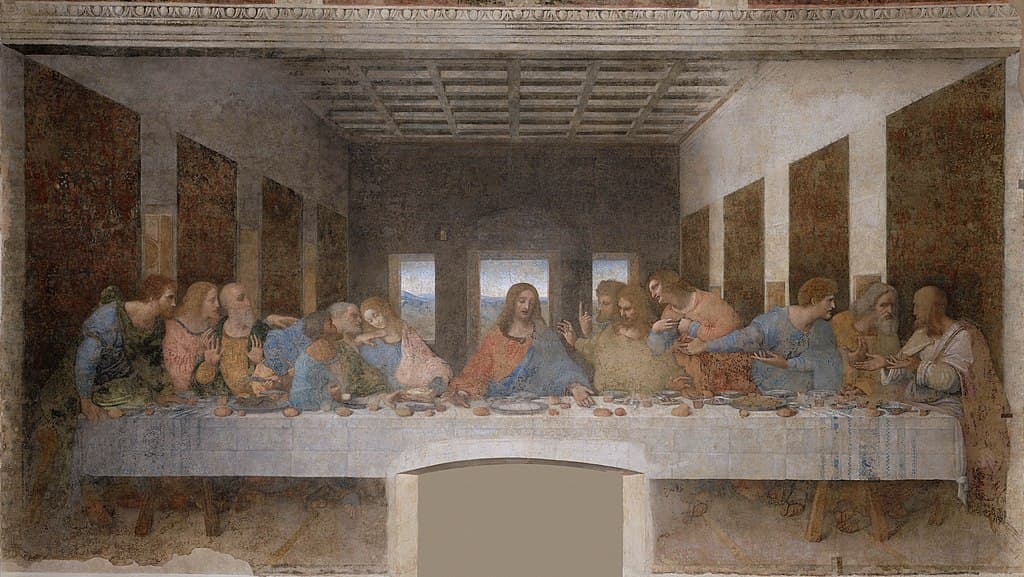
The Last Supper
Leonardo da Vinci · c. 1495–98
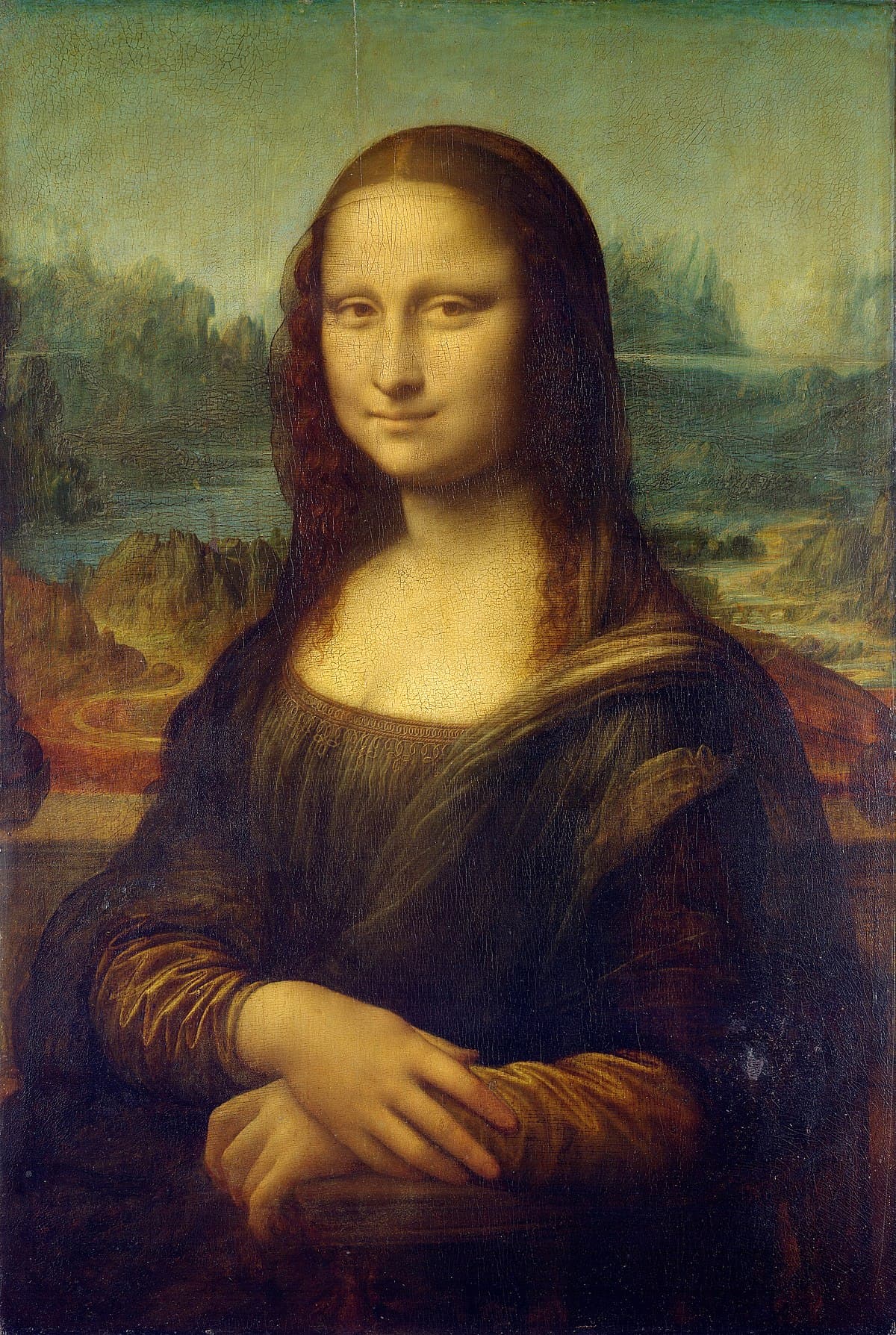
Mona Lisa
Leonardo da Vinci · c. 1503–1519
Portrait of a Man in Red Chalk
Leonardo da Vinci · c. 1512
Benois Madonna
Leonardo da Vinci · c. 1478–80
Kindred works
You may also study

Venus de Milo
Alexandros of Antioch · c. 150–125 BC

Ophelia
John Everett Millais · 1851–52

Woman with a Parasol – Madame Monet and Her Son
Claude Monet · 1875
Las Meninas
Diego Velázquez · 1656
The Birth of Venus
Sandro Botticelli · c. 1484–1486
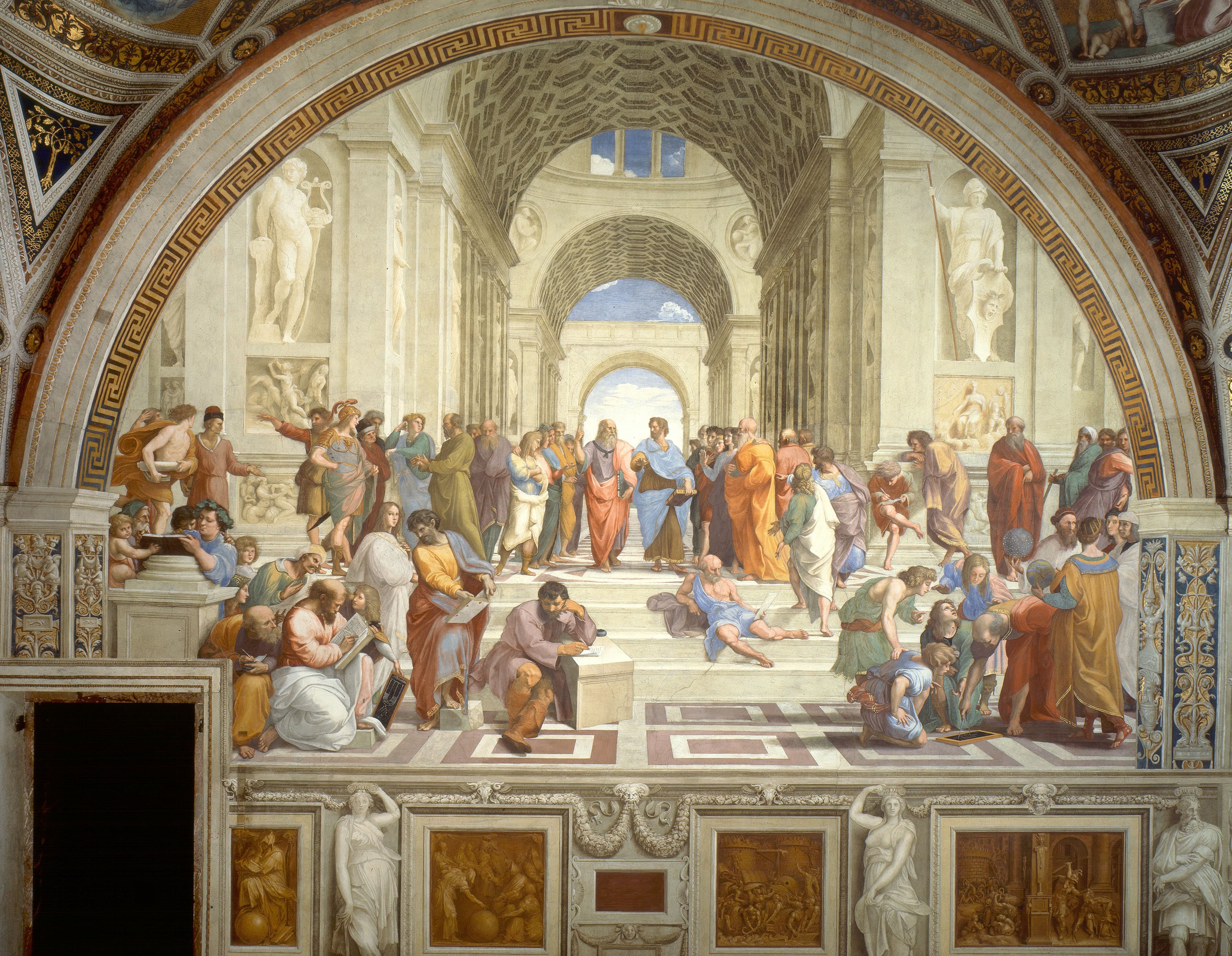
The School of Athens
Raphael · 1509–1511
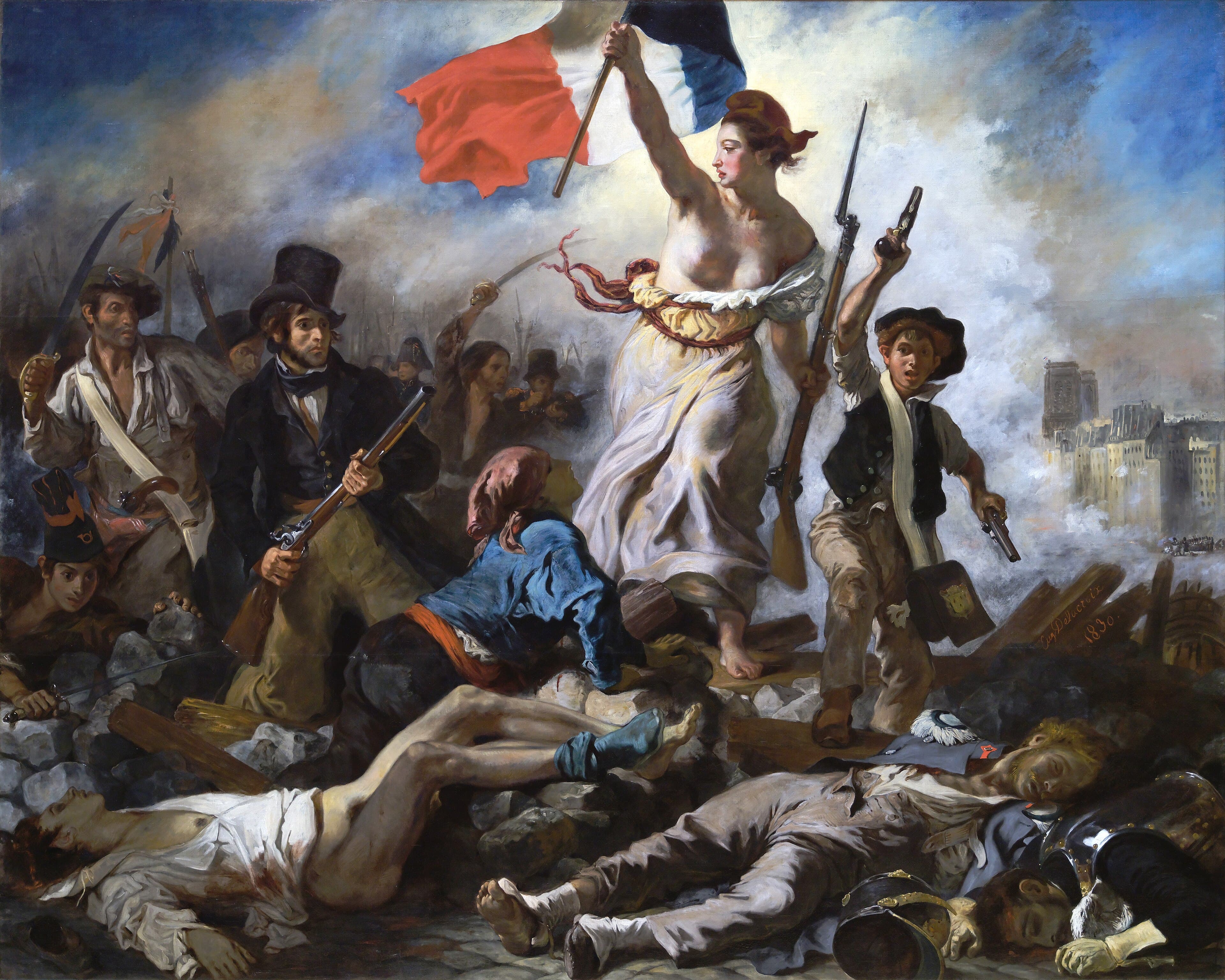
Liberty Leading the People
Eugène Delacroix · 1830
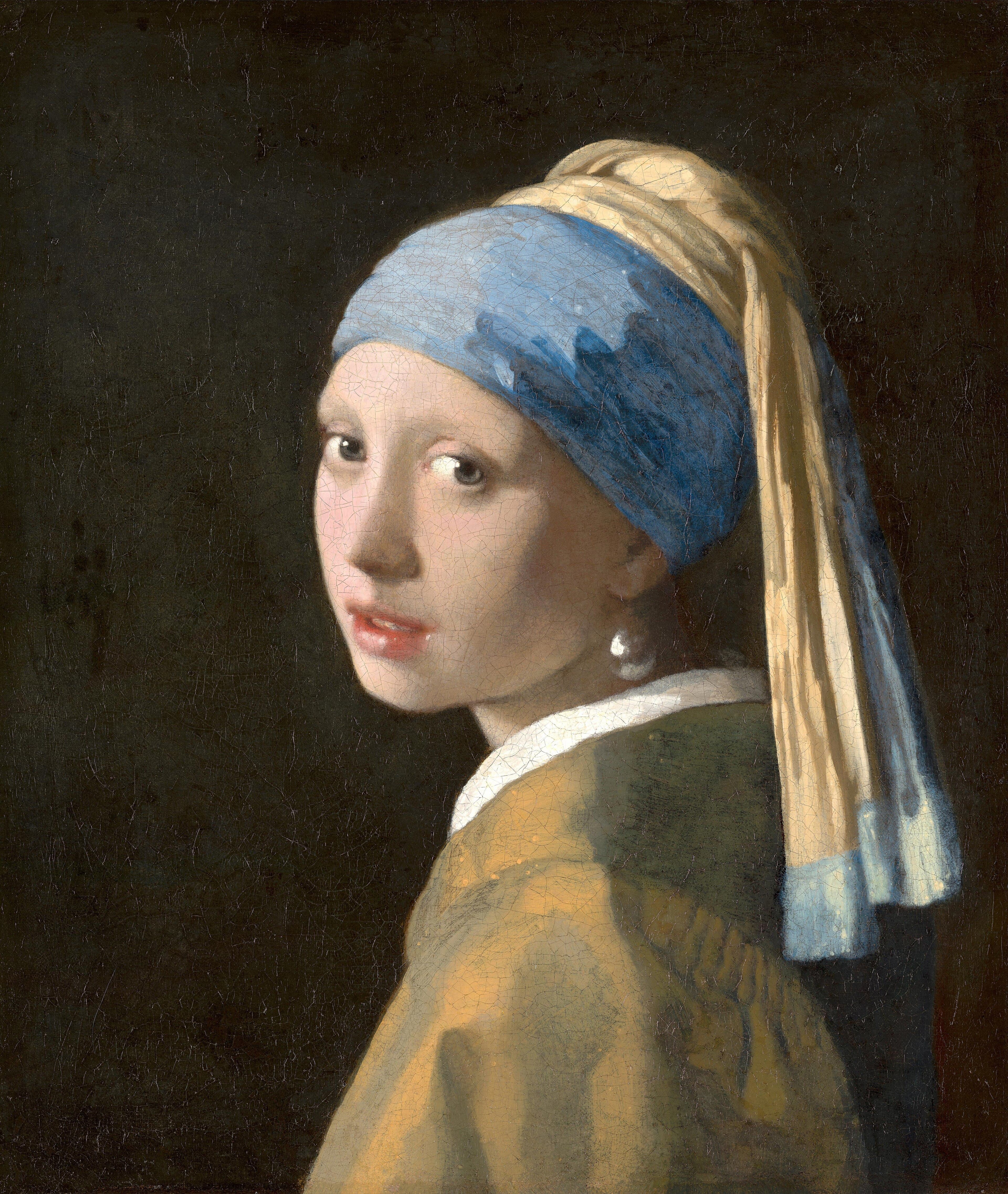
Girl with a Pearl Earring
Johannes Vermeer · c. 1665