Ancient Egyptian (Third Intermediate Period, 22nd Dynasty)
Triad of Osorkon II: Osiris, Isis and Horus
Artist Unknown, c. 874–850 BC (reign of Osorkon II)
The Triad of Osorkon II is a tiny Egyptian jewel of gold and lapis lazuli, about 9 cm high, made for Pharaoh Osorkon II (22nd Dynasty, 9th century BC). It shows Osiris on a pillar between Horus and Isis. It is in the Louvre, Paris.
- Artist
- Artist Unknown
- Date
- c. 874–850 BC (reign of Osorkon II)
- Medium
- Gold and lapis lazuli
- Dimensions
- 9 × 6.6 cm
- Collection
- Musée du Louvre, Paris, France
- Movement
- Ancient Egyptian (Third Intermediate Period, 22nd Dynasty)
What you are looking at
Three gold figures stand on a narrow gold base. In the center, the god Osiris crouches on top of a tall pillar of deep blue lapis lazuli, wrapped like a mummy, wearing the tall atef crown with its two curling plumes and holding the false beard of divinity. To the left stands his son Horus, with the head of a falcon and the double crown of Upper and Lower Egypt. To the right stands Isis, Osiris's sister and wife, with the horned sun disk on her head. Horus and Isis each raise one hand, palm out, toward Osiris in a gesture of protection and adoration.
The whole object is only about 9 cm high and 6.6 cm wide. Its colors, the warm gold of the figures against the dark blue of the stone, would have read in ancient Egypt as divine flesh and the night sky.
Who was Osorkon II?
Osorkon II ruled Egypt in the ninth century BC, roughly 874–850 BC by common reckonings, as a king of the 22nd Dynasty. This dynasty was of Libyan descent and ruled from Bubastis and Tanis in the Nile Delta during the period Egyptologists call the Third Intermediate Period. The hieroglyphic inscription on the lapis pillar and the base names the king and places him under the protection of the gods shown. The object was made for him, almost certainly as a pendant or amulet; a small loop on the back suggests it could be suspended.
The myth behind the triad
The figures tell, in shorthand, the most important story in Egyptian religion. Osiris, a just king, was murdered by his brother Seth, who seized the throne. Isis searched for her husband's body, restored it, and through her magic conceived a son by him. That son, Horus, grew up to avenge his father and reclaim the kingship. Osiris became ruler of the underworld and judge of the dead, while the living pharaoh was identified with Horus.
So the triad is also political. A king who wore this jewel placed himself inside a family of gods whose story guaranteed order over chaos, the legitimate succession of son after father, and life beyond death. Placing Osiris on a pillar raises him above the other two like a cult statue on its pedestal.
How it was made
The figures are cast and worked in solid gold, with fine chasing on the details: the pleats of Horus's kilt, the feathers of his falcon head, the layered wig of Isis. The lapis lazuli was imported from distant Badakhshan in present-day Afghanistan, a measure of the object's value. Gold, which does not tarnish, was thought to be the flesh of the gods, and lapis their hair. A band of inlay runs around the base. The craftsmanship represents the court jewelers of the Delta at their most refined.
Close looking
Look at the symmetry and then at how it is broken. Horus and Isis mirror each other in pose, each with an inner arm raised and an outer arm lowered, but Horus strides with his left foot forward in the traditional male pose, while Isis stands with feet close together. Look at the hands: the raised palms are flat and open, a gesture that both protects and venerates. And notice the scale: Osiris, on his pillar, is the smallest figure but the highest, which tells you who matters most.
Gold, lapis and the gods
The choice of materials was theological as well as luxurious. Egyptian texts describe the gods as having flesh of gold, bones of silver and hair of lapis lazuli, and temple images were made from precious materials to house the god's presence. The deep blue stone also evoked the night sky and the waters of creation, while gold carried the light of the sun god Ra and the promise of rebirth. A royal amulet combining the two set the king's body under the protection of the most powerful divine family, in life and in the tomb.
Small precious images of gods were common in the Third Intermediate Period, when Egypt was divided among rival dynasties and the kings of the Delta poured wealth into temples and burial goods. The royal tombs at Tanis, discovered in 1939–40, produced gold masks, coffins and jewelry of the same dynasty, and they give a sense of the workshops that could produce a piece like this.
Where is the Triad of Osorkon today?
The triad is in the Department of Egyptian Antiquities at the Musée du Louvre in Paris (inventory E 6204), which acquired it in 1872. It is one of the most celebrated small objects in the collection.
Note: the piece is sometimes wrongly described online as bronze. It is gold and lapis lazuli.
Related works
For the Egyptian love of the afterlife in another key, see the Death in Art collection; for later Greek gods in sculpture, see Seated Zeus and the Greek Statues collection. Mythological imagery across cultures is gathered in Greek Mythology in Art.
Questions & answers
Where is the Triad of Osorkon?
The Triad of Osorkon II is in the Musée du Louvre in Paris, in the Department of Egyptian Antiquities (inventory E 6204). The museum acquired it in 1872. It is a small gold and lapis lazuli pendant about 9 cm high.
Who are the three figures in the Triad of Osorkon?
The center figure is Osiris, crouching on a lapis lazuli pillar and wearing the atef crown. On the left is his son Horus with a falcon head and the double crown; on the right is his wife Isis with a horned sun disk. Both raise a hand to protect him.
What is the Triad of Osorkon made of?
It is made of gold and lapis lazuli. The three figures are solid gold and the pillar is deep blue lapis, imported from Afghanistan. It is sometimes wrongly described as bronze.
When was the Triad of Osorkon made?
It was made for Pharaoh Osorkon II of the 22nd Dynasty, who reigned in the ninth century BC, roughly 874–850 BC. The inscription on the pillar and base names the king.
What does the Triad of Osorkon mean?
It shows the divine family at the center of the Osiris myth. Osiris was murdered and revived, and his son Horus avenged him. By wearing it, the king linked himself to Horus, rightful heir, and to the promise of life after death.
More by the artist
Artist Unknown
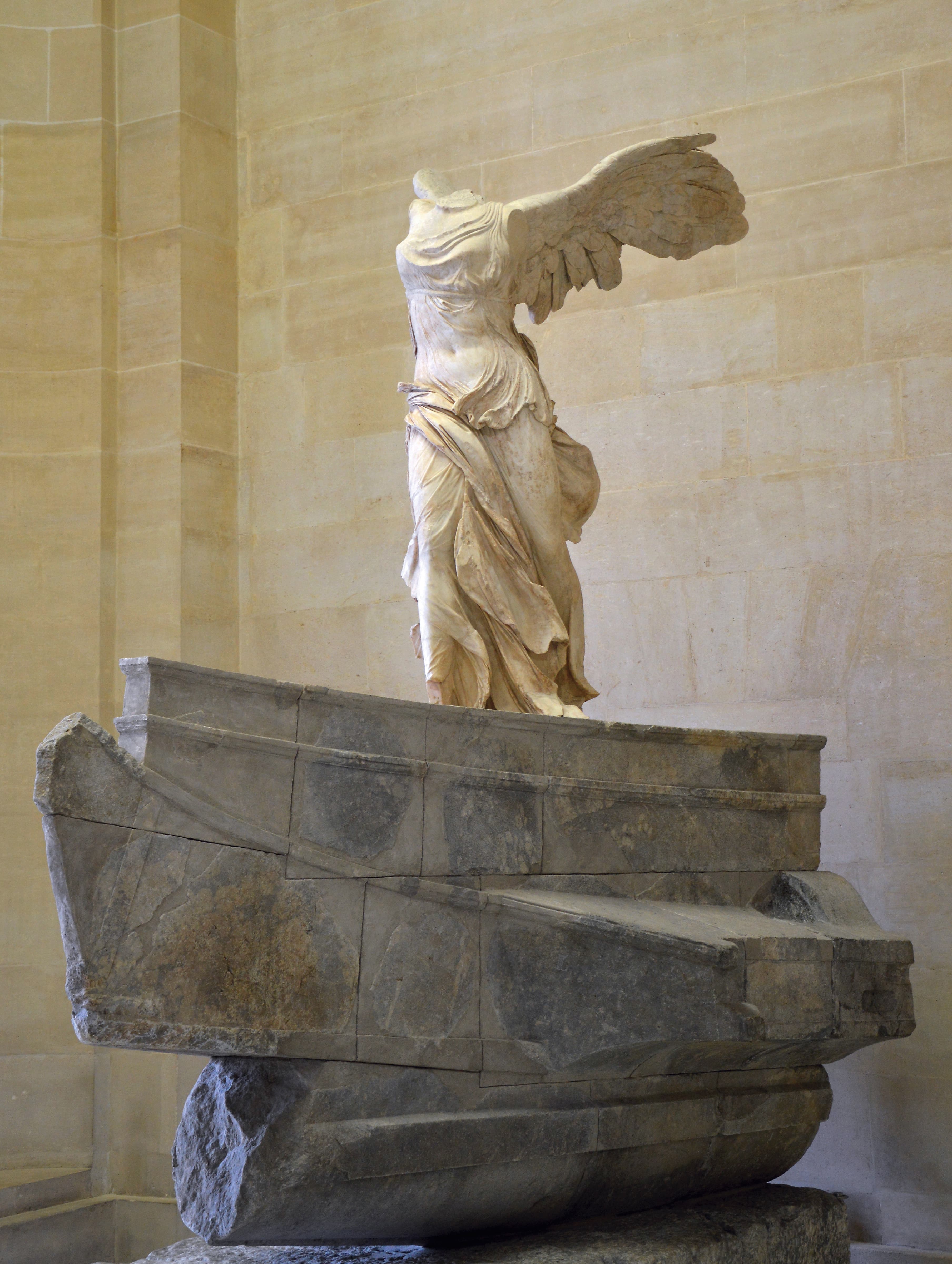
Winged Victory of Samothrace
Artist Unknown · c. 200–190 BC
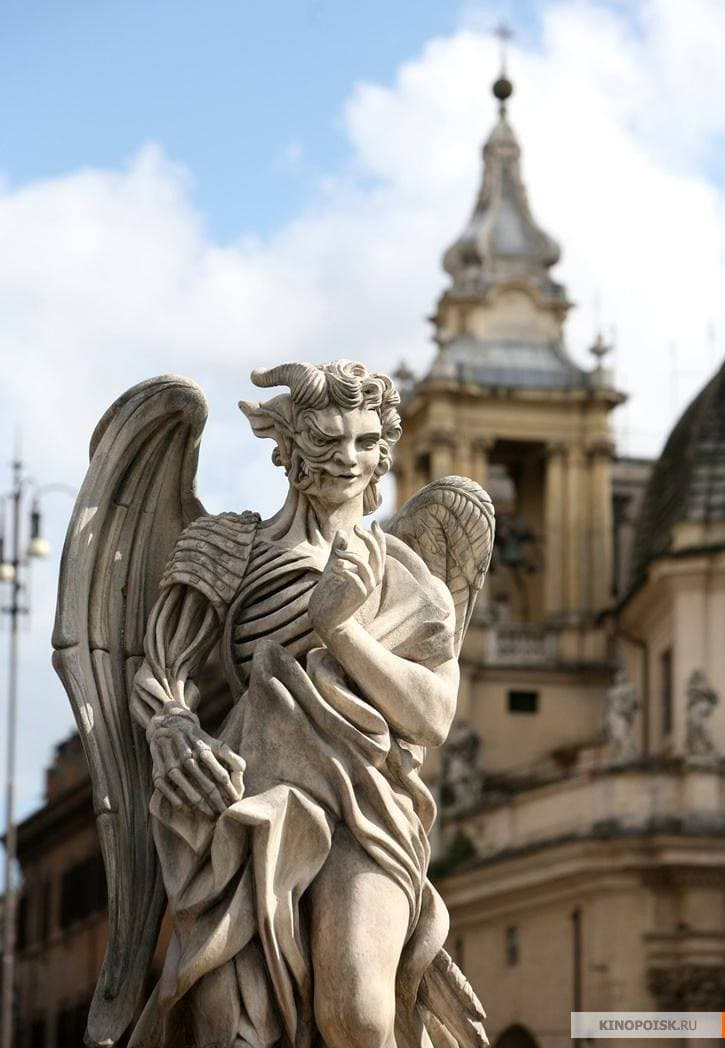
Angels and Demons – The Movie Prop
Artist Unknown & Gian Lorenzo Bernini · 2008
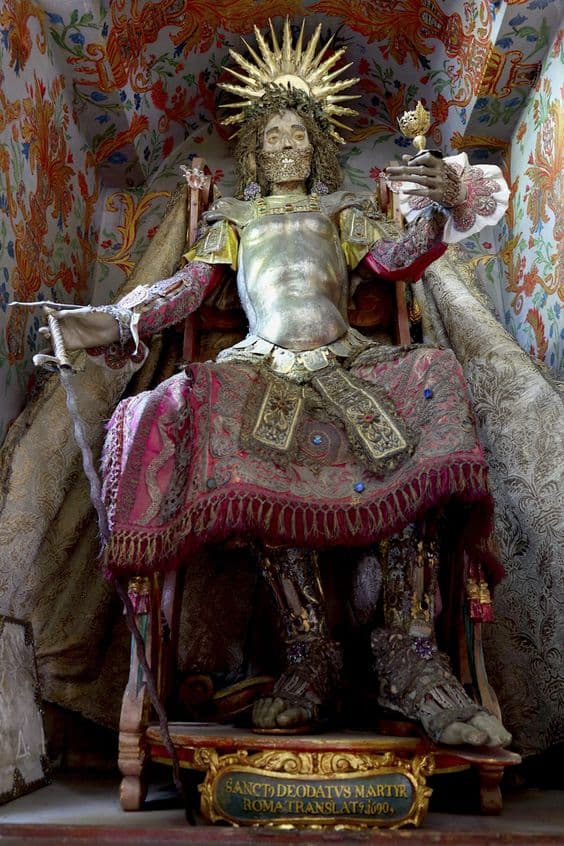
Bejeweled Skeleton of Saint Deodatus
Artist Unknown & Paul Koudounaris · Translated from Rome 1690
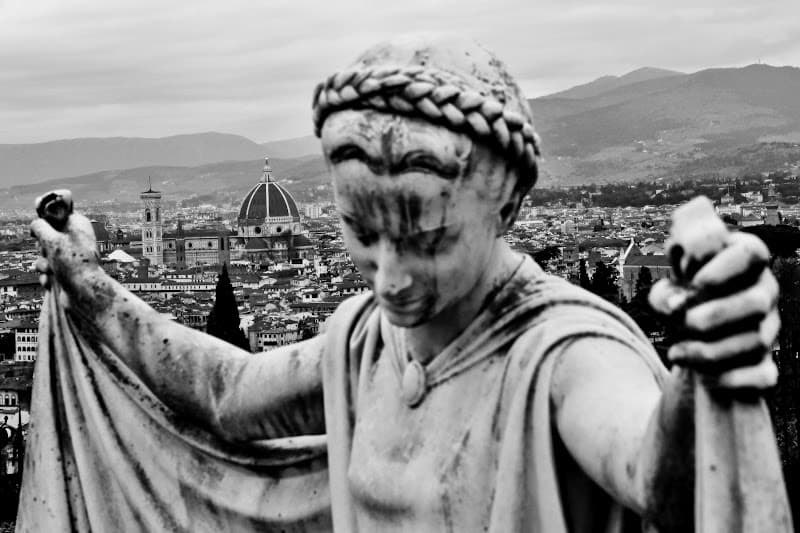
Tombstone of Silvia Marini nei De Rogati
Artist Unknown · After 1947
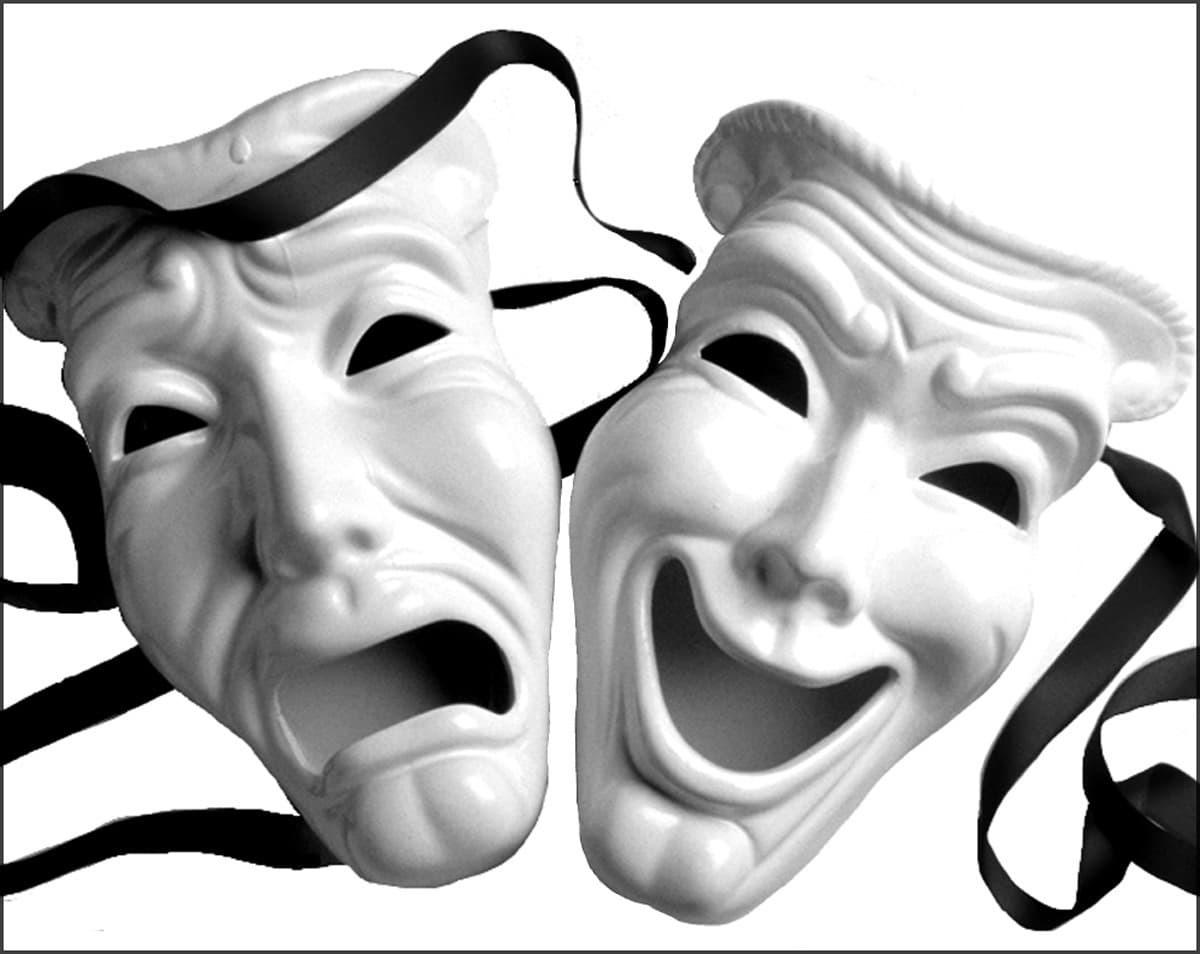
Sock and Buskin
Artist Unknown
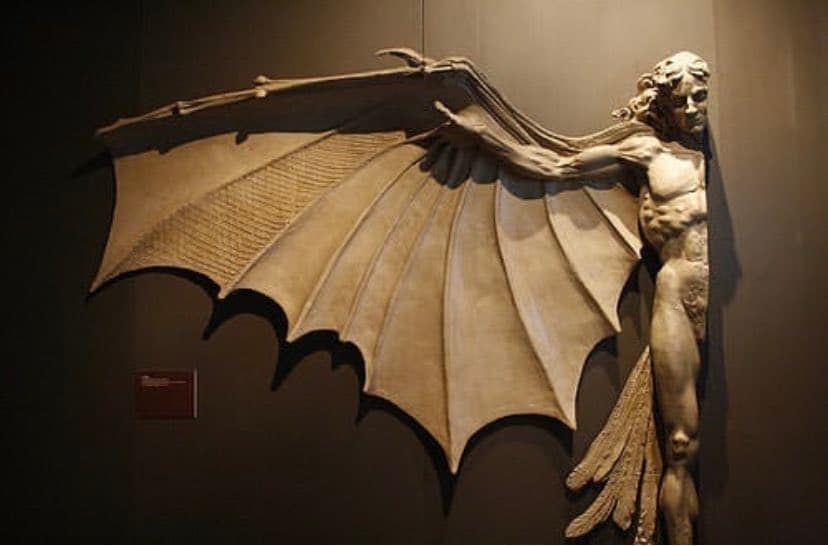
Artificial Wings
Artist Unknown · c. 2008
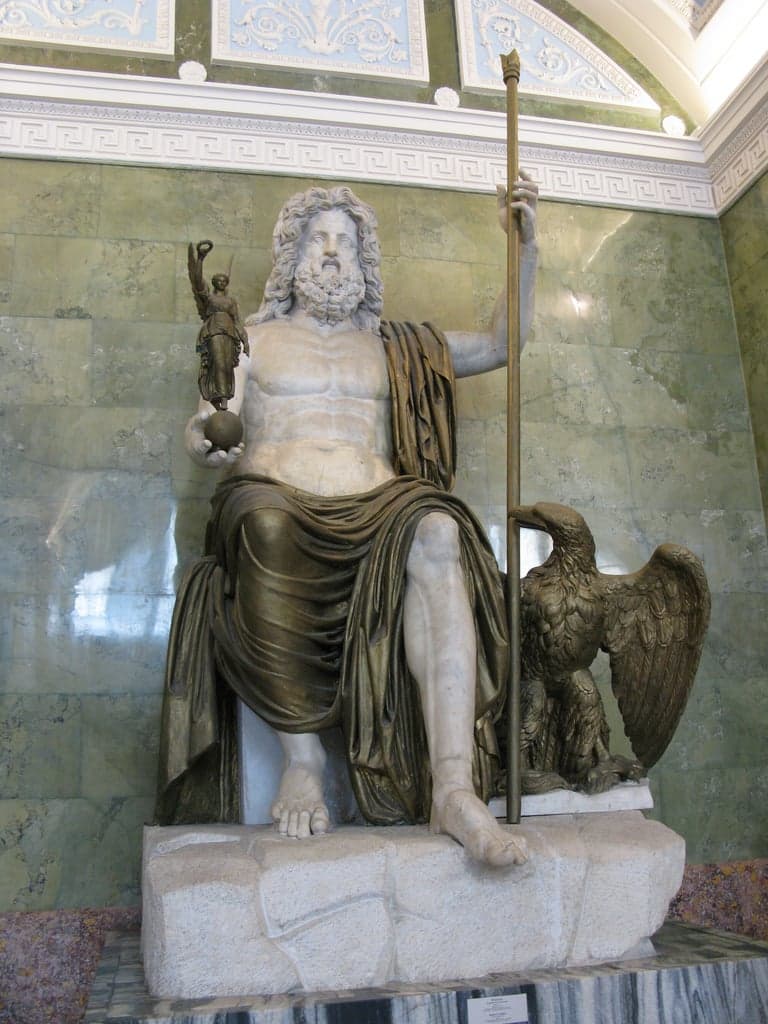
Seated Zeus (Statue of Jupiter, Hermitage)
Artist Unknown & Phidias · Late 1st century AD (after Phidias's Zeus, c. 435 BC)
Kindred works
You may also study
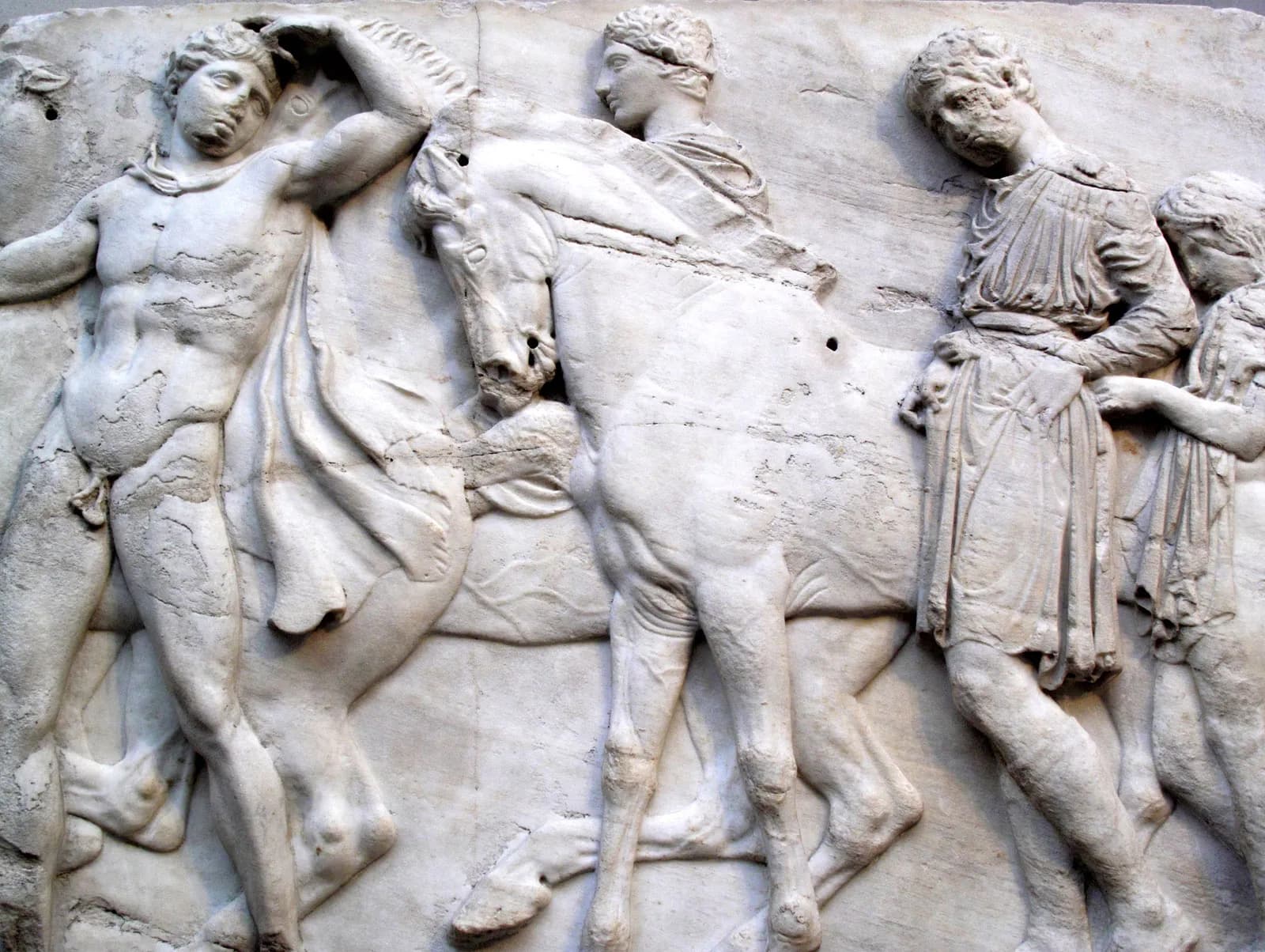
Parthenon Frieze
Phidias · c. 443–437 BC

Venus de Milo
Alexandros of Antioch · c. 150–125 BC

Nymphs Dancing to Pan's Flute
Joseph Tomanek

The Scream
Edvard Munch · 1893

Saturn Devouring His Son
Francisco Goya · c. 1819–1823
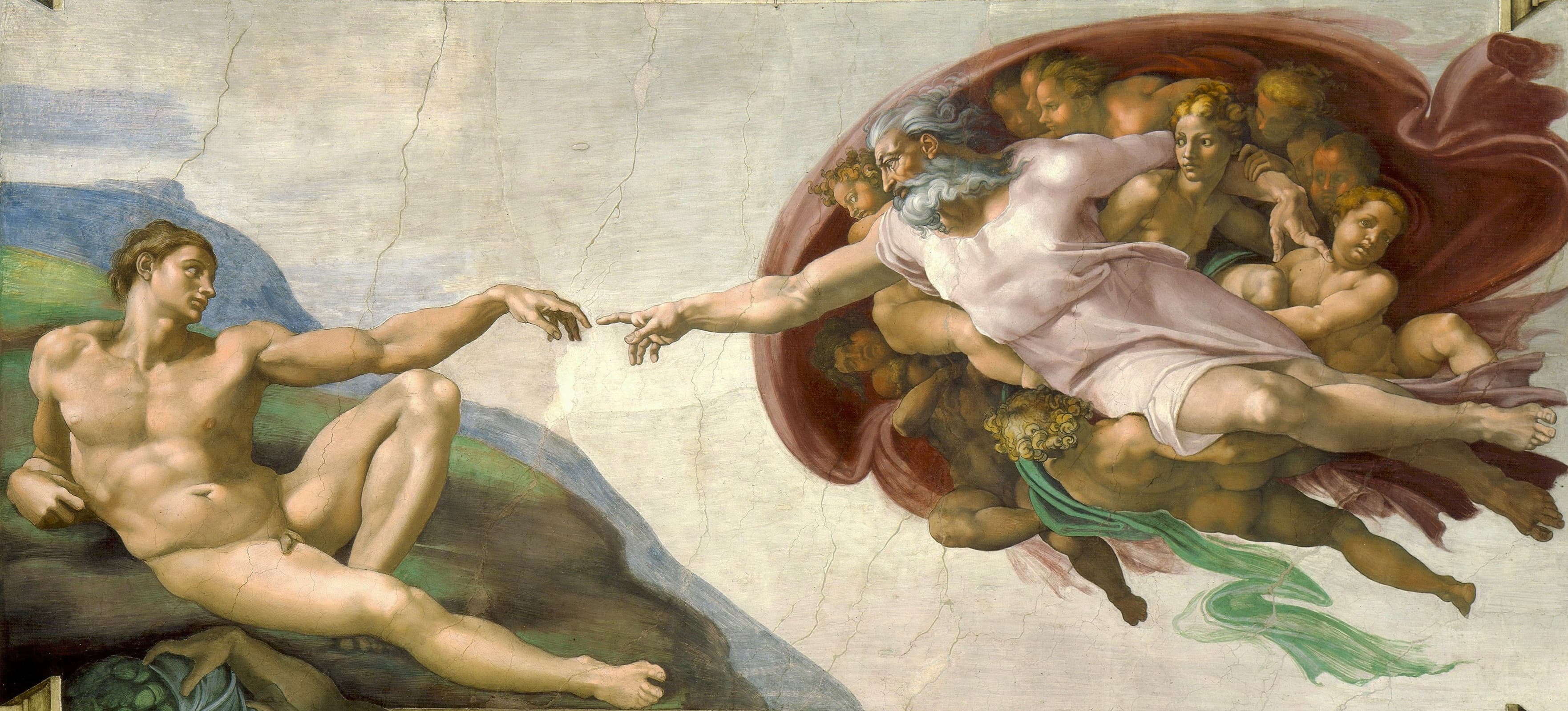
The Creation of Adam
Michelangelo · c. 1511–12

Ophelia
John Everett Millais · 1851–52
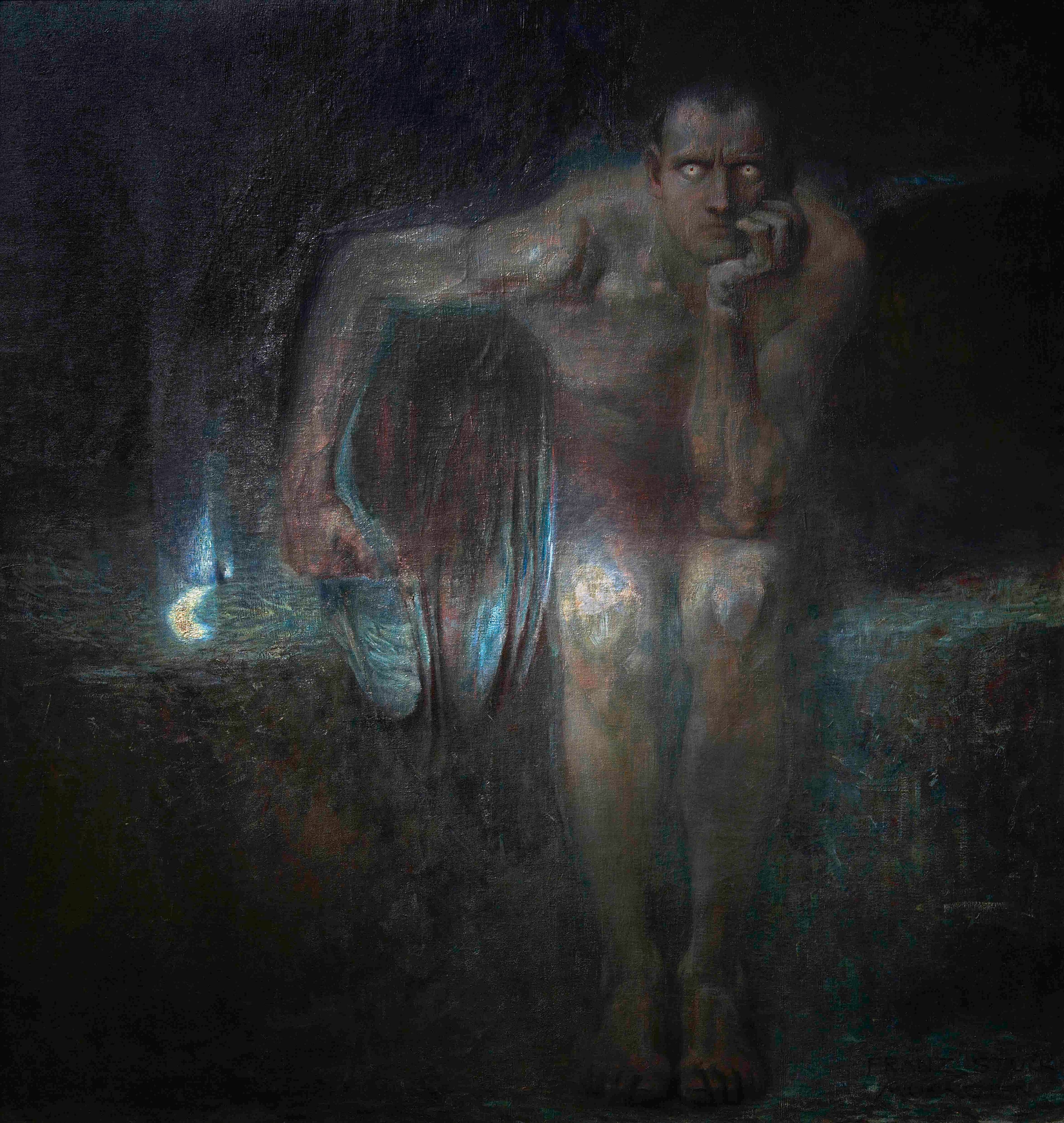
Lucifer
Franz von Stuck · 1890