Contemporary
Artificial Wings
Artist Unknown, c. 2008
Artificial Wings is a sculpture by an unidentified artist of a nude man wearing a huge, bat-like wing, based on Leonardo da Vinci's designs for flying machines. It was shown in the 2008–09 exhibition Leonardo: 500 Years into the Future at The Tech Museum, San Jose.
- Artist
- Artist Unknown
- Date
- c. 2008
- Movement
- Contemporary
Artificial Wings is a sculpture of a nude man wearing a single enormous, ribbed wing, inspired by Leonardo da Vinci's studies of human flight. It was displayed at The Tech Museum of Innovation in San Jose, California, in the exhibition Leonardo: 500 Years into the Future in 2008–09, a large show devoted to Leonardo's art, science and engineering. The sculptor's name is not recorded in the sources we have found.
What you are looking at
The work is mounted against a dark wall. On the right stands a muscular male nude, life-size or close to it, with long curling hair and a beard, in the manner of Leonardo's own drawings of old men and of Renaissance studies of anatomy. His head is turned slightly, and one arm stretches out to the left.
Attached to that arm is the wing, which fills most of the composition. Its framework is a long spar running from the shoulder, with ribs fanning out like the fingers of a bat's wing, and the membrane between them is shaped in scalloped panels ending in sharp points. One panel is textured with a fine grid, like the netting or fabric Leonardo specified for some of his designs. Below the figure's waist hangs a second, smaller cluster of feathered or fringed shapes. Lit from above, the wing throws a dramatic shadow onto the wall behind.
Leonardo and flight
Leonardo da Vinci (1452–1519) was fascinated by flight for most of his life. He watched birds and bats, recorded his observations in the Codex on the Flight of Birds (about 1505), and filled notebooks with designs for flying machines, including flapping-wing ornithopters powered by human muscle, a parachute and a helical "aerial screw". He studied bat wings in particular, recommending their continuous membrane as a better model than feathers, which let air through.
None of his machines could have flown with human muscle alone, but his method — studying nature, reducing it to mechanical principles and testing designs — anticipates later engineering. He was also an artist, and many of his flight drawings are beautiful in their own right.
Myth and meaning
The sculpture also calls up older stories: Daedalus and Icarus, the father and son who escaped Crete on wings of feathers and wax, and the fall of the overreacher. A winged nude man, too, evokes angels and fallen angels, and the bat-like wing gives the figure a slightly demonic edge. Whether the artist intended these associations is unknown, but they help explain why the image is so widely shared.
Where to see it
The sculpture's present location is not documented. For Leonardo himself in the catalogue, see Man in Red Chalk and Study of Hands; for the myth of failed flight, see Herbert James Draper's The Lament for Icarus.
Questions & answers
Who made the Artificial Wings sculpture?
The sculptor is not recorded in the sources we have found. The work was shown at The Tech Museum of Innovation in San Jose, California, in the 2008–09 exhibition Leonardo: 500 Years into the Future, and is based on Leonardo da Vinci's designs for human flight.
Did Leonardo da Vinci design artificial wings?
Yes. Leonardo drew many designs for wings and flying machines, including ornithopters with flapping wings worked by a person's arms and legs. He studied birds and especially bats, whose membrane wings he thought the best model for a human-powered flying machine.
Could Leonardo's flying machines actually fly?
Not as he designed them. Human muscles are too weak to power flapping-wing flight, and his machines were too heavy. Modern builders have shown that some of his gliding and parachute ideas could work, but none of his flapping designs flew.
What was Leonardo: 500 Years into the Future?
It was a large exhibition shown at The Tech Museum of Innovation in San Jose in 2008–09, presenting Leonardo da Vinci's art, science and engineering with models built from his notebooks and contemporary works inspired by him, such as this sculpture.
More by the artist
Artist Unknown
Winged Victory of Samothrace
Artist Unknown · c. 200–190 BC
Angels and Demons – The Movie Prop
Artist Unknown & Gian Lorenzo Bernini · 2008
Bejeweled Skeleton of Saint Deodatus
Artist Unknown & Paul Koudounaris · Translated from Rome 1690
Tombstone of Silvia Marini nei De Rogati
Artist Unknown · After 1947

Sock and Buskin
Artist Unknown
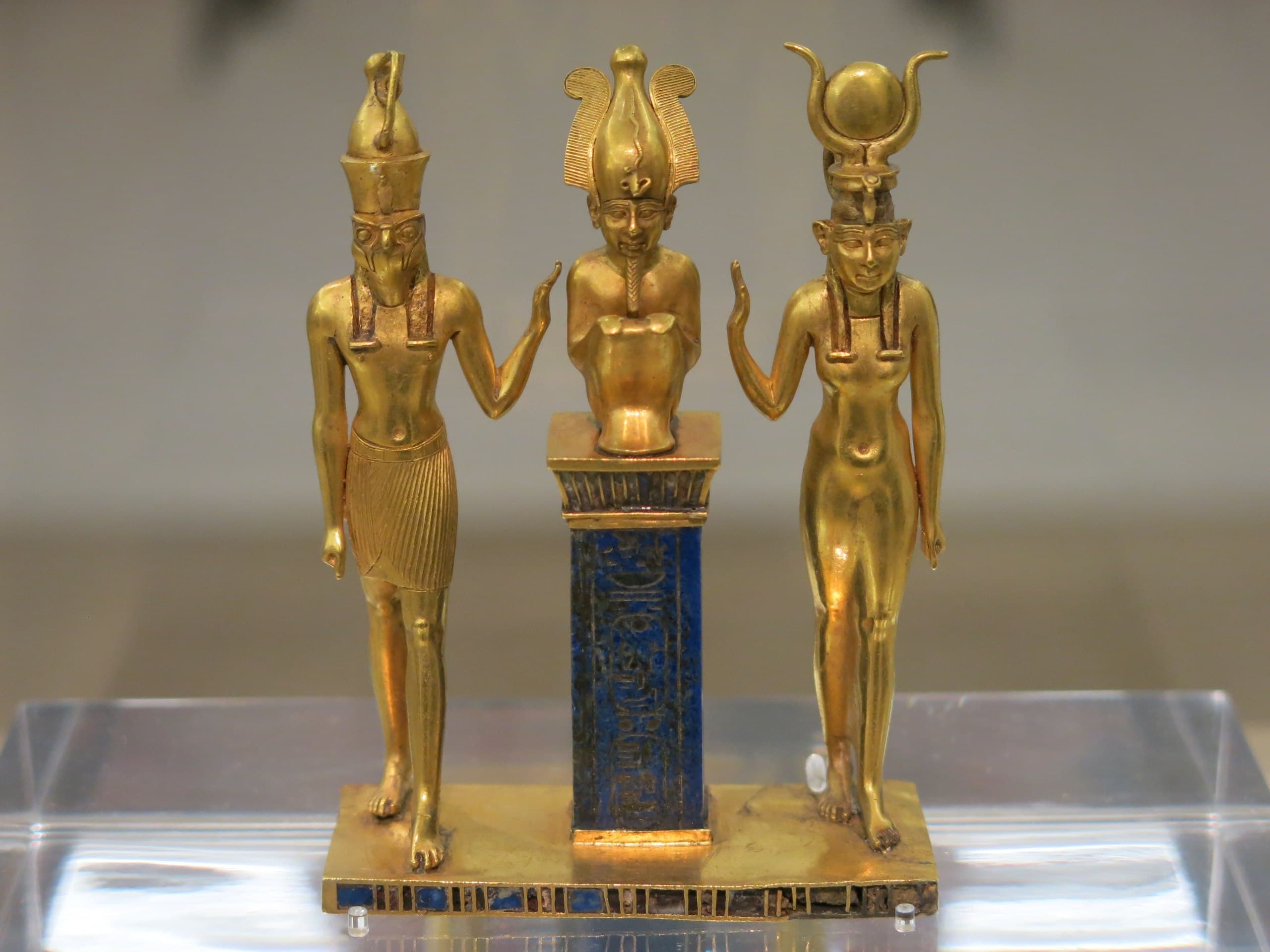
Triad of Osorkon II: Osiris, Isis and Horus
Artist Unknown · c. 874–850 BC (reign of Osorkon II)
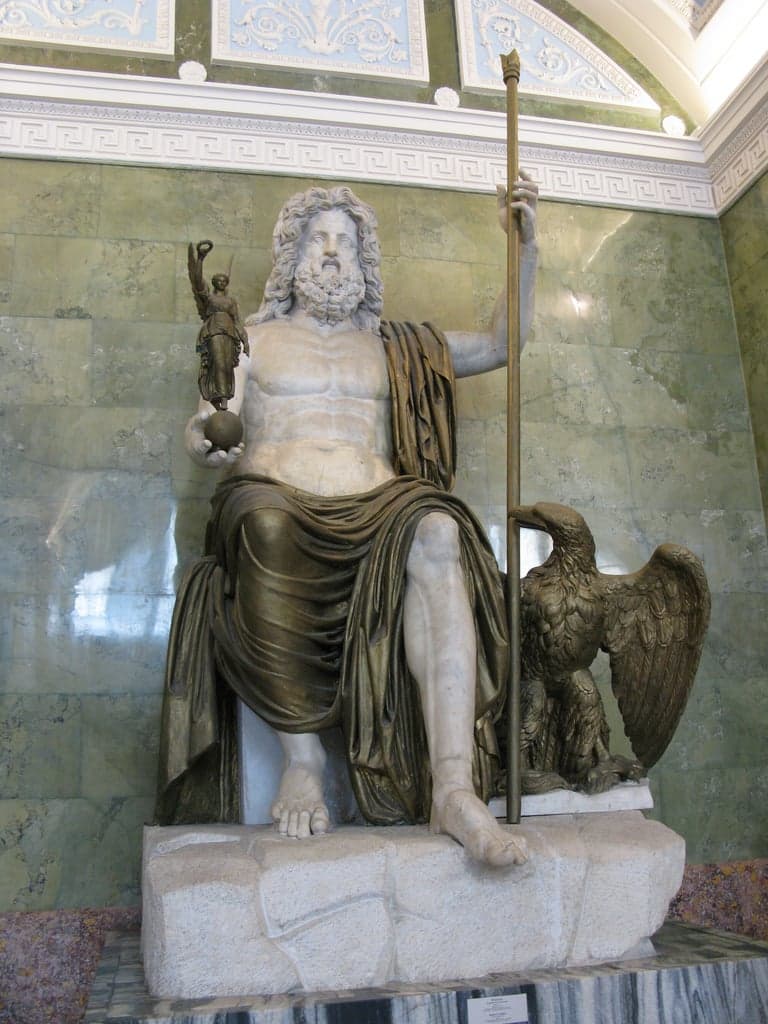
Seated Zeus (Statue of Jupiter, Hermitage)
Artist Unknown & Phidias · Late 1st century AD (after Phidias's Zeus, c. 435 BC)
Kindred works
You may also study
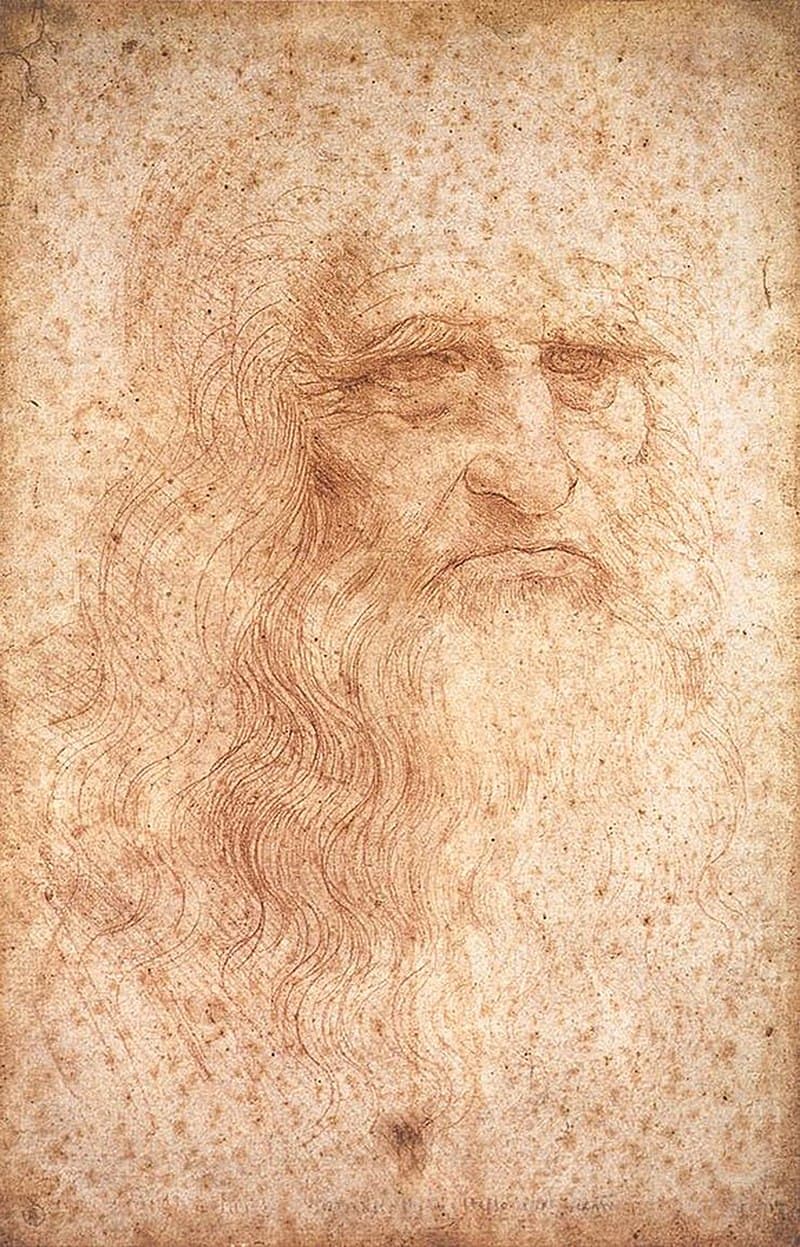
Portrait of a Man in Red Chalk
Leonardo da Vinci · c. 1512
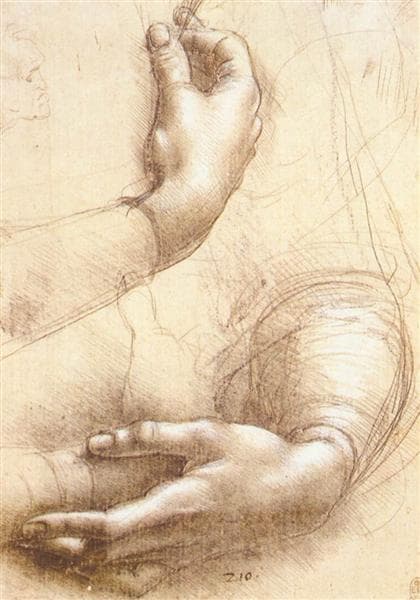
Study of Hands
Leonardo da Vinci · c. 1474–76
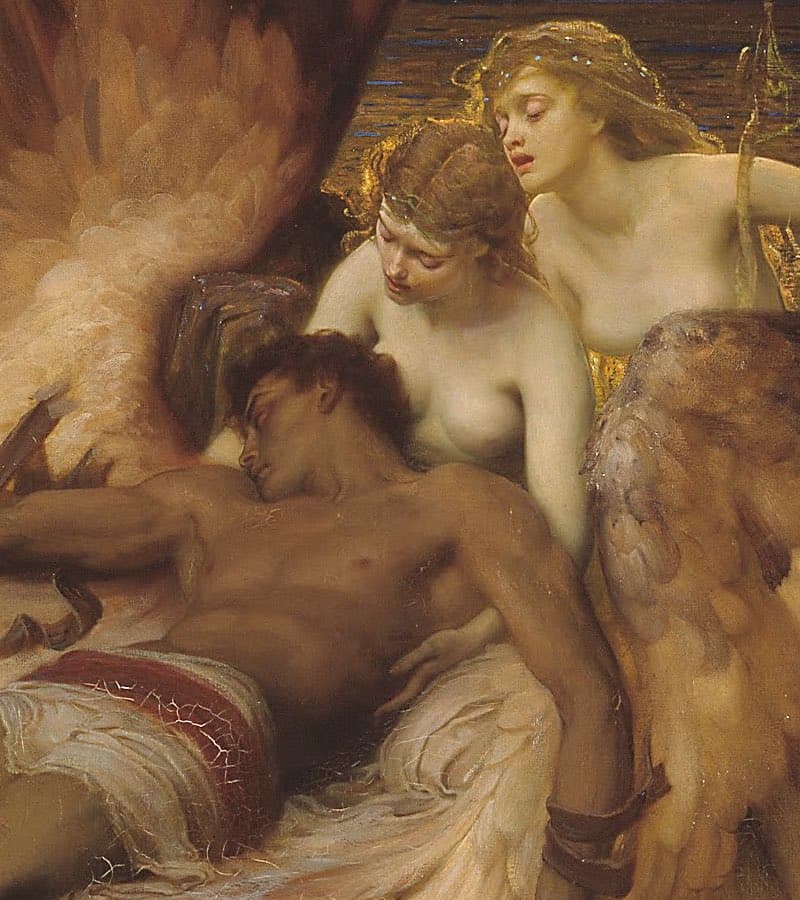
The Lament for Icarus
Herbert James Draper · 1898
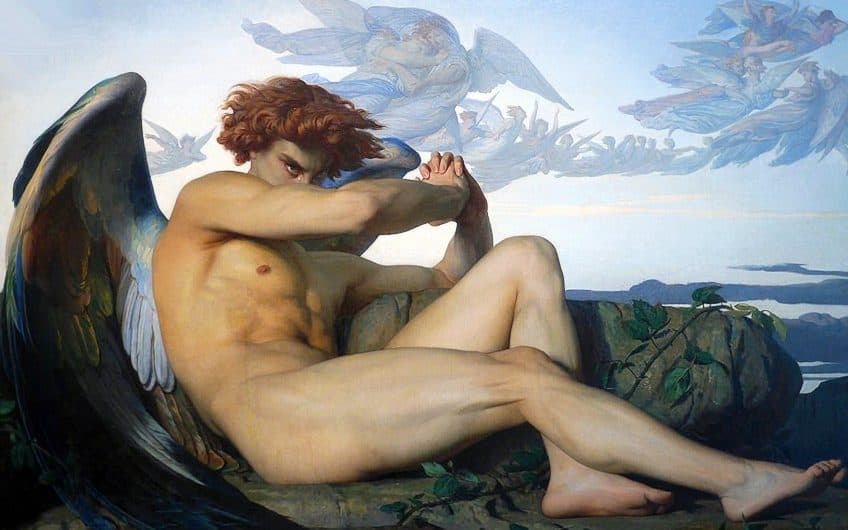
Fallen Angel
Alexandre Cabanel · 1847
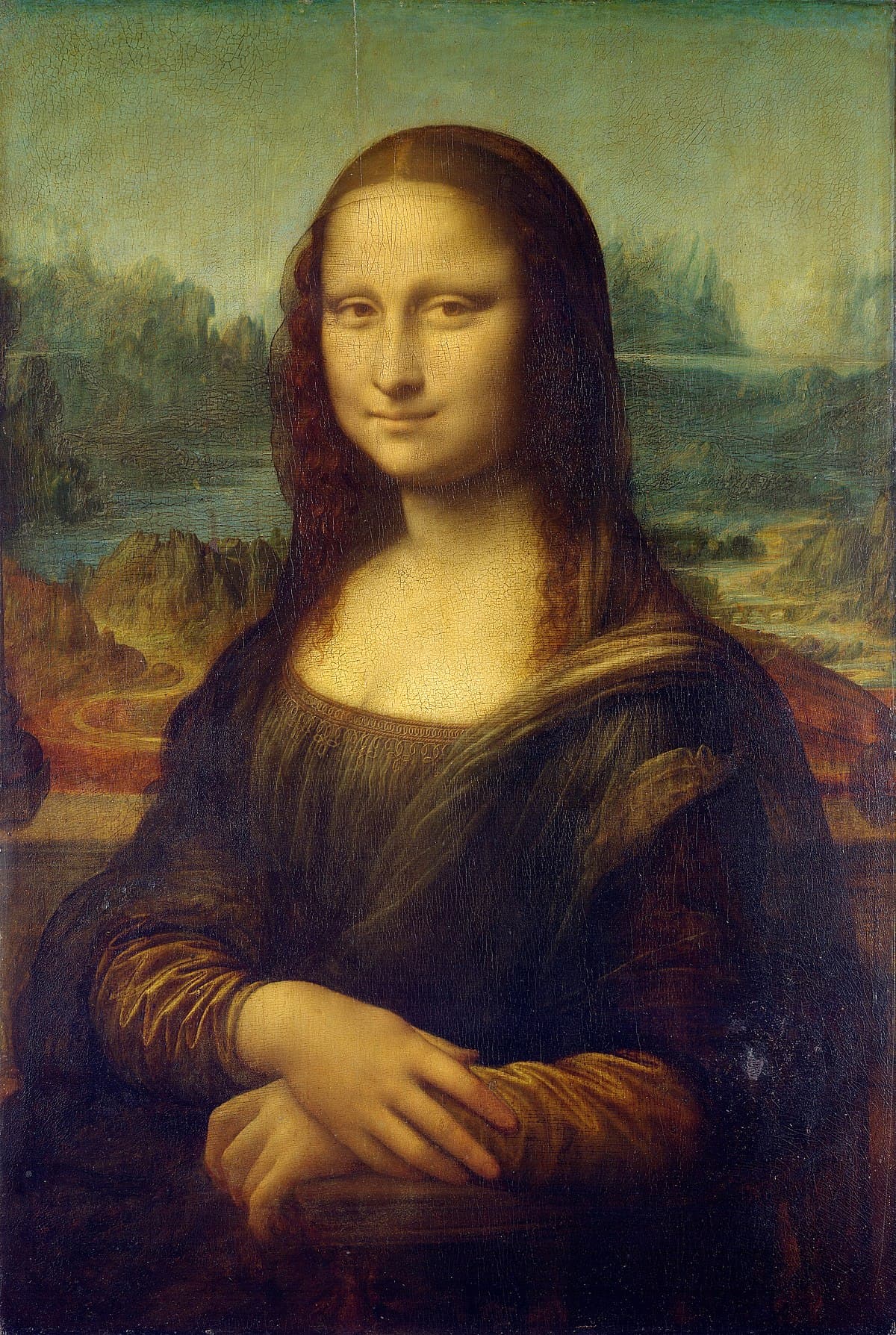
Mona Lisa
Leonardo da Vinci · c. 1503–1519

Venus de Milo
Alexandros of Antioch · c. 150–125 BC

Nymphs Dancing to Pan's Flute
Joseph Tomanek

The Thinker
Auguste Rodin · Modeled 1880–82; enlarged 1902–03; this cast 1904