Angels and Demons – The Movie Prop
Artist Unknown & Gian Lorenzo Bernini, 2008
This demonic angel statue was a prop made for Ron Howard's film Angels & Demons (2009), photographed during location filming in Rome's Piazza del Popolo in 2008. It imitates the Baroque angels of Gian Lorenzo Bernini but is not a real monument.
- Artist
- Artist Unknown & Gian Lorenzo Bernini
- Date
- 2008
- Medium
- Film prop (sculpted set dressing)
- Collection
- Rome, Italy
The statue in this photograph is not a Roman monument. It is a prop, a piece of sculpted set dressing made for Angels & Demons, Ron Howard's 2009 film of Dan Brown's thriller, and it was photographed in Piazza del Popolo, where the production filmed exteriors in June 2008. Behind it rise the bell tower and dome of one of the square's twin churches. Nothing like it stands in the piazza today; if you are looking for the "Angels and Demons statue" in Rome, you are probably looking for one of the real Bernini sculptures the story uses, described below.
What you're looking at
At first glance the figure belongs to the family of Bernini's angels on the Ponte Sant'Angelo: a winged youth in deeply cut, wind-whipped drapery, one arm across his body. Look again and it has been subverted. The face is a leering, pointed-eared mask with small horns curling from the hair. The drapery falls open at the chest to show not flesh but an exposed ribcage, as if the angel were partly flayed. The right hand, held at the breast, makes a delicate, almost mannered gesture, while the left, at waist height, grips something wrapped in cloth.
The design is a clever piece of film craft. It borrows the vocabulary of Roman Baroque sculpture, the pale travertine-like surface, the drill-cut curls, the sweep of feathers, so that it reads instantly as "old Rome," then twists it into the film's theme: the angelic and the demonic sharing one body. The weathered gray finish, with darker grime in the folds, imitates centuries of exposure.
The real statues behind the story
In Dan Brown's novel and the film, the Illuminati's "Path of Illumination" runs through four altars of science (Earth, Air, Fire and Water), each marked by a work of Gian Lorenzo Bernini:
- Earth: Habakkuk and the Angel (1655–61), in the Chigi Chapel of Santa Maria del Popolo, on Piazza del Popolo. The angel points, and in the story that pointing finger sends Robert Langdon to the next altar. This is the statue most people mean by "the Angels and Demons statue in Piazza del Popolo."
- Air: the West Ponente relief in St. Peter's Square, one of the oval reliefs of the winds set into the pavement.
- Fire: the Ecstasy of Saint Teresa (1647–52), in the Cornaro Chapel of Santa Maria della Vittoria, where an angel aims a golden arrow at the swooning saint (see Ecstasy of Saint Teresa).
- Water: the Fountain of the Four Rivers (1648–51) in Piazza Navona.
The Bernini connections are fiction layered on fact. The sculptures are real and the attributions are correct, but there is no evidence of an Illuminati trail, and Bernini was a devout Catholic in papal service rather than a secret society member.
How the film was made
Filming began in Rome on June 4, 2008, under the working title Obelisk. Church authorities, displeased by The Da Vinci Code, refused permission to film inside churches, so interiors were rebuilt at Sony Pictures Studios in Culver City, California. The production recreated the Chigi Chapel and Santa Maria della Vittoria on soundstages, and built St. Peter's Square and Piazza Navona on the backlot. For the exterior of Santa Maria del Popolo, the crew used a building across the square and covered it in scaffolding, which also explained the "restoration" mentioned in the plot.
Props such as this statue were part of that effort to dress real Roman locations and studio sets so they could cut together seamlessly. Its maker is not credited in any source we could find.
Why the image resonates
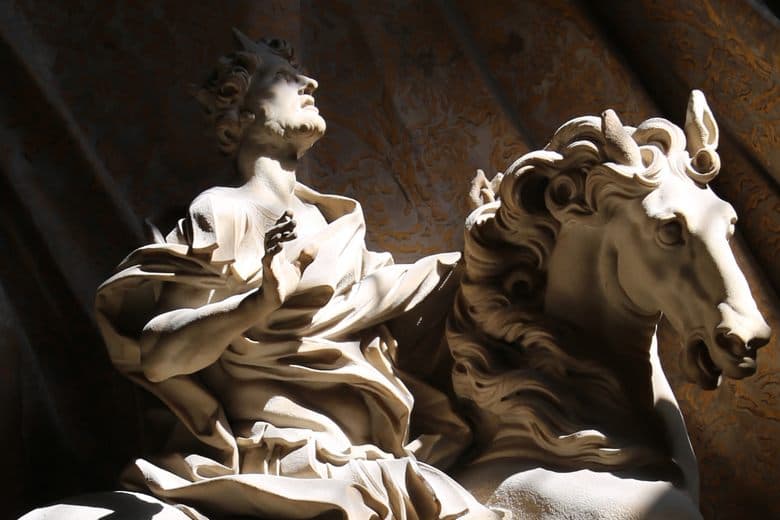
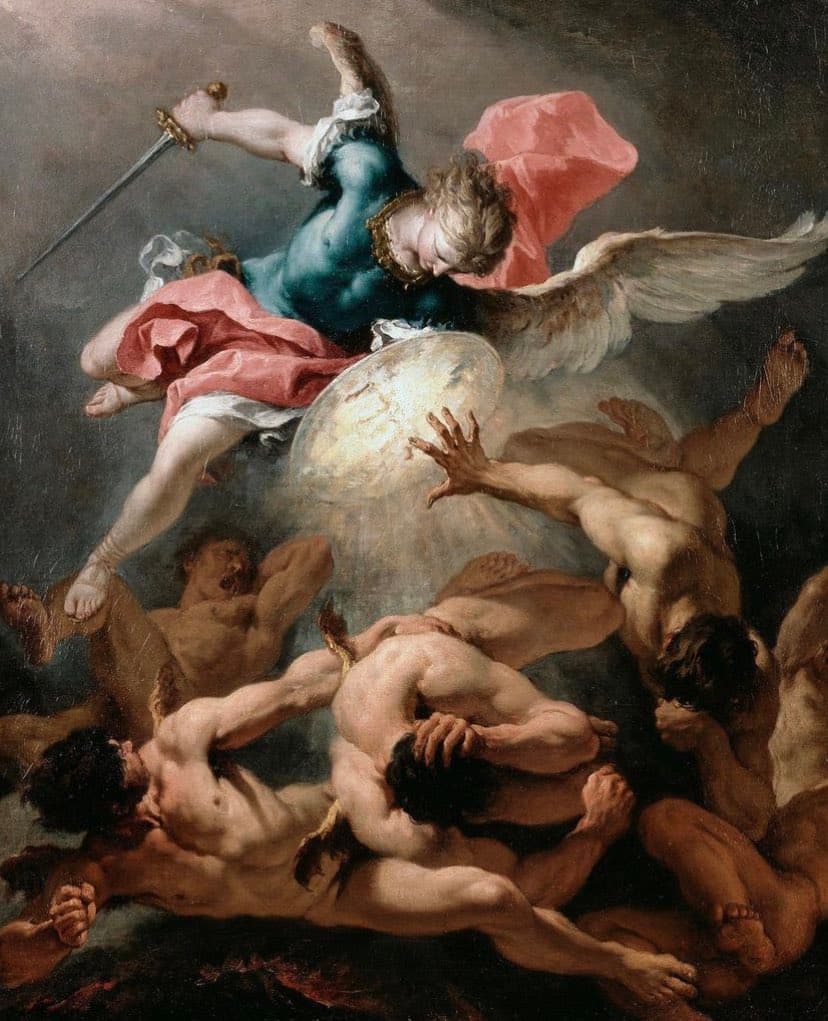
Like a gargoyle, the figure works because it combines the beautiful and the grotesque. It also captures the tension at the heart of the film, the struggle between faith and reason, sanctity and corruption, in a form that looks like it has always been part of the city. For genuine historical images of the same theme, see Angels & Demons in Art, The Fall of the Rebel Angels and Bernini's The Vision of Constantine.
Where to see the real thing
Habakkuk and the Angel is in Santa Maria del Popolo, Piazza del Popolo, Rome, where the same chapel also holds Bernini's Daniel and the Lion. The Ecstasy of Saint Teresa is in Santa Maria della Vittoria, Via XX Settembre. Both churches are free to enter outside service times. The prop statue itself is not on public display.
Questions & answers
Is the Angels and Demons statue in Piazza del Popolo real?
The demonic angel in this photograph is not. It was a prop made for the 2009 film Angels & Demons and photographed during location filming in Piazza del Popolo in June 2008. The real sculpture tied to that square in the story is Bernini's Habakkuk and the Angel, inside the church of Santa Maria del Popolo.
What statues are in Angels and Demons?
The plot follows four Bernini works marking Earth, Air, Fire and Water: Habakkuk and the Angel in Santa Maria del Popolo, the West Ponente relief in St. Peter's Square, the Ecstasy of Saint Teresa in Santa Maria della Vittoria, and the Fountain of the Four Rivers in Piazza Navona.
Was Angels and Demons filmed inside the real churches?
No. Church officials refused permission, so the interiors of Santa Maria del Popolo, Santa Maria della Vittoria and St. Peter's were rebuilt at Sony Pictures Studios in Culver City, California. Exteriors, including Piazza del Popolo and Piazza Navona, were filmed in Rome in June 2008.
Which statue points the way in Angels and Demons?
It is the angel in Bernini's Habakkuk and the Angel (1655–61) in the Chigi Chapel of Santa Maria del Popolo. In the story the angel's pointing finger directs Robert Langdon to the next altar of science, in St. Peter's Square.
More by the artist
Artist Unknown
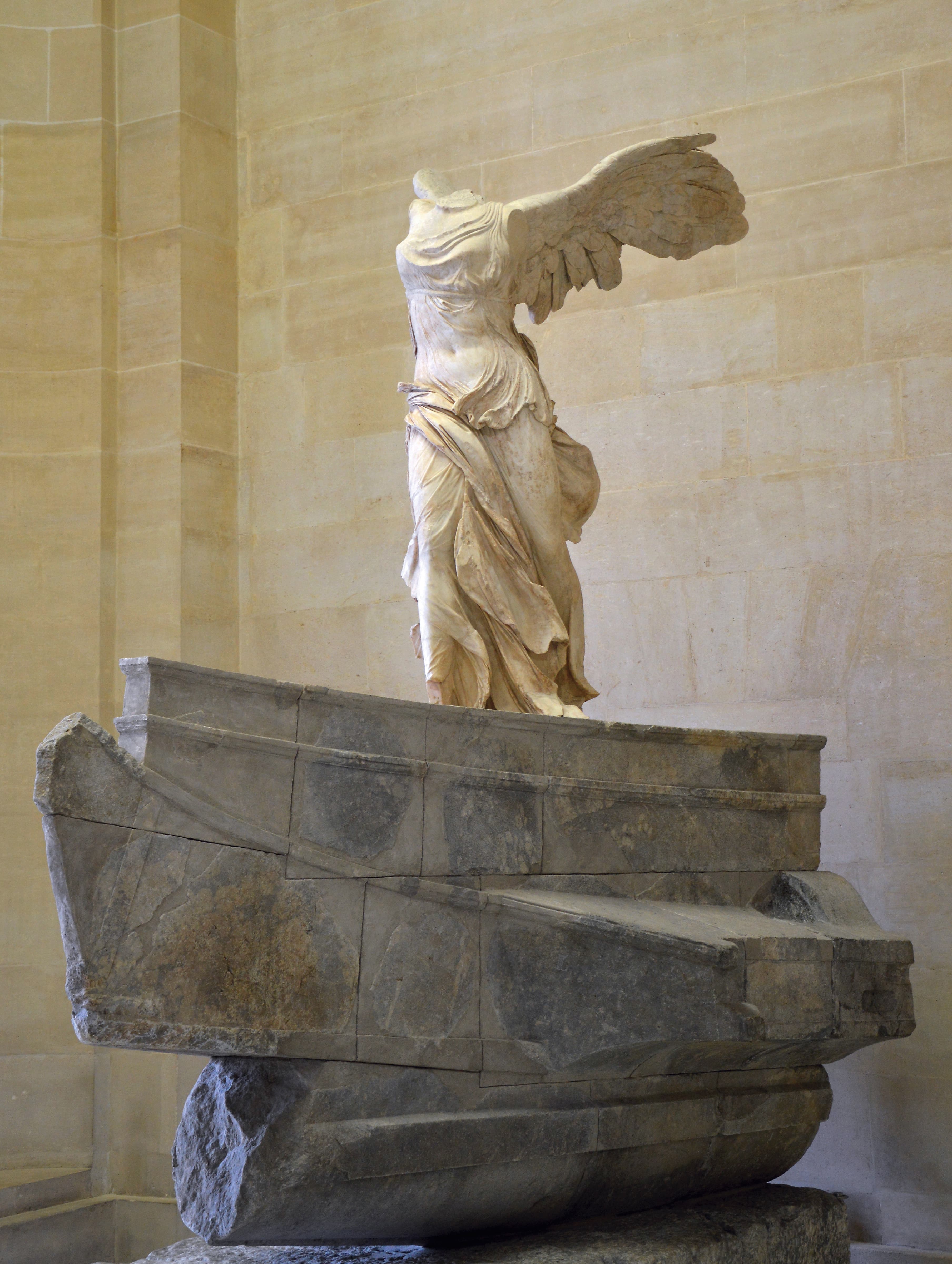
Winged Victory of Samothrace
Artist Unknown · c. 200–190 BC
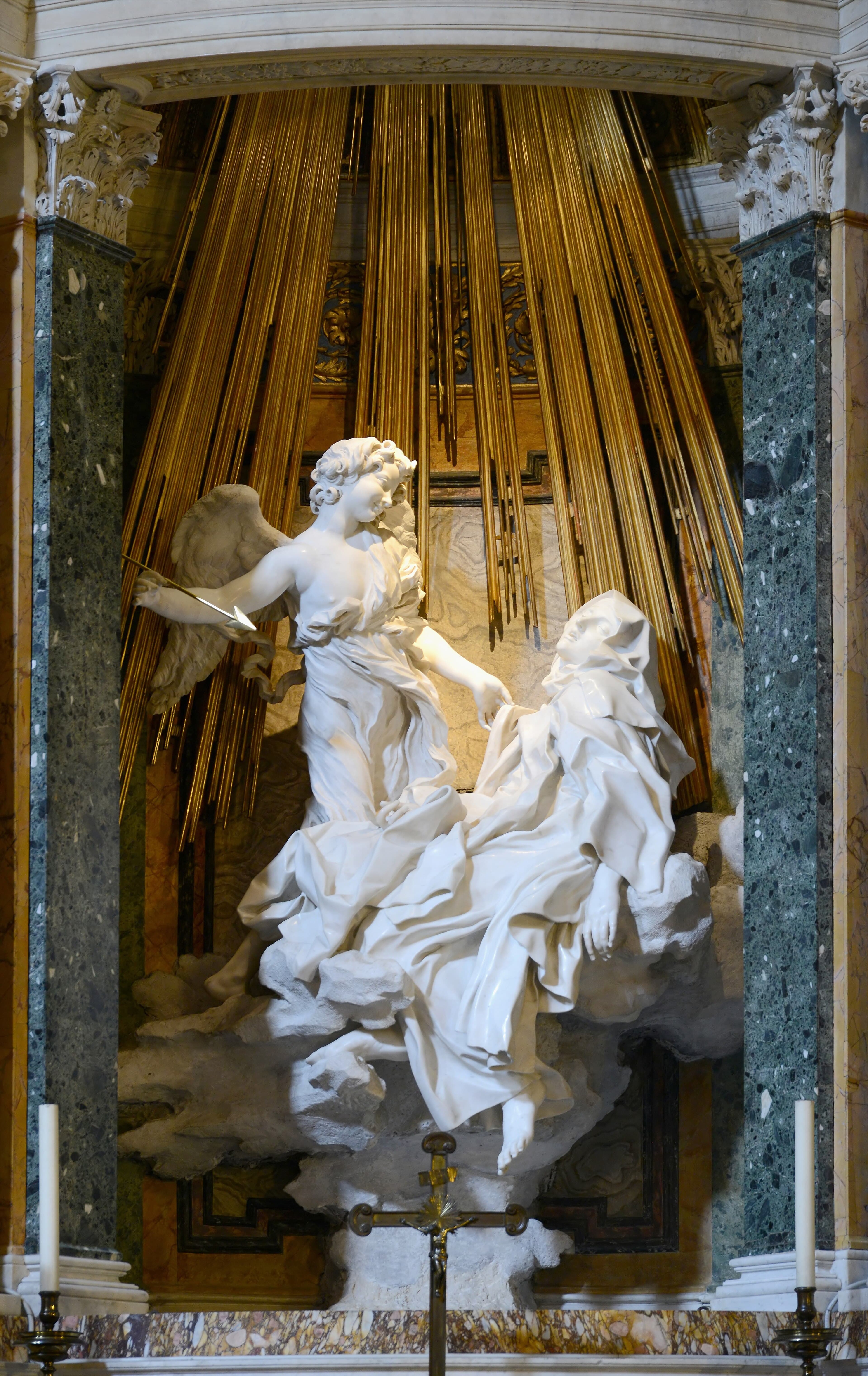
Ecstasy of Saint Teresa
Gian Lorenzo Bernini · 1647–1652
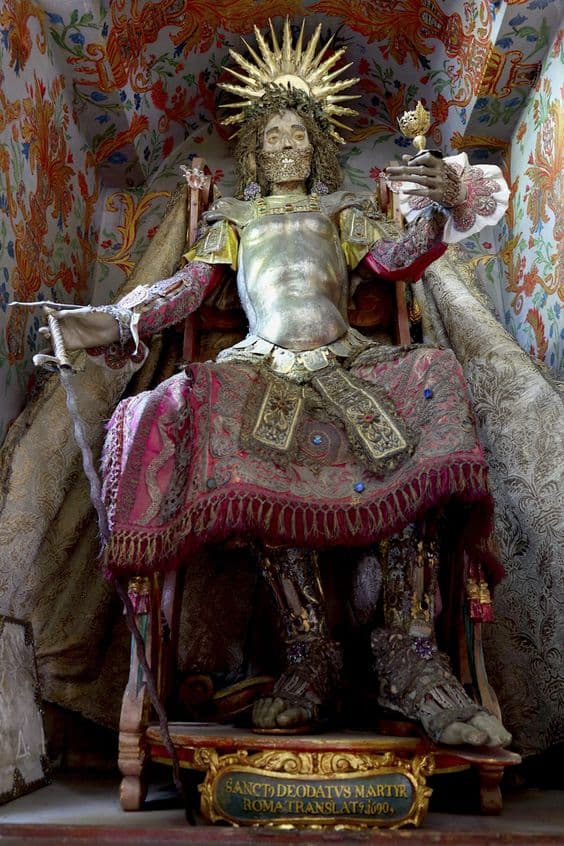
Bejeweled Skeleton of Saint Deodatus
Artist Unknown & Paul Koudounaris · Translated from Rome 1690
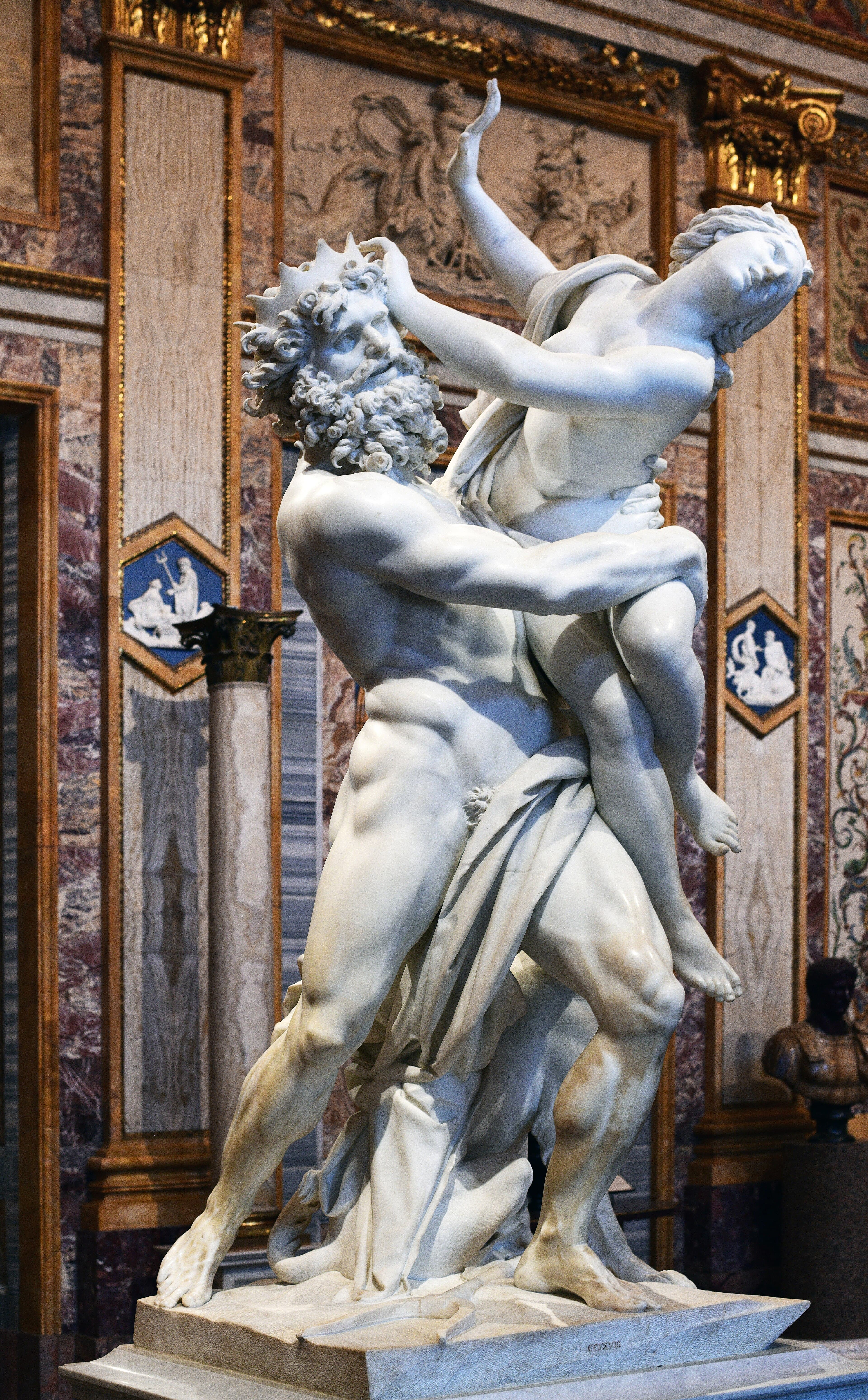
The Rape of Proserpina
Gian Lorenzo Bernini · 1621–1622
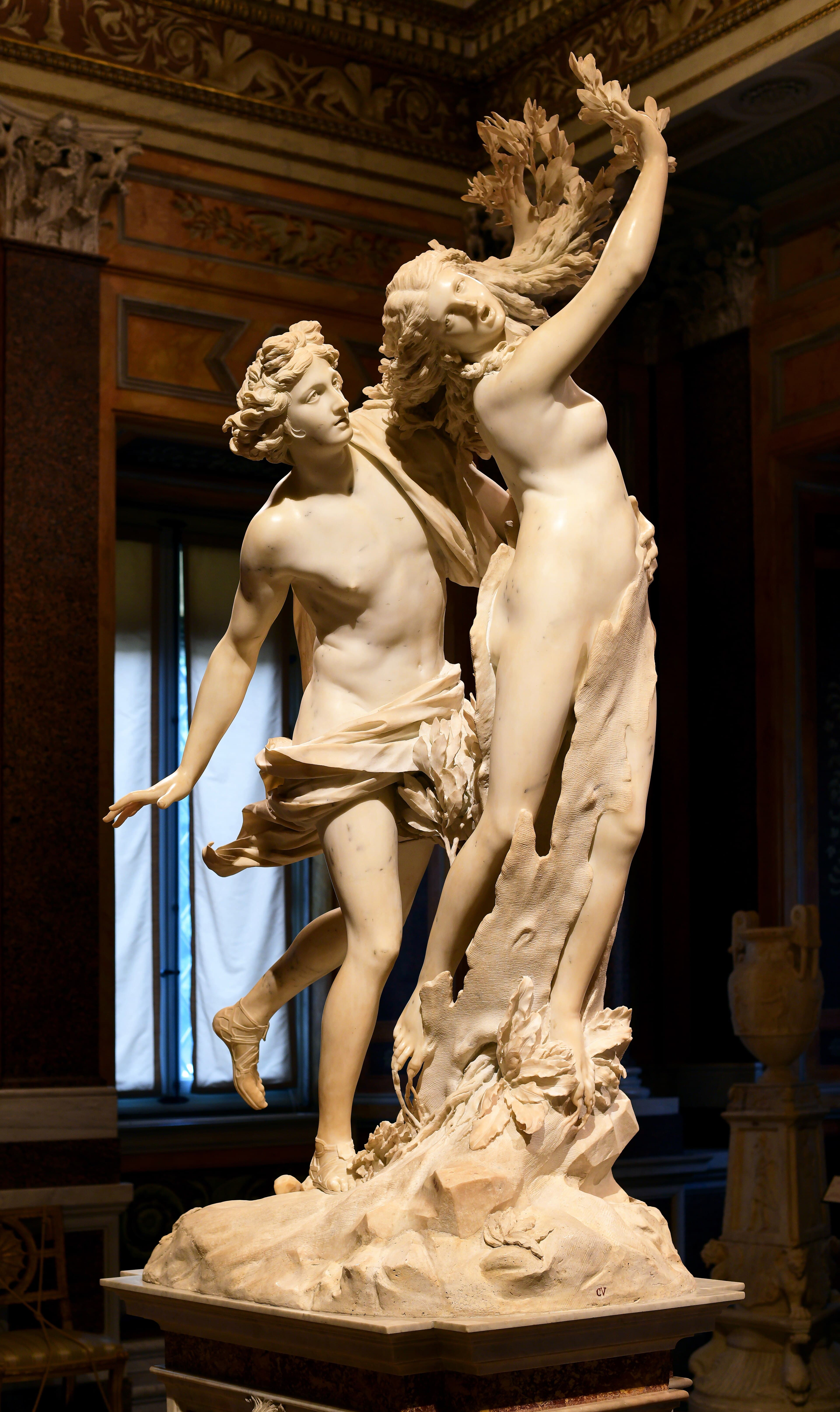
Apollo and Daphne
Gian Lorenzo Bernini · 1622–1625
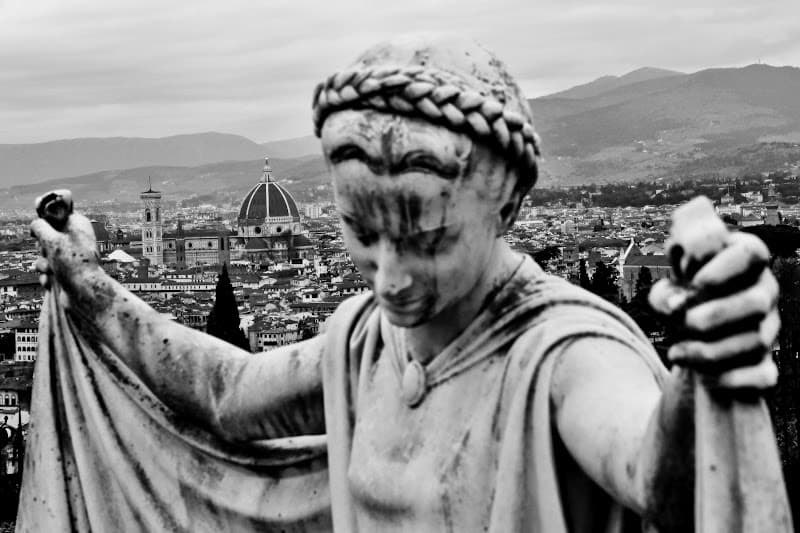
Tombstone of Silvia Marini nei De Rogati
Artist Unknown · After 1947
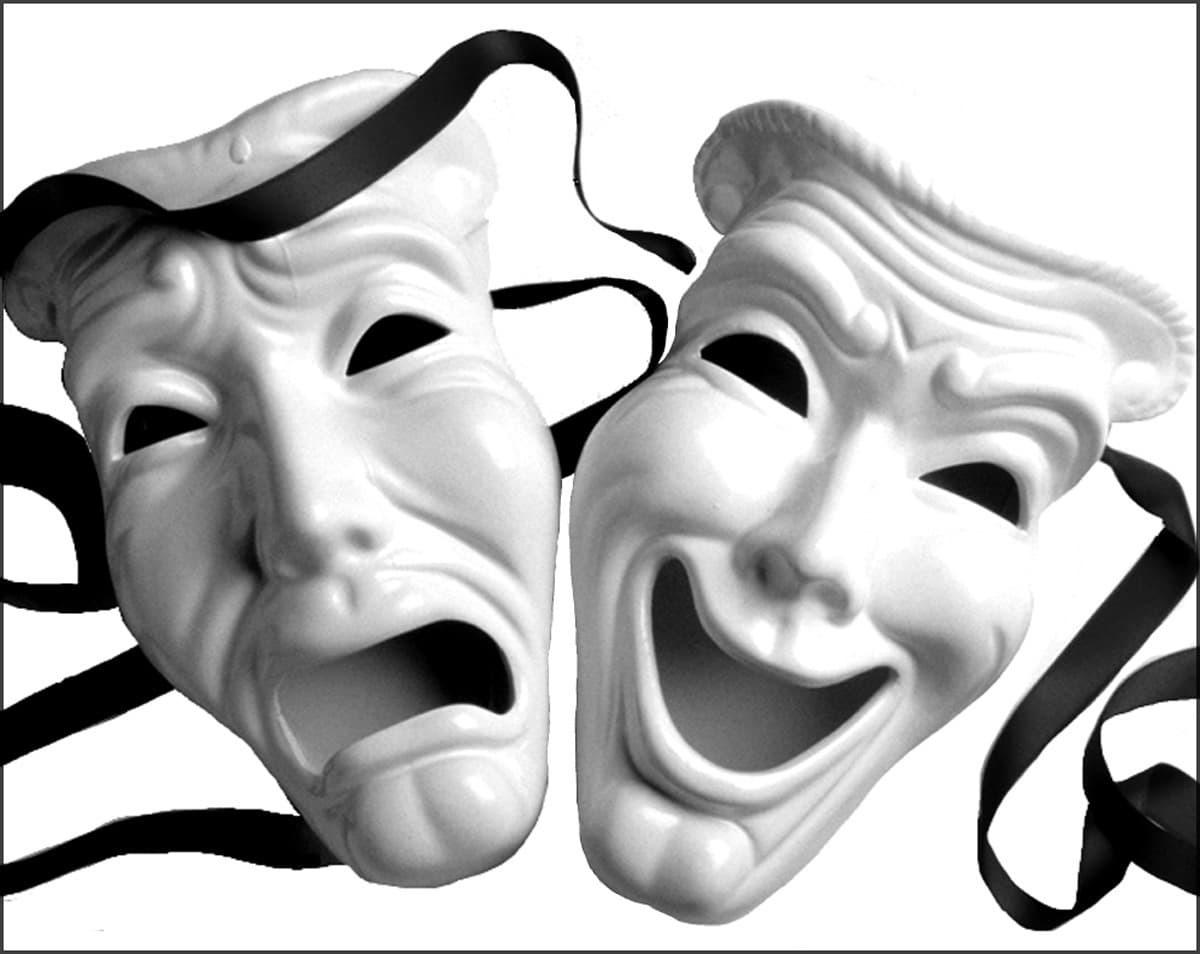
Sock and Buskin
Artist Unknown
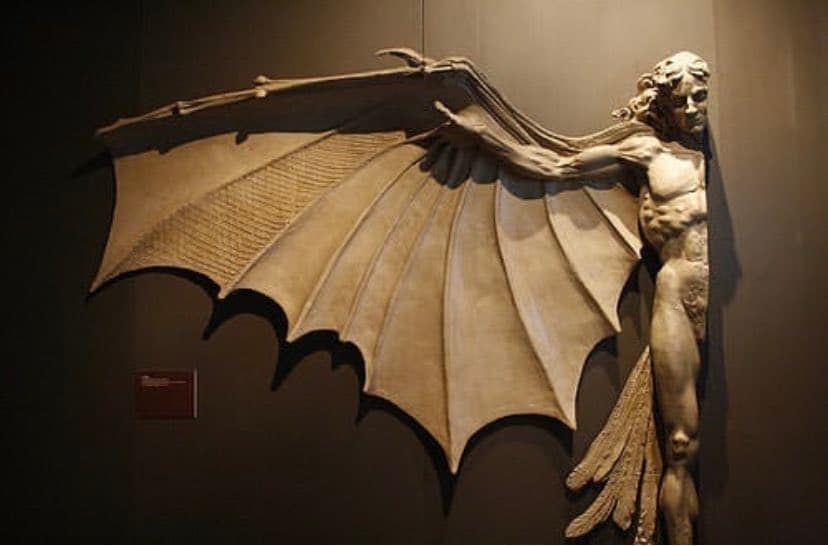
Artificial Wings
Artist Unknown · c. 2008
Kindred works
You may also study
The Vision of Constantine
Gian Lorenzo Bernini · 1654–70
Fallen Angel
Alexandre Cabanel · 1847
The Fall of the Rebel Angels
Sebastiano Ricci · c. 1720

The Scream
Edvard Munch · 1893

Saturn Devouring His Son
Francisco Goya · c. 1819–1823
The Creation of Adam
Michelangelo · c. 1511–12
Lucifer
Franz von Stuck · 1890
Head of a Skeleton with a Burning Cigarette
Vincent van Gogh · 1886