Image: National Museum of Western Art, Tokyo, Matsukata Collection (Google Art Project) · Public domain · via Wikimedia Commons
Waterloo Bridge in London
Claude Monet, 1902
Waterloo Bridge in London is a 1902 Claude Monet painting of the bridge turned pink and white in sunlit haze, with a single sailing barge below. It belongs to the Matsukata Collection at the National Museum of Western Art, Tokyo.
- Artist
- Claude Monet
- Date
- 1902
- Medium
- Oil on canvas
- Dimensions
- 65.7 × 100.5 cm
- Collection
- National Museum of Western Art, Tokyo, Japan
- Movement
- Impressionism
- Catalogue
- Wildenstein 1594
- The City
- Water & Sea
Waterloo Bridge in London is one of Claude Monet's views of the Thames from the Savoy Hotel, signed and dated 1902 at lower left. It measures 65.7 × 100.5 cm and is number 1594 in the Wildenstein catalogue raisonné. It belongs to the National Museum of Western Art in Tokyo (P.1959-0155) as part of the Matsukata Collection, the group of Western art formed by the shipbuilding magnate Kōjirō Matsukata, much of which returned to Japan from France in 1959.
What you're looking at
This is one of the softest and most luminous of the Waterloo Bridge pictures. Everything is pale pink, lilac and cream. The bridge spans the canvas in a long line of arches, each outlined in faint white and lilac, as if it were made of light. Along the top runs a row of small touches in yellow, rust and green, the morning traffic glimpsed through haze.
The far bank and its chimneys are gone: the sky above the bridge is an even, rosy mist. On the left, a few dark touches under an arch suggest a boat, and at the lower center sits a sailing barge with a tan sail and a dark hull, the only firm shape in the picture. A second small sail shows on the right beyond the bridge.
What distinguishes this version is its warmth. The fog is not grey, green or blue but rose, and the effect is of sun shining fully through a thin veil. It is the gentlest of the sunlit versions.
Where and when it was painted
Monet painted Waterloo Bridge from the Savoy in the mornings during his visits of 1899, 1900 and 1901, and then continued work on the canvases in his Giverny studio. The date 1902 marks when he judged this one finished, two years before he exhibited thirty-seven Thames views at Durand-Ruel in Paris in 1904.
How it was painted
The surface is a fine, dense web of small strokes in close tones, with pink, lilac, cream and pale yellow interwoven. Edges are dissolved. The barge is painted with a few firmer strokes, which makes it pop against the uniform haze. The evenness of the surface reflects long studio work.
How this version differs
Its closest relative in the Waterloo Bridge series is the Bührle Foundation's Waterloo Bridge, London, Sun Effect, with the same pale arches and single barge, but in a cooler, greener key. The Paul Allen Waterloo Bridge, Hazy Sun of 1903 brings back the chimneys behind a similar pink-gold bridge. The Kunsthaus Zürich's Le Pont de Waterloo, dated the same year, is its opposite: dark, green-grey and lit only by a sun reflection.
A detail to look for
Look at the upper edge of the bridge: a long row of small touches in yellow, rust, green and pink runs from one end to the other. These are the carts, omnibuses and pedestrians crossing the bridge, reduced to dabs of color but still clearly read as moving traffic. They give scale to the bridge and life to an otherwise still scene. Monet often used this device in the series, but in Tokyo's canvas the touches are especially varied and bright against the pale bridge. They also echo the touches of color on the barge below, linking bridge and river in a single scheme.
Where to see it
The National Museum of Western Art, in Ueno Park in a building designed by Le Corbusier, holds one of the largest Monet collections in Asia, including water lilies and views of the Normandy coast. For Claude Monet's London paintings, see Monet in London; for other museums, see where to see Monet's paintings.
Kōjirō Matsukata assembled his collection in Europe in the 1910s and 1920s, buying directly from Monet at Giverny among others. Part of it, left in France, was seized by the French state after the Second World War, and its return to Japan in 1959 led to the founding of the National Museum of Western Art that year.
Questions & answers
Where is Waterloo Bridge in London by Monet?
It is in the National Museum of Western Art in Ueno Park, Tokyo (P.1959-0155), part of the Matsukata Collection formed by Kōjirō Matsukata, much of which returned to Japan from France in 1959.
When was it painted?
It is signed and dated 1902. Monet painted the view from the Savoy Hotel during his London stays of 1899–1901 and finished it at Giverny, where he worked on the London canvases as a group until 1904.
What does the painting show?
Waterloo Bridge as a line of pale pink and white arches in rosy, sunlit haze, with dabs of traffic along the top and a sailing barge on the Thames in the foreground.
How many Monet paintings are in the National Museum of Western Art?
The museum holds well over a dozen paintings by Monet, mostly from the Matsukata Collection, making it one of the main places to see his work in Asia. They include water lilies and coastal views.
More by the artist
Claude Monet
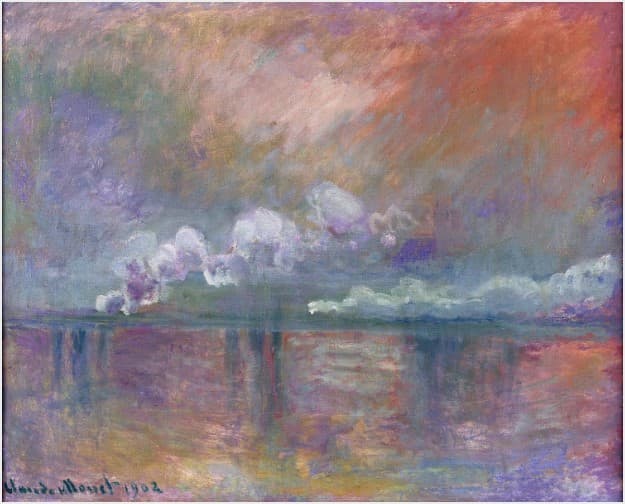
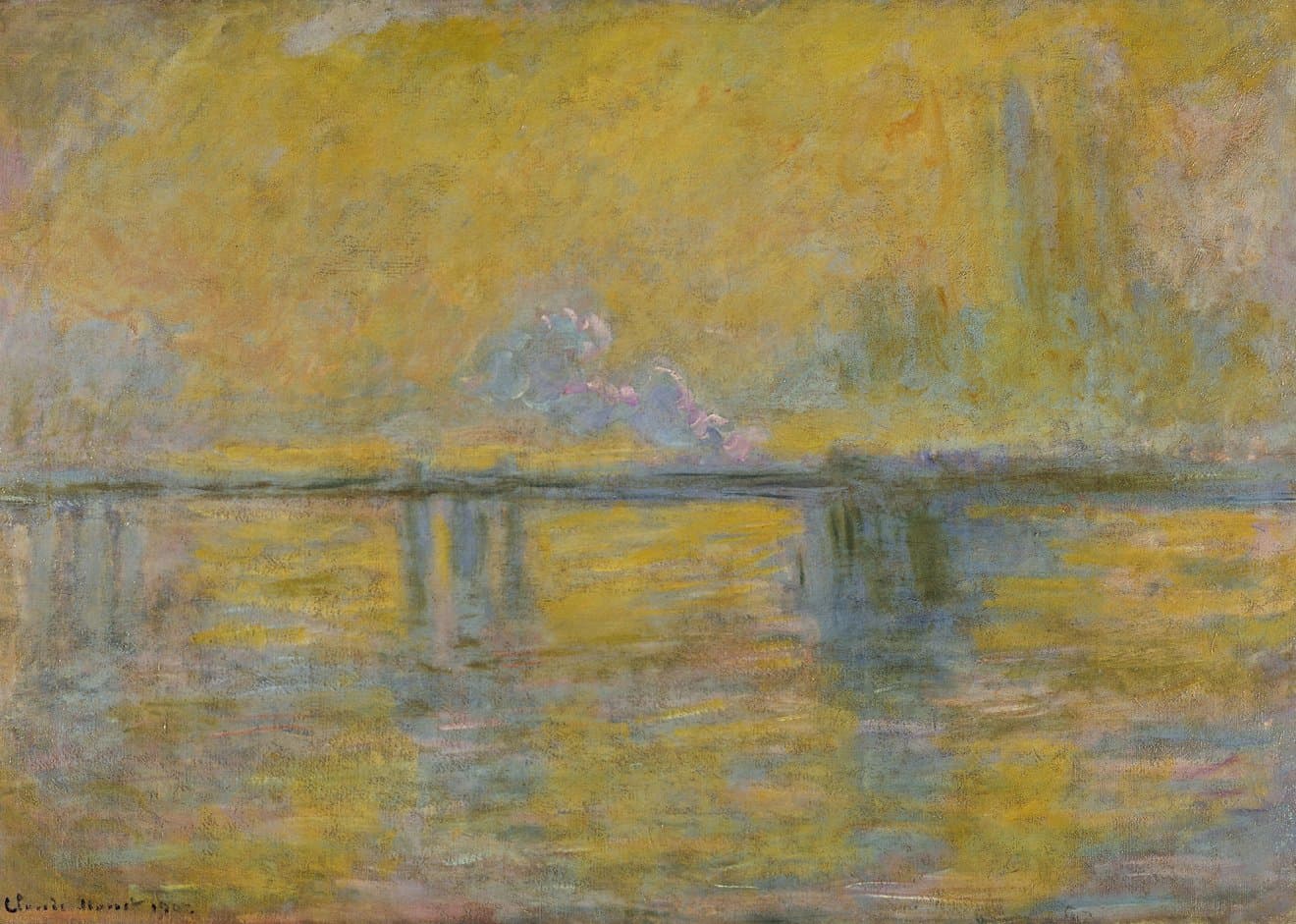
Charing Cross Bridge, Smoke in the Fog, Impression
Claude Monet · 1902
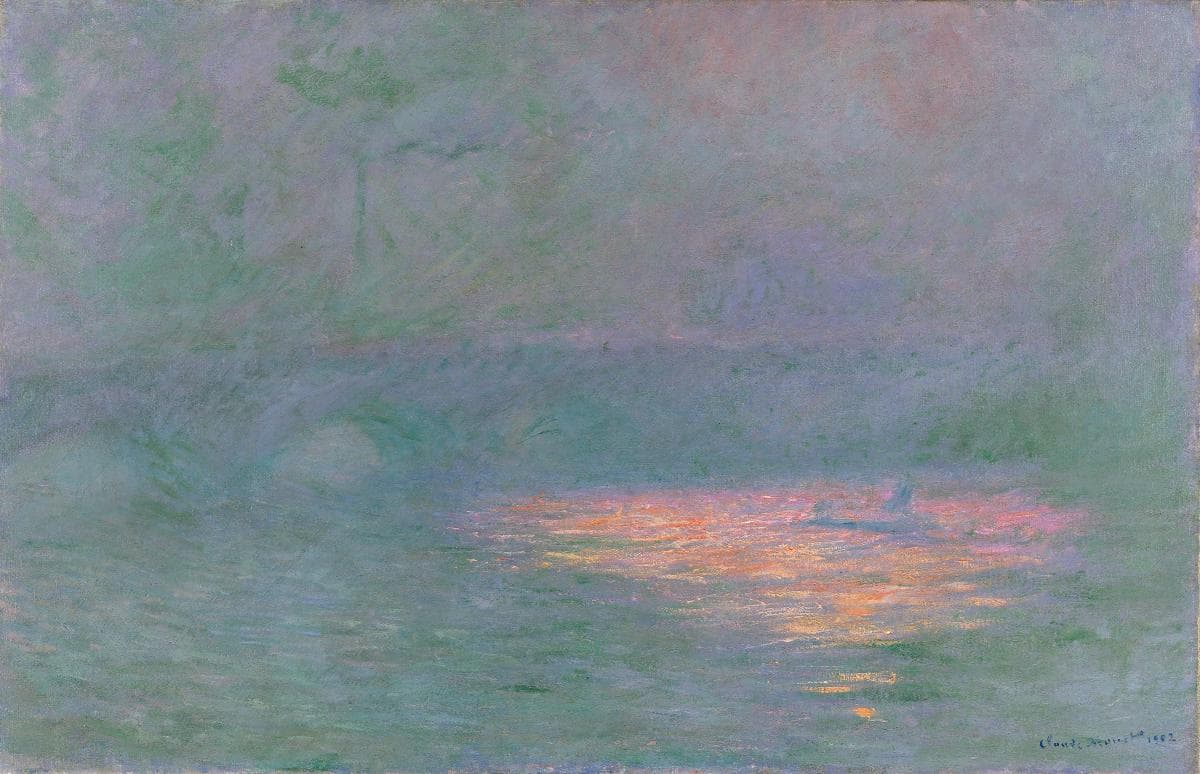
Waterloo Bridge (Kunsthaus Zürich, 1902)
Claude Monet · 1902
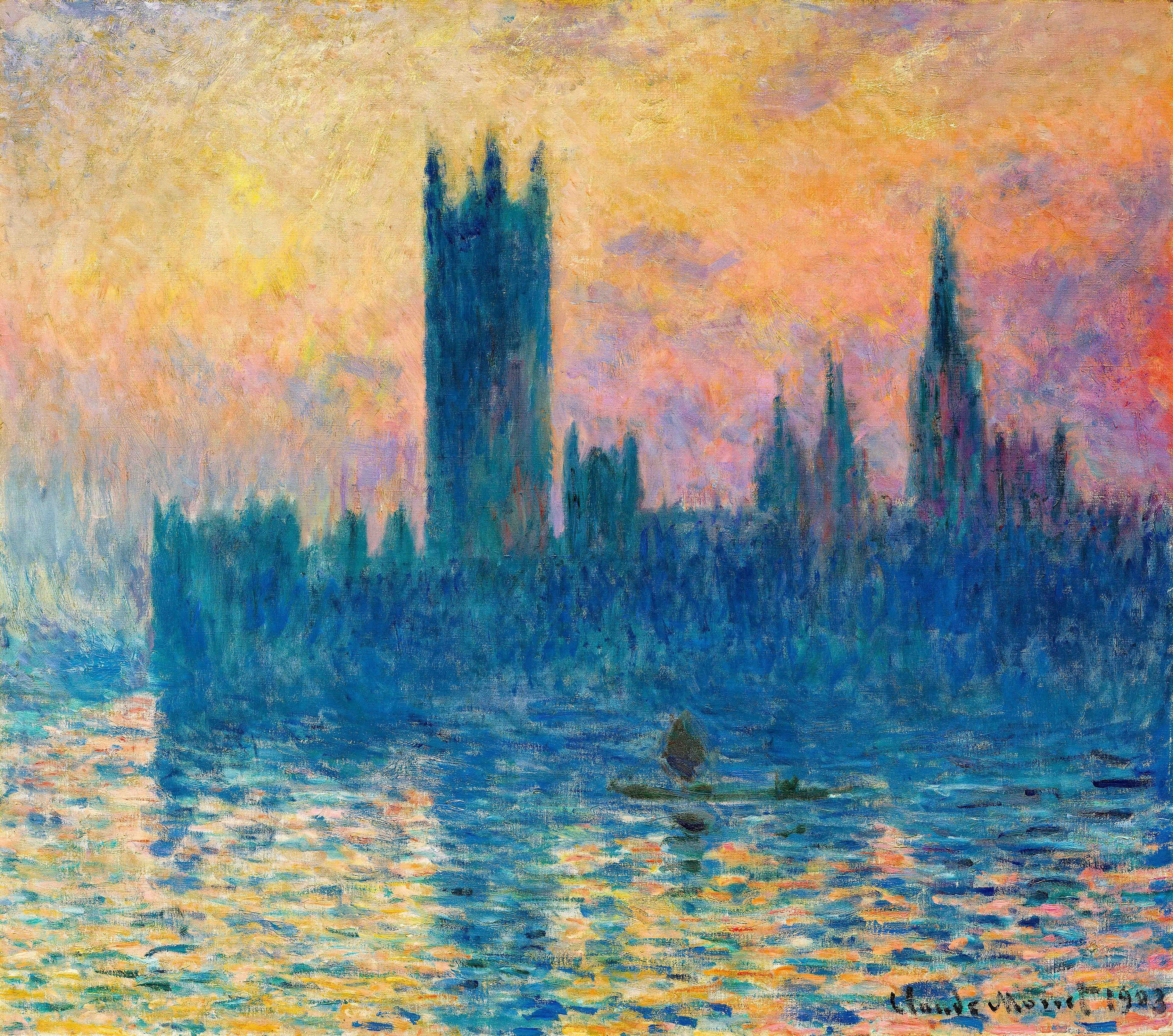
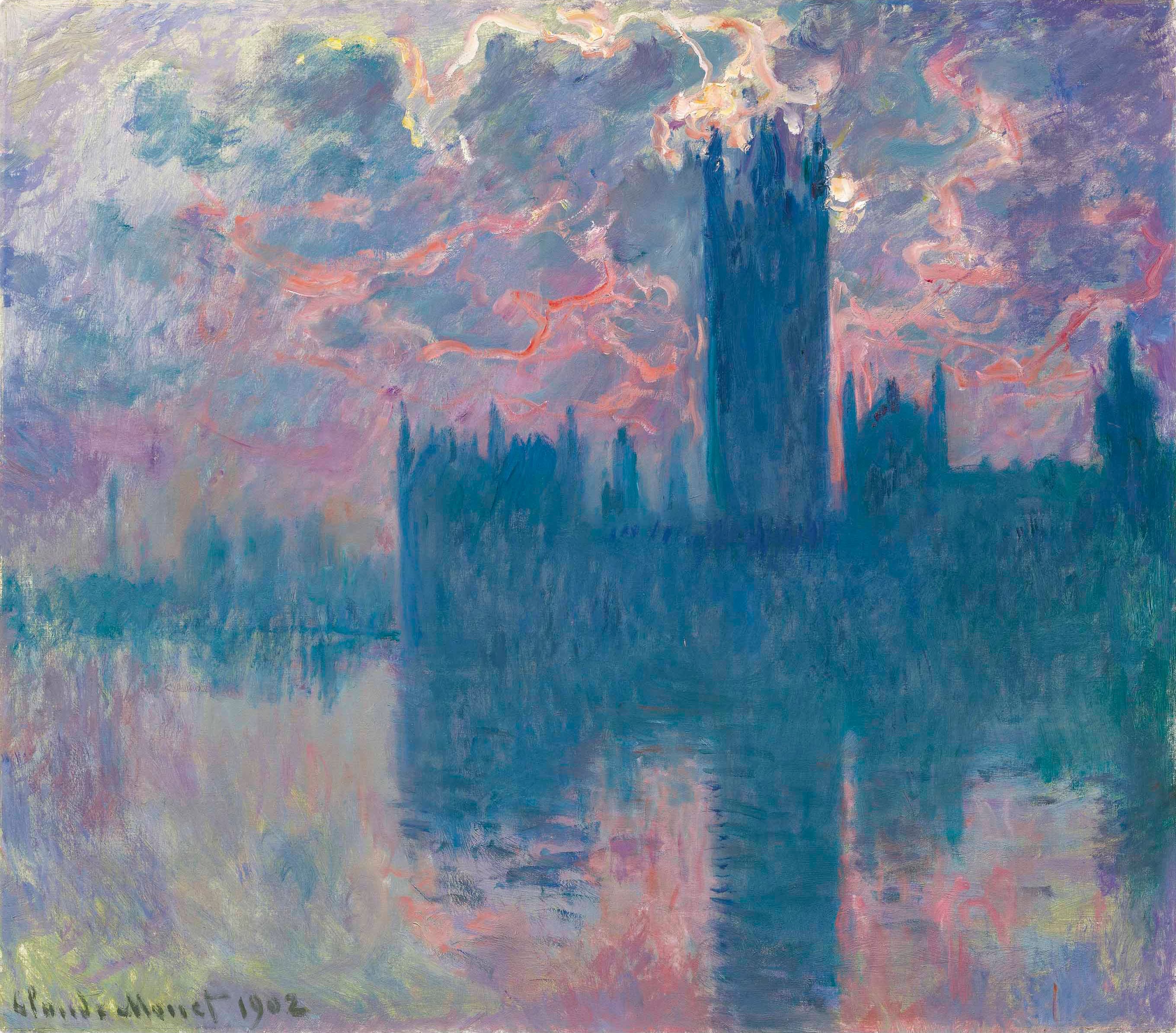
The Houses of Parliament, Sunset
Claude Monet · 1903
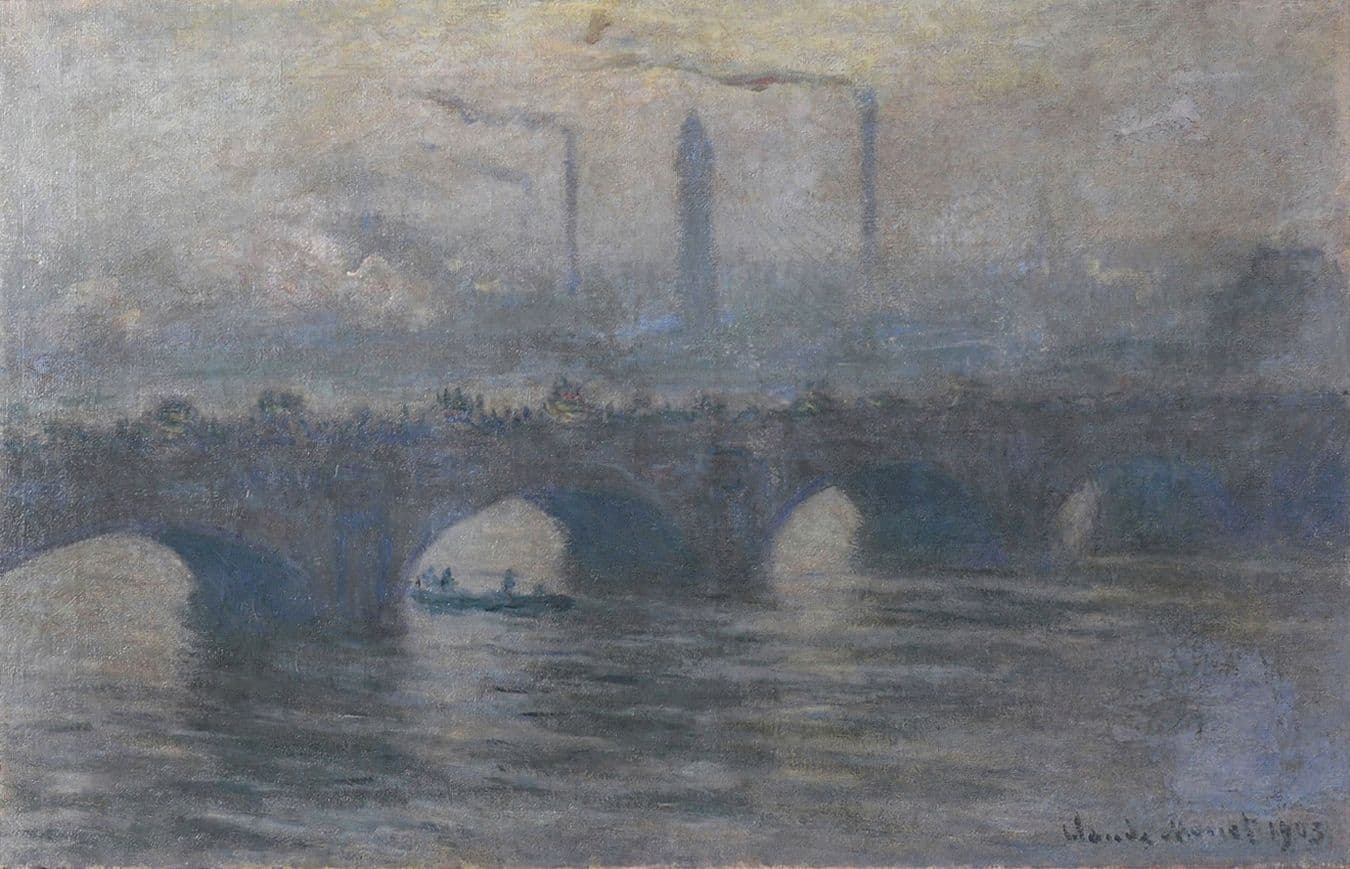
Waterloo Bridge, Gray Weather (Gurlitt Bequest)
Claude Monet · 1903
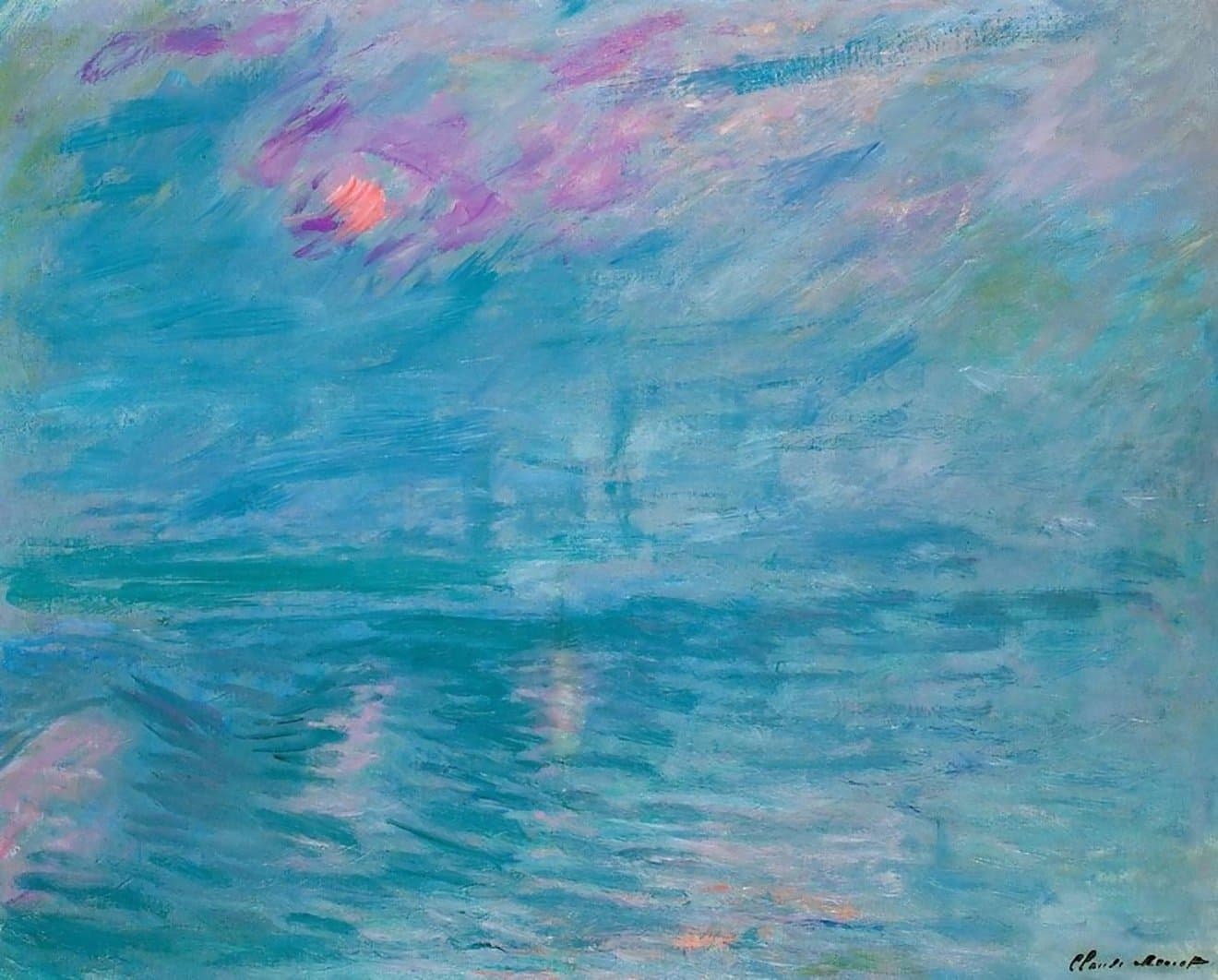
Waterloo Bridge (Davis Museum)
Claude Monet · 1899–1903
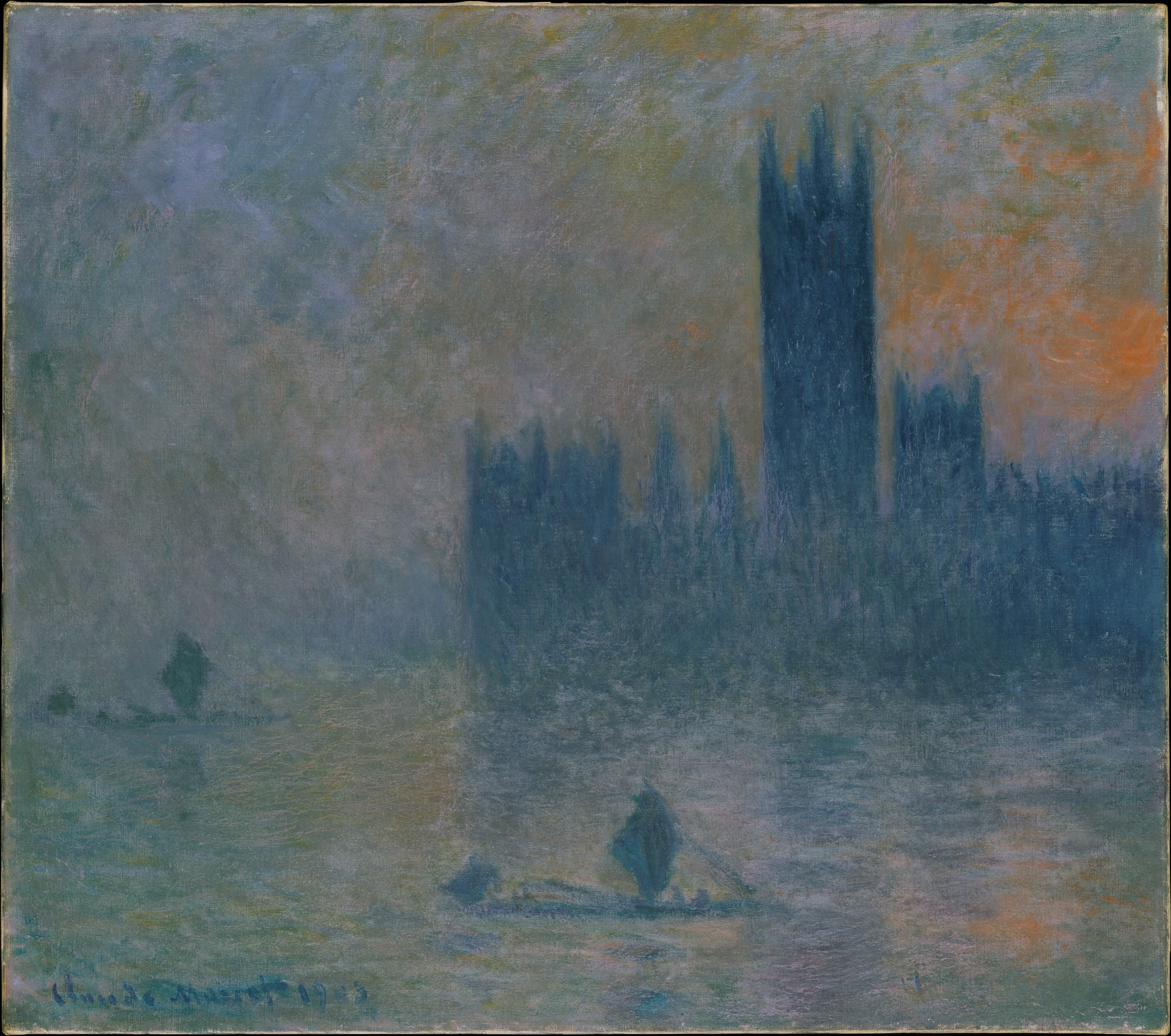
The Houses of Parliament (Effect of Fog)
Claude Monet · 1903–04
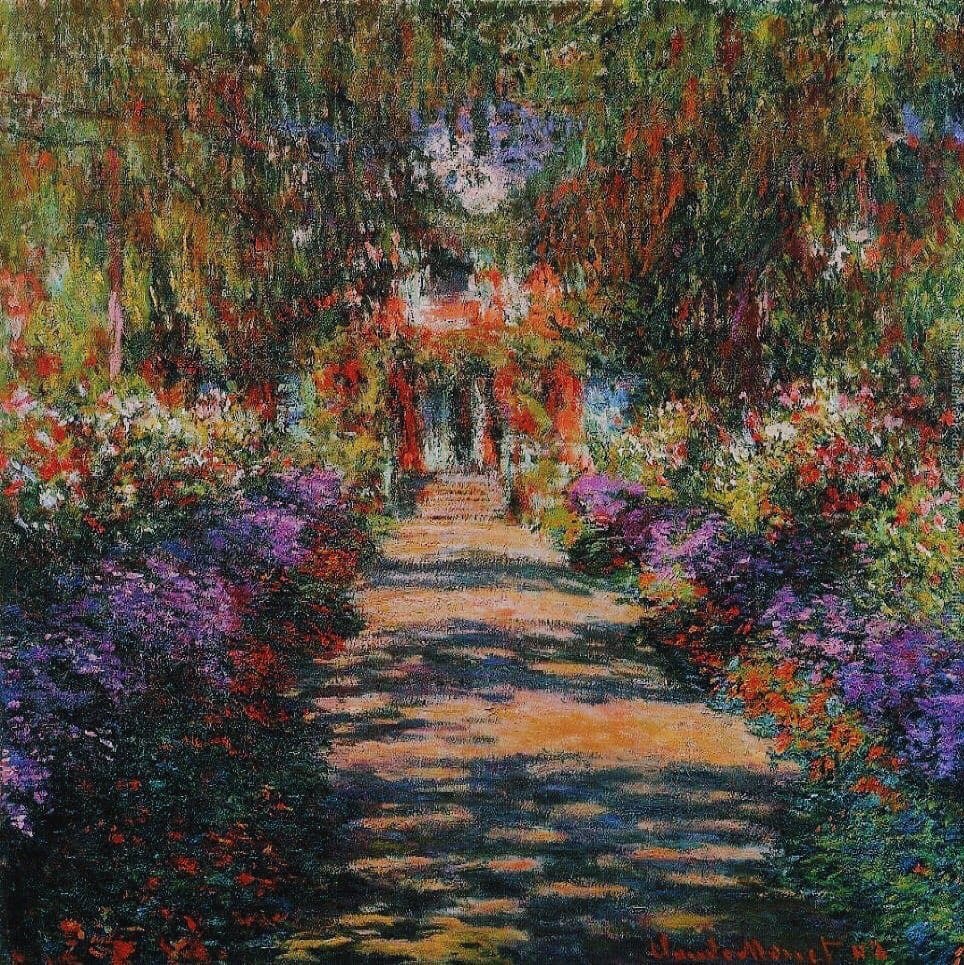
The Garden Path at Giverny
Claude Monet · 1902
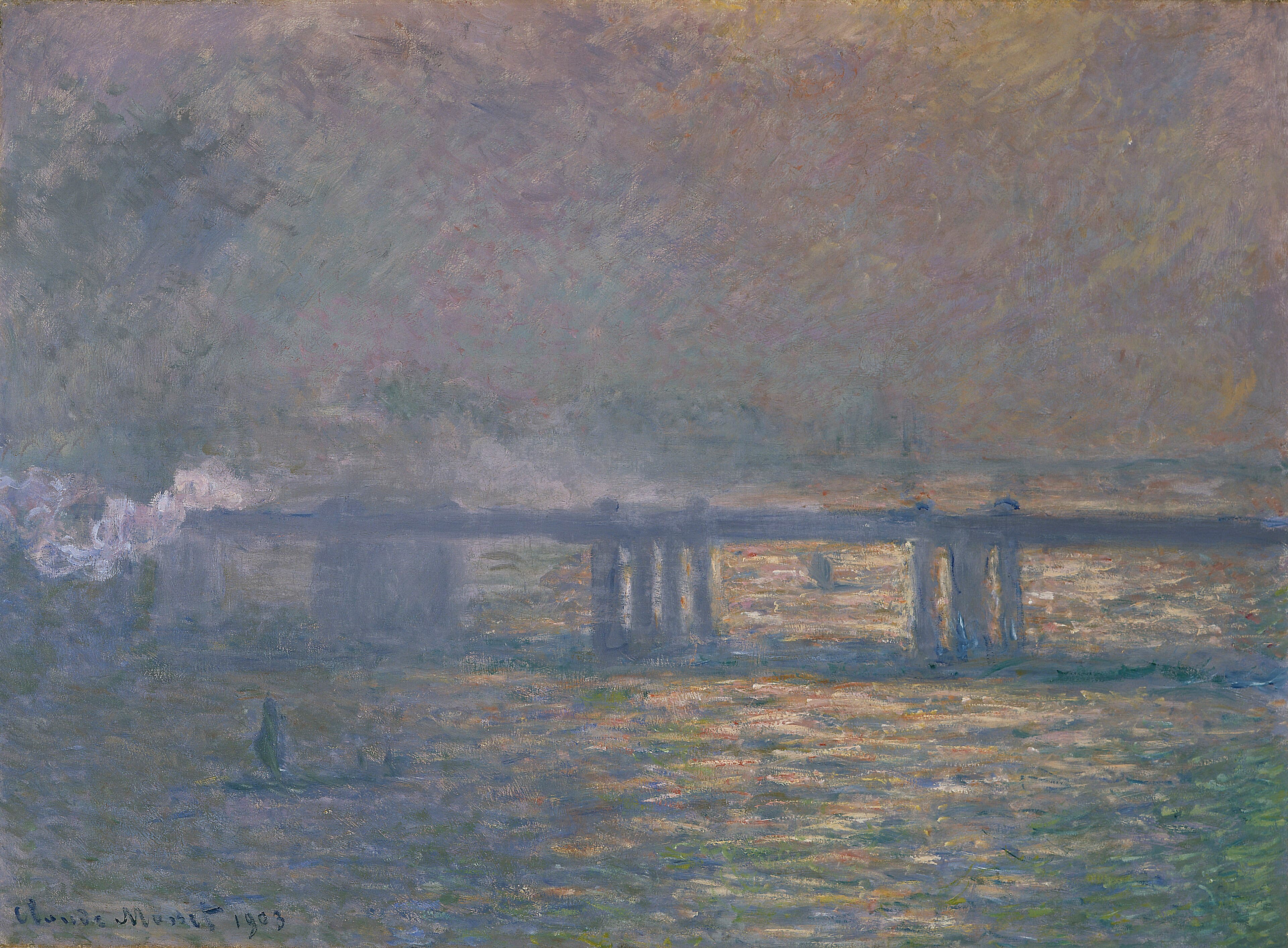
Charing Cross Bridge (Saint Louis)
Claude Monet · 1903
Also painted in 1902
The same year
Kindred works
You may also study
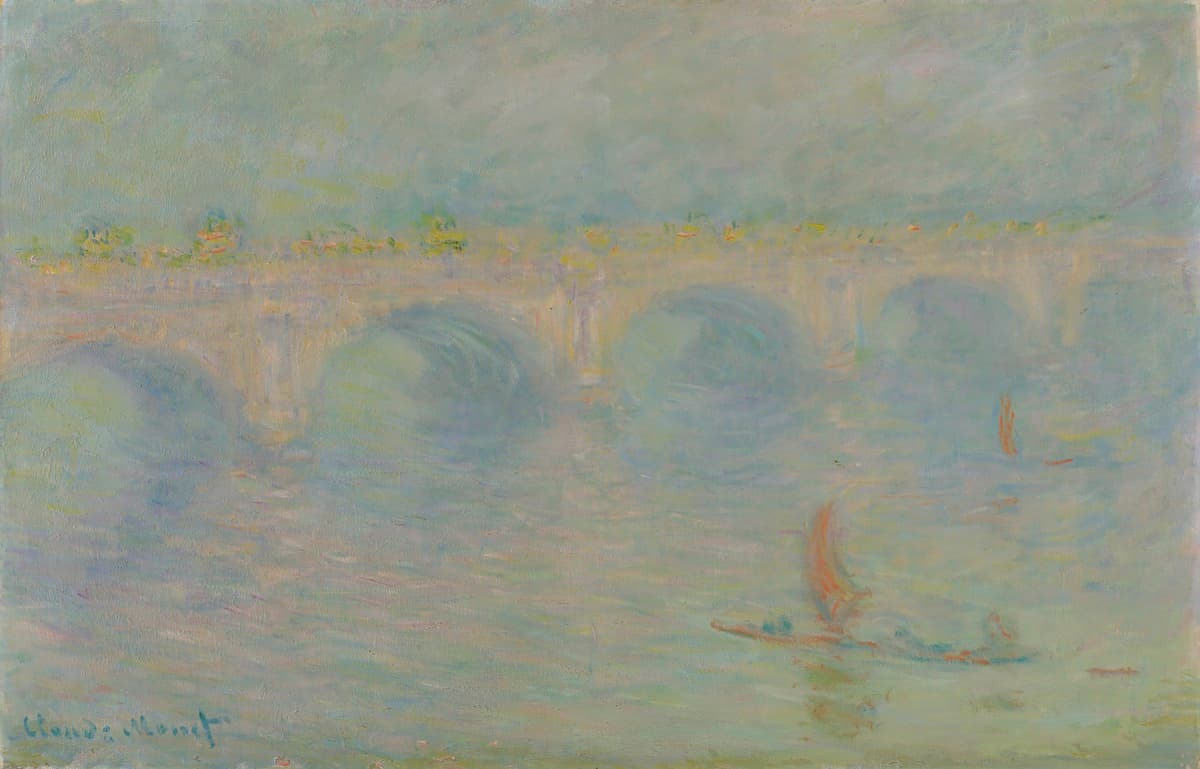
Waterloo Bridge, London, Sun Effect
Claude Monet · 1899–1901
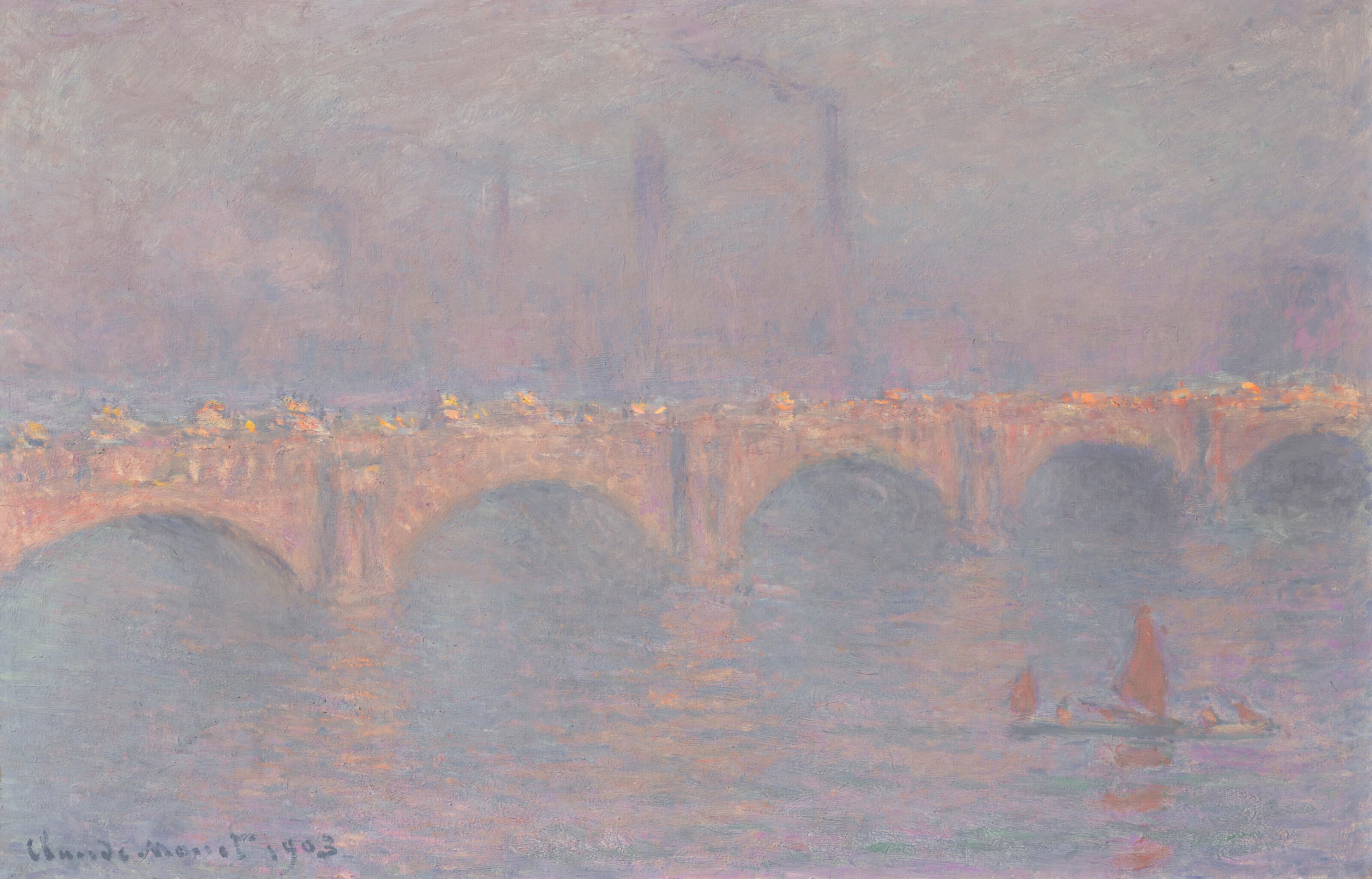
Waterloo Bridge, Hazy Sun
Claude Monet · 1903
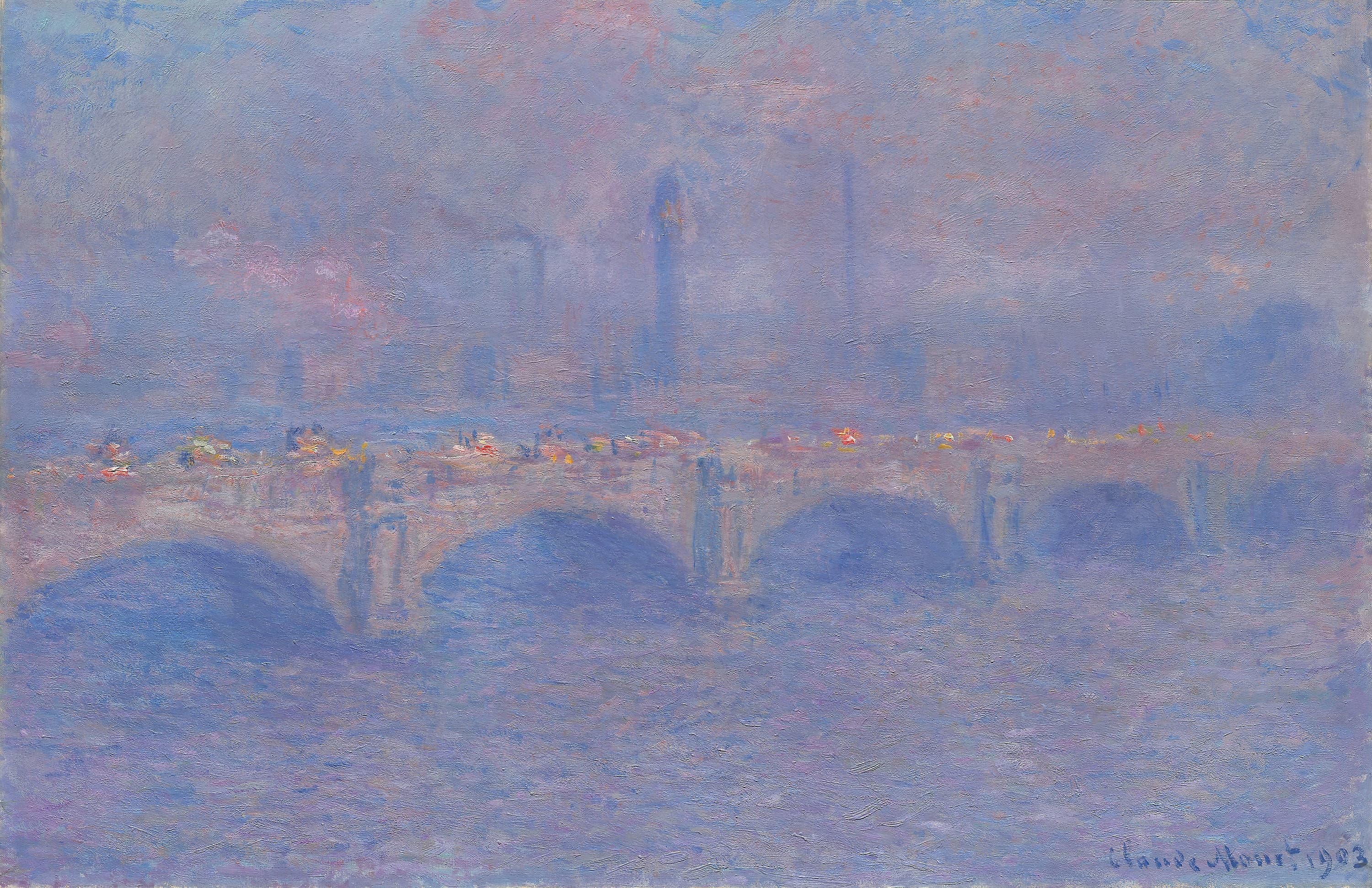
Waterloo Bridge, Sunlight Effect
Claude Monet · 1903
Water Lilies (1916, Tokyo)
Claude Monet · 1916
Le Parlement, coucher de soleil
Claude Monet · 1904
Waterloo Bridge (Kerry Stokes Collection)
Claude Monet · 1899–1901
Le Grand Canal et Santa Maria della Salute
Claude Monet · 1908
Waterloo Bridge, effet de brume
Claude Monet · 1904